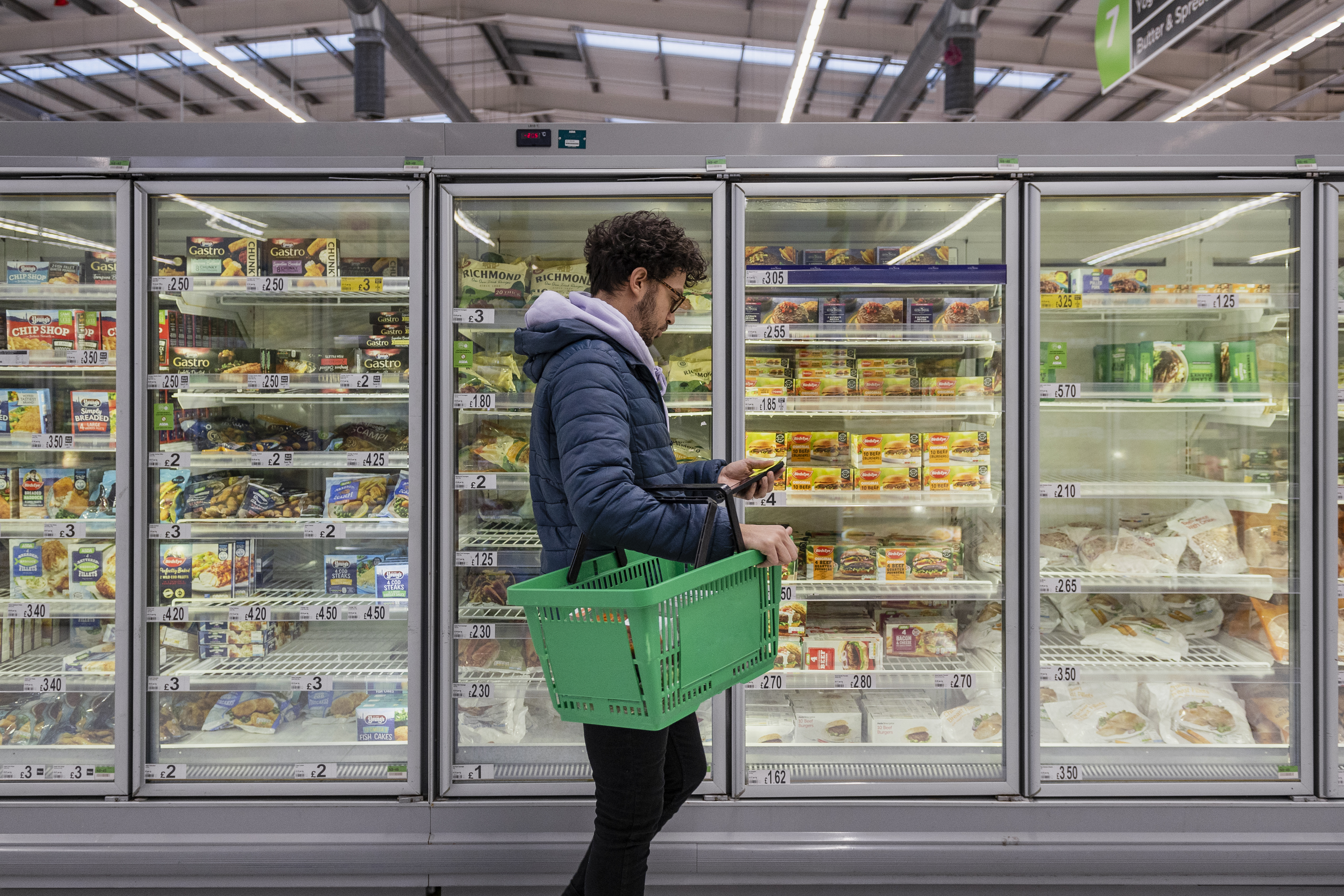
Conagra Brands, a name once resonant with the bounty of American tables, now presents a case study in the slow erosion of value. The current share price, hovering below twenty dollars, might tempt the unwary, a fleeting mirage of affordability. But a closer inspection reveals a company burdened by the weight of its own history, a history increasingly divorced from the currents of contemporary demand. Let us not mistake a dwindling resource for a bargain.
The Stale Bread of Familiarity
A century has passed since Conagra first took root in the American landscape, its brands—Marie Callender’s, Healthy Choice, Duncan Hines—becoming fixtures in pantries and freezers. Yet, this longevity, once a source of strength, now feels like a form of institutional ossification. Over the past five years, the stock has surrendered nearly half its value, a silent testament to a misalignment with evolving consumer preferences. A modest uptick this year offers scant reassurance, merely a temporary reprieve from a deeper, more fundamental malaise.
The dividend, currently yielding 7.36%, appears generous on the surface. But this is a yield born not of robust growth, but of a contracting base. A scrutiny of free cash flow reveals a disquieting trend: a projected decline of substantial proportions in 2026, with the first half of the fiscal year already registering a decrease of $313 million. The company has yet to announce a dividend reduction, but to believe this will not be necessary is to engage in a dangerous form of self-deception. The arithmetic is unforgiving.
The pressures are manifold. A citizenry increasingly wary of processed foods, seeking sustenance closer to its origins, has turned its back on the very products Conagra once reliably provided. The second-quarter 2026 earnings report—a 6.8% decline in net sales, an operating margin plummeting to -20.1%—reads not as a temporary setback, but as a harbinger of deeper troubles. It is a ledger of diminishing returns, a chronicle of disconnect.
A Glimmer of Optimism, or a Polished Facade?
The company’s Chief Executive, Sean Connolly, speaks of navigating a “challenging consumer environment” while noting “continued underlying momentum.” Such pronouncements, while not entirely without merit, must be viewed with a degree of skepticism. They are the carefully crafted narratives of those entrusted with maintaining the appearance of stability, even as the foundations shift beneath their feet. Inflation, tariffs, operational inefficiencies—these are acknowledged, but presented as obstacles to be overcome, rather than symptoms of a deeper systemic failure.
Mr. Connolly reaffirms the company’s guidance for 2026 and speaks of a return to organic net sales growth. Analysts, however, remain cautious, collectively assigning the stock a “hold” rating, with an average price target of $19.11. The current market price, hovering just below this level, offers little cause for enthusiasm. The announcement of a $220 million investment in a chicken production plant in Arkansas—a five-year undertaking promising a mere 100 new jobs—feels less like a bold strategic move and more like a desperate attempt to demonstrate continued vitality.
A Pause for Reflection
While the company’s leadership projects an air of cautious optimism, I hesitate to recommend a purchase at this juncture. Should Conagra deliver on its stated guidance for the year, a reassessment may be warranted. But the macroeconomic headwinds—inflation, tariffs—pale in comparison to the fundamental shift in consumer sentiment. For years, a growing segment of the population has turned away from processed foods, seeking nourishment in fresh, wholesome ingredients. Conagra must realign its brands with this evolving narrative, or risk becoming a relic of a bygone era.
For now, a posture of patient observation is the most prudent course. This is not a stock to be embraced with haste, but rather one to be studied, analyzed, and approached with a healthy dose of skepticism. It is a case study in the challenges facing established consumer packaged goods companies in an age of rapidly changing tastes and priorities—a testament to the impermanence of even the most familiar brands.
Read More
- Building 3D Worlds from Words: Is Reinforcement Learning the Key?
- The Best Directors of 2025
- 2025 Crypto Wallets: Secure, Smart, and Surprisingly Simple!
- 20 Best TV Shows Featuring All-White Casts You Should See
- Mel Gibson, 69, and Rosalind Ross, 35, Call It Quits After Nearly a Decade: “It’s Sad To End This Chapter in our Lives”
- Umamusume: Gold Ship build guide
- Gold Rate Forecast
- TV Shows Where Asian Representation Felt Like Stereotype Checklists
- How to Do Sculptor Without a Future in KCD2 – Get 3 Sculptor’s Things
- Most Famous Richards in the World
2026-03-12 22:54