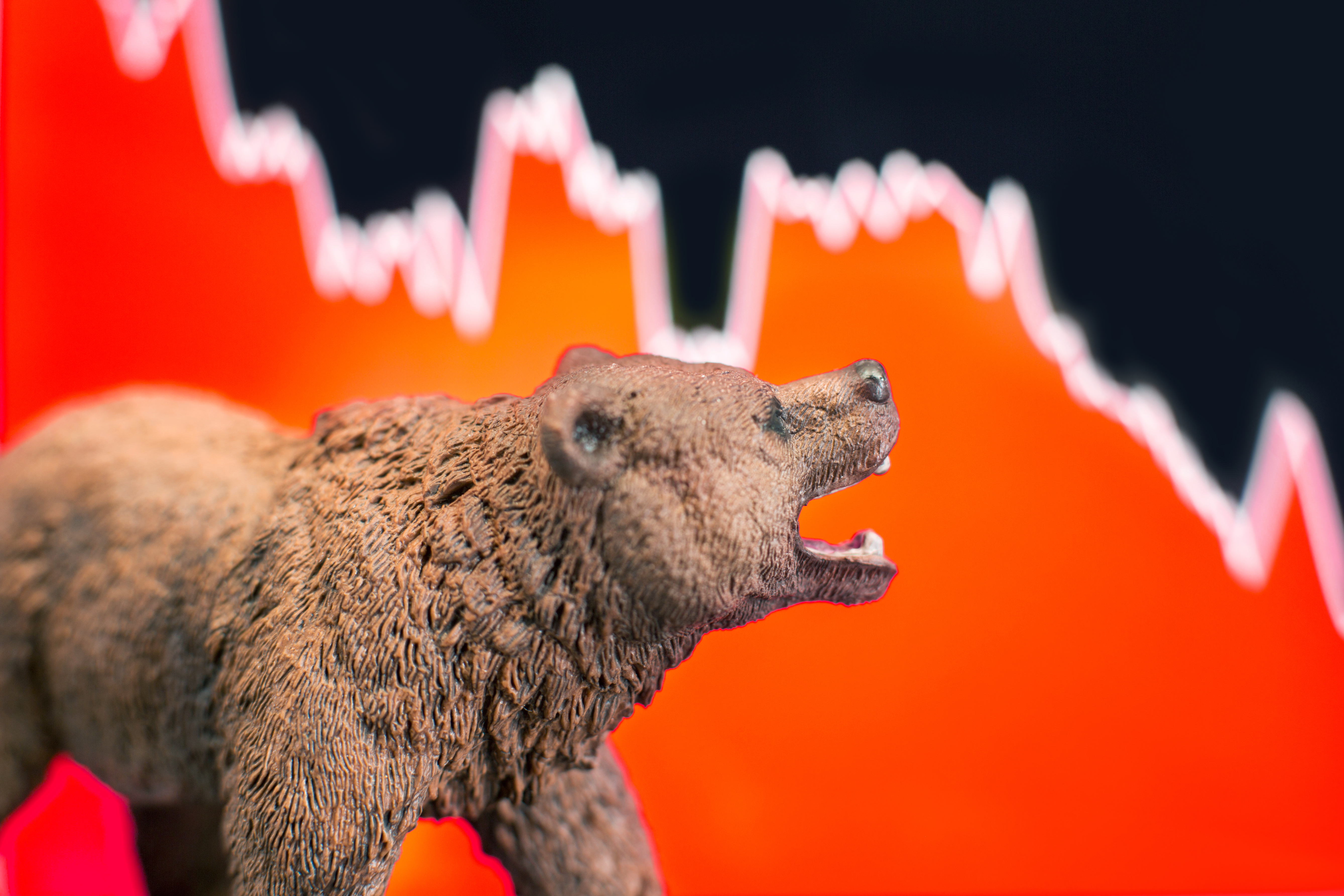
The anxieties of the investing public are, as ever, exquisitely timed. A froth of artificial intelligence, coupled with a distinct lack of robust employment, has set the stage for a predictable tremor of fear. And now, with the distant drums of geopolitical discord, the chorus of worry swells. One might almost suspect a deliberate orchestration of panic – though, of course, the market has a flair for the dramatic all on its own.
To claim foresight in these matters would be the height of impertinence. Economists, bless their earnest hearts, are rarely prophets, and their pronouncements should be taken with a grain of salt – preferably a very expensive one. Whether a crash descends, or merely a prolonged period of tiresome stagnation, remains delightfully uncertain.
However, regardless of the impending spectacle, there exists a single, crucial manoeuvre every discerning investor should undertake. It is not about predicting the storm, but ensuring one’s vessel is impeccably built.
The Architecture of Resilience
Where one chooses to allocate capital is, naturally, the most significant determinant of portfolio performance during periods of… adjustment. In times of prosperity, shallowness is often mistaken for strength. Even the most structurally unsound enterprises can briefly soar, buoyed by the collective enthusiasm of the herd. This is particularly true of those industries currently bathed in the intoxicating light of hype. Investors, alas, often mistake novelty for value.
A company, like a reputation, can change. A once-impregnable fortress can crumble under new, inept leadership, or find itself besieged by the shifting tides of industry. Dominance is a fleeting illusion, and yesterday’s titan can swiftly become tomorrow’s cautionary tale. To believe otherwise is to misunderstand the very nature of progress – and, indeed, of ruin.
Weakness, you see, is always exposed by adversity. Recessions are merely the ultimate stress test, revealing which foundations are built on substance and which on mere speculation. The flimsy will invariably fall.
Safeguarding One’s Patrimony
The most effective defence against market volatility is, quite simply, to invest exclusively in enterprises of demonstrable quality. This is not a radical notion, merely a statement of the obvious – though the obvious is so often overlooked in the pursuit of quick gains.
Several indicators merit consideration, though one must resist the temptation to reduce investment to a mere exercise in accounting. Nevertheless, a discerning eye should seek:
- Financial Integrity: A thorough examination of a company’s balance sheet provides a revealing glimpse into its underlying health. Metrics such as the price-to-earnings ratio and the price/earnings-to-growth ratio offer insights into value and potential, while the debt-to-EBITDA ratio serves as a useful, if imperfect, gauge of risk.
- Competitive Distinction: Some companies possess an inherent advantage, whether through superior products, lower prices, or impeccable service. A strong competitive position is, naturally, a powerful shield against economic headwinds.
- Industry Viability: Times change, and entire industries can fall into obsolescence. Even a fundamentally sound enterprise will struggle to thrive within a dying sector. To cling to the past is rarely a profitable strategy.
- Competent Stewardship: The decisions of an executive team during critical moments can make or break a company’s fortunes. A strong enterprise, hampered by weak leadership, is akin to a magnificent ship with an incompetent captain.
A portfolio constructed from such resilient foundations is likely to weather even the most turbulent storms. The market, after all, is a fickle mistress. But with prudence and a touch of aesthetic sensibility, one can navigate its complexities and emerge, if not unscathed, at least with one’s dignity – and a reasonable return – intact.
Read More
- Building 3D Worlds from Words: Is Reinforcement Learning the Key?
- The Best Directors of 2025
- Gold Rate Forecast
- 2025 Crypto Wallets: Secure, Smart, and Surprisingly Simple!
- Mel Gibson, 69, and Rosalind Ross, 35, Call It Quits After Nearly a Decade: “It’s Sad To End This Chapter in our Lives”
- 20 Best TV Shows Featuring All-White Casts You Should See
- Umamusume: Gold Ship build guide
- Top 20 Educational Video Games
- Celebs Who Married for Green Cards and Divorced Fast
- Walmart: A Stillness in the Shifting Sands
2026-03-12 19:03