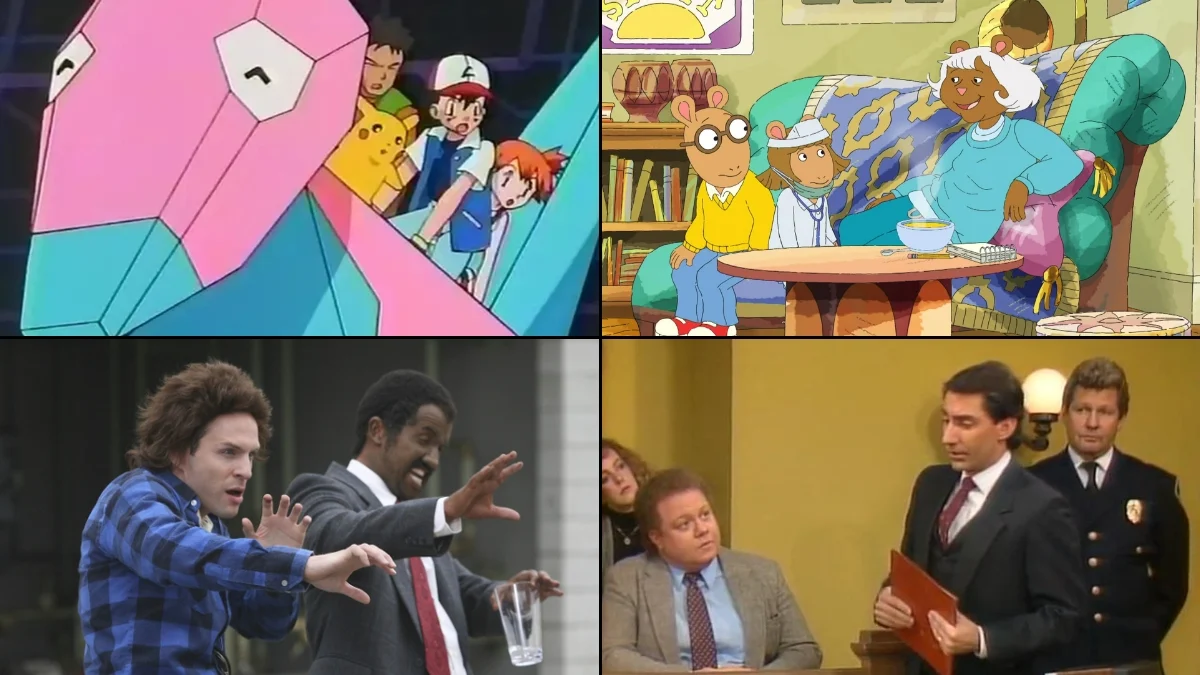
Throughout the history of television, creators have often tested the limits of what viewers and networks would allow. Some episodes that sparked controversy were shown with warnings, but others were removed from broadcast, streaming platforms, or even banned in certain countries. These choices usually reflect changing social norms, worries about extreme violence, or depictions considered offensive or harmful. Examining these bans – which have happened across all kinds of shows, from cartoons to popular comedies – offers a compelling insight into how media censorship and public sensitivities have changed over time.
’30 Rock’ (2006–2013) – “Believe in the Stars”

Okay, so this episode of 30 Rock was… something else. The premise was a really misguided social experiment where Jenna and Tracy swapped races – Jenna went as a Black man, and Tracy as a white woman – to see who had it tougher. Honestly, it didn’t land well, and it’s easy to see why. It was pulled from streaming and reruns back in 2020, and Tina Fey herself asked for it to be removed. She’s since said she regrets the episode, explaining they were trying to make a point about performative identity, but it just ended up being deeply offensive. It’s a tough watch, and a reminder that even with good intentions, satire can really miss the mark.
‘Arthur’ (1996–2022) – “The Great MacGrady”
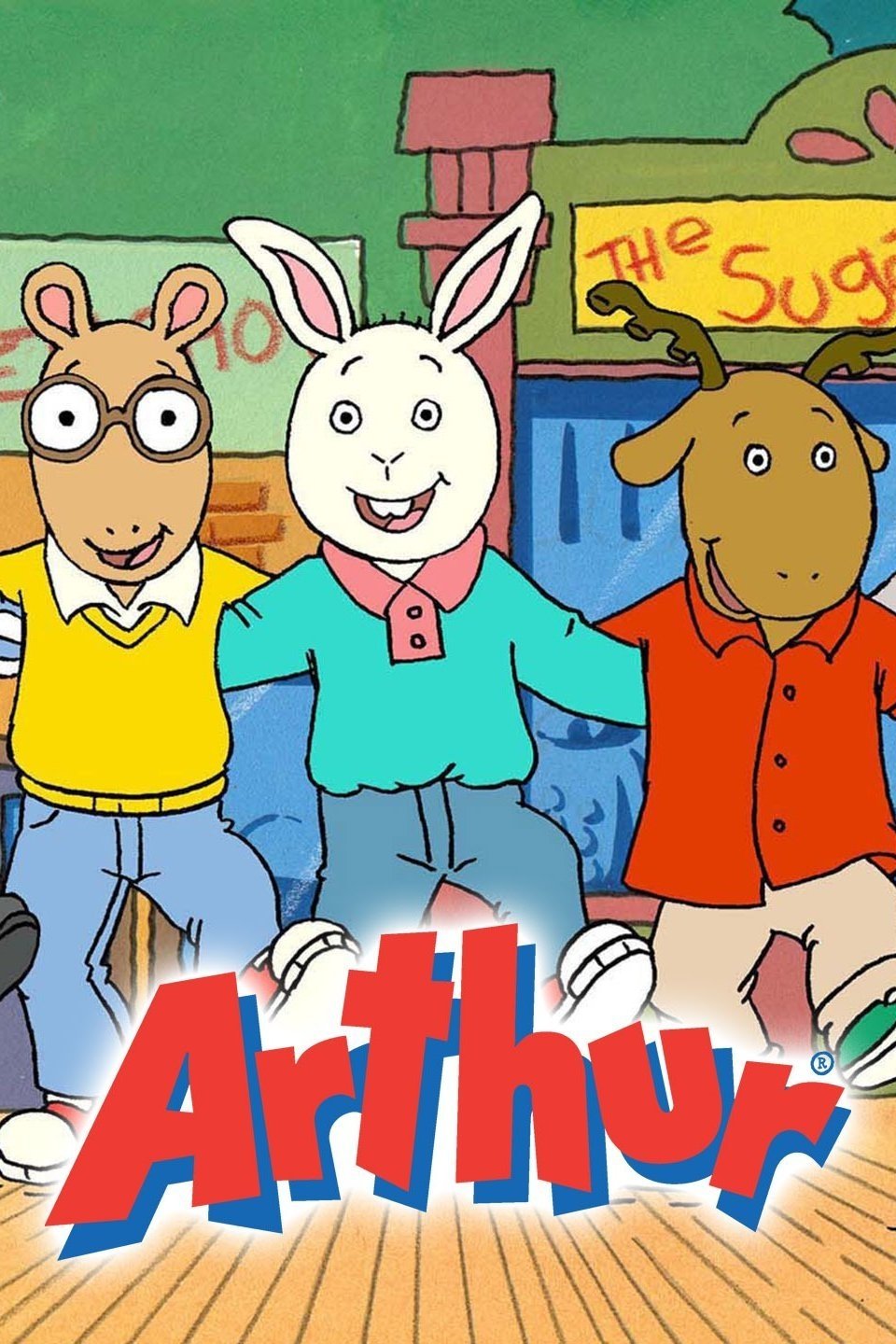
This episode originally included cyclist Lance Armstrong offering support to a character battling cancer. After Armstrong was exposed for doping and lost his Tour de France titles, the episode was taken off the air and removed from online platforms. To still share the episode’s important message about dealing with illness, producers redid the animation, replacing Armstrong with the character Uncle Herb. This allowed the episode to be shown again.
‘Beavis and Butt-Head’ (1993–1997) – “Comedians”
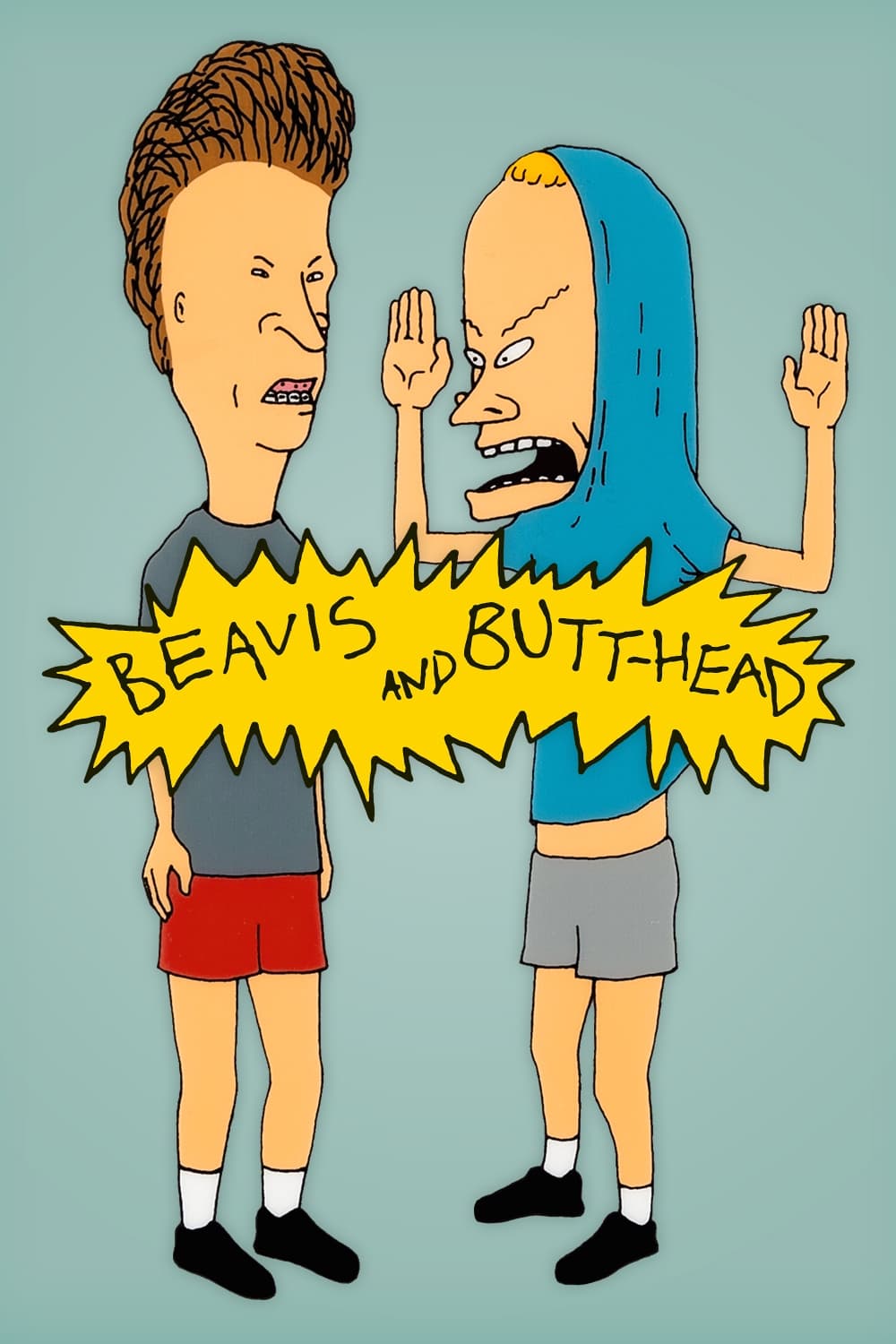
In one of the show’s first episodes, the main characters try stand-up comedy, but accidentally burn down a comedy club. Sadly, after the episode aired, a fire in Ohio was linked to a child copying their actions, resulting in a death. As a result, MTV moved the show to a later timeslot and removed all mentions of fire from future episodes. The episode, titled “Comedians,” was then rarely shown again and wasn’t included in most DVD releases for many years.
‘Bluey’ (2018–Present) – “Dad Baby”
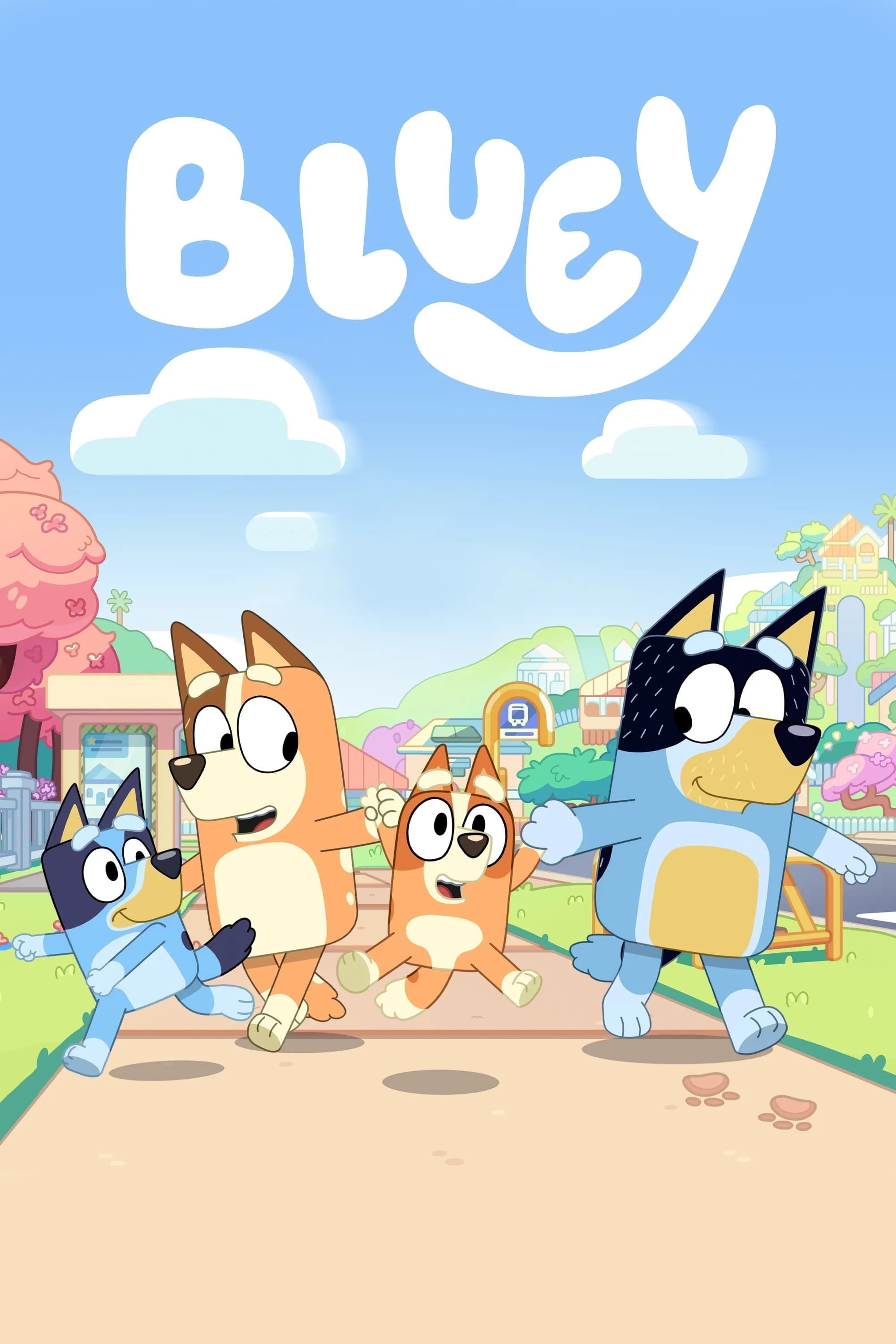
A recent episode of the hit Australian kids’ show featured Bandit pretending to be pregnant and give birth, using a baby carrier and his daughter Bingo. Though the episode was shown without problems in Australia and the UK, Disney+ decided not to stream it worldwide. Reports suggest this was because Disney+ worried the depiction of simulated birth wasn’t suitable for young viewers in the United States. Even as the show became incredibly popular with preschoolers around the globe, the episode remained unavailable on Disney+.
‘Boy Meets World’ (1993–2000) – “If You Can’t Be With the One You Love”
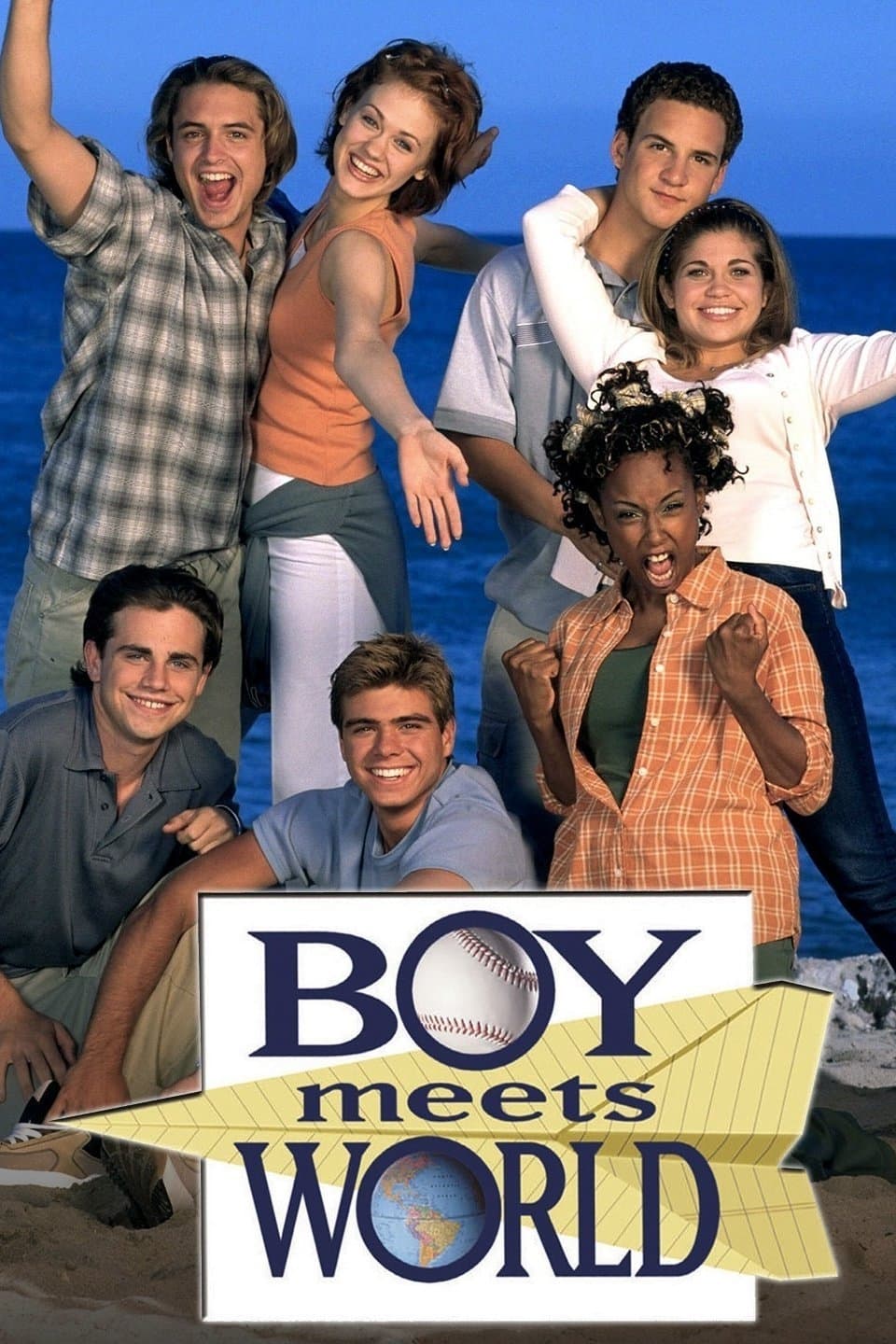
This episode of season five explores Cory and Shawn trying alcohol at a party, and Shawn briefly becomes reliant on it. When the show began airing on the Disney Channel in syndication, the network decided to remove this episode – along with two others dealing with mature topics – from its schedule. Disney felt the depiction of teen drinking and its effects was too intense for its younger viewers. As a result, this episode didn’t air on the channel for several years, while other episodes continued to be shown.
‘Buffy the Vampire Slayer’ (1997–2003) – “Earshot”
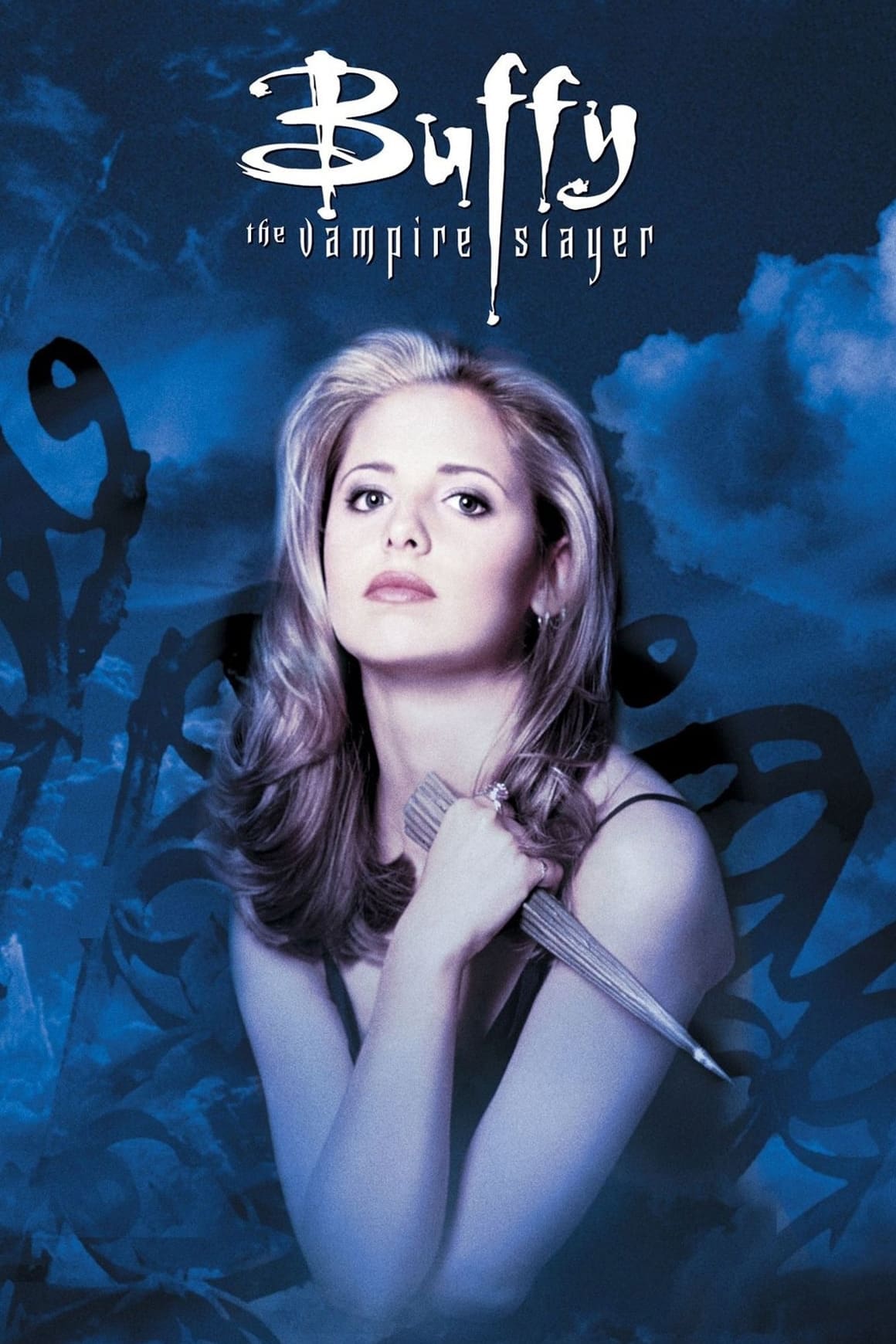
In this episode, Buffy suddenly starts hearing what people are thinking, which leads her to suspect a student is planning a school shooting. The episode was originally meant to air in April 1999, but it was delayed after the tragic shooting at Columbine High School. The network worried the storyline was too upsetting and could be harmful to viewers so soon after the real-life event. It didn’t finally air in the US until several months later, after the season had finished.
‘Community’ (2009–2015) – “Advanced Dungeons & Dragons”
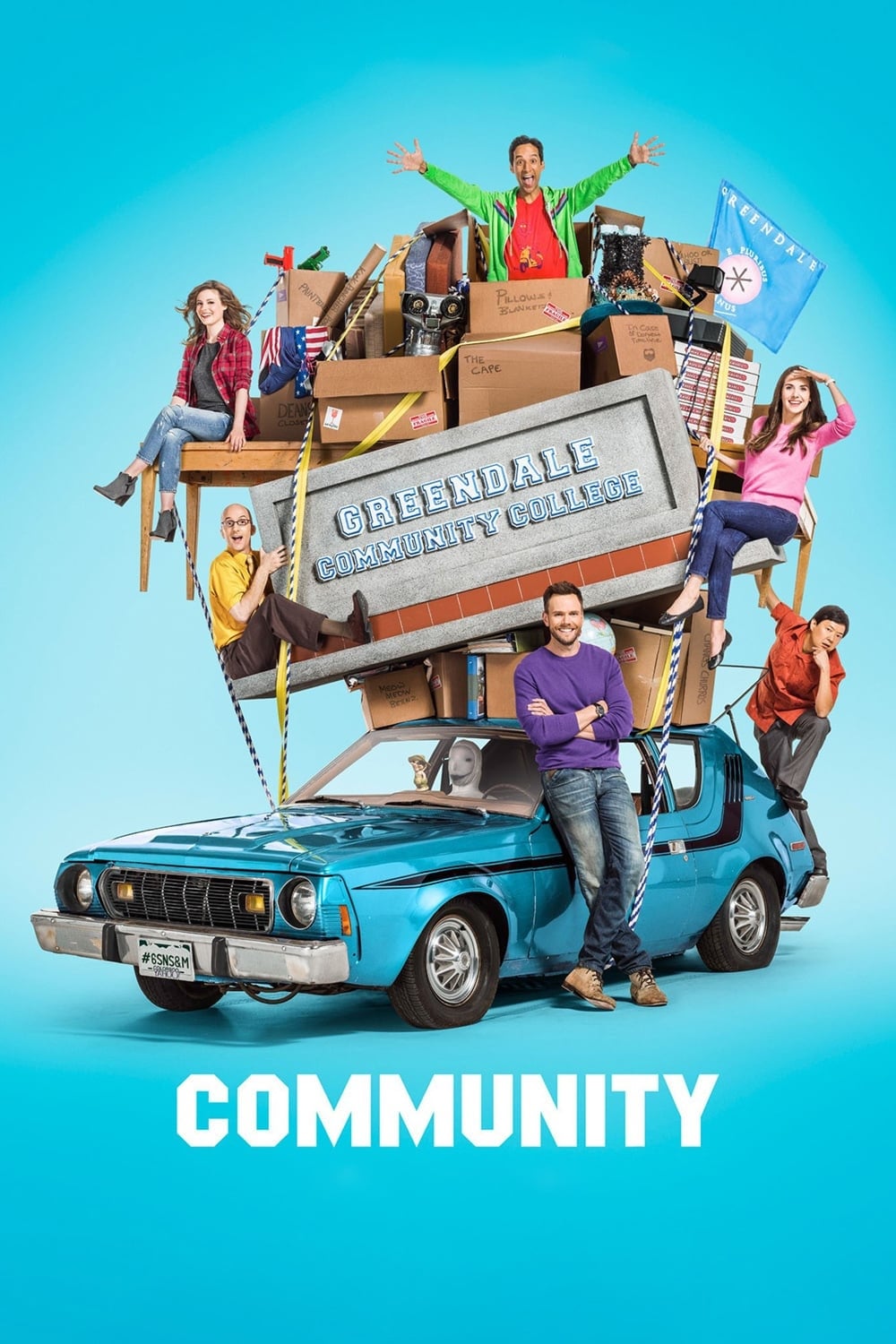
A study group played Dungeons & Dragons to cheer up a classmate, but the episode caused controversy because actor Ken Jeong wore dark makeup and a white wig to play a ‘dark elf.’ Many people saw this as blackface. In 2020, following concerns about similar content, Netflix and Hulu removed the episode. Even though it’s considered a highlight of the series by many, it’s still not available on most streaming services.
‘Cow and Chicken’ (1997–1999) – “Buffalo Gals”
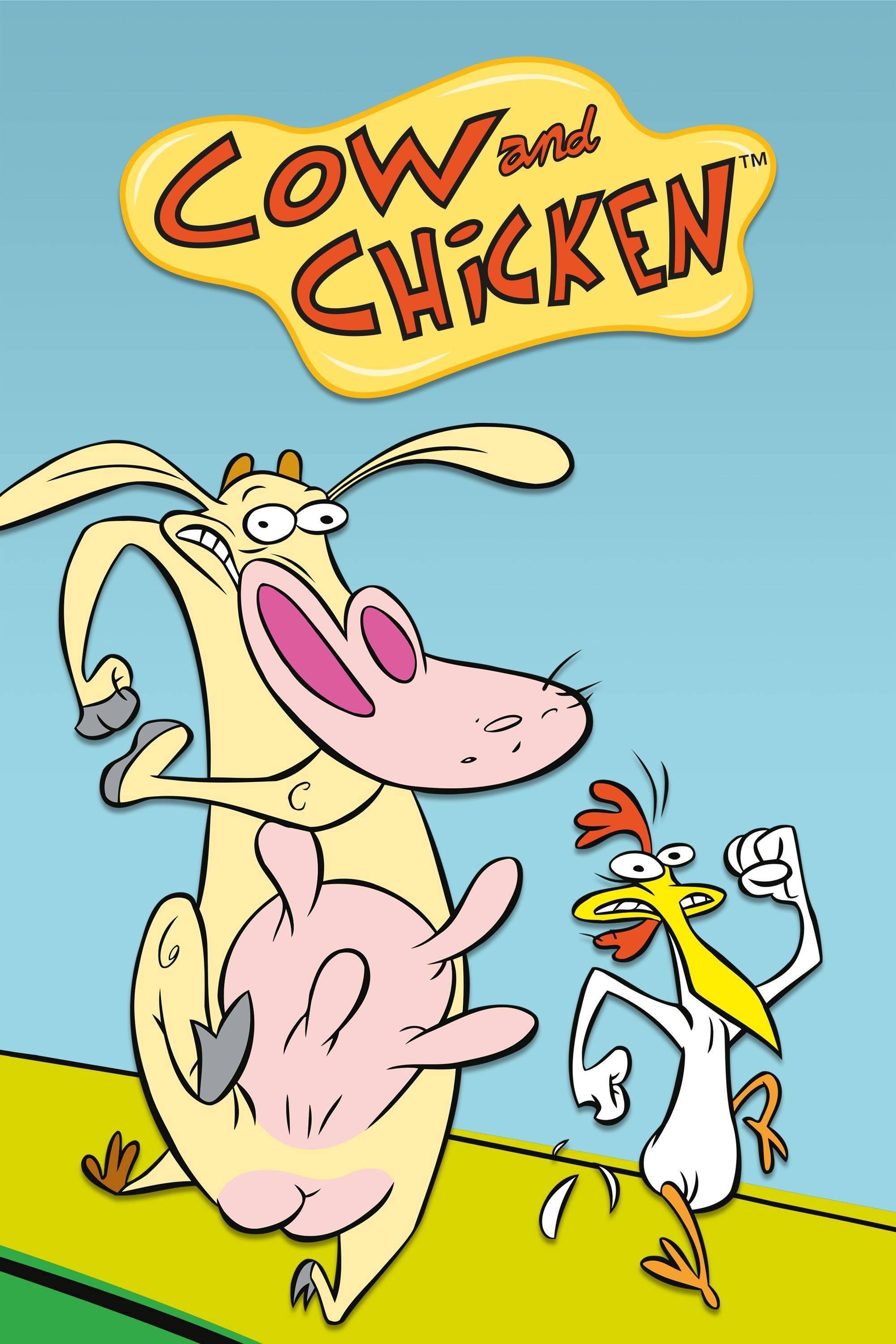
This cartoon episode featured a group of female bikers who committed burglaries, with the phrase ‘chew the carpet’ used as a thinly veiled sexual reference. Critics found the characters and their actions relied too heavily on offensive stereotypes and inappropriate jokes for a children’s show. As a result, Cartoon Network banned the episode after its first airing, replacing it with different content in subsequent broadcasts. It remains one of the rare cases of a 1990s cartoon being permanently removed from circulation due to its sexual themes.
‘Dinosaurs’ (1991–1994) – “A New Leaf”
The Sinclair family finds a strange plant that makes anyone who eats it feel good and calm, which is a clear reference to the effects of marijuana. Robbie eventually realizes the plant is making his family lazy and unconcerned with their problems, and warns them about it. Because of its obvious connection to drugs, the episode wasn’t allowed to air on the Disney Channel when the show was re-run. Network executives felt the content was too mature, even though the show was generally considered a family-friendly comedy.
‘Family Guy’ (1999–Present) – “Partial Terms of Endearment”
This episode from the eighth season of Family Guy features Lois agreeing to be a surrogate mother, but she later decides to have an abortion after her friend passes away. The network, Fox, initially wouldn’t air the episode because of the controversial topic. While it was eventually released on DVD and shown internationally, it’s still one of the few episodes never broadcast on Fox in the US. The show’s creators now view this decision as a mark of pride, highlighting the show’s willingness to tackle difficult subjects with a bold and unconventional approach.
‘Family Guy’ (1999–Present) – “When You Wish Upon a Weinstein”
The episode centers around Peter Griffin hiring a Jewish financial advisor, based on the stereotype that Jewish people are good with money. Fox network executives worried the episode could be seen as anti-Semitic, so they didn’t air it during the original third season. It remained unaired for years before finally debuting on Adult Swim and later being included in the show’s DVD releases. Despite the initial controversy, many fans view the episode as a satirical take on stereotypes, not an endorsement of them.
‘Hannibal’ (2013–2015) – “Oeuf”

I was really shocked when I learned about this episode. The storyline was incredibly dark – it involved a woman manipulating children into harming their own families so she could build these twisted, ‘new’ families. After the horrific Sandy Hook shooting, the creator, Bryan Fuller, made the right call and asked NBC not to air it. He felt, and I completely agree, that showing kids committing violence would have been unbelievably insensitive given what had just happened. It’s a tough episode, and while it did come out overseas and online, thankfully it never aired on TV here in the States.
‘It’s Always Sunny in Philadelphia’ (2005–Present) – “Dee Day”
In this episode, Dee Reynolds makes the rest of the group participate in a series of characters she’s created that are racially insensitive. One example is Frank Reynolds wearing dark makeup as part of one of Dee’s characters. Due to the use of blackface and brownface, the episode was removed from Hulu in 2020, and it’s currently not available to stream on the show’s main platform, even though it’s a fairly recent episode.
‘It’s Always Sunny in Philadelphia’ (2005–Present) – “Dee Reynolds: Shaping America’s Youth”
The gang tries their hand at teaching a high school class, which sparks a conversation about the history of blackface in movies. Mac and Dee even film a scene for a fake ‘Lethal Weapon 5’ movie, with Mac appearing in blackface as Roger Murtaugh. This episode was one of the first removed from streaming platforms during a review of comedy shows for offensive content in 2020. The show’s creators have since talked about the challenges of using satire without unintentionally causing harm.
‘It’s Always Sunny in Philadelphia’ (2005–Present) – “The Gang Makes Lethal Weapon 6”
Following a previous plotline, the characters create their own fan-made sequel to the movie ‘Lethal Weapon’. However, the episode included cast members using blackface to play different characters from the film. Similar to other episodes with comparable content, it was removed from streaming services like Hulu in 2020. This decision was part of a larger movement within the television industry to address and remove racially insensitive depictions from its history.
‘Married… with Children’ (1987–1997) – “I’ll See You in Court”

This episode of Married… with Children features Al and Peggy Bundy discovering they were secretly filmed while staying at a motel. The episode was originally pulled from TV schedules after activist Terry Rakolta led a national protest against what she considered inappropriate content. It didn’t air in the US for over ten years, finally debuting on FX in 2002. By then, the scenes that caused controversy were seen as fairly tame compared to other sitcoms at the time.
‘Mister Rogers’ Neighborhood’ (1968–2001) – “Conflict”
This five-part story from 1983 explored the scary idea of war and bombs in the land of Make-Believe. King Friday becomes worried that a nearby kingdom is making weapons, causing widespread fear and a lot of military preparation. Although meant to help kids understand the anxieties of the Cold War, the episodes were later removed from regular broadcasts because they were considered too frightening and dealt with complex topics for such young viewers.
‘Peppa Pig’ (2004–Present) – “Mister Skinnylegs”
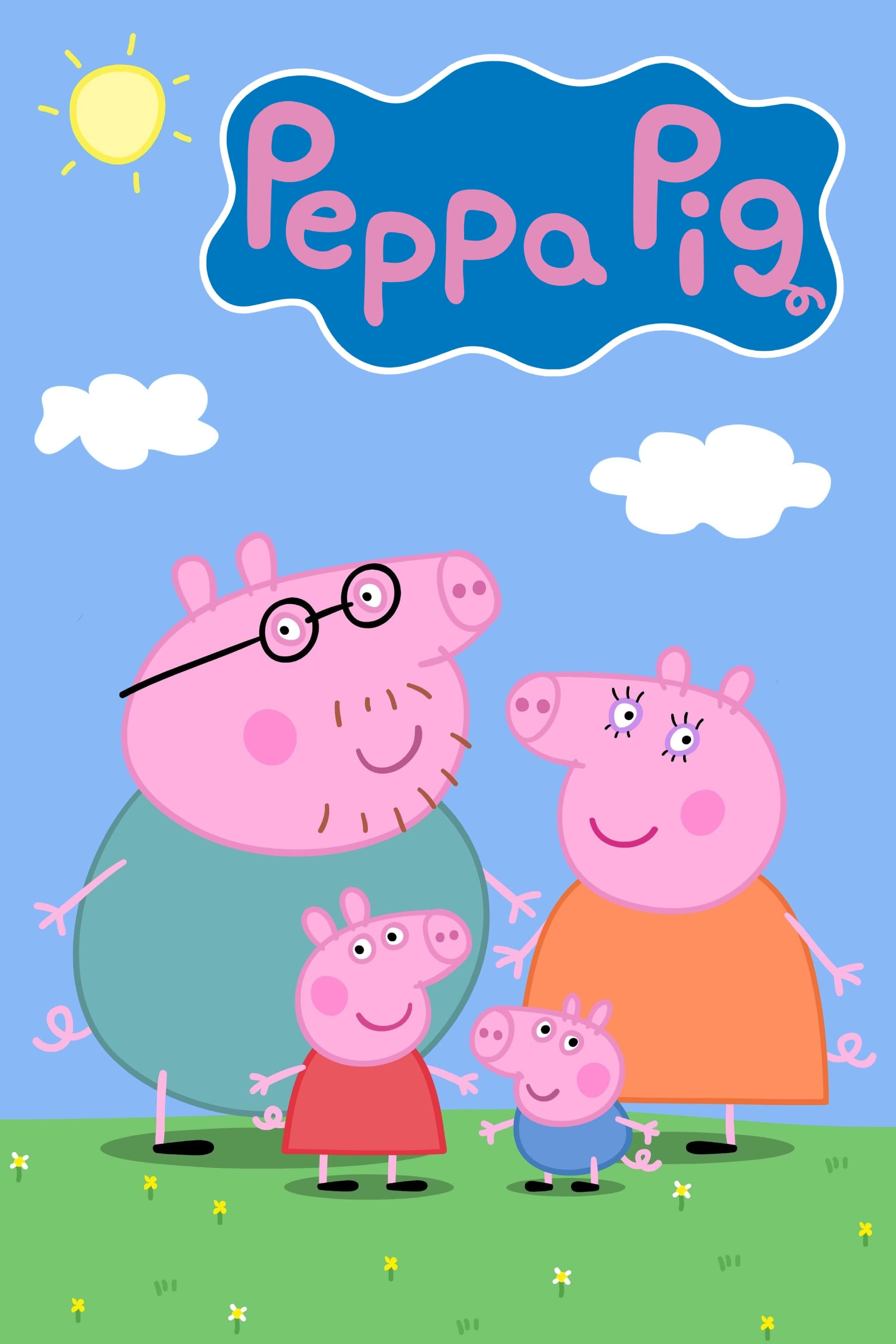
This Peppa Pig episode shows Peppa and her brother George making friends with a spider, teaching viewers that spiders are tiny and can’t cause harm. However, the Australian Broadcasting Corporation (ABC) banned the episode in Australia. Many spiders there are poisonous and dangerous, so the ABC worried that showing children playing with a spider could be unsafe. They felt it sent the wrong message to kids in a place where spider bites can be truly harmful.
‘Pokémon’ (1997–Present) – “Beauty and the Beach”
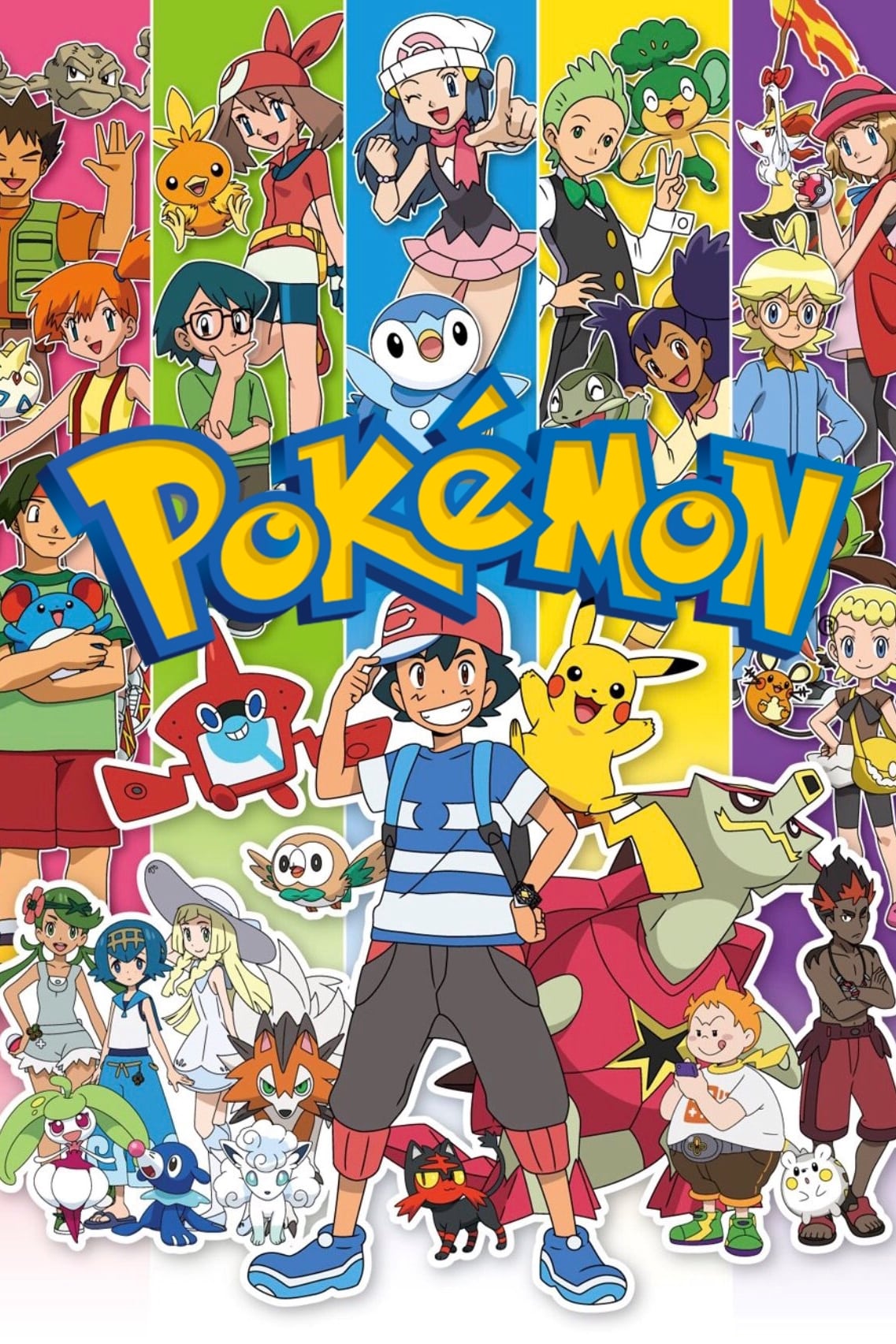
This Pokémon episode includes a scene where Jessie from Team Rocket wears a special costume to appear as if she has a large chest. While meant to be funny in Japan, American television executives considered it unsuitable for children. As a result, the episode wasn’t originally shown during the English dub’s first broadcast. A much-edited version eventually aired on Kids’ WB, but the original, unaltered footage is still prohibited and isn’t included in official releases in Western countries.
‘Pokémon’ (1997–Present) – “Dennō Senshi Porygon”
The Pokémon episode nicknamed “Electric Soldier Porygon” is well-known for a serious incident in Japan. A sequence with quickly flashing red and blue lights caused hundreds of children to experience seizures, headaches, and nausea. This event, called the “Pokémon Shock,” resulted in the episode being banned from television worldwide. It has never been aired again, and it led to new, stricter safety rules for animated content to prevent similar issues with flashing lights.
‘Pokémon’ (1997–Present) – “The Legend of Dratini”
Okay, let me tell you about a really strange situation with an old Pokémon episode. This one featured a safari zone warden who, quite shockingly, kept pulling out a gun and threatening Ash and his friends. It was surprisingly realistic, and US censors felt it was way too intense for the show’s young audience, so they completely banned it from the English dub. This created a huge plot hole for Western fans! The biggest issue? Ash somehow manages to catch thirty Tauros in this episode, but it just appears out of nowhere in later storylines. It’s really confusing for viewers to suddenly see him with all these Pokémon he never actually caught on screen in the dubbed version.
‘Seinfeld’ (1989–1998) – “The Puerto Rican Day”
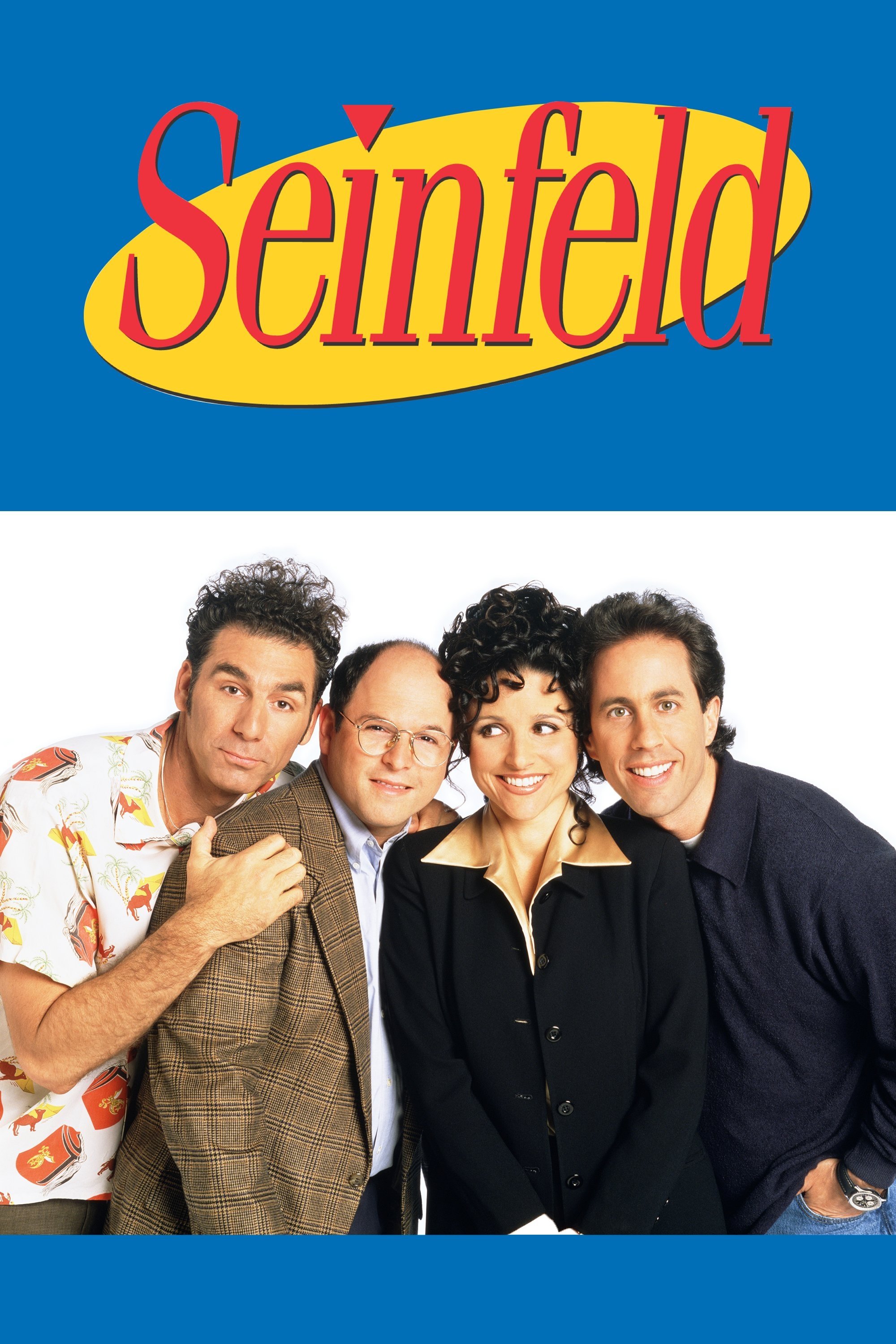
The story centers around the characters being caught in traffic during New York City’s Puerto Rican Day Parade. A major problem arises when Kramer unintentionally sets a Puerto Rican flag on fire and then steps on it to extinguish the flames. This caused significant outrage, leading to a formal protest from the National Puerto Rican Coalition and an apology from NBC. As a result, the episode wasn’t shown on reruns for several years, and when it eventually returned, it had been slightly altered.
‘Sesame Street’ (1969–Present) – “Snuffy’s Parents Get a Divorce”
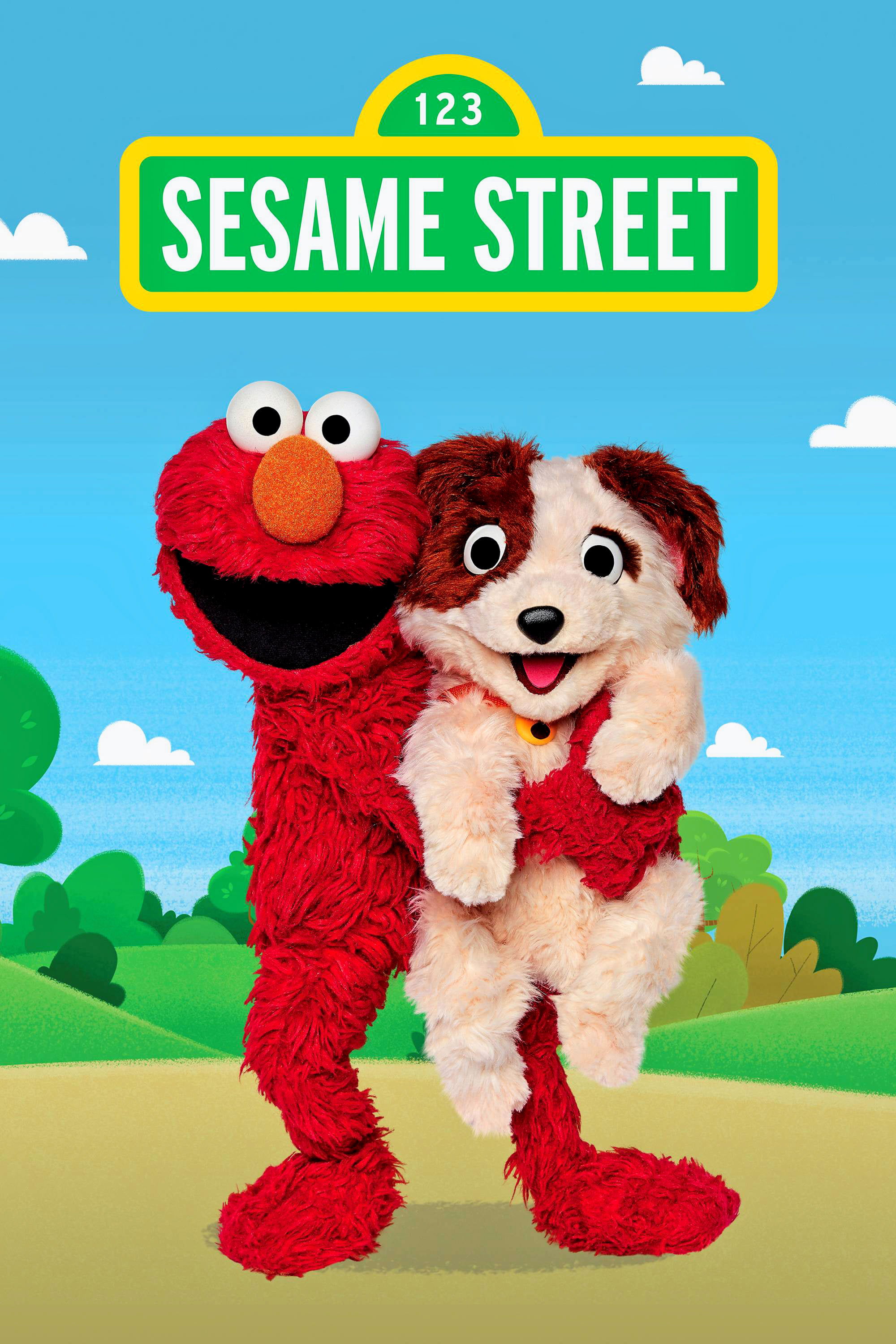
This ‘Sesame Street’ episode, made in 1992, aimed to explain divorce to children using the character of Mr. Snuffleupagus. But when shown to test groups, many children became very upset by the idea of Snuffy’s parents separating. Some worried their own parents might split up, or that Snuffy was being left behind. Because it caused distress and didn’t effectively teach the lesson it intended, the show’s creators decided not to broadcast the episode.
‘South Park’ (1997–Present) – “200”
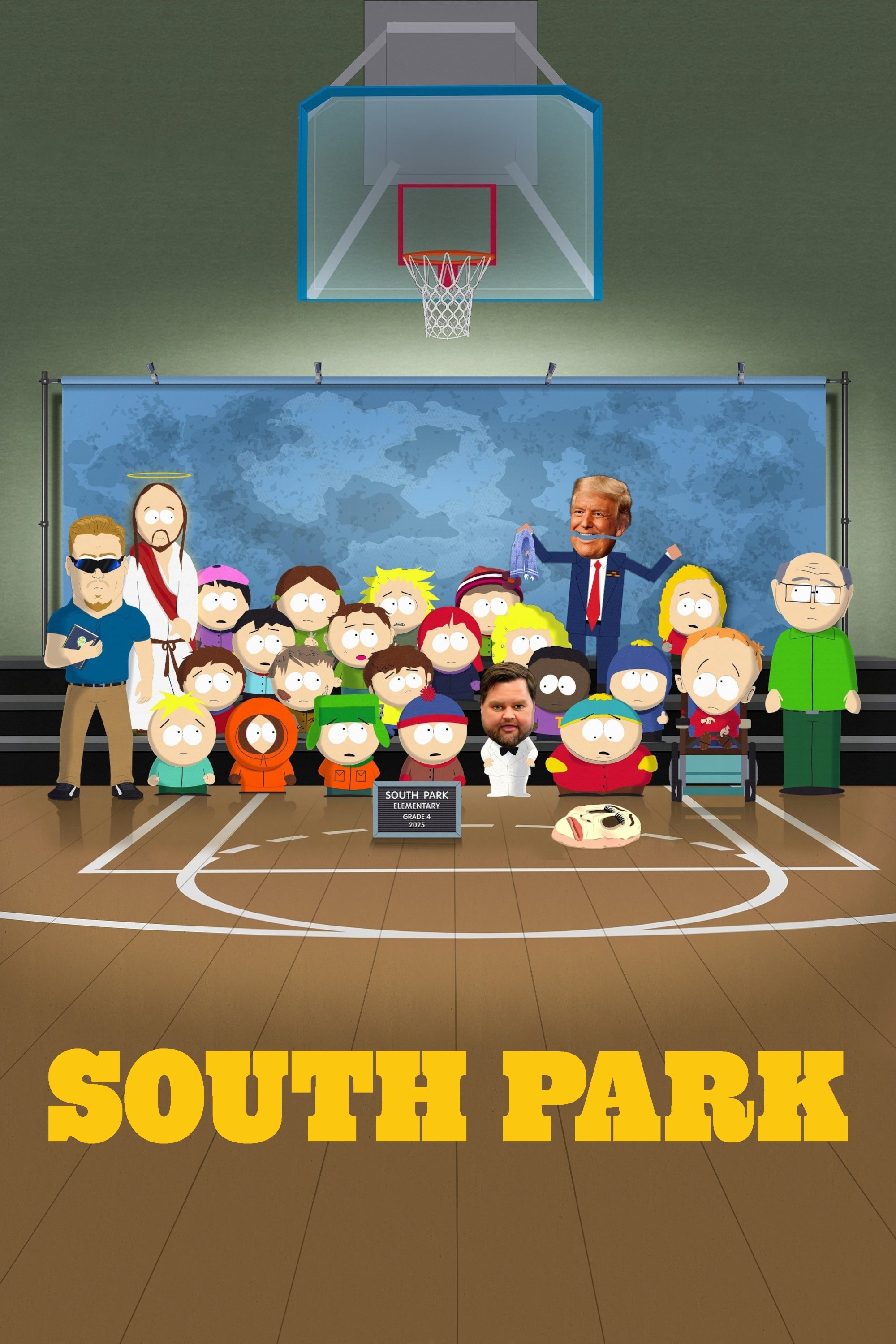
I was such a fan of this show, and when they reached their 200th episode, it was… something else. They brought back so many of the famous people and characters they’d playfully made fun of over the seasons. The storyline was wild – basically, a bunch of celebrities wanted to meet the Prophet Muhammad and steal this magical substance, called ‘goo,’ that was supposed to make them immune to being mocked! But because of religious rules about depicting the Prophet, the episode caused a huge uproar and threats from extremist groups. It was heavily edited when it first aired, and eventually, it was completely removed from streaming services and they stopped showing it on TV altogether. It was a really bold move, but it definitely came with consequences.
‘South Park’ (1997–Present) – “201”
The previous episode, “201”, ended with a climactic battle involving a giant robot resembling Barbra Streisand and a group of red-haired separatists. When it aired, the network censored all mentions of the Prophet Muhammad, including his final speech. Following death threats aimed at the show’s creators, Trey Parker and Matt Stone, Comedy Central pulled the episode from all platforms. Like the episode before it, “201” is still not available to watch on streaming services such as Max or the official ‘South Park’ website.
‘South Park’ (1997–Present) – “Super Best Friends”
This initial installment of the series brought together religious leaders – Jesus, Buddha, and Muhammad – as a team of superheroes. Although it originally aired in 2001 without issue, it was removed from reruns and streaming services almost ten years later due to the problems caused by episodes “200” and “201.” The creators had previously shown Muhammad in this episode without any complaints, but changing political conditions and increased security worries ultimately led the network to remove it from circulation.
‘SpongeBob SquarePants’ (1999–Present) – “Kwarantined Krab”
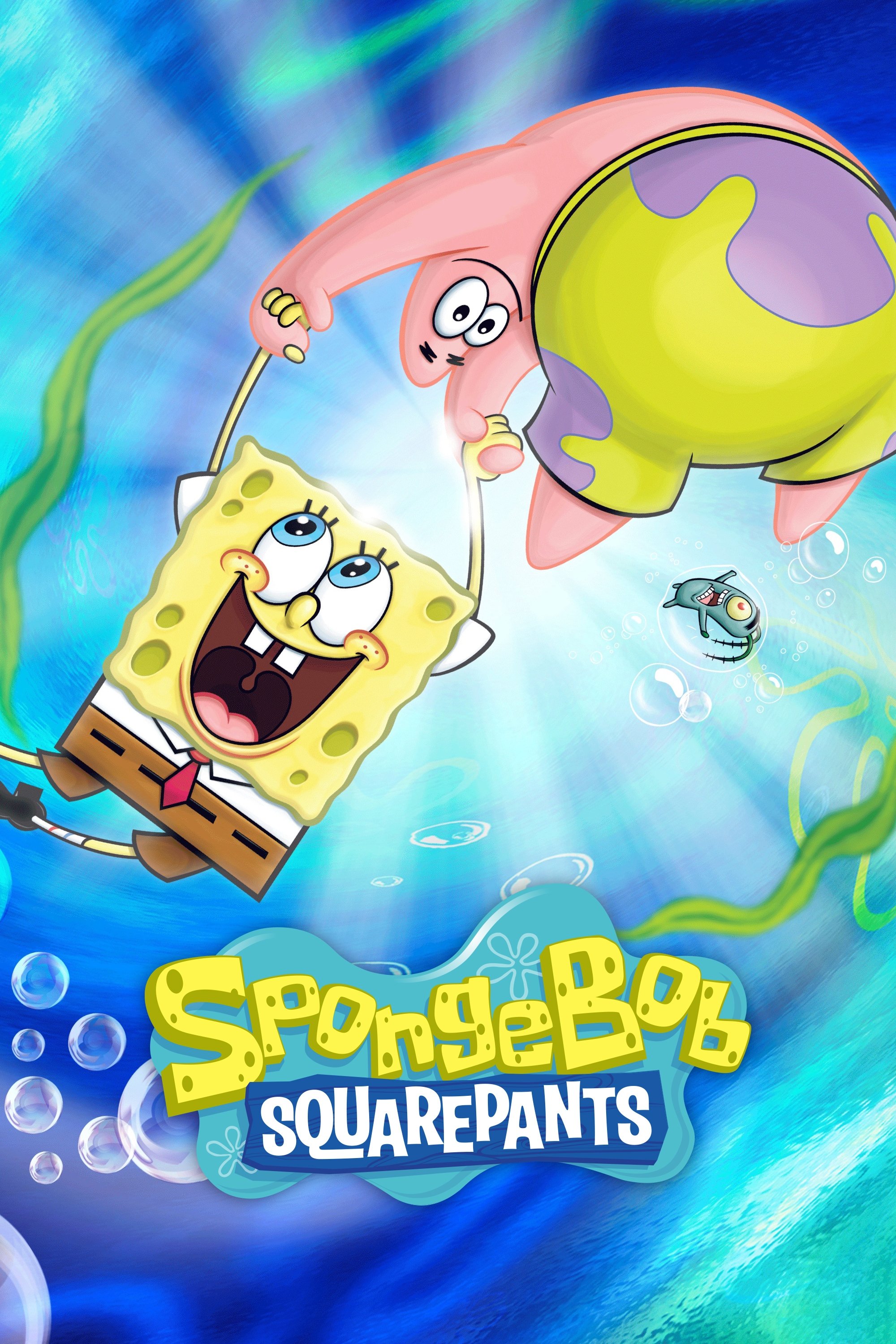
As a big SpongeBob fan, I was really surprised to learn about a lost episode! It was supposed to air back in 2020, and the plot involved a health scare at the Krusty Krab – basically, everyone getting sick with something called the “Clam Flu,” which led to a quarantine. Unfortunately, Nickelodeon decided to pull it from the schedule when the COVID-19 pandemic hit. They felt the storyline, dealing with a virus and people being isolated, was just too sensitive for kids at the time, which I totally understand. It’s aired in a few other countries, but here in the US, it’s mostly been kept off the air. It’s a shame, but probably the right call.
‘SpongeBob SquarePants’ (1999–Present) – “Mid-Life Crustacean”
This episode features Mr. Krabs trying to recapture his youth by going out with SpongeBob and Patrick. Their night ends with them breaking into a house to steal underwear, only to discover it belongs to Mr. Krabs’ own mother. Due to its inappropriate content, Nickelodeon removed the episode from television and streaming services like Paramount+ in 2018, stating it was no longer suitable for children.
‘Star Trek’ (1966–1969) – “Patterns of Force”
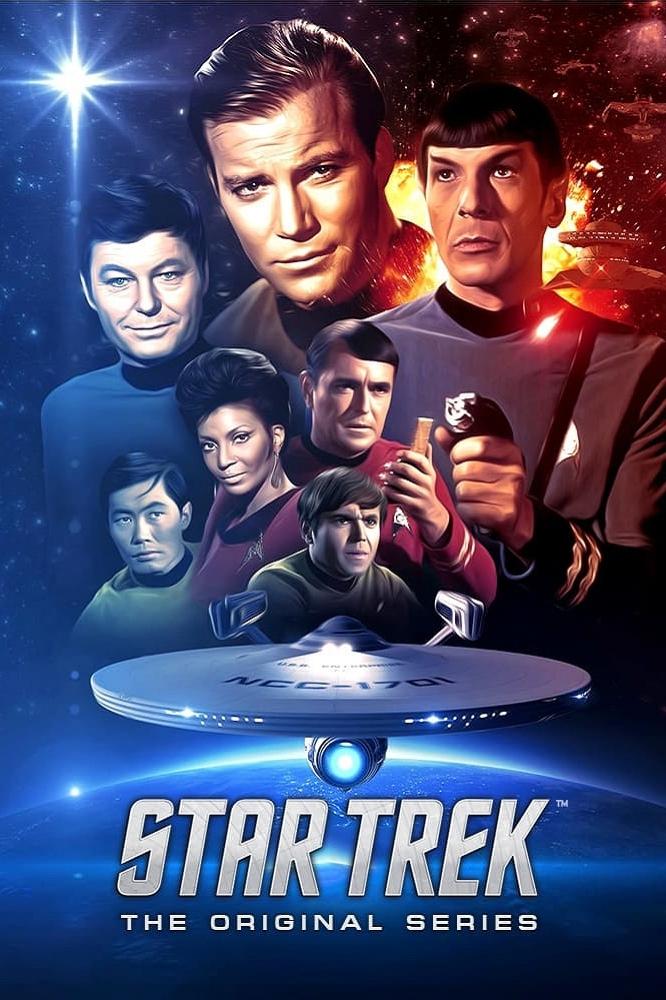
In a Star Trek episode, the crew encounters a planet where a Federation representative has built a society mirroring Nazi Germany. Though meant as a warning about the dangers of oppressive regimes, the episode heavily featured Nazi symbols and uniforms. Because of this, it was banned in Germany for many years, as their laws prohibit the display of Nazi imagery. It finally aired on German television in 1995, but was shown late at night with a warning for mature audiences.
‘Star Trek: The Next Generation’ (1987–1994) – “The High Ground”
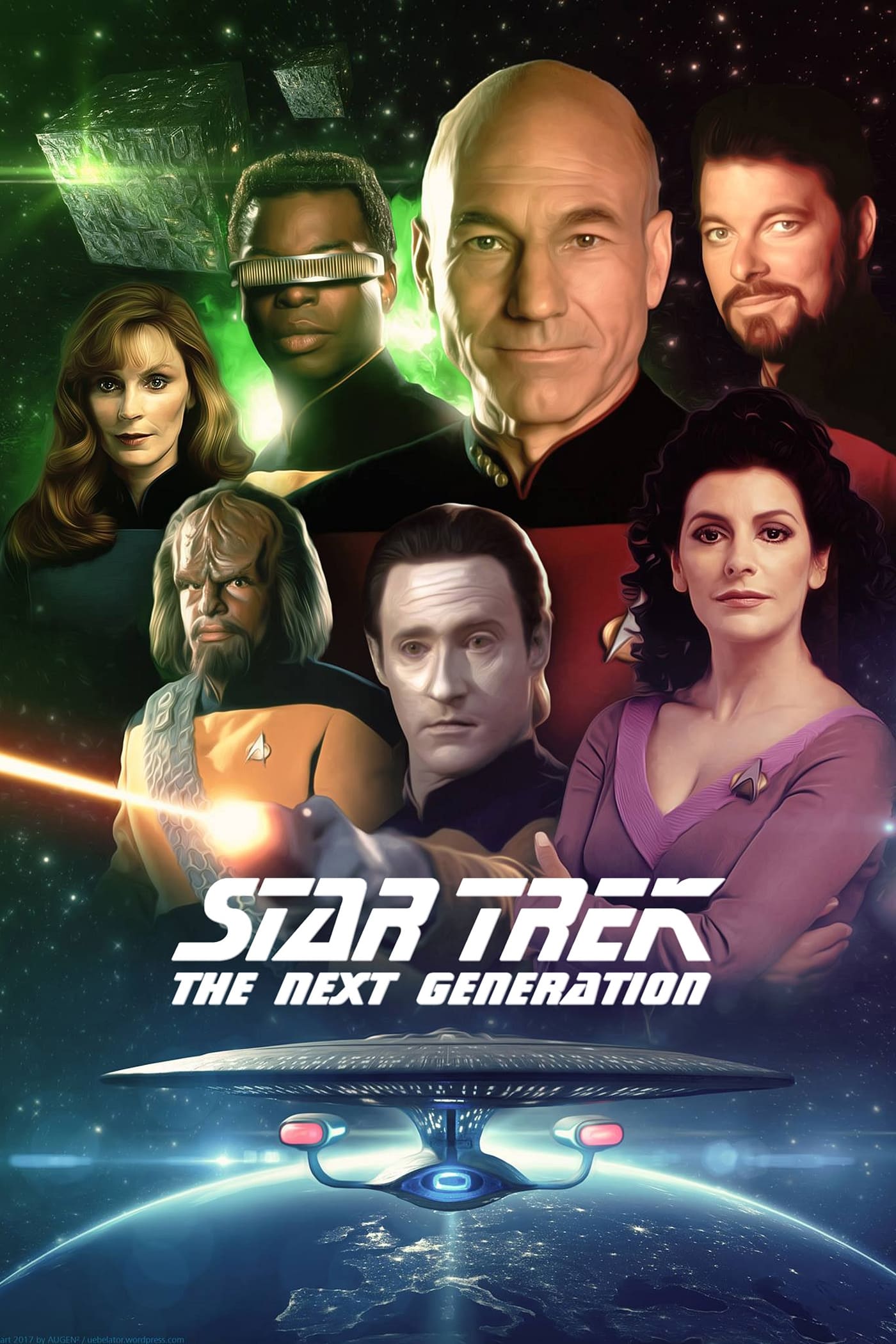
This Star Trek episode explores the difficult questions surrounding terrorism and political conflict when Dr. Crusher is kidnapped by a group fighting for independence. A seemingly harmless line – Data referencing the “Irish Unification of 2024” as a successful uprising – caused major controversy. The BBC and Irish television stations banned the episode for many years during a period of conflict known as The Troubles. It wasn’t shown without edits in the UK or Ireland until the mid-2000s.
‘The Golden Girls’ (1985–1992) – “Mixed Blessings”
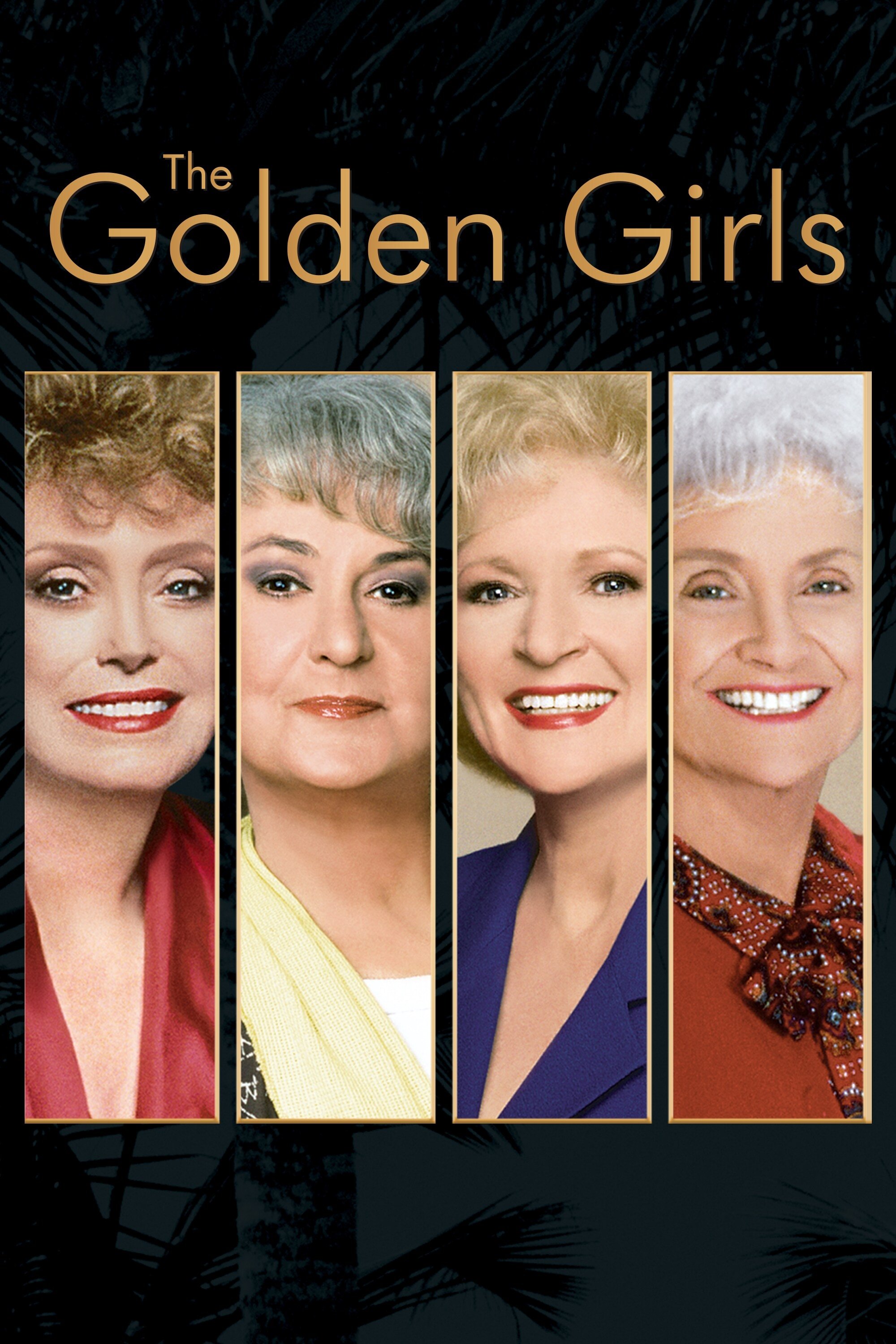
The storyline centers around Dorothy’s son, Michael, getting engaged to an older Black woman, creating conflict between their families. A particular scene featured Rose and Blanche wearing mud masks, which the visiting family misinterpreted as blackface. In 2020, Hulu removed the episode from its streaming service as part of a larger effort to address potentially offensive material. While many viewers believed the scene was a misunderstanding within the show itself, Hulu stood by its decision to take it down.
‘The Ren & Stimpy Show’ (1991–1996) – “Man’s Best Friend”
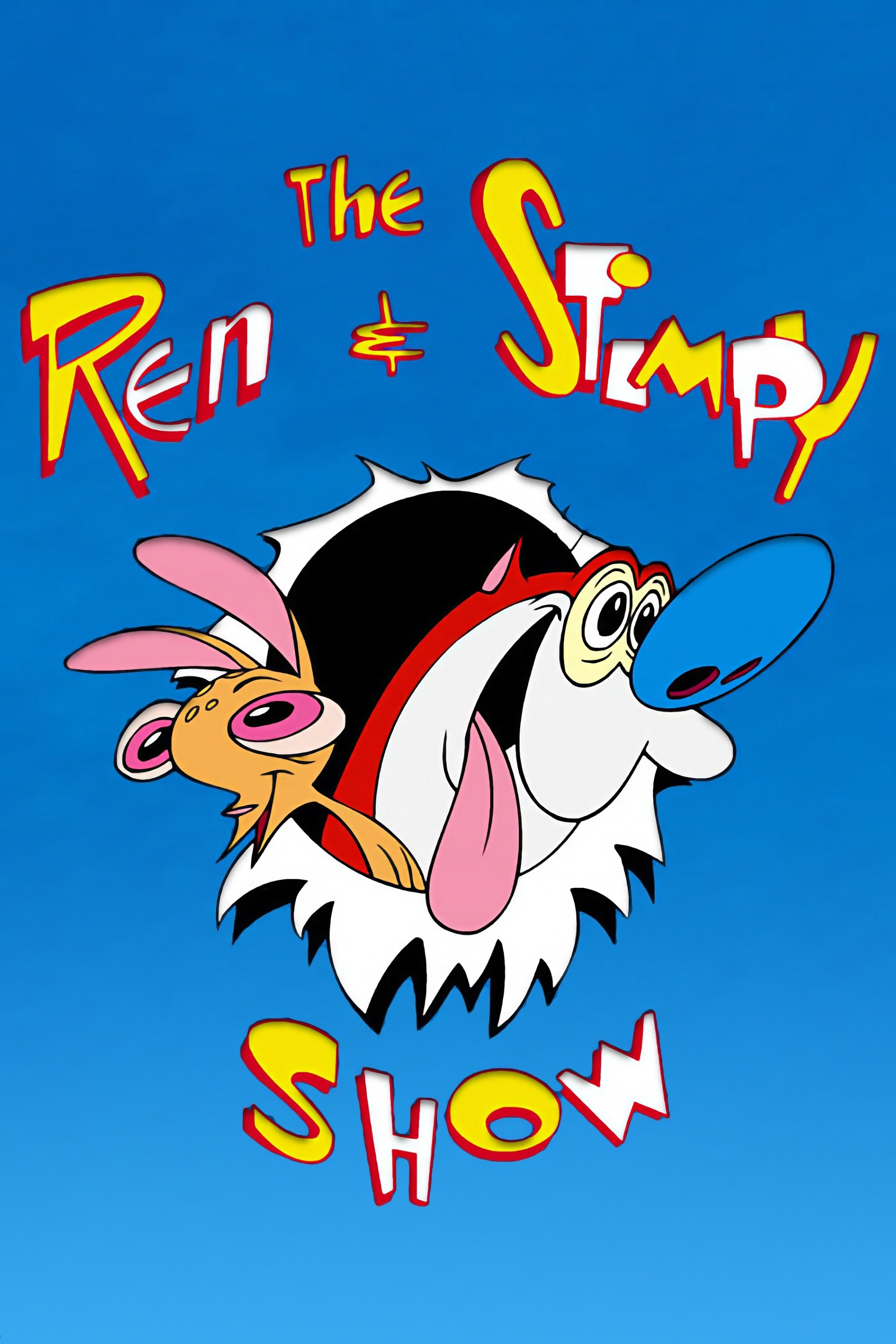
The ‘Ren & Stimpy’ episode featuring intense violence led to creator John Kricfalusi’s firing from Nickelodeon. The episode showed Ren severely beating a character named George Liquor with an oar in a lengthy and disturbing scene. Nickelodeon refused to broadcast it, and it wasn’t shown for many years. Eventually, it aired as part of a revival of the series on Spike TV, geared towards adult viewers. This episode is widely considered the point of no return in the relationship between Kricfalusi and the network.
‘The Simpsons’ (1989–Present) – “Stark Raving Dad”
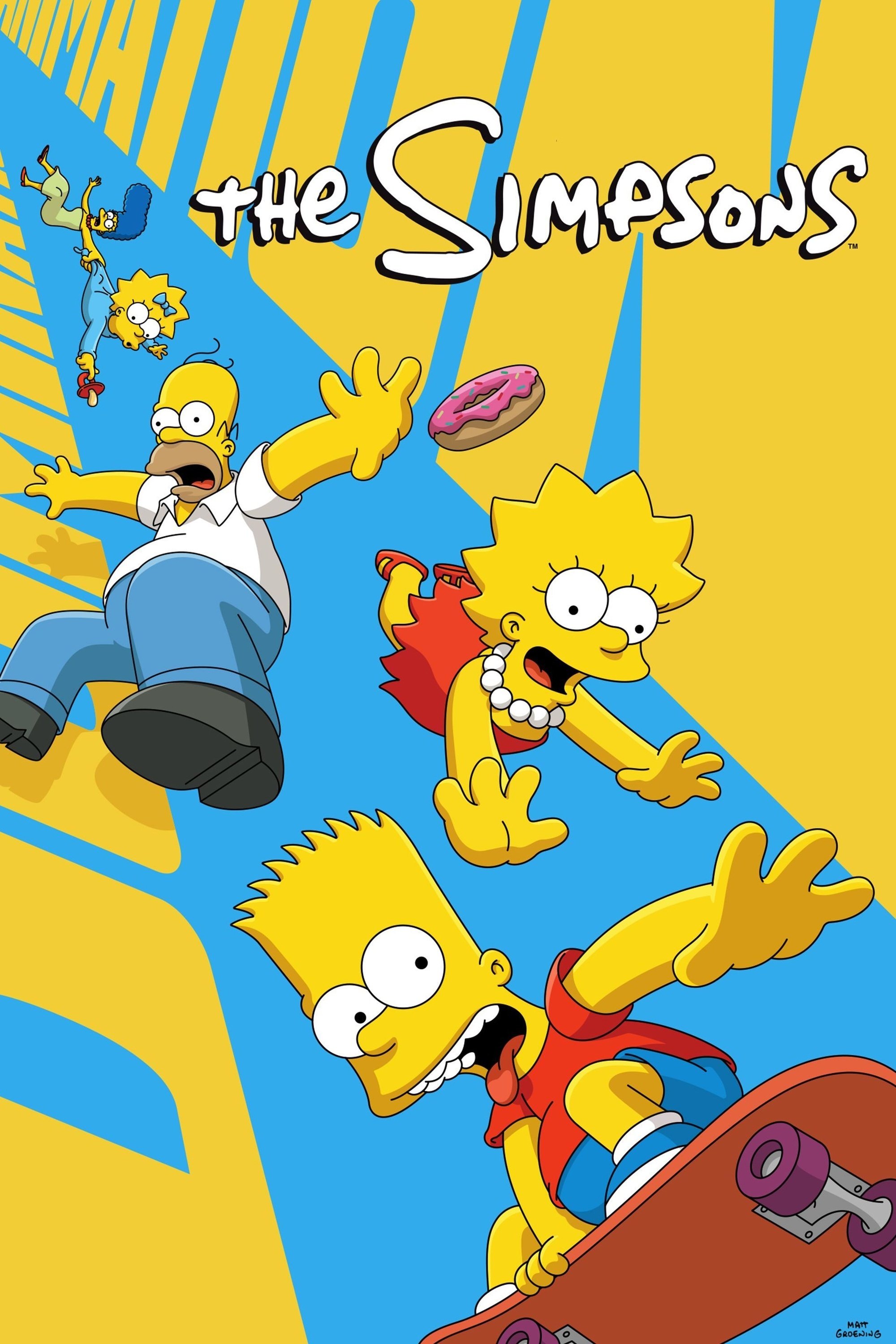
This memorable episode includes a character, Leon Kompowsky, who impersonates Michael Jackson – and is actually voiced by Jackson himself, though uncredited. After the 2019 documentary ‘Leaving Neverland’ aired, detailing allegations of child sexual abuse against Jackson, ‘The Simpsons’ producers decided to remove the episode from circulation. They felt it was no longer appropriate to air it, and it has since been taken off Disney+, removed from digital stores, and won’t be included in future DVD or Blu-ray releases.
‘The Twilight Zone’ (1959–1964) – “The Encounter”
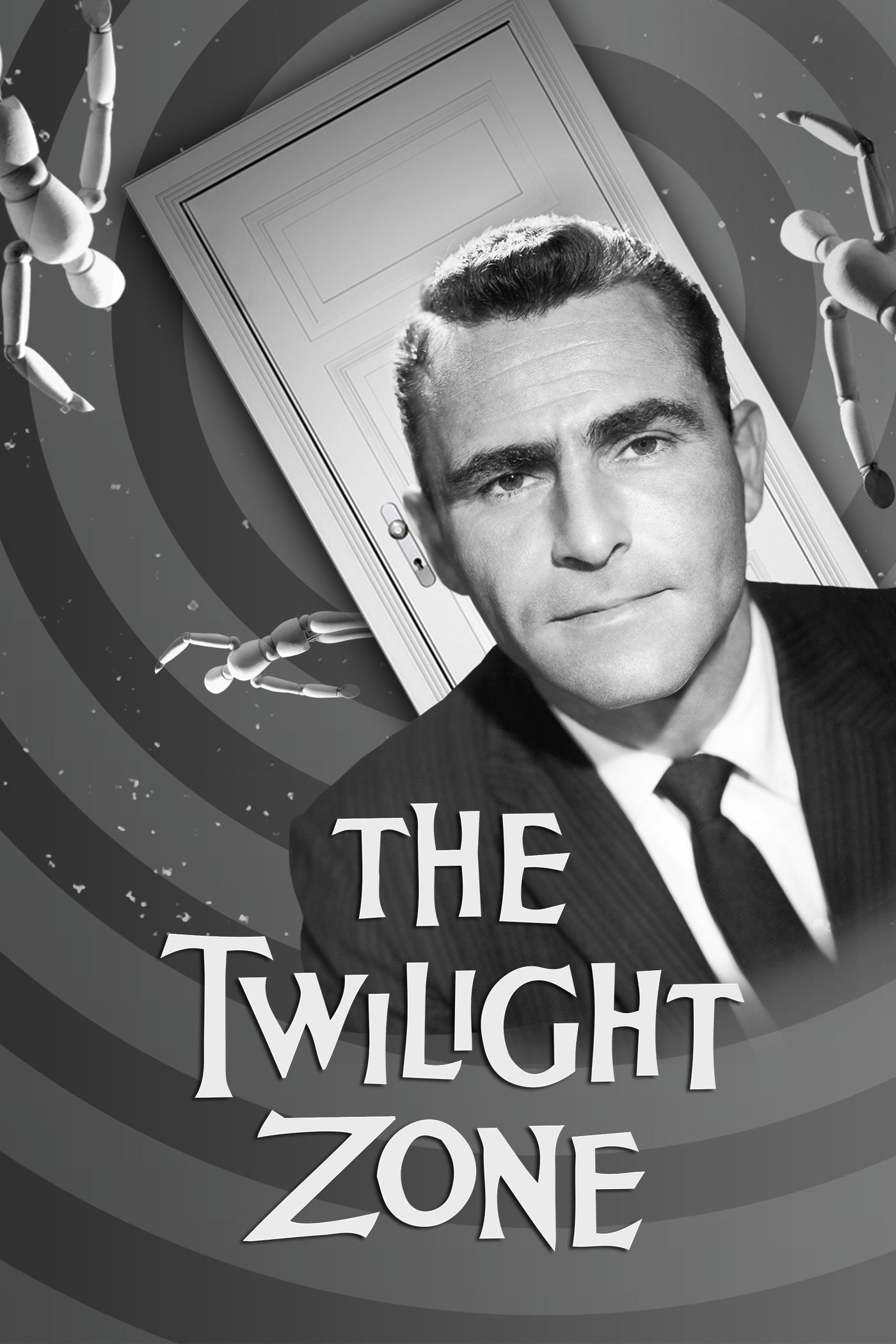
This episode features George Takei and Neville Brand in a story about a strained encounter between a World War II veteran and a young Japanese-American man. The conversation includes offensive language and explores difficult topics like wartime guilt and lingering prejudice. After airing in 1964, the episode was removed from television broadcasts because of protests from Japanese-American organizations. It wasn’t widely available for more than fifty years, until it was released on DVD and shown again on some cable channels.
‘The X-Files’ (1993–2018) – “Home”
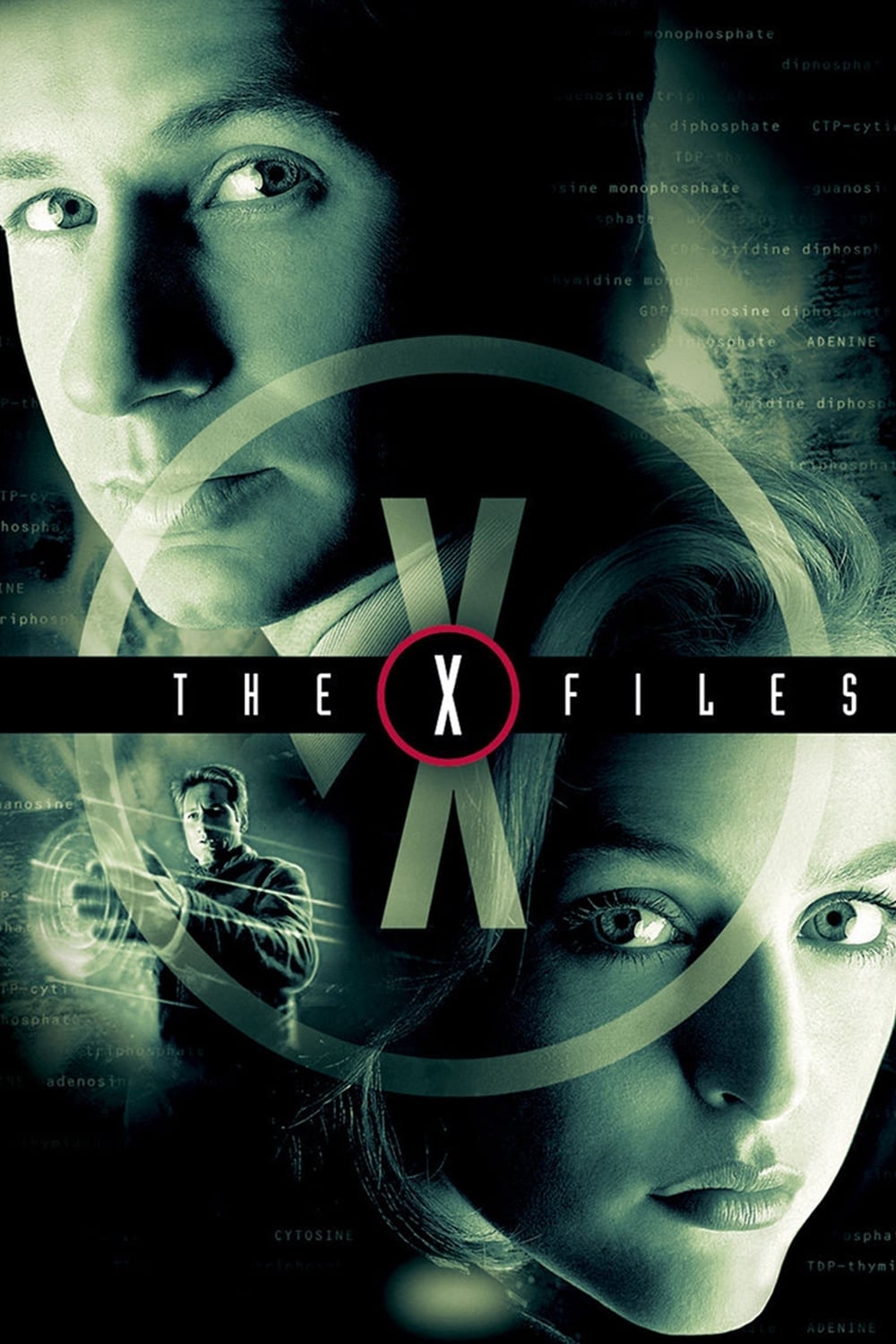
This episode of the show centers on Mulder and Scully investigating a secluded, inbred family in rural Pennsylvania. It’s a particularly dark installment, dealing with disturbing themes like the killing of infants and featuring graphic violence, which led to it being the first episode to receive a mature audience rating. Following its original airing, Fox executives were deeply concerned by the viewers’ response and decided not to re-air it on the network. However, it later gained popularity on cable television and through home video releases, and is now considered a standout episode of the series.
Read More
- Building 3D Worlds from Words: Is Reinforcement Learning the Key?
- The Best Directors of 2025
- Gold Rate Forecast
- 2025 Crypto Wallets: Secure, Smart, and Surprisingly Simple!
- Mel Gibson, 69, and Rosalind Ross, 35, Call It Quits After Nearly a Decade: “It’s Sad To End This Chapter in our Lives”
- 20 Best TV Shows Featuring All-White Casts You Should See
- Umamusume: Gold Ship build guide
- Top 20 Educational Video Games
- Most Famous Richards in the World
- Walmart: A Stillness in the Shifting Sands
2026-03-12 06:49