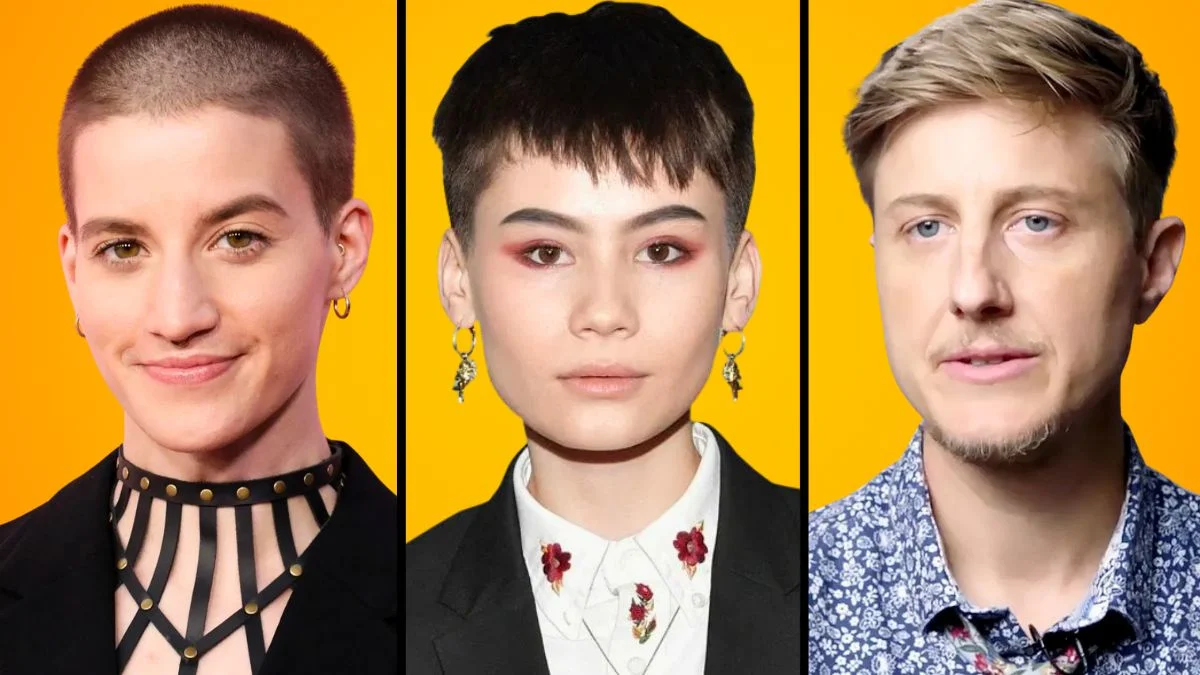
As a film lover, it’s incredibly exciting to see how much things are changing! More and more transgender and transmasculine actors are landing major roles, and it’s making a real difference. They’re not just acting; they’re bringing genuine lived experiences to their characters, and finally, we’re seeing some much-needed diversity on screen. It’s awesome to see them redefine what a leading man can be, both in big-budget movies and smaller, critically acclaimed shows. And it’s not just about the performances – they’re also using their platform to push for more inclusivity and fairness within the whole entertainment industry, which is fantastic.
Elliot Page
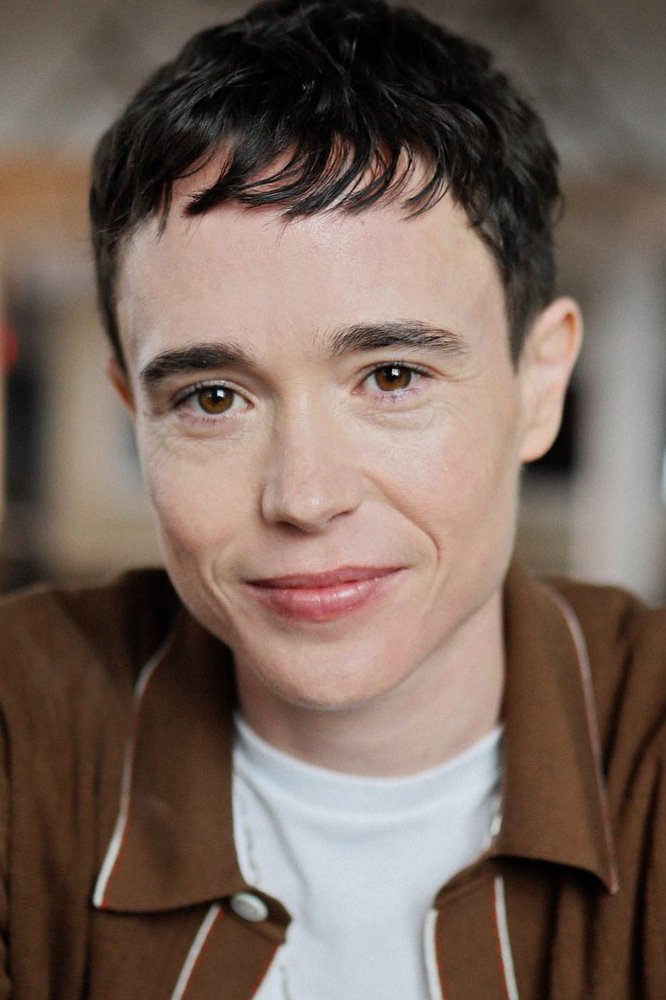
Elliot Page first gained worldwide recognition for his Oscar-nominated role in the movie ‘Juno’. He then became known for playing Kitty Pryde in the ‘X-Men’ films and later starred as the lead in the series ‘The Umbrella Academy’. His decision to come out as transgender was a significant event for LGBTQ+ representation in Hollywood, and it was reflected in the storyline of his character, Viktor Hargreeves. He continues to work on projects as an actor and producer, focusing on LGBTQ+ stories and human rights.
Brian Michael Smith
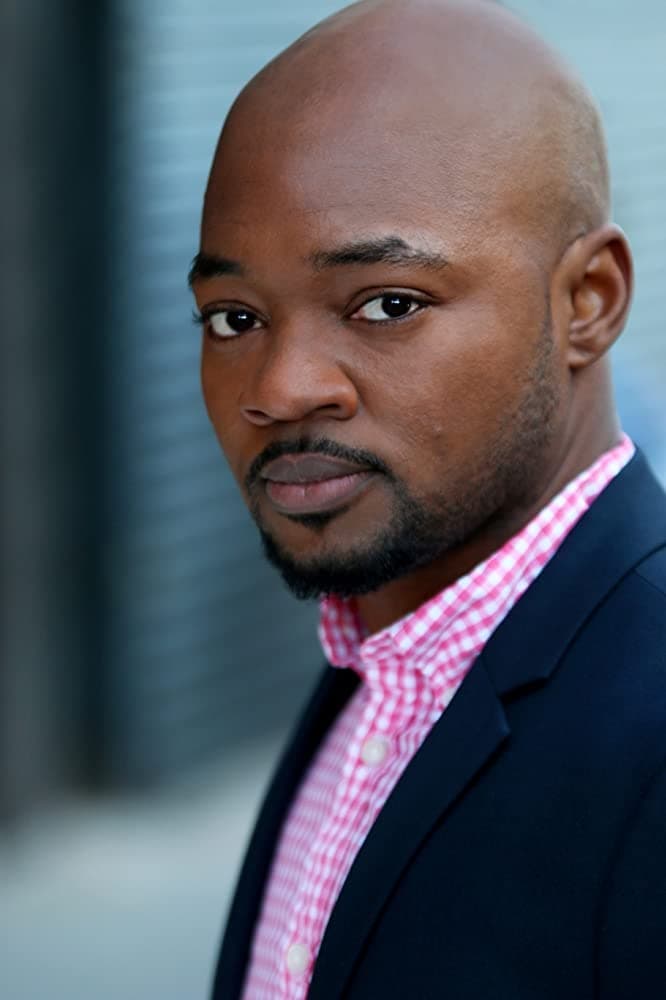
Brian Michael Smith is best known for playing Paul Strickland on the TV show ‘911 Lone Star’. He was the first transgender man to become a main cast member on a major network television series. Before ‘911 Lone Star’, he appeared in shows like ‘Queen Sugar’ and ‘The L Word Generation Q’. Smith’s work focuses on bringing complex and authentic portrayals of transgender men to traditionally masculine characters.
Leo Sheng
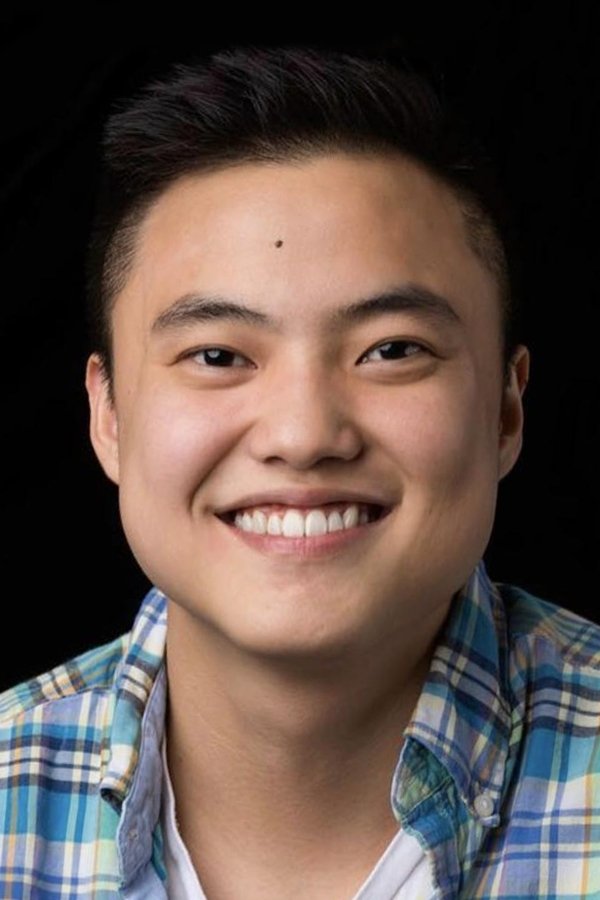
Leo Sheng is an actor who became well-known for playing Micah Lee in ‘The L Word Generation Q’. Before his acting career took off, he shared his own transition journey online, hoping to help other young transgender people. He also acted in the film ‘Adam’, which premiered at the Sundance Film Festival. Leo’s work shows how performing arts and activism can come together for a new generation of artists.
Elliot Fletcher
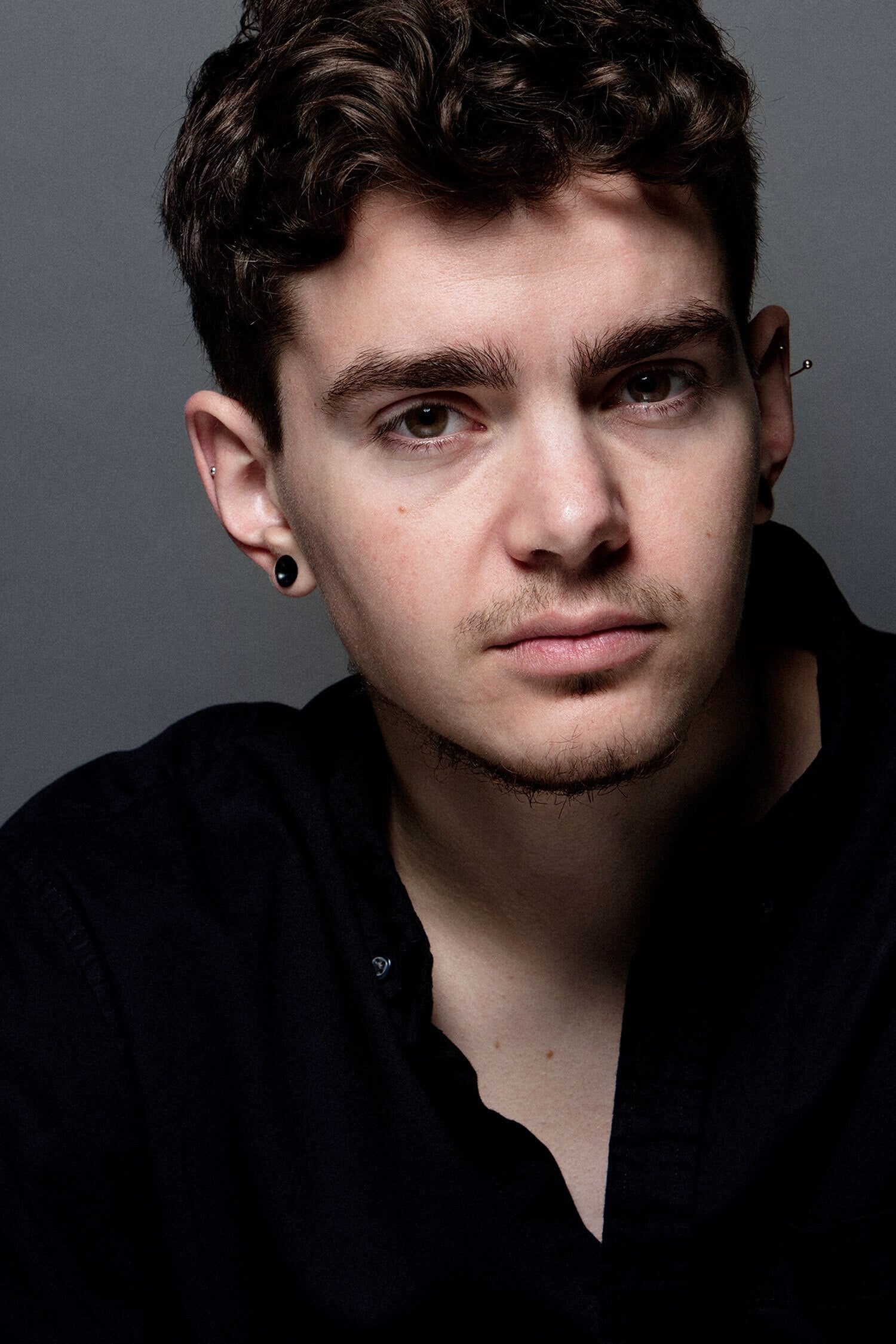
Elliot Fletcher is a successful actor who has appeared in several popular TV shows, including roles as Trevor in ‘Shameless’, Aaron Baker in ‘The Fosters’, and Sam Jordan in ‘Y The Last Man’. He also played a part in ‘Faking It’. Fletcher is a strong advocate for transgender actors being given opportunities to play a wide range of characters, both transgender and cisgender, in television and film.
Ian Alexander
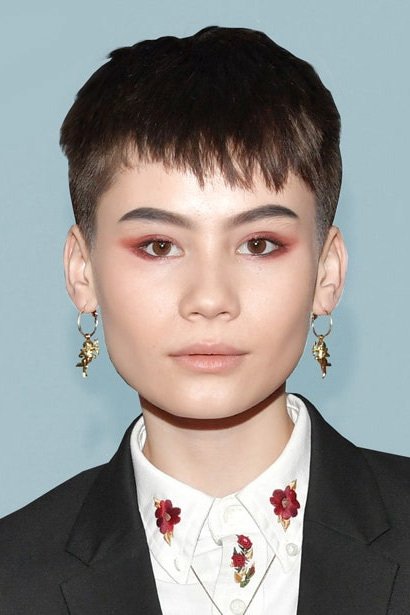
Ian Alexander is a skilled actor who gained recognition for his role as Buck Vu in the series ‘The OA’. He then became the first transgender actor to join ‘Star Trek: Discovery’, playing the character Gray Tal. He also lent his voice and movements to the character Lev in the popular video game ‘The Last of Us Part II’. Through his work in television, film, and gaming, Alexander has become a well-known figure in the science fiction and gaming communities.
Chaz Bono
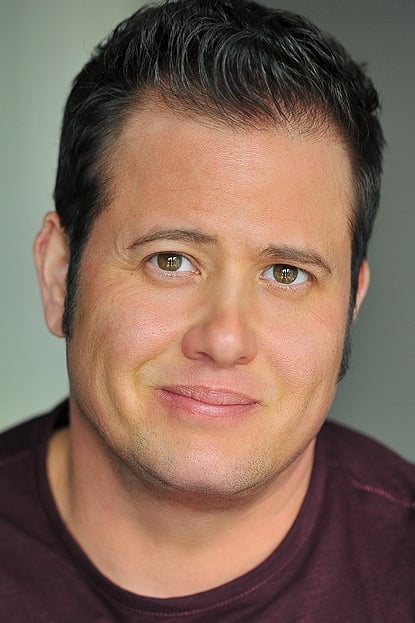
Chaz Bono began his public life as a writer and activist before turning to acting. He’s known for his roles in multiple seasons of ‘American Horror Story,’ including ‘Roanoke’ and ‘Cult,’ where he often played compelling and dramatic characters. He also gained attention as a contestant on ‘Dancing with the Stars’ and was the subject of the documentary ‘Becoming Chaz,’ which documented his transition. Bono continues to demonstrate his range as an actor, taking on roles in both dramatic and horror projects.
Alex Blue Davis
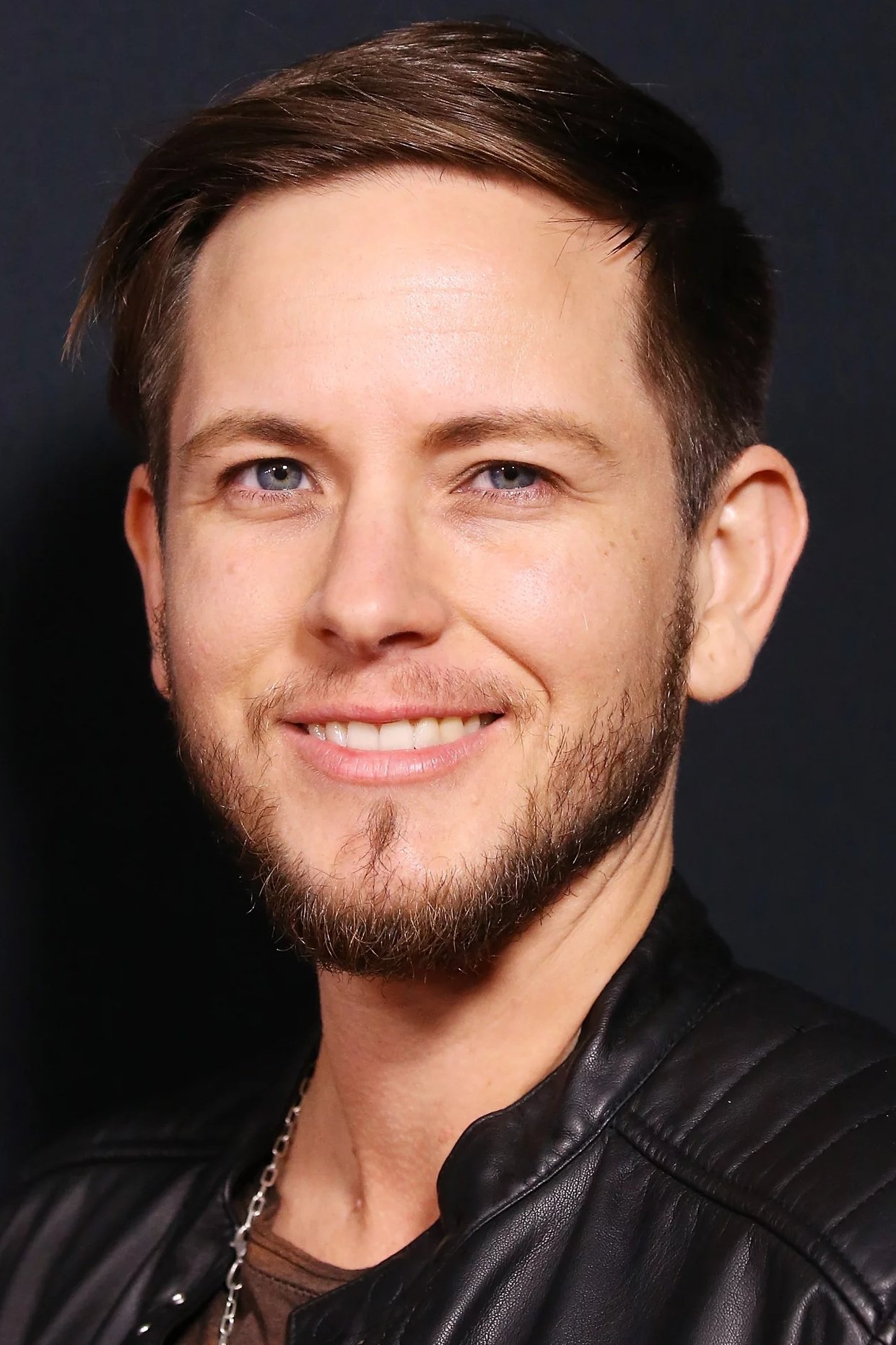
Alex Blue Davis is an actor best known for playing Casey Parker, an intern on the popular TV show ‘Grey’s Anatomy’. His character was significant because he was a transgender veteran whose storyline wasn’t solely about his identity. In addition to acting, Davis is a singer and songwriter who has created music for independent projects. He continues to act in television and also works to improve the way transgender masculine characters are portrayed on screen.
Chella Man
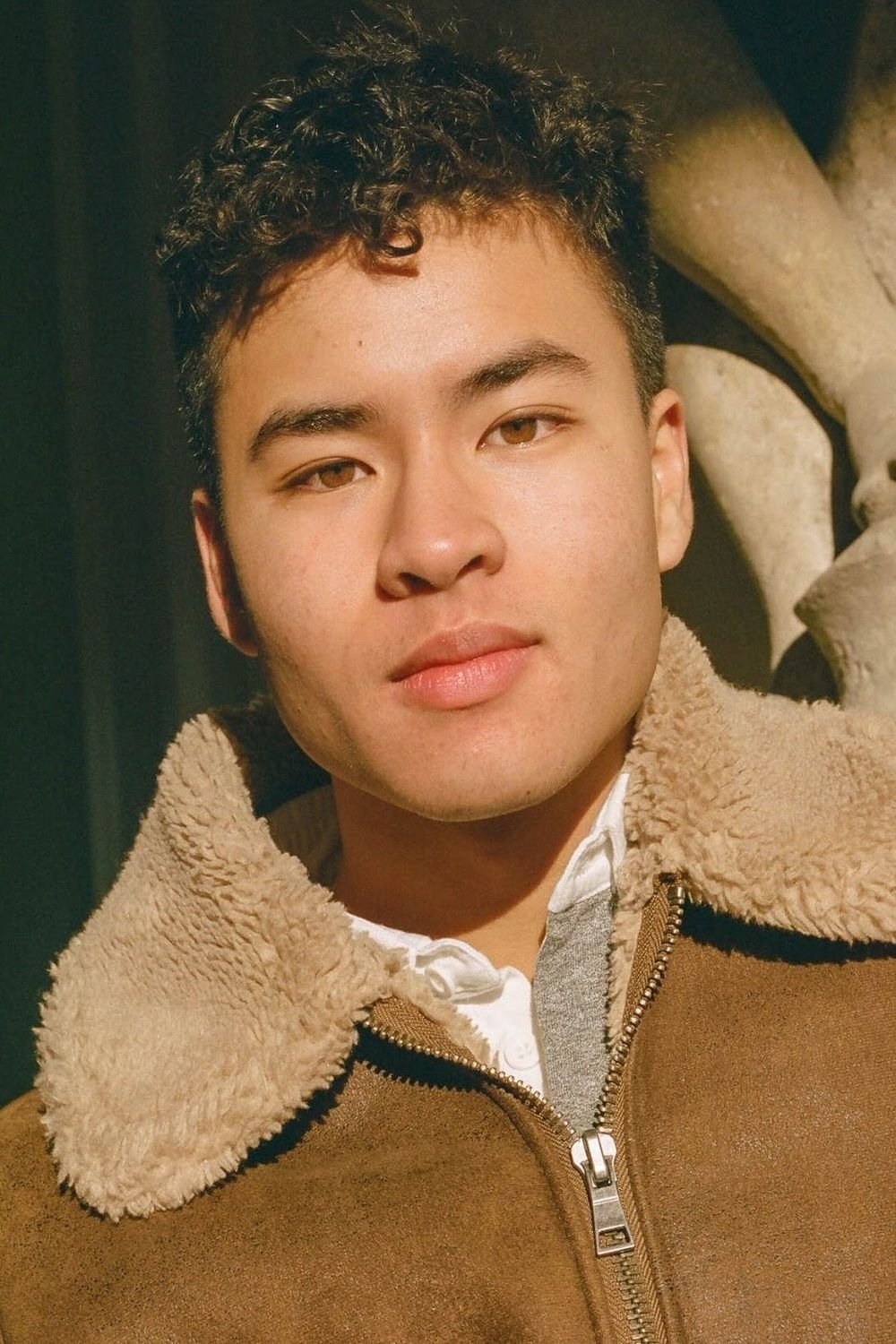
Chella Man is an artist and actor who first became known for playing Jericho in the series ‘Titans’. Jericho is a deaf character who communicates using sign language. Chella, who is transmasculine with Jewish and Chinese heritage, brings a diverse and insightful perspective to his art. He’s worked with well-known fashion brands and continues to advocate for disability rights and gender identity awareness.
Tom Phelan
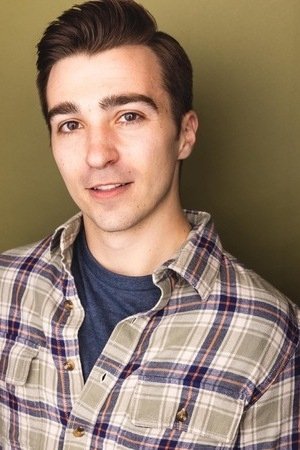
As a movie and TV lover, I was really impressed by Tom Phelan. He was a pioneer, one of the first transgender actors to have a regular role in a mainstream family drama – he played Cole on ‘The Fosters.’ The show tackled some really important stuff, like the difficulties faced by trans kids in foster care, and Tom’s performance felt so genuine. It really helped a lot of people understand what it’s like to go through gender transition and the importance of acceptance. Since then, he’s been busy with all sorts of creative projects, like writing and working on independent theater, which is fantastic to see!
Scott Turner Schofield
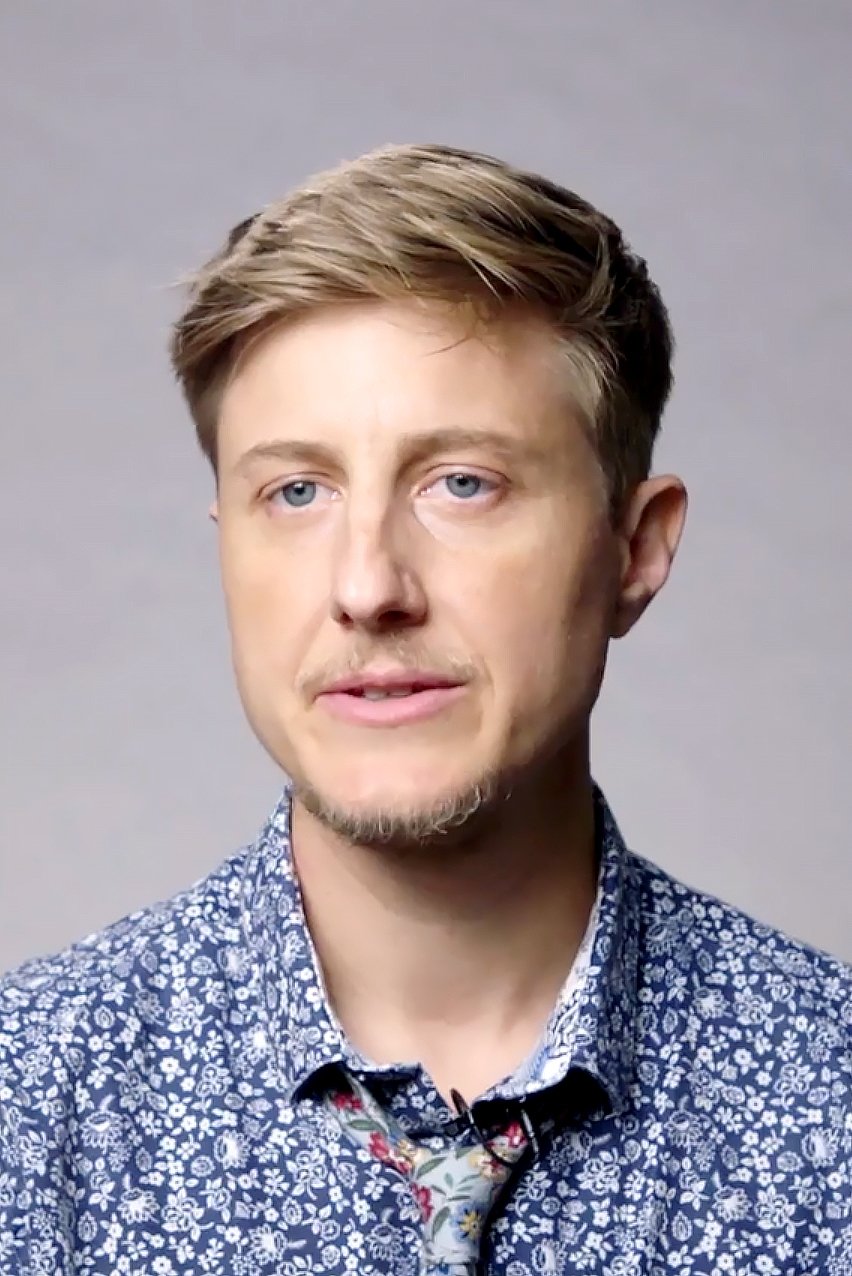
Scott Turner Schofield is an accomplished actor and producer known for breaking barriers in television. He made history as the first openly transgender actor on ‘The Bold and the Beautiful’ and later received an Emmy nomination for his role in ‘Studio City’. Beyond performing, Scott has worked behind the scenes as a consultant on the documentary ‘Disclosure’, which explores how transgender people have been portrayed in Hollywood. He remains dedicated to creating positive change and raising standards within the entertainment industry.
Jake Graf
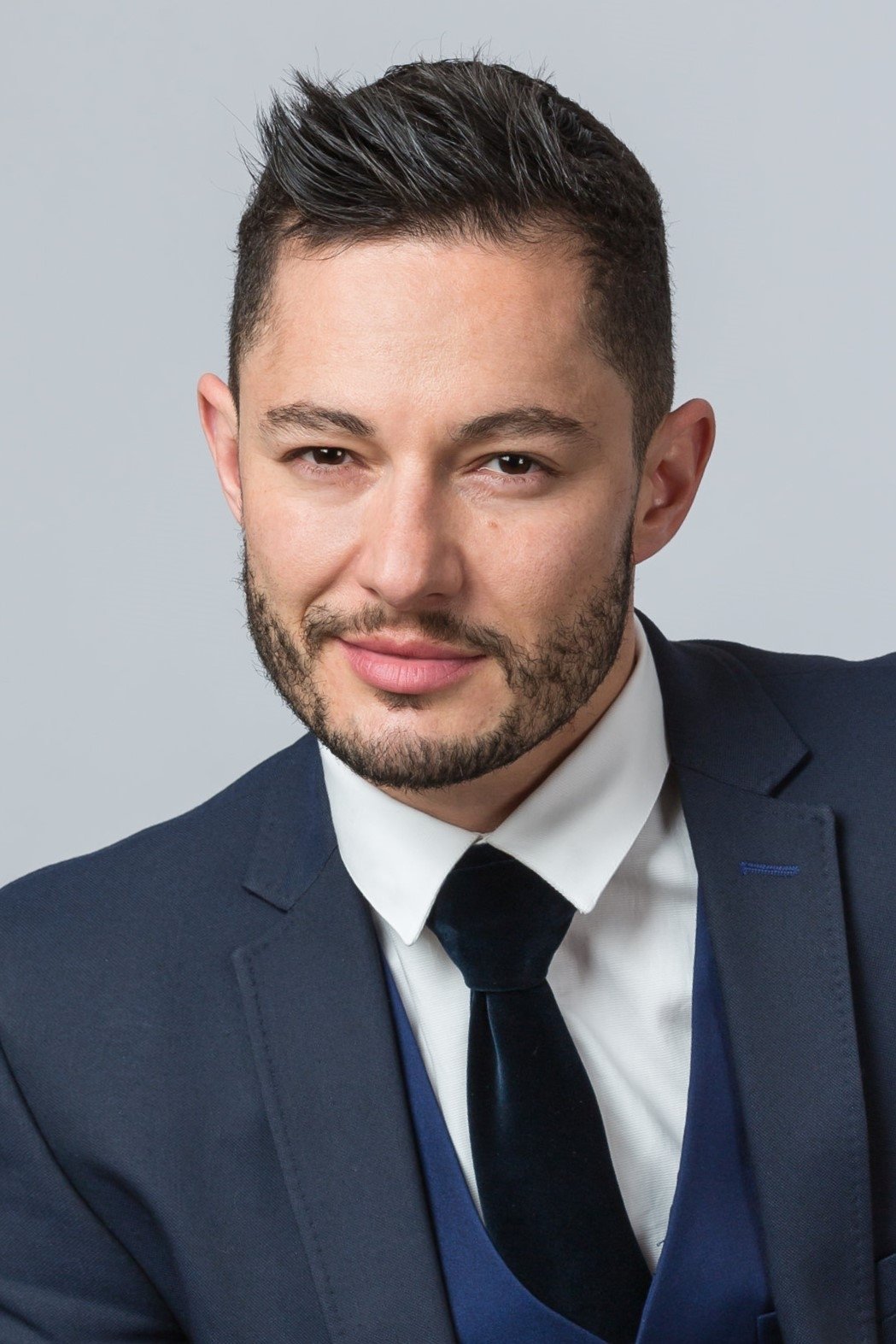
Jake Graf is an actor and filmmaker who has worked on well-known movies like ‘The Danish Girl’ and ‘Colette’. He also writes and directs his own short films, such as ‘Brace’ and ‘Dawn’, which share the stories of transgender people. A strong voice for the trans community both in the UK and the US, Graf’s work often deals with themes of love and self-discovery, and he’s dedicated to making the film industry more inclusive.
Theo Germaine
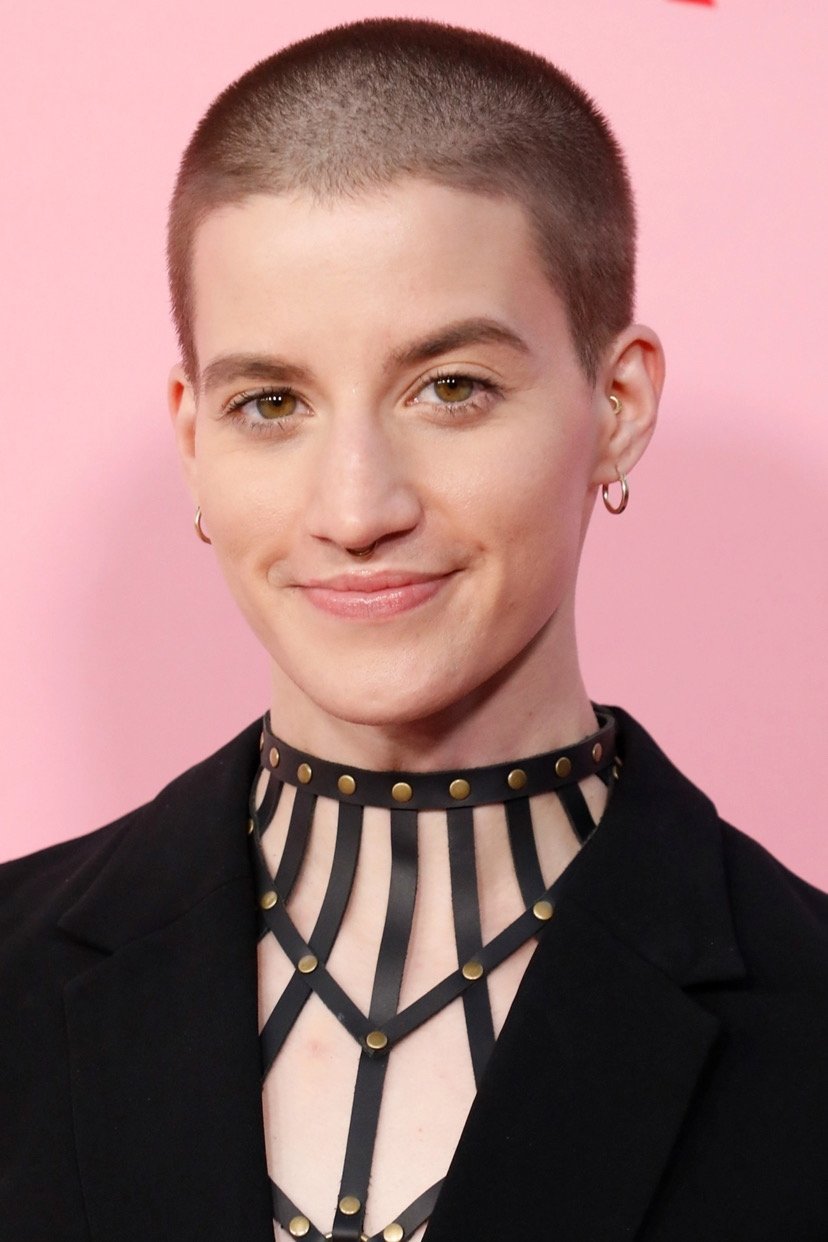
Theo Germaine became well-known for playing James Sullivan in the Netflix show ‘The Politician’. They’ve also been in the horror movie ‘They Slash Them’ and the comedy series ‘Work in Progress’. Notably, Germaine often portrays important characters where their gender identity isn’t the main focus of the story. This showcases a positive shift in the industry, with more transmasculine actors being cast in diverse roles, ranging from comedies to thrillers.
Bex Taylor-Klaus
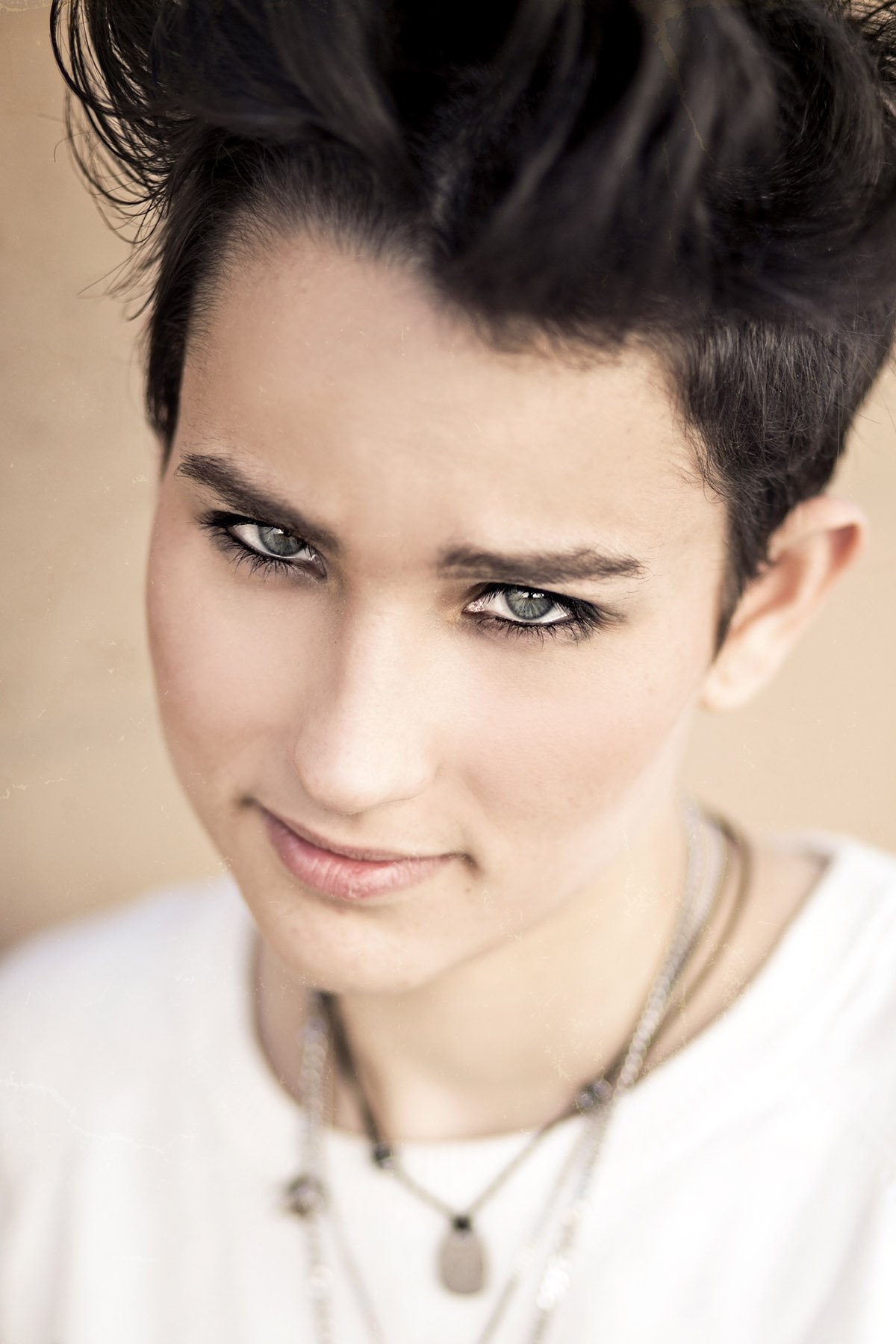
As a huge fan of compelling performers, I’ve been consistently impressed by Bex Taylor-Klaus. You might recognize them from shows like ‘The Killing’ and ‘Arrow’, but I especially loved their voice work as Pidge on ‘Voltron Legendary Defender’ and their role in the ‘Scream’ series. Beyond their talent, I really admire Bex for being so open about their identity as non-binary and transmasculine, and navigating the industry with authenticity. They just have this knack for bringing intense, yet incredibly charismatic characters to life, which is why they’ve become a real favorite of mine in action and thriller shows.
Vico Ortiz
Vico Ortiz is a Puerto Rican actor best known for playing Jim Jimenez in the popular series ‘Our Flag Means Death’. They’re skilled at both comedy and drama, and work in both English and Spanish. In addition to acting, Ortiz performs as a drag king, using their art to examine different ideas about what it means to be a man. As a non-binary and transmasculine actor, they’re increasing representation for Latinx people in Hollywood.
Ser Anzoategui
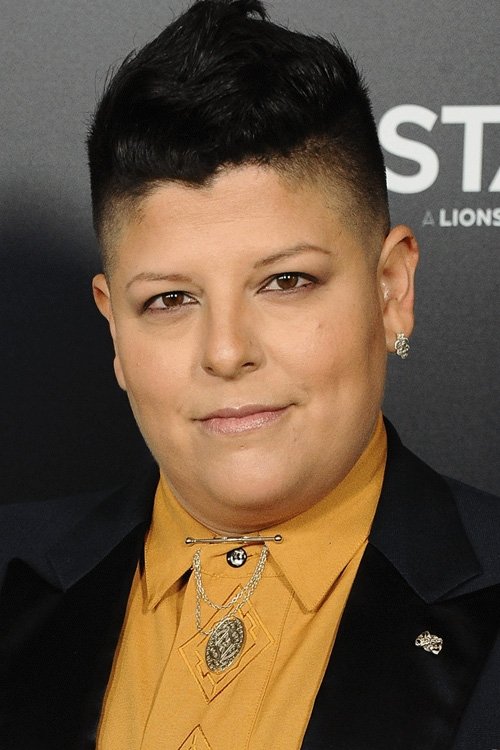
Ser Anzoategui is an actor and writer who gained recognition for playing Eddy in the popular series ‘Vida’. Their portrayal of a non-binary character was praised for feeling real and helped increase representation of queer Latinx people on screen. Anzoategui’s background in community work and theater greatly influences their storytelling. They are also a strong advocate for fairer treatment and more diversity in the television industry.
Garcia
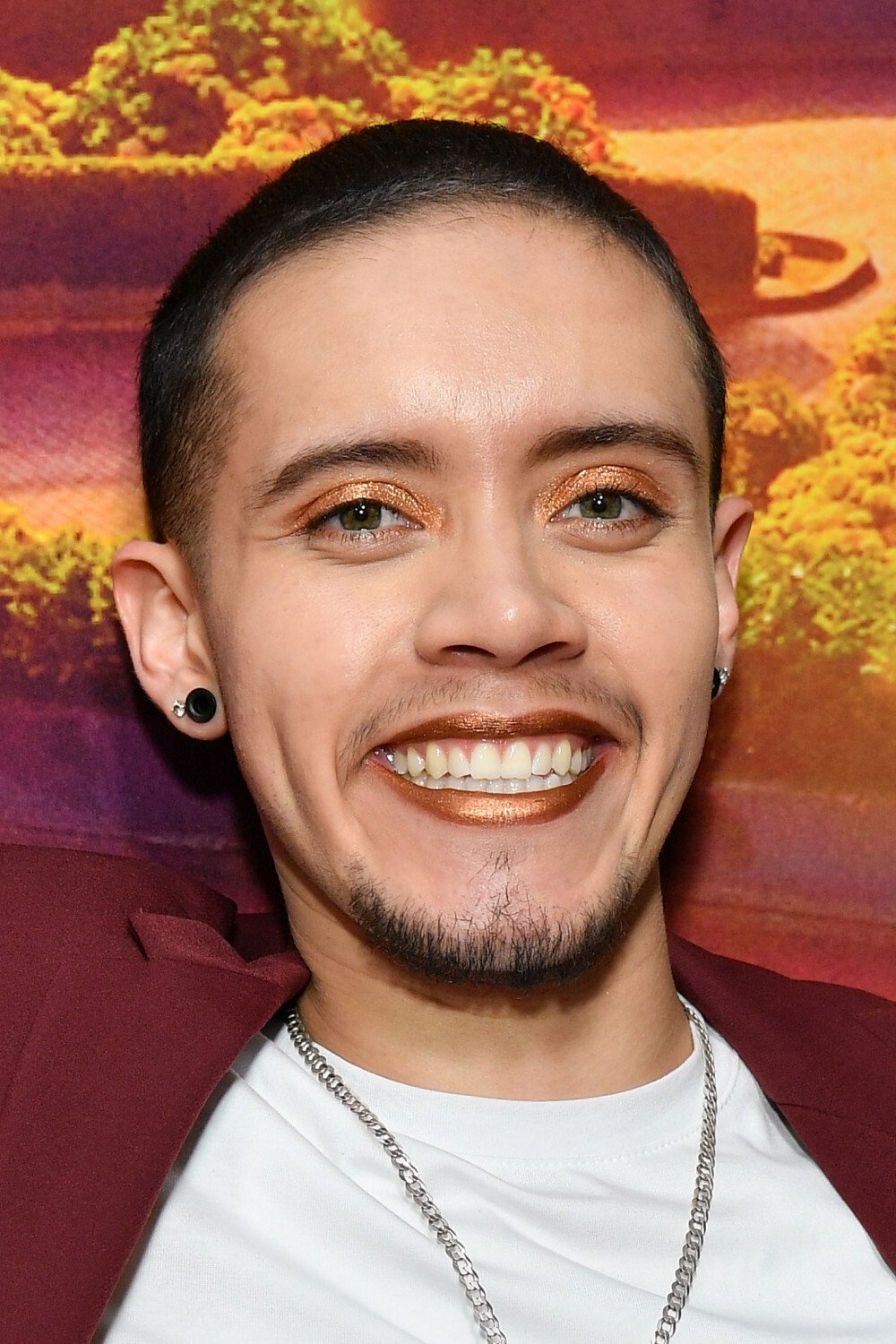
Actor Garcia, who identifies as non-binary and transmasculine, gained recognition for their role as Jake Rodriguez in the ‘Tales of the City’ revival. The show followed Jake’s journey through transition within a close-knit San Francisco community. Garcia has also been in ‘The Nevers’ and consistently chooses roles that push boundaries around gender. Their work often explores the intricacies of relationships and self-discovery, particularly within the LGBTQ+ community.
Emmett Preciado
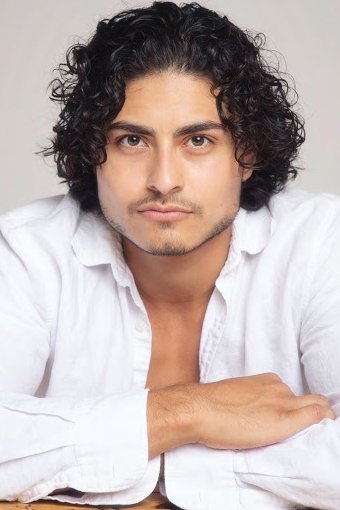
As a total movie and TV buff, I’ve been really impressed with Emmett Preciado. You might recognize him from shows like ‘Good Trouble’ and ‘The Switch,’ but I especially remember his guest appearance on ‘The Good Doctor.’ He played a transgender man navigating the healthcare system, and it was a really powerful performance. What I love about Emmett is his commitment to showing trans characters with respect and, importantly, joy. He’s also really open with his fans about his own experiences, which I think is amazing – it builds such a strong community and offers vital support for transmasculine folks.
Tyler DiChiara
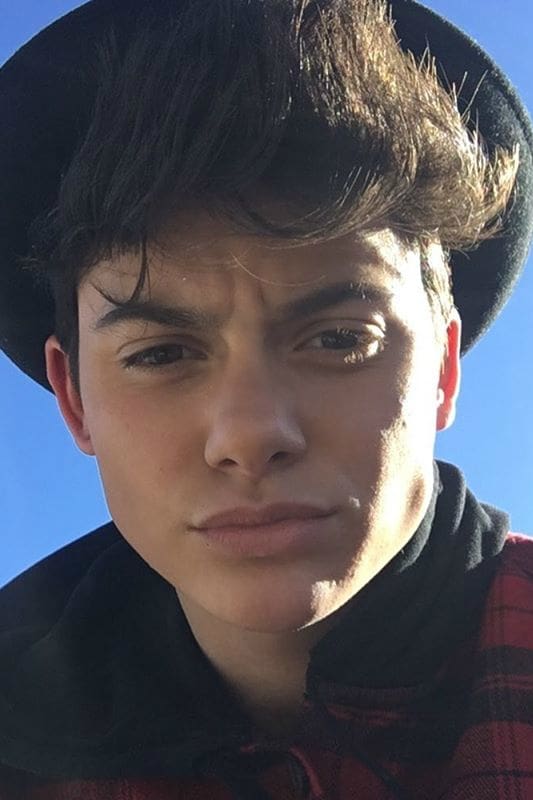
Tyler DiChiara is quickly becoming well-known, especially for his role as Cullen Row in the TV series ‘Gotham Knights’. He was also in the movie ‘Relish’, which follows a group of teenagers running away from a treatment facility. DiChiara prefers roles that emphasize a character’s bravery and actions over focusing on their gender identity. He’s part of a growing number of transmasculine actors appearing in big-budget comic book projects.
Bobbi Salvör Menuez
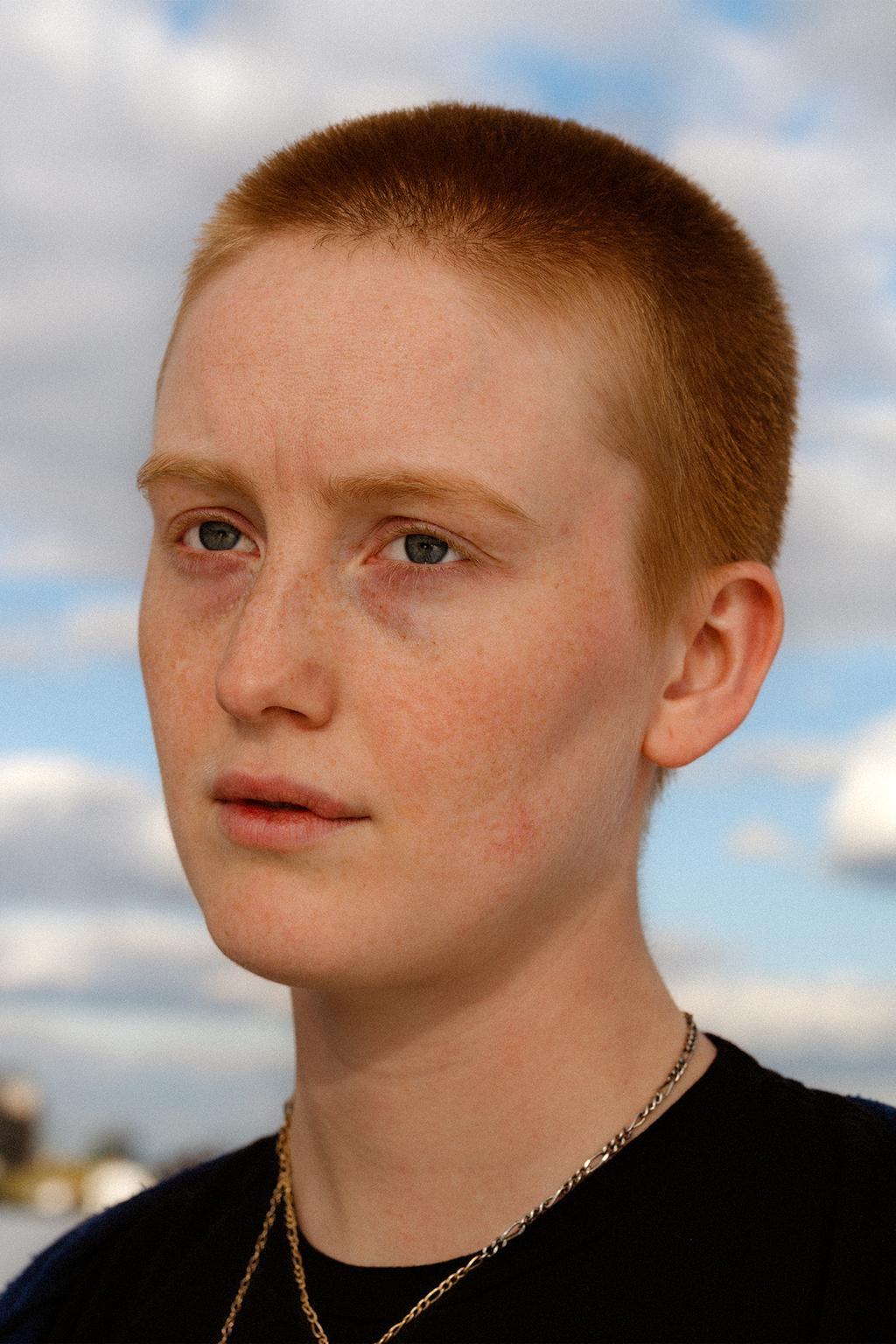
Bobbi Salvör Menuez is an actor and artist known for their work in shows like ‘Euphoria’ and ‘I Love Dick’, as well as the film ‘My Animal’ and the series ‘Under the Banner of Heaven’. They frequently appear in independent films, often playing characters that are both visually interesting and emotionally deep. Menuez’s career extends to the world of high fashion, and they’ve become a source of inspiration for many contemporary directors and designers.
Lio Tipton
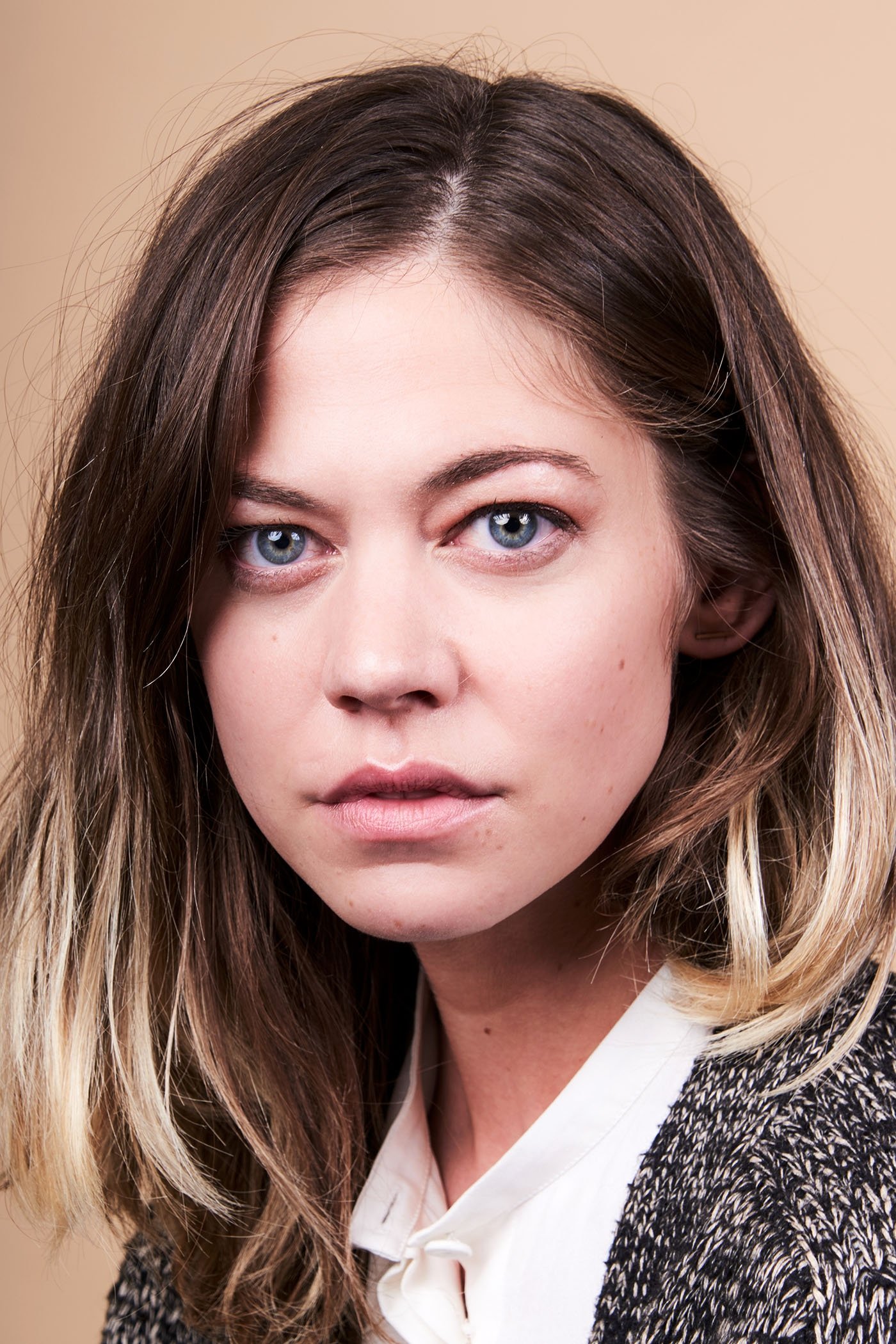
Lio Tipton first became known as a contestant on ‘America’s Next Top Model’ and then built a thriving career as an actor. They’ve appeared in popular films like ‘Crazy Stupid Love’ and ‘Warm Bodies.’ Since publicly coming out as non-binary and queer, Tipton has continued to work consistently, with roles in films like ‘Vengeance’ and the series ‘A Friend of the Family.’ They are a flexible performer who excels in both big-budget movies and smaller, independent projects.
Quintessa Swindell
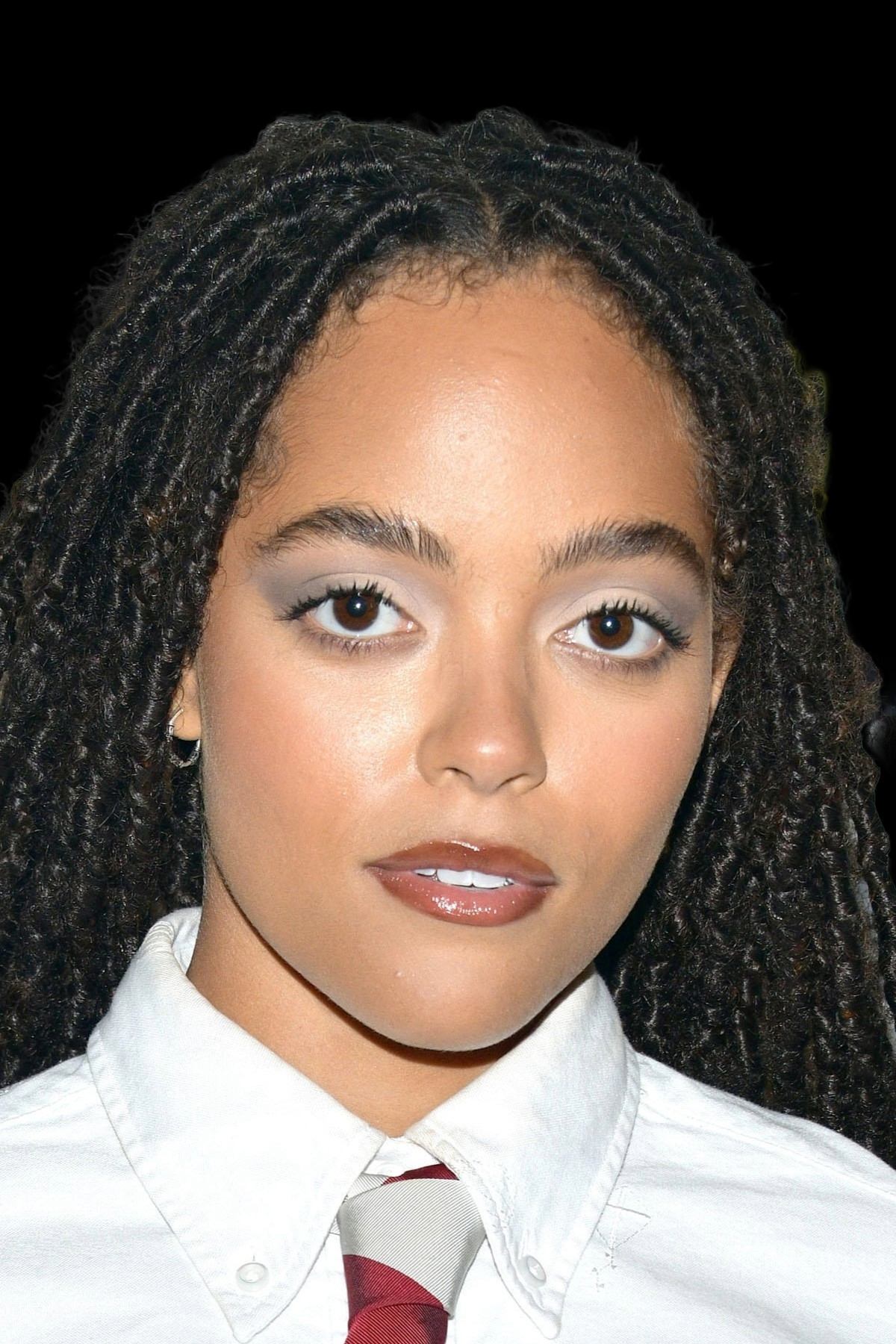
Quintessa Swindell is a talented non-binary actor known for their roles in shows like ‘Trinkets’ and the film ‘Voyagers’. They became internationally recognized for playing Cyclone alongside Dwayne Johnson in the hit movie ‘Black Adam’. Swindell frequently portrays strong, smart characters and is helping to increase visibility for non-binary representation in Hollywood. Their success highlights the growing demand for diverse talent in major film and television franchises.
Mason Alexander Park
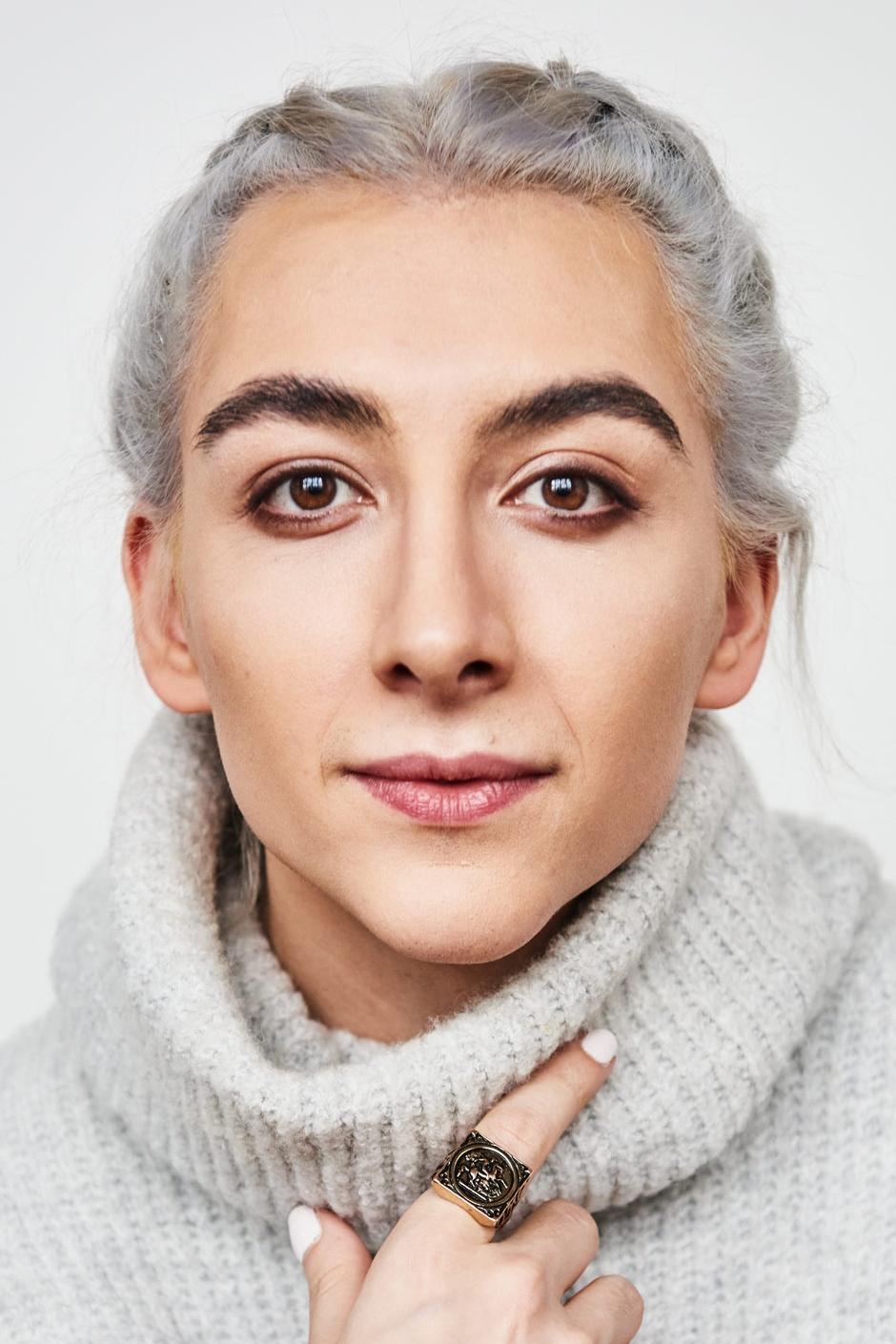
Mason Alexander Park is a talented actor who has appeared in both theater and television, including the series ‘Cowboy Bebop’. They gained significant recognition for playing Desire in the Netflix adaptation of ‘The Sandman’. Park has also starred in popular stage shows like ‘Hedwig and the Angry Inch’ and ‘Cabaret’. Their success demonstrates the value of strong theatrical training and the growing visibility of transmasculine actors in prominent roles.
Zach Barack
I was so thrilled to see Zach Barack make history in ‘Spider-Man: Far From Home’ – he was the first openly transgender actor in a Marvel movie! He played one of Peter Parker’s classmates, and it felt like a really important moment for seeing more diverse faces in big films. But that’s not all – he also voices Barney in ‘Dead End Paranormal Park,’ which is awesome! He’s really dedicated to making sure transgender people are well-represented, especially in animation and the kinds of shows a lot of us grew up with, and I really admire that.
Leo Baker
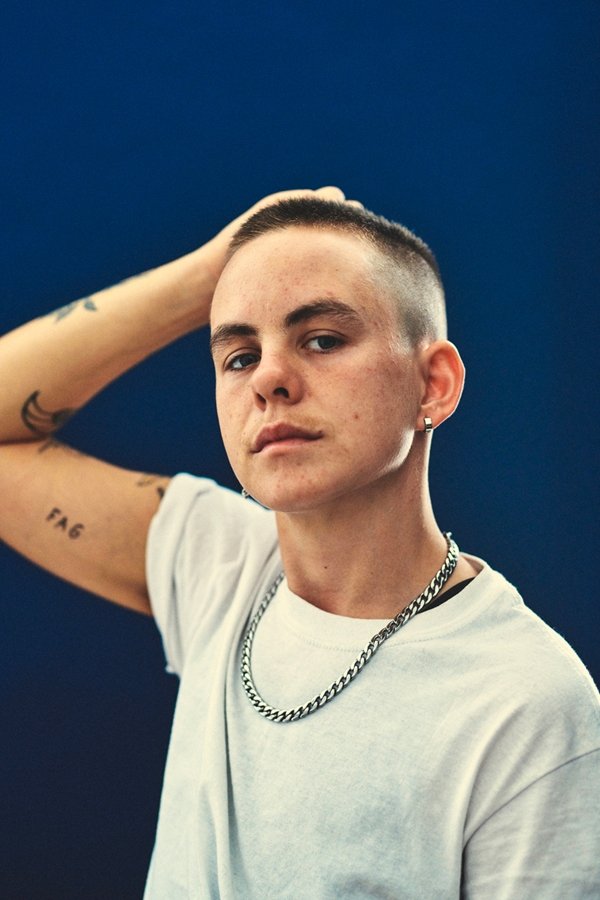
Leo Baker is a professional skateboarder and actor known for the documentary ‘Stay on Board The Leo Baker Story’ and a role in the film ‘The Bible’. He’s become a well-known advocate within the sports world. Baker’s journey—moving from a successful career as a female skateboarder to living authentically as himself—has inspired people in both sports and the arts. His work frequently focuses on being true to oneself and the bravery it takes to do so publicly.
Logan Rozos
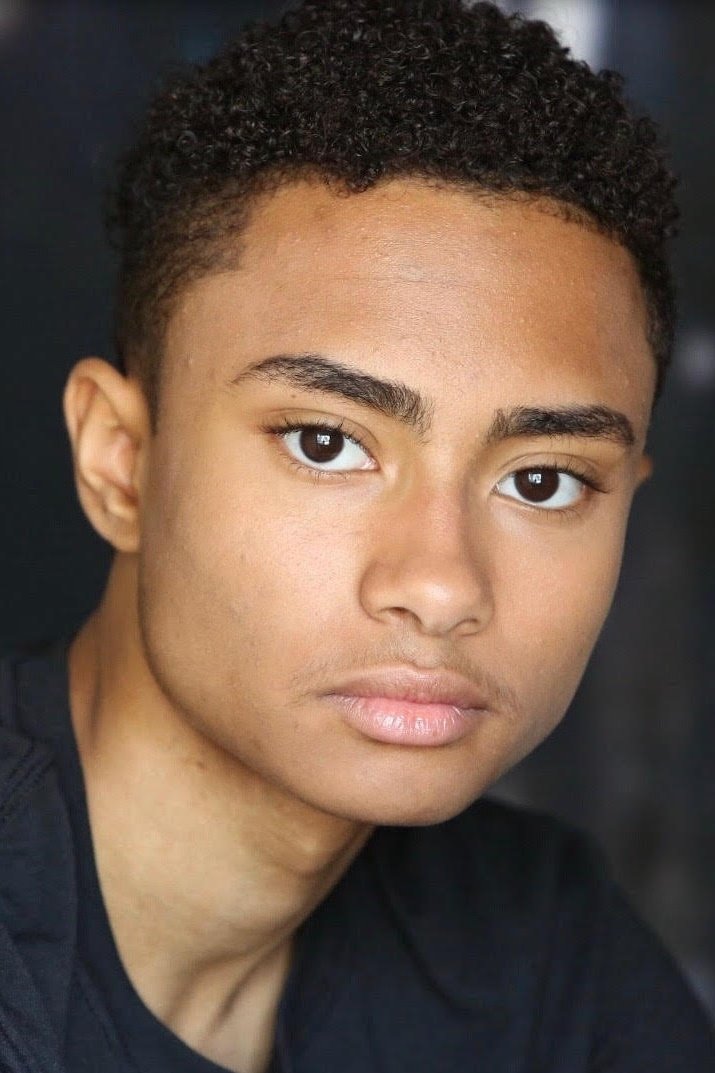
Logan Rozos is an actor best known for playing Star Child in the series ‘David Makes Man.’ Created by Tarell Alvin McCraney and produced by Oprah Winfrey, the show tells the story of a young boy growing up in South Florida. Rozos’s thoughtful and detailed performance was a key part of the series’ success, and he continues to seek out roles that share important stories about being Black and queer.
River Gallo

River Gallo is a filmmaker and actor known for writing and starring in the short film ‘Ponyboi,’ which explores the experiences of an intersex and trans individual. They’re a passionate advocate for the intersex community, using their films to bring visibility to often overlooked identities. In addition to ‘Ponyboi,’ Gallo appeared in ‘Love Victor’ and continues to create projects that give a platform to marginalized communities. Their distinctive artistic style has established them as an important figure in independent cinema.
Jes Tom
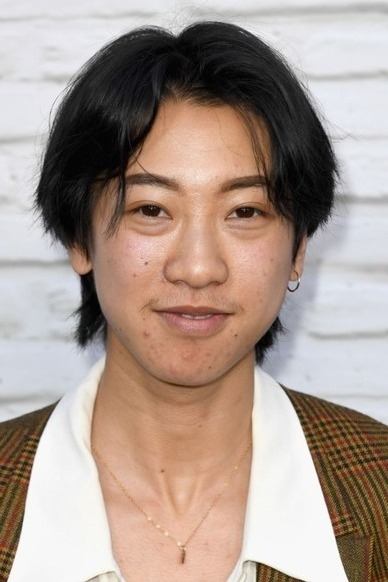
Jes Tom is a comedian and actor who’s been on shows like ‘Work in Progress’ and ‘Last Week Tonight.’ They’re known for being quick-witted and for sharing a unique transmasculine point of view through stand-up. In addition to performing, Jes also writes and has built a dedicated following online. Their work shows how important humor can be in breaking down stereotypes and helping people understand transgender experiences.
Silas Howard
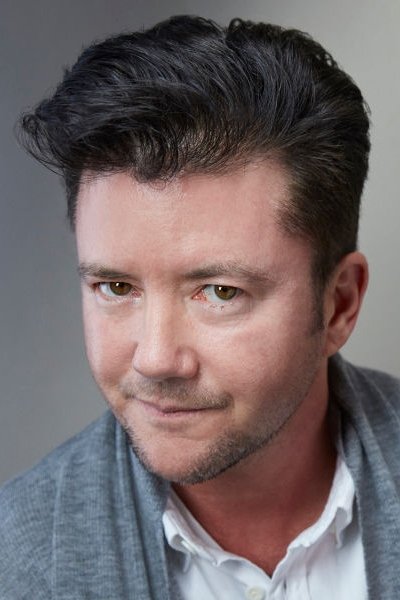
As a huge cinema fan, I’ve always been impressed by Silas Howard. He really broke ground with his early work, especially the film ‘By Hook or by Crook’. What’s particularly amazing is that he was one of the very first openly trans directors to helm an episode of mainstream TV – he’s done fantastic work on shows like ‘Pose’ and ‘Transparent’. He’s also been in a bunch of cool indie films. Honestly, he’s a landmark figure in queer cinema, and his career has been incredibly important, opening doors for so many younger trans and masculine-of-center creators trying to make it in Hollywood.
Jake Zyrus
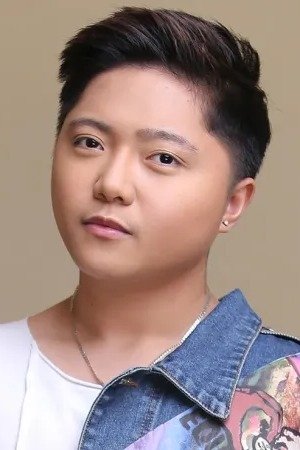
Jake Zyrus is a celebrated singer and actor who first became well-known as Charice. He gained recognition for his role as Sunshine Corazon on the TV show ‘Glee’ and for performing with famous musicians around the world. Following his transition, he continued to pursue his music career and was the subject of the documentary ‘Jake and Charice,’ which detailed his personal journey. Zyrus continues to be an influential figure in entertainment and an inspiration to transgender people, particularly in Asia and globally.
Miles McKenna
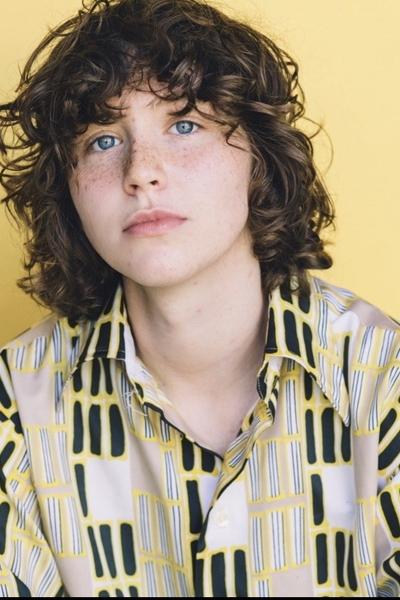
Miles McKenna is an actor and content creator known for his roles in shows like ‘Guilty Party’ and ‘Goosebumps’. He gained a large following on YouTube by sharing his personal transition journey. In addition to his on-screen work, McKenna wrote the book ‘Out’ and has become an important advocate for LGBTQ+ youth, especially in media representation. He’s quickly becoming known for bringing both humor and genuine emotion to his acting roles.
Morgan Davies
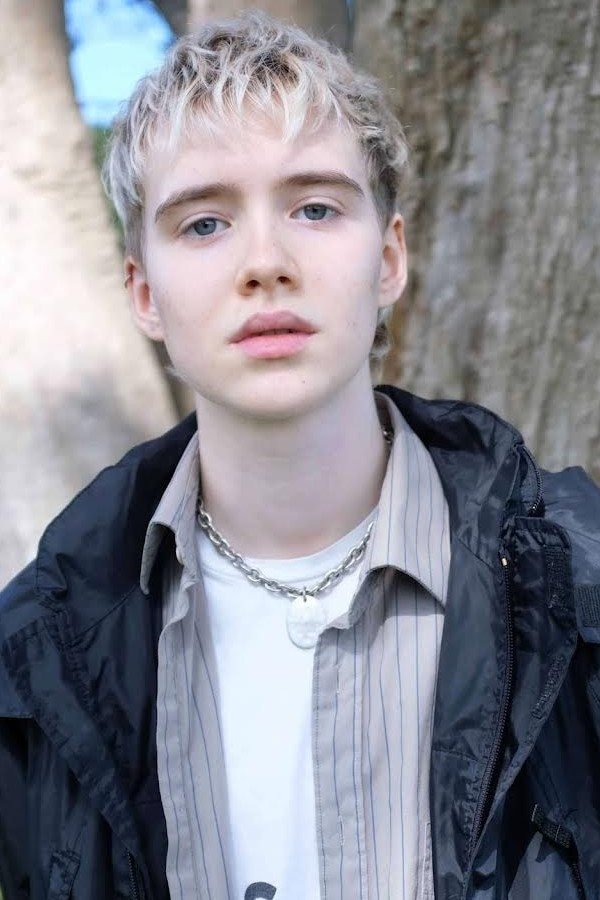
Morgan Davies is an Australian actor quickly becoming a Hollywood star. He first gained attention for playing the lead in the horror film ‘Evil Dead Rise,’ but he’s been acting since he was a child, with notable roles in series like ‘The End’ and ‘One Piece.’ Davies is praised for his powerful and moving performances, earning him award recognition in Australia. He’s proving to be a versatile talent, particularly in the horror and action genres.
Bilal Baig
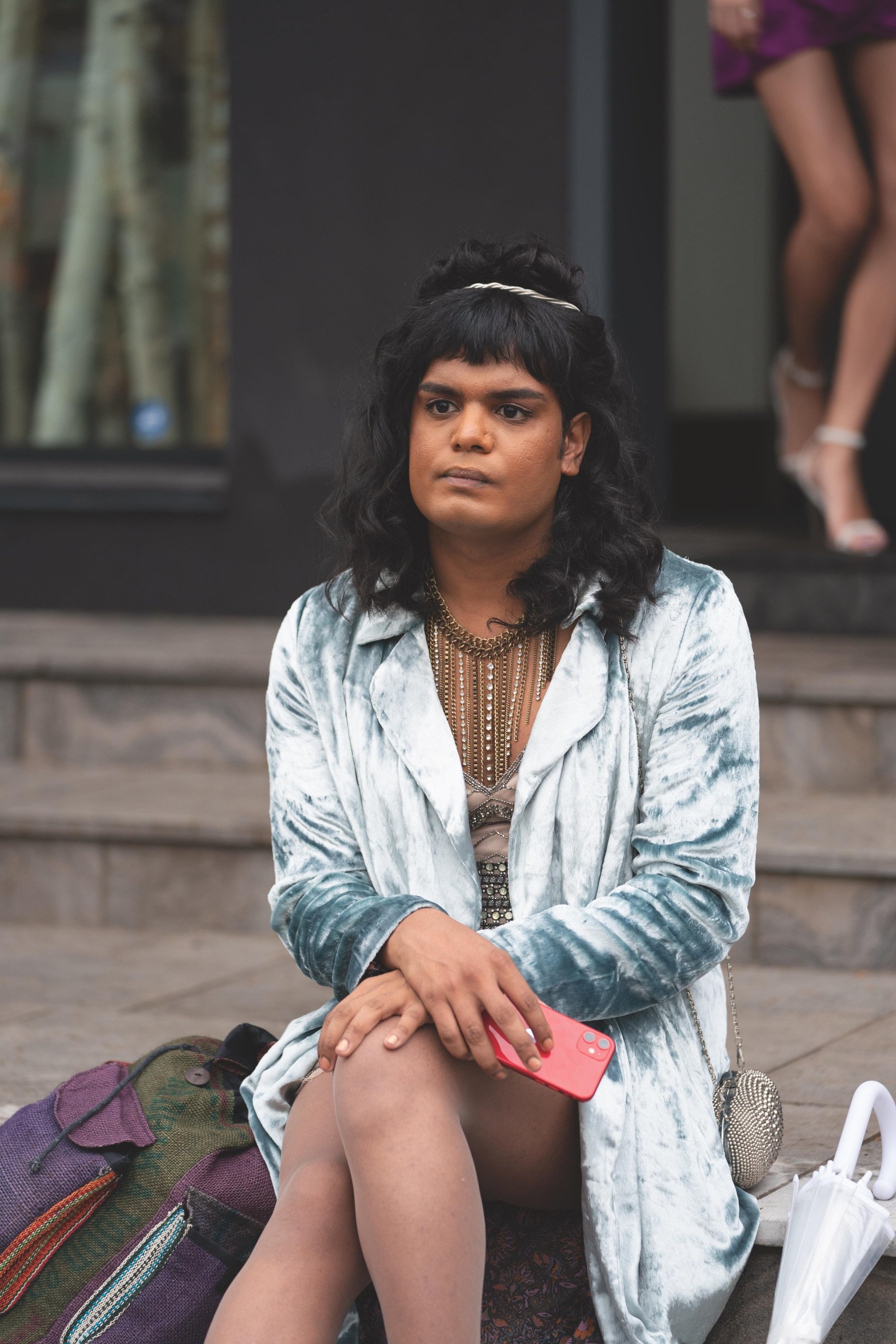
I have to say, Bilal Baig is a real talent. They not only co-created and star in the series ‘Sort Of,’ but they’re doing it while breaking barriers. The show itself is fantastic – it’s a funny, relatable look at life as a gender fluid and transmasculine person in Toronto, balancing family and work. What’s truly remarkable is that Baig is the first queer and trans person of color to lead a primetime comedy series here in Canada! It’s a show that’s getting deserved attention internationally, and I think a big part of that is its incredibly dry wit and how honestly it portrays what it’s like to be queer today.
Isaiah Stannard
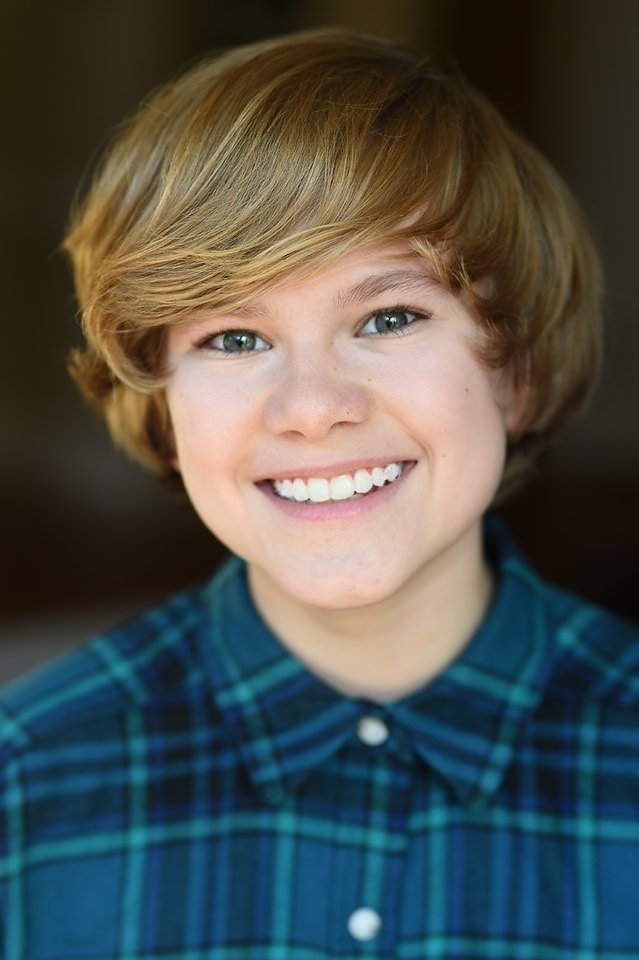
Isaiah Stannard is a young actor known for playing Ben Marks on the popular show ‘Good Girls’. His character’s story reflected his own personal journey, and the show received positive attention for handling it with care. Stannard has become an important role model for transgender young people, offering representation they often don’t see on TV. He’s continuing to pursue acting while also focusing on his education and working as an advocate.
Jordan Gonzalez
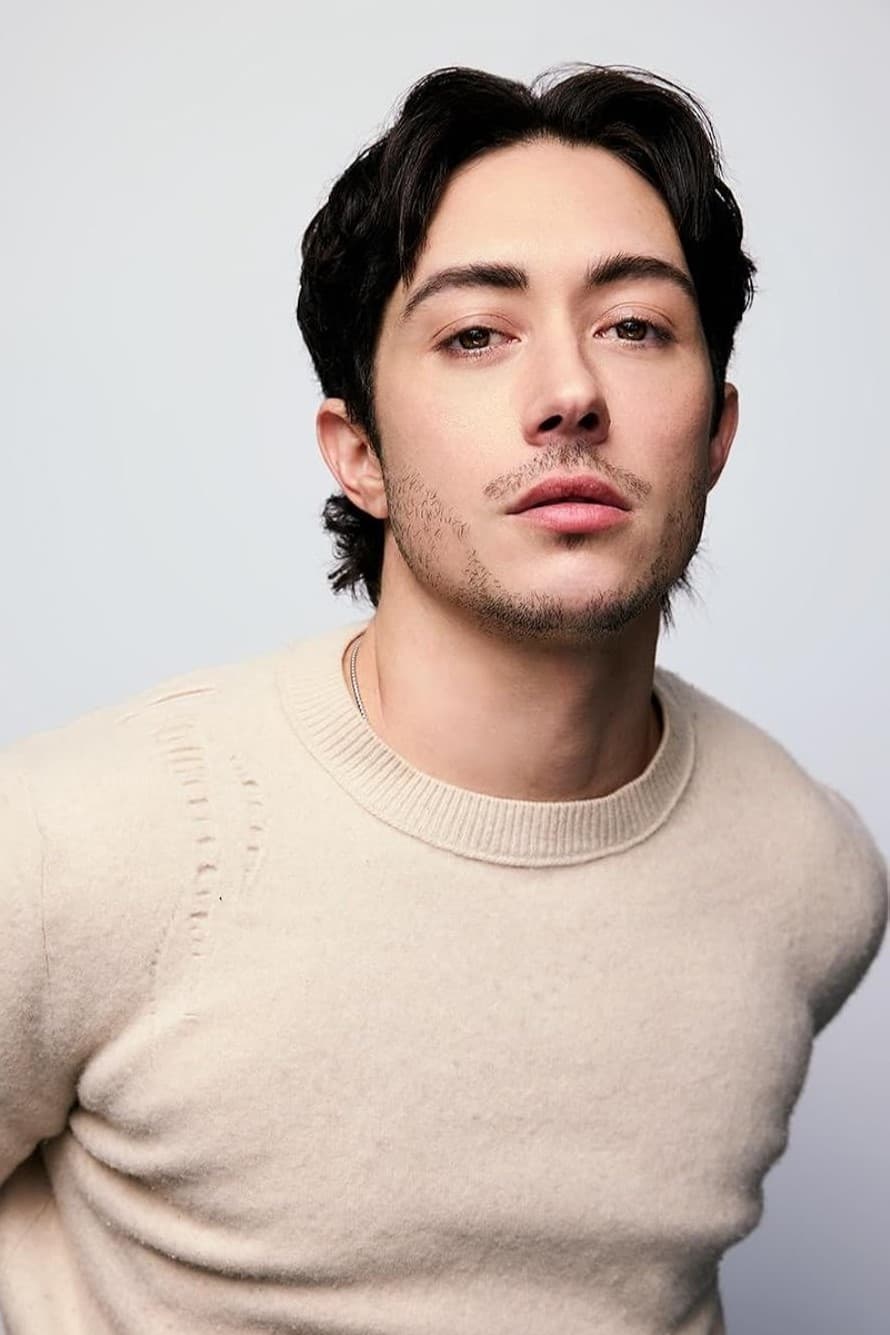
As a huge fan of seeing more diversity on screen, I was really impressed with Jordan Gonzalez’s performance in ‘Pretty Little Liars Original Sin’. He played Ash, a transgender student, and it wasn’t just a cameo or a storyline tacked on – Ash was a fully integrated part of the main mystery! What I loved even more is that Jordan has talked about how proud he is to portray a character that offers a really hopeful and positive representation for transmasculine folks. It’s so great to see actors like him helping to bring more authentic trans stories to the young adult world.
D’Lo
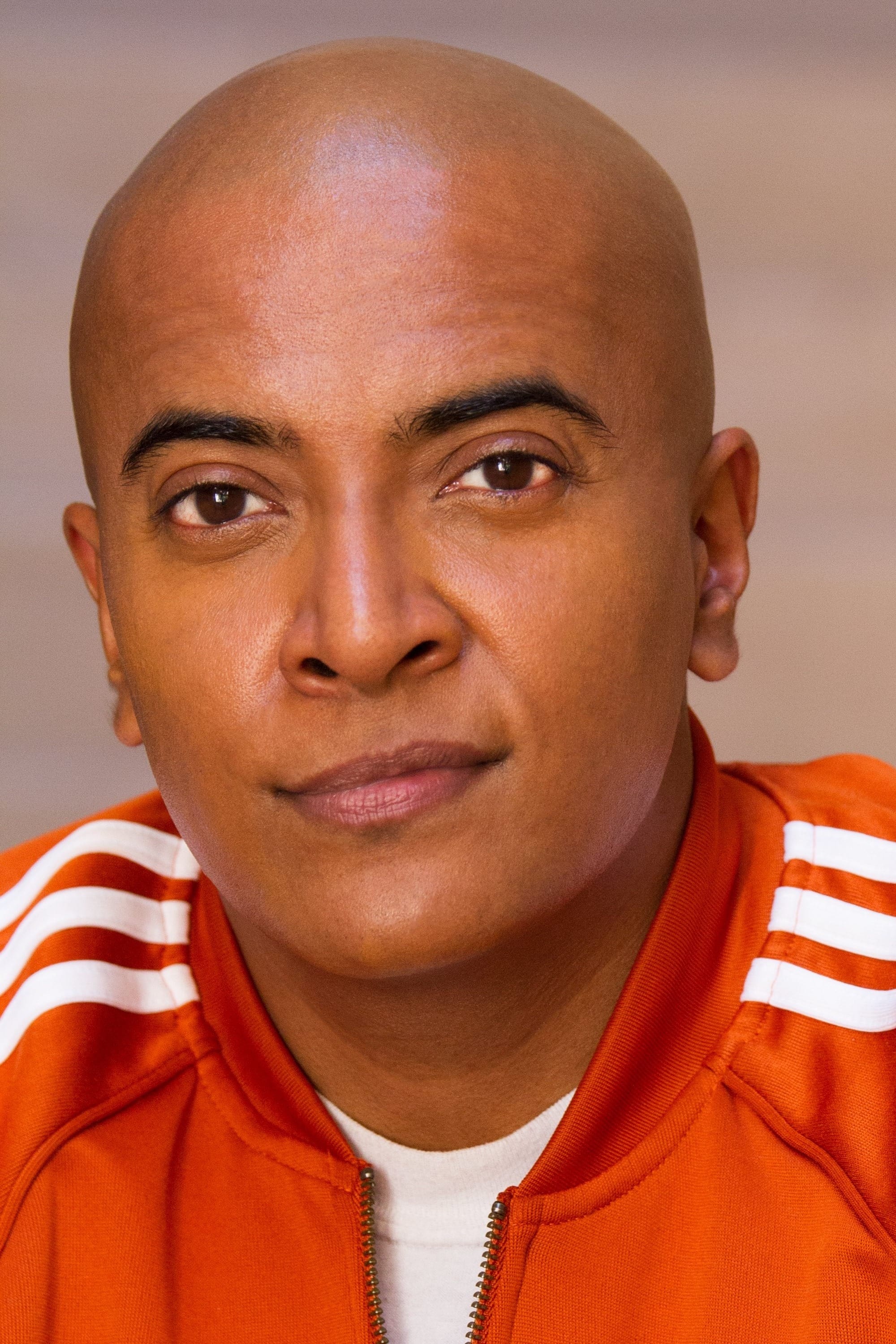
D’Lo is a comedian, actor, and performance artist who’s been in shows like ‘Looking’ and ‘Transparent’. He’s known for creating work that explores his experiences as a queer, transgender man with Sri Lankan roots. D’Lo has performed his one-person shows worldwide, earning him many awards. His career shows how powerful it can be to use personal stories for both entertainment and social impact.
Michael D. Cohen
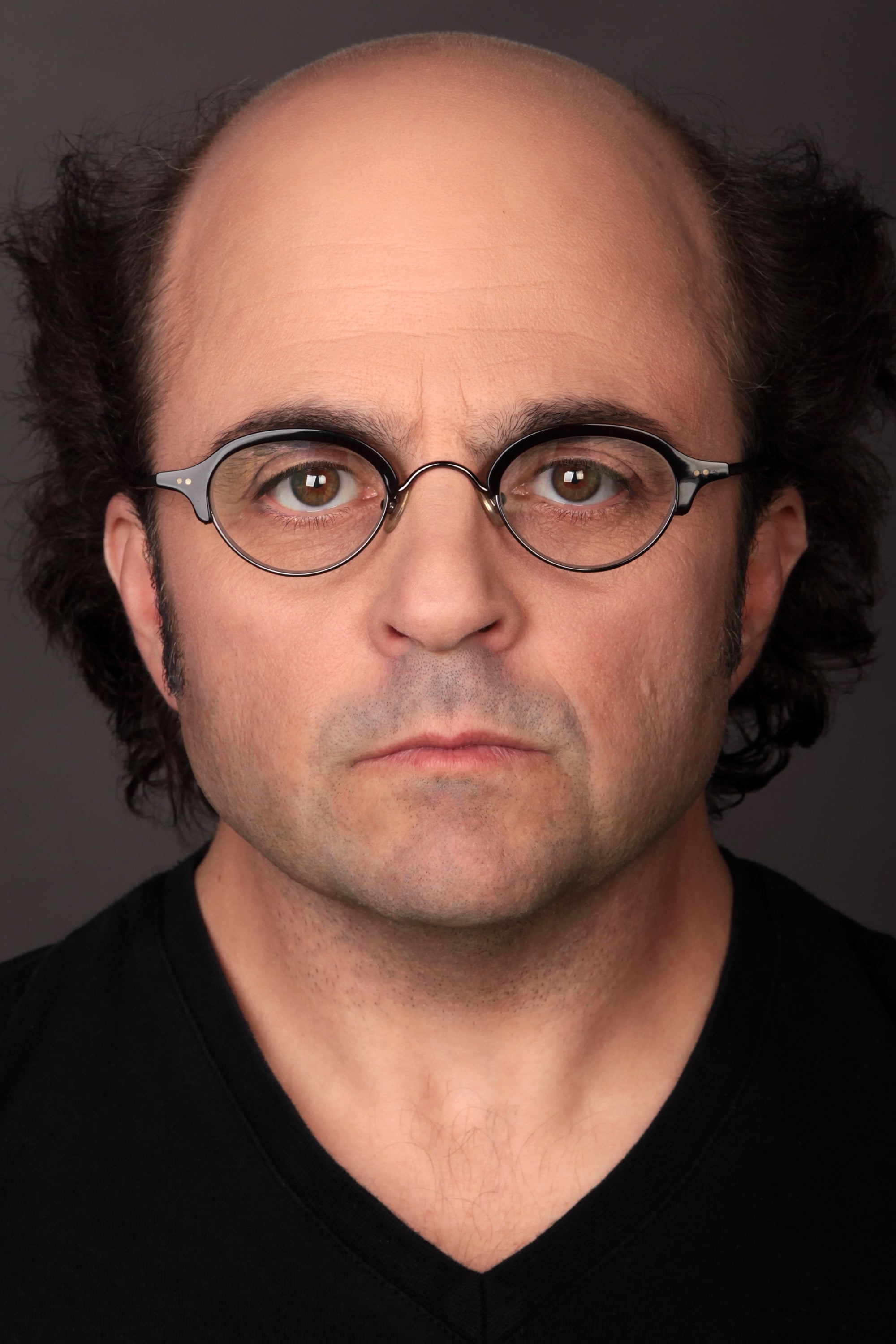
Michael D. Cohen is a well-known actor, famous for playing Schwoz Schwartz in ‘Henry Danger’. He came out as transgender later in his career and now actively works to increase representation of transgender people on children’s TV. Beyond acting, Cohen also teaches workshops and mentors aspiring performers in Hollywood. With a successful career on television, he’s become a highly respected and influential figure in the entertainment industry.
Tell us in the comments which actor you think has made the biggest difference in the movies and TV shows you love.
Read More
- Top 20 Dinosaur Movies, Ranked
- 20 Movies Where the Black Villain Was Secretly the Most Popular Character
- 25 “Woke” Films That Used Black Trauma to Humanize White Leads
- Celebs Who Narrowly Escaped The 9/11 Attacks
- Gold Rate Forecast
- Spotting the Loops in Autonomous Systems
- Silver Rate Forecast
- The 10 Most Underrated Jim Carrey Movies, Ranked (From Least to Most Underrated)
- Transformers Under the Microscope: What Graph Neural Networks Reveal
- The Best Directors of 2025
2026-03-11 23:49