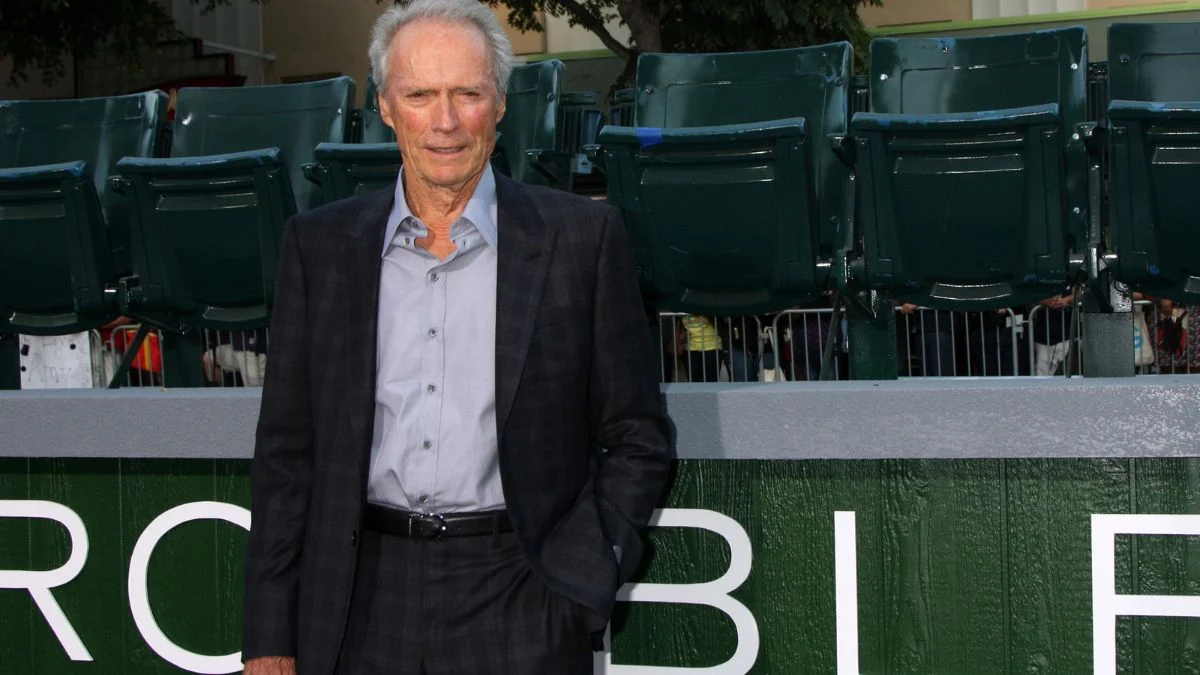
Clint Eastwood has always said his most famous movie roles weren’t intended to make political statements. Though films like Dirty Harry are often seen as supporting taking the law into one’s own hands and using violence outside the legal system, Eastwood consistently disagrees with that interpretation.
He believes audiences focus on the exciting parts of a story, not the realistic details of police work. The debate often comes from the fact that his characters sometimes break the rules to get things done, while other films of the time took different approaches.
For example, Eastwood once criticized Martin Scorsese’s Taxi Driver, questioning its artistic value. He was skeptical of a main character, Travis Bickle, who was clearly struggling with serious mental health problems.
As he put it, while it’s acceptable for a character like Harry Callahan to use force as a police officer, the same behavior from someone mentally unstable like Bickle is a completely different issue.
Eastwood’s work shows a clear contrast in his understanding of morality in 1970s films. He consistently favored the strong, silent hero—a role he often embodied—who brought order to a turbulent world through his own actions.
He saw his character Callahan as a relatable hero for everyday, working-class Americans—someone who represented the desire to stand up to authority. However, he believed the character of Bickle went too far in portraying instability and chaos.
The violence in Taxi Driver isn’t just about shock value; it’s a thoughtful look at loneliness and a society falling apart. Clint Eastwood probably missed these deeper meanings when he criticized the film, likely because he was focused on maintaining the success of his own tough-guy image. He once said, “I think films can go overboard on violence,” but then justified his own films by pointing out, “We don’t use slow-motion violence, for instance, or lingering blood squirts.”
Clint Eastwood, now in his mid-90s, is still actively working in film, despite increasing his privacy. After turning 95 last spring, he’s repeatedly dismissed talk of retirement, stating he’ll continue directing as long as he finds the work challenging and engaging. His latest film, the 2024 legal thriller Juror No. 2, has been well-received by critics, who praised its intricate story and skillful direction, demonstrating that Eastwood still has a remarkable talent for building suspense.
Clint Eastwood is starting to plan a new movie, and it sounds like he’s focused on telling fresh, original stories with strong characters. He’s not interested in the current trend of sequels and remakes. While it’s unclear if he’ll act in the film, he remains a remarkably productive and dedicated director, solidifying his place as a filmmaking legend.
Read More
- Building 3D Worlds from Words: Is Reinforcement Learning the Key?
- Securing the Agent Ecosystem: Detecting Malicious Workflow Patterns
- The Best Directors of 2025
- Gold Rate Forecast
- 2025 Crypto Wallets: Secure, Smart, and Surprisingly Simple!
- Mel Gibson, 69, and Rosalind Ross, 35, Call It Quits After Nearly a Decade: “It’s Sad To End This Chapter in our Lives”
- 20 Best TV Shows Featuring All-White Casts You Should See
- TV Shows Where Asian Representation Felt Like Stereotype Checklists
- Umamusume: Gold Ship build guide
- Most Famous Richards in the World
2026-03-11 16:46