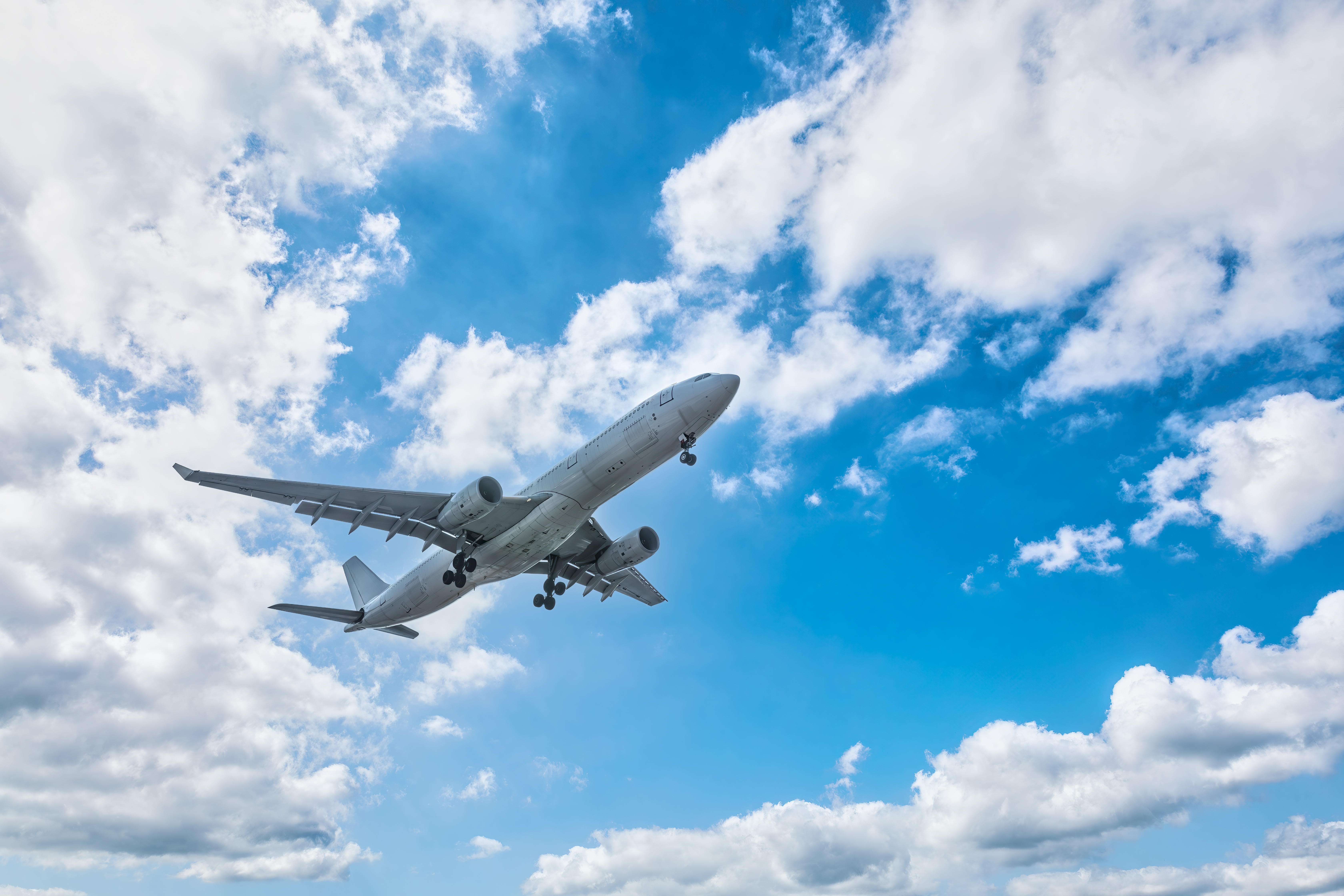
The market, a restless sea, feels the tremors of events far away. The S&P 500 dips, a subtle yielding, but for certain sectors, the descent is steeper. It is not merely a numerical decline we observe, but a mirroring of the anxieties that ripple across continents. The airlines, those fragile birds of commerce, find themselves caught in a particularly fierce crosswind.
The conflict, a sudden and unwelcome storm, presents a double burden. Demand, once a steady current, falters, while the very fuel that sustains these aerial voyages grows ever more costly. It is a cruel paradox – to soar requires more, even as the reasons for flight diminish. Airports, those bustling gateways to the world, stand hushed, their gates lowered like eyelids against a gathering darkness. Dubai, Abu Dhabi, Doha – names that once evoked a sense of limitless connection, now echo with an unsettling stillness.
Southwest, Delta, American, United – each a name carrying the weight of ambition and investment – have felt the chill. A decline of thirteen, fifteen, sixteen, nineteen percent… these are not mere figures, but the visible fraying of carefully constructed fortunes. The market, it seems, remembers all debts, and calculates them with merciless precision.
Eleven thousand flights grounded, a million passengers adrift. It is a disruption on a scale that speaks to the interconnectedness of our world, and the fragility of its systems. These airports, normally humming with the energy of ceaseless movement, resemble abandoned nests, waiting for a spring that may be slow in coming. They are vital organs in the global circulatory system, and their temporary paralysis is felt acutely by all.
The Rising Cost of Passage
Crude oil, that dark, ancient fluid, stirs with the unrest. A rise of thirteen dollars a barrel… a seemingly small increment, yet it carries the weight of geopolitical tension. The Strait of Hormuz, a narrow passage holding the lifeblood of global commerce, feels the tightening grip of circumstance. Twenty percent of the world’s petroleum flows through this channel, a fact that transforms every ripple into a potential wave.
Jet fuel, the elixir of flight, follows suit, soaring from $105 to $150 a barrel in a mere five days. Fuel accounts for fifteen to twenty-five percent of a flight’s cost – a significant portion, and one that airlines can ill afford to absorb. It is a reminder that even the most advanced technologies remain tethered to the fundamental realities of resource dependence.
There is a peculiar asymmetry to this situation. A surge in demand for flights out of the region, a desperate exodus… but once that initial wave subsides, a precipitous drop in overall demand seems inevitable. It is a fleeting, almost frantic energy, soon to be replaced by a weary stillness.
Will the skies clear for these beleaguered companies? It is difficult to say. The initial predictions of a contained conflict seem increasingly optimistic. The currents of unrest run deep, and the regime appears to favor the sowing of chaos over the pursuit of negotiation. It is a dangerous game, played with the fortunes of nations as its stakes.
One cannot dismiss the possibility of further declines, a prolonged period of diminished returns. The market, like a seasoned observer, remembers past patterns, and rarely offers easy redemption. It is a landscape of constant recalibration, where fortunes are built and lost on the shifting winds of circumstance. A cautious approach, a patient observation of the unfolding events – these are the virtues of a prudent investor.
Read More
- Building 3D Worlds from Words: Is Reinforcement Learning the Key?
- Gold Rate Forecast
- Securing the Agent Ecosystem: Detecting Malicious Workflow Patterns
- 2025 Crypto Wallets: Secure, Smart, and Surprisingly Simple!
- Wuthering Waves – Galbrena build and materials guide
- The Best Directors of 2025
- Games That Faced Bans in Countries Over Political Themes
- 📢 New Prestige Skin – Hedonist Liberta
- The Most Anticipated Anime of 2026
- Top 20 Educational Video Games
2026-03-08 20:52