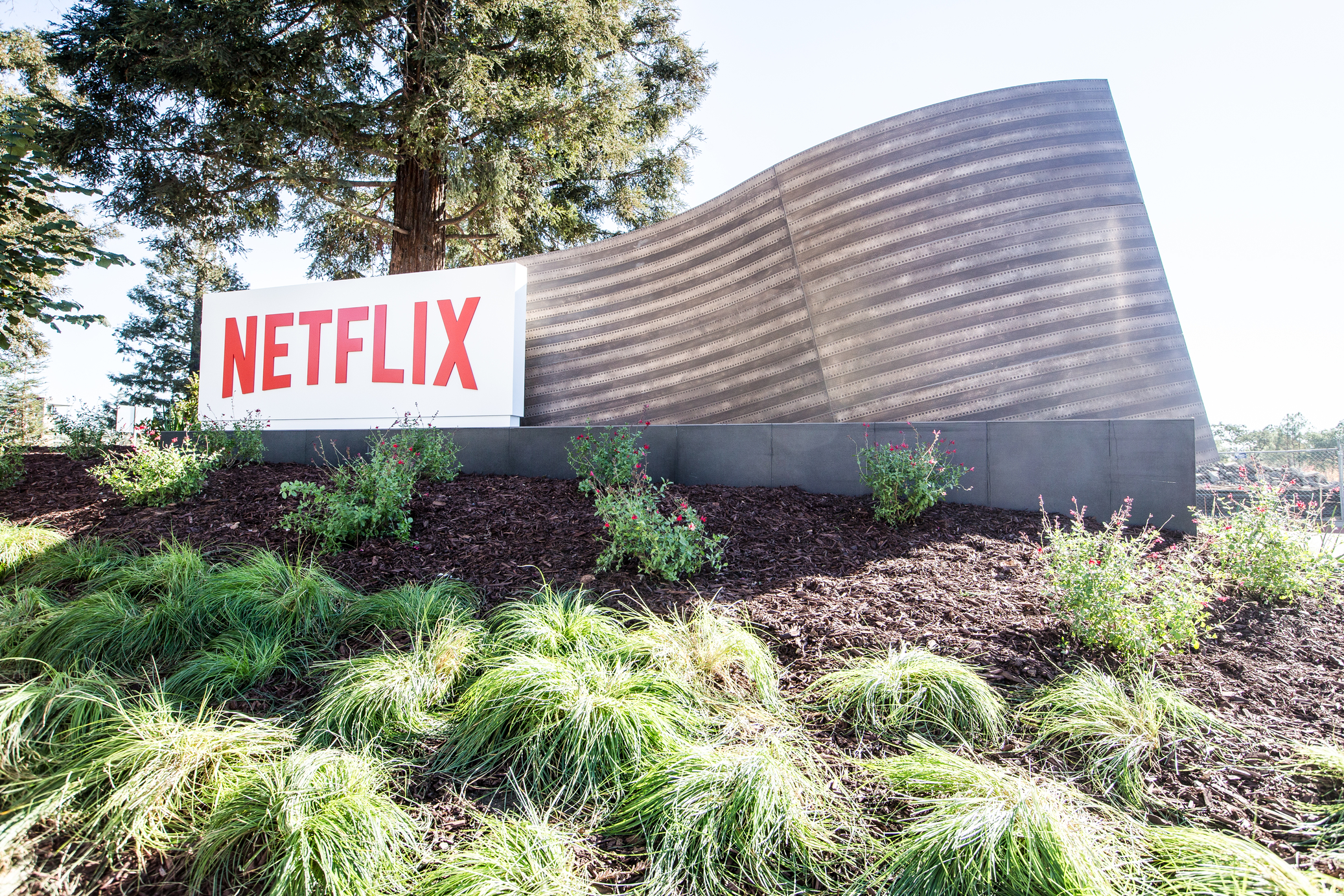
The predictable drama has, for the moment, subsided. Netflix, with a commendable display of fiscal restraint – a rare virtue in these frantic times – has withdrawn from the bidding for Warner Bros. Discovery. Paramount, naturally, has declared victory. One suspects this is less a triumph of strategy than a demonstration of the capacity for deeper pockets, or perhaps simply a willingness to embrace a ruinous debt. It is, after all, the modern equivalent of a gentleman settling a gambling loss.
The initial reports, trumpeting Paramount’s supposed ‘win’, were particularly nauseating. As if accumulating debt and integrating disparate, often failing, assets constitutes success. The price, a staggering sum exceeding one hundred billion dollars, is, of course, merely a detail. Accountants will fret, shareholders will murmur, but the senior executives will, as always, secure their bonuses. The choreography is depressingly familiar.
One notes the eagerness to overlook the inherent instability. Seventy-nine billion dollars in debt, they proclaim, will be ‘managed’. One pictures the unfortunate souls tasked with that particular exercise, poring over spreadsheets with the grim determination of condemned men. The phrase ‘largest leveraged buyout in history’ should, ideally, serve as a warning, but in the current climate, it seems merely to denote ambition.
Professor Damodaran, a man of admirable, if unfashionable, prudence, is, as ever, correct. Acquisitions are, overwhelmingly, exercises in value destruction. The evidence is compelling, yet the practice persists. It speaks volumes about the enduring allure of hubris and the short-sightedness of those who command these empires.
Paramount anticipates savings of six billion dollars over three years. A comforting figure, no doubt, but one that conveniently ignores the inevitable disruptions, redundancies, and the erosion of morale that accompany such upheavals. Cost-cutting, after all, is rarely a path to innovation or sustained growth. It is merely a palliative, delaying the inevitable decline.
The research of Professors Gu and Lev is particularly damning. Seventy to seventy-five percent of acquisitions fail. A statistic that should give pause to even the most ardent proponents of this folly. But, alas, reason is rarely a match for ambition. Gu’s assessment of this particular deal – “humongous” and fraught with difficulty – is, one suspects, an understatement.
The regulatory hurdles, predictably, are presented as mere formalities. One trusts the relevant authorities will exhibit a modicum of skepticism. But in an era of unchecked corporate power, one should not hold one’s breath. The wheels of bureaucracy, after all, are greased with lobbying and self-interest.
Netflix, meanwhile, emerges from this debacle with a surprising degree of dignity. The stock, predictably, has rebounded. Investors, it seems, appreciate a company that resists the siren song of reckless expansion. The termination fee of $2.8 billion is a welcome consolation prize, though one suspects it will be swiftly absorbed into the vast maw of corporate expenses.
The improvements to their adtech platform and the acquisition of InterPositive are, of course, presented as evidence of continued dynamism. One suspects these are merely routine measures, designed to maintain the illusion of progress. But in the world of corporate messaging, appearances are, invariably, all that matter.
The fourth-quarter results – a revenue increase of eighteen percent and a thirty percent jump in earnings per share – are, naturally, touted as proof of Netflix’s inherent strength. One suspects these figures are, at best, temporary respites from the inevitable challenges that lie ahead. But in the short term, they serve their purpose: to distract and appease.
The acquisition of Warner Bros. would have been ‘nice to have,’ they claim. A curiously understated assessment. It would have bolstered their content library and expanded their streaming business. But it was not, ultimately, necessary. Netflix has, for once, demonstrated a degree of fiscal prudence. And in the current climate, that is a rare and commendable achievement. One might even venture to suggest that Netflix, in this particular instance, has emerged as the least foolish party.
And at thirty-one times forward earnings, the stock remains, shall we say, optimistically valued. But then, what is a stock market if not a collective exercise in self-deception?
Read More
- Gold Rate Forecast
- Securing the Agent Ecosystem: Detecting Malicious Workflow Patterns
- NEAR PREDICTION. NEAR cryptocurrency
- DOT PREDICTION. DOT cryptocurrency
- Wuthering Waves – Galbrena build and materials guide
- USD COP PREDICTION
- Silver Rate Forecast
- EUR UAH PREDICTION
- USD KRW PREDICTION
- Games That Faced Bans in Countries Over Political Themes
2026-03-08 10:02