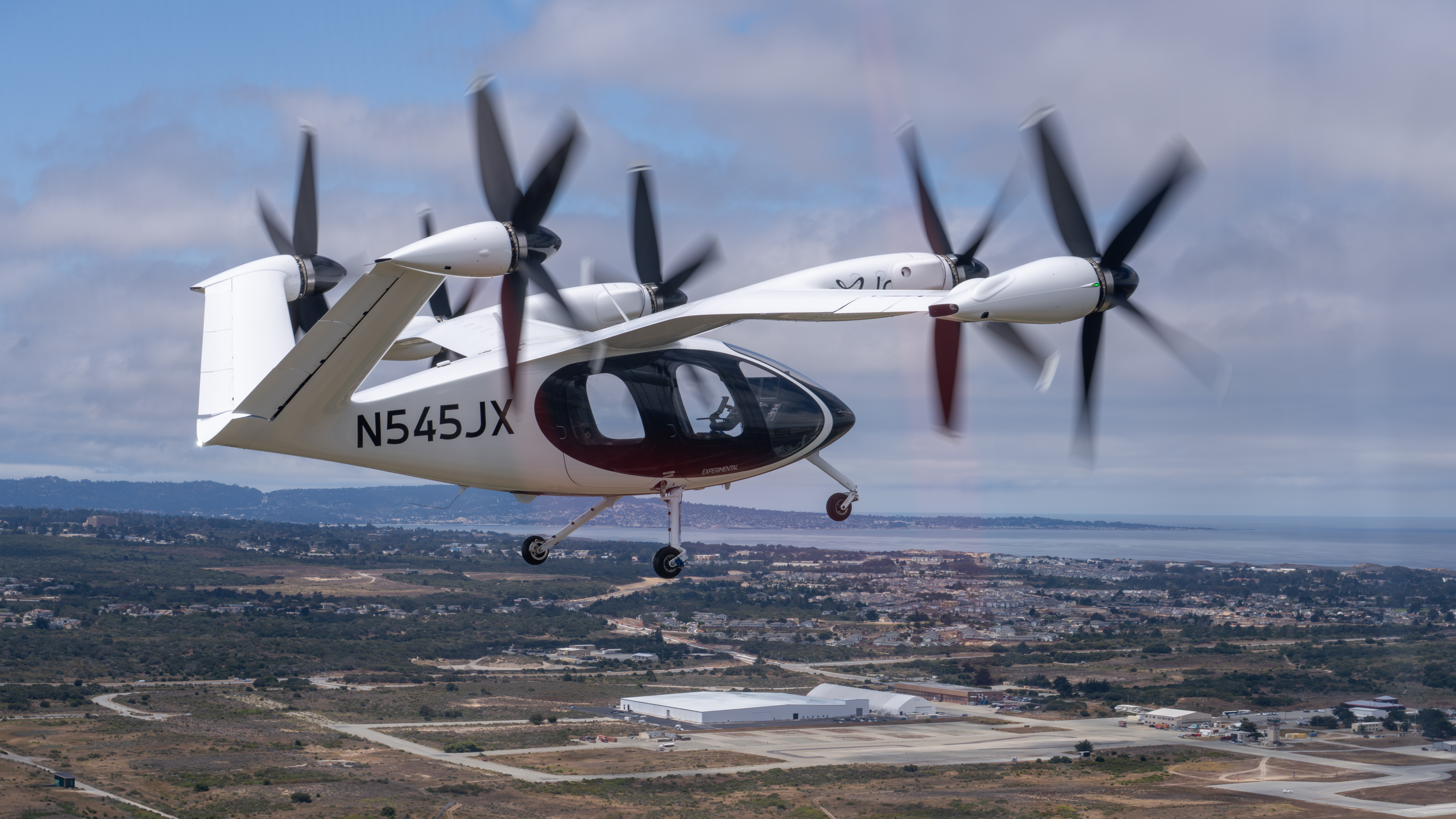
So, Uber and Joby Aviation have decided to try and make flying cars… or, more accurately, electric vertical takeoff and landing (eVTOL) aircraft, a thing. It’s a bold move, really. For decades, the promise of personal flight has remained stubbornly in the realm of science fiction, usually involving chrome fins and a distinct lack of practicality. Now, it seems, we’re actually on the cusp of something resembling it. They’re starting in Dubai, of all places, later this year, with plans to expand to places like New York and Los Angeles. It’s a bit like starting a marathon in the Sahara, but hey, who are we to judge? The FAA certification is the big hurdle, slated for 2026, which feels simultaneously a long way off and terrifyingly close.
The Business Model: More Than Just Flying Machines
What’s particularly interesting, and what often gets overlooked in the breathless coverage of whirring propellers, is how Joby intends to make this work. They’re not simply building aircraft to sell to anyone with a spare £2 million. They’re aiming to be a vertically integrated transportation-as-a-service (TaaS) company – essentially, the Uber of the skies. This is a crucial distinction. Archer Aviation, another player in this nascent industry, is taking the more traditional route of building and selling the aircraft themselves. It’s a bit like the difference between opening a taxi company and building the taxis. One is a service business, the other a manufacturing one, and they have very different dynamics.
Surprisingly, Joby is Ahead of the Curve
Now, you might expect that Archer, with its partnerships with aerospace giants like Honeywell and Safran, would be leading the charge. It makes sense, doesn’t it? Leverage the expertise of established players. But, remarkably, Joby appears to be ahead in the FAA certification race. It’s a bit like building a ship in a bottle – you can get all the help you want, but ultimately, it’s the skill of the builder that matters. Joby is designing and manufacturing its own eVTOL, and, against the odds, it seems to be working. It’s a testament to their engineering prowess, or perhaps just a healthy dose of Californian optimism.
First-Mover Advantage and the Autonomous Threat
Being first to market is, naturally, a significant advantage. But there’s a potential wrinkle. Boeing’s Wisk subsidiary is also aiming for the TaaS model, but with a twist: autonomous flight. Now, autonomous flight is a considerably more complex undertaking, requiring a whole raft of additional safety measures and regulatory approvals. But if they succeed, they could significantly undercut piloted eVTOL services simply by eliminating the pilot’s salary. It’s a bit like the steam engine versus the horse – eventually, efficiency wins. Joby is well aware of this threat, and they’re partnering with Nvidia to develop autonomous functions, effectively hedging their bets. It’s a smart move, ensuring they’re not left behind if the future of flight is pilotless.
The beauty of Joby’s current strategy is that they can establish a TaaS business before fully transitioning to autonomous flight. This gives them a crucial head start – established routes, customer relationships, and a network of vertiports (the fancy name for landing pads). It’s like building a railway network before anyone has invented the internal combustion engine – you’re laying the groundwork for future growth.
Dubai: A Testbed for the Future
The decision to start commercial operations in Dubai, before the U.S., is intriguing. The UAE aviation authority has a fast-track regulatory program, which streamlines the approval process. It’s a bit like finding a country with slightly more relaxed building codes when you’re constructing a particularly ambitious treehouse. It allows Joby to gain valuable real-world experience and refine its operations before tackling the more stringent U.S. regulations. It’s a calculated risk, but one that could pay off handsomely.

What This Means for Investors
From an investment perspective, this announcement is encouraging. The sooner Joby can open commercial operations, the greater its first-mover advantage and the more customers will become accustomed to the TaaS model. Joby is often seen as a higher-risk/higher-reward play than Archer, and that’s fair. Building a vertically integrated transportation company is inherently more complex and takes longer than simply selling aircraft. But the combination of certification leadership, partnerships with Delta and Toyota, and Uber’s investment is lowering the risk while the reward potential remains substantial. It’s a compelling combination, and one that makes the stock increasingly attractive. It’s not going to be easy, of course. But then, nothing worthwhile ever is.
Read More
- Gold Rate Forecast
- Top 15 Insanely Popular Android Games
- 4 Reasons to Buy Interactive Brokers Stock Like There’s No Tomorrow
- Did Alan Cumming Reveal Comic-Accurate Costume for AVENGERS: DOOMSDAY?
- EUR UAH PREDICTION
- DOT PREDICTION. DOT cryptocurrency
- Silver Rate Forecast
- ELESTRALS AWAKENED Blends Mythology and POKÉMON (Exclusive Look)
- Core Scientific’s Merger Meltdown: A Gogolian Tale
- New ‘Donkey Kong’ Movie Reportedly in the Works with Possible Release Date
2026-03-05 17:13