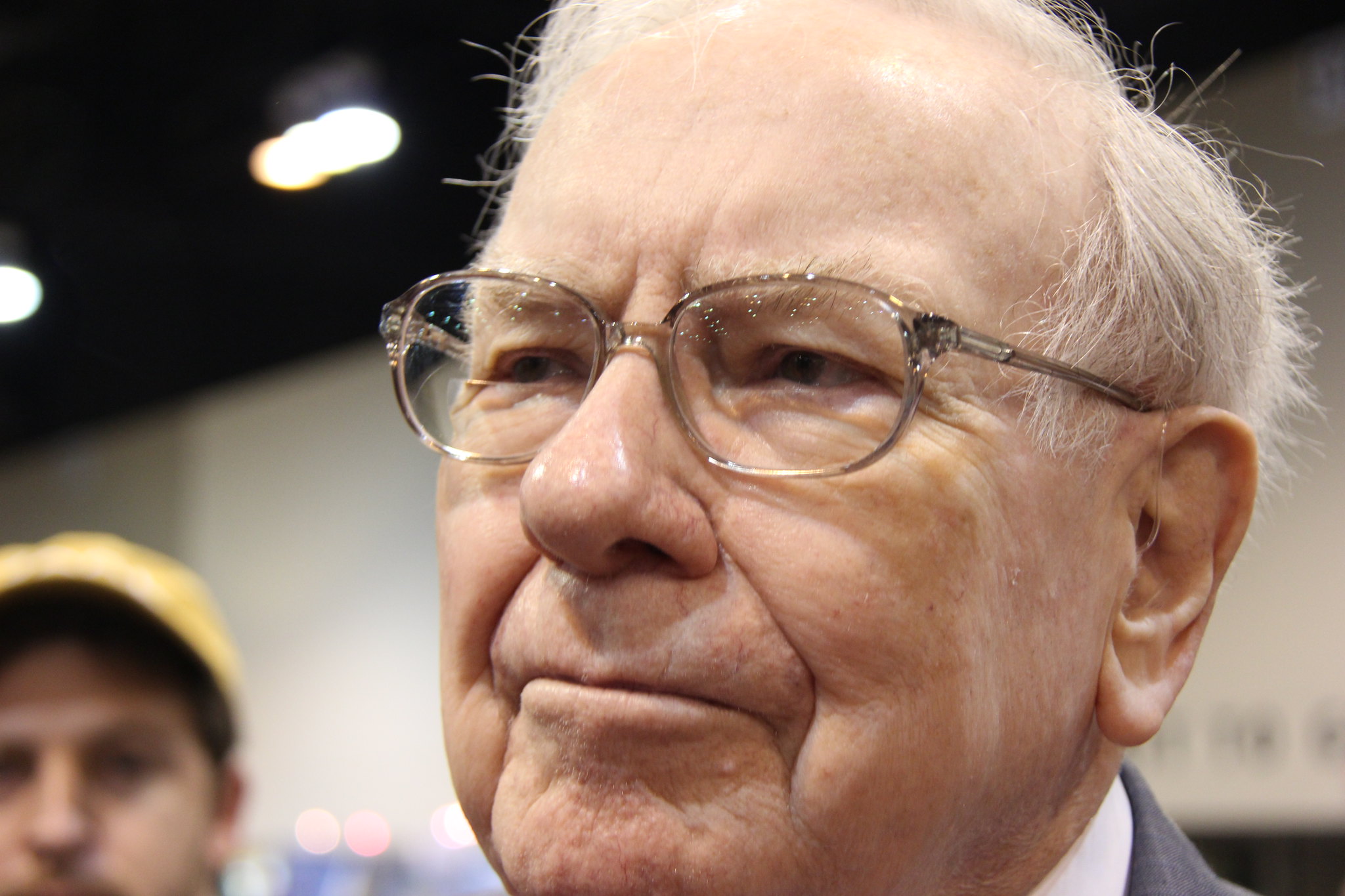
The transfer of power at Berkshire Hathaway, while dutifully noted, feels less a revolution than a quiet rearrangement of deckchairs. Mr. Abel now occupies the captain’s chair, but the portfolio, at least for the time being, remains stubbornly loyal to the tastes of his predecessor. The fourth-quarter filings, still bearing the faint imprint of Mr. Buffett’s hand, reveal a concentration of holdings that is, shall we say, reassuringly predictable.
The triumvirate of Apple, American Express, and Coca-Cola continues to dominate, accounting for a substantial portion of the $320 billion equity portfolio. Apple, once threatening to consume the whole, has been judiciously trimmed, now representing approximately 20% of the total. American Express and Coca-Cola, those steadfast companions of decades, remain untouched – monuments to a philosophy of patient, unyielding investment. One suspects Mr. Buffett, even in retirement, would view any tampering with these holdings as a form of sacrilege.
Whether Mr. Abel shares this sentiment remains to be seen. One trusts he possesses sufficient financial acumen to recognise a good thing when he sees it, even if it comes packaged with a certain amount of sentimental attachment. These stocks, after all, have served Berkshire Hathaway – and its shareholders – remarkably well. And, crucially, they continue to offer a degree of value that is increasingly rare in the current, rather hysterical, market.
Apple: The Allure of the Closed Garden
The recent holiday sales figures for Apple, while impressive, were hardly unexpected. The company has a knack for persuading consumers that they require devices of exquisite design and exorbitant price. The iPhone, that ubiquitous symbol of modern vanity, continues to sell in prodigious quantities, despite the proliferation of competitors. The 23% year-over-year increase in revenue is less a testament to innovation than to the power of branding and the human desire for status symbols.
The true strength of Apple lies in its ecosystem – a carefully constructed walled garden that encourages customer loyalty and repeat purchases. Once one has invested in the Apple universe, escaping it proves surprisingly difficult. The devices are seamlessly integrated, the software is intuitive, and the promise of future upgrades is ever-present. It is a masterful exercise in consumer manipulation, and one that continues to yield handsome returns.
The services segment, that quietly lucrative addition to the Apple empire, further enhances the ecosystem and pads the bottom line. And the partnership with Alphabet, while presented as a move towards artificial intelligence, strikes one as a pragmatic acknowledgement that Apple, for all its ingenuity, cannot – or will not – do everything in-house.
One anticipates a revamped Siri and more powerful AI features in the coming months. Whether these innovations will genuinely transform the user experience remains to be seen. But one suspects that Apple’s primary goal is to maintain its moat and fend off the competition – a task at which it excels.
American Express: The Persistence of Privilege
American Express, that venerable institution of high finance, has adapted to the changing times with a degree of grace. The company has refreshed its cards and rewards system to appeal to a younger, more affluent clientele. The core model, however, remains unchanged: target the wealthy, charge them exorbitant fees, and enjoy the resulting profits.
The influx of millennial and Gen Z members is encouraging, but one should not mistake a temporary trend for a fundamental shift. These younger consumers are still drawn to the prestige and exclusivity that American Express represents. Whether they will remain loyal as they age and their financial priorities evolve is an open question.
The company’s recent performance – a 10% increase in both revenue and earnings per share – is commendable. The addition of 2.9 million new card acquisitions in the fourth quarter is also encouraging. But one should not overestimate the sustainability of this growth. The economic landscape is unpredictable, and consumer spending is notoriously fickle.
American Express remains a solid, well-managed company. But its long-term success will depend on its ability to maintain its brand image and attract a new generation of affluent customers.
Coca-Cola: The Ubiquity of Sweetness
Coca-Cola, that purveyor of sugary beverages, continues to dominate the global market. The company’s success is not based on innovation or quality, but on marketing and distribution. Coca-Cola has a knack for persuading consumers that its products are essential to a happy and fulfilling life.
The company’s acquisition strategy – acquiring smaller, higher-growth brands – is a clever way to diversify its portfolio and boost overall growth. These smaller companies benefit from Coca-Cola’s vast distribution network and marketing muscle. It is a mutually beneficial arrangement, and one that has served Coca-Cola well for decades.
The company’s dividend record is particularly noteworthy. Coca-Cola is a Dividend King, having raised its dividend annually for at least 50 years. This is a testament to the company’s financial stability and its commitment to returning capital to shareholders. It is a rare and valuable attribute in the current market.
Coca-Cola remains a solid, reliable investment. Its products may be unhealthy, its marketing may be manipulative, but its financial performance is consistently strong. And in the current climate, that is often enough.
Read More
- Gold Rate Forecast
- Top 15 Insanely Popular Android Games
- 4 Reasons to Buy Interactive Brokers Stock Like There’s No Tomorrow
- Did Alan Cumming Reveal Comic-Accurate Costume for AVENGERS: DOOMSDAY?
- Silver Rate Forecast
- EUR UAH PREDICTION
- DOT PREDICTION. DOT cryptocurrency
- ELESTRALS AWAKENED Blends Mythology and POKÉMON (Exclusive Look)
- New ‘Donkey Kong’ Movie Reportedly in the Works with Possible Release Date
- Core Scientific’s Merger Meltdown: A Gogolian Tale
2026-03-04 20:53