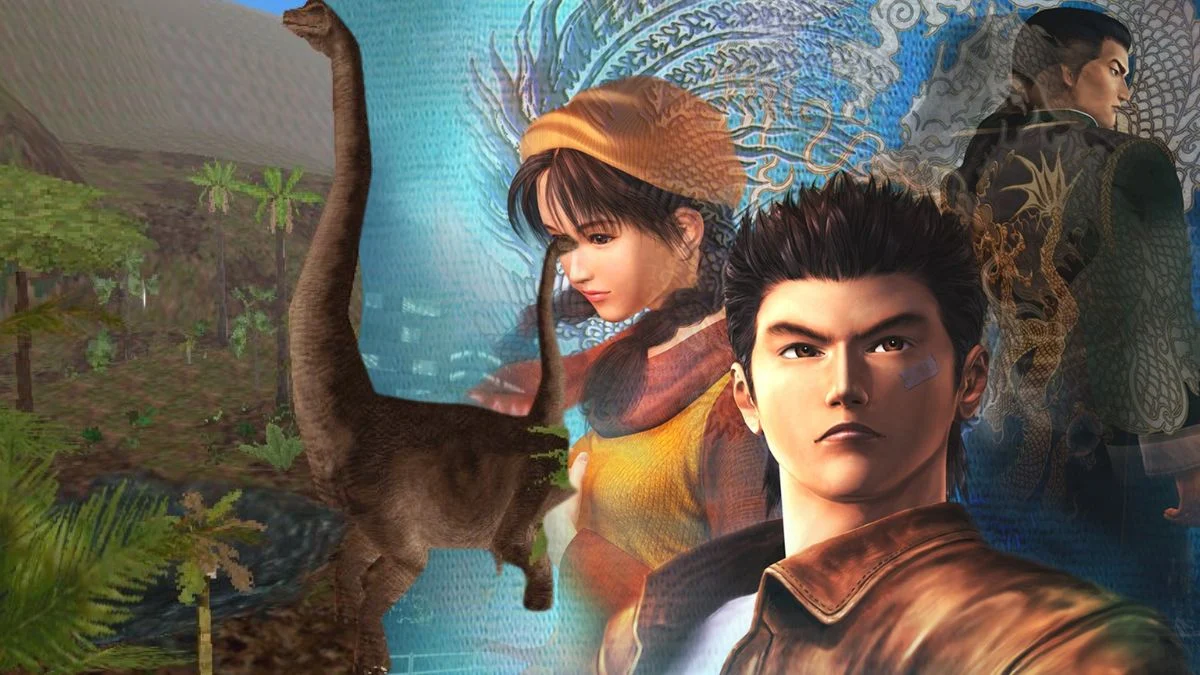
It’s common for popular video games to get credit for creating entire genres, but often they simply built upon ideas that came before. These earlier, often overlooked games were actually the first to introduce groundbreaking gameplay mechanics that we see in almost every game today. While some were hits in their time, history tends to remember the bigger, more popular games that followed. This collection highlights those innovative titles that quietly paved the way for the modern gaming industry.
‘Kill Switch’ (2003)
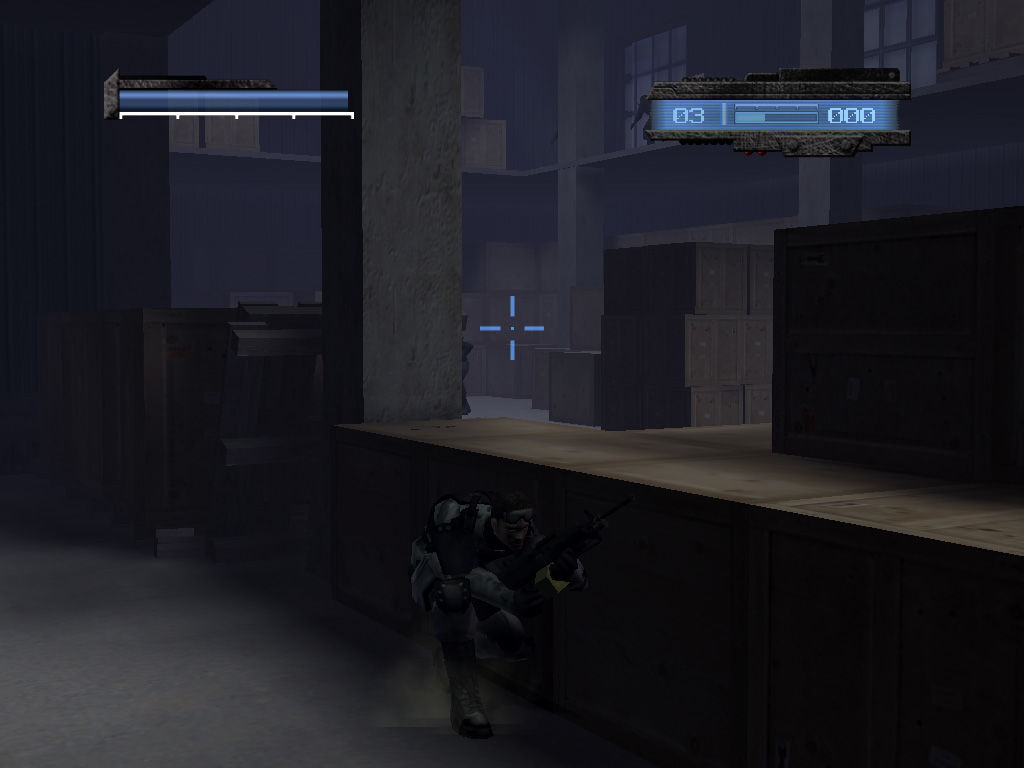
This game was a groundbreaking tactical shooter that changed how third-person combat worked. It pioneered the cover system – where players could safely shoot from behind objects or carefully aim around them – a mechanic later made famous by ‘Gears of War’. Today, most modern tactical shooters build upon the foundation this game created.
‘Infiniminer’ (2009)
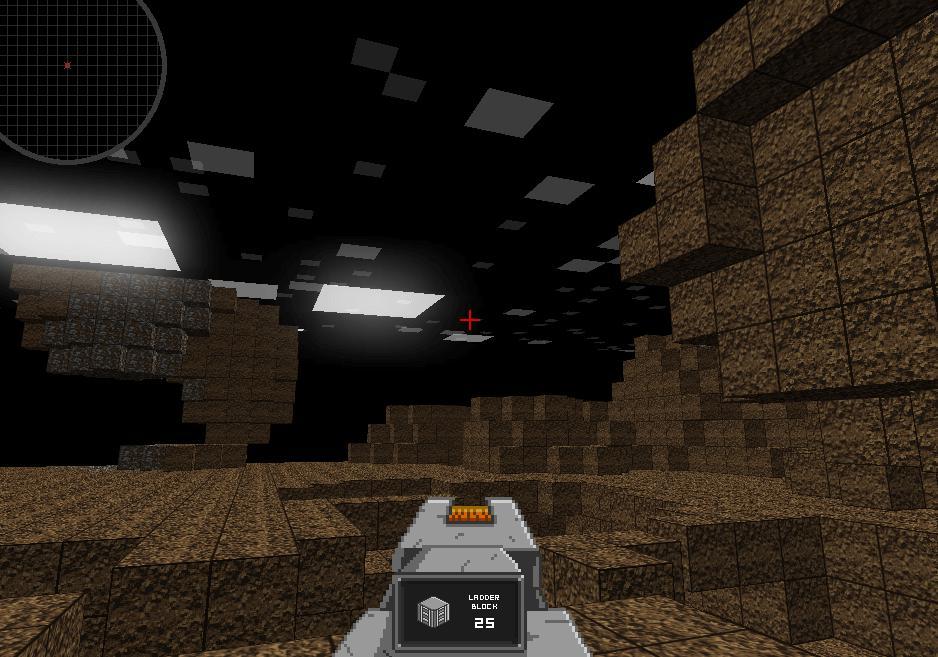
Before ‘Minecraft’ became a worldwide hit, this game pioneered many of its key features. Players could explore and build in a world made of blocks, digging up resources and constructing structures by placing and removing them. The game’s technology was freely shared, allowing other creators to build upon its innovative block-based system.
‘Sweet Home’ (1989)
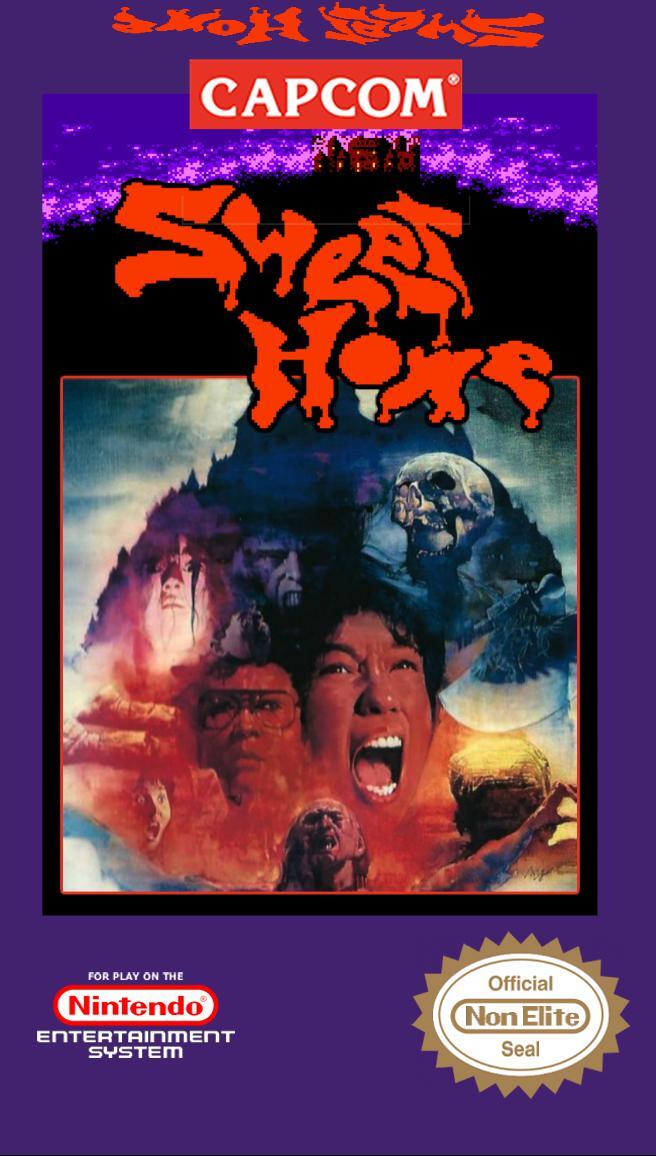
This horror RPG, inspired by a Japanese movie, pioneered features like detailed door-opening sequences and limited inventory space. These innovations significantly shaped the development of ‘Resident Evil’ and helped establish the foundations of the survival horror genre.
‘Herzog Zwei’ (1989)
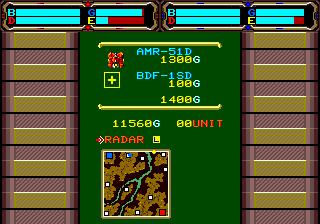
This Sega Genesis game uniquely blended strategic planning with fast-paced shooting action. Players commanded a mech that could change form and move troops between different bases on the game map. It’s considered a major influence on the development of popular genres like MOBAs and early real-time strategy games, pioneering the core ideas of capturing bases and building units on the fly.
‘Body Harvest’ (1998)
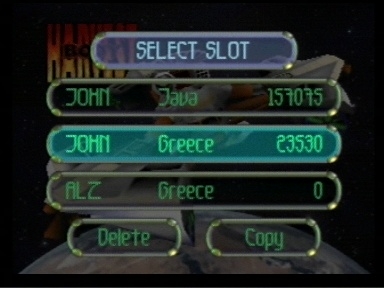
Before creating the groundbreaking ‘Grand Theft Auto III’, DMA Design made this open-world game that let players freely explore a fully 3D environment and take control of cars, planes, and other vehicles. It pioneered many of the features we now expect in open-world games, acting as a stepping stone between older, top-down game styles and the 3D exploration we enjoy today.
‘WinBack: Covert Operations’ (1999)

This Nintendo 64 game was a first of its kind, introducing a laser-sight aiming system and a basic cover mechanic when playing in a third-person view. It paved the way for later, more famous games like ‘Resident Evil 4,’ which built upon these ideas with its over-the-shoulder camera and refined laser aiming. The game proved how to make accurate shooting work well in a 3D world.
‘Trespasser’ (1998)
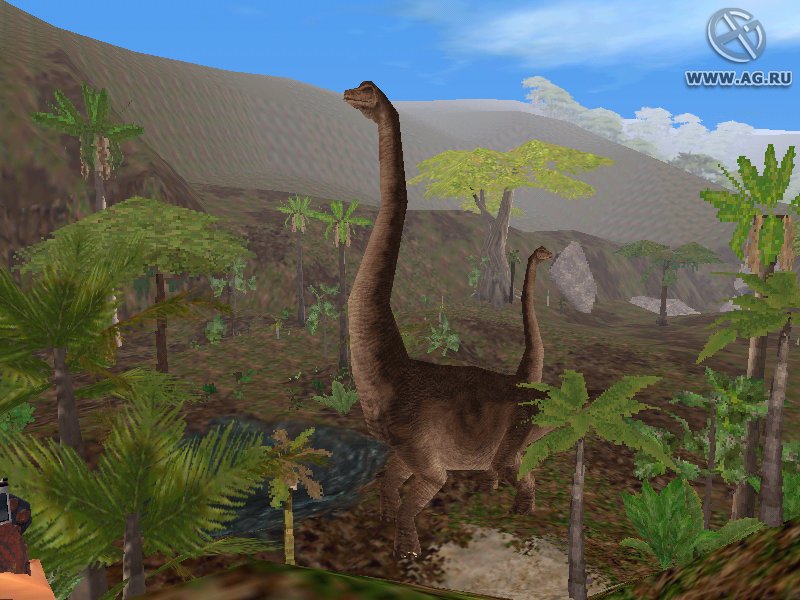
This ‘Jurassic Park’ spin-off game tried something new by building its interactions entirely around realistic physics. Although it had some technical problems, it pioneered features like ragdoll effects and health displays that felt integrated into the game world. ‘Half-Life 2’ would later refine the physics-based puzzles this game boldly attempted. It’s still an interesting example of a game pushing the limits of what was possible with game engines at the time.
‘King’s Field’ (1994)
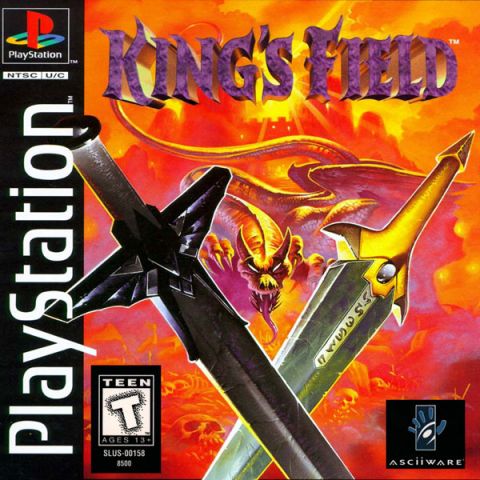
Before the success of ‘Demon’s Souls,’ FromSoftware created this challenging RPG. It immersed players in a dark, interconnected world without offering much guidance. Its focus on stamina and deliberate combat feels similar to today’s popular Soulslike games. This title really set the stage for the dark fantasy style FromSoftware is now famous for.
‘Alone in the Dark’ (1992)
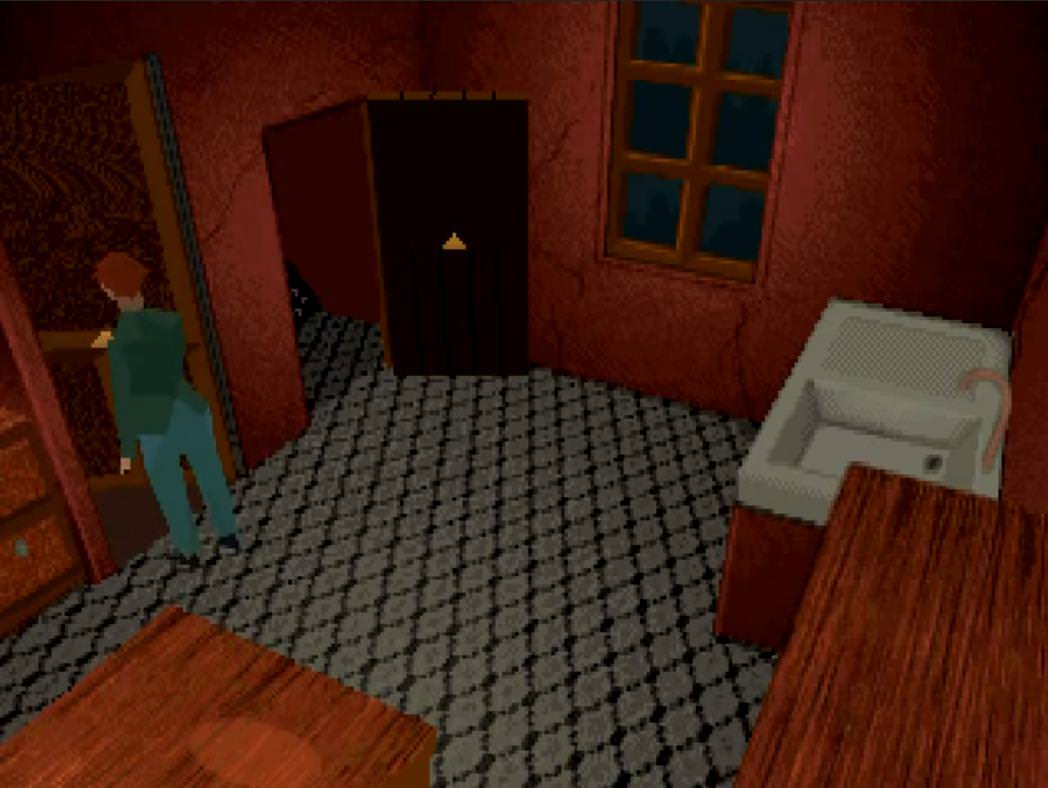
This game is widely considered the first of its kind in 3D survival horror. It built suspense using fixed camera views and detailed, pre-rendered environments. Players explored a haunted mansion, solving puzzles and carefully managing their limited resources. The popular ‘Resident Evil’ series later borrowed this same style, becoming a huge hit with gamers.
‘Catacomb 3-D’ (1991)

Before id Software revolutionized the gaming world with ‘Wolfenstein 3D’, they developed this imaginative shooter. It was a pioneer in making games look more realistic by adding texture mapping to 3D environments. Players could even see a hand on screen casting spells. Ultimately, this game set the stage for the huge wave of first-person shooters that became popular in the nineties.
‘Hunter’ (1991)
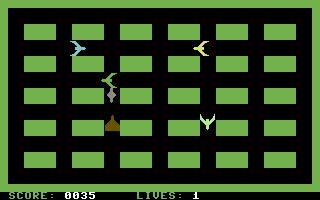
This game was an early example of an open-world 3D experience, letting players roam a large island with plenty of buildings and vehicles to discover. You were free to explore and tackle goals in any way you chose – it offered the kind of open-ended gameplay that would later become popular in games like ‘Grand Theft Auto,’ but it came out years earlier. The ability to move around on foot and drive vehicles was a groundbreaking feature for its time.
‘Turbo Esprit’ (1986)

This driving game let players explore a realistic city with working traffic and people on the streets. You played as a police officer trying to catch drug smugglers in a world that felt alive. Unlike most games at the time, it didn’t follow a set path, allowing for exciting, unpredictable chases through the city. It was one of the first games to successfully create this kind of open, urban environment.
‘Little Computer People’ (1985)
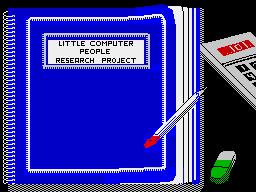
Activision created a game where players watched a little character live their life in a house. This virtual person did everyday things like eating and sleeping, but players didn’t directly control them. It was an early inspiration for ‘The Sims,’ focusing on the simple act of managing a home. The game showed that even ordinary activities could be surprisingly fun and engaging.
‘Future Cop: LAPD’ (1998)
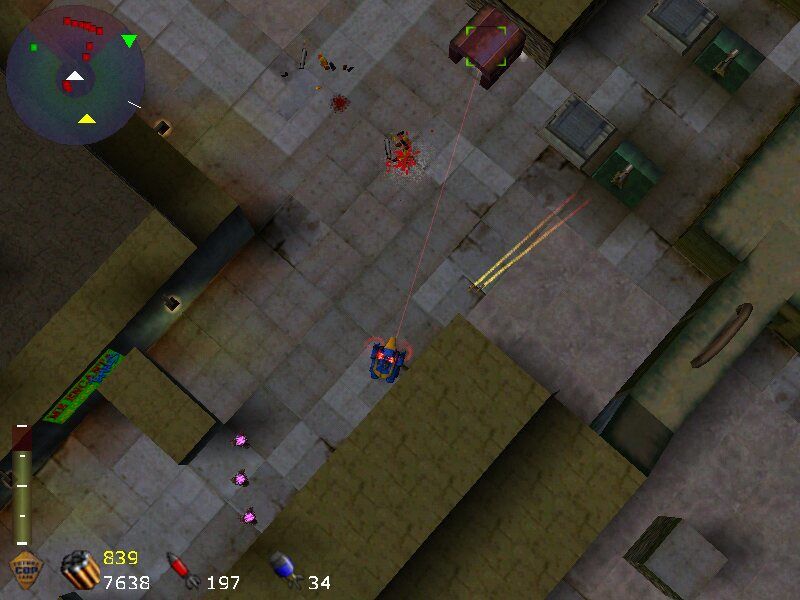
The game featured a special mode called Precinct Assault where players fought to take out an enemy base. It involved both controlling when units appeared and managing resources. This mode was a precursor to modern MOBAs, functioning similarly to those games before the popular ‘Defense of the Ancients’ even existed. It cleverly blended third-person shooting action with the strategic elements of tower defense.
‘Hydlide’ (1984)
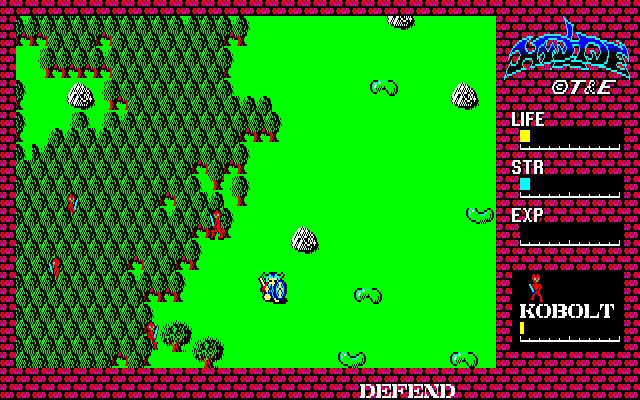
This role-playing game was innovative for its time, featuring automatically healing health and a morality system. Players explored a vast world and had to discover items on their own to advance the story, with little help from the game itself. Though it wasn’t polished, it had a significant impact on the design of later adventure games, and was one of the first to combine character stats with fast-paced action.
‘Karate Champ’ (1984)

This popular arcade game essentially created the modern fighting game format. Players used two joysticks to perform different martial arts techniques. It also pioneered the now-common best-of-three round system. Later, ‘Street Fighter’ expanded on the competitive groundwork established by this influential title.
‘Terminator: Future Shock’ (1995)

This game was a pioneer in first-person shooters, introducing fully 3D worlds and letting players look up and down with the mouse – a feature that wasn’t common at the time. It also let players drive vehicles, which was unusual for the genre. Today, this style of control is the norm for almost all first-person shooters.
‘Tenchu: Stealth Assassins’ (1998)
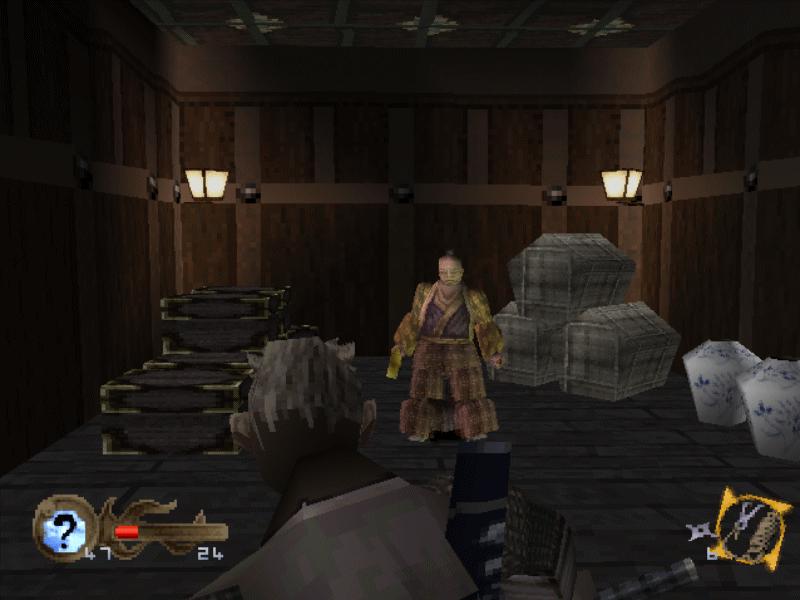
This game let players experience life as a ninja, prioritizing sneaking around enemies instead of fighting them head-on. Set in a 3D world, players used tools like grappling hooks to move across rooftops and quietly take out guards. Released just before ‘Metal Gear Solid,’ it was a pioneering title in the stealth action genre. What made it unique was its emphasis on climbing and taking your time, unlike most fast-paced action games.
‘System Shock’ (1994)

Looking Glass Studios developed a groundbreaking first-person game that combined role-playing and action. The game focused on letting players create their own experiences and revealed its story through sound recordings found in the game world. This approach essentially launched the immersive sim genre, and games like ‘BioShock’ and ‘Deus Ex’ were directly inspired by its unique design.
‘Ultima Underworld: The Stygian Abyss’ (1992)

This game was a groundbreaking dungeon crawler with fully realized 3D graphics and the ability to look up, down, and jump – features rarely seen at the time. It set the standard for how 3D role-playing games were made, proving that first-person games could offer incredibly immersive and detailed experiences.
‘Shenmue’ (1999)
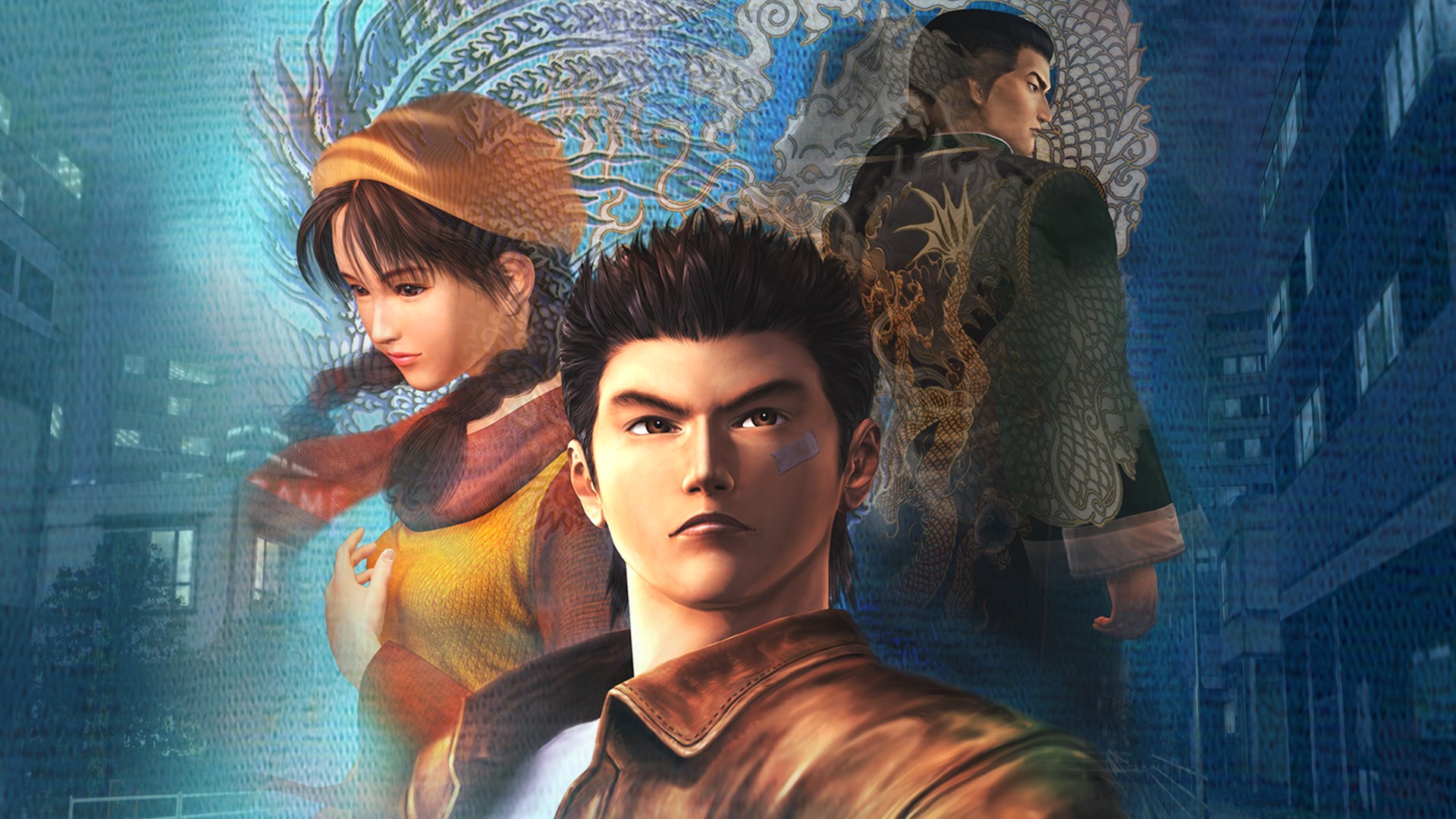
Yu Suzuki designed this immersive adventure game to simulate everyday life. It popularized ‘Quick Time Events’ – moments where players react to on-screen prompts during cutscenes. The game also stood out for its realistic world, where characters had their own routines and schedules. Its detailed environments and ambitious scope raised the standard for how engaging games could be.
‘Outcast’ (1999)
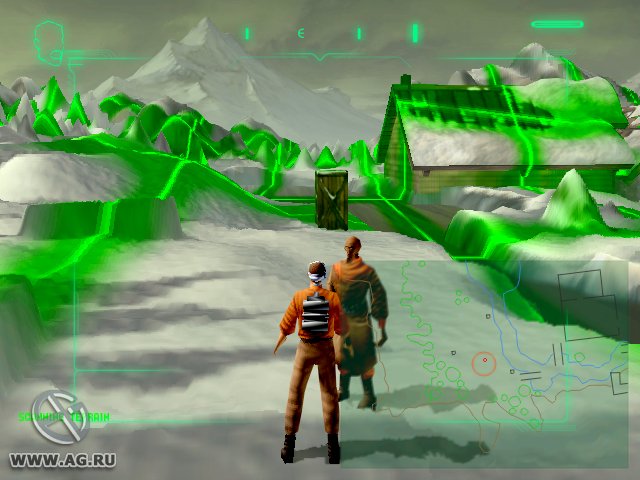
This game was an early adventure title that used a unique block-based visual style to build huge, natural-looking alien worlds. Players weren’t guided by a set path – their choices actually changed the game environment. The computer-controlled characters were also quite smart for the time, responding realistically to what the player did. It’s still remembered fondly by many as a groundbreaking open-world experience.
‘Dragon’s Lair’ (1983)
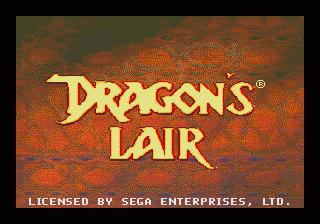
This game, played on laserdisc, used real video footage instead of the blocky graphics common at the time. Players advanced the story by reacting quickly to on-screen prompts, testing their reflexes. This simple idea actually pioneered what would later be known as ‘Quick Time Events.’ It demonstrated how games could offer a cinematic, interactive experience in arcades.
‘Meridian 59’ (1996)
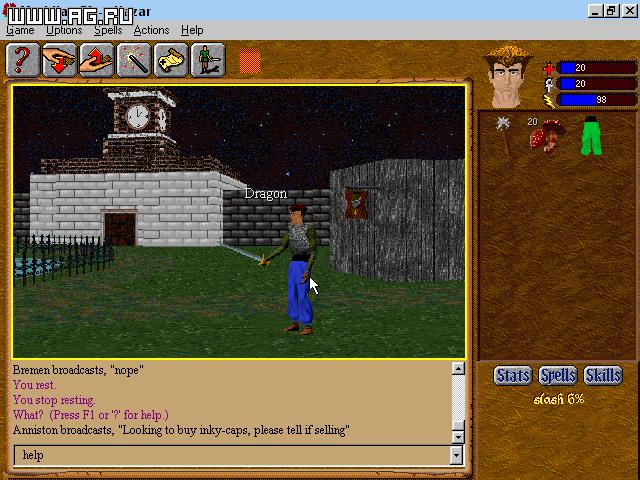
This game was the very first 3D online role-playing game with a huge number of players. It was also the first to use a monthly subscription fee, which quickly became common in the industry. Players could roam a continuously running world and use graphics to interact with it. This game essentially created the path for popular titles like ‘EverQuest’ and ‘World of Warcraft’.
‘Neverwinter Nights’ (1991)

This game, available online through AOL, was a groundbreaking achievement as the first multiplayer online role-playing game to show players as visual characters. It created a thriving online community where people could connect and interact. The game proved that large-scale multiplayer online worlds were possible and appealing, and it paved the way for the more advanced MMOs we know today, building on the foundations of older text-based games.
‘Virtua Fighter’ (1993)
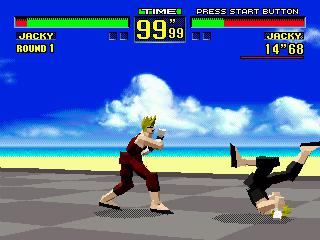
Sega’s game was a groundbreaking title, being the first fighting game to fully utilize 3D polygon graphics. Unlike many of its contemporaries, it emphasized authentic martial arts moves over fantastical elements like fireballs or magic. This shift to three dimensions fundamentally altered how fighting games were designed, and its visual style had a lasting impact on the industry.
‘Adventure’ (1979)
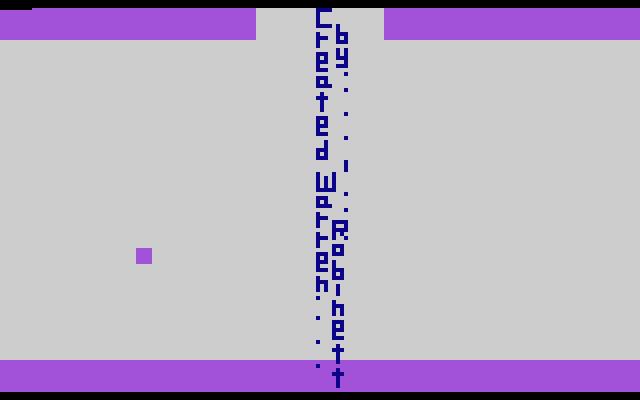
This Atari 2600 game is widely recognized as the first of its kind to combine action and adventure. It was groundbreaking for hiding a secret within the game’s programming, encouraging players to explore and discover items to unlock new parts of the game. This established a now-common gameplay style where players complete tasks to advance – a ‘fetch-quest’ – seen in many games today.
‘M.U.L.E.’ (1983)

This game was a strategy title where players managed resources and traded them on a colonized planet, all based on the principles of supply and demand. It was innovative for its competitive economic system, which has since become a standard feature in many strategy games. The game uniquely blended cooperation and competition, making it remarkably forward-thinking for its time.
‘Archon: The Light and the Dark’ (1983)
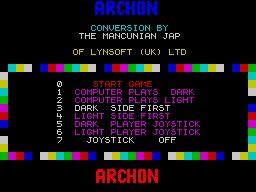
This game uniquely combined the strategic thinking of chess with the fast-paced action of arcade fighting. Instead of simply capturing pieces, when they collided, players entered a real-time battle. It was one of the first games to successfully merge these different styles of gameplay into a single, unified experience, and many modern games that blend genres today were inspired by it.
‘Harvest Moon’ (1996)

I gotta say, Natsume really showed everyone what a fun game could be with just farming and getting to know people. I loved how you could build up your farm, take care of animals, and become friends with all the villagers. That whole peaceful vibe totally inspired ‘Stardew Valley,’ which blew up, and honestly, it kicked off this whole genre of farming sims that are still super popular today. It’s awesome to see how far it’s come!
‘Populous’ (1989)
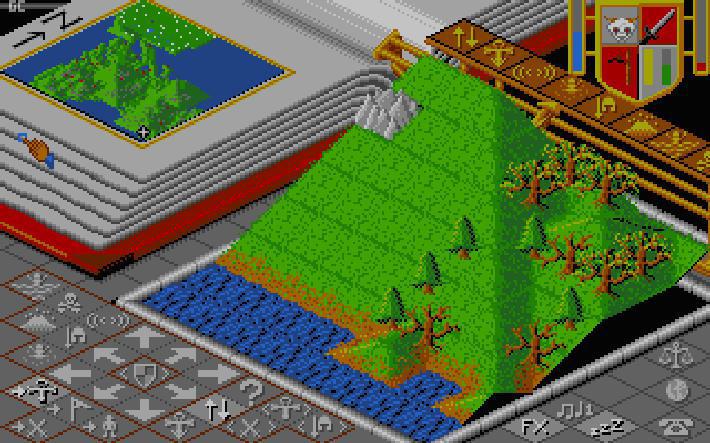
Peter Molyneux created a groundbreaking game where players acted like gods, shaping the world around them. This game pioneered the ‘god game’ genre, focusing on influencing events rather than direct control. Players built and altered landscapes to support their people and defeat rivals, proving that guiding a civilization could be just as engaging as being a part of the action.
‘SimCity’ (1989)
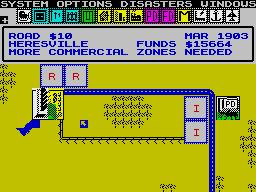
Will Wright designed a unique city-building game centered around planning and developing urban areas. Unlike many games, there was no specific way to ‘win’ – instead, players were encouraged to be endlessly creative and focus on managing their city. This game demonstrated that simulations offering open-ended gameplay could be popular and profitable, ultimately inspiring a whole new wave of similar management games.
‘Elite’ (1984)
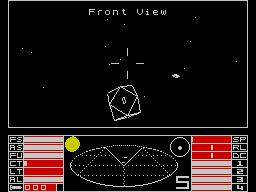
This early space game let players explore a huge, computer-generated galaxy with simple 3D graphics. You could play as a peaceful trader or a daring pirate in a completely open world, and it essentially created the genre of open-world space exploration games. Today’s popular titles, such as ‘No Man’s Sky,’ were inspired by its innovative design.
‘Rogue’ (1980)
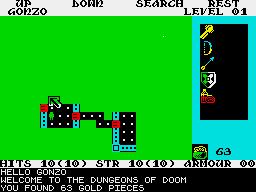
This game was a pioneer, bringing randomly generated levels and permanent character death to the world of video games. Each time you played, the game felt completely new, with different maps and items. It essentially created a new style of game, now known as ‘Roguelikes,’ and the challenging, unpredictable gameplay it introduced is incredibly popular today.
‘Mystery House’ (1980)

Released for the Apple II, this game was the very first graphic adventure. It moved beyond simple text by adding still, vector-based images. This combination of text and visuals essentially created the point-and-click adventure game we know today, and paved the way for more visually rich interactive stories.
Share your thoughts on these influential pioneers in the comments.
Read More
- Gold Rate Forecast
- Top 15 Insanely Popular Android Games
- EUR UAH PREDICTION
- 4 Reasons to Buy Interactive Brokers Stock Like There’s No Tomorrow
- Did Alan Cumming Reveal Comic-Accurate Costume for AVENGERS: DOOMSDAY?
- Silver Rate Forecast
- DOT PREDICTION. DOT cryptocurrency
- ELESTRALS AWAKENED Blends Mythology and POKÉMON (Exclusive Look)
- Core Scientific’s Merger Meltdown: A Gogolian Tale
- New ‘Donkey Kong’ Movie Reportedly in the Works with Possible Release Date
2026-03-02 14:19