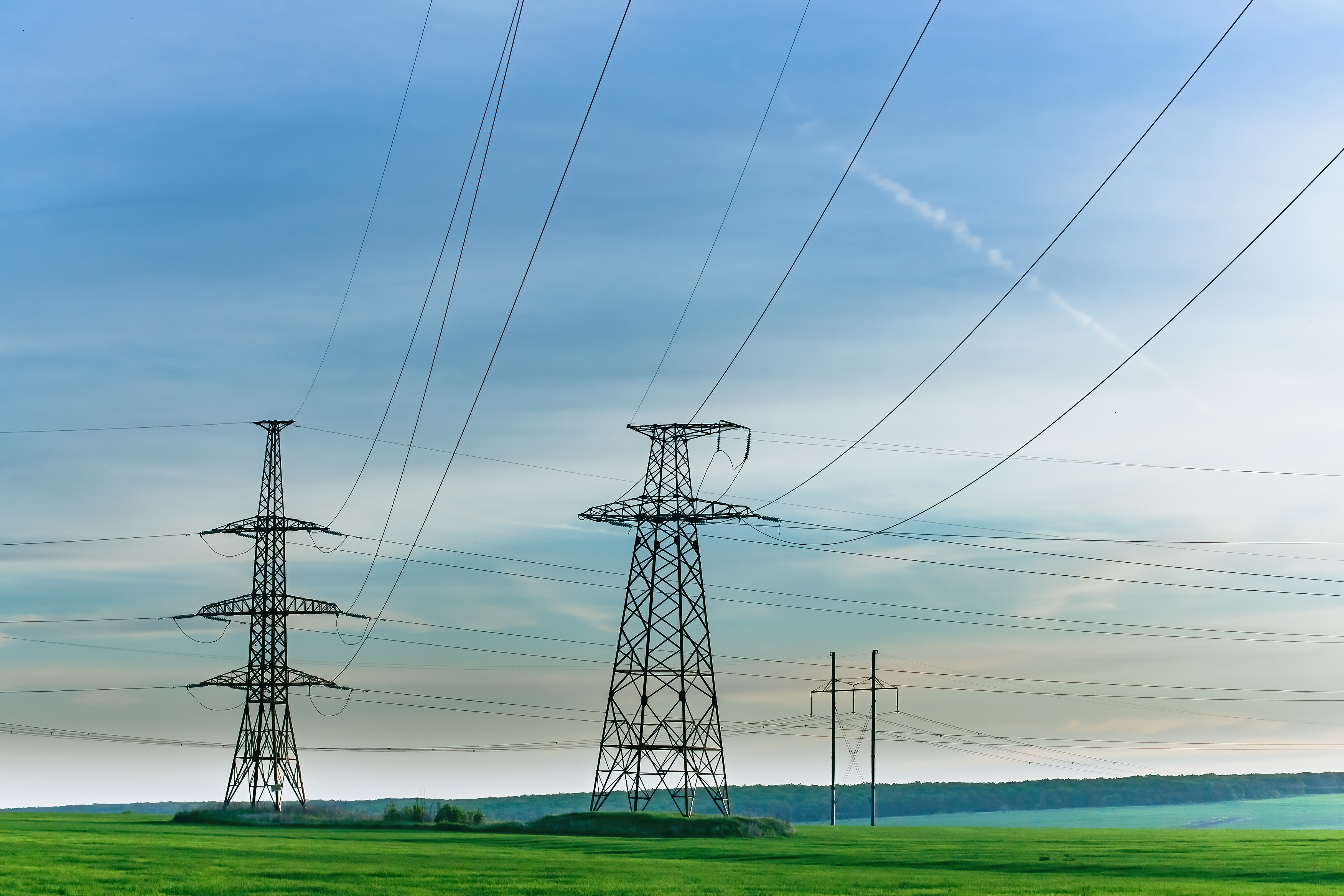
They speak of artificial intelligence as a coming salvation, a new epoch for mankind. But I confess, I see only a ravenous beast, demanding ever more sustenance. And what is this sustenance? Not ethereal algorithms, not clever code, but the brute, vulgar necessity of power. For years, the acolytes of the silicon god have focused on the chip, the gleaming heart of the machine. A distraction, I assure you. The true bottleneck is not in the creation of intelligence, but in its maintenance. A rather mundane truth, isn’t it? That the grandest of ambitions are always tethered to the most base of needs.
The Rand Corporation, those meticulous accountants of the inevitable, predict a demand of 68 gigawatts next year, swelling to a monstrous 327 by 2030. A figure that chills me not with its scale, but with its certainty. We are building a digital Leviathan, and few seem to consider the cost of feeding it. The market, of course, is enthralled by the spectacle, chasing the phantom of exponential growth. But I ask you: what good is a brilliant mind, if it collapses from exhaustion? Or, in this case, a power outage?
NextEra Energy: The Utility of Despair
NextEra Energy. A name that evokes neither glory nor innovation, but the steady, predictable rhythm of… Florida. And yet, within this seemingly unremarkable enterprise lies a peculiar opportunity. They are not creating the future, merely preparing the ground for its arrival. They operate the largest utility in Florida, servicing over twelve million souls, and are now positioning themselves as the purveyors of energy to these digital gods. A deal with Alphabet’s Google Cloud—to build and power AI data centers—is not a testament to vision, but to the simple fact that these machines require a constant flow of electrons. It is a parasitic relationship, this symbiosis between technology and necessity. Google will even assist NextEra in modernizing its digital systems, a cruel irony, as the company prepares to become a mere appendage of the very force that threatens to render it obsolete. The promise of an 8% annual growth rate through 2032 feels less like a forecast and more like a desperate attempt to stave off the inevitable.
The CEO, John Ketchum, speaks of delivering 15 gigawatts by 2035, and hints at doubling that goal. A man driven, not by ambition, but by the weight of responsibility. He is not building a kingdom, but merely patching the cracks in a crumbling edifice. The recent financial results—a net income of $2.97 billion—offer a fleeting illusion of stability, but I sense a profound unease beneath the surface. It is the quiet desperation of a man who knows his prosperity is contingent on the insatiable hunger of a machine.
Credo Technology: The Wires of Our Cage
And then we have Credo Technology. A company that provides the… wiring. The humble, unglamorous connectors that bind the chips and ensure the flow of data. It is a bleak profession, to be the facilitator of a system you do not understand. Their Active Electrical Cables—AECs—are touted as superior to traditional copper wiring. A marginal improvement, perhaps, but enough to capture the attention of those who believe that efficiency is a virtue in itself. A deal with TensorWave, an AI cloud provider that caters exclusively to Advanced Micro Devices, is less a triumph of innovation and more a confirmation of the market’s relentless pursuit of optimization. It is a race to the bottom, disguised as progress.
The recent financial results—revenue of $268 million, a 272% increase—are impressive, certainly. But I see only a temporary surge, fueled by the manic energy of the market. A fleeting moment of prosperity before the inevitable correction. The guidance for the next quarter—$335 to $345 million—feels less like a prediction and more like a desperate plea for continued investment.
A Diversification of Despair?
To invest in both NextEra and Credo, as some suggest, is not a strategy for prosperity, but a diversification of despair. It is to acknowledge the futility of the endeavor, to accept that we are merely building the infrastructure for our own obsolescence. NextEra offers the illusion of stability, a predictable dividend stream. Credo provides a fleeting glimpse of innovation. But both are ultimately tethered to the insatiable hunger of the machine. If the Rand Corporation’s projections prove accurate, these stocks may indeed offer a return on investment. But at what cost? To become complicit in the construction of a digital Leviathan? To fuel the engine of our own destruction? I confess, I find myself increasingly drawn to the solace of inaction. Perhaps the wisest investment is to simply… wait.
Read More
- Top 15 Insanely Popular Android Games
- Did Alan Cumming Reveal Comic-Accurate Costume for AVENGERS: DOOMSDAY?
- ELESTRALS AWAKENED Blends Mythology and POKÉMON (Exclusive Look)
- Core Scientific’s Merger Meltdown: A Gogolian Tale
- Gold Rate Forecast
- New ‘Donkey Kong’ Movie Reportedly in the Works with Possible Release Date
- Why Nio Stock Skyrocketed Today
- EUR UAH PREDICTION
- EUR TRY PREDICTION
- 4 Reasons to Buy Interactive Brokers Stock Like There’s No Tomorrow
2026-03-01 01:22