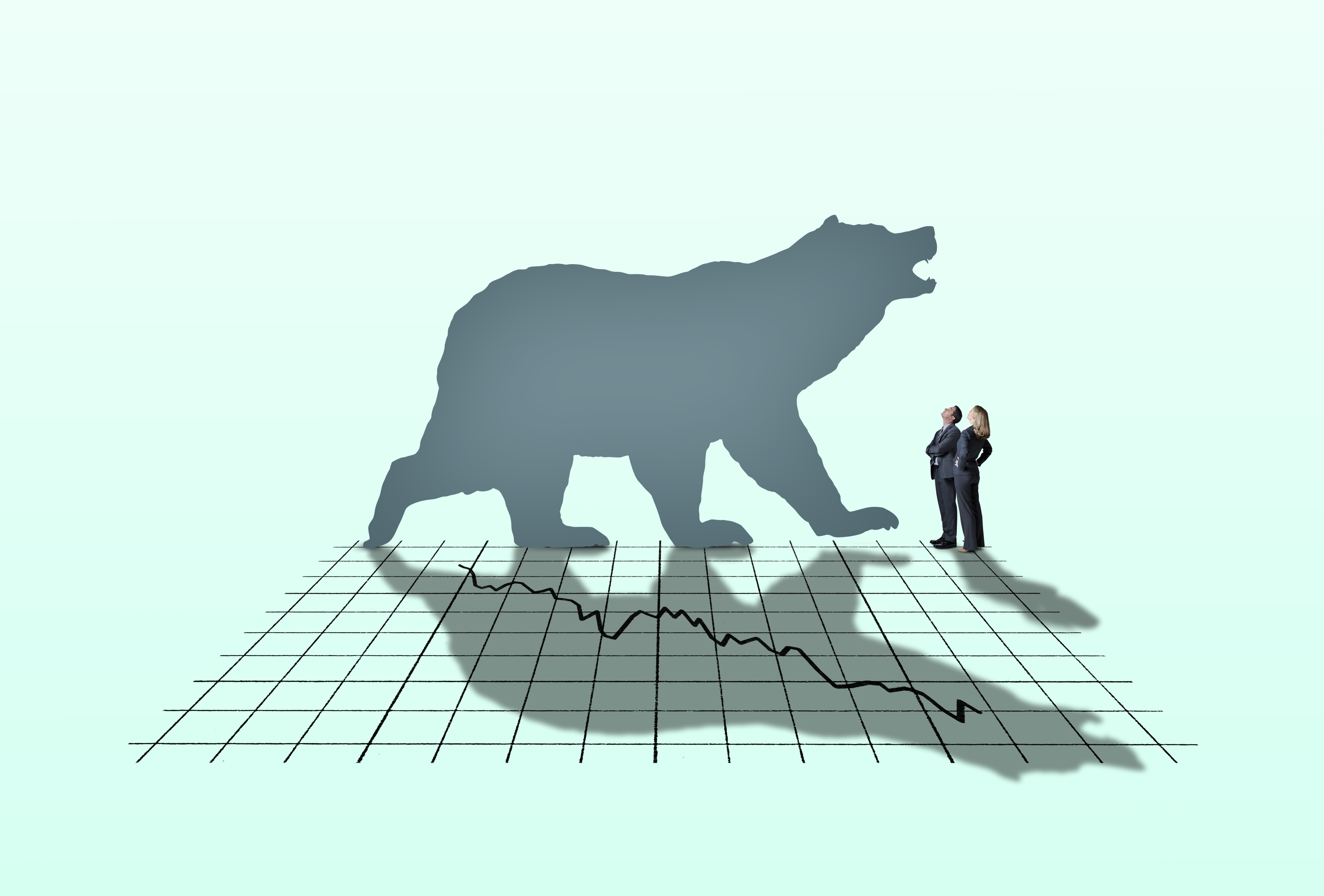
They speak of volatility, of economic currents shifting like the sands. Seventy-two percent, they say, perceive conditions as…less than ideal. A polite euphemism, naturally. As if a ledger could capture the chill of uncertainty that settles upon a household. Nearly forty percent anticipate a worsening. A predictable lament. It’s always worsening, isn’t it? Or merely revealing itself for what it is. The numbers accumulate, a weight pressing upon the fragile architecture of our aspirations.
One can rearrange the deck chairs, of course. Attempt to steer a course through the gathering storm. A futile gesture, perhaps, but a necessary one. These are the motions I make, not with optimism, but with a quiet resignation, a bracing for the inevitable pressure.
The Hoarding of Moments
To sell, when the market falters, is to admit defeat before the battle is truly joined. To lock in loss is to formalize a sorrow that already exists. It’s a crude transaction, reducing experience to a sum. Better to accumulate a reserve, a small island of stability in a rising tide. Not as insurance against disaster, but as a postponement of reckoning. Three to six months, they advise. A fleeting reprieve, barely a breath held before the plunge.
This fund, sequestered from the currents of speculation, represents not wealth, but time. Time to consider, to recalibrate, to accept the slow erosion of all things. A quiet corner in a world perpetually in motion.
The Sifting of Remains
The market is a garden, and companies, like blooms, possess a finite lifespan. Some wither quickly, succumbing to the first frost. Others, seemingly robust, harbor hidden weaknesses, a rot at the core. To cling to a failing enterprise is to nurture a delusion, to water a barren stem.
Now, as the light fades, is the moment to survey the landscape, to prune away the deadwood. Not with regret, but with a clinical detachment. To sell, while a flicker of value remains, is not an act of abandonment, but of simple accounting. A recognition of impermanence.
The Rhythm of the Seasons
To attempt to predict the future is a folly. The market, like nature, operates on cycles. A surge of growth, a period of dormancy, a slow, inevitable decline. To chase the peak is to invite disappointment. Better to embrace the rhythm, to invest consistently, regardless of the prevailing winds.
Dollar-cost averaging, they call it. A clumsy phrase for a simple truth: that time, not timing, is the ultimate arbiter of success. To buy when prices are high, and when they are low, is to surrender to the natural order. To acknowledge that fortune, like the seasons, will shift and turn.
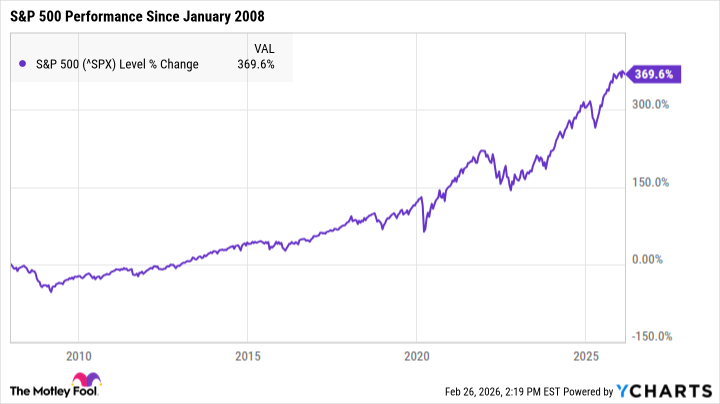
Since 2008, they proclaim, the S&P 500 has surged. A statistic, devoid of meaning. The past is a phantom, offering no guarantee of future returns. But even in the face of uncertainty, one can find a certain grim satisfaction in the persistence of growth. A slow, relentless climb against the gravity of despair.
There is no perfect moment to invest, only the illusion of one. To give your money time to grow is not a strategy for wealth, but a quiet acceptance of fate. A recognition that even in the midst of turbulence, a fragile hope can take root.
The market in 2026 remains a mystery, a landscape shrouded in fog. But preparation, however futile, is a solace. To brace for the storm is not to conquer it, but to endure it. And in endurance, perhaps, there is a certain dignity.
Read More
- Top 15 Insanely Popular Android Games
- Did Alan Cumming Reveal Comic-Accurate Costume for AVENGERS: DOOMSDAY?
- Why Nio Stock Skyrocketed Today
- ELESTRALS AWAKENED Blends Mythology and POKÉMON (Exclusive Look)
- EUR UAH PREDICTION
- Gold Rate Forecast
- New ‘Donkey Kong’ Movie Reportedly in the Works with Possible Release Date
- Core Scientific’s Merger Meltdown: A Gogolian Tale
- 4 Reasons to Buy Interactive Brokers Stock Like There’s No Tomorrow
- EUR TRY PREDICTION
2026-02-28 21:02