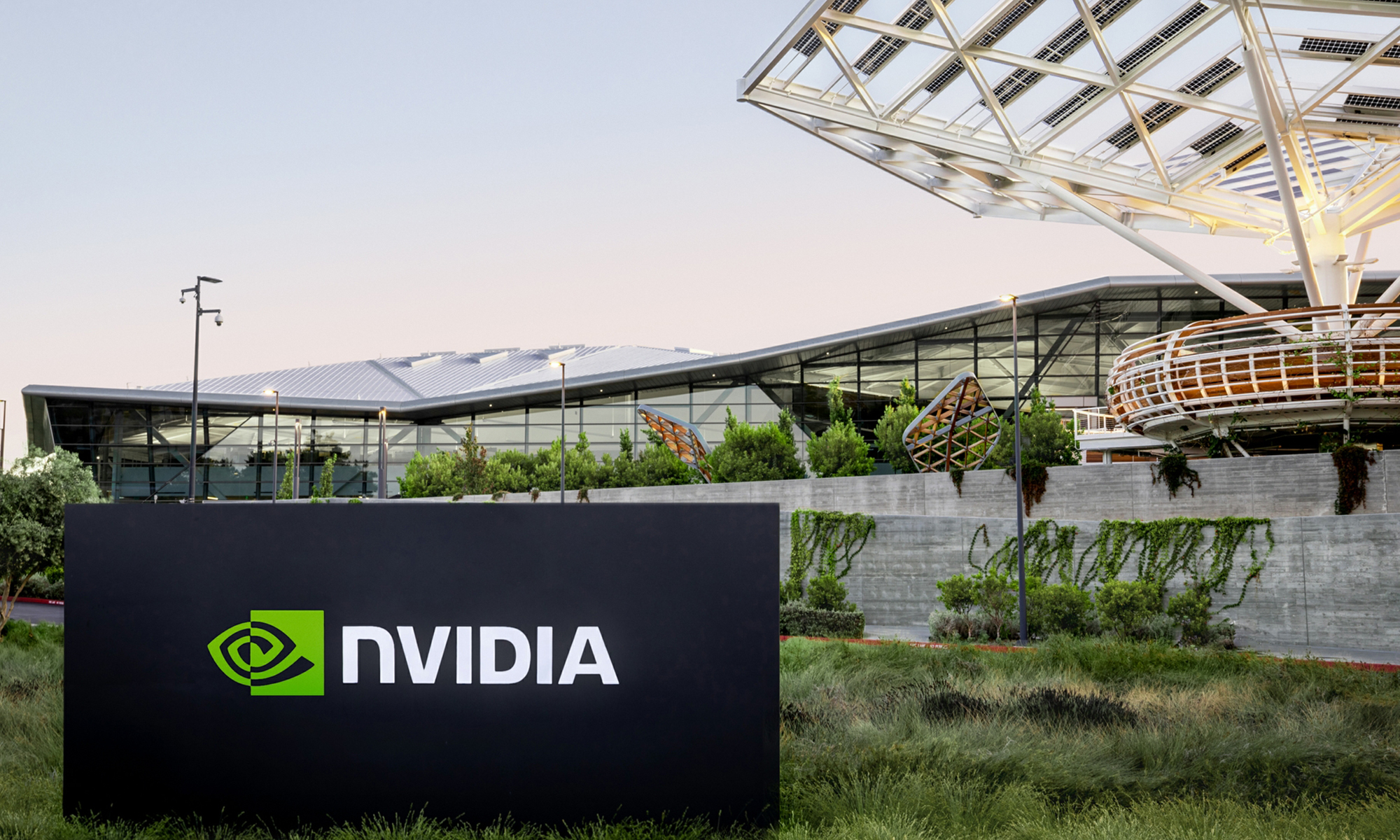
Nvidia. It’s a name that’s currently causing a bit of a stir, rather like discovering a previously unknown continent brimming with… well, computing power. The company, you see, has become utterly central to the artificial intelligence boom, its processing units being the favoured tool for those building these digital brains. And when something becomes the favoured tool, things tend to get interesting – and potentially, quite lucrative.
Most predictions suggest this growth will continue for several years, likely extending well into the next decade. But the truly fascinating question isn’t if Nvidia will grow, but how much. It’s a question that leads one down a rabbit hole of projected spending, hyperscalers, and numbers so large they begin to lose all meaning. Which, as a student of history, I find endlessly diverting.
Where will Nvidia be in 2030? I suspect the answer will surprise a great many investors, not because it’s improbable, but because the scale of the potential is almost…unimaginable. It’s a bit like trying to picture the national debt in actual dollar bills – the mind simply boggles.
Nvidia Expects AI Spending to Intensify (and That’s Saying Something)
Currently, a tremendous amount of money is being thrown at AI computing capacity. It’s a veritable gold rush, really. But Nvidia believes this is merely a prelude. For 2026, the big four AI players – those enormous data centers humming away in undisclosed locations – are expected to spend around $650 billion. Add in the rest of the world, particularly China, and the figure creeps closer to $1 trillion. But here’s the kicker: Nvidia anticipates global data center capital expenditures to reach a staggering $3 to $4 trillion by 2030.
This isn’t entirely fanciful. The idea is that as AI starts to generate actual revenue for these hyperscalers, and as China and Europe fully embrace the AI build-out, the spending will escalate. Even if Nvidia captures just the lower end of this projection, the implications are…substantial. Currently, Nvidia receives more than a third of all AI spending globally. For context, that’s a larger slice of the pie than most nations claim in global GDP. In 2025, total global expenditure is expected to hit $600 billion.
If we extrapolate that to Nvidia’s lower-end 2030 projection, we’re looking at revenue exceeding $1 trillion. It’s an absurd figure, really. Only a handful of companies currently approach that level, and most of them are retailers operating on notoriously slim margins. Nvidia, however, enjoys profit margins exceeding 50%. This suggests potential profits of over $500 billion. Now, apply a conservative 30 times trailing earnings valuation – a perfectly reasonable metric, I assure you – and you arrive at a stock valuation of $15 trillion. That’s more than three times its current value. It’s enough to make one reconsider the very nature of wealth.
Of course, a great deal has to go right for Nvidia to achieve this. The AI build-out must continue at its current rapid pace, and the company must maintain its technological edge. But if these conditions are met, this projection seems not just plausible, but almost inevitable. And as someone with a keen interest in the preservation and growth of capital, I find that rather encouraging. If you don’t already own Nvidia shares, now might be a particularly opportune moment. Because today’s price, viewed through the lens of a potential future, appears… remarkably modest.
Read More
- Gold Rate Forecast
- Top 15 Insanely Popular Android Games
- 2025 Crypto Wallets: Secure, Smart, and Surprisingly Simple!
- Why Nio Stock Skyrocketed Today
- Did Alan Cumming Reveal Comic-Accurate Costume for AVENGERS: DOOMSDAY?
- ELESTRALS AWAKENED Blends Mythology and POKÉMON (Exclusive Look)
- New ‘Donkey Kong’ Movie Reportedly in the Works with Possible Release Date
- Core Scientific’s Merger Meltdown: A Gogolian Tale
- 4 Reasons to Buy Interactive Brokers Stock Like There’s No Tomorrow
- EUR UAH PREDICTION
2026-02-28 17:24