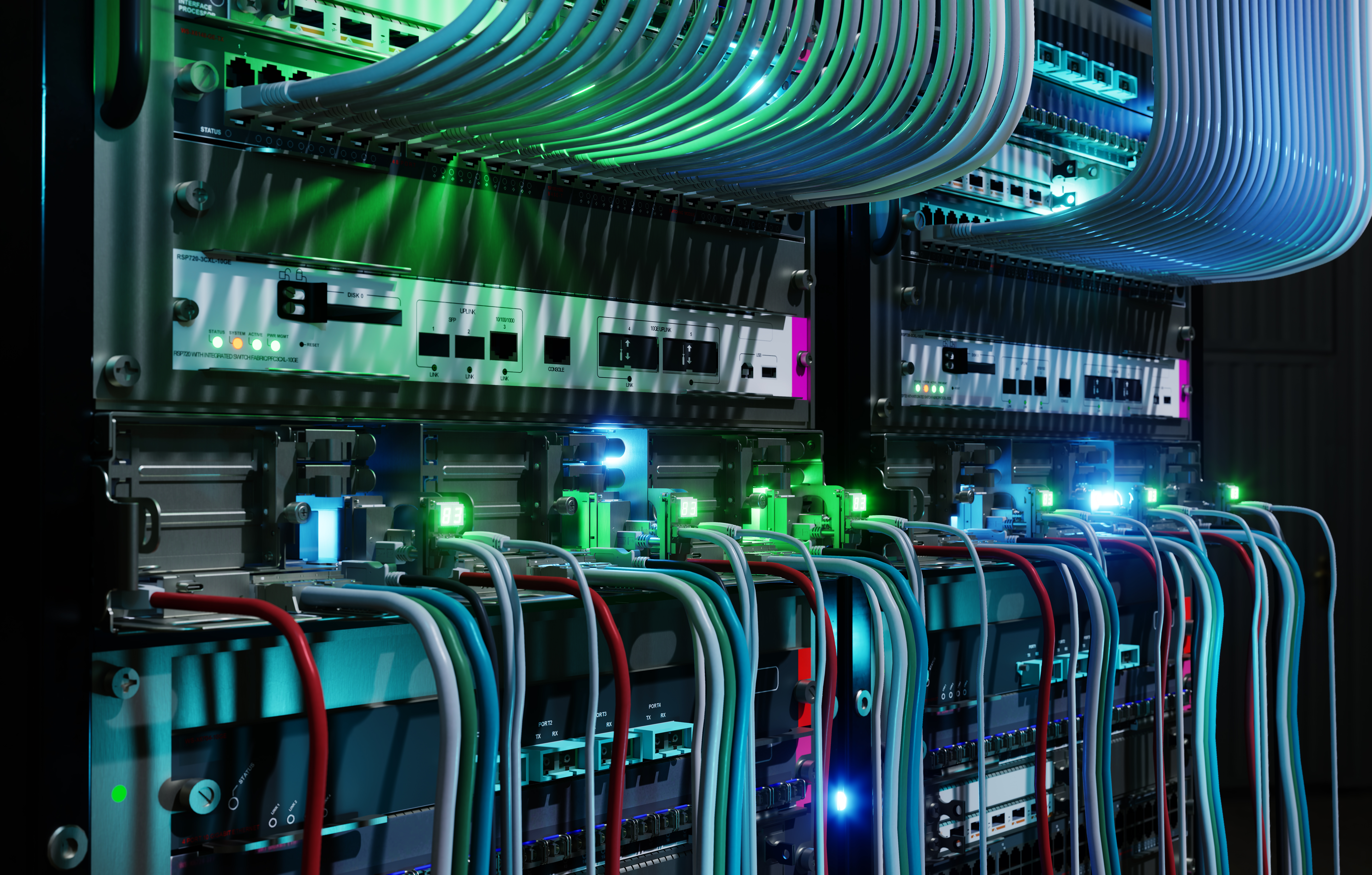
The reports have arrived, carried on the late winds of the fiscal year, and they speak not of deficits or shortfalls, but of a peculiar hunger. A hunger for silicon, for power, for the very architecture of thought itself. These great companies – Meta, Microsoft, Amazon, Alphabet – they are not merely calculating profits; they are laying the foundations for a new kind of landscape, a digital orchard where algorithms bloom and data fruits ripen.
Meta announces an increase in projected expenditure, a swelling of the purse strings by seventy-three percent. Microsoft confesses to having poured over two hundred billion into this pursuit, a veritable river of capital flowing towards the machine. Amazon, ever the pragmatist, pledges another two hundred billion, a bold expansion of its digital holdings. And Alphabet, the most enigmatic of them all, speaks of a sum between one hundred and seventy-five and one hundred and eighty-five billion. It is a profusion, a blossoming of investment, but one must ask: what seeds are they sowing?
These data centers, these cathedrals of computation, are not built with wishes and dreams. Each megawatt of capacity demands a staggering seven to twelve million dollars. A modest center, a mere 150 to 300 megawatts, will claim a sum exceeding a billion, perhaps even two and a half. And the upkeep? A constant drain, ten to twenty-five million a year, like tending a demanding garden. The costs are… substantial. One does not simply plant an algorithm and expect it to bear fruit.
The question, then, is not merely who will spend the most, but who will bear the most fruit? Who will cultivate this digital orchard with the greatest skill and reap the richest harvest?
The Weight of the Soil
I believe Alphabet, of these contenders, possesses the most fertile ground. Not because the others are barren, but because its foundations run deeper, its roots are more resilient. It is a matter of financial strength, certainly. Four hundred and two point eight billion in revenue, a fifteen percent increase. A net income of one hundred and thirty-two point two billion. A profit margin of thirty-two point eight percent. A comfortable cushion, allowing for experimentation, for risk, for the long, slow growth required to nurture something truly remarkable.
Amazon, while larger in net sales, operates on a thinner margin. Microsoft and Meta, while profitable, face currents that threaten to carry them astray. Meta’s AI, once promising, is losing ground in the enterprise market, its share dwindling like autumn leaves. Microsoft’s Azure Cloud, once a rising tide, shows signs of stagnation. The winds are shifting, and these companies must adapt.
Meanwhile, Alphabet’s Gemini AI is gaining traction, its market share blossoming from seven to twenty-one percent. It is a subtle but significant shift, a sign that Alphabet is not merely reacting to the market, but shaping it.
The Tools of the Gardener
But financial strength is not enough. One must also possess the right tools. And here, Alphabet has a distinct advantage: its Tensor Processing Units, or TPUs. While all these companies rely on Nvidia’s graphics processing units, Alphabet has begun to forge its own path, crafting its own tools, weaning itself from dependence. It is a bold move, a declaration of independence. Even Anthropic, a competitor, has recognized the value of these TPUs, announcing plans to utilize them in its own operations. It is a strange alliance, a sharing of resources, but it speaks to the power of innovation.
Apple, too, has turned to Alphabet for these chips, acknowledging the value of in-house technology. It is a humbling admission, a recognition that even the most established companies must adapt to survive.
The Diversity of the Orchard
But perhaps the most important factor is diversity. An orchard that relies on a single fruit is vulnerable to blight. Alphabet, however, has cultivated a diverse landscape. Google, the venerable search engine, continues to thrive, its revenue growing by seventeen percent. YouTube, the digital theater, generates sixty billion dollars annually. Google Cloud, while smaller than Amazon Web Services, is growing rapidly, its revenue increasing by forty-eight percent. It is a resilient ecosystem, capable of weathering storms.
Alphabet has so many sources of revenue, so many avenues for growth, that it can afford to invest in AI without risking ruin. It is a patient gardener, willing to nurture its crops over the long term. It is a calculated risk, a bold gamble, but one that appears, at this moment, to be weighted in its favor.
If one seeks a promising investment, a seed with the potential to blossom into something extraordinary, one might do well to consider Alphabet. It is not a guaranteed success, of course. The future is uncertain, the market capricious. But in this digital orchard, it appears, at least for now, to be the fastest horse in the race.
Read More
- Gold Rate Forecast
- Top 15 Insanely Popular Android Games
- 2025 Crypto Wallets: Secure, Smart, and Surprisingly Simple!
- Did Alan Cumming Reveal Comic-Accurate Costume for AVENGERS: DOOMSDAY?
- Why Nio Stock Skyrocketed Today
- ELESTRALS AWAKENED Blends Mythology and POKÉMON (Exclusive Look)
- New ‘Donkey Kong’ Movie Reportedly in the Works with Possible Release Date
- Core Scientific’s Merger Meltdown: A Gogolian Tale
- EUR UAH PREDICTION
- 4 Reasons to Buy Interactive Brokers Stock Like There’s No Tomorrow
2026-02-28 13:32