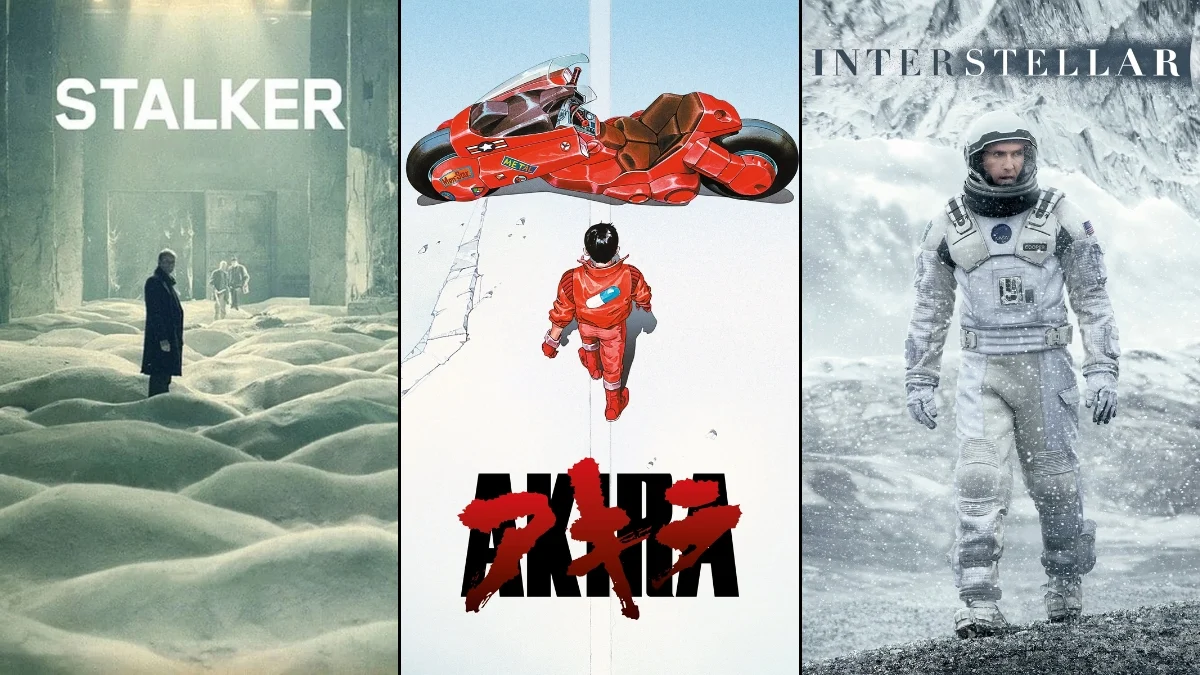
Science fiction often explores big ideas and asks challenging questions about what it means to be human. While many sci-fi movies focus on exciting action, some require viewers to really think and pay close attention. These films frequently use complicated storylines, symbolic imagery, and complex science, which can be confusing at first. They delve into topics like the nature of reality and how our minds work, proving that science fiction can be both artistic and intellectually stimulating.
‘2001: A Space Odyssey’ (1968)
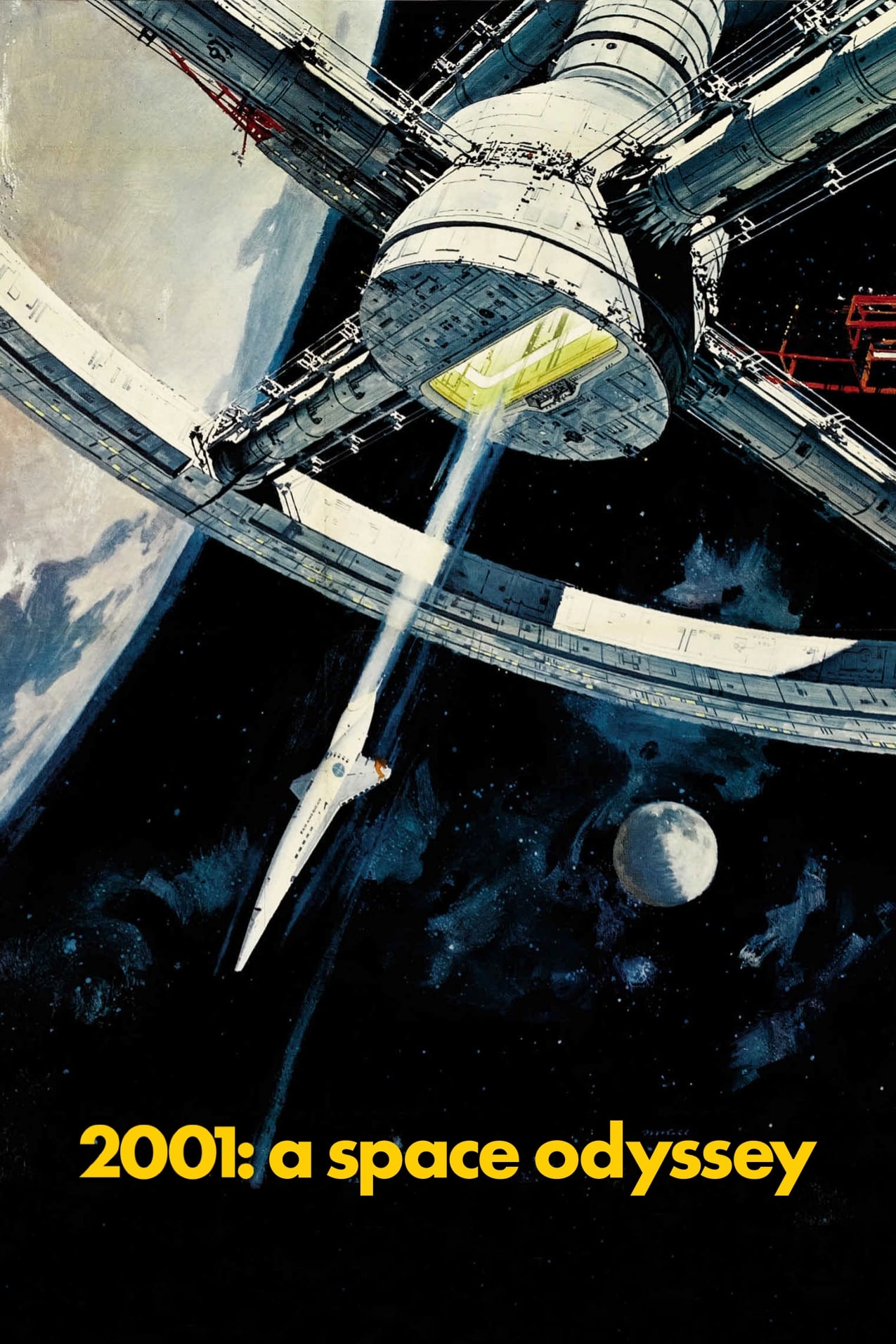
As a huge fan, I’ve always been captivated by how Stanley Kubrick’s ‘2001: A Space Odyssey’ tackles big questions about where we come from and whether we’re alone in the universe. The movie follows a mission to Jupiter, and it’s amazing how much of the story is told through visuals, not just dialogue – especially with the incredible HAL 9000 computer. It all kicks off with the discovery of this mysterious monolith. Honestly, the ending – that ‘Star Gate’ sequence – is still something people argue about today! It was pretty divisive when it first came out because it’s slow and doesn’t give you all the answers, but now it’s widely considered a true cinematic masterpiece.
‘Solaris’ (1972)

Andrei Tarkovsky’s film, Solaris, is based on a novel by Stanisław Lem and tells a deeply psychological story set on a space station circling a mysterious, living planet. A psychologist is sent to the station to understand why the crew is experiencing mental and emotional crises. He finds that the planet somehow makes their hidden memories and painful experiences real, appearing as physical beings. Solaris isn’t about space travel itself, but rather explores how well people can truly understand each other and the power of the human mind. Its slow pace and thought-provoking themes set it apart from typical, fast-paced science fiction films of the time.
‘Stalker’ (1979)

This Russian film follows a guide as he leads two men through a strange, wild place called the Zone, searching for a room said to make your deepest wishes come true. The journey is more about philosophical conversations and building tension than about physical dangers. With its slow pace and dark imagery, ‘Stalker’ draws viewers into a thoughtful and unsettling world. The film examines ideas about belief, hope, and what it means to be human, all set in a bleak, futuristic environment. Many consider it one of the most thought-provoking science fiction films ever created.
‘Blade Runner’ (1982)
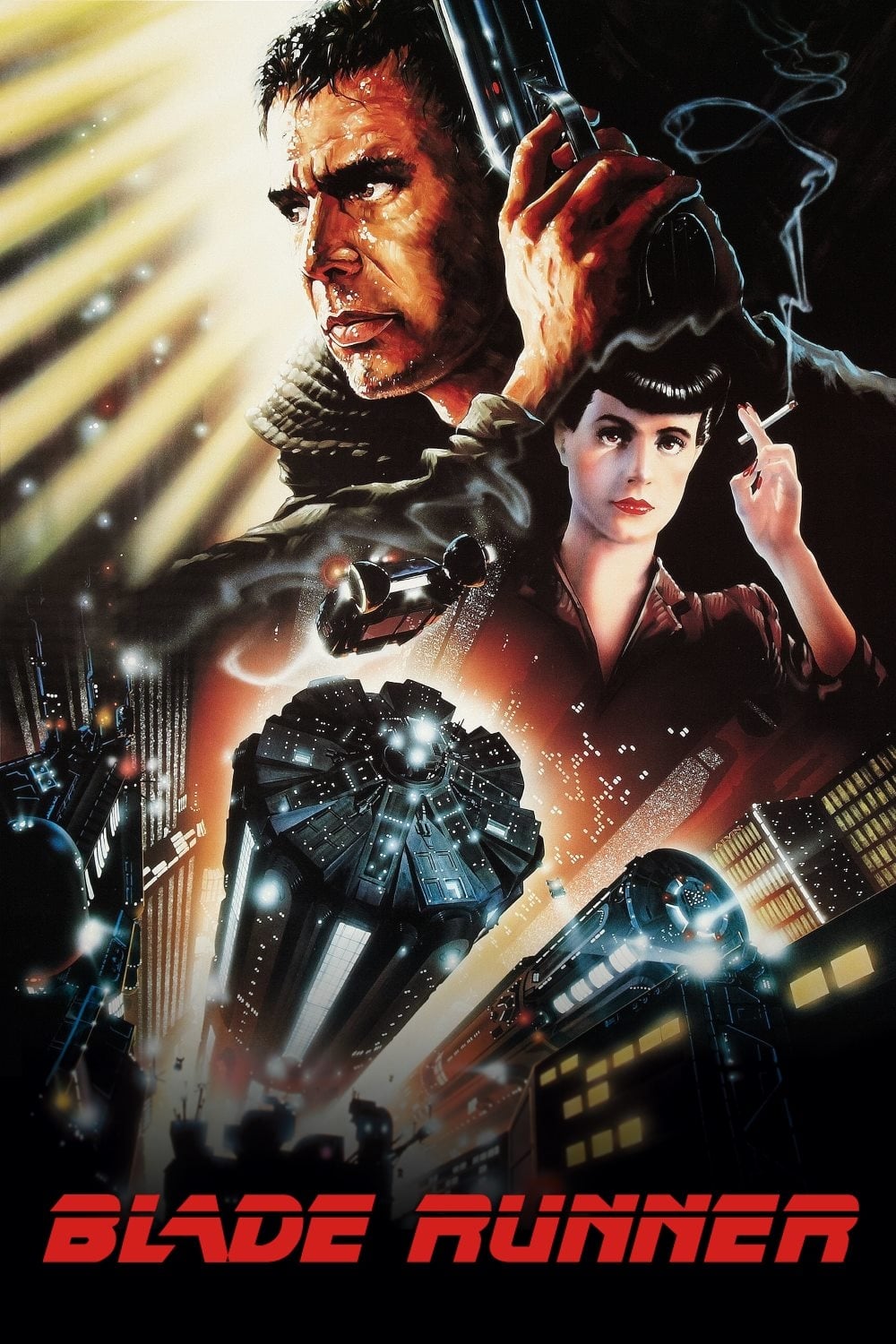
Ridley Scott’s film, based on a story by Philip K. Dick, centers on Rick Deckard, an ex-police officer who’s brought back to hunt down incredibly realistic artificial humans called replicants. The movie explores complex questions about artificial intelligence and what it truly means to be human. While ‘Blade Runner’ didn’t do well at the box office when it first came out – audiences were expecting a more straightforward action film – its dark, moody style and unclear ending made it a film people needed to watch multiple times to fully understand. Over the years, it’s become a hugely influential film, defining the cyberpunk genre and sparking a lot of discussion among film critics and theorists.
‘Akira’ (1988)
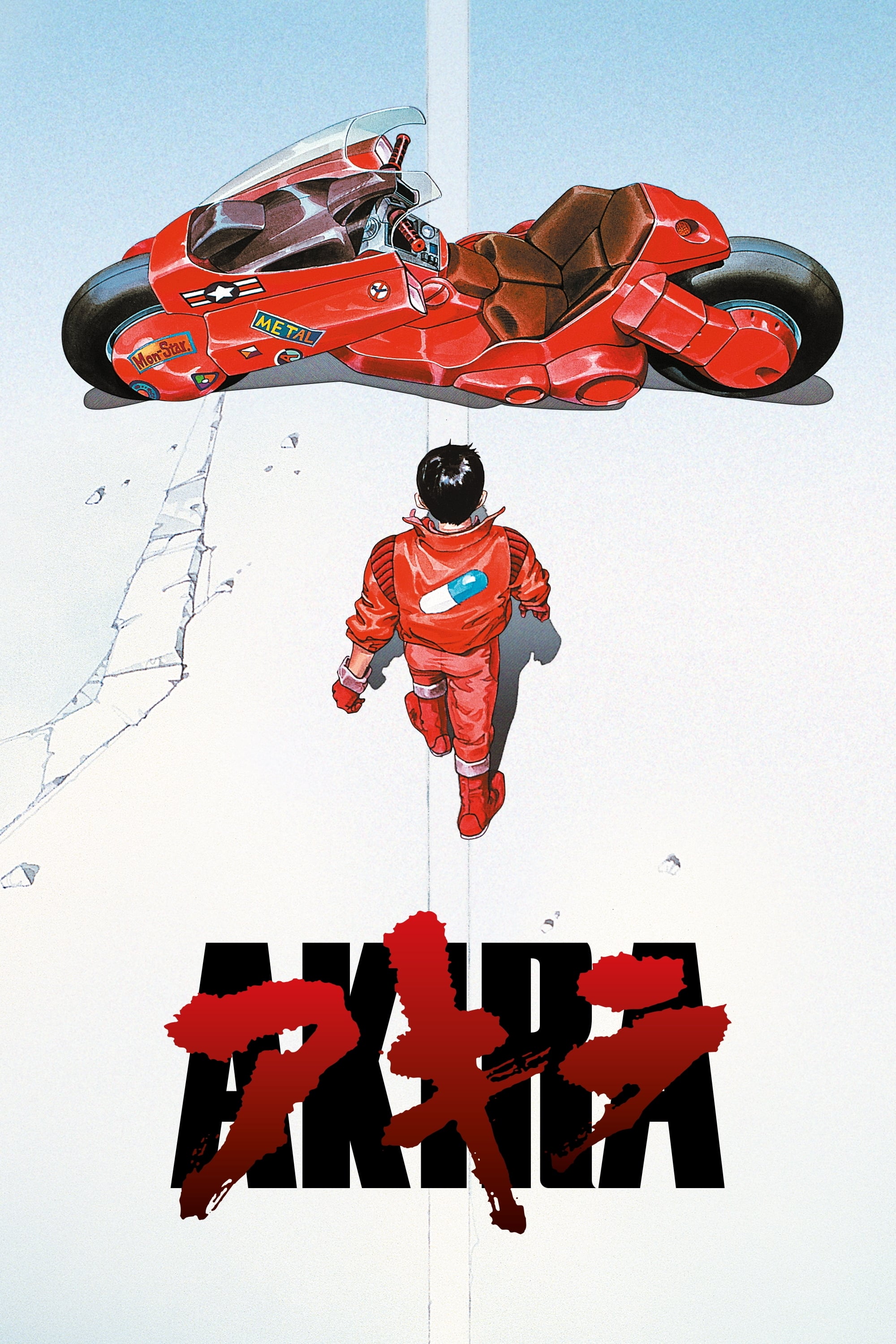
The anime film Akira is set in a futuristic, troubled Tokyo and tells the story of a biker who gains incredible psychic powers through a secret government project. The movie explores serious issues like political corruption, social upheaval, and the dangers of unchecked scientific advancement. It’s a complex story with many interwoven plots, involving rebels fighting the government and strange experiments on children. Akira was groundbreaking for its time, offering a level of visual detail and thought-provoking ideas rarely seen in animation, especially for Western viewers. It’s still considered a hugely influential sci-fi film thanks to its mature themes and richly imagined world.
‘Ghost in the Shell’ (1995)

In a futuristic world where people can enhance themselves with cybernetic implants, ‘Ghost in the Shell’ centers on Major Motoko Kusanagi’s pursuit of a shadowy hacker. The film delves into what it means to be human when the boundary between the physical body and digital world becomes increasingly unclear. It asks profound questions about consciousness – the ‘ghost’ within – and whether it needs a biological brain to exist. Unlike most animated action movies, it’s known for its thoughtful, philosophical moments and deliberate pacing. ‘Ghost in the Shell’ heavily influenced later sci-fi classics, most notably ‘The Matrix’.
‘Twelve Monkeys’ (1995)
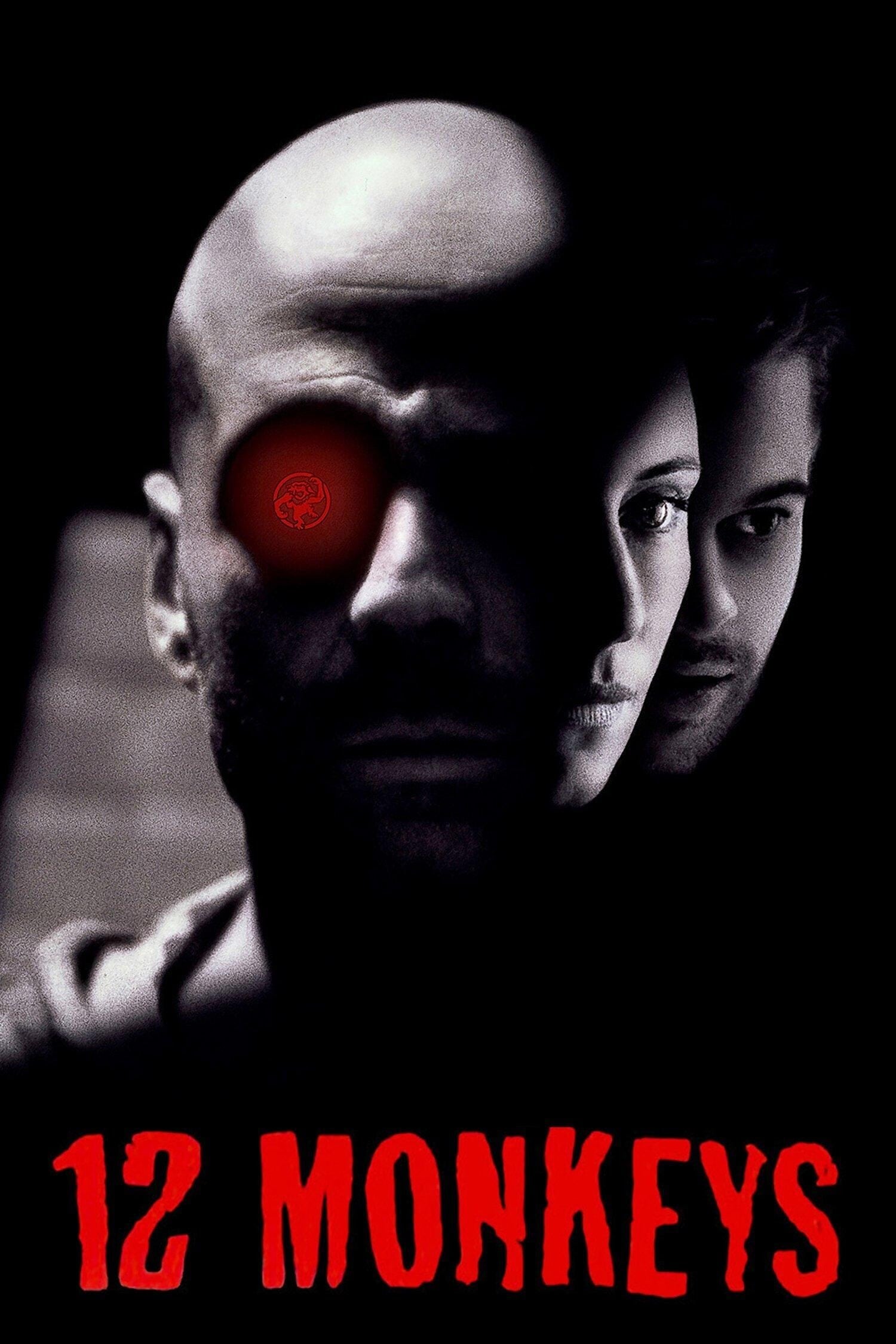
Taking cues from the short film ‘La Jetée’, ‘12 Monkeys’ tells the story of a prisoner sent to the past to investigate a deadly virus that nearly destroyed the world. As he jumps through broken timelines and a constantly changing past, the protagonist battles with his own mental state. The film unfolds in a non-traditional way, forcing viewers to unravel the story along with the main character. It explores the idea that time is a loop and that trying to alter fate is pointless. With its realistic, stark visuals and deep psychological themes, ‘12 Monkeys’ is a remarkable example of time-travel storytelling.
‘Gattaca’ (1997)
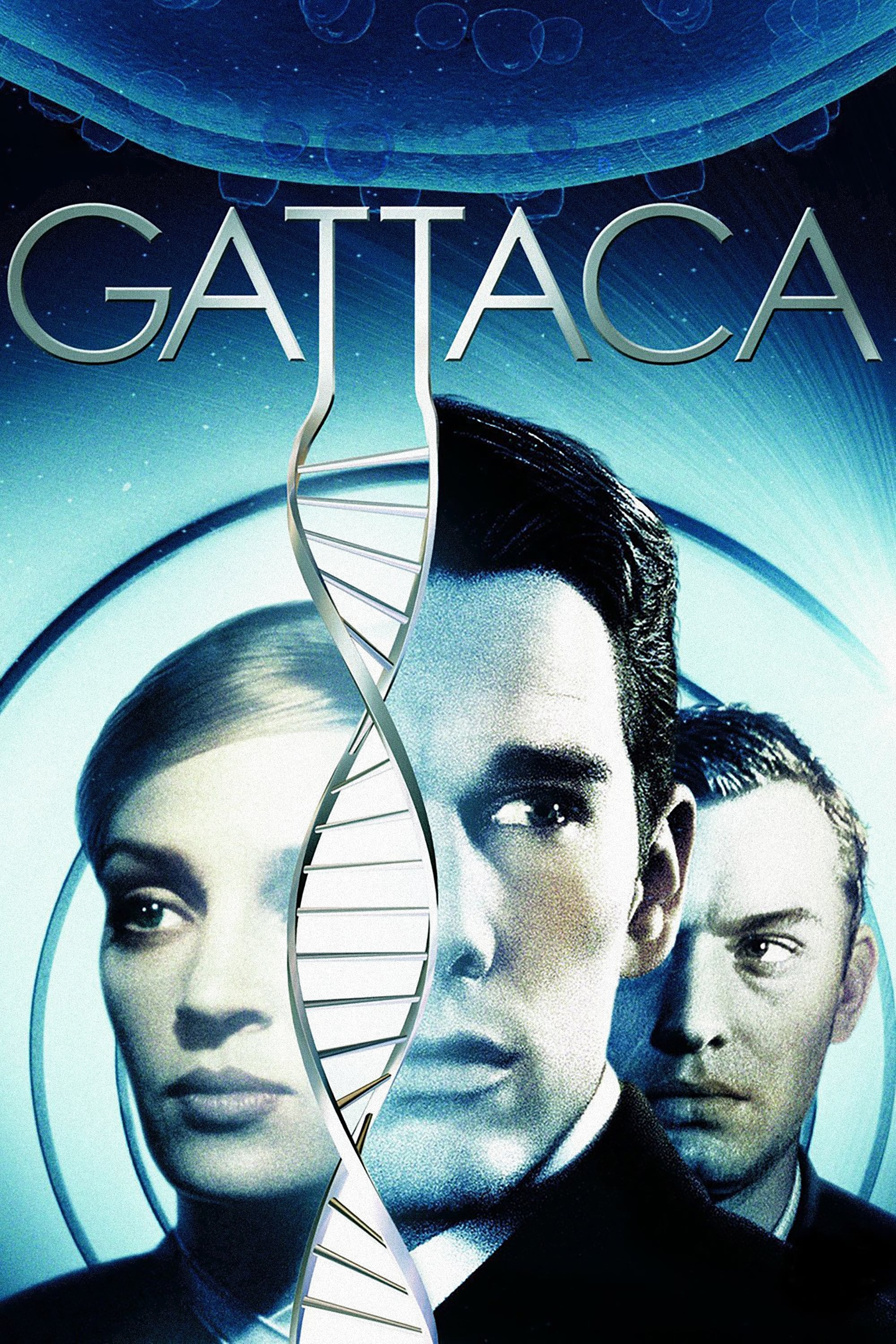
‘Gattaca’ is a thought-provoking science fiction film set in a future where your genes determine your place in society. The story follows a man born naturally who pretends to be genetically engineered to achieve his lifelong goal of traveling to space. The film delves into the ethics of manipulating genes and asks whether people can overcome their biological limits. It portrays a cold, controlled world obsessed with DNA and constant monitoring, but it prioritizes character development and social commentary over flashy technology. Reviewers have applauded ‘Gattaca’ for its intelligence and its warning about the dangers of genetic discrimination.
‘Contact’ (1997)
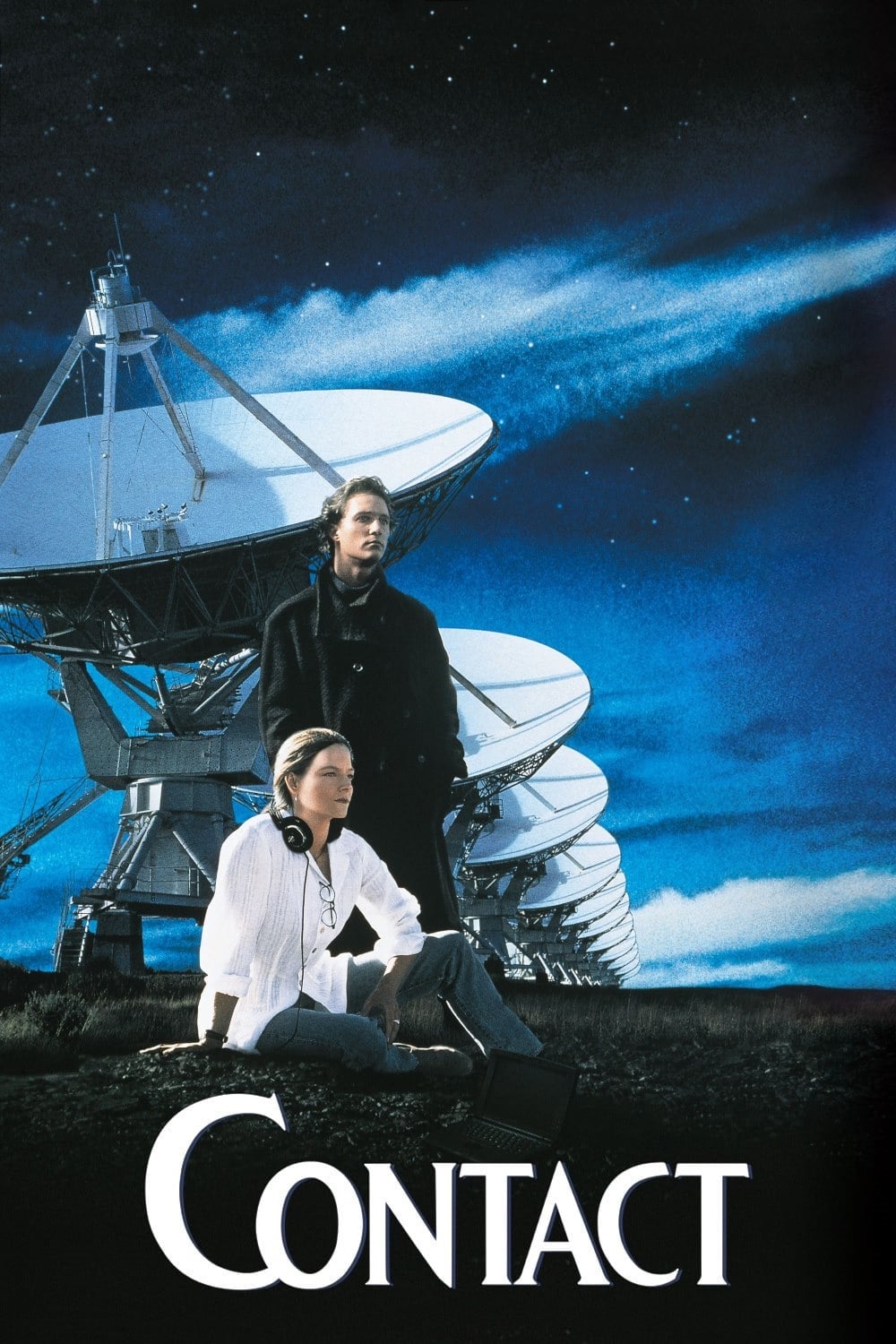
Inspired by Carl Sagan’s novel, ‘Contact’ tells the story of Dr. Ellie Arroway, who finds a radio message from a faraway star system with blueprints for a strange device. The movie explores the wide-ranging consequences – scientific, political, and religious – of making first contact with intelligent life beyond Earth. It highlights both the careful methods of scientific investigation and the strong personal belief needed to chase such a groundbreaking discovery. Unlike many alien movies, ‘Contact’ doesn’t focus on invasion or conflict, but instead delves into the big questions about humanity’s place in the universe. The film ends with a thought-provoking resolution that values personal faith and experience more than concrete evidence.
‘Pi’ (1998)
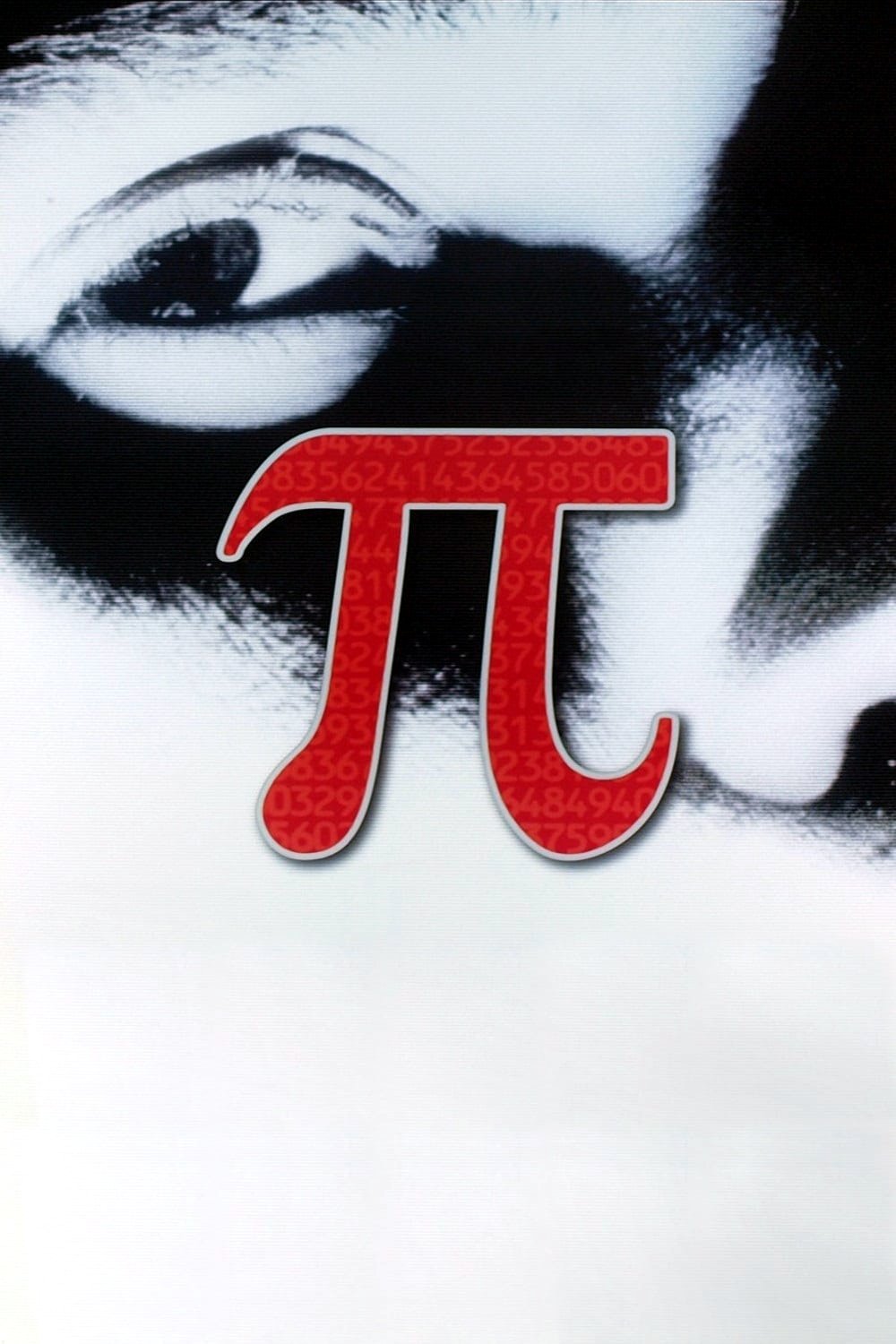
Darren Aronofsky’s first feature film centers on a troubled mathematician convinced he can find patterns in everything using numbers. His quest to apply this idea to the stock market plunges him into a risky world of corporate secrets and spiritual beliefs. Shot in stark black and white with a fast-paced editing style, ‘Pi’ visually reflects the main character’s declining mental health. The film explores the fine line between brilliance and madness, and the human need to find order in a chaotic world. It’s a complex, mind-bending thriller that requires close attention to its mathematical and philosophical ideas.
‘Dark City’ (1998)
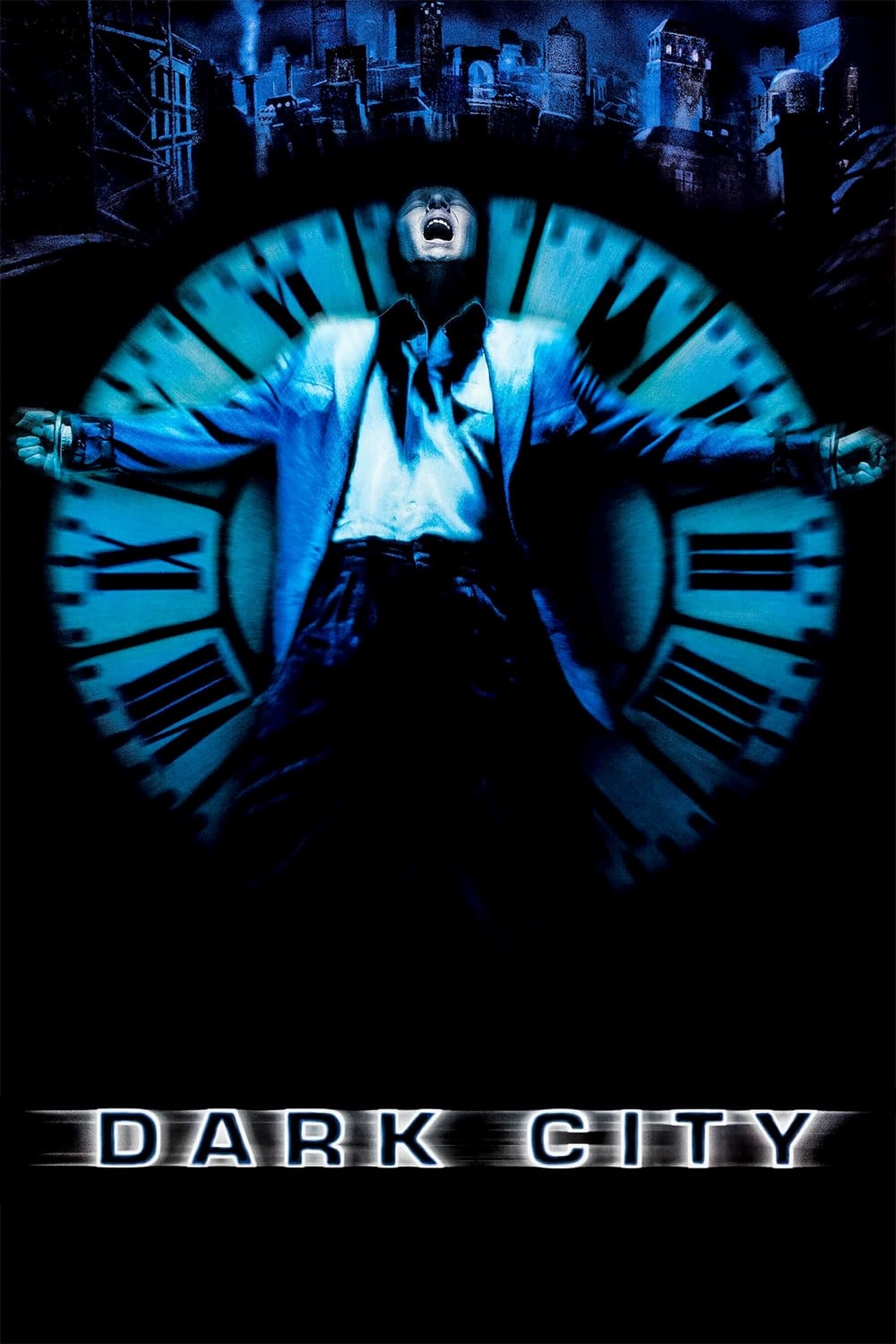
The film ‘Dark City’ begins with a man waking up in a hotel bathtub, completely without memories. He quickly finds himself suspected in a string of murders in a perpetually dark city. He soon discovers the city is secretly run by mysterious beings called ‘The Strangers,’ who can control both the environment and people’s memories. The movie delves into questions about who we are, what’s real, and the power of memory. It’s visually striking with elaborate sets and blends the styles of classic detective stories with imaginative science fiction. Though ambitious and thought-provoking, it didn’t gain as much attention when it was released because other, more straightforward action movies were popular at the time.
‘Donnie Darko’ (2001)

I first saw ‘Donnie Darko’ years ago, and it totally blew my mind. It’s about this kid, Donnie, who starts seeing this creepy, six-foot rabbit that tells him the world is going to end in less than a month. It’s way more than just a weird premise, though. The movie mixes in stuff like time travel and alternate realities, all happening in a normal suburban town. Honestly, it’s incredibly complex – there’s a whole idea of a ‘Tangent Universe’ and a ‘Primary Universe’ that the director explains more in the extended cut. It’s the kind of movie that stays with you, and everyone seems to have their own interpretation. You really need to watch it a few times, or even read up on it online, to even begin to understand what’s going on. It’s a classic for a reason!
‘Solaris’ (2002)
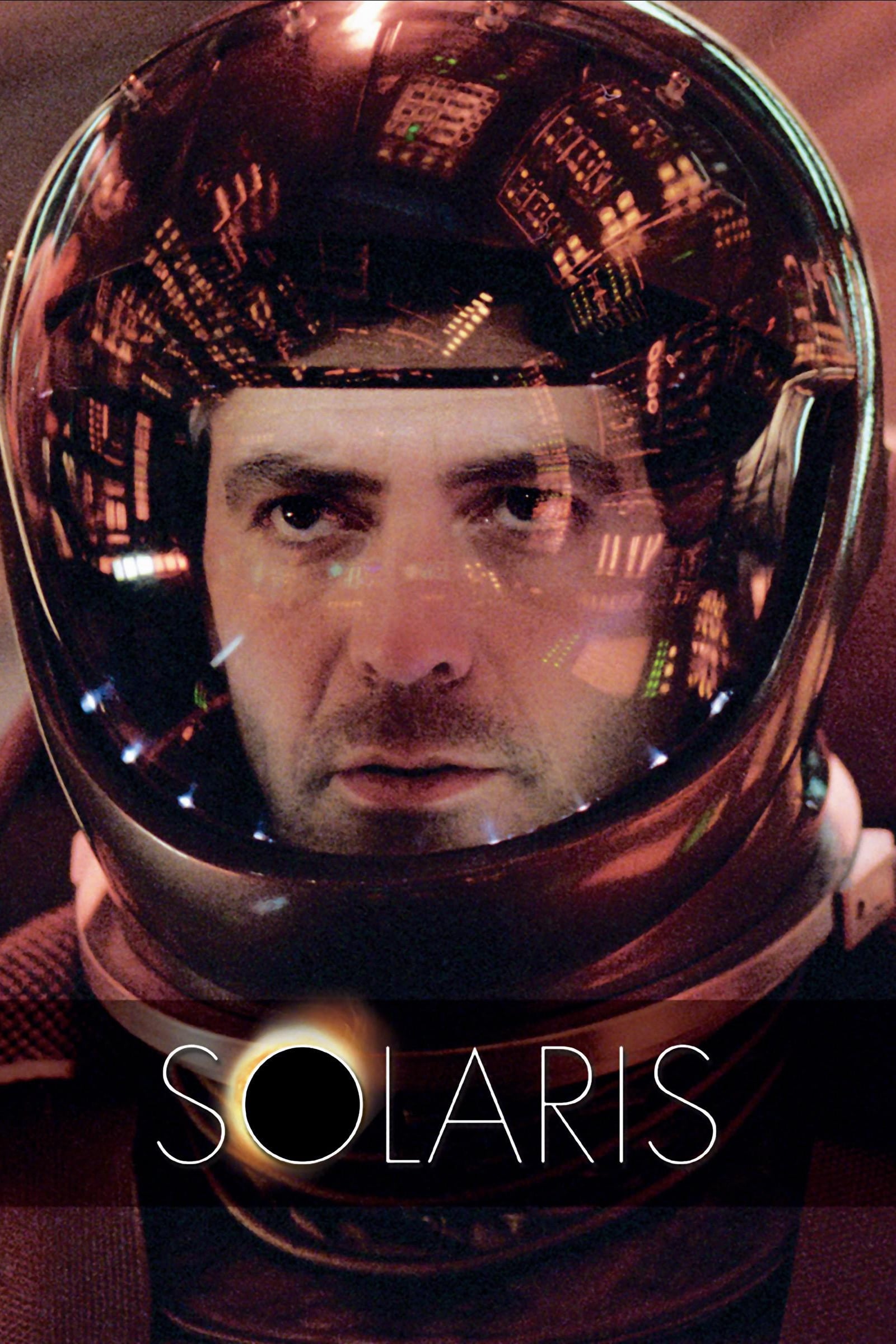
Steven Soderbergh’s take on ‘Solaris’ is a thoughtful exploration of loss and how we remember loved ones. George Clooney plays Dr. Chris Kelvin, who is shocked to find his dead wife seemingly alive and well aboard a space station orbiting the planet Solaris. This version of the story prioritizes the characters’ emotional journeys while still posing the same big, philosophical questions as the original. The film is known for its sparse dialogue and its deep dive into the characters’ minds. Though praised for being mature and intelligent, some viewers found it slow-paced compared to typical sci-fi adventures.
‘Primer’ (2004)
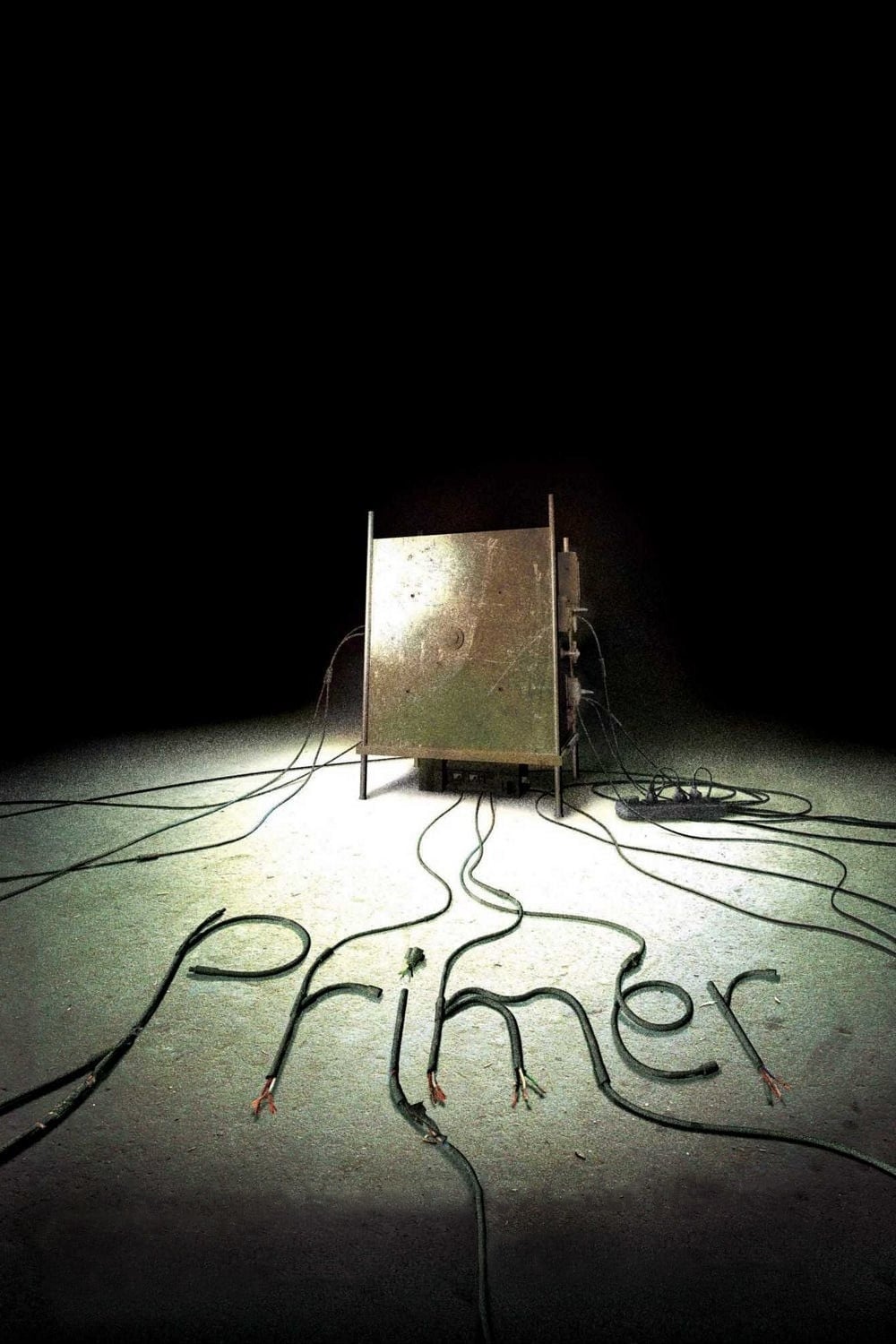
‘Primer,’ created by Shane Carruth, who wrote, directed, and starred in it, is famous for being one of the most realistic time travel movies ever made. The story follows two engineers who unintentionally invent a device for short trips through time, which quickly leads to confusing timelines and difficult moral choices. The film is known for its complex, technical language and a deliberately disjointed structure; it doesn’t explain how the time travel works, and viewers often need to draw diagrams and watch it multiple times to fully grasp what’s happening. ‘Primer’ is praised for being intellectually challenging and portraying scientific breakthroughs in a believable way.
‘Eternal Sunshine of the Spotless Mind’ (2004)
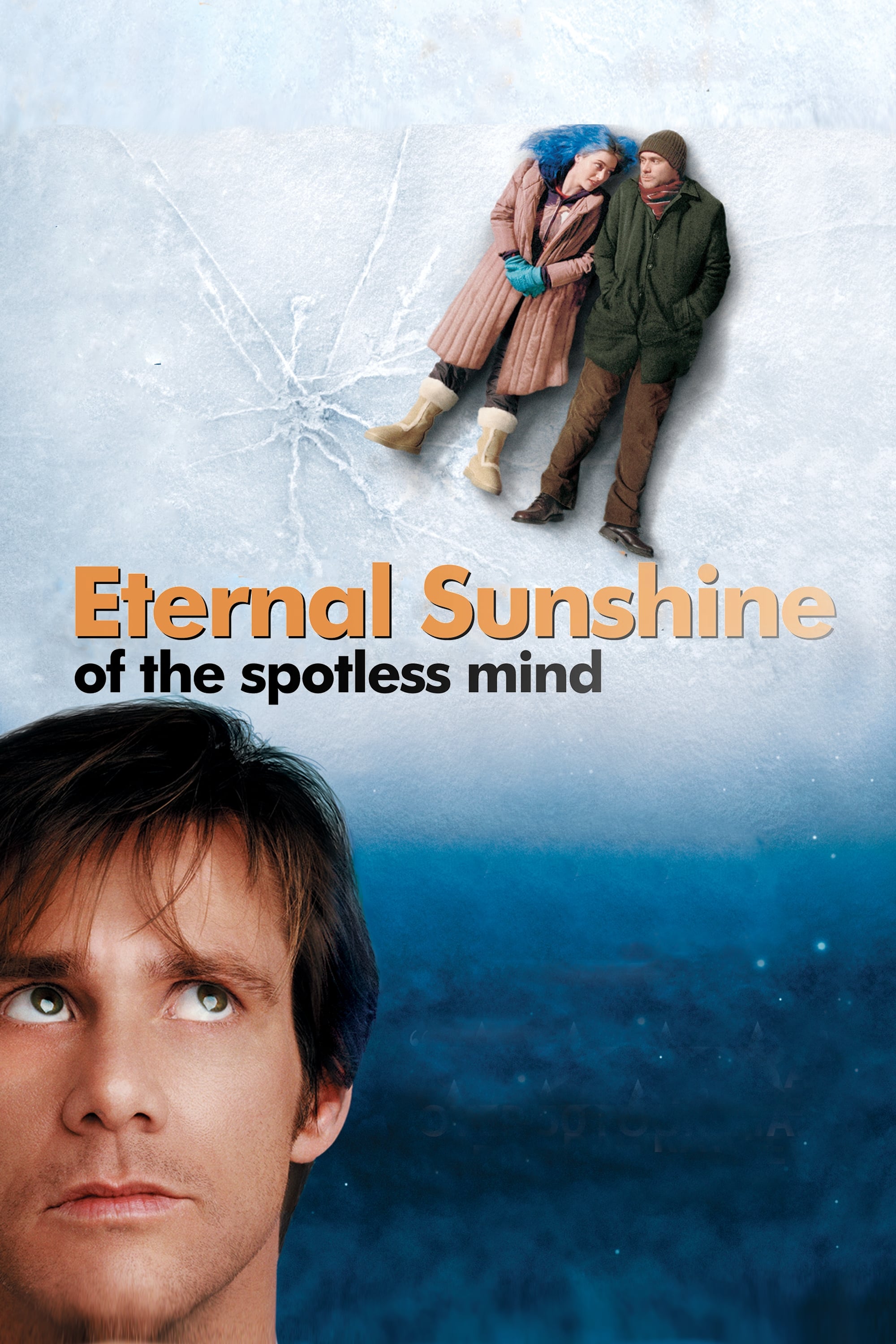
This movie centers around a couple who, after a difficult breakup, choose to undergo a procedure to completely erase each other from their memories. The story largely unfolds within the main character’s mind as he desperately tries to save cherished memories of his ex-girlfriend. ‘Eternal Sunshine of the Spotless Mind’ cleverly uses a science fiction concept to delve into the complexities of love, heartbreak, and how our past shapes who we are. Its unique, non-traditional storytelling and dreamlike visuals make for a thought-provoking and ultimately satisfying experience. The film’s original and insightful screenplay earned it an Academy Award.
‘A Scanner Darkly’ (2006)
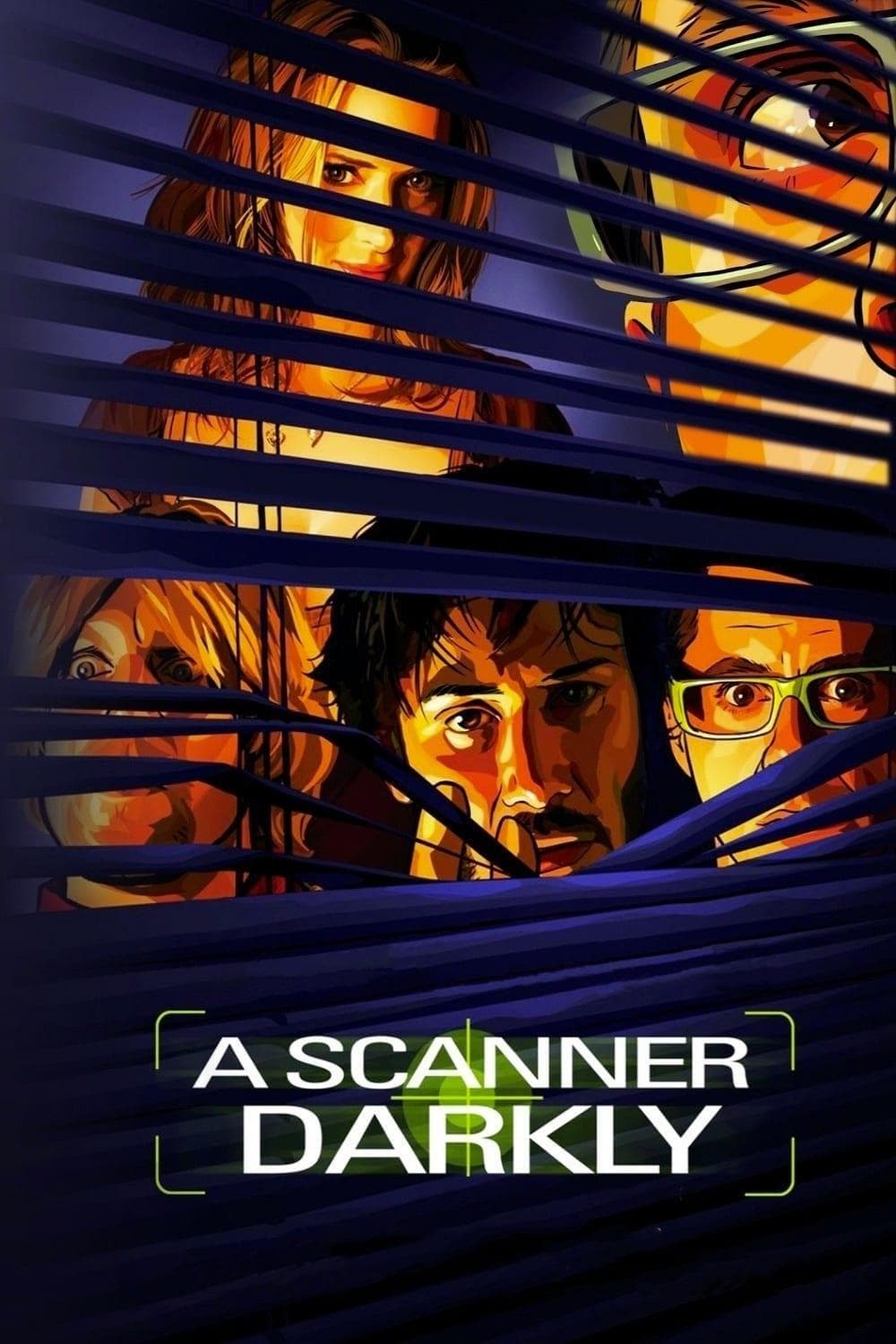
‘A Scanner Darkly’ is an animated film based on Philip K. Dick’s novel, set in a future where a secret agent struggles with addiction to a drug that changes how he sees reality. The movie delves into questions about who we are, the power of government monitoring, and how differently everyone experiences the world. Its distinctive visual style adds to the feeling of unease and confusion. The film features thoughtful, often rambling conversations, staying true to the novel’s exploration of a fragmented identity and the author’s complex ideas.
‘The Fountain’ (2006)
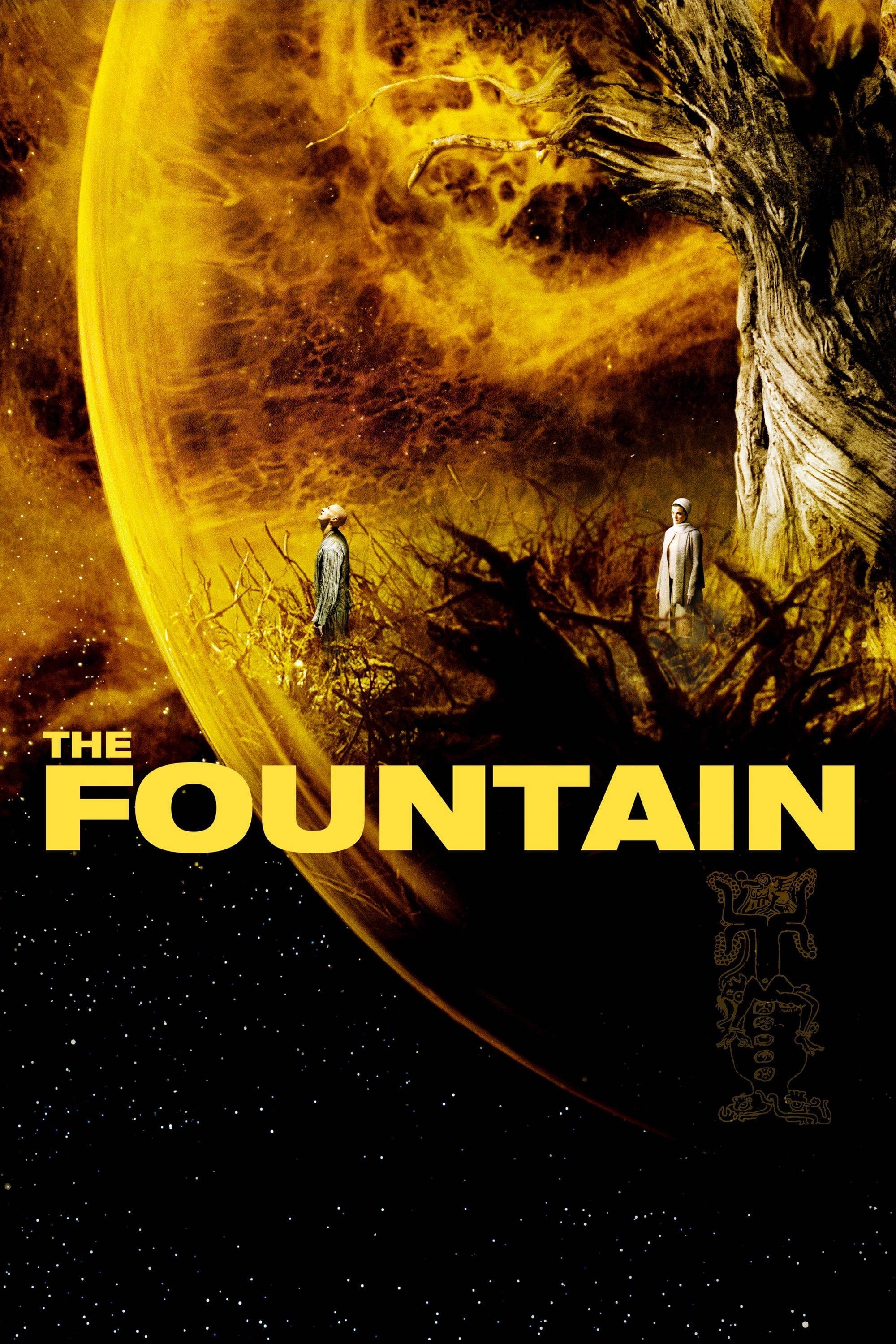
Darren Aronofsky’s film, ‘The Fountain,’ weaves together three separate but connected stories across a thousand years, all driven by a man’s desperate attempt to save the woman he loves. We follow a Spanish conquistador from the 1500s, a contemporary scientist, and a space traveler in the distant future. The film explores big ideas like death, what happens after life, and accepting mortality. When it first came out, ‘The Fountain’ was controversial due to its unusual, symbolic style. It’s a visually beautiful and thought-provoking movie that asks viewers to connect the different storylines to understand its overall message.
‘Children of Men’ (2006)

In a dystopian future where humanity faces extinction due to widespread infertility, a jaded government worker is tasked with protecting a young woman who is unexpectedly pregnant. ‘Children of Men’ is famous for its extended, unbroken shots and captivating visuals that pull you right into its turbulent world. The film explores themes of hope, the challenges faced by immigrants, and the dangers of political radicalism in a nuanced way, without heavy-handed explanations. Details about the world are revealed gradually, often through subtle background elements like posters and news reports. Its stark realism and timely political themes have earned it lasting critical acclaim.
‘The Man from Earth’ (2007)
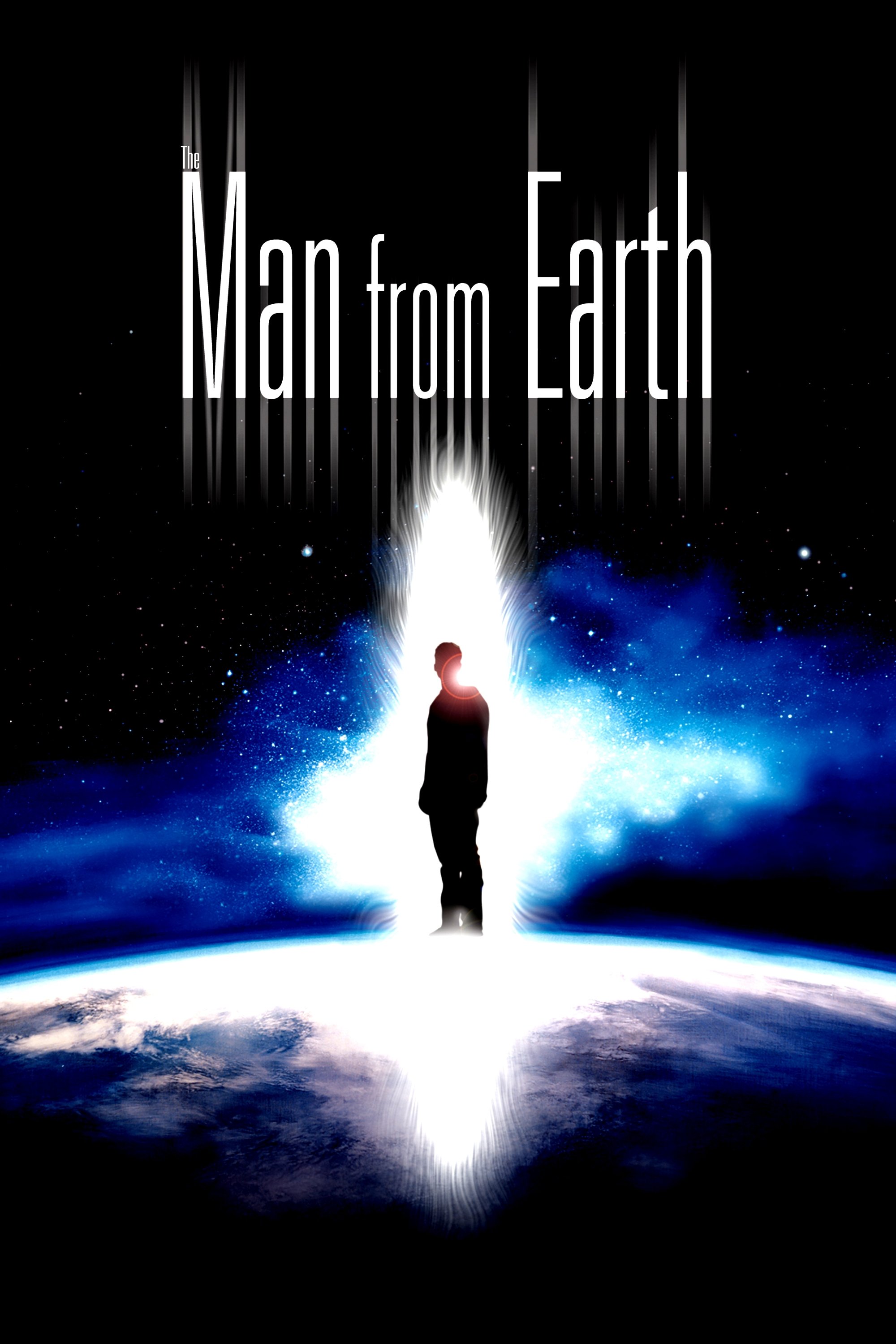
‘The Man from Earth’ is a thought-provoking independent film centered around a going-away party for a professor who makes a startling confession: he’s lived for 14,000 years. The entire movie unfolds as a single conversation, with the characters passionately discussing history, science, and faith. Instead of relying on special effects or action, the film uses compelling dialogue to challenge viewers to think about what immortality would mean for humanity and how culture has evolved. It’s become popular for its unique and intellectually stimulating take on science fiction.
‘Moon’ (2009)
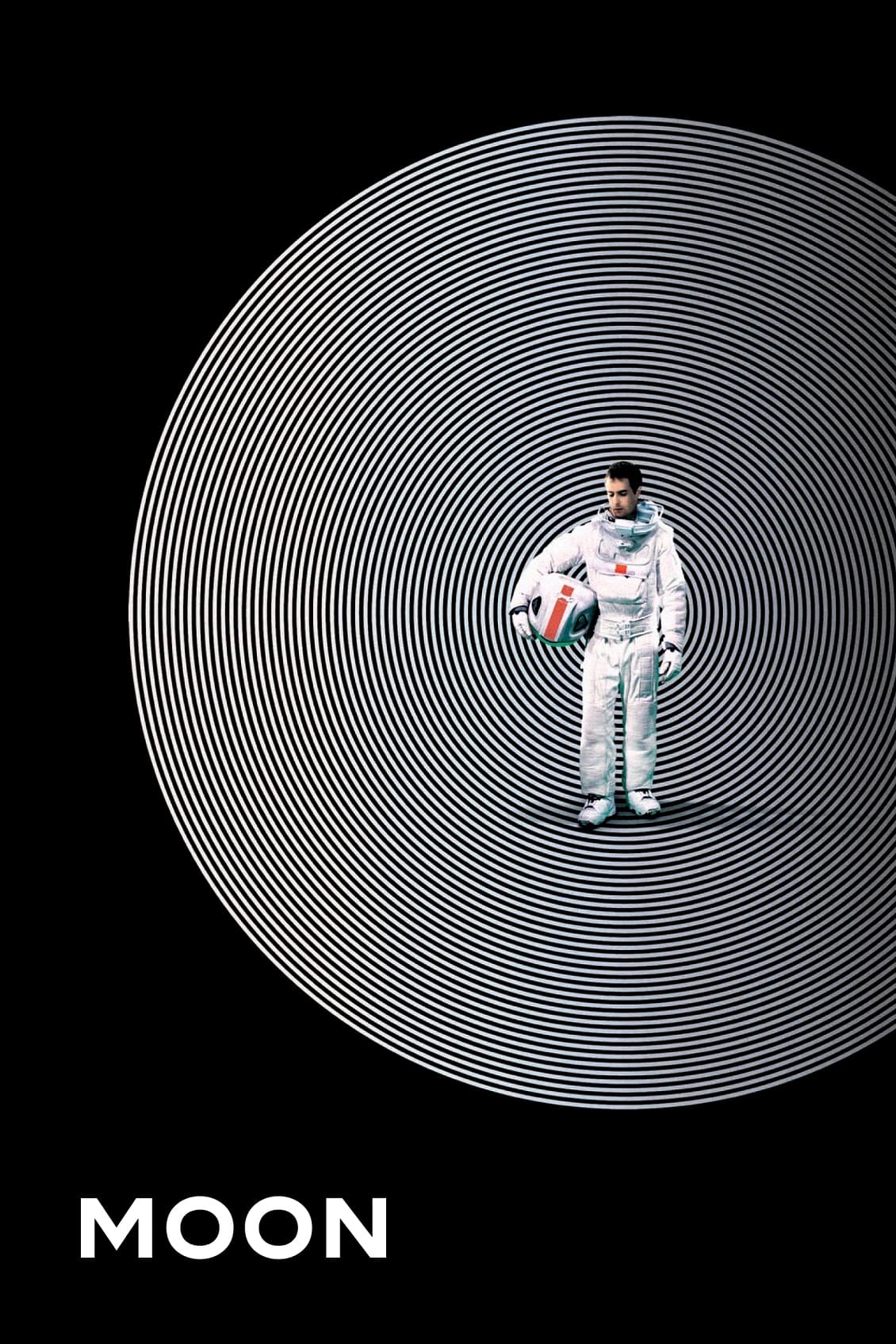
In the film ‘Moon,’ Sam Bell is close to finishing a three-year mission mining helium-3 on the dark side of the moon when he uncovers a disturbing secret about who he is. The movie is a deep dive into the character of Sam Bell, and it raises questions about how companies act, the effects of loneliness, and what makes us who we are. With only a few characters and a single location, the film builds a feeling of being trapped and creates a lot of suspense. It’s reminiscent of science fiction from the 1970s, focusing more on interesting ideas and a strong mood than on flashy special effects. Both Sam Rockwell’s acting and the film’s intelligent writing were highly praised by critics.
‘Mr. Nobody’ (2009)
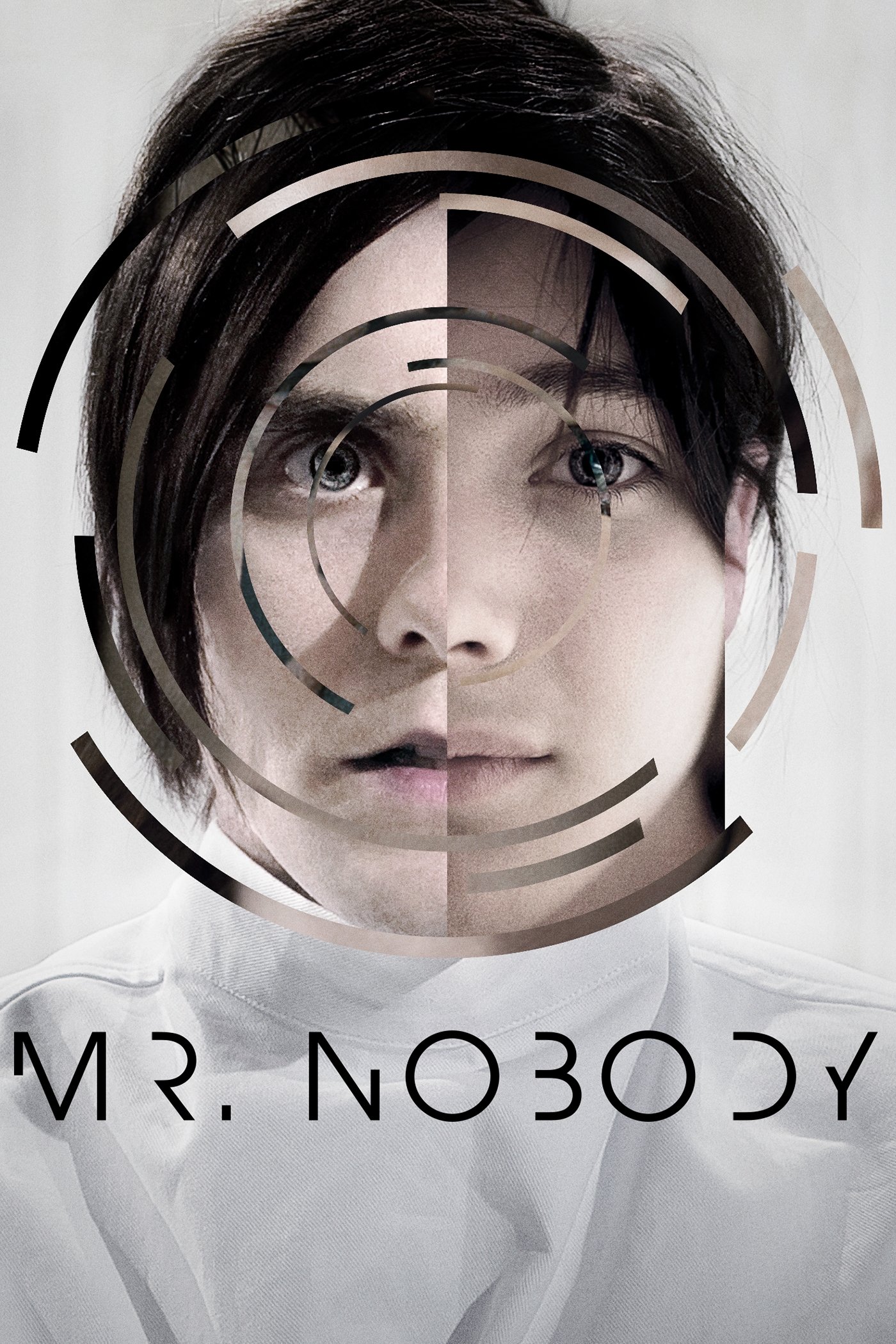
As a film buff, I recently watched ‘Mr. Nobody,’ and wow, it really stuck with me. It centers around the last human alive, an older man looking back on all the different lives he could have lived, depending on the decisions he made. The way the film tells this story is incredibly unique – it jumps all over the place between different timelines and what-ifs, making it a bit like piecing together a puzzle. It really dives into the idea that even small choices can have huge consequences – you know, the ‘butterfly effect’ – and even touches on complex ideas like string theory. Visually, it’s all over the map, changing style to fit whatever life the main character is currently experiencing. It’s a really ambitious movie that asks a lot of you as a viewer, you really need to pay attention to keep everything straight, but it’s totally worth it for a thought-provoking look at what it means to be human.
‘Inception’ (2010)
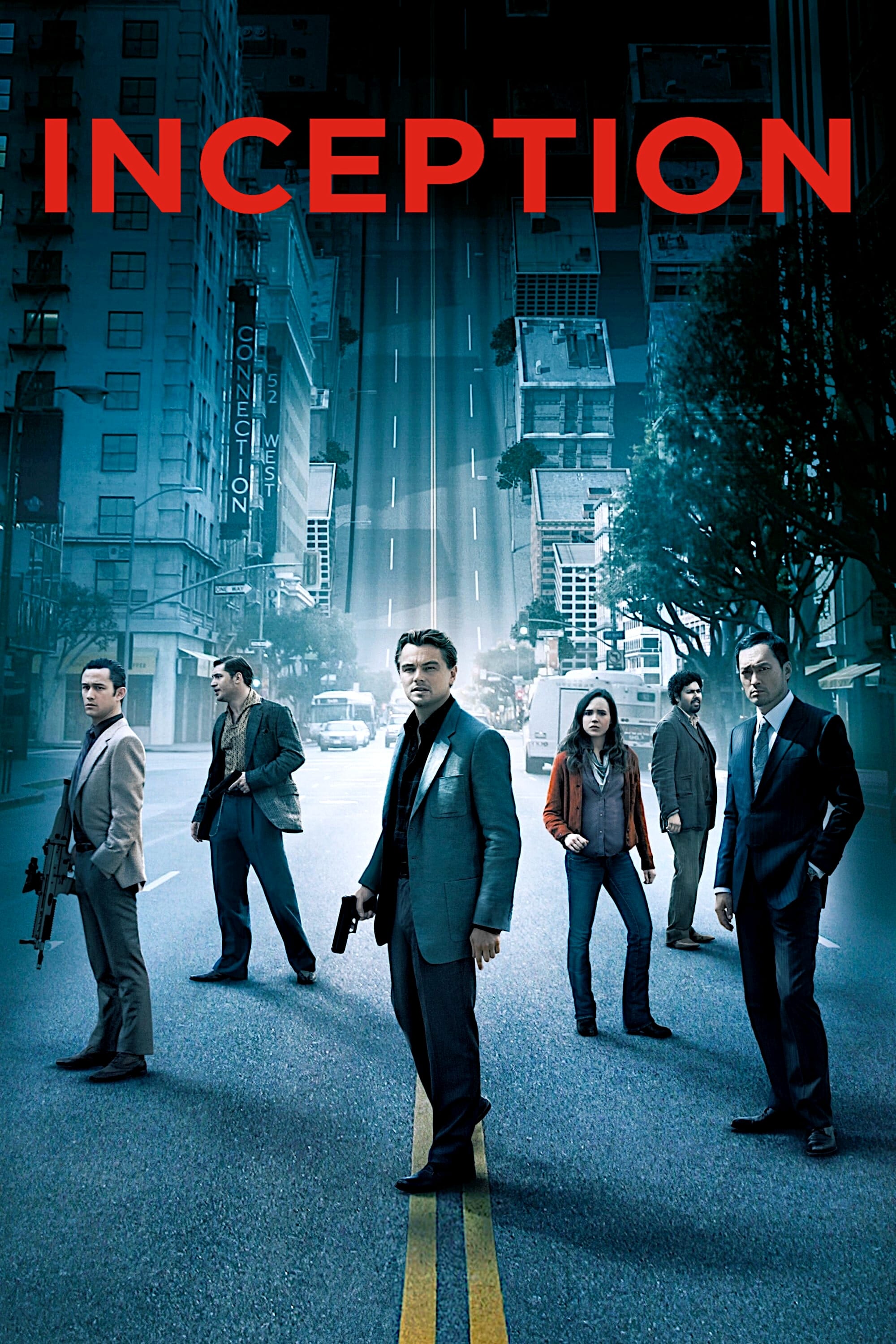
Christopher Nolan’s ‘Inception’ is a thrilling heist movie with a unique twist: instead of stealing objects, a team of specialists steals secrets directly from people’s dreams. The film is known for its complex structure, featuring dreams layered within other dreams, which makes keeping track of what’s real and how time is passing a challenge. ‘Inception’ delves into how easily memories can be altered and the lasting impact of a powerful idea. Though it was a box office hit, the film’s ending remains open to interpretation, sparking countless discussions and theories. It’s praised for successfully blending thought-provoking ideas with exciting, large-scale action.
‘Another Earth’ (2011)
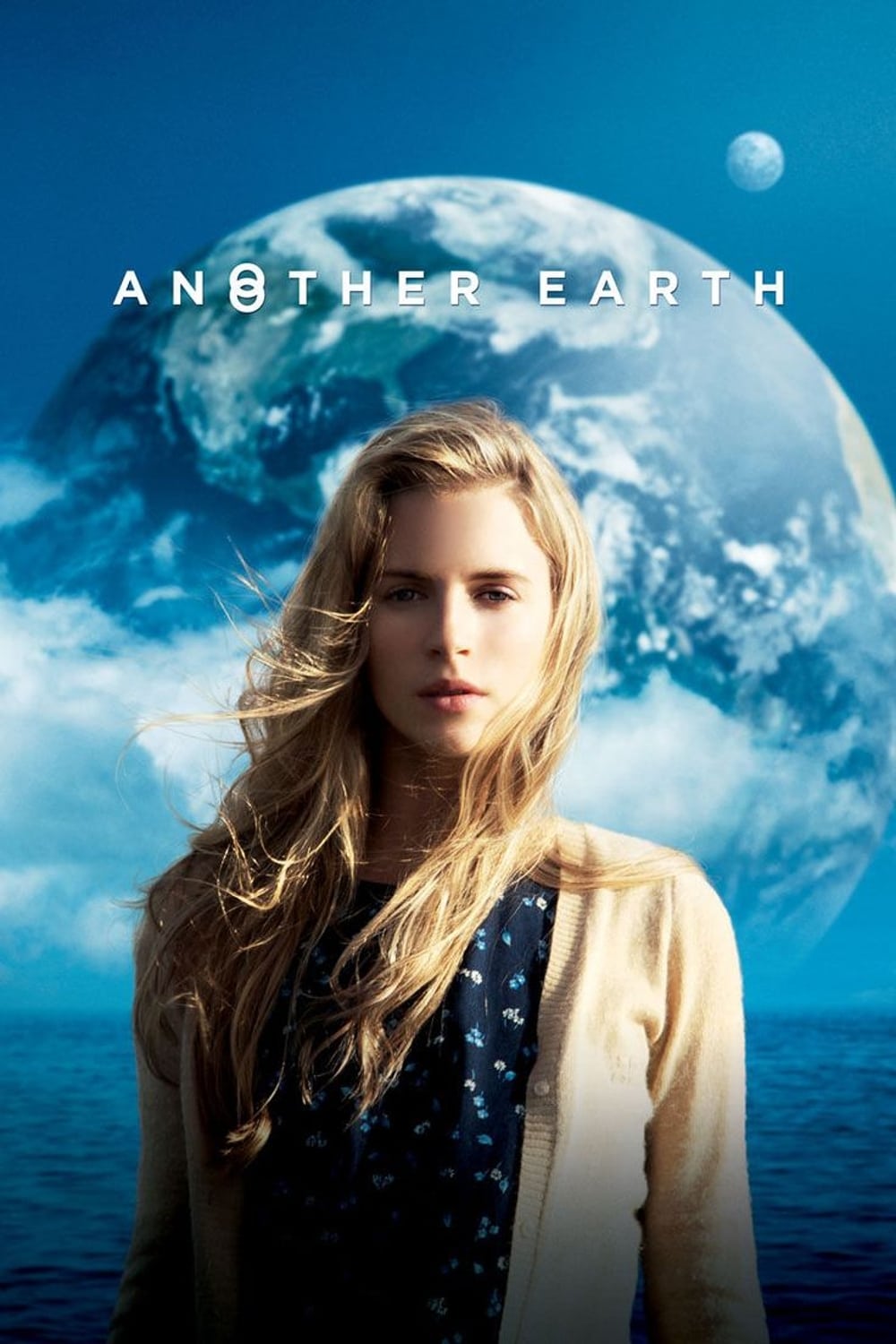
When a second Earth is discovered, a young woman’s life is forever altered by a devastating accident. ‘Another Earth’ isn’t a typical sci-fi movie; it’s a deeply moving story about making amends and wondering ‘what could have been.’ The duplicate planet represents the different choices we all could have made and the possibility of becoming a better version of ourselves. The film prioritizes the characters’ inner lives and feelings over the details of the scientific discovery, making it a thoughtful and bittersweet experience that resonates with those who appreciate emotional depth.
‘Cloud Atlas’ (2012)
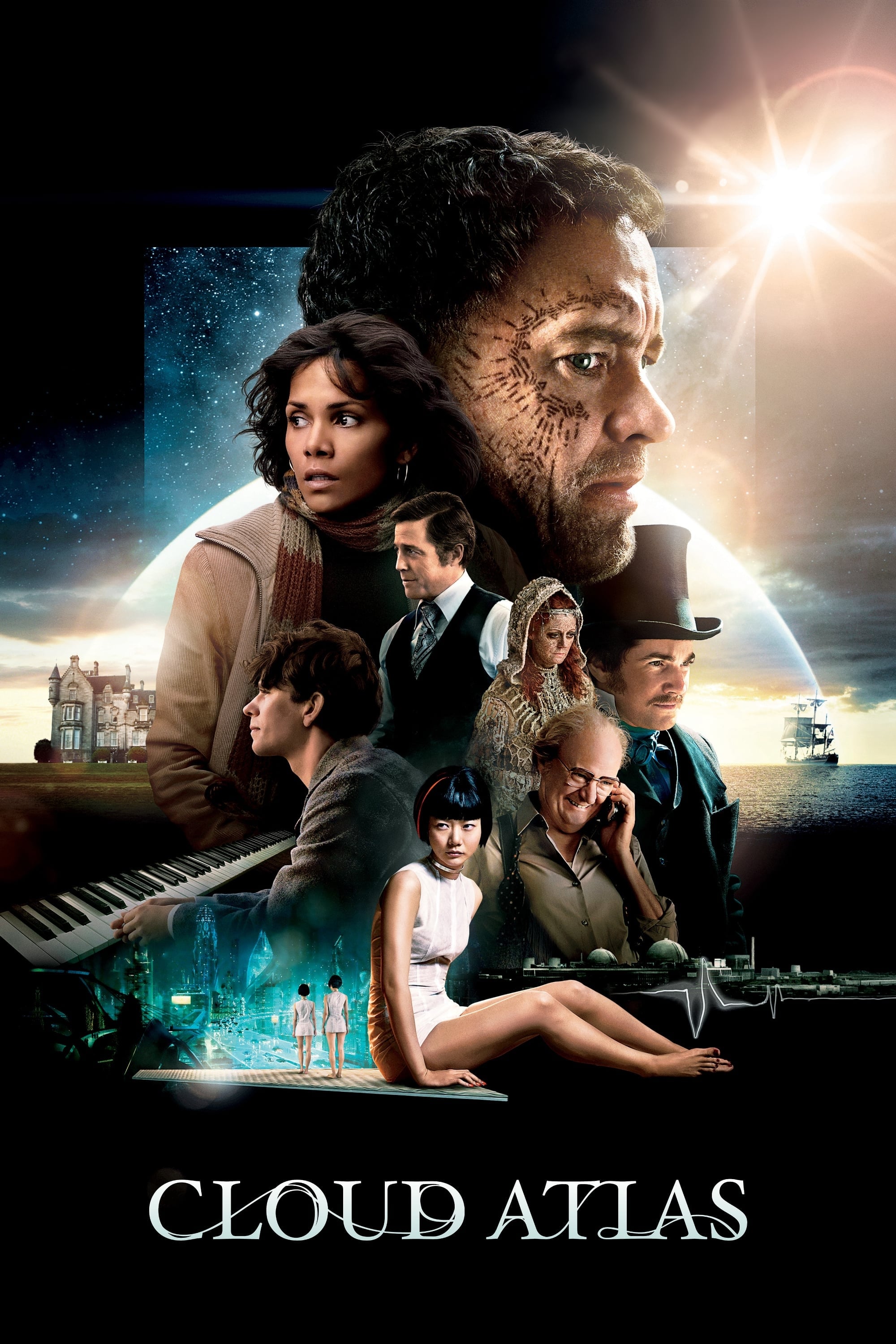
Based on David Mitchell’s novel, ‘Cloud Atlas’ weaves together six stories that take place across centuries, from the 1800s to a future after a global catastrophe. The film cleverly uses the same actors in different roles throughout the timelines to show how people are connected across time and space. It delves into big ideas like reincarnation, the persistence of both cruelty and kindness, and how even small actions can have an impact. The film’s quick shifts between different time periods and styles make it a complex and thought-provoking experience. It’s a bold attempt to capture the entirety of human history and our understanding of right and wrong.
‘Upstream Color’ (2013)

Shane Carruth’s second film, ‘Upstream Color,’ is a thought-provoking and unusual story about two people whose lives are dramatically changed by a strange parasite. Instead of relying on typical conversations and a straightforward plot, the film creates an immersive experience through visuals and sound, connecting the lives of humans, pigs, and orchids. It explores complex ideas about who we are, the effects of trauma, and the hidden connections between all living things. Because it’s so abstract and relies heavily on what you see and hear, the audience has to actively interpret the story. Many consider it a truly original and challenging work of science fiction.
‘Under the Skin’ (2013)
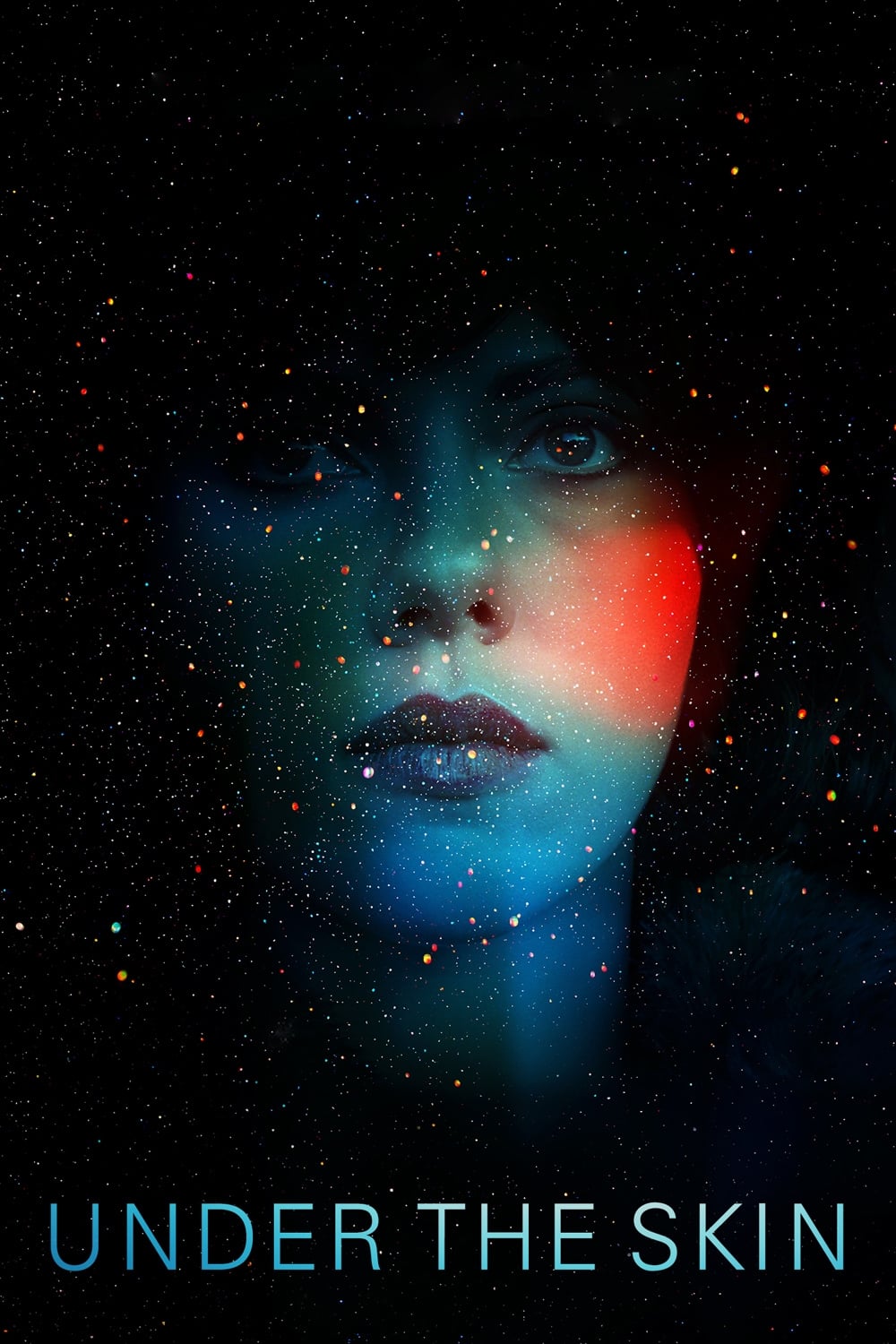
‘Under the Skin’ tells the story of an alien being disguised as a woman who wanders the streets of Scotland, attracting men to their doom. The film is notable for its simple storytelling and realistic, almost documentary-style filming, giving audiences a strange, alien view of people. It delves into feelings of isolation, the ability to understand others, and what it’s like to have a body. With a chilling soundtrack and dreamlike visuals, the movie creates a deeply unsettling and distant atmosphere. It doesn’t offer many answers, instead challenging viewers to make sense of the alien’s journey and why it acts the way it does.
‘Enemy’ (2013)
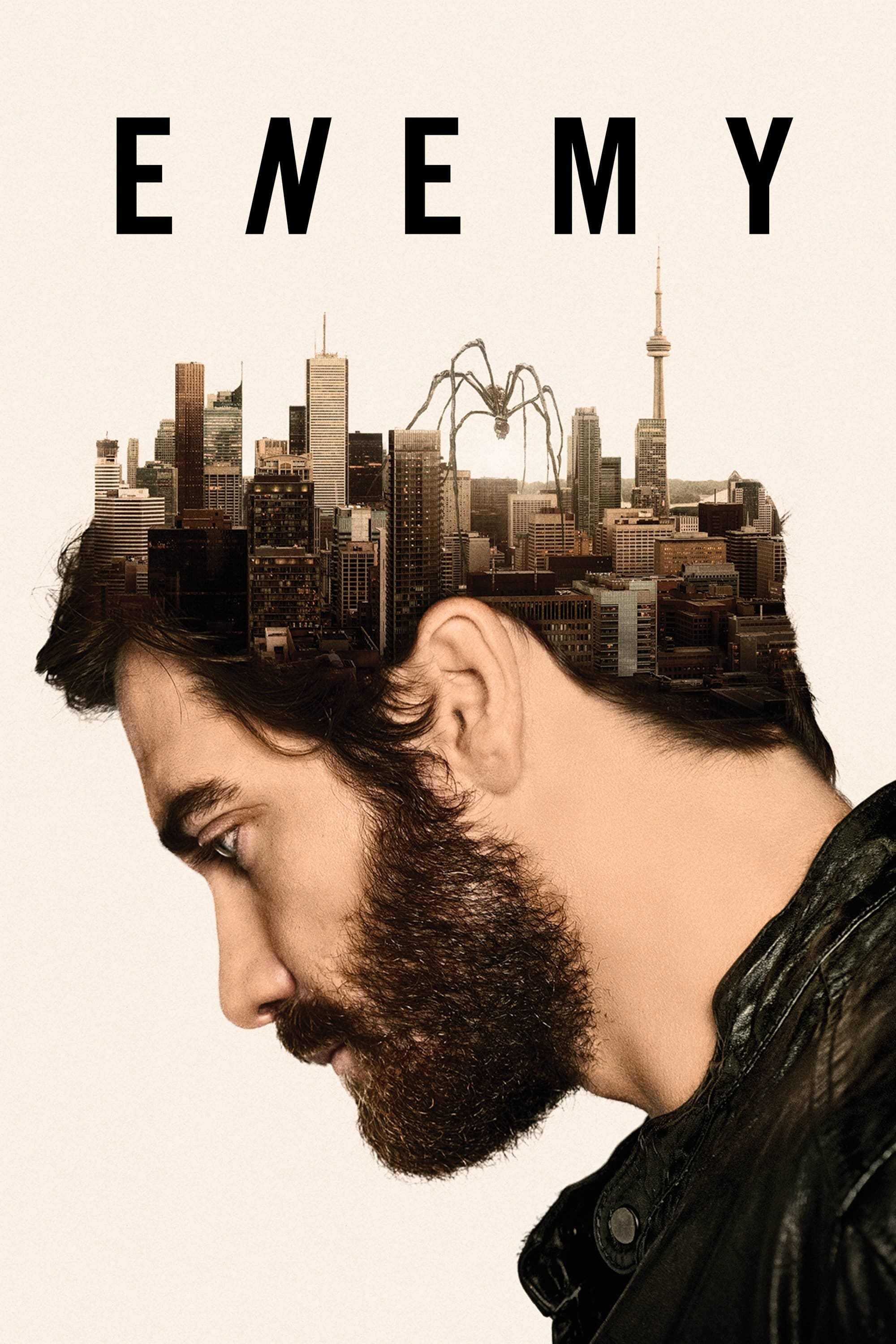
‘Enemy’ is a mind-bending psychological thriller about a professor who finds his doppelgänger in a film and becomes fixated on finding him. The movie explores hidden desires and the search for self, using symbolic imagery—particularly spiders—to create a complex and unsettling atmosphere. Known for its ambiguous and shocking ending, ‘Enemy’ isn’t a straightforward story; it’s a richly layered, dreamlike experience that invites viewers to interpret its meaning.
‘Coherence’ (2013)
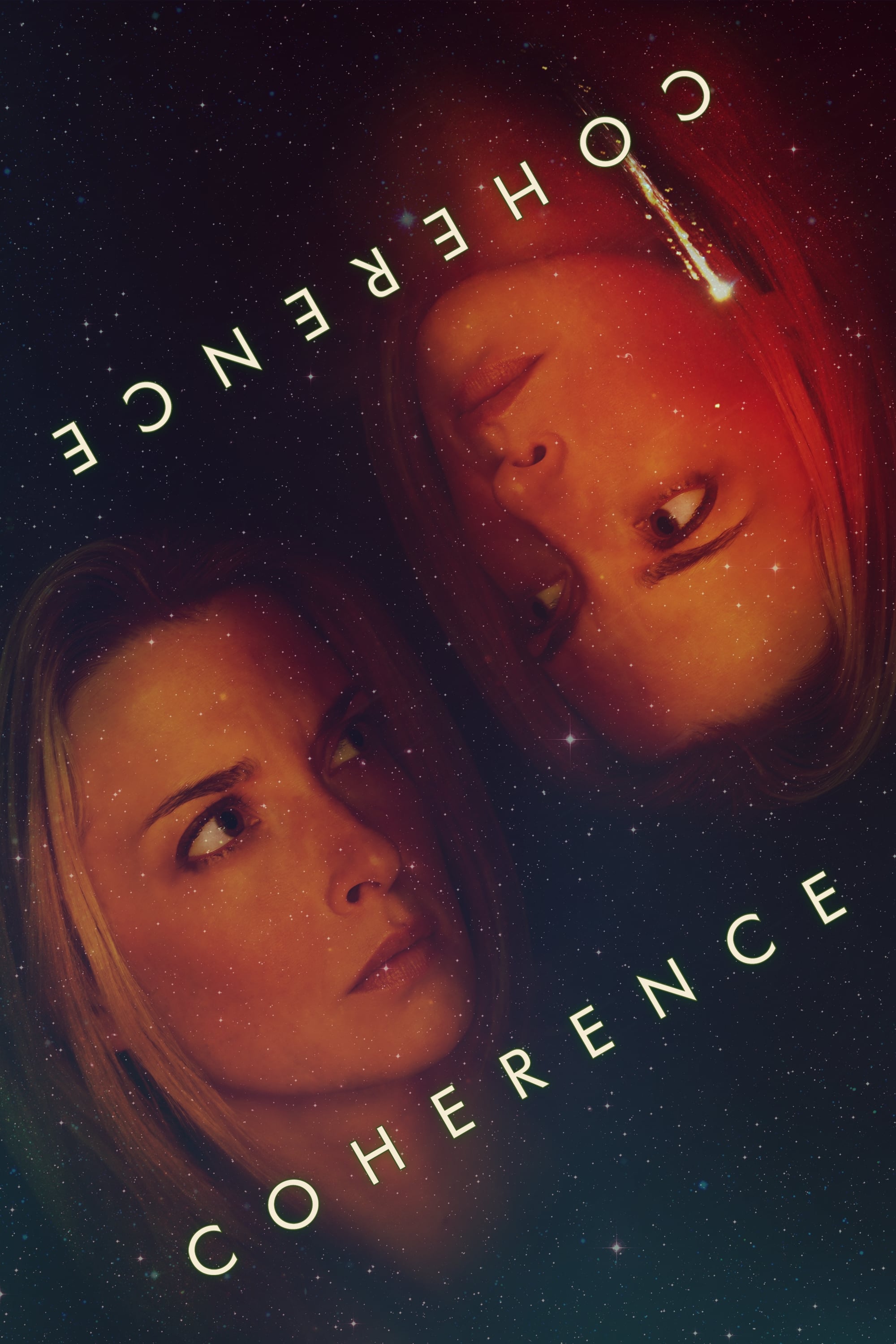
A dinner party takes a bizarre turn when a comet streaks overhead, causing reality to fracture. Suddenly, multiple copies of the house and everyone inside appear. ‘Coherence’ is a clever, low-budget film that builds suspense through realistic dialogue and psychological unease. The guests are forced to grapple with meeting alternate versions of themselves and losing trust in one another. The film cleverly uses this strange situation to explore the idea that many different versions of reality might exist, but focuses on how this impacts the people experiencing it. It’s a complex mystery that keeps viewers guessing about who is who and where everyone really is.
‘Interstellar’ (2014)
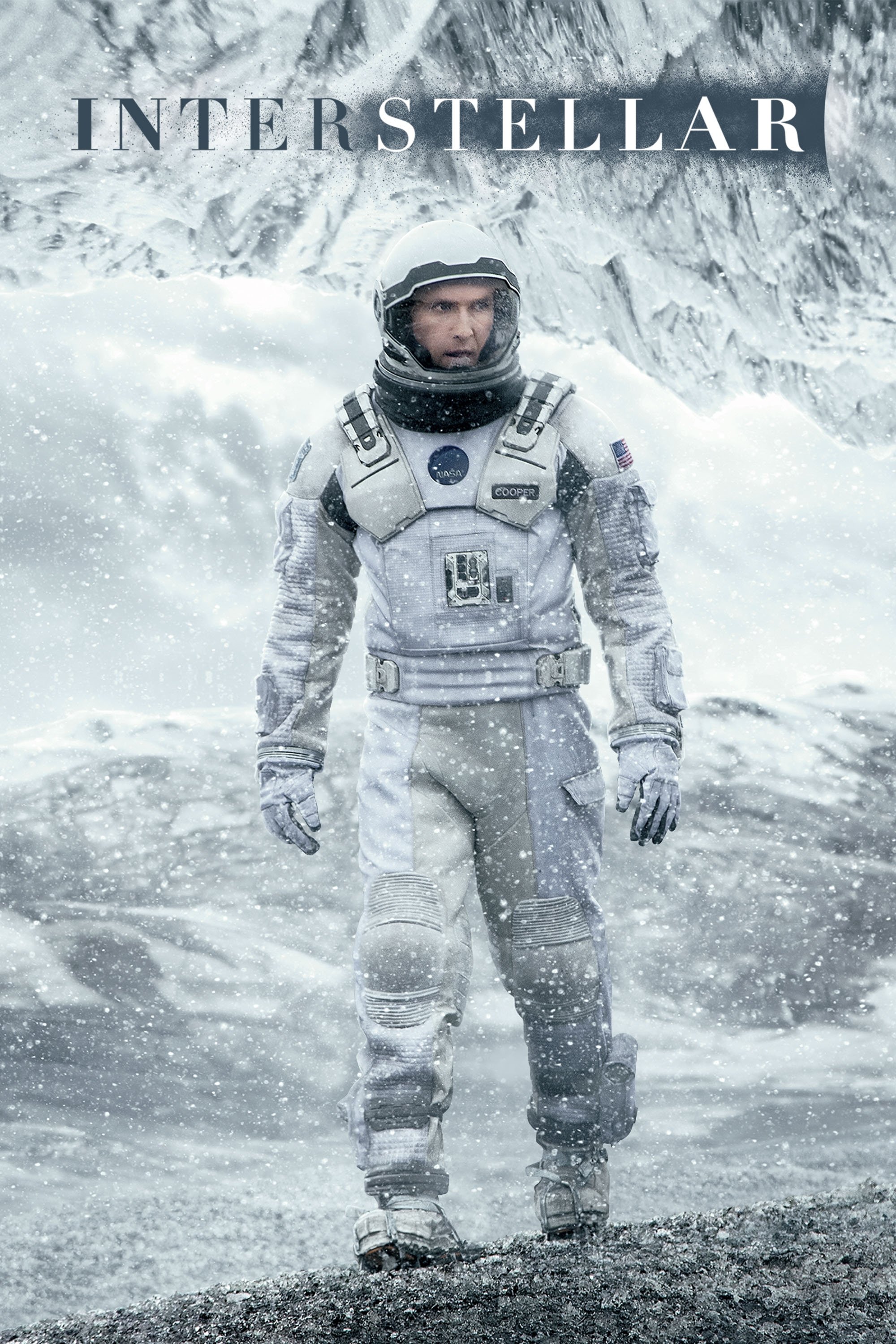
Faced with a dying Earth, a team of astronauts ventures through a wormhole in search of a new planet for humanity. ‘Interstellar’ explores fascinating ideas from physics, like black holes and how time can change, and even concepts beyond our usual understanding of space. While dealing with these big scientific ideas, the film also tells a touching story about a father’s love for his daughter. The movie’s climax features a mind-bending sequence—the “Tesseract”—that visually tries to show what five-dimensional space might be like. Both movie critics and scientists have applauded the film for striving for scientific realism and being intellectually stimulating.
‘Ex Machina’ (2014)

‘Ex Machina’ is a gripping psychological thriller about a programmer who gets the chance to evaluate Ava, a highly advanced artificial intelligence. Set in a secluded location, the film explores the complex issues of AI consciousness and the morality of creating it. With clever writing and a sense of confinement, the movie builds tension as the characters clash. It prompts viewers to consider themes of gender, control, and whether machines could eventually become more intelligent than humans. The film’s simple setting and tight story keep the focus on these big ideas.
‘Arrival’ (2016)
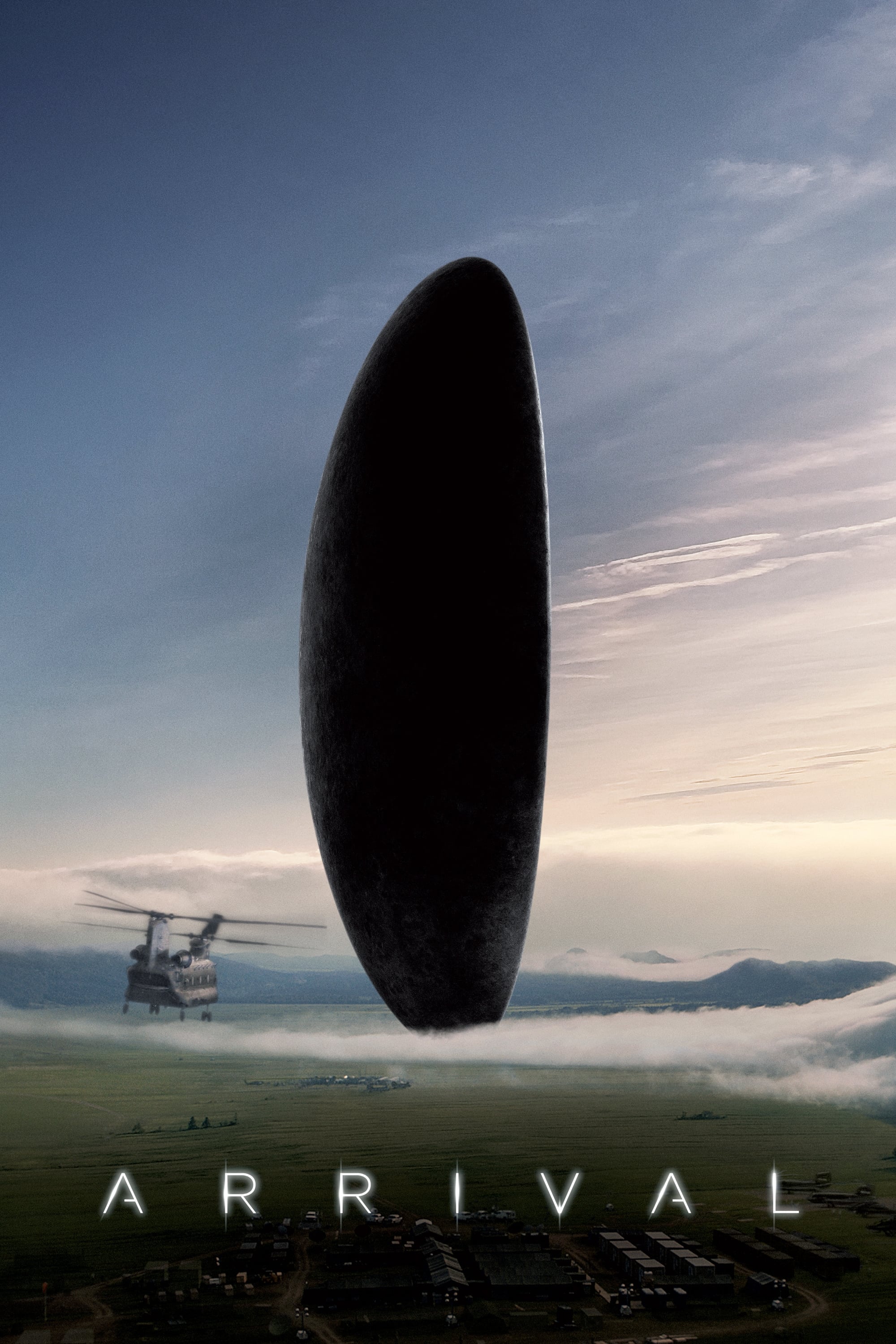
In ‘Arrival,’ twelve alien ships appear across the globe, and a linguist is chosen to try and understand the visitors. The movie explores the idea that language shapes our understanding of the world. It tells the story in a non-traditional way, mirroring how the aliens experience time, ultimately leading to a deeply moving discovery. Unlike many alien invasion stories, ‘Arrival’ centers on collaboration, communication, and dealing with loss. Critics celebrated the film for being both thought-provoking and deeply human in its portrayal of first contact.
‘Annihilation’ (2018)
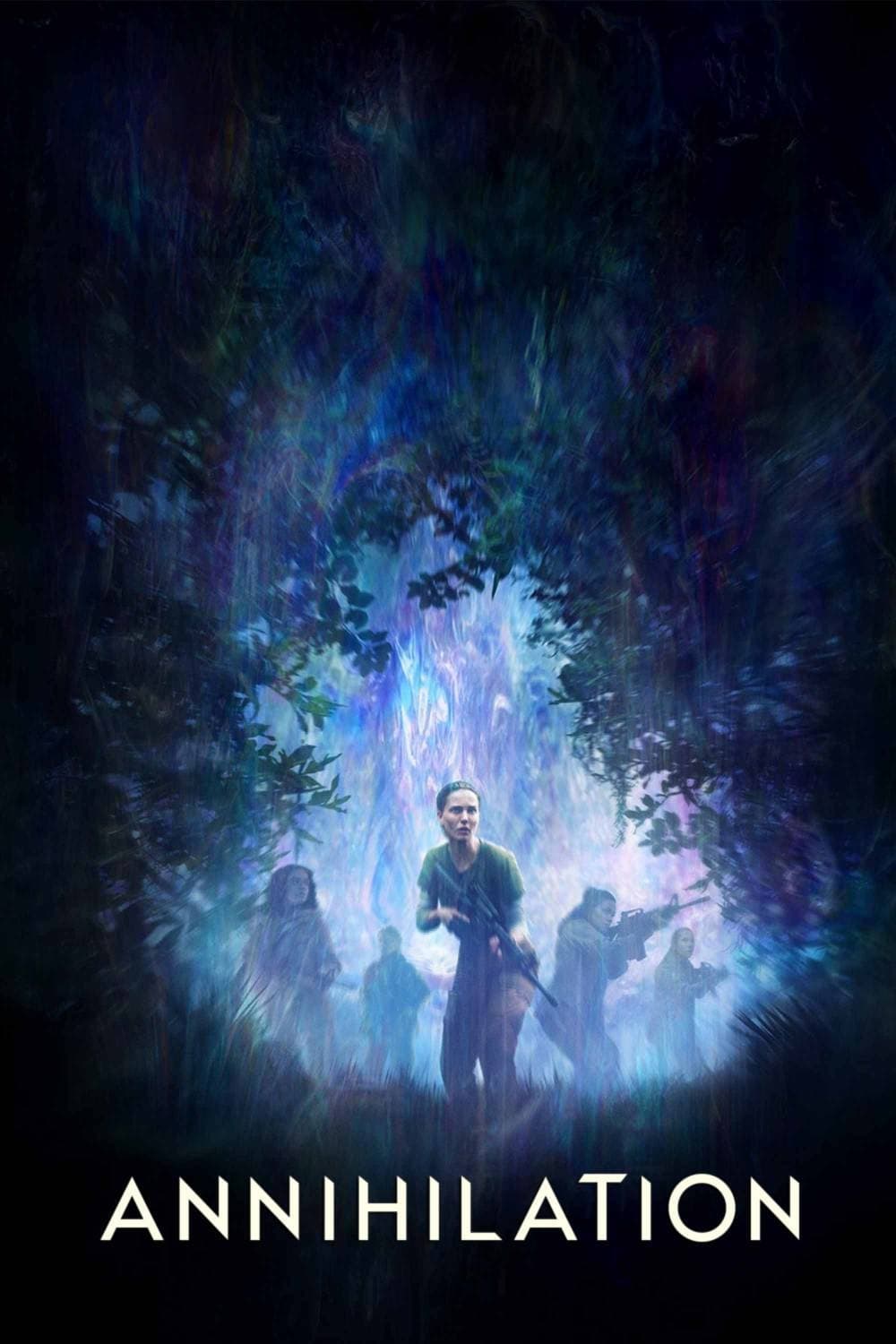
Okay, so I just finished watching ‘Annihilation,’ and wow, it really stuck with me. It follows a biologist who ventures into this strange, isolated area called ‘The Shimmer,’ where everything – the rules of nature itself – is changing. It’s less a straightforward sci-fi adventure and more of a deep dive into what it means to destroy and remake yourself, and nature’s role in that process. Be warned, there’s some genuinely unsettling body horror and the visuals are… abstract, to say the least. They really seem to mirror what the characters are going through internally. The ending isn’t neat and tidy; it’s more of a feeling, a thematic punch rather than a clear explanation of everything. Honestly, it’s a complex film, and I can see why it didn’t get a wide release – it demands a bit of thought and isn’t exactly popcorn entertainment. But if you’re looking for something truly unique and thought-provoking, I highly recommend it.
‘Tenet’ (2020)
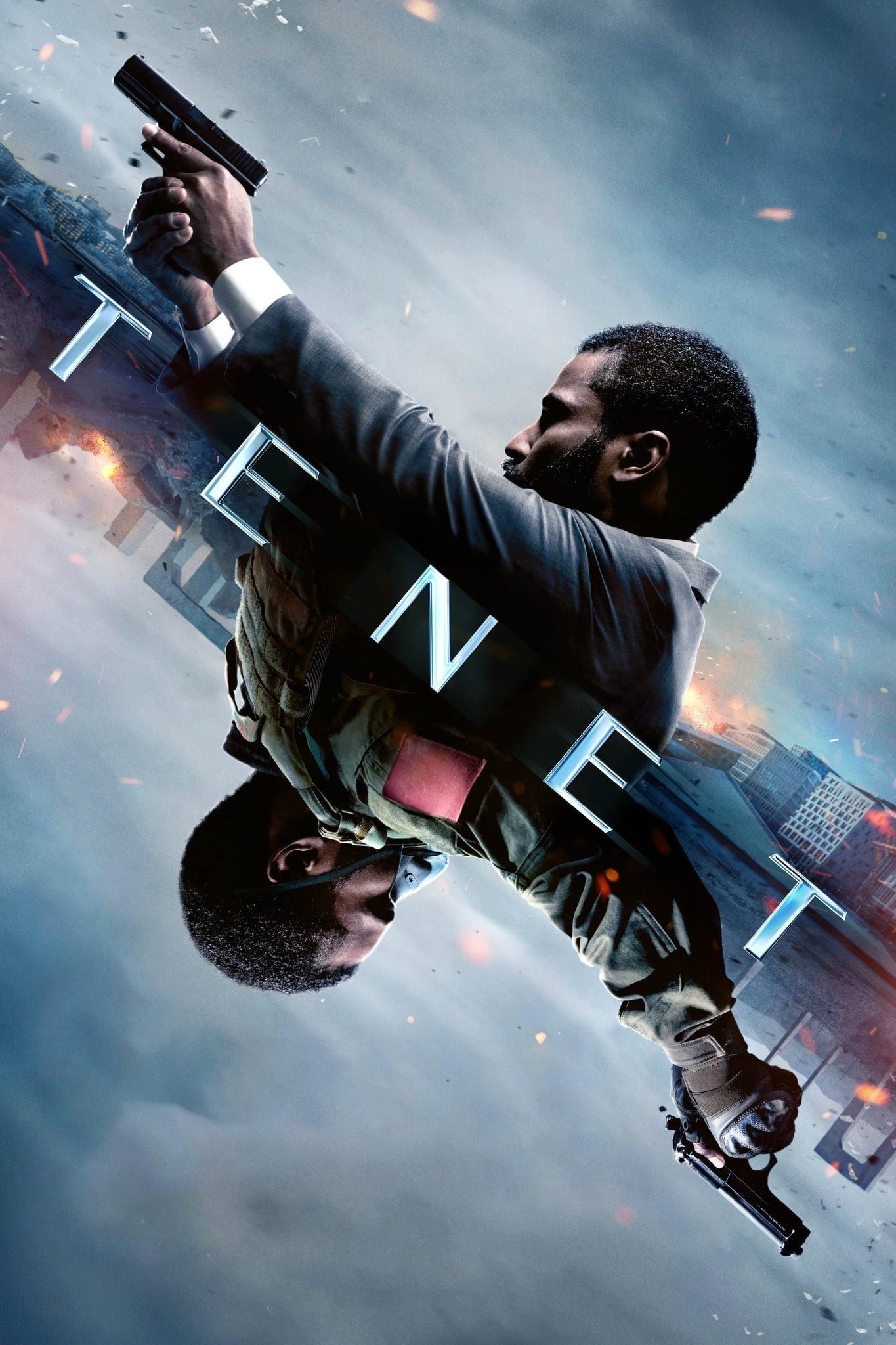
I was completely blown away by Christopher Nolan’s “Tenet.” The idea of “time inversion” – essentially reversing how things naturally fall apart – is just mind-bending. The story follows a spy who has to operate in a world where some people experience time normally, and others move backward! The action isn’t just visually stunning, it’s incredibly complex, with these amazing “temporal pincer movements” that really make you think. Honestly, you have to pay close attention to understand what’s happening and how everything connects in this flipped reality. It’s like a really intricate puzzle, and it’s incredible how Nolan uses time itself as a storytelling tool – it really pushes the limits of what cinema can do.
Please share which of these films challenged your perspective the most in the comments.
Read More
- Gold Rate Forecast
- 2025 Crypto Wallets: Secure, Smart, and Surprisingly Simple!
- HSR 3.7 story ending explained: What happened to the Chrysos Heirs?
- ETH PREDICTION. ETH cryptocurrency
- Here Are the Best TV Shows to Stream this Weekend on Paramount+, Including ‘48 Hours’
- Games That Faced Bans in Countries Over Political Themes
- Uncovering Hidden Groups: A New Approach to Social Network Analysis
- ‘Zootopia+’ Tops Disney+’s Top 10 Most-Watched Shows List of the Week
- The 10 Most Beautiful Women in the World for 2026, According to the Golden Ratio
- When Wizards Buy Dragons: A Contrarian’s Guide to TDIV ETF
2026-02-26 20:20