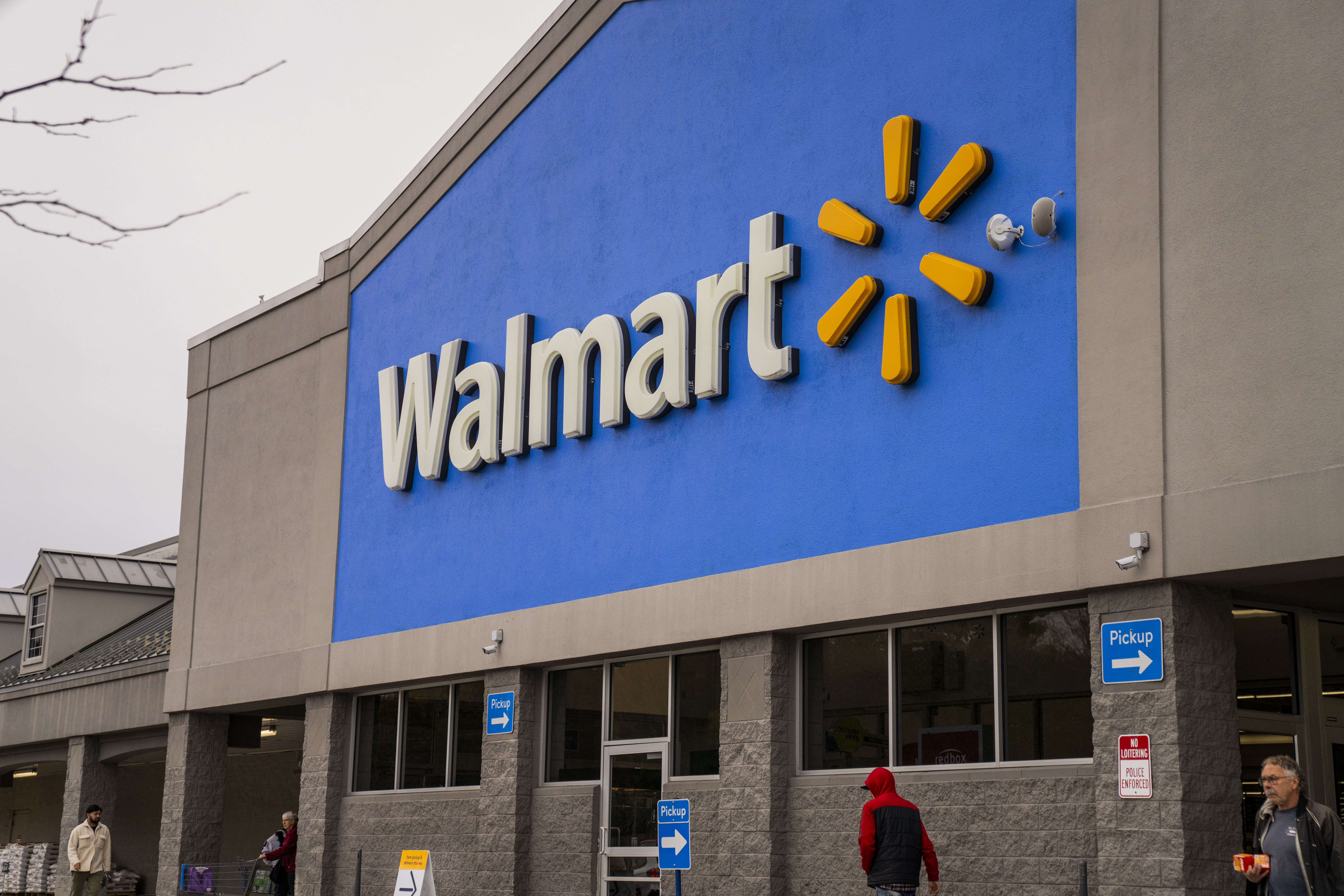
John Furner took the reins at Walmart on the first of February, 2026. A changing of the guard, they call it. Doug McMillon, the man before him, had seen the share price swell, a tide lifting all boats, or at least the yachts. Five hundred percent return, they boasted, while the rest of us watched the currents shift. Furner now carries that weight, the expectation of more, and the question hangs in the air, thin and persistent: can this machine keep climbing?
The Land and Its Yield
It’s easy to forget, looking at the polished floors and endless rows of goods, that this isn’t about prosperity, but about volume. McMillon inherited a struggle, a company buffeted by the winds of change, Amazon a gathering storm. The price-to-earnings ratio, a measure of hope, was down to fifteen, a farmer’s field left fallow. He coaxed life back into it, turning Walmart into something resembling all things to all people, spreading roots internationally, and offering a wage that didn’t quite shame. He understood the need to keep the hands that stacked the shelves from shaking with hunger.
Furner steps into a different landscape. He’s a creature of the system, rising through the ranks of Sam’s Club, then Walmart U.S., a man who understands the rhythm of the conveyor belt. He carries the scent of success, the echo of McMillon’s triumphs. But the soil is different now. The easy gains have been harvested.
Still, there’s a quiet pressure. The share price, briefly flirting with a trillion dollars, is a fragile thing. It demands feeding. And the markets, like a restless sea, are never satisfied for long.
The price-to-earnings ratio sits at forty-two, a high perch. The S&P 500, a broader measure of the land’s yield, rests at twenty-nine. Target, a struggling neighbor, trades at thirteen. Costco, a distant, prosperous farm, at fifty. The numbers tell a story, but they rarely speak of the people who toil beneath them.
A thirteen percent net income growth in the last year is a respectable harvest, given the thin margins of this trade. But a high price invites scrutiny. It makes the stock a target, vulnerable to the slightest shift in the wind.
The truth is, the land is becoming crowded. Five thousand two hundred stores across the country, and little room to expand. Attempts to grow beyond these shores have often withered, a reminder that even the most powerful empires have their limits. And the shelves, stocked with goods from distant lands, are dependent on a fragile peace, a delicate balance of trade that could easily be disrupted.
The Weight Remains
To expect a soaring share price under Furner’s leadership is to ask too much. He’s a capable man, certainly, and he deserves credit for the company’s recent success. But Walmart is a machine built on volume, not innovation. The easy growth is gone. The land has been worked hard.
The odds of beating the market in 2026 are slim. The machine will keep turning, the shelves will keep filling, but the weight of expectation, the weight of the aisles, will remain. It is a heavy burden for any man to carry, especially in a world where prosperity is measured in fractions of a share, and the true cost is rarely seen.
Read More
- 2025 Crypto Wallets: Secure, Smart, and Surprisingly Simple!
- Gold Rate Forecast
- Brown Dust 2 Mirror Wars (PvP) Tier List – July 2025
- Banks & Shadows: A 2026 Outlook
- The 10 Most Beautiful Women in the World for 2026, According to the Golden Ratio
- HSR 3.7 story ending explained: What happened to the Chrysos Heirs?
- ETH PREDICTION. ETH cryptocurrency
- The Weight of Choice: Chipotle and Dutch Bros
- The Best Actors Who Have Played Hamlet, Ranked
- Uncovering Hidden Groups: A New Approach to Social Network Analysis
2026-02-25 15:02