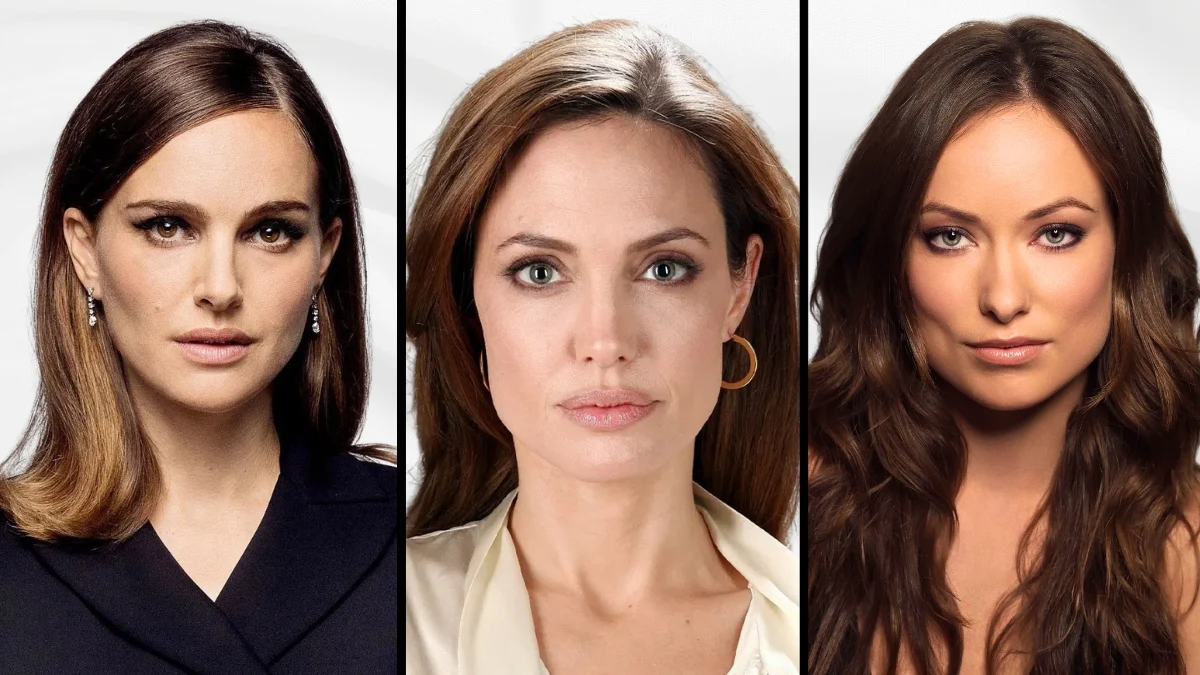
In Hollywood, an actor’s name is often carefully chosen to help with their career, protect their privacy, or allow them to reinvent themselves. Many actresses have changed their names to avoid family attention – either to shield loved ones or step out from under the shadow of a famous parent. Others do it to overcome biases or make their names easier for international audiences to remember. These name changes are a deliberate move, giving these women control over how they build their careers.
Natalie Portman
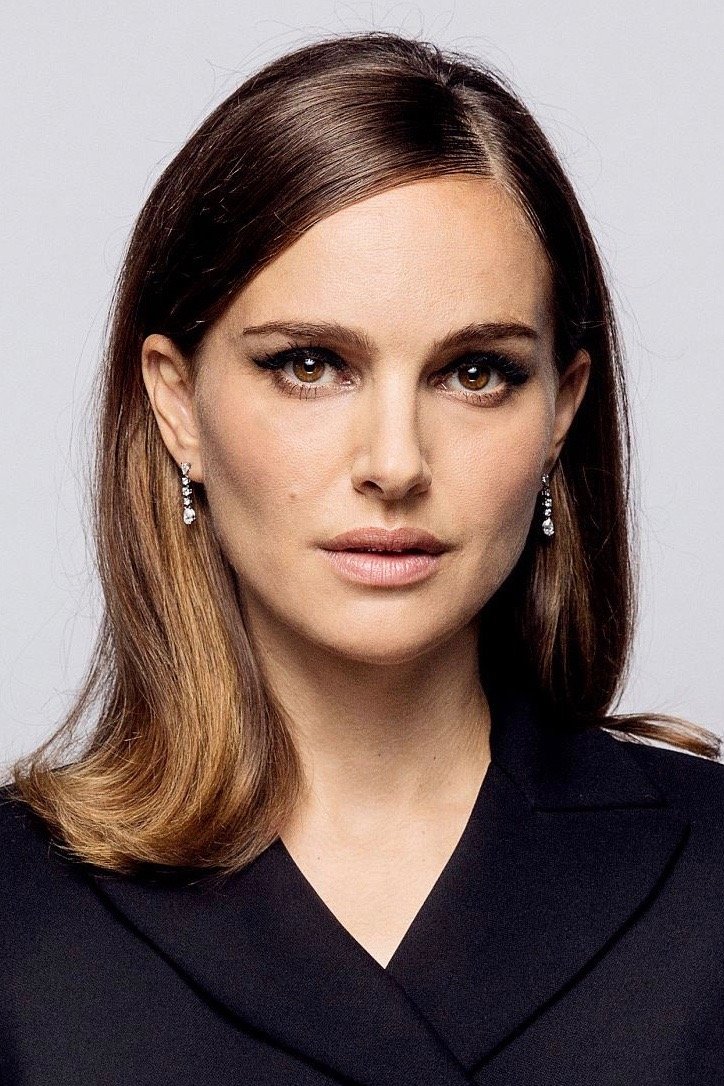
Natalie Hershlag started using the name Natalie Portman when she began acting at age 11. She chose her grandmother’s last name to help protect her family’s privacy after appearing in the film ‘Léon: The Professional’. This allowed her to keep her work as an actress separate from her life as a student and shielded her family from unwanted media attention caused by her early fame.
Angelina Jolie
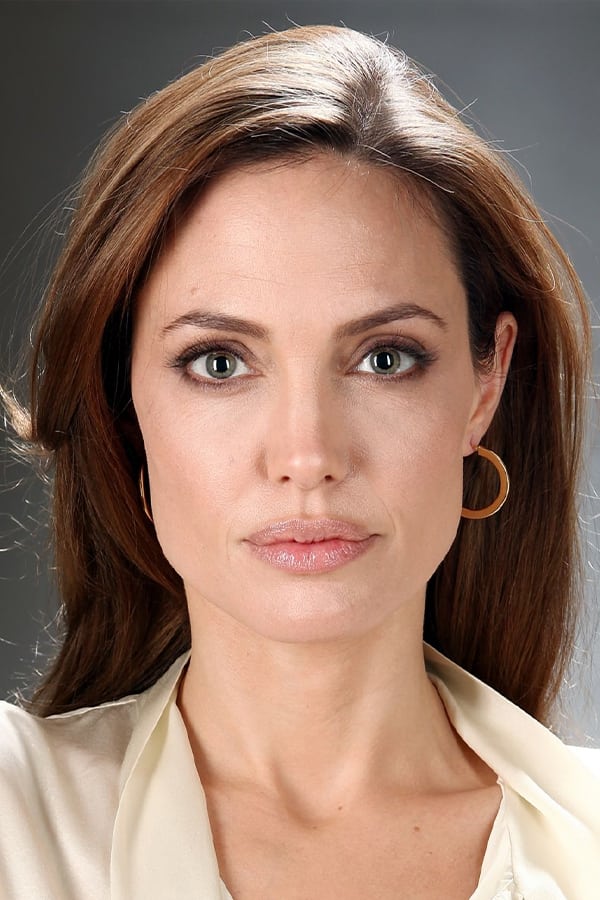
Angelina Jolie legally removed her father’s last name, Voight, in 2002. This was a public step to create distance between herself and her father, actor Jon Voight, due to a long-running personal conflict. She began using her middle name, Jolie, professionally in films such as ‘Lara Croft: Tomb Raider,’ establishing her own independent identity and separating herself from her father’s Hollywood career.
Rita Hayworth
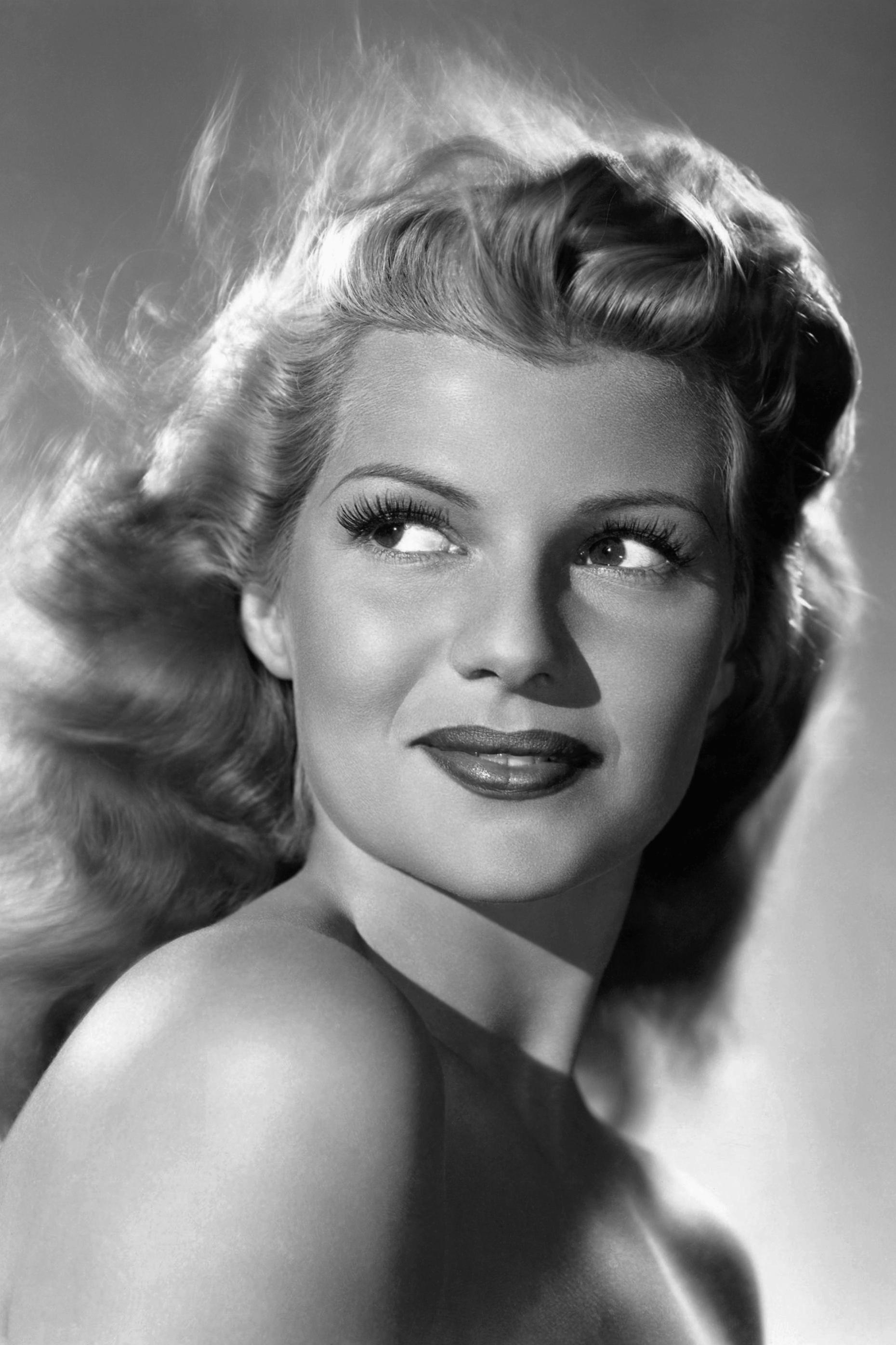
Margarita Cansino, later known as Rita Hayworth, changed her name and appearance to distance herself from her Spanish background. She adopted her mother’s last name, Hayworth, and underwent a painful process to raise her hairline. She also dyed her hair red, all in an effort to seem more conventionally American and avoid being limited to stereotypical roles common in the 1930s and 40s. These changes helped launch her to stardom, and she became famous for films like ‘Gilda’.
Whoopi Goldberg
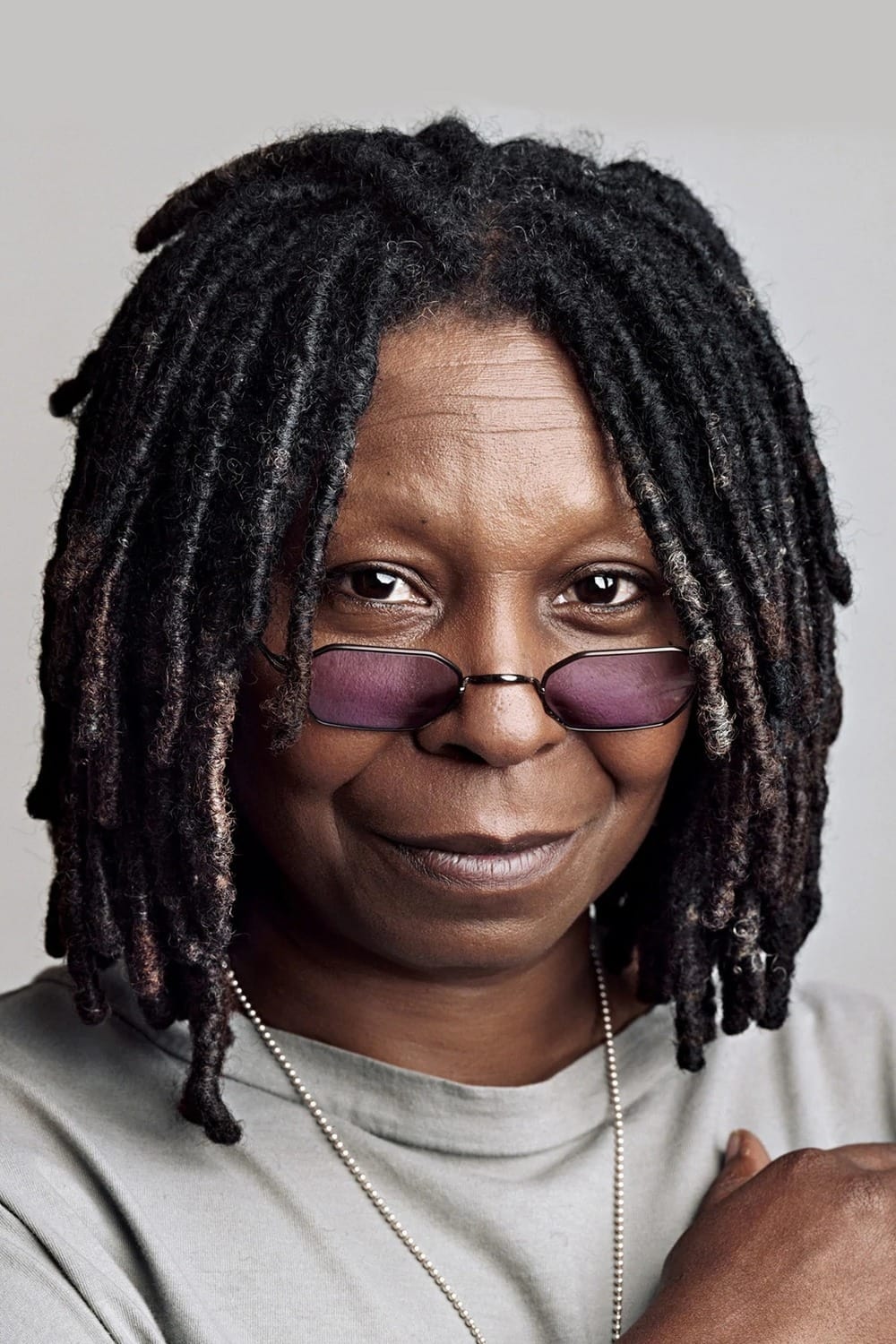
Caryn Elaine Johnson chose the stage name Whoopi Goldberg to distance herself from her birth name and create a striking image. Her mother suggested Goldberg, believing a Jewish-sounding last name might boost her career. She paired it with the nickname “Whoopi,” inspired by a whoopee cushion. This new name effectively hid her family’s true origins from the public.
Helen Mirren
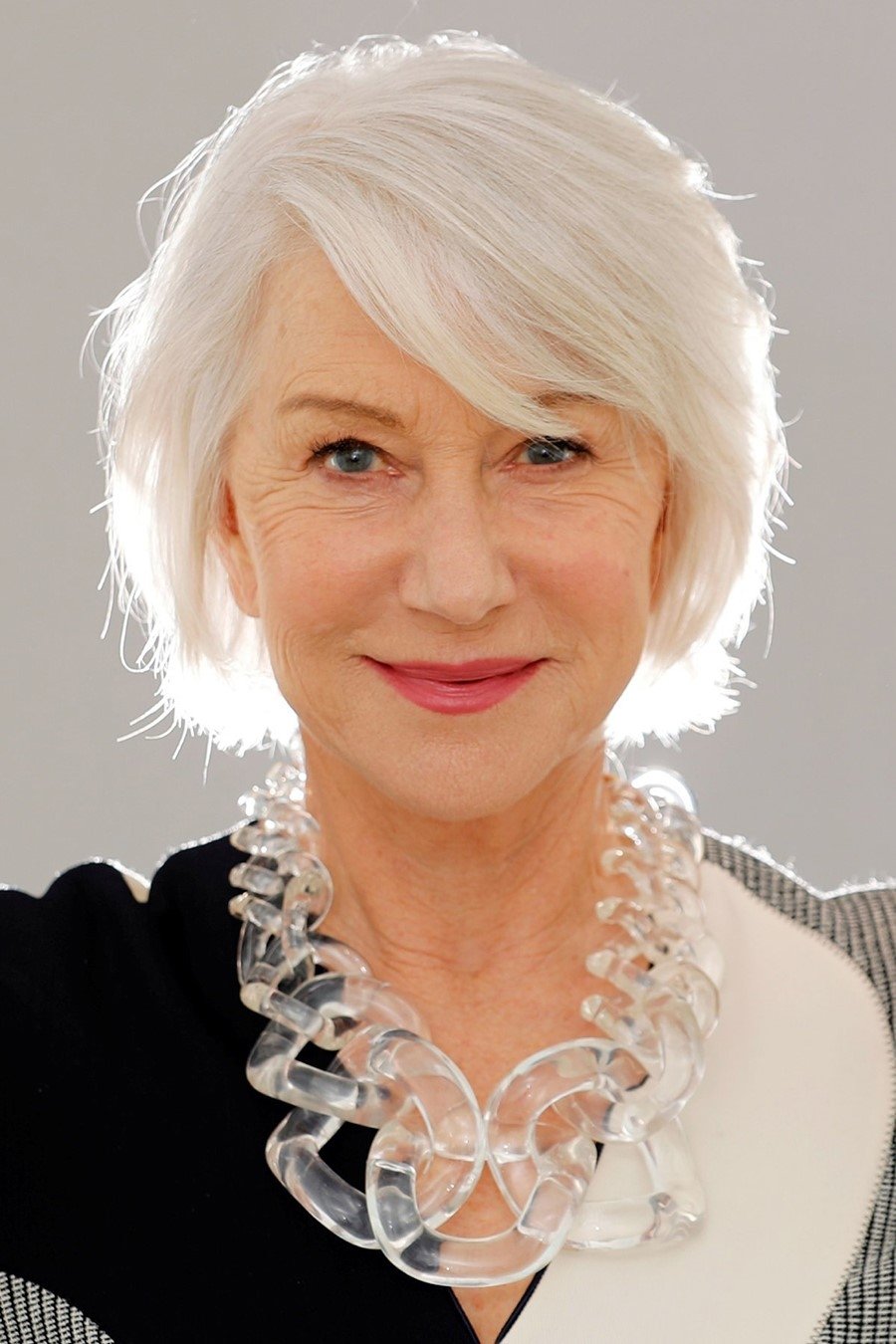
Helen Mirren was born Ilyena Lydia Mironoff, to a Russian father and a British mother. In the 1950s, her father legally changed the family name from Mironoff to Mirren, hoping to help them fit in better in England during the Cold War. She continued using the new, Anglicized name as she started her acting career, appearing in films like ‘The Age of Consent’ and ‘The Queen’. This change was a deliberate effort to conceal their aristocratic Russian background and prevent prejudice.
Olivia Wilde
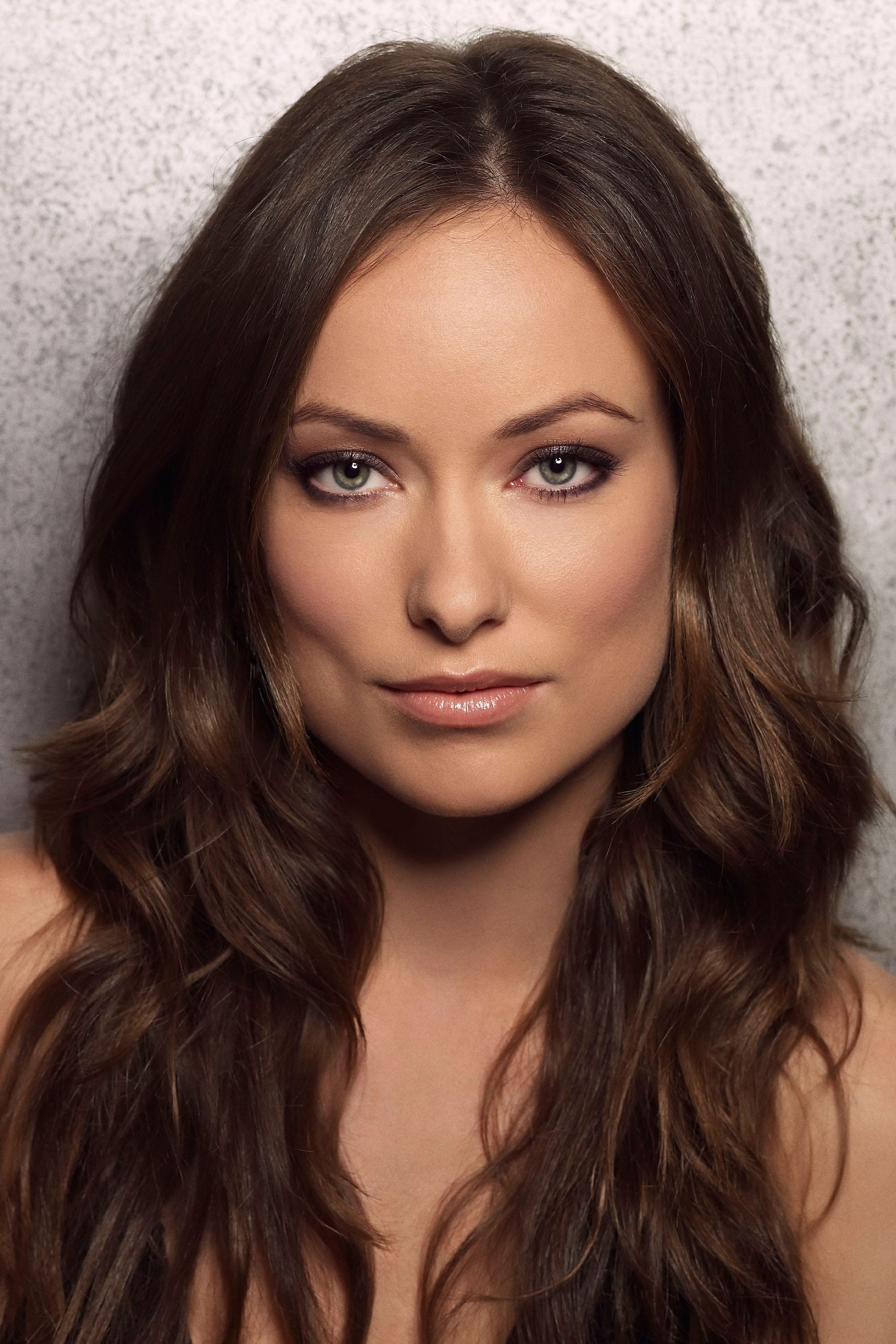
I’ve always been fascinated by the stories behind stage names, and Olivia Wilde’s is a great one. Born Olivia Cockburn, she made the switch to Wilde back in high school, a direct tribute to the brilliant Oscar Wilde. It was a smart move, really – a way to forge her own path creatively and establish a separate identity from her incredibly accomplished family of journalists and writers. It felt more her, and she’s carried that name with her brilliantly, both during her time on ‘House’ and now as a director. It’s a name that truly reflects her artistic spirit.
Sigourney Weaver
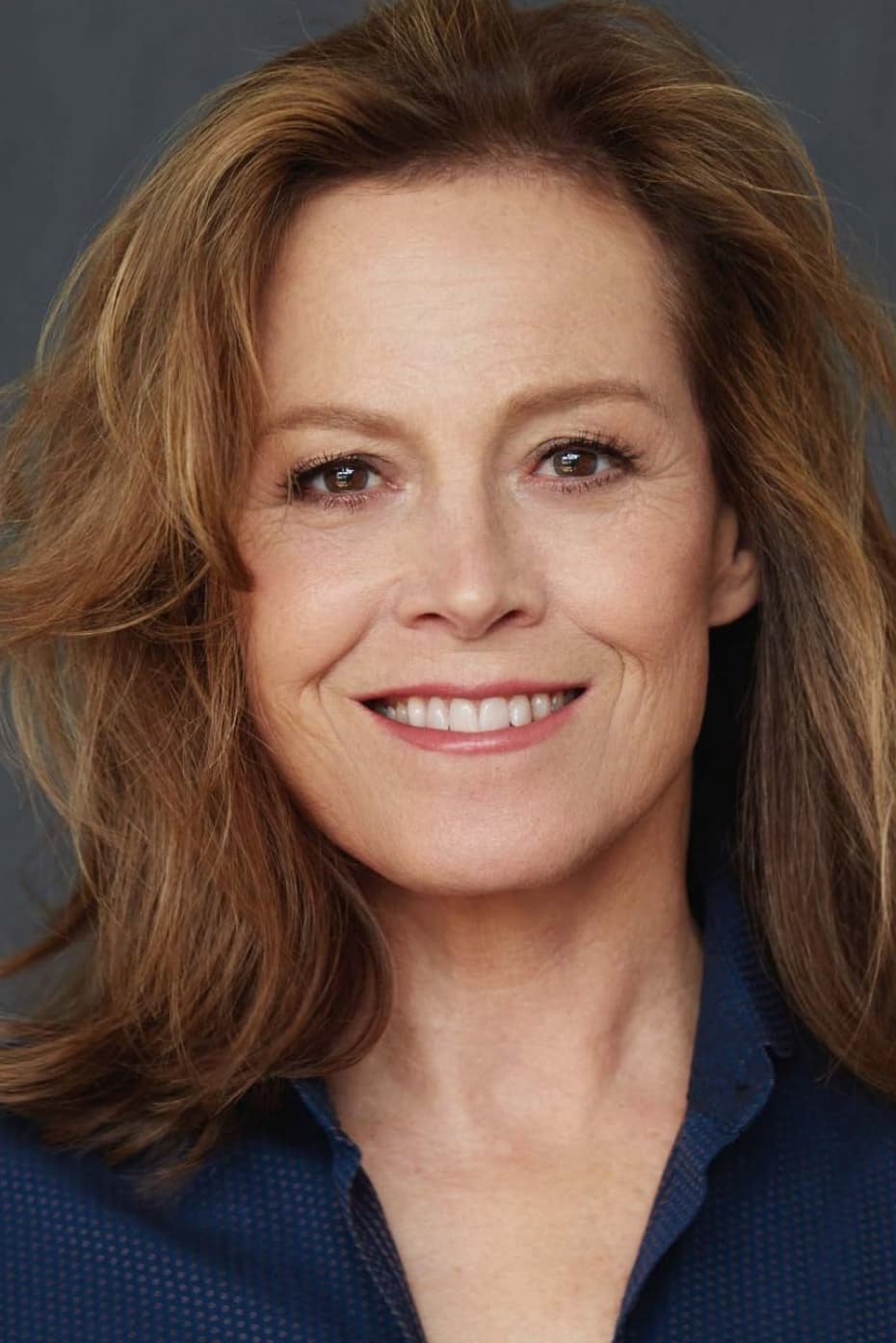
I’ve always been fascinated by actor name origins, and Sigourney Weaver’s is a great story. When she was just fourteen, she was really inspired by ‘The Great Gatsby’ and decided she wanted a fresh start, a name that was all her own. So, she picked ‘Sigourney’ – it was a minor character in the book! She wanted to forge her own path, separate from her talented mother, actress Elizabeth Inglis, and her father, who worked at NBC. It clearly worked – it’s become one of the most iconic names in film, and I love that it all started with a teenage desire for independence and a classic novel.
Malia Ann

Malia Obama began her filmmaking career using her full first and middle name, Malia Ann, to separate her work from the well-known political reputation of her parents, Barack and Michelle Obama. She used this name in the credits of her short film, ‘The Heart,’ at the Sundance Film Festival, hoping people would evaluate her work based on its quality, not her family’s fame.
Elle King

I’ve always been fascinated by how artists forge their own paths, and Tanner Schneider – now known professionally as Elle King – is a great example. She decided early on to go by her mother’s maiden name, a smart move to step out from under the shadow of her dad, Rob Schneider, the comedian. It wasn’t about disowning him, but about proving herself as an artist on her own merits. She really wanted to build a career based on her own talent and hard work, and I think that’s admirable. It allowed her to be judged for her work, not just as ‘Rob Schneider’s daughter,’ which is a tough position for anyone entering the entertainment world.
Louisa Jacobson
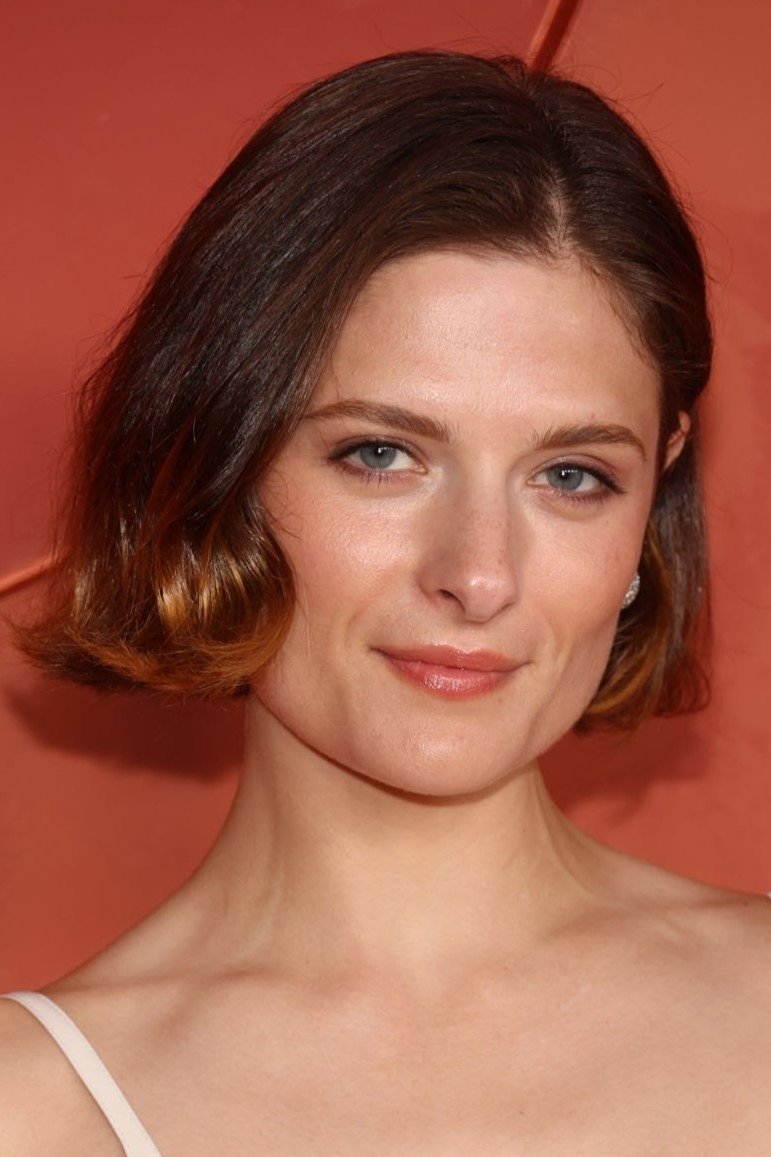
Meryl Streep’s youngest daughter, Louisa Jacobson Gummer, decided to go by Jacobson professionally when she started acting. She chose her middle name, partly to honor her mother’s Norwegian roots, and to avoid being immediately recognized as the daughter of a famous actress. This name change helps her establish herself as an independent actor in Hollywood and create her own identity.
Hedy Lamarr
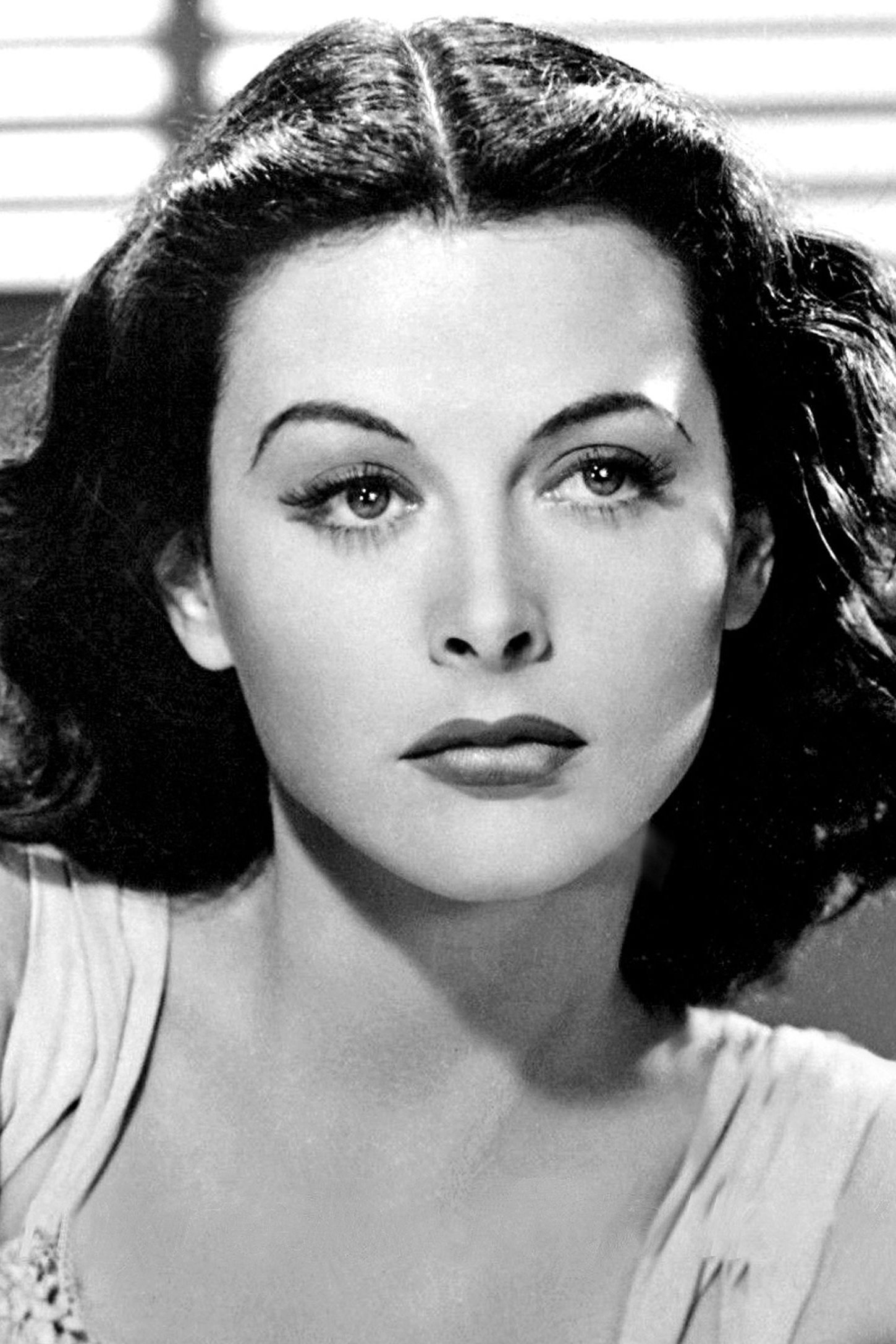
Born Hedwig Eva Maria Kiesler in Austria, she was renamed Hedy Lamarr by MGM studio head Louis B. Mayer when she began her career in America. Mayer hoped the new name would help her distance herself from past controversies and her Jewish heritage. He chose the name, reminiscent of silent film star Barbara La Marr, to highlight her beauty and create a glamorous Hollywood image. Under this new identity, she became a hugely popular actress in the 1940s.
Lauren Bacall
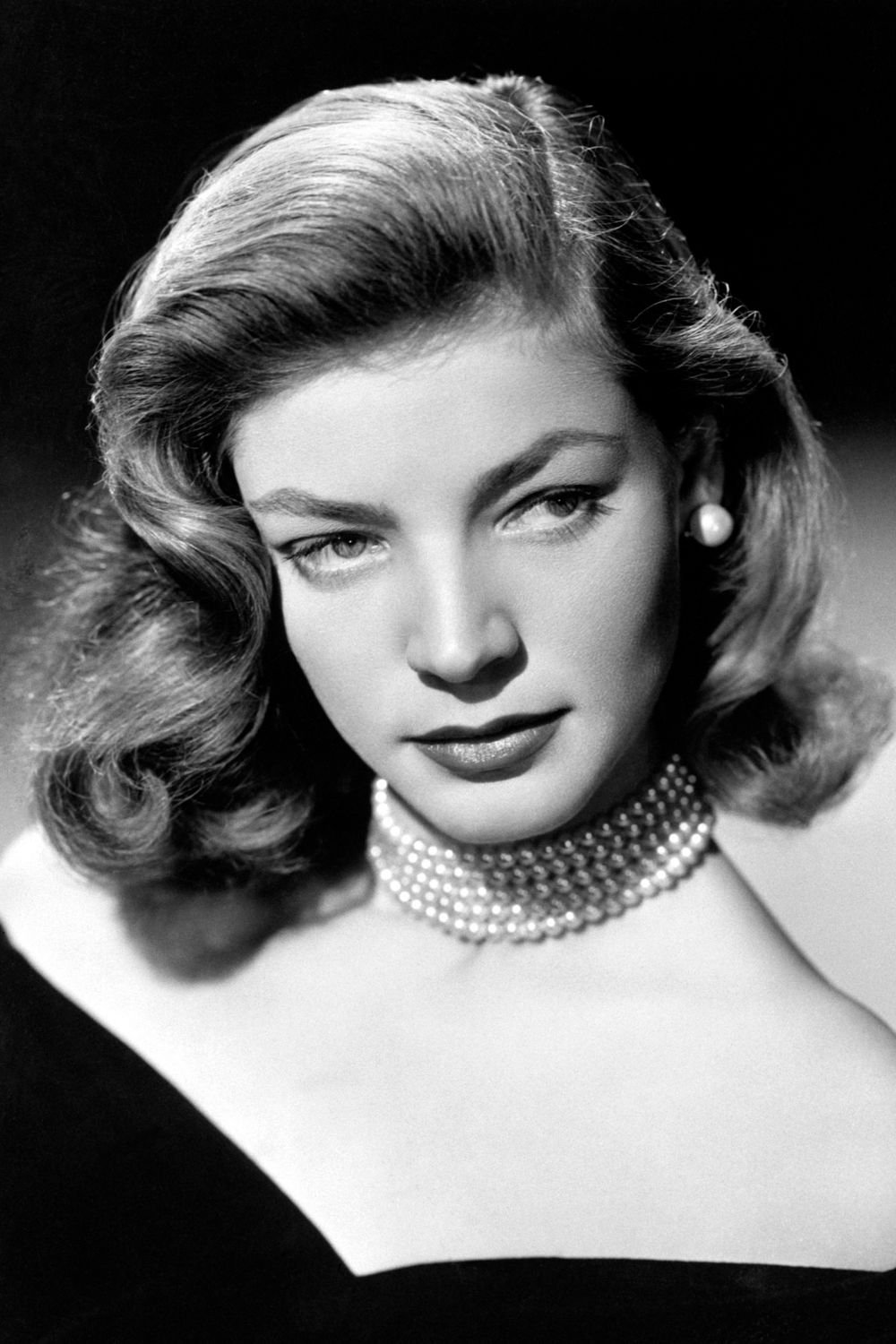
Born Betty Joan Perske, the actress became known as Lauren Bacall thanks to director Howard Hawks. He chose the name to conceal her Romanian-Jewish background and create a more enigmatic, conventionally American image for audiences. Though she didn’t initially like it, she grew to embrace the name as her career took off with the film ‘To Have and Have Not’. This change helped her succeed in an industry where having an ethnic-sounding name could make it harder to land leading roles.
Audrey Hepburn
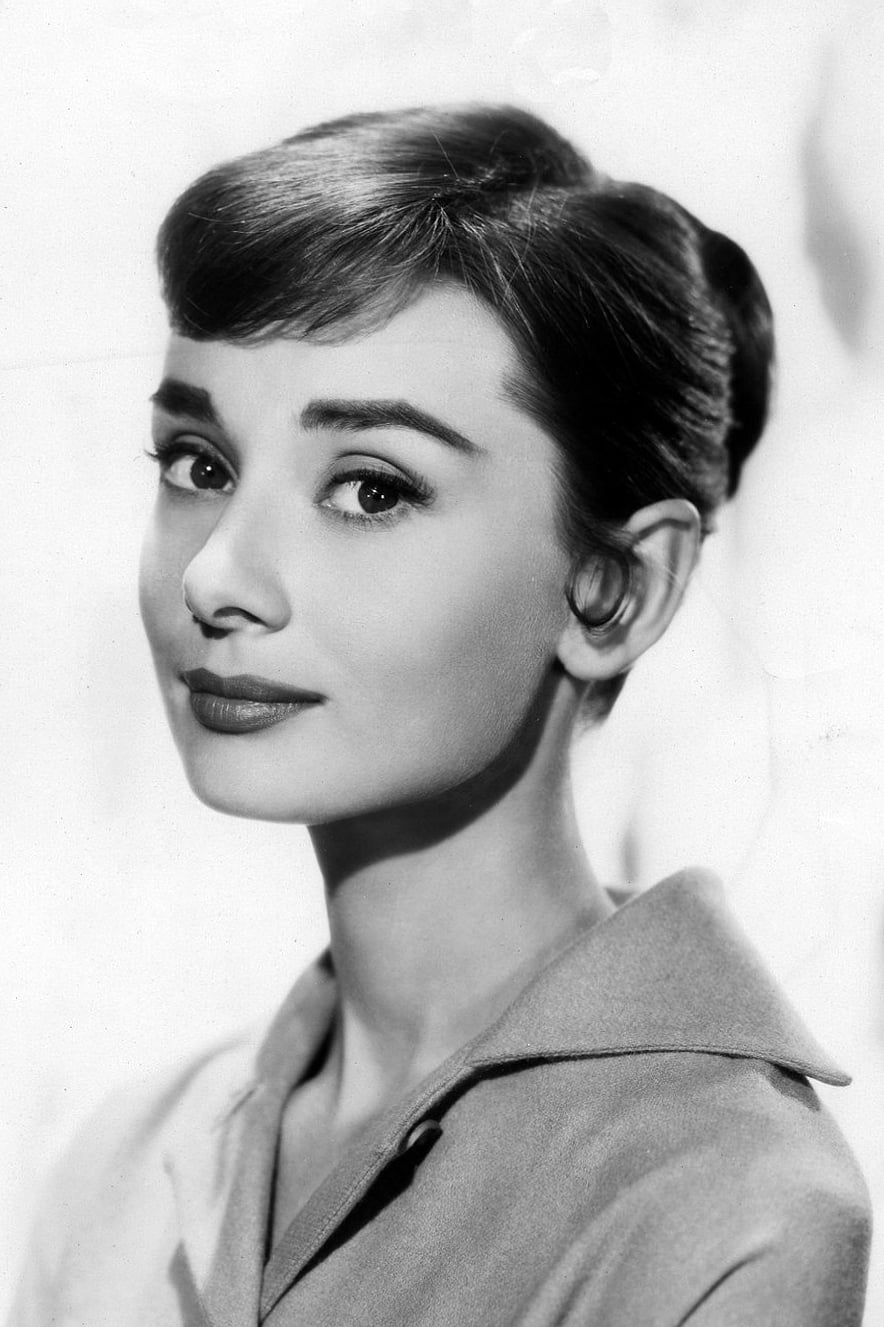
Audrey Hepburn was born Audrey Kathleen Ruston, and her family lived in the Netherlands when it was occupied by the Nazis. To protect her and conceal her British heritage, her mother used the name Edda van Heemstra. After the war ended, she created her professional name by combining her father’s last name, Ruston, with an older family name, Hepburn. This new identity helped her launch her career in London’s theater world, eventually leading to her fame as a movie star.
Marilyn Monroe
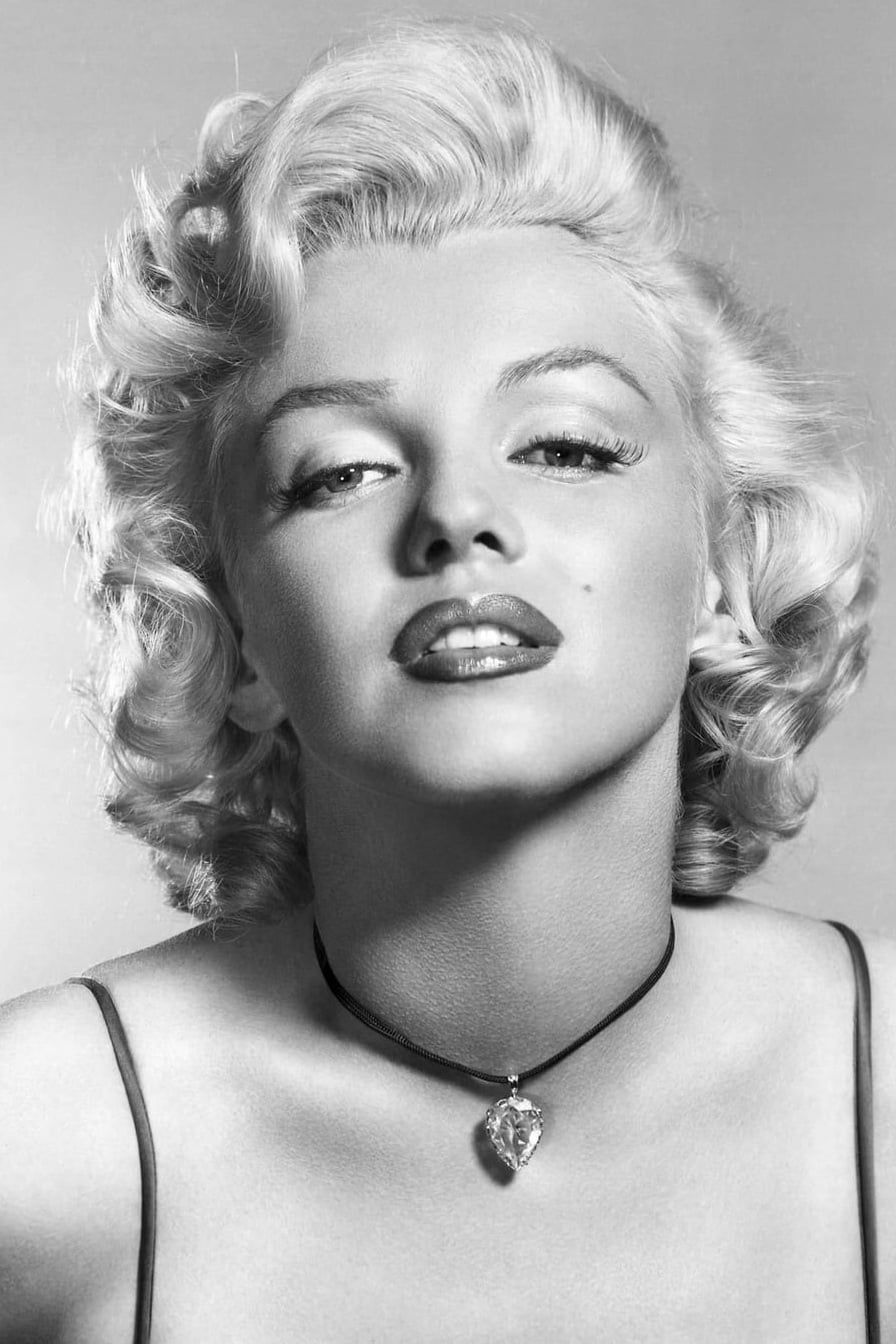
Originally named Norma Jeane Mortenson, the actress became Marilyn Monroe when she signed with 20th Century Fox. This new name was carefully chosen to create a glamorous public image, distancing her from a challenging childhood spent in foster care and a brief early marriage. She kept the last name Monroe, taken from her mother’s side of the family, as a subtle connection to her past while building her screen persona. This transformation was complete, solidifying her status as a Hollywood icon, notably in films like ‘Some Like It Hot’.
Joan Crawford
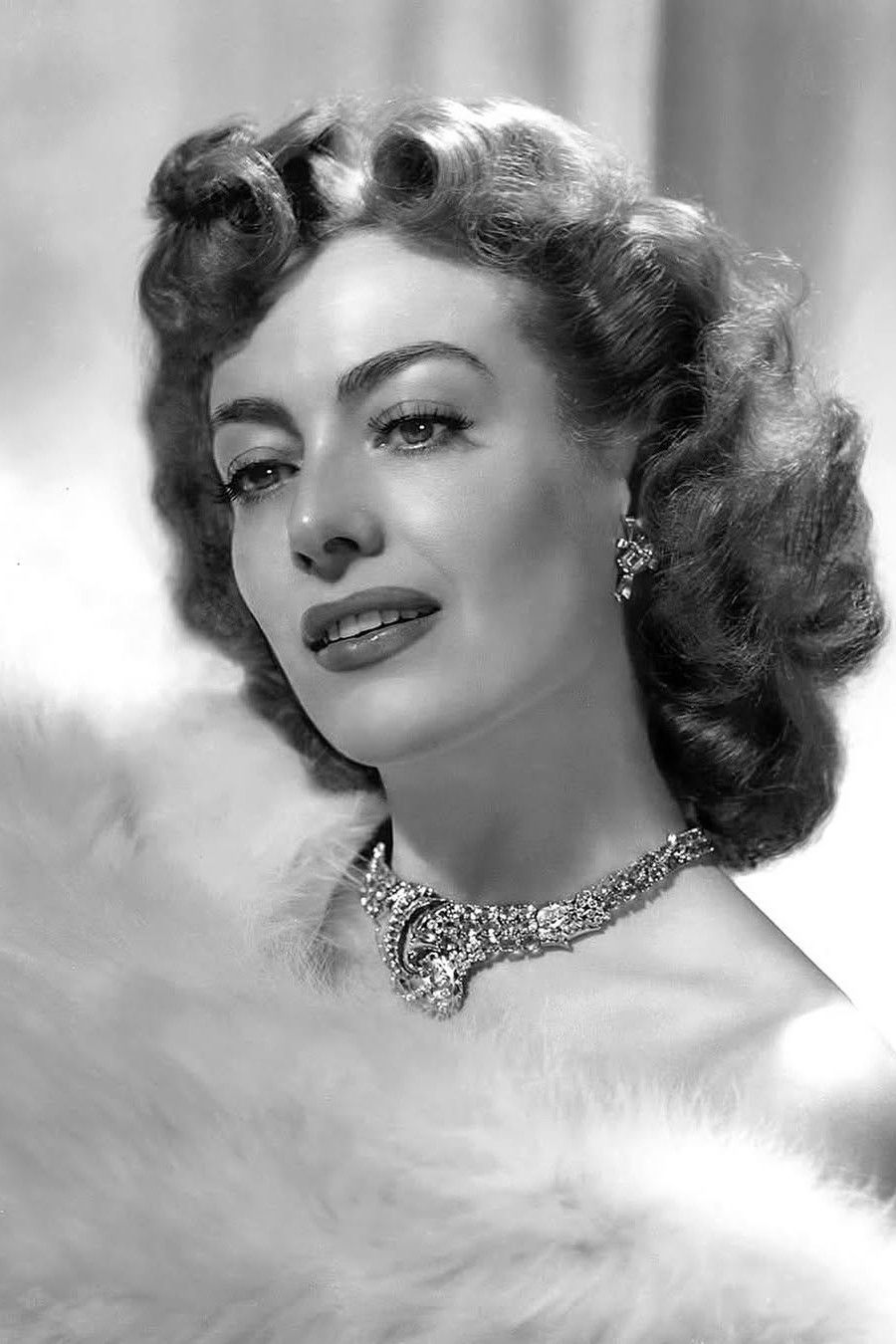
Born Lucille Fay LeSueur, she became Joan Crawford after MGM held a contest to rename her. The studio thought her birth name sounded too dramatic and was hard to say, and they also felt her upbringing wasn’t glamorous enough. This name change was part of a larger effort to transform her into a polished movie star. She adopted the name Joan Crawford so completely that she seldom mentioned her earlier life as Lucille LeSueur.
Greta Garbo
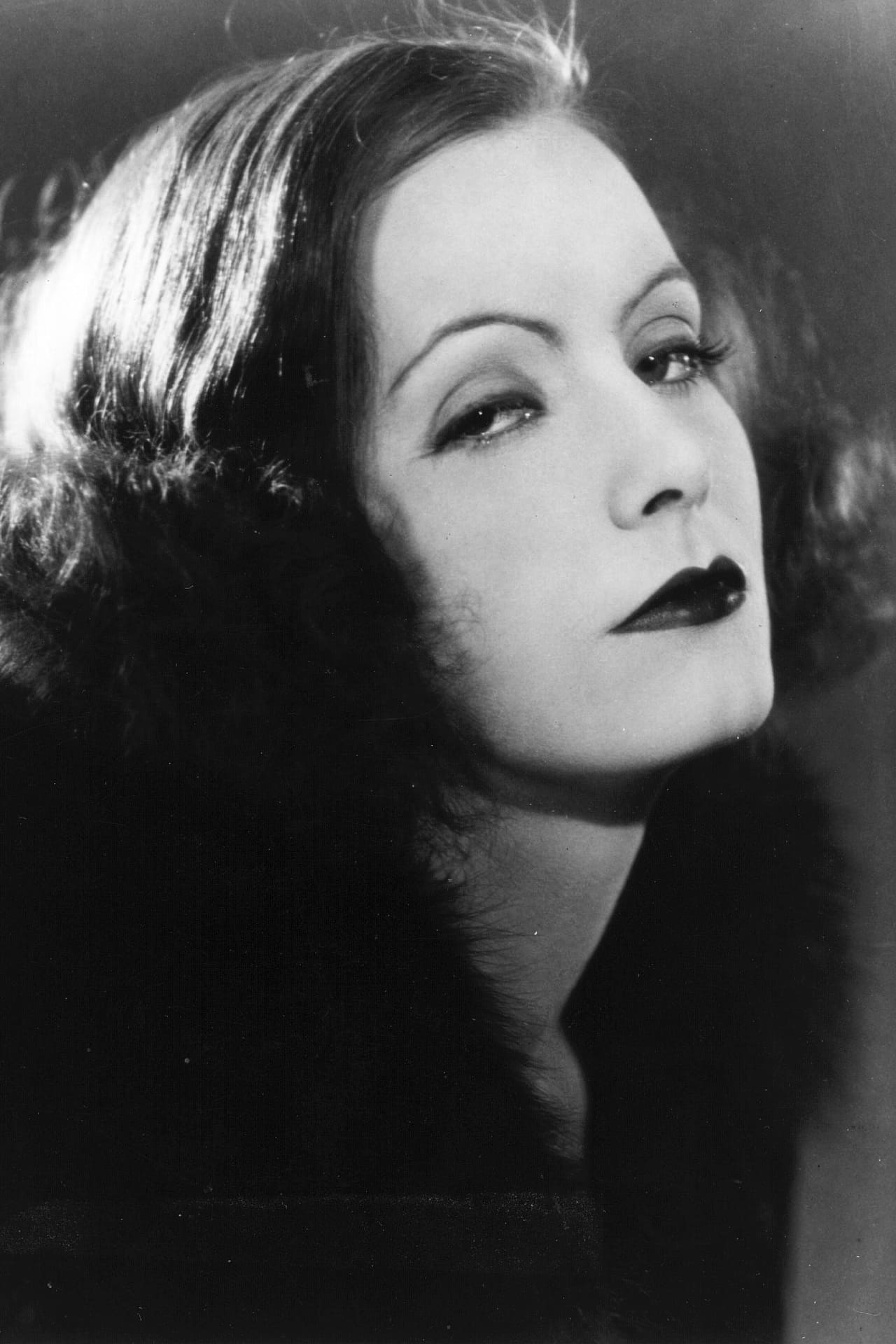
Greta Gustafsson, a Swedish actress, was renamed Greta Garbo by director Mauritz Stiller. He chose this shorter, more modern name – one that would be easy for people around the world to say – to help launch her international career. This name change effectively hid her humble beginnings in Stockholm as she transitioned to Hollywood. As Greta Garbo, she became one of the most mysterious and celebrated stars in film history.
Barbara Stanwyck
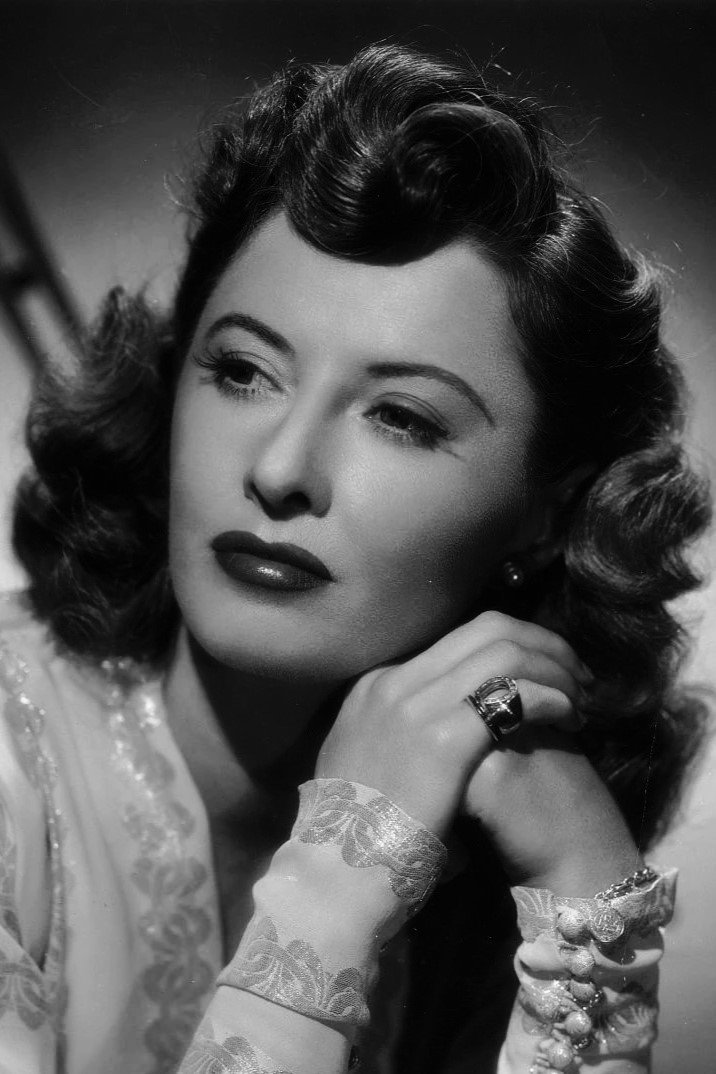
Originally named Ruby Catherine Stevens, she chose the stage name Barbara Stanwyck after seeing it on a poster for the play ‘Barbara Frietchie’ while performing as a chorus girl in New York. This new name allowed her to escape a difficult childhood spent in foster homes. She became one of Hollywood’s most talented and adaptable actresses, known for her role in films like ‘Double Indemnity’.
Jane Seymour
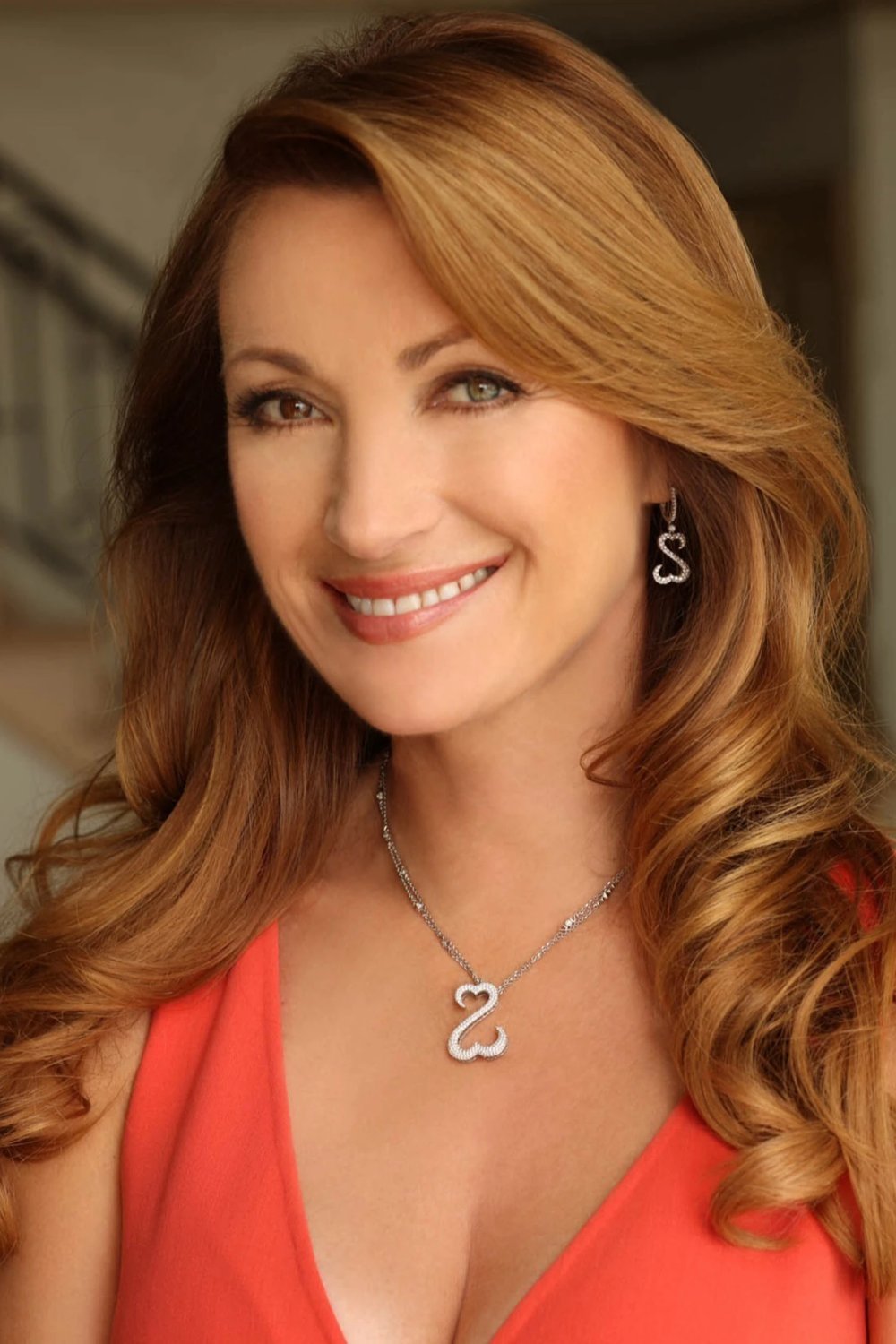
The actress, originally named Joyce Penelope Wilhelmina Frankenberg, changed her name to Jane Seymour when she was 17. She felt it sounded more dramatic and was simpler for people to recall. This helped her conceal her Dutch and Polish-Jewish heritage, as Hollywood at the time favored actors with traditionally British-sounding names. She became internationally known using this name, particularly through her role in the ‘James Bond’ films.
Winona Ryder
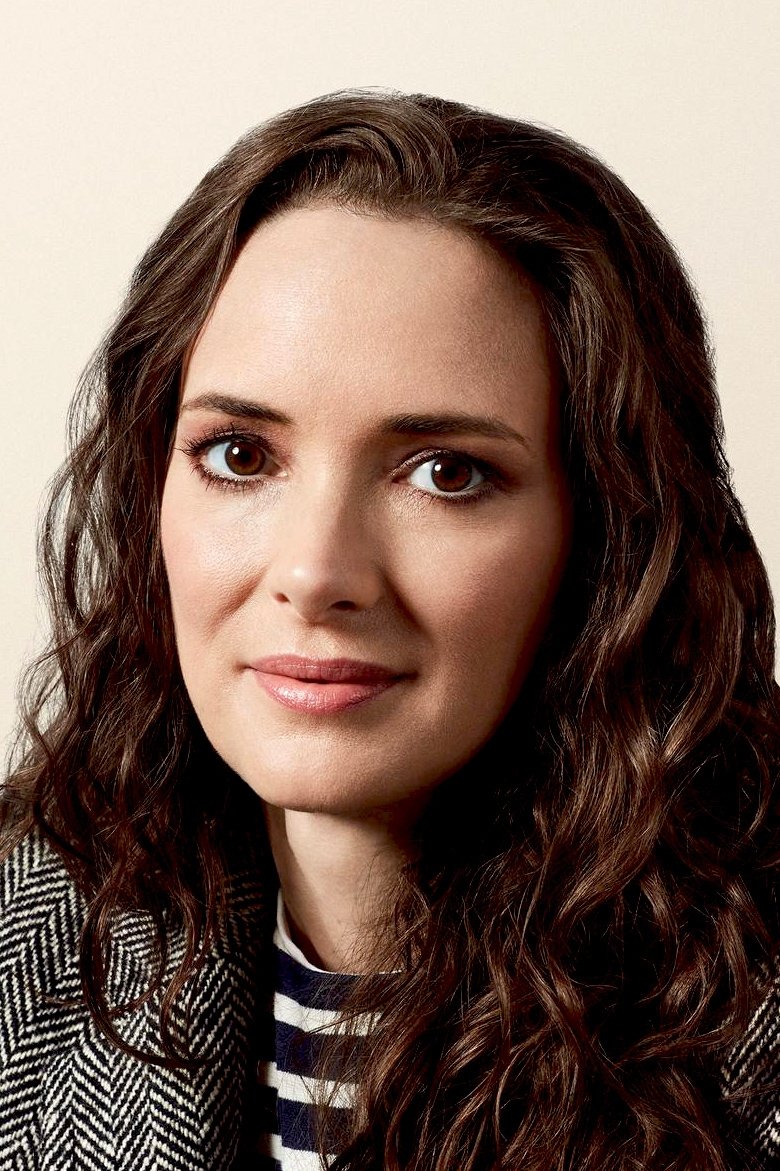
Winona Horowitz chose the stage name Winona Ryder when she started acting. She picked it because a Mitch Ryder album was playing, and her agent asked how she wanted her name to appear in the film credits. This new name unintentionally hid her family’s Jewish background, which they had preserved since immigrating. She later became famous for her roles in movies like ‘Beetlejuice’ and ‘Heathers’ using this name.
Portia de Rossi
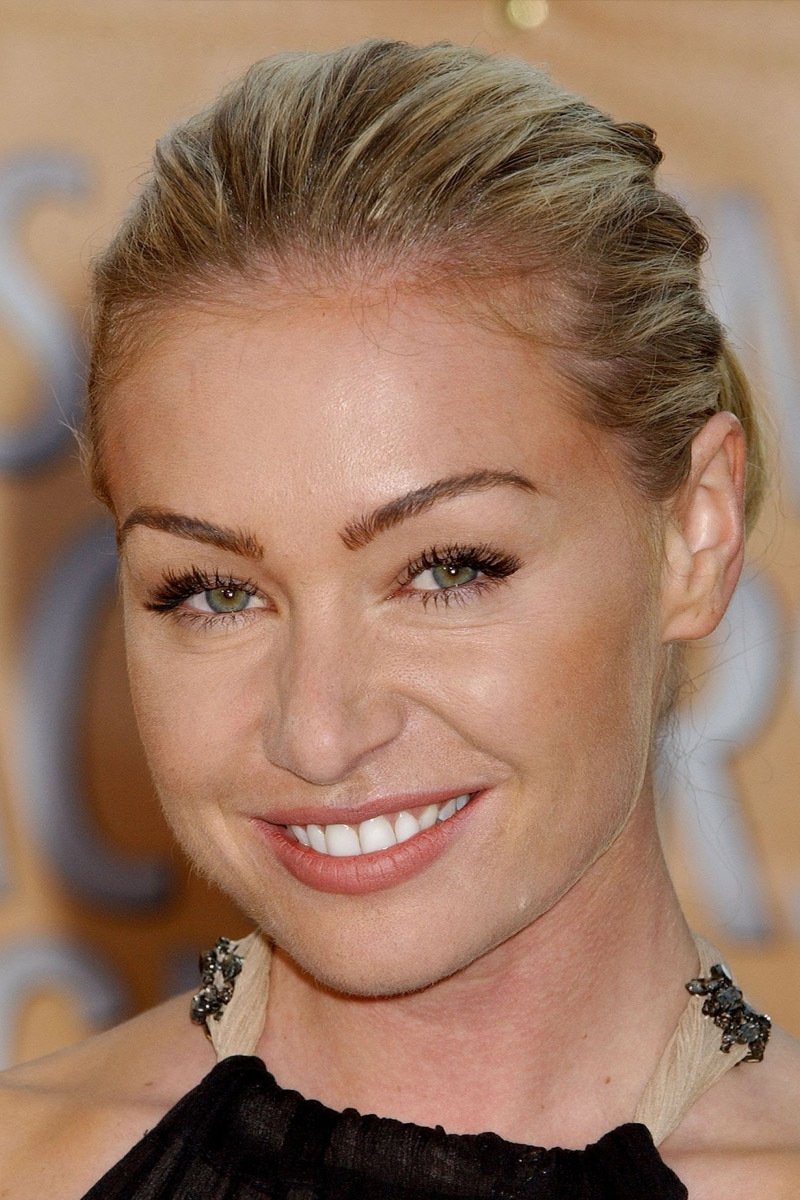
The actress, originally named Amanda Lee Rogers, legally changed her name to Portia de Rossi when she was fifteen, hoping to create a new image for herself. She took ‘Portia’ from a character in Shakespeare’s ‘The Merchant of Venice’ and added ‘de Rossi’ to give it an Italian flair. This was a conscious effort to move away from her Australian roots and build a more polished, professional identity. She later became well-known for her roles in ‘Ally McBeal’ and ‘Arrested Development’.
Sophia Loren
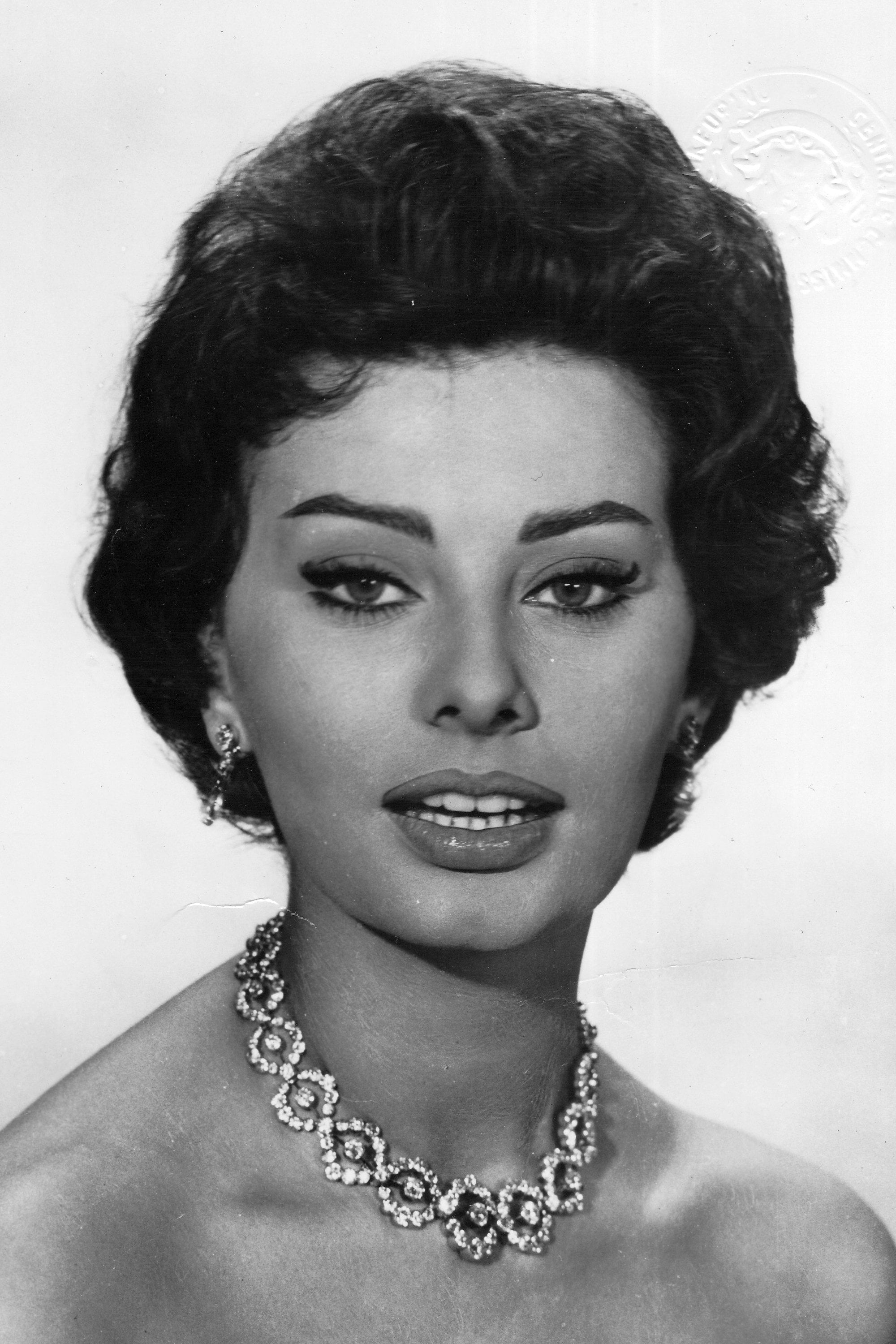
Born Sofia Villani Scicolone in Italy, Sophia Loren had a challenging upbringing as a child born out of wedlock. She first performed under the name Sofia Lazzaro, but producer Carlo Ponti convinced her to use ‘Loren’ instead, believing it would appeal to a wider, international audience. This name change proved pivotal, helping her move from Italian films to worldwide fame with ‘Two Women’ and allowing her to overcome the social disapproval linked to her family’s past.
Téa Leoni
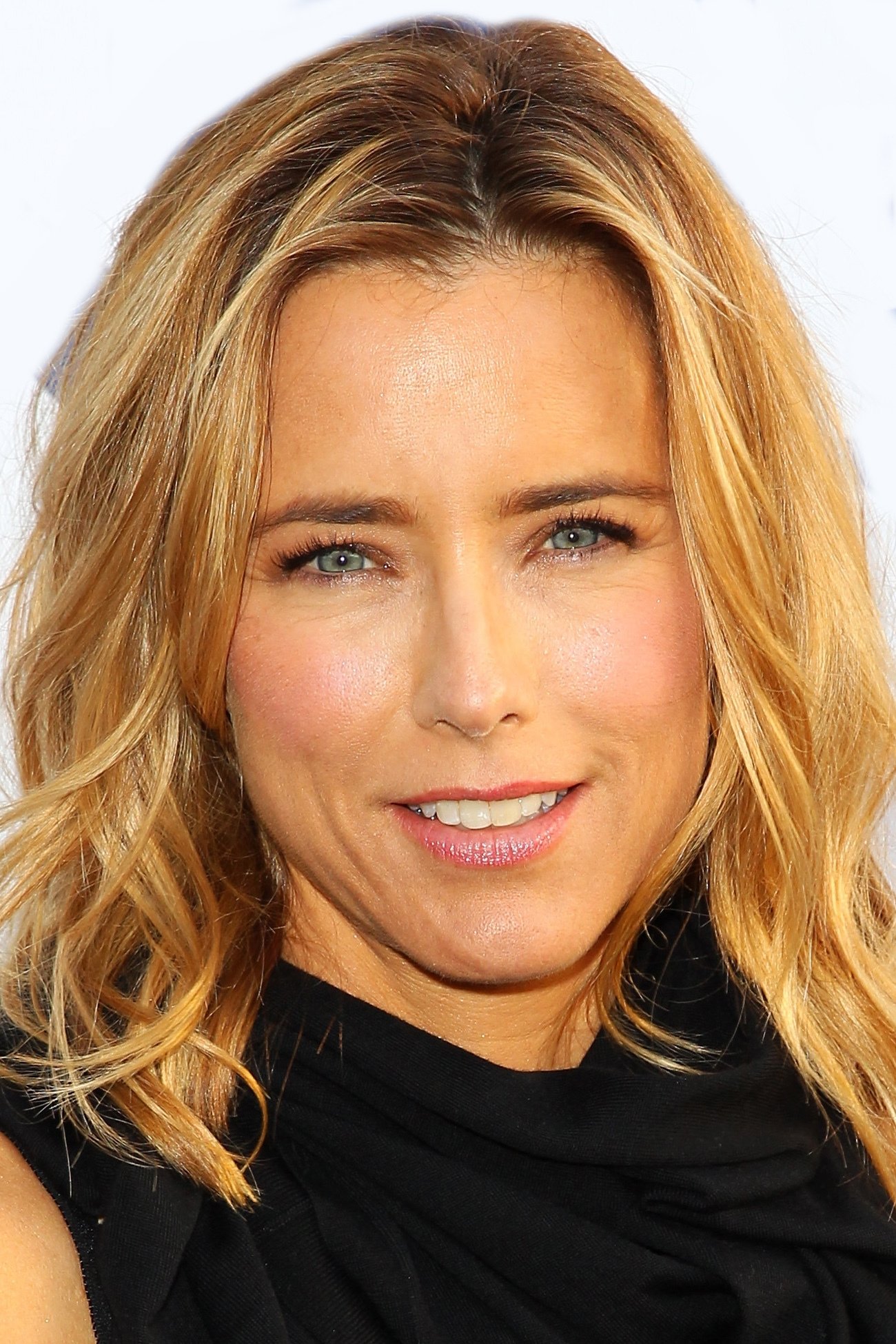
Elizabeth Pantaleoni decided to go by ‘Leoni’ professionally. She felt it was catchier and easier to say, and also wanted to distance herself from her family’s well-known status – her grandfather was a famous economist and her grandmother a celebrated actress. She built her career under this name, appearing in shows like ‘The Naked Truth’ and ‘Madam Secretary’.
Jennifer Aniston
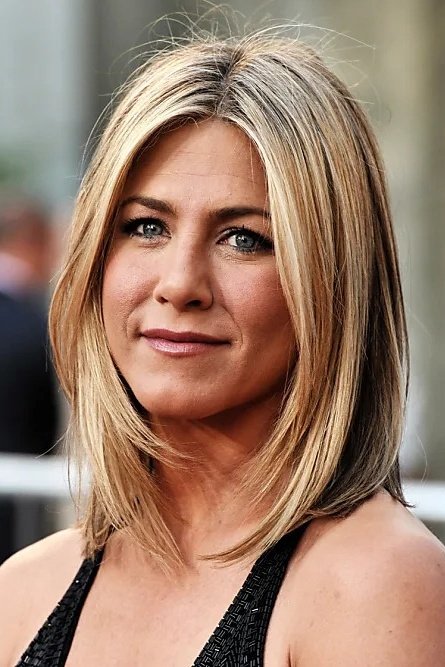
Jennifer Aniston kept her stage name, but her father, John Aniston, was the one who first changed the family’s original Greek surname, Anastassakis. Jennifer continued using the shorter name to preserve the professional identity her father had built. This change also helped shield the family’s ethnic background from a public that generally preferred simpler, more common names. Ultimately, “Aniston” became one of the most recognizable names on television.
Mila Kunis
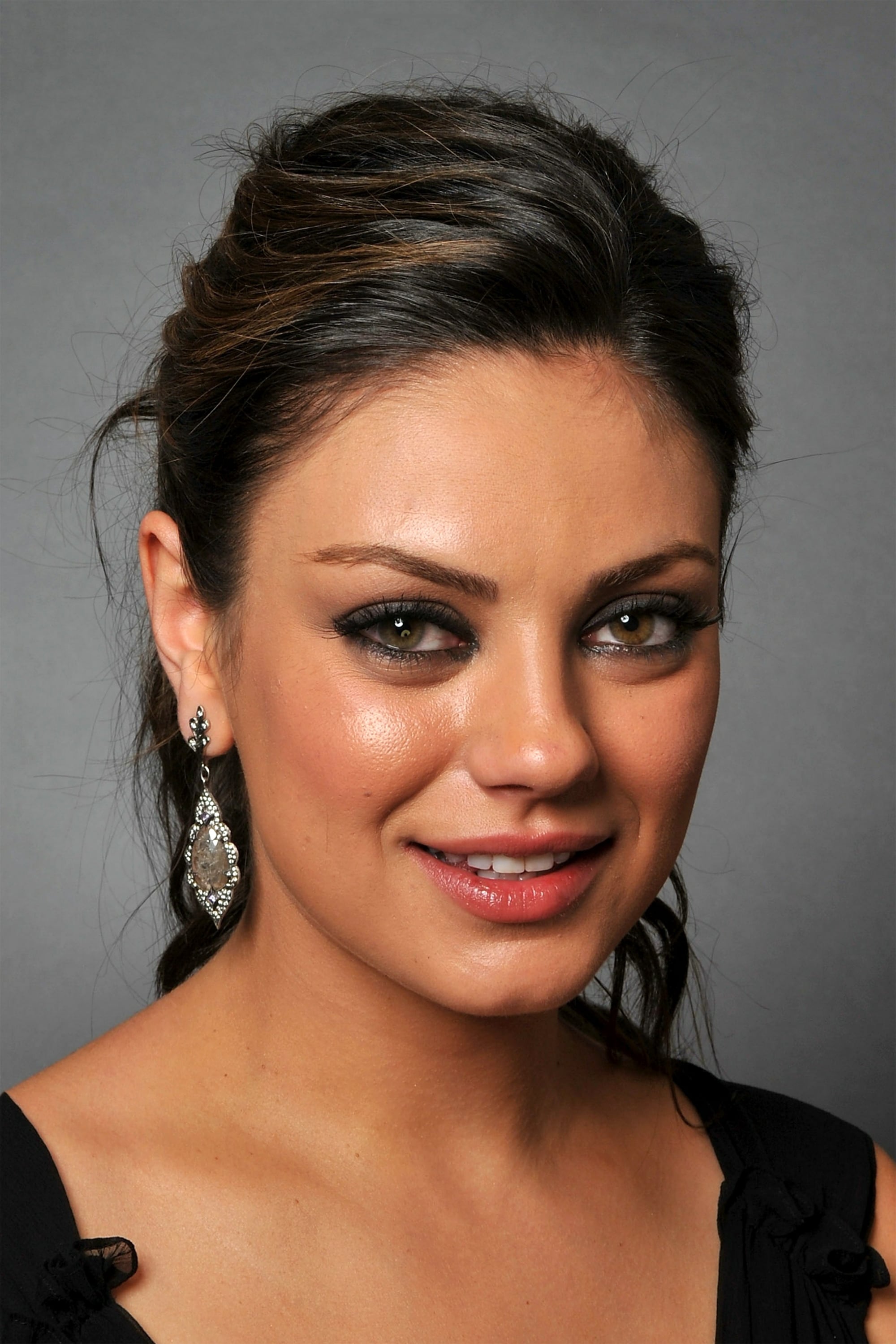
I’ve always been fascinated by actors’ stories, and Mila Kunis’s is a really interesting one. She was born Milena in Soviet Ukraine, but when her family came to the US, she started going by Mila. It wasn’t just a nickname, though – it was a way to fit in and avoid potential prejudice. I guess when you’re starting out, especially in something like TV, having a simpler, more recognizable name can make a big difference. It definitely helped her land that role on ‘That ‘70s Show’ and really launch her career, letting her build something new separate from her family’s background.
Anne Bancroft
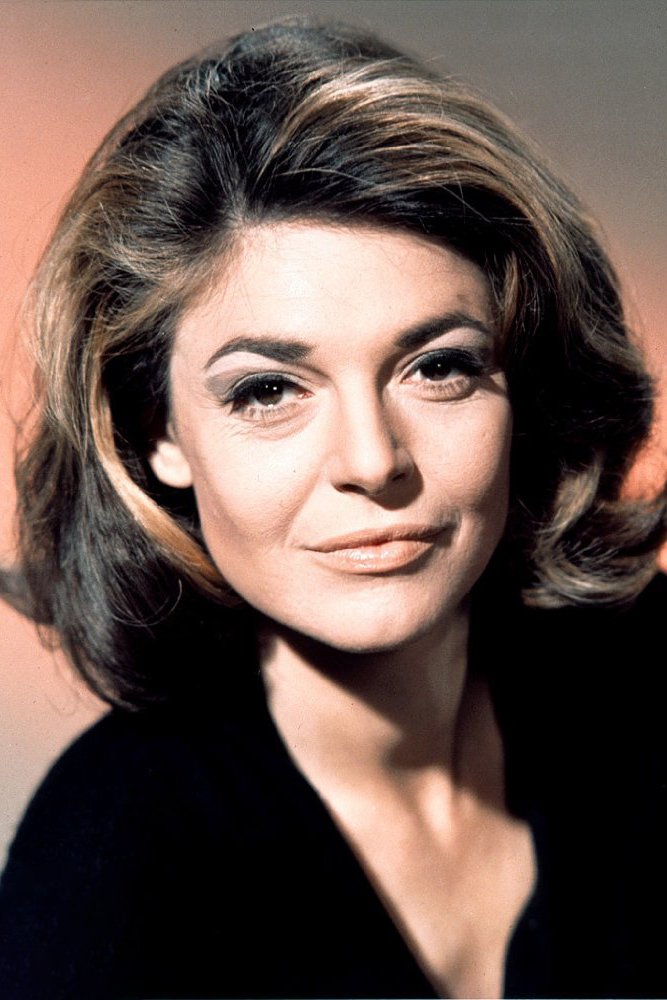
Born Anna Maria Louisa Italiano, the actress was encouraged by studio executives to adopt a more American-sounding stage name. She selected ‘Bancroft’ from a list given to her by director Darryl F. Zanuck, as studios often wanted to downplay actors’ ethnic or immigrant origins. This helped her land prominent roles in films like ‘The Miracle Worker’ and ‘The Graduate’.
Vivien Leigh
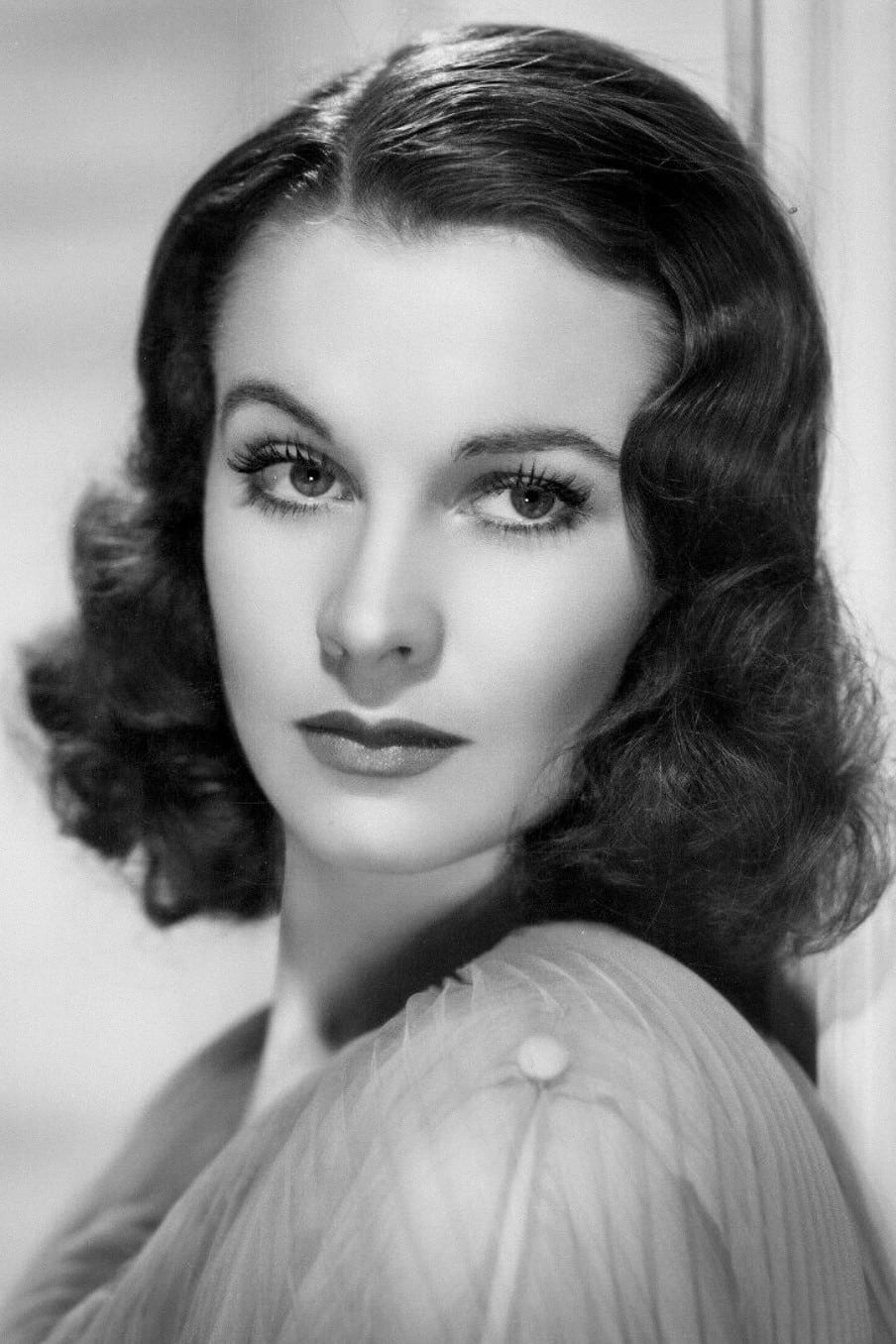
Vivian Hartley wasn’t always known as Vivien Leigh. She altered the spelling of her first name and adopted her first husband’s middle name, Leigh, as her last name to create a more sophisticated stage presence. This also helped her maintain a distinction between her personal life as a wife and mother, and her blossoming acting career. She ultimately became famous under this new name, thanks to iconic roles in films like ‘Gone with the Wind’ and ‘A Streetcar Named Desire’.
Judy Garland
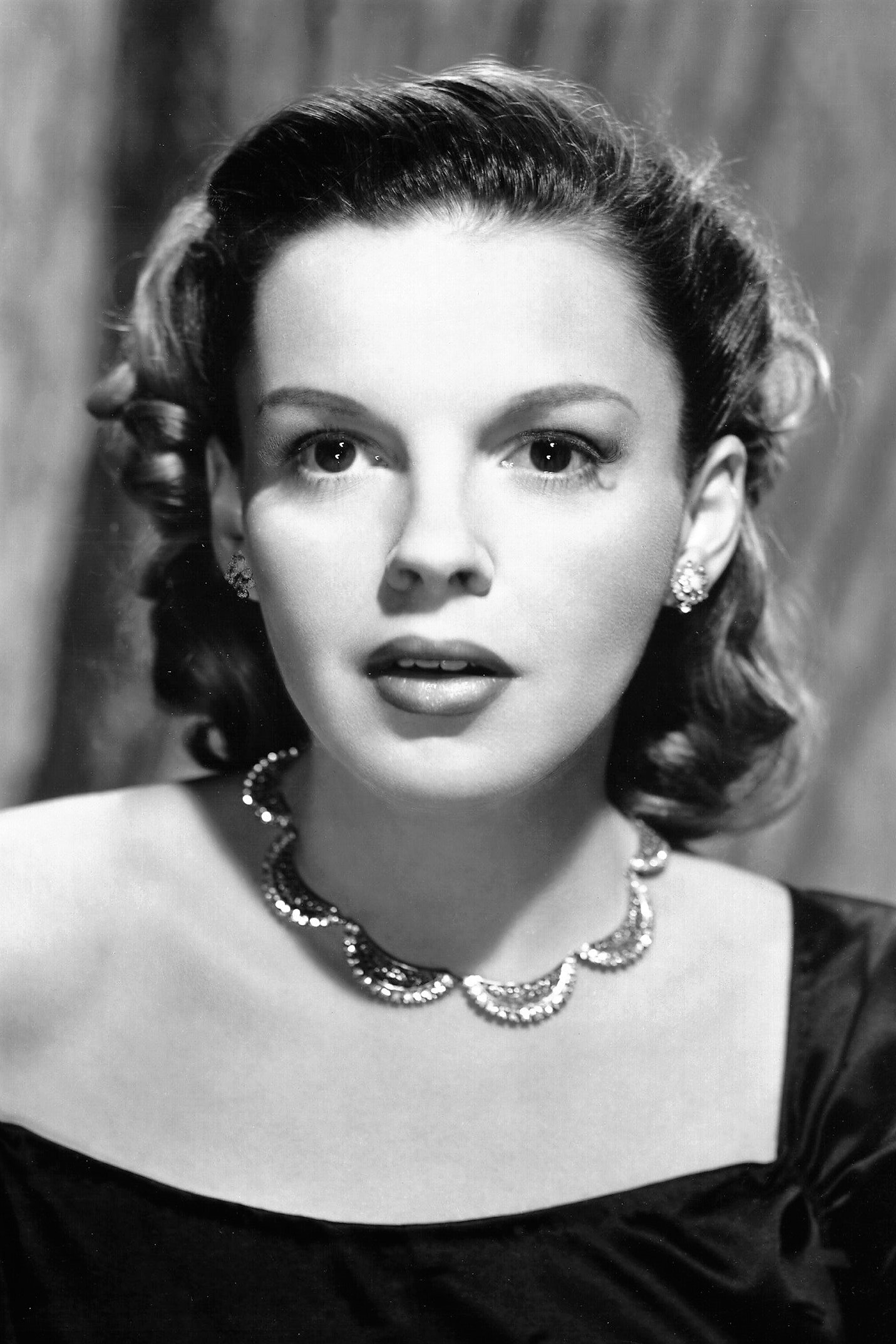
Growing up, she was actually Frances Ethel Gumm, but she and her sisters were advised to pick a stage name by the actor George Jessel. He thought ‘Gumm’ just didn’t sound right and people would make fun of it during their vaudeville shows. So, she decided on ‘Judy’ – it was a popular name in a song at the time – and ‘Garland’ as her last name. Honestly, that name change felt like a turning point, helping her move from being a little girl performing on stage to becoming the huge star we all know from ‘The Wizard of Oz’.
Diane Keaton
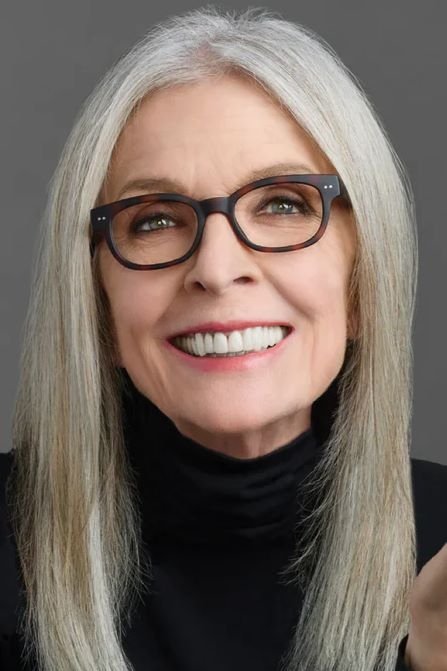
Diane Hall began performing under the name Keaton after joining the actors’ union. She had to change her name because another actress already used ‘Diane Hall,’ but it also helped her establish a separate identity as a performer. She wanted to be known professionally without being defined by her family background – her mother was a homemaker and her father worked in real estate. It was under the name Keaton that she later won an Academy Award for her role in ‘Annie Hall.’
Share your thoughts on these actresses and their fascinating name changes in the comments.
Read More
- 2025 Crypto Wallets: Secure, Smart, and Surprisingly Simple!
- Gold Rate Forecast
- Brown Dust 2 Mirror Wars (PvP) Tier List – July 2025
- Banks & Shadows: A 2026 Outlook
- The 10 Most Beautiful Women in the World for 2026, According to the Golden Ratio
- HSR 3.7 story ending explained: What happened to the Chrysos Heirs?
- ETH PREDICTION. ETH cryptocurrency
- 9 Video Games That Reshaped Our Moral Lens
- The Best Actors Who Have Played Hamlet, Ranked
- Gay Actors Who Are Notoriously Private About Their Lives
2026-02-25 04:47