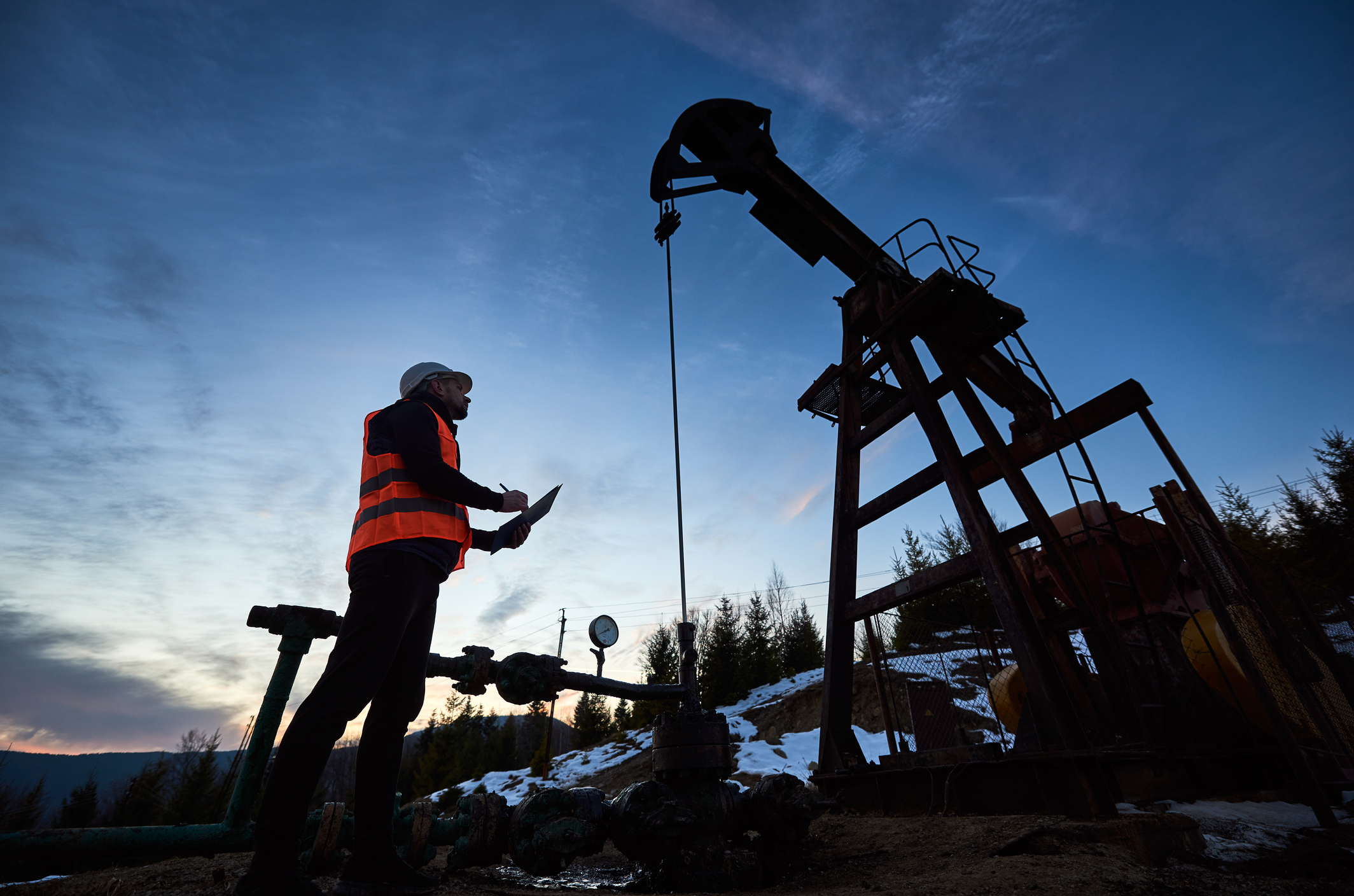
So, Chevron’s kicking the tires on a massive oilfield in Iraq, West Qurna 2. It’s a bit like showing up to a potluck after everyone else has already eaten all the good dips. Lukoil, thanks to some geopolitical drama involving Russia and Ukraine, had to politely step aside, leaving a very large, oily appetizer for Chevron. Basically, Uncle Sam frowned, Lukoil shrugged, and now Chevron gets to negotiate. It’s a whole thing.
Let’s break it down for those of us who track global energy flows (and occasionally binge-watch geopolitical thrillers). Two things you need to know, because frankly, I don’t have all day.
Not a Done Deal (Yet)
Chevron’s got a year to figure this out. West Qurna 2 currently pumps out 480,000 barrels a day, which is…a lot. It’s part of a bigger field, West Qurna, which accounts for 10% of Iraq’s oil and a tiny sliver of the global supply. The current arrangement is Lukoil temporarily handing the keys to the Basra Oil Company, who will then…assign them to Chevron, assuming everyone agrees on a price. It’s like a really complicated game of corporate musical chairs.
Now, Chevron isn’t just going to waltz in and take whatever’s offered. They want a “competitive economic return.” Which, translated from corporate-speak, means they want a good deal. This requires the approval of the Iraqi cabinet, which, let’s be honest, is probably dealing with about a million other things. And then there’s the U.S. Office of Foreign Assets Control, because apparently, international oil deals require a permission slip from someone in Washington. It’s a lot of red tape, even for a company that’s probably had a dedicated department for cutting red tape since the 1970s.
Risk Assessment: It’s Not All Black Gold
Chevron’s already dipping its toe in the Iraqi waters with the Nassiriya project, which could produce another 600,000 barrels a day eventually. It’s ambitious, like deciding to run a marathon after a decade on the couch.
But let’s be real. Iraq isn’t exactly a walk in the park. A lot of U.S. energy companies avoid it due to, shall we say, “security concerns” and “geopolitical instability.” Which is a polite way of saying things can get dicey. Getting the oil out of the country is also a challenge, especially with the ongoing tensions between the U.S. and Iran. If things escalate, the Persian Gulf could become a very inconvenient shipping lane.
However, Chevron’s seen some stuff. They’ve been operating in Venezuela for over a century, navigating political and economic chaos like seasoned pros. They also have a gas field off the coast of Israel that they’ve had to shut down occasionally due to…regional disagreements. They’re basically the James Bond of energy companies. Shaken, not stirred, and always looking for a new oilfield.
The Bottom Line: Keep Your Eyes on This One
Chevron’s in exclusive talks to take over Iraq’s West Qurna 2 oilfield. It’s a year-long negotiation that could significantly expand their presence in Iraq and boost future growth. It also adds a layer of risk, which, for Chevron, is probably just part of the job description. Given the size of this field, it’s definitely worth keeping an eye on these negotiations. And maybe stocking up on popcorn. Because this could get interesting.
Read More
- 2025 Crypto Wallets: Secure, Smart, and Surprisingly Simple!
- Gold Rate Forecast
- Brown Dust 2 Mirror Wars (PvP) Tier List – July 2025
- Banks & Shadows: A 2026 Outlook
- ETH PREDICTION. ETH cryptocurrency
- HSR 3.7 story ending explained: What happened to the Chrysos Heirs?
- The 10 Most Beautiful Women in the World for 2026, According to the Golden Ratio
- Gay Actors Who Are Notoriously Private About Their Lives
- The Weight of Choice: Chipotle and Dutch Bros
- Uncovering Hidden Groups: A New Approach to Social Network Analysis
2026-02-25 01:04