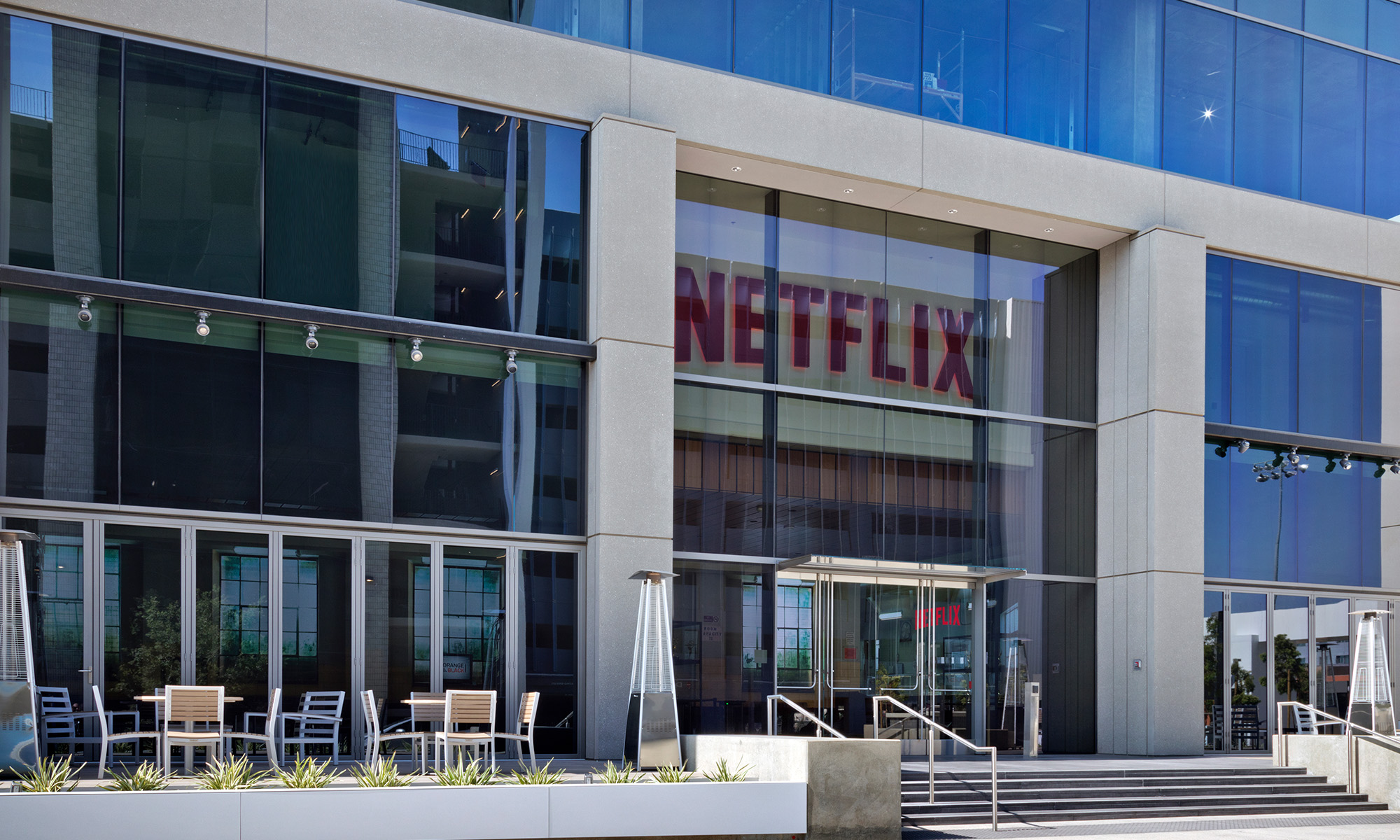
Netflix, that purveyor of flickering narratives and curated desires – its very name a portmanteau of the net and the flicks – has, in a scant decade, insinuated itself into the collective consciousness with the deftness of a stage magician. It wasn’t merely a company that delivered entertainment; it redefined the very notion of it, a subtle, insidious takeover of the evening hours. The tremors it sent through the established media empires – the cable titans and the theatrical showmen – were not merely disruptive; they were, in a sense, a beautiful, if brutal, demolition. And now, rather ironically, it finds itself poised on the precipice of becoming… something else entirely.
The proposed acquisition of Warner Bros. Discovery, a transaction as sprawling and complex as a Russian novel, has introduced a delightful, if disquieting, uncertainty. The specter of Paramount Skydance, circling like a particularly acquisitive vulture, only adds a frisson of suspense. The market, predictably, has responded with a bout of nervous indigestion, shedding Netflix shares as if they were last season’s fashions. One is left to ponder: is this a temporary aberration, a fleeting shadow cast by the looming merger, or a harbinger of more substantial woes?
The question, dear reader, isn’t simply about numbers, though the numbers, naturally, are crucial. It’s about narrative. About whether Netflix can successfully weave the disparate threads of these two media behemoths into a cohesive, compelling story. A story the market, and more importantly, the consumer, will embrace.
The Merger’s Murky Mirror
The all-cash offer, already substantial enough to raise eyebrows amongst the more fiscally conservative, threatens to balloon. The potential for a bidding war, a particularly vulgar display of financial muscle, looms large. Netflix intends to shoulder some $52 billion in debt, a sum that, while manageable given the combined cash flows, nonetheless represents a considerable weight upon the balance sheet. One might almost imagine the accountants wincing with each additional zero.
The true challenge, however, lies not in the arithmetic, but in the execution. Can Netflix successfully integrate these disparate assets, extracting genuine synergy from what appears, at first glance, a rather improbable pairing? The sheer scale of the undertaking is daunting. And the overlap – a staggering 80% of HBO subscribers already indulging in Netflix’s offerings – begs the question: how much incremental value can truly be unlocked? The promise of cross-selling, while appealing, feels somewhat… pedestrian.
Netflix, ever the optimist, anticipates accretion to earnings per share within two years, forecasting cost savings of $2 to $3 billion by year three. A laudable ambition, certainly. But the market, understandably, remains skeptical. It discounts the potential for reduced churn, increased engagement, and the broader exploitation of intellectual property. A curious oversight, perhaps, or simply a prudent application of skepticism.
The current turmoil, while unsettling, may, in fact, present a rare opportunity. The core business, stripped of the merger-related anxieties, appears to be trading at a discount. A rather attractive proposition, wouldn’t you agree?
Lost in the Labyrinth of Numbers
Netflix, increasingly complex as it grows, at its heart remains remarkably simple. A subscription model, elegantly predictable, allows for a reasonable degree of revenue forecasting. This, in turn, enables a strategic allocation of resources to the single most critical expense: content. A virtuous cycle, if managed with sufficient finesse.
Last year, an operating margin of 29.5%. This year, a target of 31.5%, fueled by revenue growth of 12-14%. Consistent improvement, a testament to disciplined execution. And the free cash flow – a robust $9.5 billion last year, projected to reach $11 billion this year – provides a comforting cushion. A minor hiccup – a $700 million deposit to Brazilian tax authorities – hardly dims the overall picture.
The advertising business, a burgeoning source of revenue, presents another avenue for growth. A 2.5-fold increase to $1.5 billion last year, with projections of a doubling by 2026. While less predictable than subscriptions, upfront sales provide a degree of clarity. And the ability to reach a broader audience, monetize that audience effectively, and reduce churn – a trifecta of benefits.
The addition of Warner Bros. studio assets, while introducing a degree of uncertainty – box office returns are, after all, notoriously fickle – could provide valuable vertical integration. If Netflix continues to adhere to its strategic playbook – maintaining content investment in line with financial targets – it should be able to deliver earnings upside, even amidst volatile results.
The recent sell-off has brought Netflix’s valuation down to a mere 25 times forward earnings. A level not seen in years, reflecting the anxieties surrounding the WBD acquisition. But with strong execution on the core business and the potential upside from the acquisition, Netflix stock appears, at this price, to be a rather compelling investment. A fleeting shadow, perhaps, resolving into an enduring bloom.
Read More
- 2025 Crypto Wallets: Secure, Smart, and Surprisingly Simple!
- Gold Rate Forecast
- Brown Dust 2 Mirror Wars (PvP) Tier List – July 2025
- Banks & Shadows: A 2026 Outlook
- Gemini’s Execs Vanish Like Ghosts-Crypto’s Latest Drama!
- HSR 3.7 story ending explained: What happened to the Chrysos Heirs?
- The 10 Most Beautiful Women in the World for 2026, According to the Golden Ratio
- ETH PREDICTION. ETH cryptocurrency
- Top gainers and losers
- 9 Video Games That Reshaped Our Moral Lens
2026-02-24 15:53