Right. Let’s talk about the stock market. Specifically, the S&P 500, which, as anyone who’s glanced at a financial newspaper in the last decade knows, is a sort of collective mood ring for the American economy. Currently, it’s looking a bit…pensive. It’s been meandering this year, which in market terms is like a particularly slow-moving sloth. Meanwhile, the rest of the world – or at least the bits not currently embroiled in various geopolitical dramas – is actually doing rather well, up around 10%. Charles Schwab, a firm that knows a thing or two about numbers, points out that this hasn’t happened in thirty years. Thirty years! That’s…a lot of quarters.
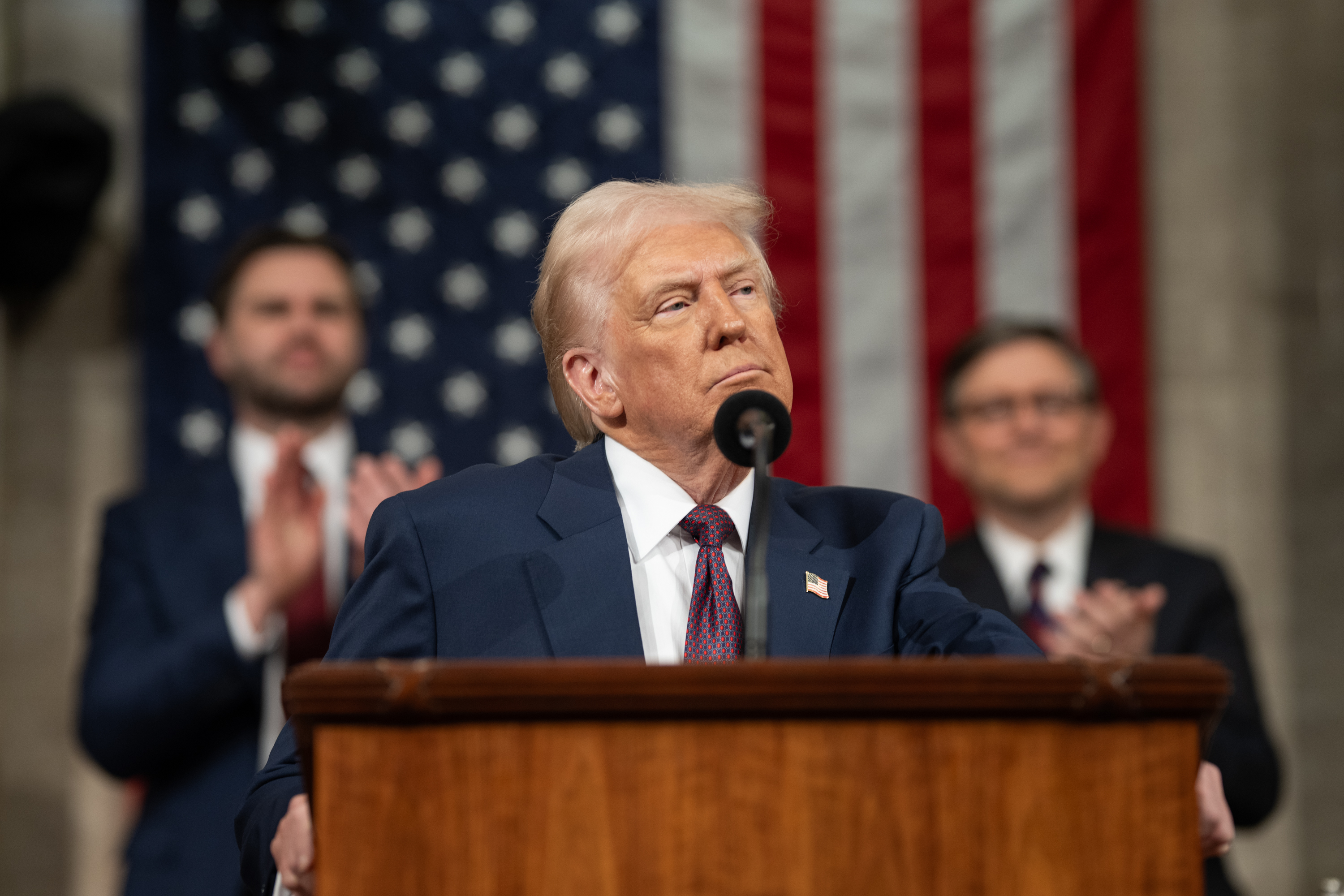
The reason? Well, a few things. Valuations are high, naturally. Everyone always wants a bargain, but in the stock market, bargains are rarer than hen’s teeth. And then there’s the matter of tariffs. President Trump, you see, has a fondness for tariffs. It’s like a childhood hobby he’s decided to revisit in a rather significant way. He initially imposed these tariffs using something called the International Emergency Economic Powers Act – a name so cumbersome it feels like a legal challenge in itself. The Supreme Court, in a rare display of decisiveness, decided he’d overstepped the mark. But, never one to be deterred, he simply switched to a different, equally complicated act – Section 122 of the Trade Act of 1974. It’s a bit like patching a leak with a different type of duct tape. Yale estimates this shuffle has lowered the average tax on imports from 16% to 13.7%, which, while a reduction, doesn’t exactly solve the underlying issue.
The Tariff Tango
The essence of the matter is this: tariffs are, essentially, taxes on imports. And who pays those taxes? Well, the studies are remarkably consistent on this point. The Congressional Budget Office, the Federal Reserve Bank of New York, even the Kiel Institute in Germany (who clearly have a lot of time on their hands) all agree that the vast majority – around 90% – of these tariffs are being footed by American businesses and consumers. It’s a bit like being asked to pay for your own handcuffs. Each dollar collected could have been spent on, well, anything else – boosting the economy, funding schools, buying slightly nicer socks. Instead, it’s just…gone.
The data is starting to show this drag. Job growth in 2025 was the slowest since 2009 (excluding the pandemic, naturally). Economic growth was sluggish. And inflation, that persistent little gremlin, is still hovering around 2.9%. It’s all a bit…unsettling. As a trader, I’m always looking for signals, and these aren’t the ones I want to see.
A Familiar Feeling
Now, here’s where things get really interesting. The S&P 500’s cyclically adjusted price-to-earnings ratio – a fancy way of saying how expensive stocks are relative to their earnings – hit 40.2 in January 2026. That’s a level not seen since the dot-com bubble of 2000. Robert Shiller, a very clever economist, developed this ratio to try and gauge when the market is getting a bit…frothy. And historically, when this ratio goes above 40, returns tend to be…disappointing. The numbers are rather grim, to be honest. Over the next few years, you’re looking at potential declines of 3%, 19%, and even 30%.
Of course, past performance is never a guarantee of future results. The market is a fickle beast. And there’s a lot of talk about artificial intelligence potentially boosting earnings. Maybe AI will save us all. But even if it does, it’s prudent to be cautious. This isn’t the time to be buying stocks you wouldn’t be comfortable holding through a downturn. Focus on companies with solid earnings and sensible prices. Think long-term. Think about what you’ll be telling your grandchildren. And maybe, just maybe, consider diversifying. Just a thought.
As a trader, I’m not predicting a crash. But I am saying that the warning signs are there. And ignoring them would be…well, unwise. It’s a bit like sailing into a storm with a faulty compass. You might get lucky, but the odds aren’t in your favor.
Read More
- 2025 Crypto Wallets: Secure, Smart, and Surprisingly Simple!
- Gold Rate Forecast
- Brown Dust 2 Mirror Wars (PvP) Tier List – July 2025
- Banks & Shadows: A 2026 Outlook
- Gemini’s Execs Vanish Like Ghosts-Crypto’s Latest Drama!
- ETH PREDICTION. ETH cryptocurrency
- HSR 3.7 story ending explained: What happened to the Chrysos Heirs?
- The 10 Most Beautiful Women in the World for 2026, According to the Golden Ratio
- HSR Fate/stay night — best team comps and bond synergies
- Uncovering Hidden Groups: A New Approach to Social Network Analysis
2026-02-24 12:03