Many years later, when the last analog clock had surrendered to the digital tide, old Mateo, the watchmaker of Seville, would recall the scent of oiled gears and the melancholic tick-tock that once measured the world’s impatience. He’d often remark, with a knowing glance towards the sleek rectangles now pressed against every ear, that time, like empires, always finds a new master. And that master, it seemed, was a fruit, polished to a deceptive sheen.
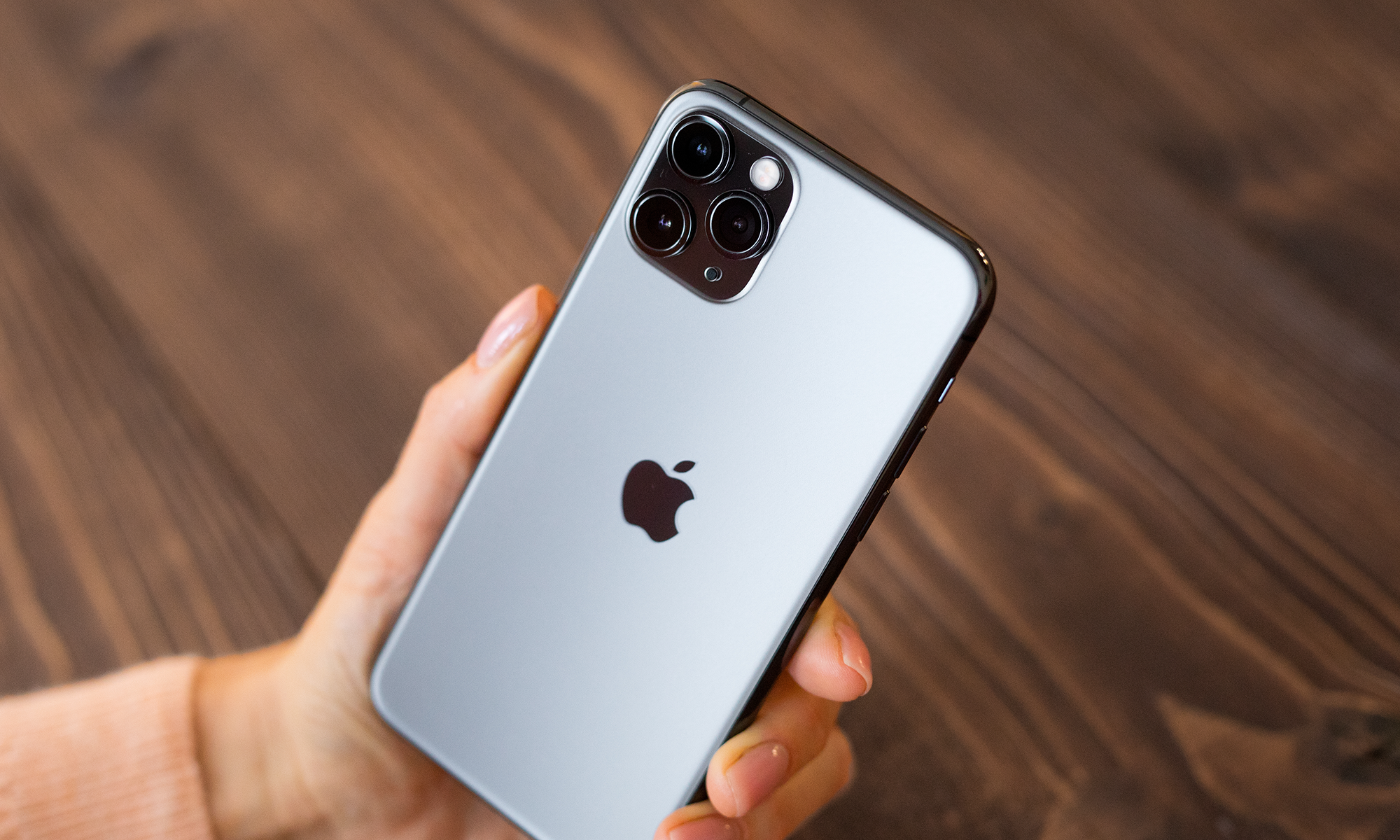
The story of Apple, then, isn’t merely a chronicle of quarterly earnings and product launches, but a slow, inevitable unfolding, a prophecy whispered in the silicon valleys of the world. For decades, the company has not simply participated in the markets; it has quietly, persistently, become them. It began, of course, with the rectangles, the iPhones, those luminous portals to a world both boundless and contained. In the year 2024, while others chased volume, Apple captured a disproportionate 46% of global smartphone revenue, despite holding only 28% of the units sold. A curious alchemy, that – a triumph not of quantity, but of desire, of a willingness to pay a premium for the illusion of perfection. The average selling price, a staggering $903, wasn’t a number; it was a testament to the power of narrative, of branding woven into the very fabric of aspiration.
Then came the ascendance, subtle as the shifting of sands. In 2025, the iPhone, that familiar weight in the palm, finally claimed the title of top-selling smartphone, securing 20% of the market. It wasn’t a sudden victory, but the culmination of years of refinement, of understanding that people don’t simply buy devices; they purchase extensions of themselves. The iPhone 17, a whisper of innovation, was merely the latest iteration of a dream carefully cultivated, nurtured in the fertile grounds of California’s imagination. The expansion into emerging markets, the strengthening of the product mix – these were not strategies, but the natural growth of a force that had found its rhythm.
The Invisible Threads
But the dominion of Apple extends far beyond the rectangles. Consider the AirPods, those tiny white buds that have colonized the ears of a generation. Released less than a decade ago, they now command an estimated 21% of the true wireless stereo market, exceeding the combined share of its next three competitors. It’s a quiet dominance, a gentle invasion, achieved not through aggressive marketing, but through a seamless integration into the rituals of modern life. The AirPods Pro 3, with their promise of enhanced noise cancellation and improved sound quality, are not merely headphones; they are portable sanctuaries, offering respite from the cacophony of the world.
And then there is the Apple Watch, born into a world already crowded with timekeeping devices. Launched in 2015, it was quickly hailed as the best smartwatch, but that was merely the beginning. By 2019, the company had shipped over 30.7 million units, outselling the entire Swiss watch industry by a margin of nearly 10 million. A humbling defeat for a nation renowned for its precision and craftsmanship. Today, Apple controls an estimated 23% of the smartwatch market, a testament to its ability to not only innovate but to redefine entire categories.
The Tablet and the Air
The iPad, like many of Apple’s creations, wasn’t the first of its kind. When the first generation debuted in 2010, it was met with skepticism, even ridicule. The name itself was deemed clumsy, uninspired. But Apple, as it often does, had the last laugh. Over 15 million iPads were sold within the year, immediately establishing it as the market leader. More than 15 years later, the iPad remains the dominant force in the tablet landscape, its lead unassailable, controlling 45% of the market as of 2025.
The MacBook Air, often overshadowed by its more powerful sibling, the MacBook Pro, is the world’s most popular – and highest-rated – premium laptop. It began as a consumer device, but was quickly reconfigured for the enterprise market, adding features designed to make it indispensable for business users. This quiet expansion has propelled Apple to become the fourth-largest seller of personal computers, with 9% of the market share in Q4 2025, and a notable 11.1% growth, outpacing the overall market’s 8.1%.
Echoes of the Past
One cannot speak of Apple’s dominion without acknowledging the iPod, the device that ignited the company’s ascent. Discontinued in 2022, it left an indelible mark on history. Steve Jobs, upon its release in 2001, declared that it would forever change the way people listen to music, and he was, as always, profoundly correct. Its simple, elegant design, ease of use, and the revolutionary click wheel – later replaced by multi-touch display – transformed the music industry. The launch of iTunes in 2003 sealed Apple’s fate. At its peak, the iPod controlled 74% of the portable music player market.
But even brilliance can be eclipsed. The arrival of the iPhone, with its multitasking capabilities and ample storage, rendered the iPod obsolete, cannibalizing its sales and sending it to that ethereal Apple store in the sky. It was a necessary sacrifice, a testament to Apple’s willingness to disrupt its own creations in pursuit of something greater.
A Quiet Kingdom
So, while the world may perceive Apple as a company defined by the iPhone, it is, in truth, a constellation of market-leading products, each a testament to its relentless pursuit of innovation and design. Five such products currently reign supreme, a feat rarely matched in the modern business world. And the Apple faithful, a fiercely loyal cohort, continue to expand their reliance on the company’s ecosystem, drawn in by its seamless integration and intuitive design.
Rumors abound of new devices on the horizon – smart glasses, pendants, and enhanced AirPods, all powered by the promise of artificial intelligence. Tim Cook has hinted at “new categories of products,” fueled by AI, expressing “extreme excitement” about the future. At 33 times earnings, Apple is not the cheapest of the Magnificent Seven stocks, but its growing portfolio of market-leading products, and the services that support them, suggest that it remains a compelling investment. It is a quiet kingdom, built not on conquest, but on the subtle art of seduction, and its reign, it seems, is far from over.
Read More
- 2025 Crypto Wallets: Secure, Smart, and Surprisingly Simple!
- Gold Rate Forecast
- Brown Dust 2 Mirror Wars (PvP) Tier List – July 2025
- Banks & Shadows: A 2026 Outlook
- Gemini’s Execs Vanish Like Ghosts-Crypto’s Latest Drama!
- Wuchang Fallen Feathers Save File Location on PC
- The 10 Most Beautiful Women in the World for 2026, According to the Golden Ratio
- QuantumScape: A Speculative Venture
- ETH PREDICTION. ETH cryptocurrency
- Uncovering Hidden Groups: A New Approach to Social Network Analysis
2026-02-23 02:03