They speak of Artificial Intelligence as a dawn. A new age. But every dawn casts a shadow, and the shadows here fall long and hard on the backs of those who will actually build this future. Not the dreamers in Silicon Valley, but the men and women laying cable, pouring concrete, and praying the power grid doesn’t buckle. This isn’t about miracles; it’s about logistics. And logistics, my friends, are rarely glamorous.
The promise is vast: $7 trillion for infrastructure over the next decade. A kingdom of servers, humming with the weight of data. Brookfield Corporation, they say, is poised to be a king in this realm. A grand ambition, to be sure. But consider this: every castle built on sand, no matter how skillfully constructed, eventually feels the tide. The question isn’t whether they can build, but whether anyone will truly benefit beyond the boardroom.
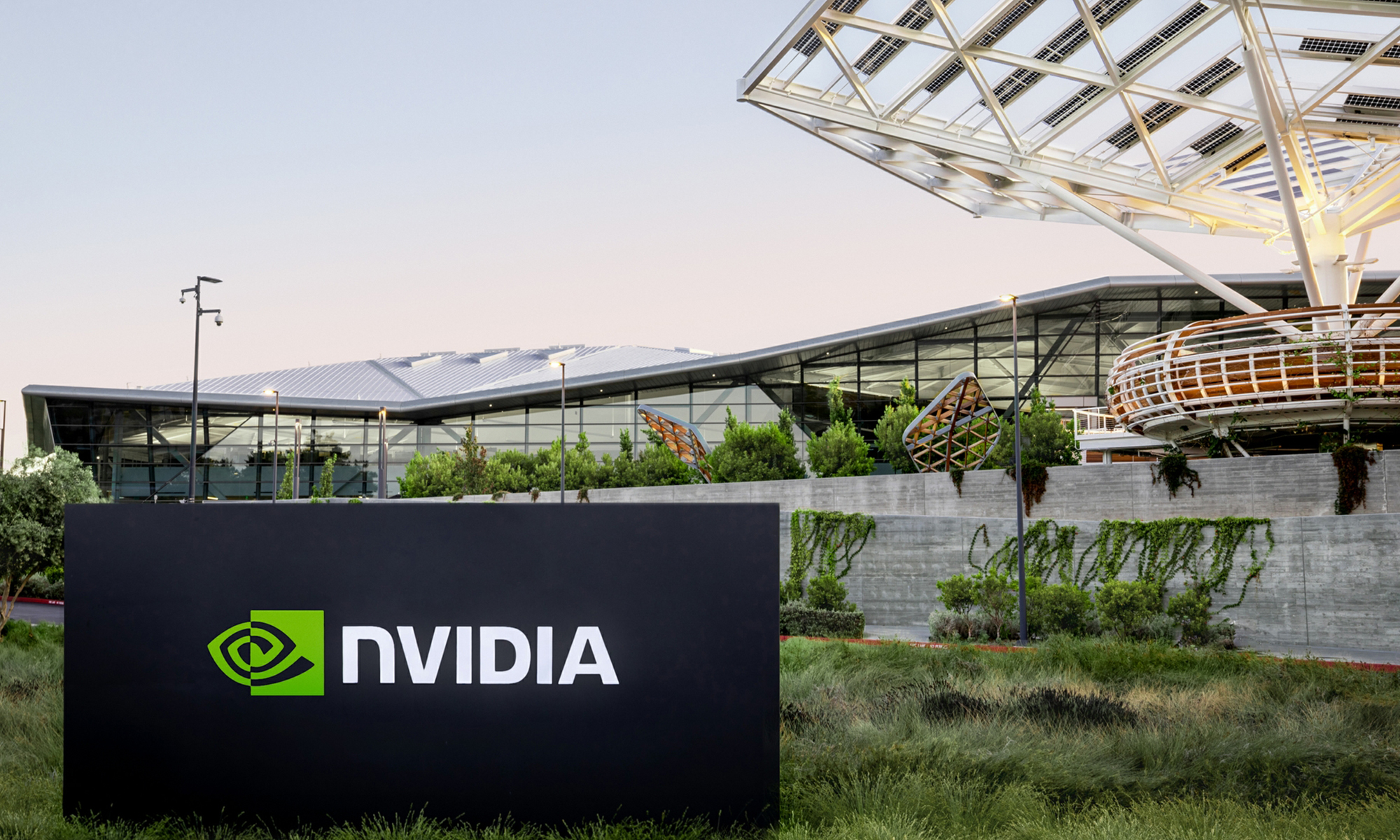
Brookfield has launched its AI Infrastructure Fund, aiming for $10 billion in commitments. A tidy sum. Nvidia, of course, is along for the ride, seeing its chips as the very bricks and mortar of this new world. They speak of partnership. I see a dependence, a shared gamble on a future that may not unfold as neatly as their projections suggest. Five billion already pledged. Easy enough when you’re dealing in abstractions. The real cost will be tallied in kilowatt-hours and broken backs.
The Weight of Servers
Radiant, their new venture with Nvidia, is meant to build “AI factories.” A sterile term for what is, in essence, a warehouse for blinking lights. These factories will demand land, power, and, crucially, a workforce. A workforce that will likely be squeezed, overworked, and largely invisible to the architects of this digital utopia. Jensen Huang speaks of AI requiring every nation to build infrastructure. He’s right, of course. But he omits the human cost, the sacrifices demanded at the altar of progress.
Huang proclaims that AI is transforming every industry. A bold statement. But transformation often means displacement. What happens to the men and women whose jobs are rendered obsolete by these gleaming new machines? Are they merely collateral damage in the pursuit of efficiency? Brookfield, naturally, doesn’t dwell on such uncomfortable questions. They focus on earnings projections, on growth rates, on the potential for a 25% annual increase in profits. A beautiful equation, devoid of human consequence.
A Discounted Future?
The stock currently trades around $45, with estimates suggesting a “true” value of $68. A discount, they say. A bargain. But what is a bargain when built on a foundation of precarious assumptions? Brookfield envisions a share price of $130 by 2030. A tempting prospect. But remember, predictions are often just elaborate fantasies, dressed up in the language of finance. The market, like life, is rarely predictable.
The Pragmatist’s View
Nvidia is the obvious play, the visible engine of this AI revolution. Brookfield, less so. They are the builders, the facilitators, the ones who grease the wheels. And that, in my estimation, is where the real opportunity lies. Not in the dazzling innovation, but in the mundane reality of making it all work. It’s a grimy business, building the future. But someone must do it. And those who profit from the labor of others, while often overlooked, are rarely disappointed. I am not optimistic about the grand promises of AI. But I am pragmatic. And pragmatism, my friends, is a far more reliable guide than hope.
Read More
- 2025 Crypto Wallets: Secure, Smart, and Surprisingly Simple!
- Brown Dust 2 Mirror Wars (PvP) Tier List – July 2025
- Gold Rate Forecast
- Wuchang Fallen Feathers Save File Location on PC
- Banks & Shadows: A 2026 Outlook
- HSR 3.7 breaks Hidden Passages, so here’s a workaround
- The 10 Most Beautiful Women in the World for 2026, According to the Golden Ratio
- Gemini’s Execs Vanish Like Ghosts-Crypto’s Latest Drama!
- QuantumScape: A Speculative Venture
- Is Taylor Swift Getting Married to Travis Kelce in Rhode Island on June 13, 2026? Here’s What We Know
2026-02-22 12:02