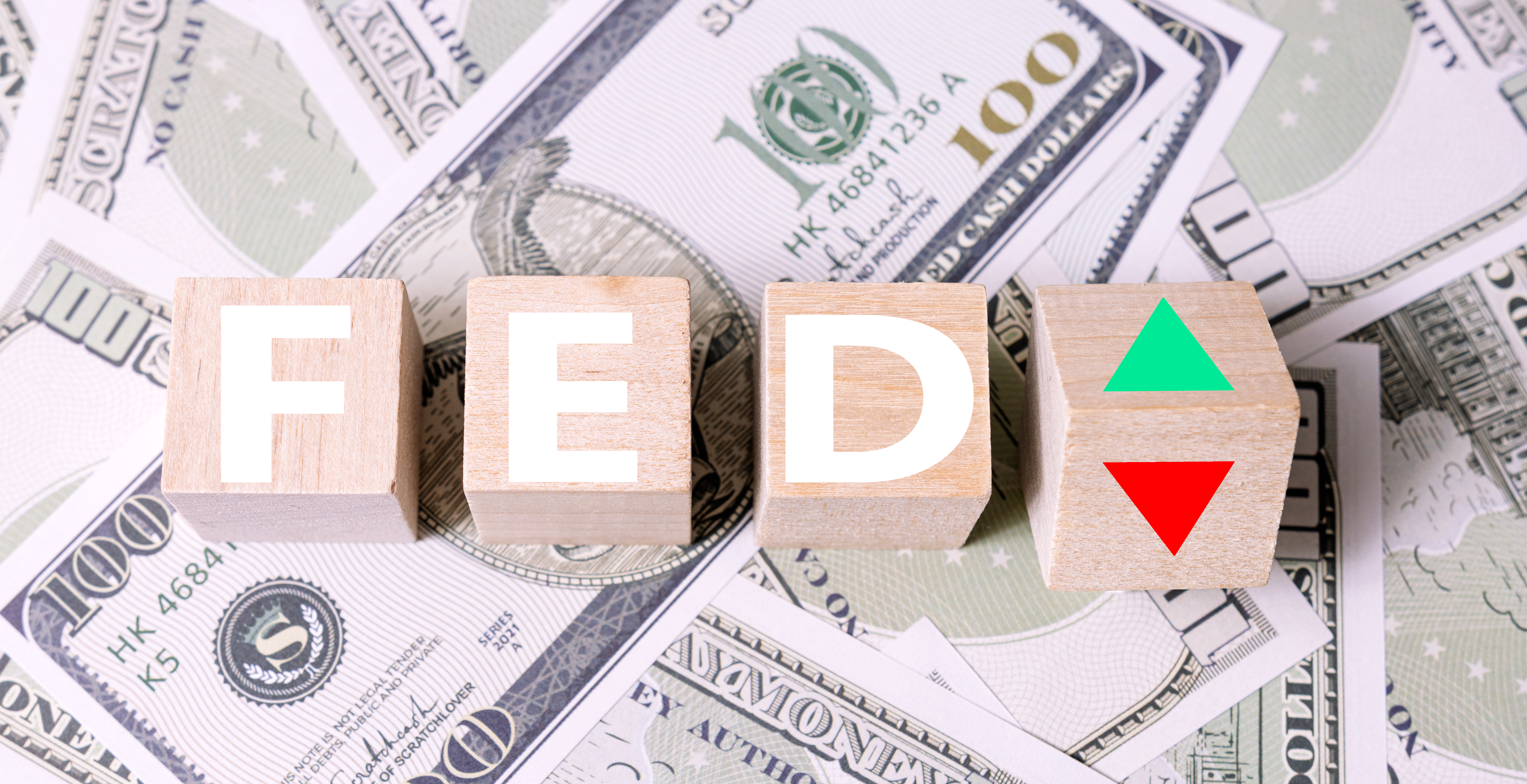
The markets, with their customary impatience, have for months priced in a modest easing of monetary policy – two quarter-point reductions, to be precise. A thoroughly pedestrian expectation, one might add, given the prevailing air of…well, let us say, cautious optimism. These cuts, naturally, are viewed as a palliative for the stock market’s occasional fits of pique. A lowering of the cost of borrowing invariably encourages speculation, and speculation, as any seasoned observer knows, is the lifeblood of the modern financial system.
The White House, predictably, has been agitating for something more dramatic. A forceful intervention, a swift correction. Mr. Powell, however, remains stubbornly wedded to the notion of allowing economic data to dictate policy. A quaintly old-fashioned idea, really. As a result, January passed without incident, much to the visible displeasure of certain parties. One pictures a rather frosty exchange of memoranda.
Now, however, a curious shift is occurring. The prospect of more than two cuts this year is beginning to circulate. Wall Street, ever susceptible to rumour, is practically giddy. It’s a scene reminiscent of a particularly frivolous garden party.
The Illusion of Declining Inflation
The Federal Reserve, it seems, has been waiting for inflation to descend to its target of 2%. A rather arbitrary figure, one suspects, but one that provides a convenient benchmark for pronouncements and policy adjustments. For months, however, price growth has remained obstinately above this level. A minor inconvenience, perhaps, but one that has caused a degree of consternation among the more punctilious officials.
Now, though, inflation appears to be yielding, albeit grudgingly. January saw a rise of 2.4% – a fractional decline from expectations. Stripping out the volatile elements of food and energy, the figure dips to 2.5%, the lowest since 2021. A statistical blip, no doubt, but one that is being seized upon with unseemly enthusiasm. Even some within the Federal Reserve are tentatively suggesting the possibility of a third, or even a fourth, cut. Mr. Goolsbee, of Chicago, ventured the opinion that further cuts could occur in 2026. A remarkably long-term forecast, given the inherent unpredictability of the markets.
The tariff situation, thus far, has been…contained. A modest increase in prices, largely confined to specific categories. And, of course, Mr. Powell’s tenure as Chairman is drawing to a close. In mid-May, he will likely be replaced by Mr. Warsh, a nominee who appears to harbour a rather ambitious agenda: cutting rates while simultaneously shrinking the balance sheet. A curious combination, and one that may prove…challenging to implement. One suspects Mr. Warsh has assured certain parties that he will adopt a more accommodating stance.
The Futures Markets, ever sensitive to the prevailing winds, now place the probability of three or more cuts in 2026 at 43%, a significant increase from the previous month. A clear indication that optimism is growing. This, naturally, will provide a welcome boost to the stock market. The entire spectacle is rather diverting, really. One anticipates further developments with a detached, and slightly cynical, amusement.
Read More
- Gold Rate Forecast
- Invincible Season 4 Gender Swaps Tech Jacket As Fans Question Major Comic Change
- 22 Films Where the White Protagonist Is Canonically the Sidekick to a Black Lead
- Silver Rate Forecast
- Unveiling the Schwab U.S. Dividend Equity ETF: A Portent of Financial Growth
- The Best Former NFL Players Turned Actors, Ranked
- Why Won’t It Just *Do* What You Ask? Unpacking the Quirks of AI Language
- Superman Flops Financially: $350M Budget, Still No Profit (Scoop Confirmed)
- 14 Movies Where the Black Character Refuses to Save the White Protagonist
- New HELLRAISER Video Game Brings Back Clive Barker and Original Pinhead, Doug Bradley
2026-02-22 00:52