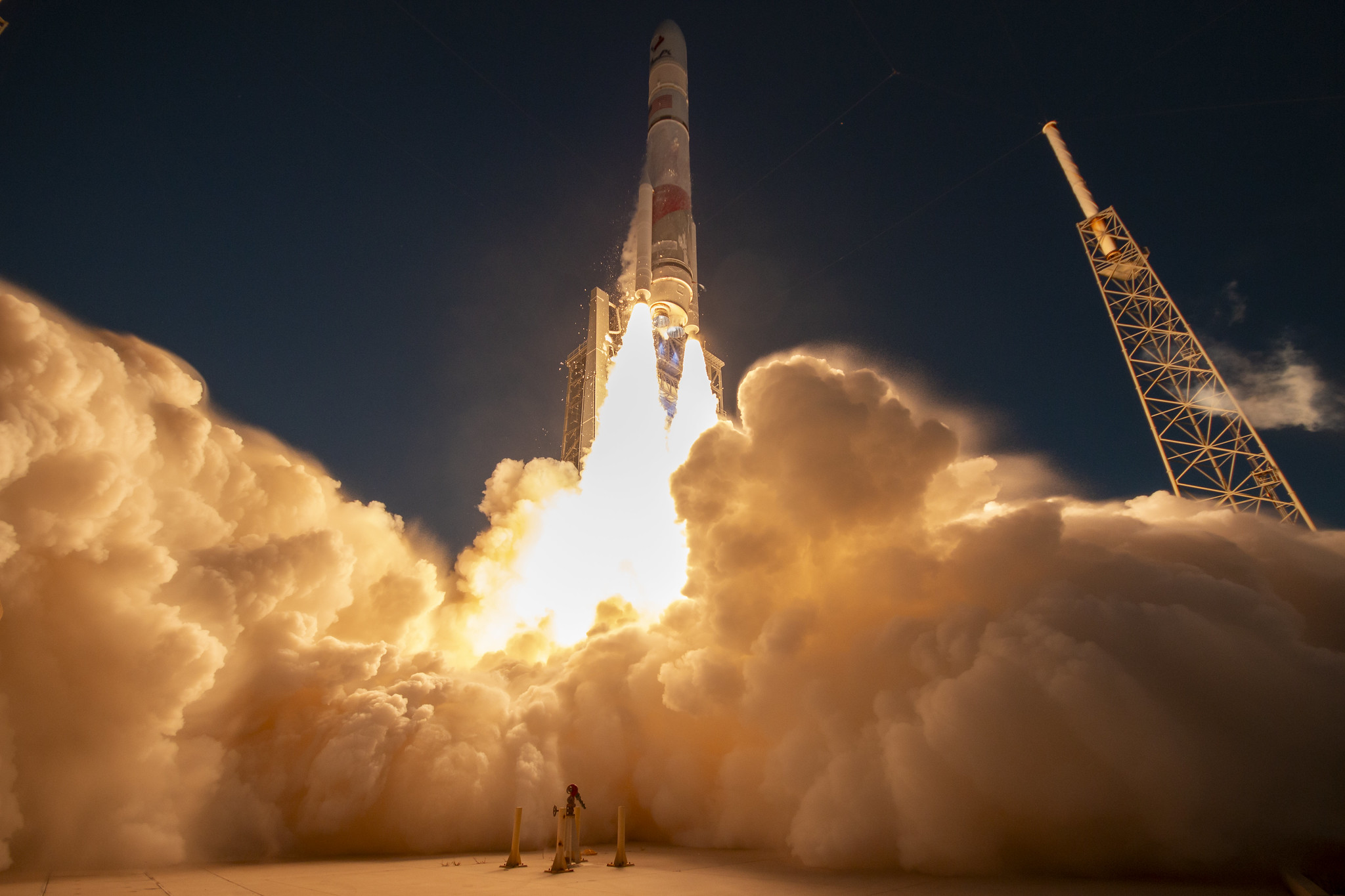
The matter of United Launch Alliance, or ULA as it is cryptically abbreviated, presents itself not as a simple chronicle of corporate fortunes, but as a fragment unearthed from a forgotten treatise on the topology of ambition. Formed from the uneasy union of Boeing and Lockheed Martin – entities whose histories are themselves palimpsests of innovation and speculation – ULA once held dominion over the American ascent into the void. A dominion, it must be noted, predicated on the absence of rivals. The arrival of SpaceX, however, introduced a disruptive element, a rogue variable in a previously predictable equation. One might compare it to the introduction of a new, highly efficient gear into a clockwork universe.
The Vulcan Centaur, ULA’s attempt to recalibrate its trajectory, is proving to be a particularly vexing problem. Billed as a cost-reduction exercise, a means of escaping the gravitational pull of financial disadvantage, it has instead become a demonstration of the inherent fragility of complex systems. The promise of sub-$100 million launches, a figure whispered with the confidence of alchemists, remains largely unrealized. The initial launch, a fleeting moment of apparent success, has been followed by a series of anomalies – incidents that, while not catastrophic, suggest a deeper, more systemic disorder. The falling of nozzles, the “burn through” at the tail end of boosters… these are not merely mechanical failures, but echoes of a fundamental disharmony.
Northrop Grumman, the supplier of the solid rocket boosters, has been identified as a potential source of these irregularities. Yet, to assign blame to a single entity is to succumb to a simplistic understanding of causality. The responsibility, ultimately, rests with ULA – the architects of this celestial labyrinth, the custodians of its quality control. A batting average of .500, as some observers have noted, is hardly a testament to their mastery. It recalls the apocryphal tale of the Library of Babel, where the vastness of possibilities inevitably leads to an abundance of error.
The abrupt departure of Tory Bruno, ULA’s longtime CEO, to join Blue Origin, is a curious detail. It suggests a shifting of allegiances, a realignment of forces in this intricate game of orbital mechanics. One is reminded of the Borges story, “The Circular Ruins,” where a man dreams another man into existence. Whether Bruno’s departure is a symptom of ULA’s malaise, or a harbinger of future disruptions, remains to be seen.
For the discerning investor, the implications are clear. While the allure of a dividend yield is ever-present, it is crucial to assess the underlying stability of the issuing entity. The impending IPO of SpaceX casts a long shadow over the aerospace sector, diverting capital and attention away from more established players. To invest in Boeing or Lockheed Martin at this juncture would be akin to attempting to chart a course through uncharted waters, guided only by the flickering light of past glories. A prudent strategy, therefore, would be to observe from a safe distance, allowing the dust to settle before venturing into this volatile domain. The pursuit of yield, after all, should not come at the expense of preserving capital.
Read More
- 2025 Crypto Wallets: Secure, Smart, and Surprisingly Simple!
- Brown Dust 2 Mirror Wars (PvP) Tier List – July 2025
- Gold Rate Forecast
- Wuchang Fallen Feathers Save File Location on PC
- Banks & Shadows: A 2026 Outlook
- Gemini’s Execs Vanish Like Ghosts-Crypto’s Latest Drama!
- HSR 3.7 breaks Hidden Passages, so here’s a workaround
- Exit Strategy: A Biotech Farce
- MicroStrategy’s $1.44B Cash Wall: Panic Room or Party Fund? 🎉💰
- QuantumScape: A Speculative Venture
2026-02-21 15:13