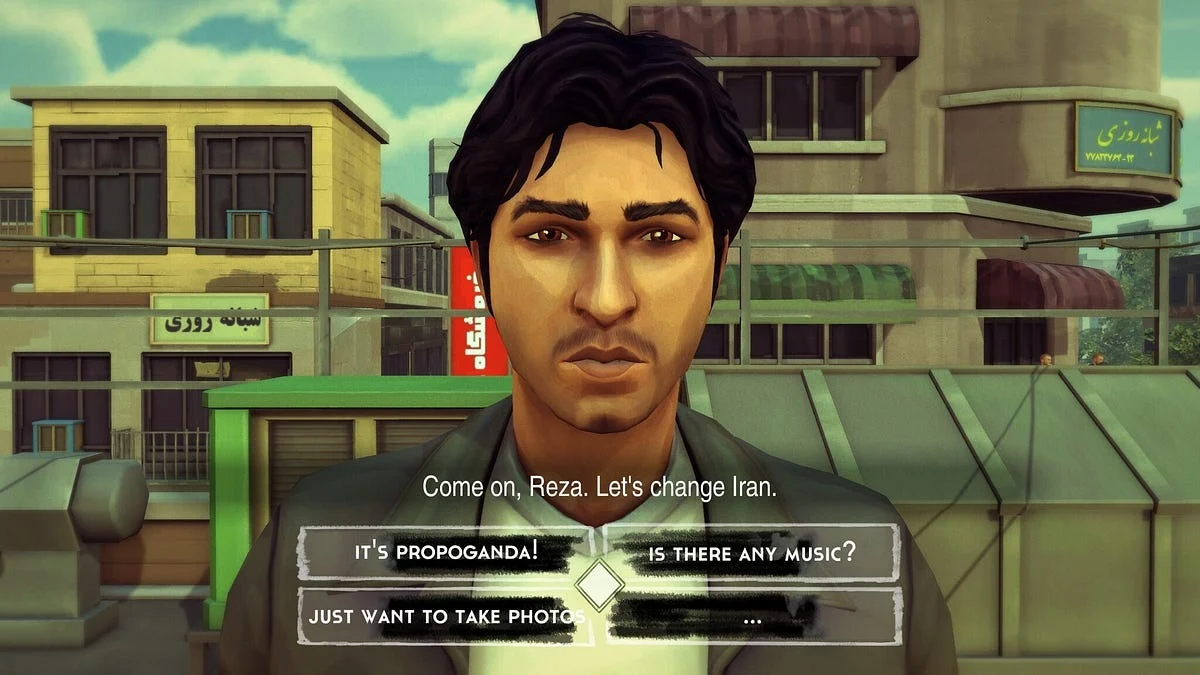
Video games are no longer just a way to pass the time. They’ve become sophisticated storytelling mediums that offer deep, immersive experiences. What sets them apart from books and movies is that players don’t just watch a story unfold – they actually get to participate in it, shaping the narrative as they go. This creates a uniquely engaging blend of interaction and storytelling.
With the increasing popularity of esports, streaming, and competitive gaming, video games are now significantly impacting storytelling. They’re not just changing how stories unfold within games, but also influencing how stories are crafted across all types of modern media – from dramatic in-game scenes to narratives built by the gaming community itself. Gaming is becoming a key driver of new storytelling methods.
Interactive Narratives and Player Agency
Video games have greatly impacted modern storytelling by adding interactivity. Unlike traditional media where stories unfold in a fixed way, games let players shape the narrative through their choices, tactics, and how well they play. This feeling of control fundamentally alters how stories are built and enjoyed.
Even in competitive games like CS2, compelling stories naturally develop through tournaments, the intense rivalries between teams, and surprising results. Fans closely follow matches, try to predict who will win, and become invested in the ongoing stories of their favorite teams. As more people get involved, conversations about how teams play often combine with analysis, like betting advice, which adds even more depth and context to the overall competitive scene. Taking away this kind of analysis would make the stories surrounding professional esports events less interesting and complete.
Interactive stories aren’t limited to competitive gaming. In role-playing games, players make choices that affect the story, build relationships with characters, and even change how the game ends. This idea of letting the audience participate is now inspiring new approaches to storytelling in TV and movies, with shows and films experimenting with branching storylines and plots that change based on viewer choices.
Today’s stories are moving away from strict, straightforward plots and are instead focusing on being adaptable and letting the audience participate more.
Esports as Live Narrative Drama
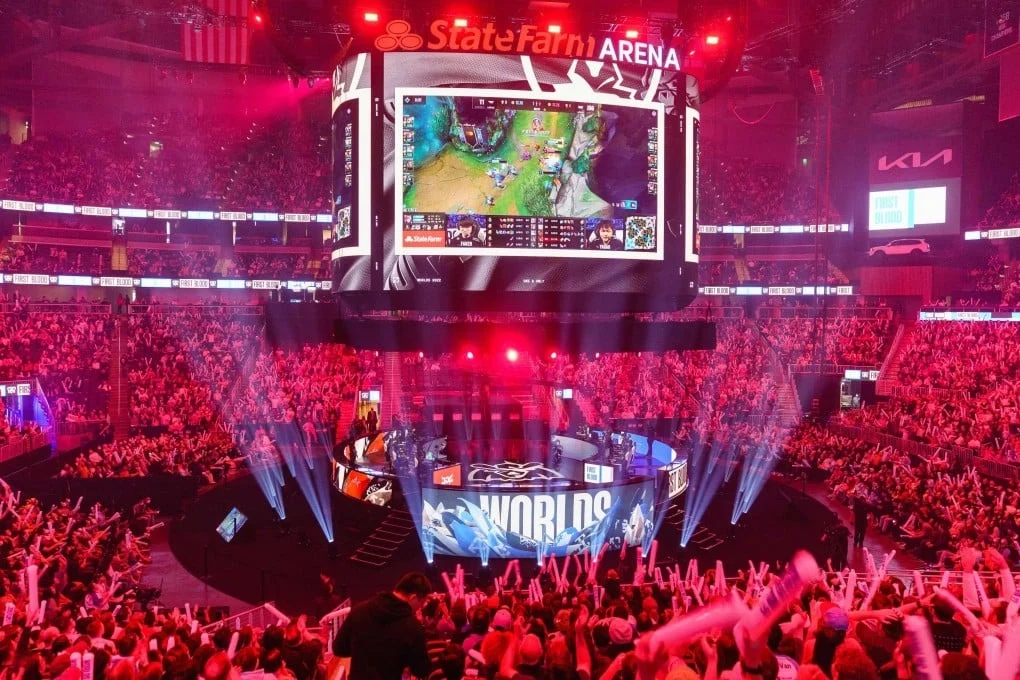
Esports tournaments are like live, unfolding dramas. Instead of following a pre-written script, the stories in competitive gaming happen naturally, based on how well players perform and the choices they make. You’ll find all the classic elements of a good story – unexpected winners, strong contenders, intense rivalries, and players overcoming challenges – in every tournament.
As a fan, I love how esports feels like a constantly unfolding story throughout the year. You get really invested in your favorite teams and players, watching them improve, sometimes struggle, and seeing new strategies emerge. It’s similar to following a TV show with characters you care about, but what’s amazing is that everything is real – there are no writers deciding the outcome! That makes every match so exciting and genuinely impactful; you never know what’s going to happen.
Streaming services make this even more impactful. When people watch matches together online, they share immediate reactions to key moments. Commentators add to the experience by explaining the bigger picture of the competition. This turns the game itself into a live, unfolding story.
Adding statistics and performance analysis makes stories more compelling. By using data, we can help fans see trends, understand how games change, and appreciate clever strategies. This extra layer of insight makes the excitement of competition even stronger.
Cross-Media Influence and Adaptation
Video games are having a growing impact on movies, TV shows, and books. Popular game series are frequently turned into films and streaming shows, and often keep the feeling of player choice and story exploration. We’re also seeing storytelling in screenplays borrow techniques from games – like stories unfolding through missions, characters improving their abilities, and detailed settings that create immersive worlds.
Game design often focuses on creating worlds that feel real and engaging. Many games now use open-world storytelling, which lets players explore and discover hidden stories and details. This approach has even influenced filmmaking, inspiring creators to build richer, more detailed fictional worlds where even small background elements add to the overall story.
Gaming has also influenced how movies and TV shows are made. Quick cuts, energetic camera work, and exciting action scenes now resemble the feel of playing video games. Filmmakers frequently get ideas from in-game movies and try to recreate the way players see the action.
Games now tell stories in ways that go beyond just characters talking. “Environmental storytelling” uses things like the game’s design, sounds, and visual details to let players figure out the story themselves. This method is changing how creators build immersive worlds not just in games, but in all kinds of media.
Community-Driven Storytelling
Video games are also changing because of how players connect with each other. Online spaces like forums, social media, and live streaming chats let fans build stories together. People quickly share ideas about what might happen in a game, why characters do what they do, and who will win competitions, which influences how everyone understands the game.
In esports, fans don’t just watch the game – they actively create their own content and stories around it, extending the experience far beyond the official streams. A surprising match outcome can spark weeks of online discussion, reaction videos, and in-depth analysis. This shared creation process makes the line between the people who make the game and the people who watch it increasingly blurry.
Game creators are now more often using fan feedback to improve their games with updates and new content. Things like seasonal events, adjustments to gameplay, and entirely new features are all shaped by what players want. This means game stories aren’t just fixed – they change and grow based on the community’s involvement.
Modding communities enrich games by adding player-created stories and new ways to experience the game’s plot. This kind of collaborative creativity highlights how video games are changing the way stories are written and who gets to be the author.
Emotional Engagement and Immersion
Video games are powerfully engaging because they pull players completely into the game world. Instead of just watching the story unfold, players become the characters, making the events feel much more real. When players experience setbacks, achievements, or difficult choices through their character, those moments feel personal and impactful.
When people watch competitive video games, they get emotionally invested because they root for their favorite teams and feel the excitement of important tournaments. The pressure of a championship match can create a level of suspense similar to what you’d feel watching a major sporting event or a thrilling movie.
Immersive stories aren’t just about plot; music, sound, and graphics play a huge role too. Modern technology lets developers build incredibly realistic worlds, and powerful soundtracks amplify the emotional impact. When all these pieces come together, the result can be an experience as captivating as a major movie.
With the growth of virtual and augmented reality, stories have the potential to become much more captivating. These technologies could create interactive worlds where audiences feel like they’re actually inside the story, changing how we experience narratives.
Conclusion
Video games have greatly changed modern storytelling. They’ve added elements like letting players participate in the story, creating exciting, live competitions, and allowing communities to help shape how narratives unfold. From engaging single-player adventures to the thrill of esports, gaming is redefining how stories are built and enjoyed.
Instead of just watching, interactive experiences let audiences actively take part. Popular games create exciting, unpredictable stories that draw in viewers worldwide, and these stories are now expanding into other forms of media, showing how important gaming has become in our culture.
Video games are becoming increasingly important for telling stories. They uniquely combine interactive gameplay with emotional experiences and new ideas, making them a leading form of modern storytelling.
Read More
- 2025 Crypto Wallets: Secure, Smart, and Surprisingly Simple!
- Brown Dust 2 Mirror Wars (PvP) Tier List – July 2025
- Gold Rate Forecast
- Wuchang Fallen Feathers Save File Location on PC
- Banks & Shadows: A 2026 Outlook
- HSR 3.7 breaks Hidden Passages, so here’s a workaround
- Gemini’s Execs Vanish Like Ghosts-Crypto’s Latest Drama!
- QuantumScape: A Speculative Venture
- MicroStrategy’s $1.44B Cash Wall: Panic Room or Party Fund? 🎉💰
- Uncovering Hidden Groups: A New Approach to Social Network Analysis
2026-02-21 09:22