Look, I get it. Everyone wants the hot stock tip, the meme stock that’ll make them rich overnight. It’s like reality TV – instant gratification, questionable life choices. But let’s talk about building actual wealth. The kind that doesn’t involve explaining to your spouse why you invested in a company that makes virtual hats. I’m talking about companies that are, shall we say, reliably boring. The ones that quietly compound returns while everyone else is chasing unicorns.
I’ve identified three. These aren’t disruptors. They’re the things your grandmother understands. And frankly, that’s a good sign. They’re consumer staples with global reach, and recent data suggests they’re not just surviving, they’re… thriving. If you’ve got a two-decade time horizon, these are worth a look. Consider it financial self-care.
1. Costco Wholesale
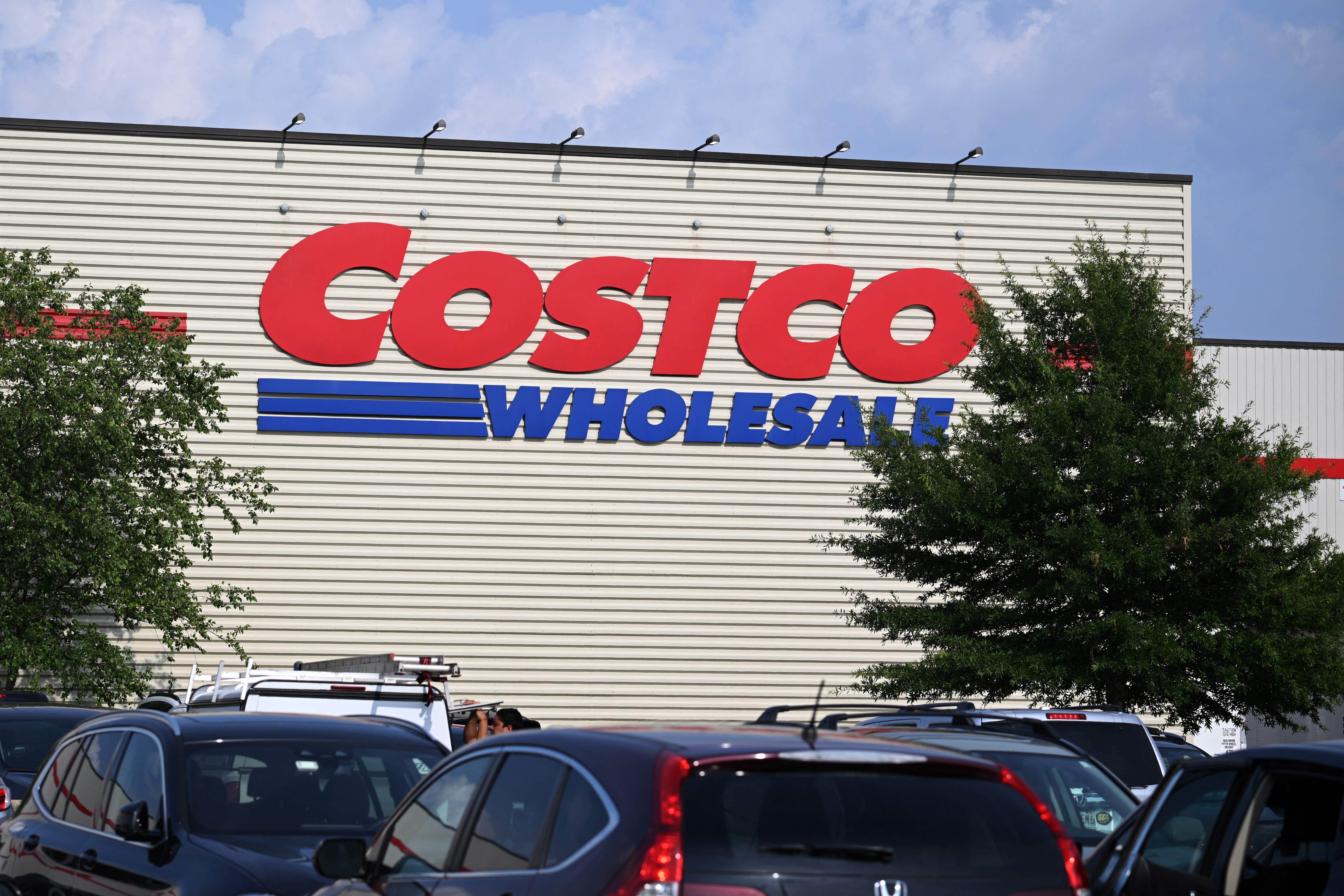
If there’s a retailer built to outlast us all, it’s Costco Wholesale (COST 0.78%). It’s basically a legally sanctioned hoarding operation. And people love it. They just reported January 2026 net sales of $21.33 billion – a 9.3% jump year-over-year. That’s a lot of bulk mayonnaise. Even more surprising? E-commerce sales jumped over 34% during the holidays. Apparently, even people who enjoy wandering the aisles with oversized shopping carts are susceptible to the siren song of online shopping. Who knew?
But the real magic is the membership model. It’s like a subscription to… everything. And people are paying for the privilege. Membership fee income surged 14% to $1.329 billion. The paid membership base hit 81.4 million. That’s… a lot of people committed to buying 48 rolls of toilet paper at once. Executive memberships – the VIP level of bulk buying – are growing even faster, up 9.1% to 39.7 million. They account for a staggering 74.3% of total sales. It’s a flywheel of consumerism, and frankly, it’s a little terrifying.
Here’s the deal: Costco’s model gets stronger with scale. More members mean more buying power, lower prices, and higher renewal rates. It’s a virtuous cycle that competitors simply can’t replicate. It’s like a very efficient, legally-approved pyramid scheme… but with better snacks. With 921 warehouses globally and an expanding digital presence, there’s still plenty of room for growth, especially in markets like China. The potential is enormous. It’s basically the opposite of a flash-in-the-pan.
2. The Coca-Cola Company
Coca-Cola (KO +0.70%) just reported its full-year 2025 results, and the numbers are… predictably solid. This company has increased its dividend for 63 consecutive years, making it a Dividend King. That’s right, 63 years. I’ve had fewer relationships. Organic revenue grew 5% for the year. It’s not exactly shooting for the moon, but it’s consistently profitable. It’s the beige of the stock market – reliable, unexciting, and always there.
But what excites me most is the outlook for 2026. CEO James Quincey is projecting 4% to 5% organic revenue growth, 5% to 6% comparable currency-neutral earnings-per-share (EPS) growth, and approximately $12.2 billion in projected free cash flow. That’s a cash machine firing on all cylinders. With pricing power, global distribution that no competitor can match, and a brand portfolio that spans every beverage occasion imaginable, Coca-Cola is the definition of a compounding machine. It’s like the financial equivalent of a comfortable pair of shoes.
3. Procter & Gamble
Procter & Gamble (PG +0.97%) isn’t the sexiest stock on Wall Street, and that’s precisely why I recommend it. This is a company that sells products people use every single day – laundry detergent, toothpaste, diapers, razors – and it does so across 180 countries. It’s the ultimate in unglamorous stability. Think of it as the financial equivalent of wearing sensible shoes to a party.
In its Q2 fiscal 2026 earnings, net sales totaled $22.2 billion, with seven of 10 product categories posting organic sales growth. On top of that, the company is undergoing a two-year restructuring program designed to increase productivity and sales per head, without requiring future waves of heavy investment. That’s corporate jargon for “we’re trying to do more with less,” but hey, at least they’re being upfront about it.
Five out of seven regions grew organic sales in the quarter, with Latin America leading at 8% and Europe up 6%. Productivity savings contributed 270 basis points to results. And the company is returning enormous capital to shareholders, roughly $15 billion in fiscal 2026 through dividends and share repurchases combined. It’s basically raining money. Which, let’s be honest, is always a good thing.
The beauty of owning P&G stock over 20 years is the compounding of small advantages. Superior products, stronger brands, relentless cost discipline, and a dividend that has consistently grown annually for over six decades, making it another Dividend King. In a world full of uncertainty, that kind of international consistency is priceless. It’s like a financial anchor in a sea of chaos.
The common thread with these three companies
All three of these companies share something every long-term investor should treasure: durability. Costco’s membership moat, Coca-Cola’s branding, and P&G’s dominance in daily use products give each a structural advantage that doesn’t erode over time. If anything, it deepens over time. They’re not trying to be cool. They’re just trying to stay in business. And frankly, that’s a refreshing change of pace.
Buy them, hold them, and let 20 years of compounding do the heavy lifting. You deserve a little financial stability. And honestly, so does the world.
Read More
- 2025 Crypto Wallets: Secure, Smart, and Surprisingly Simple!
- Brown Dust 2 Mirror Wars (PvP) Tier List – July 2025
- Wuchang Fallen Feathers Save File Location on PC
- Gold Rate Forecast
- HSR 3.7 breaks Hidden Passages, so here’s a workaround
- Gemini’s Execs Vanish Like Ghosts-Crypto’s Latest Drama!
- Banks & Shadows: A 2026 Outlook
- QuantumScape: A Speculative Venture
- HSR Fate/stay night — best team comps and bond synergies
- Crypto Chaos: Is Your Portfolio Doomed? 😱
2026-02-20 20:22