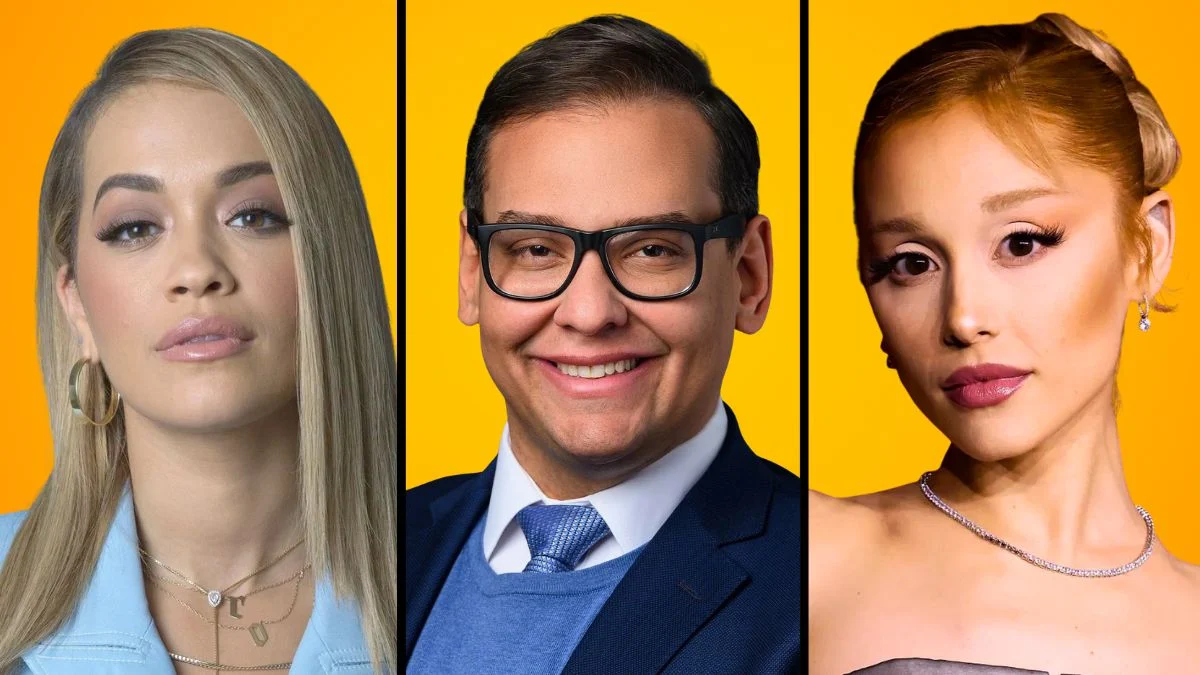
Stories about identity and family history are common in the entertainment world. Some celebrities proudly share their diverse backgrounds, while others have gotten into trouble for not being truthful about where they come from. These situations often lead to strong public discussions about respecting cultures and being genuine. Whether it’s a surprising discovery or a long-held secret, these cases show how closely public figures are examined when it comes to their personal lives.
Hilaria Baldwin
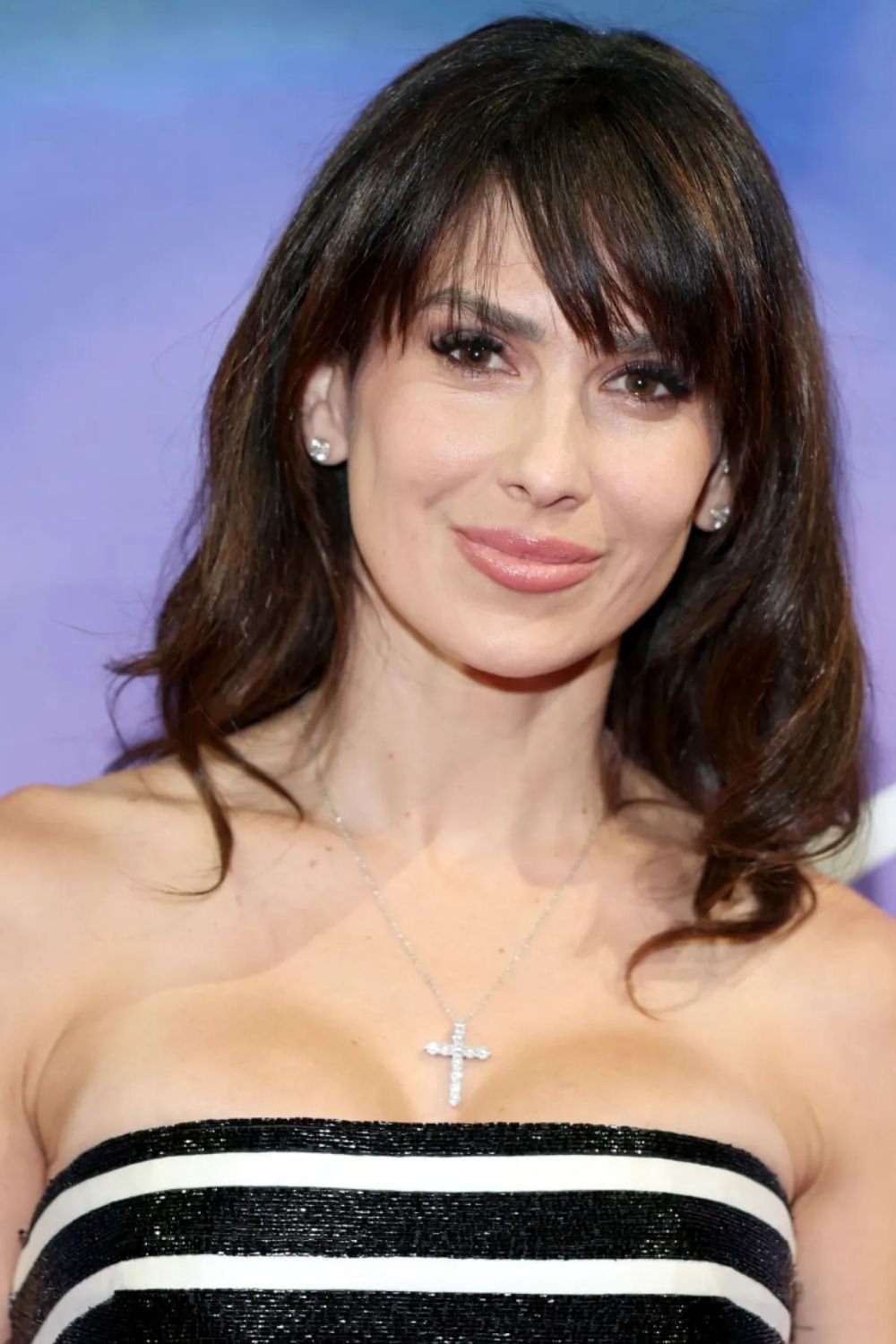
Hilaria Baldwin became well-known after people online questioned her claims about being of Spanish descent. Despite often speaking with a Spanish accent and being presented as Latina in the media, her birth name is Hillary Hayward Thomas. Research showed she was born in Boston to parents with American backgrounds. Baldwin later explained she spent time in Spain as a child and is fluent in Spanish. The situation sparked a broader conversation about how celebrities present themselves and what it means to be authentic.
Elizabeth Warren

Senator Elizabeth Warren was heavily questioned about her claims of Native American heritage. While she identified as a minority in law school publications based on family stories, critics suggested she did so to benefit her career. A DNA test later revealed a very small amount of Native American ancestry, but tribal leaders criticized the test as disrespectful. Senator Warren ultimately apologized for how she had previously described her background and the resulting misunderstanding.
Iron Eyes Cody
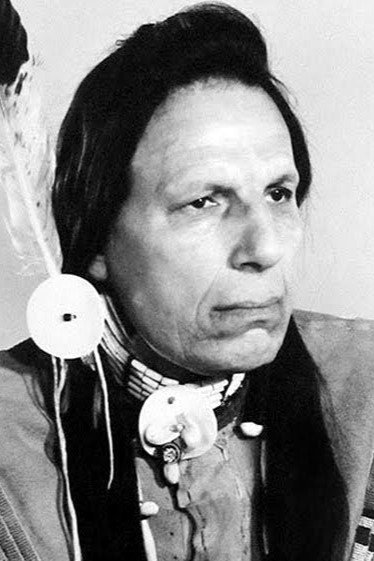
Iron Eyes Cody was a well-known actor who portrayed Native Americans in films and television for many years, including the famous ‘Crying Indian’ public service announcement. However, an investigation later revealed that Cody, born Espera Oscar de Corti, was actually of Italian ancestry and had no Native American heritage. Despite this evidence, he continued to identify as Native American throughout his life.
George Santos
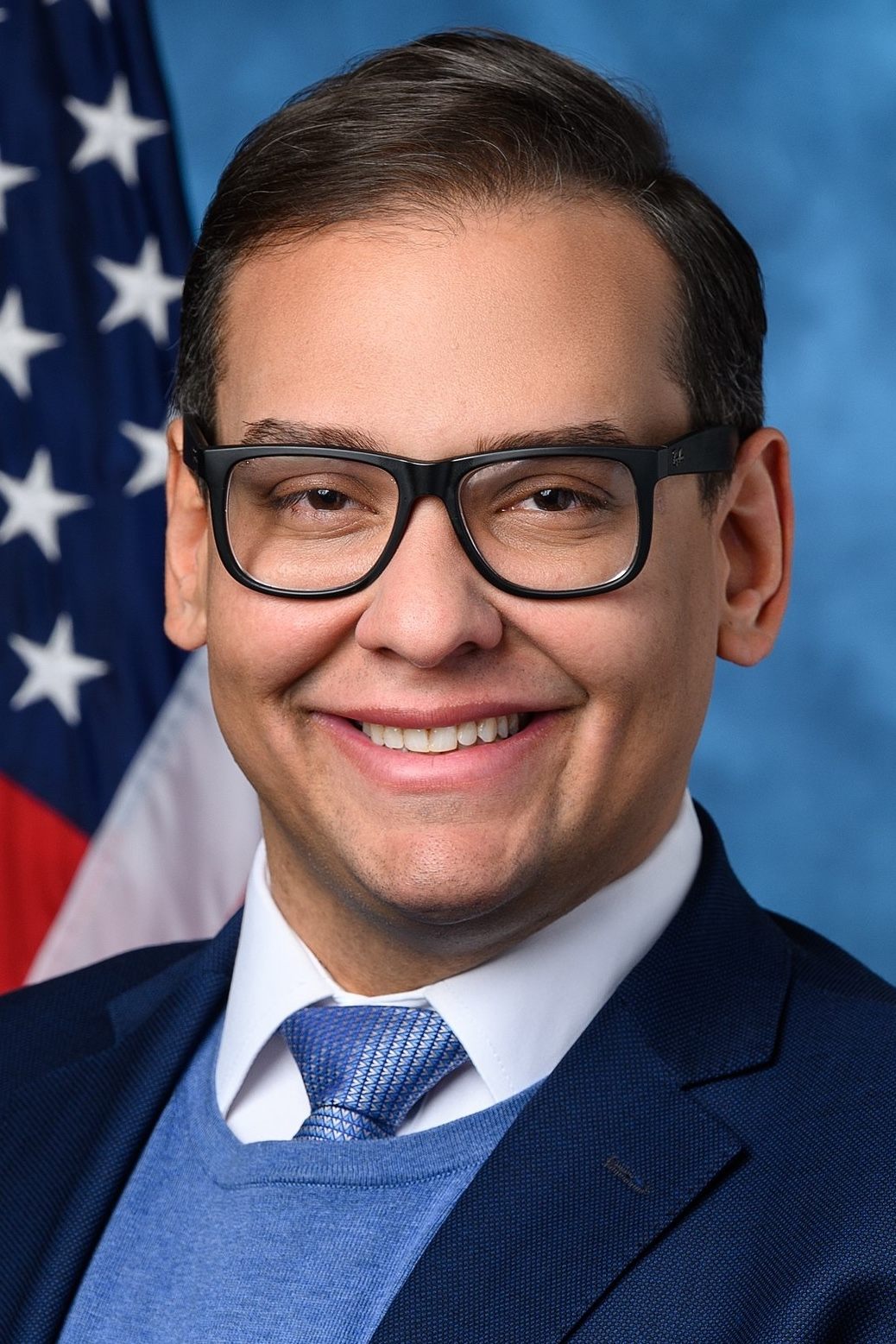
George Santos gained significant public attention because he made up stories about his life and family. He claimed his grandparents were Jewish refugees who escaped the Holocaust, but investigations by journalists found no proof to support this claim or any Jewish ancestry in historical records. Santos later tried to explain himself by saying he was “Jewish” rather than of Jewish descent. This was just one of several false statements that ultimately led to his removal from Congress.
Johnny Depp
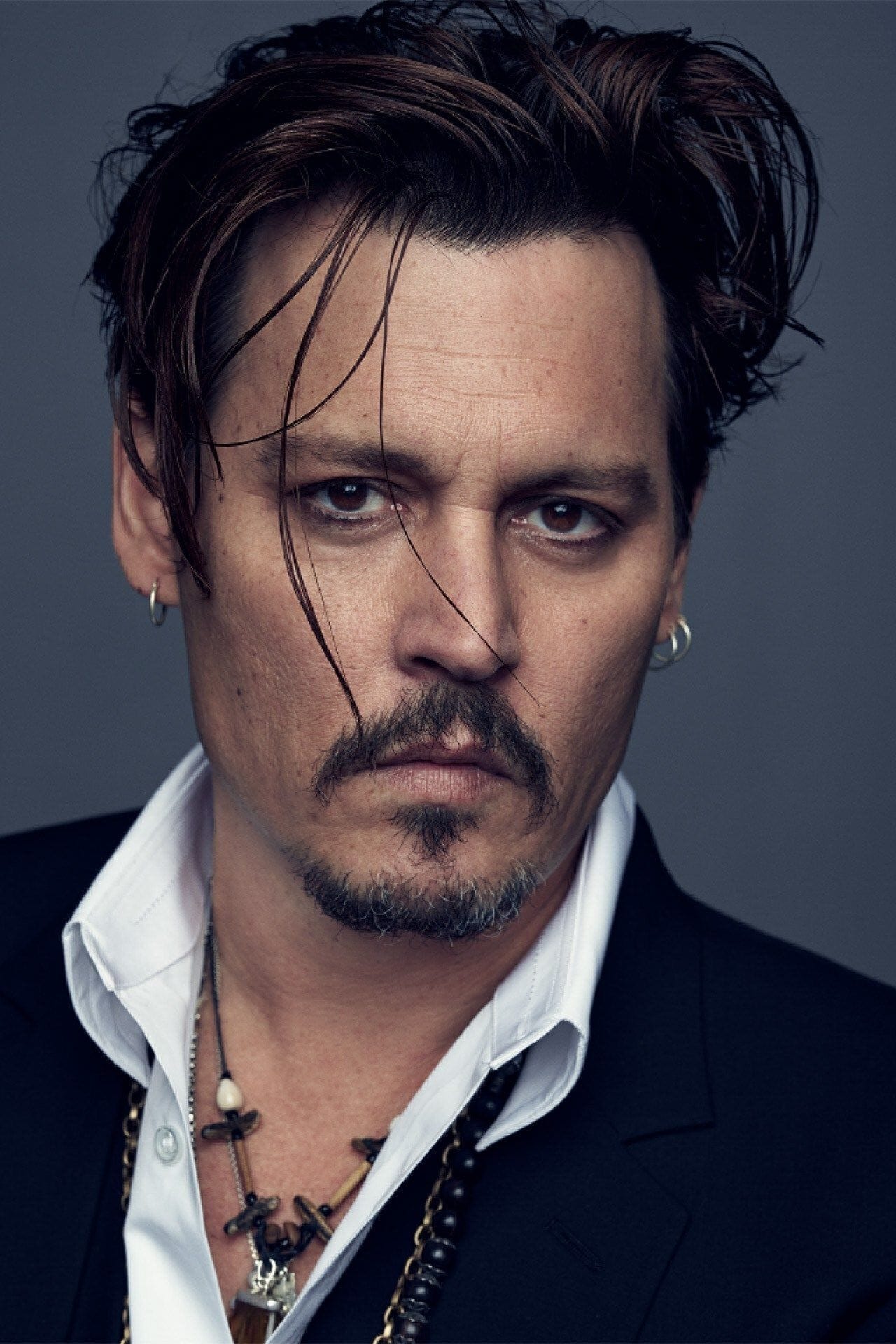
Johnny Depp has often said he has Native American roots, specifically from the Cherokee or Creek tribes. This became a topic of debate when he was cast as Tonto in the 2013 film ‘The Lone Ranger.’ Many Indigenous activists challenged these claims, pointing out a lack of proof in tribal records. Although Depp was given honorary membership by the Comanche Nation during filming, his family history hasn’t been confirmed. The controversy brought attention to how casting choices and cultural representation are handled in big-budget movies.
Justin Bieber

Justin Bieber once said he had Inuit (Native American) ancestry, claiming it allowed him to get free gas in Canada – a misunderstanding of Indigenous rights. However, Inuit representatives clarified that his claims were incorrect and based on stereotypes. Bieber never offered proof of this connection and eventually stopped talking about it. The situation highlighted a lack of awareness about the different cultures within Canada.
Rita Ora
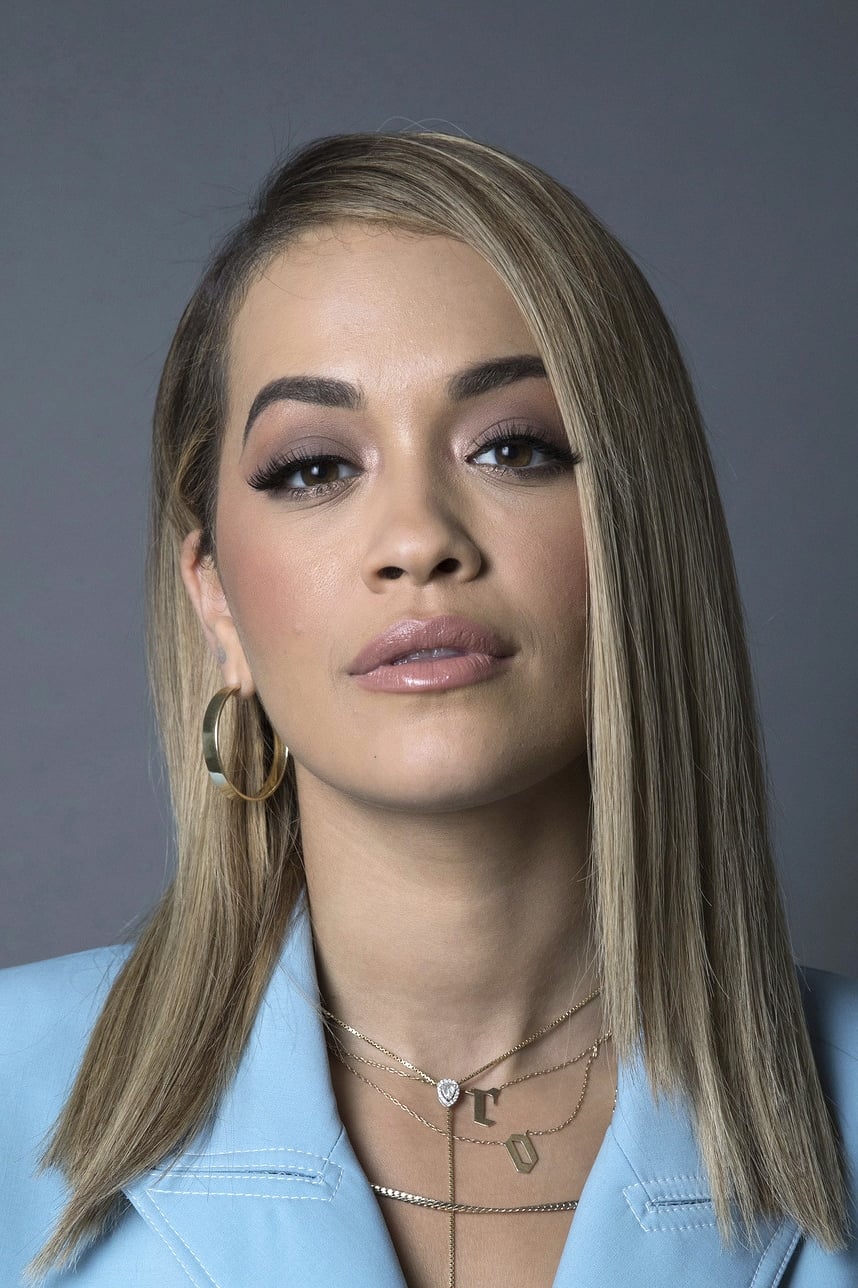
As a movie and music fan, I’ve noticed a lot of discussion around Rita Ora’s background. When she first came onto the scene, a lot of people – myself included, honestly – assumed she was Black or biracial, probably because of her overall style. But she’s actually fully Albanian and was born in Pristina! It’s led to some accusations of ‘Blackfishing,’ which is when someone seems to be presenting themselves as Black through their look and fashion choices. She’s always said it’s just her way of expressing herself, and I can appreciate that.
Gwen Stefani
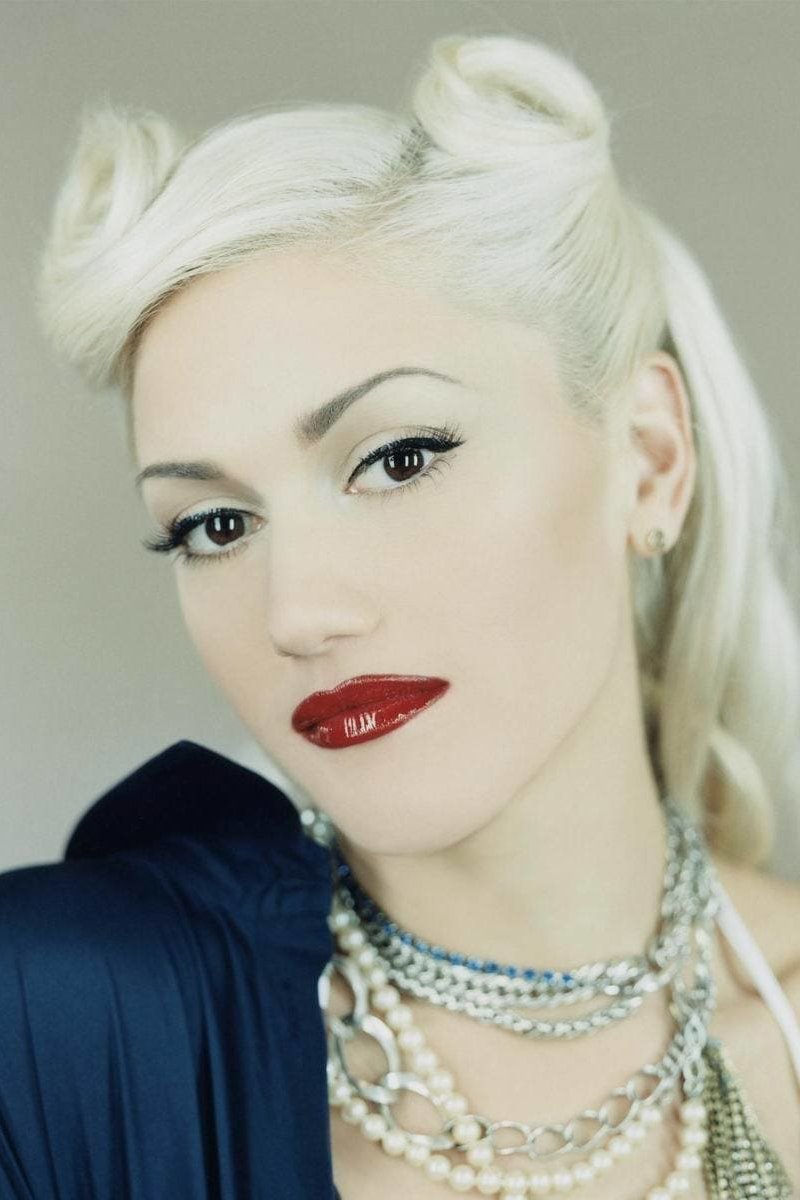
Gwen Stefani received a lot of criticism in the mid-2000s for featuring the Harajuku Girls in her performances. While inspired by the vibrant street style of Japan, many people felt her use of the dancers simplified and reduced Japanese culture to just a trend. Recently, she sparked further controversy by claiming she is Japanese, explaining it stemmed from her father’s work with Yamaha. Although she intended to express her fondness for the culture, the statement was widely seen as dismissing her own Italian and Irish background. This incident brought renewed attention to the debate around cultural appreciation versus cultural appropriation in music.
Iggy Azalea
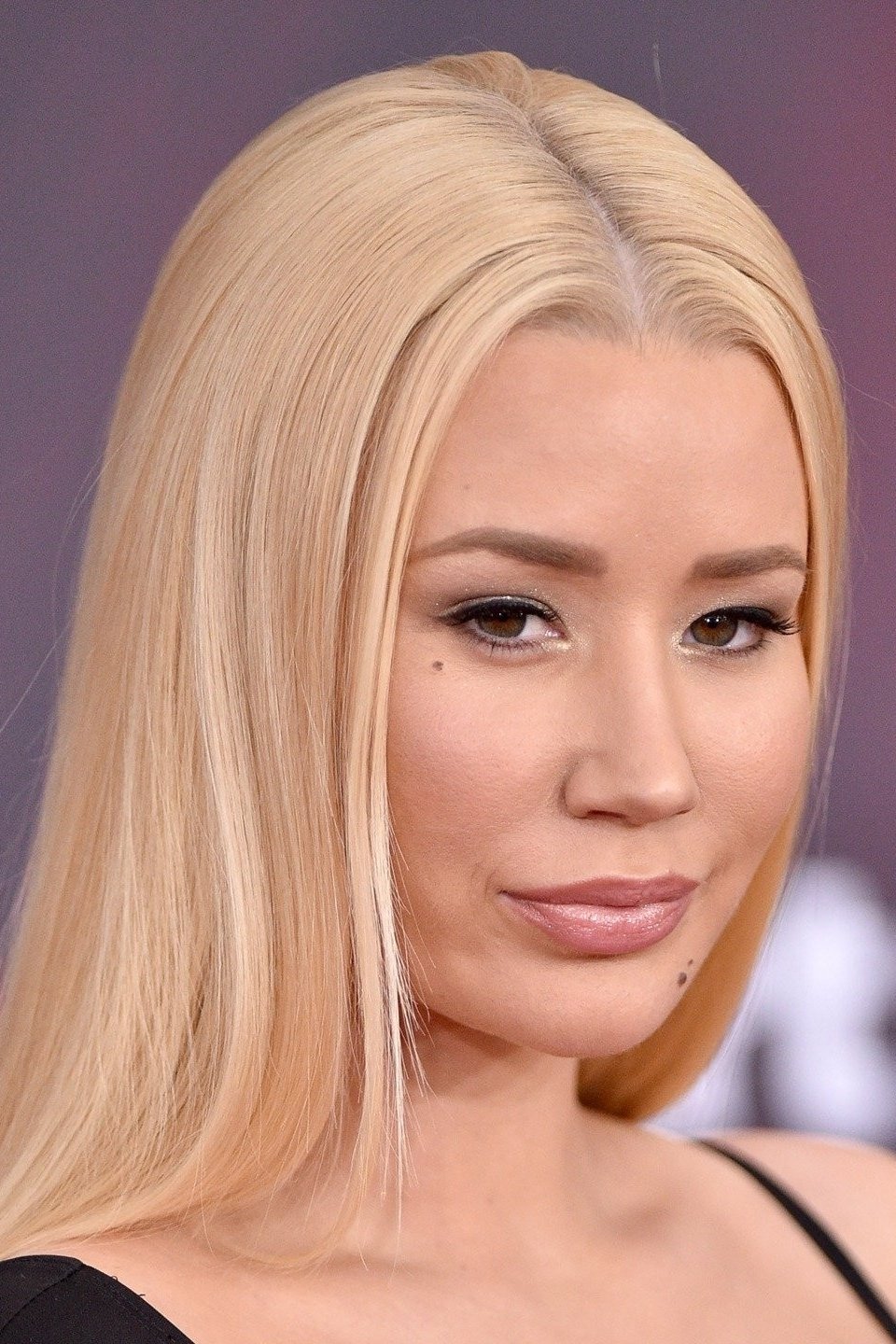
Iggy Azalea, an Australian rapper, became well-known for adopting a vocal style and accent commonly associated with the American South. This led to criticism from both critics and other artists, who accused her of using a “blaccent” – a way of speaking that mimics African American Vernacular English – to gain acceptance in hip hop. Although she never claimed to be Black, her performance style sparked accusations of cultural appropriation and performing an identity. Azalea responded by saying her style was simply inspired by the music she grew up listening to. This debate about her authenticity continued throughout the peak of her career.
Ariana Grande
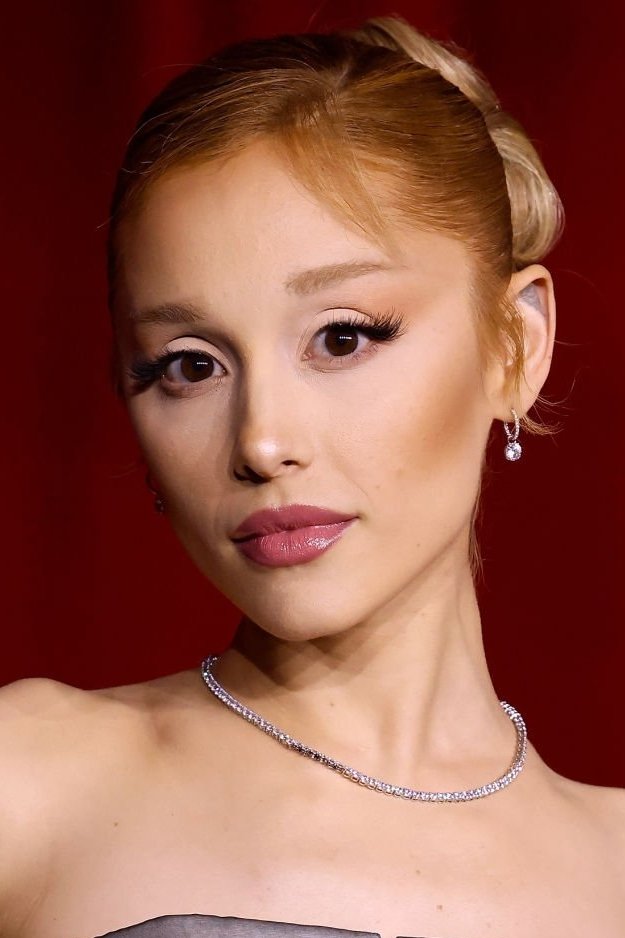
As a longtime fan, I’ve definitely noticed a lot of talk about Ariana Grande and how her appearance has changed over the years. It started with people commenting on her skin tone, which seemed to get much darker than her naturally fair complexion. This led to accusations of ‘Blackfishing’ – basically, that she was trying to appear racially ambiguous for promotional reasons. It’s a tricky situation because, while she’s Italian, a lot of fans felt her choices were misleading. She hasn’t really responded directly to these claims, but I’ve noticed she’s been experimenting with a different style lately.
Awkwafina

Awkwafina, an actress and musician, received criticism for how she used language associated with African American Vernacular English in her earlier performances. Some people felt she created a character that relied on elements of Black culture for humor. This led to discussions about whether her portrayal was misleading or simply a part of who she is. She responded with a detailed statement, but many weren’t convinced by her explanation and continue to discuss the origins of her style.
Bhad Bhabie
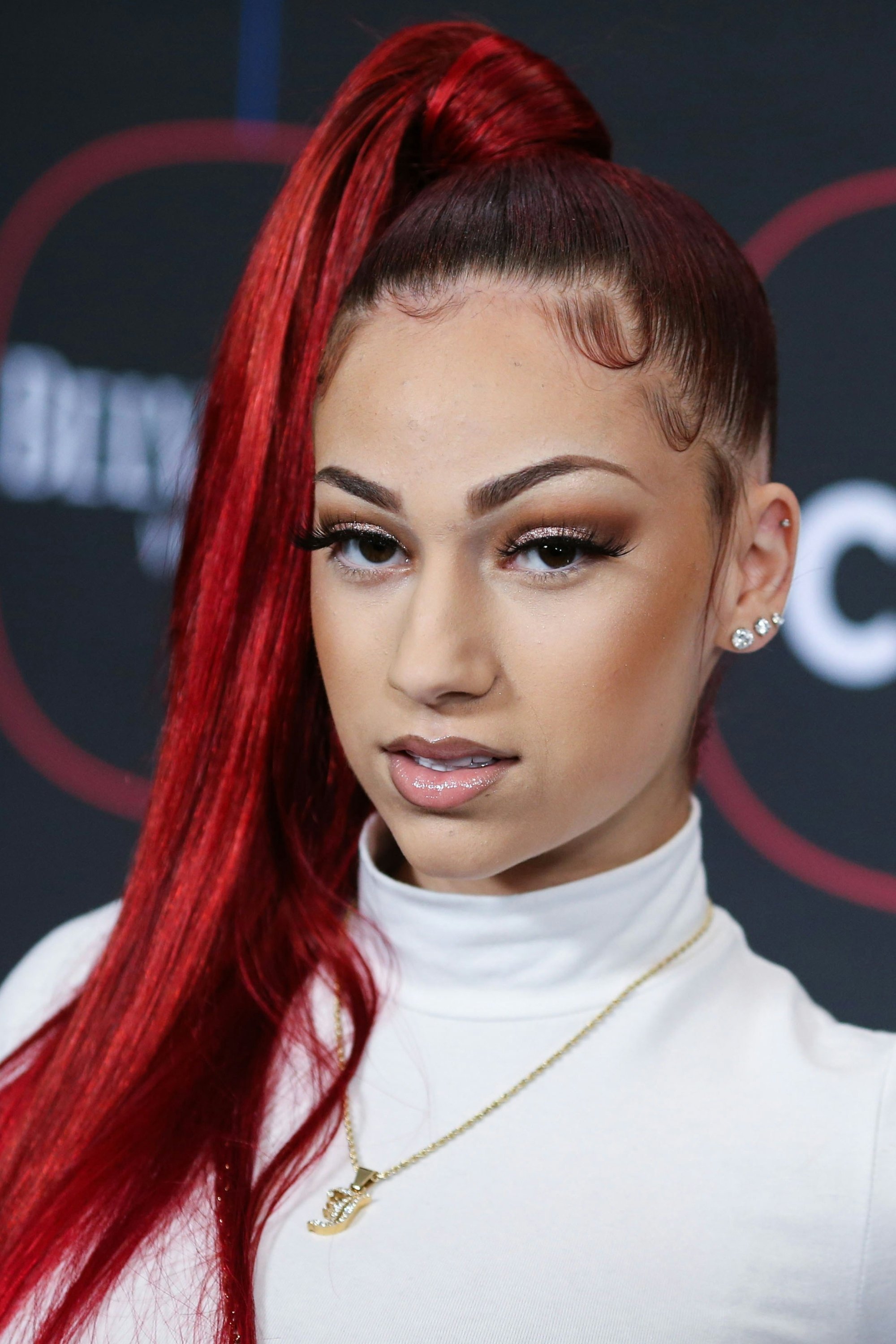
Bhad Bhabie initially became well-known after appearing on a talk show, where her way of speaking and behavior were heavily discussed. As she pursued a music career, she faced accusations of trying to appear as though she were a person of color, through her fashion choices and tanned skin. This led to public disagreements with people who criticized her for seemingly benefiting from Black culture despite being white. She consistently defended herself, rejecting claims that her look was deceptive. This controversy continues to be a defining part of her online image.
Vanilla Ice
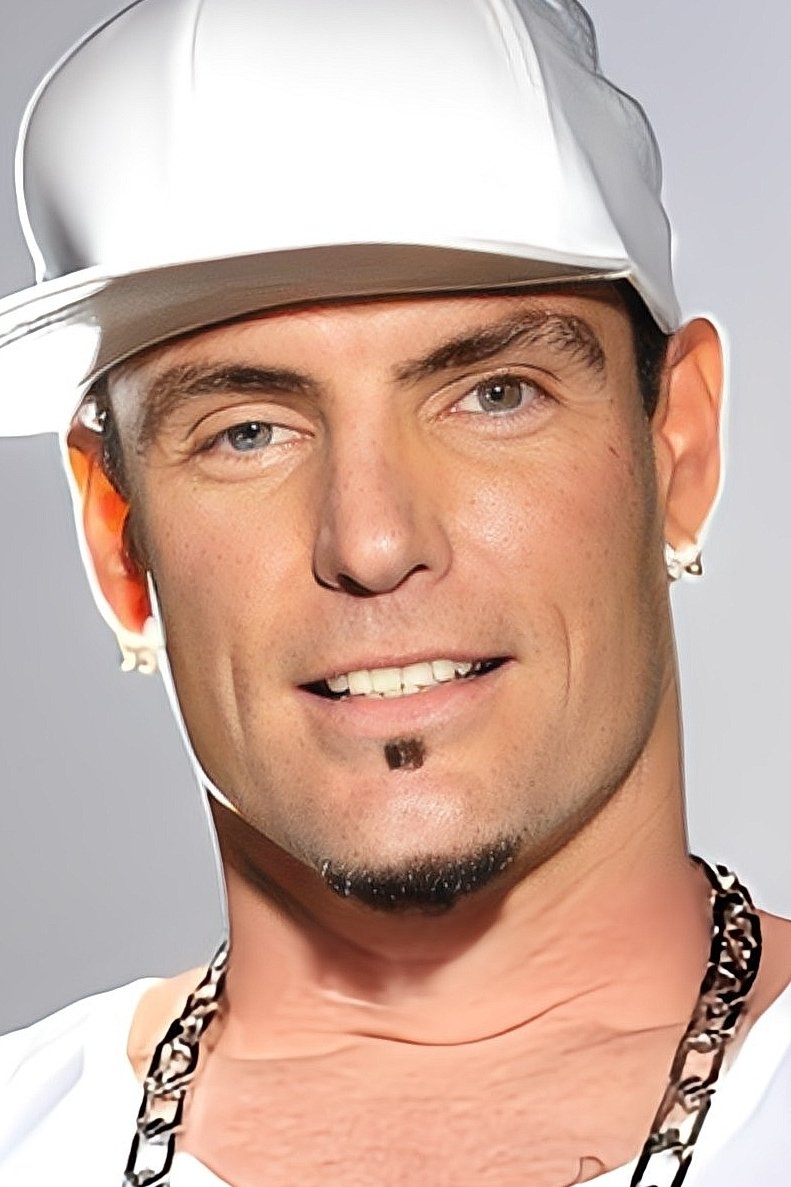
Vanilla Ice rose to fame with a carefully constructed image, claiming a difficult upbringing in Miami’s rough neighborhoods. His record label promoted this story to align with the popular image of hip hop artists at the time. However, reporters later discovered he actually had a comfortable childhood in Texas and went to a good private school. This damaged his reputation for years, and he eventually confessed that he’d embellished his past to create a certain persona.
Misha Defonseca

Misha Defonseca became well-known for her memoir, in which she claimed to have survived the Holocaust by living with wolves in the forest. The book was translated worldwide and made into a popular film. However, it was later discovered that her story wasn’t true – she wasn’t Jewish and hadn’t lived with wolves. Defonseca was actually a Belgian woman who spent the war years safely. A court eventually required her to repay the millions of dollars she had earned from the book.
Jesy Nelson
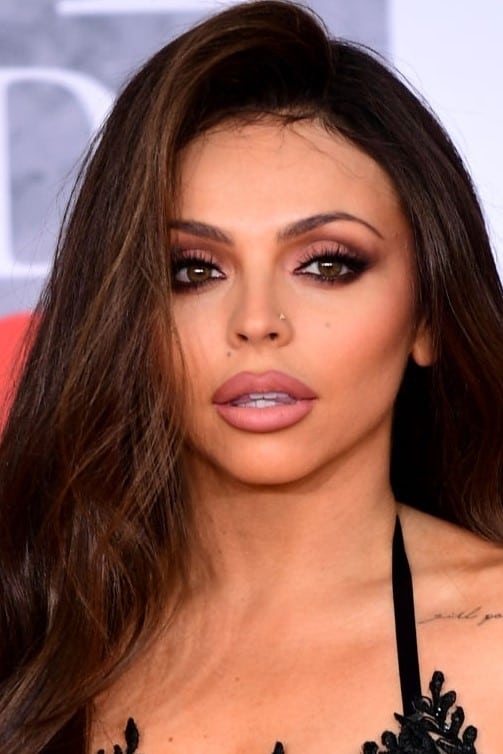
Jesy Nelson, who used to be in the group Little Mix, received a lot of criticism after releasing her first solo song. Many people accused her of “Blackfishing” – appearing to imitate Black features and culture, specifically through her skin tone and hairstyle. The issue became even more public when private messages criticizing her from her former bandmates were revealed. Nelson responded by saying she never tried to hide her background as a white woman, and that she simply loves R&B music.
Ward Churchill
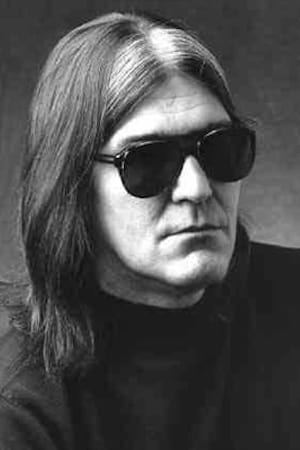
Ward Churchill, a professor specializing in ethnic studies, became well-known for his controversial statements following the September 11th attacks. Public attention led to questions about his claimed Native American ancestry – specifically, his assertion of being Muscogee Creek and Cherokee. Both tribes investigated and confirmed he wasn’t a member and had no documented family history with them. While Churchill was ultimately fired from his university job due to research misconduct separate from these ancestry claims, the debate about his identity continued to define his public persona.
Forrest Carter
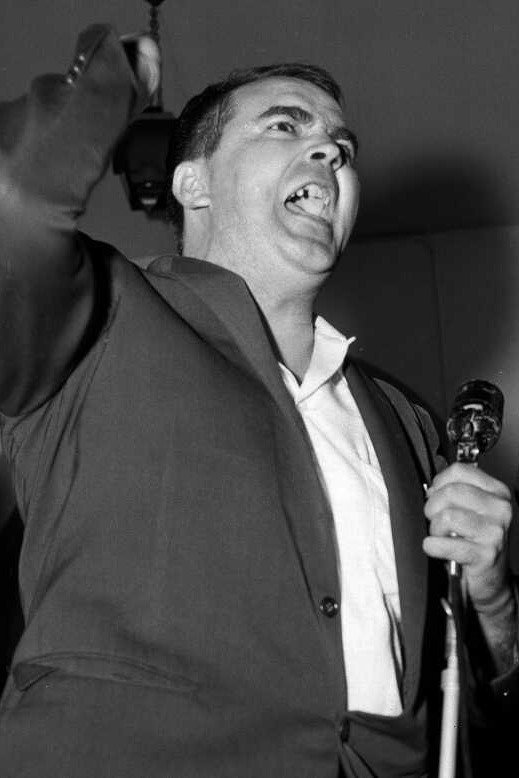
‘The Education of Little Tree’ was a popular book presented as a true story about growing up Cherokee. It gained a large following and was often praised for its positive messages. However, it was later discovered that the author, Forrest Carter, was actually Asa Earl Carter, a known white supremacist and member of the Ku Klux Klan. He created the Forrest Carter pen name to conceal his background and appeal to a wider readership. This discovery led many people to reconsider the book’s meaning and themes.
Steven Seagal
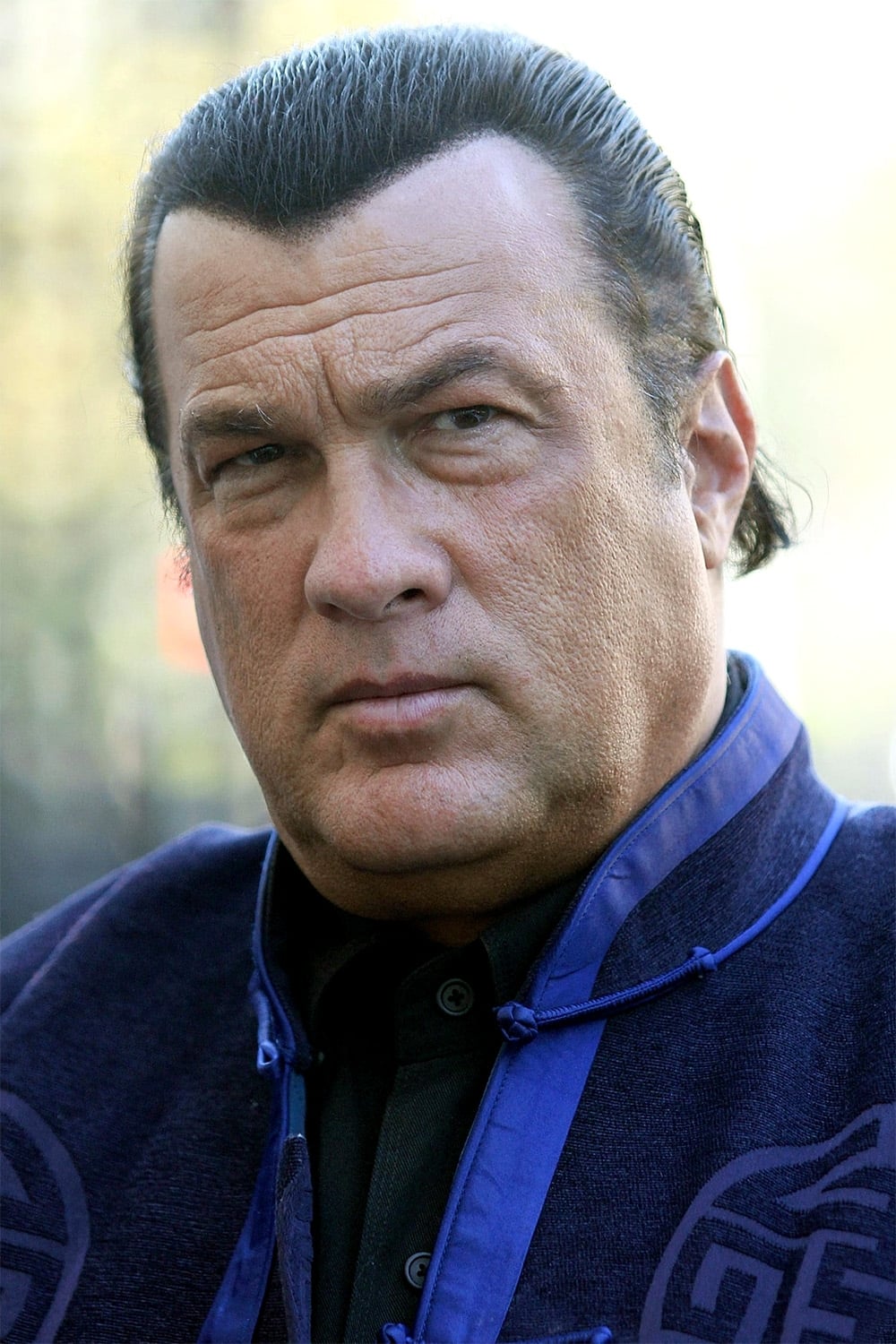
Steven Seagal, the action movie star, has often changed the story of his background over the years. He’s hinted at Italian, Russian, and Native American ancestry, depending on who he’s talking to. Seagal also claims a strong connection to Japanese culture, having lived there for a while. However, investigations have cast doubt on many of his claims about his family history and achievements. He’s become known for a personal story that’s often unusual and hard to prove.
Sacheen Littlefeather
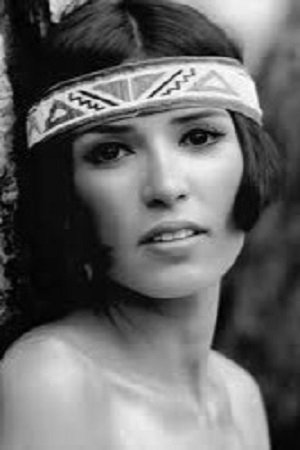
Sacheen Littlefeather gained recognition when she declined an Academy Award for Marlon Brando as a protest against the mistreatment of Native Americans. She dedicated her life to activism and representing the Apache and Yaqui communities. After her passing, her sisters revealed that the family did not have Native American roots, stating their father was of Mexican descent and that Littlefeather had created a false identity to advance her career. This disclosure sparked controversy and disagreement among those who had long supported her work.
Nikita Dragun
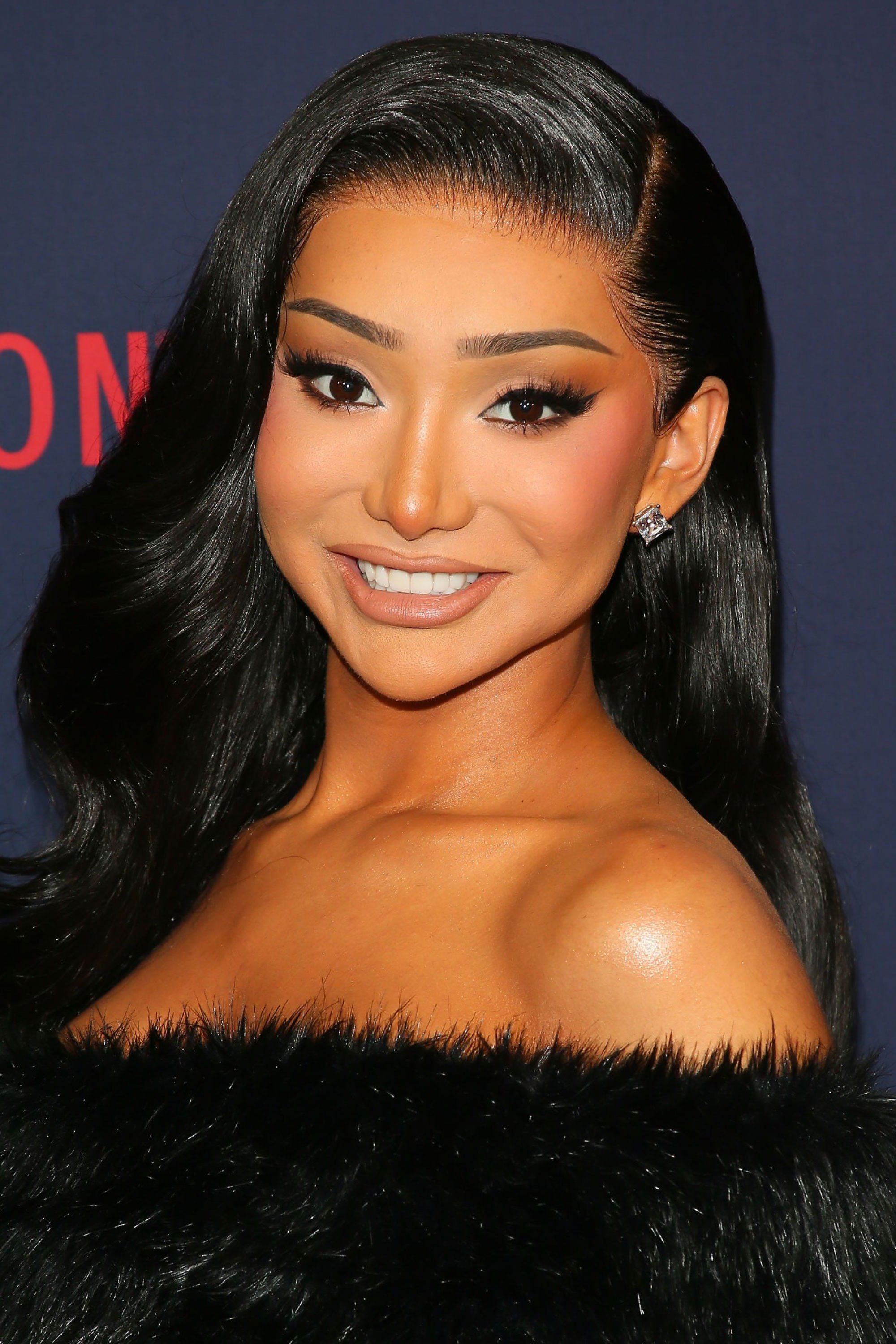
Nikita Dragun, a popular beauty influencer, has faced criticism for allegedly ‘Blackfishing’ – presenting herself in a way that makes people believe she is Black, despite not being. Fans have noticed significant changes in her skin tone across different photos and videos. While Dragun is Vietnamese and Mexican, some believe she intentionally cultivates a racially unclear image to attract a larger audience. She typically responds to these claims with jokes or dismisses them on social media, and the discussion about how she presents herself continues to be a frequent topic related to her career.
Korla Pandit
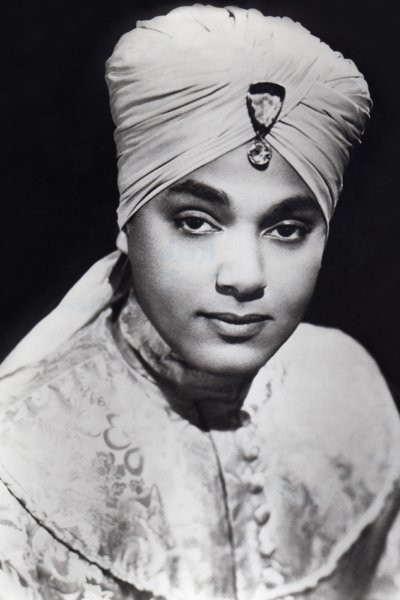
I was such a fan of Korla Pandit growing up! He was this incredibly cool musician on TV in the 50s, always wearing a turban and creating this really exotic, mysterious vibe. What was amazing was he never spoke – he just let his music do the talking, which added to the mystique. It was a huge shock when, after he passed away in 1998, everyone learned that Korla Pandit wasn’t his real name at all! He was actually John Roland Redd, an African American man. Apparently, he completely reinvented himself as this Indian persona to overcome the racism of the time and actually get a career in entertainment. It’s a truly incredible story of someone making their own path in mid-century America, and it’s so fascinating to look back on now.
Please share your thoughts on these celebrity identity controversies in the comments.
Read More
- 2025 Crypto Wallets: Secure, Smart, and Surprisingly Simple!
- Brown Dust 2 Mirror Wars (PvP) Tier List – July 2025
- Wuchang Fallen Feathers Save File Location on PC
- Gold Rate Forecast
- Gemini’s Execs Vanish Like Ghosts-Crypto’s Latest Drama!
- Banks & Shadows: A 2026 Outlook
- QuantumScape: A Speculative Venture
- HSR 3.7 breaks Hidden Passages, so here’s a workaround
- Solel Partners’ $29.6 Million Bet on First American: A Deep Dive into Housing’s Unseen Forces
- HSR Fate/stay night — best team comps and bond synergies
2026-02-20 05:17