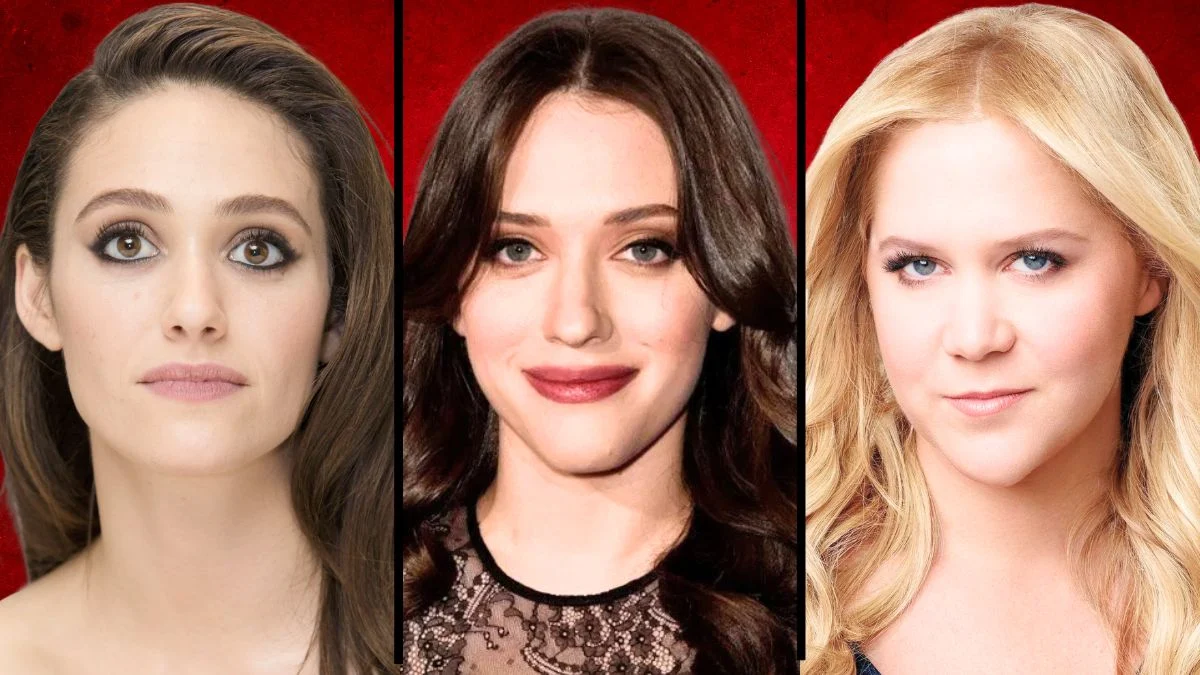
For years, Hollywood has limited opportunities for actresses, often leading to age-based casting choices that happen surprisingly early in their careers. Many talented women have been turned down for roles before turning thirty, simply because producers wanted even younger actors. This shows a clear double standard compared to how male actors are treated. Despite these challenges, the following actresses overcame industry obstacles to achieve great success.
Elizabeth Banks
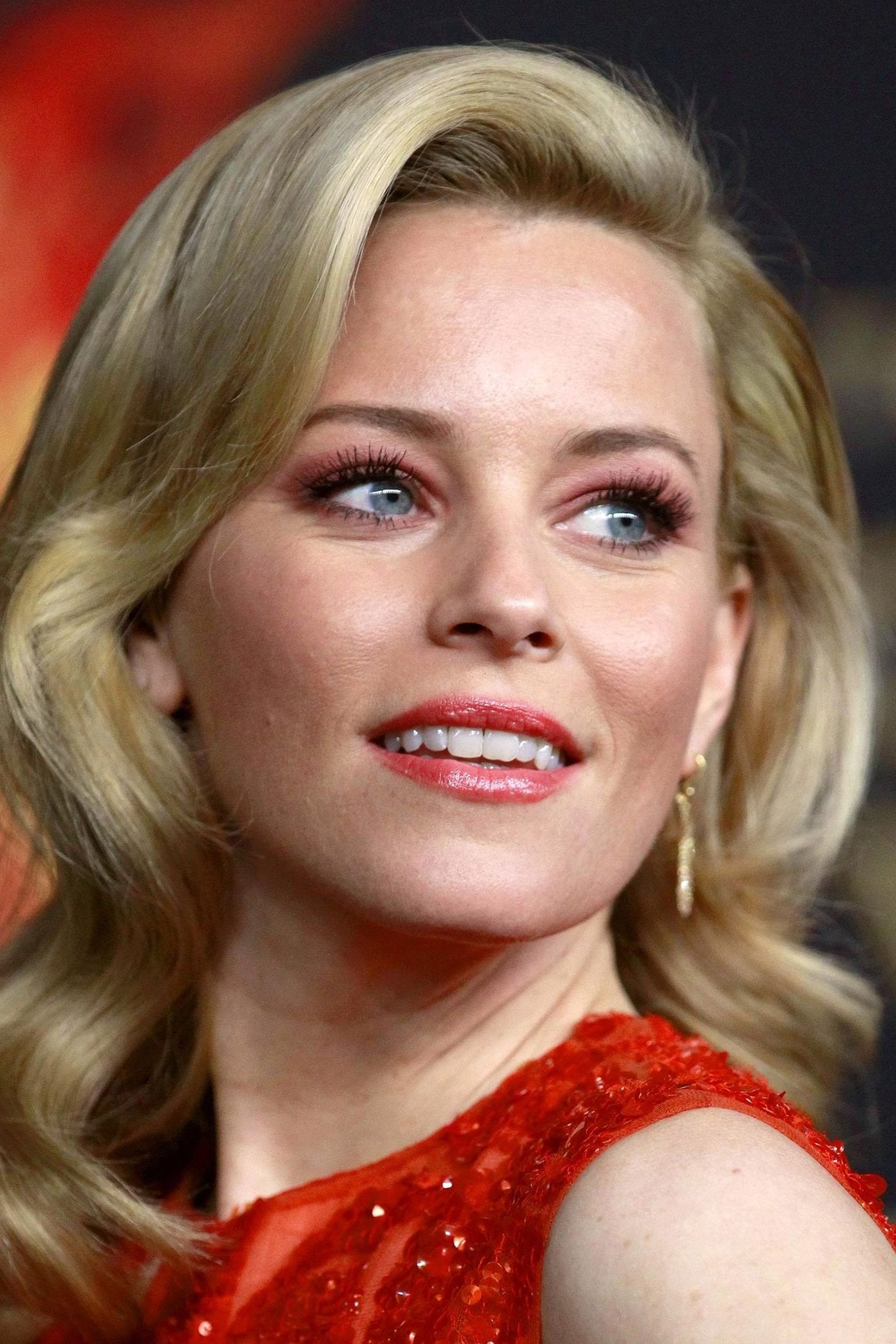
When Elizabeth Banks was 28, she tried out for the role of Mary Jane Watson in the first ‘Spider-Man’ movie. Despite being only sixteen months older than the lead actor, Tobey Maguire, she was told she was too old for the part. Kirsten Dunst, who was 18 at the time, ended up getting the role. Banks later joined the franchise as Betty Brant, but the experience highlighted the issue of ageism in Hollywood. She’s since discussed how the industry has different standards for how women age compared to men.
Olivia Wilde
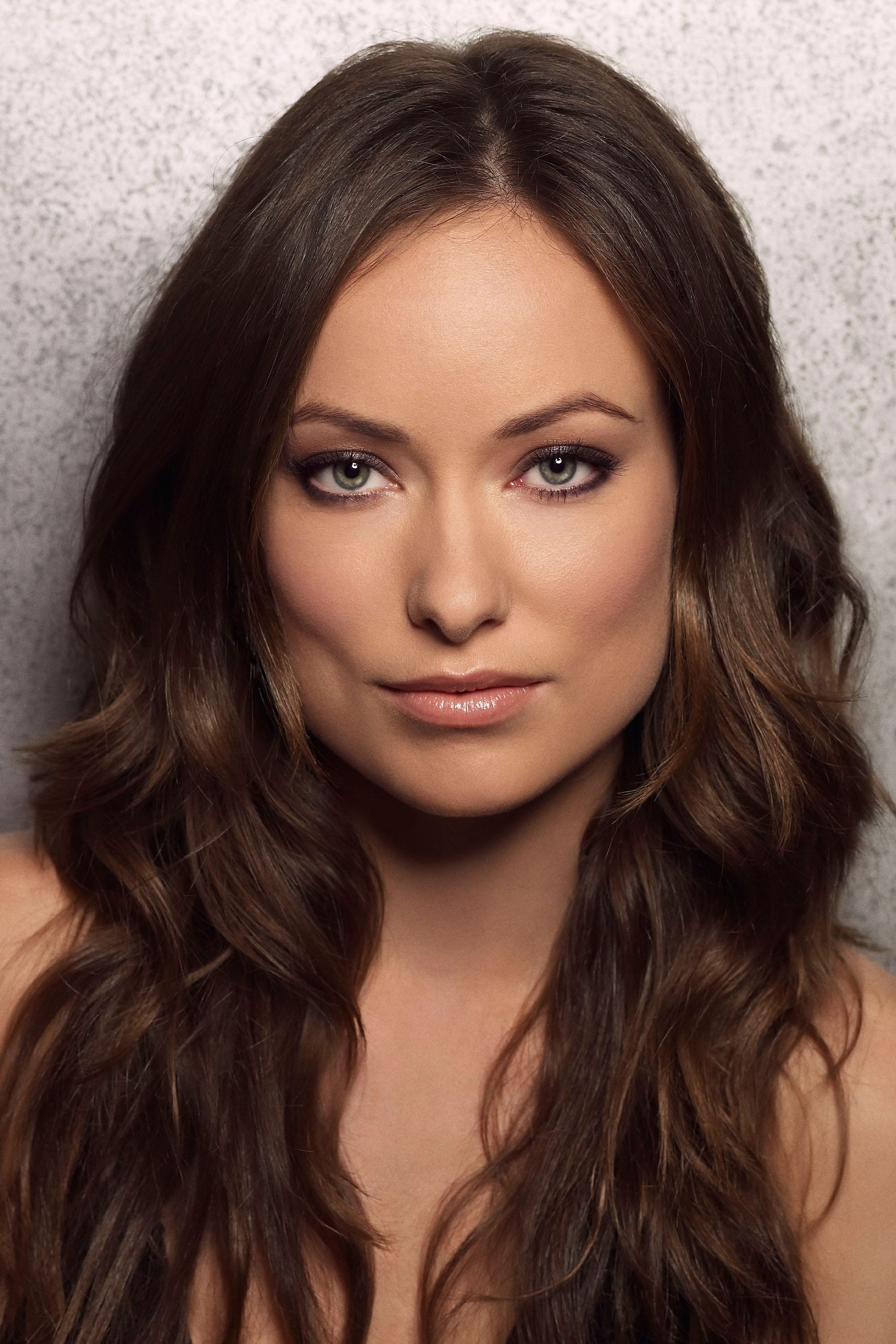
I remember hearing about this and it always stuck with me. Olivia Wilde was only 28 when she went out for the part of Naomi in ‘The Wolf of Wall Street,’ but her agent told her she was seen as too polished for the role. Can you believe it? She later found out they actually thought she was too old! Margot Robbie, who was 22 at the time, ended up getting the part, and honestly, Olivia was really gracious about it, saying she thought Margot was perfect for the role and that she admired her. It’s just a really frustrating example of how quickly Hollywood seems to decide women are ‘too old’ for leading roles, even when they’re still so young!
Jennifer Lawrence
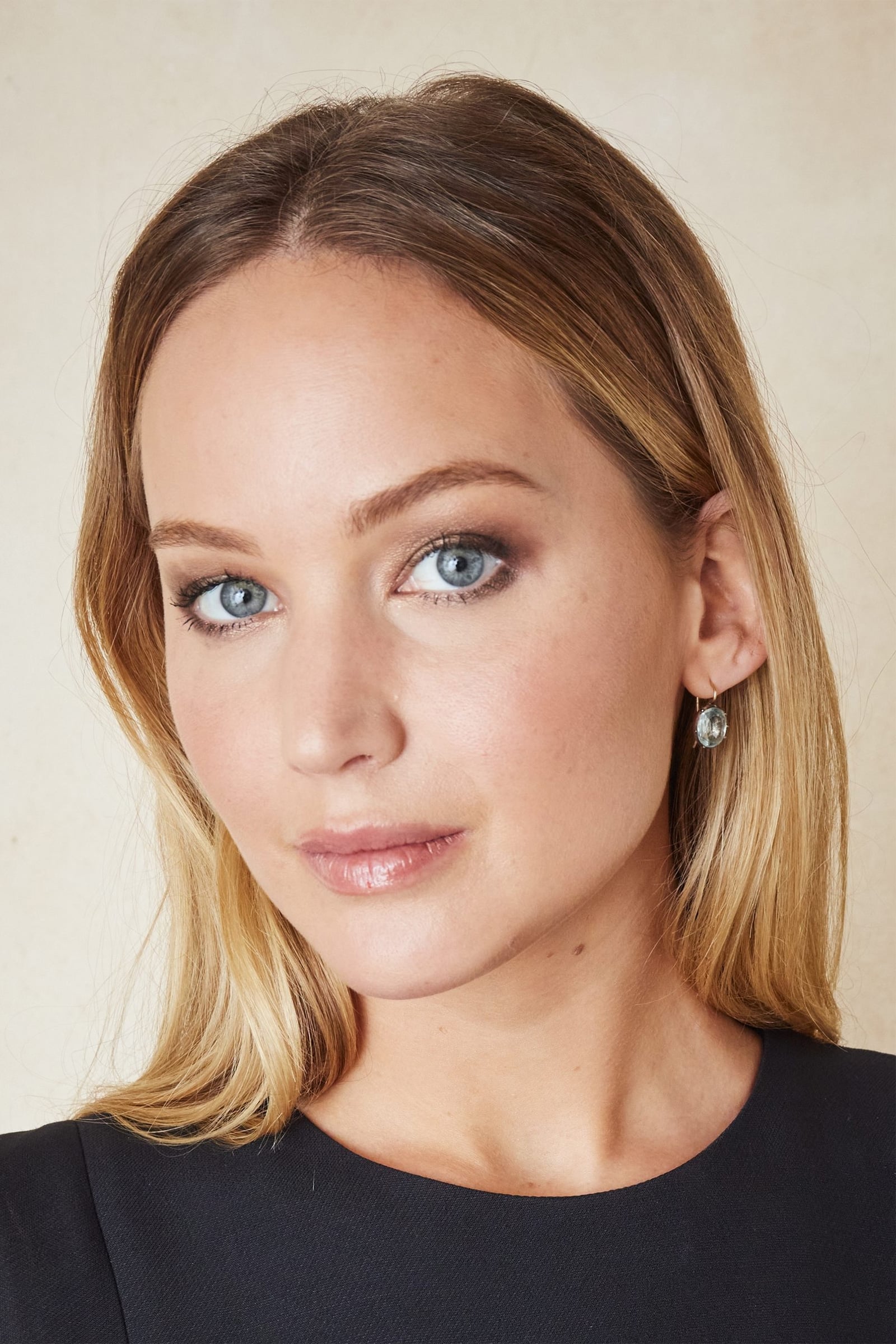
At just 20 years old, Jennifer Lawrence wasn’t initially considered for the lead role in ‘Winter’s Bone.’ Casting directors thought she looked too good and was too mature to play the tough, teenage character of Ree Dolly. However, Lawrence was determined to win the part, so she flew to New York overnight and purposely went to the audition looking unpolished – with messy hair and even a cold – to demonstrate her range. Her commitment impressed the filmmakers, and she ultimately received her first Oscar nomination for the role. This experience early in her career highlights how even very successful young actors can face challenges related to how they are perceived based on their age.
Kat Dennings
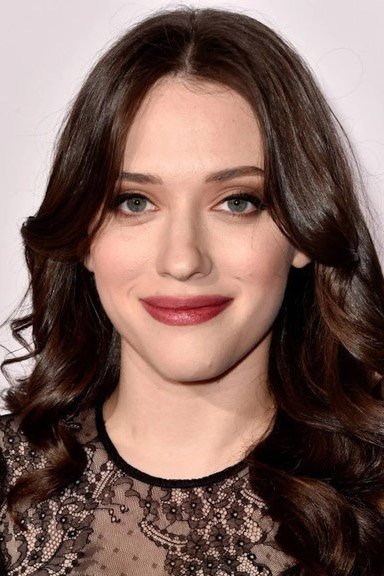
The actress described facing ageism very early in her career, even when she was only 21. She was considered too old for parts meant for teenage characters. Dennings explained that women in the entertainment industry are often pressured to look younger than they are to stay relevant. She felt it was frustrating that opportunities for certain roles seemed to disappear before she’d even had a chance to build her career. These experiences led her to seek out roles that allowed her to portray more complex and mature characters.
Emmy Rossum
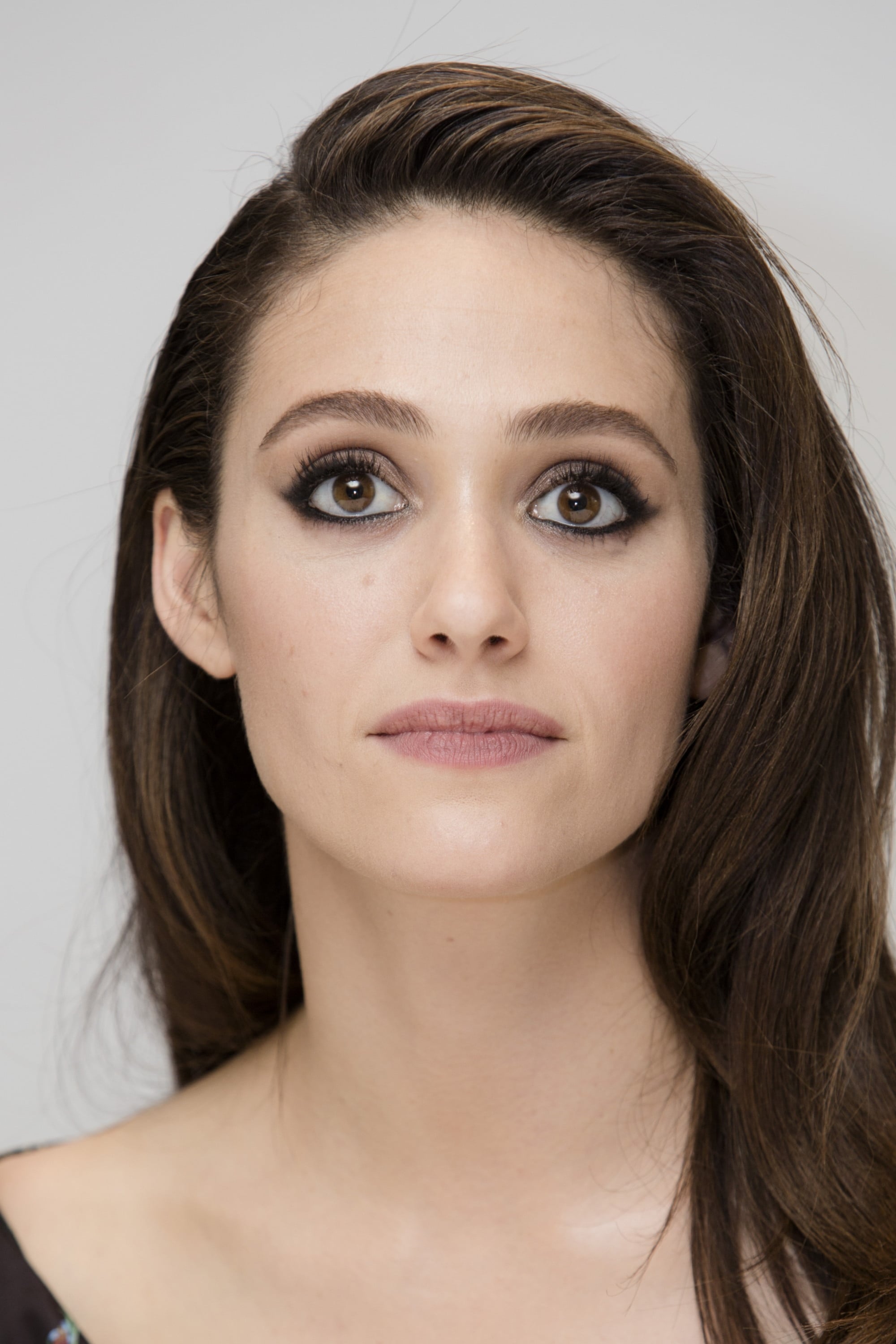
Emmy Rossum shared in a recent discussion that she was rejected for a role because she was considered too old – and she was only 28! The role went to a 20-year-old actress, highlighting how some casting directors strongly favor much younger performers. Rossum was surprised by this feedback, especially considering her experience and that she was still in her twenties. She explained that comments like these are unfortunately common in the entertainment industry and can be discouraging for young actresses. Since then, she’s been prioritizing projects that feature more well-developed and nuanced stories for women of all ages.
Amy Schumer
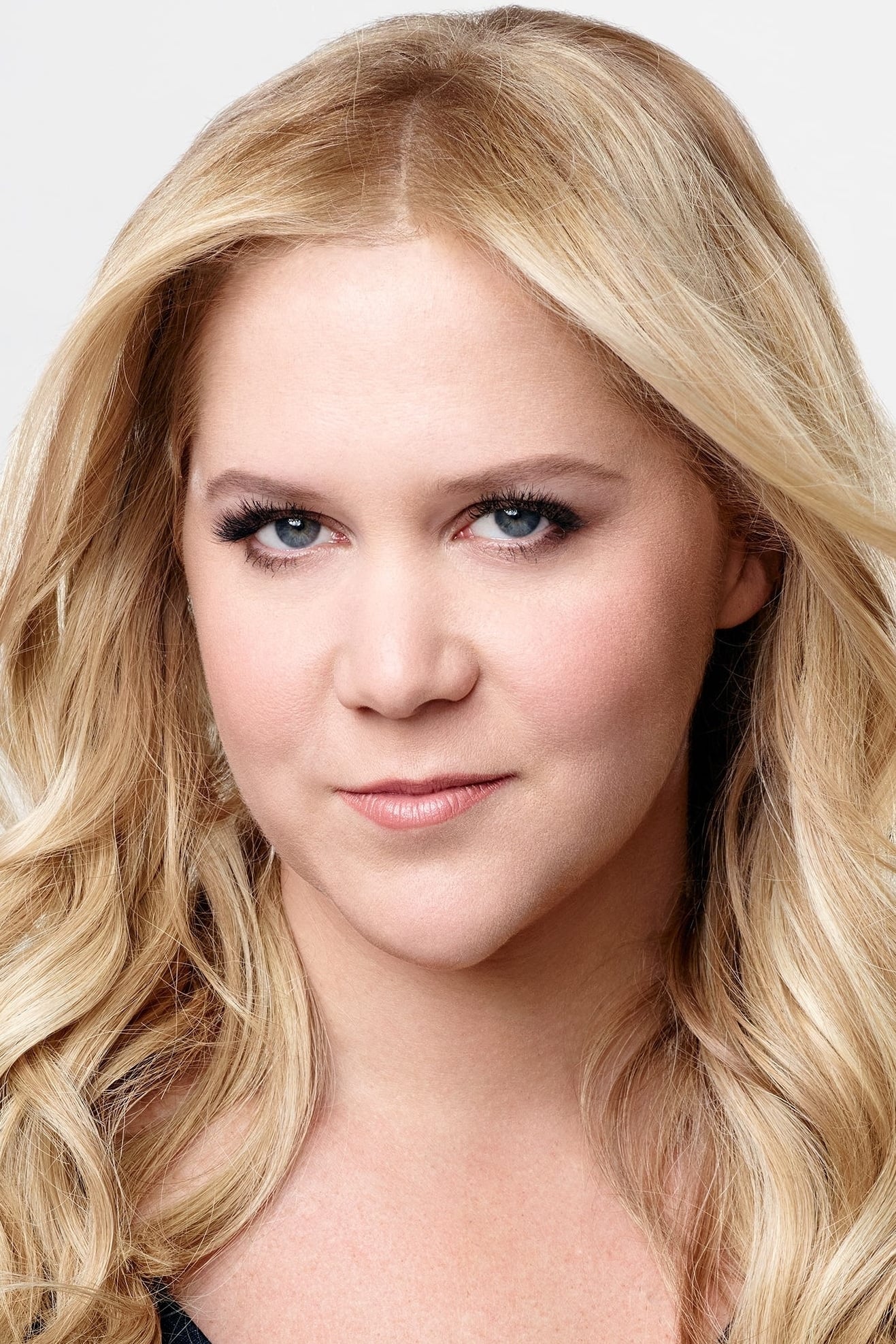
While preparing for the movie ‘Trainwreck’, Amy Schumer faced pressure from studio executives to lose weight and appear younger. Despite being only 29 years old, they felt she needed to conform to a more youthful image to be convincing as a romantic lead. Schumer later used this experience in her comedy, pointing out the unrealistic expectations placed on women in Hollywood. She remains a strong voice for body positivity and realistic portrayals of age in the media.
Dakota Johnson
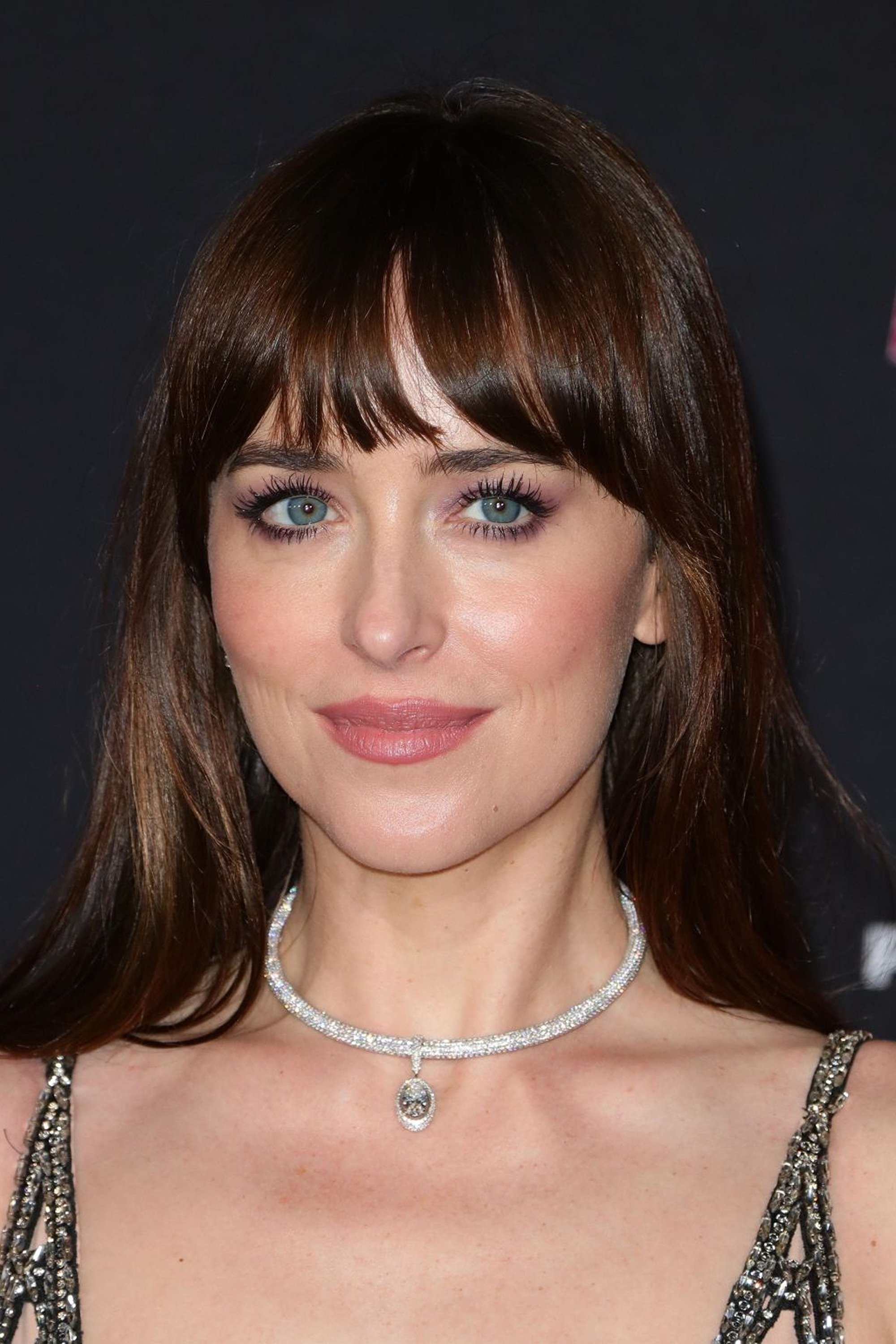
Dakota Johnson grew up watching the entertainment industry and quickly noticed how women are often treated differently as they age. Even as she became a successful actress herself, she experienced this bias firsthand, noticing a shift in opportunities after her mid-twenties. Johnson has shared that both her mother and grandmother faced similar challenges during their careers, highlighting how Hollywood’s expectations haven’t changed much over the years. Her family’s experiences offer a unique look at how long these age-related issues have persisted.
Margot Robbie
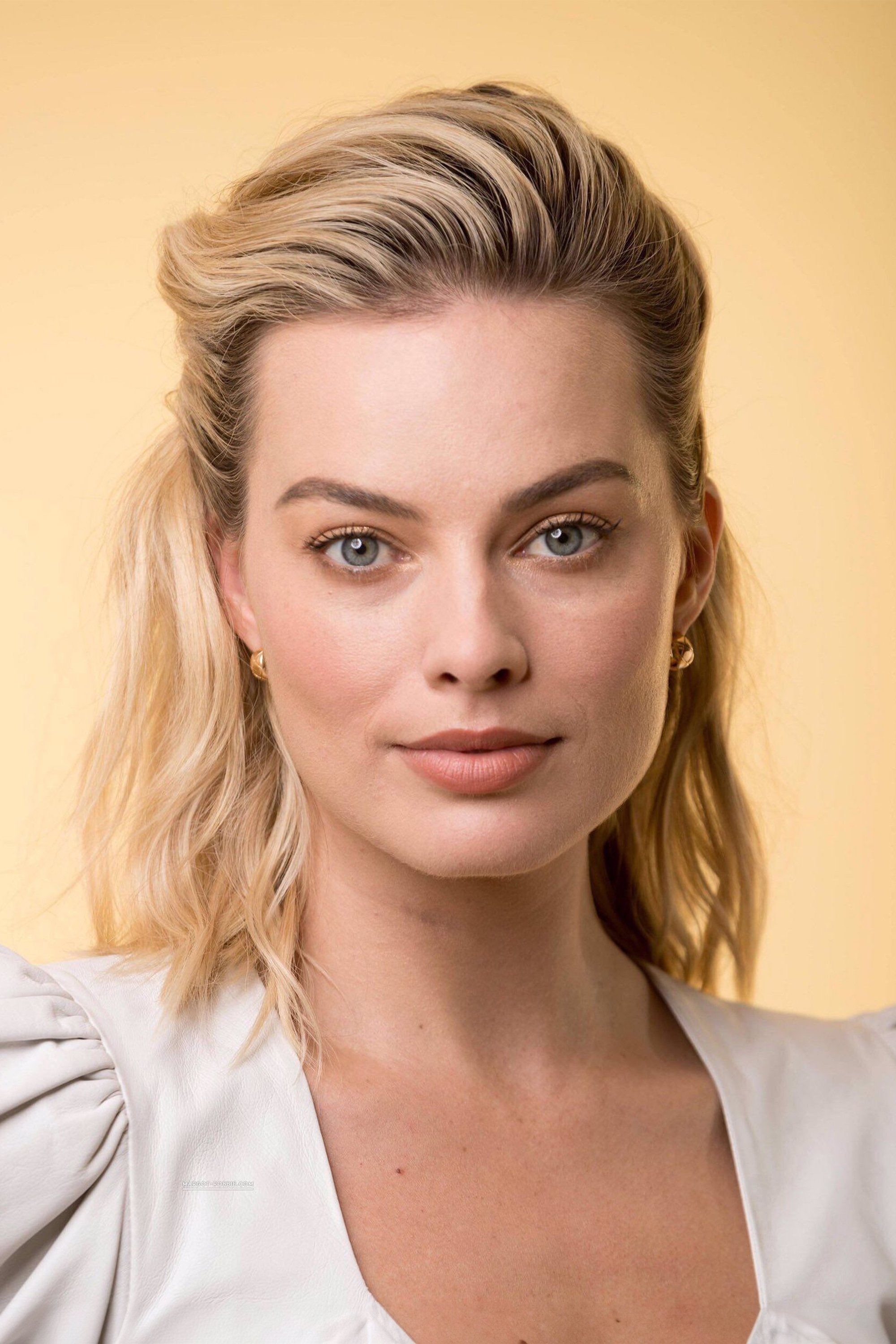
Margot Robbie, an Australian actress, experienced a strange type of ageism early in her career. Even in her early twenties, people often saw her as older than she was, and industry insiders felt she appeared too mature for roles meant for someone her age. This led to her being cast in scenes with much older actors. Robbie found herself in the difficult position of being considered too old for roles aimed at young women, even as she became a popular young star. To take control of her career and create better opportunities for herself and other women, she eventually started her own production company.
Zoe Saldaña
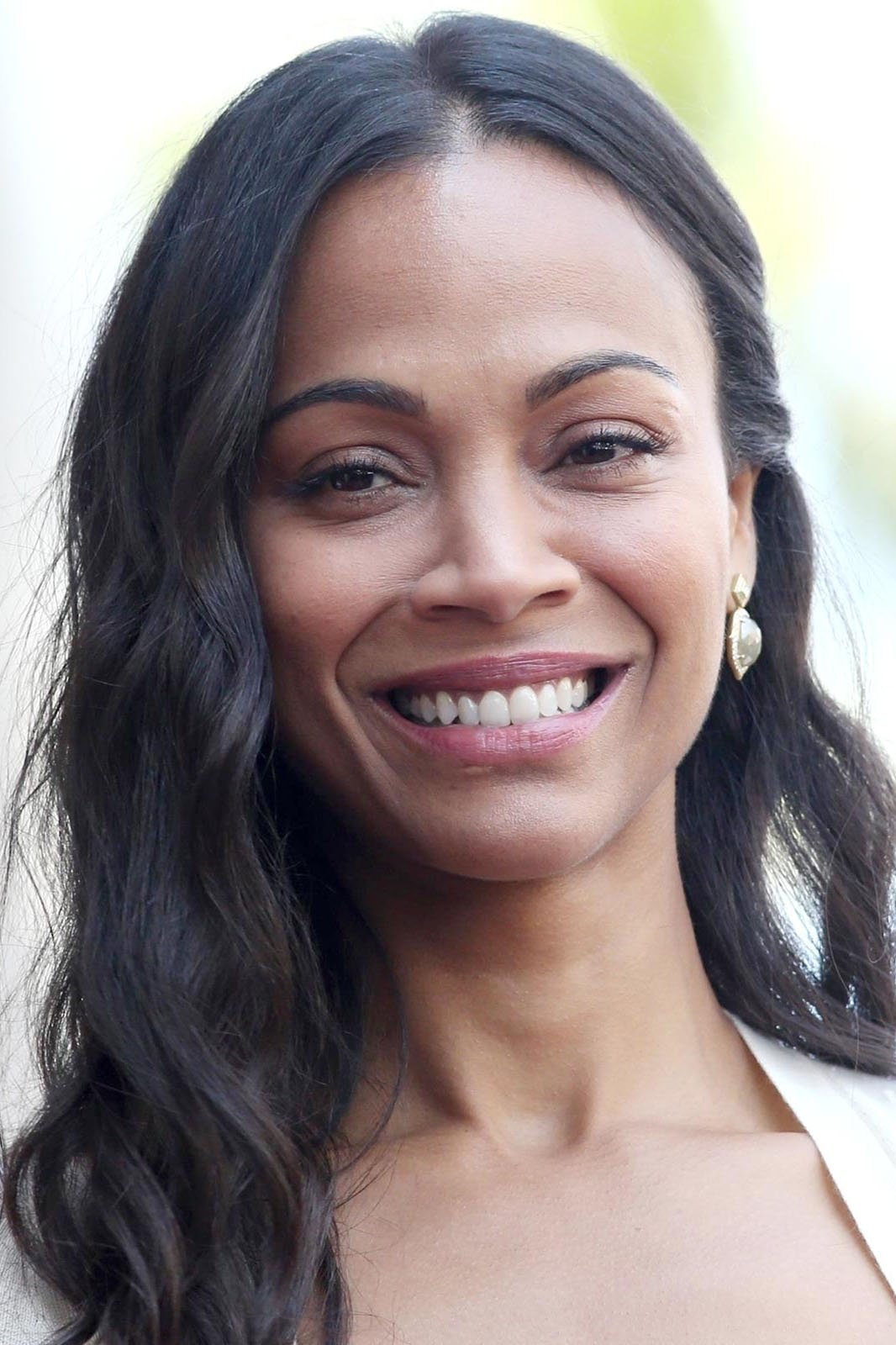
Around the time Zoe Saldana turned twenty-seven, she started to see how Hollywood often limits opportunities for actresses as they get older. She noticed many female colleagues felt pressured to become successful before turning thirty because of this bias. Saldana has explained that while men are allowed to age into more mature roles, women are frequently replaced with younger actresses. This understanding led her to actively seek out challenging and varied roles in large film franchises. She continues to speak out against the unfair standards women face as they age in the public eye.
Bryce Dallas Howard
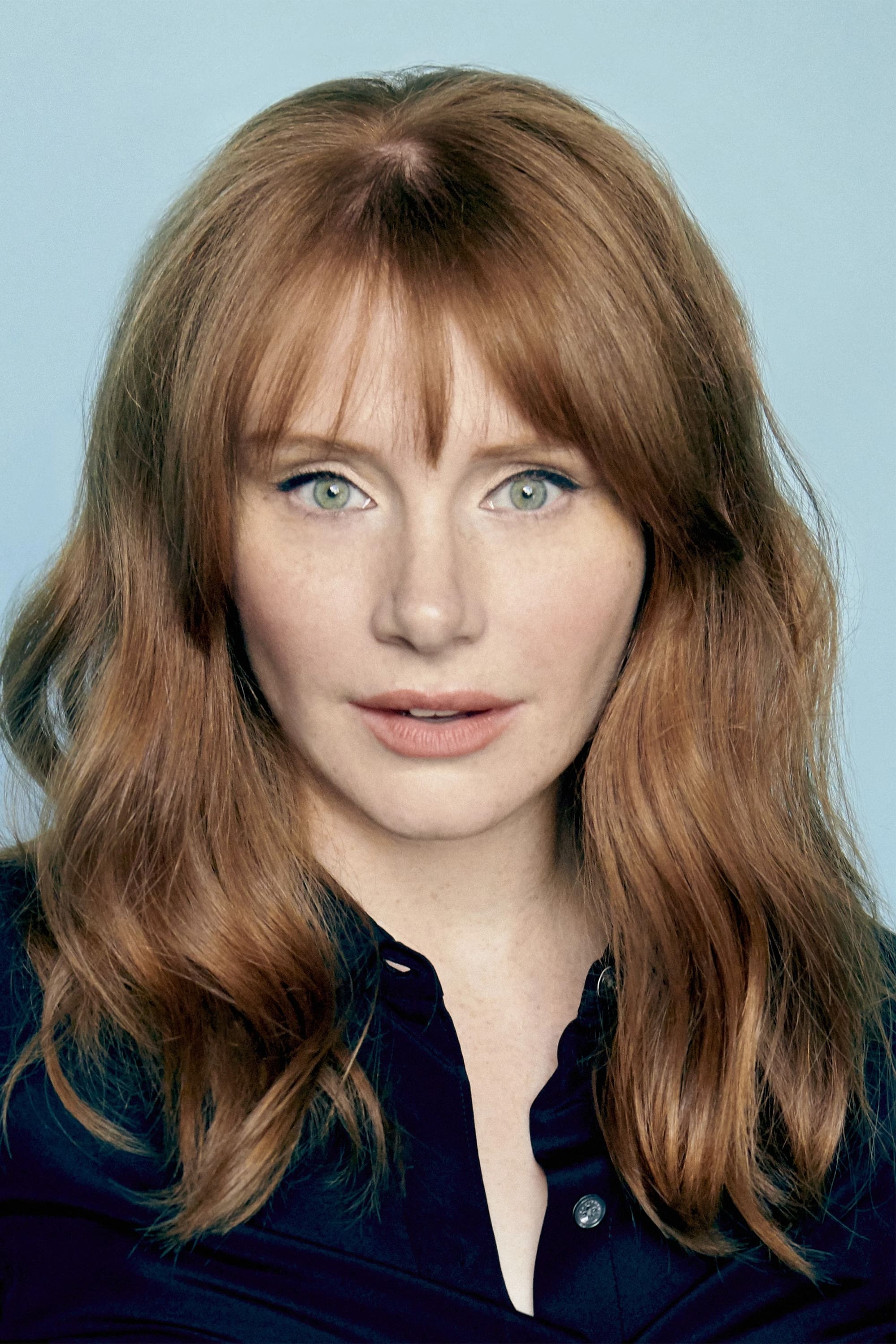
When Bryce Dallas Howard was starting her career in her twenties, she faced pressure about her looks and the types of roles she could get. She’s talked about how the entertainment industry often prioritizes youth, especially when casting young actresses. She recalls being told she was too old for roles intended for slightly younger performers. These experiences helped her realize the importance of focusing on her acting skills instead of worrying about how she appeared. Now, she’s moved into directing, which allows her to have more creative control over the stories being told.
Scarlett Johansson
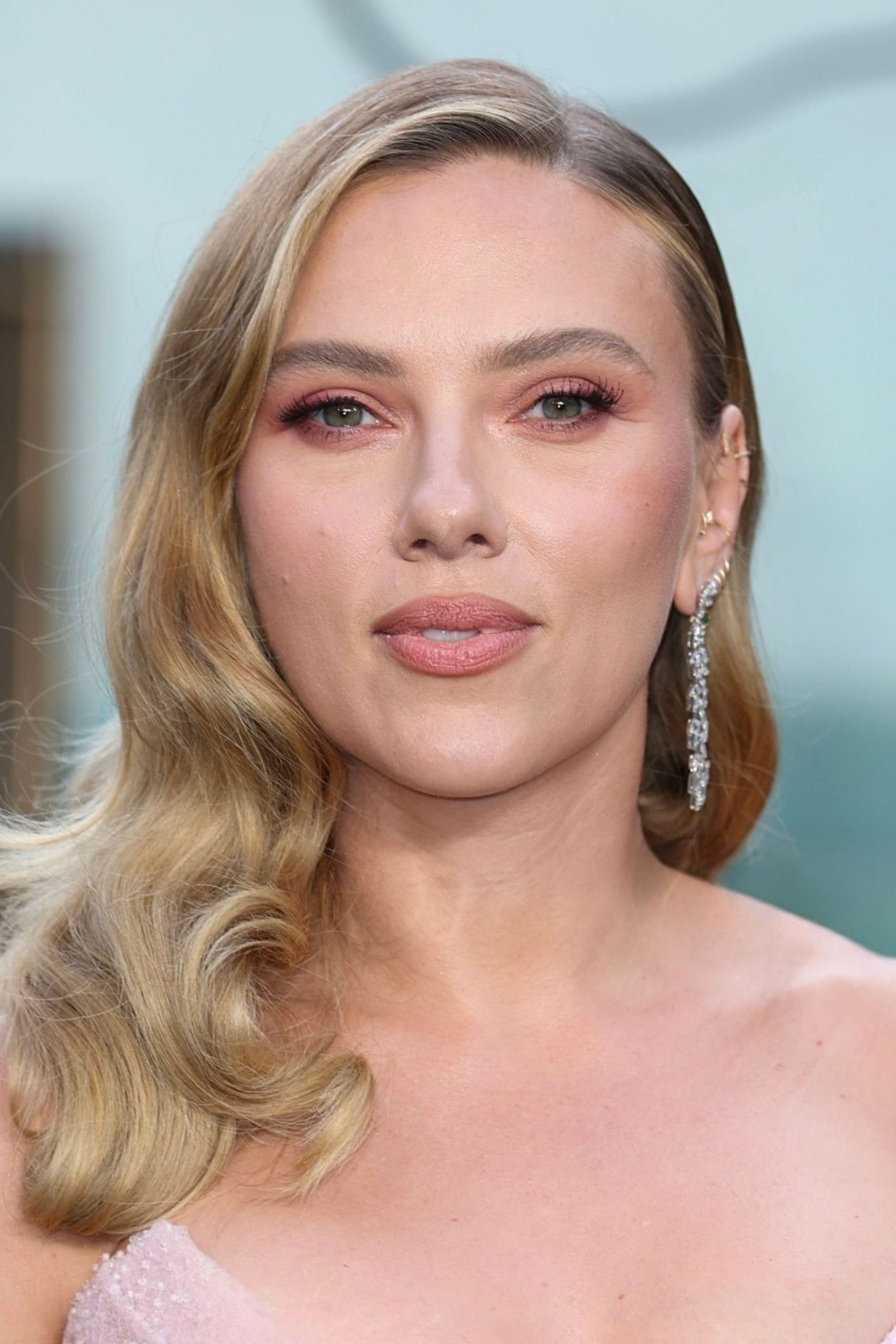
Scarlett Johansson started acting when she was very young, which led people to often see her as older than she actually was. Even in her early twenties, she was sometimes passed over for roles meant for actresses her age because she seemed more mature. Her voice and how she carried herself on screen caused casting directors to pair her with much older actors. This meant she didn’t often get to play characters who were going through the same things as other young women in their twenties. Johansson has worked to change this by consistently choosing roles that were different and complex, proving she’s more than just a certain age or type.
Kirsten Dunst
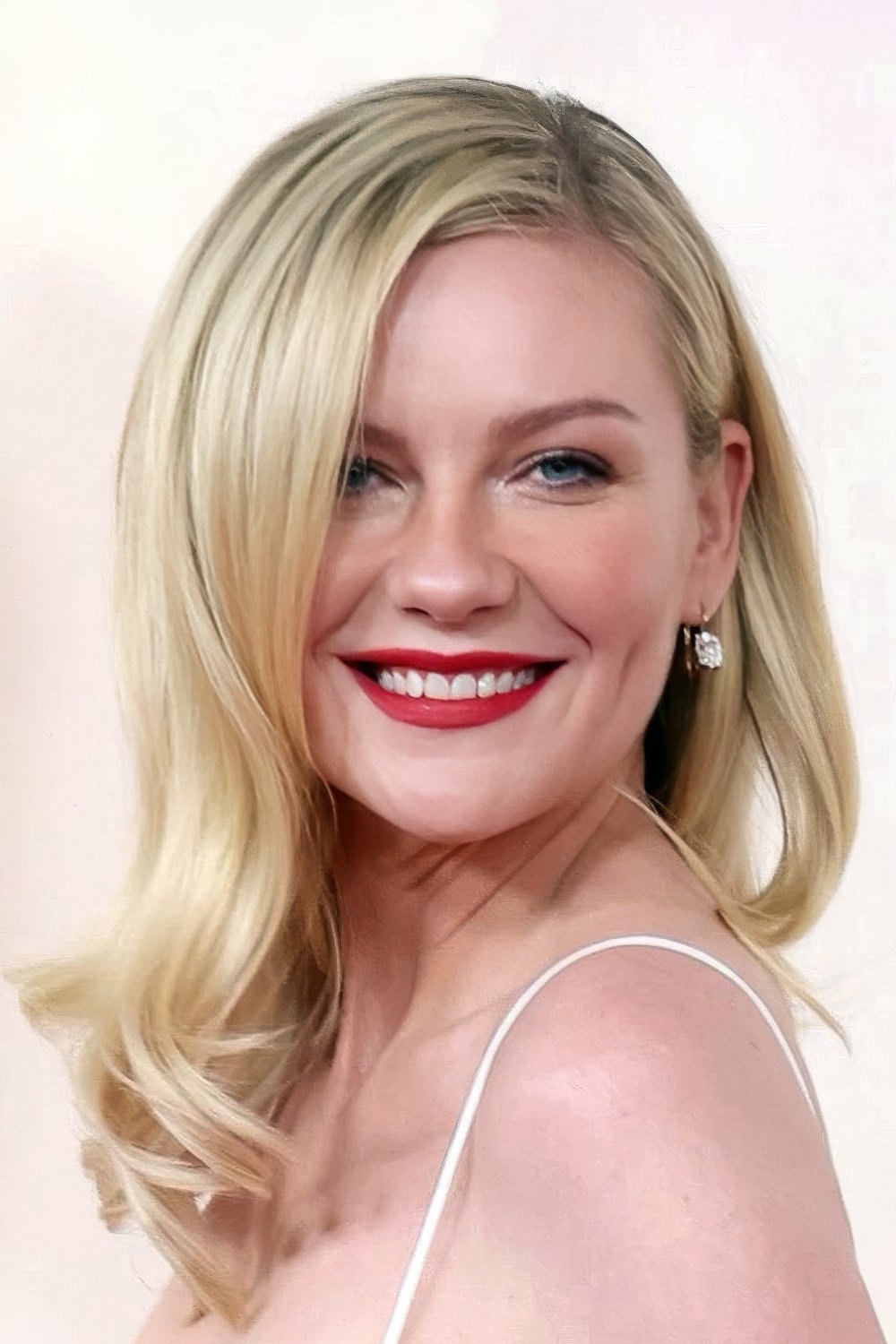
Kirsten Dunst, who became a successful actress at a young age, experienced the effects of Hollywood’s bias against older women early in her career. She’s spoken about how women in the industry often feel pressured by an unspoken deadline as they get older, especially approaching their thirties. Dunst explained that the constant demand for new faces can make even young, established actresses feel like they’re losing their relevance. This pressure existed even while she was starring in popular and well-respected films. She’s continued to succeed by working on projects with directors who appreciate her skills and experience.
Winona Ryder
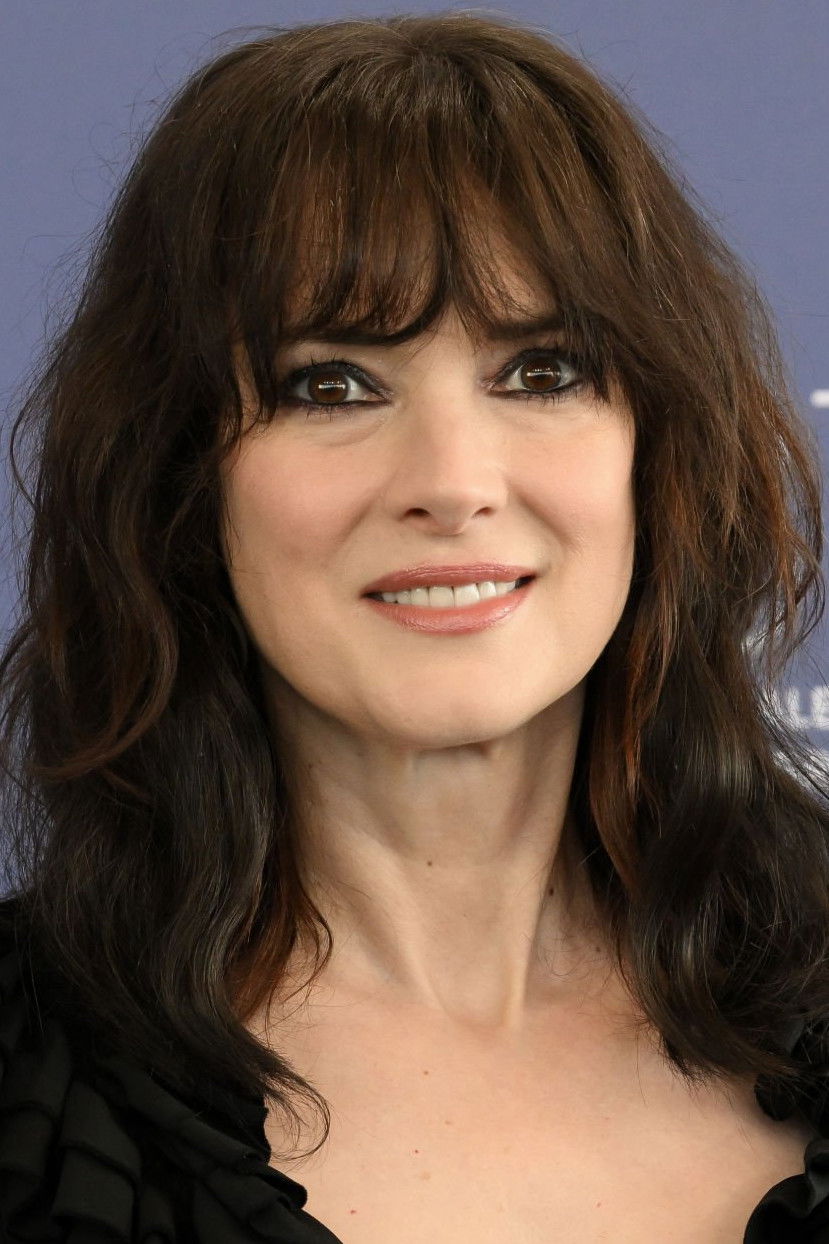
Winona Ryder faced discouraging comments early in her career, with a casting director telling her she wasn’t attractive enough and wouldn’t stay relevant for long. She was just a teenager then, and it was a tough introduction to how the film industry works. Despite this, she became a hugely popular actress in the 1990s. Later, she found fewer roles available, which she felt was due to a lack of opportunities for women as they got older. However, her successful return to acting on television proved that she remained a beloved and talented performer, no matter her age.
Keira Knightley
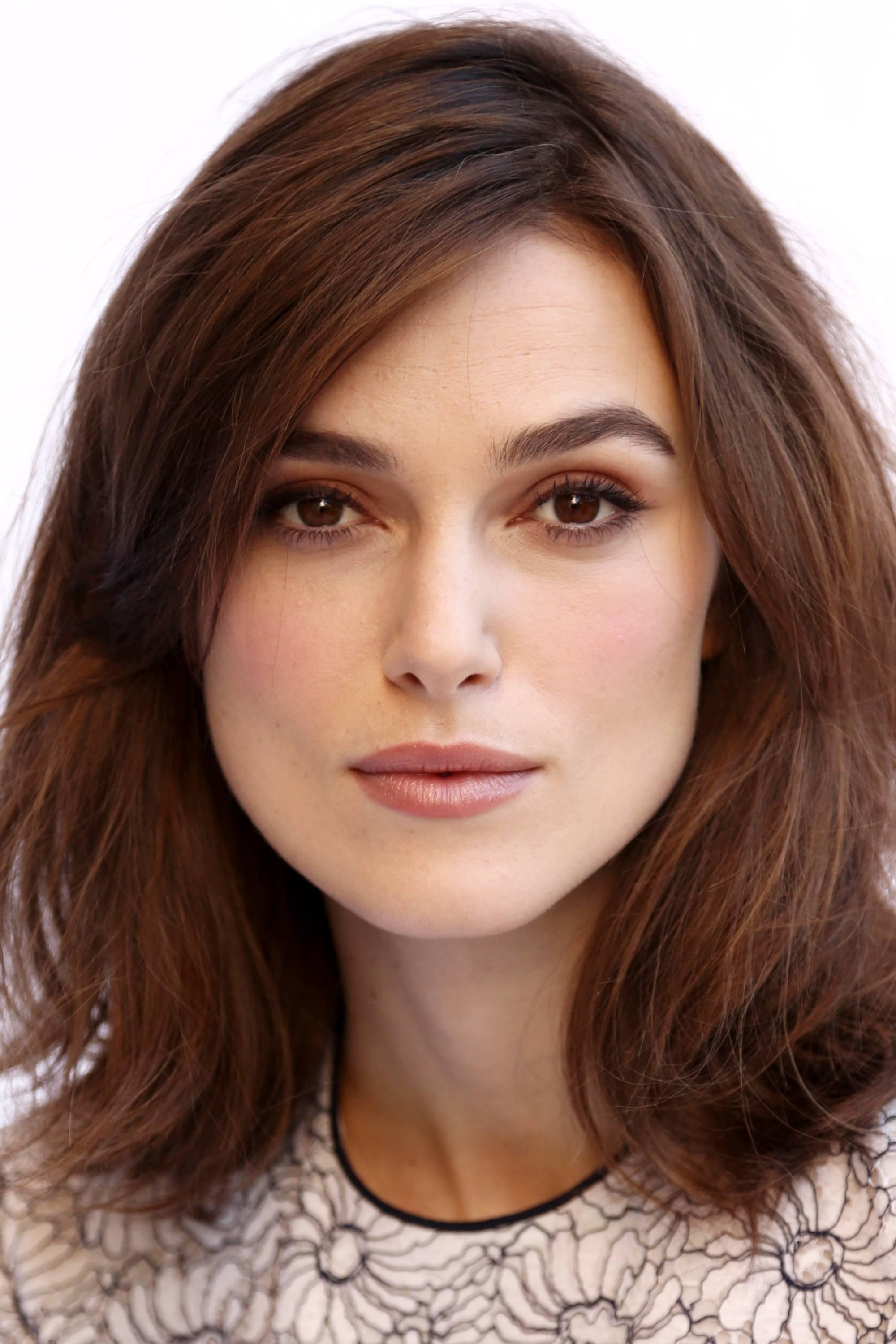
The actress has talked about the pressure she felt to stay young and attractive as she approached her thirties, especially working in Hollywood. She’s pointed out that young women in the industry often feel like their careers are quickly limited by their age. She’s been open about how unrealistic the expectations for women’s looks and youth are for actresses. Even while successful in both historical and contemporary roles, she knew the limited time frame actresses have to be considered leading ladies. This realization made her more careful about the roles she accepts and how she presents herself.
Greta Gerwig
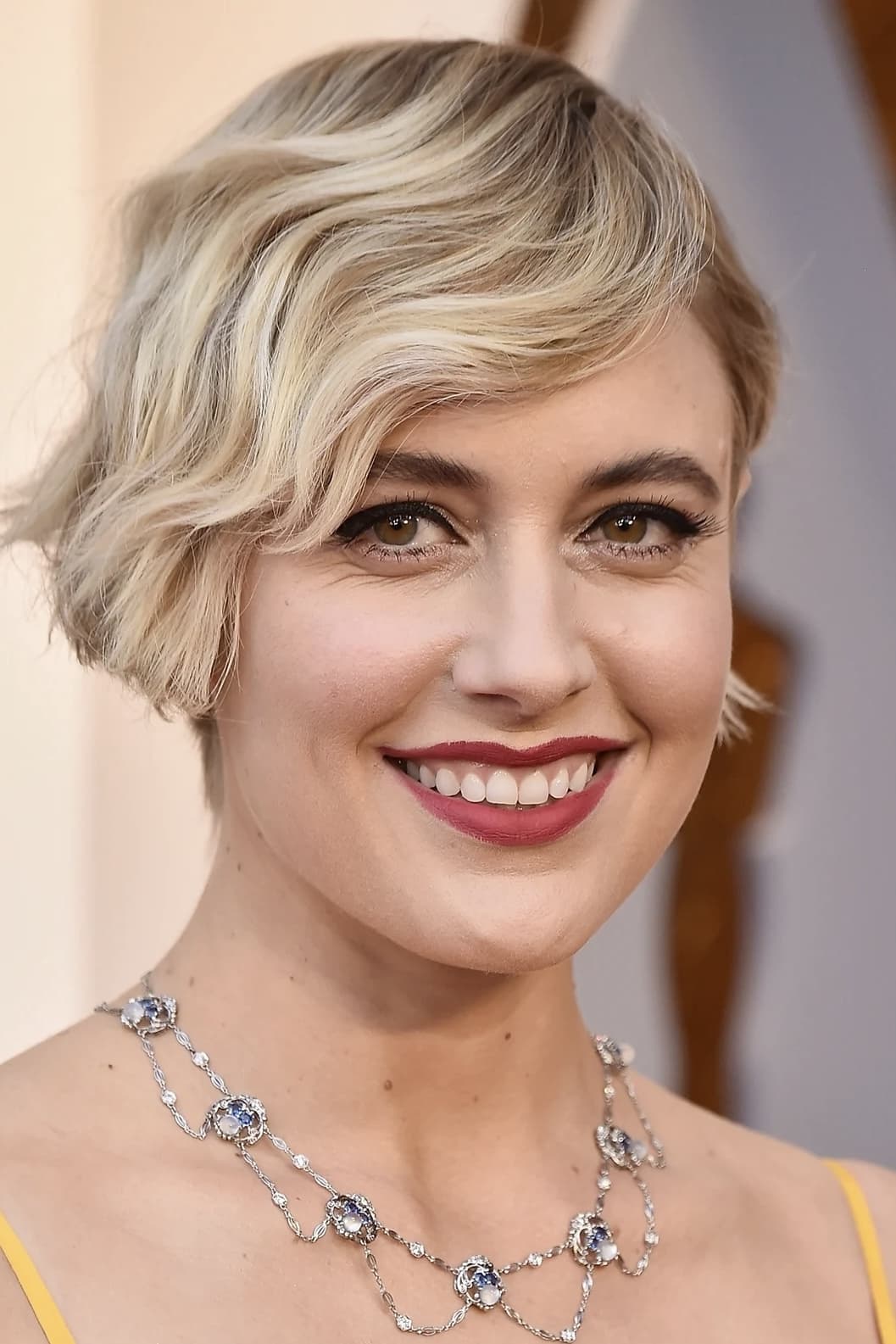
Greta Gerwig, now a famous director, started her career as an actress in independent films. When she was 28, she tried out for the TV show ‘Glee,’ but producers said she seemed too old to play a high school student. This was discouraging because she was just starting out and needed consistent work. It made her realize the show needed actors who appeared much younger. Eventually, Gerwig achieved great success by writing and directing her own films, which often explore the complicated experiences of women.
Evan Rachel Wood
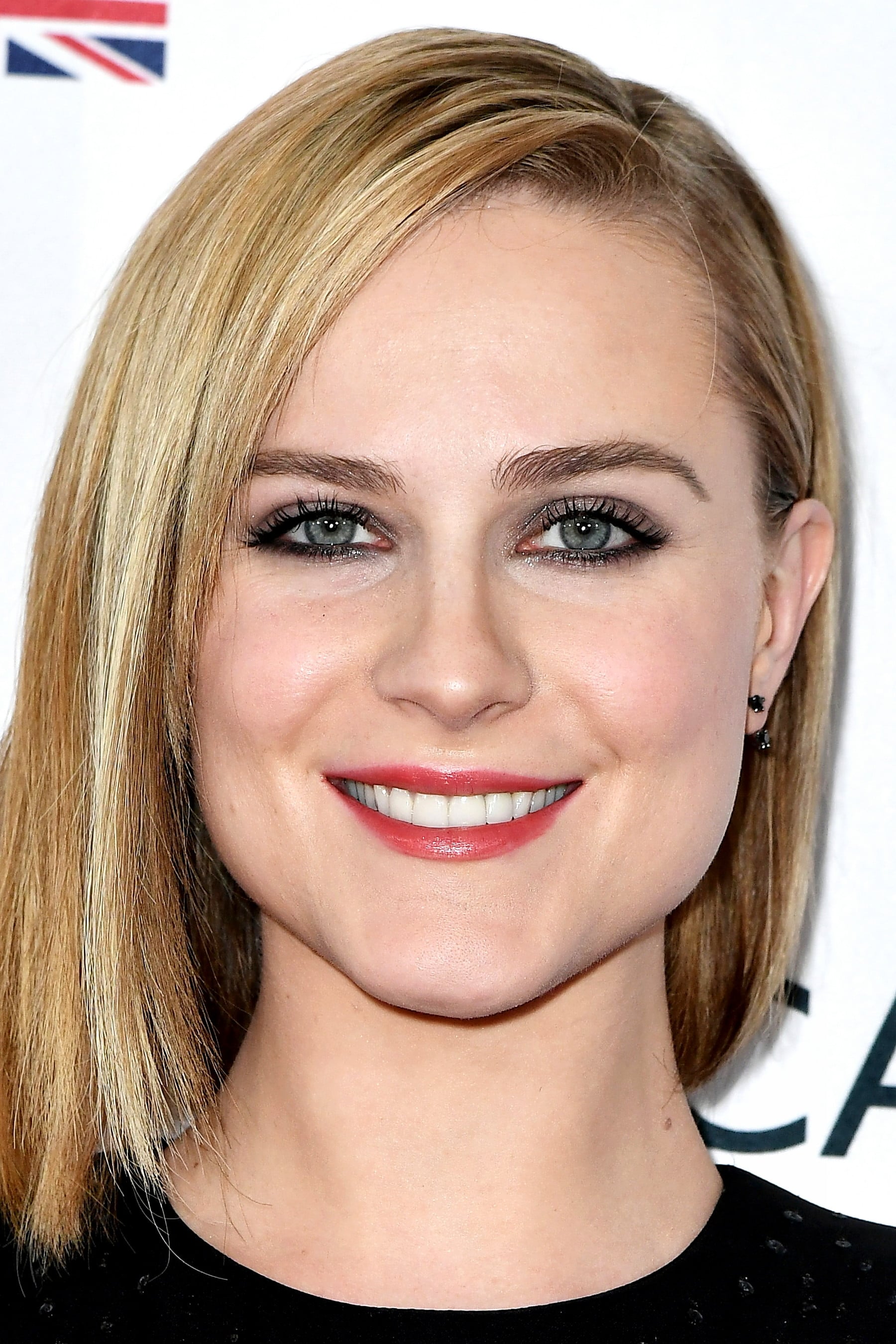
From a young age, the actress has openly discussed facing both ageism and sexualization in her career. She observed that Hollywood seemed to view her as an older performer by her early twenties, leading to a noticeable change in the types of roles offered to her. Once she was no longer seen as a new face, her opportunities began to shrink, which highlighted for her the short career span often imposed on young actresses in Hollywood. This realization has motivated her to fight for greater support and more opportunities for women working in the entertainment industry.
Reese Witherspoon
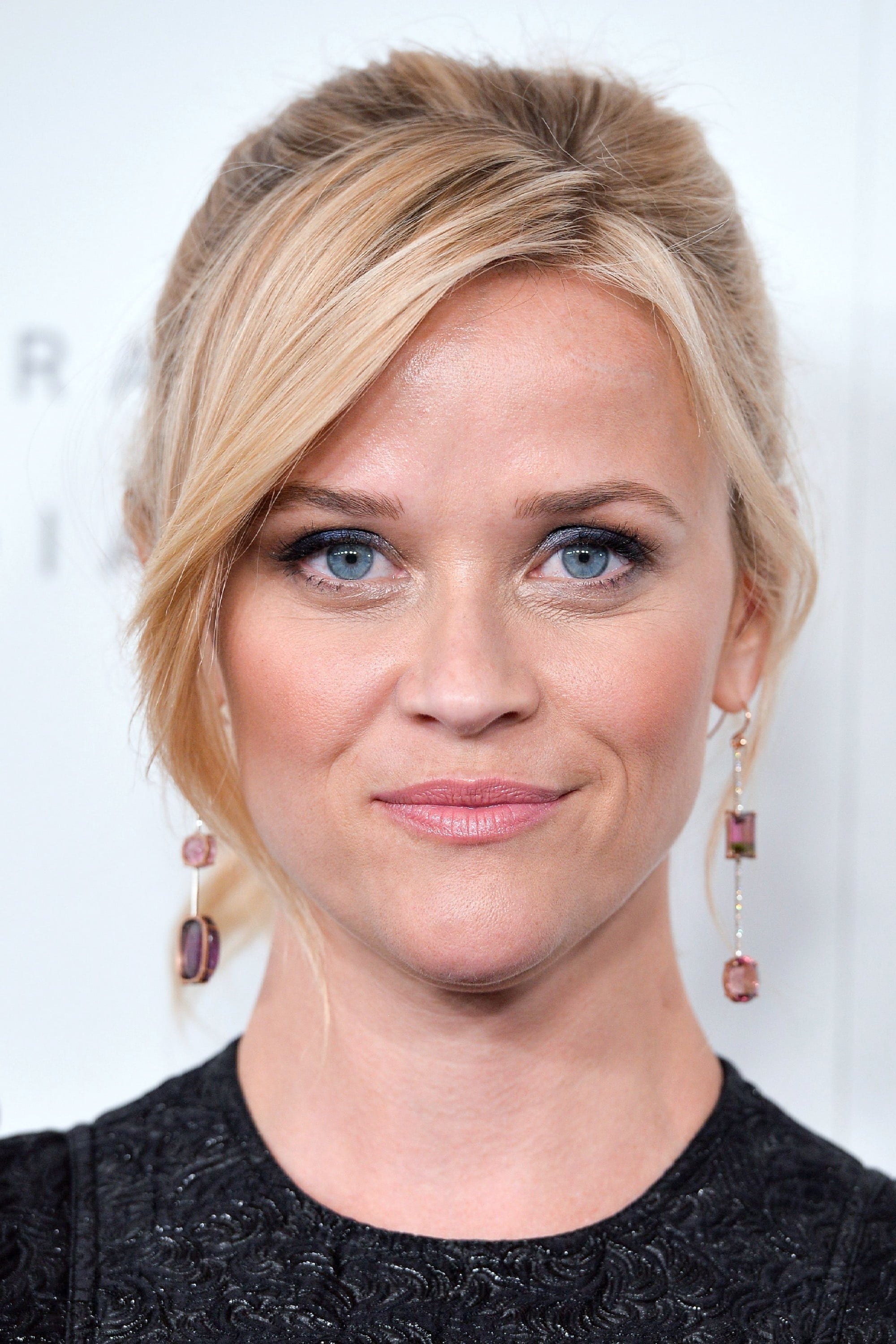
Early in her career, Reese Witherspoon often faced criticism about whether she fit certain roles because of her age and how she looked. She’s talked about how women in the industry are frequently limited to playing the same types of characters, especially ones that require a young appearance. Even before she started producing films herself, she realized that the strongest movie scripts weren’t often written for women as they got older. This drove her to create her own production company, with the goal of developing more meaningful and complex roles for women of all ages. Her career path now shows other young actresses how to break through these kinds of limitations.
Mandy Moore
Mandy Moore successfully shifted from being a teen pop singer to a respected actress, but faced challenges due to the limited roles available to young women in Hollywood. She’s discussed how hard it was to find parts that allowed her to grow and mature naturally between her twenties and thirties, as the industry often expects young actresses to stay looking and playing younger roles for as long as possible. Moore felt she wasn’t seen as a serious, mature actress until she took on more dramatic work later in life. Her determination ultimately led to the critically acclaimed television roles she’s known for today.
Let us know in the comments which casting announcement surprised you the most!
Read More
- 2025 Crypto Wallets: Secure, Smart, and Surprisingly Simple!
- Wuchang Fallen Feathers Save File Location on PC
- Gold Rate Forecast
- Brown Dust 2 Mirror Wars (PvP) Tier List – July 2025
- All weapons in Wuchang Fallen Feathers
- Where to Change Hair Color in Where Winds Meet
- Top 15 Celebrities in Music Videos
- Here Are the Best TV Shows to Stream this Weekend on Paramount+, Including ‘48 Hours’
- Macaulay Culkin Finally Returns as Kevin in ‘Home Alone’ Revival
- HSR 3.7 breaks Hidden Passages, so here’s a workaround
2026-02-17 12:16