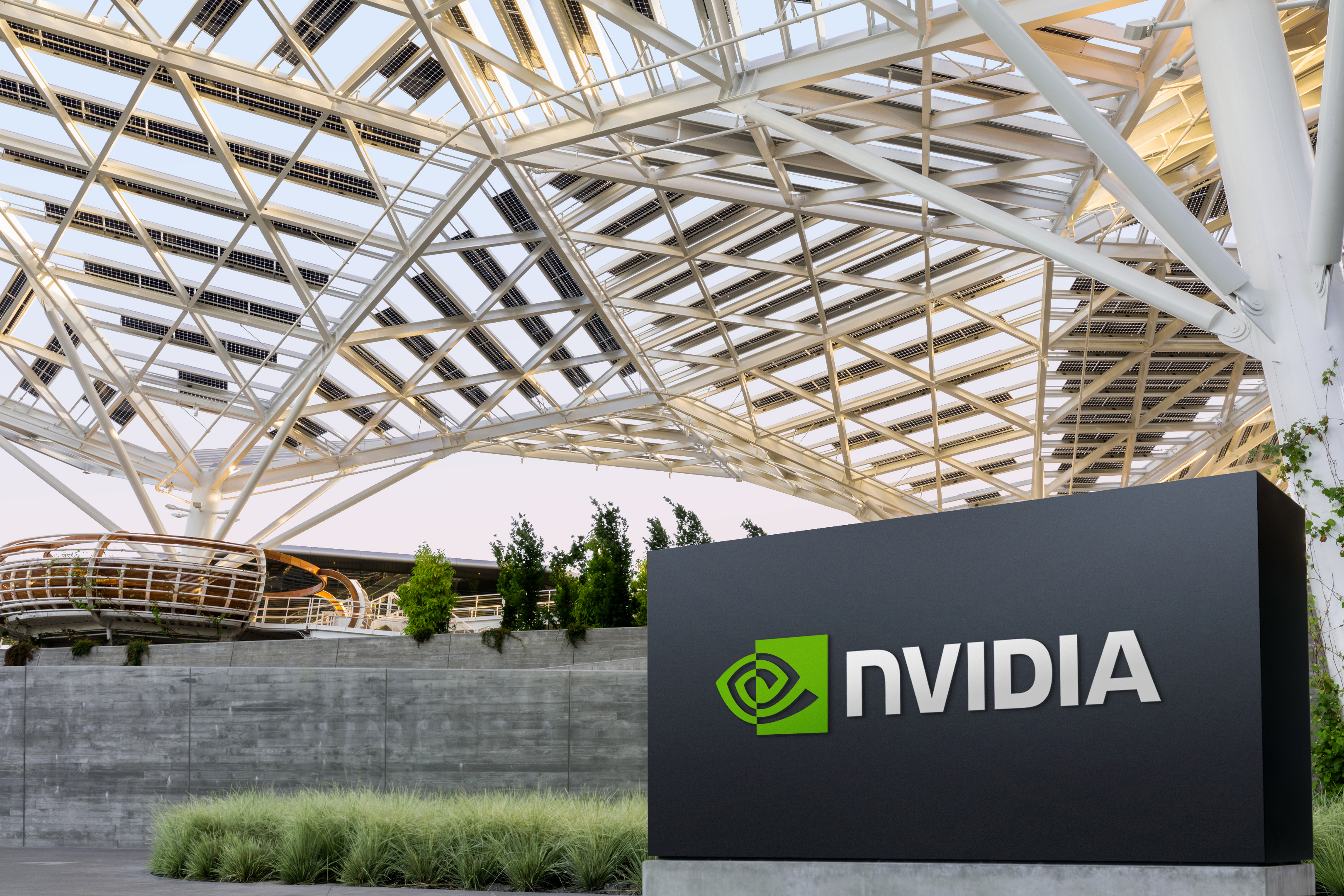
A Full-Stack Dominion
Nvidia’s strength lies not simply in the fabrication of graphics processing units, but in a broader vision – a comprehensive approach to the demands of modern data centers. These GPUs, the engines of artificial intelligence, accelerate processes with a speed and efficiency that were once the stuff of dreams. The company’s dominance – holding over eighty percent of the market for AI accelerators – is not accidental. It is the result of a deliberate strategy, a ‘full-stack’ approach that encompasses not only hardware, but also the adjacent realms of software and networking.
While the performance of the GPUs themselves is noteworthy, it is the completeness of the solution that truly sets Nvidia apart. It offers a turnkey infrastructure, a seamless integration of CPUs, networking components, and the crucial CUDA software – the very language in which these digital minds communicate. Networking revenue, leaping forward by over one hundred and sixty percent in the last quarter, speaks volumes. It is as though Nvidia has built not merely a factory, but an entire ecosystem, a self-contained world within the larger digital expanse.
AllianceBernstein estimates that Nvidia captures a substantial thirty percent of all capital expenditures directed towards AI data centers – a figure that suggests a degree of control that is almost feudal in its implications. And the recent projections from these ‘hyperscalers’ – these vast data empires – indicate that Wall Street may have profoundly underestimated the scale of investment that is about to unfold. It is a humbling reminder that even the most astute observers can be caught unawares by the currents of change.
The Underestimation of Expenditure: A Recurring Motif
There is a certain pattern emerging, a recurring motif of underestimated expenditure. Wall Street’s consensus forecasts have consistently fallen short of reality. The anticipated increase in hyperscaler capital expenditure for 2024 was nineteen percent; the actual increase was a remarkable fifty-four percent. The following year witnessed a similar divergence – a projected increase of twenty-two percent, contrasted with an actual surge of sixty-four percent, as noted by Goldman Sachs.
This pattern appears to be repeating itself in 2026. While the initial estimates suggested an increase of nineteen percent, the recent pronouncements from Alphabet, Amazon, Meta, and Microsoft paint a far more robust picture.
- Alphabet anticipates capital expenditures totaling one hundred and eighty billion dollars, a ninety-eight percent increase from the previous year. It is worth noting that their initial estimates were considerably lower, a testament to the unpredictable nature of this burgeoning field. The doubling of cloud revenue backlog, driven by demand for Gemini models, suggests a momentum that is difficult to contain.
- Amazon projects expenditures of two hundred billion dollars, a fifty-six percent increase. CEO Andy Jassy speaks of a relentless demand for AWS services, and a rapid monetization of capacity. It is a simple equation: demand exceeds supply, and the company is determined to bridge the gap.
- Meta Platforms projects expenditures of one hundred and twenty-five billion dollars, a seventy-four percent increase. Mark Zuckerberg speaks of AI investments driving growth across their platforms, and hints at the development of a ‘superintelligence’ system, integrated into augmented reality wearables. It is a vision that is both ambitious and unsettling.
- Microsoft projects expenditures exceeding seventy-two billion dollars in the first two quarters of the fiscal year, putting them on pace to spend over one hundred and forty billion dollars for the year. A fifty-nine percent increase, fueled by an expansion of AI capacity and a doubling of data center footprint.
The larger picture is this: Wall Street initially anticipated an increase of nineteen percent in hyperscaler capital expenditure for 2026, but revised estimates now suggest a surge of seventy percent, reaching approximately six hundred and fifty billion dollars. This is, undoubtedly, good news for Nvidia, a company poised to capture a significant portion of that investment. It is a reminder that in the digital landscape, as in the natural world, fortunes are often made during periods of rapid growth and change.
Read More
- 2025 Crypto Wallets: Secure, Smart, and Surprisingly Simple!
- 20 Films Where the Opening Credits Play Over a Single Continuous Shot
- Gold Rate Forecast
- 50 Serial Killer Movies That Will Keep You Up All Night
- Here Are the Best TV Shows to Stream this Weekend on Paramount+, Including ‘48 Hours’
- ‘The Substance’ Is HBO Max’s Most-Watched Movie of the Week: Here Are the Remaining Top 10 Movies
- 17 Black Voice Actors Who Saved Games With One Line Delivery
- Top gainers and losers
- 20 Movies to Watch When You’re Drunk
- 10 Underrated Films by Ben Mendelsohn You Must See
2026-02-14 12:22