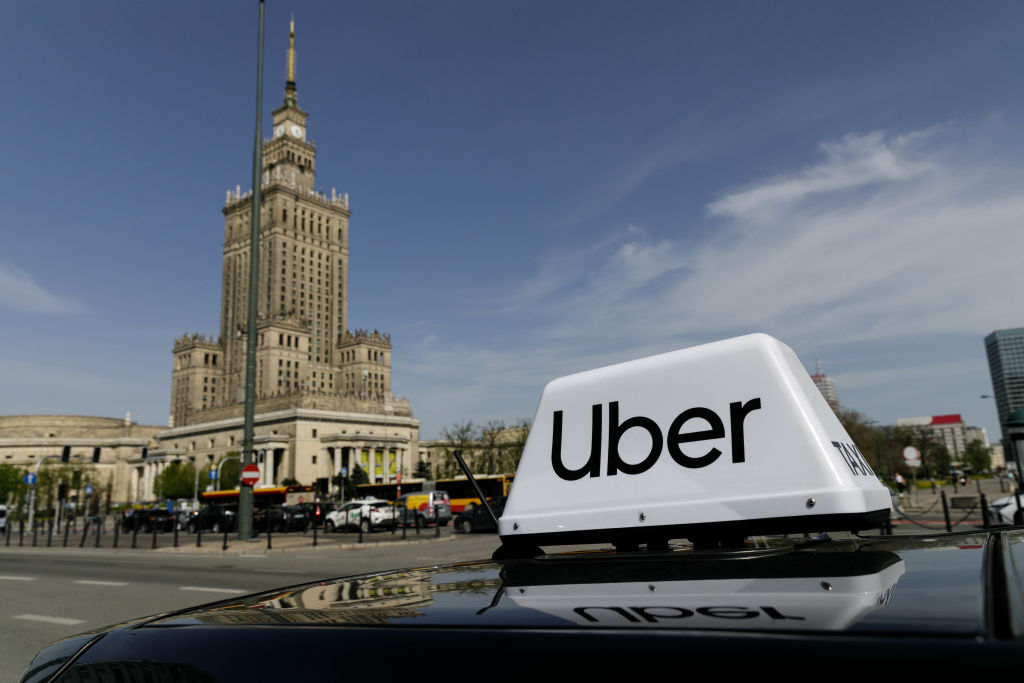
The grocery realm, that most pedestrian of battlegrounds, continues to churn, doesn’t it? A rather dull spectacle, one might think, were it not for the increasingly baroque methods employed to wrest dominion over the weekly provisions. Uber, that erstwhile disruptor of chauffeured indolence, has unveiled its “Cart Assistant,” a tool as presumptuous in name as it is, potentially, in execution. It promises to translate the hieroglyphs of handwritten shopping lists—or, more likely, the haphazard screenshots of aspirational recipes—into the cold, precise language of online commerce. A digital scribe for the domestic sphere, if you will.
The mechanism, naturally, is AI-powered. One detects a faint whiff of desperation in this algorithmic rush; as if anticipating the day when even the selection of shallots will be outsourced to silicon deities. The system, we are told, will remember past predilections, subtly nudging the consumer toward the brands previously favored—a digital echo of habit, conveniently monetized. Albertsons, Kroger, Sprouts, Wegmans… the usual suspects, all rendered as data points in a grand, edible equation. A rather charmingly sinister prospect, when one considers the implications for free will and the humble shopping list.
A Duel of Digital Pantry Men
This, of course, isn’t occurring in a vacuum. Instacart, that other purveyor of convenience, already possesses a similar contrivance, launched last November. The competition, therefore, isn’t merely about delivering groceries; it’s about anticipating desires, predicting needs, and ultimately, owning the consumer’s appetite. The gross transaction value of Instacart—approaching forty billion dollars annually—is a rather vulgar metric, but one cannot ignore its significance. Uber, trailing at a projected twelve billion for its grocery and retail business by late 2025, finds itself in a curious position: attempting to close the gap with a tool that, while clever, feels more like a catch-up maneuver than a bold innovation. One suspects the true prize isn’t the groceries themselves, but the data gleaned from their purchase—a digital harvest far more valuable than the produce it represents.
And looming in the background, like benevolent or malevolent giants, are Walmart and Amazon, both heavily invested in the online grocery game. The scale of their ambition is, frankly, terrifying. Grocery isn’t just a large category; it’s a frequently replenished one, a perpetual motion machine of consumer spending. Gaining a foothold here isn’t merely about selling tomatoes; it’s about securing a strategic advantage across the entire retail landscape.
Uber’s Algorithmic Appetizers
The Cart Assistant, let’s be frank, isn’t a revolutionary breakthrough. It’s a refinement, a polishing of existing technology. But it is a smart move for Uber, a demonstration that the company isn’t content to merely transport people and deliver prepared meals. They are, quite logically, attempting to become an all-purpose logistics provider, a digital butler for the modern age. Their advantage lies in the breadth of their platform – transport, food, groceries – a unified ecosystem that fosters customer loyalty, particularly through membership programs like Uber One. A rather neat trick, really, bundling convenience into a single, subscription-based package.
And this isn’t the extent of Uber’s AI endeavors. They’re employing it to match riders with drivers, optimize routes, and dynamically adjust prices – all rather mundane applications, perhaps, but undeniably effective. They’re even experimenting with generative AI to enhance customer support and personalize the user experience. Expect, therefore, a continued investment in these technologies, a relentless pursuit of efficiency and convenience. The future, it seems, will be delivered to our doorsteps, curated by algorithms, and paid for with our data. A rather unsettling thought, but undeniably… convenient.
Read More
- 2025 Crypto Wallets: Secure, Smart, and Surprisingly Simple!
- Monster Hunter Stories 3: Twisted Reflection launches on March 13, 2026 for PS5, Xbox Series, Switch 2, and PC
- Here Are the Best TV Shows to Stream this Weekend on Paramount+, Including ‘48 Hours’
- 🚨 Kiyosaki’s Doomsday Dance: Bitcoin, Bubbles, and the End of Fake Money? 🚨
- 20 Films Where the Opening Credits Play Over a Single Continuous Shot
- 39th Developer Notes: 2.5th Anniversary Update
- 10 Hulu Originals You’re Missing Out On
- 10 Underrated Films by Ben Mendelsohn You Must See
- Target’s Dividend: A Redemption Amidst Chaos
- First Details of the ‘Avengers: Doomsday’ Teaser Leak Online
2026-02-12 02:12