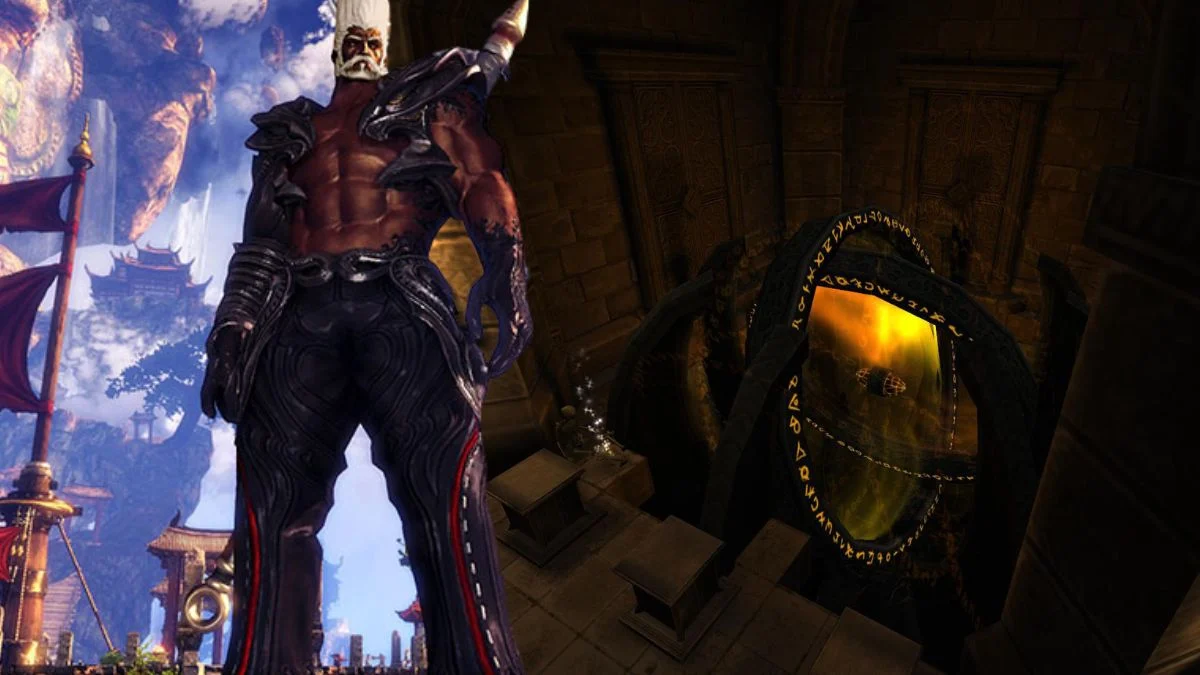
Modern video games are changing, with many now focusing more on how much money players spend than on actual skill. Lots of games on phones and consoles let you buy things that give you an edge, which can make the game unfair. This guide looks at some common examples of this, where paying money helps you get ahead. Knowing how these systems work can help you decide if a game is worth your time and money.
‘Diablo Immortal’ (2022)
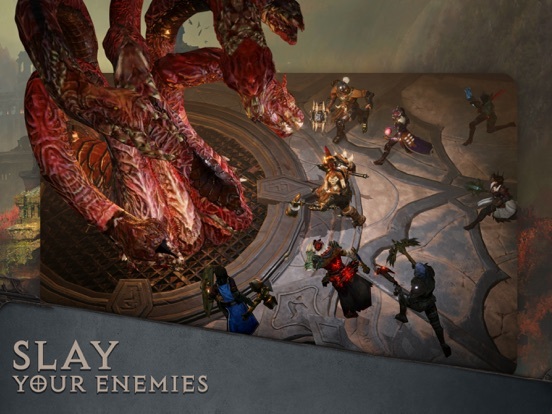
The latest game in this well-known action role-playing series has been criticized for how players can spend money. Powerful upgrades, called legendary gems, can be purchased, and many of the game’s most challenging activities and ways to improve your character rely on getting these gems through random loot boxes. Although the game itself is free to play, success in competitive modes often depends on how much money players invest. This creates a noticeable difference in power between those who spend money and those who don’t.
‘Star Wars Battlefront II’ (2017)
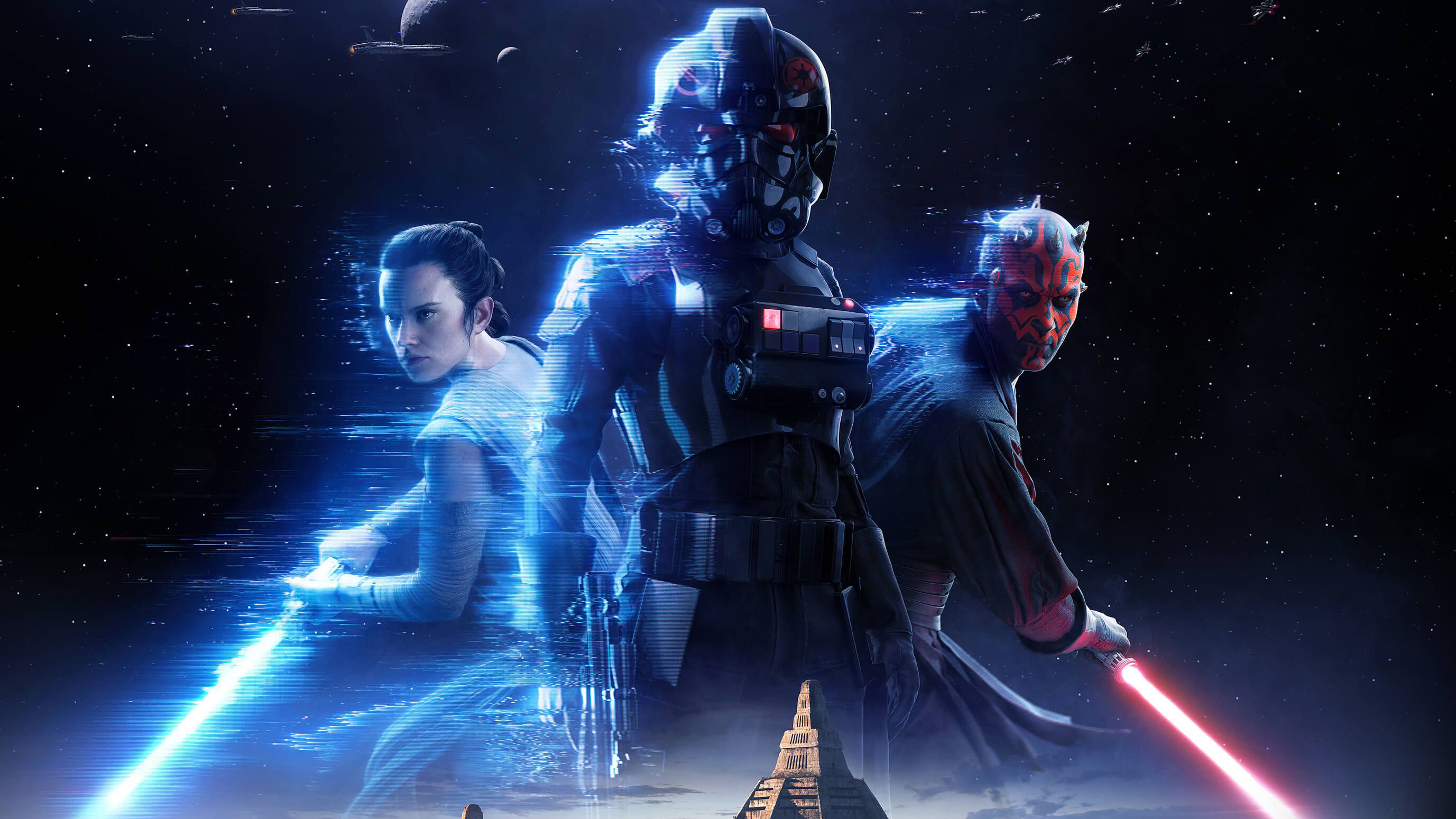
When this shooting game first came out, it became a key part of the debate around loot boxes and how players advance. Powerful upgrades and popular characters were initially only available by buying digital currency. This caused a huge negative reaction from players, and Electronic Arts ultimately redesigned the game’s progression system. While the game became much better, the original system is still a well-known example of how restrictive in-game purchases can be, especially in a game you pay full price for. It also led to conversations in several countries about whether these types of game mechanics should be considered gambling.
‘MapleStory’ (2003)
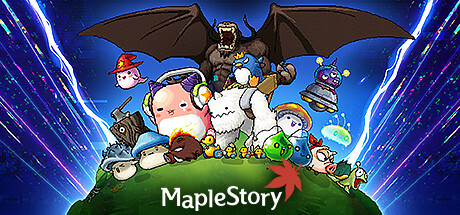
This popular online game is known for encouraging players to spend money in its online store. Many players feel they need to buy items to improve their gear, but these items are random, so it can take a lot of purchases to get the upgrades you want. This system puts players who don’t spend money at a big disadvantage when competing at the highest levels, and it’s become a prime example of a ‘pay-to-win‘ game.
‘FIFA 23’ (2022)

The popular Ultimate Team mode in this sports game revolves around collecting player cards, which are obtained through random packs. Players can spend real money to buy these packs, hoping to get top-rated athletes to build stronger teams. This often leads to a situation where players who spend more money can create statistically better teams. While player skill still matters, the advantage gained from these expensive cards can be hard to beat. This system has been a significant source of income for Electronic Arts for over ten years.
‘NBA 2K24’ (2023)

This basketball game lets you create and level up players, but progress is closely linked to in-game currency. You need this currency to make your players better and unlock key moves for competitive matches. While you can earn the currency by playing, it often takes a long time, which encourages players to buy it directly. This can be frustrating for those who want to compete online without spending extra money. Many players have expressed concern about how closely the game’s main career mode is tied to these purchases.
‘Genshin Impact’ (2020)
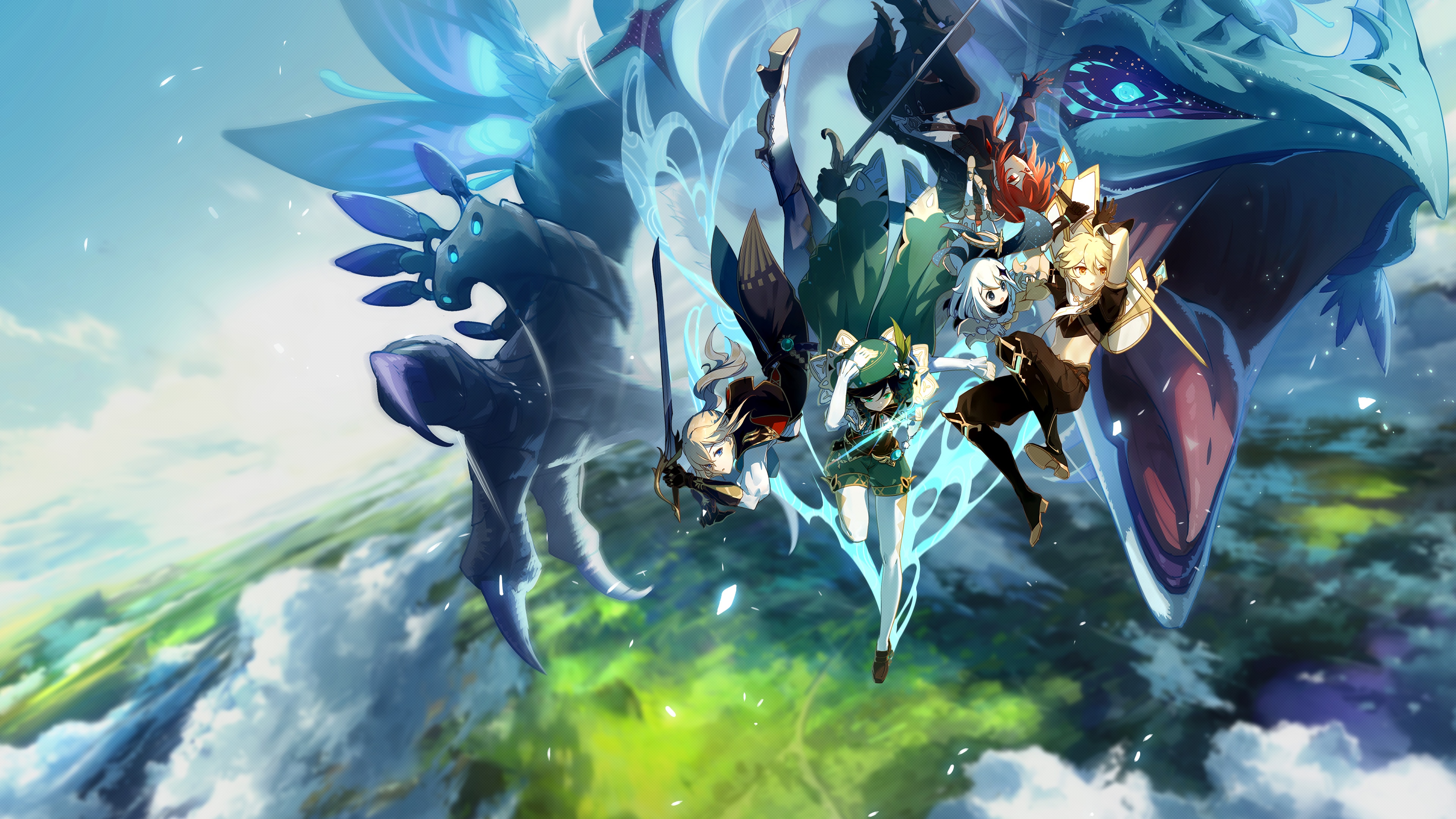
This game takes place in a large, open world and uses a ‘gacha’ system – players spend in-game currency to randomly acquire characters and strong weapons. You can finish the main story using characters you earn for free, but building the most powerful team usually requires getting rare, five-star characters. Because these rare items are hard to get, players often need to spend a lot of money. The game does have a system in place to eventually guarantee powerful items, but it still requires a lot of spending. This spending helps fund the game’s high-quality graphics and overall production.
‘Clash Royale’ (2016)
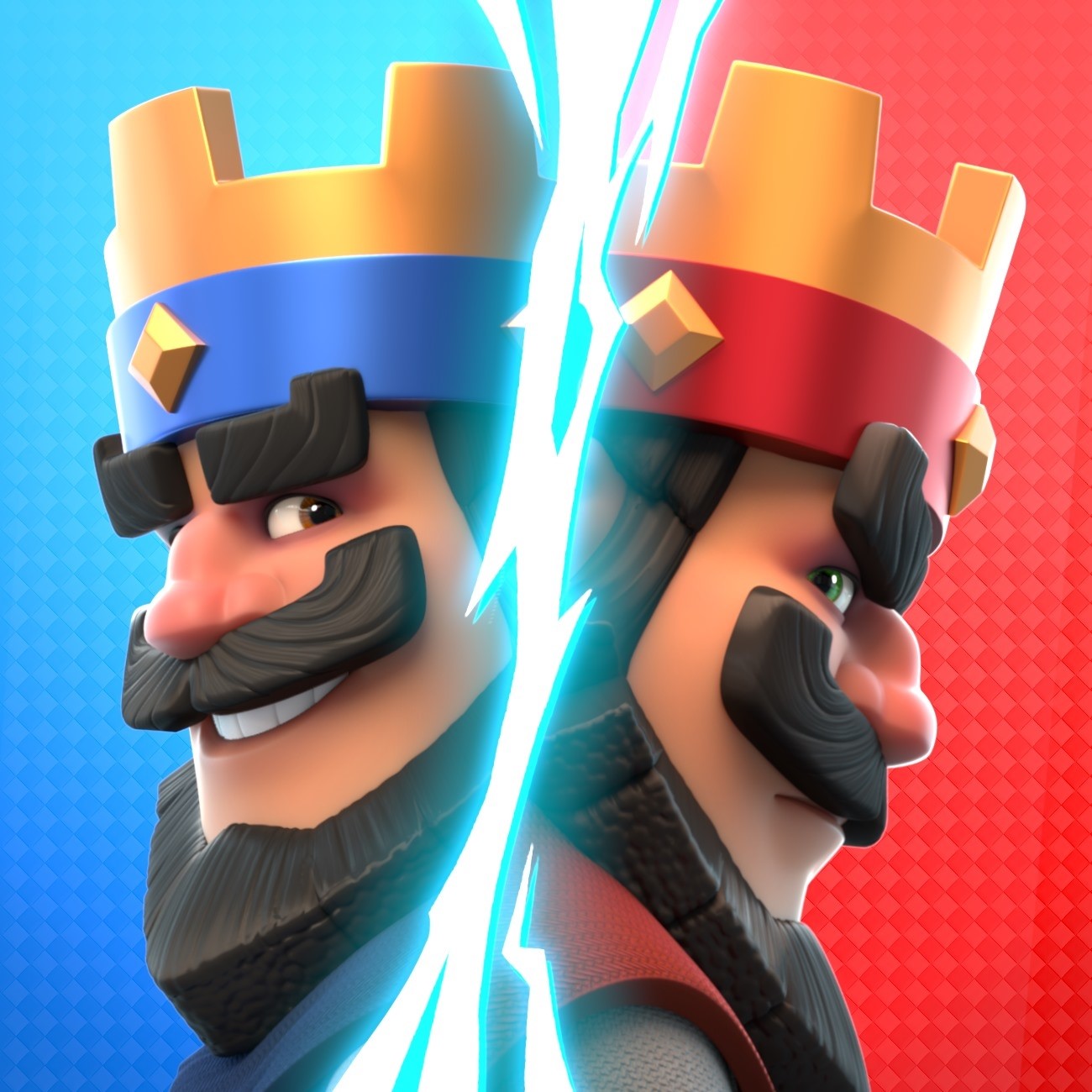
This mobile game lets you collect and improve cards to fight against other players in real time. Stronger cards are more powerful in battle, giving you an edge. While you can earn cards and gold by playing, you can also buy them in chests to speed up your progress. This can lead to matches where you face opponents with much better cards. If you don’t invest in building a strong card collection, it can become very challenging to climb the competitive ranks.
‘Clash of Clans’ (2012)
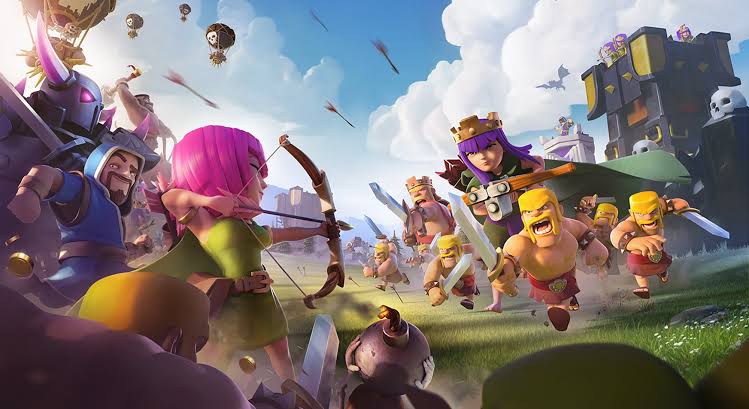
In this base-building game, constructing and improving structures can take a long time – sometimes days or weeks. Players can choose to speed things up by using premium currency, giving them a competitive edge. This means players who spend money can build up their defenses and armies much faster than those who don’t. It’s common to see players who’ve spent money dominating the competitive clan wars. This approach to ongoing growth has kept the game popular in the mobile gaming world.
‘Game of War: Fire Age’ (2013)
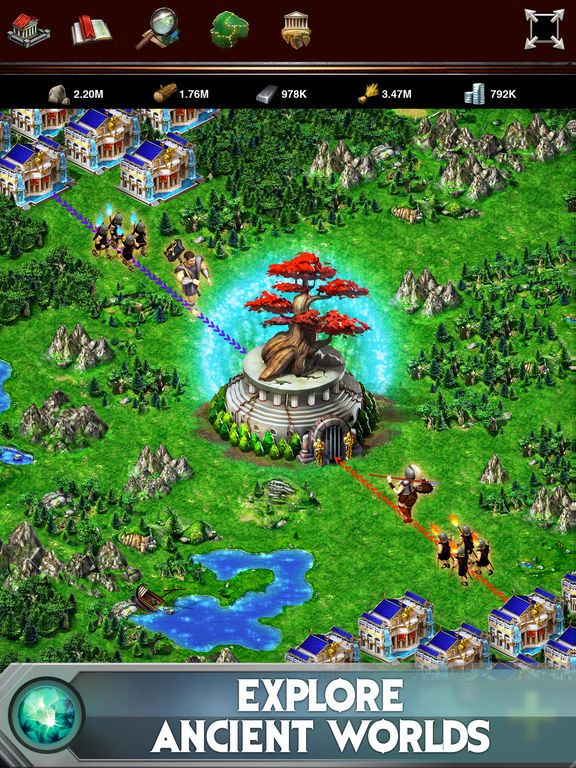
Okay, so this game is notorious for how much money you can spend in it. Seriously, people drop thousands building up huge armies and making their kingdoms super strong. It’s really tough to compete if you’re not willing to spend a lot, because the gap between the ‘whales’ (big spenders) and free players is massive. They’re constantly releasing updates with new stuff, but to stay competitive, you basically have to keep investing more and more money. Honestly, it kind of set the standard for how a lot of mobile war games try to make money these days.
‘Raid: Shadow Legends’ (2018)

This role-playing game lets you collect a huge number of champions using a random summoning system. The game encourages players to buy packs with items to improve their characters. In the competitive arena, players who spend money often have an advantage because they can get the strongest champions. Progress is also limited by an energy system, which can be bypassed by making purchases. The game’s aggressive marketing has made its way of earning money well-known.
‘Candy Crush Saga’ (2012)
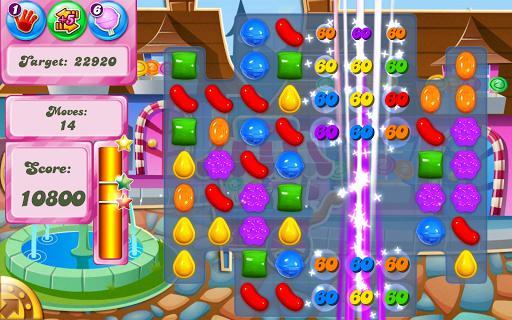
Although it seems like a straightforward puzzle game, this app is designed to encourage players to spend money. It frequently presents challenging levels that are hard to beat without using extra moves or power-ups, which can be bought to overcome difficult parts and keep winning. The game also restricts the number of lives players have, offering refills for an immediate payment. This clever way of making money has made it one of the most successful mobile games ever.
‘EVE Online’ (2003)
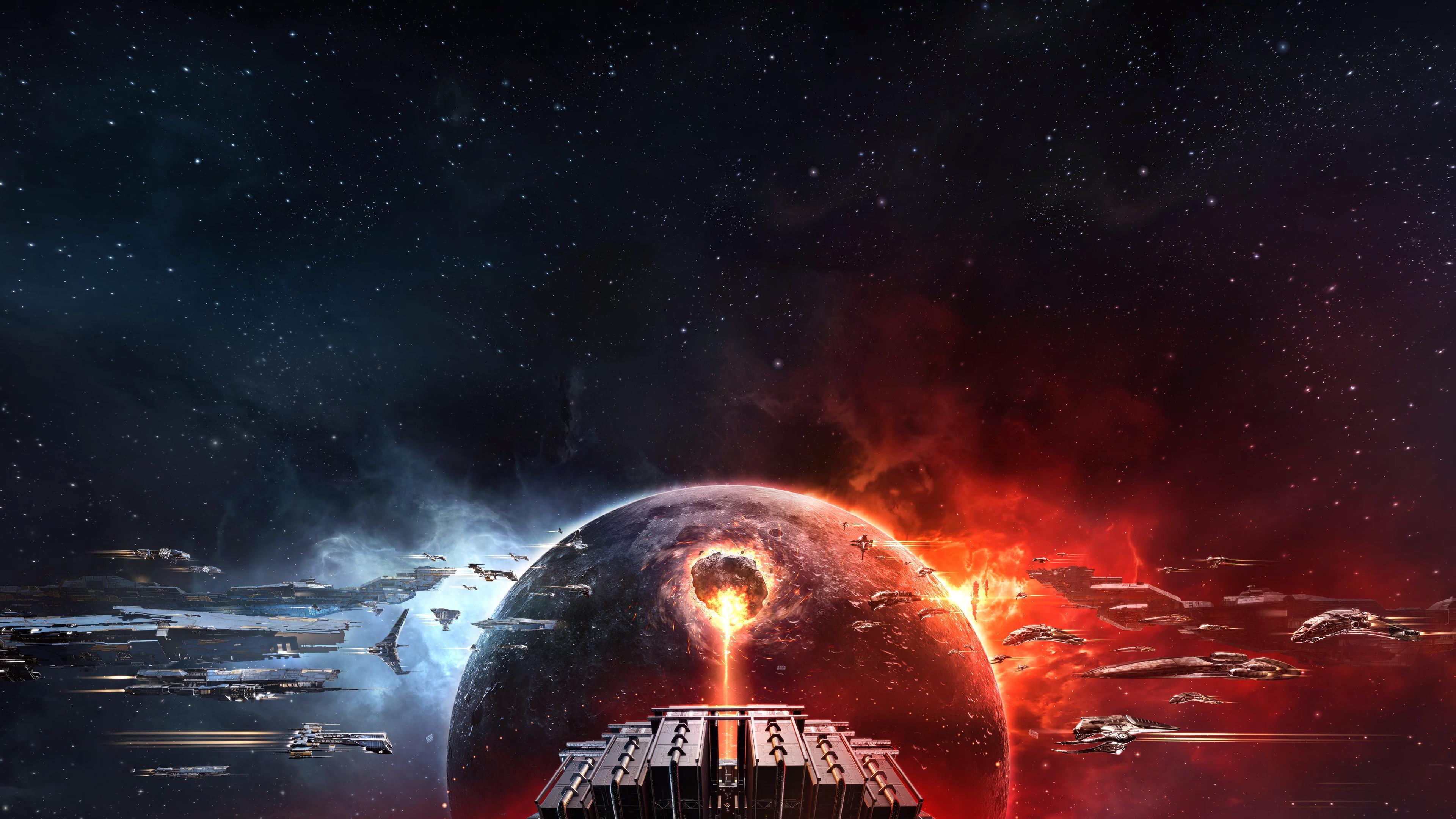
This space game lets players convert real money into in-game currency called PLEX. With PLEX, players can buy powerful ships and equipment from each other. While skillful players can still win battles, having money gives a significant advantage. Losing expensive ships means losing real money for some players, creating a game economy where financial risk is a core part of the experience.
‘Black Desert Online’ (2014)
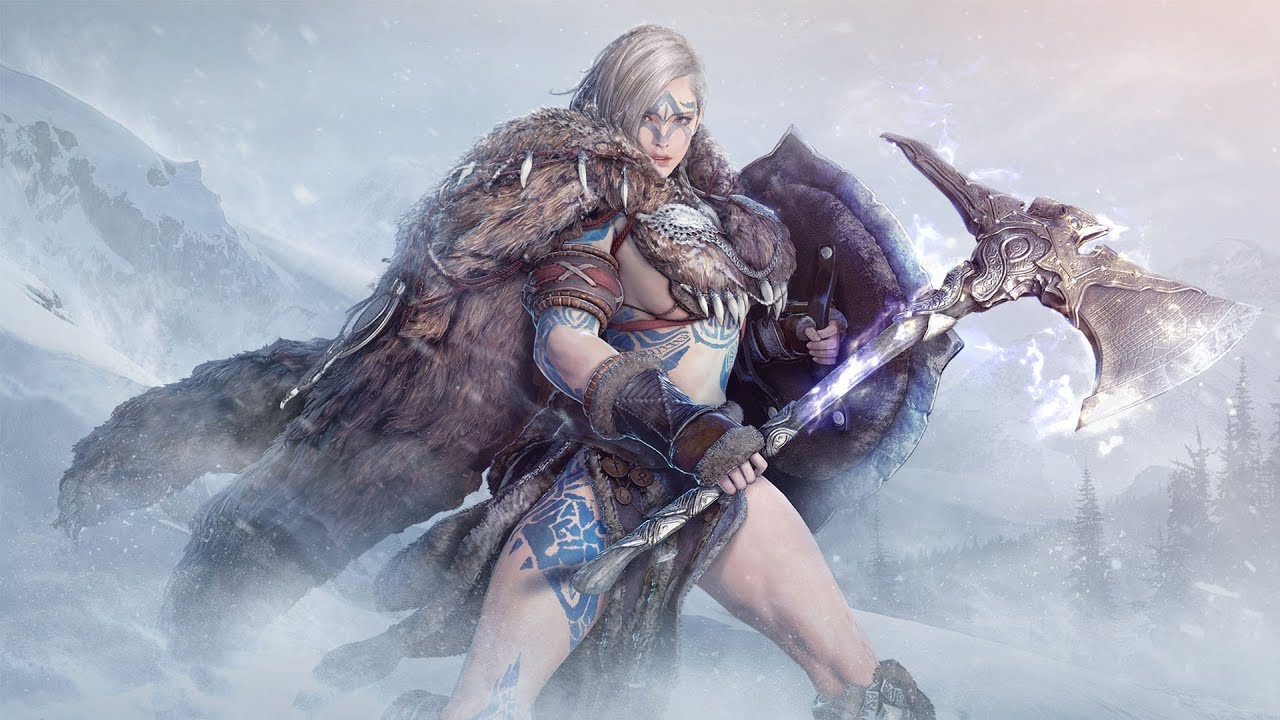
This action-packed RPG lets you improve your gear in extensive ways, but it can be challenging and frustrating when upgrades fail. You can buy items in the game’s store to prevent your gear from being damaged during failed upgrades. Other purchases offer big advantages, like faster leveling and more space to carry items – both important for playing effectively. While many players enjoy the combat and graphics, a common complaint is that the game pushes you to spend money to stay competitive, especially in high-level battles against other players. Consistent spending is often necessary to keep up.
‘Hearthstone’ (2014)
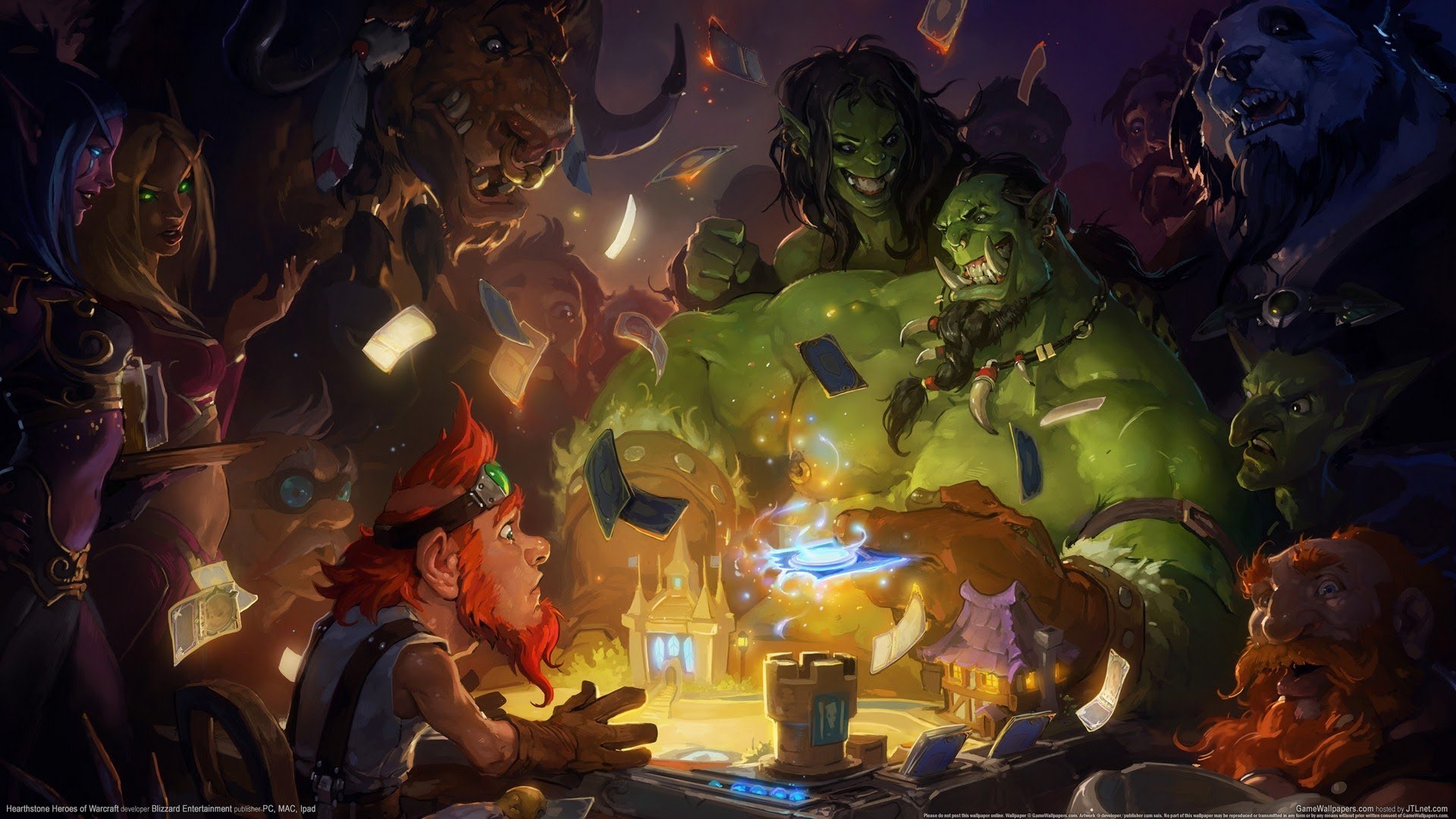
Hearthstone, a digital card game by Blizzard, lets players create decks from a growing collection of cards. Blizzard regularly releases new card sets, and the strongest cards are usually the hardest to find. Players can buy card packs to quickly build competitive decks, but crafting cards with in-game rewards takes a long time for those who don’t spend money. Because the popular strategies, or ‘meta’, constantly changes, players often need to buy new cards to stay competitive in ranked play.
‘World of Tanks’ (2010)
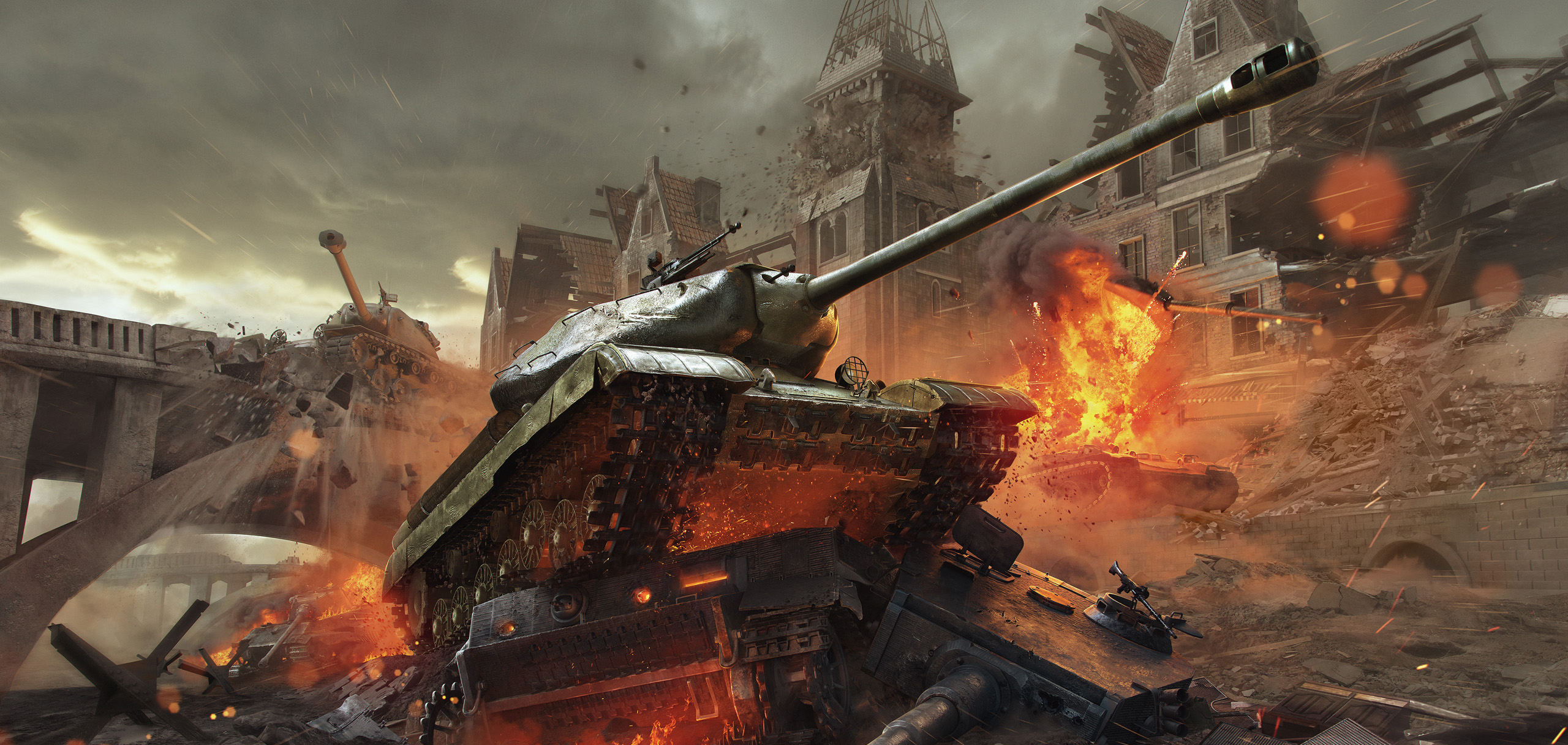
Okay, so this game is all about tank battles, and let me tell you, spending money definitely gives you an edge. You can buy premium tanks and ammo that are just straight-up better – they earn you more in-game currency and XP, and the special shells can blast through enemy armor easier. Plus, if you’re willing to spend, you can speed up your crew’s training, making your tanks perform even better. Basically, the more you spend, the stronger you get. The developers have tried to tweak things, but it still feels like you can ‘pay to win,’ and people are still talking about it.
‘War Thunder’ (2012)
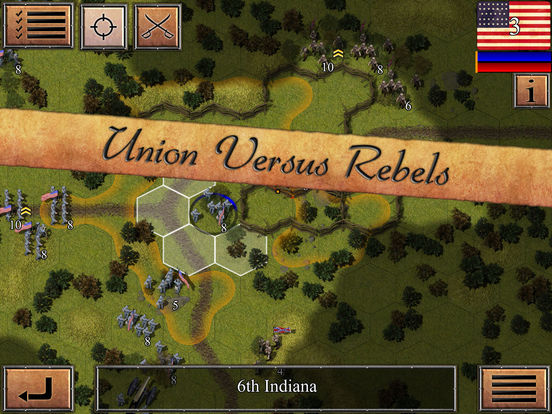
Like many vehicle combat games, this one lets you improve your gear faster if you spend money. You can buy premium access for better rewards or directly purchase top-level vehicles. Getting vehicles fully upgraded takes a lot of time or can be sped up with in-game currency you can buy. Without spending money, unlocking the best jets and tanks can be a slow process. This design encourages players to spend money to avoid a lengthy progression.
‘Lost Ark’ (2019)
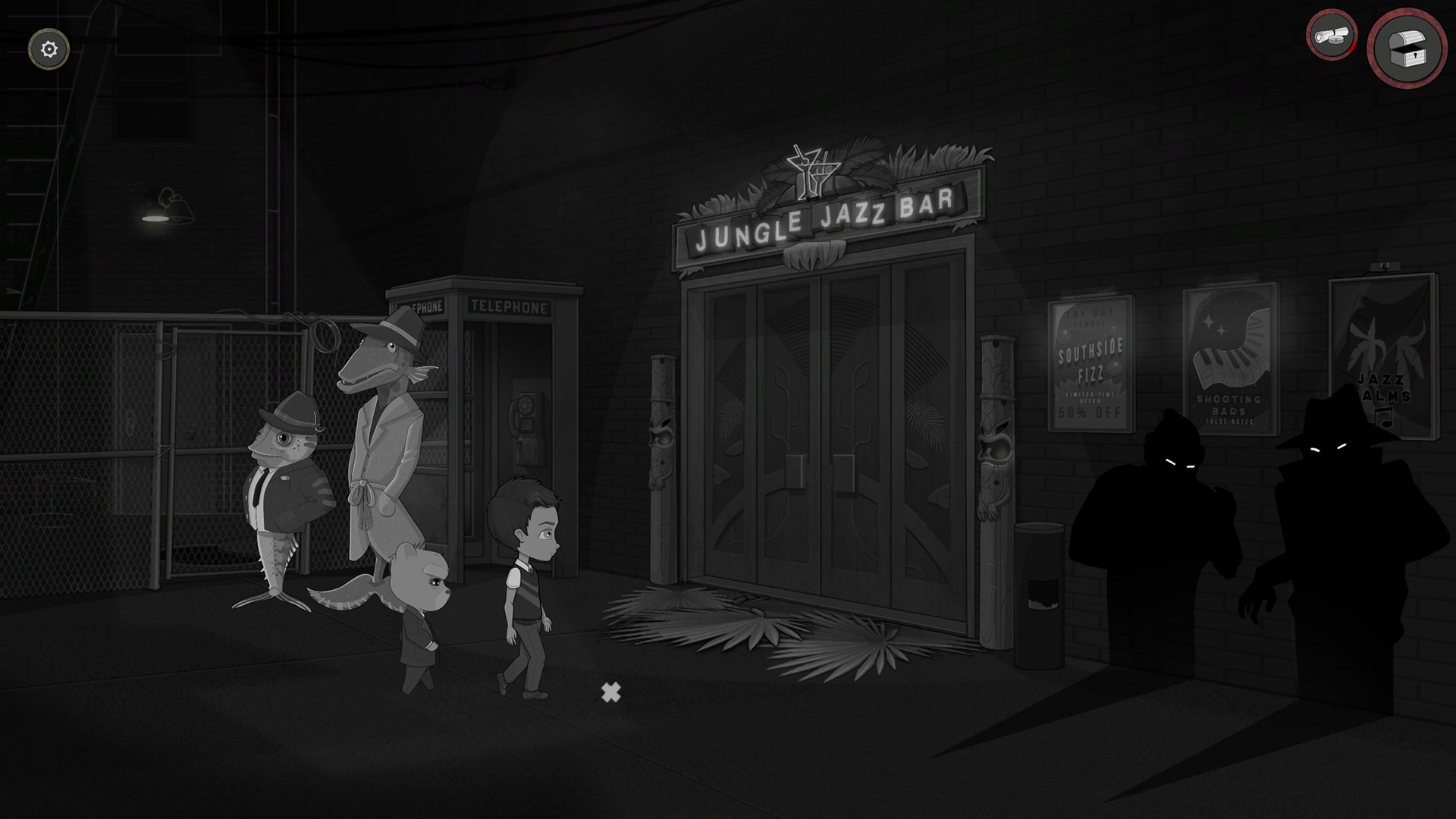
This action RPG relies heavily on upgrading your gear to progress, especially when you reach the later parts of the game. You can get materials to improve your chances of successful upgrades, but earning enough through regular gameplay can be slow due to daily limits. This often encourages players to spend money to speed up their progress and become more powerful, creating a divide between paying and non-paying players. The way these upgrade systems were implemented in the game’s release for western audiences caused a lot of discussion and disagreement among players.
‘Harry Potter: Hogwarts Mystery’ (2018)

This story-based mobile game limits how much you can play at once with an energy system. You either have to wait for your energy to refill or pay to keep playing and advance the story. Many players were upset that the game initially pushed them to spend money to save characters from dying. The game relies heavily on small purchases to speed things up, and it shows how established brands can be used to generate revenue.
‘Marvel Strike Force’ (2018)
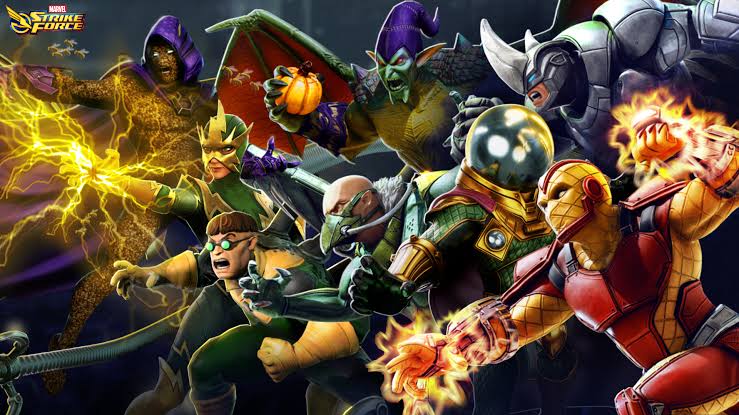
This team-based combat game lets you unlock and improve a huge roster of Marvel heroes and villains. New characters are added regularly, and they’re often more powerful than the ones you already have. The game encourages players to purchase bundles to quickly strengthen these new characters for competitive play. Because unlocking and upgrading characters relies on random chance, players often need to spend a lot of money to fully maximize their teams. This creates a cycle where players feel they need to keep investing to stay competitive and maintain a high ranking.
‘Star Wars: Galaxy of Heroes’ (2015)
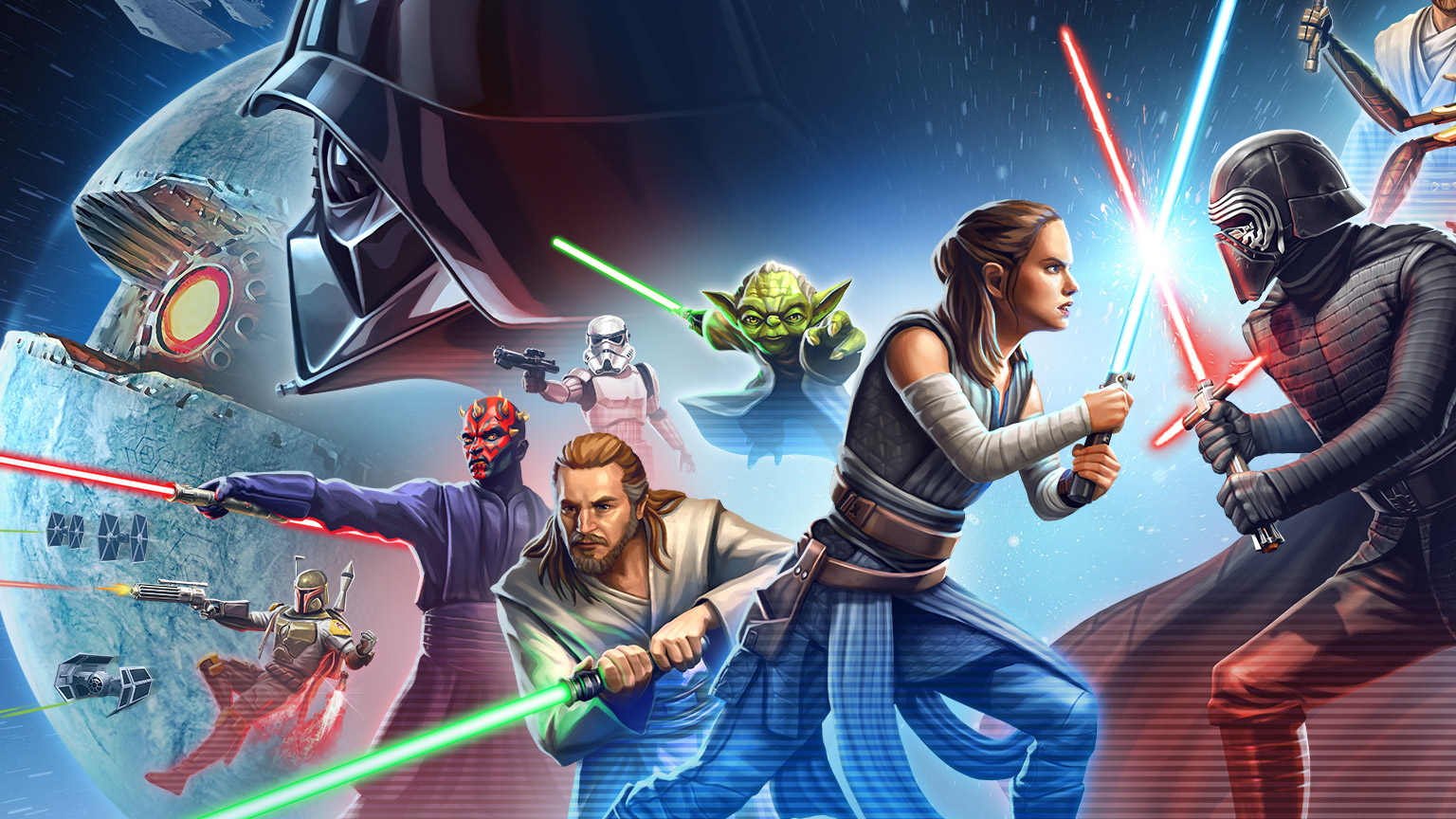
Like many games where you collect heroes, this one lets you get and improve characters using a ‘shard’ system. While you can earn shards by playing, you can also spend real money to quickly unlock strong characters, such as Luke Skywalker. To compete at a high level, players often need specific teams, which can be hard to build without spending money. The addition of ‘Galactic Legends’ characters has made it even more challenging, requiring more resources. This system continues to be very successful and profitable for Electronic Arts.
‘The Sims FreePlay’ (2011)

This mobile game, a popular life simulator, runs on a real-time clock, meaning everything takes time to complete. Even basic actions like sleeping or cooking can take hours unless you spend premium currency. You can buy this currency with real money to speed things up and get special items. The game is built around these waiting periods to encourage players to make purchases. While it’s free to play, how quickly you progress depends heavily on spending money.
‘Dungeon Keeper Mobile’ (2014)
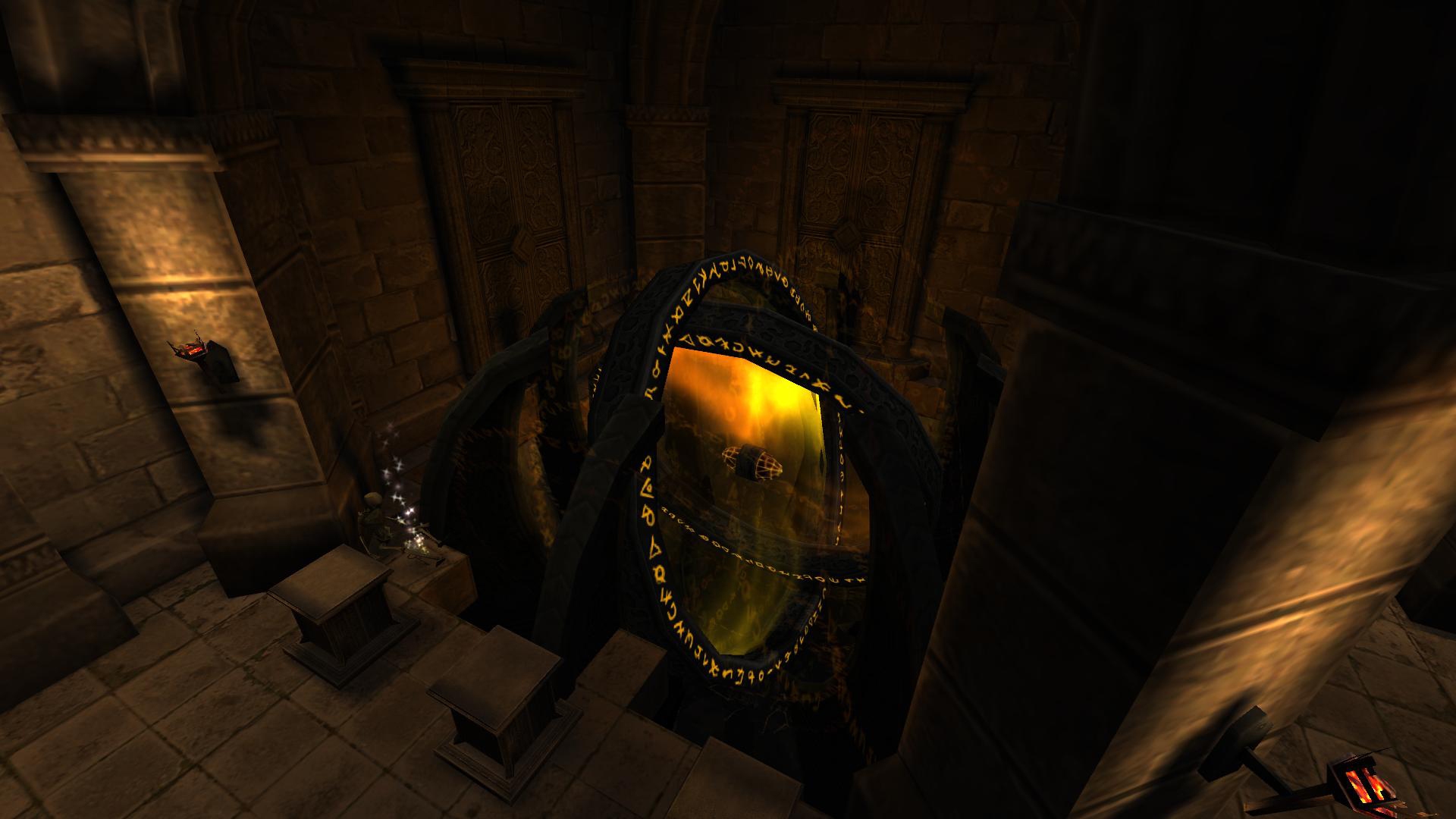
The recent revival of this beloved strategy series received a lot of criticism due to its constant pressure to spend money. Players found that digging and building took far too long unless they paid for boosts with real money. The game repeatedly asked players to spend money to keep playing, which frustrated both reviewers and longtime fans. It’s now seen as a prime example of how focusing too much on profits can ruin good gameplay.
‘Final Fantasy XV: A New Empire’ (2017)
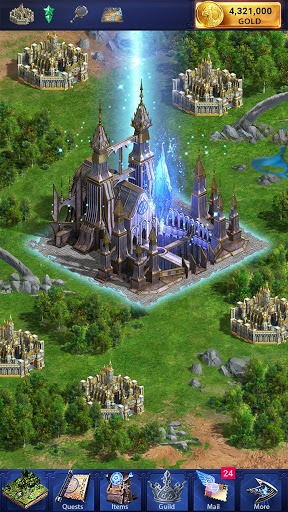
This mobile game borrows from a well-known console series to draw players in, but it’s designed to encourage a lot of spending. You build a city and train soldiers, but you’ll constantly be asked to buy items with real money. Players who spend more money quickly become much more powerful, and can easily defeat those who don’t. The game prioritizes making money through competition and making players feel like they need to spend to stay competitive.
‘Evony’ (2009)
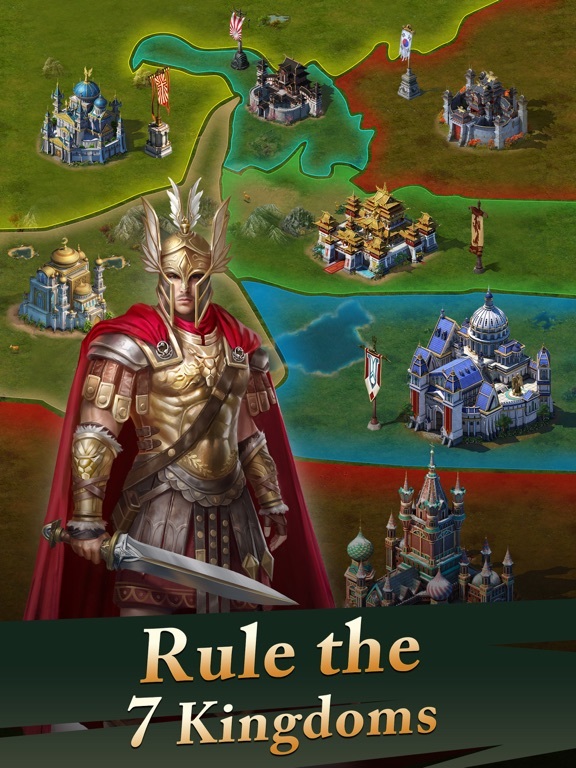
This game is famous for its attention-grabbing ads, but gameplay revolves around collecting resources and growing your kingdom. Players often feel like they need to buy boosts and items to stay competitive and protect themselves from more powerful opponents. The game is built so that players who spend money regularly have a significant advantage. While the ads show simple puzzles, these are just a small part of a system where spending money is often the key to winning. The game has stayed popular for a long time by focusing on players who are willing to spend a lot of money.
‘Asphalt 9: Legends’ (2018)

This racing game lets you collect and drive a variety of real-world cars by completing challenges and earning blueprints. While you can unlock many cars without spending money, the best ones are often tied to paid events or random loot boxes. The game also allows you to spend money to quickly refuel your cars and skip waiting periods between races. Getting your cars competitive takes a lot of in-game rewards and hard-to-find parts. The game looks great, but it relies heavily on common mobile game payment methods.
‘Modern Combat 5’ (2014)
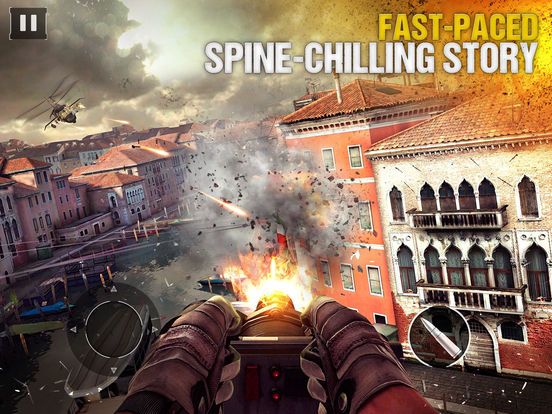
This first-person shooter started as a paid game but later became free to play. To make money, the developers added things like a stamina system and the ability to buy upgrades for weapons. Players can spend money on powerful items that give them an edge in online matches. This change upset many of the original players who had already purchased the game, and it highlights the difficulty of keeping a competitive game fair while also making money from it.
‘Mario Kart Tour’ (2019)
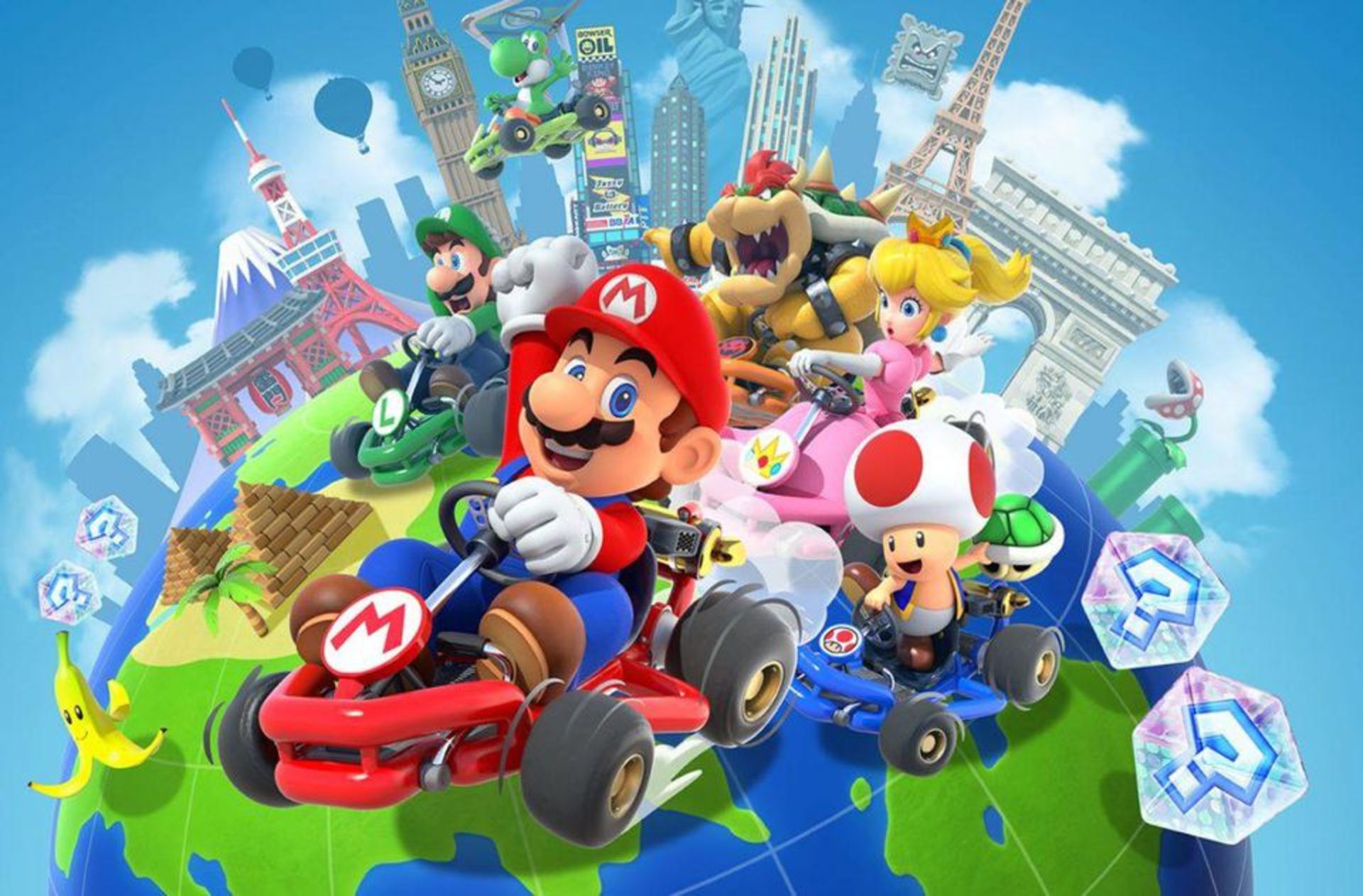
Nintendo’s mobile racing game uses a system where players collect characters, vehicles, and gliders through chance-based pulls. These collectibles boost scores on different tracks, and rarer items are key to getting high rankings. Although randomized loot boxes were removed, the game still features a regularly updated shop and optional paid passes. This approach is quite different from the emphasis on player skill found in the traditional console versions.
‘Call of Duty: Mobile’ (2019)
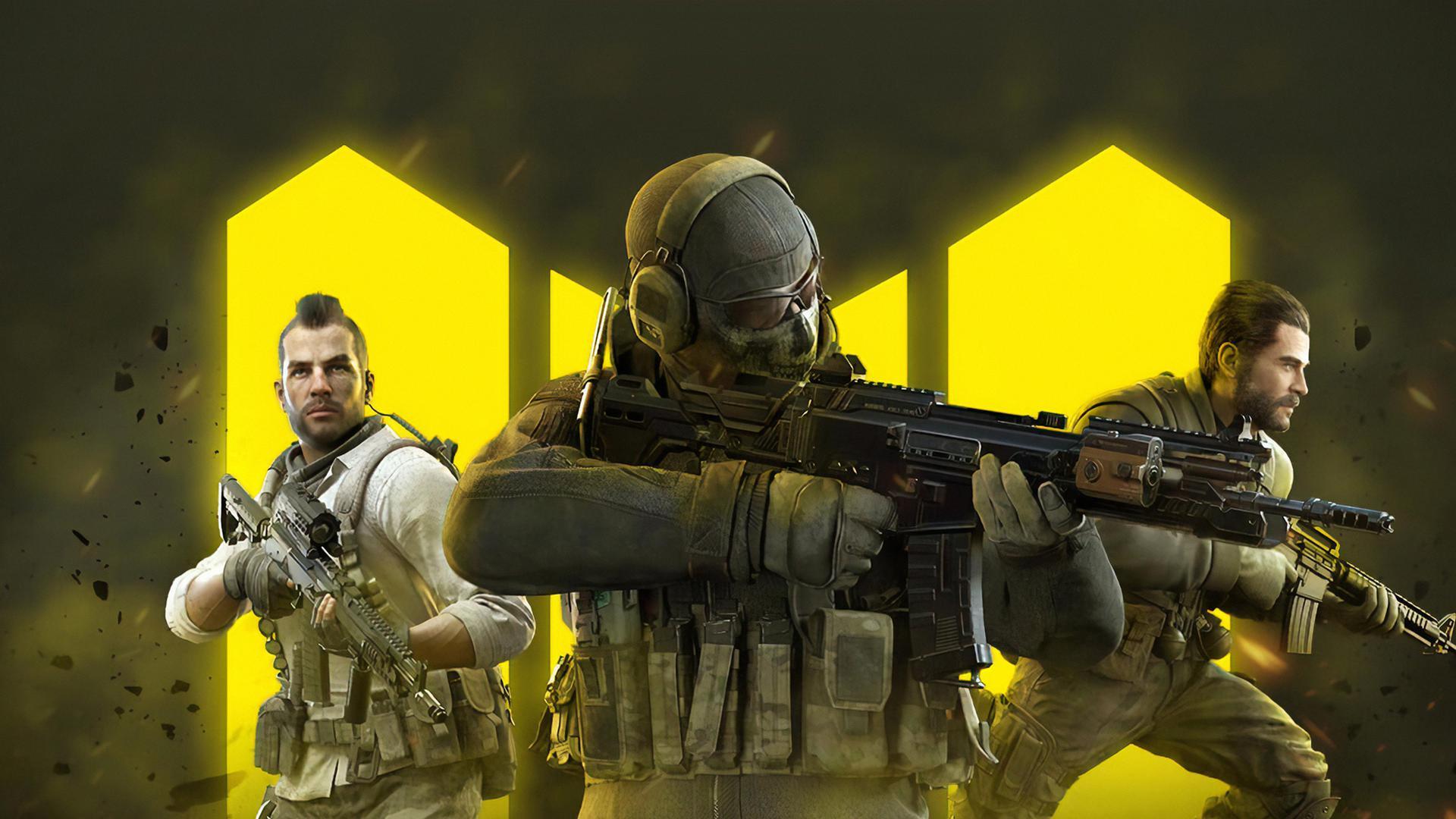
This mobile game lets you battle in different modes with a wide range of weapons from the popular series. While aiming and shooting require skill, some weapon designs offer extra advantages. Players can speed up their progress by buying battle passes and loot boxes for better gear. The ranked competitive mode is fair, but the game frequently encourages purchases. Overall, it’s a good example of a well-known game series successfully transitioning to mobile platforms.
‘Coin Master’ (2015)
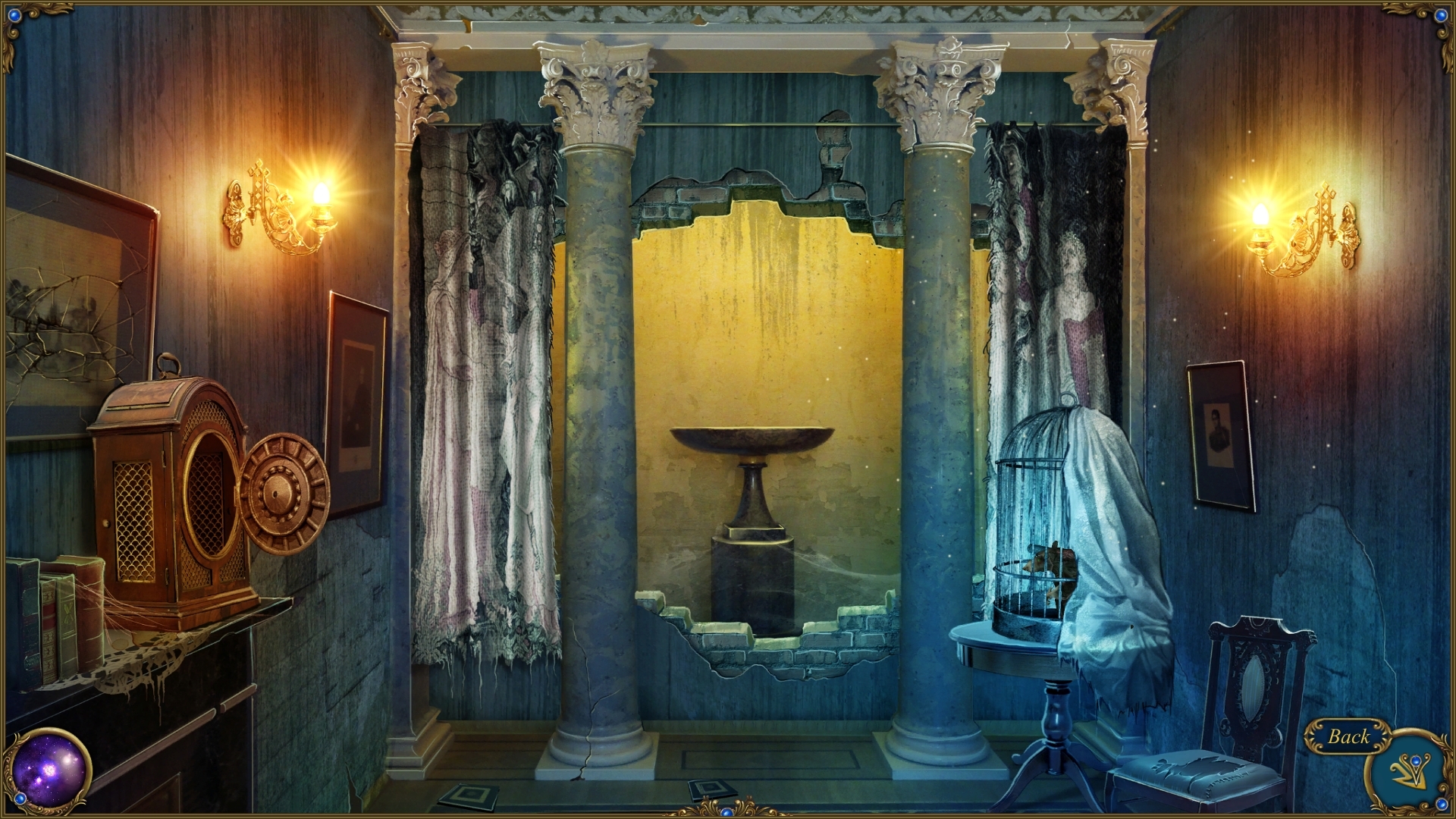
This game combines building and upgrading a village with the thrill of a slot machine. You spin a wheel to win coins, which you then use to improve your village and advance. The number of free spins is limited, and the game often encourages you to buy more to continue playing. It also lets you interact with friends – you can attack their villages and defend your own. The entire game revolves around luck, as everything depends on the spins of the central slot machine.
‘Guns of Glory’ (2017)
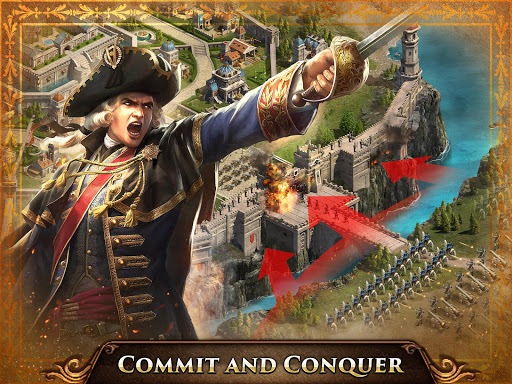
This steampunk strategy game lets you build and manage your own kingdom, but it relies heavily on in-app purchases. You’ll gather resources, create an army, and defend against attacks from other players. While you can progress without spending money, the game pushes you to buy packages for stronger airships and troops. It creates a feeling of needing to spend to stay competitive, and it appeals to players who don’t mind a ‘pay-to-win’ system.
‘State of Survival’ (2019)
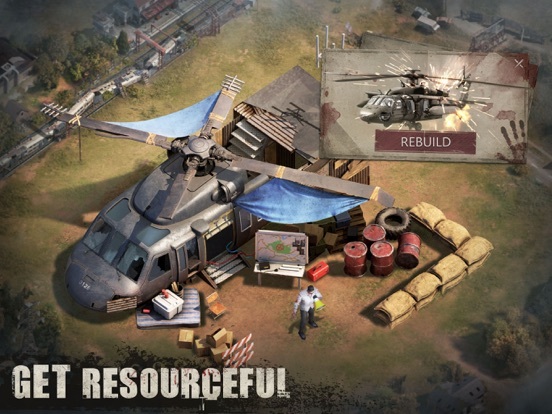
This strategy game puts you in charge of a base and a team of heroes battling zombies. As you advance, building and gathering resources gets increasingly difficult and time-consuming. While you can progress without paying, the fastest way to succeed and help your alliance is by purchasing in-game packs. Competitive events are usually won by players who have invested in upgrading their heroes. The game also regularly partners with popular franchises to keep things fresh and encourage purchases.
‘Tower of Fantasy’ (2021)
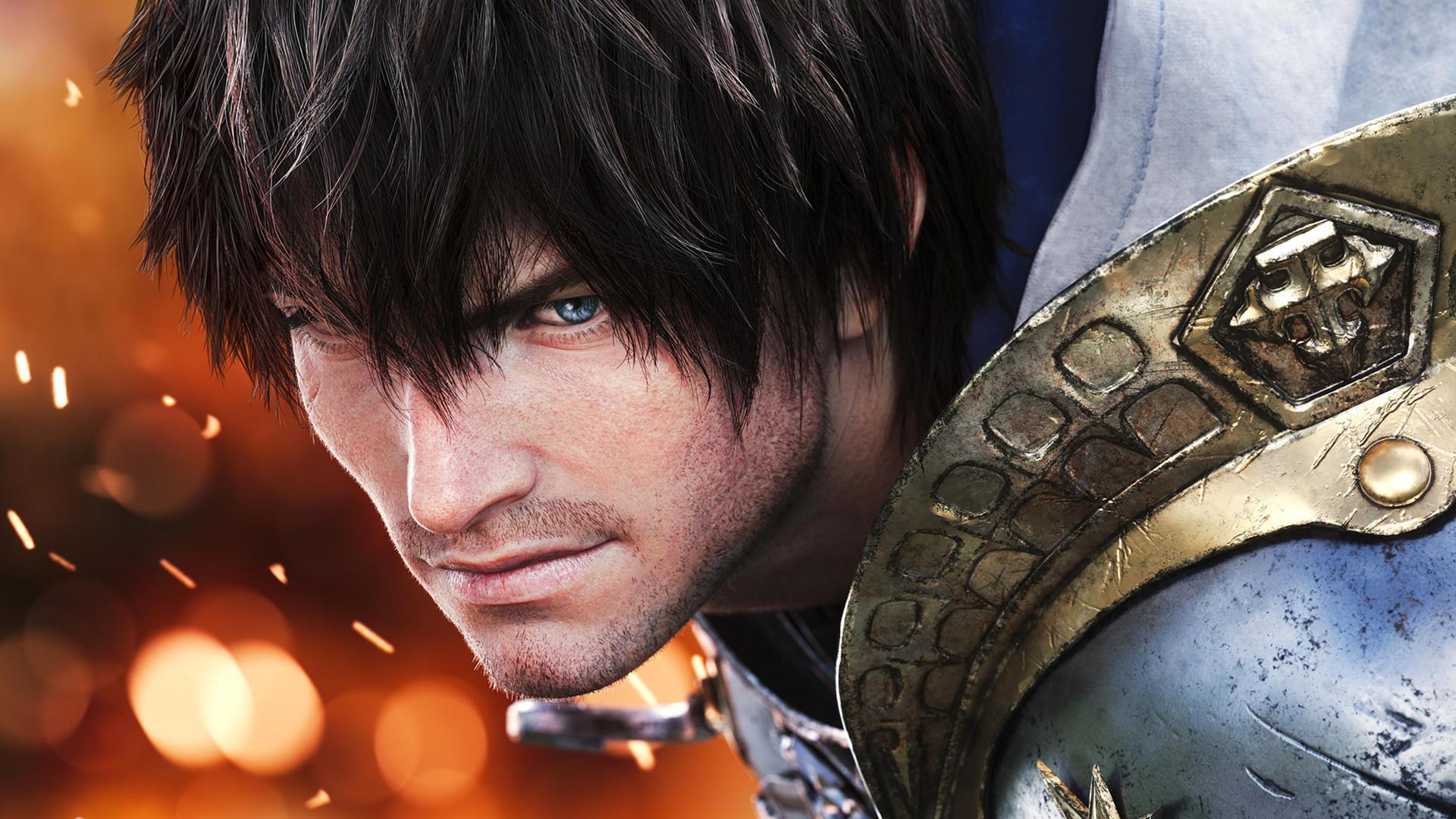
This anime RPG takes place in a large, open world and shares similarities with ‘gacha’ games. You improve your characters by collecting powerful weapons, which each come with a unique character and special skills. To fully upgrade these weapons, you’ll often need multiple copies, and this usually involves spending real money. While there’s a lot to do in the game’s world, the most challenging content is much easier with top-level equipment. The game also features multiplayer, where the strength of your gear is prominently displayed, creating a competitive environment.
‘Rise of Kingdoms’ (2018)
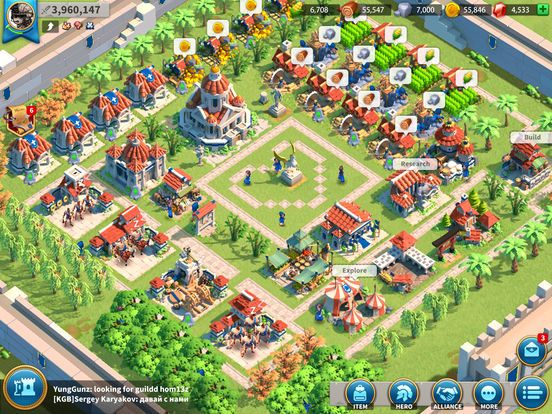
This strategy game lets you guide historical civilizations and grow your empire. Progress, like researching new technologies and building structures, can be slow unless you spend money to speed things up. Forming alliances with other players is important, but how much money a player spends often determines their strength. This can create unfair fights where a player with deep pockets can easily win against several others. While the game is popular, many players criticize it for giving an advantage to those who spend the most money.
‘Top War: Battle Game’ (2019)

This mobile game lets you improve your units and buildings by merging them together. It’s easy to pick up, but getting to the higher levels requires more effort. You can buy heroes and resources to speed up your progress and become a leader on the game map. The game is very competitive, and players often need to spend money to keep up in large battles. It’s become quite popular and profitable thanks to its frequent ads and in-app purchases.
‘Summoners War’ (2014)
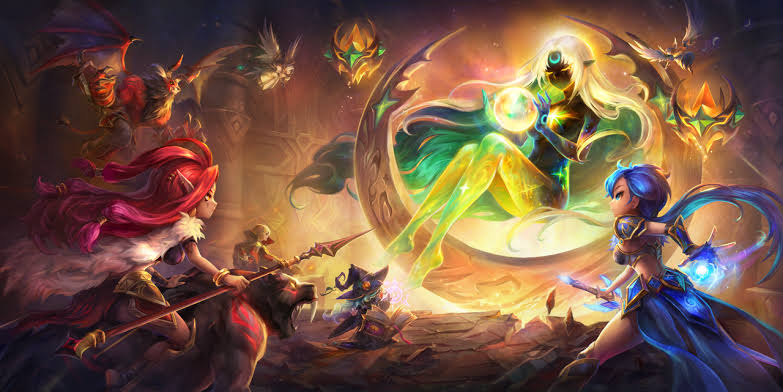
This game was one of the first big hits in the popular ‘collect and battle’ style of mobile games, and it largely defined how these games make money. Players gather monsters and power them up with runes to win battles. Getting the strongest monsters and best runes can be very lucky, or require spending a lot of money. The competitive scene is extremely polished, but hard for new or casual players to break into without a lot of time and resources invested. Despite this, it’s still very popular thanks to its complex strategy and regular updates.
‘Lineage M’ (2017)
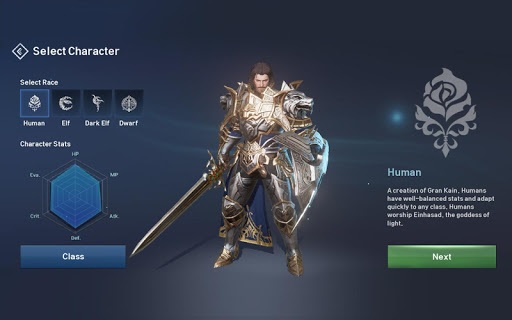
This mobile game, originally a popular Korean online role-playing game, is well-known for how much money players can spend to get ahead. Upgrading equipment and characters is very expensive, and even then, there’s a low chance of success at higher levels, making it difficult and costly to become a top player. The game has earned billions of dollars by appealing to players who are willing to spend a lot of money, and it highlights how different games can use different ways to make money in various parts of the world.
‘Lords Mobile’ (2016)
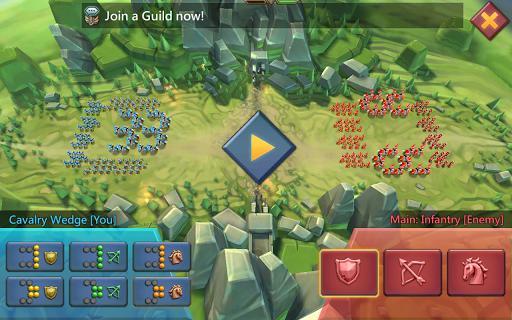
This game combines the strategy of base-building and large battles with the character progression of role-playing games. Players can improve their heroes while also constructing and managing bases. The game offers ways to spend money to accelerate progress and obtain valuable items. Joining an alliance is important, and the strongest alliances are often led by players who have spent the most money. Its continued popularity shows how successful the game’s approach to earning revenue is.
‘Ni no Kuni: Cross Worlds’ (2021)

This beautiful role-playing game received criticism at launch due to its focus on features players could buy to gain an advantage, and its use of blockchain technology. Players can purchase boosts and items that directly make them stronger and help them progress faster, and even pay to skip lines when servers are busy. Though the game’s art and music are excellent, many players find the way it encourages spending money to be disruptive. It’s a prime example of how great graphics and sound can be combined with a very aggressive approach to making money.
‘Dragon Ball Legends’ (2018)

This mobile game lets you battle with a huge cast of characters from a popular anime. The game is fast-paced, but newer, more powerful versions of characters are constantly released, making older ones less effective. Players rely on a luck-based system to get these new characters and stay competitive. While you can upgrade characters, getting significant improvements requires investment. Despite the need to spend money to fully maximize your team, the game remains popular thanks to its impressive animations and the well-known anime it’s based on.
‘Yu-Gi-Oh! Master Duel’ (2022)
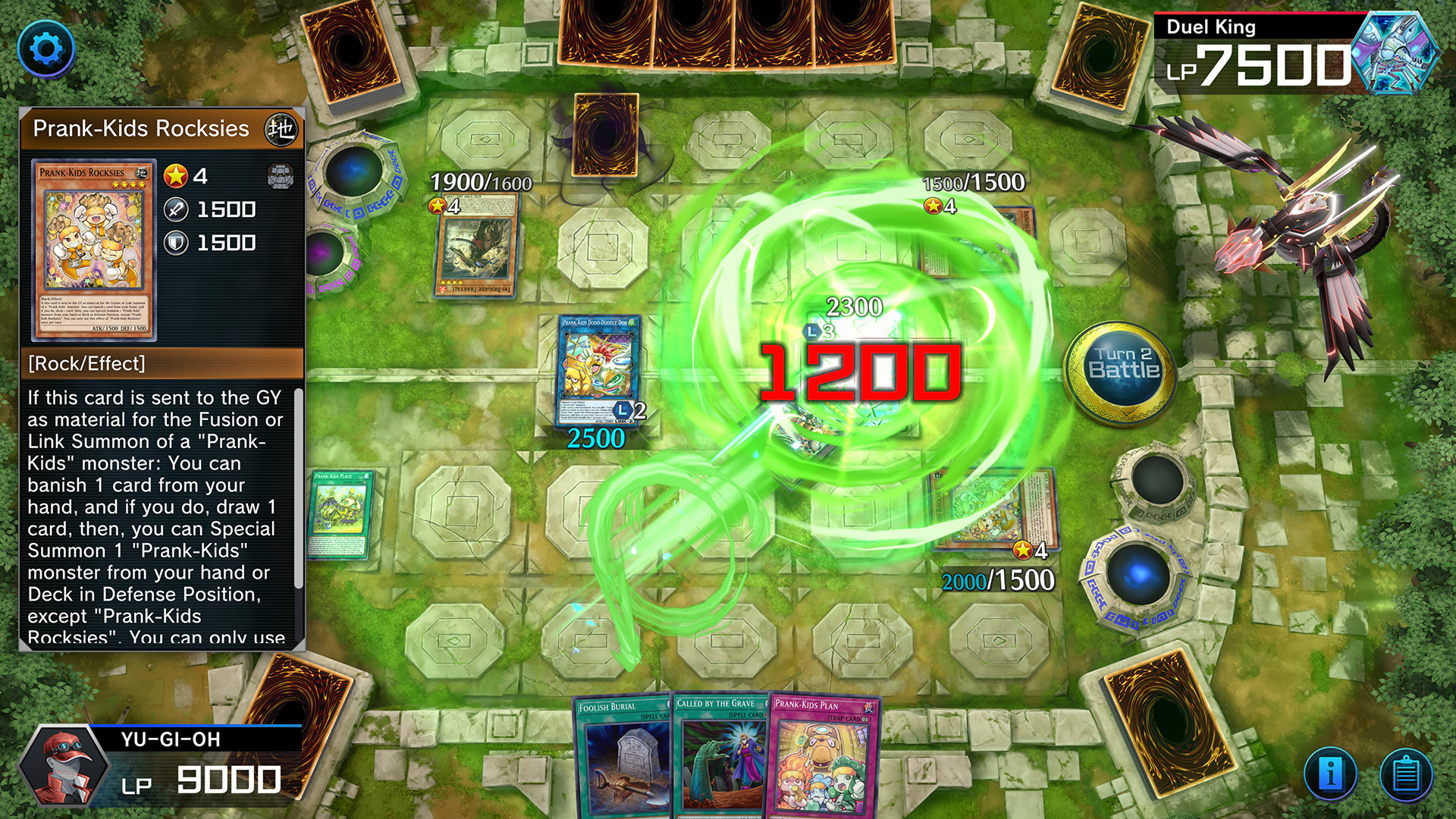
This online version of the popular card game lets you play by the official rules. You build decks by collecting cards, and winning usually means having rare, powerful ones. The game is helpful for beginners, but keeping your deck competitive can get expensive over time. New card sets come out frequently, changing the game and often requiring you to buy more cards. It’s a true-to-the-original experience, but it shares the typical costs associated with collectible card games.
‘Honkai: Star Rail’ (2023)
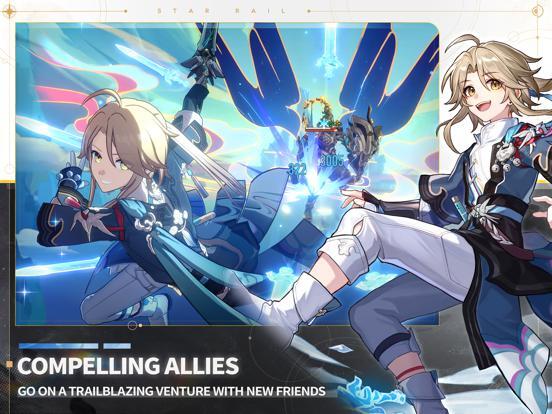
This mobile game, created by the team behind popular gacha titles, uses a turn-based battle system and boasts impressive graphics and design. Players collect characters and ‘light cones’ – which act as equipment to make their team stronger. To overcome the toughest challenges, players often rely on powerful, limited-time characters. The game gives new players plenty of resources, but long-term progress is heavily tied to the gacha system. It’s become a global hit, quickly ranking among the most successful mobile games available.
‘Vindictus’ (2010)
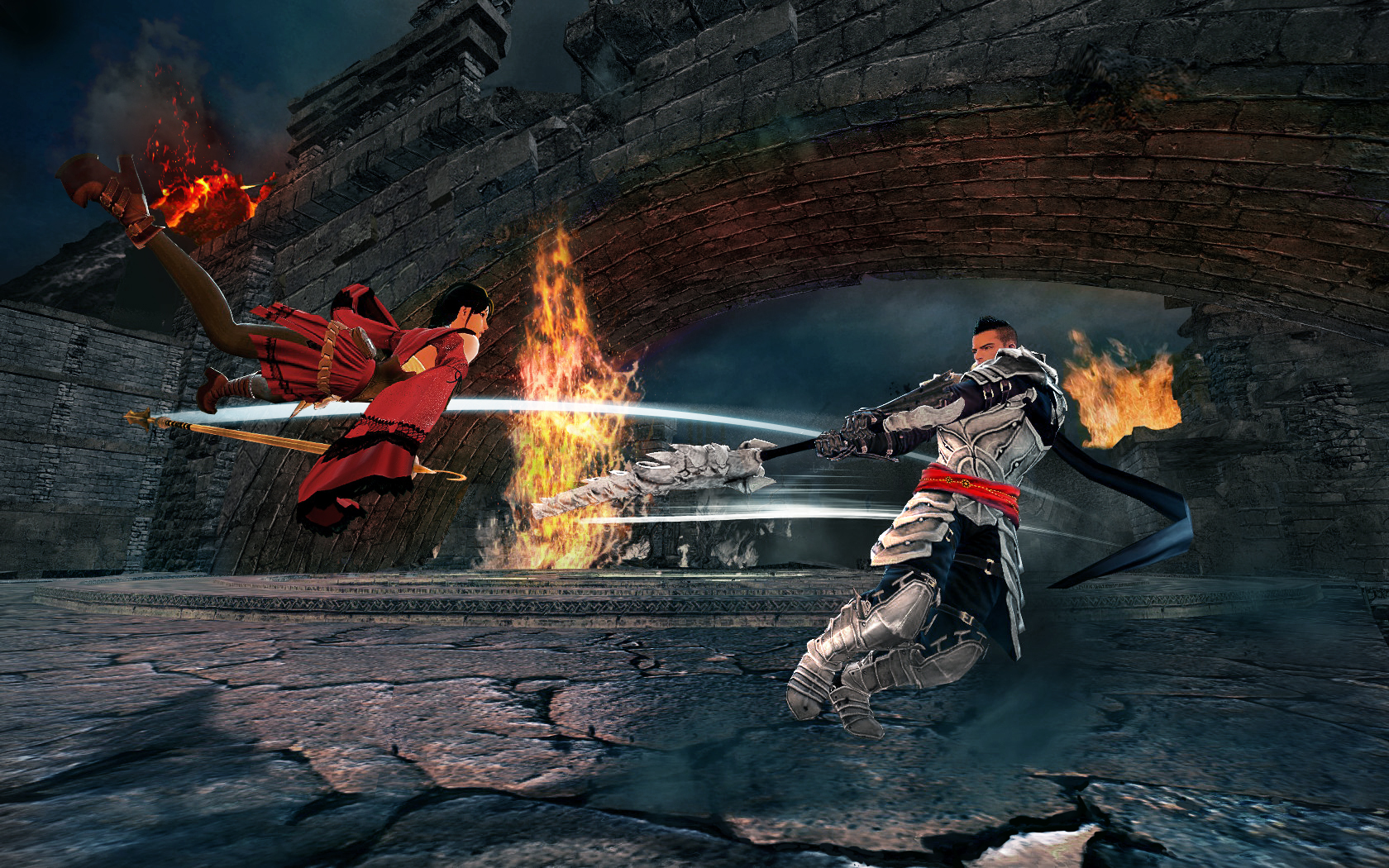
This online action RPG is famous for its quick battles and challenging gameplay. As players progress, improving their gear is crucial, but upgrades can fail and permanently destroy items. While it’s possible to buy insurance in the game’s store to prevent this, it encourages players to spend money to avoid losing progress. Despite these spending incentives, the game has a dedicated and consistent player base.
‘Blade & Soul’ (2012)
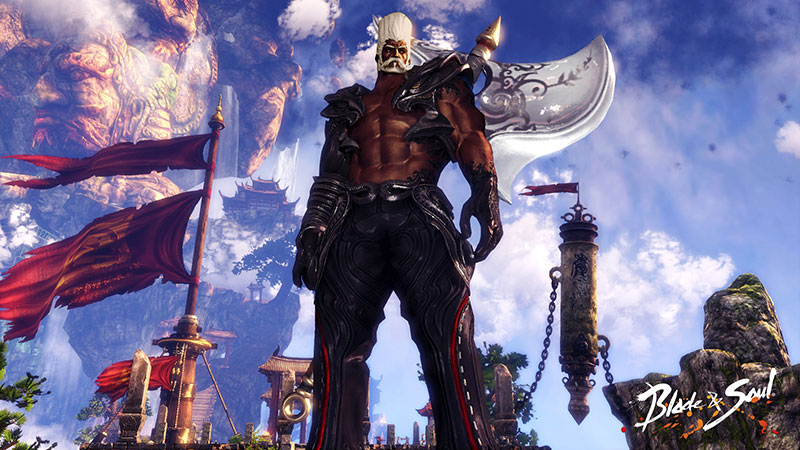
This online martial arts game focuses on challenging player-versus-player combat and a deep fighting system. Players improve their characters by upgrading a main weapon, which demands a lot of hard-to-find materials. These materials are available for purchase in the game’s store through special offers and events. While good skills matter, having better equipment gives players a noticeable advantage. The game developers have also changed how the game makes money several times to better meet what players want.
‘Dungeon Hunter 5’ (2015)
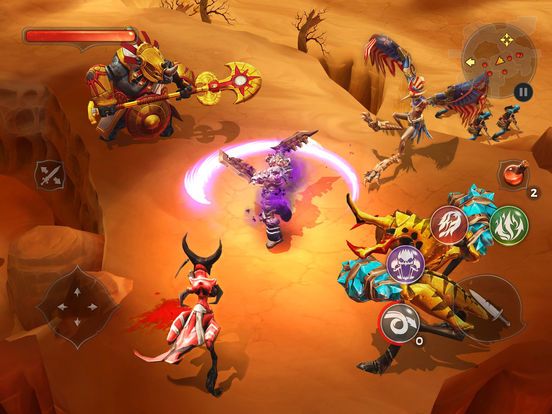
This action game from Gameloft lets you level up by collecting and combining gear, a common feature in these types of games. While you can get stronger by playing, spending money speeds up the process considerably. The game also limits playtime with an energy system that can be refilled with purchases. Those who spend money on powerful gear typically dominate the competitive leaderboards and events. It’s a typical example of how many mobile action RPGs make money.
‘Roblox’ (2006)
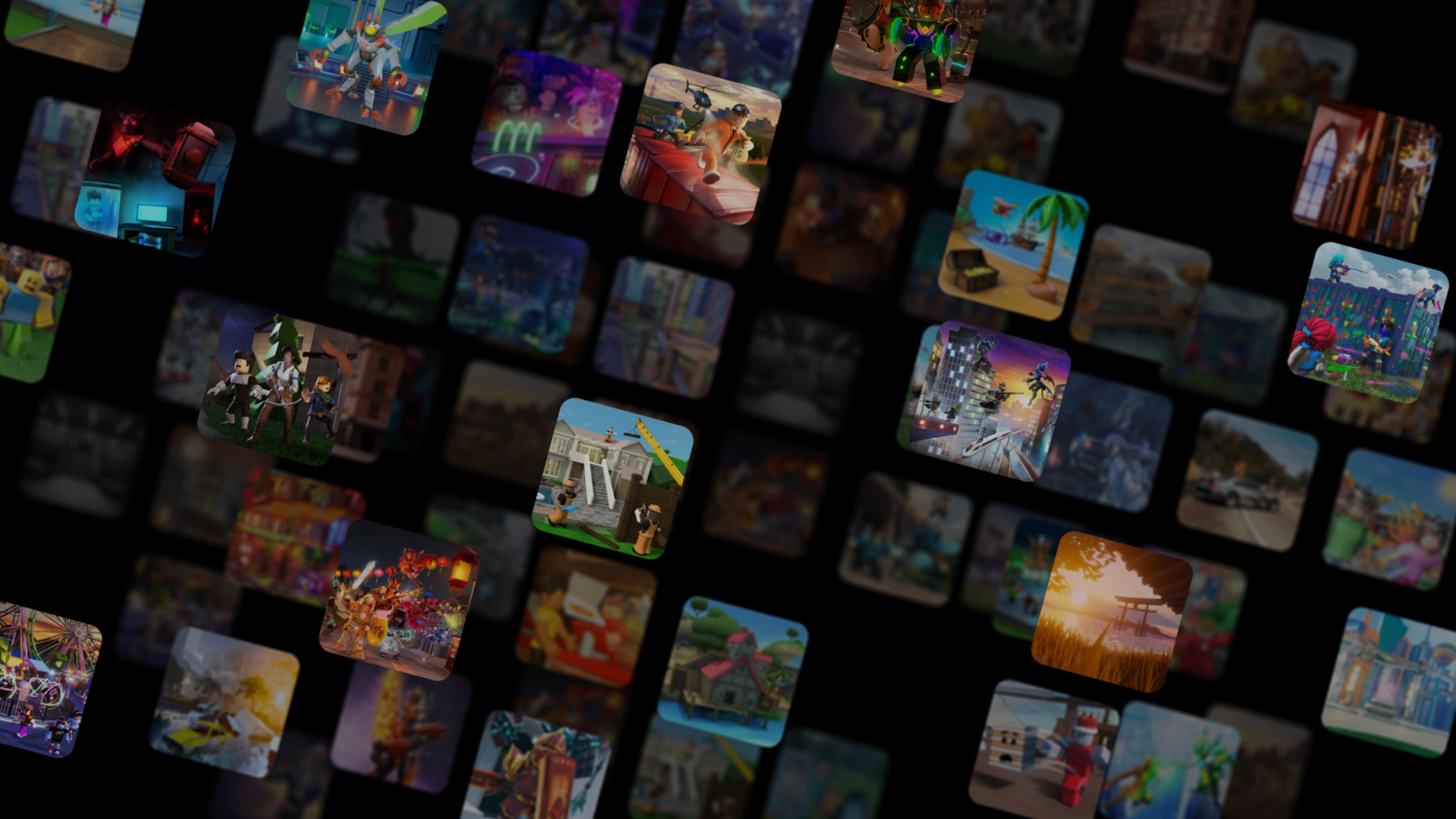
Roblox hosts millions of games, and its economy revolves around a virtual currency called Robux. Many games within Roblox allow players to purchase advantages, like powerful items, which can create a competitive atmosphere, especially for younger players who may feel pressured to spend money. Roblox itself takes a large percentage of all purchases made within these games. Despite being a huge cultural trend, the platform is designed to generate revenue at almost every turn.
‘Overwatch 2’ (2022)
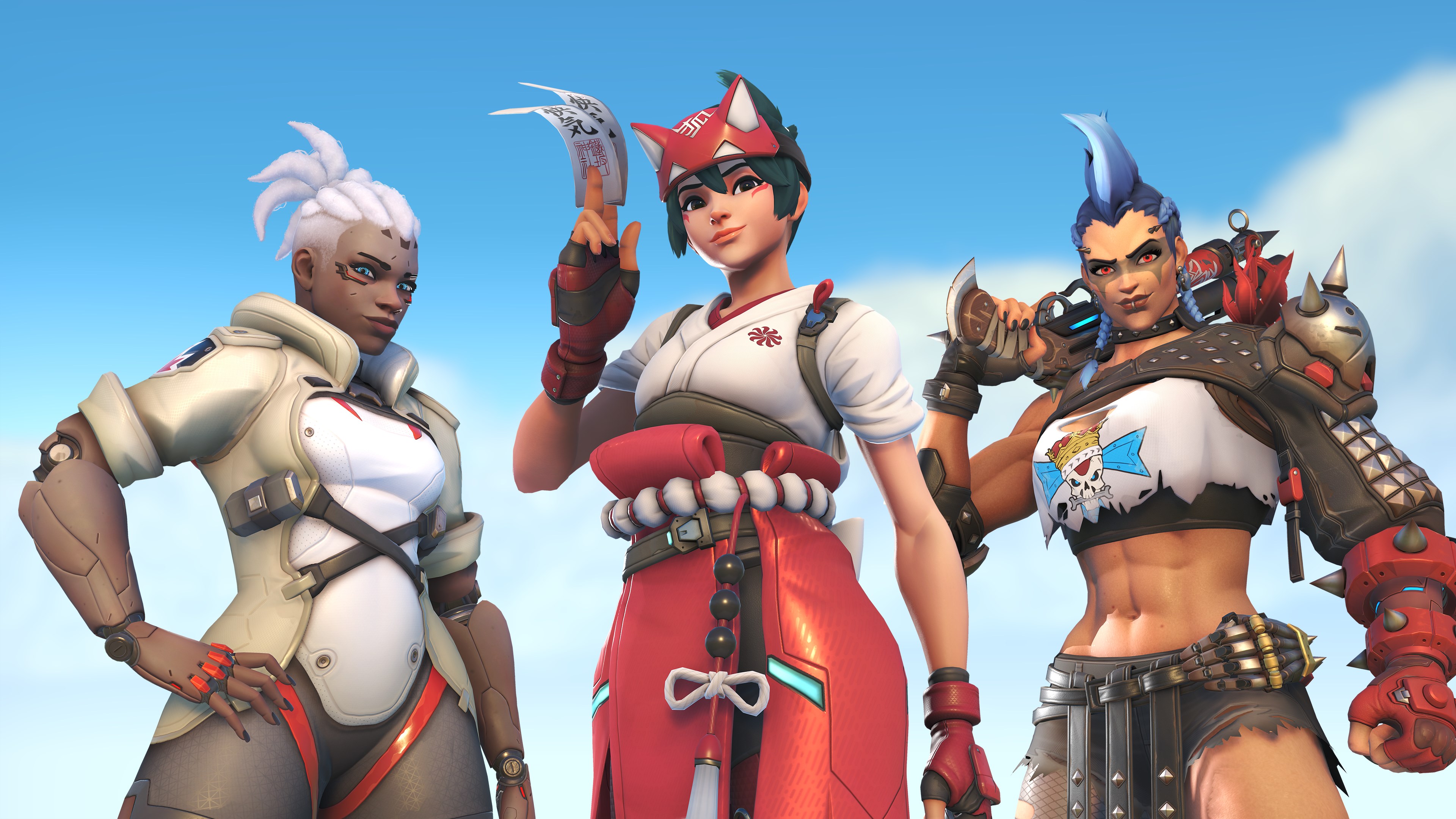
Switching this popular hero shooter to a free-to-play system brought about some changes that upset many players. At first, new characters could only be unlocked by completing challenges or making purchases. Although this system was changed later on, the game still makes a lot of money from pricey cosmetic items and seasonal content. This change from the original game design frustrated many long-time fans, and it’s part of a larger trend in the gaming industry towards ongoing, in-game purchases.
‘Archery Master 3D’ (2015)
This mobile game is a simple target-hitting experience with levels set in different environments. Players improve by upgrading their bows and equipment, which requires in-game currency. Earning this currency can be slow, and the game often encourages players to watch ads or spend money to quickly overcome difficult parts. It’s a clear example of how even casual games can use ‘pay-to-win’ tactics.
‘Madden NFL 24’ (2023)

The popular Ultimate Team mode in this football game works much like other sports games. Players buy packs of cards to collect current players and all-time greats, building a team to compete online. Better-rated teams generally perform better in matches, which means spending money can sometimes make up for a player’s lack of experience. The game regularly releases new players and items, constantly generating revenue through these small purchases.
Please share your thoughts on these titles and their monetization systems in the comments.
Read More
- 21 Movies Filmed in Real Abandoned Locations
- 2025 Crypto Wallets: Secure, Smart, and Surprisingly Simple!
- 10 Hulu Originals You’re Missing Out On
- The 11 Elden Ring: Nightreign DLC features that would surprise and delight the biggest FromSoftware fans
- The 10 Most Beautiful Women in the World for 2026, According to the Golden Ratio
- 10 Underrated Films by Ben Mendelsohn You Must See
- ICP: $1 Crash or Moon Mission? 🚀💸
- 20 Films Where the Opening Credits Play Over a Single Continuous Shot
- Crypto’s Comeback? $5.5B Sell-Off Fails to Dampen Enthusiasm!
- 20 Games Where the Canon Romance Option Is a Black Woman
2026-02-11 01:30