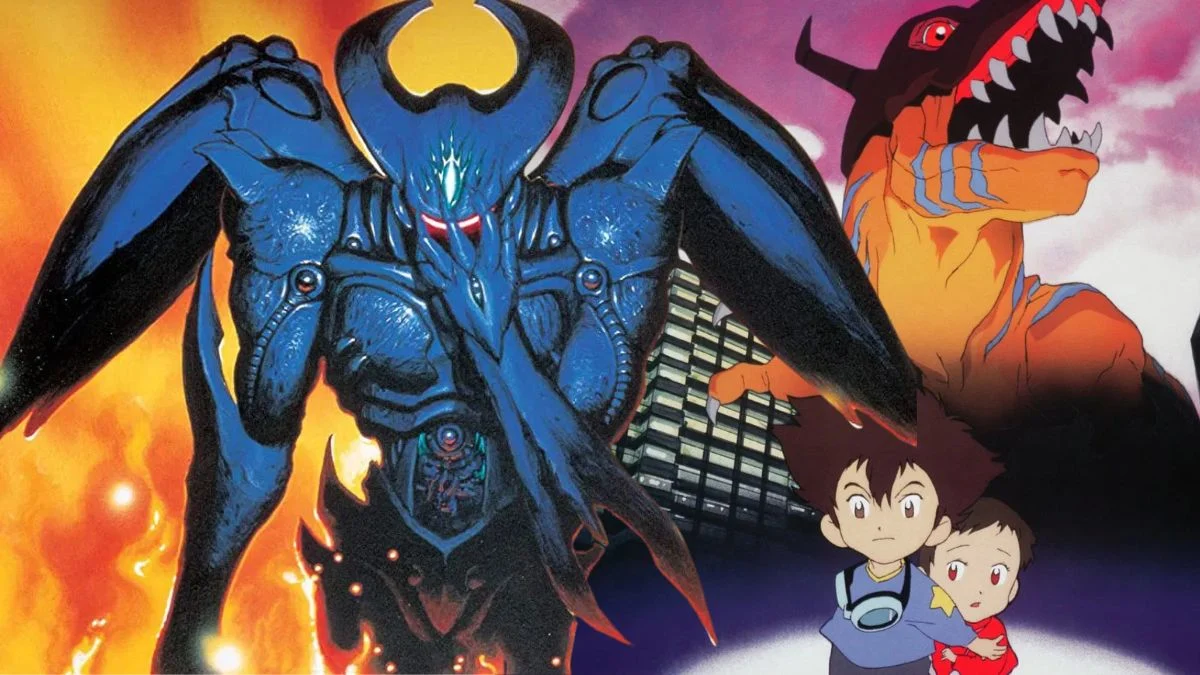
The 4Kids Entertainment dub of ‘One Piece’ is often used as a prime example of how badly localization can go. To make the show appropriate for very young children, 4Kids heavily censored it, even cutting out entire storylines. They made big changes to characters too – for example, Sanji’s cigarettes were replaced with lollipops, and dangerous weapons became harmless toys. These edits removed much of the show’s emotional impact and its more serious themes. Because episodes were skipped and the story wasn’t paced well, it became very confusing for anyone new to the series.
‘Sailor Moon’ (1992–1997)
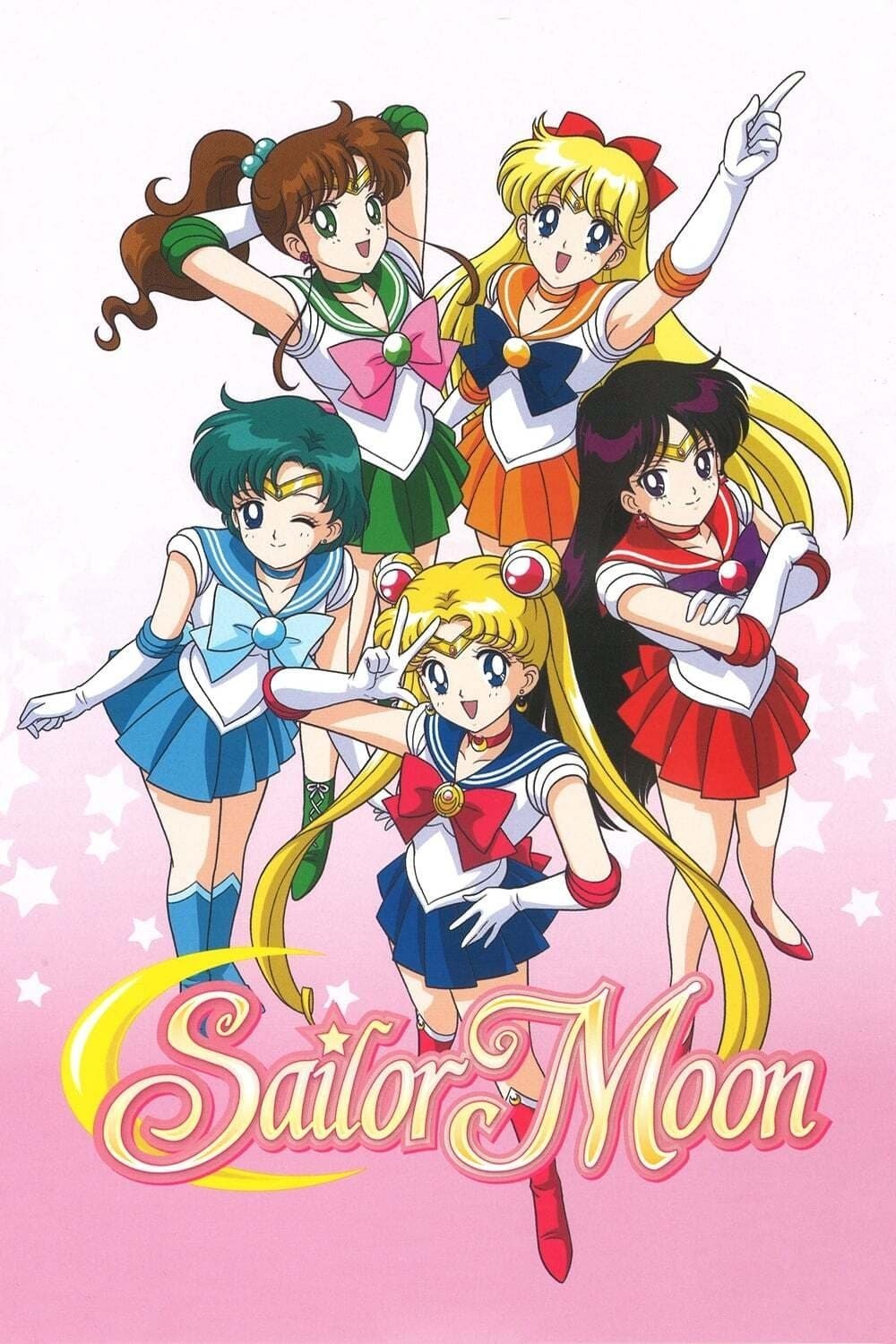
When ‘Sailor Moon’ first came to North America, DiC Entertainment made a lot of changes during editing that upset many fans. Character names and personalities were altered to match what was popular in nineties Western TV. A key example was changing the romantic relationship between Sailor Uranus and Sailor Neptune into a cousin relationship, which felt strange to viewers and removed important LGBTQ+ representation. Additionally, many episodes were cut, making the overall story confusing and disjointed.
‘Cardcaptor Sakura’ (1998–2000)
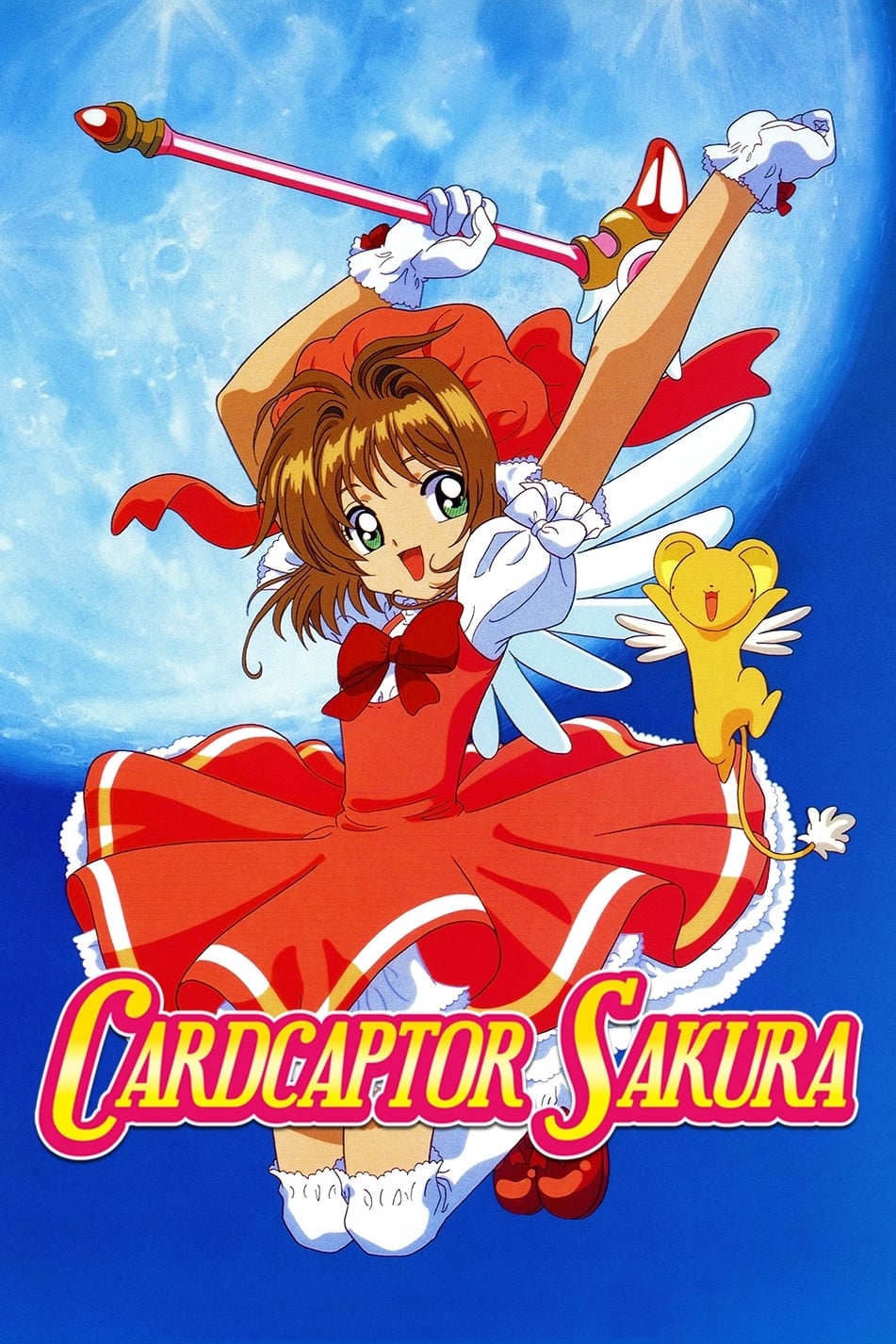
When ‘Cardcaptor Sakura’ came to North America, it was renamed ‘Cardcaptors’ and changed to appeal more to boys. The team editing the show rearranged episodes and cut out scenes, shifting the focus from Sakura Kinomoto to Syaoran Li. They also simplified the show’s emotional depth and relationships, prioritizing action. This upset fans of the original manga and altered the show’s meaning, ultimately making it feel disconnected and losing the heart of the original series.
‘Yu-Gi-Oh! Duel Monsters’ (2000–2004)
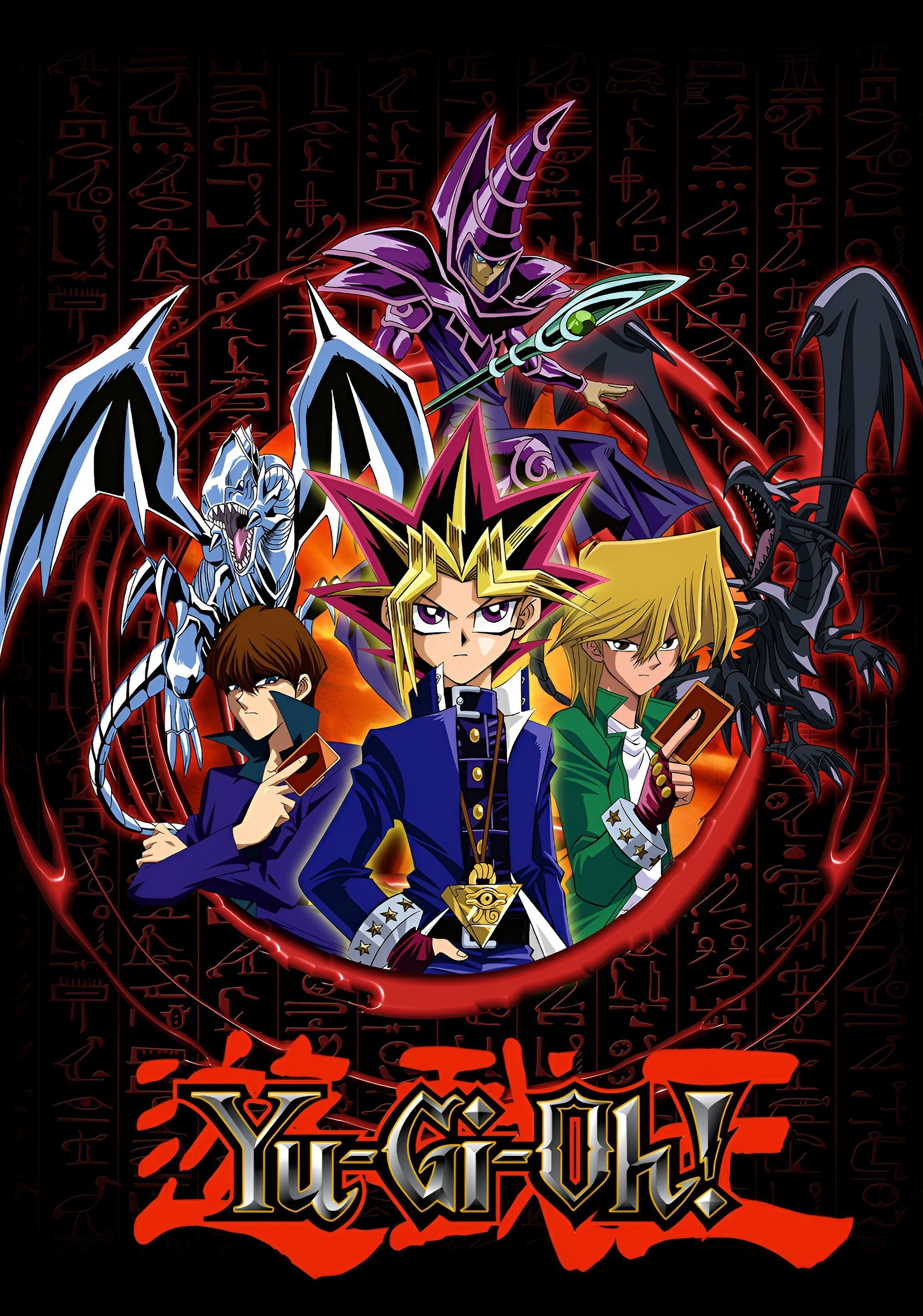
When ‘Yu-Gi-Oh! Duel Monsters’ was brought to English-speaking audiences, the show avoided directly showing characters dying by introducing the idea of the Shadow Realm. To make it more suitable for a wider audience, any violence or realistic weapons were removed or replaced with bright energy effects. The script was also changed to include lots of jokes and repeated phrases about believing in the power of cards. While this version became very popular, it significantly altered the serious and intense feeling of the original Japanese series. The changes often made the villains seem less scary or their actions less understandable.
‘Ghost Stories’ (2000–2001)
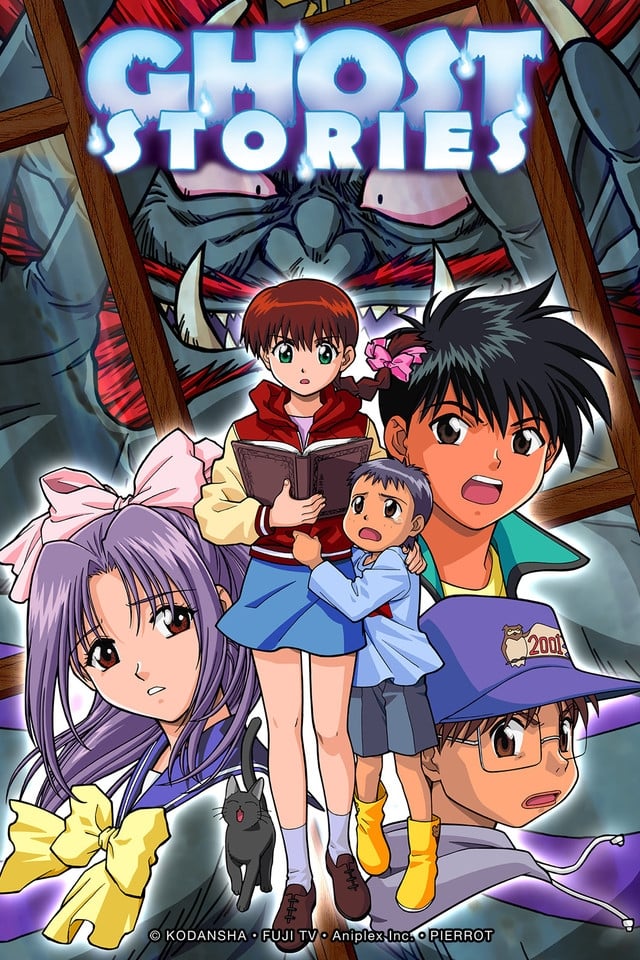
The English dub of ‘Ghost Stories’ is well-known for throwing out the original Japanese script and instead making up the dialogue as they went along, using improv comedy. Because the show didn’t do well in Japan, the team translating it was given free rein. This led to a version packed with inappropriate jokes, references to popular culture, and self-aware humor, all of which strayed far from the original scary story. While it gained a dedicated fanbase, the dub completely destroyed the intended frightening mood and serious plot. The creators’ original vision was sacrificed for a comedic parody.
‘Initial D’ (1998–2014)
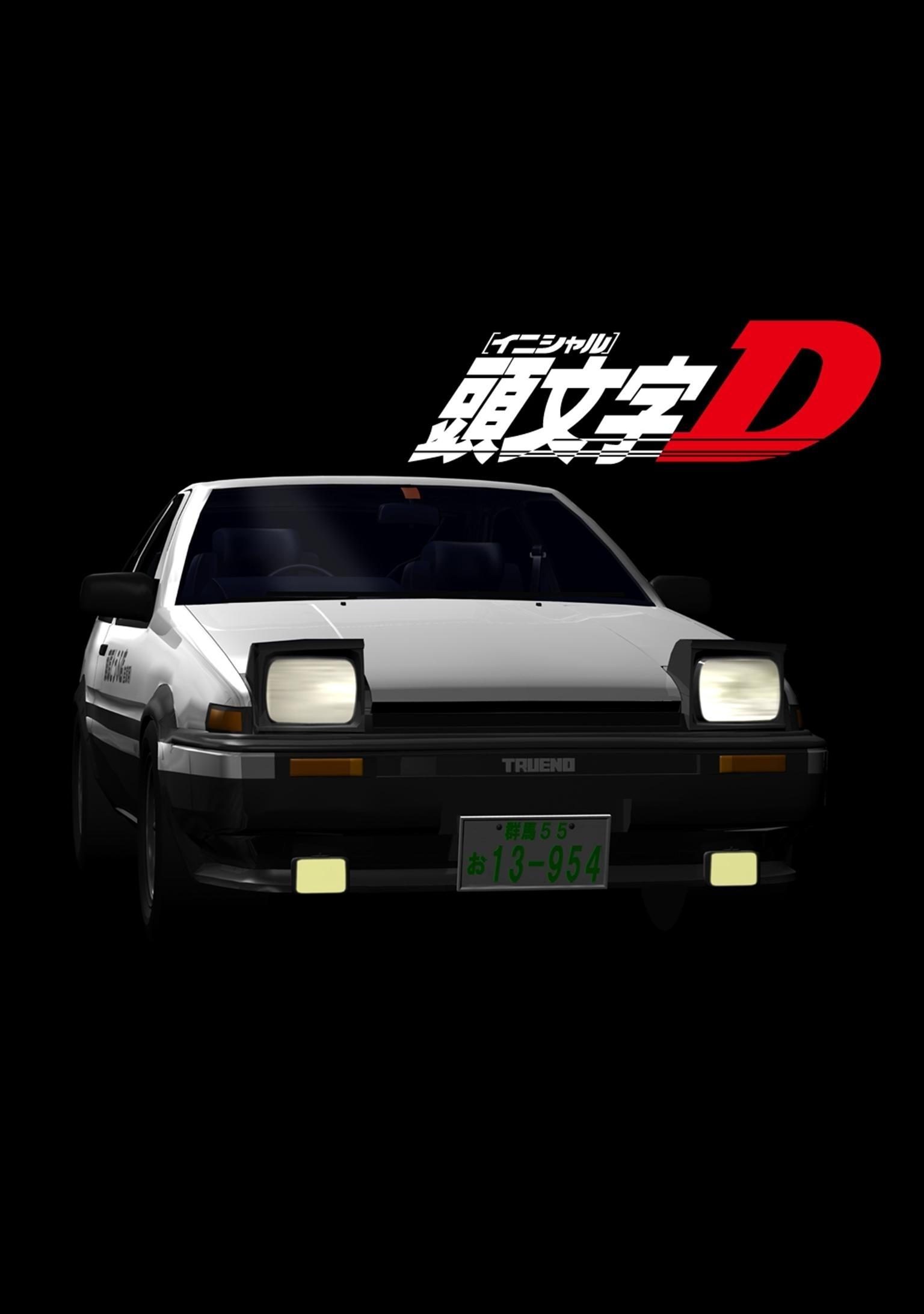
As a movie critic, I have to say Tokyopop’s take on ‘Initial D’ really missed the mark. They tried to appeal to American audiences by completely changing character names – suddenly we had ‘Tak’ and ‘Iggy’ driving around in Japan, which just felt…off. But the biggest sin? Ditching the incredible Eurobeat soundtrack! That music was the racing scenes, and replacing it with generic hip-hop and rock completely killed the vibe. They also dumbed down the technical stuff about drifting, seemingly assuming American viewers couldn’t handle it. Honestly, the backlash was huge, and thankfully another company eventually stepped in to give us a much more accurate and respectful dub of the series.
‘Digimon Adventure’ (1999–2000)
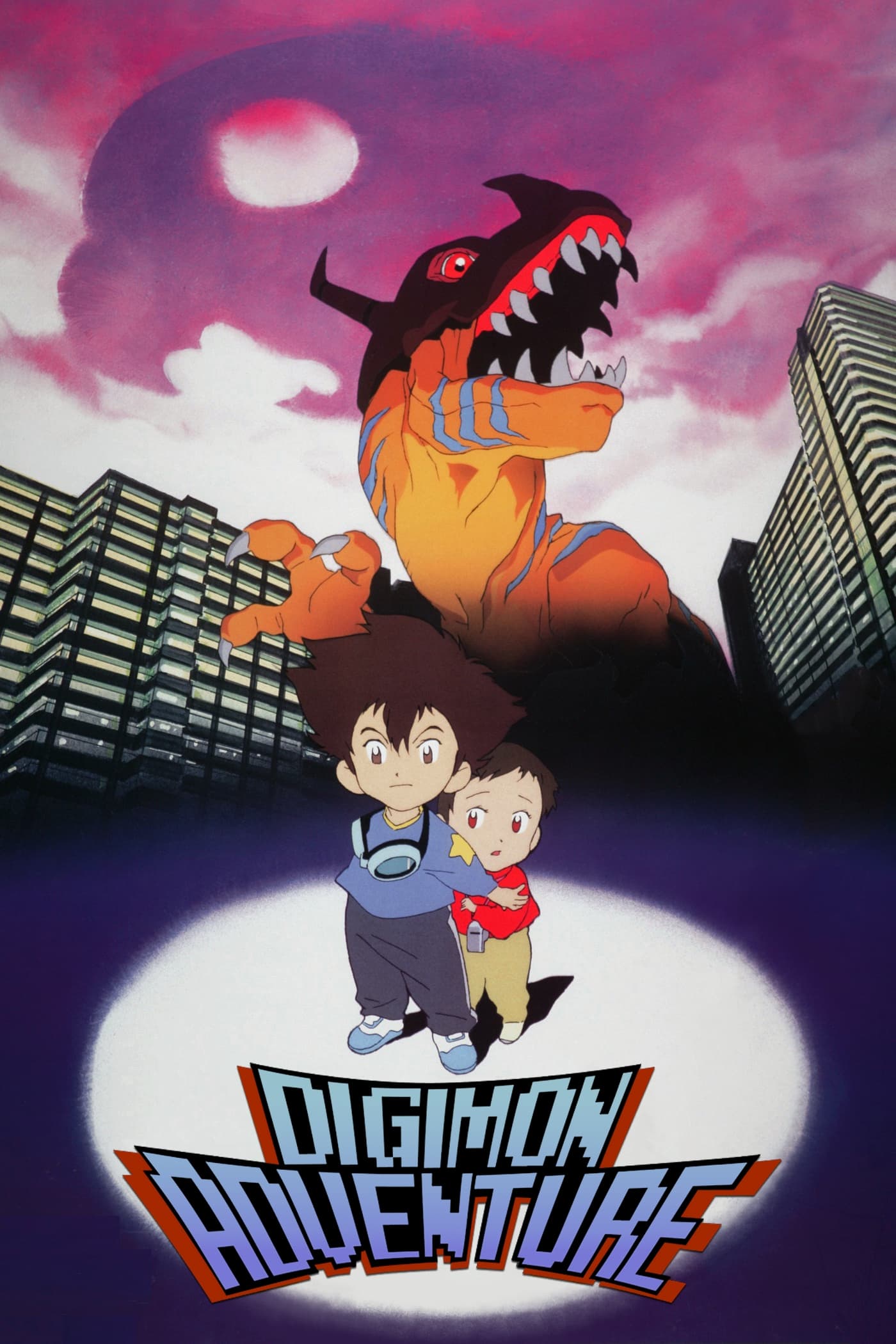
As a fan, I always loved the English version of ‘Digimon Adventure,’ but looking back, it’s clear Saban really changed things up. They added a lot of funny moments and jokes that weren’t in the original Japanese show. While the voice acting was great, sometimes the humor felt a little out of place and took away from the serious parts. They also completely redid the music, making it more upbeat and action-packed, but it lost some of the original’s emotional depth. To make it suitable for kids here, they softened some of the heavier themes about family and loss. Honestly, it ended up being a lighter, more fun show, but it didn’t quite have the same impact as the original Japanese version.
‘Sonic X’ (2003–2005)
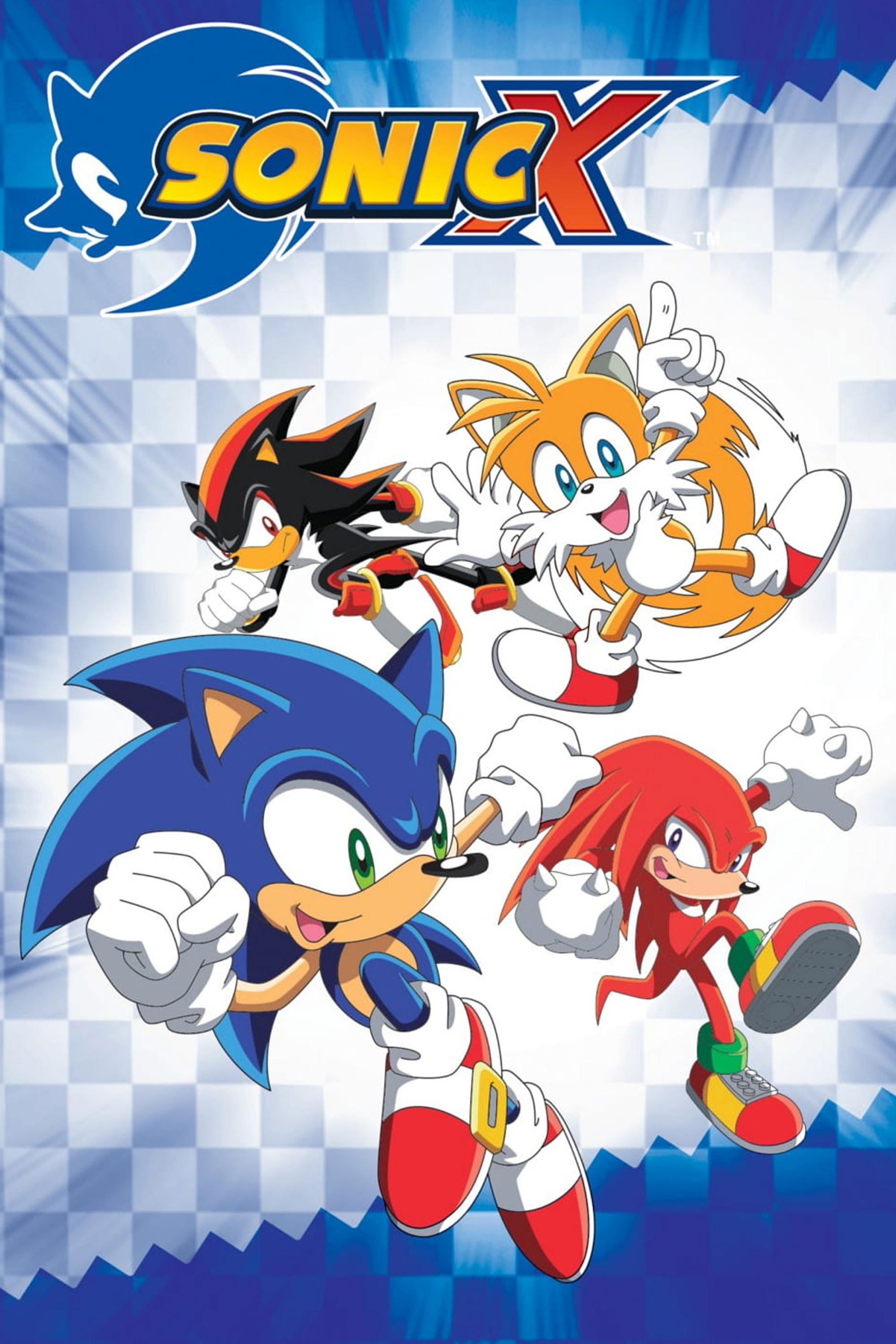
Okay, let’s talk about ‘Sonic X’ as it came to us here in the States courtesy of 4Kids. Honestly, it’s a bit of a disappointment if you compare it to the original Japanese version. They really toned things down – anything with even a hint of intensity or mild action got cut or changed to keep it kid-friendly. Beyond that, the music became super repetitive, and they dumbed down a lot of the story. What really bothered me, and a lot of fans, was how they flattened the characters. Sonic and his friends just felt… generic. They lost all the nuance and personality they had in the original. It’s a classic case of localization sacrificing depth for a younger audience.
‘Tokyo Mew Mew’ (2002–2003)
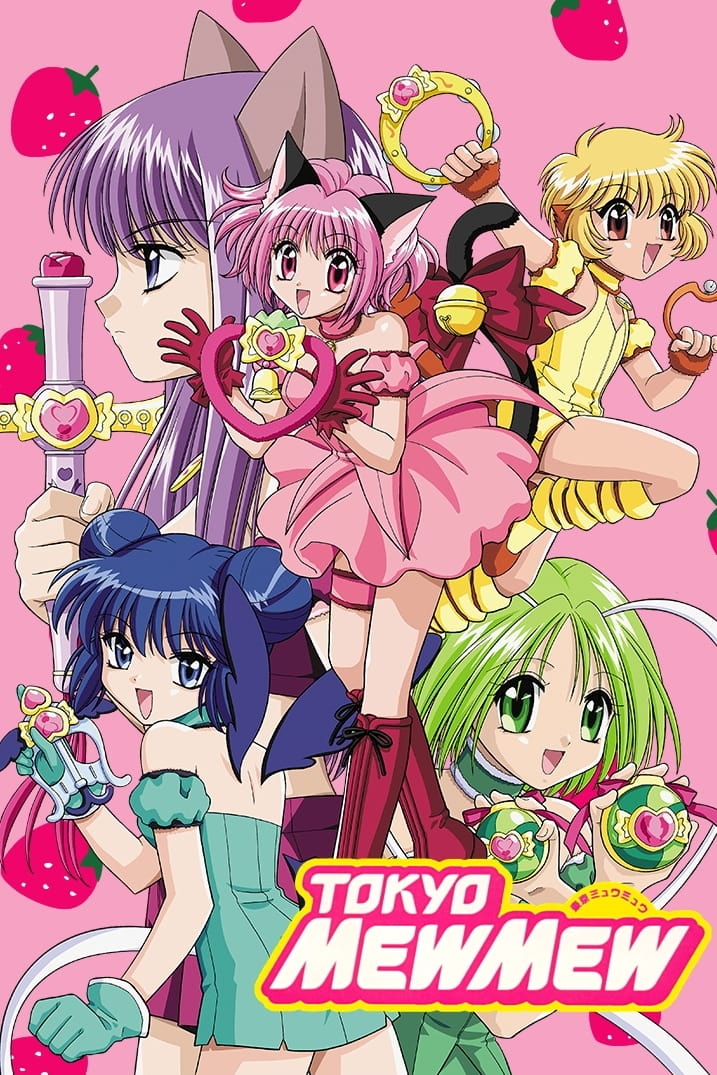
The Western release of this series, known as ‘Mew Mew Power,’ was heavily altered, resulting in a much shorter version of the original. More than half of the episodes weren’t translated into English, leaving the story incomplete for English-speaking audiences. They also changed character names and replaced the original music with pop songs, which significantly altered the show’s feel. This localization process removed important cultural details and character growth that had made the original series so popular, ultimately limiting its success internationally.
‘Saint Seiya’ (1986–1989)
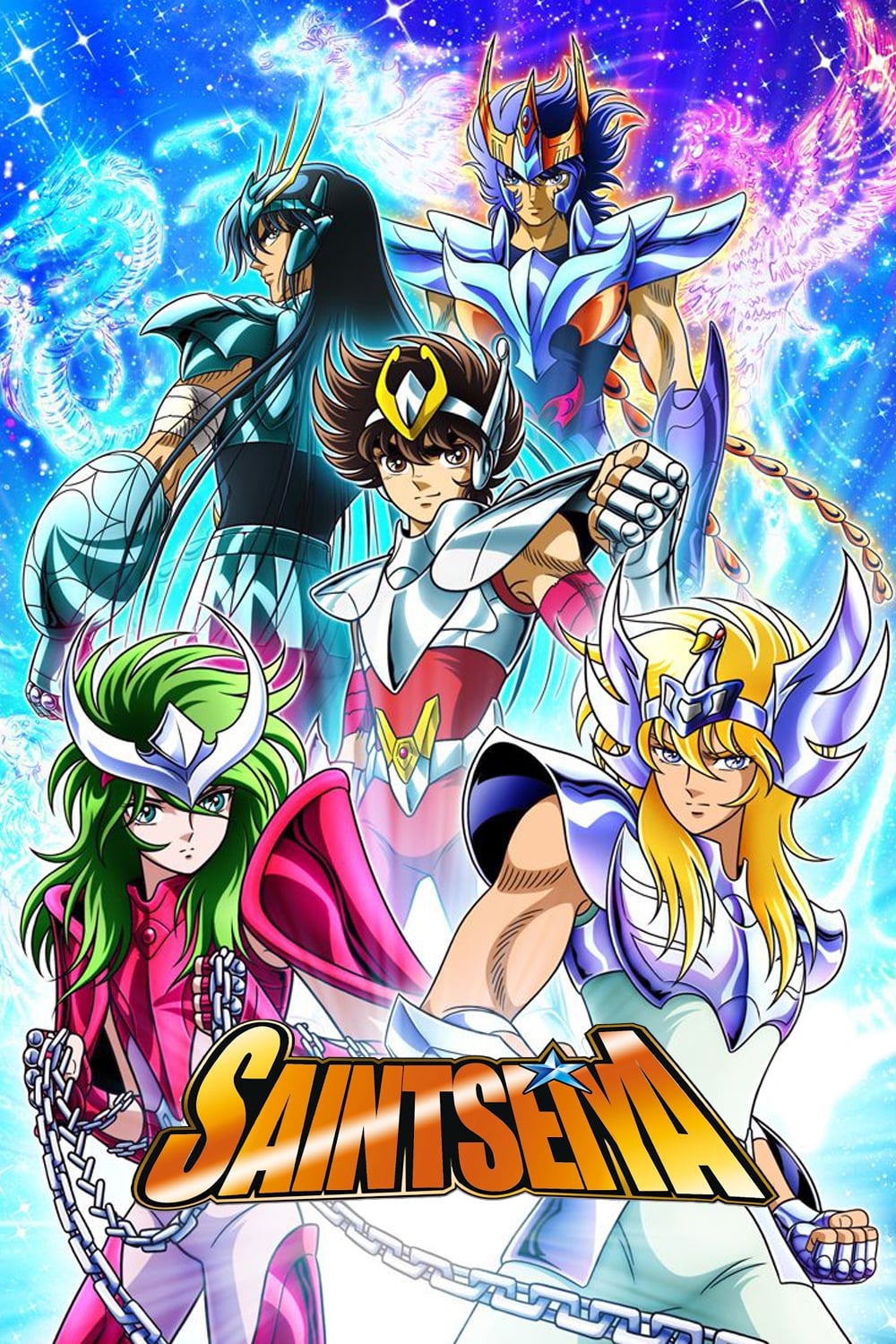
The English dub of ‘Saint Seiya,’ called ‘Knights of the Zodiac,’ significantly altered the original series. To reduce violence, they replaced blood with blue and cut down or removed many fight scenes. The dialogue was updated with contemporary slang and jokes, which clashed with the story’s grand, mythological feel. The original soundtrack was also swapped for a rock score that many viewers considered worse. These changes diminished the series’ epic quality, making it feel more like a typical action cartoon.
‘Devilman’ (1987–1990)

The English dubs of the original ‘Devilman’ OVAs are well-known for their over-the-top swearing and clumsy dialogue. The dubbing team added a lot of profanity that wasn’t in the original Japanese version, probably trying to make the series seem more grown-up and rebellious to Western viewers. However, the voice acting often sounded unnatural and didn’t capture the story’s sadness. As a result, the dub became more famous for its unintentionally humorous lines than for the story itself.
‘Voltron: Defender of the Universe’ (1984–1985)

As a huge fan of animation, I always found the story of Voltron fascinating, but it’s wild to learn how different it was from the original Japanese series, ‘Beast King GoLion’! Apparently, the American creators really changed things to make it more appealing to Western audiences. The original was much darker and more violent, with characters actually dying or getting seriously hurt. But in Voltron, they toned all that down, and even explained away huge disasters as just people getting to safety! They basically rewrote the whole plot to be a simple good guys versus bad guys story. It became a classic, for sure, but it’s a completely different show than what it started as. It’s interesting how much adaptation can change a story!
‘Robotech’ (1985)
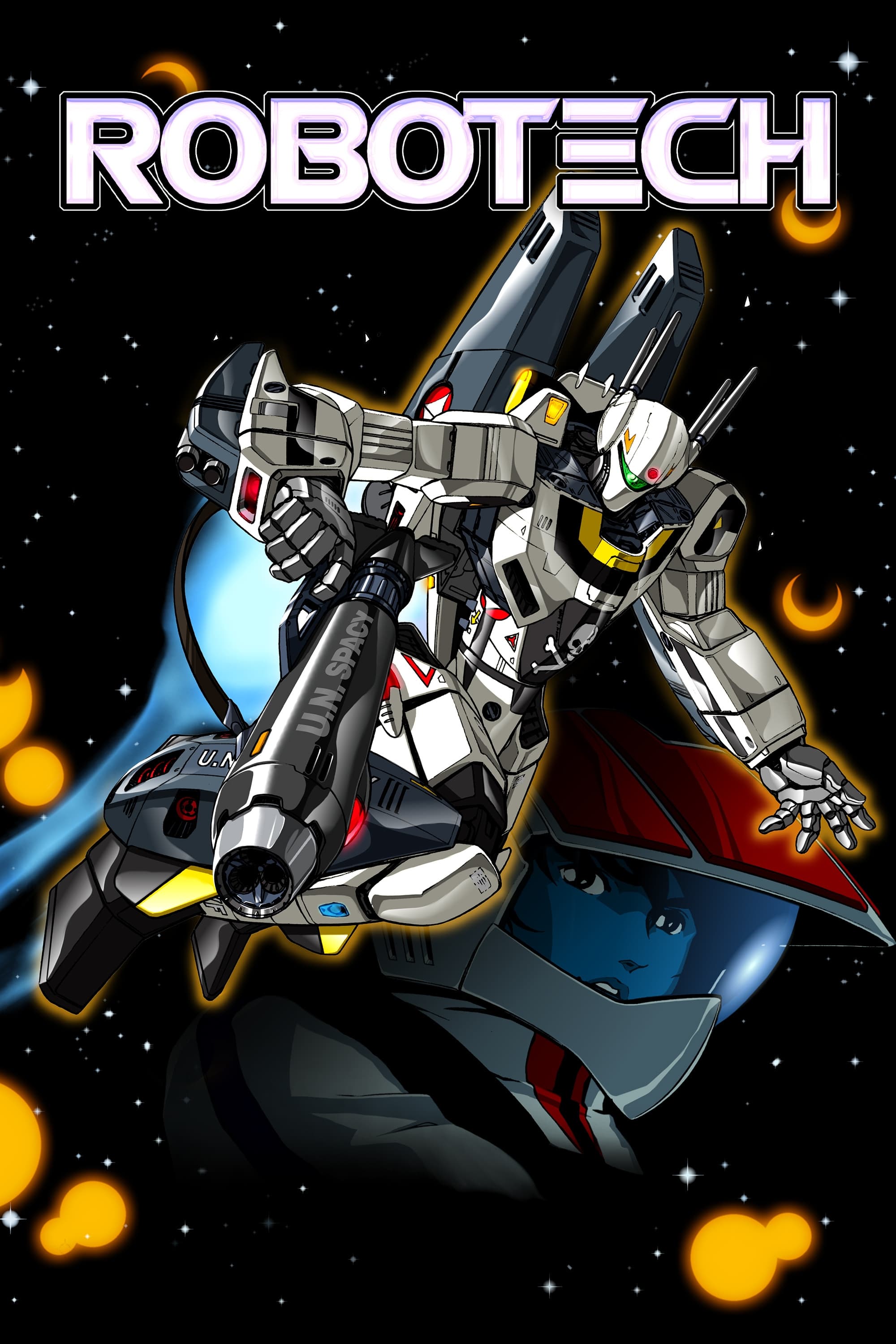
As a big animation fan, I remember when ‘Robotech’ first came out. It was a really interesting idea – they took three totally separate anime series – ‘The Super Dimension Fortress Macross,’ ‘Super Dimension Cavalry Southern Cross,’ and ‘Genesis Climber MOSPEADA’ – and wove them together into one long story. But honestly, it meant a lot of rewriting and changes to the scripts. They really had to force everything to connect, and in the process, a lot of the original heart and character development from each show got lost. A lot of us who loved the original series felt like the final product didn’t really do them justice.
‘Science Ninja Team Gatchaman’ (1972–1974)

When the Japanese animated series was brought to American television as ‘Battle of the Planets,’ some scenes were removed due to their violence. To cover these gaps, a robot character named 7 Zark 7 was added. This meant exciting battle scenes were cut and the story became simpler and more predictable. New animation was created to fill in the missing parts, but it didn’t quite fit with the original artwork, making the show feel disjointed. As a result, the original series’ thoughtful themes about the environment and politics were mostly lost.
‘Ultimate Muscle: The Kinnikuman Legacy’ (2002–2006)

The English dub of this series was geared towards kids and teens, using lots of puns and exaggerated voices. The team added jokes that weren’t in the original Japanese show and replaced references to Japanese professional wrestling with things Western audiences would understand. While the original series was funny, the English version often felt like it was trying too hard to be humorous, which shifted the focus away from the action and changed the overall tone.
‘Fighting Foodons’ (2001–2002)
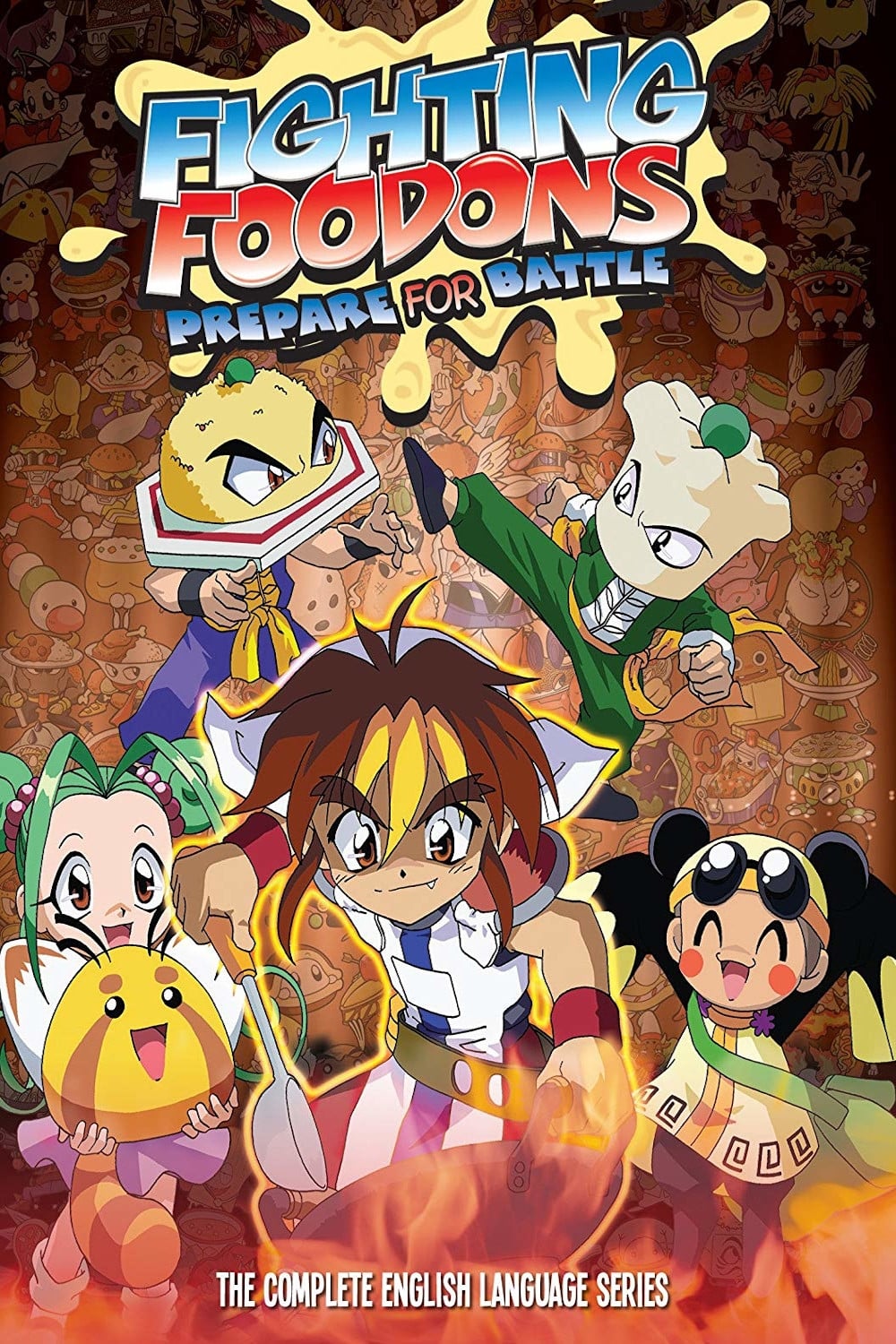
The English dub of ‘Fighting Foodons’ turned a typical monster battle show into a hilarious comedy packed with food-related puns. The script was completely reworked to include as many culinary jokes as possible in each episode. While the voice actors used over-the-top accents and characterizations, many viewers found this distracting. Ultimately, these changes took away from the show’s story and the way the food battles were supposed to work, making it feel more like a spoof than a genuine adventure.
‘Rave Master’ (2001–2002)
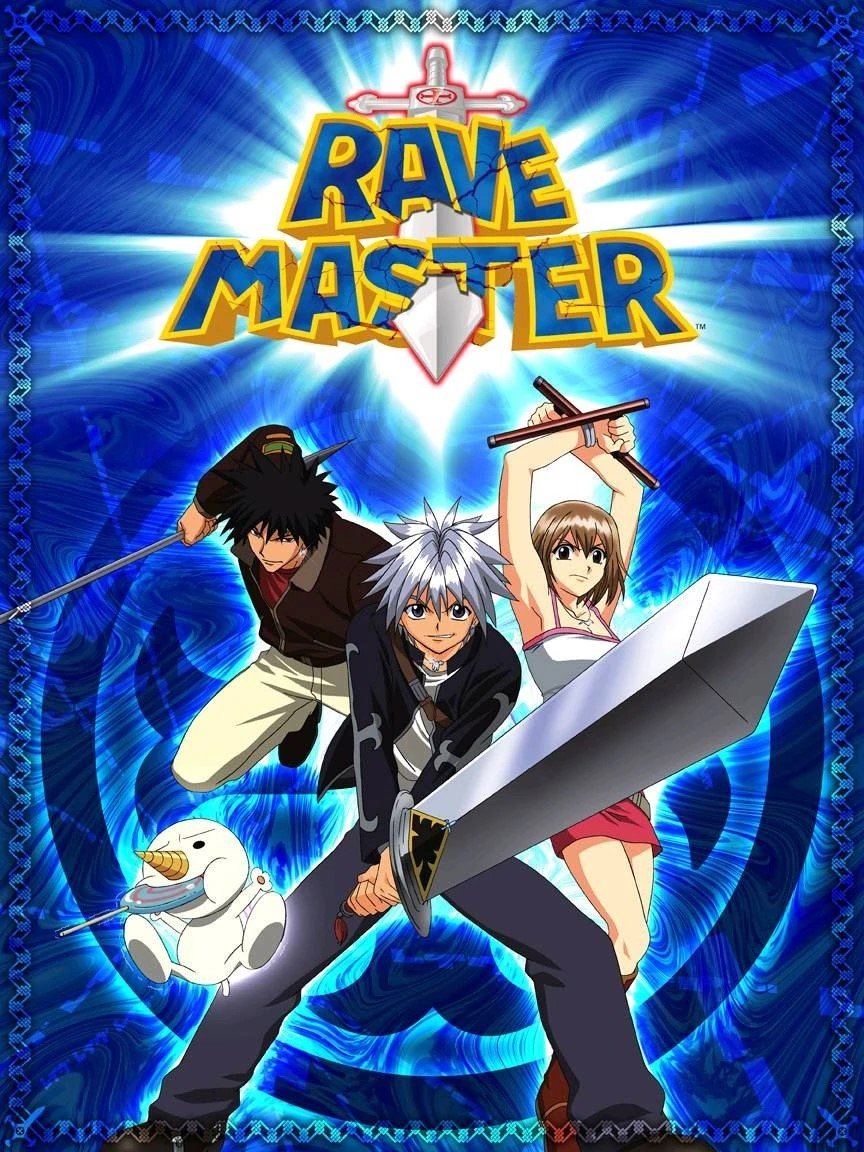
The English version of ‘Rave Master’ was heavily edited, with many scenes cut and the music replaced, which ultimately changed the feel of the original show. The team at Tokyopop and Cartoon Network hoped to repeat the success of other popular action anime, but they made the story less intense to make it suitable for younger audiences. Viewers often criticized the voice acting, finding it uneven and unable to show how the characters developed. These changes likely led to the show being cancelled quickly in English-speaking countries.
‘Shaman King’ (2001–2002)
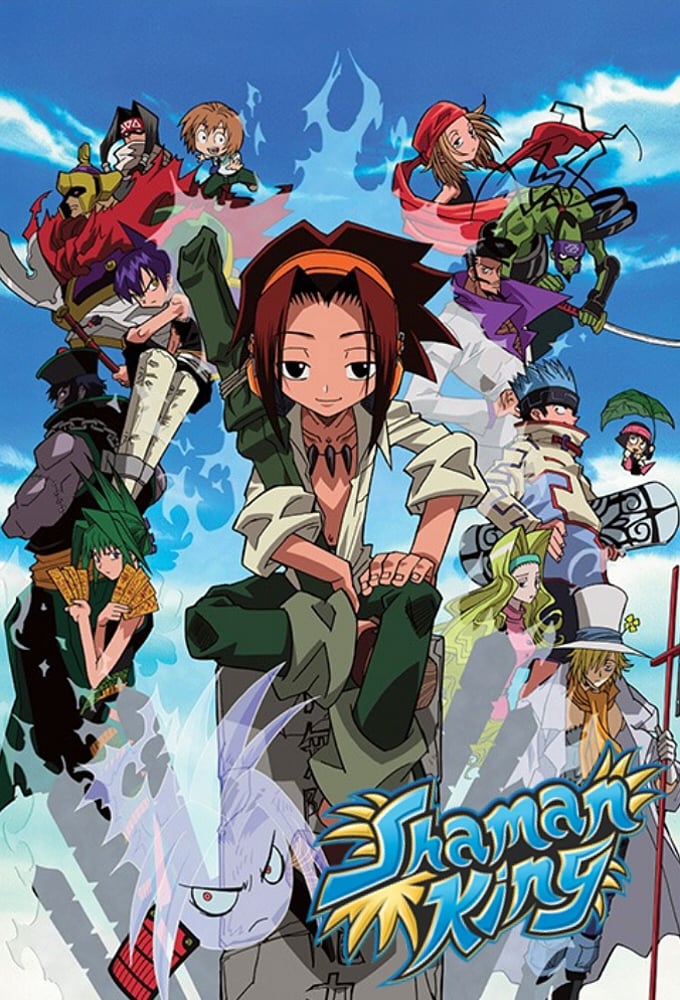
The English dub of ‘Shaman King’ by 4Kids significantly altered the show. Character designs were changed, and the series’ spiritual and afterlife elements were toned down or made less specific. Violent scenes from the battles were either removed or made milder. The original soundtrack, which had a distinct cultural feel, was replaced with a more standard action score. These changes ultimately made the show feel less special and different from other anime at the time.
‘The Vision of Escaflowne’ (1996)
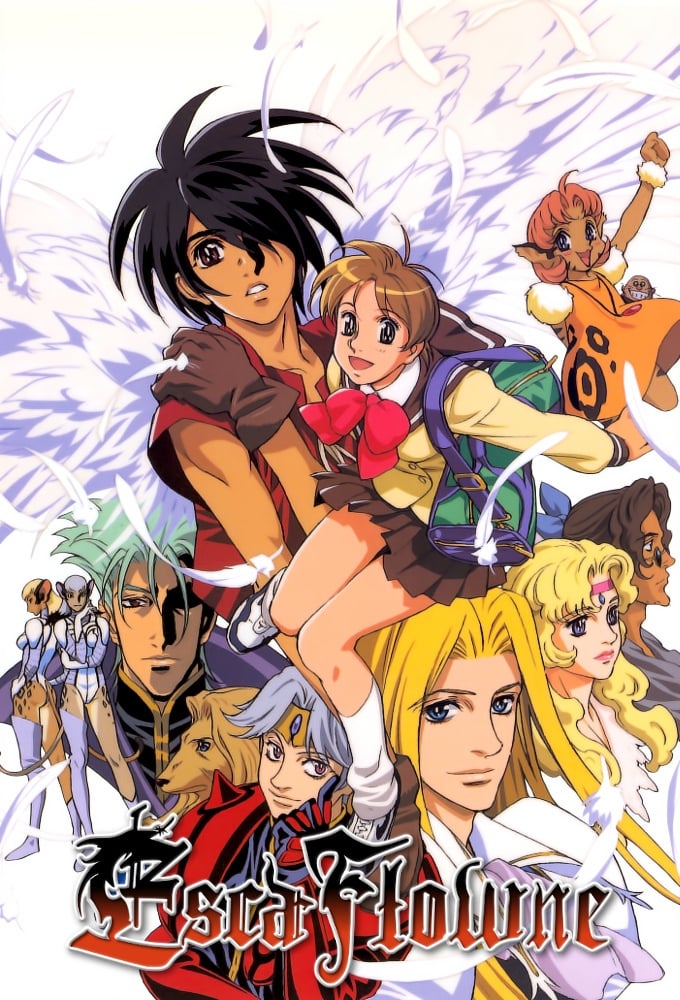
When ‘The Vision of Escaflowne’ originally aired on Fox Kids, it underwent significant changes to fit a shorter timeslot and appeal to a younger audience. The first episode was cut completely, and the show began with an action scene, which made it difficult to understand who the characters were. Complex storylines involving politics and romance were simplified or removed, with the focus shifting to the robot battles. Scenes of blood and violence were also heavily censored. Fans generally disliked this version, feeling that it ruined the show’s original depth and complexity.
‘Crying Freeman’ (1988–1994)
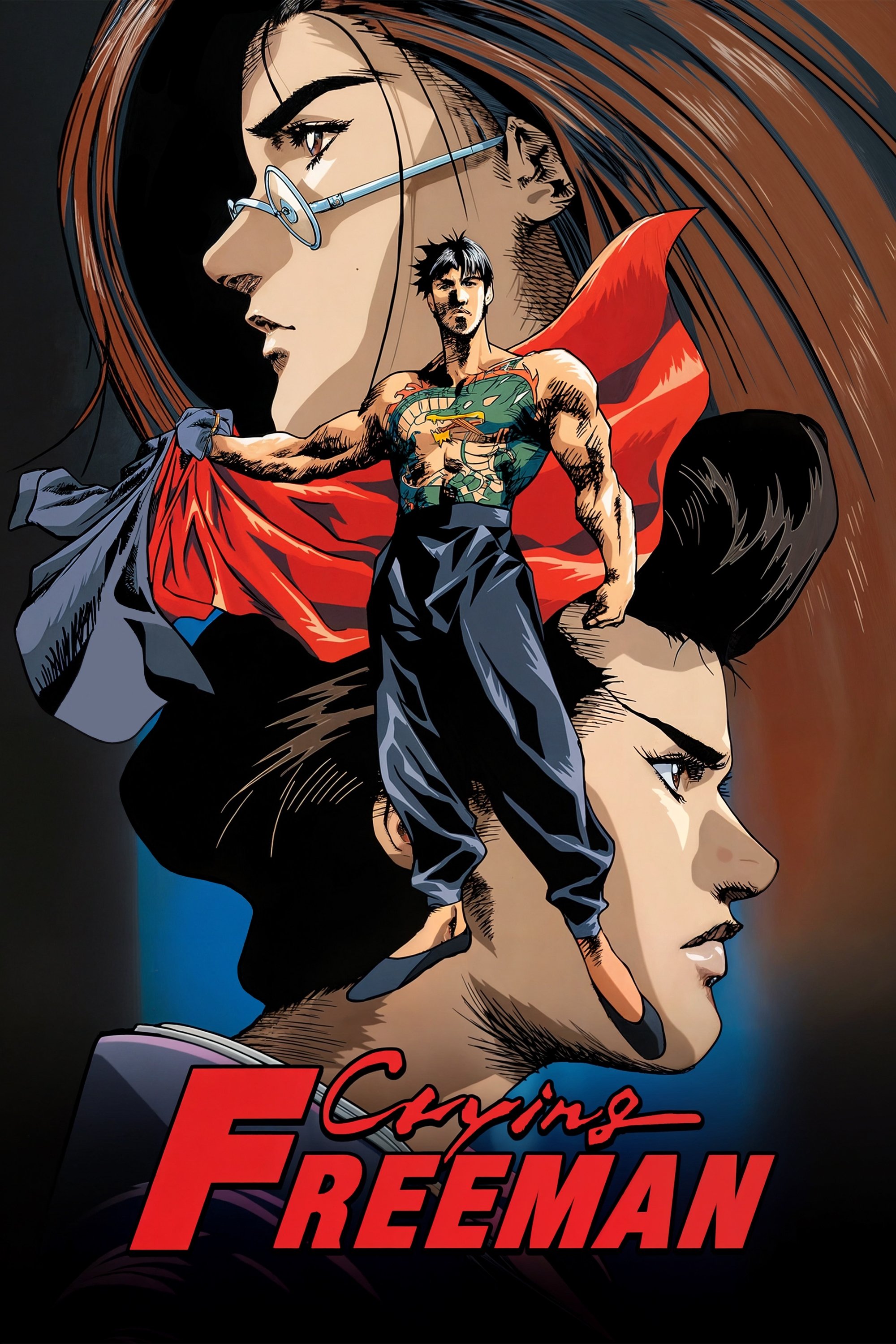
The English dub of ‘Crying Freeman’ is known for its weak translation and flat voice acting, failing to capture the emotional core of the original story. The original is a powerful and often brutal tale about an assassin haunted by his actions, but the dub emphasized shock value over the story’s poetic side. The awkward dialogue made the romantic parts feel unconvincing, ultimately turning what was intended as a sophisticated animated film into something that felt cheap and action-focused.
‘Fist of the North Star’ (1986)
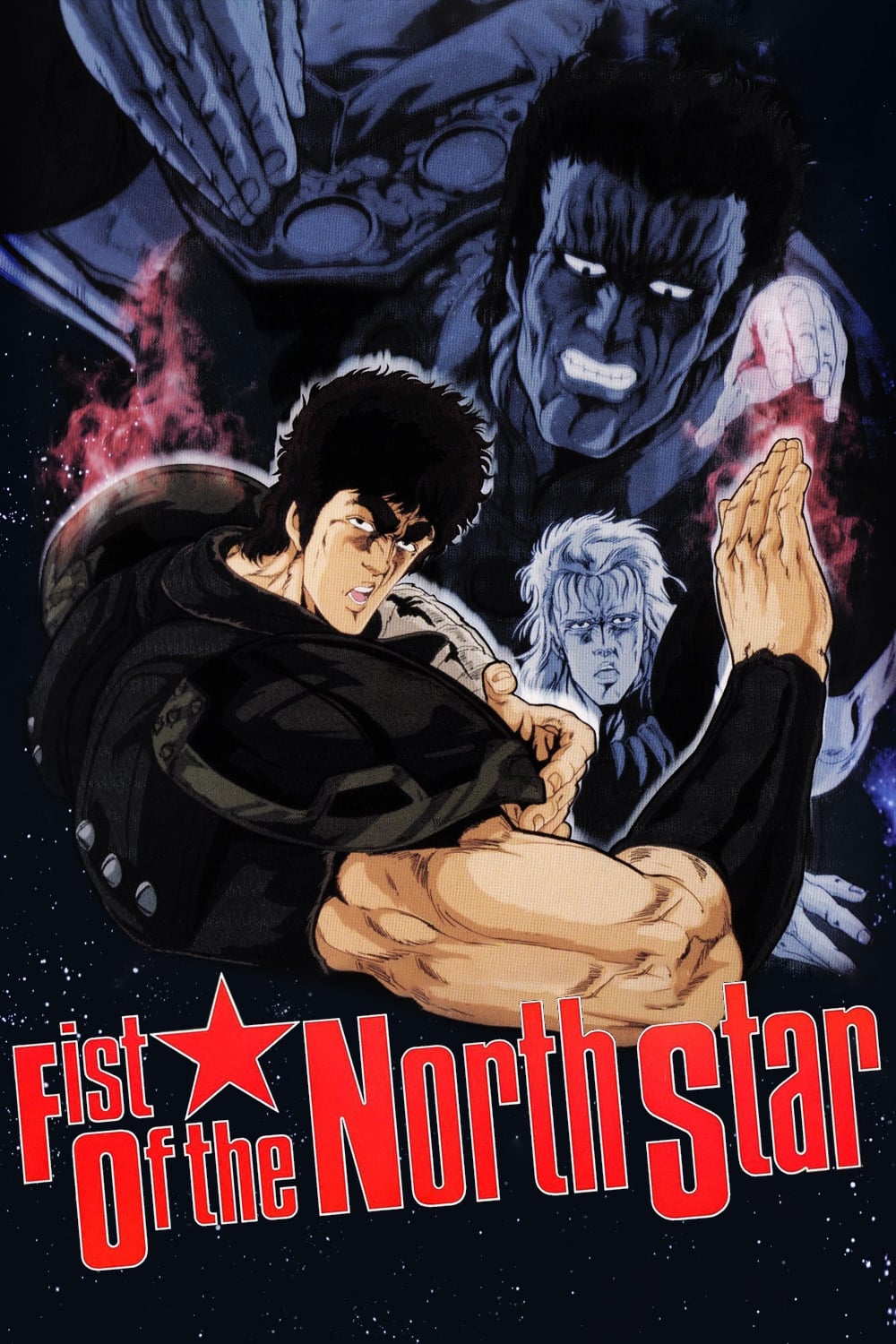
The English dub of ‘Fist of the North Star’ is well-known for its over-the-top voice acting and odd script decisions. The actors frequently delivered lines with an intensity that felt out of place or unintentionally funny. Iconic martial arts moves were given clumsy names or explanations that didn’t fit what was happening on screen. The dub also added a lot of swearing that wasn’t present in the original Japanese version. Despite the film being a classic, the dub is often considered a bit rough around the edges and a product of its time.
‘Mad Bull 34’ (1990–1992)
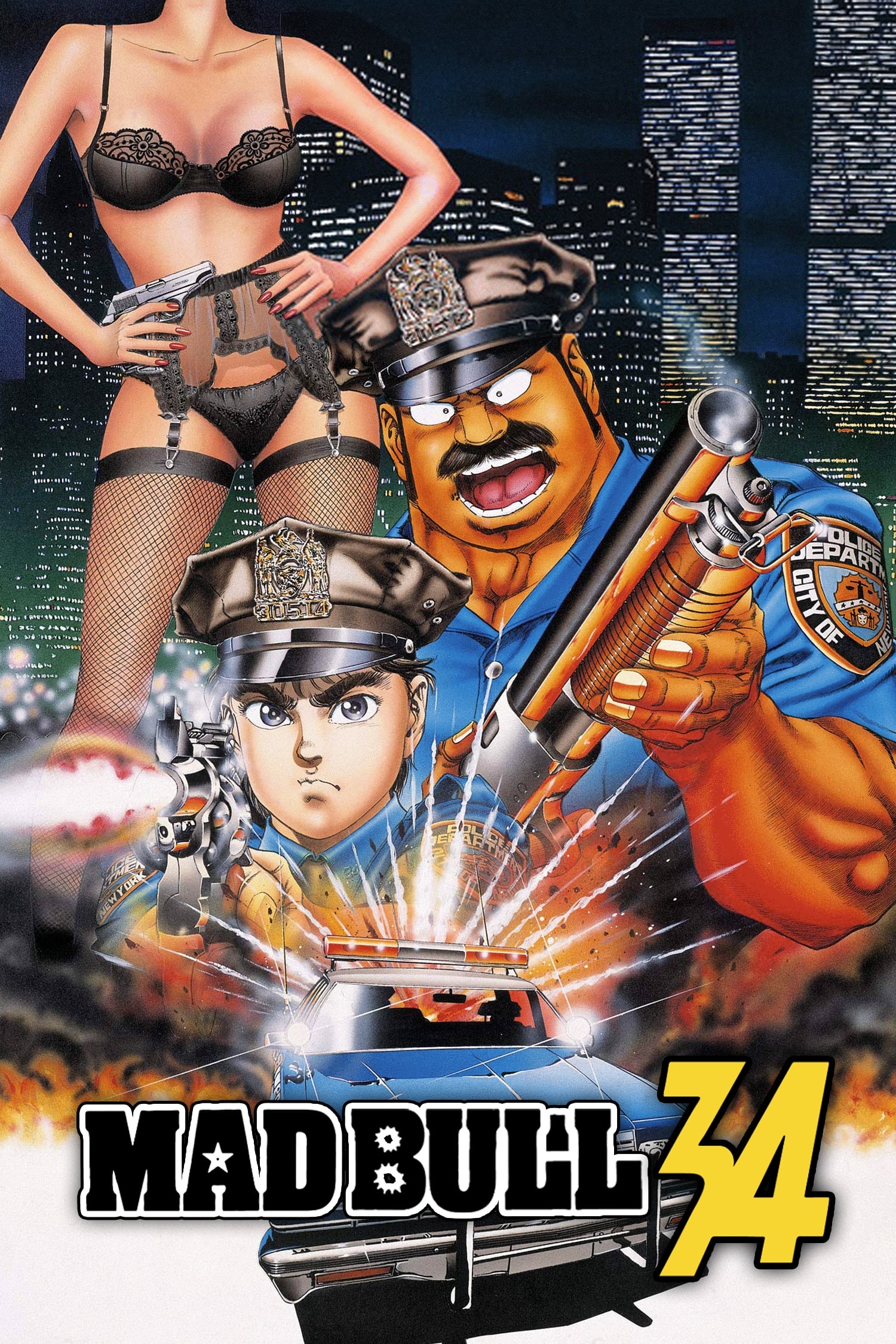
‘Mad Bull 34’ gained a cult following thanks to its hilariously strange English dub. The voice actors fully embraced the over-the-top nature of the police show, creating a tone vastly different from the original. Filled with colorful language and slang, the characters ended up feeling like caricatures of American action heroes. This dub completely changed the series, eclipsing the creators’ original vision and turning it into a popular meme. It’s still a prime example of a dub that fundamentally altered a show’s identity.
‘Cyber City Oedo 808’ (1990–1991)
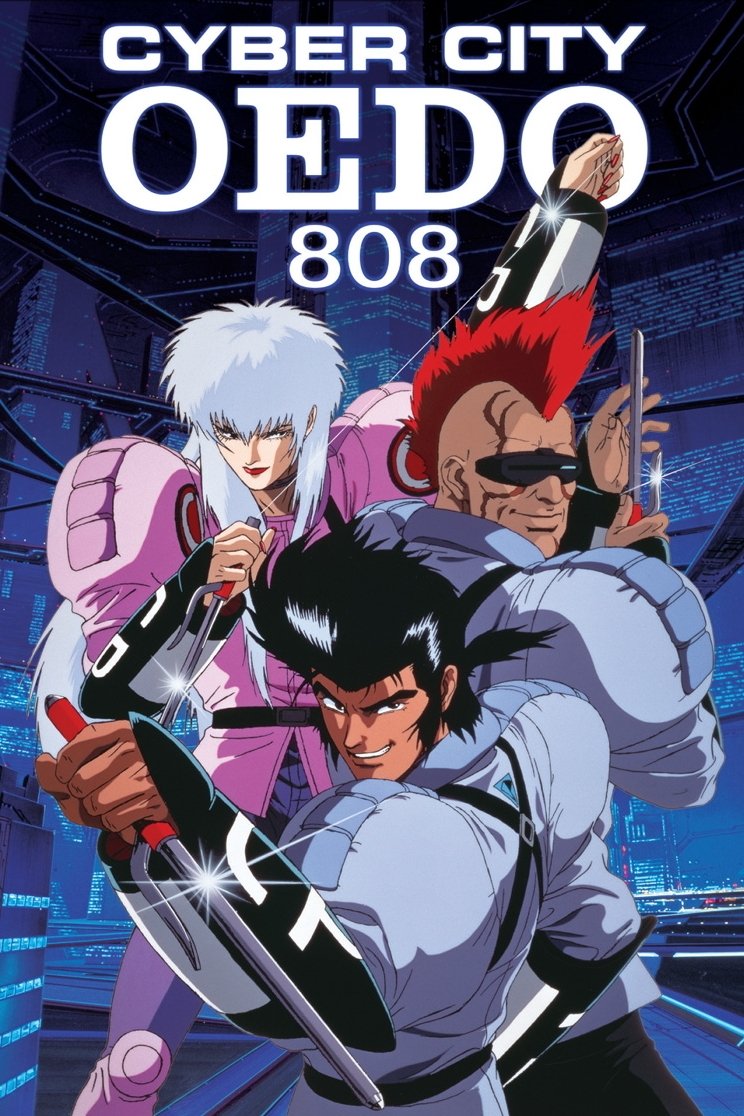
The English dub of ‘Cyber City Oedo 808’ is famous for its excessive use of swearing. While the original Japanese anime was a mature story about a futuristic world, the English version amplified the adult content. The voice acting was decent, but the script changes made the characters sound far more hostile than they did in the original. Though many viewers enjoy this version, it definitely changed the overall feel of the show, turning what was a thought-provoking sci-fi series into something more like a loud, action-packed movie.
‘Violence Jack’ (1986–1990)
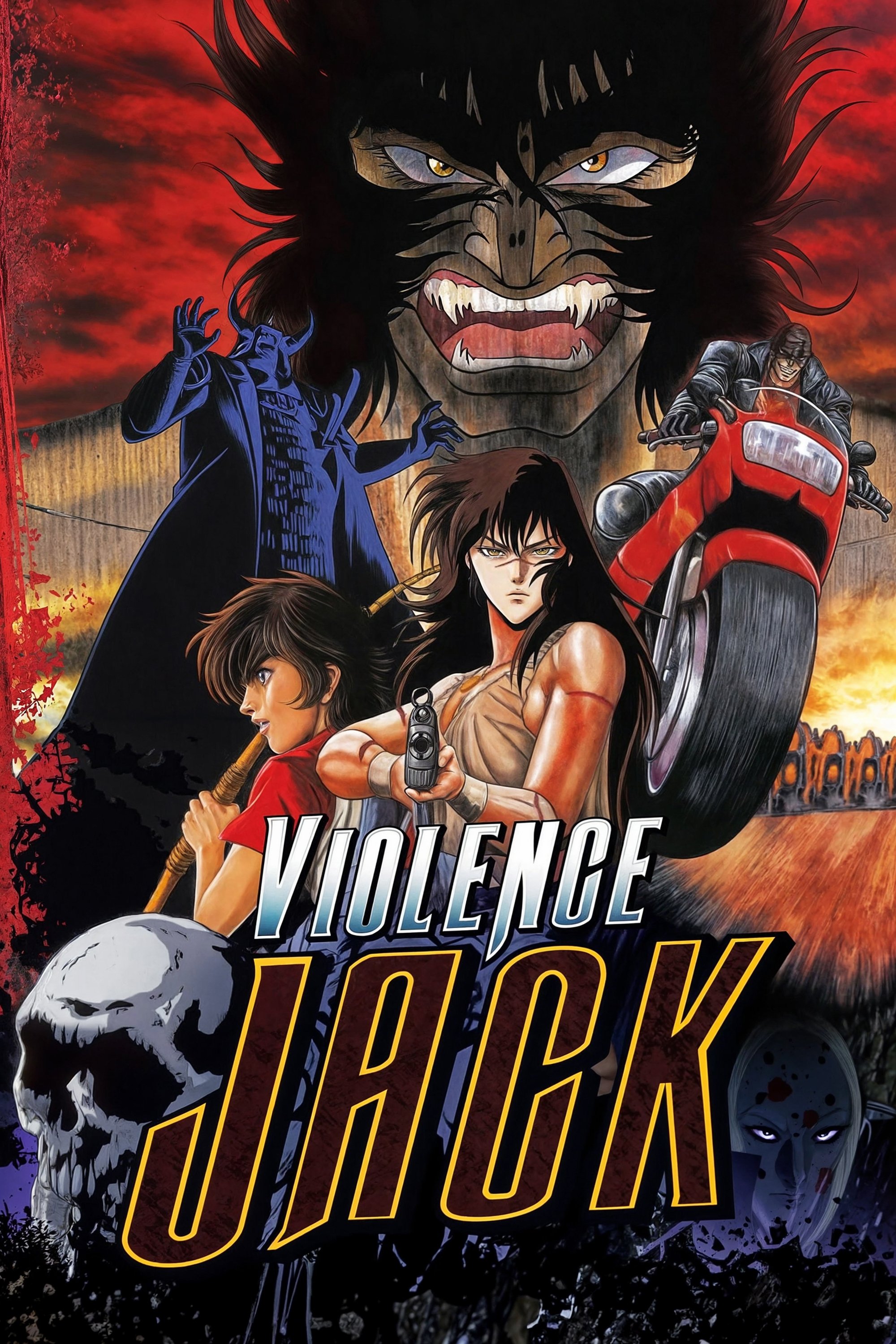
The English dub of ‘Violence Jack’ is frequently criticized for its cheap production and weak voice acting. The actors had trouble capturing the gritty and disturbing atmosphere of Go Nagai’s original work. The translation felt awkward and didn’t clearly explain the story’s complex background. This, combined with stiff or overly dramatic delivery, diminished the psychological horror and made the series even more difficult for Western viewers to appreciate.
‘Genocyber’ (1994)
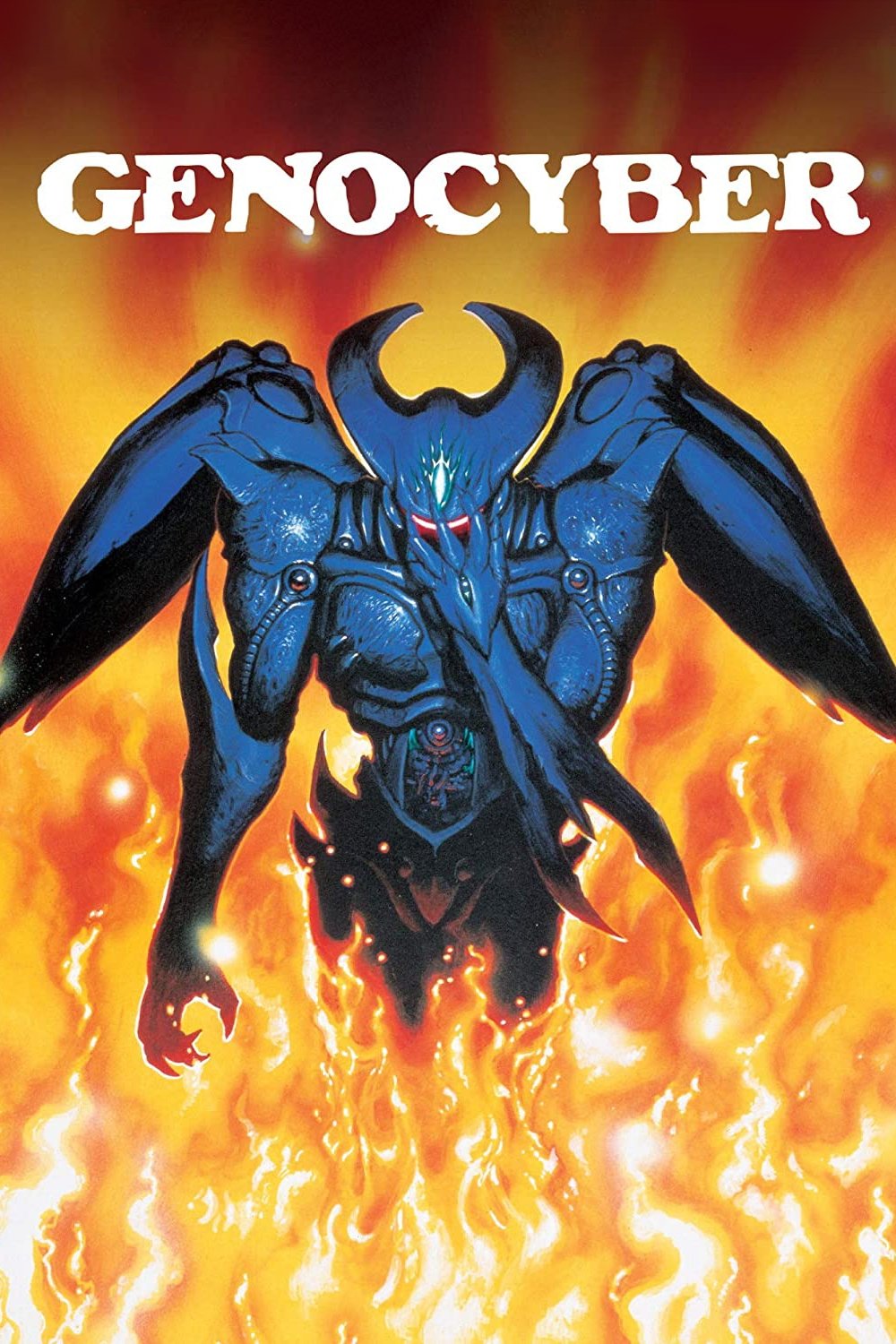
The English dub of ‘Genocyber’ is known for being as chaotic and harsh as the anime’s visuals. The voice actors didn’t fully capture the characters’ extreme pain and the terrifying situations they faced. The translation and script also suffered from unclear explanations and missing details, leaving viewers with mostly just the graphic violence as a lasting impression. As a result, the English version didn’t effectively explore the series’ more thoughtful ideas about humanity and technology.
‘Zatch Bell!’ (2003–2006)
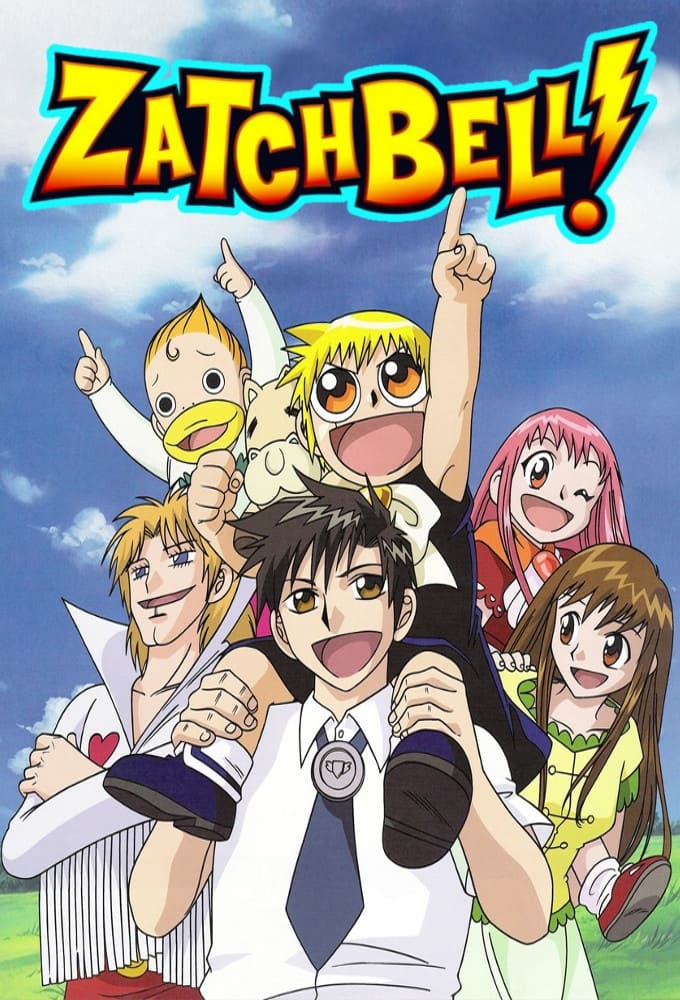
When ‘Zatch Bell!’ came to English-speaking audiences, it went through some changes. Character names were altered, and some of the more exciting fight scenes were toned down. To appeal to younger viewers, the show simplified the villains’ complex reasons for doing things. The original Japanese music was also replaced with a new soundtrack that many fans didn’t enjoy as much. Certain cultural details specific to Japan were changed to make the show easier for Western kids to understand. Ultimately, these changes made the English version feel more like a typical action anime and less like the special, supernatural story it originally was.
‘Kirby: Right Back at Ya!’ (2001–2003)
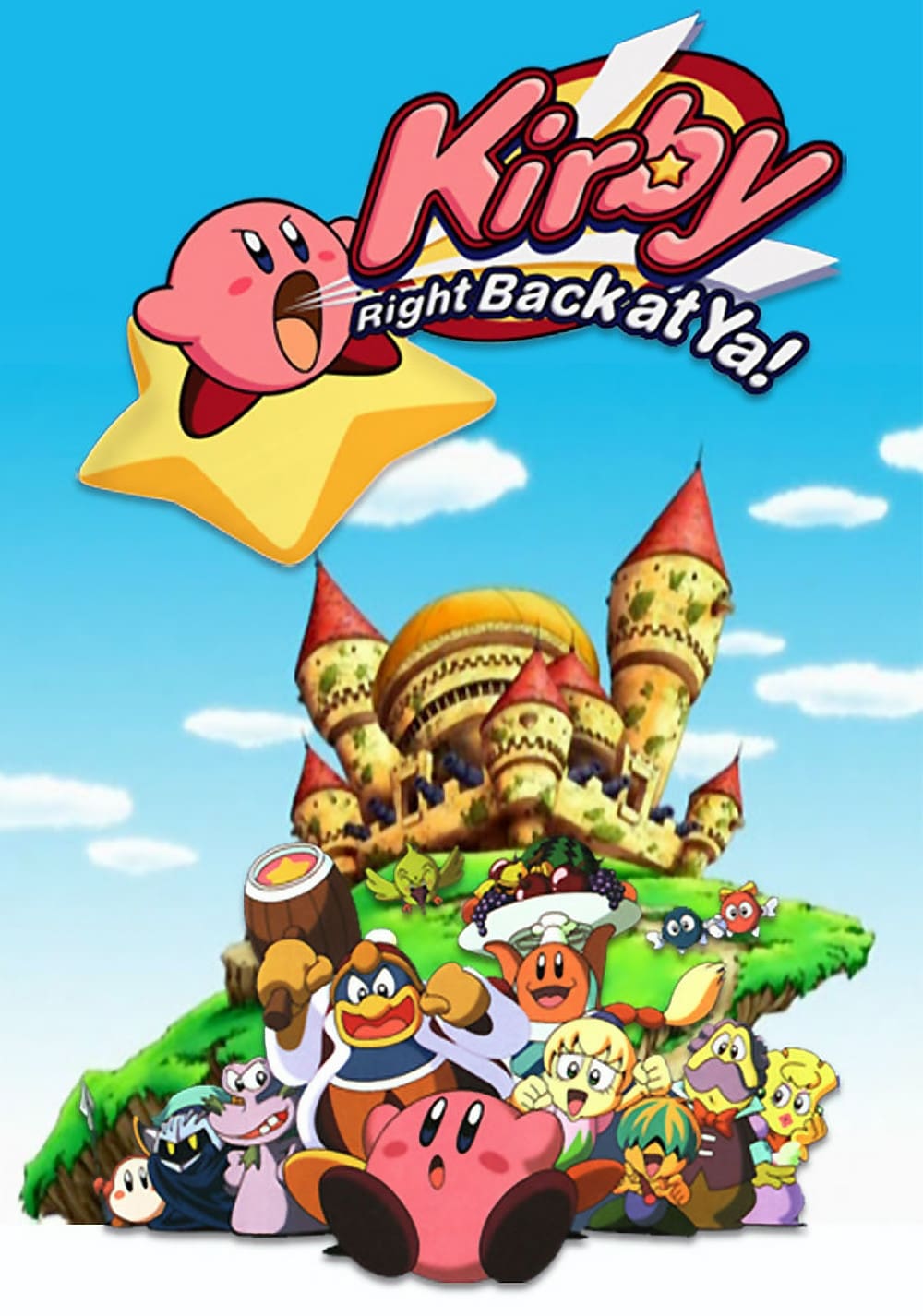
As a big animation fan, I always found the 4Kids dub of the ‘Kirby’ anime… interesting. They gave almost everyone really noticeable accents – King Dedede had this exaggerated Southern twang, and a lot of the other characters ended up with these pretty stereotypical voices. It wasn’t just the voices, though. The writing was packed with puns, and they completely swapped out the original music for something much more typical of a fast-paced cartoon. What really struck me was how they toned down the serious episodes, basically removing any real sense of threat. It took what was a pretty accurate adaptation of the game’s world and turned it into something that felt much more like a standard, lighthearted Saturday morning cartoon.
‘Pokémon’ (1997–Present)
The first few seasons of ‘Pokémon’ are fondly remembered, but the English dub is well-known for how it adapted Japanese food and culture for Western audiences. A famous example is when rice balls were called ‘jelly donuts’ in the script, even though the show clearly displayed Japanese snacks. Many locations and minor characters also had their names changed to sound more familiar to Western viewers. The writers often added explicit moral lessons or made the dialogue simpler to appeal to young children. While common for shows of that time, these changes often felt forced to fans who were familiar with the original Japanese version.
‘Naruto’ (2002–2007)
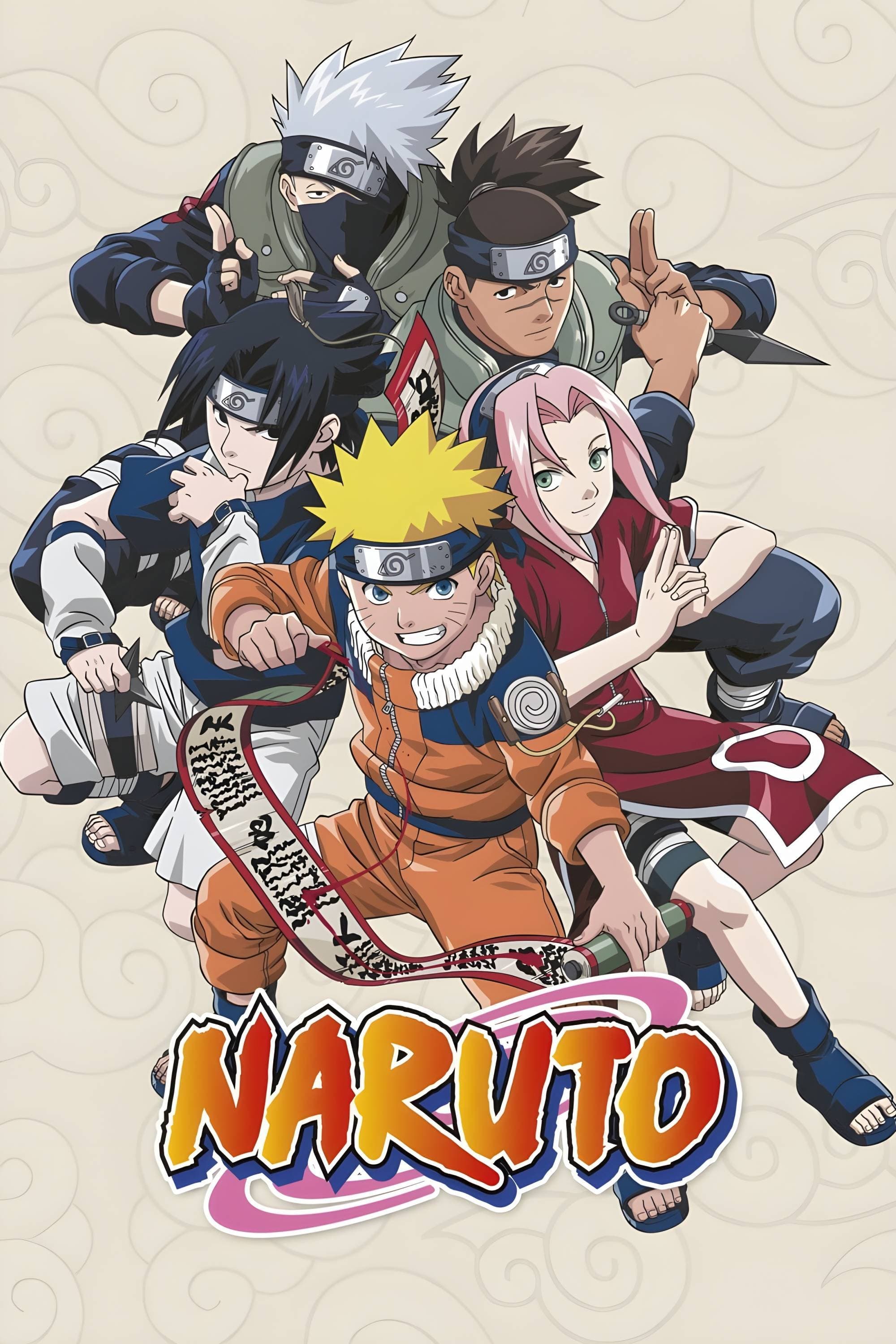
When ‘Naruto’ first aired on television in Western countries, it went through some changes. Scenes with blood or strong violence were cut down, and some fights were made shorter. References to alcohol and specific parts of Japanese culture were also removed. The show simplified the names of ninja skills to make them easier for viewers to follow. Although the voice acting was good, these changes made the show feel less intense compared to the original. Many fans actually preferred the uncut versions that later became available on DVD and Blu-ray.
‘Beyblade’ (2001–2003)
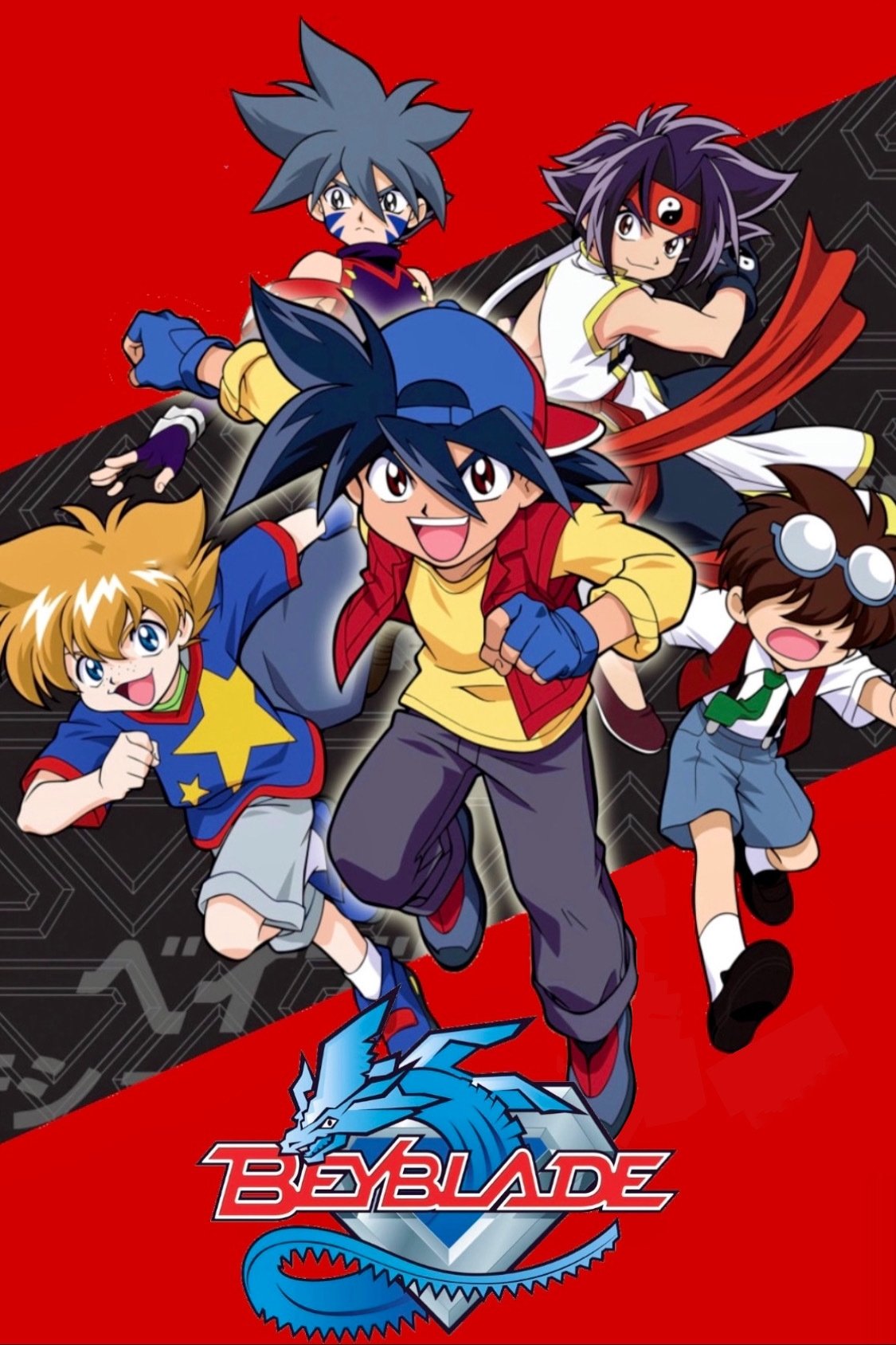
As a huge ‘Beyblade’ fan, I always noticed something…off about the English dub. It felt way more talkative than I remembered! Apparently, the team doing the English voices added constant dialogue – even when characters were silent in the original Japanese version. They thought kids would get bored if the battles weren’t filled with chatter, so everyone was always explaining what they were doing or trying to be funny, even during intense moments. Plus, they swapped out the original music for a rock and pop soundtrack, which, yeah, is super memorable, but it totally changed the vibe. It made the whole show feel much louder and more hectic than the Japanese version, honestly.
‘Duel Masters’ (2002–2003)
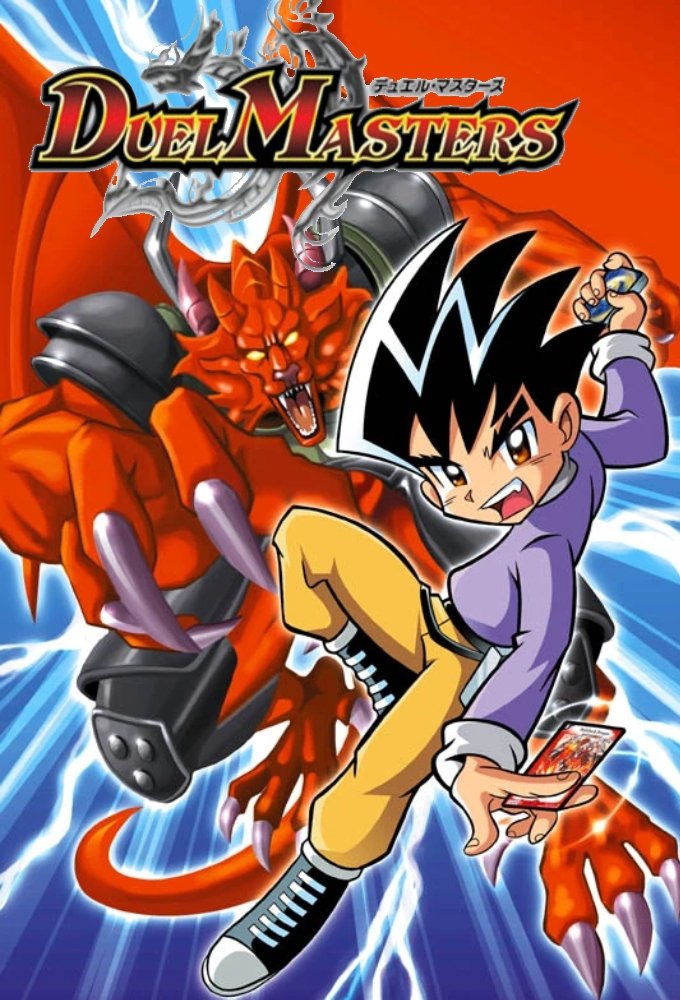
The English dub of ‘Duel Masters’ became a self-aware parody, much like ‘Ghost Stories.’ The script was completely rewritten to poke fun at common tropes in card game anime and even at the show itself. Characters often directly addressed the audience, commenting on things like the animation or how silly the plot was. While this made the dub stand out and was often humorous, it abandoned the serious storyline of the original Japanese anime. Many fans of the actual ‘Duel Masters’ card game were disappointed that the English version didn’t stay true to the source material.
‘Medabots’ (1999–2000)
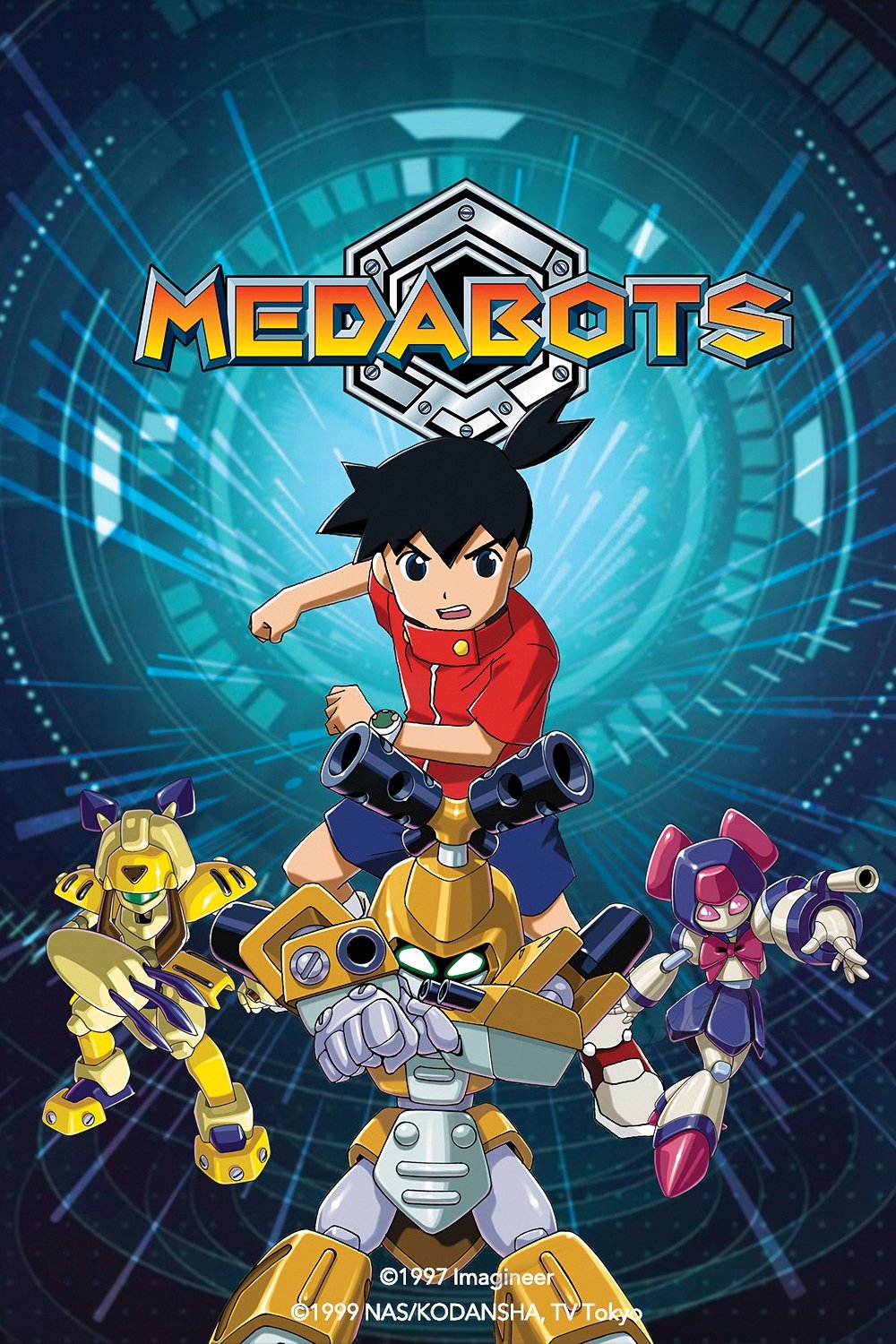
The English dub of ‘Medabots’ prioritized comedy and wordplay much more than the original Japanese version. While the voice acting was lively, supporting characters were often portrayed as exaggerated caricatures. This constant humor sometimes diminished the seriousness of the robot battles. The soundtrack was also different, altering the emotional impact of more touching moments. Though the localization was well-received, it ultimately changed the show’s overall tone and moved away from its original intent.
‘Shin Chan’ (1992–Present)
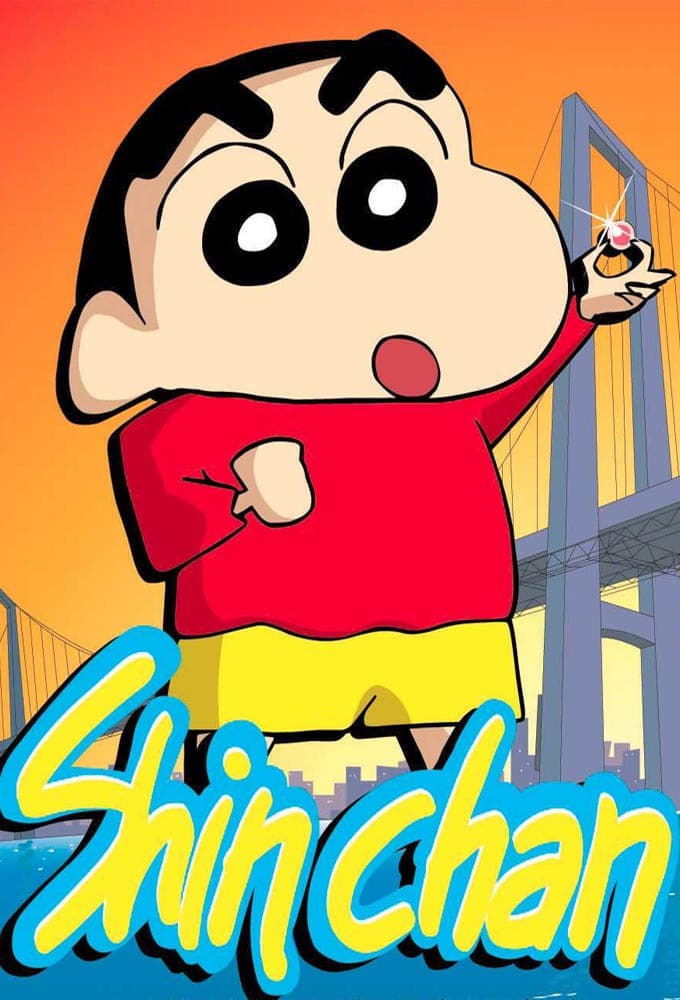
‘Shin Chan’ has been dubbed into English several times, and early attempts often missed the mark. Some versions tried to make the show suitable for young children by removing all inappropriate content. Others, like the Funimation dub, actually added more adult humor than was in the original Japanese version. Neither approach worked well, as viewers found the show either too bland or overly crude. The original ‘Shin Chan’ struck a unique balance between the perspective of a child and edgy humor, which was difficult to replicate.
‘Doraemon’ (2005–Present)
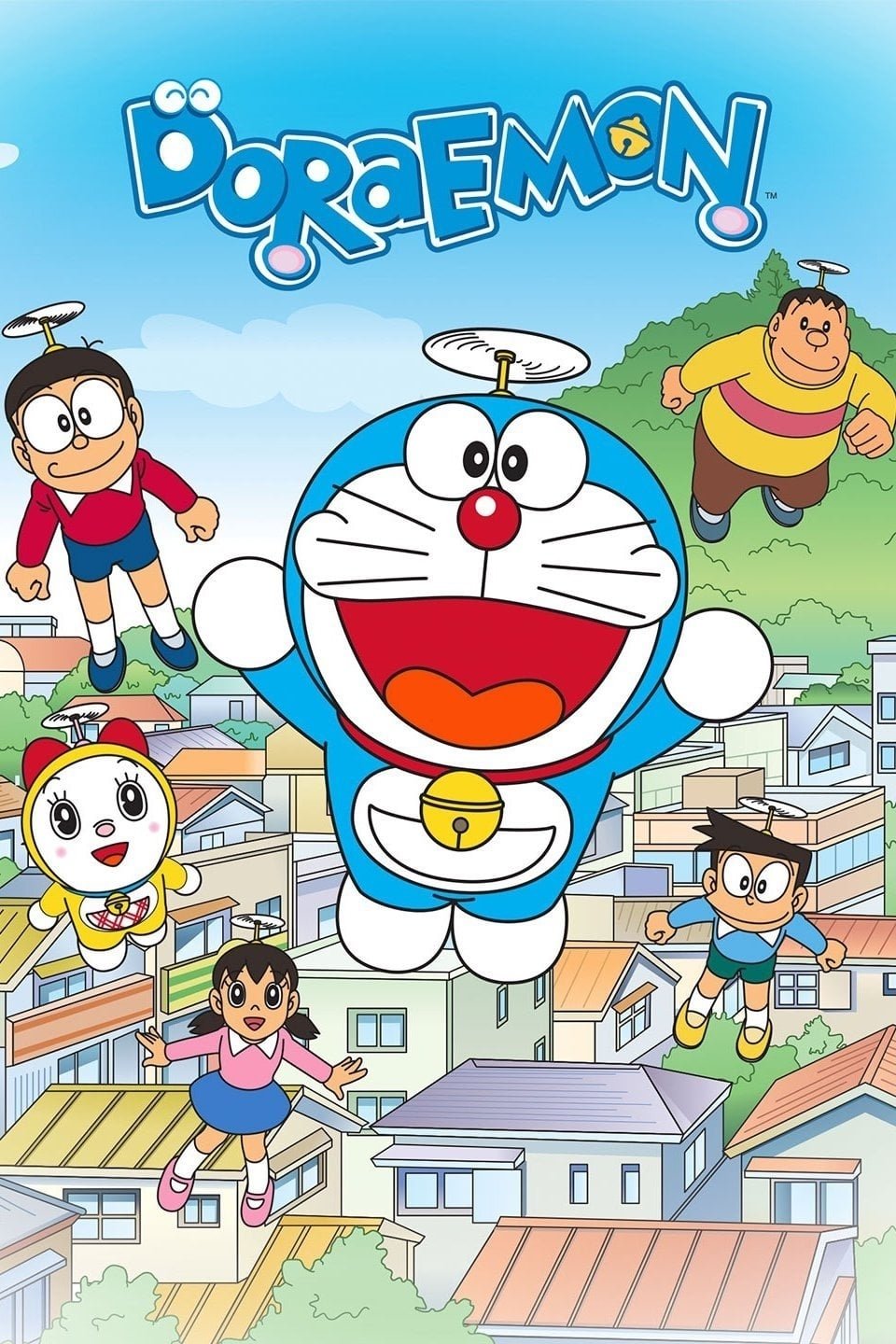
When ‘Doraemon’ was dubbed for Disney XD, a lot of changes were made to try and make it feel more American. For example, chopsticks were replaced with forks in the animation, and Japanese money was changed to dollars. Character names were also made more Western, and parts of the story that mentioned Japanese customs were removed. While these changes were meant to help American kids connect with the show, many viewers thought they were awkward and didn’t need to happen. Ultimately, this version lost much of the original series’ unique cultural appeal.
Tell us which anime dub you think was the most disappointing in the comments.
Read More
- 21 Movies Filmed in Real Abandoned Locations
- 2025 Crypto Wallets: Secure, Smart, and Surprisingly Simple!
- The 11 Elden Ring: Nightreign DLC features that would surprise and delight the biggest FromSoftware fans
- 10 Hulu Originals You’re Missing Out On
- The 10 Most Beautiful Women in the World for 2026, According to the Golden Ratio
- 20 Films Where the Opening Credits Play Over a Single Continuous Shot
- Gold Rate Forecast
- 🚨 Kiyosaki’s Doomsday Dance: Bitcoin, Bubbles, and the End of Fake Money? 🚨
- Crypto’s Comeback? $5.5B Sell-Off Fails to Dampen Enthusiasm!
- 20 Games Where the Canon Romance Option Is a Black Woman
2026-02-10 04:55