Video game endings are meant to be the payoff for players who spend many hours exploring a game’s story and overcoming its challenges. While most games offer a sense of completion or emotional satisfaction, some endings have caused significant frustration and upset within the gaming community. These controversial finales often leave plot points hanging or make player choices feel meaningless. Sometimes developers try something new that doesn’t connect with what players expected or with the established characters. This list highlights some of the most notorious game endings that sparked strong debate and disappointment among fans.
‘Mass Effect 3’ (2012)
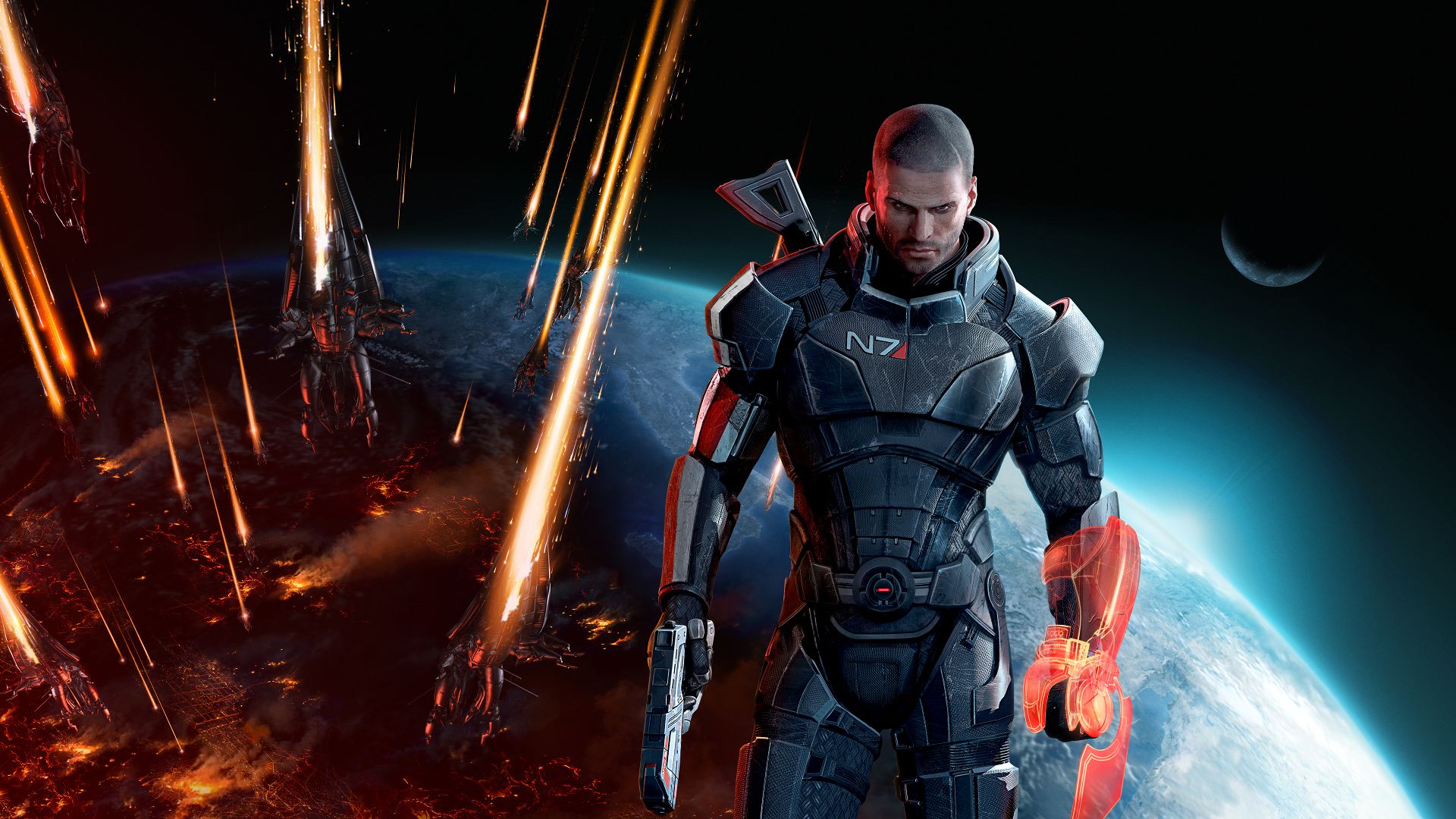
After investing hundreds of hours and making crucial decisions throughout a three-game series, players were disappointed to be presented with just three simple choices at the end. The original ending didn’t explain what happened to the characters or the galaxy, leaving many fans feeling like their choices hadn’t mattered. BioWare responded to the strong negative reaction by releasing an extended cut that offered more closure. This situation remains a well-known example of how important it is for games to respect player decisions and deliver satisfying conclusions.
‘No Man’s Sky’ (2016)
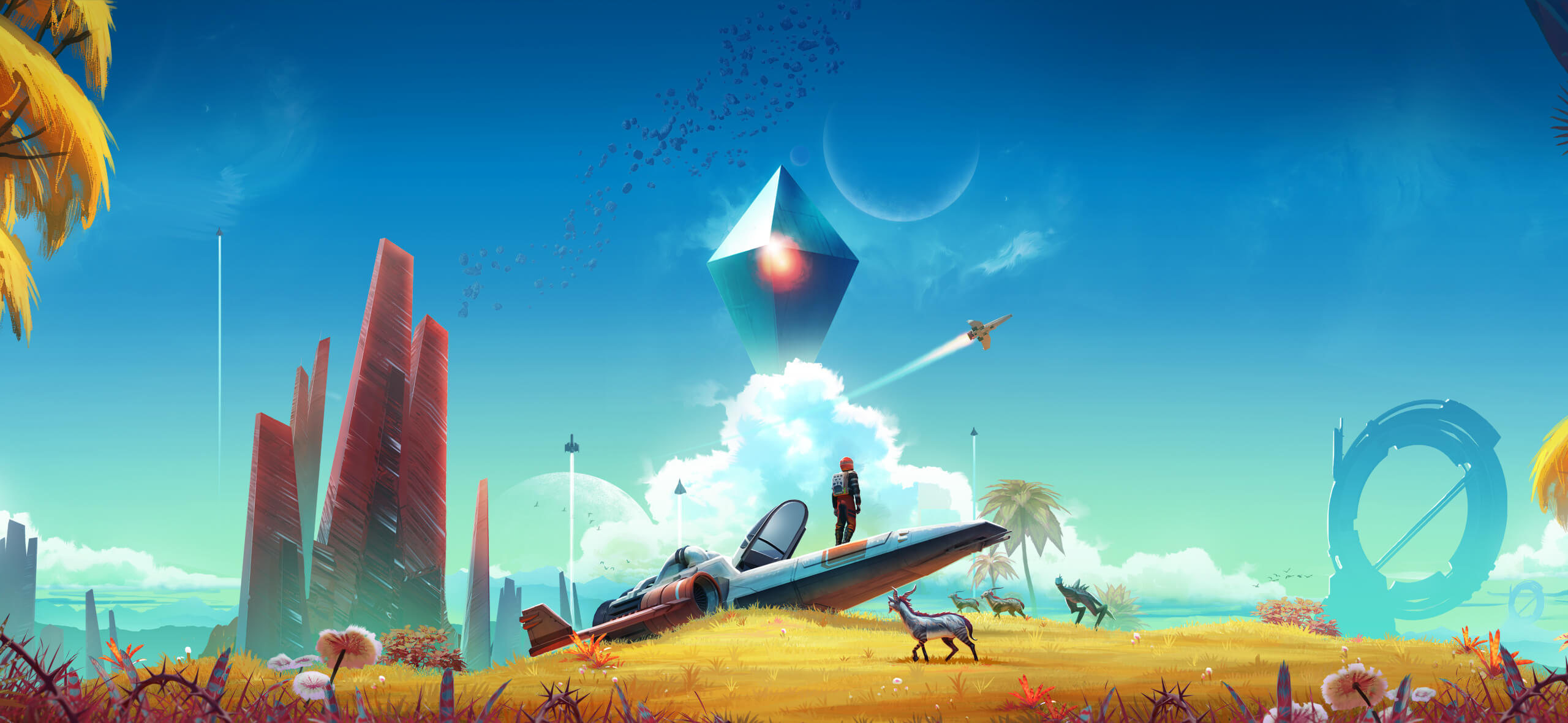
The game’s biggest promise – a trip to the galactic core – turned out to be disappointing. Instead of a satisfying finale, reaching the center just showed the player a distant view and then restarted them in a new galaxy with damaged gear. This happened over and over, with no story reason or special reward for all the hard work. Many players felt this lack of a real ending highlighted the game’s incomplete state at launch. While later updates fixed many problems, that first experience left a negative impression on those who played the game early on.
‘Halo 2’ (2004)
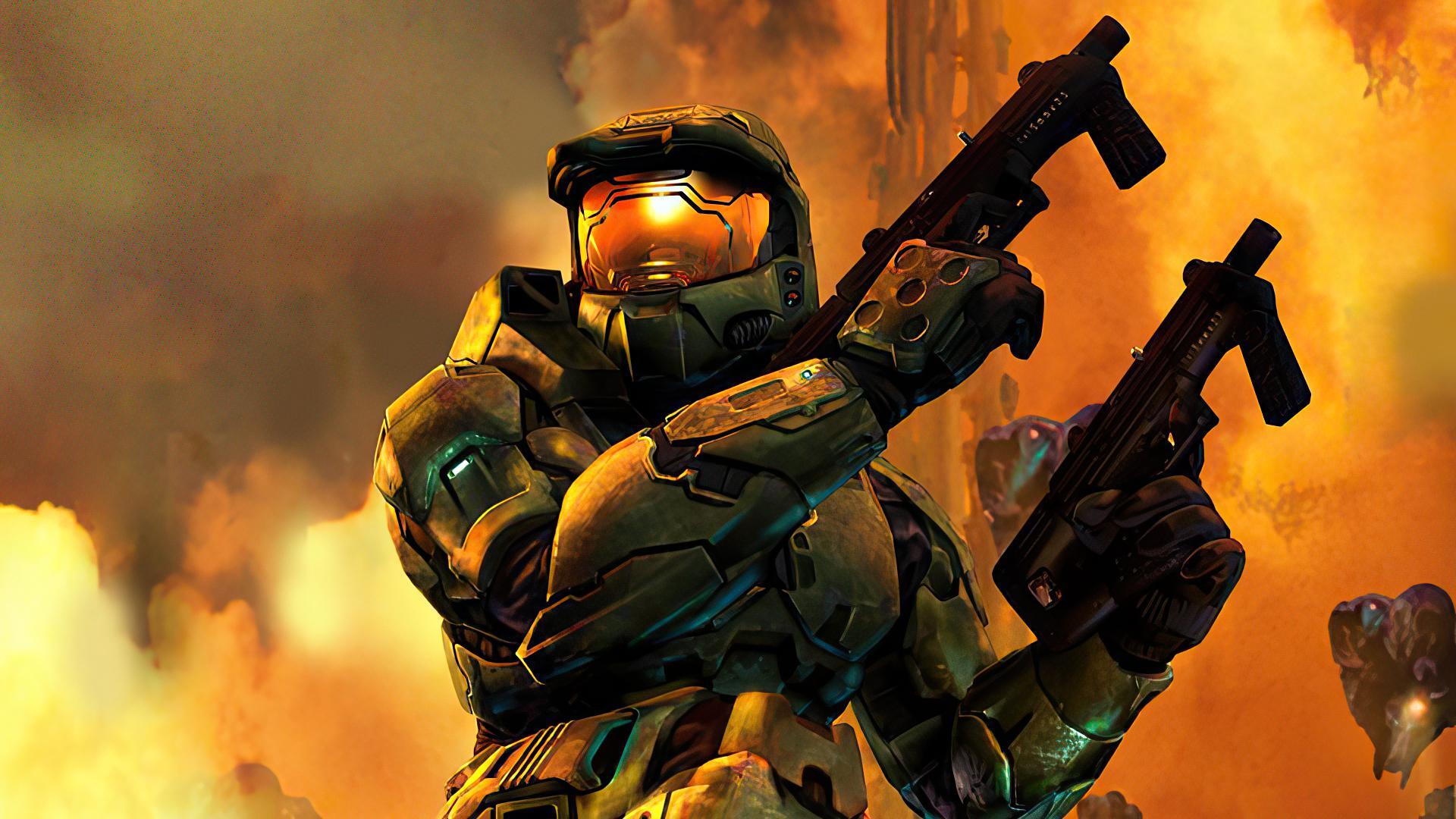
The game ended abruptly as Master Chief reached Earth, right when players expected the final battle. Instead of a conclusion, viewers were taken to a black screen and the credits after a boss fight that felt unfinished. This frustrated many fans who were hoping for a complete story about defending Earth, and several storylines were left unresolved for three years until the next game came out. It’s now remembered as one of the most disappointing cliffhangers in shooter game history.
‘Fallout 3’ (2008)
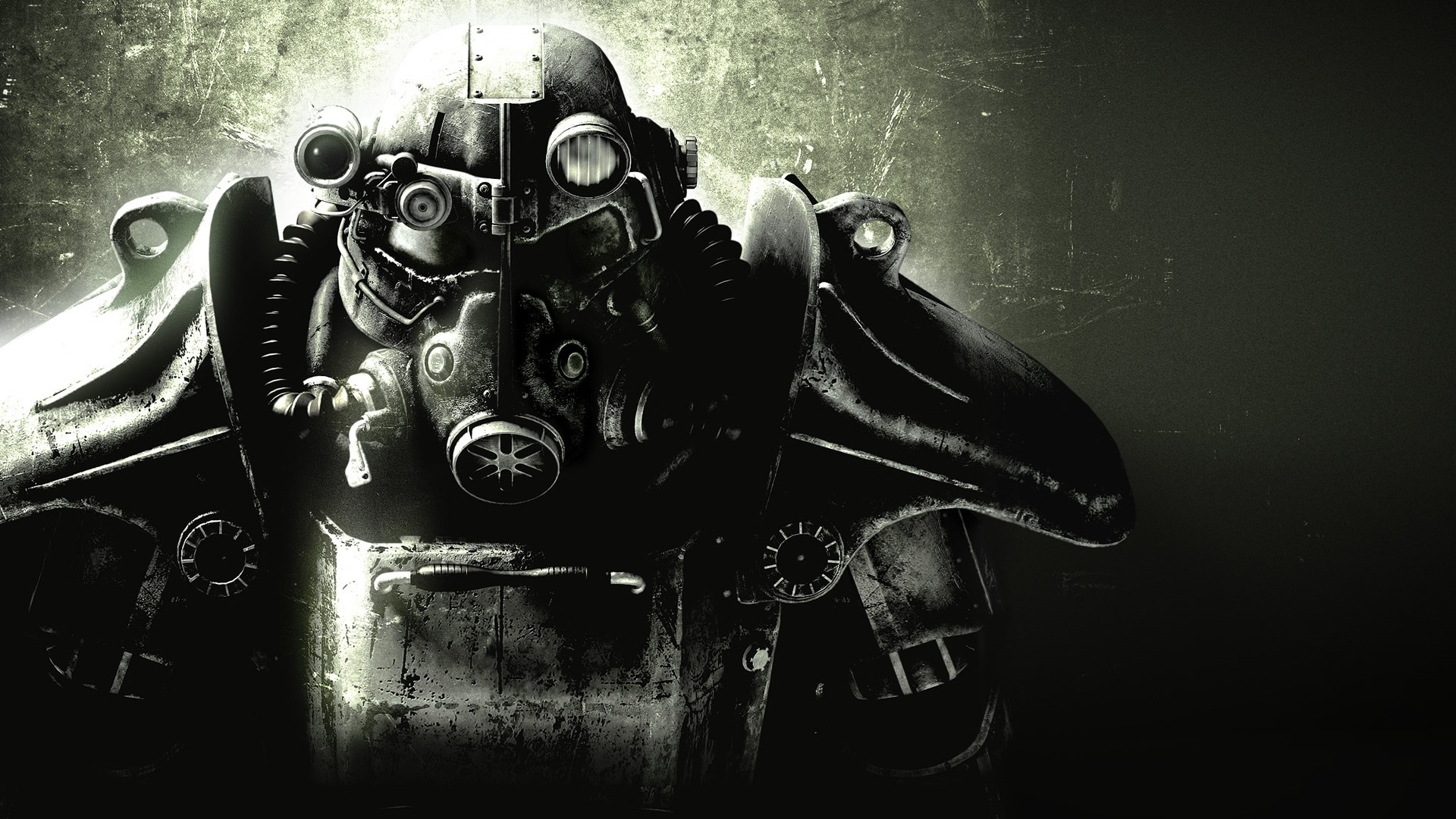
Originally, the game forced players to sacrifice their character in a radioactive chamber, even if they had a companion who was immune to radiation. Players were upset they couldn’t send their radiation-immune companion, like Fawkes the super mutant, to do it instead, which felt illogical and like an unnecessary, sad moment. Bethesda fixed this in the ‘Broken Steel’ expansion, allowing companions to enter the chamber. This change not only addressed player feedback but also allowed the game’s story to continue beyond its original ending.
‘Borderlands’ (2009)
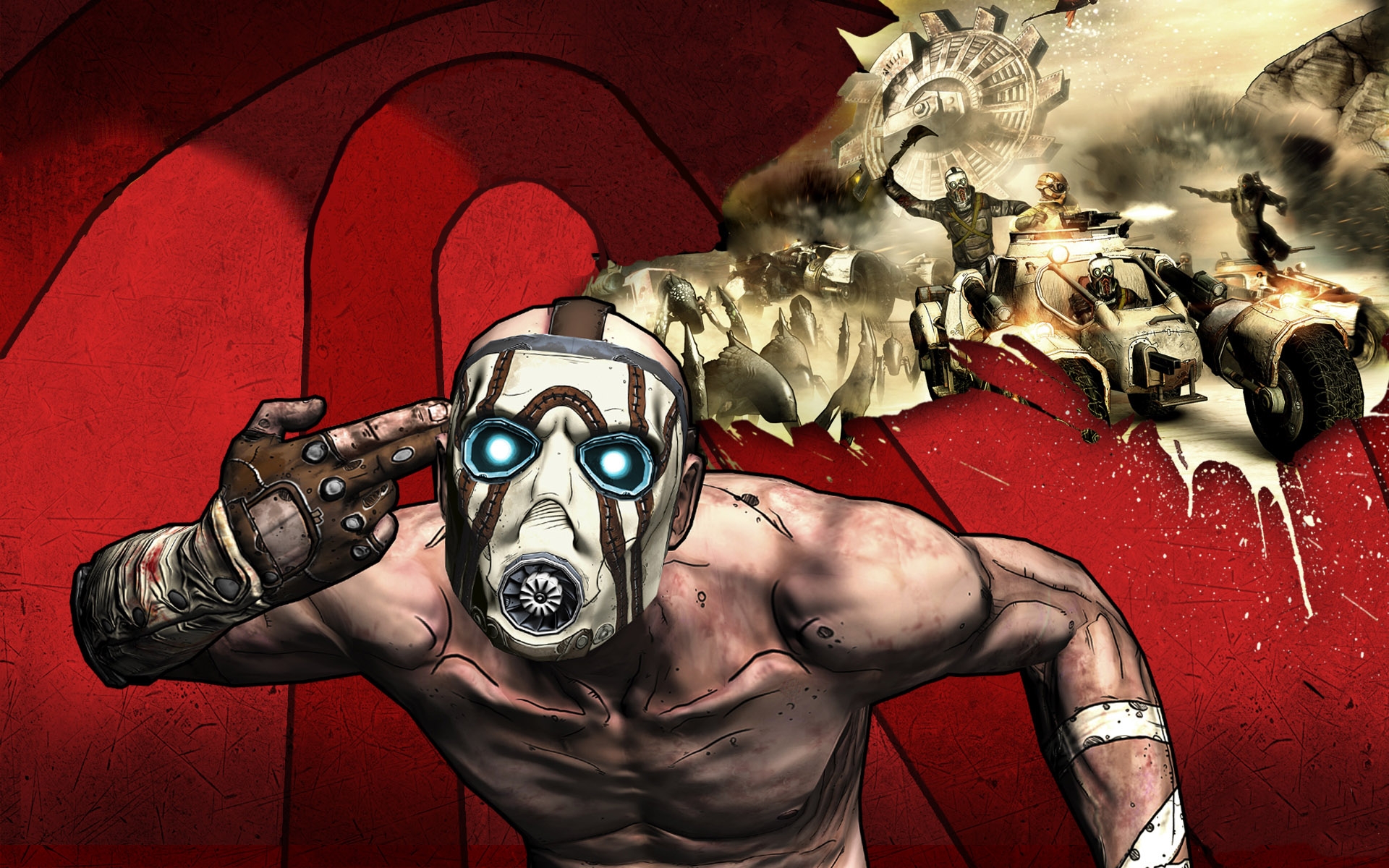
The story revolved around a quest for a famous Vault said to contain incredible alien technology and riches. However, instead of treasure, the players found a huge, tentacled monster called the Destroyer. After defeating the monster, the Vault sealed itself shut for two centuries, leaving the heroes with nothing. Many fans felt the ending was a letdown, and even a joke, considering how much the game focused on finding loot. This became a recurring theme in the series – the first Vault turned out to be a big disappointment.
‘Metal Gear Solid V: The Phantom Pain’ (2015)
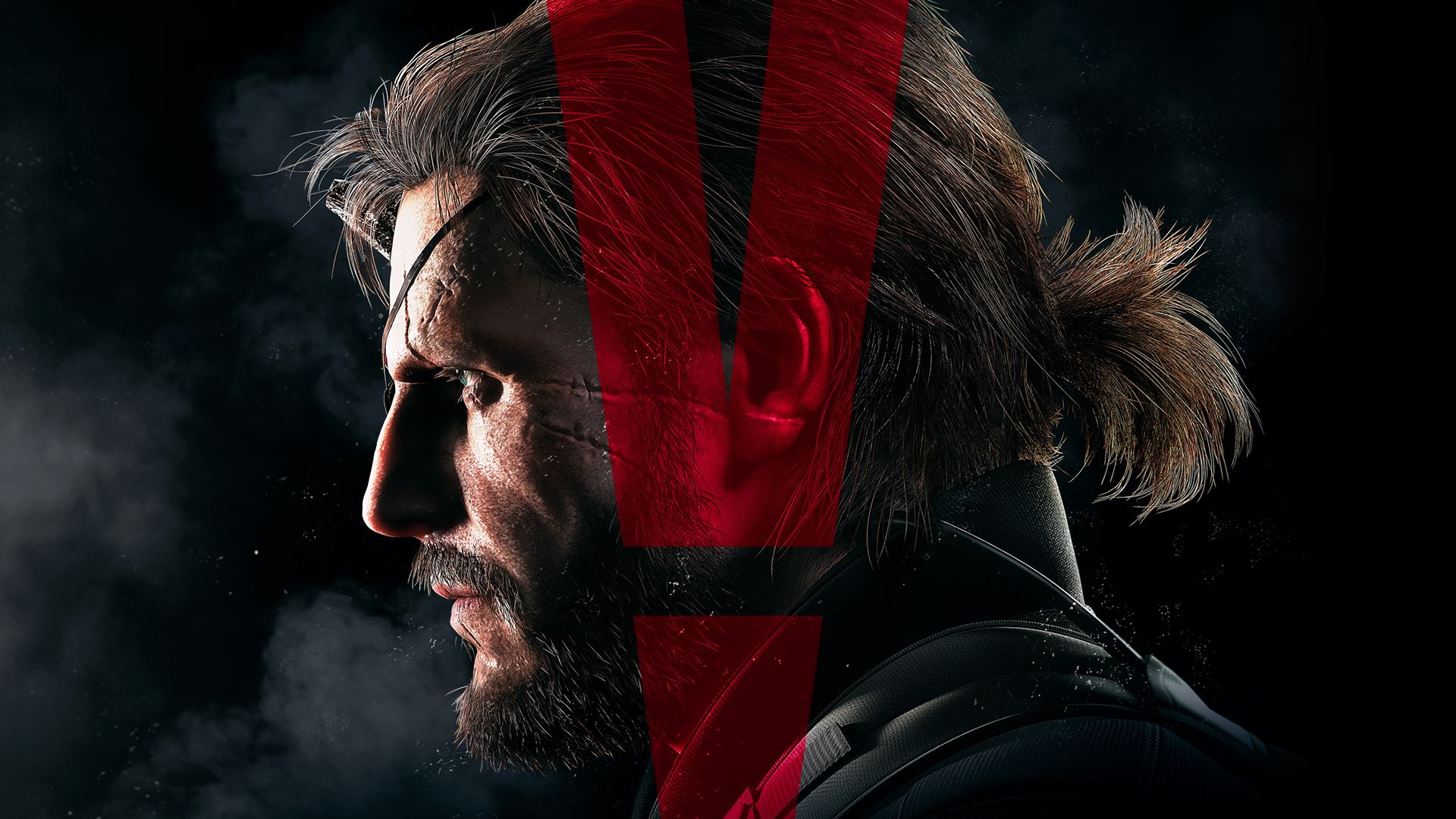
Man, the ending of that game really threw me for a loop. Finding out I wasn’t actually playing as Big Boss, but some kind of clone, just didn’t sit right with me, especially with everything being about his revenge. It felt like a lot of the characters’ stories were just… left hanging. And then there was Mission 51, which they completely cut! We never got to see what happened to Eli, which was a huge bummer. Honestly, it felt unfinished, and you could tell there was a lot of drama going on behind the scenes with Kojima and Konami. As a long-time fan, it’s still frustrating that we never got a proper ending to the story.
‘The Last of Us Part II’ (2020)
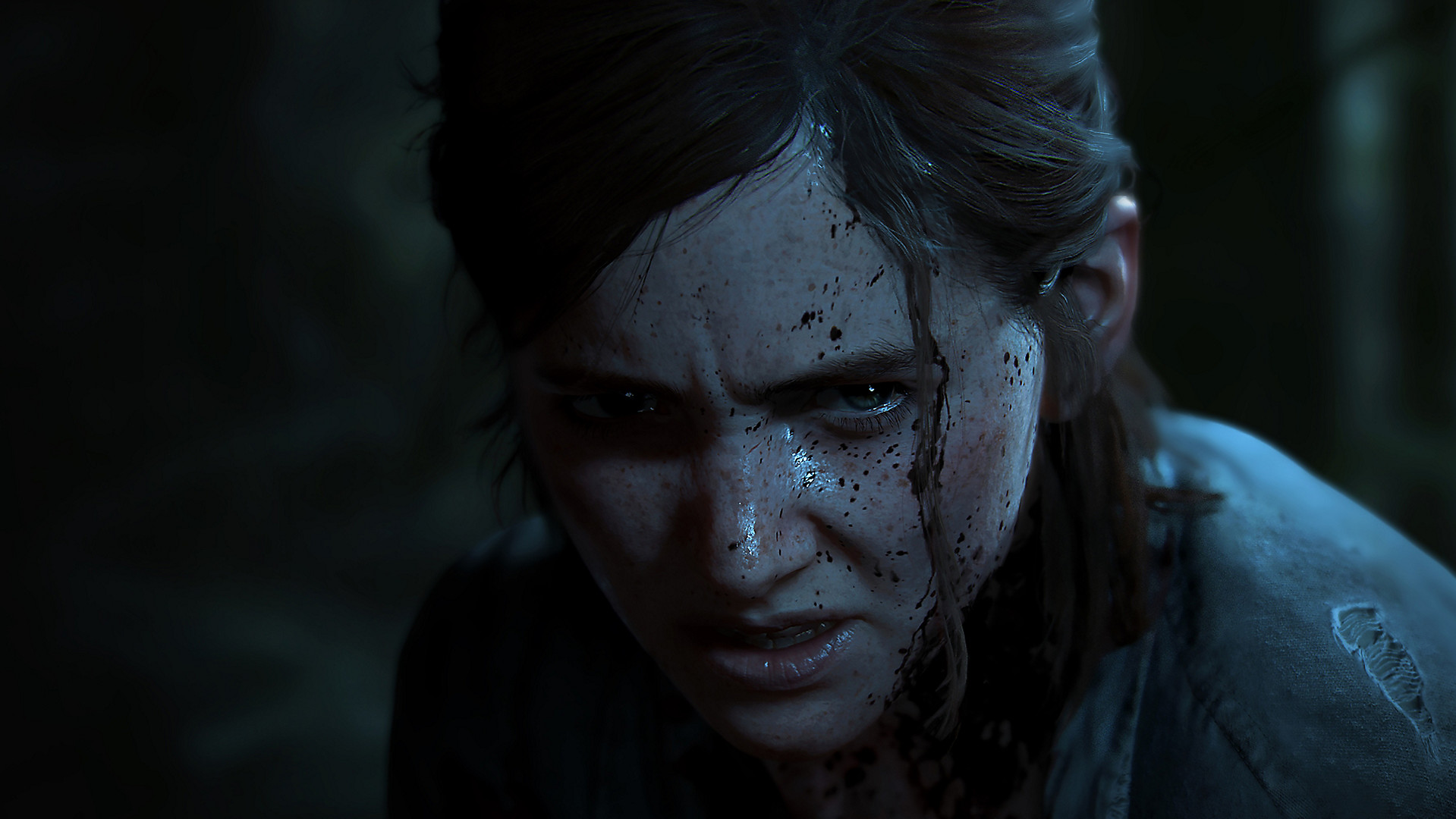
At the end of the story, Ellie decided to abandon her pursuit of revenge just before she could act, following a very difficult and violent journey. Many players felt this decision didn’t quite fit with everything she’d done to get there. Losing her fingers also meant she could no longer play the guitar, severing her last tie to Joel. This sad and open-ended conclusion split fans – some appreciated the deeper meaning, while others found it frustrating. It’s still one of the most talked-about and controversial endings in video game history.
‘Assassin’s Creed 3’ (2012)
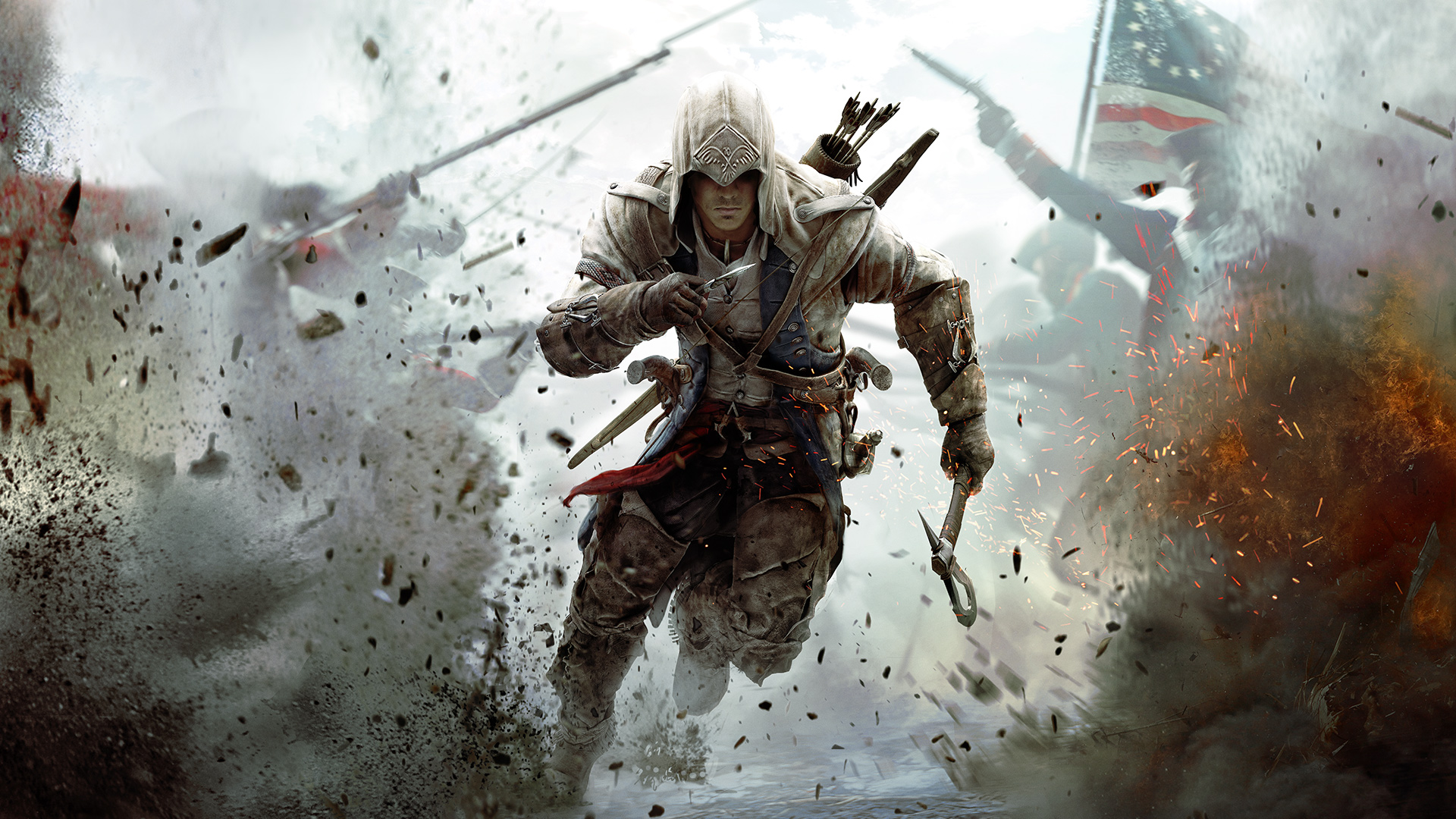
Okay, so as a longtime Assassin’s Creed player, let me tell you, Desmond’s death really threw me. He touched that First Civilization pedestal and just…poof. It saved the world from a massive solar flare, sure, but it ended his story so abruptly. Honestly, it felt super rushed after following him since the very beginning. I was really invested in his character, and the ending just didn’t deliver the emotional impact I was hoping for. It was a bummer to see the series move away from having a clear main character like Desmond, and later games just didn’t feel as connected. It just didn’t feel like a proper send-off for a character we’d spent so much time with.
‘Fable II’ (2008)
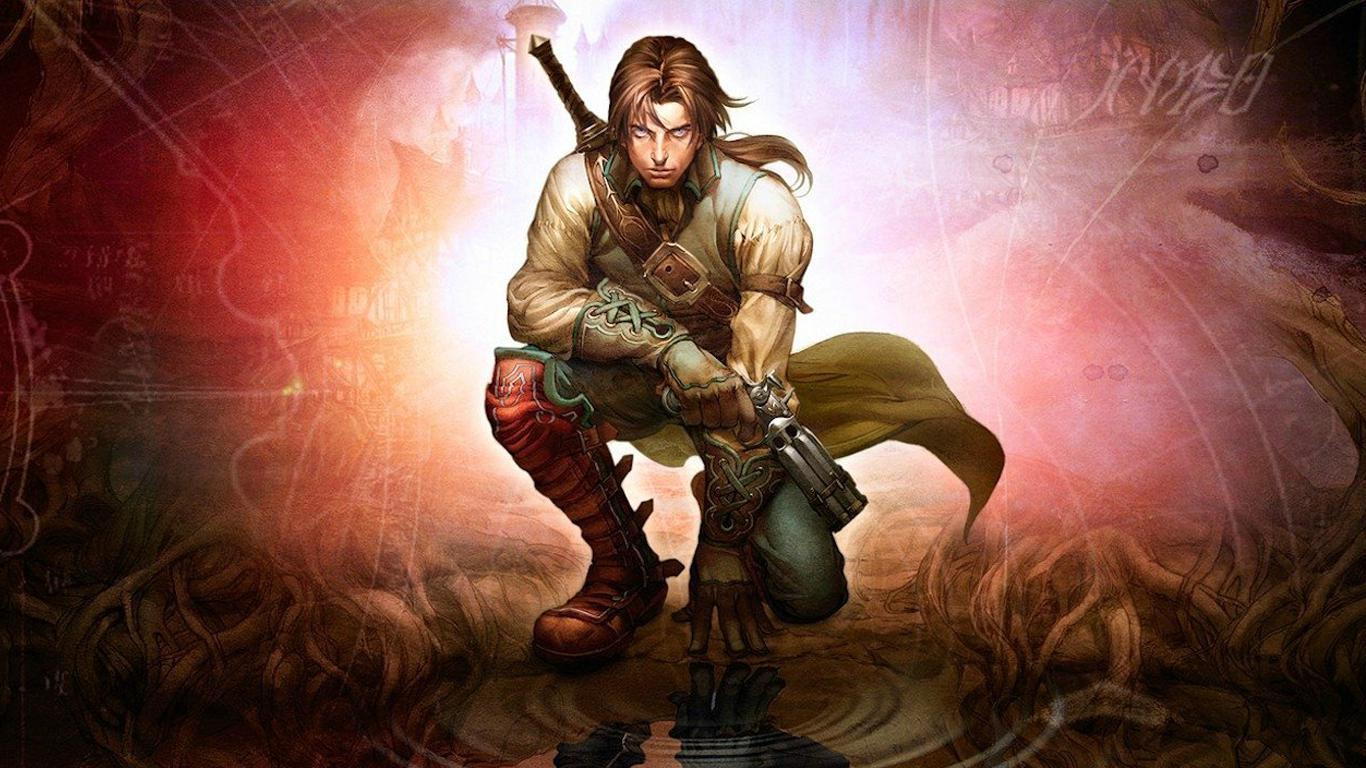
The game’s final showdown with Lord Lucien was surprisingly simple – it ended either with a single button press or automatically if the player took too long. There wasn’t a real boss battle to challenge players and let them use the skills they’d earned. After defeating the villain, players were presented with three text-based choices describing what happened next. Many fans were disappointed, feeling they deserved a more substantial fight after investing so much time in developing their character. The easy ending felt out of place compared to the detailed and intricate world the game had created.
‘Star Wars: Knights of the Old Republic II – The Sith Lords’ (2004)
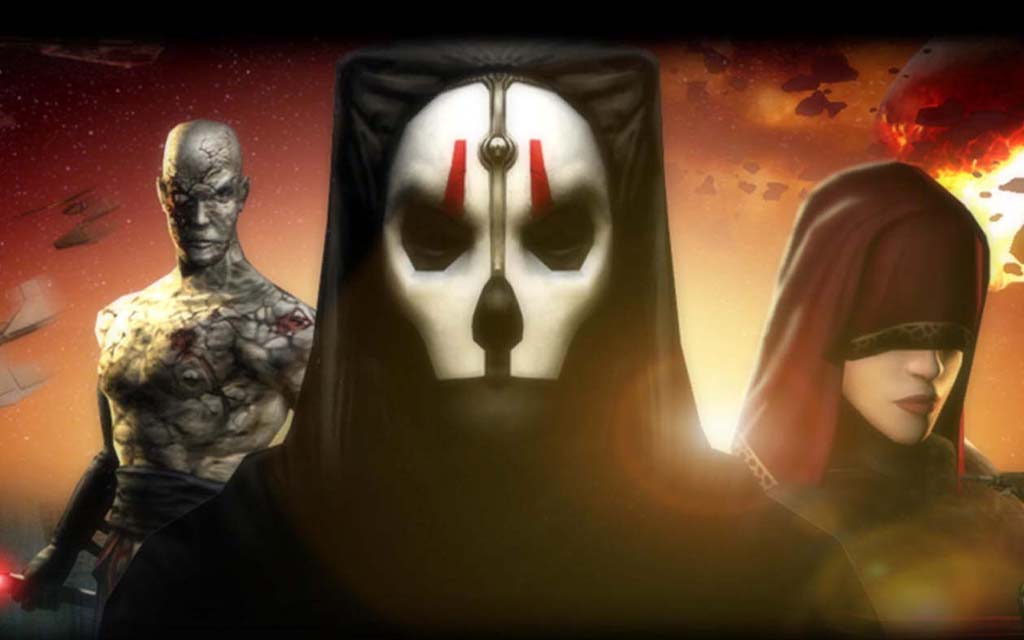
The game ended with a long conversation on a planet falling apart, but it didn’t really tie up loose ends. Many player-controlled characters vanished or had their stories end suddenly. This happened because the game was finished quickly, forcing the developers, Obsidian Entertainment, to remove a lot of planned content for the ending. This left players feeling unsatisfied, especially compared to the first game, as many character arcs and galactic storylines were unresolved. Today, many players use a fan-made mod to restore the missing content and experience the full story.
‘BioShock Infinite’ (2013)
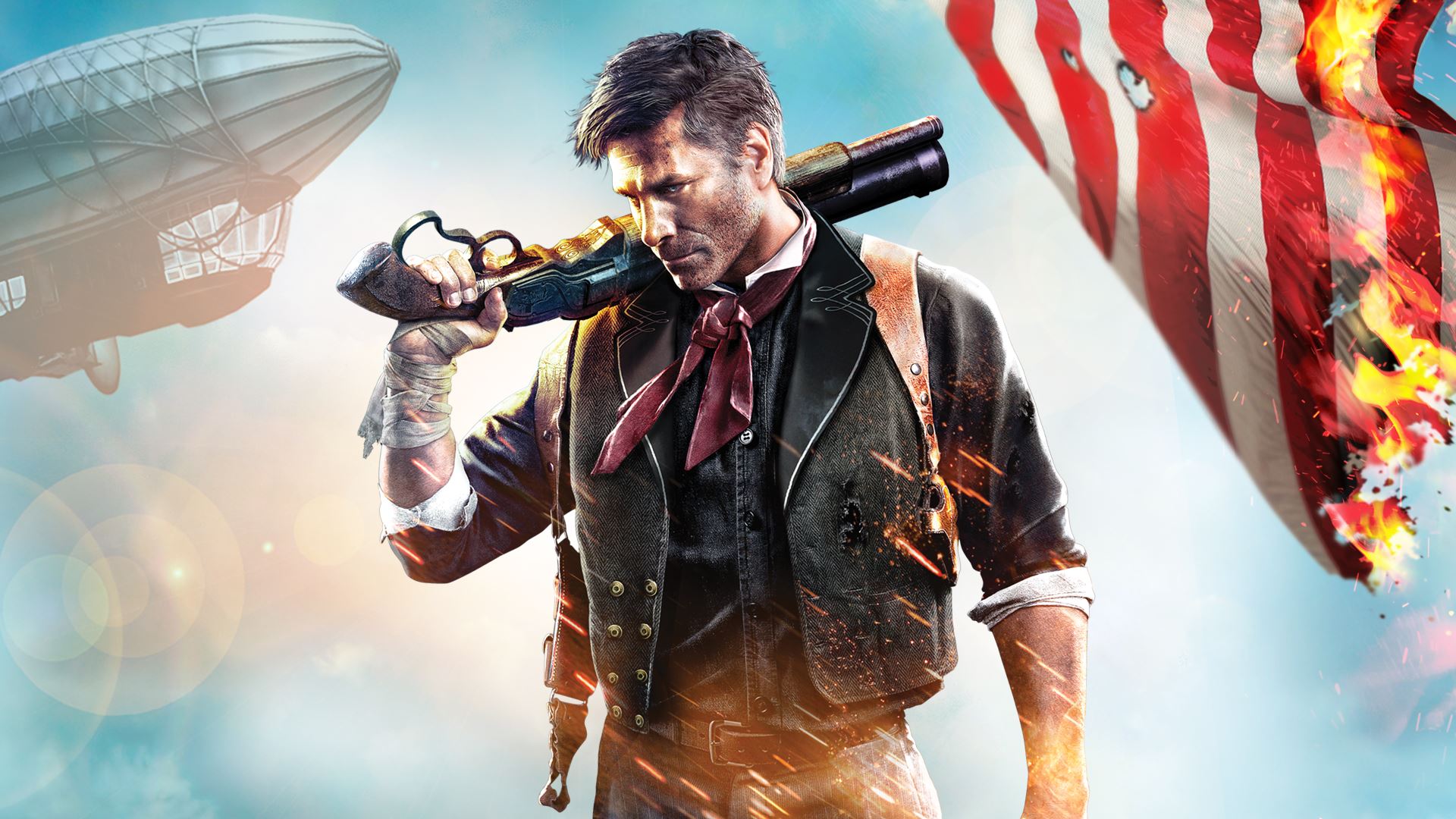
The game’s ending presented a complicated idea about multiple universes, where the main character had to drown to prevent his future self from coming into existence. Though some appreciated its boldness, many players found the story jumps confusing and didn’t quite make sense. The finale felt rushed, with a lot of quick explanations that didn’t fit the tone of the rest of the game. Some felt it prioritized being deep over making sense of the characters’ actions, and it led to years of discussion about the game’s rules and what happened to a key character named Elizabeth.
‘Far Cry 5’ (2018)
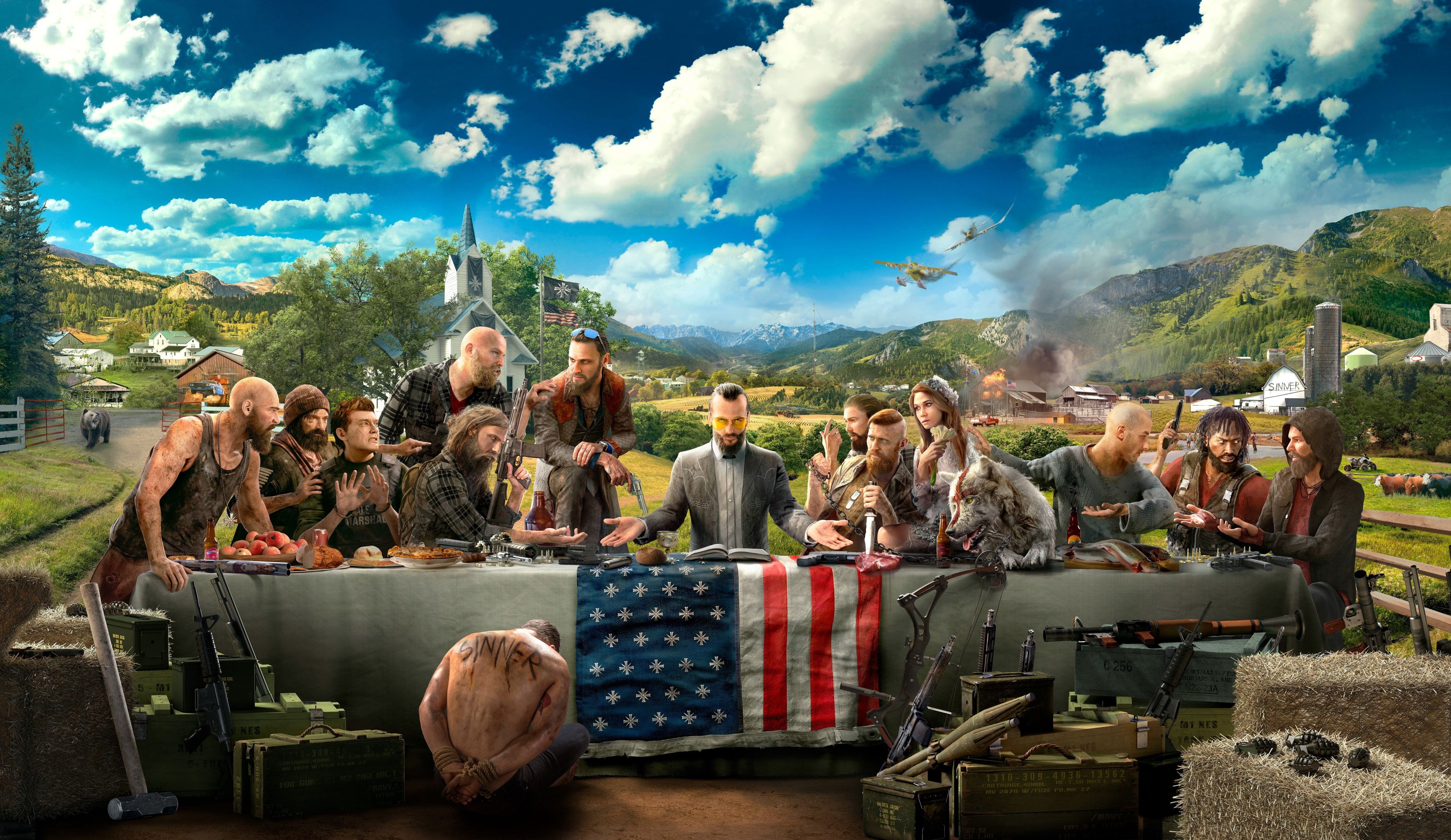
The game had two possible endings, and both ultimately confirmed the villain, Joseph Seed, was correct in his beliefs. In the main ending, a nuclear war started right as the player tried to capture him. This made the entire effort to free Hope County feel meaningless, as the world ended up being destroyed regardless. Players were disappointed that no matter how well they played, their actions couldn’t lead to a happy outcome. While the ending hinted at a continuation in a sequel, it felt unsatisfying for those who wanted a clear victory.
‘Shenmue II’ (2001)
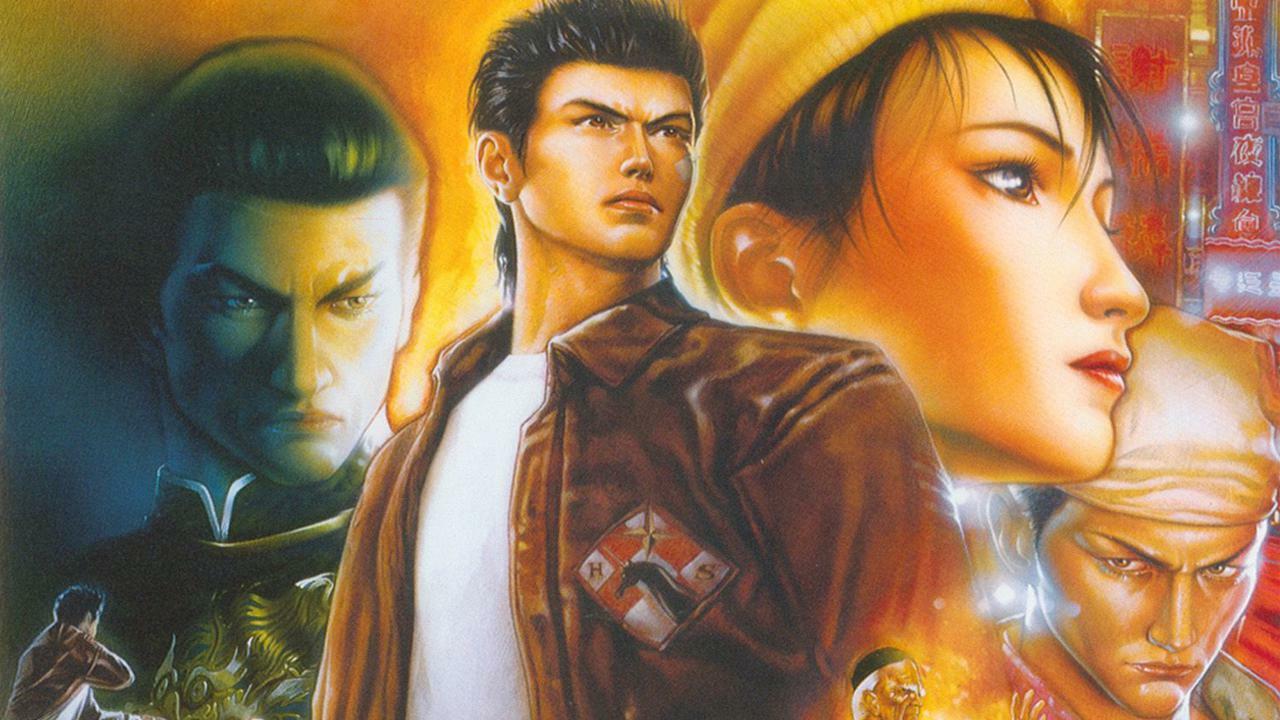
The game concluded with Ryo Hazuki arriving at a cave in China, where he discovered previously unseen magical elements. However, the story ended abruptly on a cliffhanger, leaving the mystery of his father’s murder unsolved. Fans were left waiting for eighteen years for the story to continue in a sequel. This unexpected change in direction and lack of resolution frustrated players and left them wanting more. It became a well-known example of a story left unresolved for a very long time.
‘Drawn to Life: The Next Chapter’ (2009)
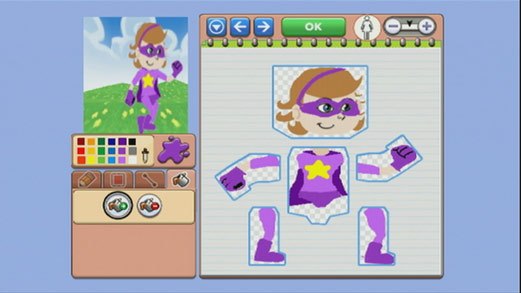
The game’s ending surprised players by revealing the entire story was actually a dream within the mind of a boy in a coma. Many players who had grown to care about the game’s characters and world felt let down, as it suggested their experiences weren’t real within the game’s universe. Some considered this a disappointing and uninspired way to finish what had been a lighthearted adventure. Because of the negative reaction, the developers later released an updated version with a more hopeful ending.
‘Indigo Prophecy’ (2005)
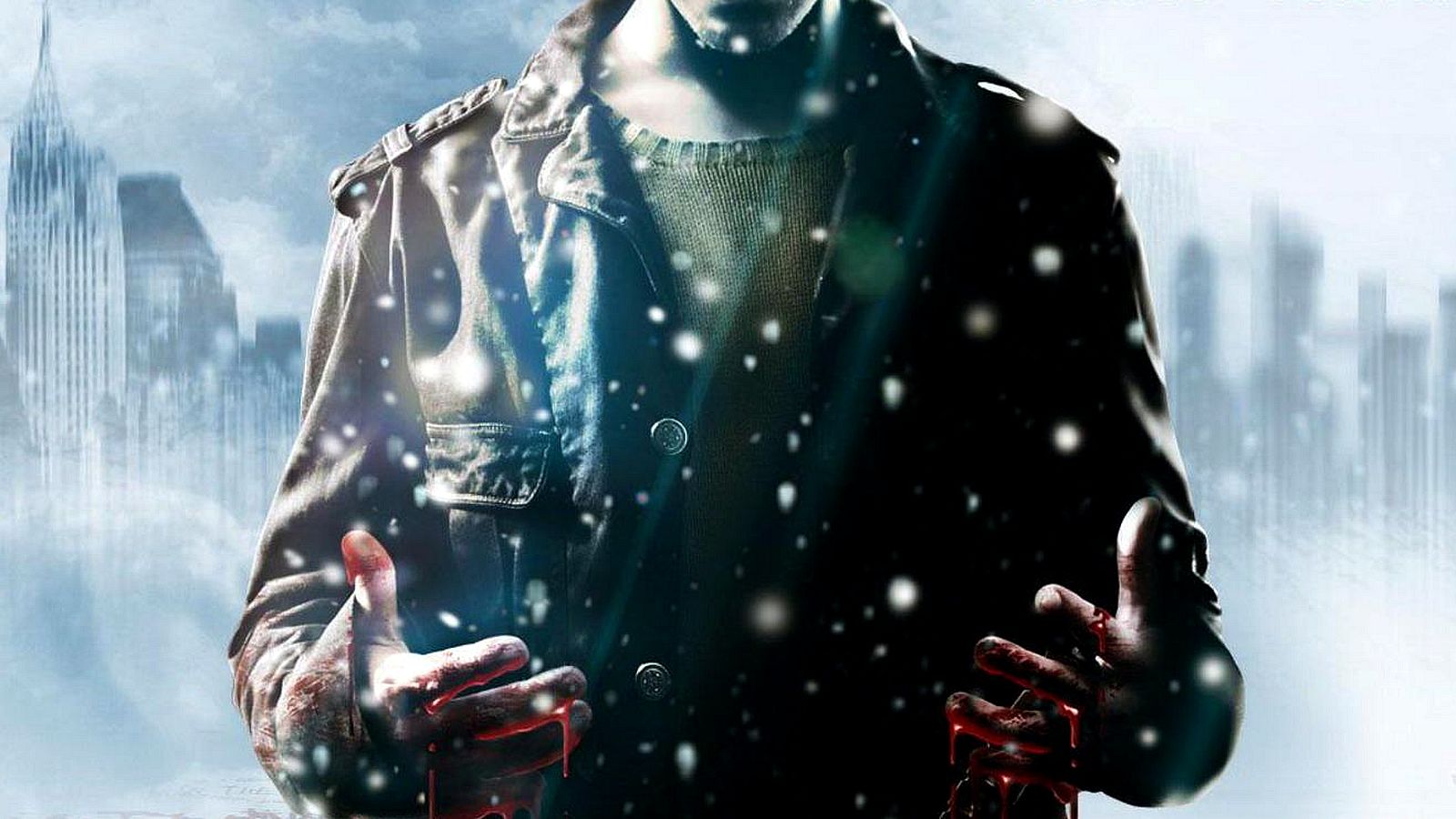
The game began as a realistic murder mystery, but quickly became bizarre, involving ancient secret societies and strange online gods. The final part of the game introduced superpowers and threatened to destroy the world, which felt jarring and didn’t fit with what came before. Players were disappointed by this sudden shift in style and the confusing way the story unfolded. It felt like a bunch of unrelated ideas were crammed together at the end, and many feel this is where the game lost its focus and pulled players out of the experience.
‘Star Ocean: Till the End of Time’ (2003)
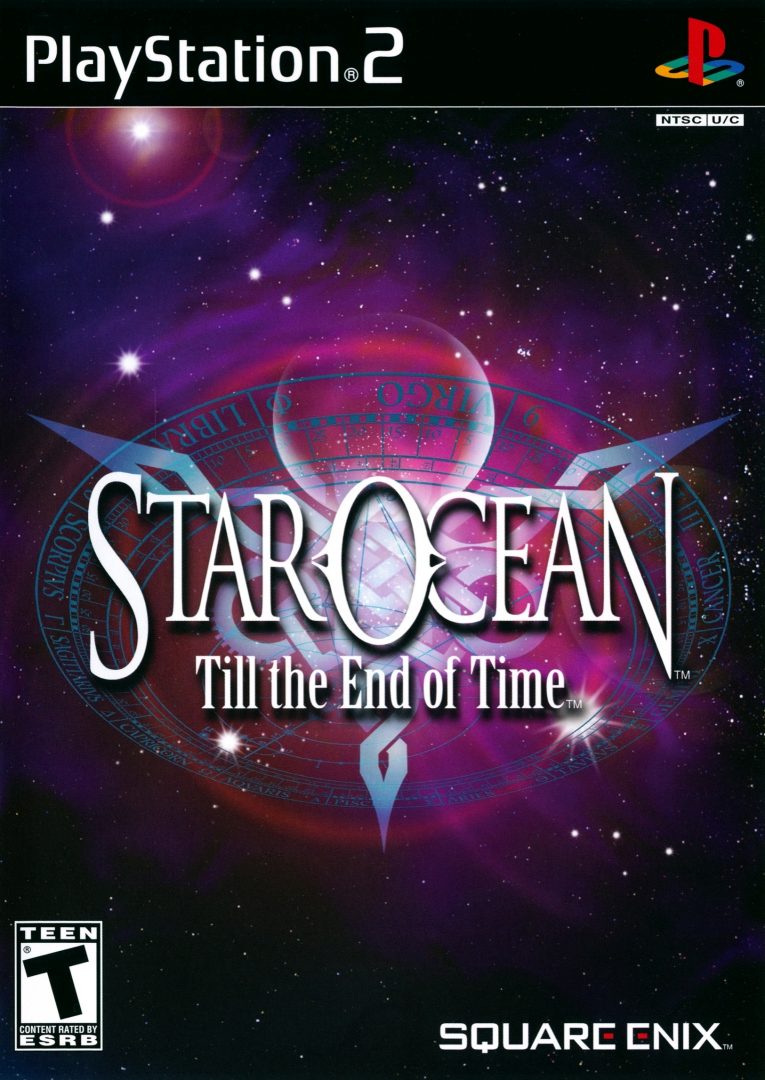
The story ended with a surprising reveal: everything that happened was part of a huge online game played by people in the real world. This meant all the characters and their challenges were just computer code. While the story attempted to explain that the characters had somehow become truly aware, many fans felt this twist lessened the impact of the series and the connections they’d made with the characters. It’s become a famously controversial ending, and remains one of the most debated plot twists in Japanese role-playing games.
‘Firewatch’ (2016)
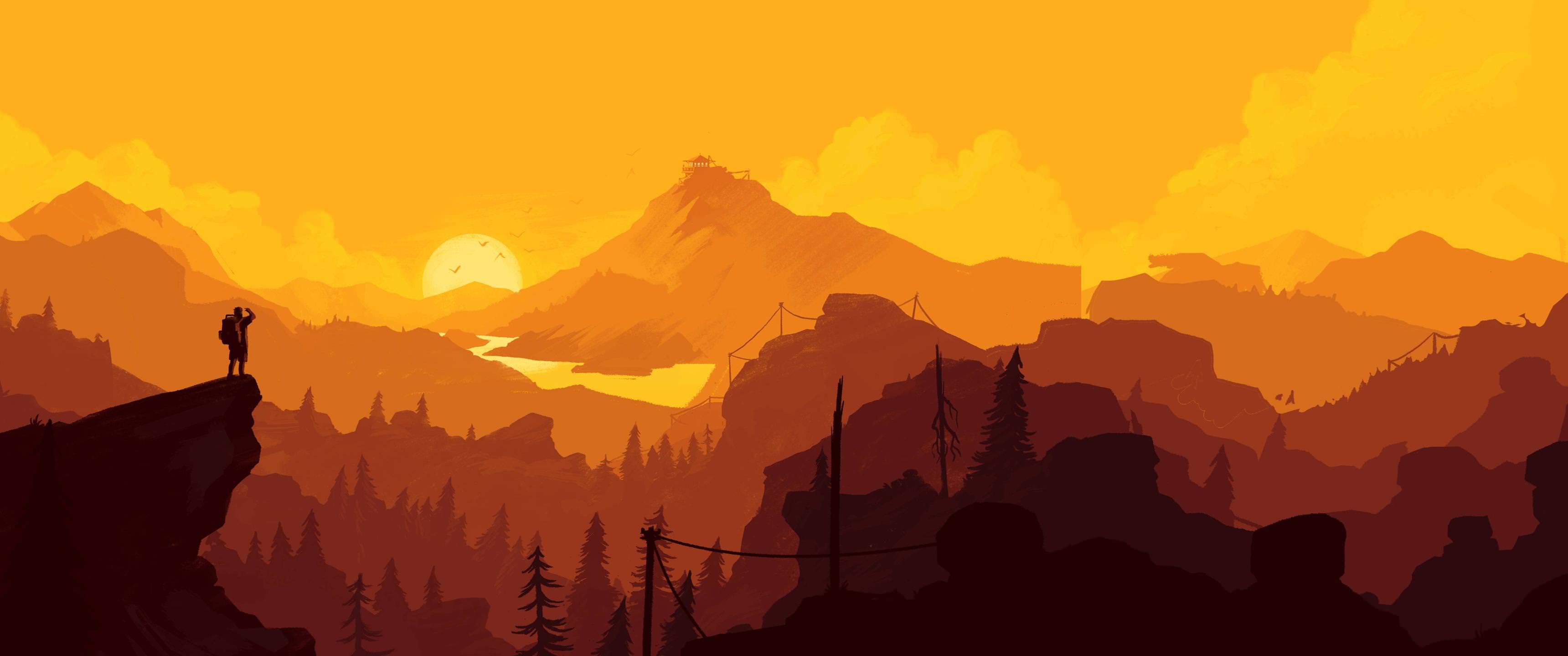
What seemed like a complex conspiracy and a missing person ultimately turned out to be a series of unfortunate coincidences and an accident. Players had hoped for a big reveal or a face-to-face meeting between the main characters, but instead, the protagonist just left in a helicopter without ever seeing Delilah. While some fans liked how realistic the ending was, many others felt it was disappointing. The game built up a lot of tension, but didn’t deliver a satisfying conclusion, which sparked a lot of discussion online.
‘Dead Space 3’ (2013)
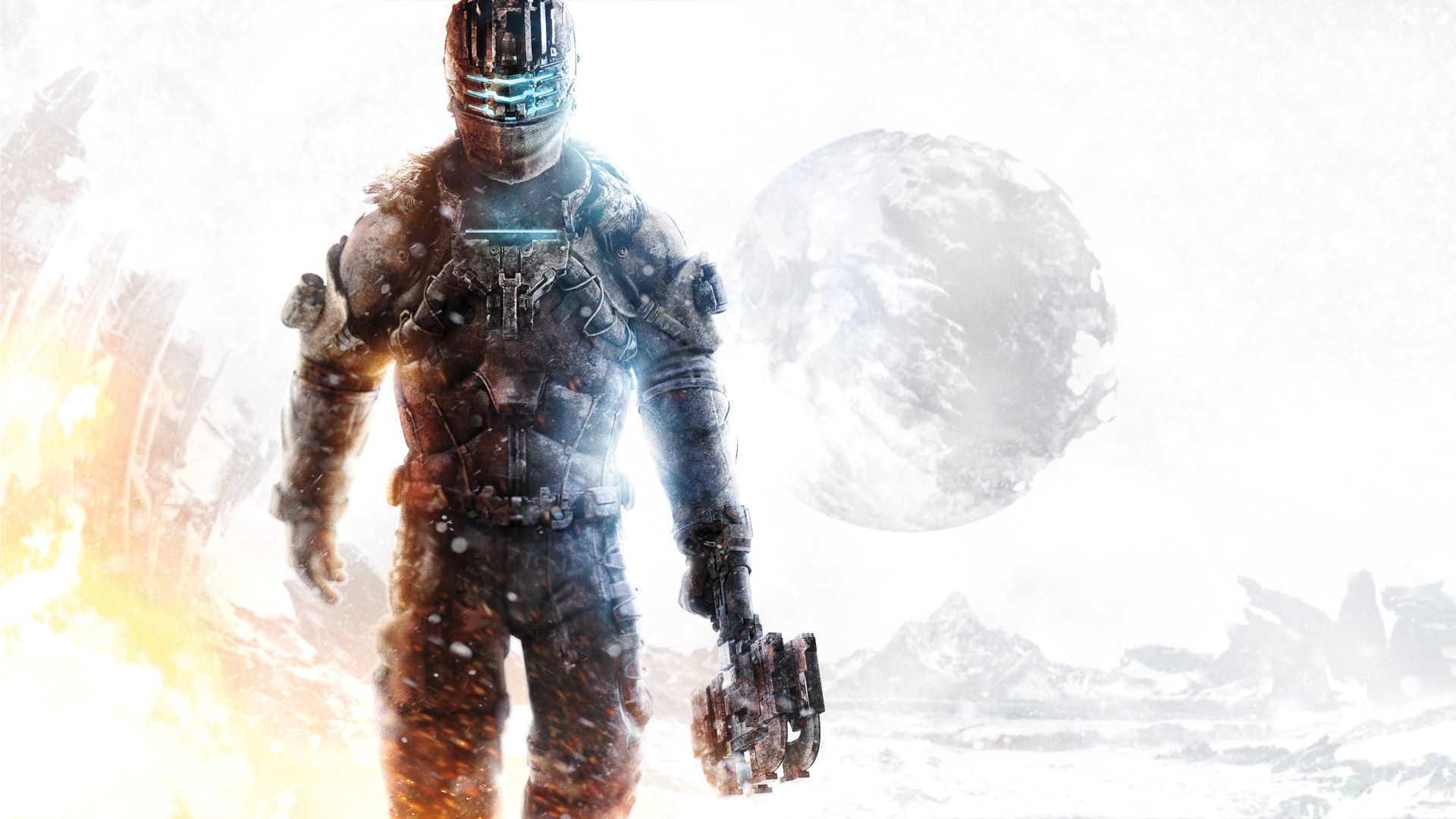
The main story seemed to end with Isaac Clarke and Carver sacrificing themselves to destroy the Brethren Moons. But the complete story was revealed in the ‘Awakened’ downloadable content, which showed the Moons actually heading towards Earth. This meant the entire trilogy ultimately led to the probable end of humanity. Fans were upset that this final, depressing ending was only available as extra content and that the series ended on such a dark note. As a result, the franchise hasn’t had a new release in a long time.
‘The Order: 1886’ (2015)
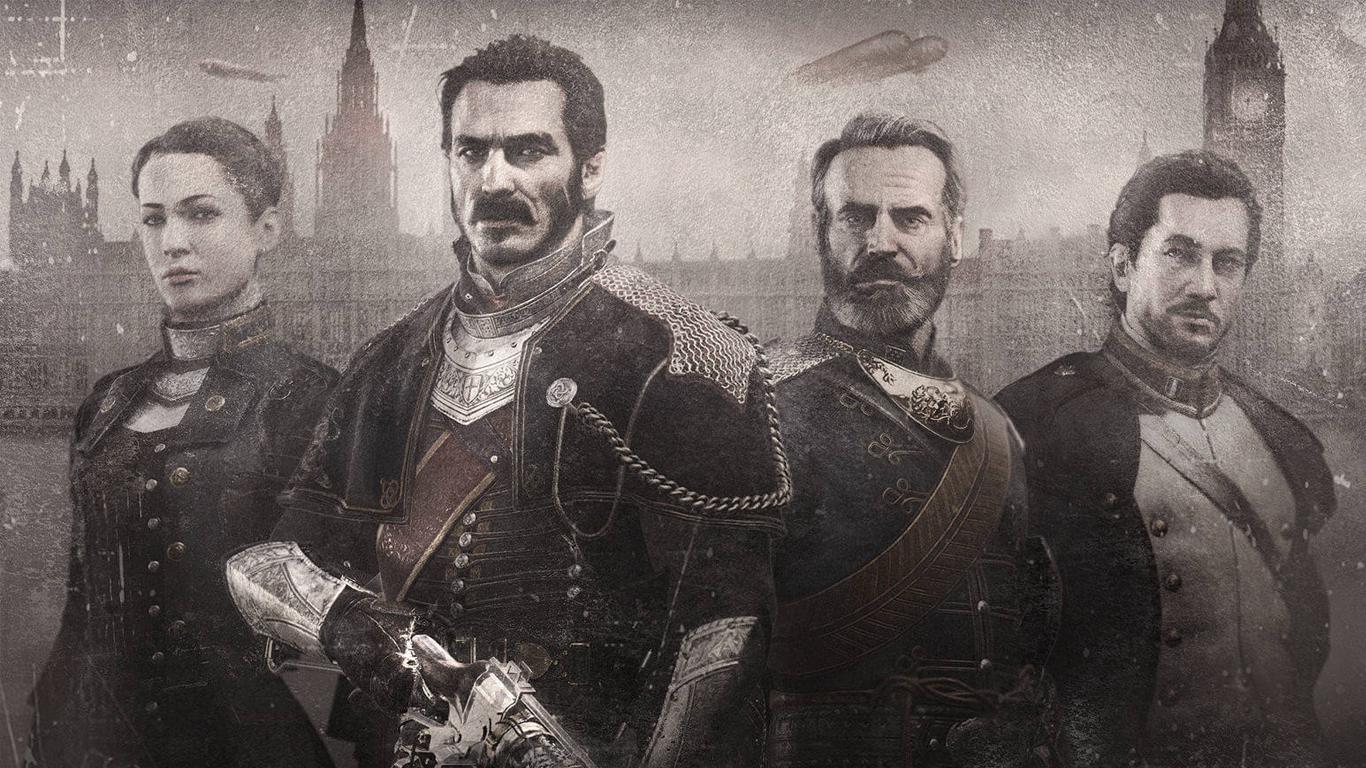
The story ended suddenly right when things were getting exciting, leaving the main character on the run. Many questions remained unanswered about the vampires and a mysterious organization called the Order. Critics pointed out the game felt too short and more like an introduction to a larger story than a full game. A sequel never came, leaving plotlines unresolved. This lack of a proper ending hurt the game’s overall reception, especially considering it was meant to be a major release.
‘Kane & Lynch 2: Dog Days’ (2010)
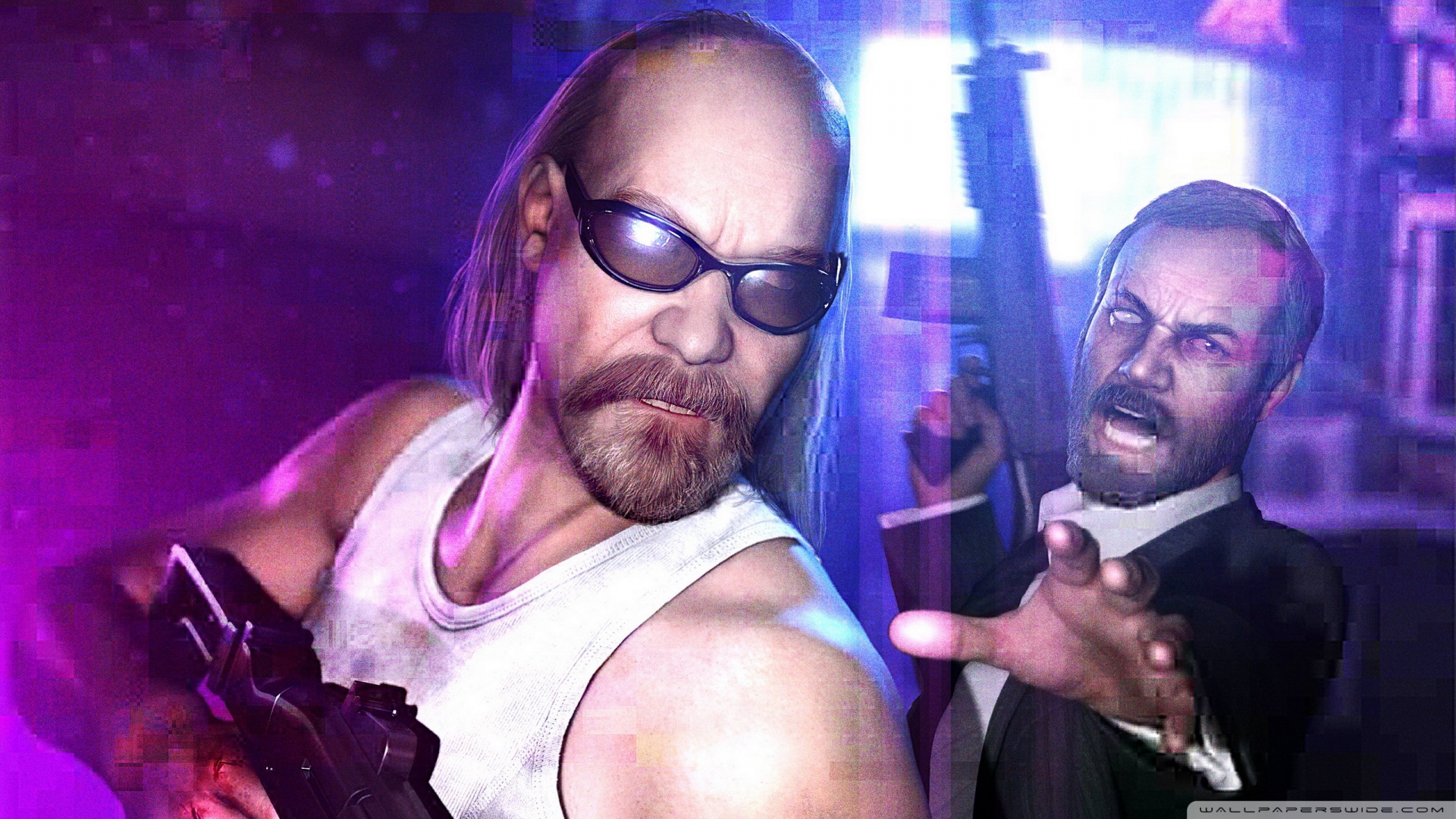
Man, the game just… ended. Seriously! After everything we went through, all the crazy stuff in Shanghai, we just hopped on a plane and the screen went black. No big final boss, no wrapping things up, nothing! We walked through an airport for like, two minutes, and then the credits rolled. It felt super rushed and honestly, really unsatisfying after such a tough game. A lot of people agree it’s one of the most abrupt endings ever in an action game, and I have to say, I agree with them.
‘Dying Light’ (2015)
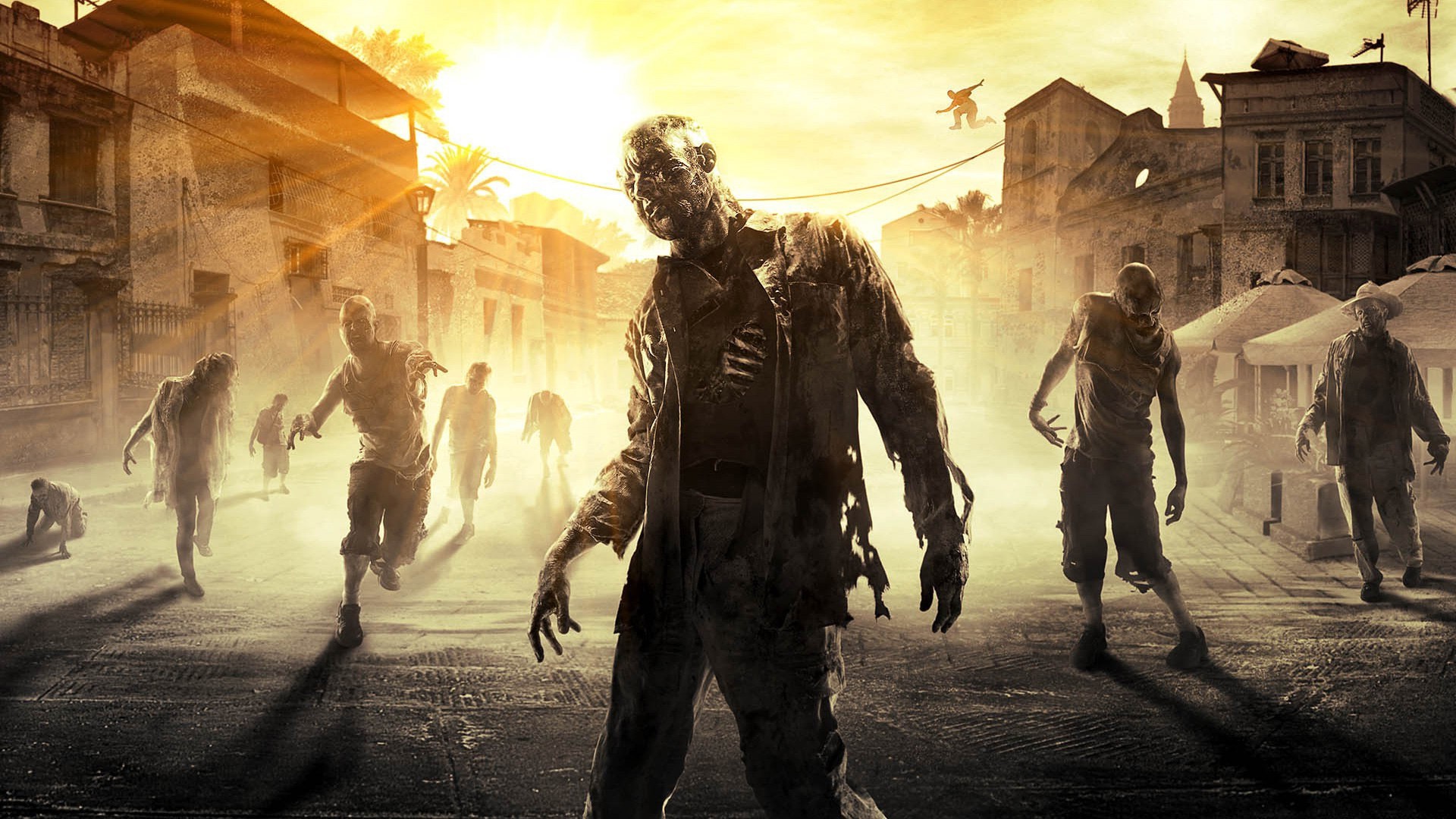
The final battle against Rais wasn’t a traditional fight; instead, it relied on a series of timed button presses. This frustrated players who had spent the whole game learning parkour and hand-to-hand combat. The sudden change in gameplay felt out of place and disappointing after hours of enjoying a different style of play. Many players found the ending boss fight too easy and the conclusion to the story felt hurried, especially considering the rich detail found throughout the rest of the game.
‘Crysis’ (2007)
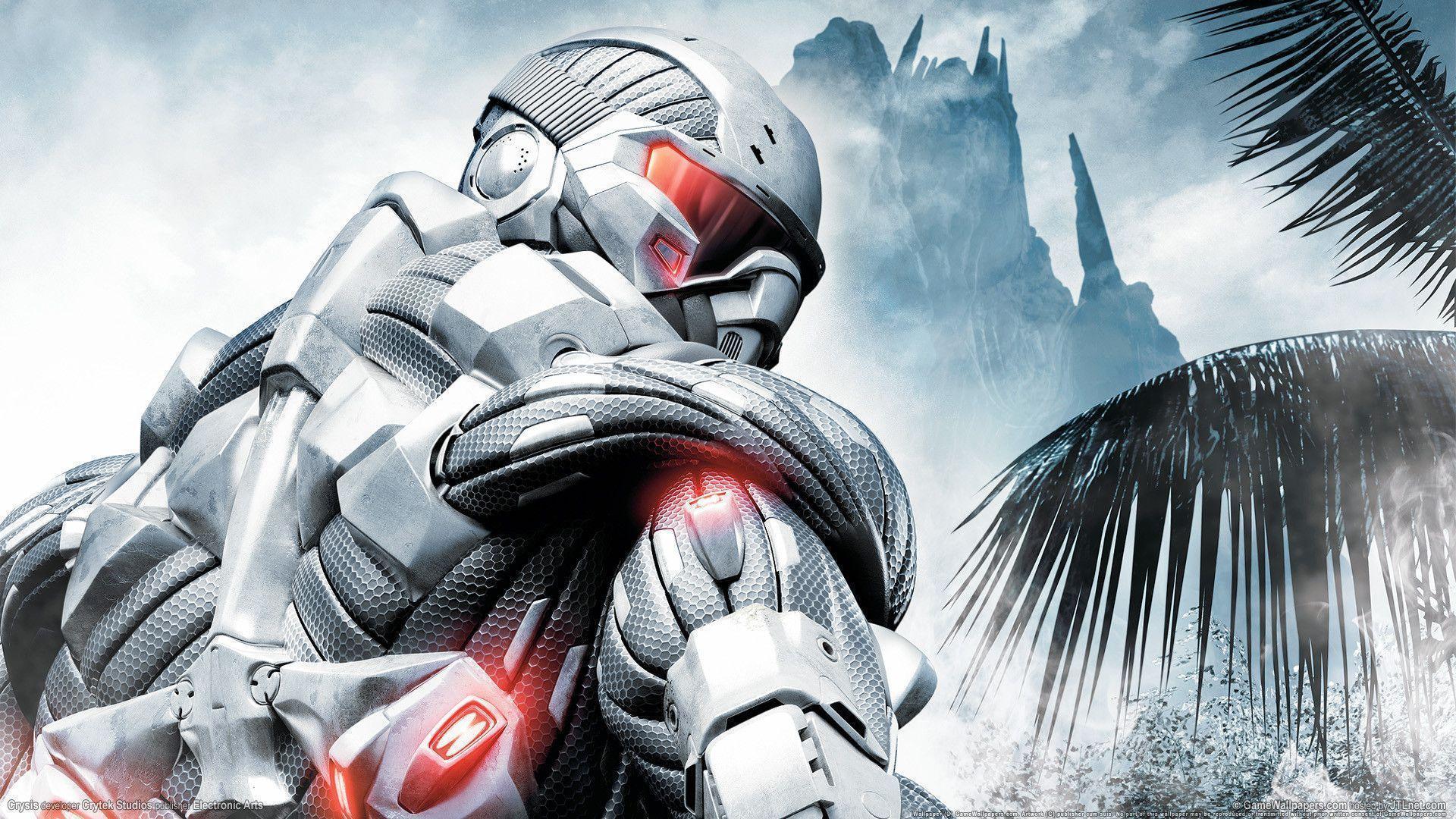
The game ended with a dramatic cliffhanger, leaving the main character, Nomad, returning to the island to battle the aliens. Unfortunately, the sequels never fully resolved Nomad’s story, instead focusing on new characters. Many players were disappointed that the promising setup for a large-scale war was abandoned, and that the original hero’s journey wasn’t completed. It felt like a great opportunity to finish a thrilling sci-fi war story was lost.
‘Conker’s Bad Fur Day’ (2001)
So, I finally beat the game, and honestly, it was…rough. I ended up as king of this world I totally despised, but I lost Berri, my girlfriend, along the way. Even though I had all these crazy god-like powers in the game, I couldn’t even bring her back. The last scene is just me, Conker, sitting alone, bummed out and drinking. Everyone was expecting a funny ending, but it was seriously dark and cynical. It totally threw me for a loop and left me feeling pretty empty, honestly. It wasn’t the typical happy ending you get in a platformer, that’s for sure.
‘Monkey Island 2: LeChuck’s Revenge’ (1991)
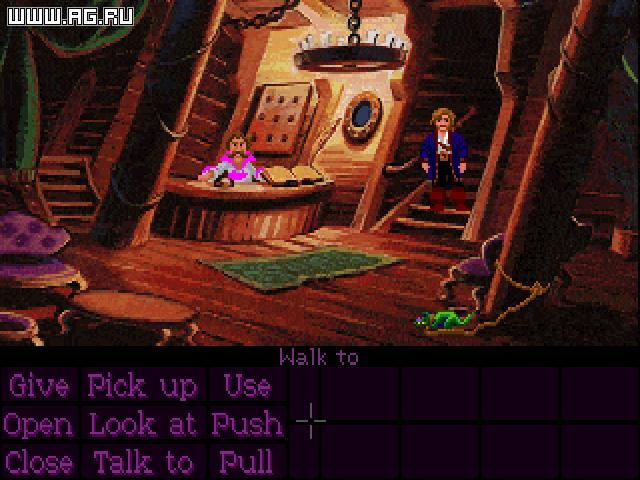
The game’s ending surprised many players by suggesting the whole pirate story was actually a make-believe game created by two brothers at an amusement park. These brothers, who resembled the characters Guybrush and LeChuck, were called away by their parents, revealing the fantasy. This unexpected twist frustrated fans who were deeply invested in the game’s detailed world and story. The ending’s true meaning wasn’t clarified until many years later with the release of ‘Return to Monkey Island’. It’s still considered one of the most memorable and divisive endings in the point-and-click adventure game genre.
‘Super Mario Bros. 2’ (1988)
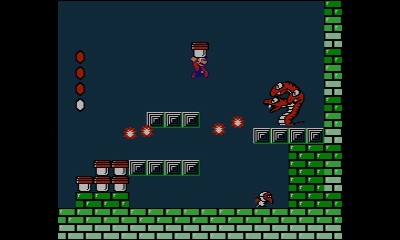
The game’s ending revealed that everything Mario experienced in Subcon was just a dream. He woke up in bed, quickly fell back asleep, and the characters he met floated past – meaning his entire adventure, including defeating Wart and saving the world, didn’t actually happen. While this explained why the game felt so different from the original Super Mario Bros., many players felt it was a disappointing way to conclude the story. It’s a common trope considered one of the most frustrating endings in video games.
‘Deus Ex: Mankind Divided’ (2016)
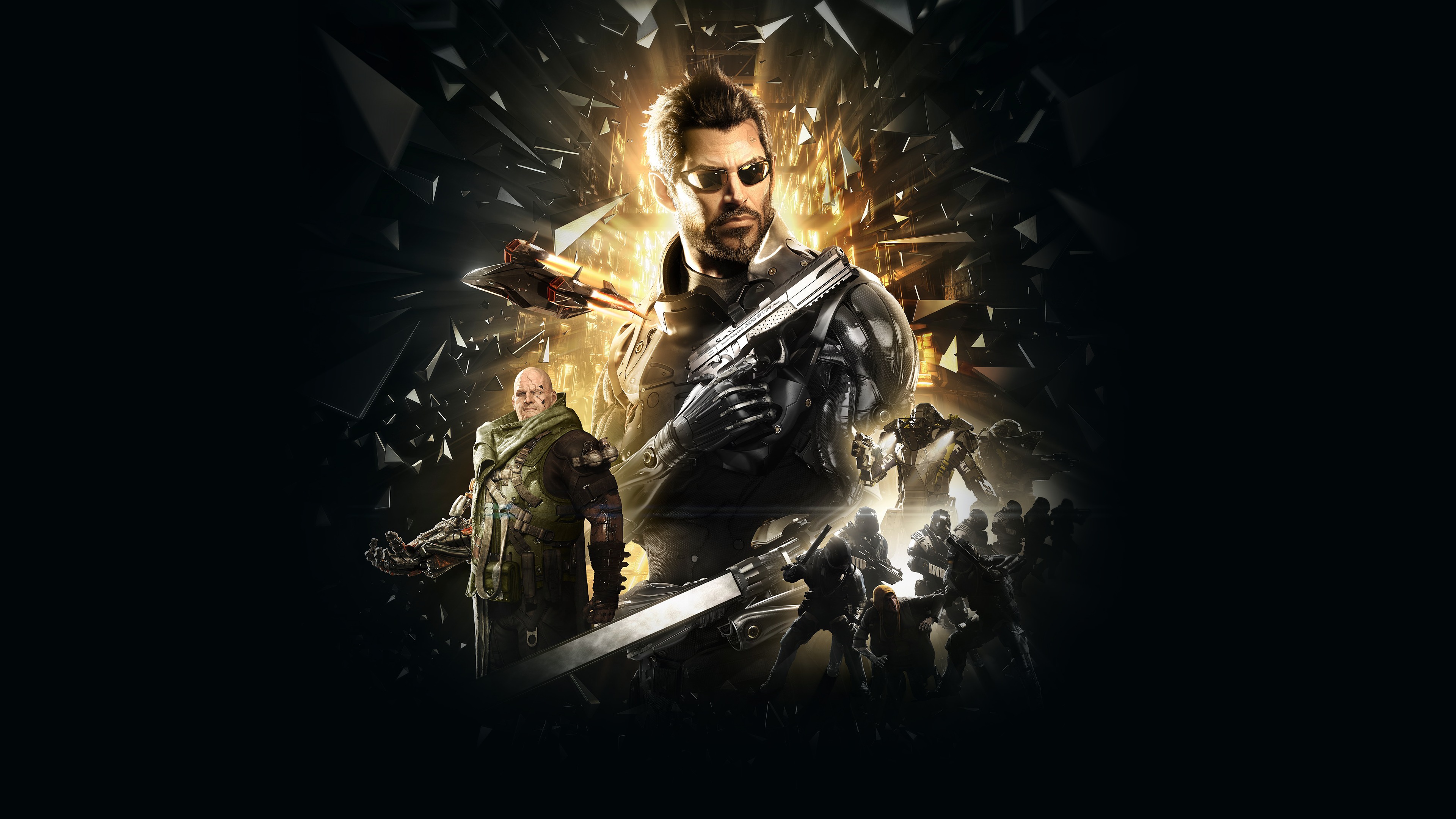
The game concluded abruptly after defeating only one major boss, leaving the central mystery largely unresolved. Players felt like they’d only played the beginning of a much bigger story that was never completed. Shortly after its release, Square Enix stopped working on the series, leaving Adam Jensen’s story on a frustrating cliffhanger. The unresolved Illuminati storyline left fans feeling the game was unfinished and served as a disappointing example of a story cut short due to business factors.
‘Half-Life 2: Episode Two’ (2007)
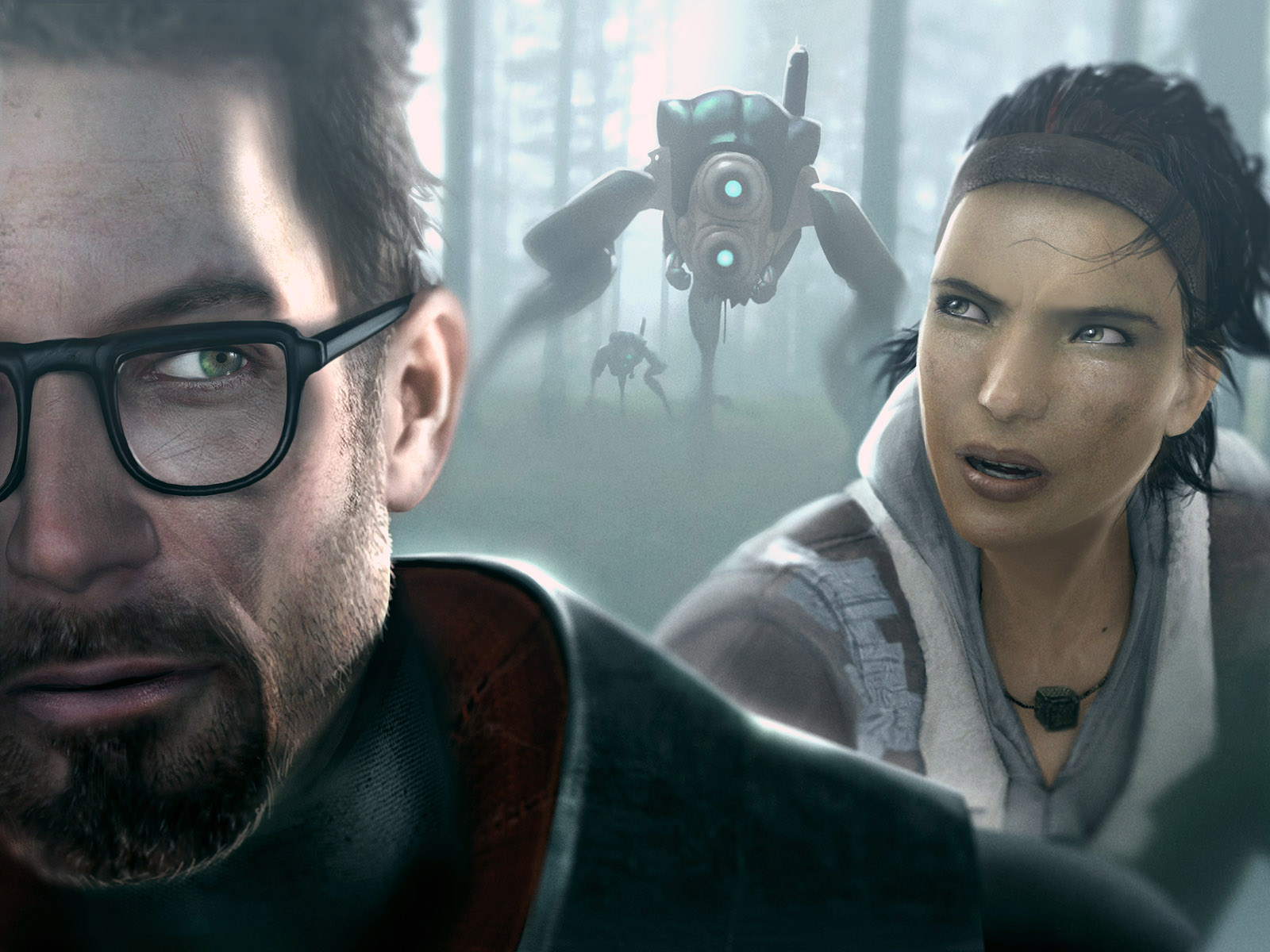
The game concluded with a shocking moment: the main character was killed by an alien Advisor, leaving the other characters unable to intervene. As the credits started, the screen went dark accompanied by sounds of grief. This dramatic ending was intended to be continued in a third game, but Valve never released it. For over fifteen years, fans have been hoping for a conclusion to this cliffhanger, which fundamentally altered the direction of the ‘Half-Life’ series. The unresolved ending has since become a famous and often frustrating part of gaming history.
‘Ghosts ‘n Goblins’ (1985)
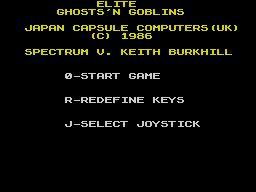
Once players finally defeated the last boss, they discovered the whole game had been a trick set by Satan. They had to start over on an even harder difficulty to reach the real ending. The game was already incredibly difficult and didn’t give players many chances, so learning their progress was erased was incredibly frustrating, especially for those playing in arcades. Players only truly saved the princess by winning the game two times in a row.
‘Soul Reaver’ (1999)
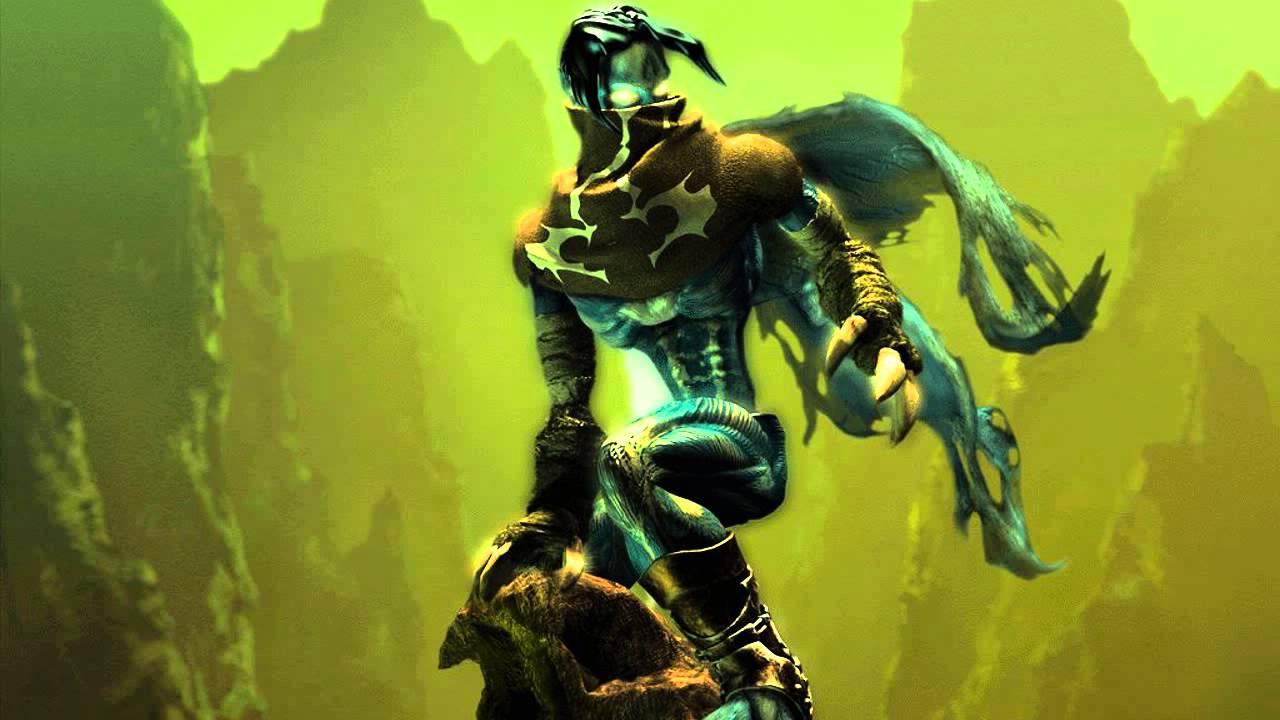
The game concluded with Raziel chasing Kain through time via a portal, leaving players with a “to be continued” message. Instead of a final showdown, the story simply stopped, largely due to development time limitations. This meant fans had to wait for a sequel to find out how the conflict would be resolved. While the game was otherwise highly praised, this sudden ending unfortunately damaged its reputation.
‘Batman: Arkham Knight’ (2015)
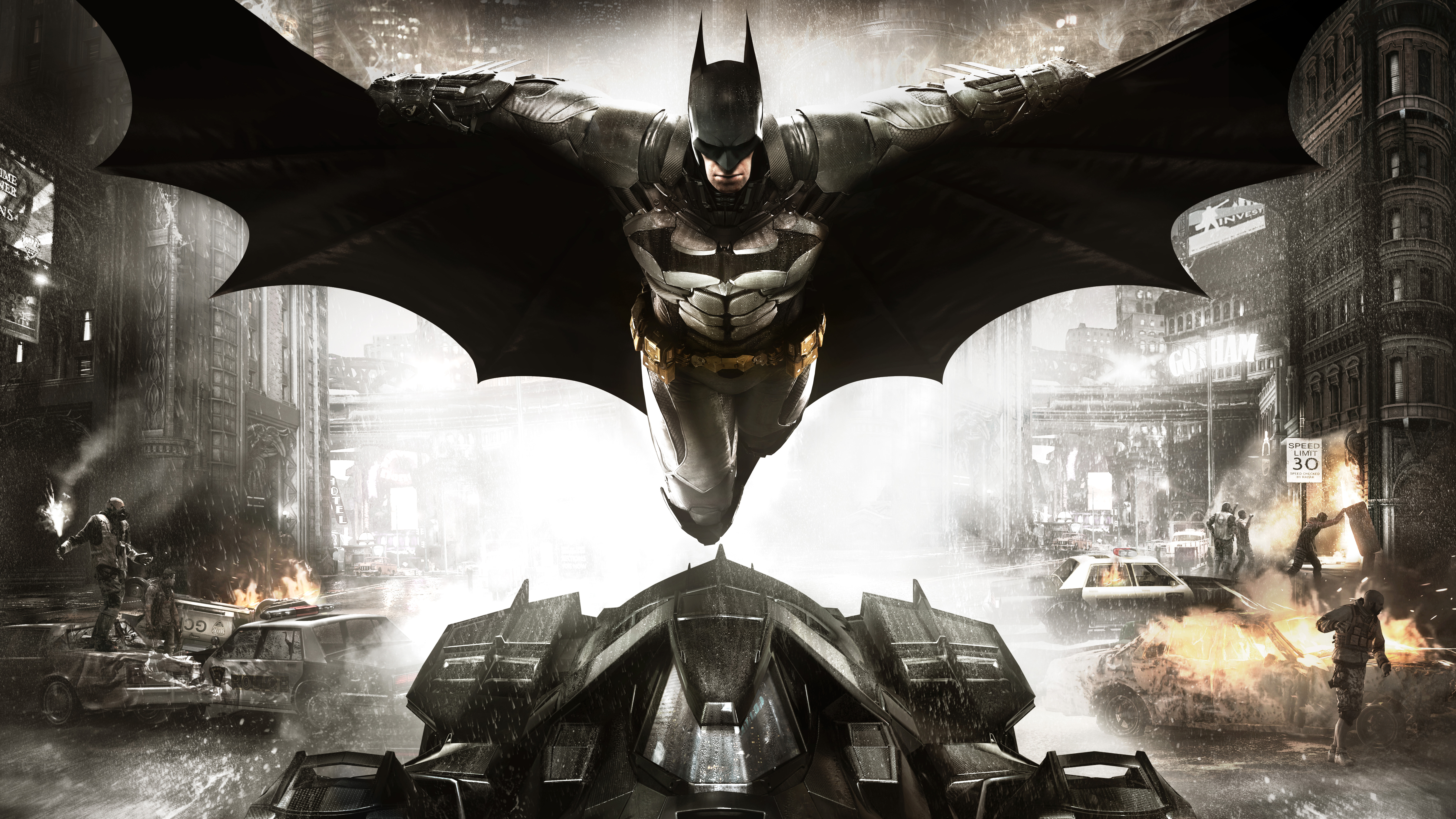
The game’s best ending required players to find absolutely everything – every villain and collectible. Many found collecting all the Riddler trophies to be a boring and repetitive chore. If players didn’t complete everything, they didn’t get the full story. Even then, the final scene, called the ‘Knightfall Protocol,’ was confusing and didn’t clearly show what happened to Bruce Wayne. Fans generally felt that such a big accomplishment shouldn’t have been necessary to see a satisfying conclusion to the story.
‘Mirror’s Edge Catalyst’ (2016)
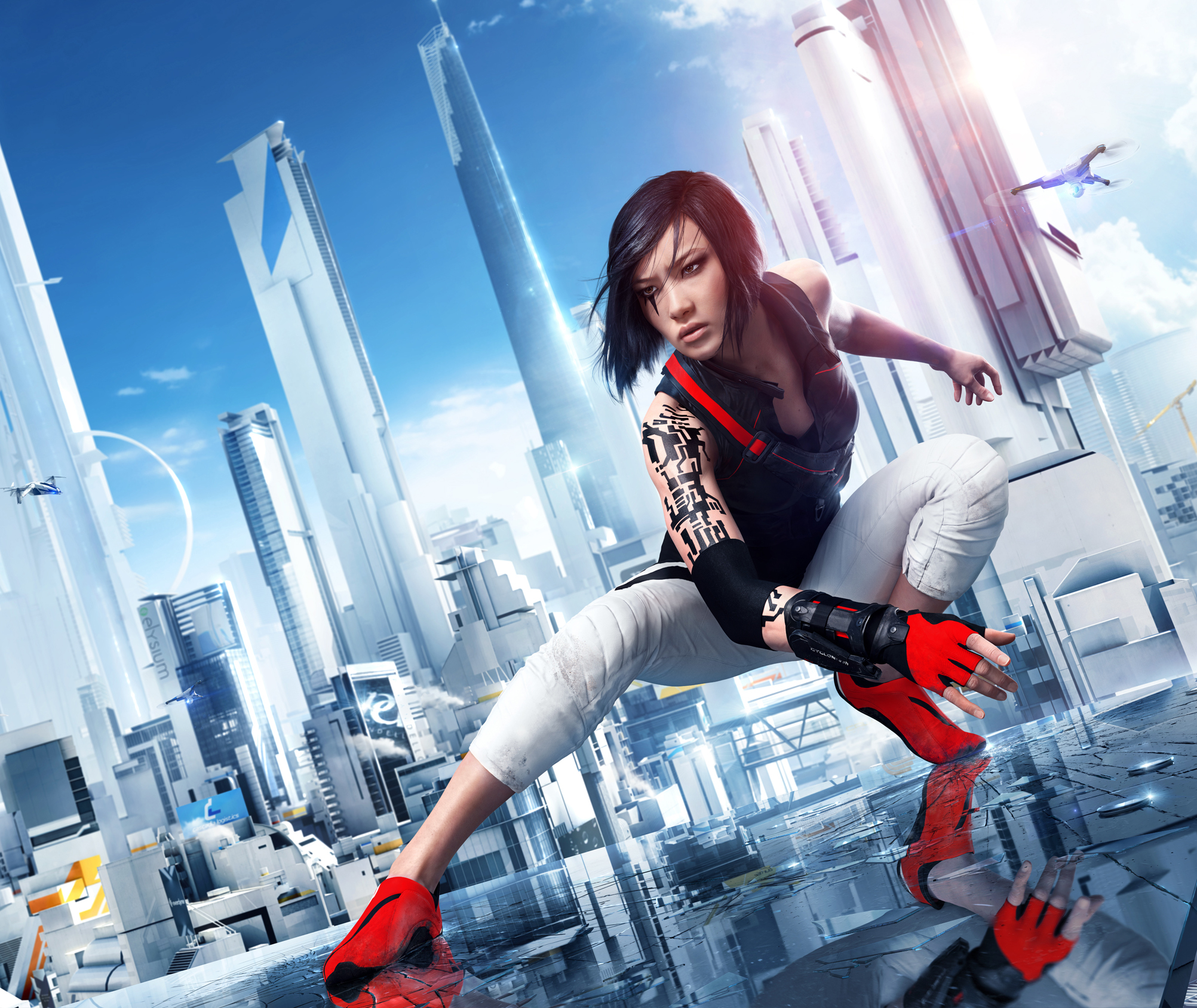
The story ended with an expected sacrifice, but the villain got away to pursue his goals another day. Despite everything the player did, the city of Glass didn’t really change, and Faith Connors was still on the run. It felt like the ending was meant to lead into sequels that never materialized because the game didn’t sell well. Fans were let down by the weak character arcs and the many unanswered questions. Ultimately, the ending didn’t deliver the impactful conclusion the game’s detailed world deserved.
‘Final Fantasy XV’ (2016)
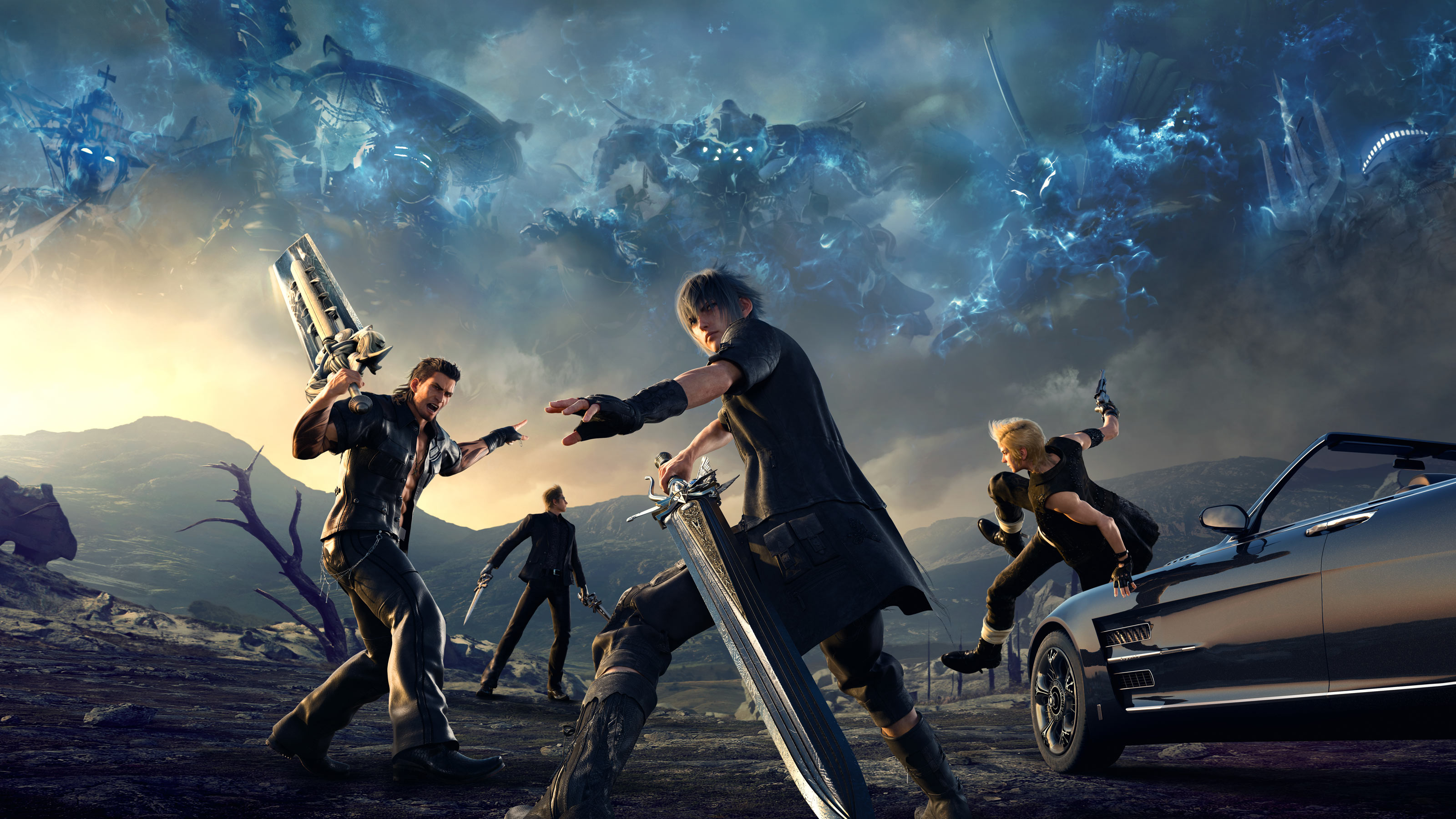
The game’s initial release had some unresolved plot points and a quickly paced ending that didn’t quite flow. Players needed to seek out extra content online or through other sources to fully understand what was happening. While the protagonist made a heroic sacrifice to save the world, the story leading up to it felt unfinished. Square Enix later cancelled planned updates that would have offered a different ending, leaving many fans feeling confused and frustrated with the narrative’s conclusion.
‘Little Hope’ (2020)
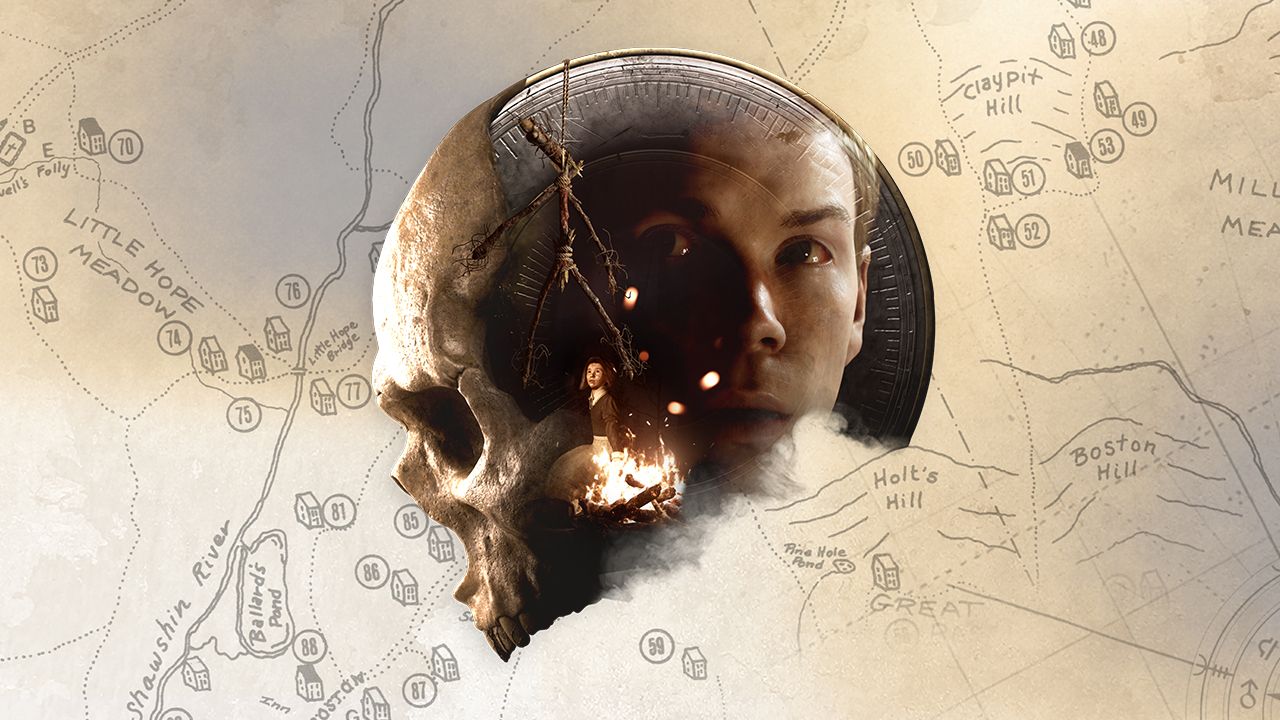
The game’s ending revealed that everything – the strange events and all the characters – were just hallucinations experienced by the bus driver. This meant that all the player’s decisions about who lived or died didn’t actually matter. Many players felt the game’s spooky historical setting was wasted on a predictable psychological twist that had been used before in other games. The ending made the whole experience feel like a deception instead of a well-told story, and fans criticized the game for using a familiar plot device that ultimately weakened the horror.
‘The Callisto Protocol’ (2022)
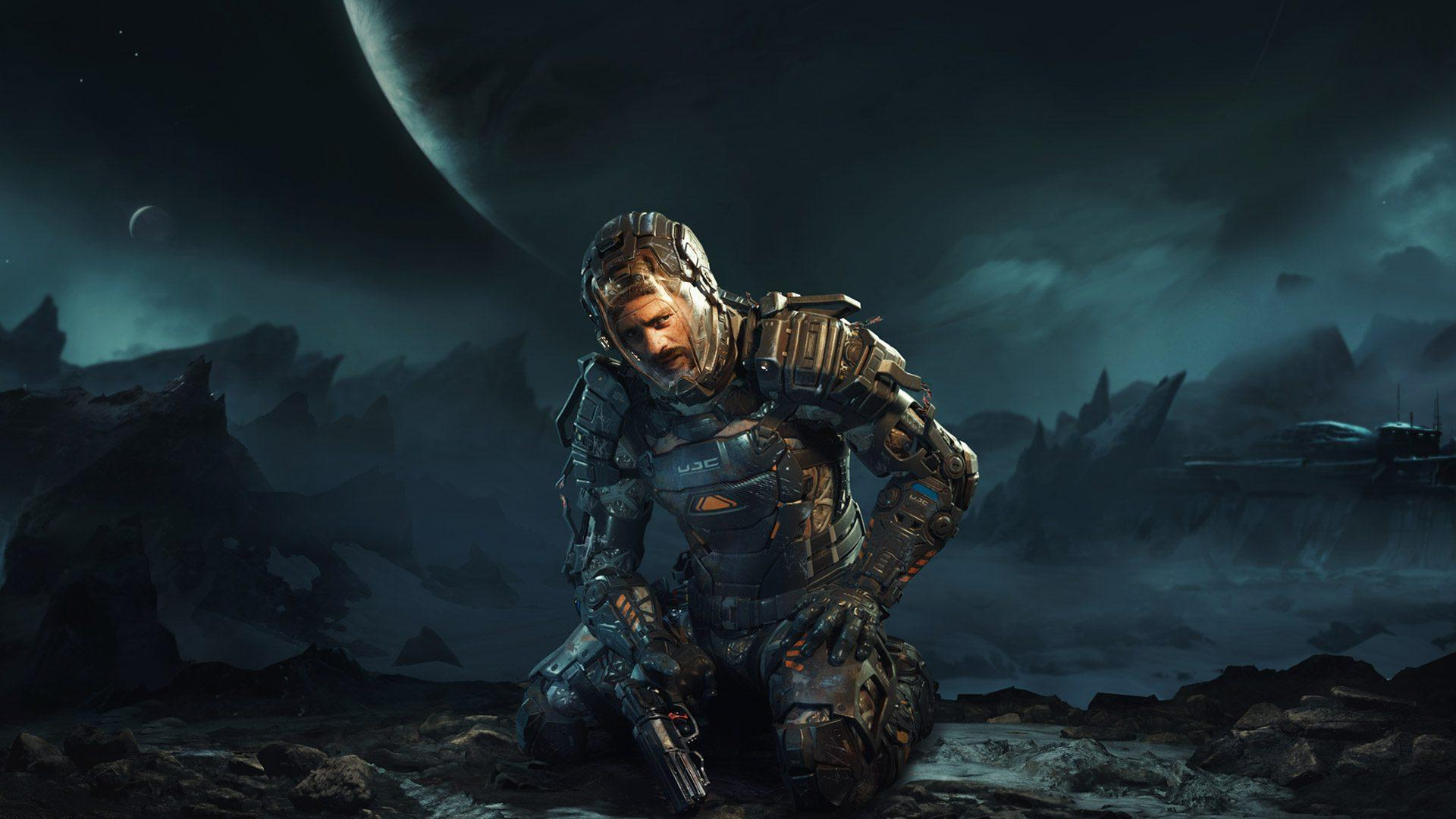
The game ended abruptly with a frightening jump scare and an unresolved cliffhanger, leaving the player wondering what happened to the main character. The real ending wasn’t available until months later as paid downloadable content. Many fans were upset that the complete story wasn’t included in the original game. Even the extra content offered a bleak and disappointing conclusion for the characters, and many felt this was simply a tactic to make more money from the game’s ending.
‘Rage’ (2011)
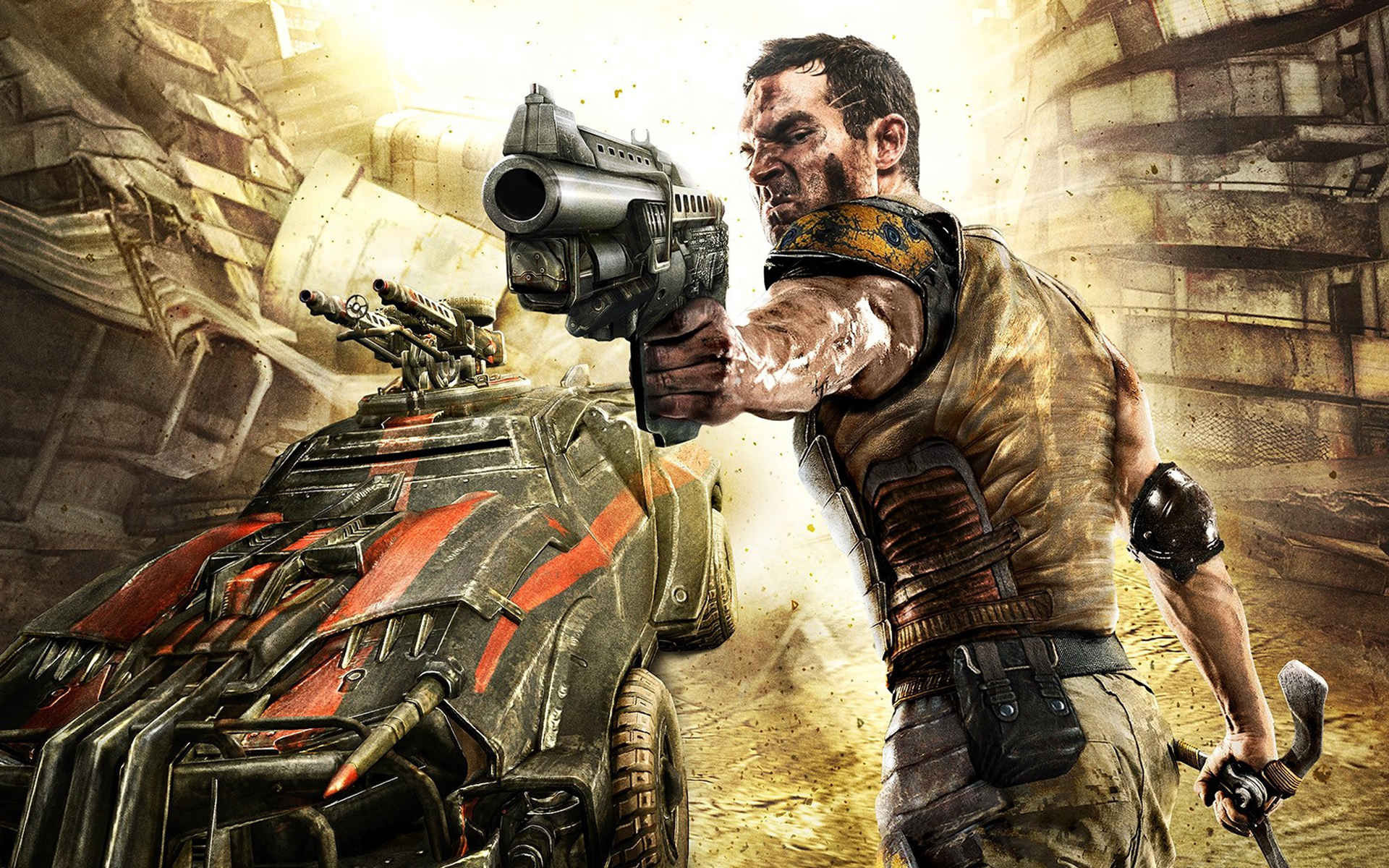
The game concluded with a final mission where players fought endless waves of standard enemies inside a facility. Surprisingly, there wasn’t a final boss battle or any concluding cinematic to wrap up the conflict with the Authority. After activating a satellite, a brief cutscene showed pods opening, and then the credits began. Many players were disappointed by the sudden ending, feeling it lacked a satisfying sense of completion after such a lengthy game. The absence of a strong narrative conclusion is widely considered the game’s biggest weakness.
‘Star Fox Command’ (2006)

The game had several different endings, depending on the choices players made. Many of these endings were unhappy, showing the Star Fox team falling apart or characters facing bleak futures. One particularly unpopular ending involved Krystal leaving Fox McCloud to join another team, which felt inconsistent with her established personality. Dedicated fans were disappointed by the lack of a truly satisfying or heroic conclusion for the characters. As a result, these disliked endings have mostly been disregarded in later games and story developments.
‘Middle-earth: Shadow of War’ (2017)
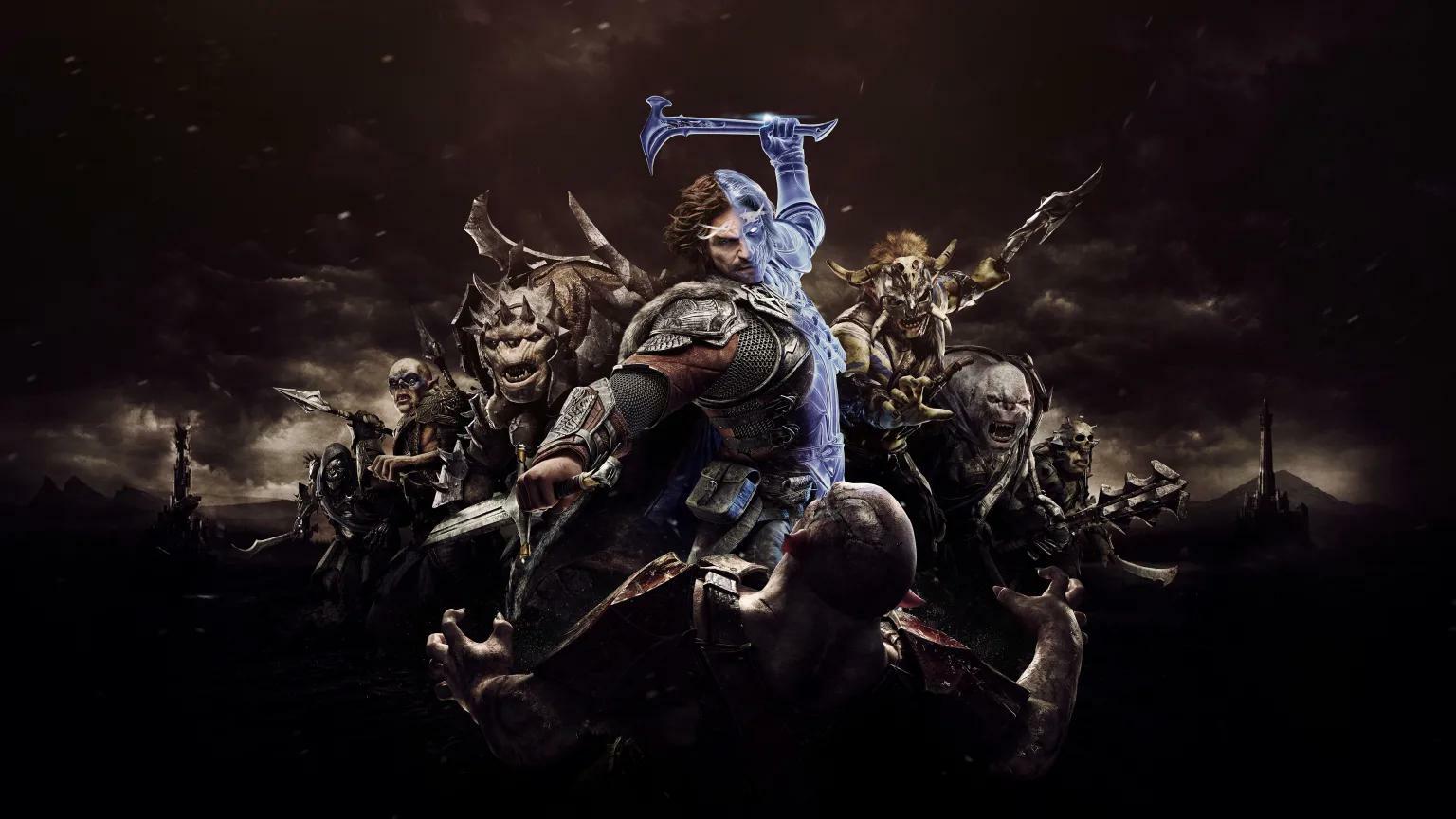
To unlock the game’s real ending, players faced a very lengthy and repetitive series of fortress defense missions. Initially, this was a slow and frustrating process that seemed intended to push players towards spending money on upgrades for their characters. Many players who had already spent a lot of time on the main story found this final section to be a tedious grind, not enjoyable gameplay. The ending cinematic itself was brief and didn’t feel rewarding enough considering the huge amount of time it took to reach. After a lot of criticism, the developers, Monolith Productions, released an update to make this part of the game easier.
‘Shenmue III’ (2019)
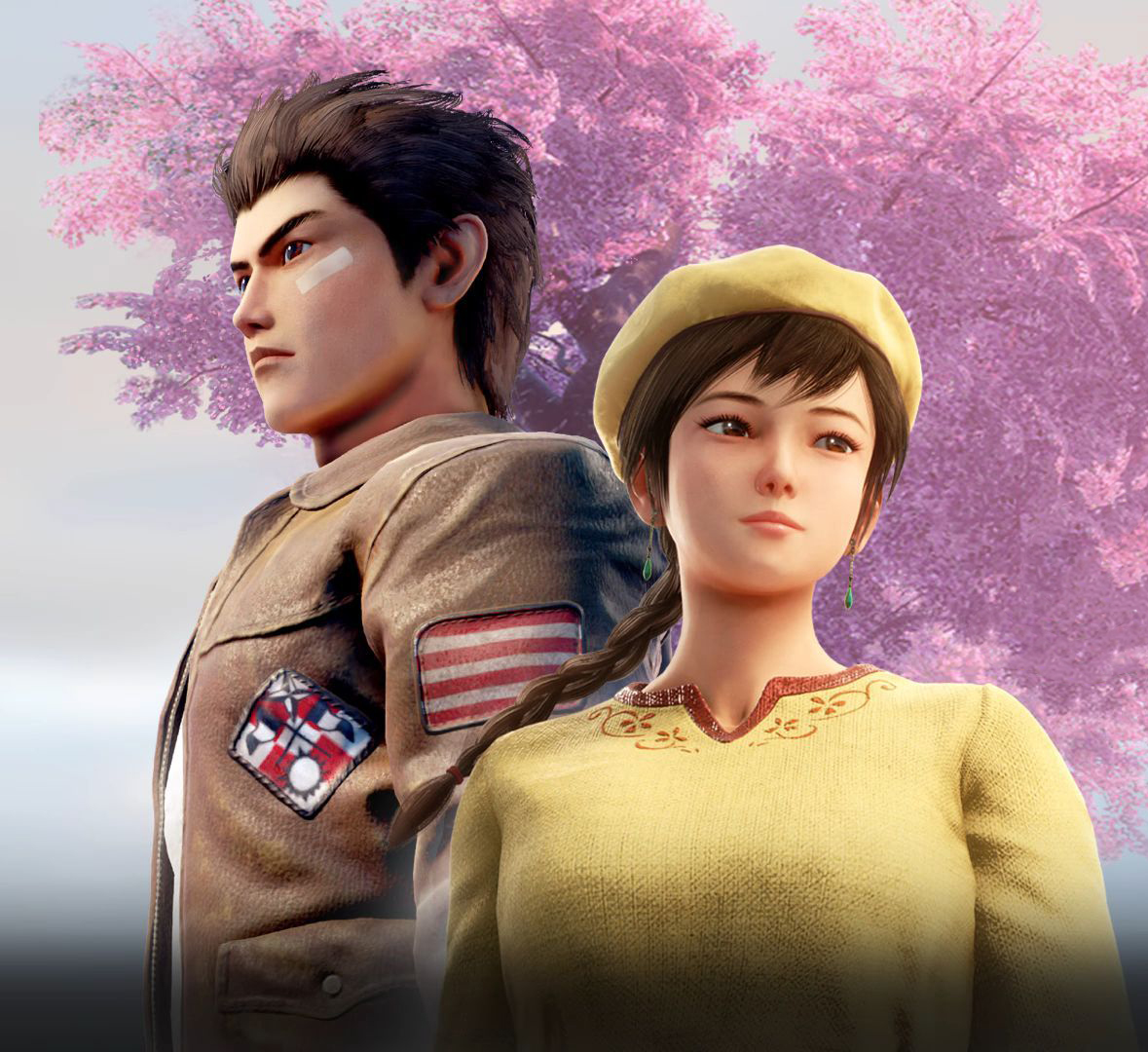
Fans waited almost twenty years for the third game in the series, but were disappointed to find it didn’t finish Ryo’s story. The plot was slow, leaving the villain free and many questions unanswered. Instead of a satisfying conclusion, the game felt like just another part of the story, and the thought of waiting years more for a real ending was frustrating. Critics also pointed out the game’s old-fashioned style and its failure to deliver the closure fans had been hoping for.
‘Silent Hill: Downpour’ (2012)
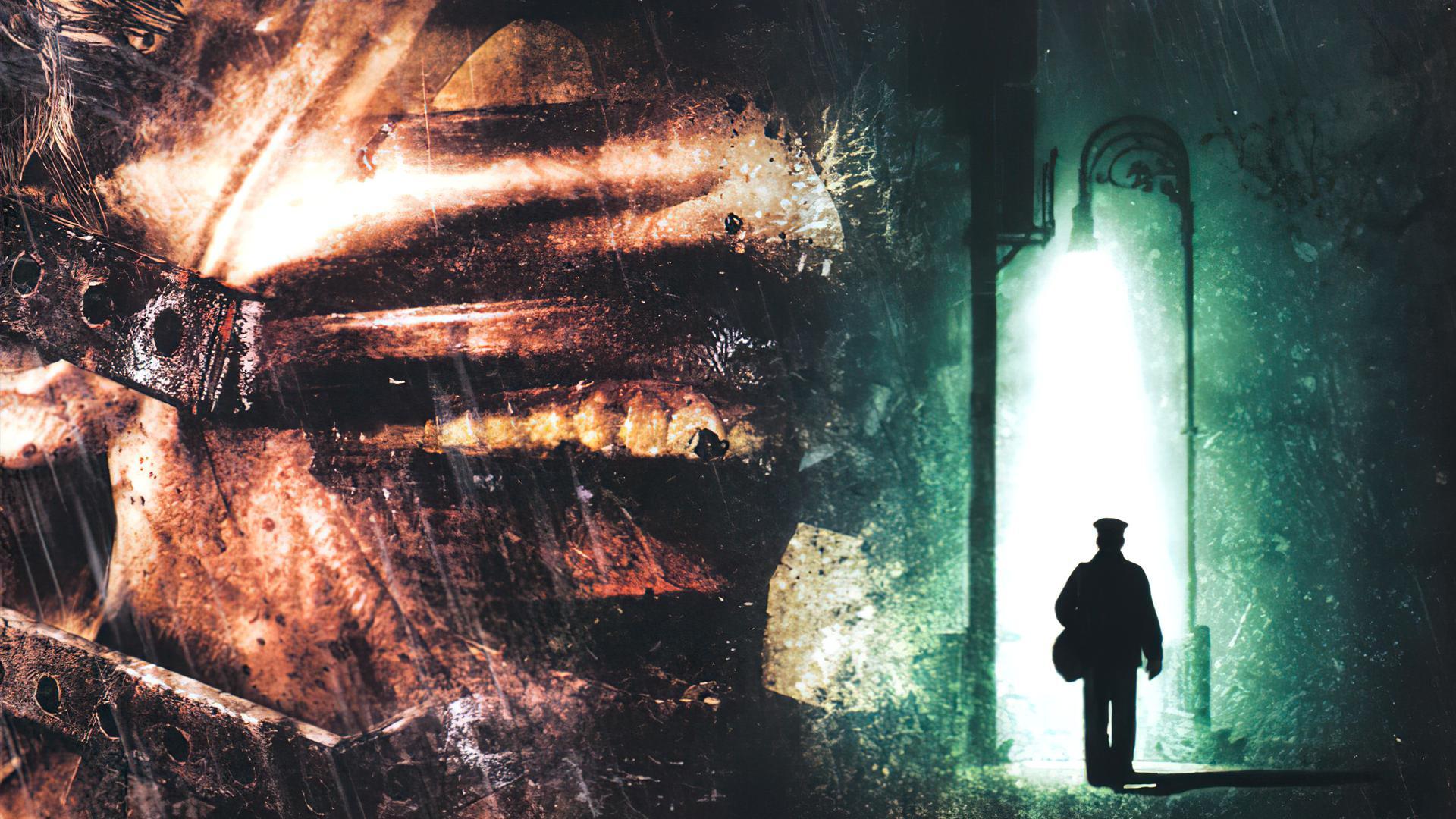
The game featured several different endings, determined by a morality system that some players found unclear and illogical. Depending on the player’s decisions and how they played, the main character, Murphy Pendleton, could end up appearing as either a sympathetic victim or a ruthless killer. One ending, in particular, was a comedic scene that felt out of place given the game’s dark and scary tone. Many fans also thought the more serious endings didn’t have the same emotional impact as previous games in the series. The story’s choices were often unclear, which left players feeling unsatisfied with how things ended.
‘Dreamfall: The Longest Journey’ (2006)
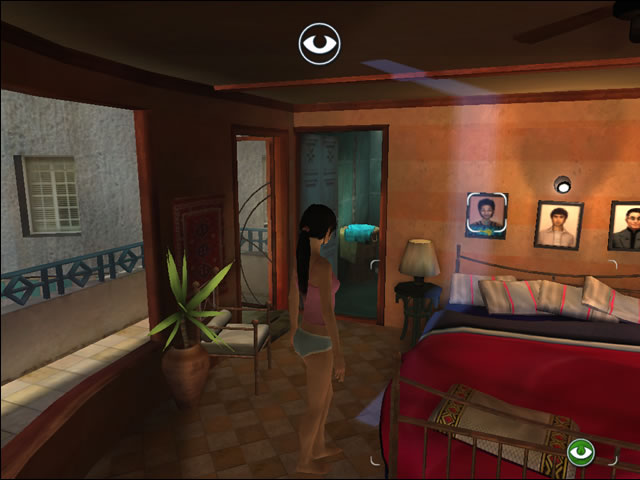
The game ended on a dark note, with the main character, Zoe Castillo, in a coma and the other key characters facing serious trouble. Many important storylines were left unfinished, and fans had to wait eight years for the next installment, ‘Dreamfall Chapters,’ to learn what happened. This lack of resolution was a major source of disappointment for adventure game players, and the game is now known for its incredibly dramatic cliffhanger ending.
‘Shadow of the Tomb Raider’ (2018)
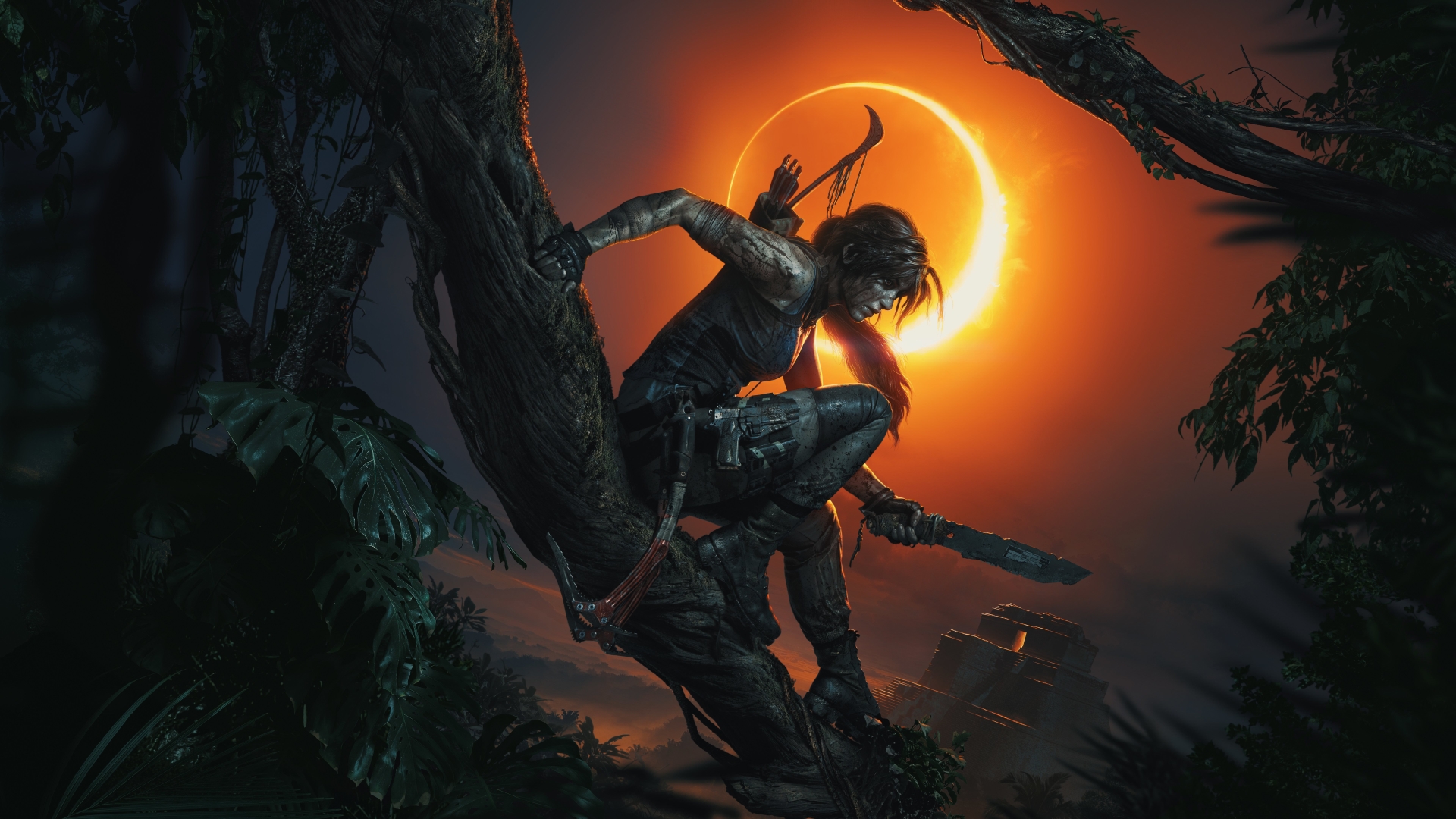
The game’s ending saw Lara Croft briefly gain god-like powers to prevent a global disaster. However, many fans felt this was a shift away from the realistic, survival-focused story the rebooted series had become known for. The conclusion of the main storyline involving ‘Trinity’ felt hurried and didn’t deliver a strong final showdown with the villains. Some players also hoped for a clearer connection between this new Lara Croft and the more traditional version of the character. Overall, the emotional impact of the finale wasn’t as powerful as in earlier games in the trilogy.
‘Doom’ (1993)
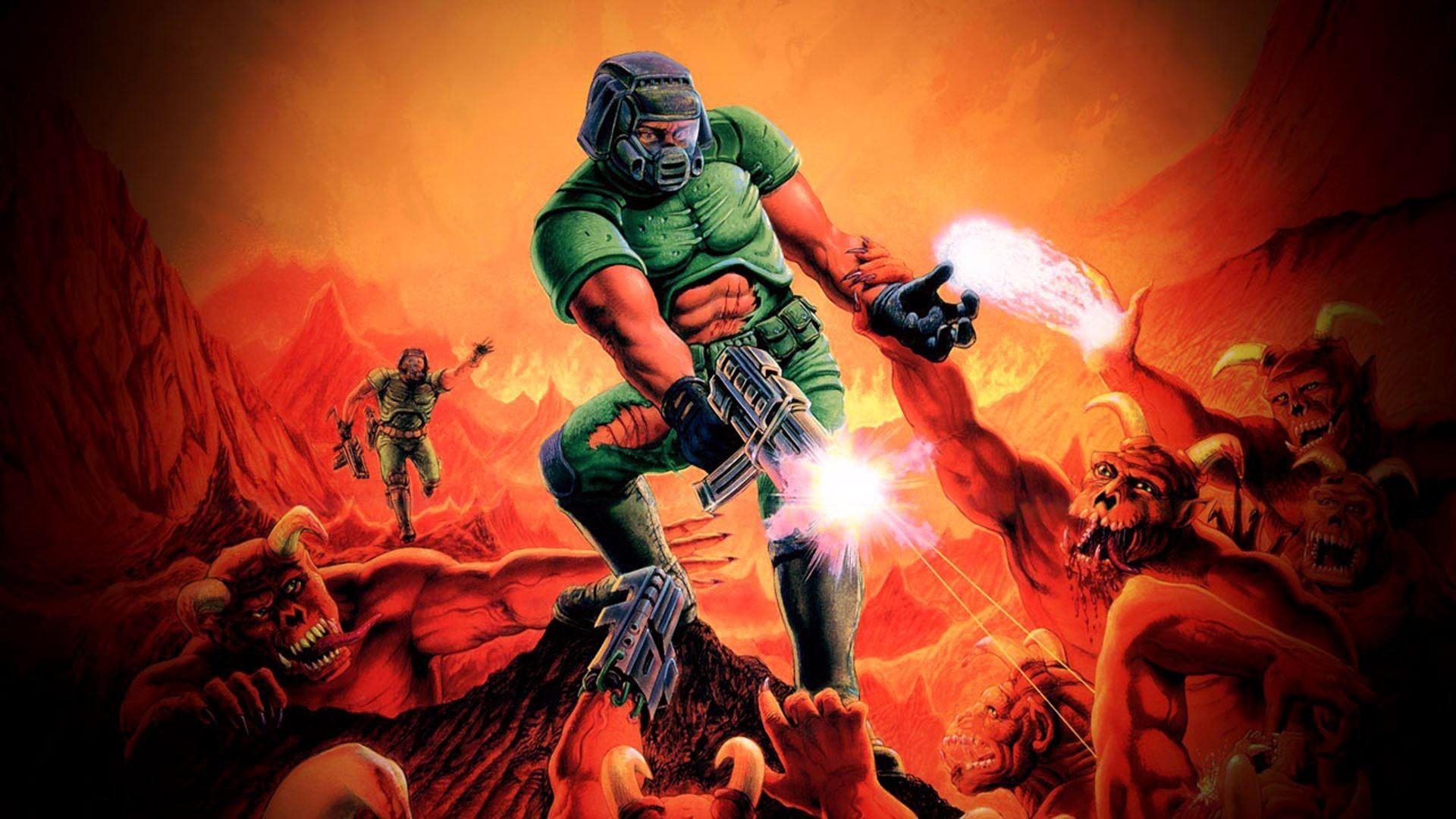
Having just defeated the forces of Hell, the hero returned to Earth through a teleportation device. The game then shockingly revealed his pet rabbit, Daisy, had been killed by the demons. While meant to create anticipation for a sequel and motivate the character, the scene was widely criticized as being a needlessly disturbing and upsetting ending. The image of Daisy’s death became infamous in gaming, and the abrupt change from a victorious moment to such a personal tragedy deeply affected many players.
‘Fallout: New Vegas’ (2010)
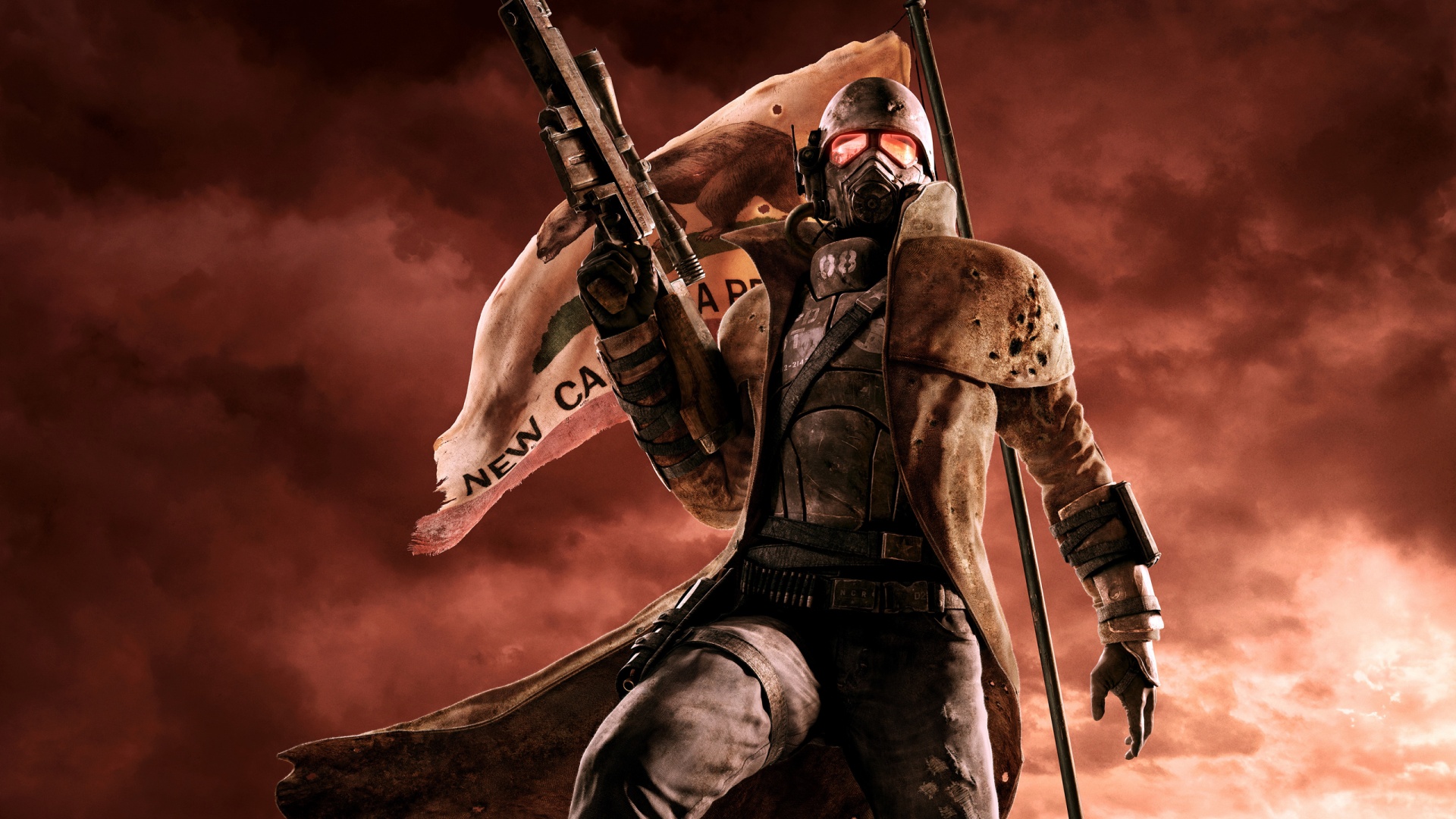
After the final battle at Hoover Dam, the game showed a slideshow with narration explaining the results of the player’s decisions. However, many players were disappointed they couldn’t continue exploring or finishing side quests after the story ended. The game required everything to be completed before the final battle, which felt restrictive compared to other open-world games. Although the story’s conclusion was well-received, fans strongly disliked being prevented from continuing to play the game afterwards.
‘The Legend of Zelda: Link’s Awakening’ (1993)
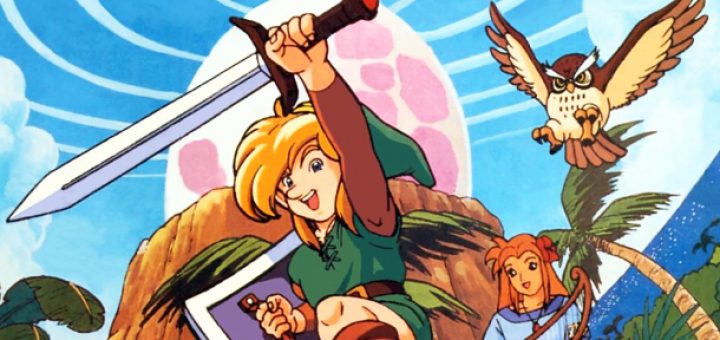
The game’s ending revealed that the island of Koholint and everyone on it were actually part of the Wind Fish’s dream. When Link woke the Wind Fish, the entire island simply disappeared, along with everyone he’d helped. Though meaningful and fitting for the story, many players found it deeply sad and frustrating to lose a world they’d spent so much time saving. It meant that the connections Link made weren’t real in a traditional sense. This emotionally complex ending continues to be a source of debate and strong feelings among fans even today.
‘Advent Rising’ (2005)
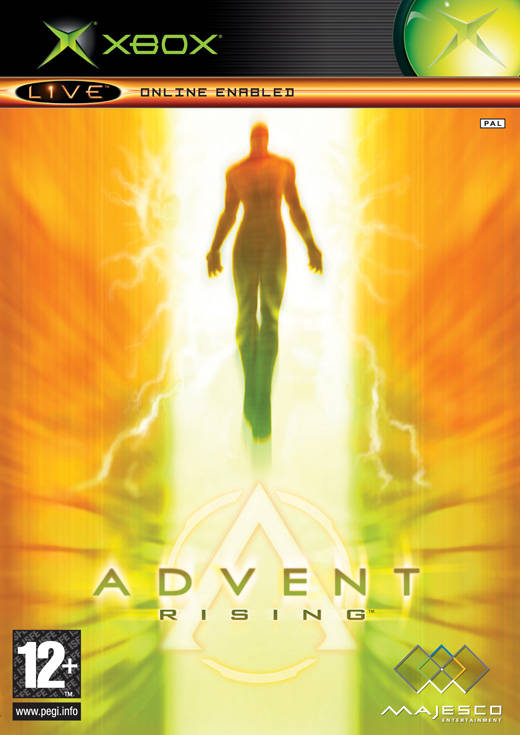
The game concluded with an exciting fight and a shocking twist – the hero was suddenly sent to a frozen, desolate land. Originally intended as the first of three games, the series was unfortunately canceled because it didn’t sell well and faced technical problems. This left fans with an unfinished story, just as the main character was beginning to understand his abilities. The unanswered questions about the alien enemy remained, making it a well-known example of a promising story that never got a proper conclusion.
Share your thoughts on which video game endings frustrated you the most in the comments.
Read More
- Gold Rate Forecast
- 22 Films Where the White Protagonist Is Canonically the Sidekick to a Black Lead
- Celebs Who Narrowly Escaped The 9/11 Attacks
- Games That Faced Bans in Countries Over Political Themes
- Silver Rate Forecast
- Persona 5: The Phantom X Relativity’s Labyrinth – All coin locations and puzzle solutions
- Unveiling the Schwab U.S. Dividend Equity ETF: A Portent of Financial Growth
- How to Unlock Stellar Blade’s Secret Dev Room & Ocean String Outfit
- Brent Oil Forecast
- ‘Super Mario Galaxy’ Trailer Launches: Chris Pratt, Jack Black, Anya Taylor-Joy, Charlie Day Return for 2026 Sequel
2026-02-10 01:52