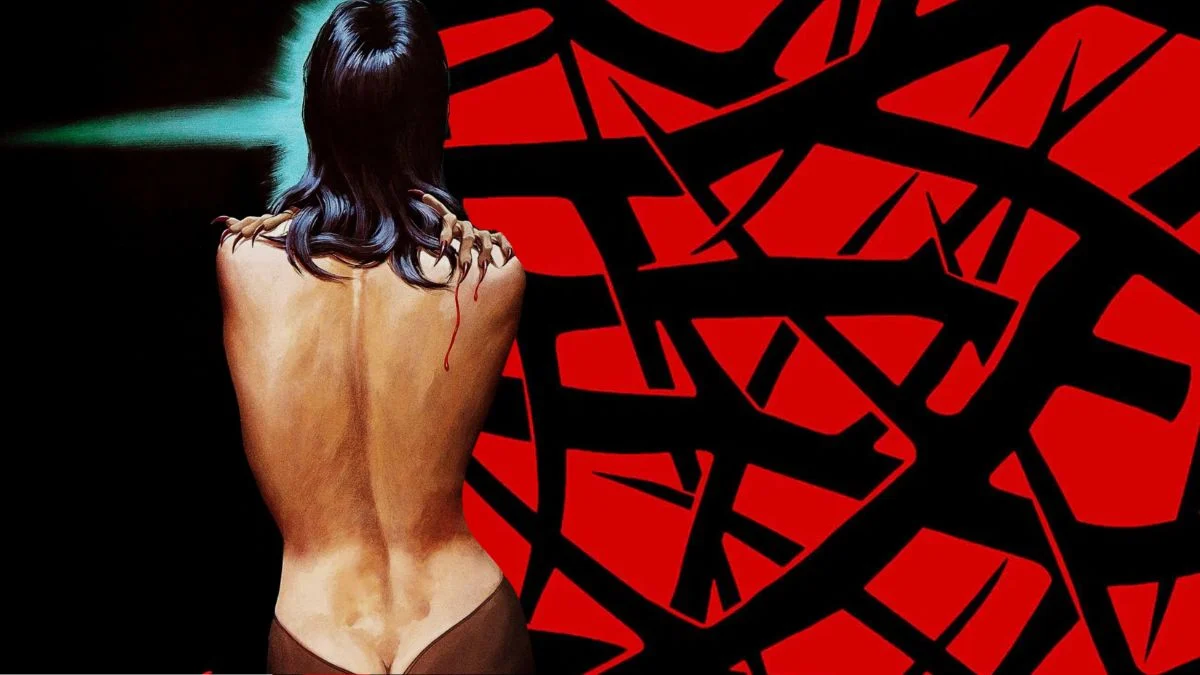
Throughout cinema history, certain films have been groundbreaking, challenging what society considered acceptable and expanding artistic expression. However, many of these innovative movies faced strong resistance from government and religious groups who tried to prevent the public from seeing them. These films often ignited worldwide conversations about censorship and the power of art to tackle tough subjects. The following list showcases some of the most controversial films that almost didn’t reach audiences.
‘The Birth of a Nation’ (1915)
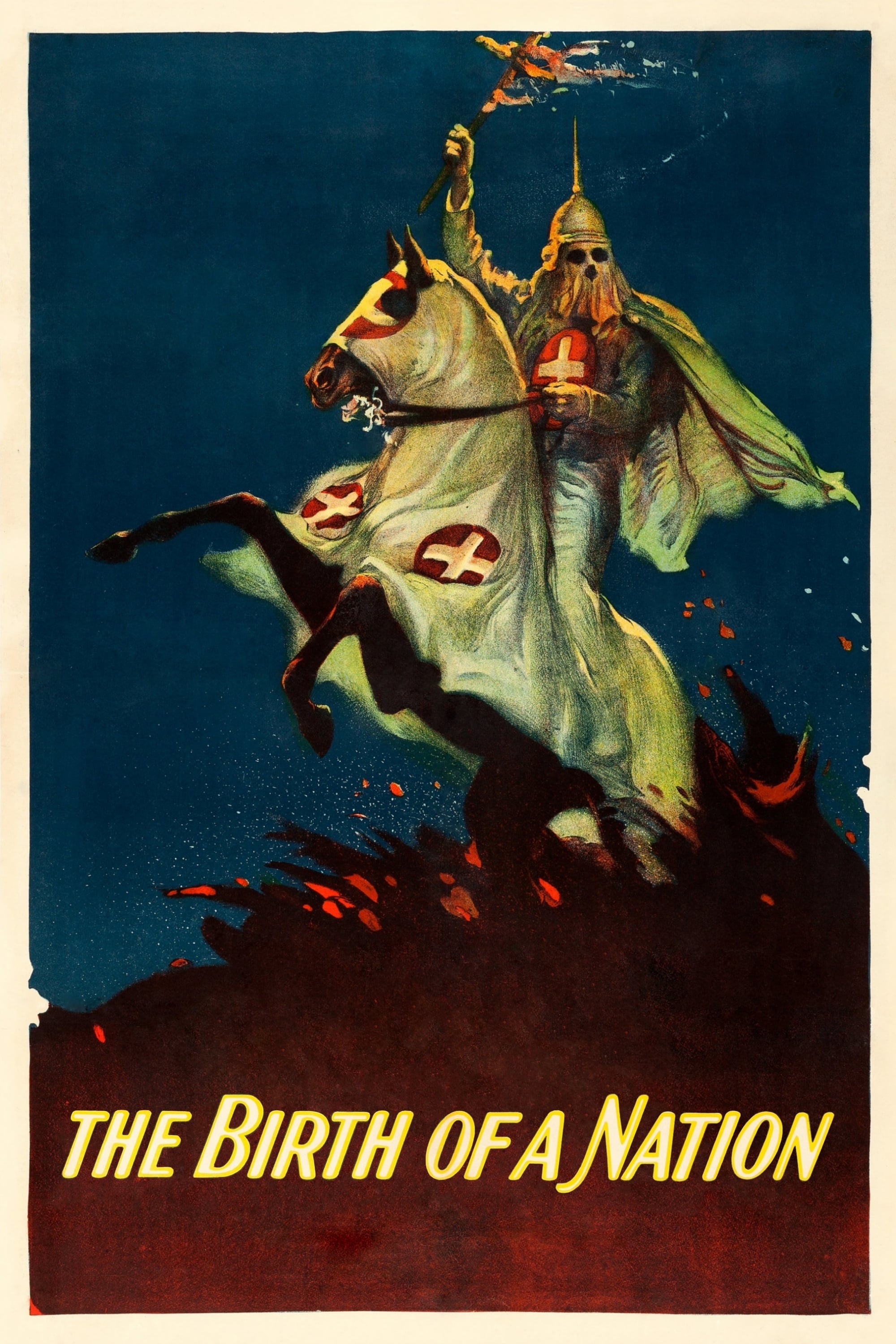
This groundbreaking but controversial film is known for its innovative filmmaking techniques, yet it’s also heavily criticized for its racist depiction of African Americans. It controversially portrays the Ku Klux Klan as heroes and sparked widespread protests when it first came out. Many cities tried to ban it, fearing it would cause social unrest and worsen racial tensions. Despite the uproar, the film was a major box office hit in the early 1900s and continues to be debated by scholars and historians for its lasting influence on American culture.
‘Freaks’ (1932)
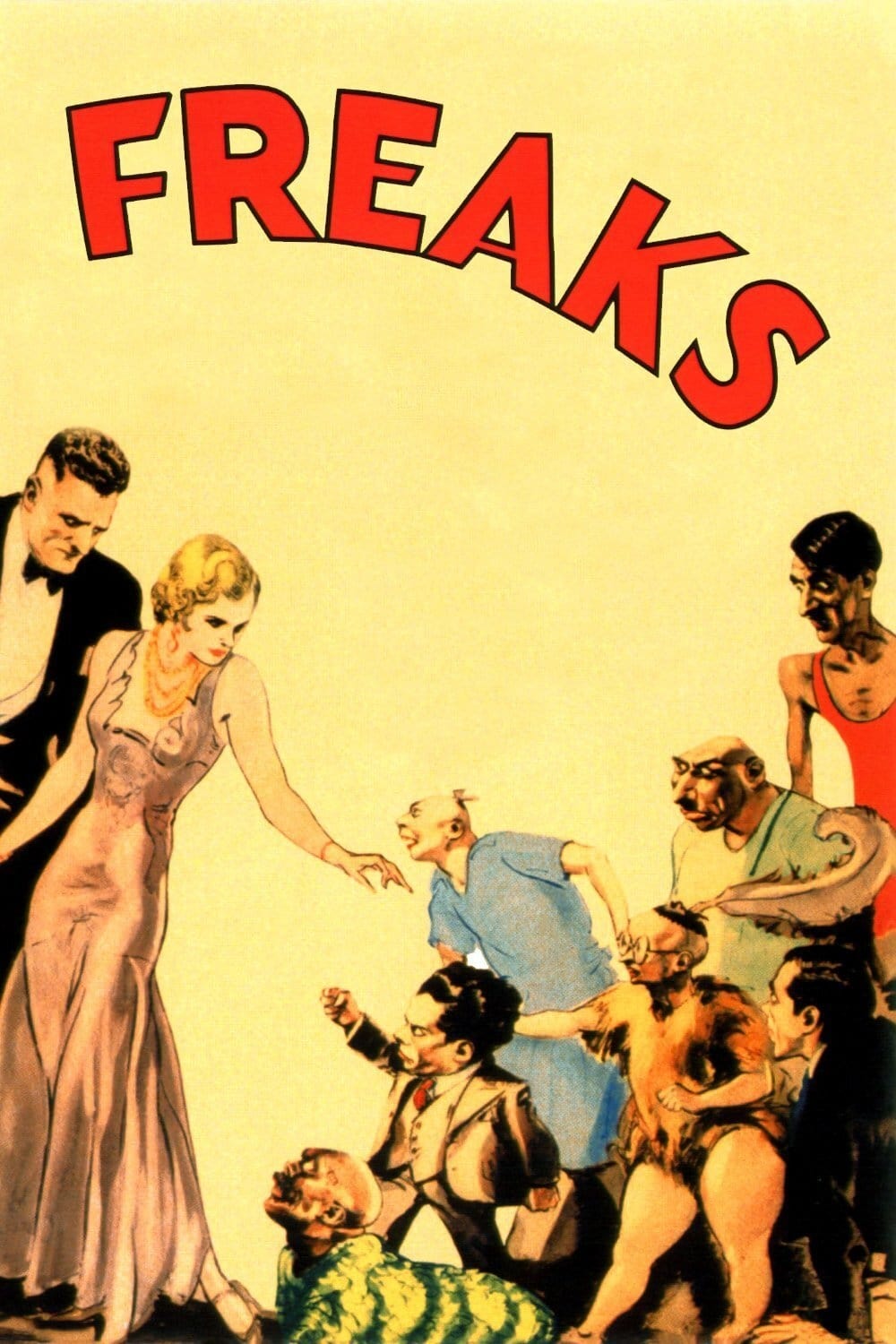
Tod Browning’s film features real carnival performers, including those with physical differences, in a tale of betrayal and getting even. The movie was incredibly disturbing for its time, leading to extensive cuts and a thirty-year ban in the UK. While some critics felt the film exploited these performers, it’s now a celebrated cult classic. The film almost ended Browning’s career and was largely overlooked until it was rediscovered years later, but it’s now recognized for pushing the boundaries of horror.
‘The Great Dictator’ (1940)
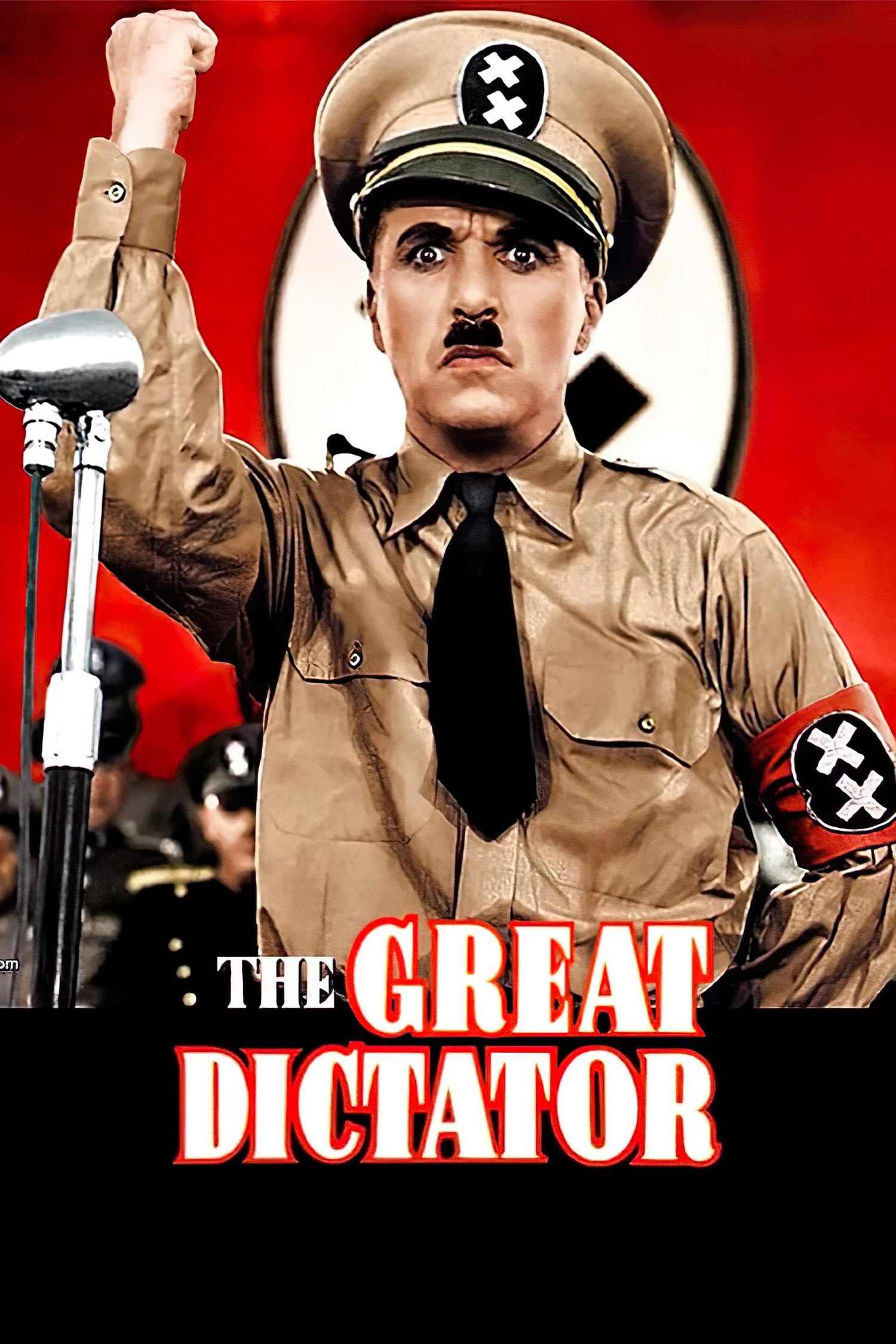
Charlie Chaplin made this film as a humorous criticism of Adolf Hitler and the growing Nazi movement in Germany. It was prohibited in many European countries, both those controlled by the Nazis and those attempting to stay neutral. Even in the U.S., there was pressure to halt production due to fears of causing international problems. Chaplin personally financed the film because studios were hesitant about its sensitive topic. The film ends with a well-known speech urging peace and unity for everyone.
‘Song of the South’ (1946)
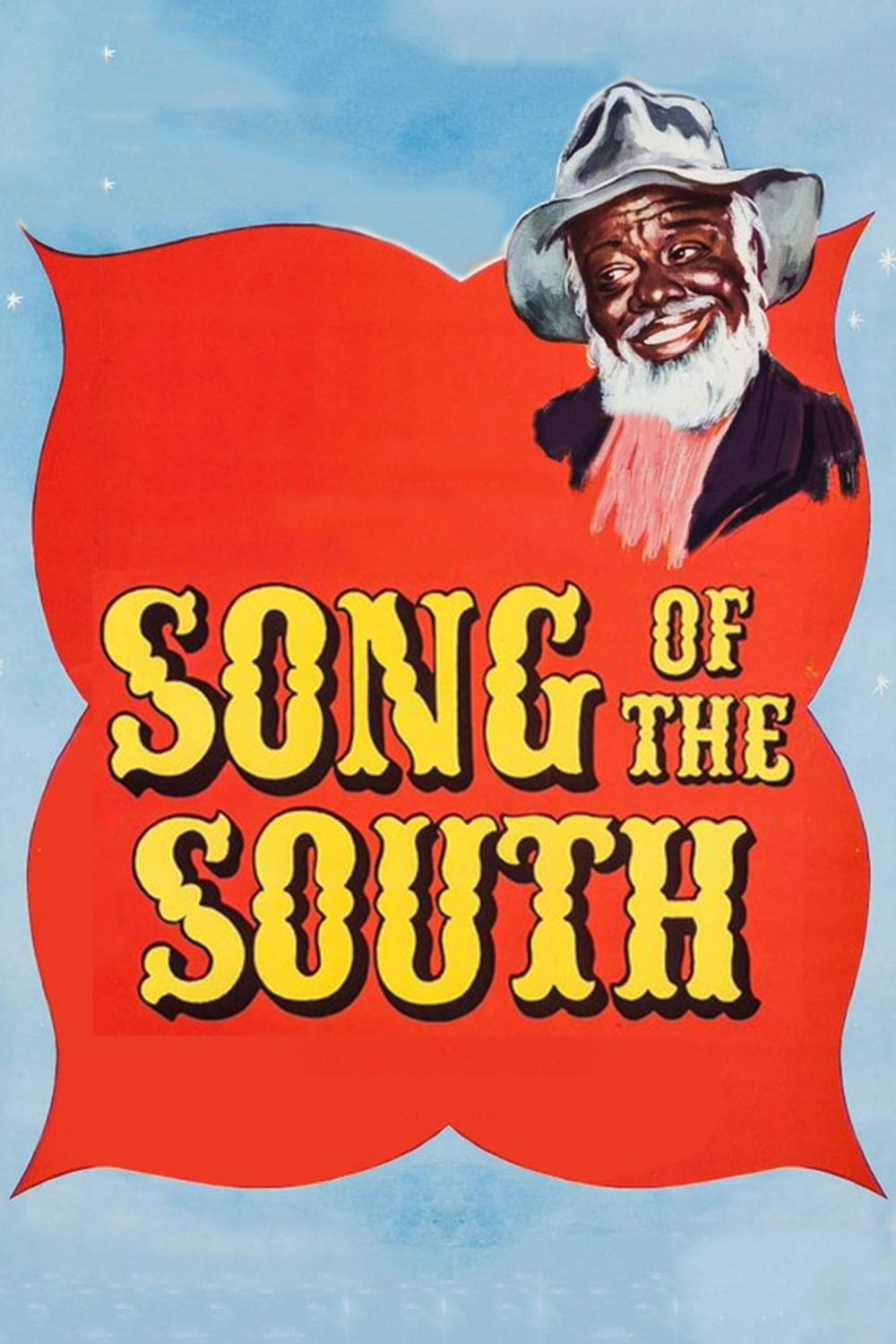
This Disney film has been debated for many years because of its romanticized depiction of plantation life. Critics have pointed out that it downplayed the brutal truth of slavery and perpetuated harmful stereotypes. Disney has largely kept the movie hidden, refusing to release it on today’s streaming services. Though never officially outlawed, the film has been withdrawn from public view by Disney itself, and remains a very controversial part of the company’s film history, blending animation and live action.
‘Viridiana’ (1961)
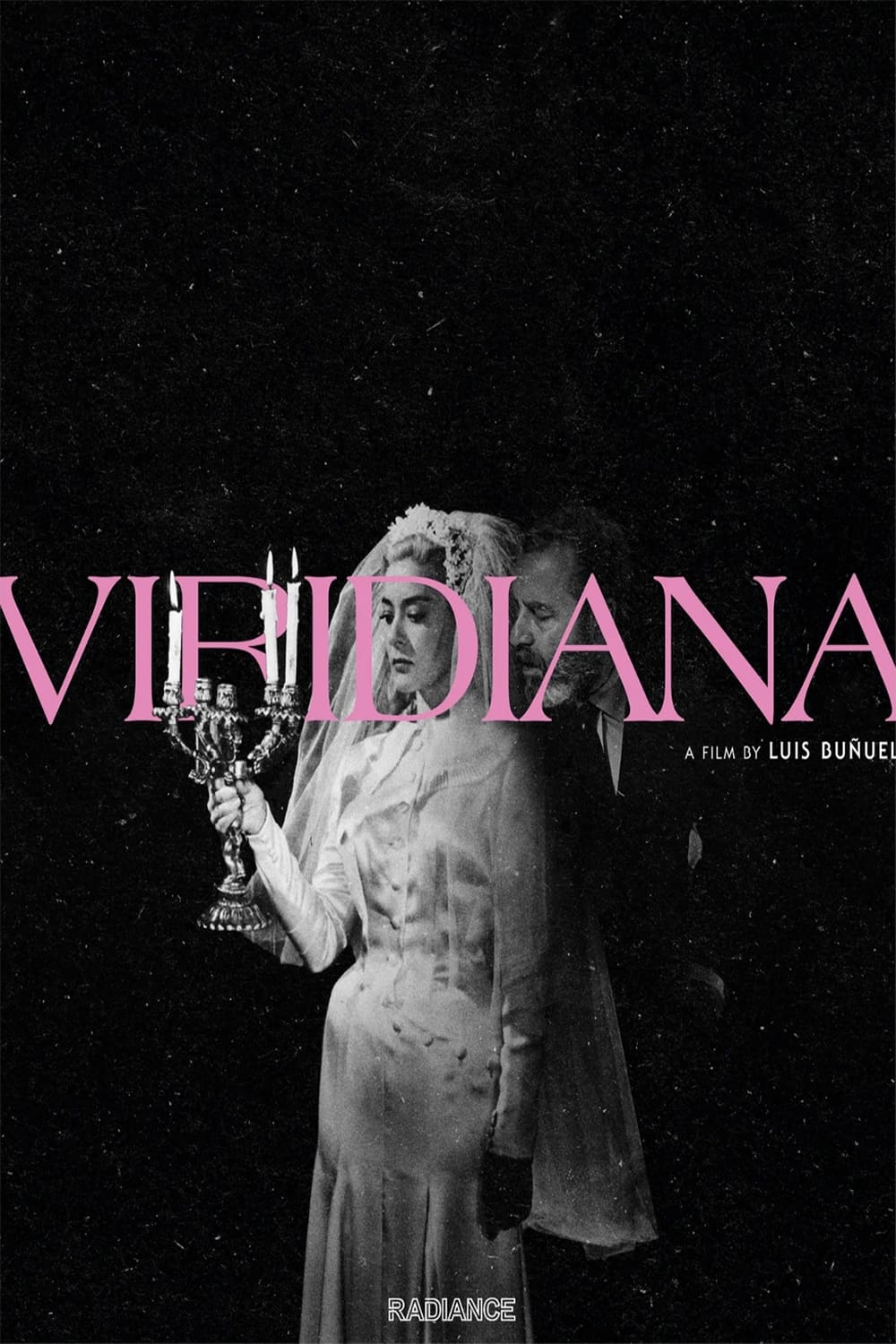
This film, directed by Luis Buñuel, tells the story of a young woman entering a convent who struggles to hold onto her beliefs while navigating a relationship with her world-weary uncle. The movie was considered blasphemous and disrespectful by both the Spanish government and the Vatican, leading authorities in Spain to order the destruction of the original film negatives. However, a copy was secretly taken to France. Despite attempts to prevent its release, the film won the highest award at the Cannes Film Festival. Years later, after a shift in the political landscape, the film was finally shown in Spain.
‘The Devils’ (1971)
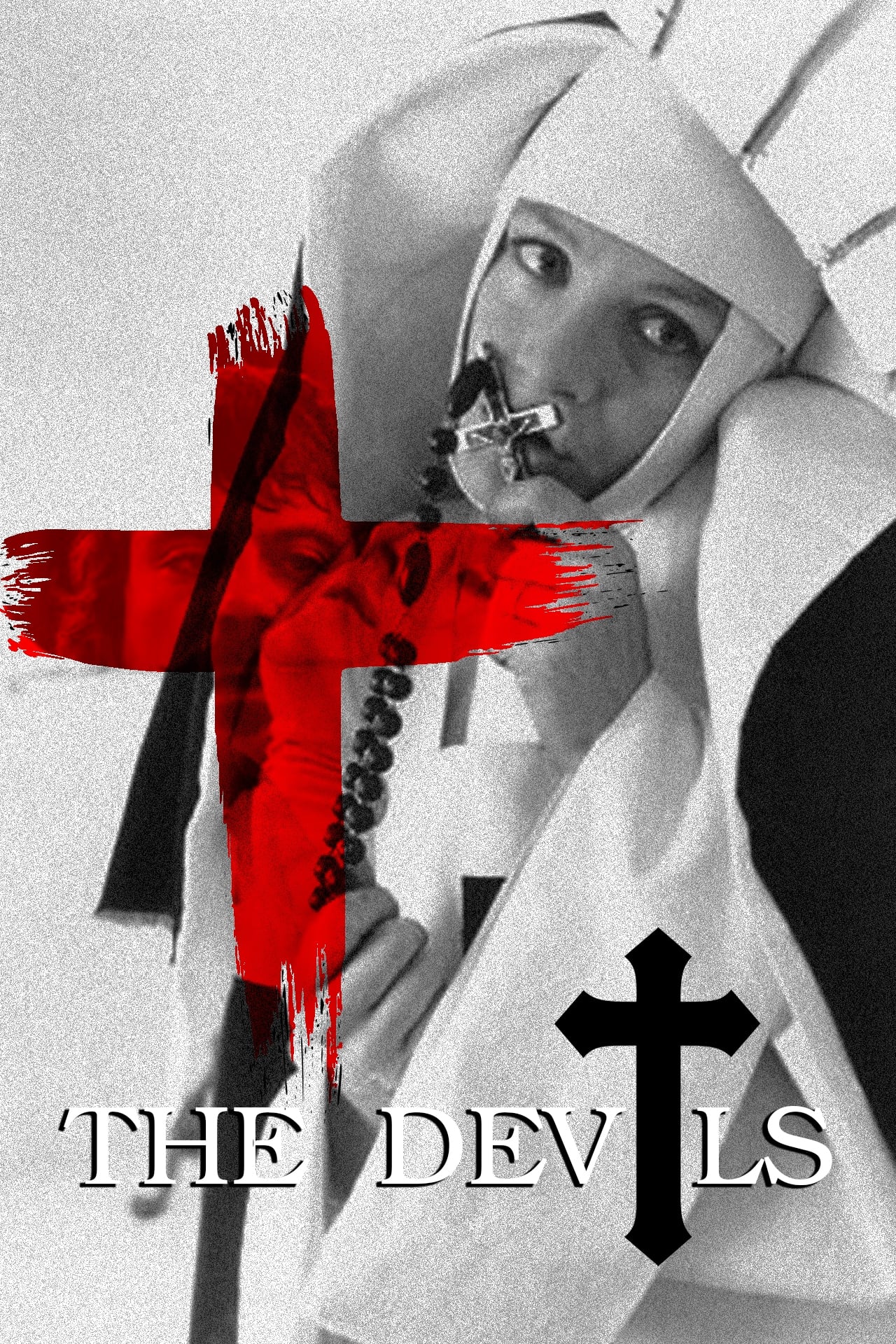
Ken Russell’s historical drama tells the story of a priest accused of witchcraft in 17th-century France. The film is known for its shocking religious and sexual content, which caused it to be heavily censored worldwide. Many copies were cut so much that Russell’s original intent was obscured, and it was completely banned in some countries. Religious groups strongly protested the film when it came out, and even today, Warner Brothers restricts access to the full, uncut version.
‘A Clockwork Orange’ (1971)
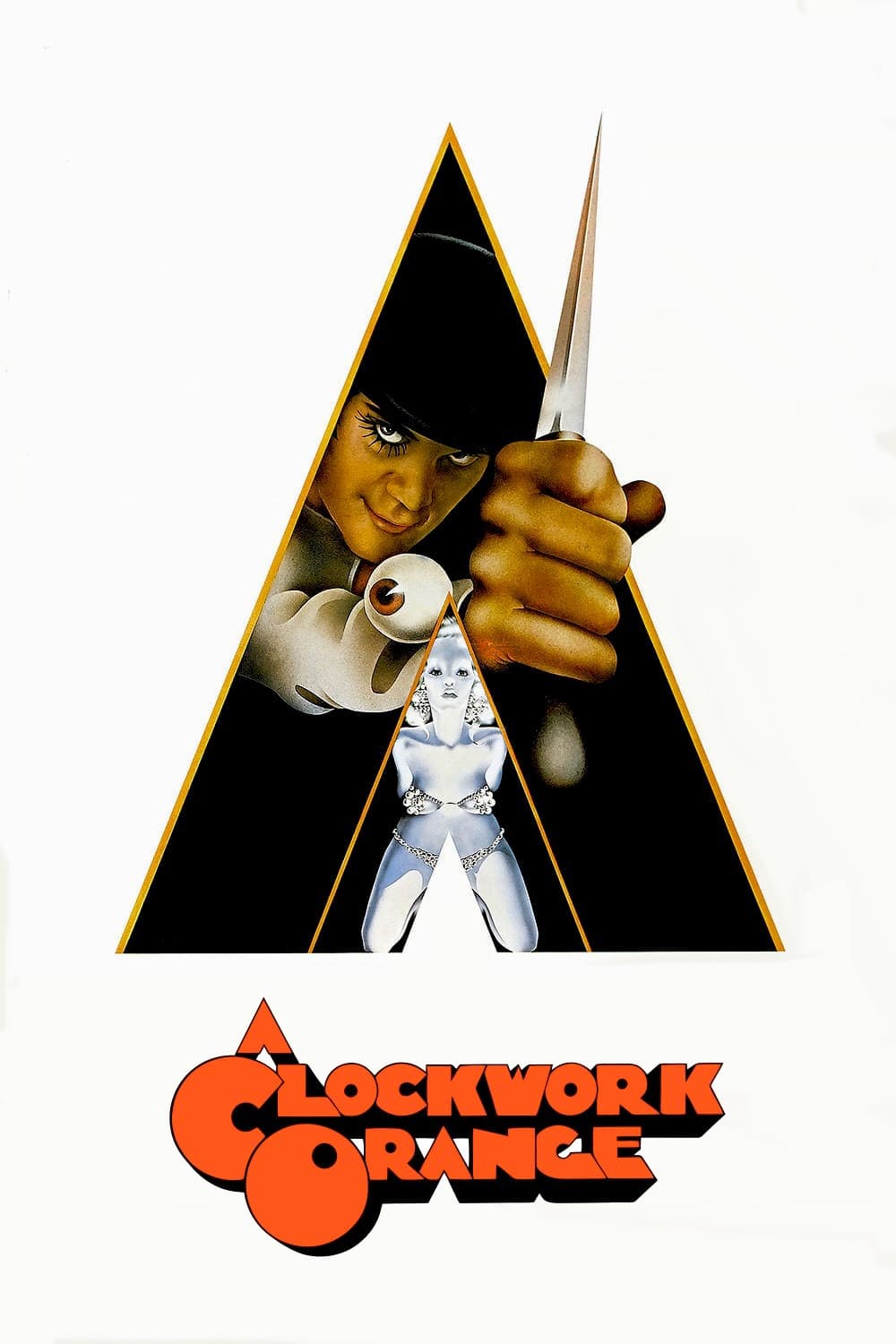
Stanley Kubrick’s film follows a violent young man named Alex and delves into the roots of evil and how people’s minds can be manipulated. The film sparked controversy in the UK, with some claiming it encouraged similar crimes, leading to significant media attention. Concerned for his family’s safety due to threats, Kubrick requested the film be pulled from cinemas there. It wasn’t shown in the UK again for almost thirty years, until after his death. Today, the film is celebrated as a brilliant work of social criticism and filmmaking.
‘Straw Dogs’ (1971)
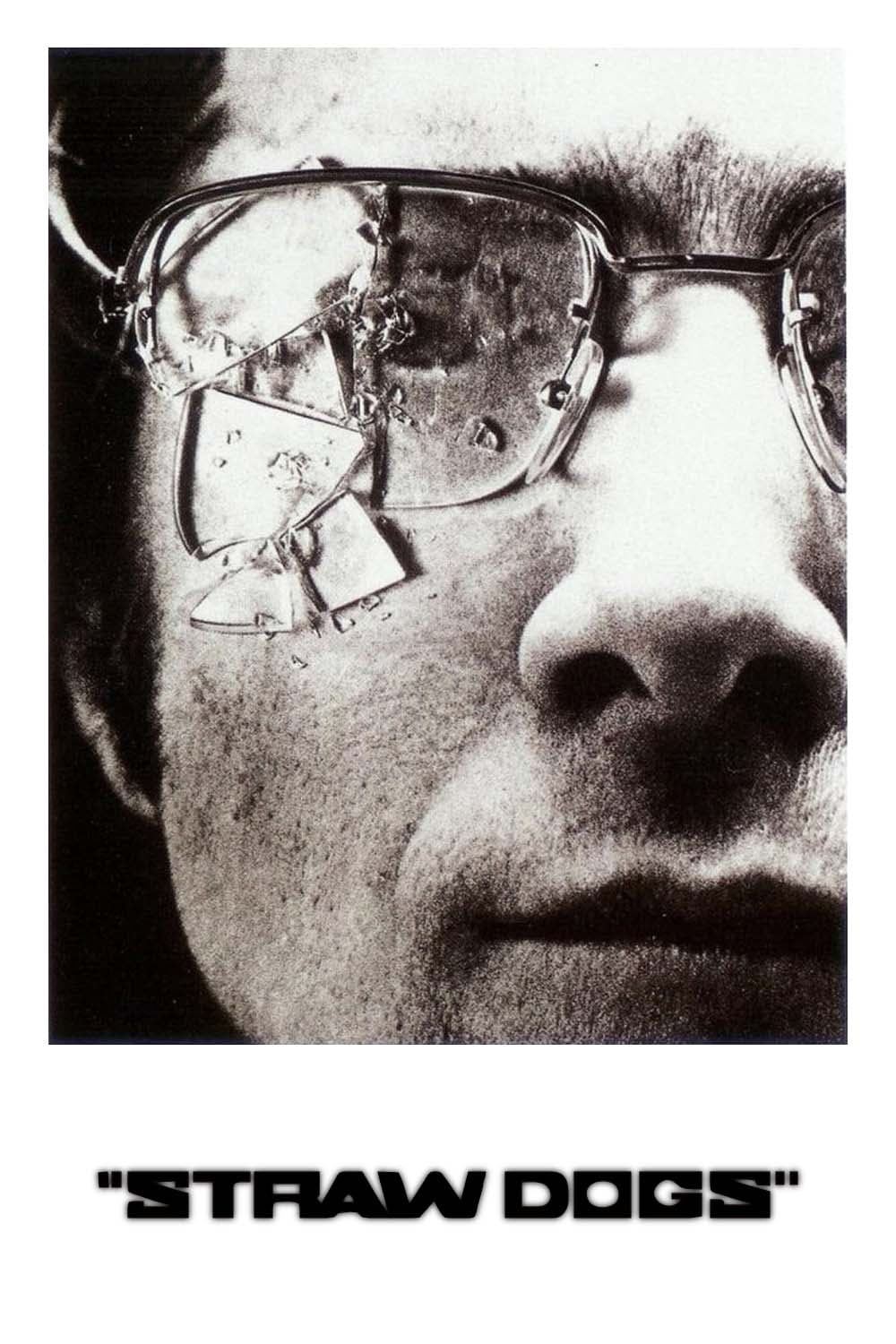
This intense thriller features Dustin Hoffman as a professor who must resort to brutal force to protect his family. The film sparked outrage and controversy due to a particularly disturbing assault scene, which many felt was presented unclearly. It ran into major problems with British censors and was unavailable on home video for a long time. Director Sam Peckinpah was criticized for seemingly celebrating harmful ideas about masculinity and raw aggression. Even today, the movie continues to generate debate about how violence is portrayed in film.
‘Sweet Sweetback’s Baadasssss Song’ (1971)
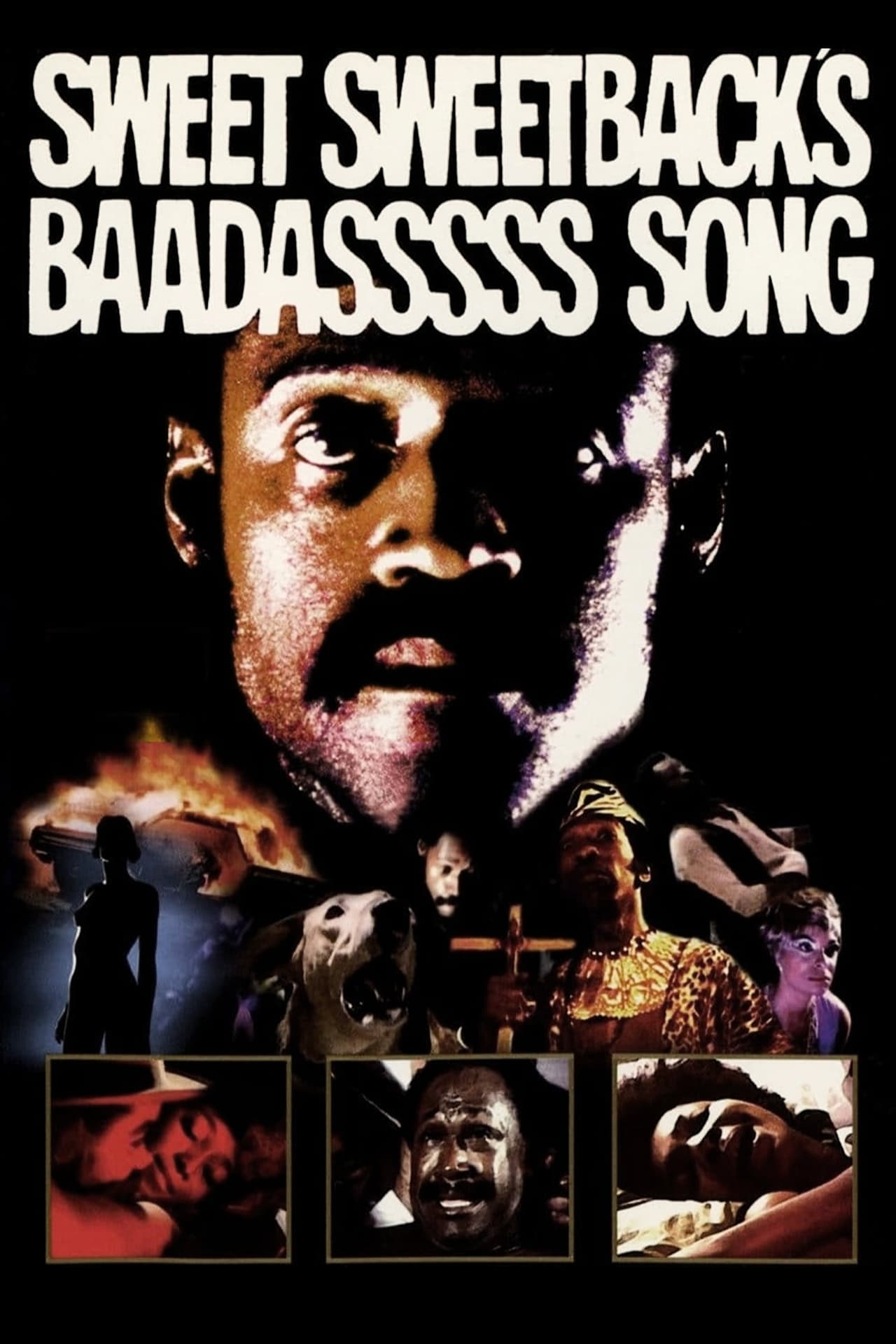
Melvin Van Peebles’ groundbreaking independent film helped launch the blaxploitation genre. It tells the story of a man fleeing corrupt police in the city. Though initially given an X rating that restricted its release in many cinemas, Van Peebles cleverly used this to his advantage, marketing it to those seeking a bold and new film experience. The movie proved that black independent films could be both artistically significant and profitable.
‘Last Tango in Paris’ (1972)
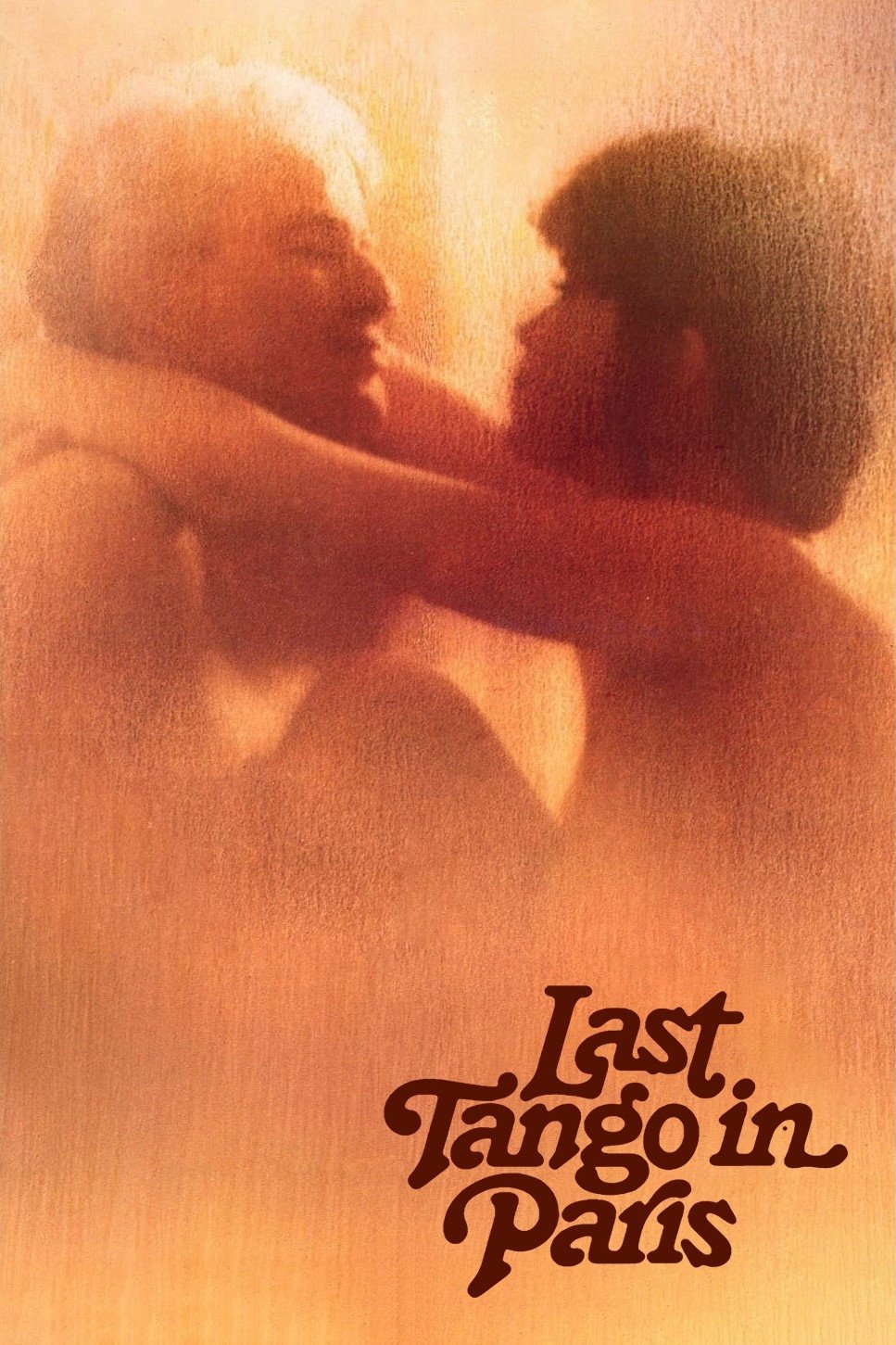
Directed by Bernardo Bertolucci, this film stars Marlon Brando as a man coping with loss who begins a physical relationship with a younger woman. It sparked significant controversy upon release, being banned in Italy and leading to a suspended sentence for the director due to its explicit content. Many countries demanded cuts to the film’s sexual scenes before allowing it to be shown. More recently, the production has been criticized for how actress Maria Schneider was treated during the filming of some scenes. Despite the controversy, it’s still considered a powerful and important film in international cinema, known for its intense emotional impact.
‘Pink Flamingos’ (1972)
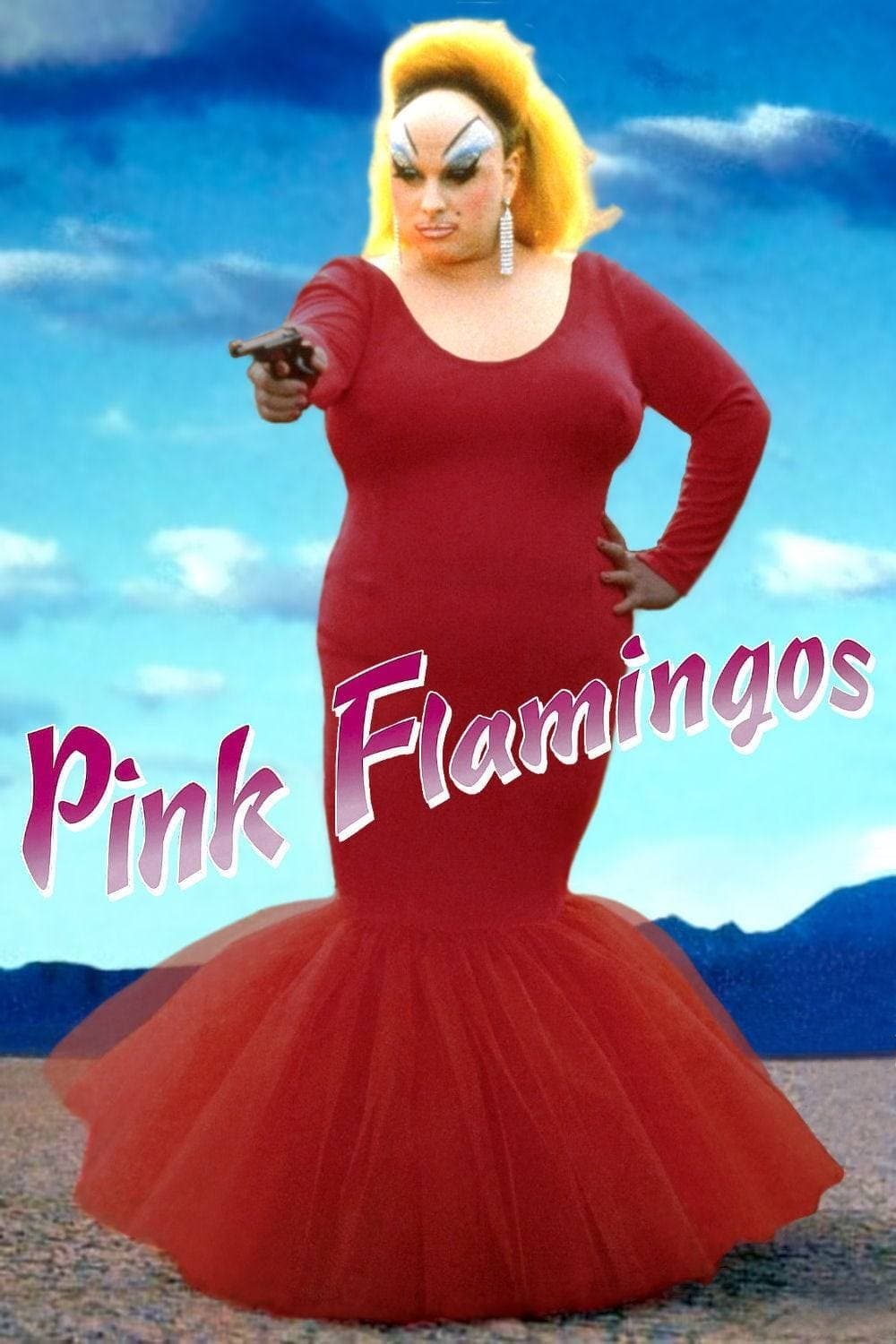
John Waters’ film is a deliberately shocking comedy that intentionally breaks social norms. Its outrageous scenes led to bans in many places, but it became a popular cult classic, especially at late-night screenings across the US. While the film is often considered graphic and disturbing, it gained a dedicated fanbase and helped make the performer Divine a star. It’s now praised for its bold commitment to over-the-top style and deliberately shocking content.
‘The Last House on the Left’ (1972)
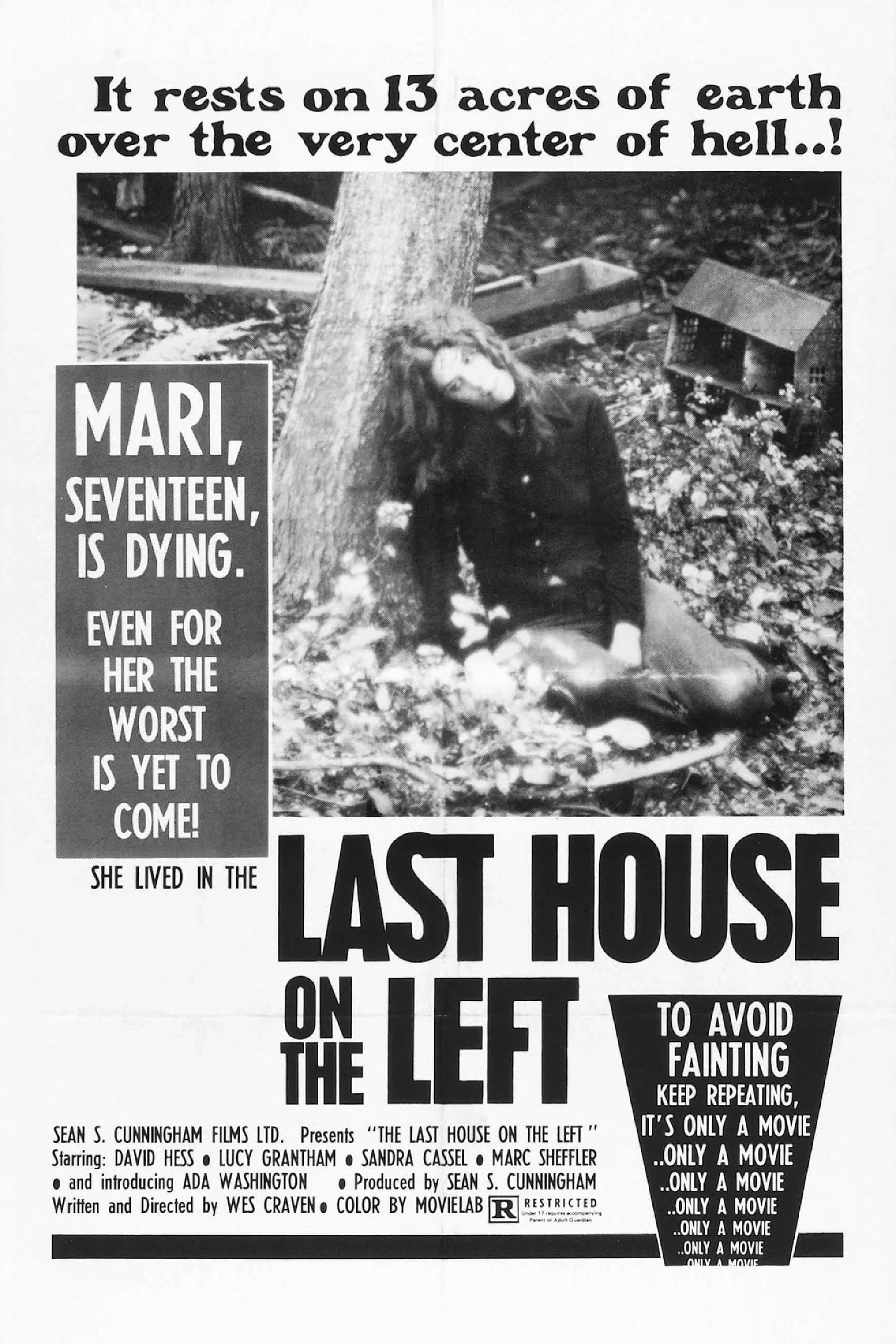
Wes Craven’s first film as director is a raw and shocking revenge story. It was so disturbing that the UK banned it for over thirty years. In the US, theaters warned viewers about the film’s intense content. Made on a small budget, it used realistic violence to explore a breakdown in ethics and is now seen as a key influence on modern horror movies.
‘The Exorcist’ (1973)

I remember when this horror movie first came out – it was insane! It’s about a young girl who gets possessed, and two priests trying to help her. Seriously, there were stories everywhere of people fainting or even getting sick while watching it in theaters! A lot of religious groups were really upset about it, saying it was offensive and could mess with people’s heads, and some places in the UK actually wouldn’t even let it be shown for years. But despite all the controversy, it ended up being a huge hit and even got nominated for a bunch of Oscars. It’s definitely one of the most famous horror movies ever made!
‘The Texas Chain Saw Massacre’ (1974)
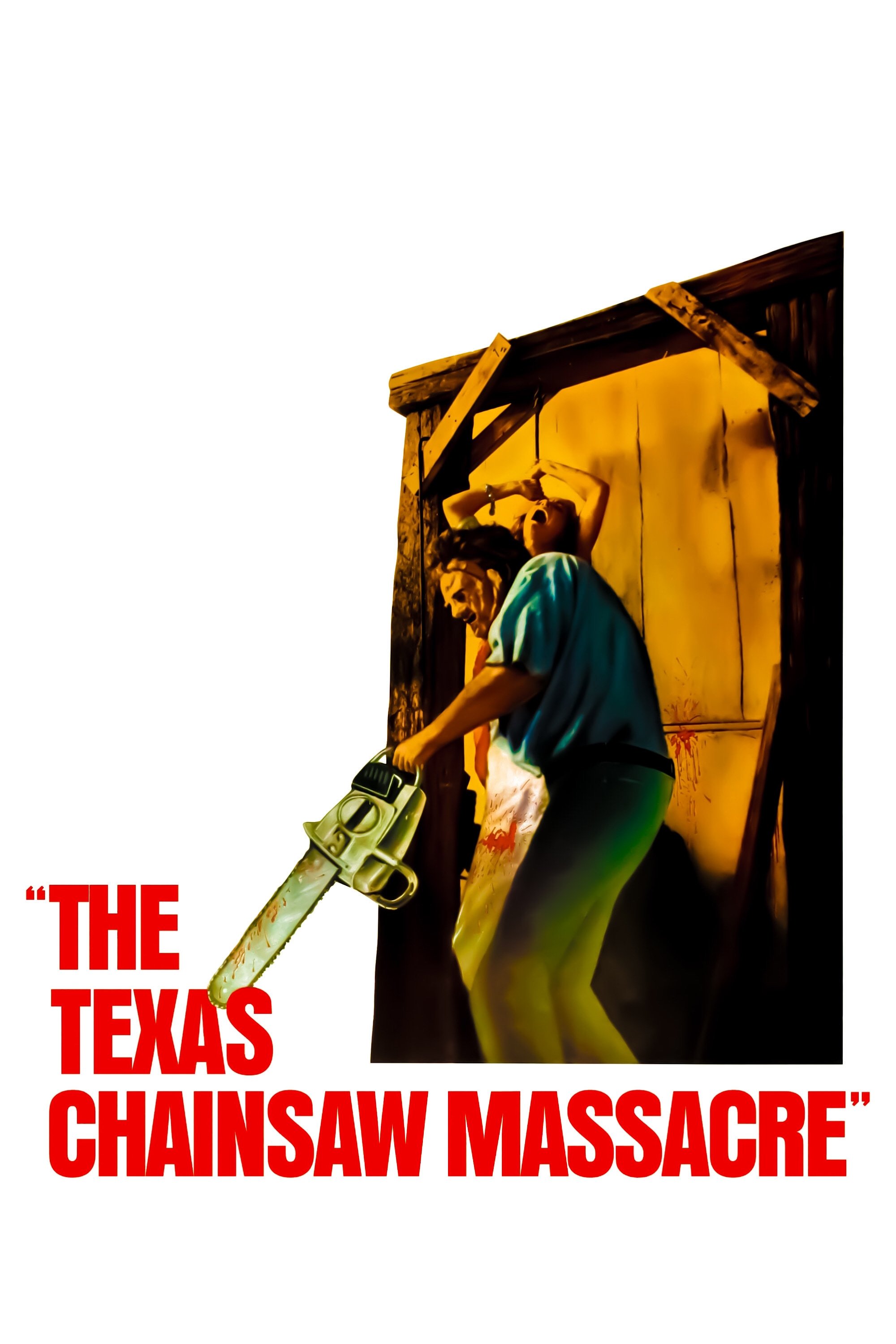
This slasher film, directed by Tobe Hooper, builds tension through sound and atmosphere rather than graphic violence. Despite this, it was banned in countries like the UK and Australia due to its disturbing content. The filmmakers promoted it as being based on real events to heighten the fear factor. It caused problems for film rating boards who had difficulty classifying its strong psychological effects. Today, it’s considered a landmark and highly effective horror movie.
‘Salò, or the 120 Days of Sodom’ (1975)

Pier Paolo Pasolini’s controversial film is a disturbing portrayal of abuse in fascist Italy. Its graphic and deeply unsettling content led to bans in many countries upon release, and it remained unavailable for decades in some areas, with restrictions still in place today. The film’s dark history was compounded by the director’s murder just before its premiere, and it’s widely considered one of the most challenging films ever made.
‘Life of Brian’ (1979)
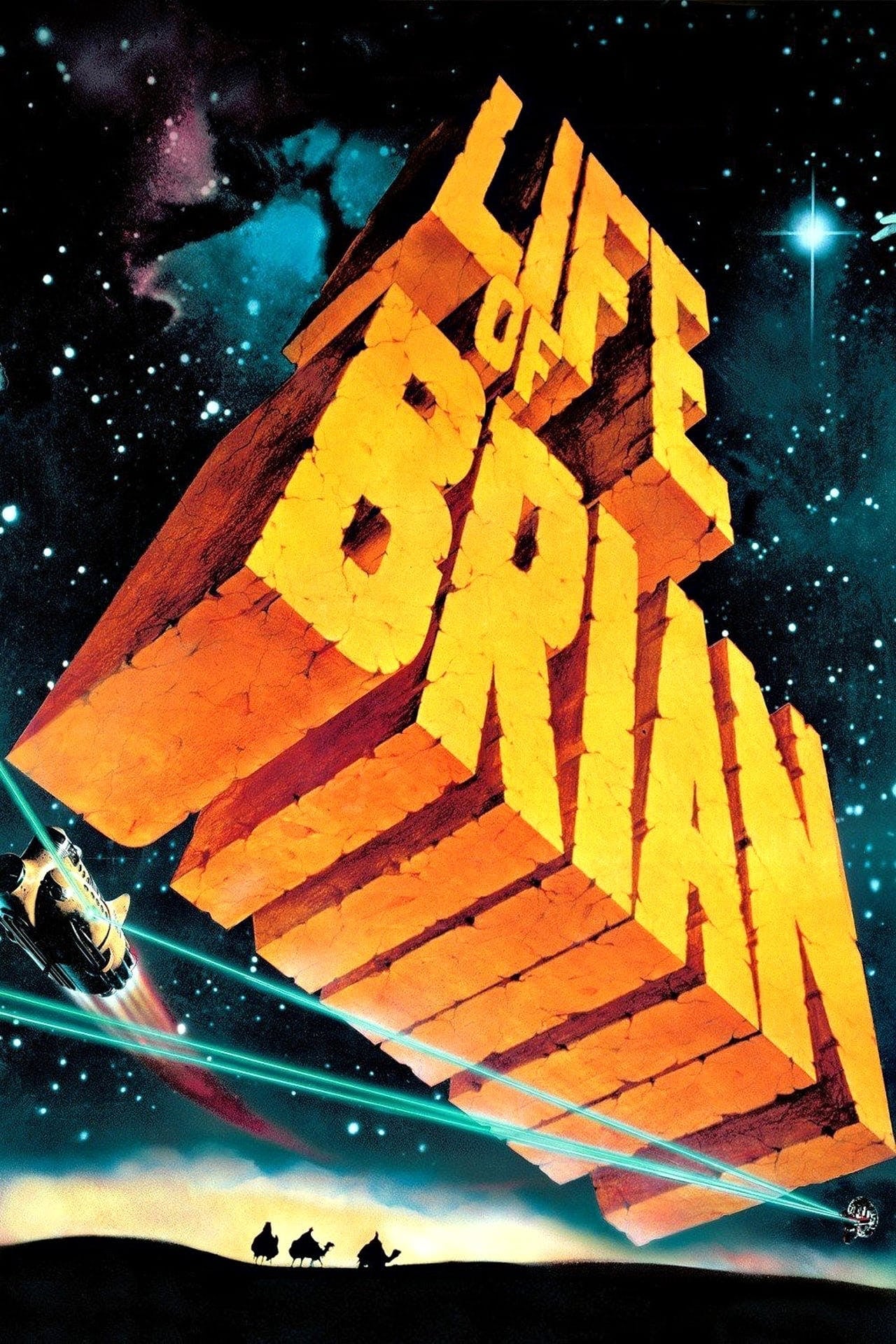
Monty Python’s film is a humorous take on a man in ancient Judea who people believe is the Messiah. When it was released, many religious groups protested, calling it disrespectful, and some places even banned it. The filmmakers explained that the movie wasn’t meant to attack belief in God, but rather to poke fun at religious institutions and strict rules. Today, it’s celebrated as a classic comedy film.
‘Scum’ (1979)
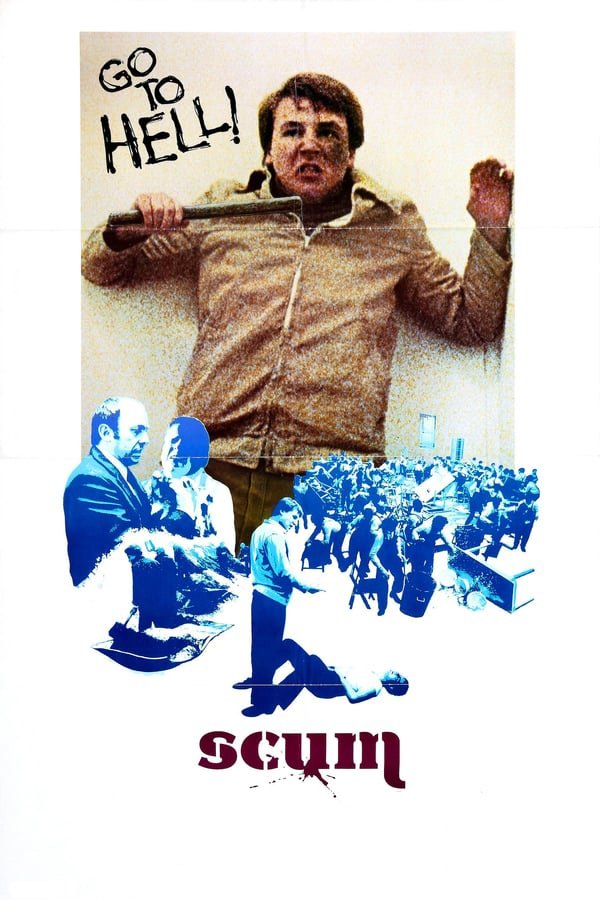
This British film offers a harsh and realistic portrayal of life in a youth correctional facility. The original television version was deemed too disturbing for broadcast by the BBC due to its depiction of violence and corruption within the system. Director Alan Clarke later re-released the story as a feature film to guarantee a wider audience. The film powerfully exposes the flaws and harsh treatment within the UK’s youth detention system of that time, and continues to be a thought-provoking and unsettling example of social realism.
‘Cannibal Holocaust’ (1980)
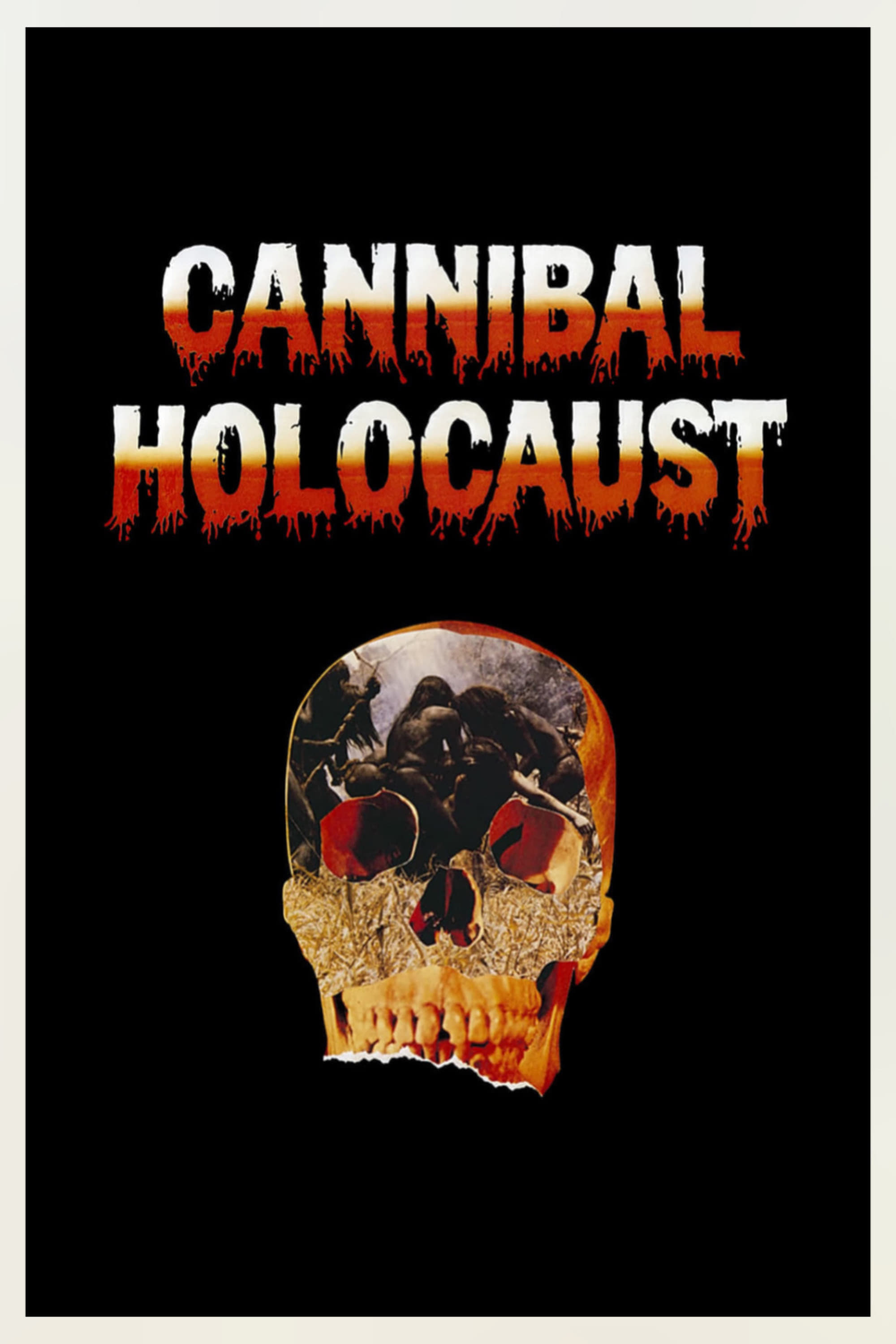
Directed by Ruggero Deodato, this film is a groundbreaking example of the found footage genre, following a movie crew’s disappearance in the Amazon. Its realism was so intense that the director was initially arrested and accused of murdering the actors – charges he had to disprove by showing they were still alive. The film faced bans in over forty countries because of its graphic violence and the on-screen deaths of animals. A smart marketing strategy intentionally blurred the line between what was real and what was fiction. It’s widely considered the most shocking and controversial cannibal film ever created.
‘Possession’ (1981)
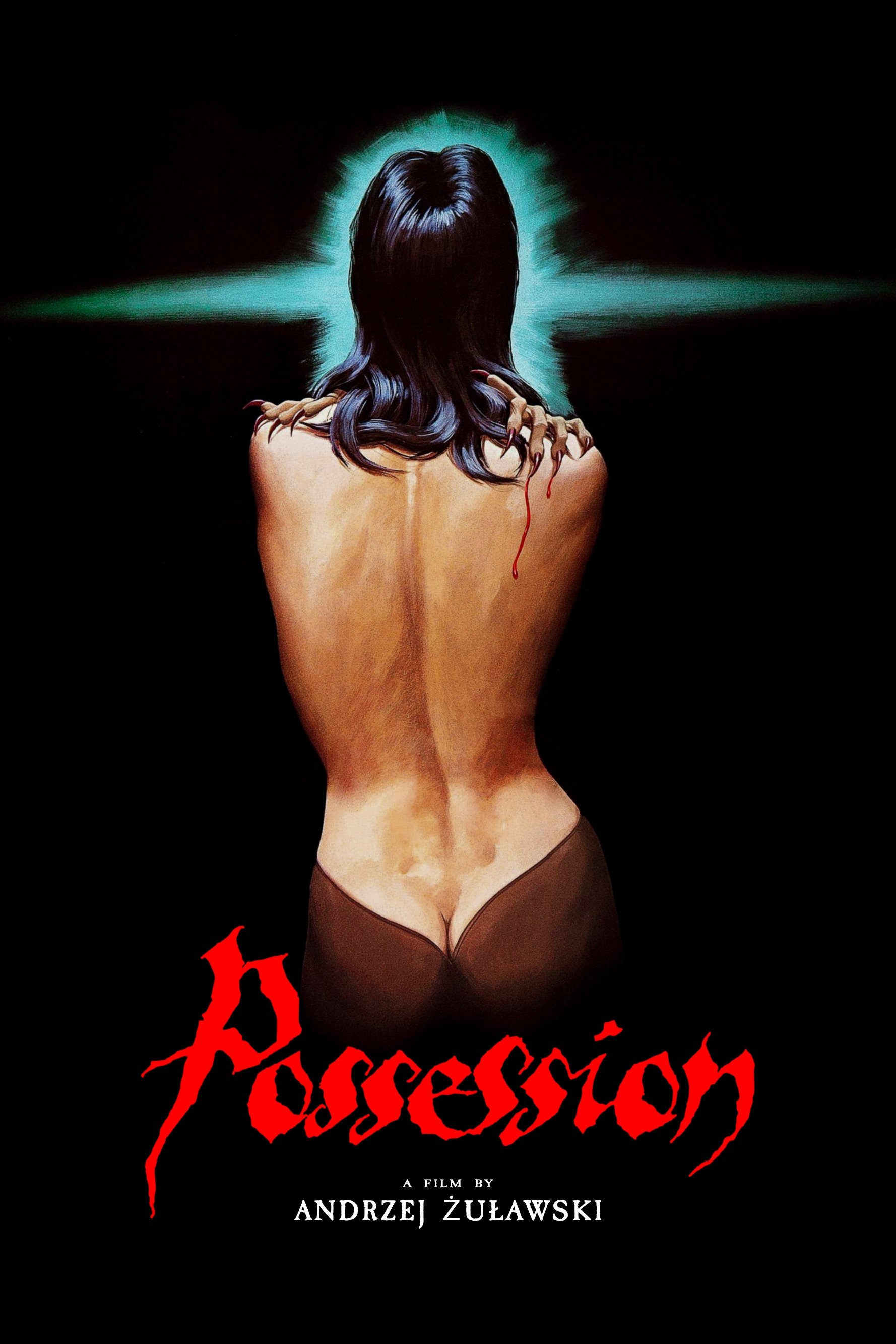
This unsettling horror film centers on a woman whose behavior becomes increasingly erratic as she goes through a divorce. It was originally banned in the UK due to its disturbing and unusual visuals, but it’s now celebrated for its artistic merit. Director Andrzej Zulawski used the horror genre to portray the intense pain of a failing relationship in a dreamlike way. The film is particularly known for Isabelle Adjani’s powerful performance, which earned her numerous awards.
‘The Evil Dead’ (1981)
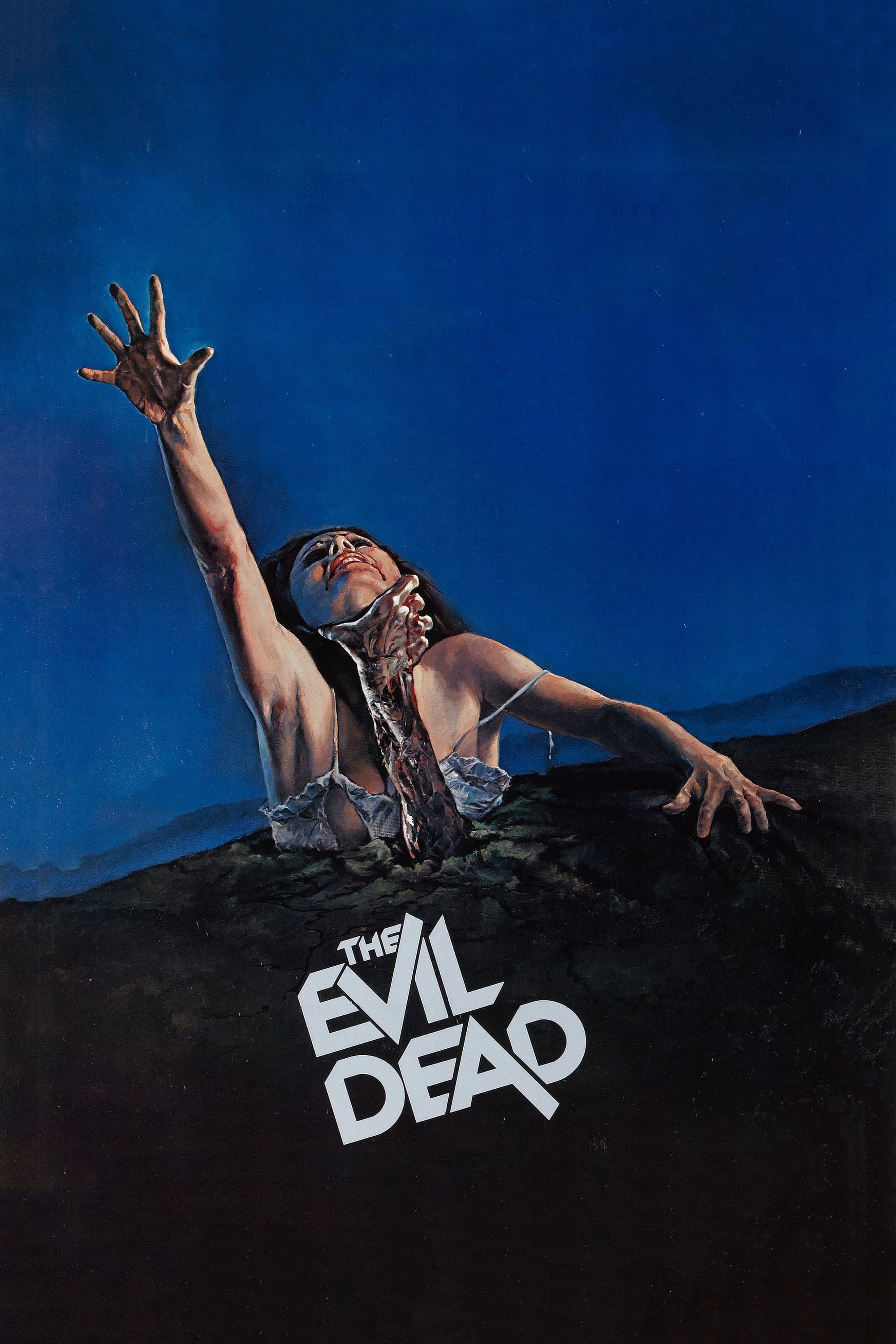
Directed by Sam Raimi, this horror film follows a group of friends who unintentionally unleash demons while staying in a secluded cabin. It faced significant censorship, particularly in the United Kingdom where it was deemed a ‘Video Nasty,’ and was either banned or heavily cut in numerous countries due to its groundbreaking and gruesome special effects. Despite the uproar, the film became incredibly popular on home video and spawned a successful franchise. Today, it’s praised for its imaginative approach and combination of scares and dark comedy.
‘Cannibal Ferox’ (1981)
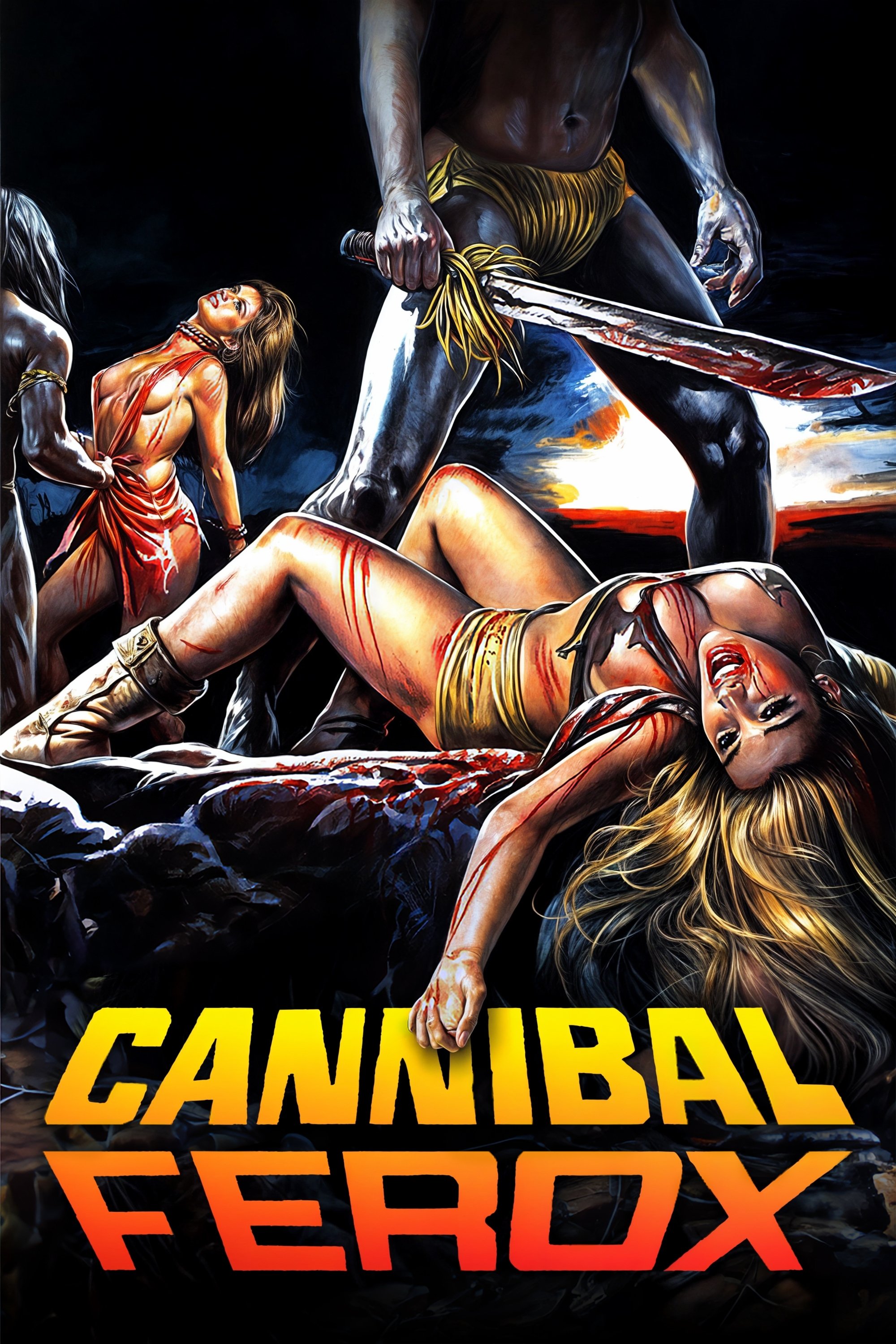
This Italian horror movie gained notoriety for being advertised as the most violent film ever made. It was banned in thirty-one countries and faced legal challenges due to its graphic portrayal of animal cruelty. The story centers around researchers who come across a cannibalistic tribe deep within the South American jungle. True to its genre, the film uses gruesome special effects to shock viewers. Despite the controversy, it’s become a beloved, though extreme, film for fans of horror and cannibal movies.
‘Silent Night, Deadly Night’ (1984)
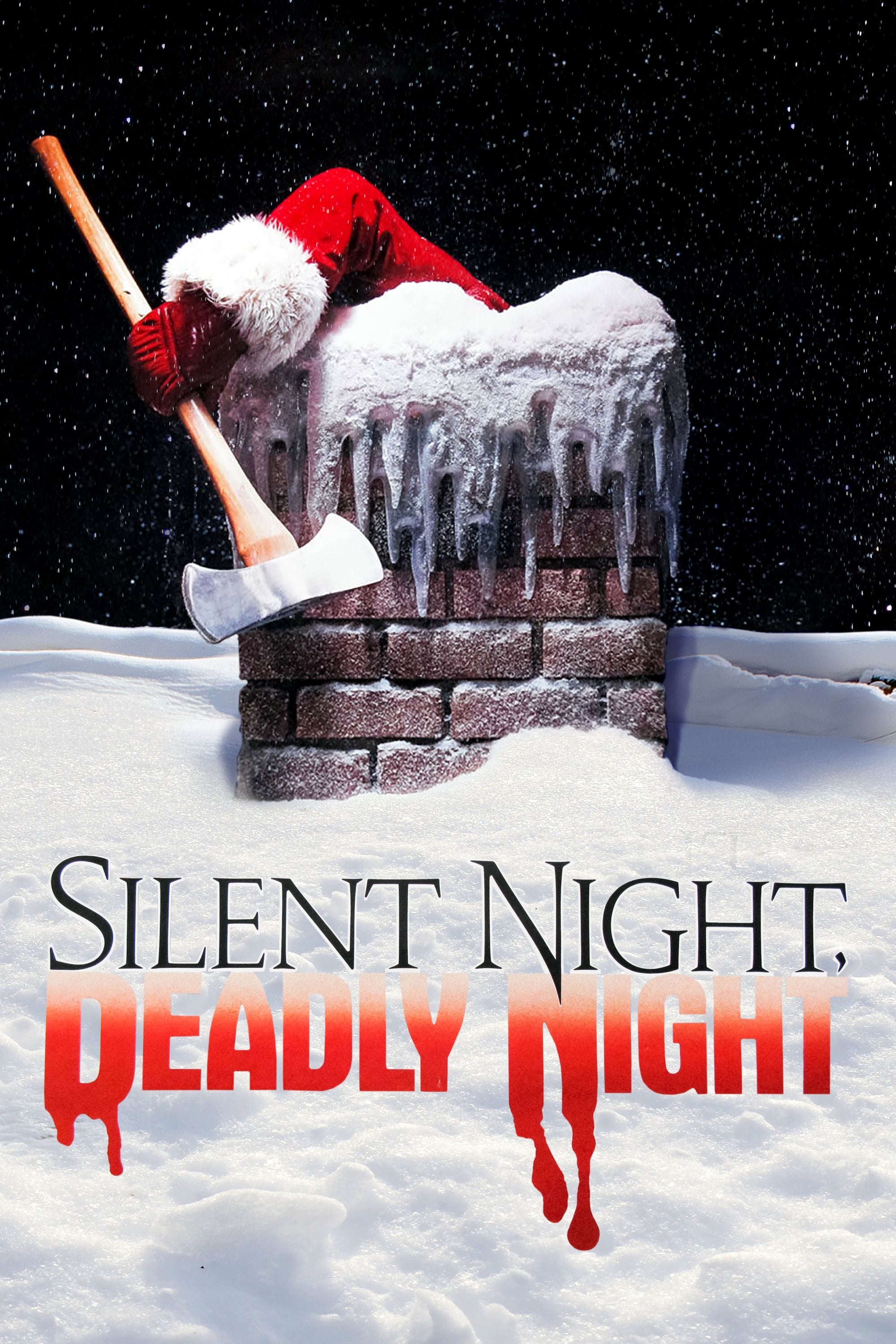
A horror movie featuring a Santa Claus killer sparked widespread outrage across the US. Parents protested and picketed cinemas, demanding the film be removed. The distributor quickly pulled it from theaters just weeks after release due to the intense backlash. Prominent critics, including Roger Ebert and Gene Siskel, strongly condemned the film for its violent depiction of a cherished holiday icon. Despite the initial controversy, it later gained popularity on home video and led to a series of follow-up films.
‘The Last Temptation of Christ’ (1988)
Martin Scorsese’s film, based on Nikos Kazantzakis’ novel, offers a human portrayal of Jesus and sparked significant controversy upon its release. Christian groups protested and boycotted the film due to its dream sequences, and some extremists even firebombed a Paris theater showing the movie. It faced bans in multiple countries and was avoided by some video stores for years. Today, however, the film is widely recognized as a profound and insightful look at faith and spirituality.
‘Child’s Play 3’ (1991)

A horror movie about a haunted doll sparked a major public outcry in the UK. Newspapers falsely connected the film to a tragic murder case involving children. While police never confirmed any connection, the movie was essentially blocked from being shown on TV or sold for home viewing for several years. This controversy fueled demands for tougher rules about violent content and its potential effects on young people. It’s a clear illustration of how exaggerated media coverage can limit a film’s reach.
‘Man Bites Dog’ (1992)
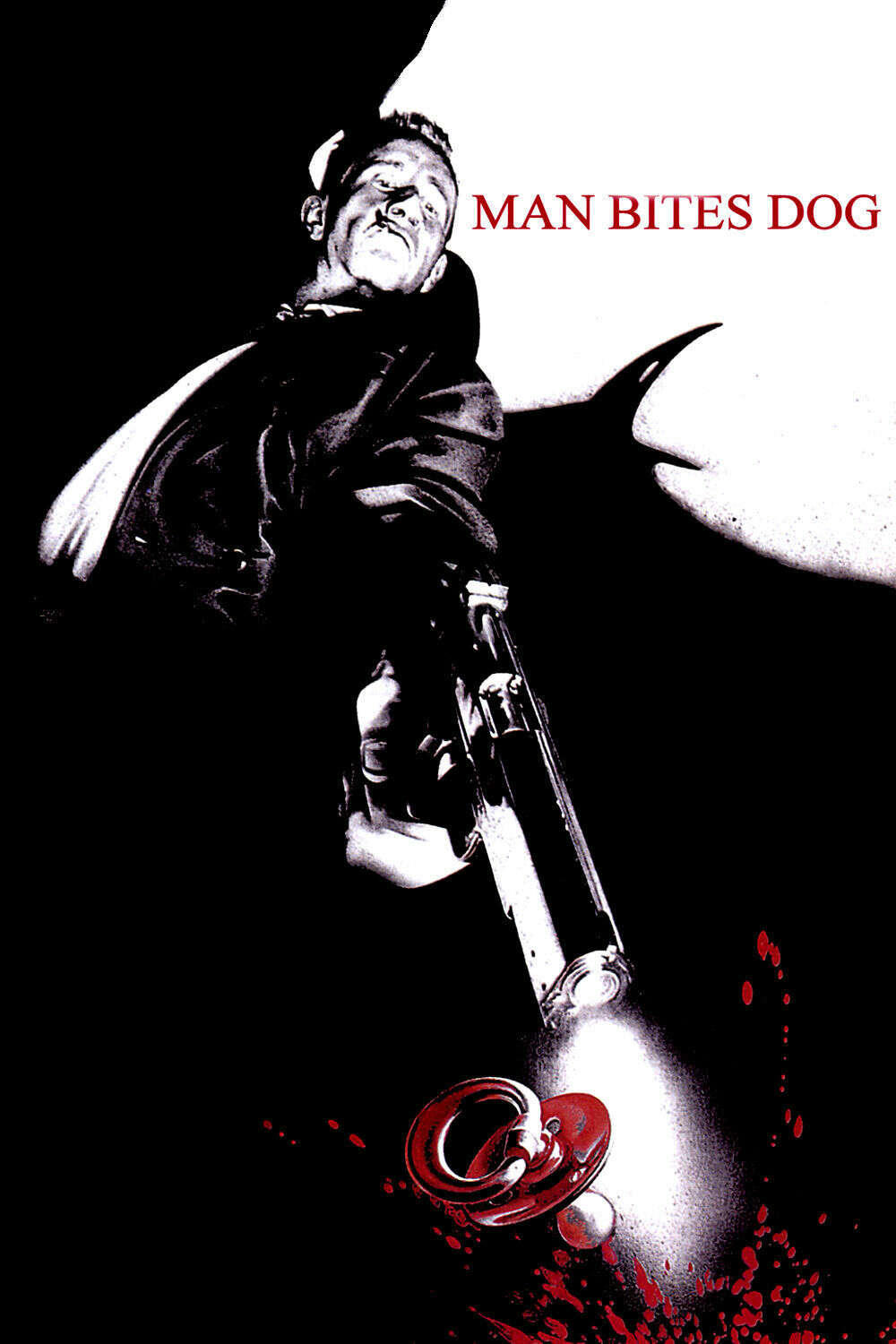
This Belgian film, presented as a documentary, follows a film crew documenting the everyday life of a captivating serial killer. Shot in black and white, the movie uses satire to comment on how the media often exploits disturbing events for entertainment. Its graphic violence and unsettling themes led to bans or restrictions in multiple countries. While considered a landmark work in independent and provocative filmmaking, some viewers found the combination of dark humor and extreme violence deeply disturbing and irresponsible.
‘Natural Born Killers’ (1994)
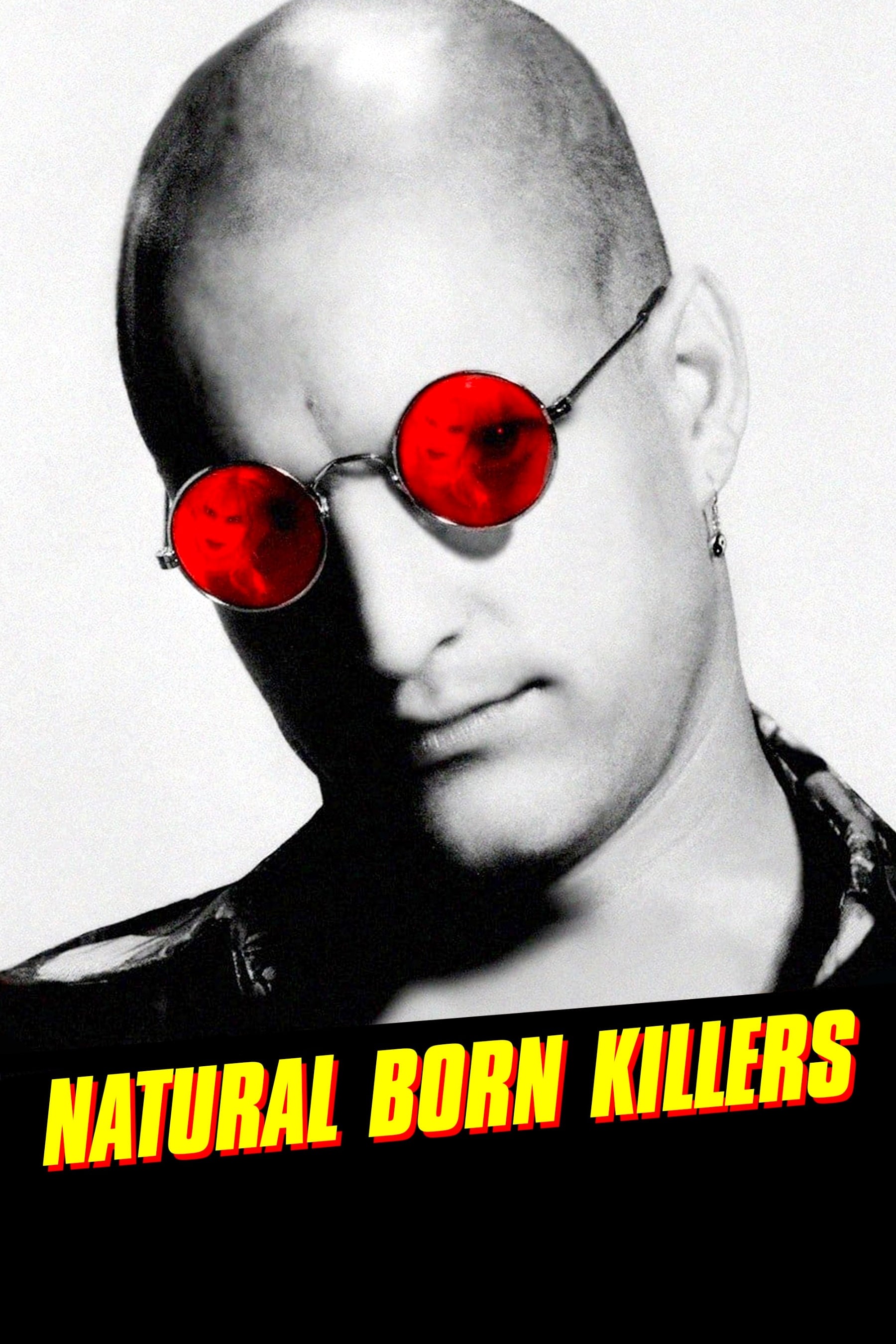
I remember when Oliver Stone’s film first came out – it really shook things up. It wasn’t a straightforward story; it was very stylized and focused on two killers who, disturbingly, became famous because of the media’s attention. It was unsettling to watch, and honestly, it sparked a lot of controversy. There were even claims it inspired real crimes, which led to lawsuits and attempts to keep people from seeing it. In the UK, it faced heavy censorship, and it took years for it to come out on video. The way Stone filmed it was intense – a total sensory overload that felt like being inside the minds of these characters. Even now, it’s still a really powerful and controversial look at American culture and how the media can sensationalize everything.
‘Kids’ (1995)
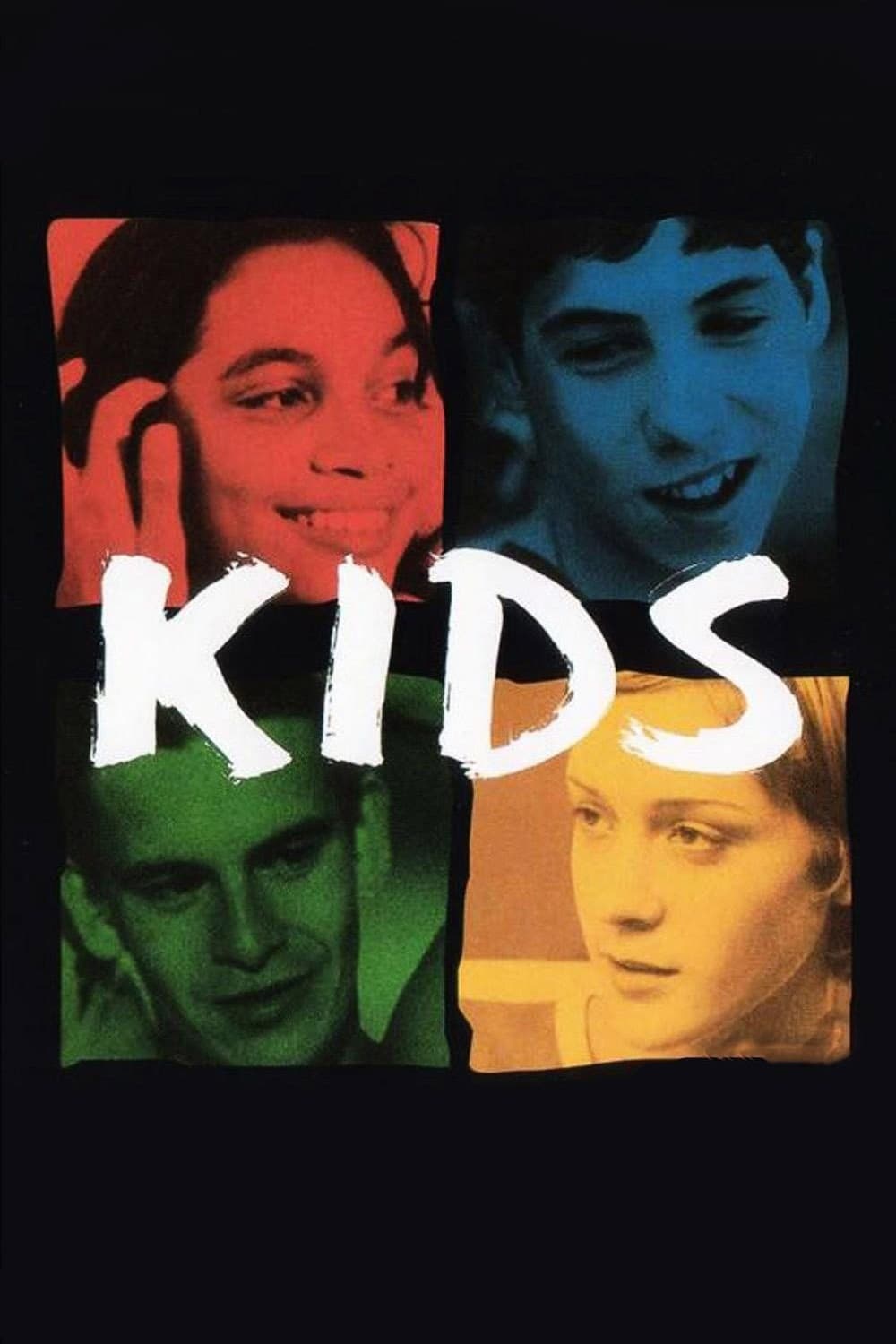
Larry Clark’s film offers a stark and realistic portrayal of teenage life in New York City during the AIDS epidemic. It sparked significant controversy due to its depiction of drug use and sexual encounters involving real teenagers. The film was released without a rating because the distributor wouldn’t accept the NC-17 designation. While some critics applauded its honesty, others found it shocking and exploitative. The production also helped launch the careers of actors like Chloe Sevigny and Rosario Dawson.
‘Showgirls’ (1995)

Paul Verhoeven’s film delves into the competitive and often harsh lives of Las Vegas showgirls. When it was released, it was notable for being the first movie from a major studio to receive an NC-17 rating, which meant fewer theaters would show it. Initially, critics hated it and the film industry largely ignored it, with some countries even considering a ban due to its explicit content. However, over time, opinions changed dramatically, and the film is now considered a groundbreaking and beloved cult classic.
‘Crash’ (1996)
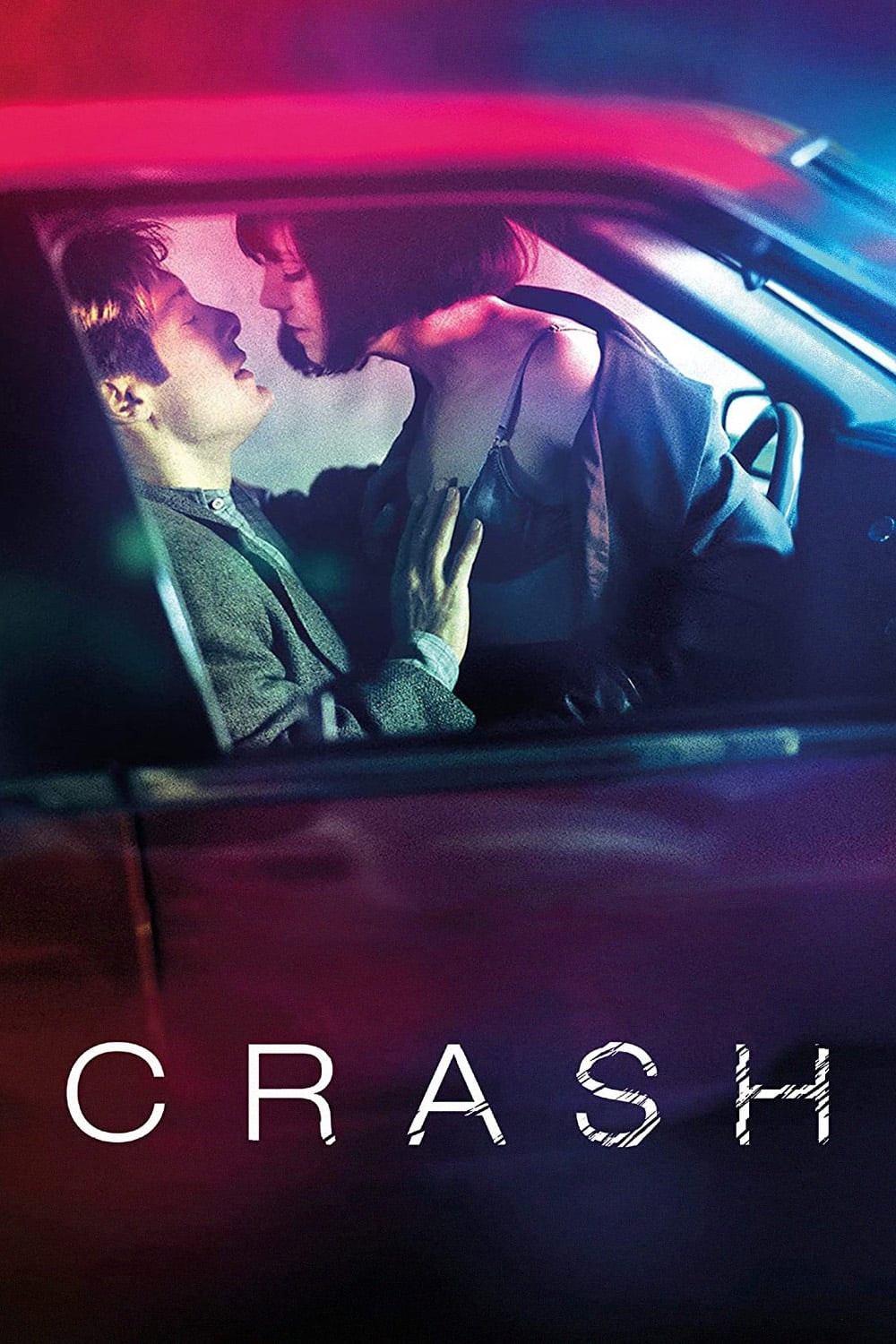
David Cronenberg’s film, based on J.G. Ballard’s novel, explores a controversial premise: sexual attraction to car crashes. The film sparked outrage at the Cannes Film Festival and was banned in some parts of the UK, with critics and politicians fearing it could promote dangerous driving. The distributor had to fight a lengthy legal battle to release the complete, uncut version. Today, the film is known for its detached and analytical look at how technology and human desire connect.
‘Happiness’ (1998)
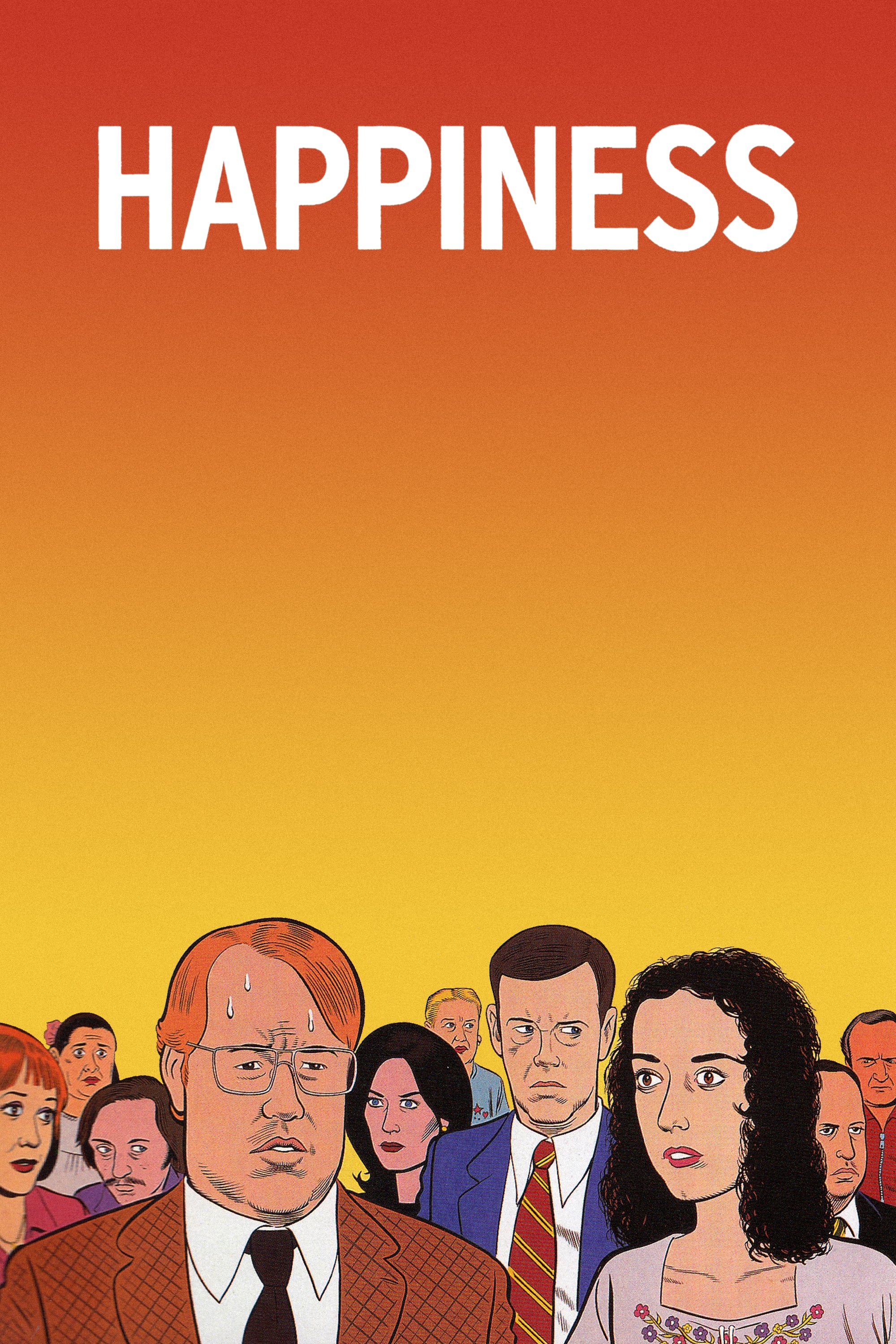
Todd Solondz’s darkly comedic film delves into the troubled lives of a group of interconnected characters. A particularly controversial storyline involving a pedophile led the original distributor to abandon the project before it could be released. It ultimately found distribution independently and was released in the US without a rating. The film faced considerable resistance, with many theaters refusing to show it and strong reactions from various social groups. However, despite the sensitive and challenging themes, it was praised by critics for its bold writing and acting.
‘Baise-moi’ (2000)
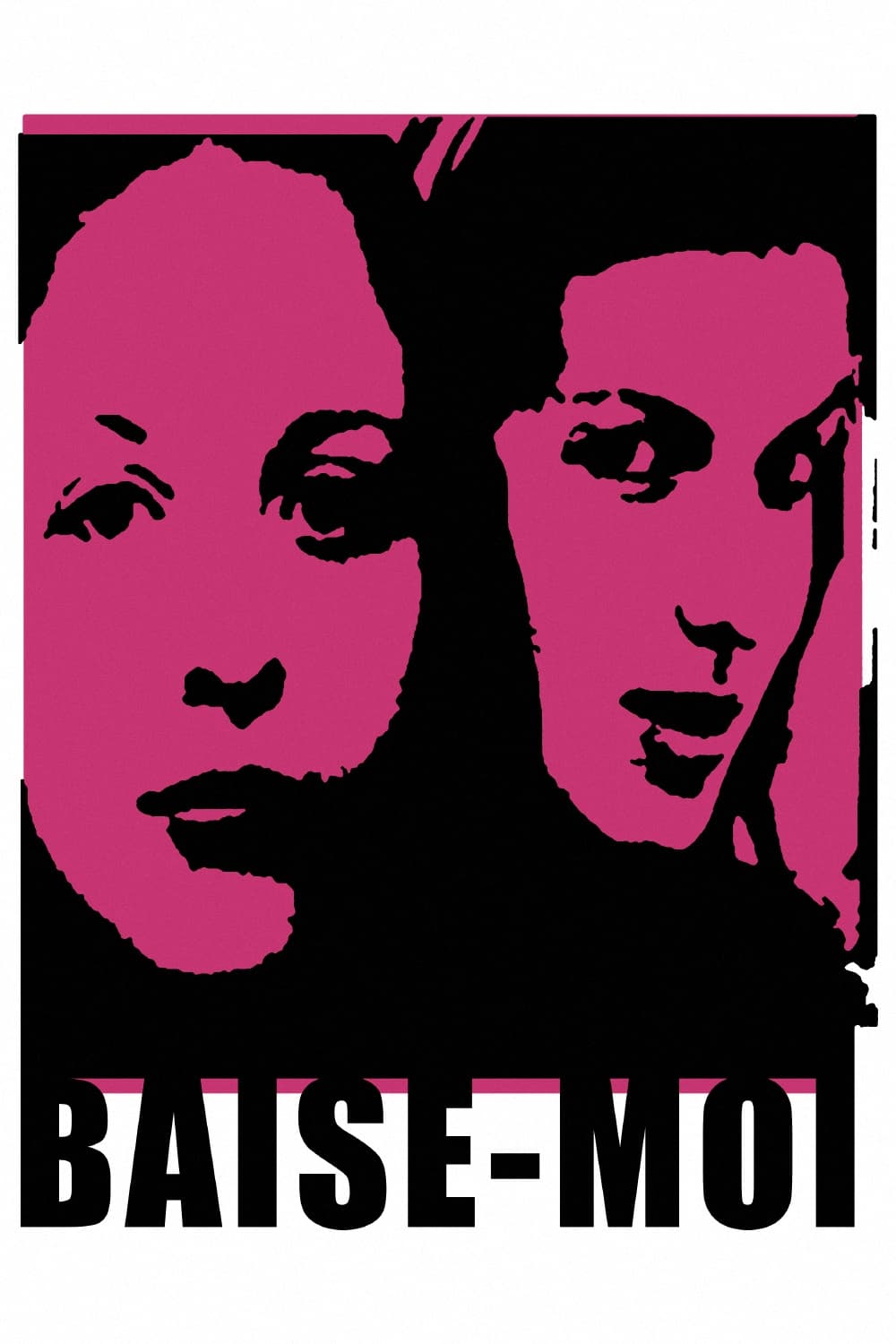
This French film depicts two women unleashing a brutal and sexually charged response to a traumatic experience. Initially rated for adults, it was later deemed pornography and banned by French courts due to its explicit and graphic content. The film’s realistic sexual scenes and violence led to restrictions in many countries and ignited a national discussion in France about where the line lies between art and obscenity. It’s considered a key work within the ‘New French Extremity’ film movement.
‘Battle Royale’ (2000)
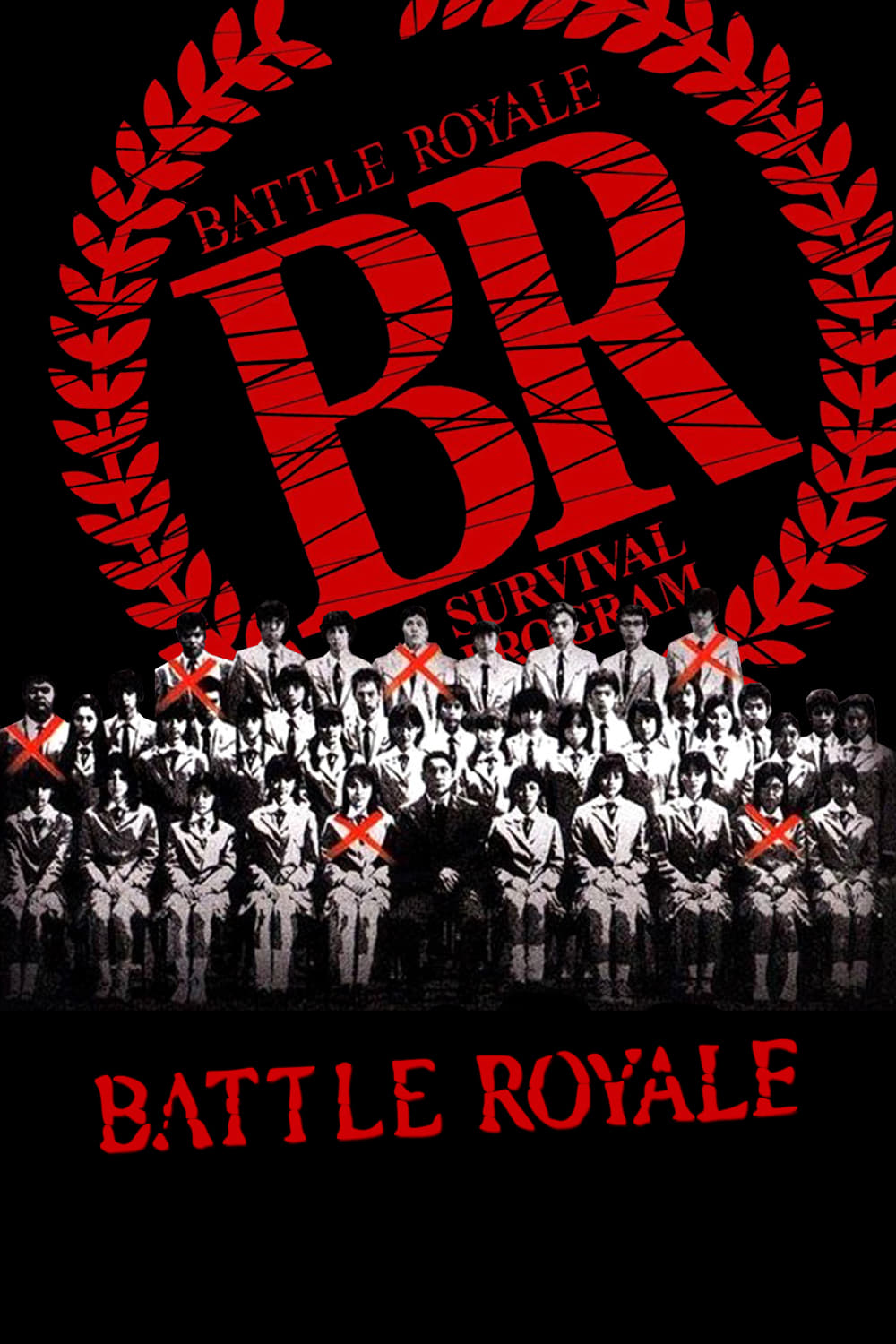
This Japanese film portrays a disturbing future where students are forced to participate in a deadly game organized by the government. The movie sparked significant controversy in Japan, leading to parliamentary debate and calls for it to be banned. Concerns about its violent content, particularly involving young people, delayed its release in the United States for more than ten years. Despite these challenges, the film became a worldwide success and has inspired many other books and movies. Today, it’s recognized as a key work in modern dystopian filmmaking.
‘Ichi the Killer’ (2001)
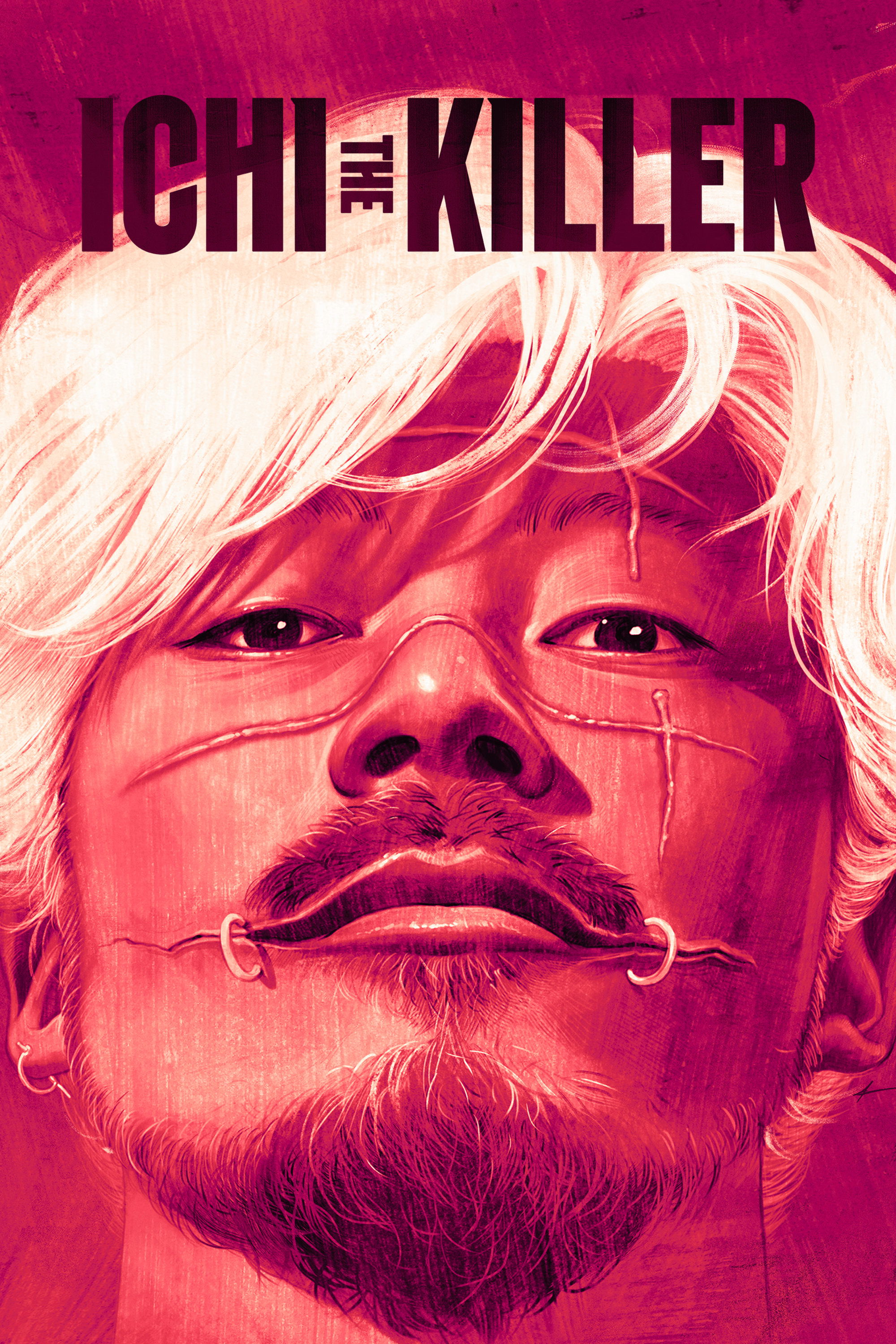
This film, directed by Takashi Miike, is based on a manga and tells the story of a troubled assassin. It’s known for its graphic violence, including scenes of torture, which led to it being banned in some countries. While it was heavily cut for release in places like the UK to comply with censorship rules, the movie still presents a surreal and highly stylized view of the Yakuza underworld. It’s gained a reputation as one of the most violent films ever made.
‘The Profit’ (2001)

This movie, though fictional, is heavily based on the history of the Church of Scientology. Soon after it premiered at a film festival, the church sued, and a court order was issued blocking its release. This order lasted for years, essentially preventing anyone in the United States from seeing the film. Because of these legal issues, only a small number of people have ever viewed the complete version. It’s a notable case of a film being suppressed through a lawsuit.
‘Irreversible’ (2002)
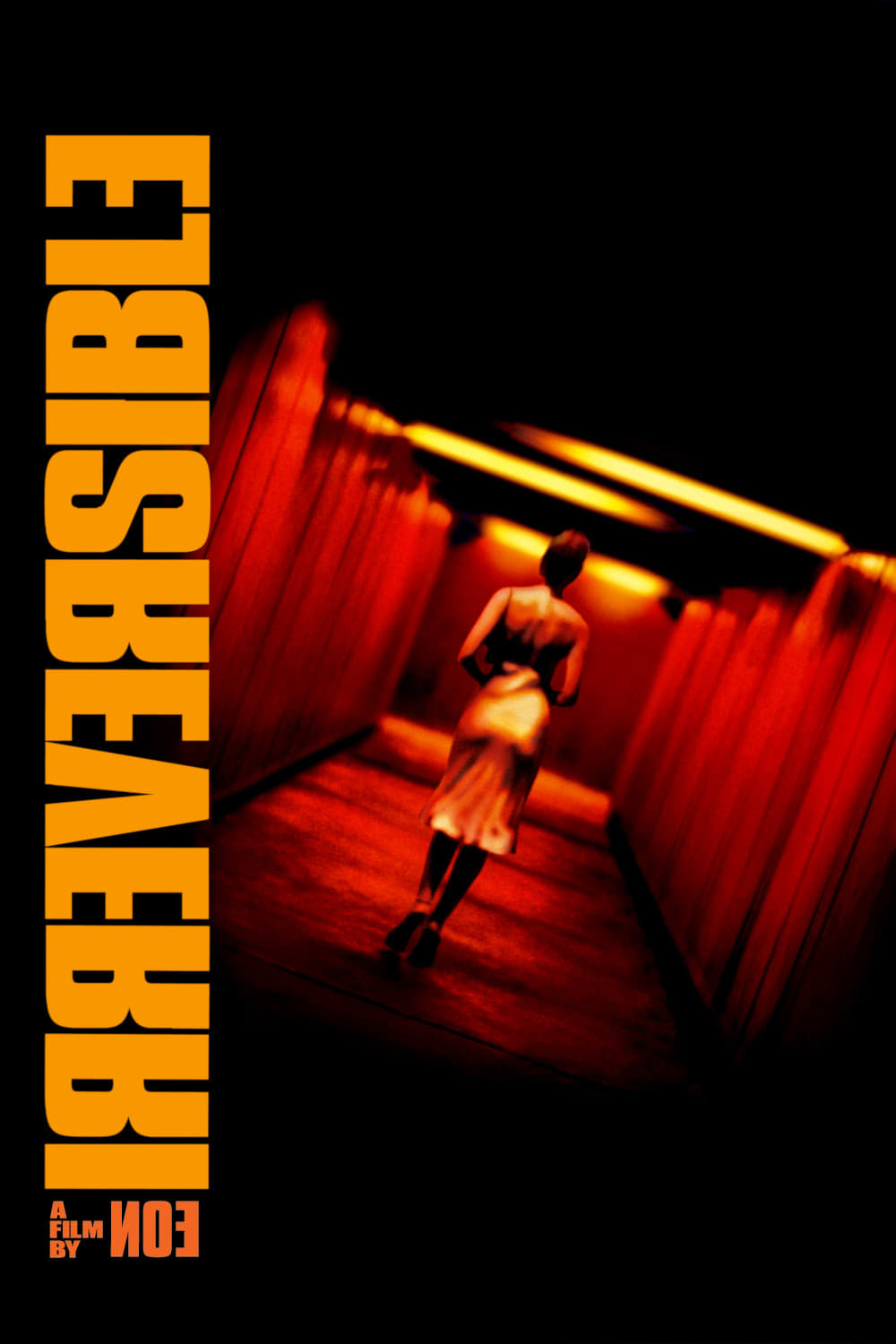
Gaspar Noe’s experimental film is known for telling its story backwards. It gained notoriety for a very disturbing and lengthy assault scene that upset many viewers and caused some to walk out. The film faced restrictions in multiple countries and sparked considerable discussion at the Cannes Film Festival. Noe also used extremely low-frequency sounds in the first half of the movie to deliberately make the audience feel physically uneasy. It continues to be one of the most controversial and discussed films from the early 2000s.
‘The Passion of the Christ’ (2004)
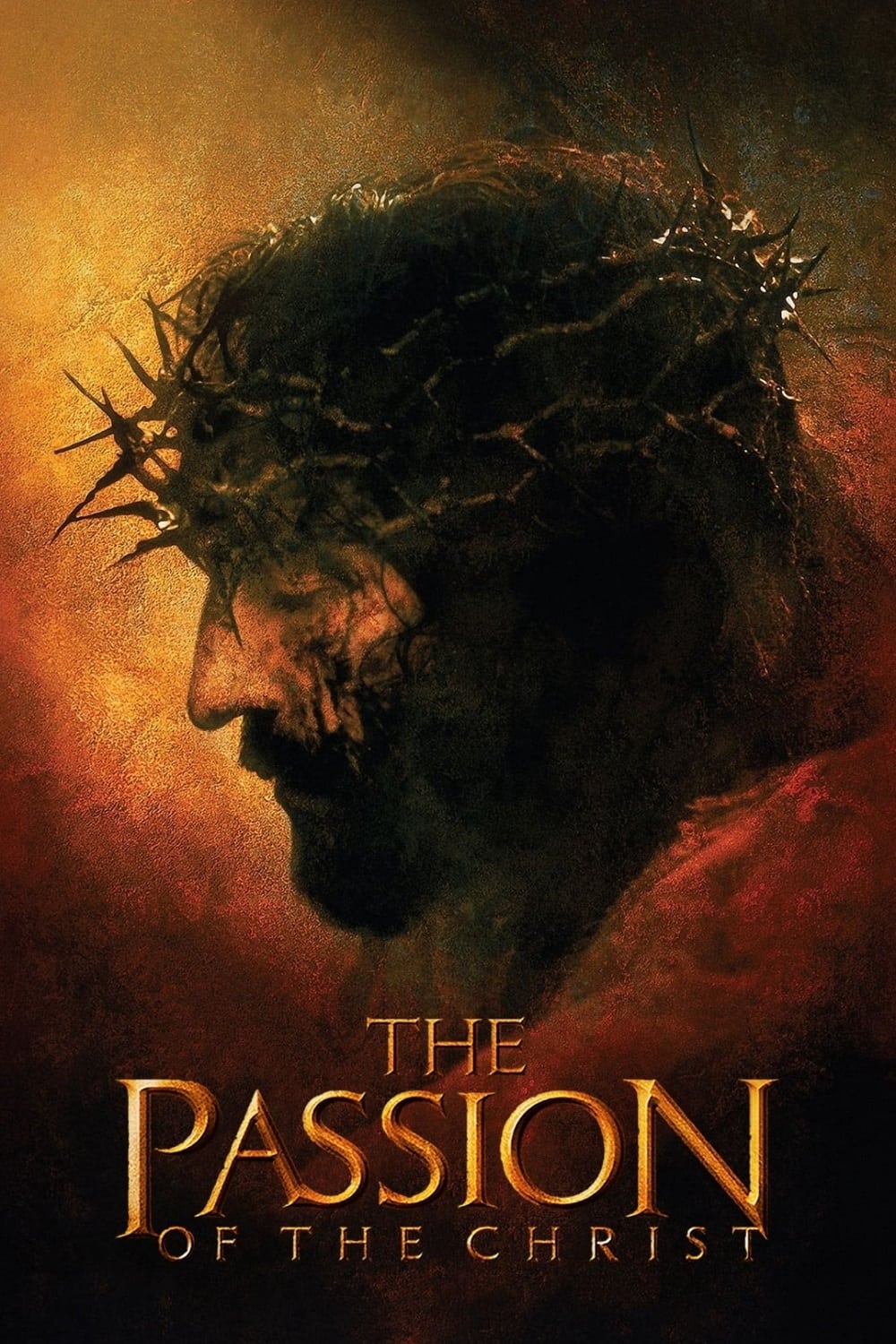
I remember when Mel Gibson’s ‘The Passion of the Christ’ came out – it really made an impact. It showed the last twelve hours of Jesus’ life, and honestly, it was incredibly intense and violent. A lot of people, including many critics, felt it went too far with the brutality. There was also a lot of discussion, and unfortunately, accusations that the film contained anti-Semitic ideas, which led to protests. Some groups even tried to get it banned, fearing it would cause trouble. Despite all the controversy, it was a massive success at the box office – one of the highest-grossing R-rated movies ever made, which was pretty surprising given everything surrounding it.
‘Martyrs’ (2008)
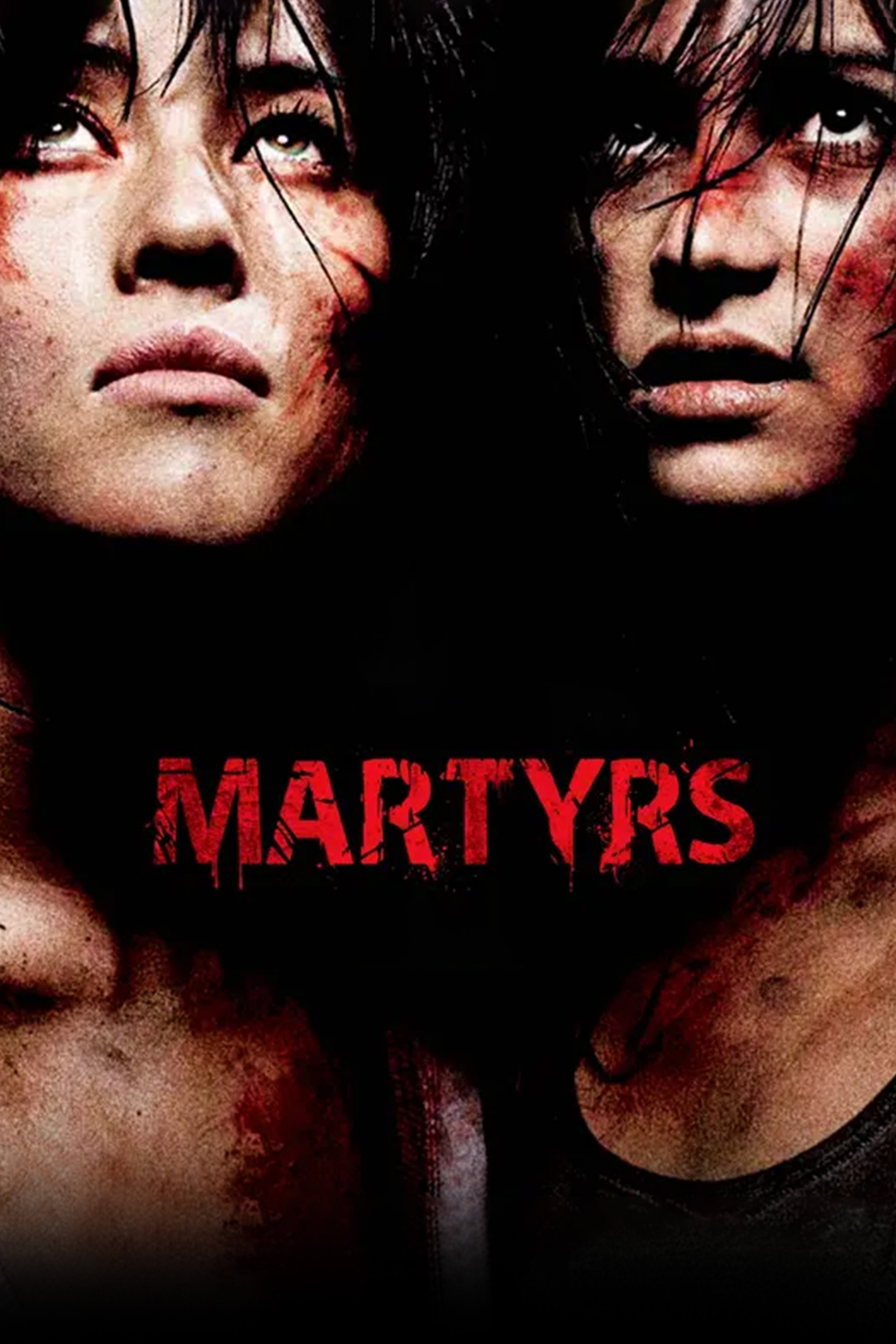
This French horror film is a significant example of the ‘New French Extremity’ style, known for its intense and disturbing content. It delves into difficult themes about finding meaning through pain and hardship. The film was initially considered too graphic for general release in France and received its highest age restriction, effectively preventing advertising. However, the filmmakers appealed this decision and were able to secure a lower rating, allowing more people to see it. Even so, it remains a very unsettling and debated film that pushes the boundaries of what people can endure. While an American remake was made, it didn’t have the same powerful effect as the original.
‘Antichrist’ (2009)
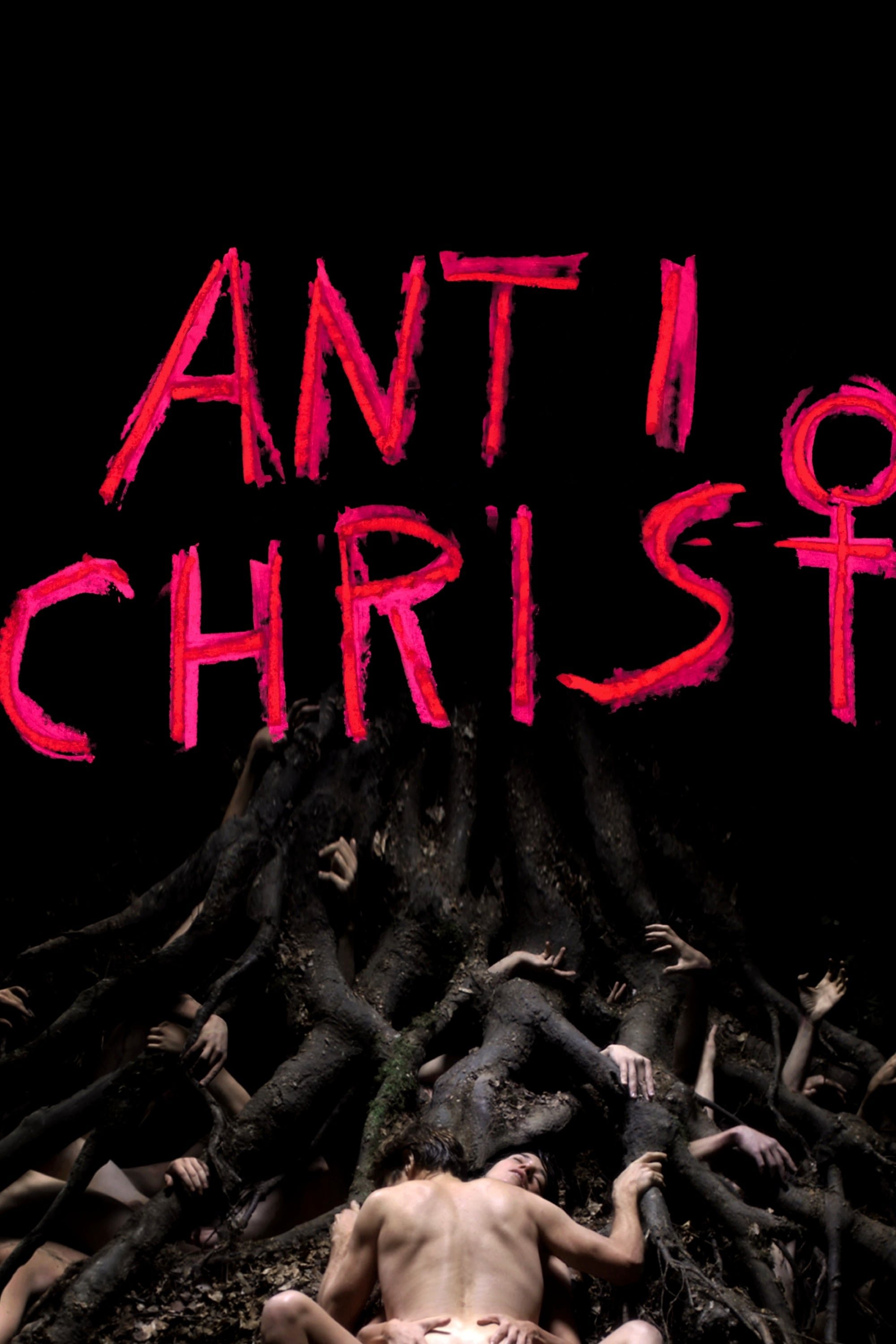
Okay, so this movie… wow. It’s a really intense psychological horror directed by Lars von Trier, with Willem Dafoe and Charlotte Gainsbourg giving absolutely raw performances as a couple dealing with loss. It’s not an easy watch, I’ll tell you that – it pushes boundaries with some incredibly graphic and disturbing imagery, and it doesn’t shy away from very explicit content. When it premiered at Cannes, the reaction was wild – people were either cheering or booing. It actually got banned in a few places! Von Trier dedicated it to Andrei Tarkovsky, which just added another layer of complexity that critics were trying to unpack. Honestly, it’s still one of those films that sticks with you – visually stunning, but also incredibly controversial, and a real landmark in art house cinema.
‘A Serbian Film’ (2010)
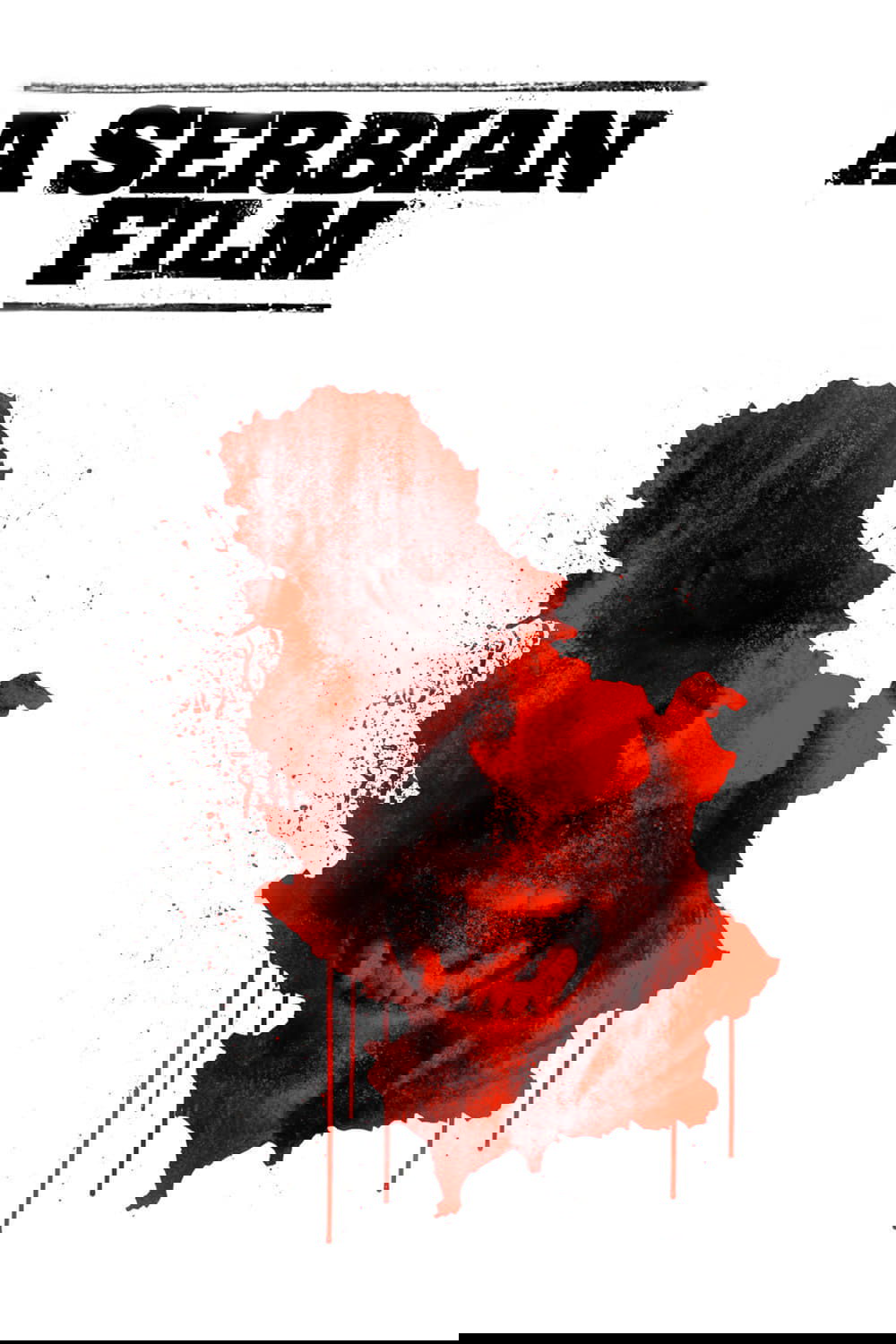
This film is notorious for being incredibly disturbing and violent, and is considered one of the most graphic movies ever made. Its extreme scenes of abuse and violence led to bans in many countries. The director intended the film to be a symbolic representation of the political and social pain felt in Serbia. Authorities even confiscated the film and launched criminal investigations into its content. To this day, it’s a prime example of extreme filmmaking that most viewers find difficult to watch.
‘The Bunny Game’ (2011)
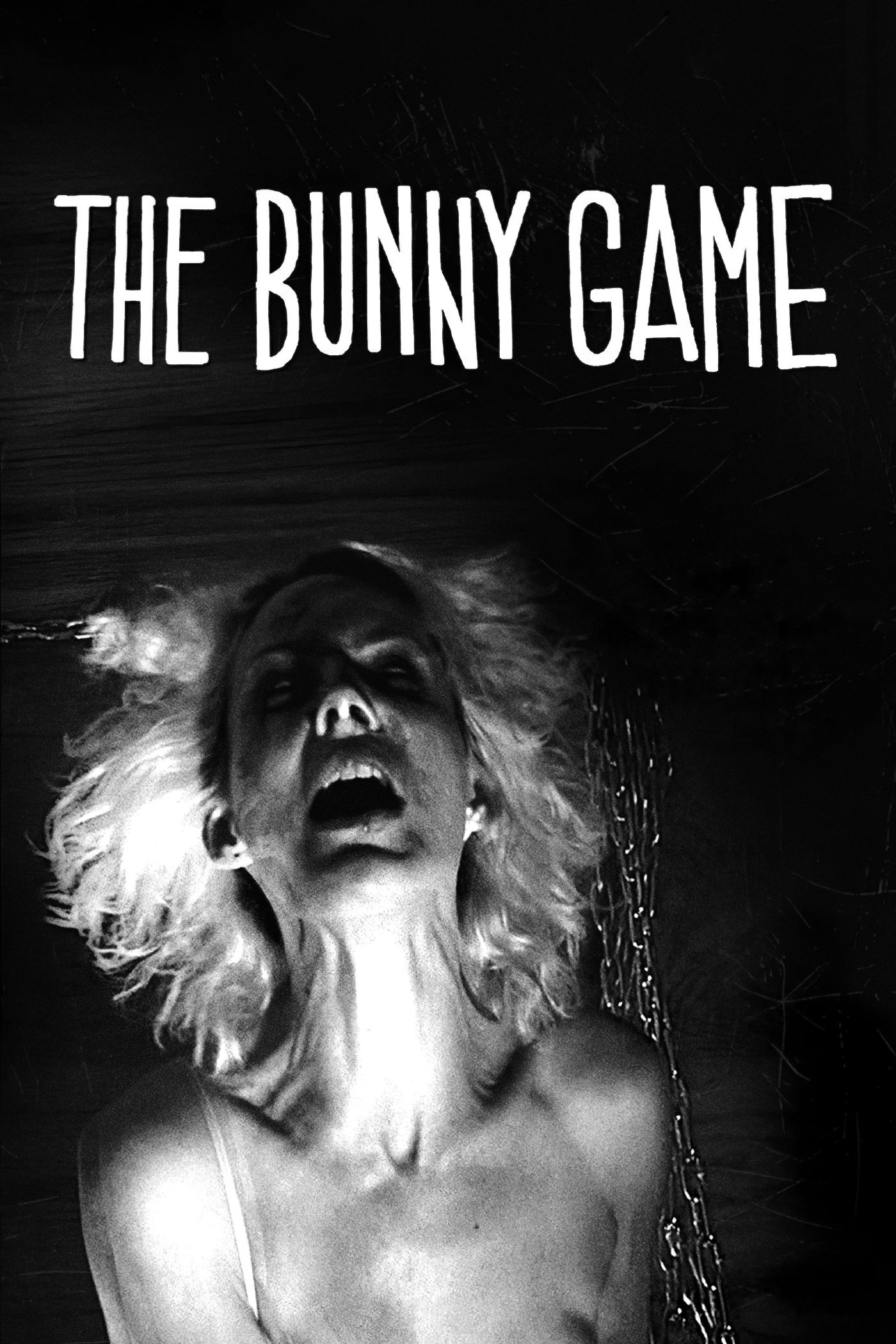
As a film buff who loves digging into obscure stuff, I recently came across this incredibly challenging independent film. It centers around a woman kidnapped and tormented by a truck driver over several days, and honestly, it’s deeply disturbing. It actually got banned in the UK – the censors felt it lacked any real artistic value and just focused too much on the sexualization of violence and the character’s humiliation. What’s even more unsettling is that the actress not only starred in it, but co-wrote the script, drawing on some of her own personal experiences. It’s a really controversial piece, and remains pretty unknown even within underground cinema circles.
‘Blue Is the Warmest Color’ (2013)
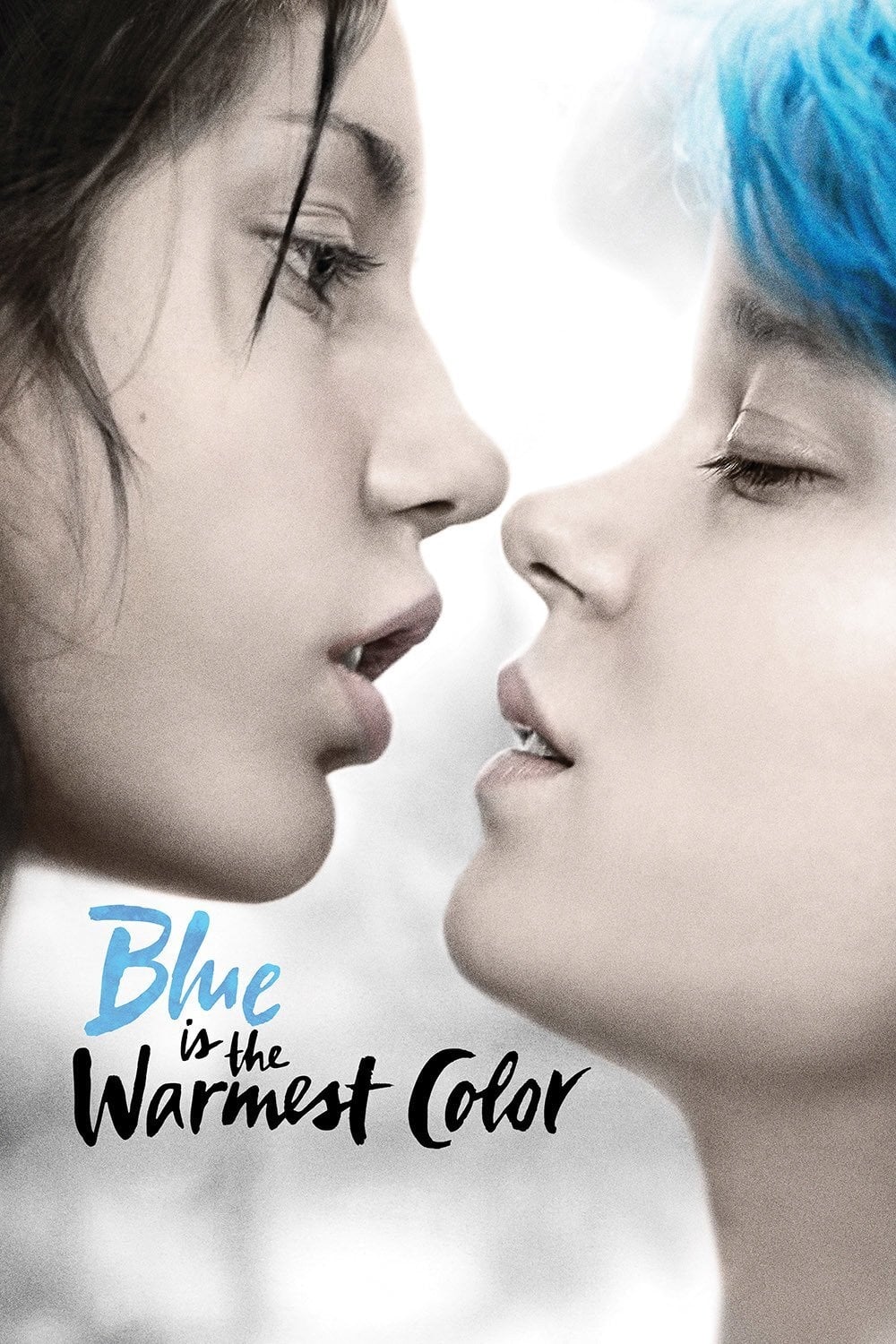
This French film tells the story of a developing relationship between two young women over several years. While it won the top prize at the Cannes Film Festival, it also sparked controversy due to its lengthy and graphic intimate scenes. This led to debates among critics and government officials about whether the film was appropriate for wide release, and it almost faced restrictions or bans in some countries because of laws concerning adult content. The film is also known for the public disagreement between the director and the two lead actresses about the way it was made.
‘The Interview’ (2014)
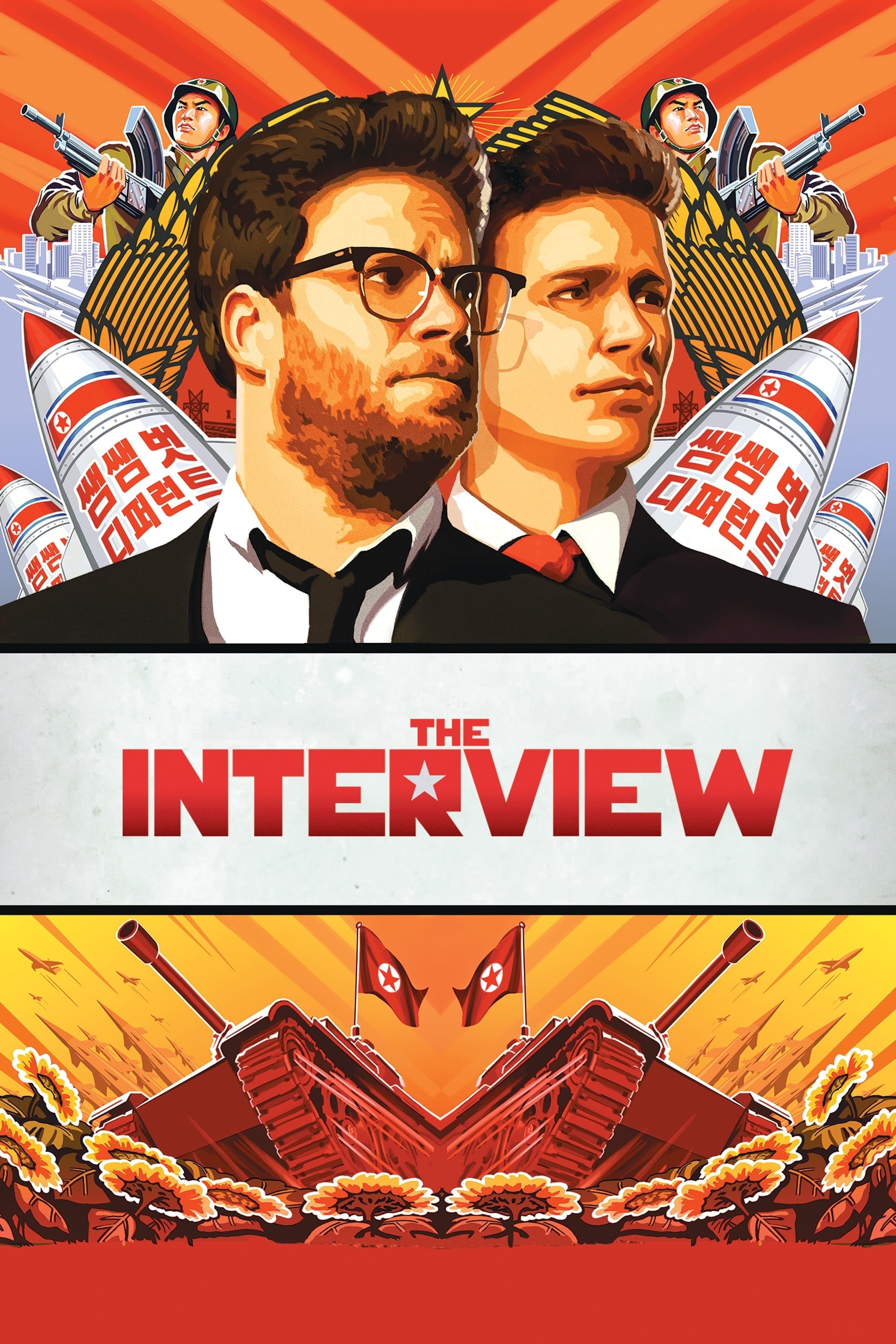
The comedy film starring Seth Rogen and James Franco centers around a plot to assassinate North Korea’s leader. The movie caused a major international problem when North Korea threatened the US if it came out. This was followed by a large-scale cyberattack on Sony Pictures, leading to the film’s initial cancellation. Most major movie theaters wouldn’t show it because they were worried about potential threats. Ultimately, it was released through smaller, independent theaters and online as a way to defend freedom of speech.
‘Love’ (2015)
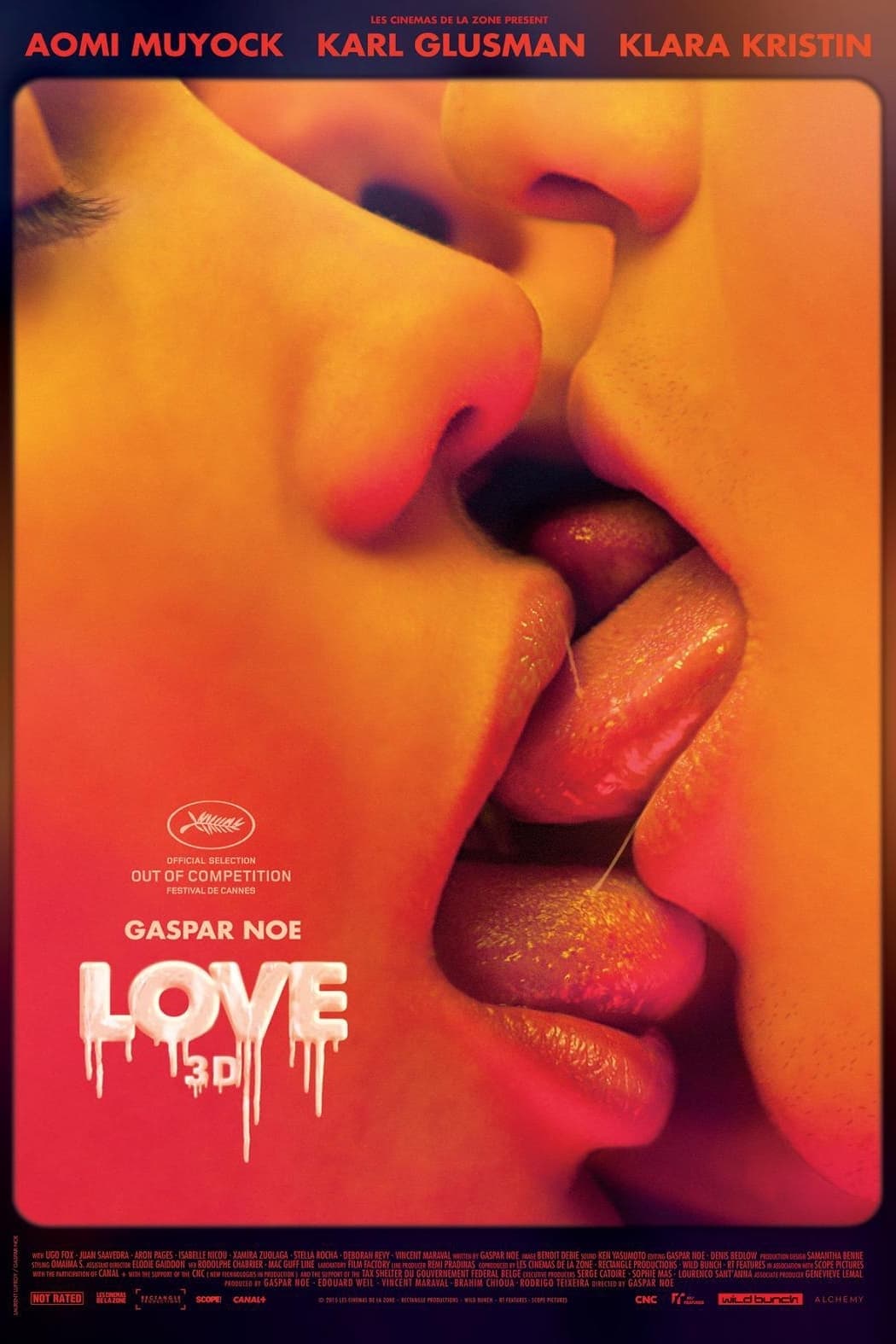
Gaspar Noe’s 3D romantic drama is known for its explicit, realistic depictions of sex and intense focus on physical connection. The film sparked controversy, leading to a ban in Russia and difficulties obtaining ratings elsewhere. While premiering at the Cannes Film Festival, it divided audiences with its graphic portrayal of a love story. Noe defended the film as a raw and honest look at human desire, unlike typical movies. It continues to be a significant example of how far filmmakers are willing to go with boundaries in modern cinema.
Please share your favorite controversial movie experiences and opinions in the comments.
Read More
- Gold Rate Forecast
- 22 Films Where the White Protagonist Is Canonically the Sidekick to a Black Lead
- Games That Faced Bans in Countries Over Political Themes
- Silver Rate Forecast
- Brent Oil Forecast
- Unveiling the Schwab U.S. Dividend Equity ETF: A Portent of Financial Growth
- How to Do Sculptor Without a Future in KCD2 – Get 3 Sculptor’s Things
- Celebs Who Narrowly Escaped The 9/11 Attacks
- Superman Flops Financially: $350M Budget, Still No Profit (Scoop Confirmed)
- 14 Movies Where the Black Character Refuses to Save the White Protagonist
2026-02-09 20:53