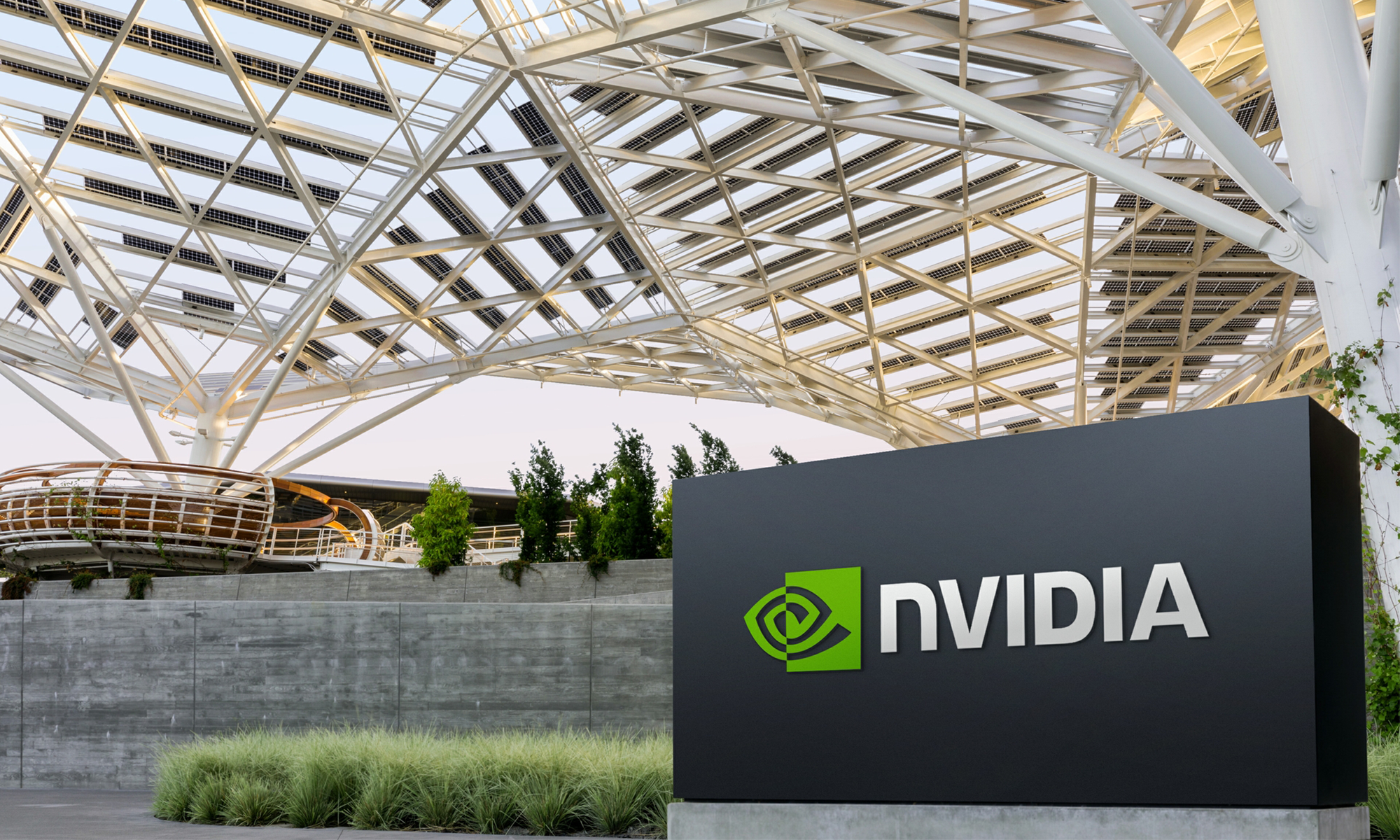
Shares of Nvidia (NVDA +8.01%) have appreciated substantially over the past twelve months. While current demand drivers are well-documented, assessing the sustainability of this trajectory requires a more granular analysis than simply extrapolating recent performance.
Capital Expenditure and AI Infrastructure
Alphabet’s projected capital expenditure of at least $175 billion this year underscores the scale of investment required to support the proliferation of artificial intelligence. This is, of course, not merely a demand signal for semiconductors; it reflects a fundamental shift in infrastructure requirements. The question is not whether demand exists, but rather the capacity of the supply chain to meet it, and the resultant impact on pricing dynamics.
Beyond Hyperscalers: Diversification of Revenue Streams
Nvidia’s reliance on demand from hyperscale AI providers, while currently advantageous, presents inherent risks. A prudent strategy necessitates diversification. The company appears to be addressing this through expansion into adjacent markets, notably life sciences.
Life Sciences: A Potential Growth Vector
The anticipated shortage of healthcare professionals by 2030, as highlighted by the World Health Organization, creates a compelling opportunity for automation and AI-driven solutions. Nvidia’s partnership with Thermo Fisher Scientific, centered around the DGX Spark supercomputer, positions the company to capitalize on this trend. The $300 billion annual R&D spend within the life sciences industry represents a significant addressable market, though monetization will depend on demonstrable improvements in research efficiency and output.
Competitive Landscape: Systems Integration as a Differentiator
The emergence of custom chip designers, such as Broadcom, introduces a competitive element. However, Nvidia’s strategic shift towards providing complete systems and solutions – rather than simply components – represents a potentially effective differentiator. This approach allows Nvidia to capture a larger share of the value chain and establish deeper relationships with enterprise clients. The ability to solve complex problems for customers, rather than merely supplying hardware, is a critical advantage.
Valuation and Near-Term Catalysts
Currently trading at 24 times consensus earnings, Nvidia’s valuation appears reasonable, particularly given Wall Street’s expectation of 57% earnings growth this year. The recent market correction may present a favorable entry point for investors. However, it remains crucial to monitor key metrics – including gross margins, operating expenses, and capital allocation – to assess the sustainability of this growth trajectory.
The company’s ability to navigate the evolving competitive landscape, effectively diversify revenue streams, and maintain disciplined financial management will ultimately determine its long-term success.
Read More
- Games That Faced Bans in Countries Over Political Themes
- Gold Rate Forecast
- Silver Rate Forecast
- Unveiling the Schwab U.S. Dividend Equity ETF: A Portent of Financial Growth
- 22 Films Where the White Protagonist Is Canonically the Sidekick to a Black Lead
- Superman Flops Financially: $350M Budget, Still No Profit (Scoop Confirmed)
- 20 Movies Where the Black Villain Was Secretly the Most Popular Character
- Celebs Who Narrowly Escaped The 9/11 Attacks
- 14 Movies Where the Black Character Refuses to Save the White Protagonist
- The Best Directors of 2025
2026-02-09 15:23