Walt Disney, or DIS as the stock tickers insist on calling it, recently reported earnings, and the market, in its infinite wisdom, briefly frowned. Now, markets frown a lot. It’s practically their default expression. But this frown, I suspect, was a bit of an overreaction. It’s always amusing to observe how readily investors will abandon perfectly good companies over what amounts to a slightly lukewarm cup of tea.
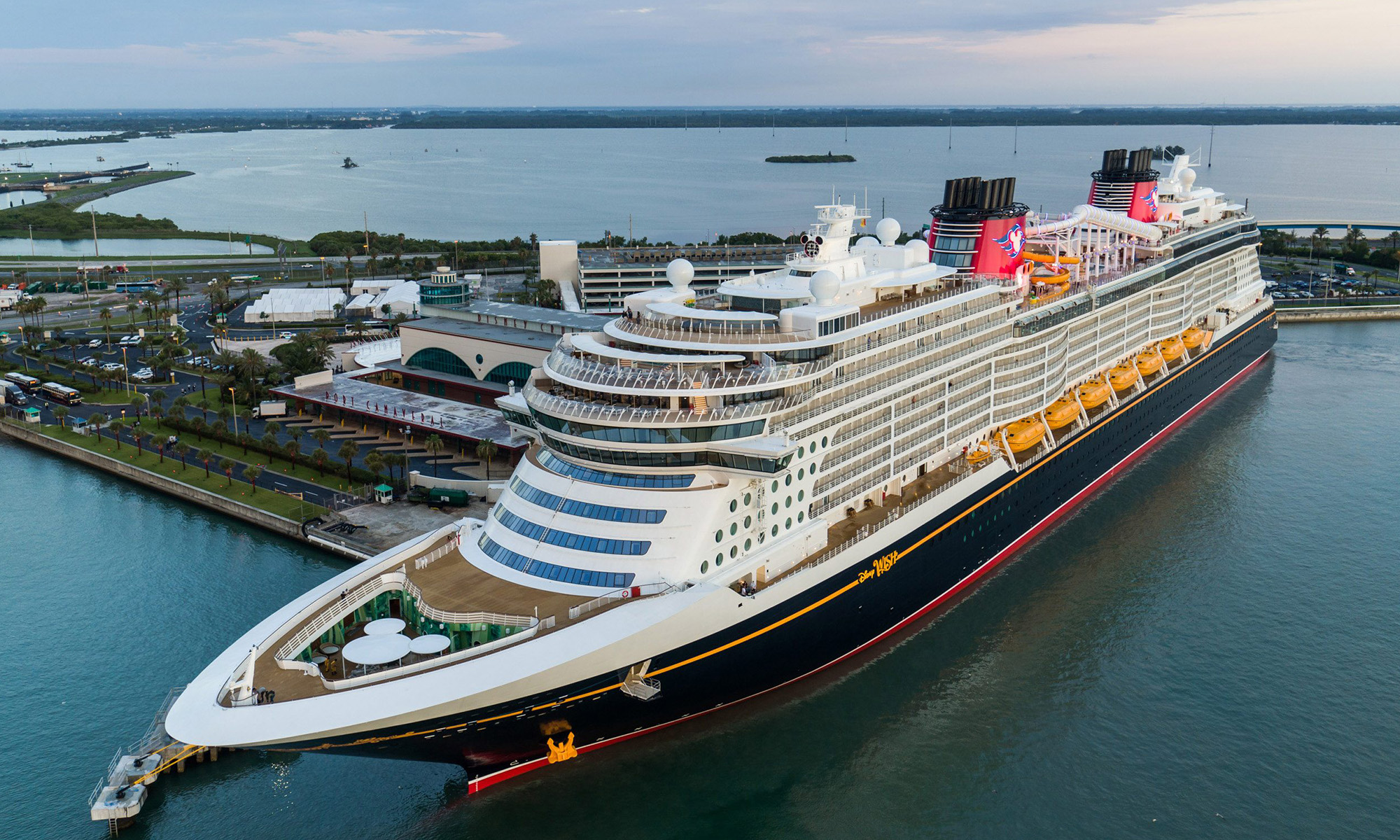
The concerns, as near as I can tell, revolve around the streaming business not quite exploding upwards at the rate some had hoped. It’s growing, mind you, but not at the hockey-stick trajectory that seems to be the expectation for everything these days. And the traditional television business, well, that’s facing the same headwinds as everyone else in that realm – namely, people are finding other things to do with their evenings. Frankly, I’m rather pleased; more time for reading. But the parks and cruise lines, bless their cheerfully expensive hearts, are still doing rather splendidly. It’s a curious thing, human beings and their willingness to queue for hours for a slightly elevated view of a cartoon mouse.
There’s also the matter of the new CEO, Josh D’Amaro, stepping into the rather large shoes of Bob Iger. Change always unnerves people. It’s a deeply ingrained instinct, going back to our cave-dwelling ancestors and their suspicion of anything new and rustling in the bushes. But sometimes, a fresh pair of eyes is precisely what a company needs. And, crucially, the stock is currently trading at a valuation that, shall we say, isn’t exactly demanding a king’s ransom. A price-to-earnings ratio of 15.7? In this market? It’s practically giving money away.
A Rather Substantial Buyback Plan
Now, here’s where it gets interesting. Disney is planning to buy back a staggering $7 billion worth of its own stock. That’s not just a little trim around the edges; that’s a serious commitment. It’s more than double what they did last year, and second only to 2017, which, if memory serves, was a rather good year for most things. They’re funding this, impressively, with free cash flow – the actual, tangible money the company generates from its operations. They anticipate around $19 billion coming in, with $9 billion going towards investments, leaving a healthy $10 billion to play with. It’s a bit like finding an extra tenner in your coat pocket – always a pleasant surprise.
Returning Capital to Shareholders (A Sensible Idea)
The decision to repurchase stock rather than increase the dividend is, I suspect, a sign of confidence. It suggests management believes the stock is undervalued, and that buying it back is a better use of funds than simply handing out more dividends. It’s a bit like deciding to invest in a good pair of boots rather than buying a lot of cheap socks. The boots will last longer and, ultimately, be more rewarding. Apple, a company not unfamiliar with sensible financial decisions, has been doing this for years, shrinking its share count and, unsurprisingly, seeing its stock price soar. A rather compelling case study, wouldn’t you agree?
With roughly 1.772 billion shares outstanding, a $7 billion buyback could reduce that number by around 67.5 million, or about 3.8%. That’s a significant dent. Of course, they’ll be buying throughout the year at varying prices, but the effect will be noticeable. Apple, for context, spent a rather eye-watering $90.71 billion on buybacks last year. Disney’s plan is, admittedly, a bit more modest, but still substantial.
The best part? These buybacks aren’t hindering Disney’s long-term growth. They’re still investing heavily in their cruise fleet, renovating their parks, and creating content for their streaming services and television networks. It’s a bit like a well-managed household – you can afford to treat yourself occasionally without sacrificing your long-term financial security.
A Peculiarly Good Bargain
Disney isn’t exactly growing at warp speed, but it consistently generates a lot of cash, and it’s using that cash wisely. The streaming business is now profitable, and margins are improving. And, crucially, the stock is cheap. With a dirt-cheap valuation and expectations of double-digit earnings growth, Disney stands out as one of the more attractive value stocks around. It’s not going to set the world on fire, perhaps, but it’s a solid, well-managed company trading at a reasonable price. And in this market, that’s a rather rare and precious thing.
Read More
- Gold Rate Forecast
- Games That Faced Bans in Countries Over Political Themes
- Silver Rate Forecast
- 22 Films Where the White Protagonist Is Canonically the Sidekick to a Black Lead
- Unveiling the Schwab U.S. Dividend Equity ETF: A Portent of Financial Growth
- How to Do Sculptor Without a Future in KCD2 – Get 3 Sculptor’s Things
- Celebs Who Narrowly Escaped The 9/11 Attacks
- 14 Movies Where the Black Character Refuses to Save the White Protagonist
- 20 Movies Where the Black Villain Was Secretly the Most Popular Character
- The Best Directors of 2025
2026-02-08 19:24