Disney is famous for turning traditional stories and folktales into beloved animated movies. However, while these films are usually cheerful and filled with music, the original stories are often much darker and more violent. These older tales were typically meant to be serious warnings or to show the difficult realities of the past, not to simply entertain. Looking at the origins of these Disney classics highlights a striking difference between the bright, modern versions and their often unsettling beginnings.
‘Snow White and the Seven Dwarfs’ (1937)
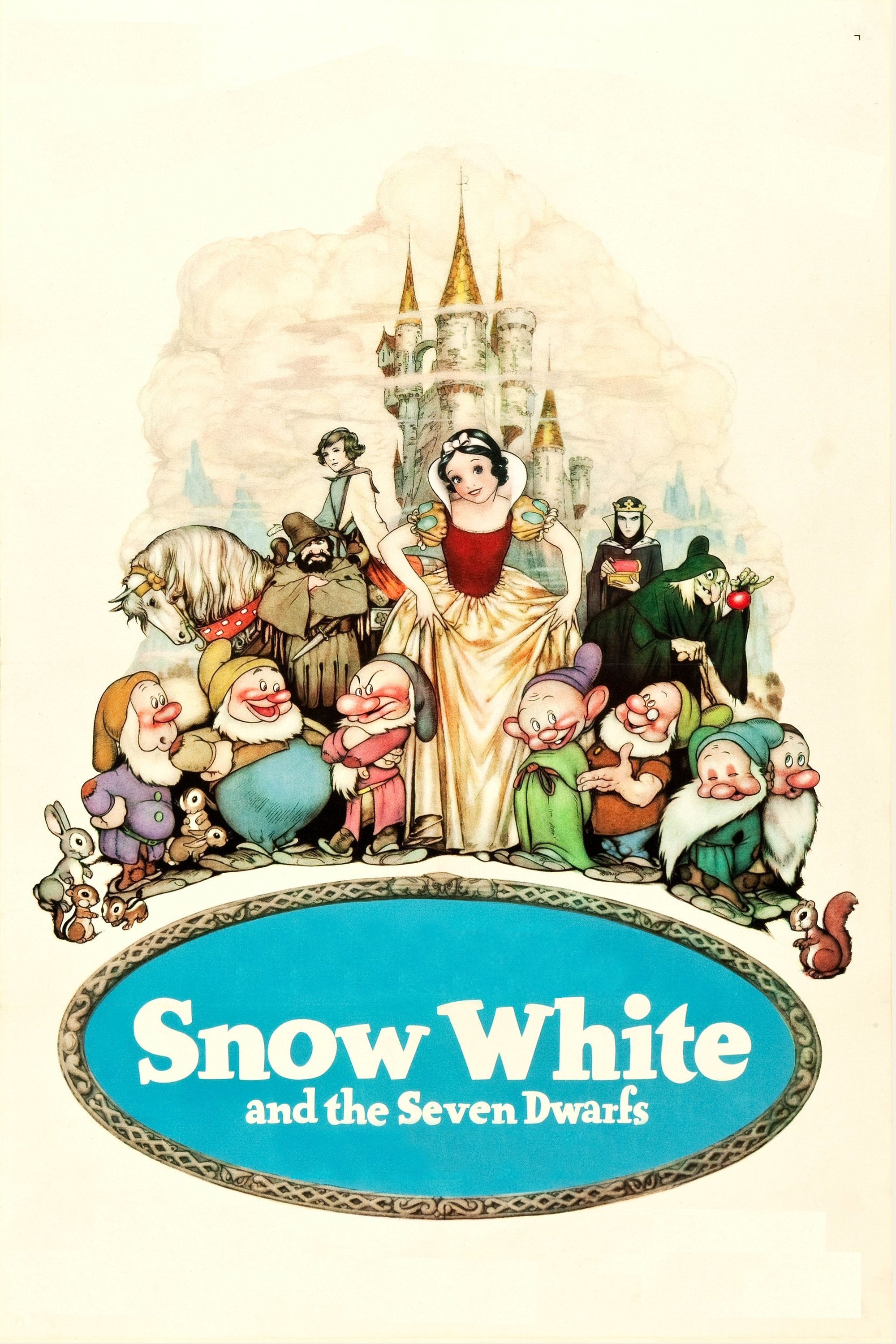
The classic fairy tale collected by the Brothers Grimm contains a very dark scene where the evil queen asks for the young princess’s internal organs to prove she’s dead. In the original story, the queen receives a horrifying punishment: she’s made to dance in burning-hot iron shoes until she dies at the hero and heroine’s wedding. The animated movie version toned this down, replacing it with the queen simply falling off a cliff to make it appropriate for children. Additionally, the original tale shows the queen trying to kill the princess three times – first with a lace, then a poisoned comb, and finally with the poisoned apple.
‘Pinocchio’ (1940)
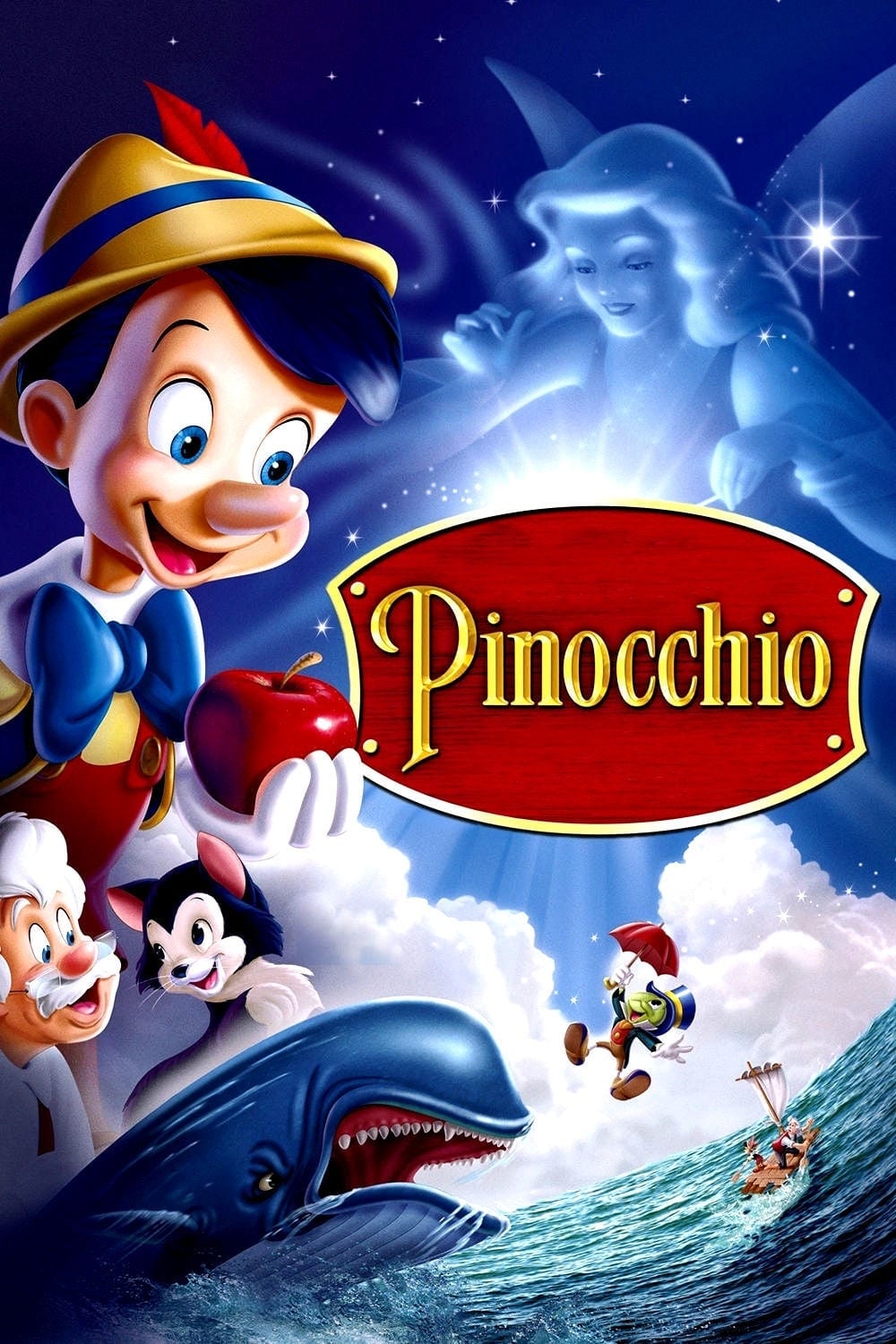
Carlo Collodi’s original story features a Pinocchio who is far more mischievous and unkind than the one most people know from the Disney movie. In the book, Pinocchio actually kills the Talking Cricket and is even briefly hanged by his foes before being saved by the Fairy with Turquoise Hair. Disney reimagined this rather grim and pessimistic tale, turning it into a heartwarming story about the joys of childhood and learning to be truthful.
‘Dumbo’ (1941)
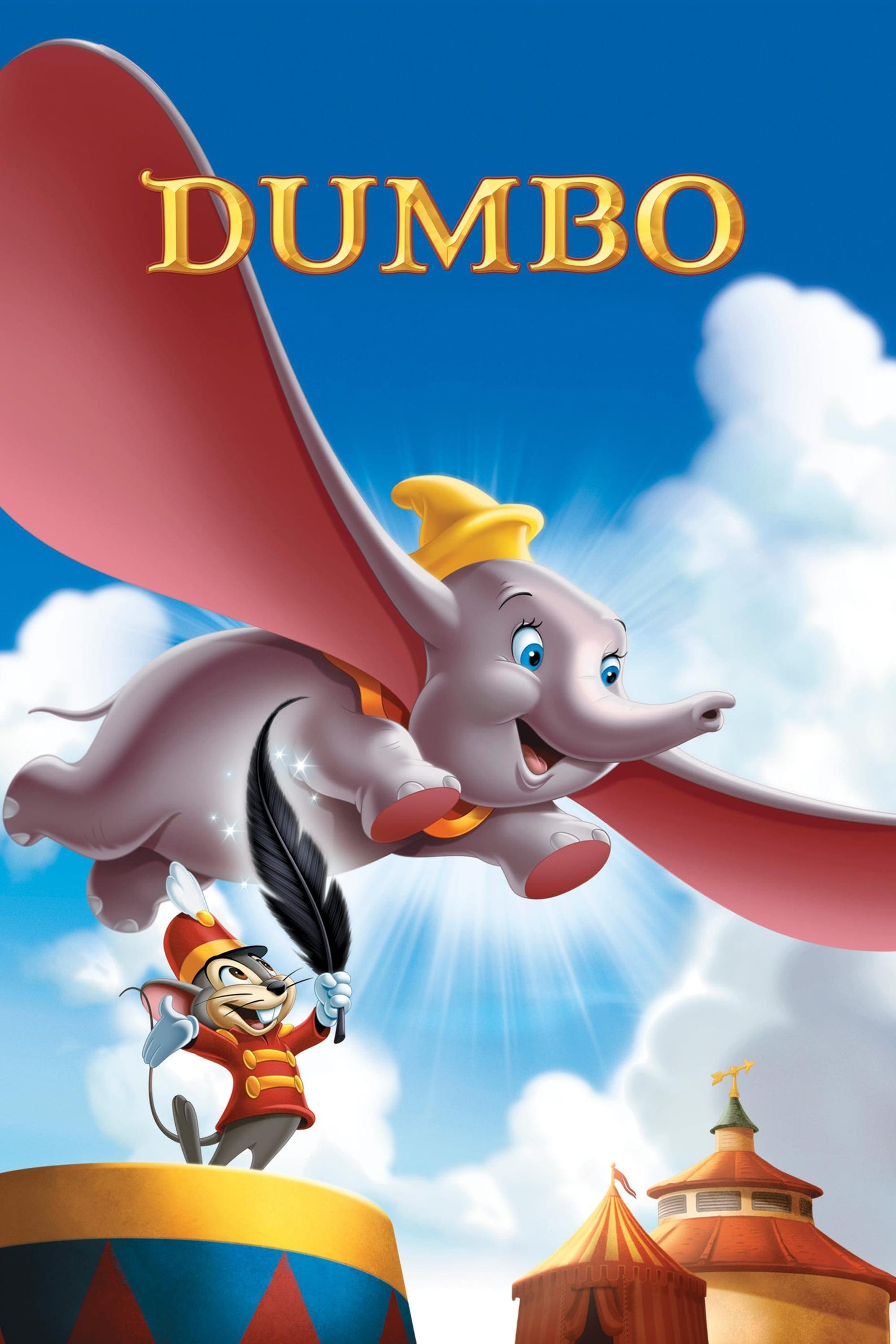
Helen Aberson’s story is a poignant tale of loneliness and the emotional pain experienced by its central character. Although the movie adaptation offers a cheerful conclusion, the original story highlighted the harsh realities of the circus world and how it treated anyone considered unusual. The story focuses on a mother unjustly imprisoned for protecting her child and a young elephant compelled to perform risky tricks for public entertainment. It’s a powerful critique of animal exploitation and the indifference often found in the pursuit of amusement.
‘Bambi’ (1942)
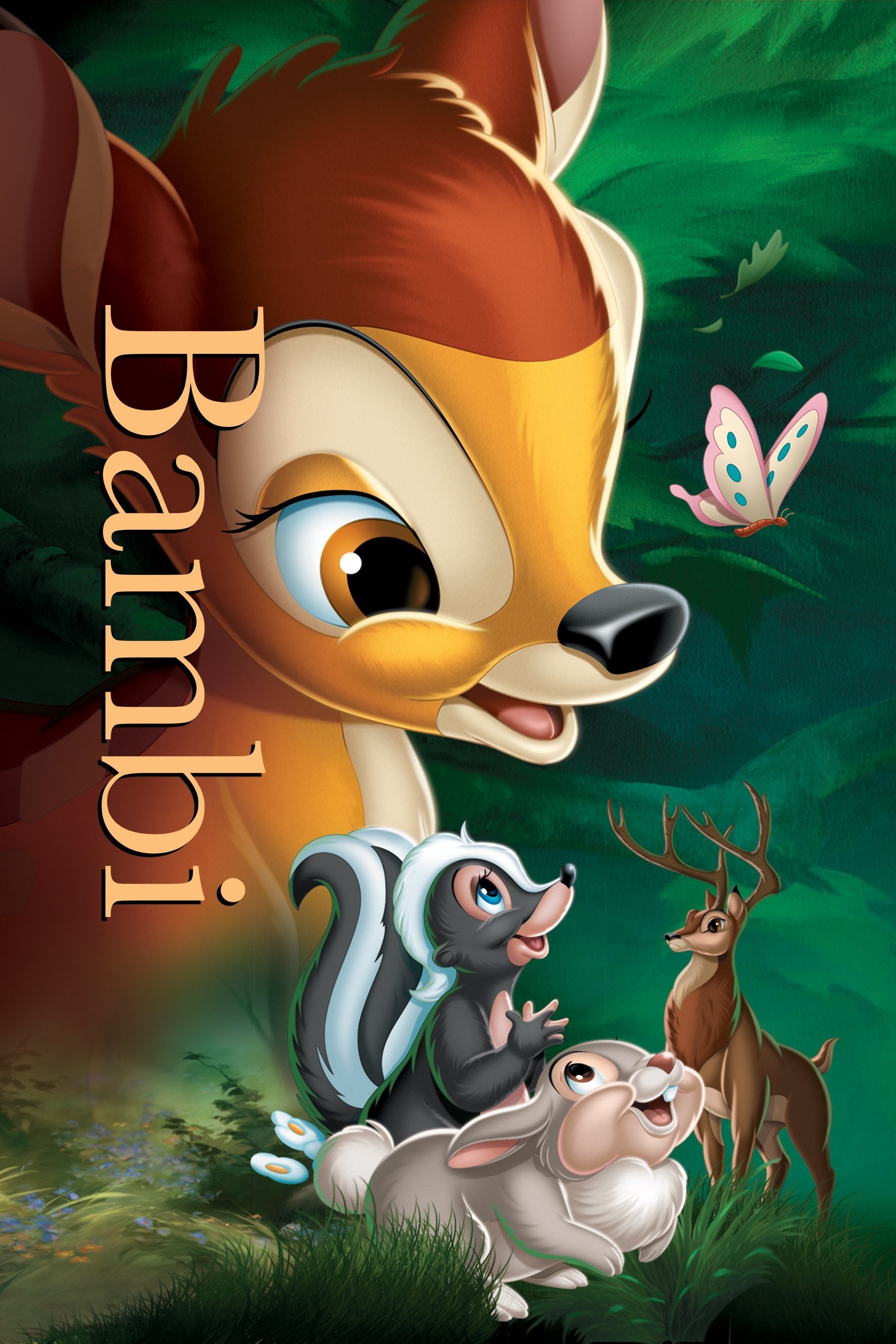
Felix Salten’s original novel was a gritty story for adults, focusing on the struggles for survival in a dangerous wilderness. It created a feeling of constant fear, with animals always aware of being hunted by a powerful, mysterious force referred to as ‘He.’ The book contained many brutal scenes of death and showed the harsh realities of nature, elements that were left out of the Disney animated film. While Disney kept the emotional impact of the mother’s death as a key part of the story, they generally made the overall tone more gentle.
‘Cinderella’ (1950)
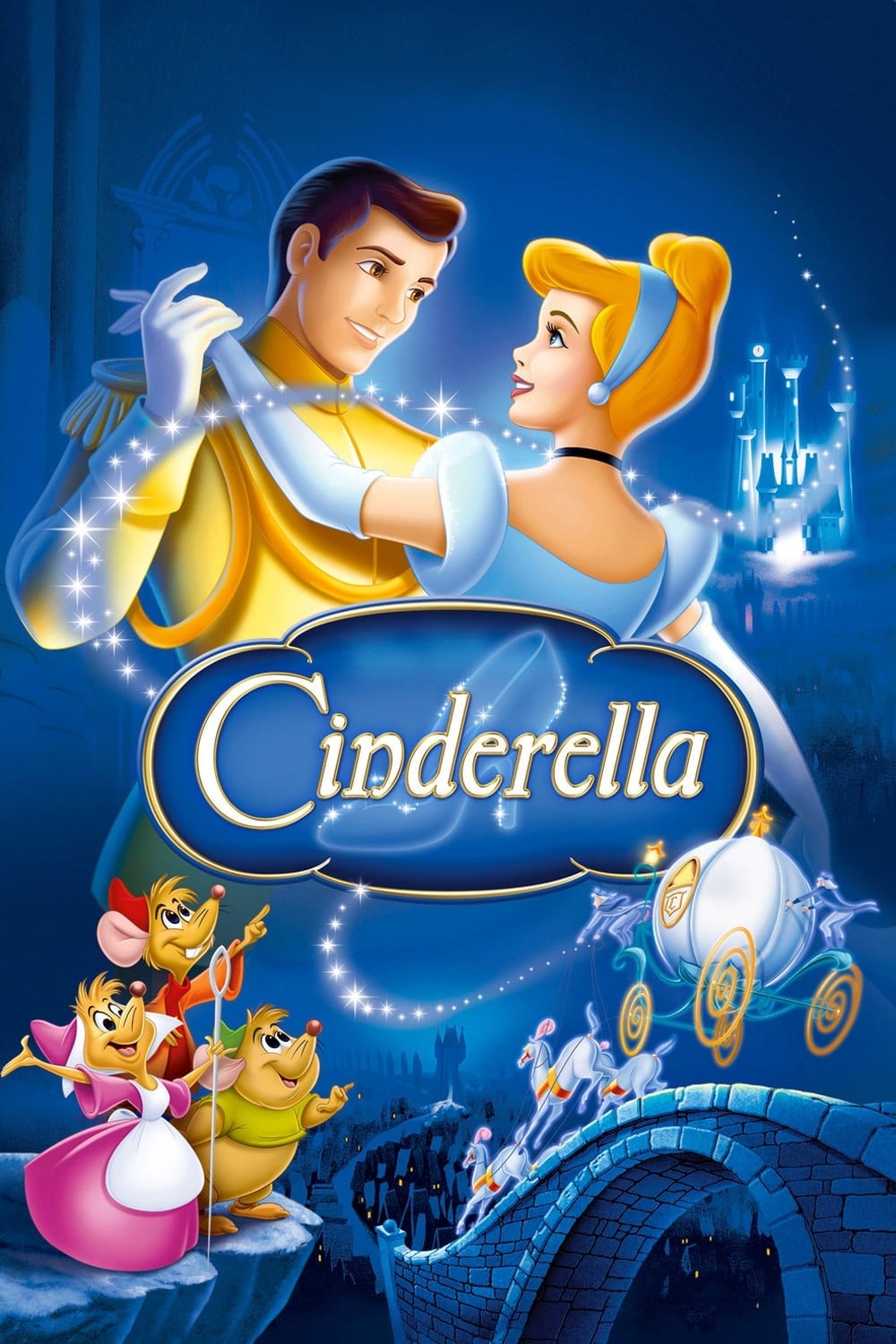
As a movie lover, I always find it fascinating to learn about the origins of classic stories. The original Grimm brothers’ version of Cinderella is way darker than the Disney film I grew up with! Apparently, the stepsisters were so desperate to marry the prince that they actually cut off parts of their feet – toes and heels! – to try and force their feet into the golden slipper. And the punishment? Birds pecked out their eyes at the wedding. Yikes! The animated movie, understandably, skipped all that gruesome stuff and focused on a much sweeter story about being kind and never giving up, which is perfect for families.
‘Alice in Wonderland’ (1951)
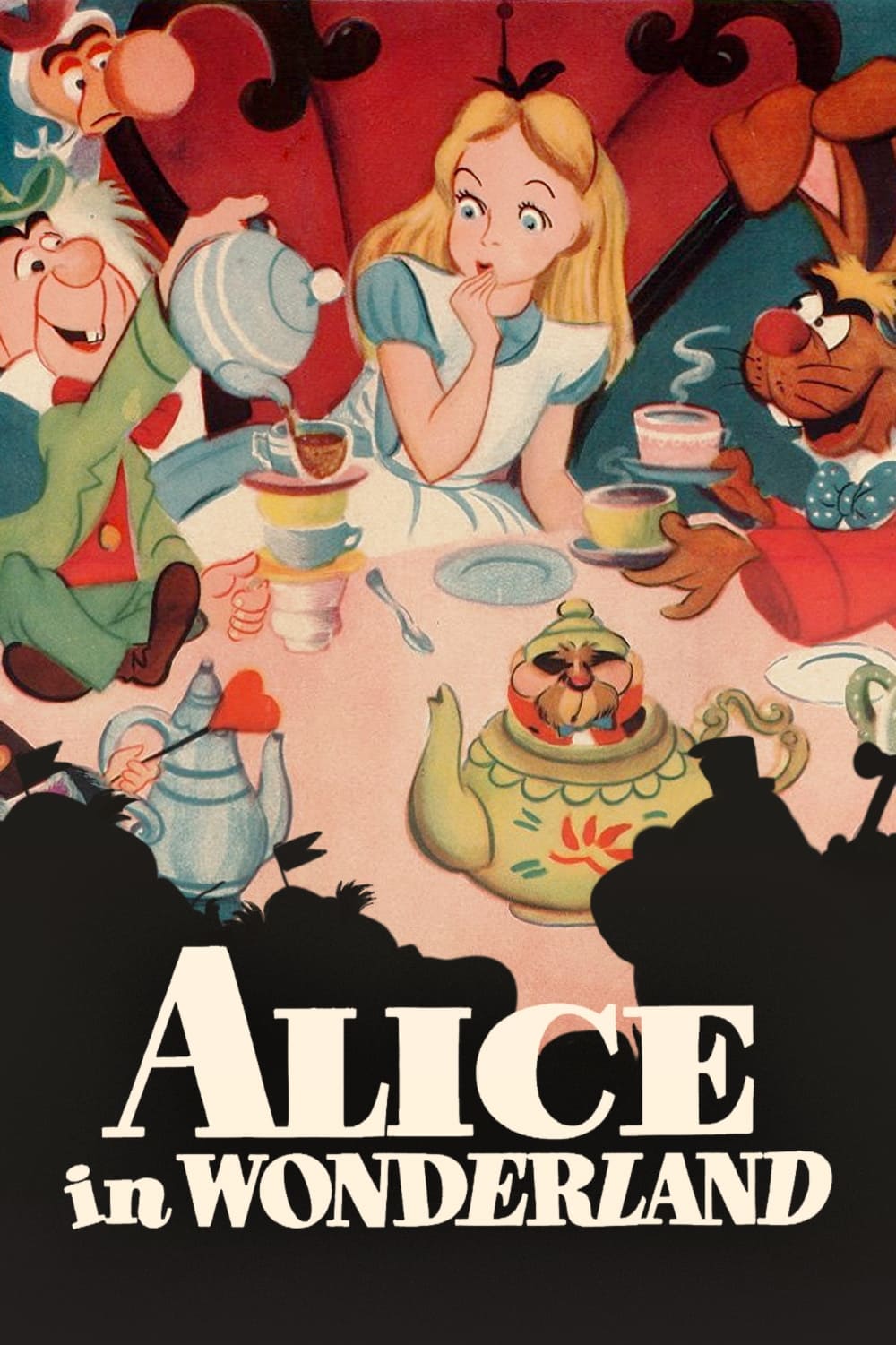
Lewis Carroll’s original stories are known for their clever social commentary and a sense of unease, often feeling disturbing. The characters can be unpleasant or even frightening, and the main character often struggles with a real fear of losing who she is. Many believe the strange world in the stories represents the scary experience of growing up and losing your sense of reason. Though the movie is lighthearted and colorful, the original stories are much more thought-provoking and unsettling.
‘Peter Pan’ (1953)
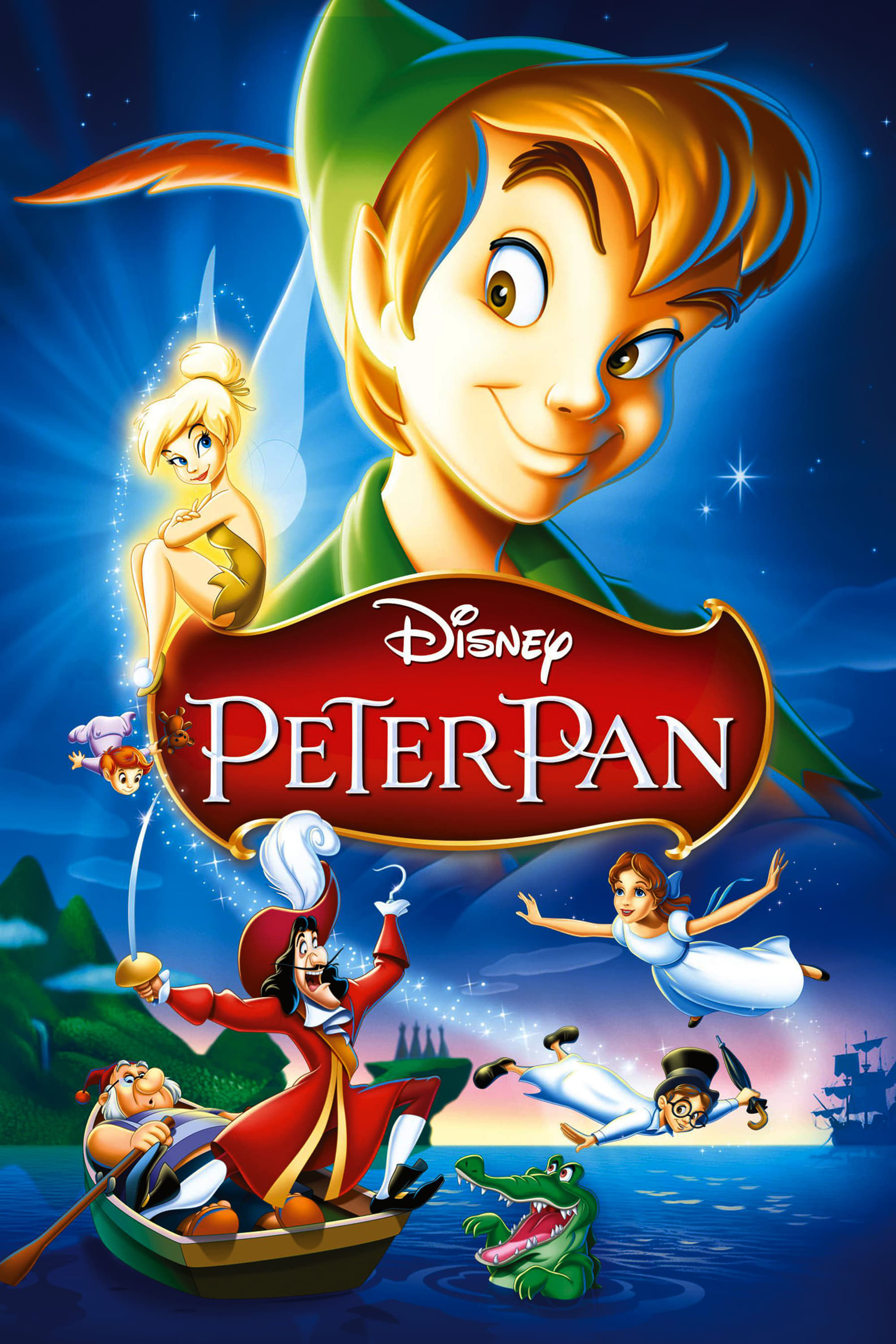
J.M. Barrie’s original Peter Pan wasn’t the friendly character we often see today. He was portrayed as aloof and even dangerous, and the story suggests he eliminates the Lost Boys as they get older. Peter has little to no memory of his own past and frequently forgets those he’s close to, including his friends. This lack of feeling, combined with his repetitive life, makes the original character much more unsettling than the cheerful depiction in cartoons and movies.
‘Lady and the Tramp’ (1955)

The movie is based on a story about the difficult lives of stray dogs in the city. It shows how dangerous it is for them, constantly facing capture and the risks of living on the streets with no help. The original story really emphasized the difference between well-cared-for pets and those struggling to survive. Disney then took this story and created a more hopeful and romanticized version about finding acceptance and surviving.
‘Sleeping Beauty’ (1959)
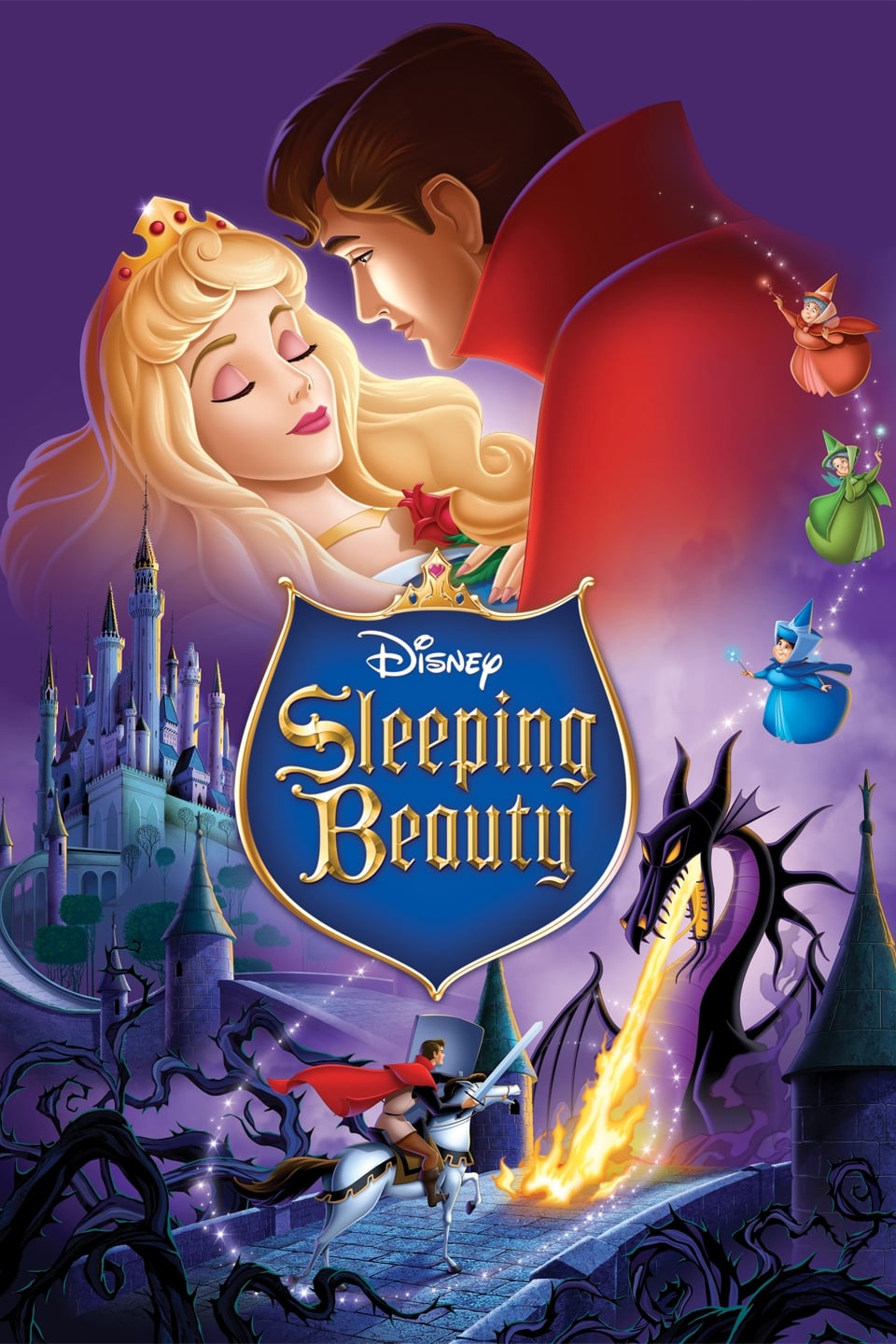
The story of Sleeping Beauty has much darker origins. In an early version written by Giambattista Basile, the princess becomes pregnant while asleep, and only awakens when one of her newborn twins accidentally removes a poisoned splinter from her finger. The king who discovers her is married, and his jealous wife attempts to murder the children and serve them to her husband. The beloved 1959 Disney film famously removed all of these disturbing details, creating the charming and romantic story we know today.
‘One Hundred and One Dalmatians’ (1961)
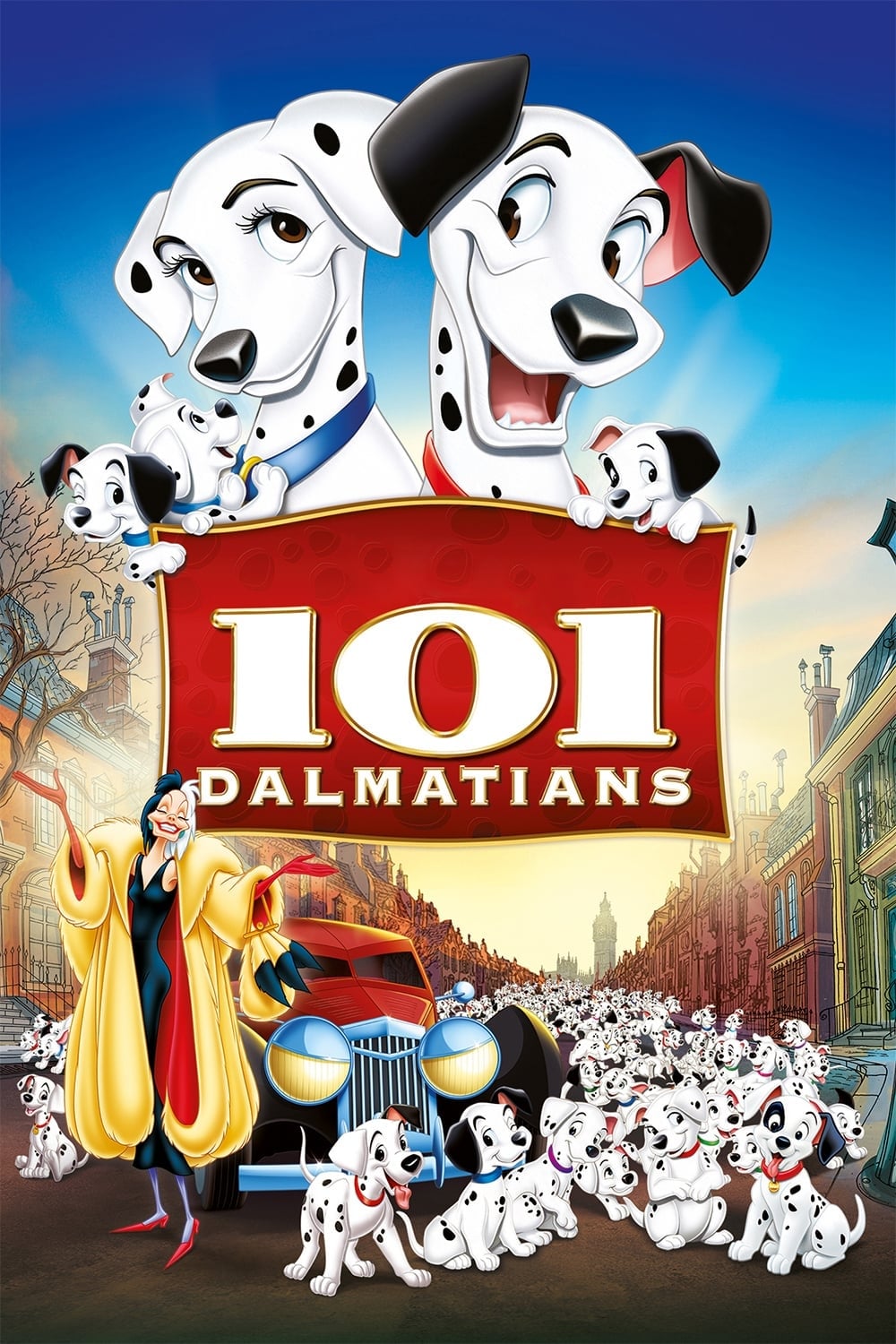
Dodie Smith’s original story featured a much scarier, almost otherworldly Cruella de Vil. Smith portrayed her as demonic-looking with a dangerous fascination with fire, making her truly frightening. This made the threat to the puppies feel more urgent, as she acted wildly and violently towards others. While the movie kept her famous image, it toned down these darker traits to better suit a lighthearted, adventurous story.
‘The Sword in the Stone’ (1963)
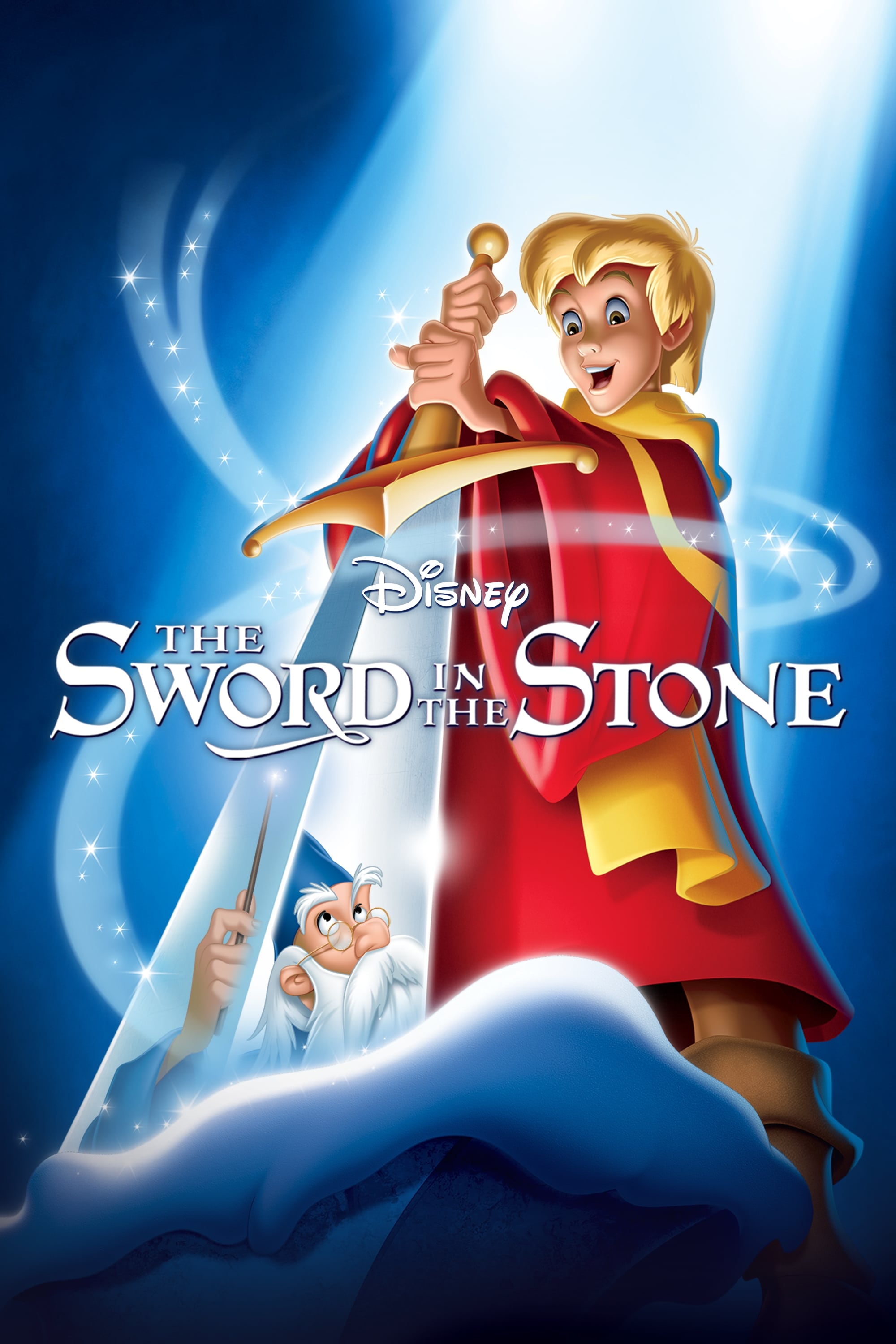
T.H. White’s original Arthurian story is a sweeping and ultimately tragic tale of a kingdom’s rise and fall. Although the beginning, which the movie draws from, is light and fun, the full story depicts a devastating war and the eventual destruction of Camelot. Arthur’s childhood training was meant to prepare him for a life filled with difficult choices and, ultimately, great loss amidst a complex political landscape. The Disney film, however, only shows the charming and magical side of his early years.
‘Mary Poppins’ (1964)
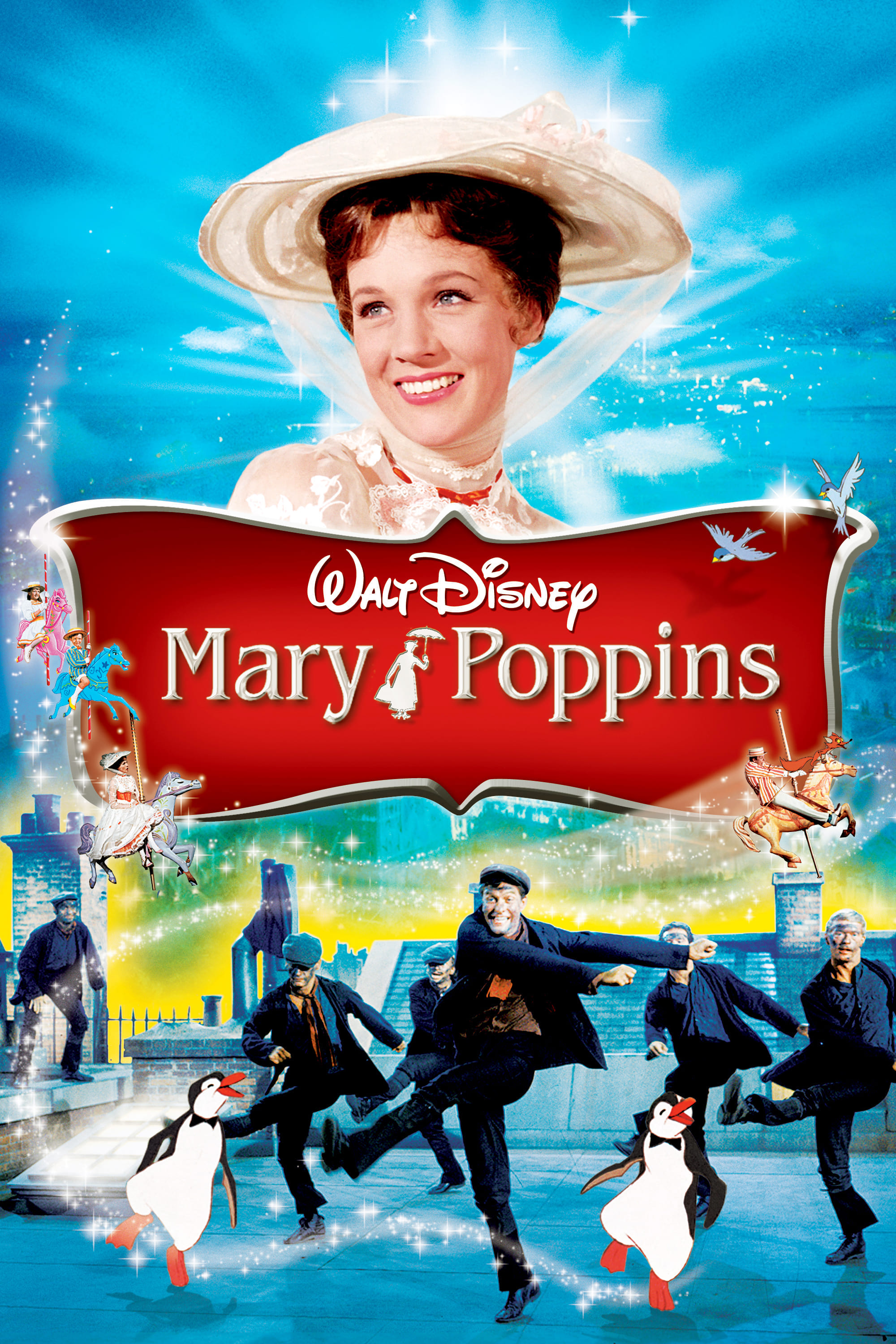
P.L. Travers’s Mary Poppins was a strict and sometimes intimidating nanny, quite different from the gentle and cheerful version played by Julie Andrews in the movie. In the original books, Mary Poppins is portrayed as proud, quick to take offense, and possessing a magical power that both fascinates and slightly frightens the children. Travers herself was famously unhappy with the film adaptation, feeling it made the character too sweet and approachable.
‘The Jungle Book’ (1967)
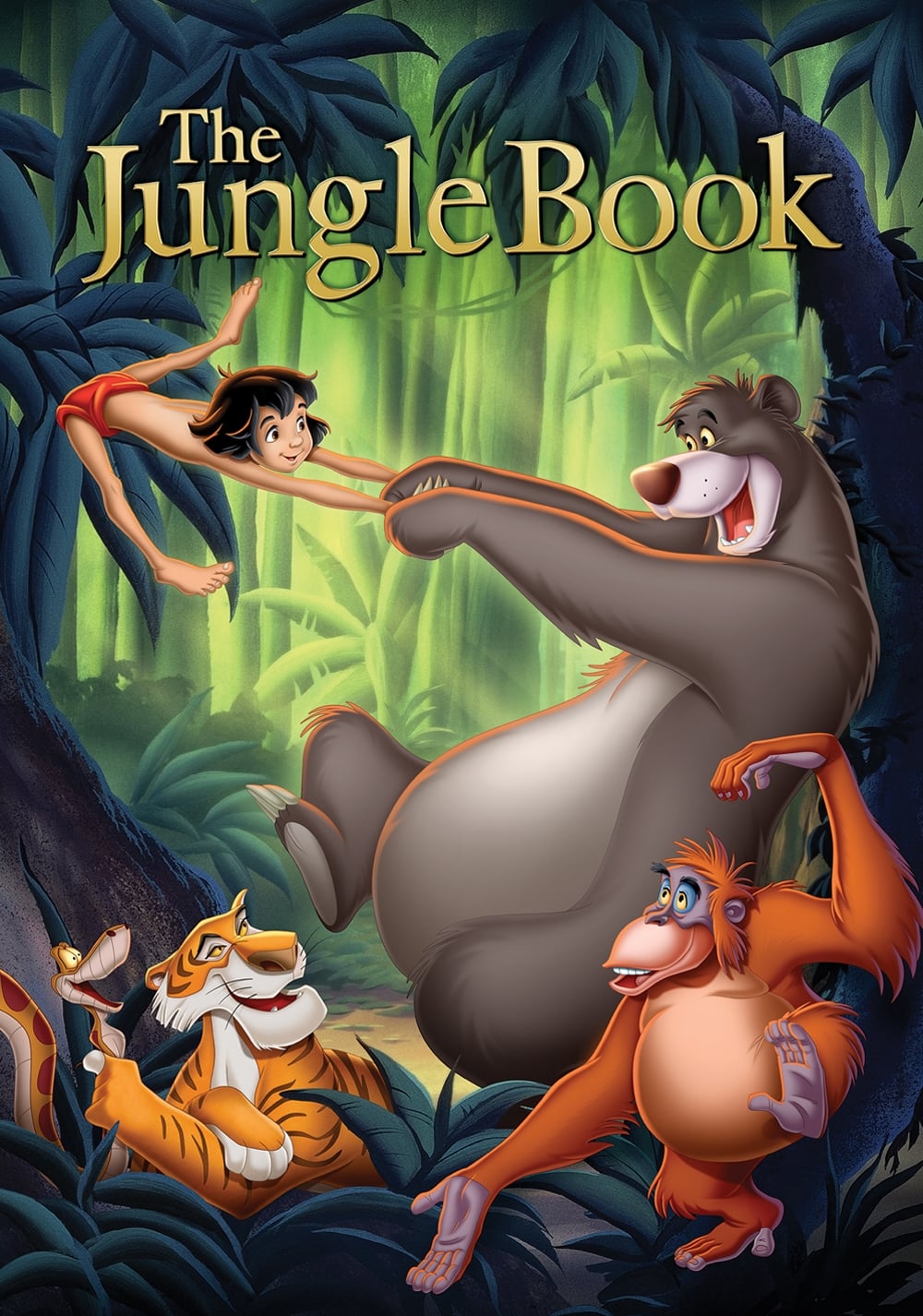
Rudyard Kipling’s Mowgli stories explore the harsh realities of jungle life, emphasizing survival and the natural violence within it. In the original tales, Mowgli ultimately leads elephants in a destructive attack on a human village that had wronged him. His connections with animals are built on respect and the need to survive, not on entertainment like singing and dancing. However, the movie adaptation softened this darker narrative, turning it into a cheerful and musical adventure.
‘The Aristocats’ (1970)
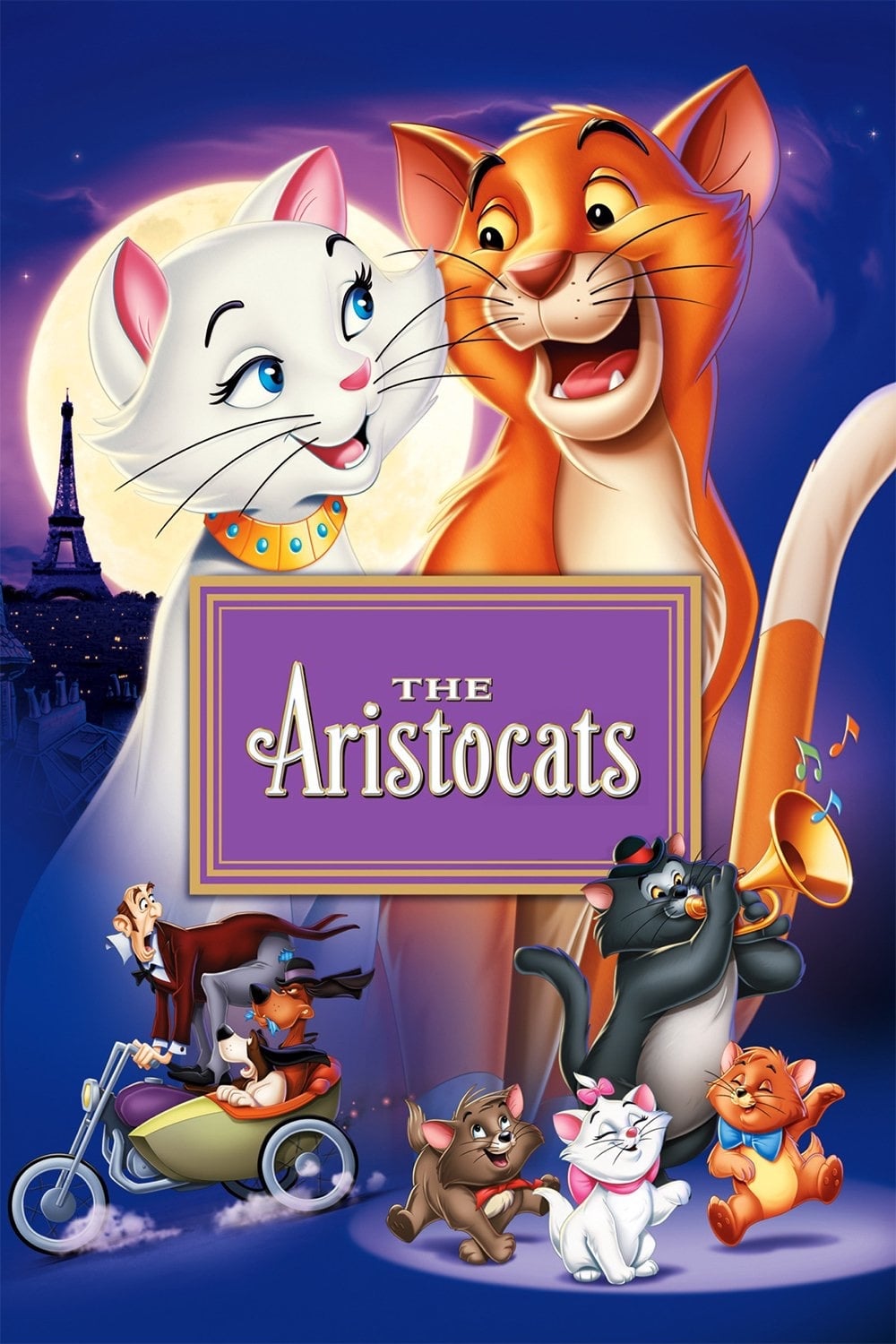
The initial concept for the story was a grim tale about the inheritance of a rich opera singer in Paris. It centered on a ruthless butler willing to commit crimes to get his hands on the fortune. Originally, the situation with the cats was meant to be much more dangerous and serious, with little humor. However, Disney reimagined it as a lively, musical adventure celebrating both music and the spirit of Paris.
‘Robin Hood’ (1973)
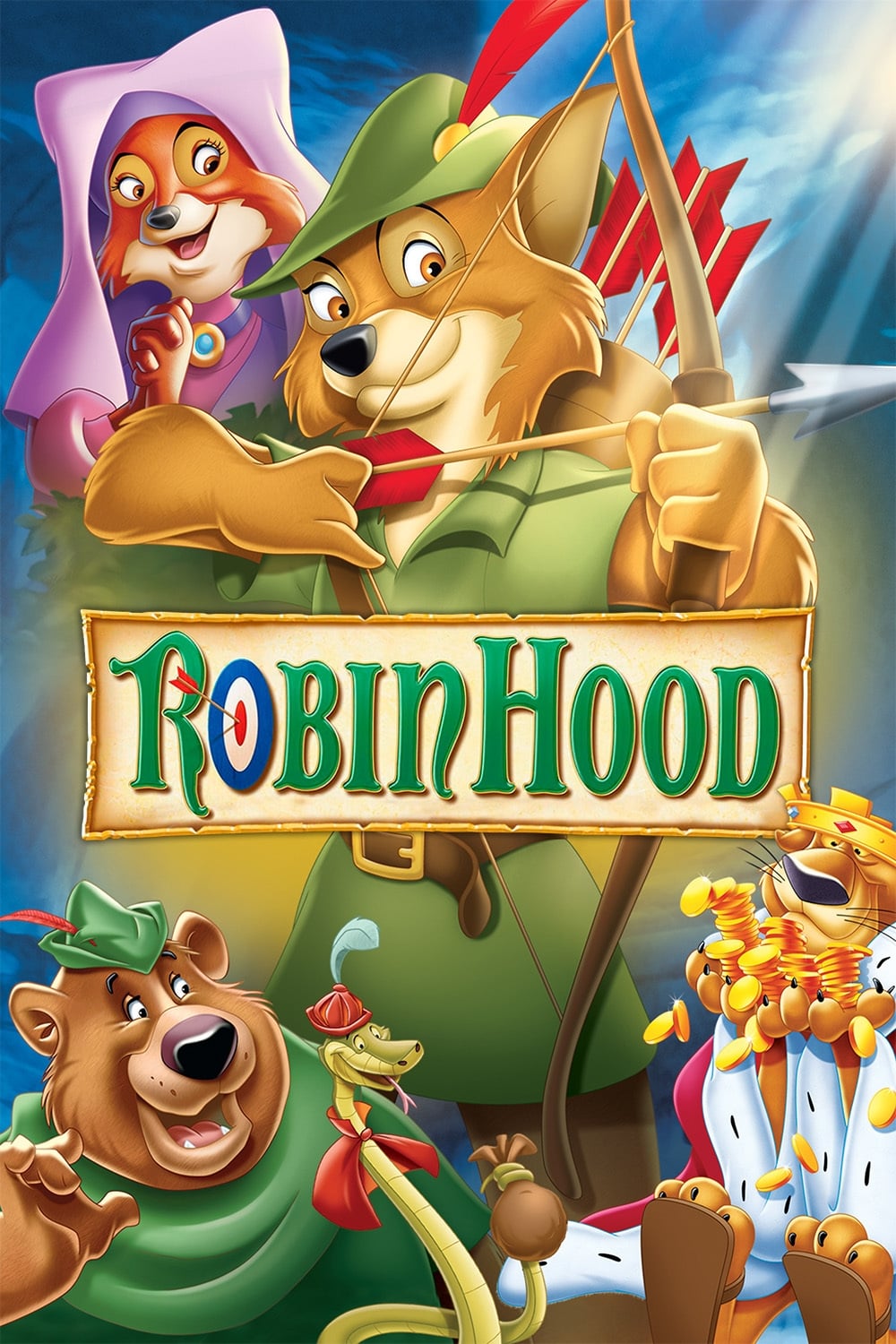
Early stories about Robin Hood, as told in traditional English ballads, paint a much harsher picture of the outlaw. He’s often shown as a fierce fighter who kills government officials and clashes violently with those in power. Tales of his death usually involve a family member betraying him, pretending to offer medical help while secretly causing his death. In contrast, the animated film reimagines him as a heroic and likable fox living in a colorful and lively world.
‘The Many Adventures of Winnie the Pooh’ (1977)
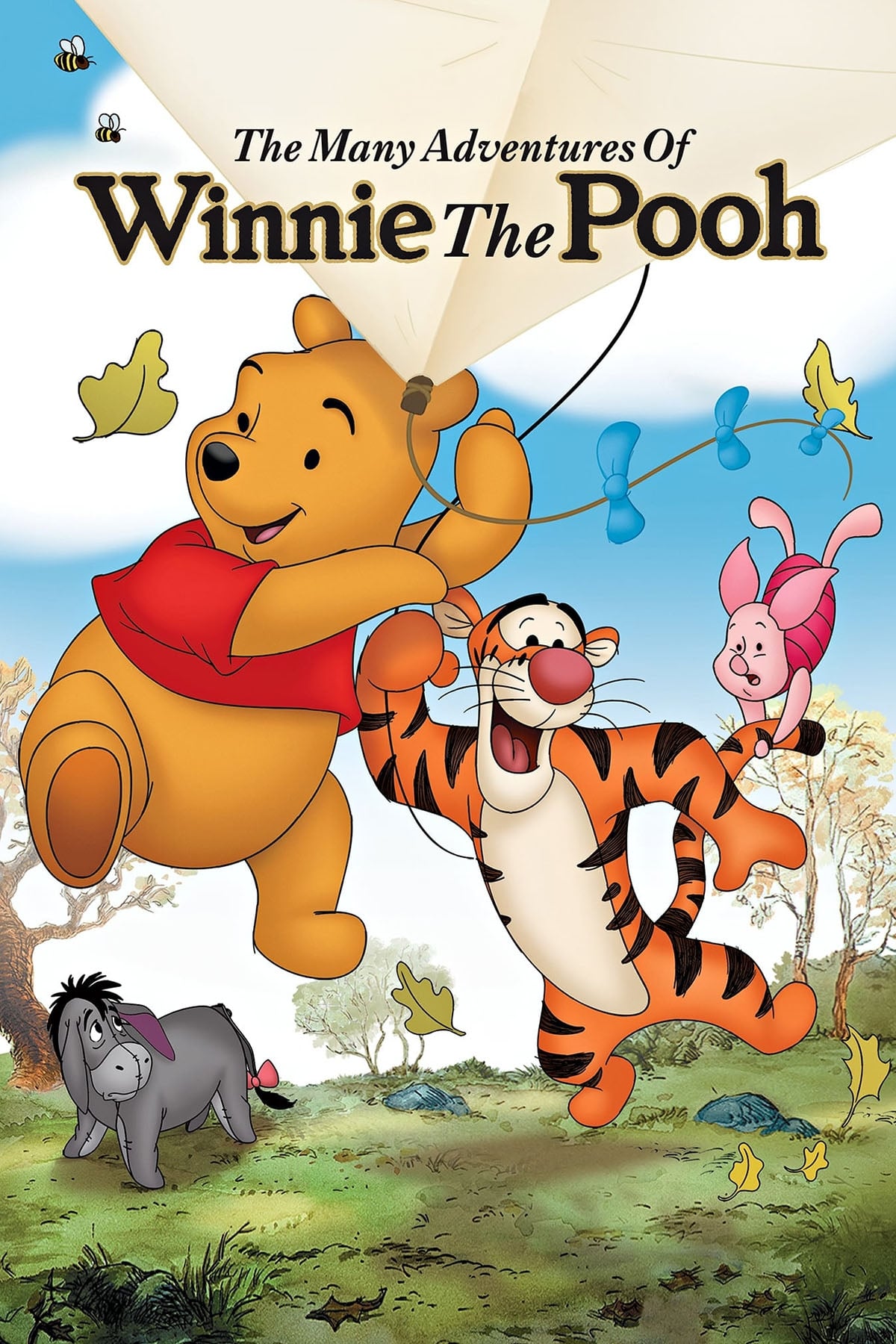
As a huge fan of Winnie the Pooh, I’ve always been fascinated by how much deeper the stories are than they seem. A.A. Milne actually based Pooh and his friends on his son’s toys, which is adorable, but it gets interesting. A lot of people who study the books point out that each character seems to be dealing with some pretty heavy stuff – things like constant worry or real sadness. When you look at it that way, the Hundred Acre Wood feels less like a fun playground and more like a lonely place where everyone’s stuck inside their own head. The stories are sweet, of course, but there’s always this undercurrent of sadness that the movies sometimes hint at, especially at the end.
‘The Rescuers’ (1977)
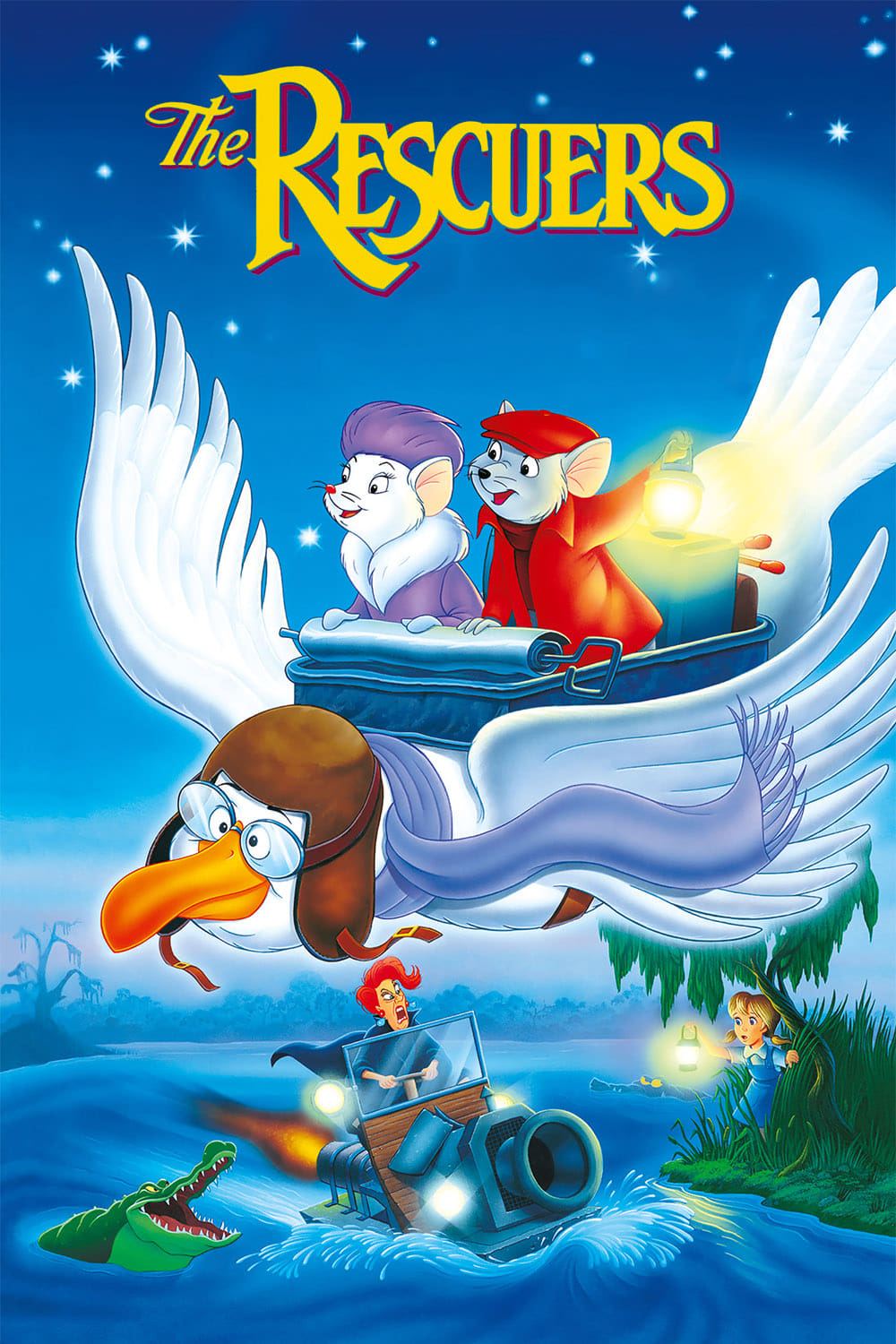
Margery Sharp’s books presented a risky and challenging world for her heroic mice characters. One story involved a young mouse being kidnapped, exploring difficult themes like forced work and emotional abuse in a bleak swamp. The villains were truly cruel, making the story feel very intense despite the small size of the heroes. When Disney adapted the story, they kept the central plot but added more excitement and a lighter, more appealing tone to the darker elements.
‘The Fox and the Hound’ (1981)
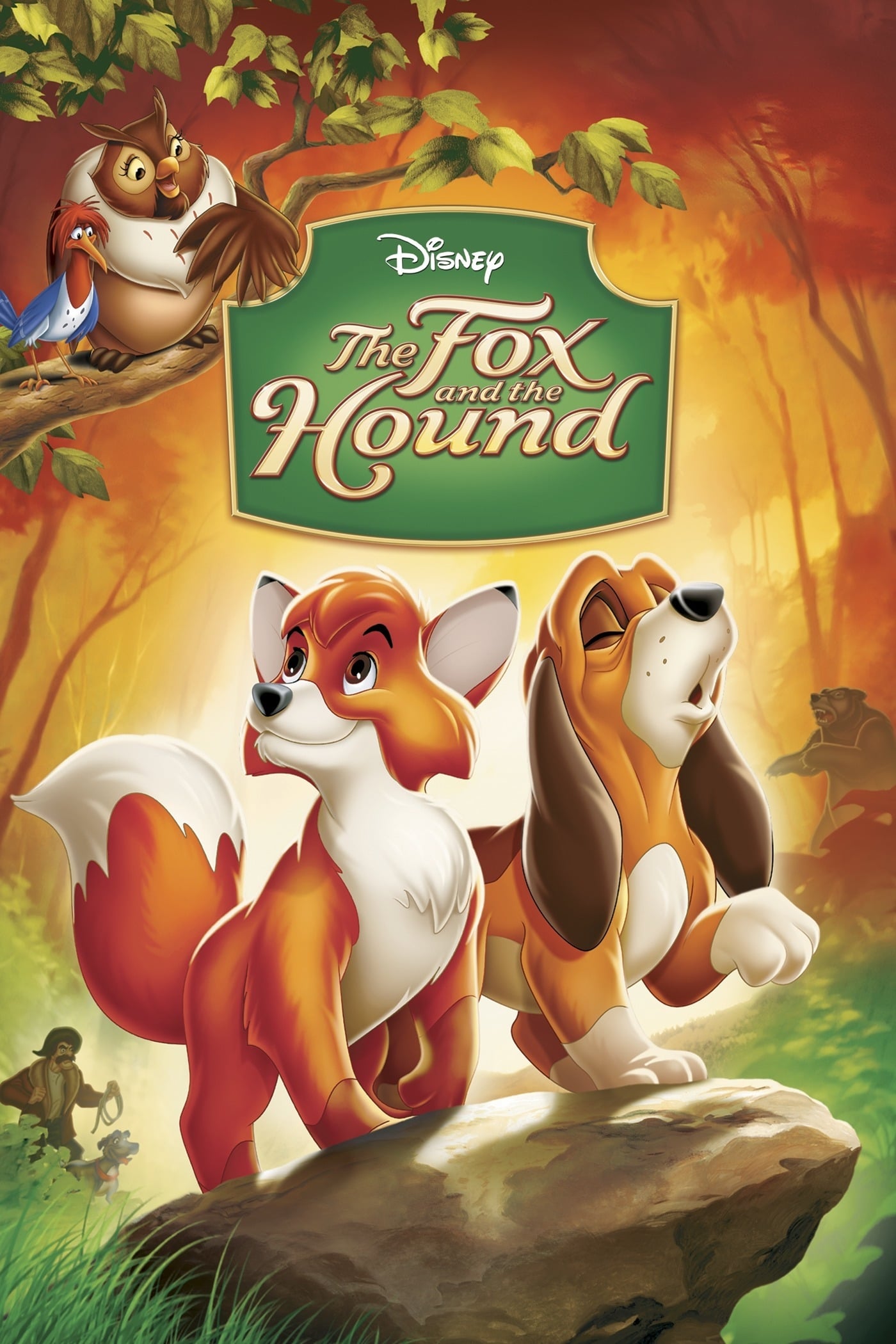
Daniel P. Mannix’s original novel is a much darker and more realistic story than the animated movie. In the book, the fox and the hound are never friends, and their lives are a constant, dangerous chase. The fox ultimately dies from exhaustion, and the hound is killed by his owner when he becomes too old to hunt. The film softened this grim ending, portraying a tale of lost friendship and eventual respect between the two animals.
‘The Black Cauldron’ (1985)

Lloyd Alexander’s fantasy series features a frightening world of undead armies and monsters created through dark magic. The books are full of large-scale battles and heartbreaking sacrifices as the heroes fight to protect their home. While the movie adaptation aimed for this same intense atmosphere, it had to remove several scenes to get a suitable rating. Despite these cuts, it remains one of the most sophisticated and disturbing films the studio has ever produced.
‘Oliver & Company’ (1988)
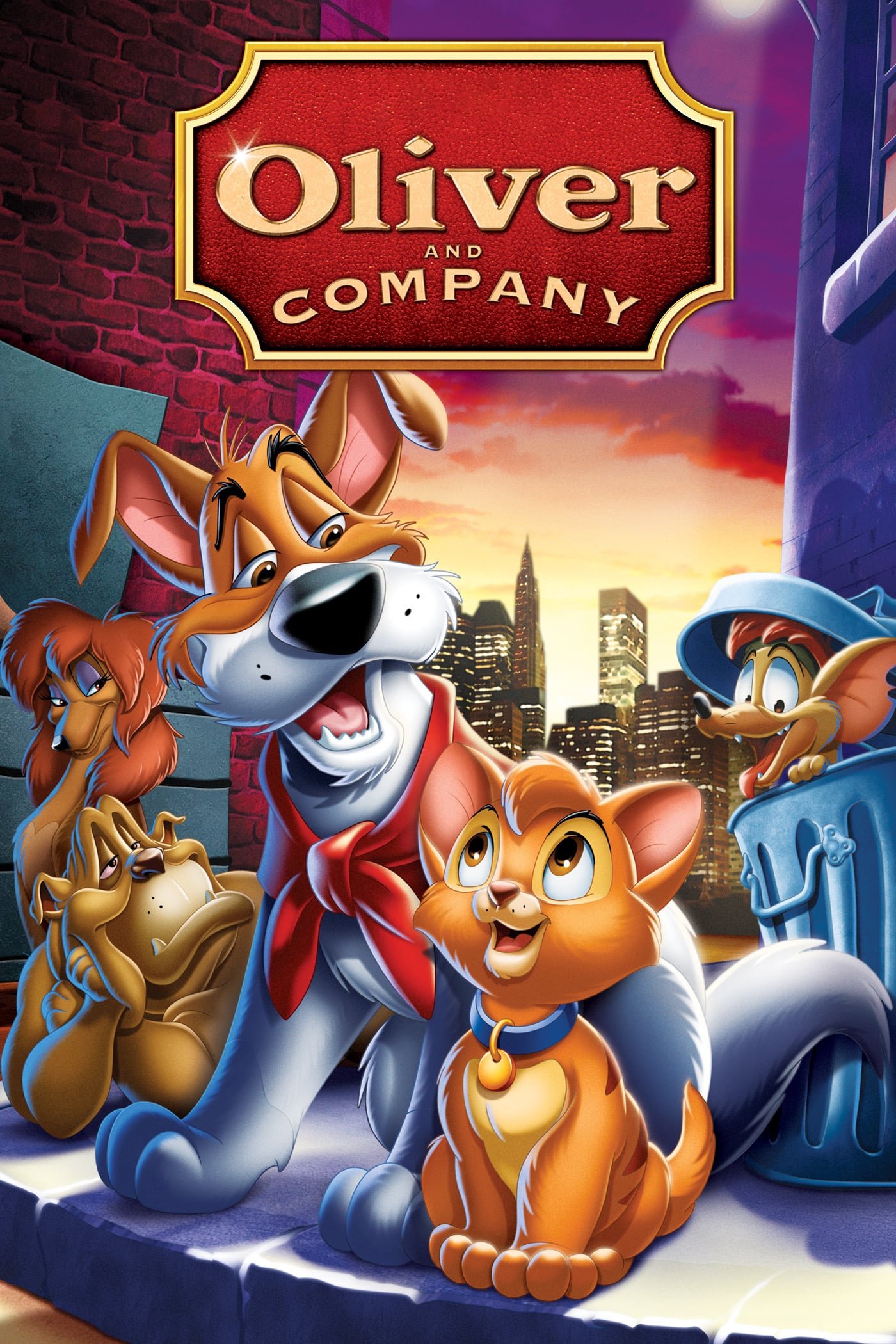
Charles Dickens’ novel, Oliver Twist, vividly portrays the harsh realities of poverty and crime in 19th-century London. The story follows characters living in terrible conditions and constantly facing danger from the cruel Bill Sikes. Fagin is a complex character who manipulates children to benefit himself. The Disney version reimagined the story in modern-day New York, with the characters as animals, making it more lighthearted.
‘The Little Mermaid’ (1989)
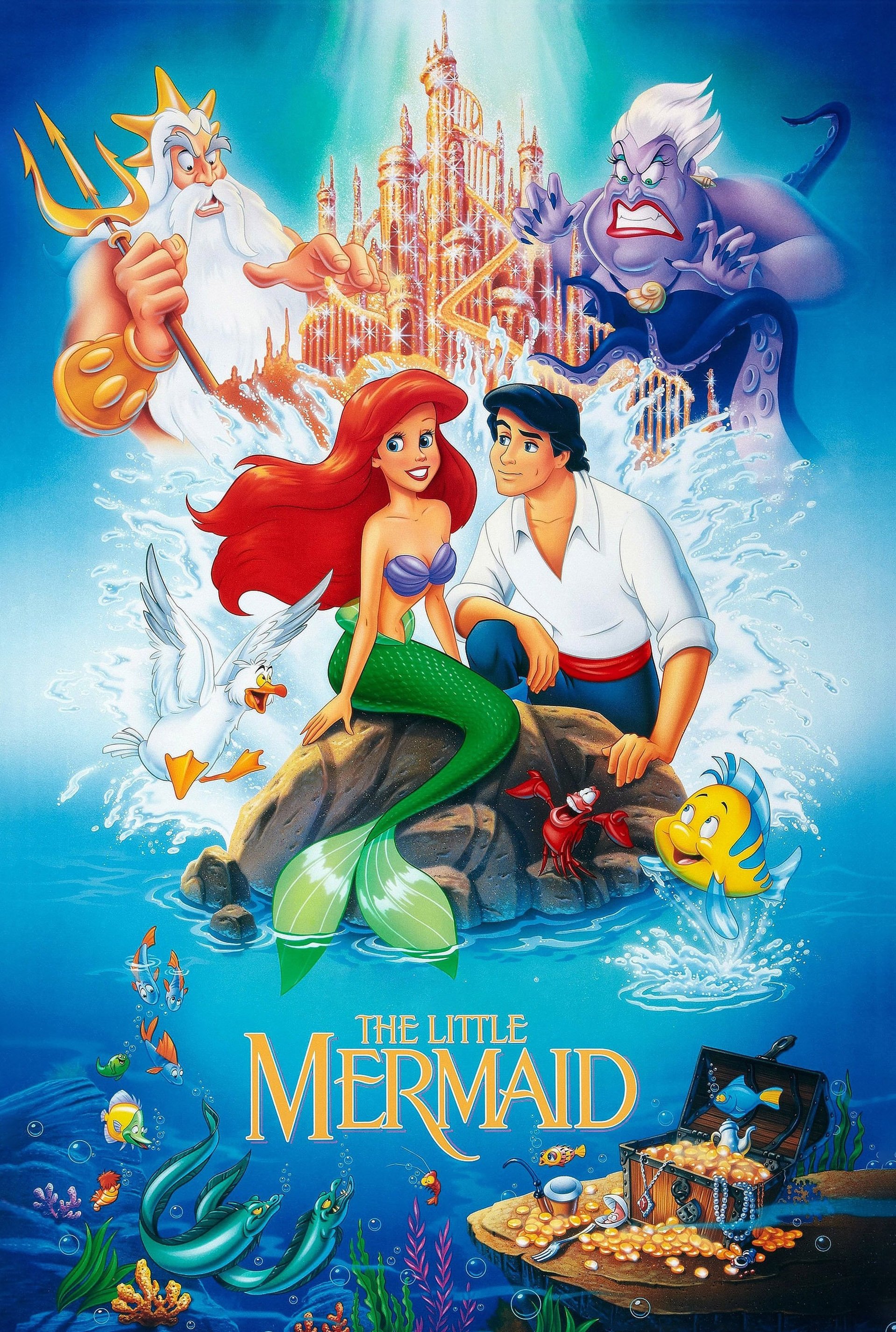
In Hans Christian Andersen’s original story, the mermaid doesn’t get the prince and he marries another woman. Rather than kill him to save herself, she chooses to sacrifice her life and turn into sea foam. Her journey on land is incredibly painful, feeling like walking on knives, due to a deal she made with the sea witch. However, the 1989 movie adaptation changed the ending to give the mermaid a happy marriage and a victory over the witch, a change made to please viewers.
‘Beauty and the Beast’ (1991)
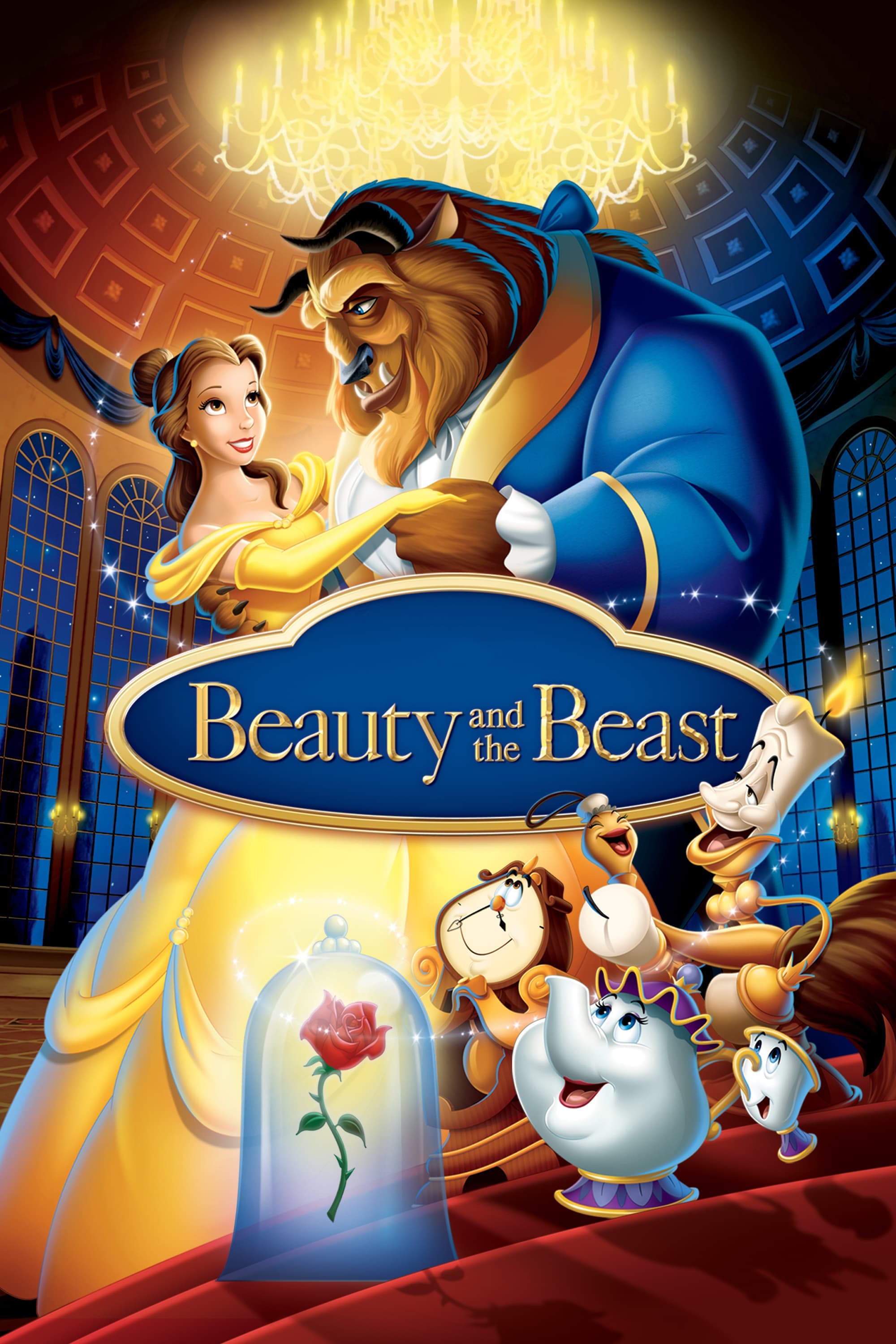
The earliest version of Beauty and the Beast, written by Gabrielle Suzanne de Villeneuve, featured cruel sisters who tried to have the main character killed. They attempted to prevent her from reaching the castle, hoping the Beast would become enraged and attack her. The story also explained the prince’s curse as the result of a vengeful fairy he had spurned. Disney simplified this complex plot, choosing to emphasize the romance between Belle and the Beast and how love could break the curse.
‘Aladdin’ (1992)
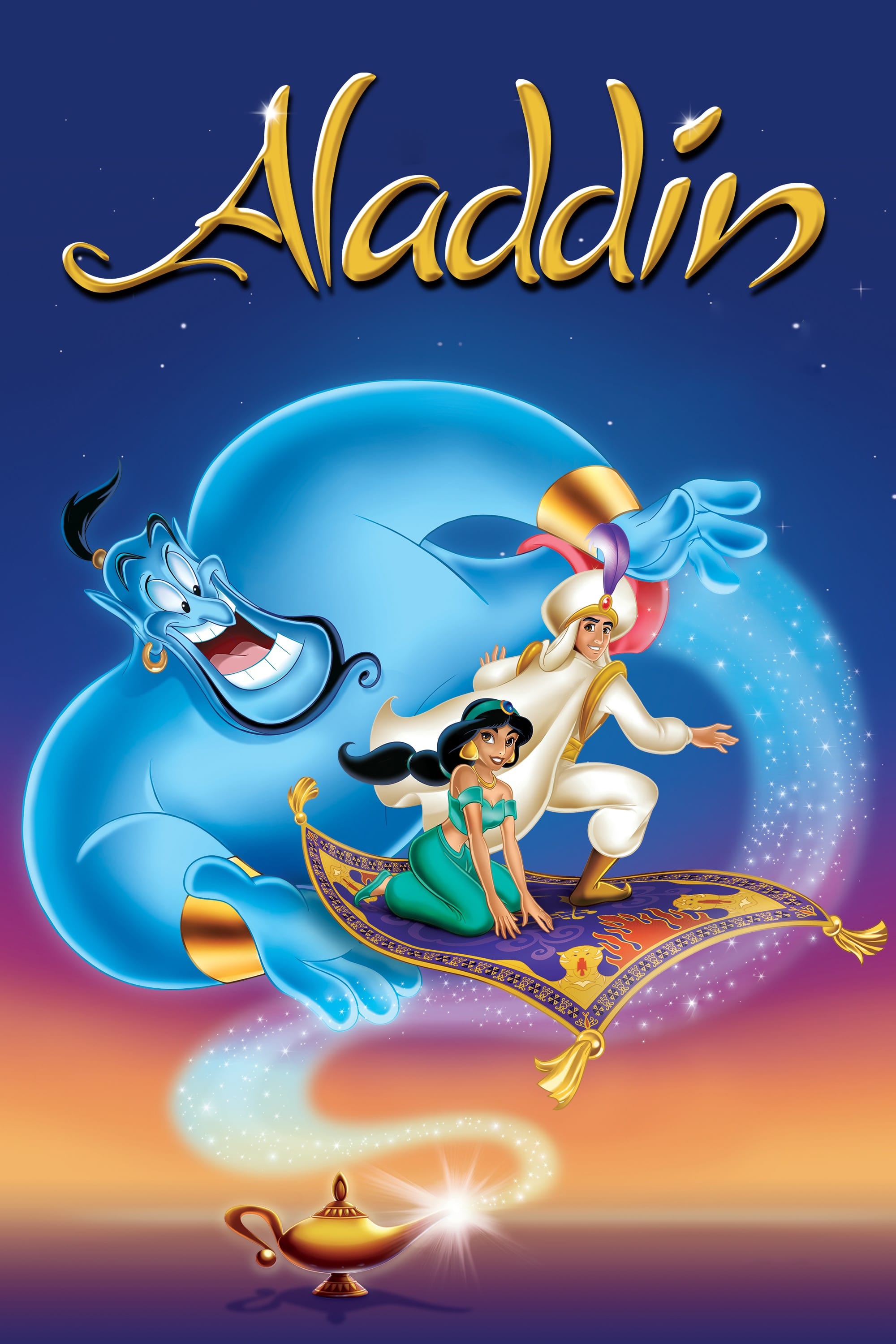
I remember reading the original tale from One Thousand and One Nights, and it was a lot darker than the movie! The sorcerer was truly terrifying and constantly trying to kill the hero. Honestly, the guy in the book wasn’t very proactive – he really relied on two genies to get him out of trouble. The fights were brutal, and his family was in real danger. The movie took all that and turned it into something much lighter – a fun adventure with a wisecracking genie, and a big emphasis on believing in yourself. It’s a completely different feel!
‘The Lion King’ (1994)
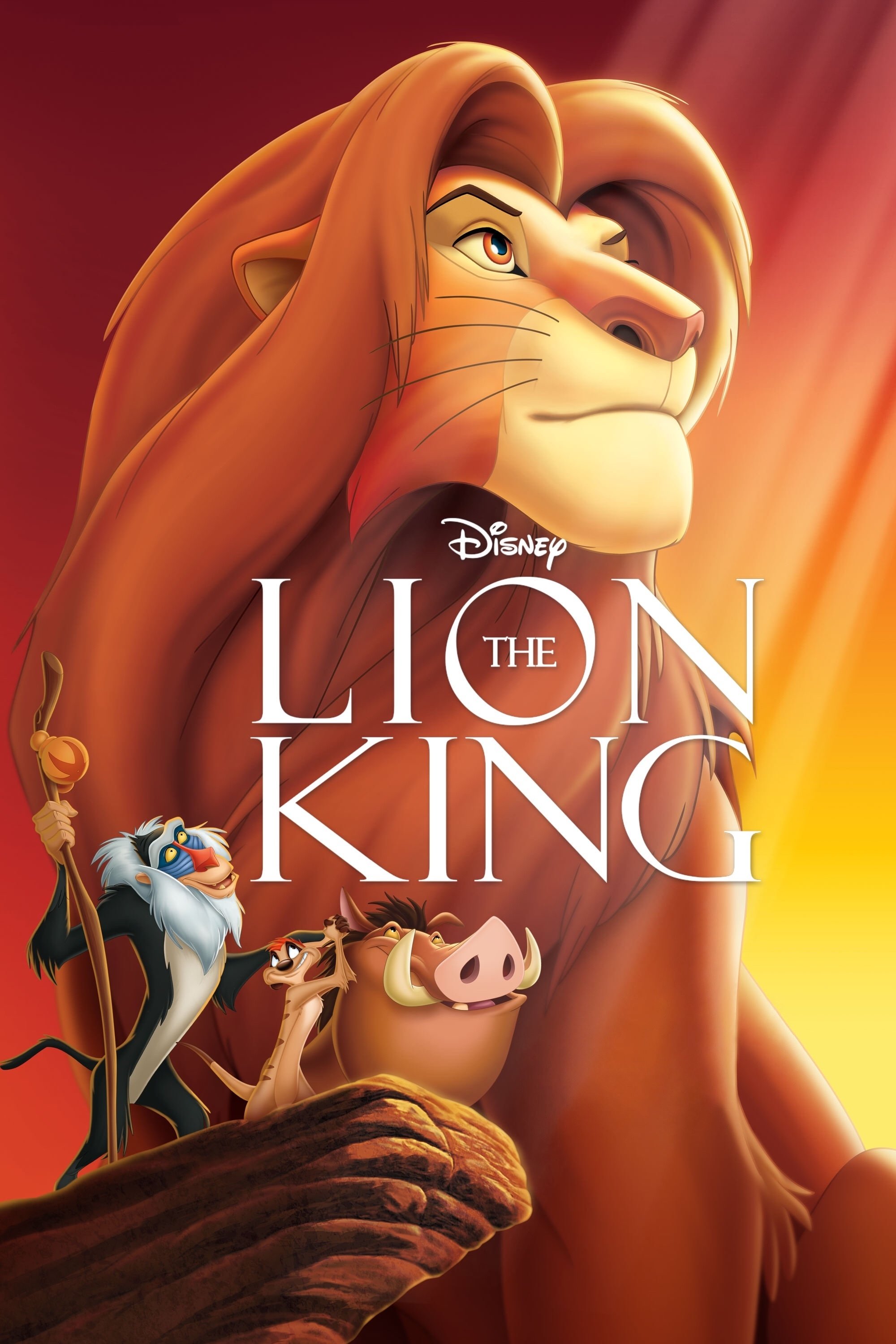
This movie draws inspiration from Shakespeare’s tragedy Hamlet, though it offers a less bleak outcome. Hamlet tells the story of a prince driven to revenge after his uncle murders his father, ultimately leading to the deaths of almost everyone involved and a complete lack of resolution. Disney took these intense themes and reimagined them as a story focused on taking responsibility and the interconnectedness of life.
‘Pocahontas’ (1995)
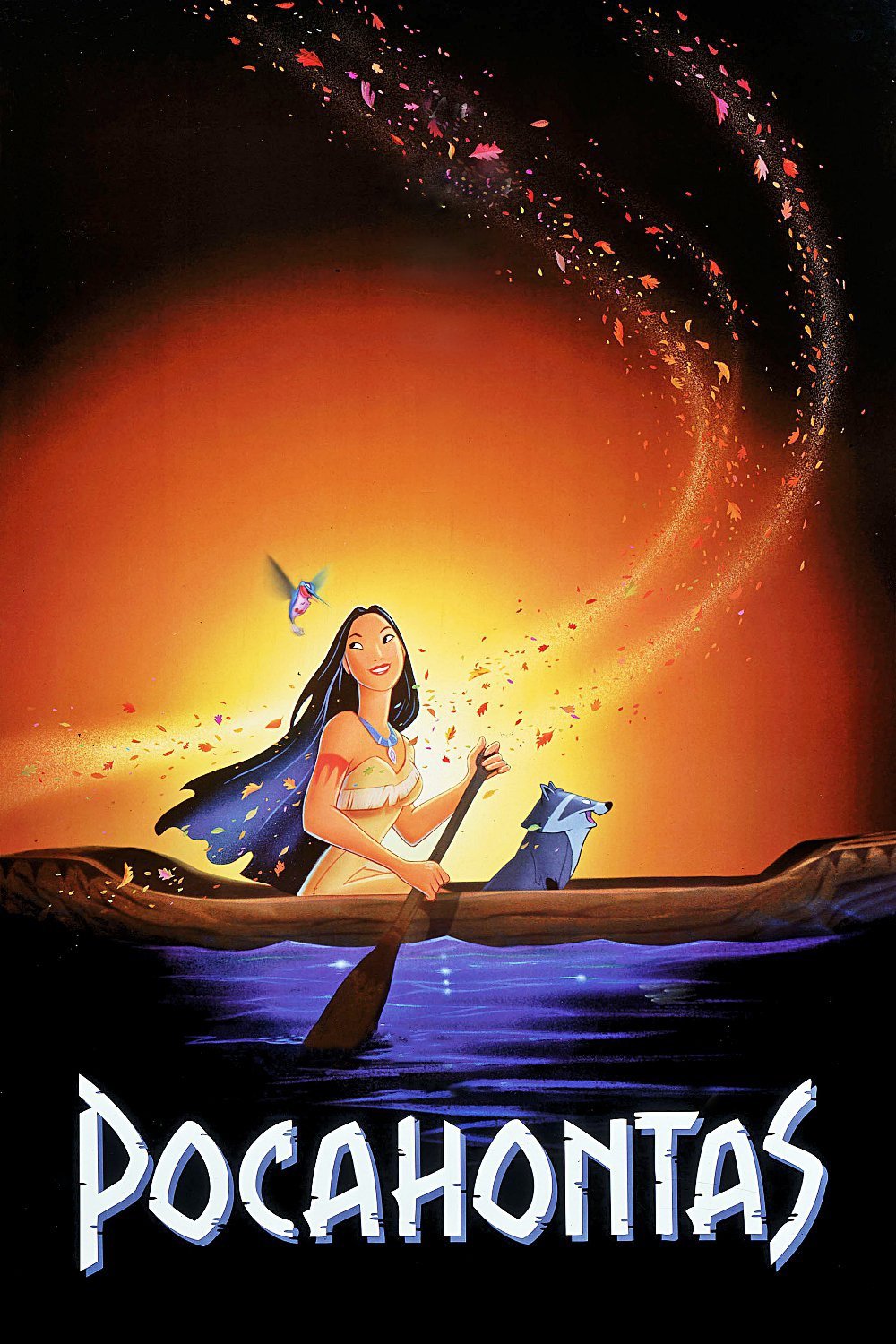
The woman depicted in the film led a very different and much more difficult life than the one shown. In reality, she was captured by English colonists and compelled to adopt a new religion before being sent far away from her homeland. She tragically died young from illness, never able to return to her family. The movie overlooks these harsh realities, choosing instead to focus on themes of environmental protection and cross-cultural understanding.
‘The Hunchback of Notre Dame’ (1996)
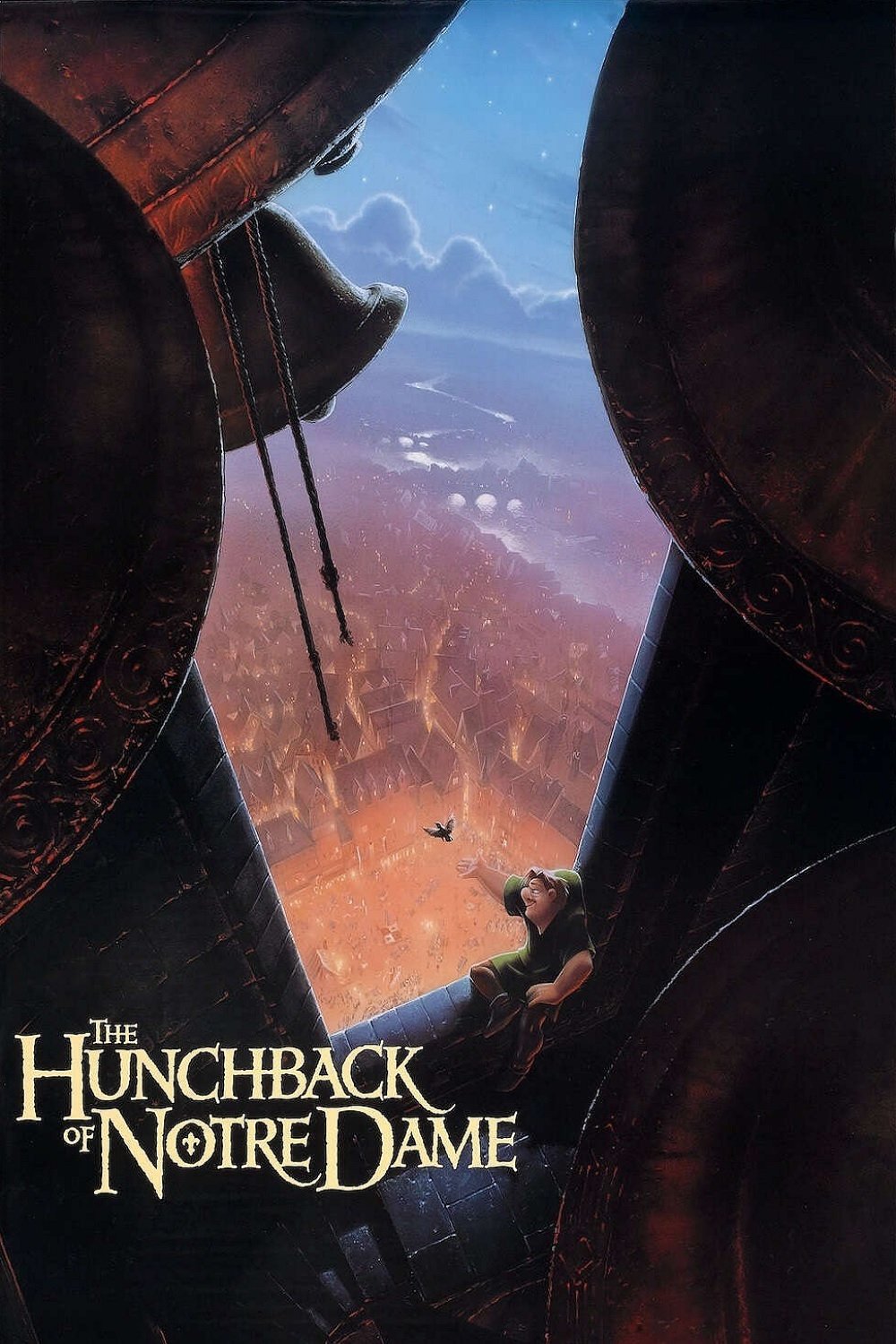
Victor Hugo’s novel culminates in a devastating finale where nearly all the central characters perish. Esmeralda is put to death, and Quasimodo, heartbroken, dies of starvation inside her tomb while embracing her. The antagonist, Frollo, is portrayed as a deeply troubled and obsessive man whose actions bring ruin to both the cathedral and the city. In contrast, the Disney adaptation lightened the story with talking gargoyles and a more optimistic conclusion.
‘Hercules’ (1997)
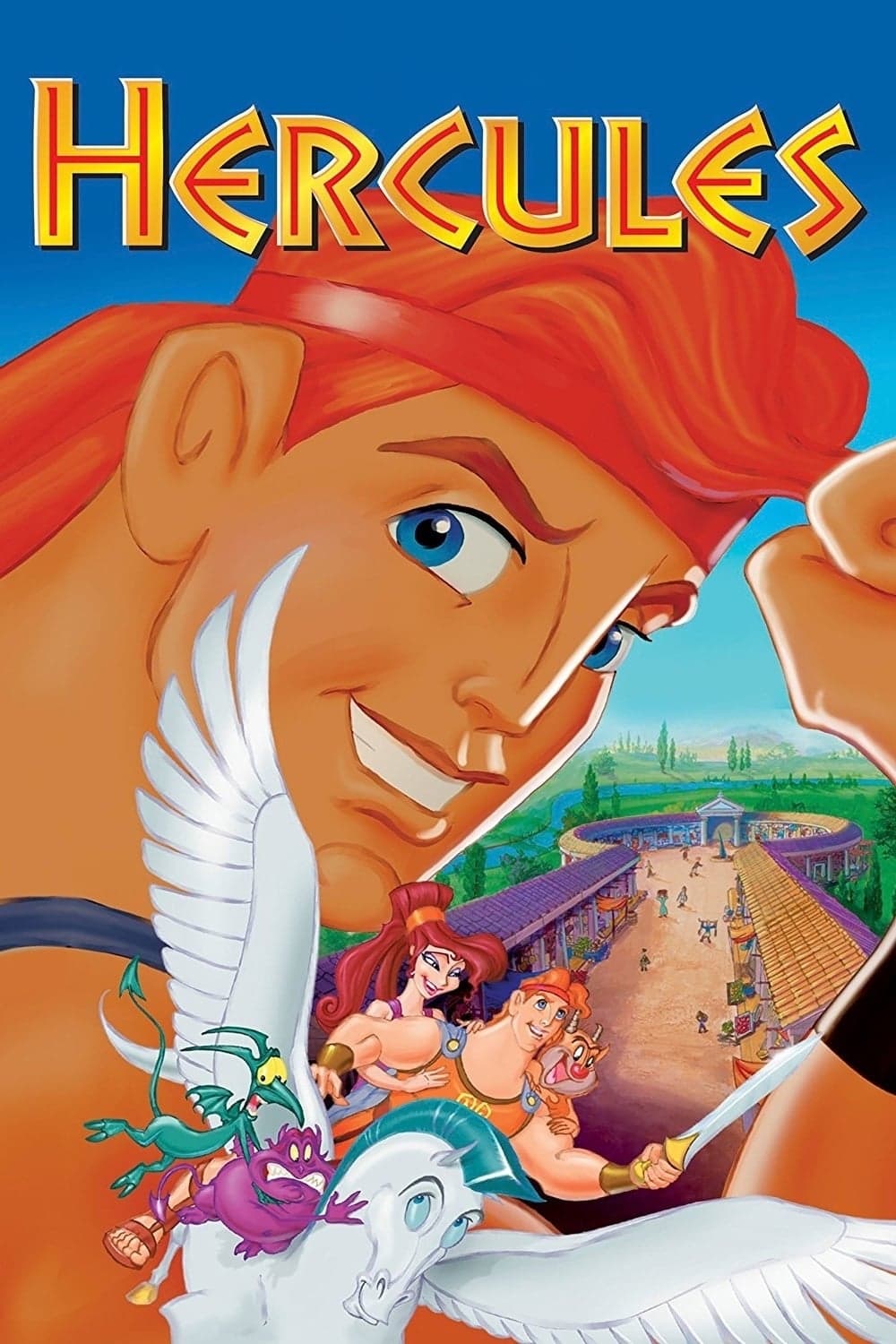
Greek myths often feature disturbing and brutal stories, especially those surrounding the son of Zeus and his family. Originally, the goddess Hera caused the hero to temporarily lose his mind, leading him to tragically kill his wife and children. He then completed twelve difficult tasks not to gain glory, but to make up for these awful acts. However, a recent film reimagined this story as a superhero’s beginning, centering on his search for purpose and belonging.
‘Mulan’ (1998)
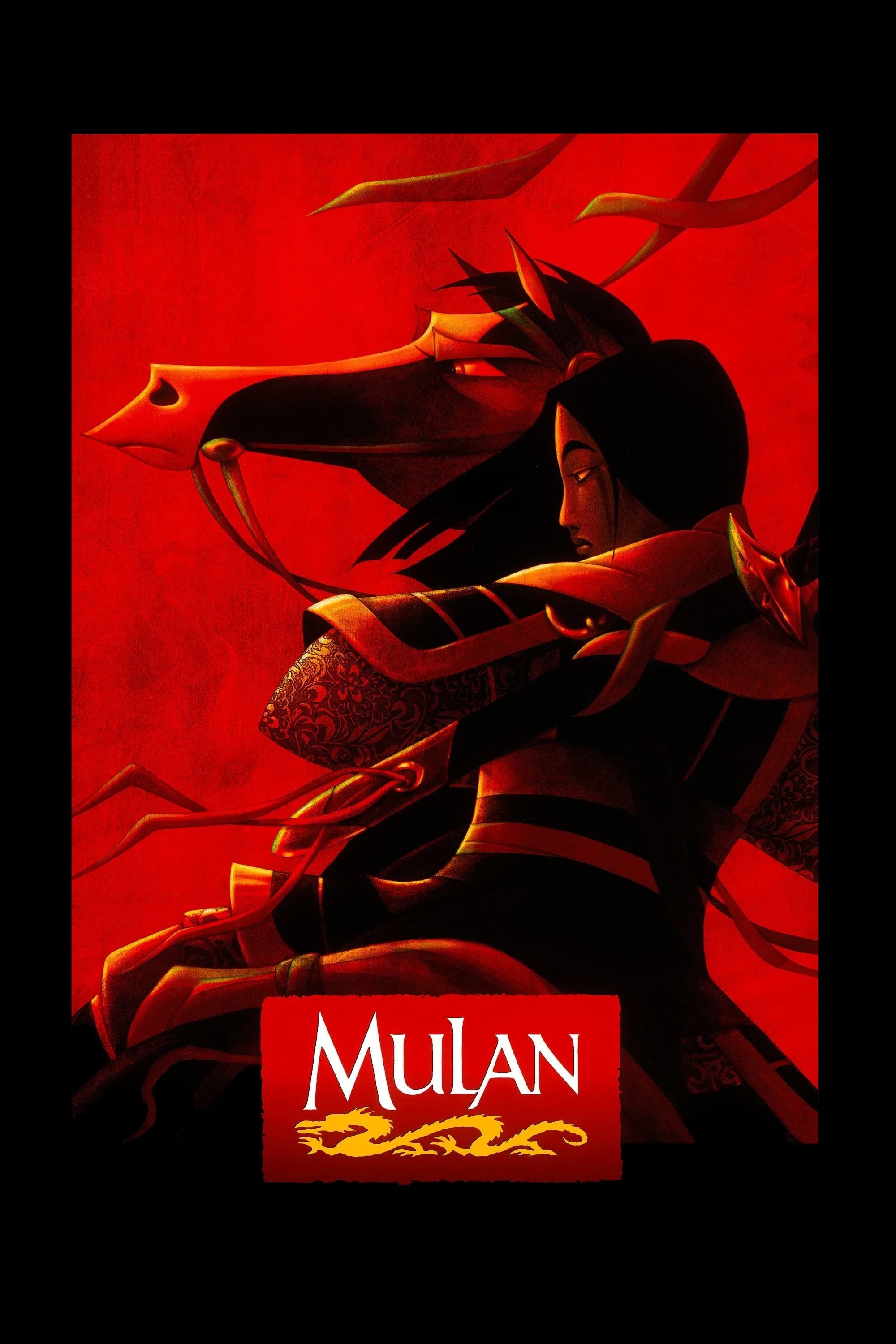
The story of Mulan has been told in many ways over time, and some older versions have sad endings. In one version, Mulan returns home after the war to find her family is no longer there and is then forced to consider becoming a ruler’s concubine. Rather than accept this fate after bravely serving her country, she chooses to end her own life. The Disney movie focuses on the beginning of the story, highlighting Mulan’s courage and creating a more uplifting tale.
‘Tarzan’ (1999)
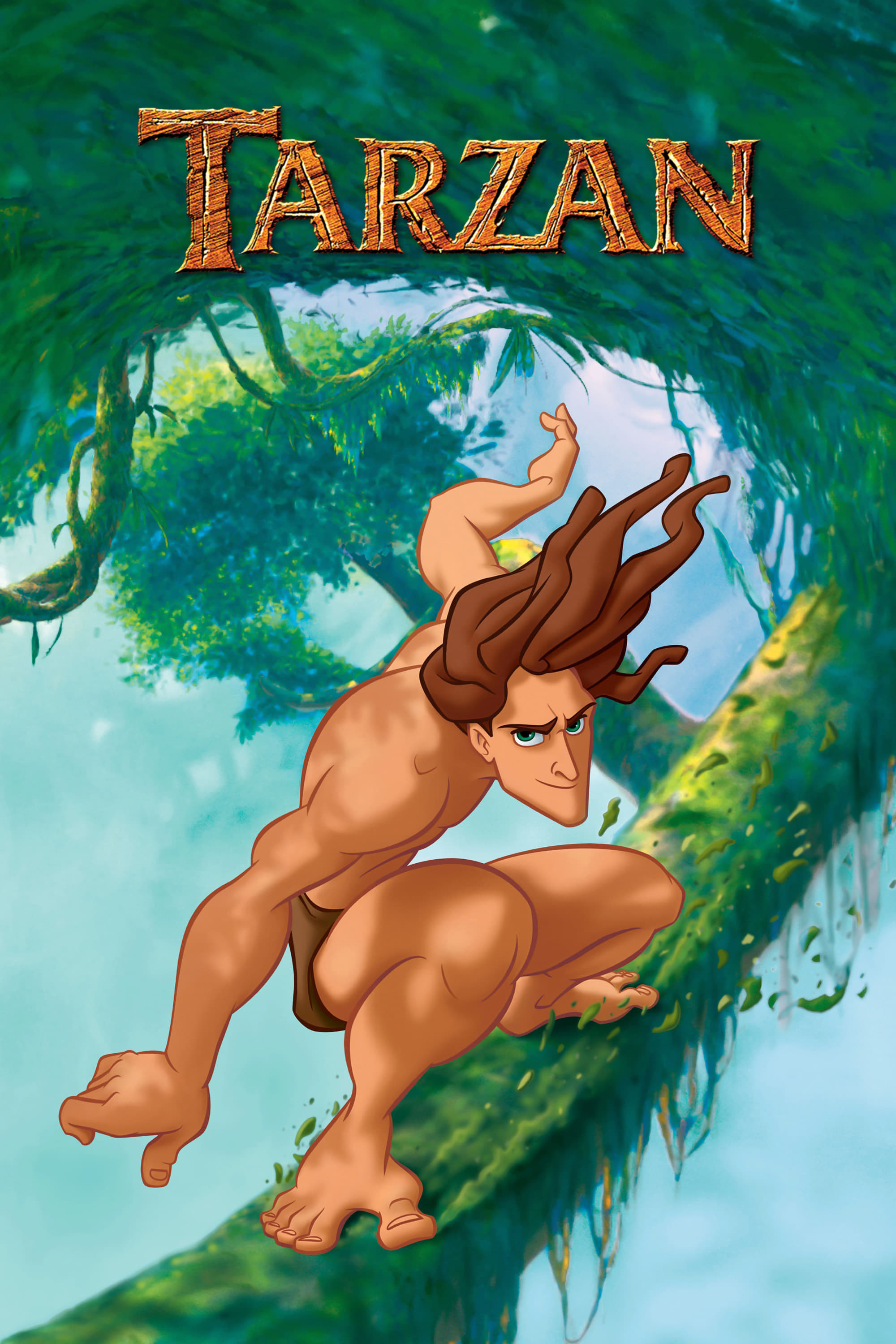
Edgar Rice Burroughs’ original Tarzan stories were known for their intense action and brutal survival scenes set in the African jungle. They frequently depicted the main character killing animals and battling enemies in a very realistic and violent way. Conflicts with outsiders were particularly bloody and driven by themes of revenge. However, the animated film adaptation shifted the focus to the emotional connections between characters and the protagonist’s internal journey to discover who he is.
‘The Emperor’s New Groove’ (2000)
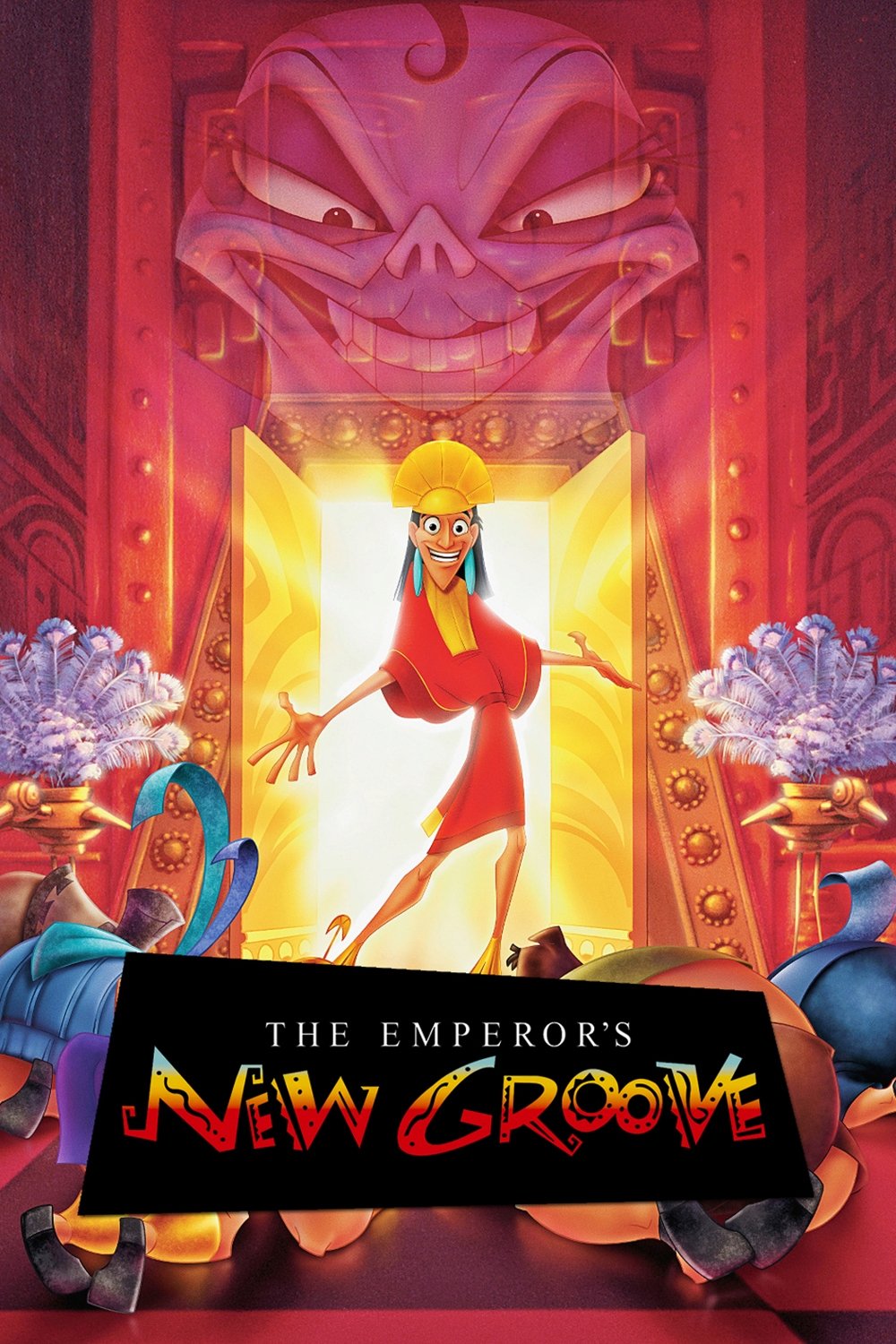
The movie started as a very different, more dramatic project called “Kingdom of the Sun.” It was going to be an epic story about a power struggle, with a plot involving the theft of the sun and the supernatural side of the Incan empire. Originally planned as a serious musical, it was later completely changed into the funny, slapstick comedy we see today. This shift from a dark, epic tale to a lighthearted comedy is one of the most well-known makeovers in animation history.
‘Atlantis: The Lost Empire’ (2001)

The idea of a lost city originated with Plato, who wrote about it as a story to warn people about excessive pride. He described a civilization that became greedy and corrupt, ultimately destroyed by the gods in a single day. Plato didn’t present these people as admirable, but as a cautionary tale against overly ambitious empires. Disney later adapted this story into an action-packed film focused on discovering and protecting an ancient culture.
‘Treasure Planet’ (2002)

Robert Louis Stevenson’s Treasure Island is a harsh and realistic pirate story filled with cruel and unreliable characters. The pirates will do anything, even kill, to get the treasure, and that includes threatening the main character, Jim. Unlike the movie version, the book doesn’t show a warm, father-son relationship between Silver and Jim. The film also added a science fiction element to this classic story of greed and treachery.
‘Brother Bear’ (2003)
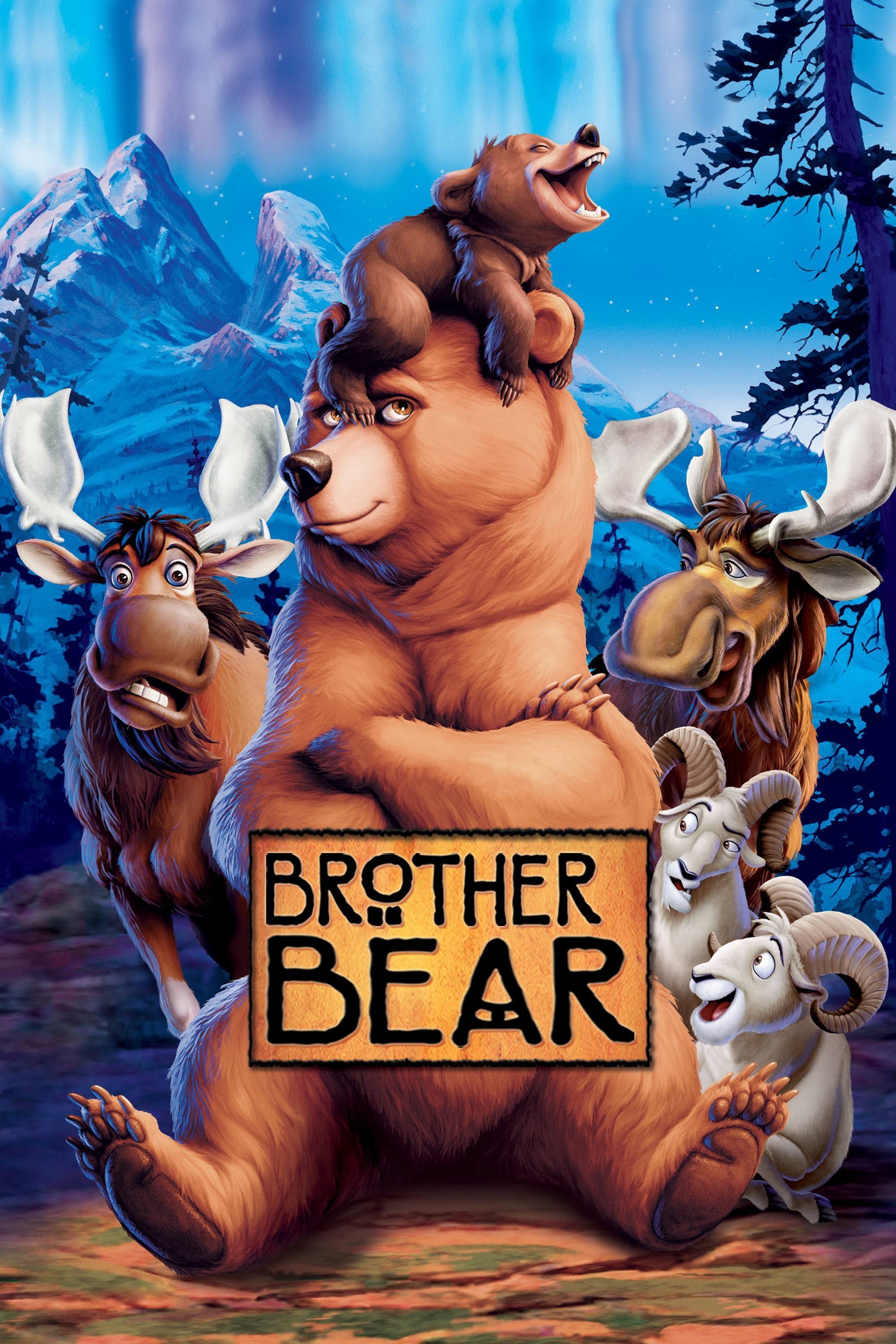
Stories from many indigenous cultures tell of people turning into animals, often losing their humanity forever and gaining a strong link to the spirit world. These tales frequently warn about the serious results of mistreating nature and facing spiritual consequences for bad behavior. The film touches on these ideas, focusing on the bonds between brothers and the power of forgiveness, though it ultimately avoids a truly heartbreaking ending. It’s still a moving portrayal of how damaging anger can be and why understanding others is so important.
‘Chicken Little’ (2005)
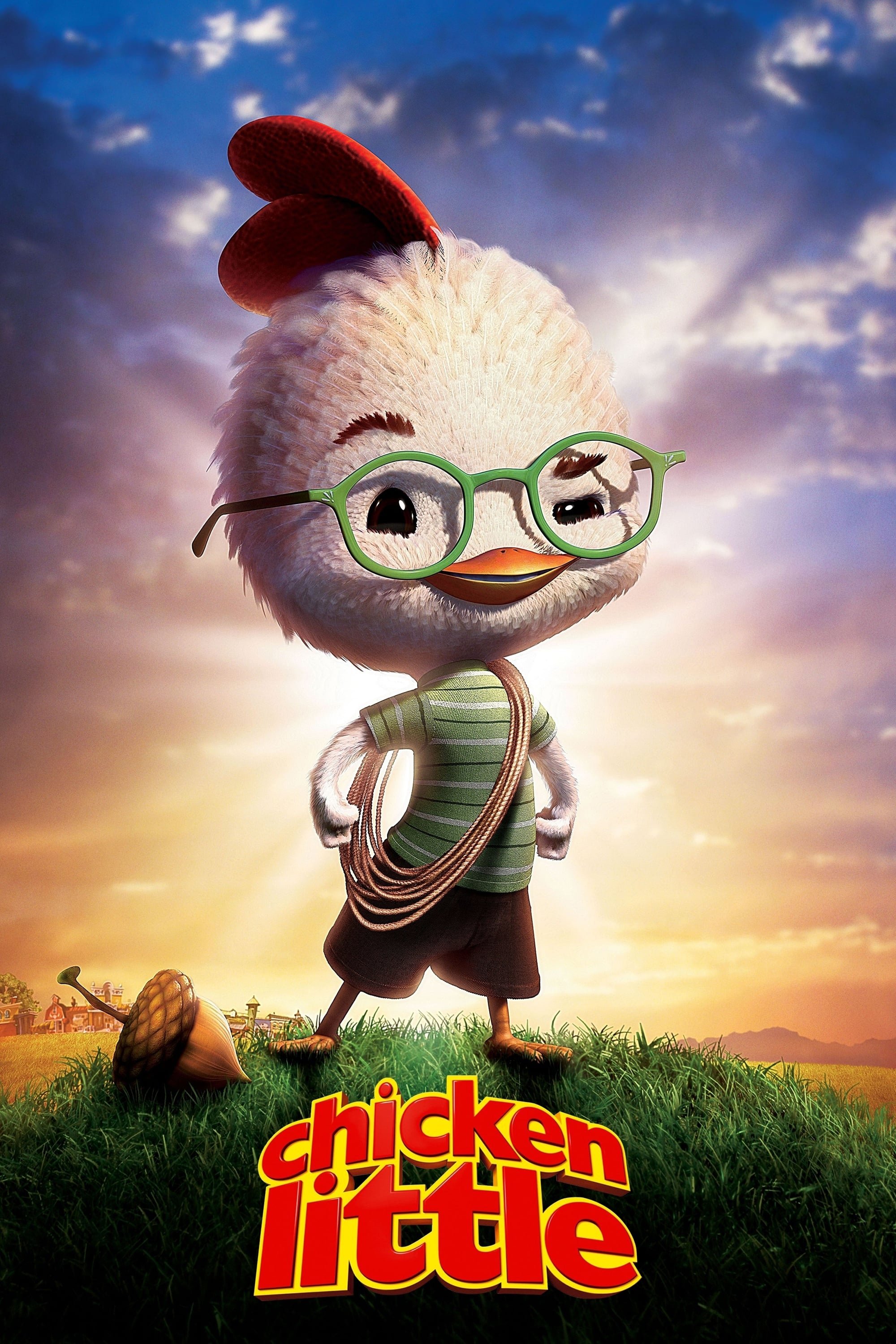
The classic story is a warning about the dangers of blindly following a crowd and believing rumors without verifying them – it originally ended with the main character and his friends being tricked and eaten by a fox. Disney reimagined this grim tale as a lighthearted comedy focusing on an alien invasion and the challenges between a father and son.
‘The Princess and the Frog’ (2009)
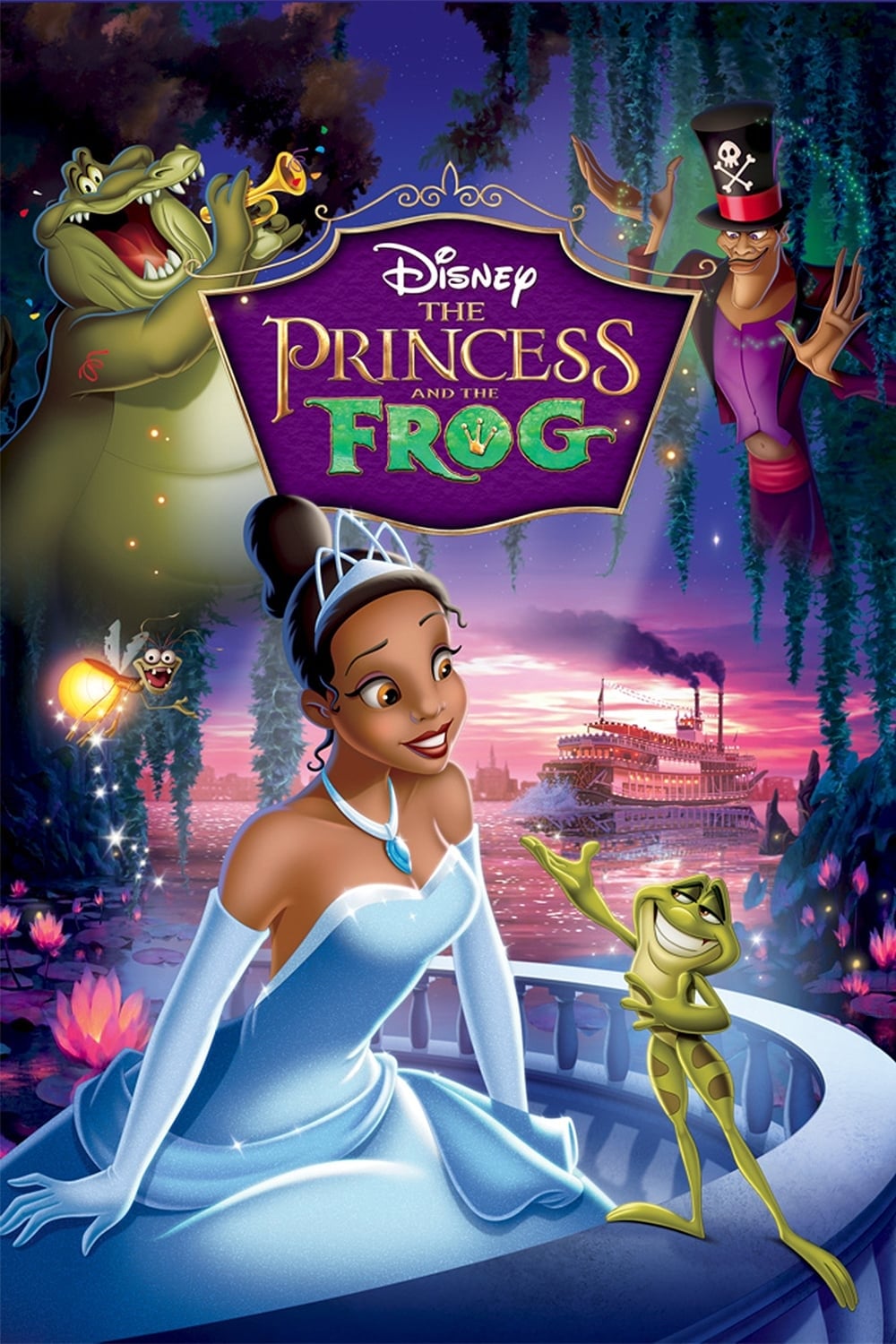
In the Brothers Grimm version of The Frog Prince, the princess isn’t very kind to the enchanted frog and even throws him against a wall in frustration. Surprisingly, that act of violence is what breaks the spell, turning him back into a prince. The movie adaptation, however, changed this to a more typical and romantic story set in the Louisiana bayou.
‘Tangled’ (2010)
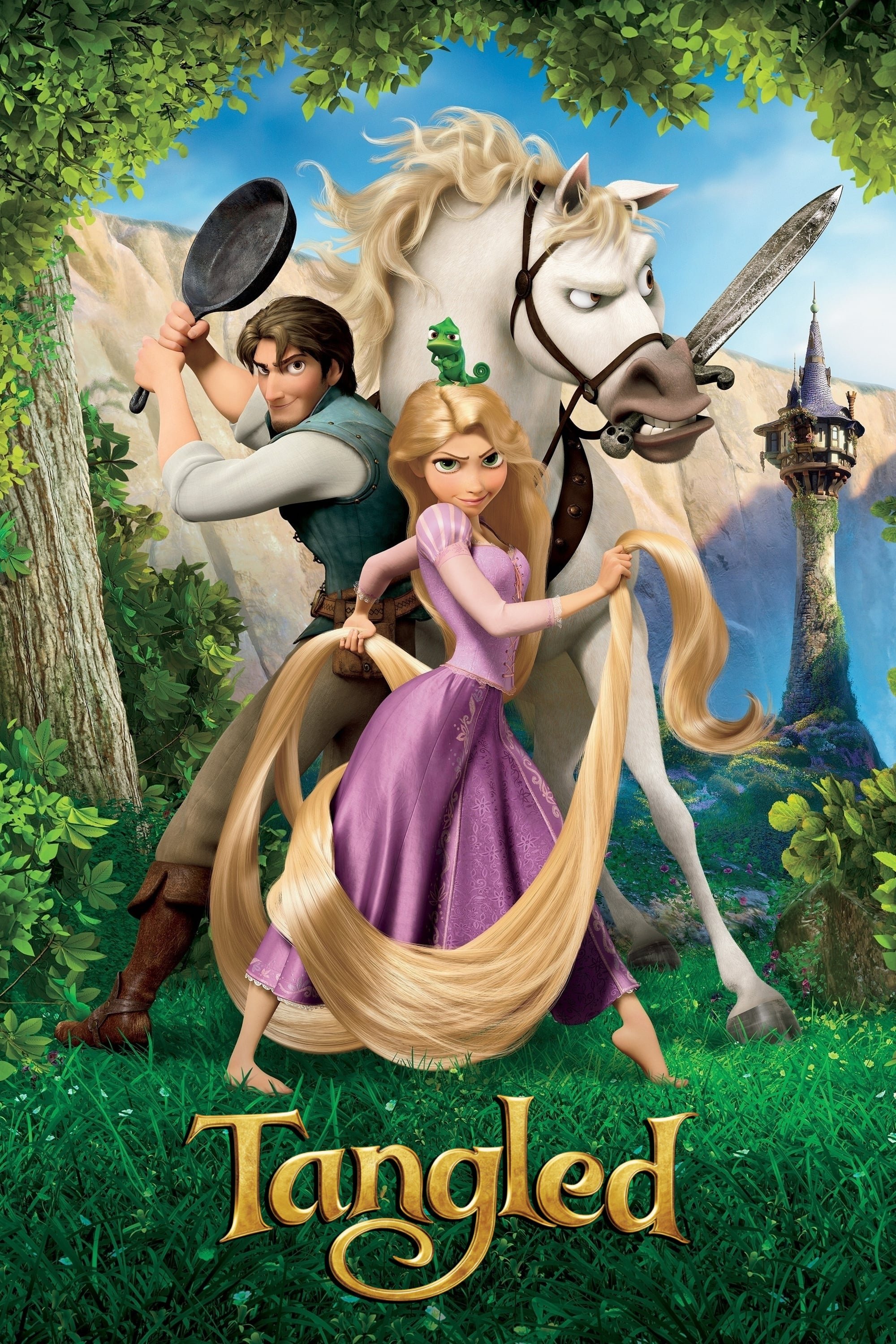
In the original Grimm’s fairy tale of Rapunzel, the prince is seriously injured when he falls from the tower, landing on thorns that blind him. He spends years lost and wandering in darkness until he eventually finds Rapunzel, who has been living in exile and has already had twins. The movie adaptation, however, took a lighter approach, focusing on a comedic adventure and a magical flower that could heal.
‘Brave’ (2012)
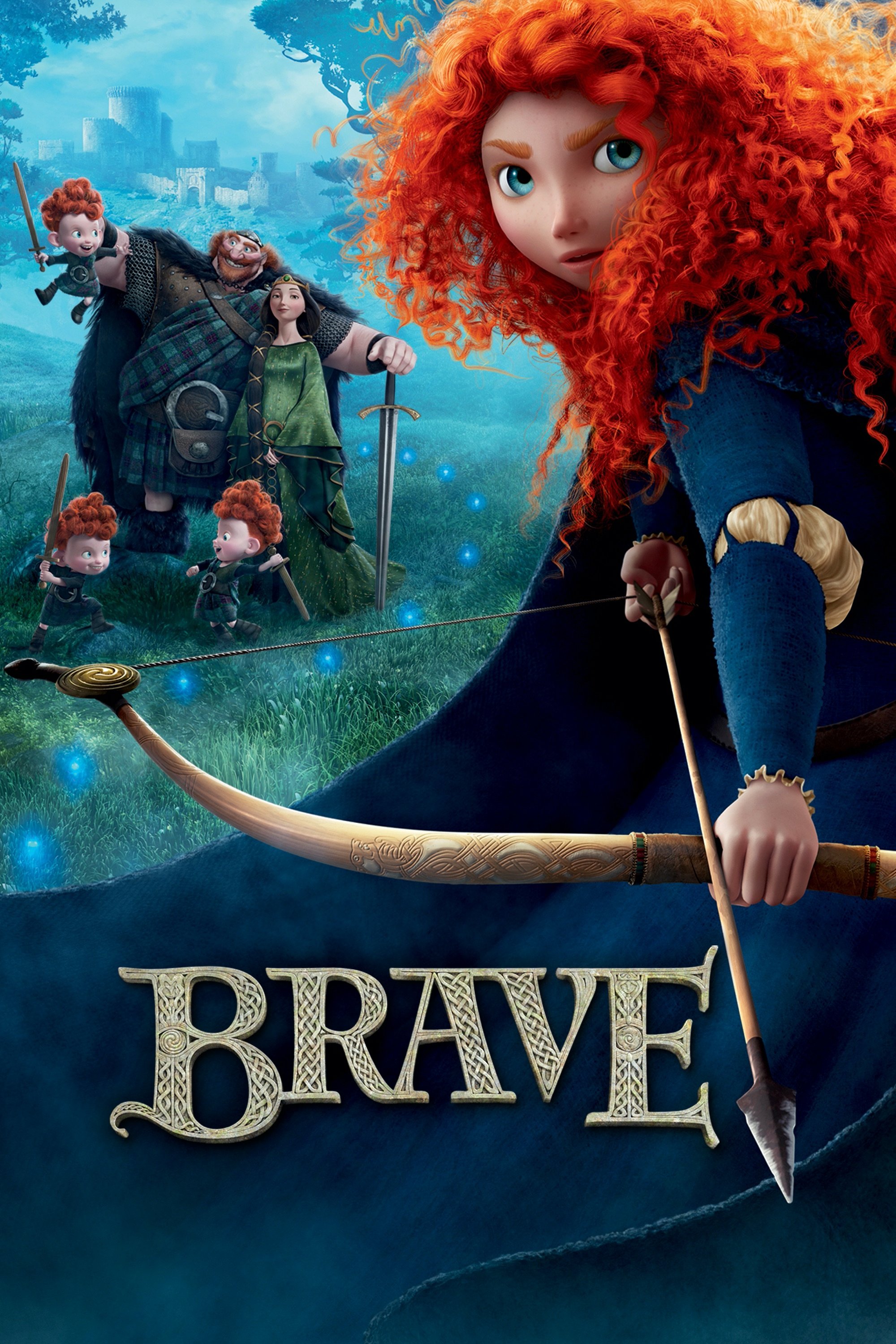
As a huge fan of folklore, I’ve always been fascinated by the old Scottish tales of people turning into animals – and it’s rarely a happy thing! These stories often feel so tragic, focusing on losing yourself and being forever cut off from everything you love. This film really taps into that feeling, using a woman’s transformation into a bear to explore the complicated relationship with her daughter. It’s a beautiful blend of dark, atmospheric magic and a hopeful message about how we can actually change our lives, even when things seem impossible.
‘Frozen’ (2013)
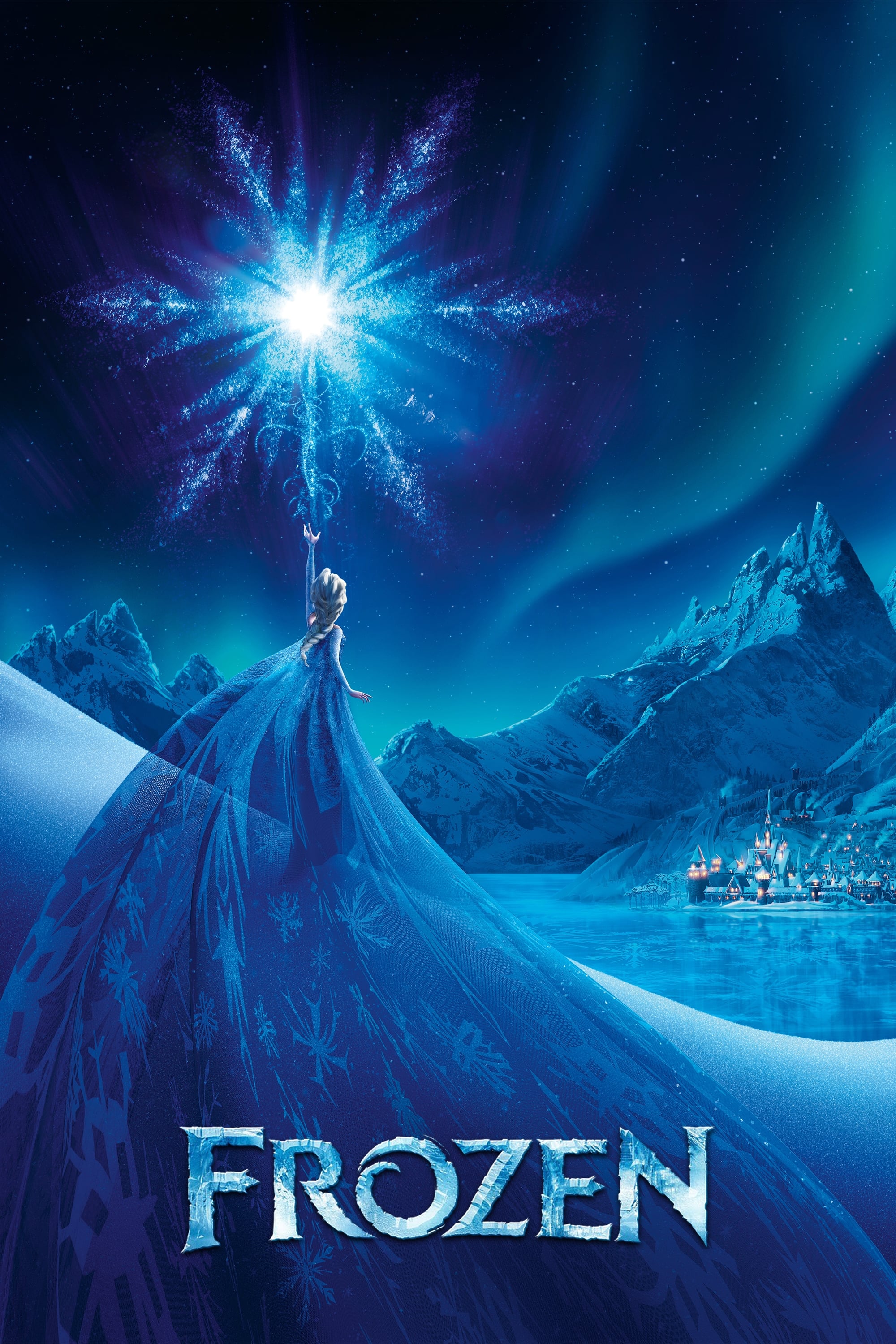
In Hans Christian Andersen’s “The Snow Queen,” a magical splinter from an evil mirror lodges in a boy’s eye and heart, causing him to focus only on negativity and lose his ability to feel. He is then kidnapped by the Snow Queen, a cold and enigmatic character, and taken to her icy palace in the far north. Disney’s version presents the Snow Queen differently, portraying her as a sister who is struggling to control her powerful and potentially harmful abilities.
‘Moana’ (2016)
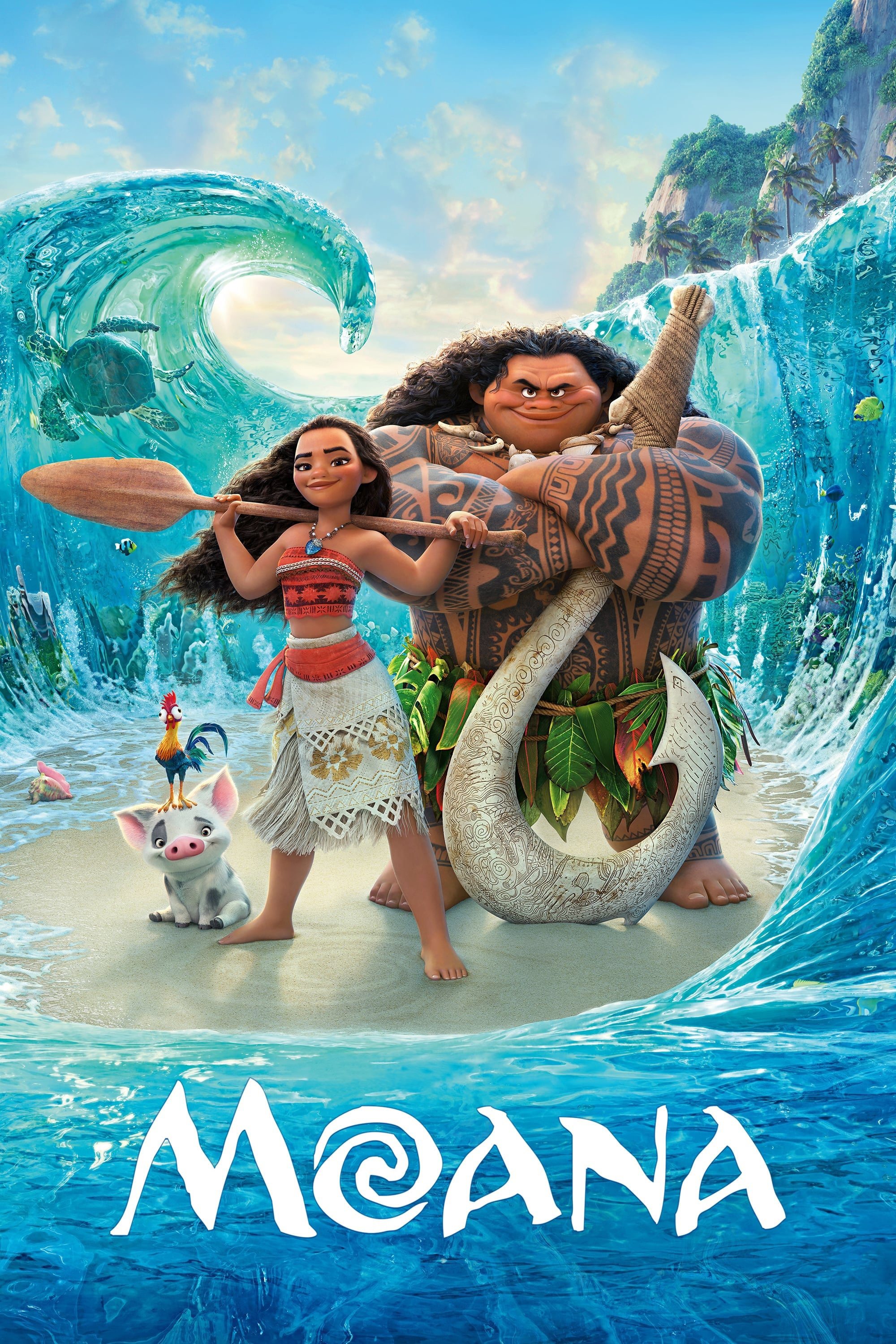
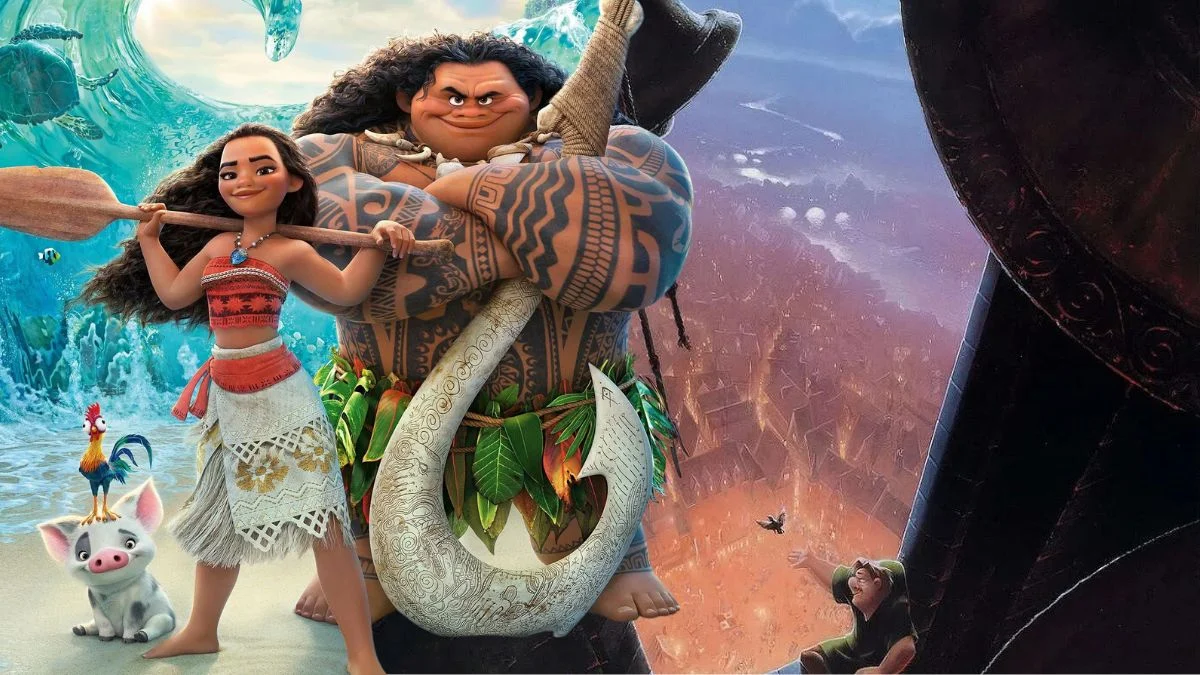
Stories from Polynesia feature Maui, a powerful demigod who is often portrayed as a complicated and sometimes even fierce character. While some traditional tales tell of his death during a failed attempt to achieve eternal life, the recent film depicts him as a confident hero who saves the goddess and restores her heart. The film celebrates Pacific Island culture and explores themes of finding your place in the world and the art of seafaring.
‘Raya and the Last Dragon’ (2021)
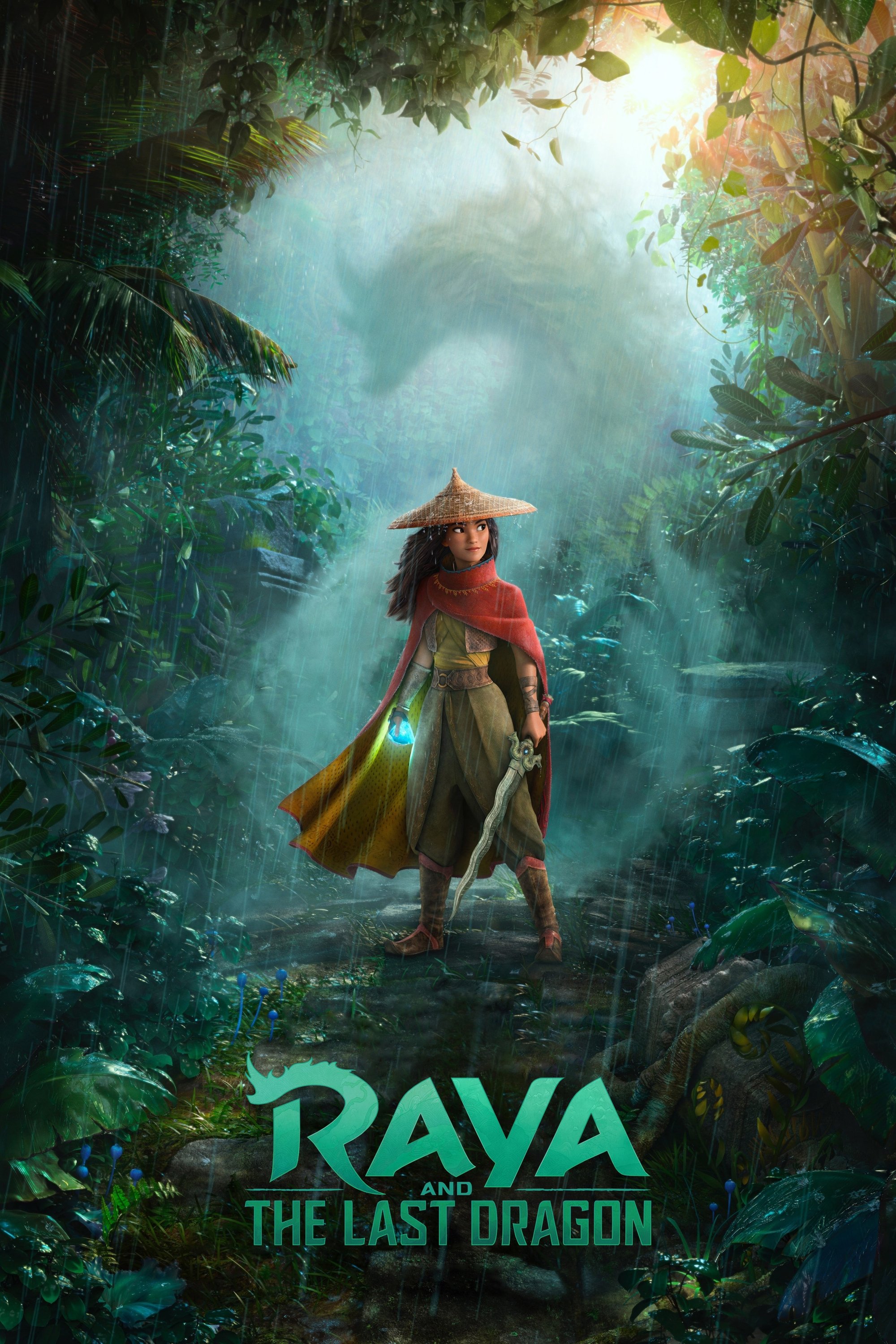
The film’s ideas of turning to stone and a spreading spiritual sickness come from Southeast Asian myths about the end of the world and the fall of societies. These myths frequently feature the complete loss of civilizations and the long, difficult journey to rebuild, often requiring great personal sacrifice. The film portrays a shattered world where fear and loneliness have destroyed all trust between groups of people. It uses these bleak ideas to explore how working together and healing as a community can offer hope for the future.
Read More
- Gold Rate Forecast
- Games That Faced Bans in Countries Over Political Themes
- Silver Rate Forecast
- Unveiling the Schwab U.S. Dividend Equity ETF: A Portent of Financial Growth
- 22 Films Where the White Protagonist Is Canonically the Sidekick to a Black Lead
- 20 Movies Where the Black Villain Was Secretly the Most Popular Character
- Superman Flops Financially: $350M Budget, Still No Profit (Scoop Confirmed)
- How to Do Sculptor Without a Future in KCD2 – Get 3 Sculptor’s Things
- Celebs Who Narrowly Escaped The 9/11 Attacks
- 14 Movies Where the Black Character Refuses to Save the White Protagonist
2026-02-07 22:21