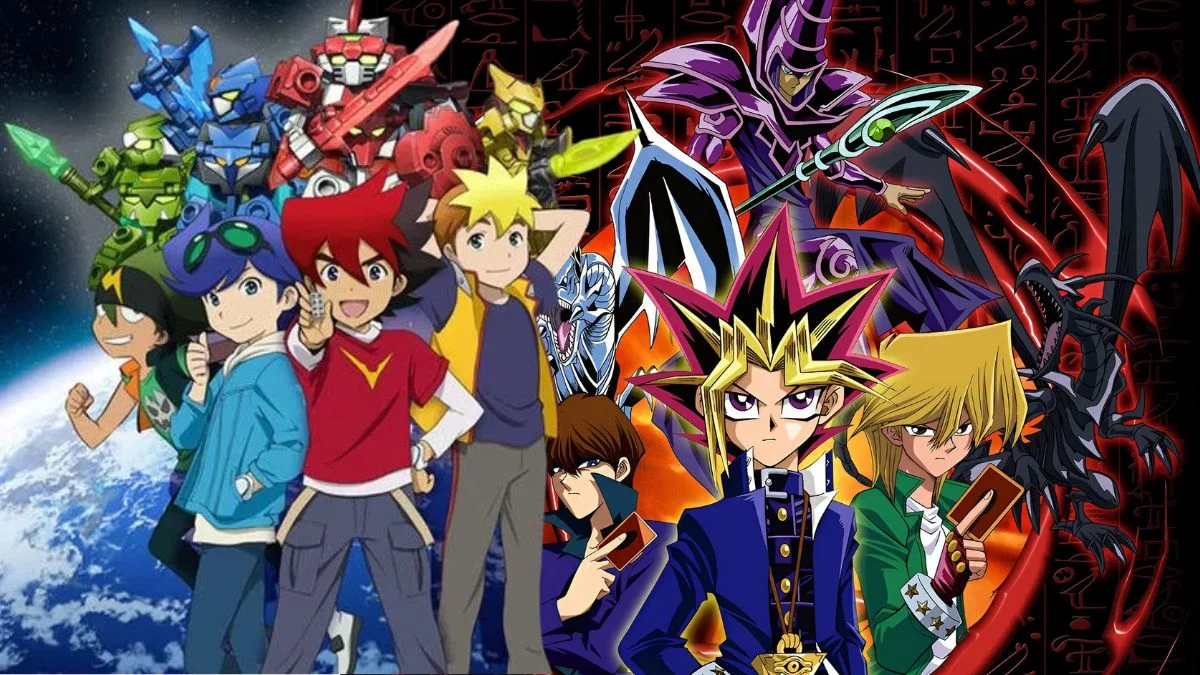
Many animated series are created with the main goal of selling toys and other merchandise. These shows often feature games or collectibles that viewers can buy and play with. While some developed interesting stories and gained loyal fans, their main purpose was always to promote products. Each episode essentially showcased the latest toys or characters available in stores. Popular examples, like shows with transforming robots or collectible card games, proved how effectively entertainment can be used for marketing.
‘Mobile Suit Gundam’ (1979–1980)
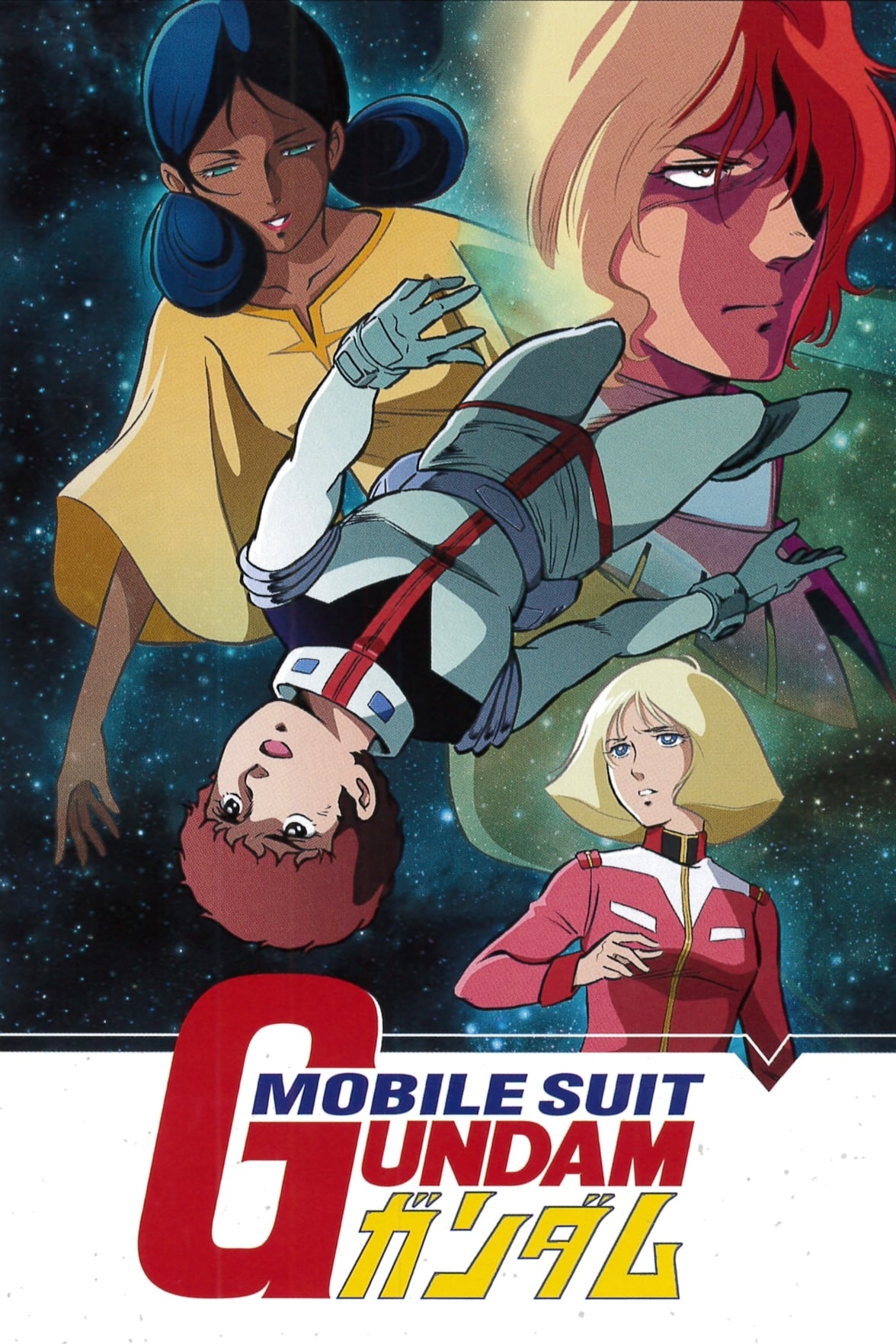
During a huge war across the galaxy, Amuro Ray starts piloting a highly advanced robot. The story focuses on the devastating impact of war on both young people fighting and regular citizens. The robots were designed with incredible detail, and Bandai created a wide range of model kits based on these designs. Fans loved building their own versions of the robots, and the popularity of these kits helped keep the franchise alive for many years.
‘Beyblade’ (2001–2003)
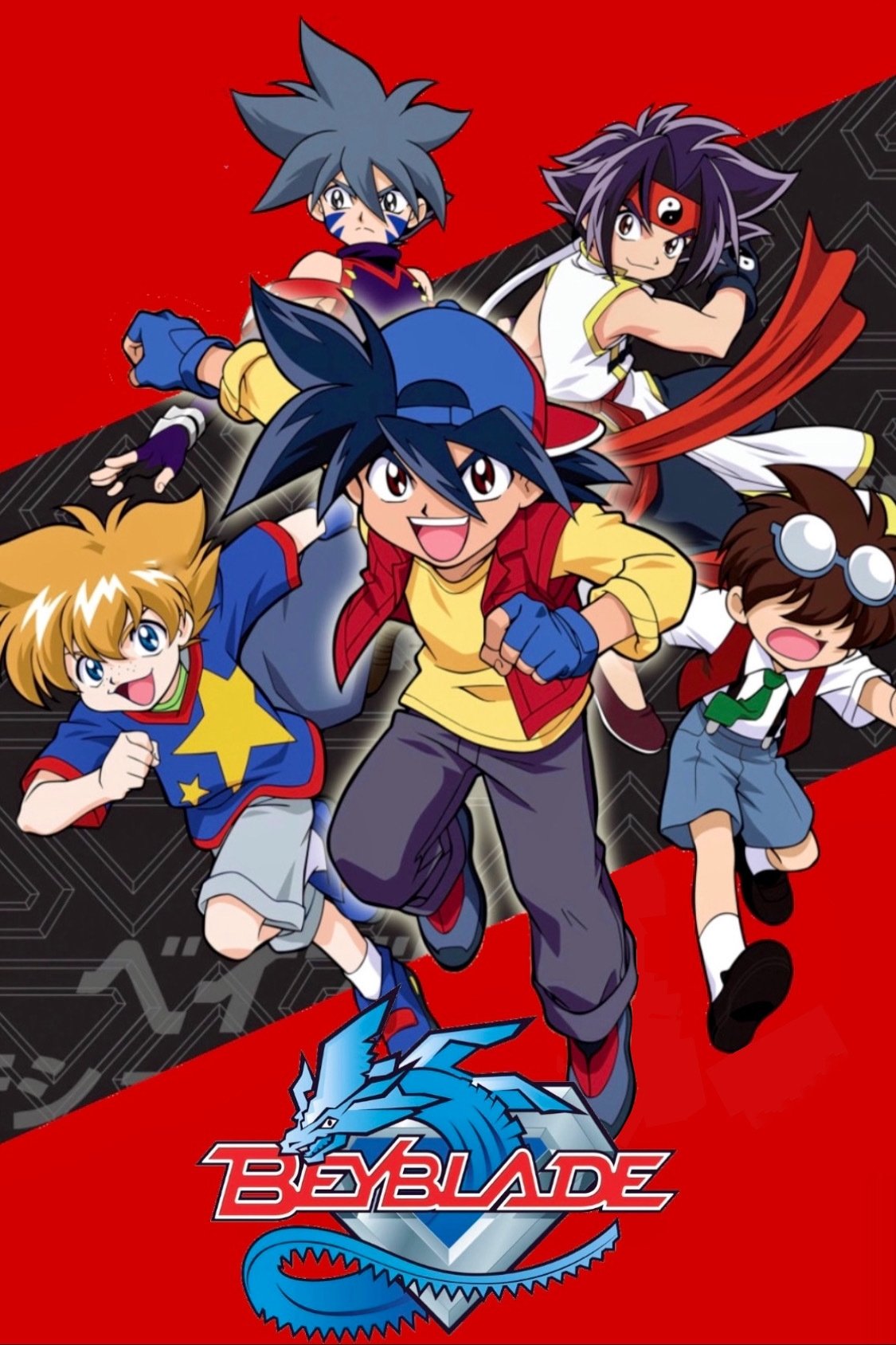
Kids compete against each other using high-tech spinning tops in special arenas, striving for recognition and victory. These tops are powered by a unique spirit that boosts their strength during battles. The show highlighted all the ways players can customize their own tops, mirroring the options seen in the series. The toy line, created by Takara Tomy, lets fans swap parts and upgrade performance, just like the characters do. Ultimately, the series transformed a classic toy into a popular, modern competitive pastime.
‘Yu-Gi-Oh! Duel Monsters’ (2000–2004)
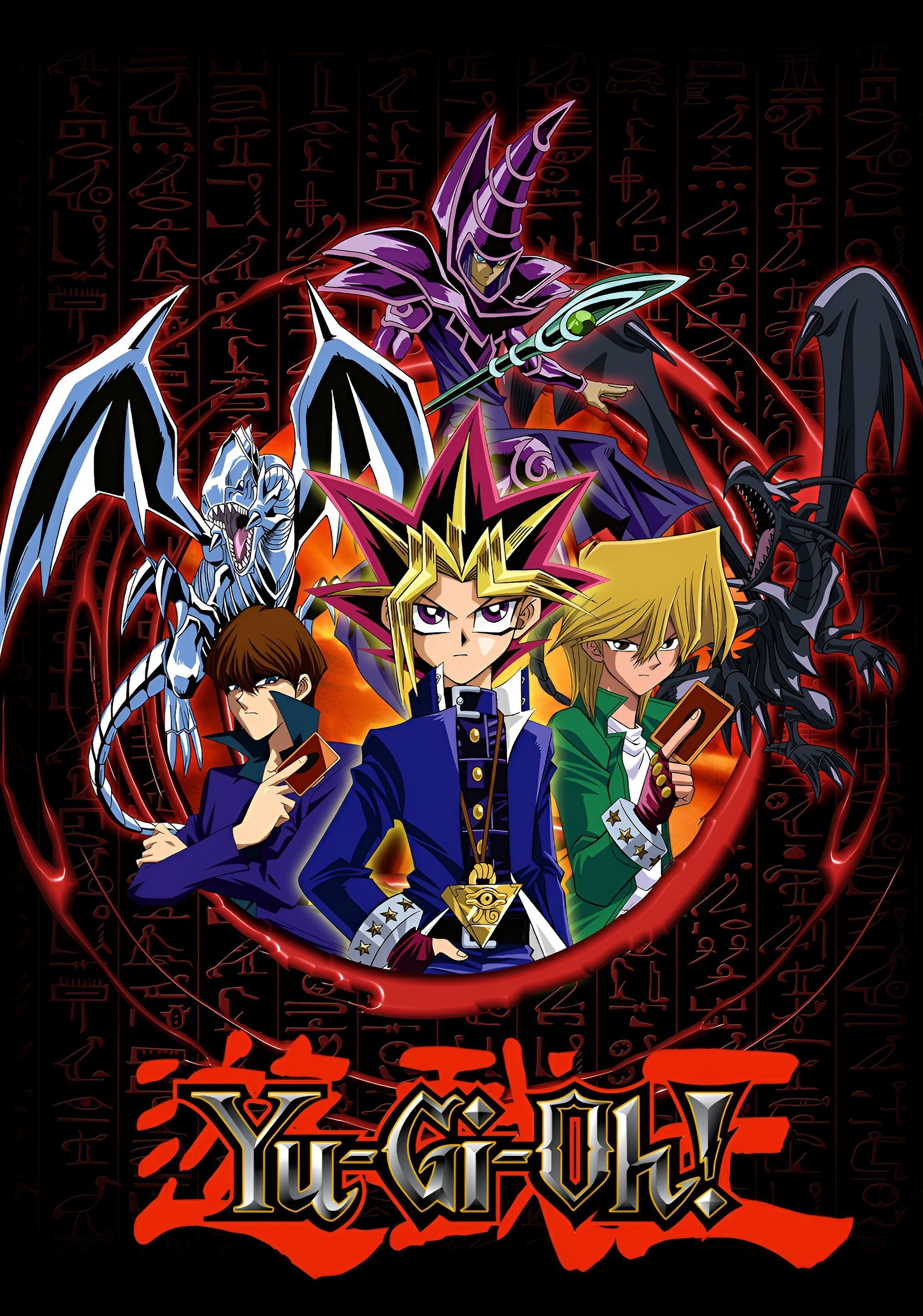
I remember first getting into Yu-Gi-Oh! when I was in high school. It was amazing watching Yugi duel all these incredible opponents! What really blew my mind was how the monsters on the cards actually came to life – it felt so real with the hologram effects. It totally got me hooked on collecting the cards too; everyone wanted those rare, powerful cards that Yugi and his friends used. And honestly, the show taught us how to play properly – the rules we used when playing with friends and even in official tournaments all came from the series. It was a huge deal for the trading card game itself, and I was definitely one of the fans rushing out to buy booster packs!
‘Pokémon’ (1997–Present)
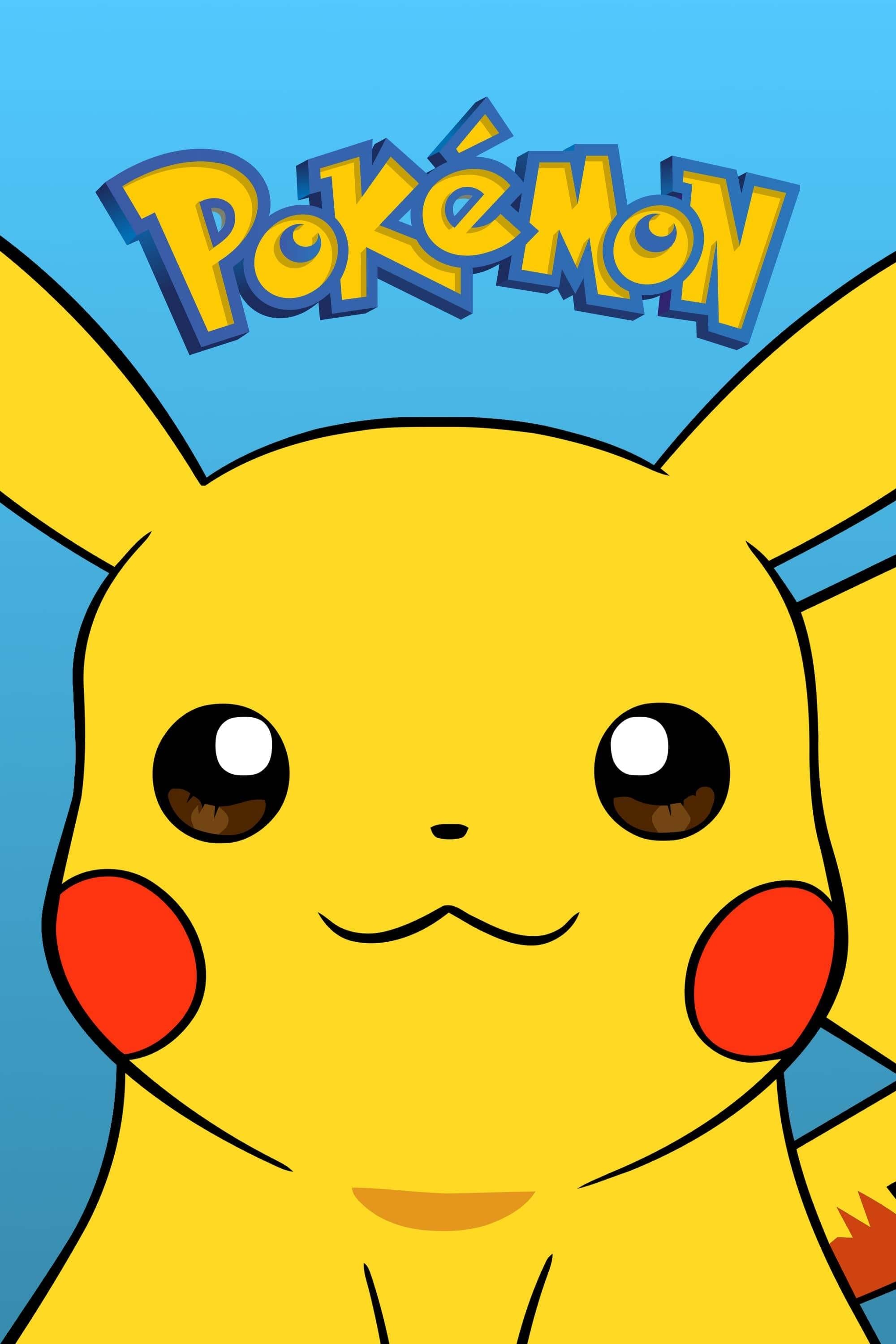
Ash Ketchum journeys across different lands, striving to become a skilled Pokémon trainer. The story centers around catching various Pokémon and training them to compete in gym battles. Though it started as a video game, the anime quickly became a huge promotion for all kinds of merchandise. New toys and plushies were released with each new Pokémon featured in the weekly episodes, and this constant branding encouraged fans to collect everything related to the series.
‘Bakugan Battle Brawlers’ (2007–2008)
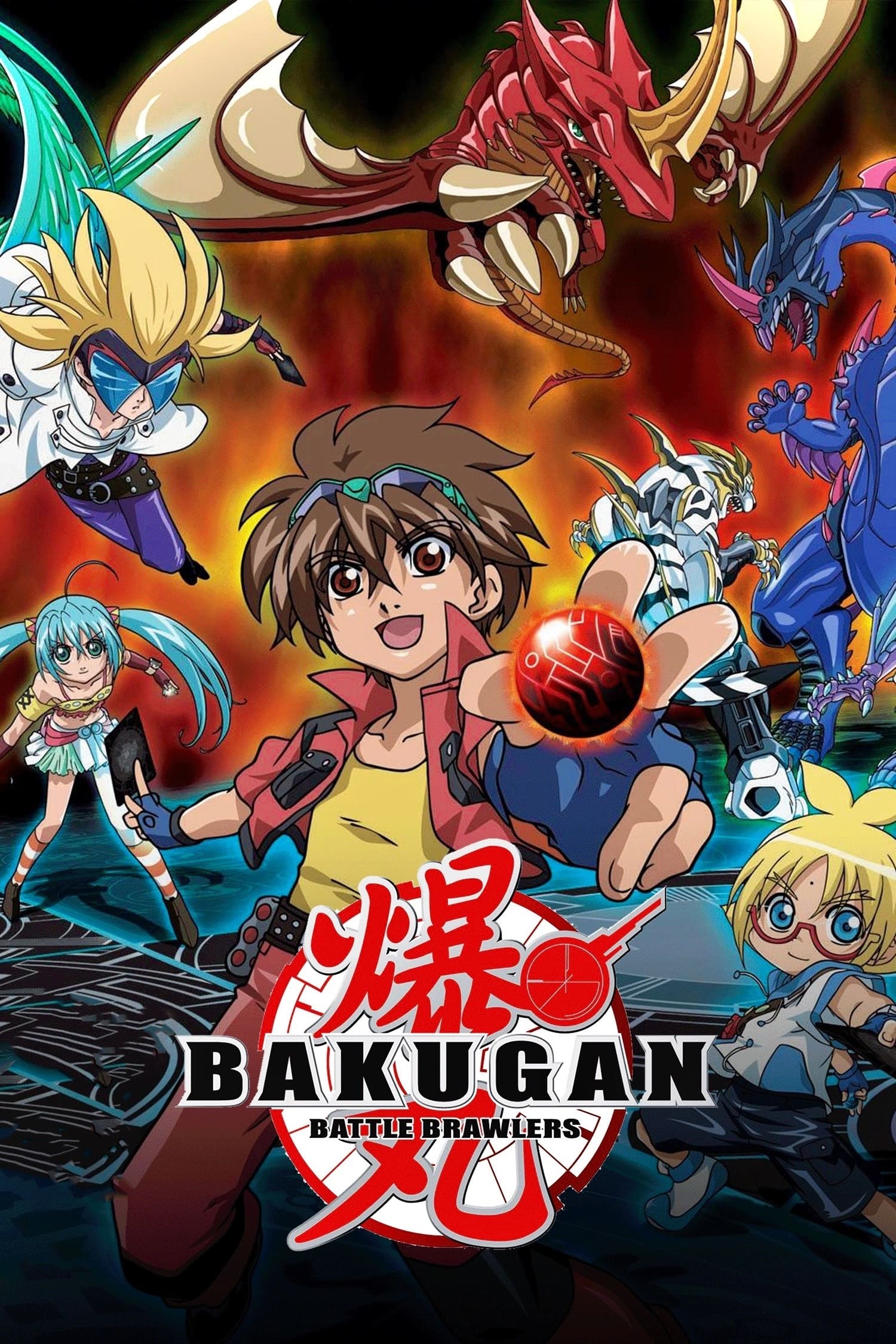
Dan Kuso and his friends battle each other using special cards and collectible, ball-shaped creatures. When these creatures hit magnetic cards, they transform into powerful monsters. The physical game, created by Spin Master, was designed to work just like the battles seen in the animated TV show. New characters and abilities were introduced in each episode, encouraging fans to collect them all. This close connection between the show and the game was a major reason for its popularity in stores.
‘Zoids: Chaotic Century’ (1999–2000)
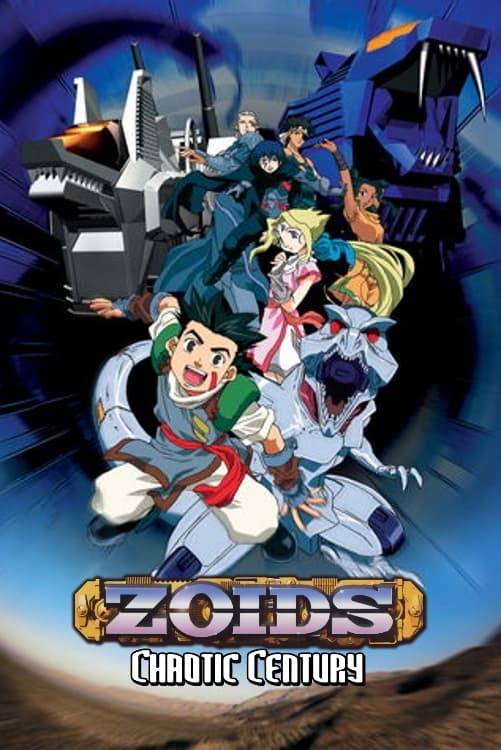
Van Flyheight stumbles upon a strange girl and a robotic creation that awakens a giant mechanical lion. The series showcases epic battles between animal-shaped robots armed with powerful weapons. These robots were originally designed to showcase Tomy’s detailed, motorized model kits, allowing fans to build and recreate the action they saw on screen. The show successfully reintroduced the brand to a new wave of collectors.
‘Medabots’ (1999–2000)
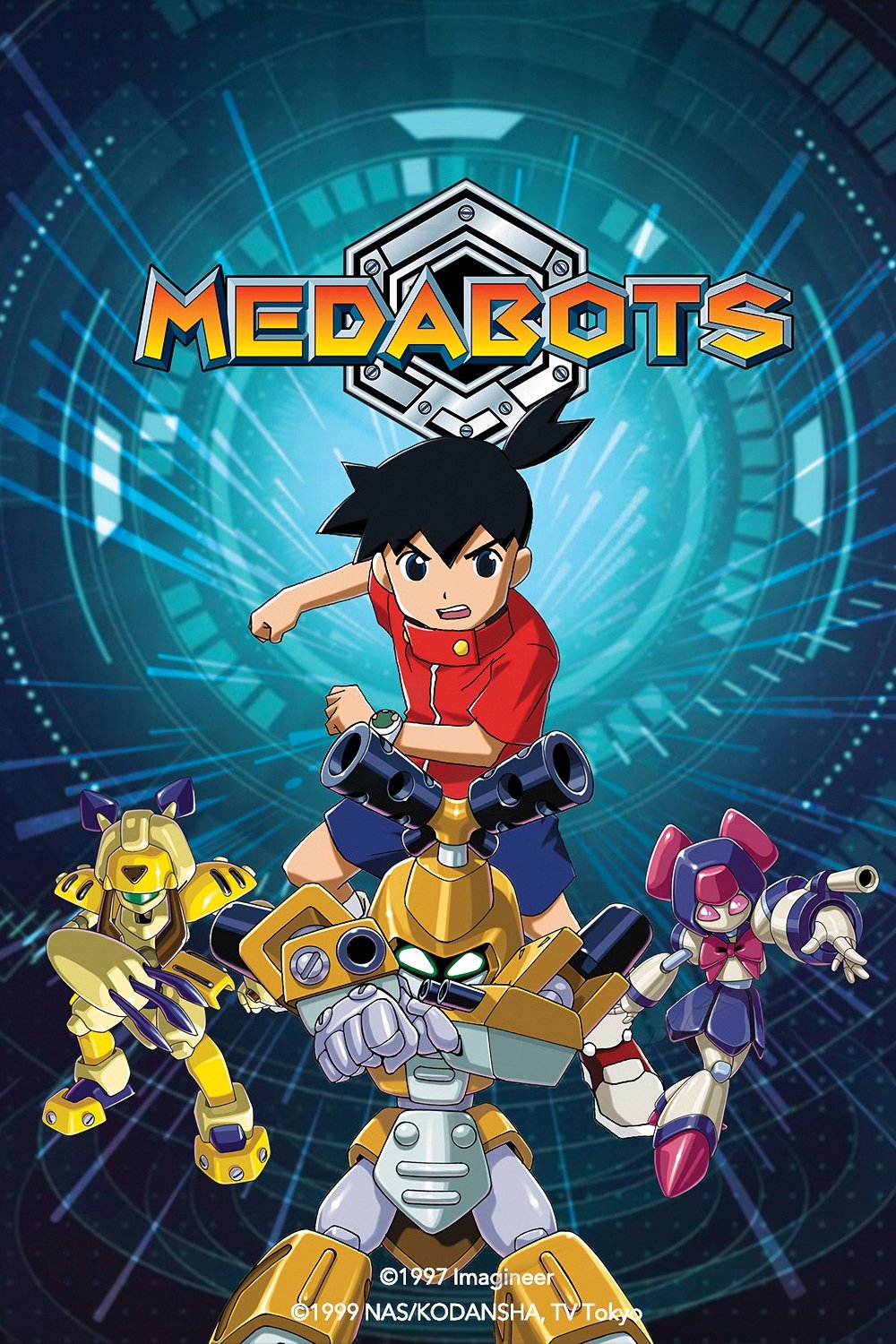
As a huge anime and robot fan, I loved Medabots! The story follows Ikki Tenryou and his robot, Metabee, as they compete in these awesome battles called Robattles. What was really cool was that the robots weren’t just static – they ran on these special medals and you could swap out their arms and weapons to make them totally unique. The anime itself was cleverly designed to show off all the different parts you could collect with the toys. Every episode introduced a new piece, and it made me – and probably a lot of other viewers – want to buy more kits so we could build our own customized robots and try out different strategies. It was a really smart way to connect the show with the toys!
‘Digimon Adventure’ (1999–2000)
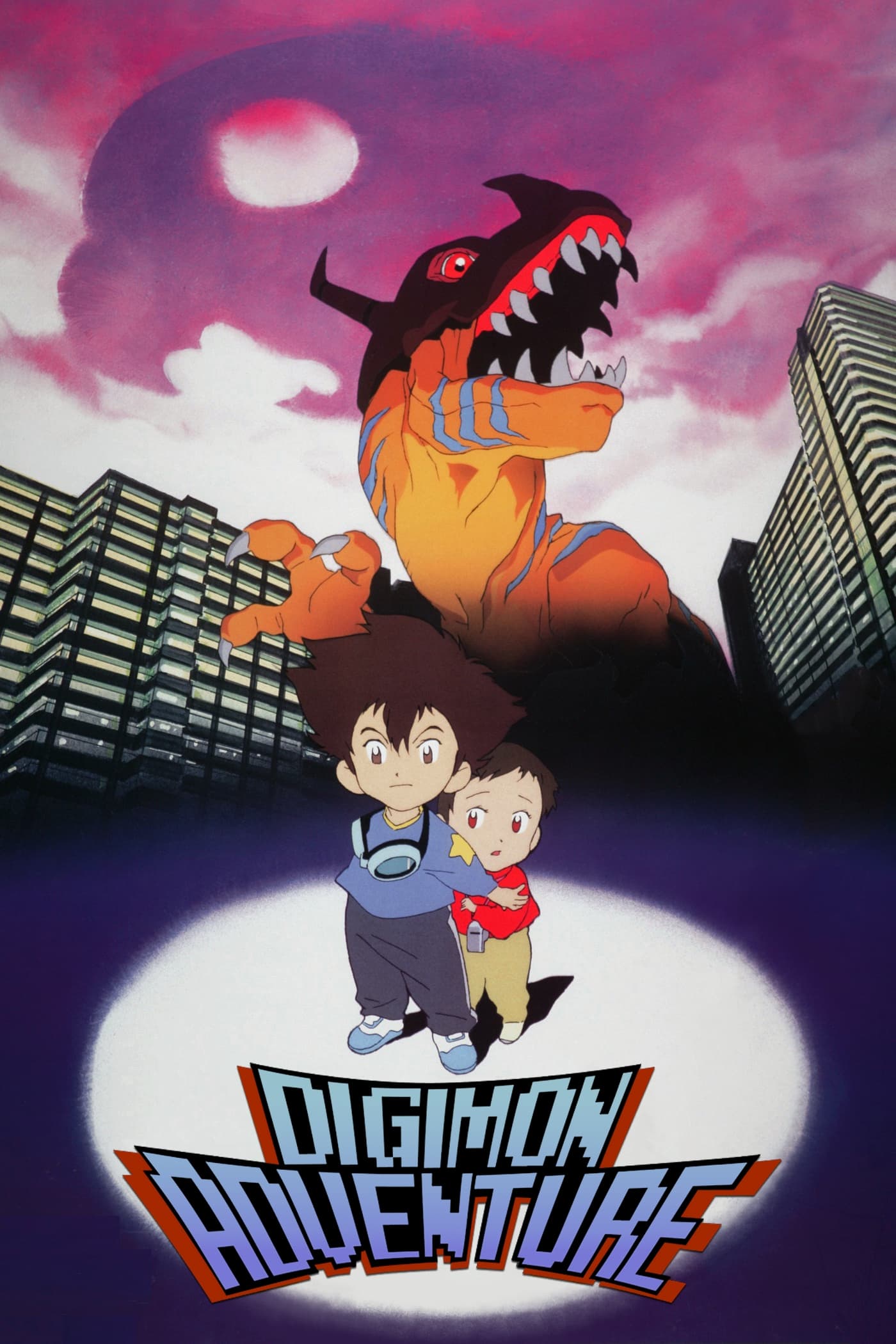
As a huge fan of monster shows, I always loved how Digimon took kids and their digital partners on an incredible journey to save two worlds! What really hooked me – and a lot of other kids, I think – was seeing these Digimon evolve into stronger forms, powered by cool digital devices. It was a brilliant tie-in with Bandai’s virtual pet toys and action figures; they were constantly releasing new designs based on these evolved forms, which meant there was always something new to collect. Honestly, it’s still one of the most iconic monster-collecting shows out there, and it really set the standard for the genre.
‘Duel Masters’ (2002–2003)
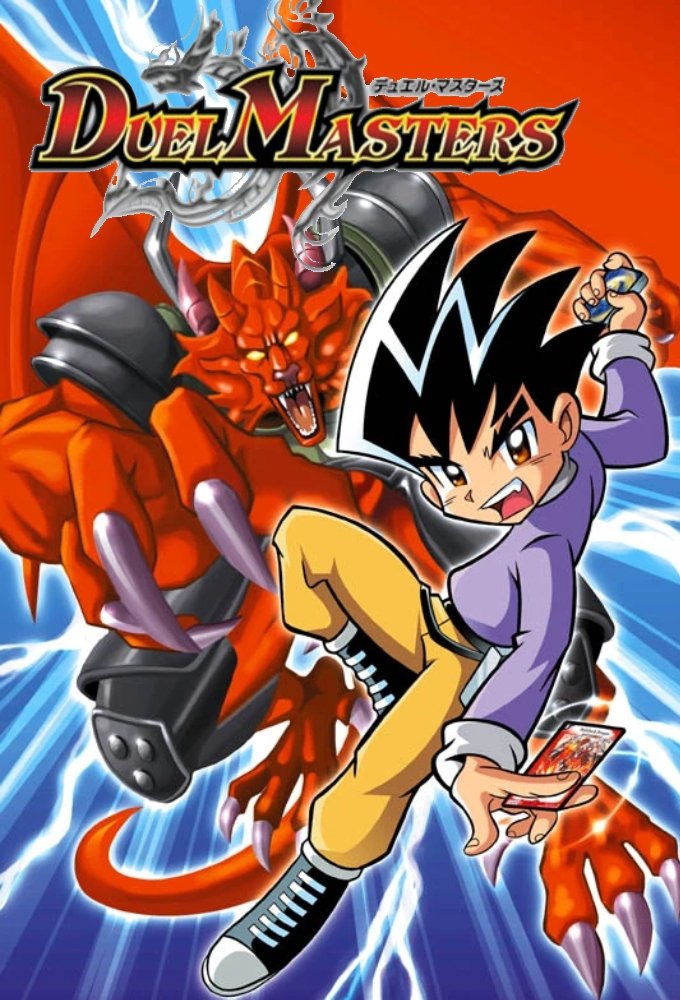
Shobu Kiruda is dedicated to becoming a top-level duelist, and the anime follows his journey through challenging card game tournaments. The show features a complex system of rules and powerful, mythical creatures that players utilize in battles. It helped Wizards of the Coast and Takara become major players in the competitive trading card game world. The show’s quick action reflected the fast-paced gameplay of the actual card game, attracting fans eager for a new, strategic experience.
‘Bakusou Kyoudai Let’s & Go!!’ (1996–1998)
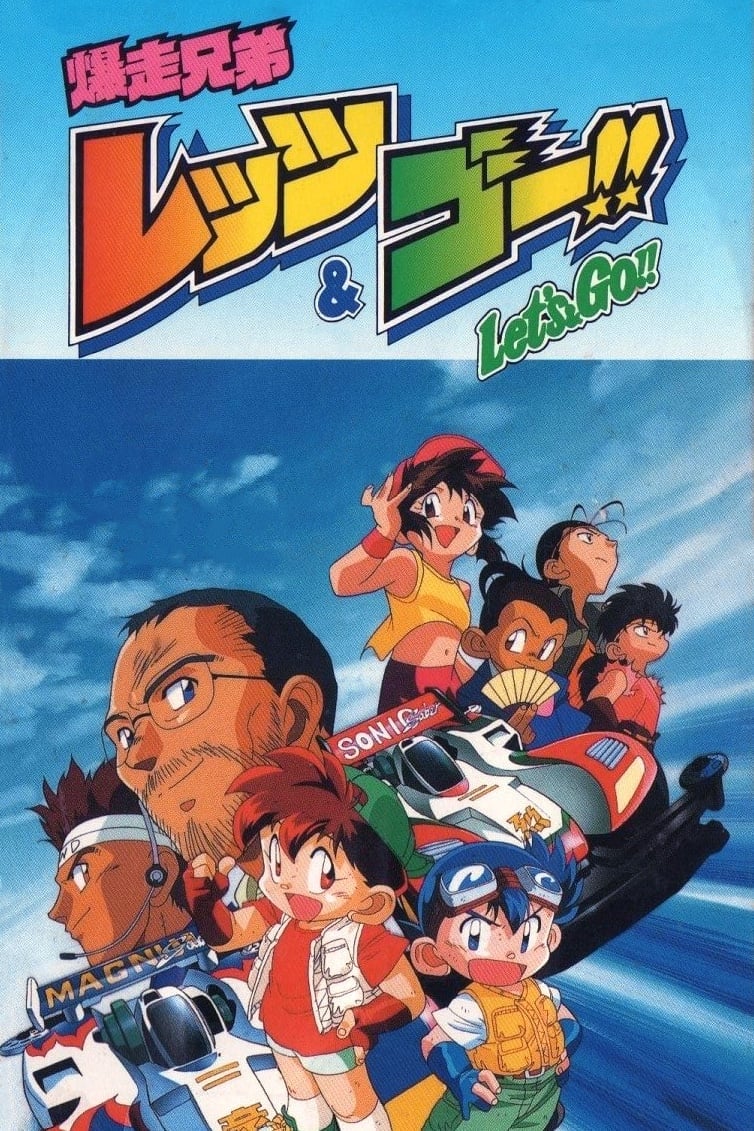
This show follows two brothers as they race customized miniature cars on complex tracks. It focuses on the details of improving the cars – like the motors and frames – to make them as fast as possible. The series was created to showcase Tamiya’s Mini 4WD cars, and each episode demonstrated upgrades that viewers could try on their own models. The show became incredibly popular, inspiring a large community of young racing enthusiasts.
‘Tamagotchi!’ (2009–2012)
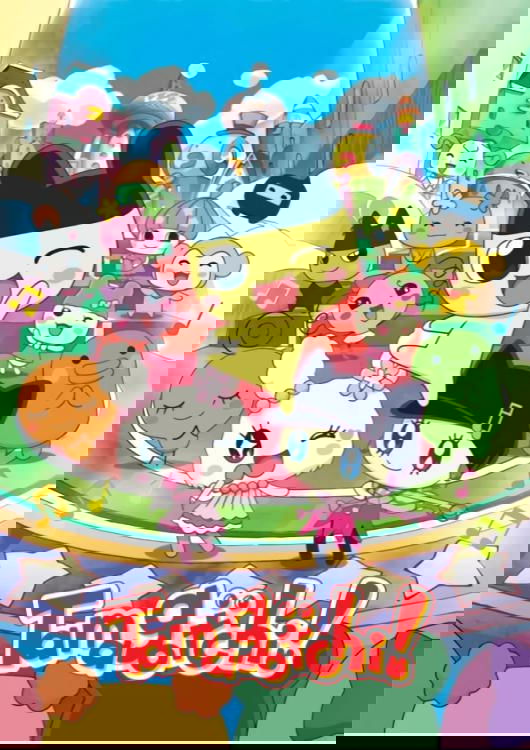
This animated series showcases the everyday lives and playful escapades of digital creatures inhabiting Tamagotchi Planet. Each episode centers around themes of friendship and finding solutions to problems, all within a bright and cheerful setting. Bandai created the anime to keep fans engaged with their popular virtual pet toys. Often, new characters appearing in the show would then be included in updated versions of the handheld devices, which helped attract a new generation of children to the brand.
‘Monsuno’ (2012–2014)
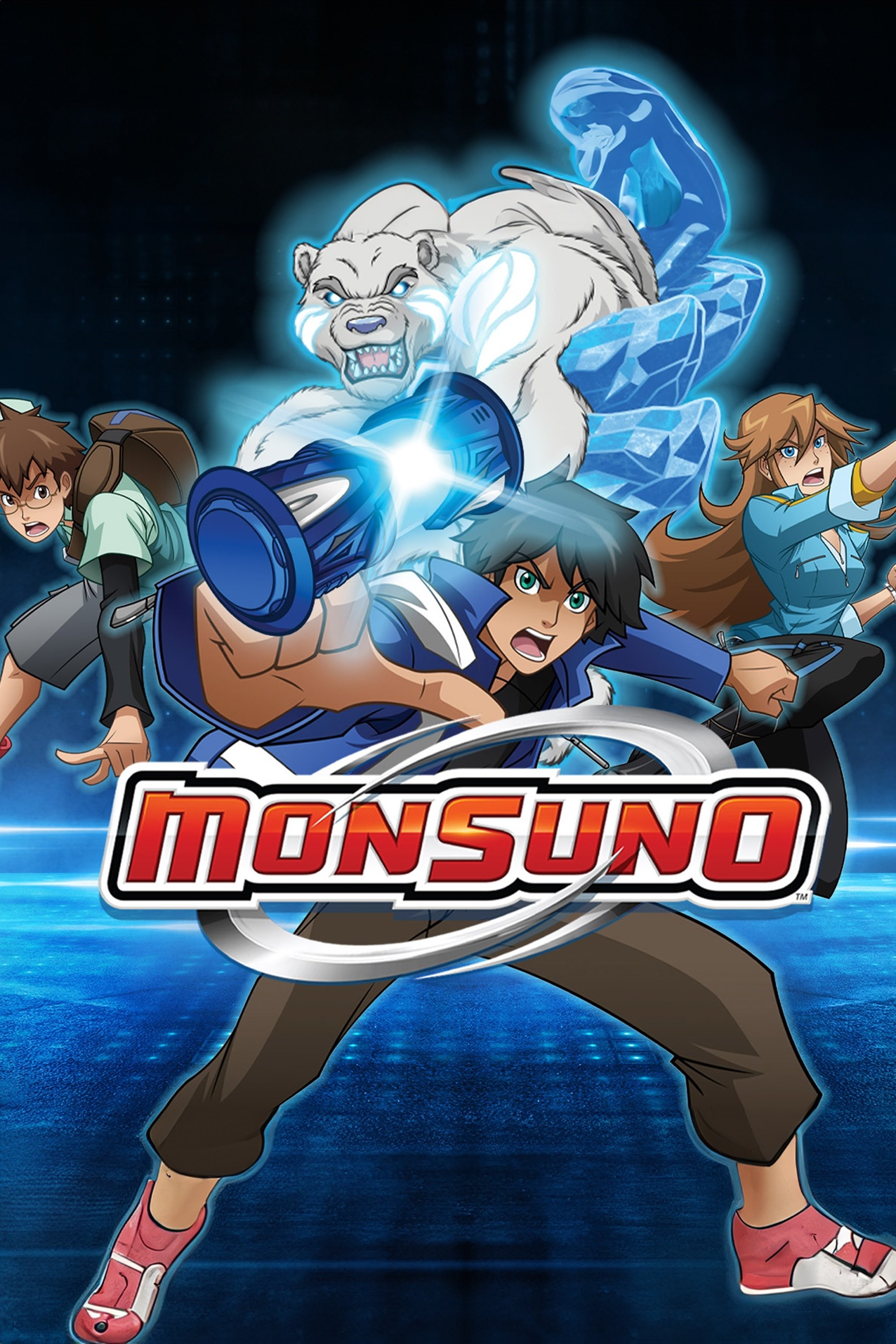
Chase Suno and his friends find amazing monsters trapped inside tiny, spinning capsules called cores. They launch these cores into battle, unleashing huge creatures to fight for them. The toys, created by Jakks Pacific, were designed to match the exciting animated series. The toys themselves spin, just like the core launchers in the show, letting fans experience the action and energy at home.
‘Tenkai Knights’ (2013–2014)

A group of four teens are selected to become mighty knights with the ability to transform into armored warriors. Their mission is to journey to a cube-shaped planet and defeat an evil leader who threatens to take over the universe. The show was created by Spin Master to showcase their building blocks that can change into different shapes. Each knight and vehicle featured in the series was specifically designed to be constructed using the actual toy pieces, offering fans a fun and engaging experience combining building and playing with action figures.
‘Yo-kai Watch’ (2014–2018)
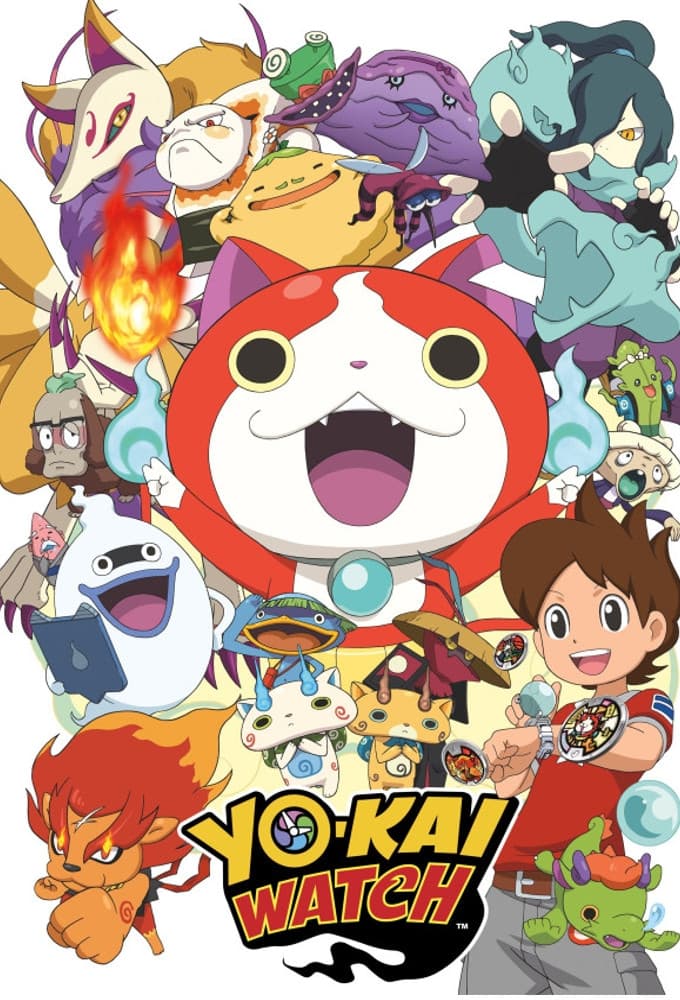
A boy with a unique watch can see and communicate with hidden spirits who are responsible for common annoyances. The show revolves around collecting medals, each representing a different spirit, which can then be used to summon them for battles. Originally, Level 5 created this series with the goal of selling a large quantity of watches and collectible medals. Catchy music and appealing character designs contributed to the huge success of the related toys. The franchise quickly became a popular trend and a major force in the toy market for multiple years.
‘Cardfight!! Vanguard’ (2011–2012)
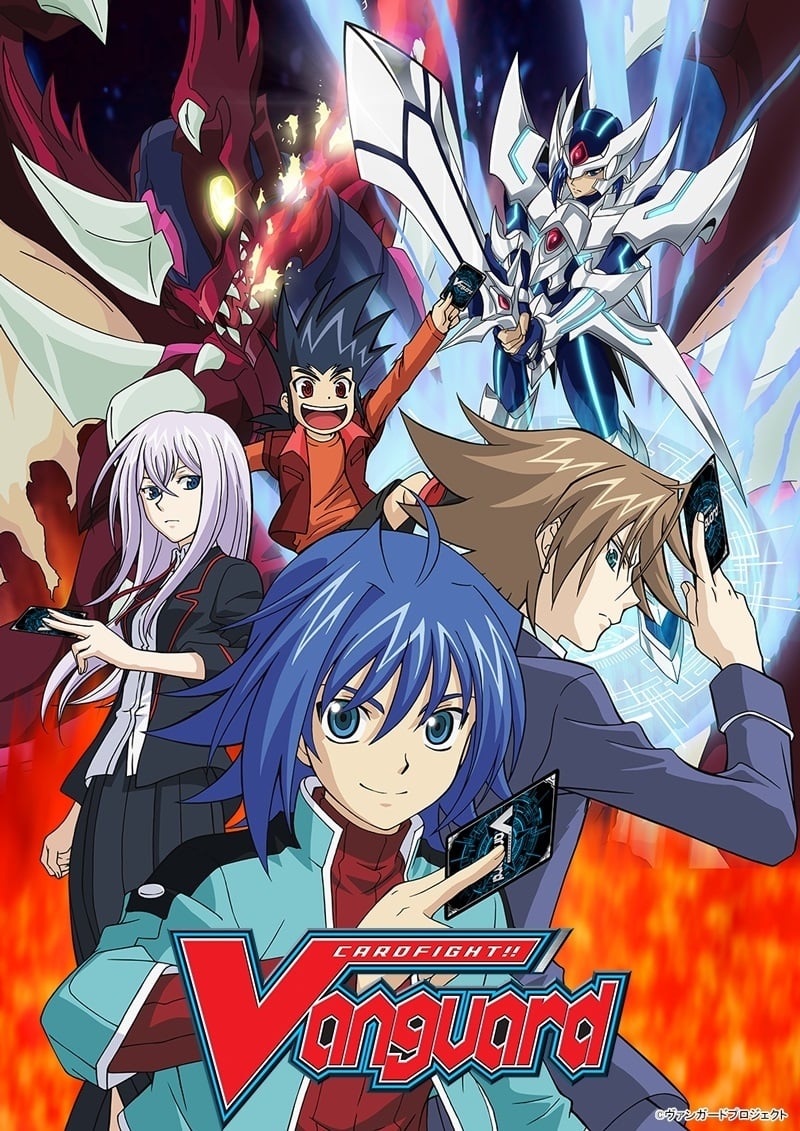
The series follows players battling each other with cards featuring creatures from the world of Cray. The main character learns to harness his own skills and constructs a strong deck to compete in tournaments. Created by Bushiroad, the show serves as an introduction to the rules and backstory of their trading card game. Many episodes focus on explaining card powers and strategies, which encouraged viewers to become players and collect the cards themselves, building a loyal fanbase.
‘Future Card Buddyfight’ (2014–2015)
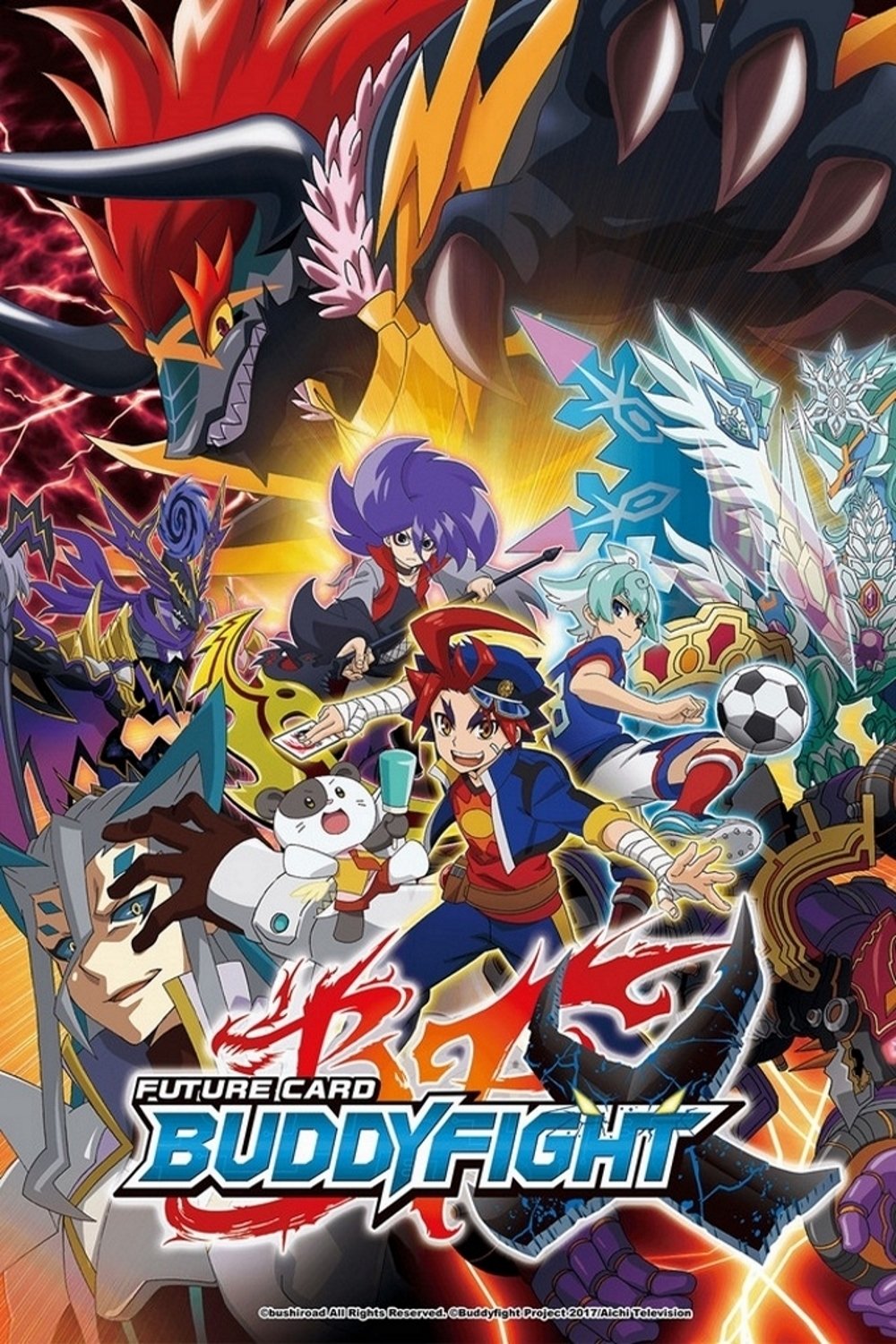
This show centers around a card game where players partner with monsters from different worlds. It follows Gao Mikado and his dragon as they compete in championships. The exciting battles are designed to highlight the unique cards and creatures, and each episode demonstrates the game’s strategy to encourage viewers to collect the cards themselves. The series keeps a young audience engaged with its colorful characters and fast-paced action.
‘Gundam Build Fighters’ (2013–2014)
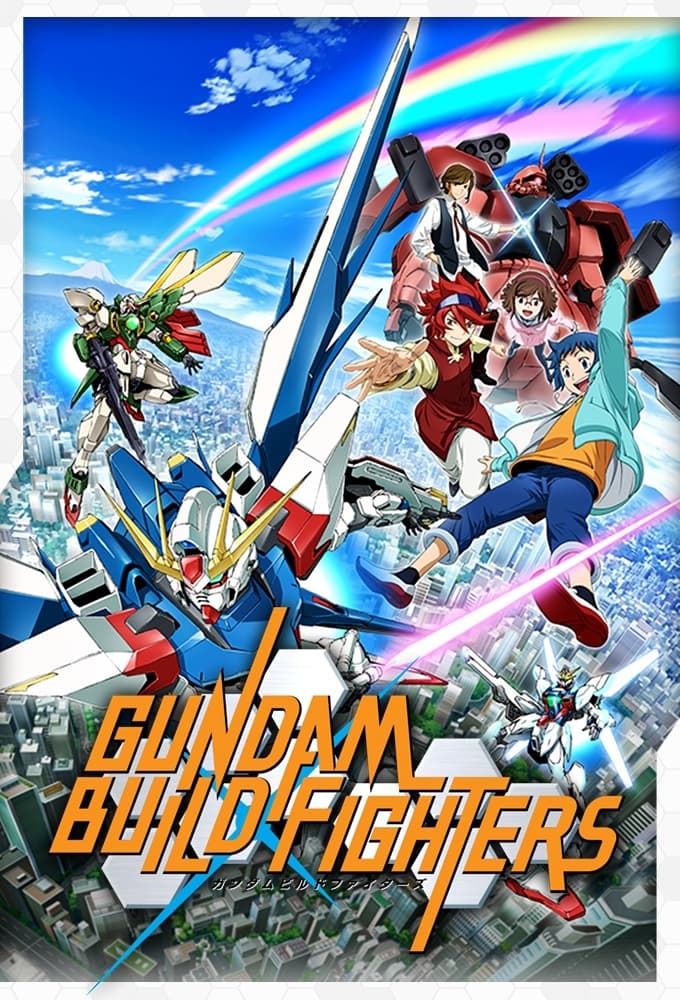
This anime is different from typical war stories – it centers around people who build and compete with plastic model kits. The main characters compete in tournaments, controlling their customized Gunpla models in realistic simulations. The show is a heartfelt tribute to the model-building hobby and also promotes specific kits, many of which Bandai then released for sale. It’s a celebration of fan creativity that also proved to be a successful marketing strategy.
‘Mashin Hero Wataru’ (1988–1989)
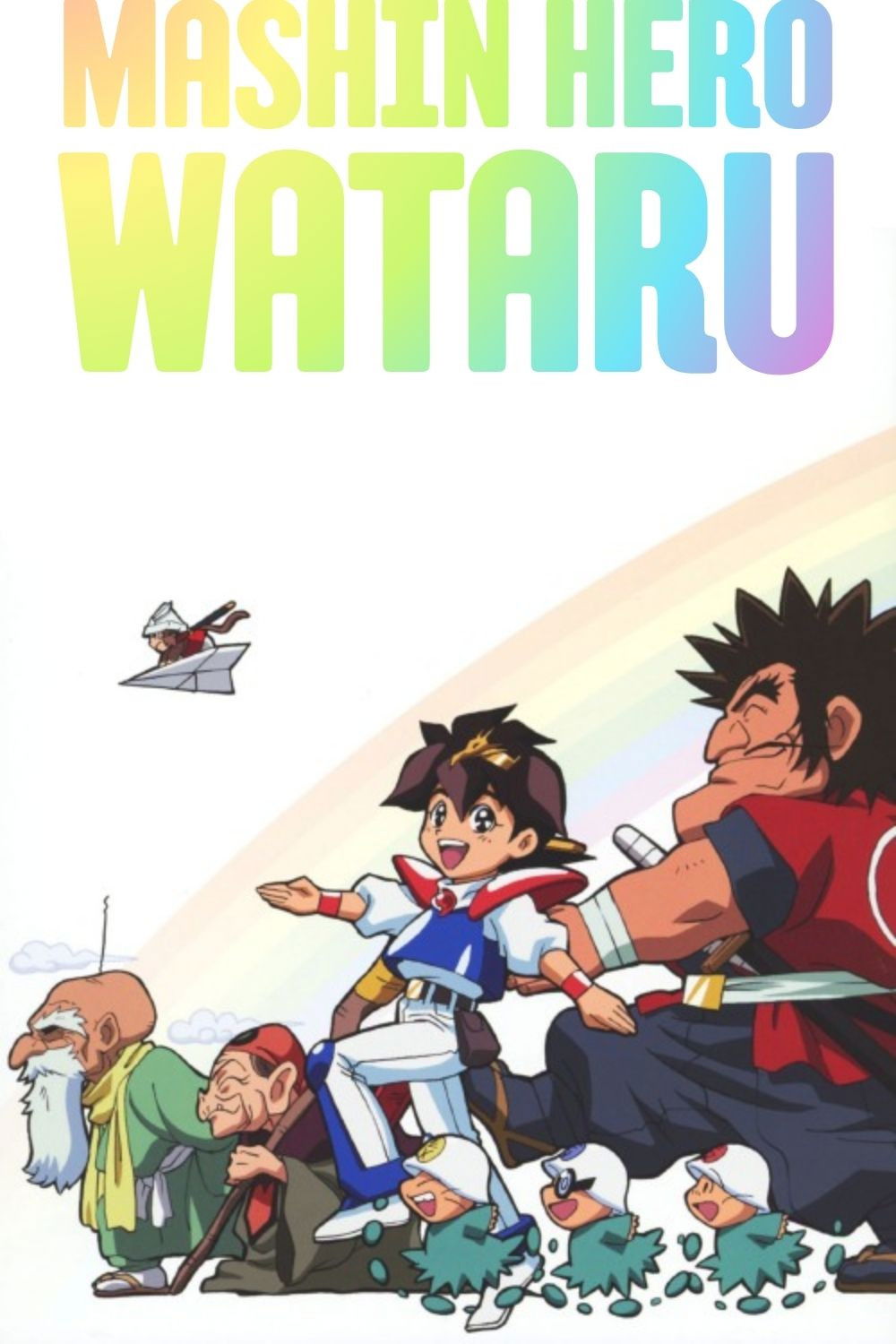
Wataru is a boy who finds himself in a magical world, tasked with piloting a powerful robot to fight against evil. The show is known for its unique art style, featuring robots designed to be short, stocky, and appealing as toys. The creators intentionally designed the robots this way so they could be made into affordable action figures and model kits. Takara, the toy company, made a lot of different toys based on the show’s characters, and it’s still a favorite among fans of classic cartoons that were made to sell toys.
‘Sylvanian Families’ (1987)
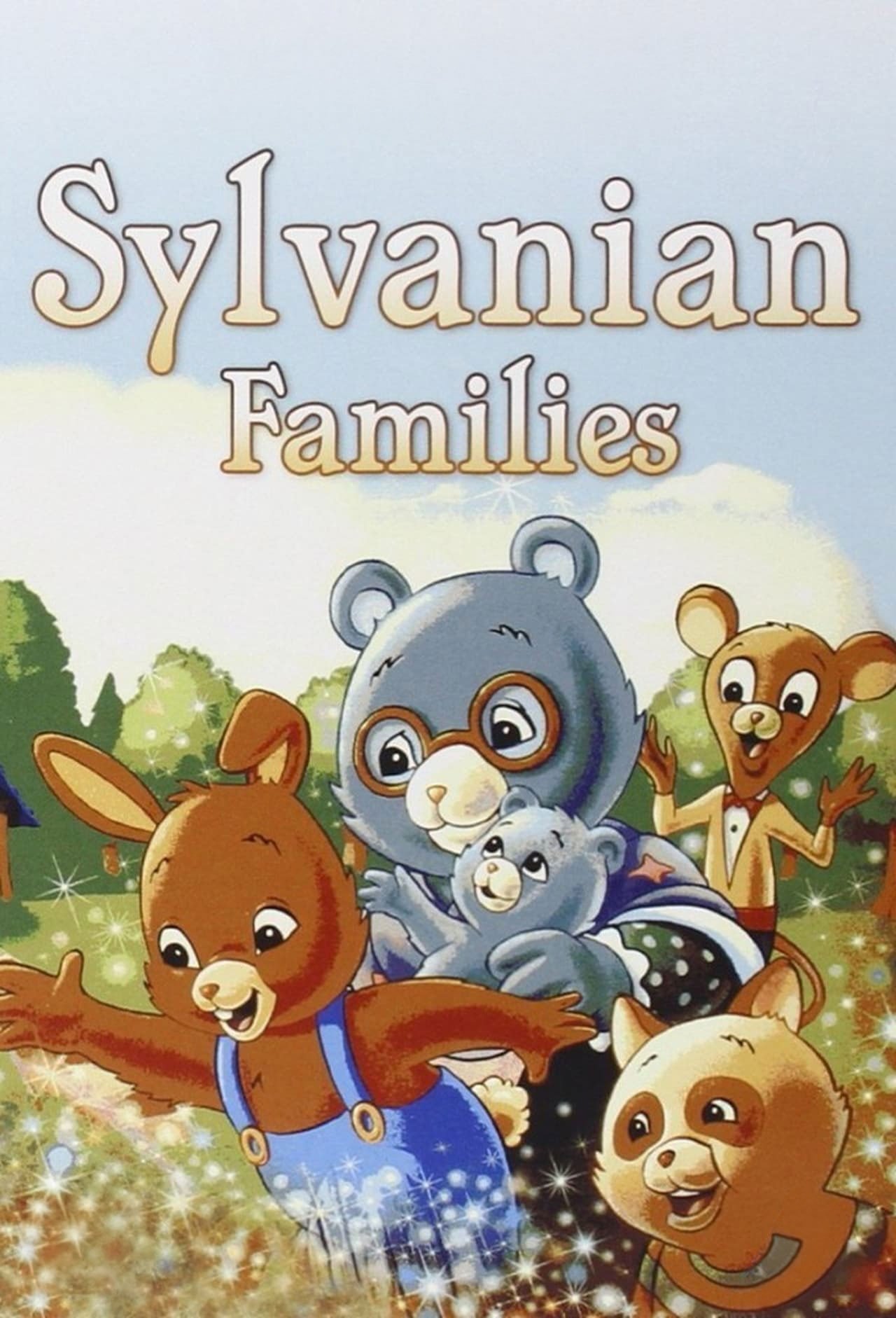
This charming series follows the heartwarming lives of animal families in a cozy village. Each episode teaches gentle lessons about family, friendship, and doing what’s right. The show was originally created to expand the story and world of Epoch’s popular plush animal toys. The detailed backgrounds and houses you see on screen were based on the actual playsets available to buy, helping kids connect with their toys on a deeper level.
‘Dinosaur King’ (2007–2008)
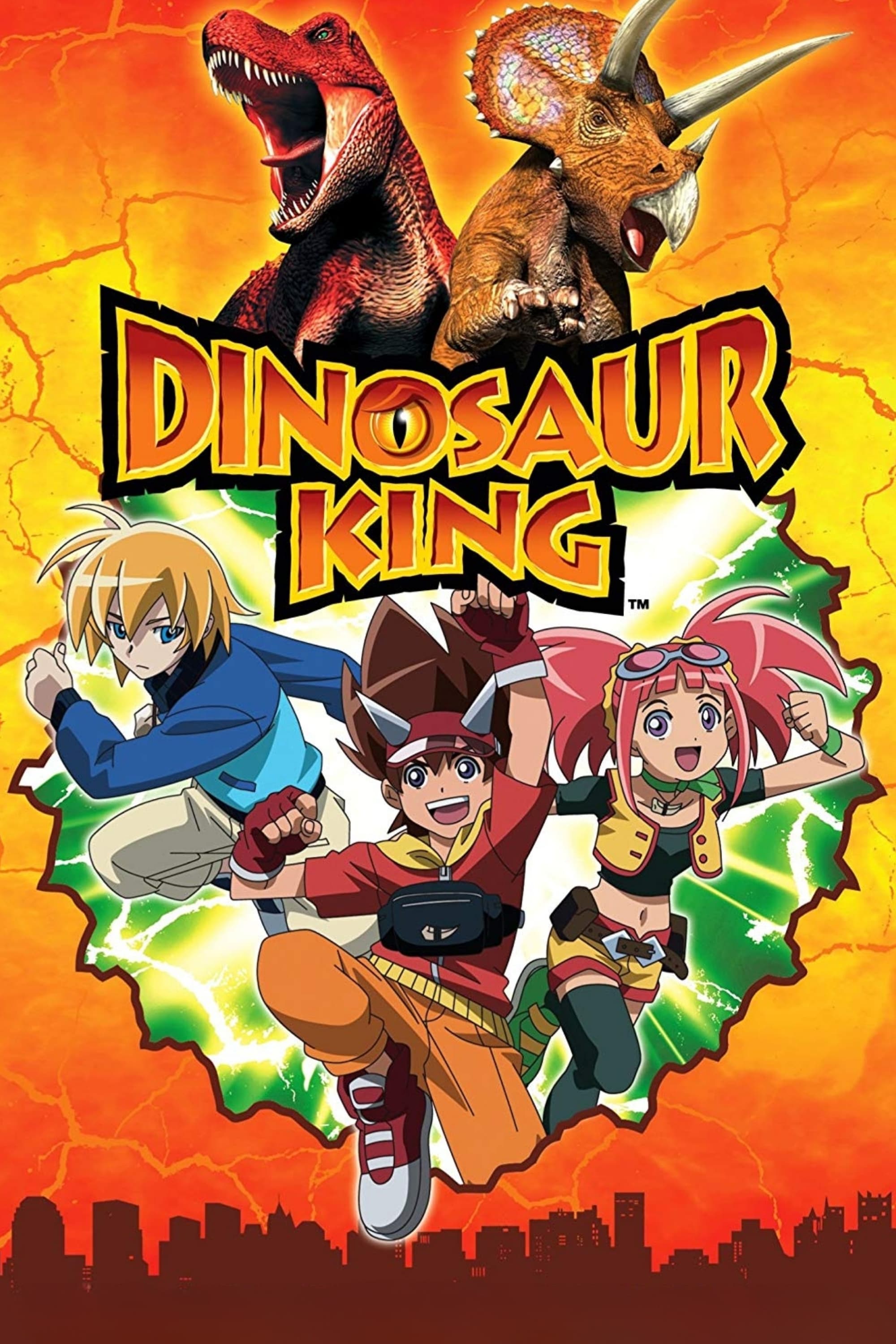
Max Taylor and his friends discover special stones that let them bring dinosaurs to life using collectible cards. They embark on a global adventure to gather more cards, racing against a dangerous group with sinister plans. The series was originally created to boost the popularity of a hit arcade game and its trading cards. Sega and Sunrise worked together to make sure every dinosaur seen in the show was also available as a collectible card, and the exciting action made the prehistoric creatures incredibly popular with young collectors.
‘Mega Man Star Force’ (2006–2007)
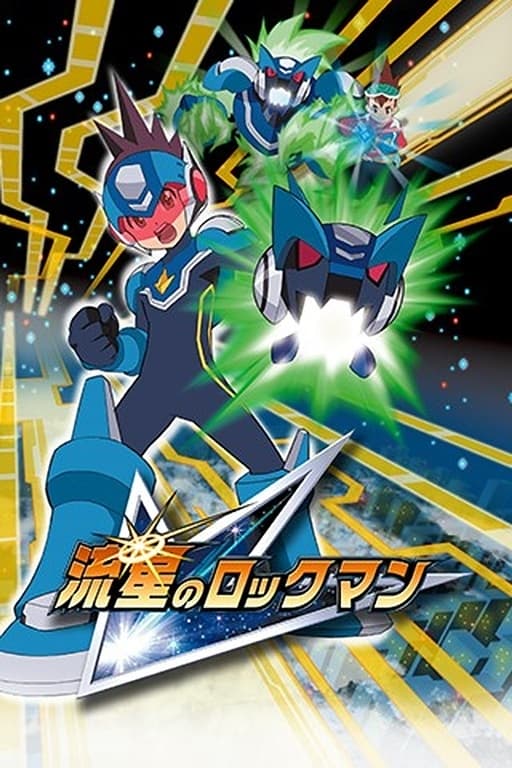
Geo Stelar transforms into a super-powered hero by merging with an alien, and fights digital viruses in a world of the future. The story centers around battles where players use special cards to attack and defend. Capcom created the anime series to advertise their handheld video games and collectible battle cards. The show’s visuals were designed to match the gameplay, creating a unified experience that encouraged viewers to also play the games.
‘Machine Robo: Revenge of Cronos’ (1986–1987)
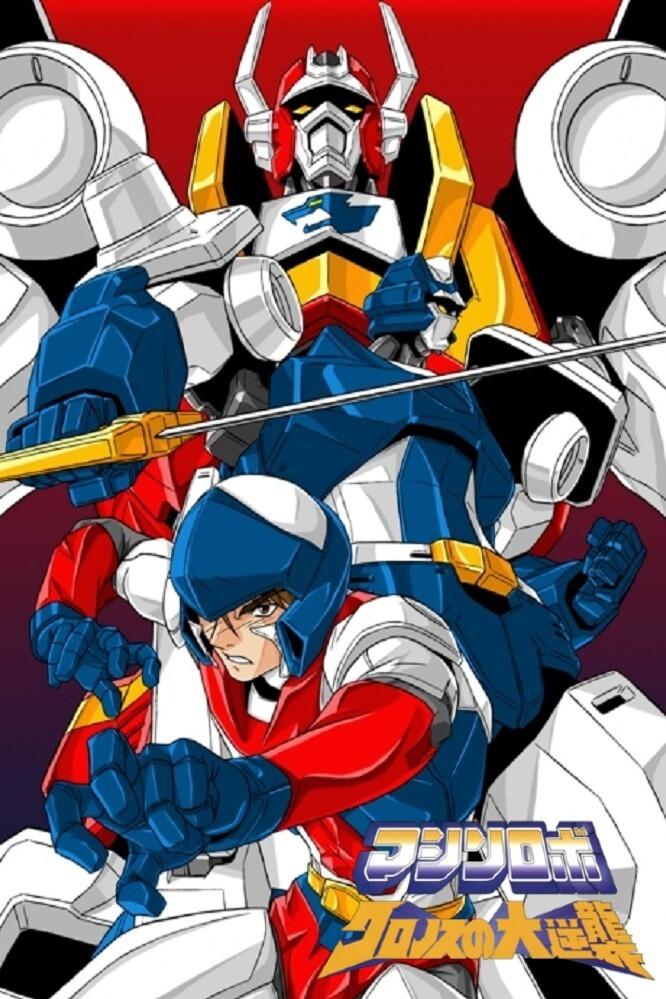
A team of robot heroes fights to protect their planet from an army of evil machines. The main character can combine with bigger robots to become more powerful in battle. This animated series was created to promote the Machine Robo toy line, which featured robots that could transform into different vehicles. A major draw of the show and toys were the detailed transformation sequences, helping Machine Robo stand out alongside other popular robot brands at the time.
‘Jewelpet’ (2009–2010)
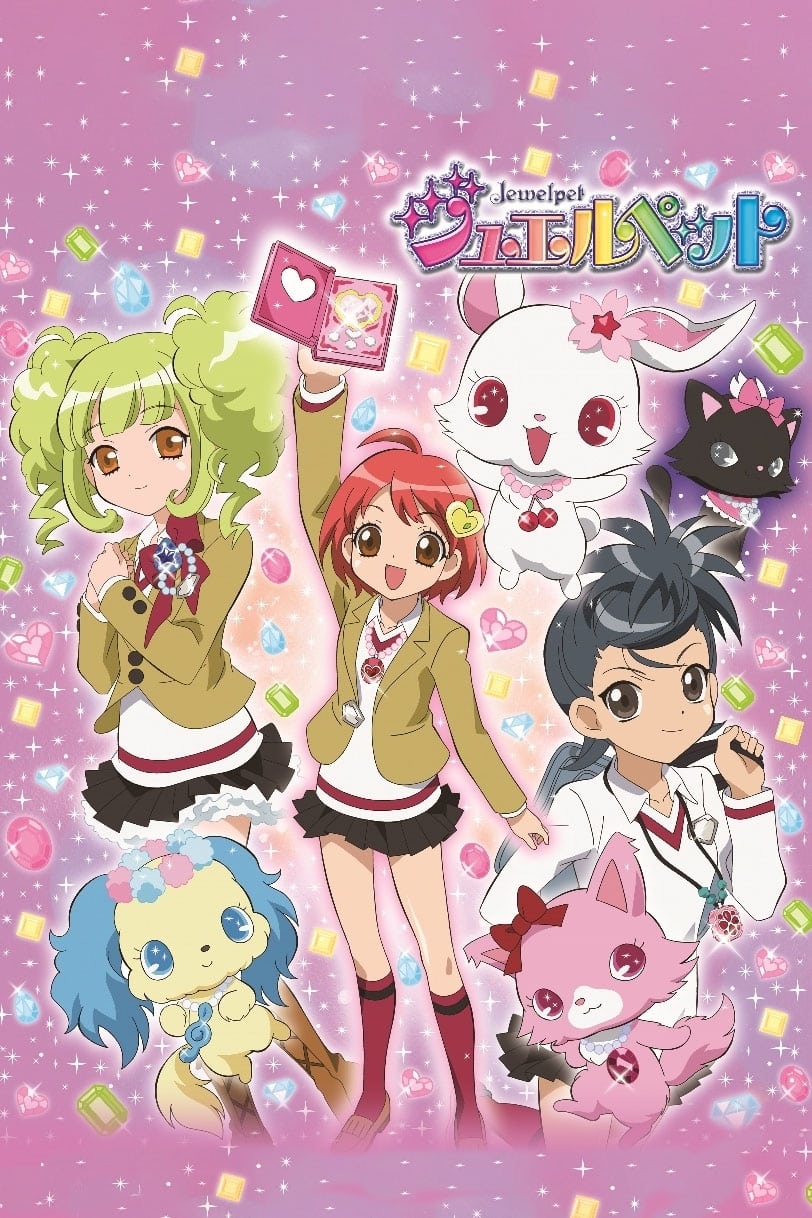
Adorable creatures with sparkling gemstone eyes journey to our world searching for their missing friends and discovering the wonders of magic. Each character’s special abilities are linked to a specific jewel they possess. This series was created through a partnership between Sanrio and Sega Toys to showcase their popular plush toys and collectibles. The show’s focus on lovable characters aimed to attract young collectors, and it proved so successful that it spawned multiple follow-ups and a huge range of themed products.
‘Aikatsu!’ (2012–2016)
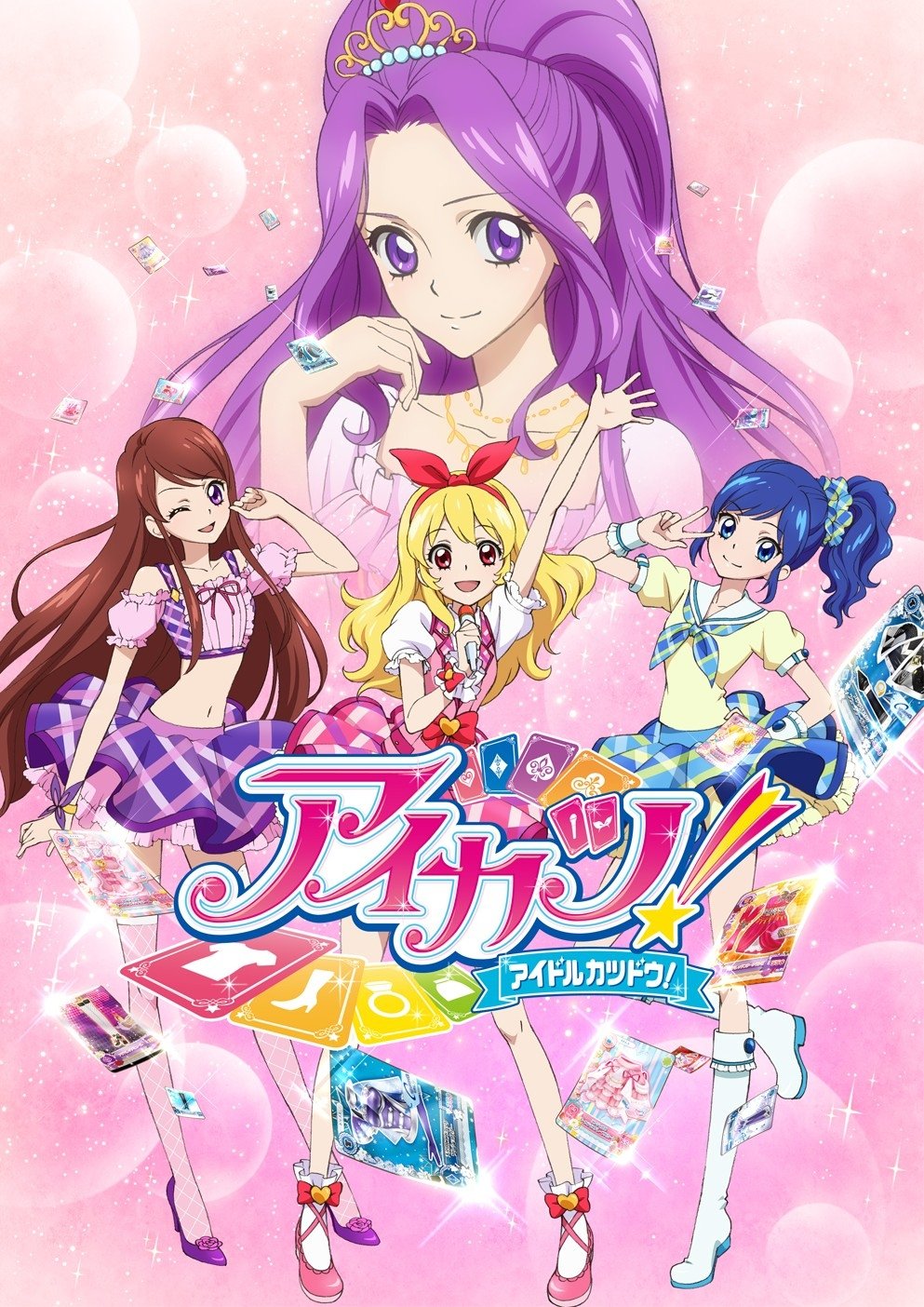
Young hopefuls training to become idols attend a special academy where they pick out performance outfits using collectible cards. These cards are placed into a machine that magically turns regular clothes into stunning stage costumes. The anime series was created to promote Bandai’s arcade card games and physical card collections. Its appealing music and focus on fashion quickly made it popular with young girls. Fans loved that they could collect the same cards as the characters and use them to customize their online avatars.
‘PriPara’ (2014–2017)
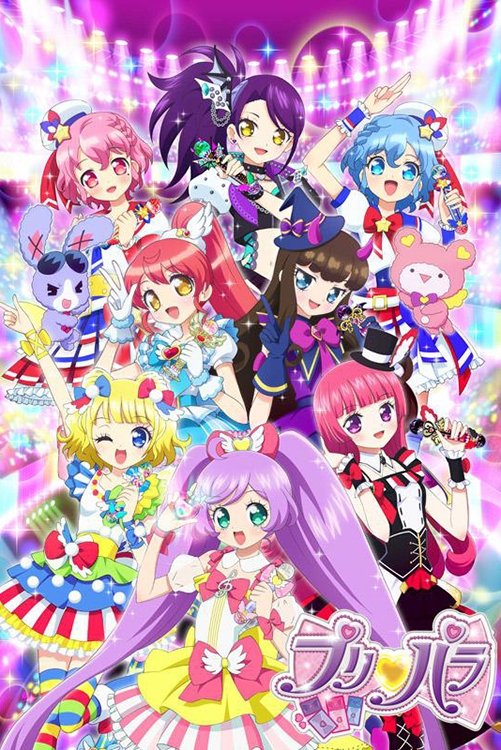
Lala Manaka finds herself in a virtual world where anyone can become an idol using special tickets. The story follows her as she creates an idol group and performs in huge concerts. The show was created by Takara Tomy to promote their PriPara arcade game and collectible tickets. A key part of the show was showing characters trading tickets with each other, just like players did in real life, which encouraged fans to collect more and keep playing.
‘Scan2Go’ (2010–2011)
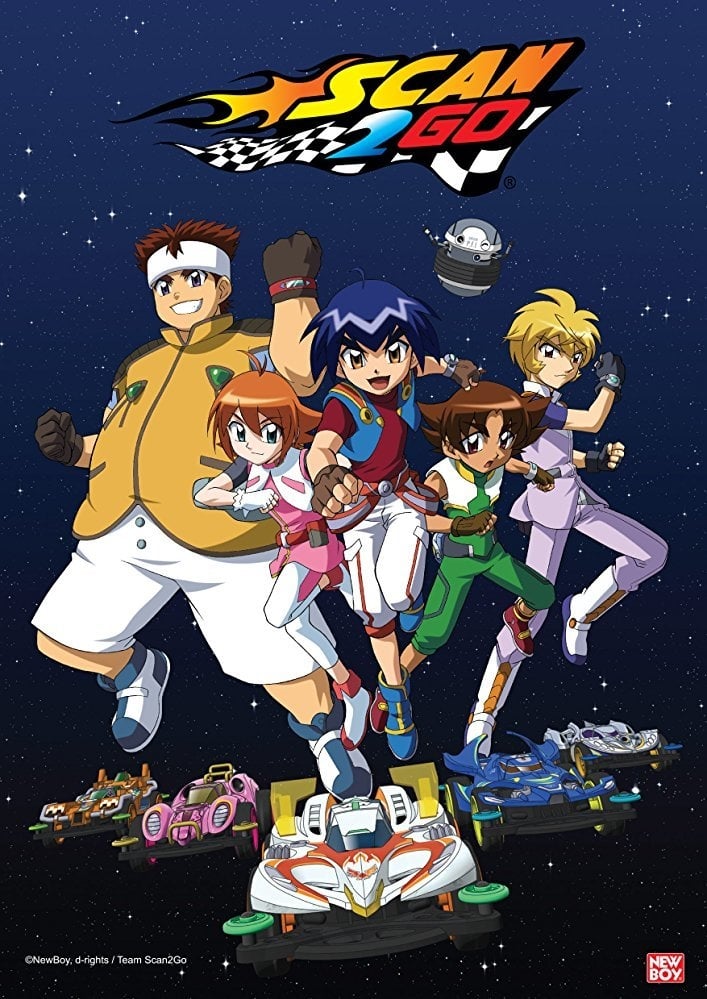
The show features racers from all over the galaxy competing in thrilling, high-speed contests using cars powered by collectible cards. Drivers scan their cards into their vehicles to unlock speed boosts and special abilities. It was designed to directly explain how the Scan2Go toys worked, and companies like Duper’s Space sold the cars and cards to young fans of racing. The show’s quick action mirrored the fun of collecting and racing the physical toys.
‘Zoids Wild’ (2018–2019)
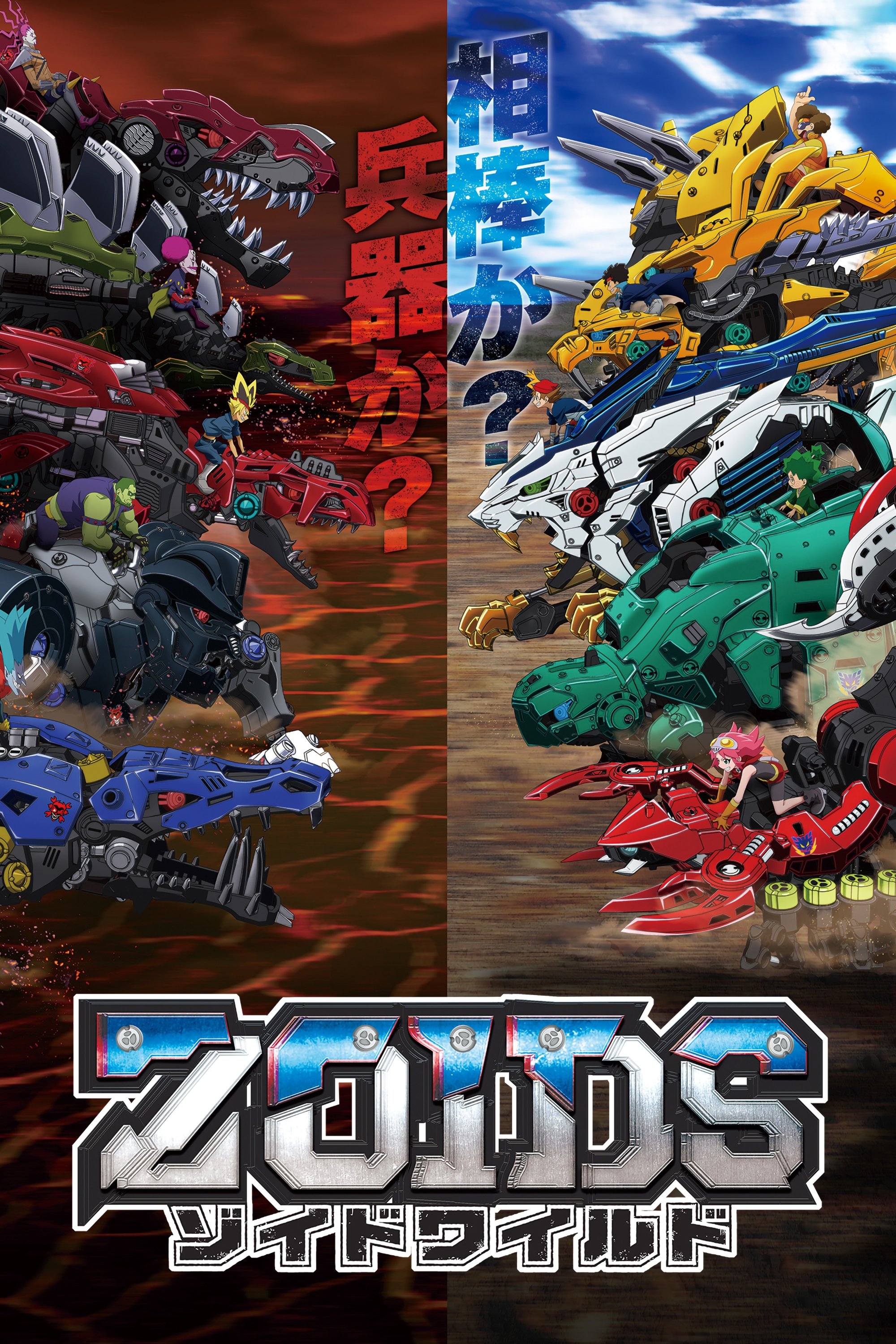
A fresh story follows a group of adventurers who team up with robots to battle a cruel empire. The series highlights ‘Wild Blast,’ a powerful ability where the robots unlock incredible weapons and strength. To coincide with the anime, Tomy released a new line of Zoids model kits. These updated kits were easier to build and included motors for action, mirroring what viewers saw on screen. This made the Zoids hobby appealing to a new generation of kids while still honoring its long-standing fanbase.
‘Dash! Yonkuro’ (1989–1990)
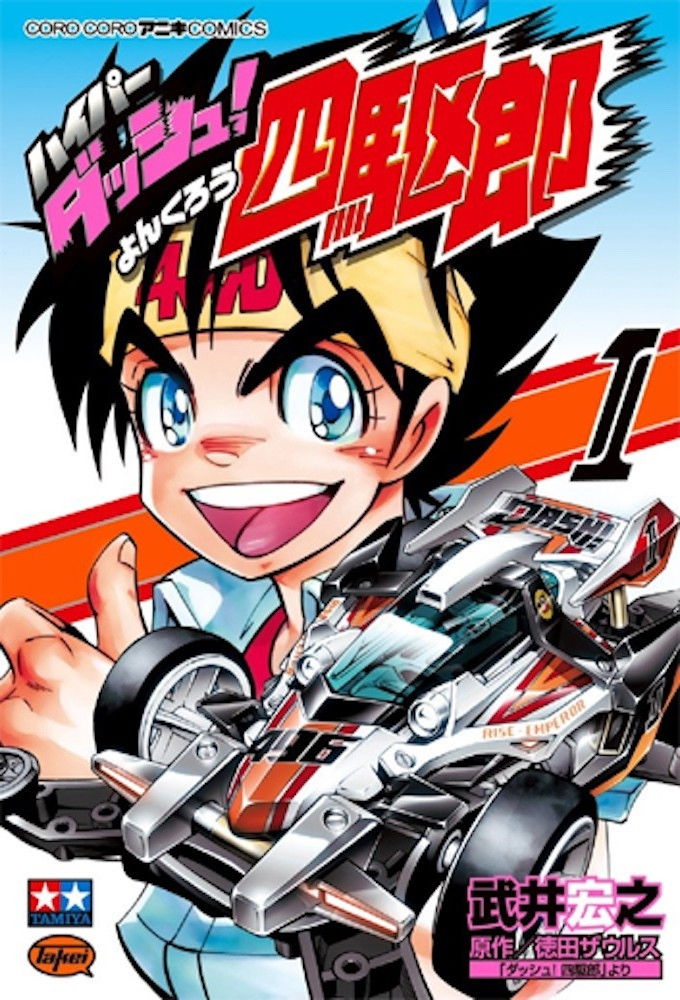
Yonkuro Hinomaru follows a team of racers competing with miniature cars, called Mini 4WDs, in tough off-road challenges. They cleverly use hockey sticks to steer their cars through tricky courses and obstacles. This show played a huge role in making Tamiya’s miniature car racing incredibly popular. It didn’t just present the cars as toys – it gave each one a distinct personality and special abilities. As a result, fans eagerly bought the kits and started racing them in tournaments and at local tracks.
‘Crush Gear Turbo’ (2001–2003)
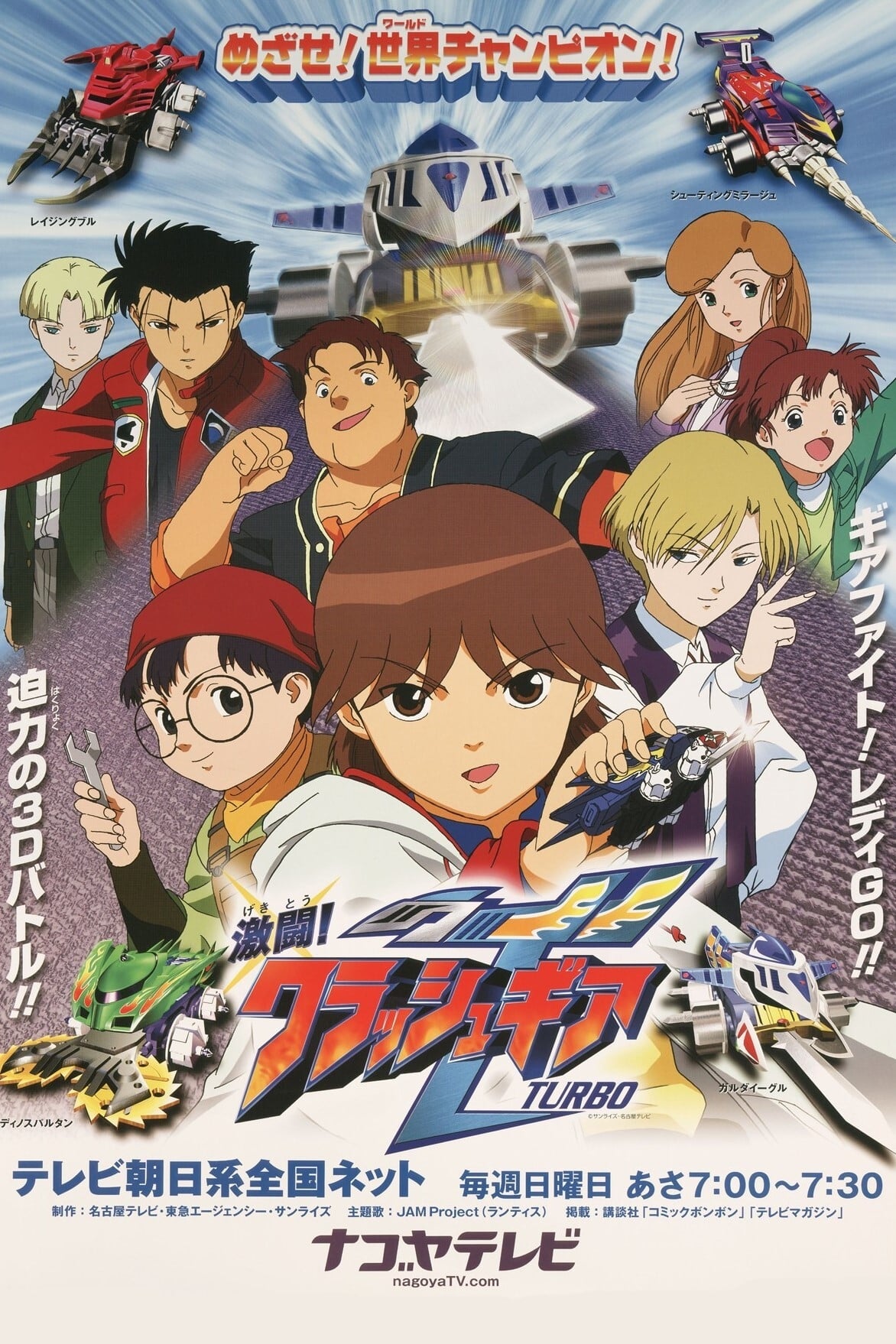
Young drivers compete against each other in motorized, four-wheeled vehicles, trying to force their opponents out of a walled arena. The show focuses on the custom modifications and weapons used to improve each vehicle’s performance. Originally, the series was created by Bandai to promote their ‘Crush Gear’ toy line, which allowed fans to build and customize their own battling cars. Each episode featured exciting crashes and clever tactics that viewers could then try out with their own toys, fostering a competitive scene for young builders and drivers.
‘Fighting Foodons’ (2001–2002)
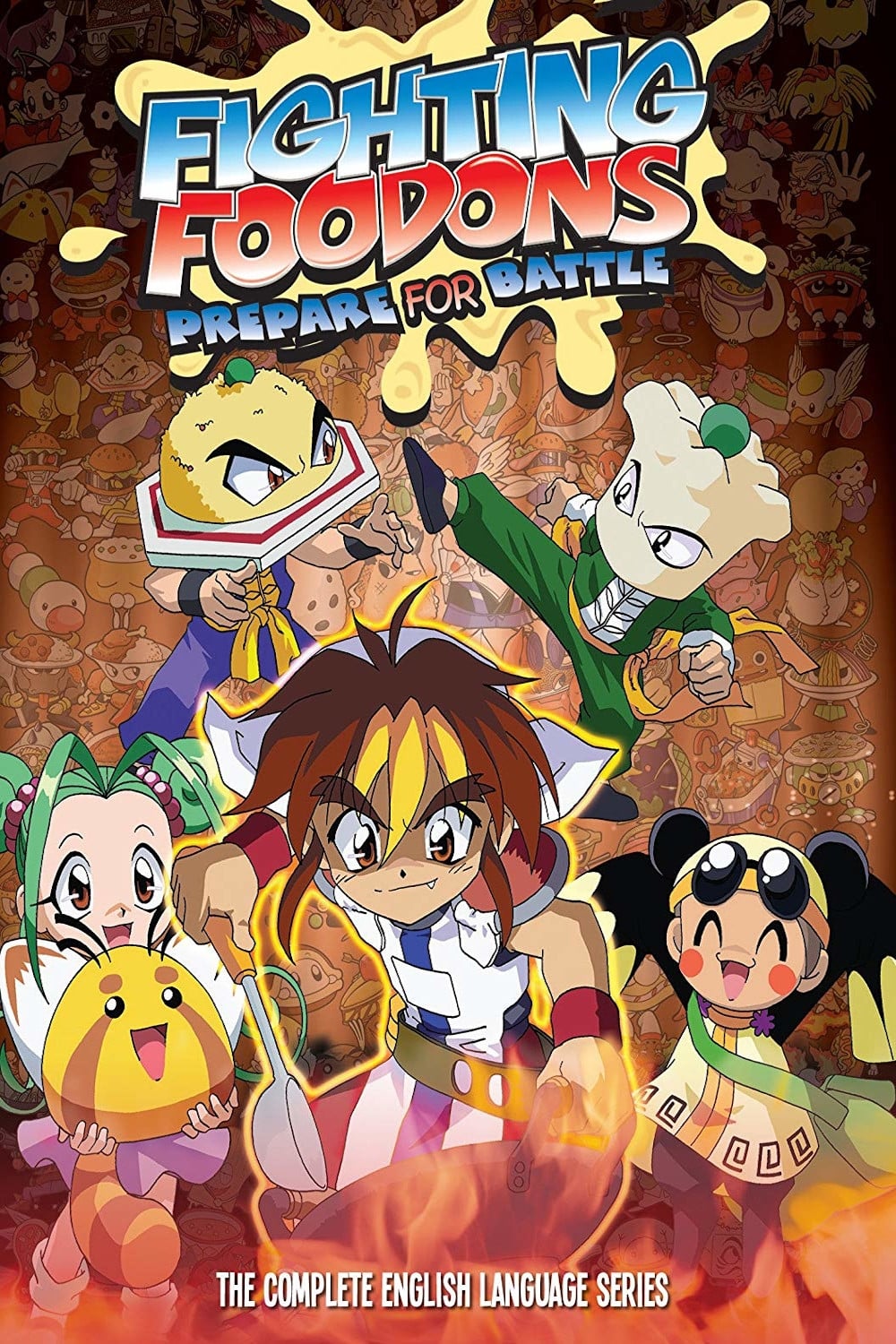
In this series, chefs use special cards to transform everyday meals into battling creatures called Foodons. The main character journeys across the land, using his cooking talent and a team of these Foodons to fight against an evil empire. The show was created to promote a line of toys and a collectible game featuring food-based characters, making it appealing and easy for kids to connect with. It blends the fun of cooking with exciting battle action, creating a fresh and original concept.
‘Daigunder’ (2002)
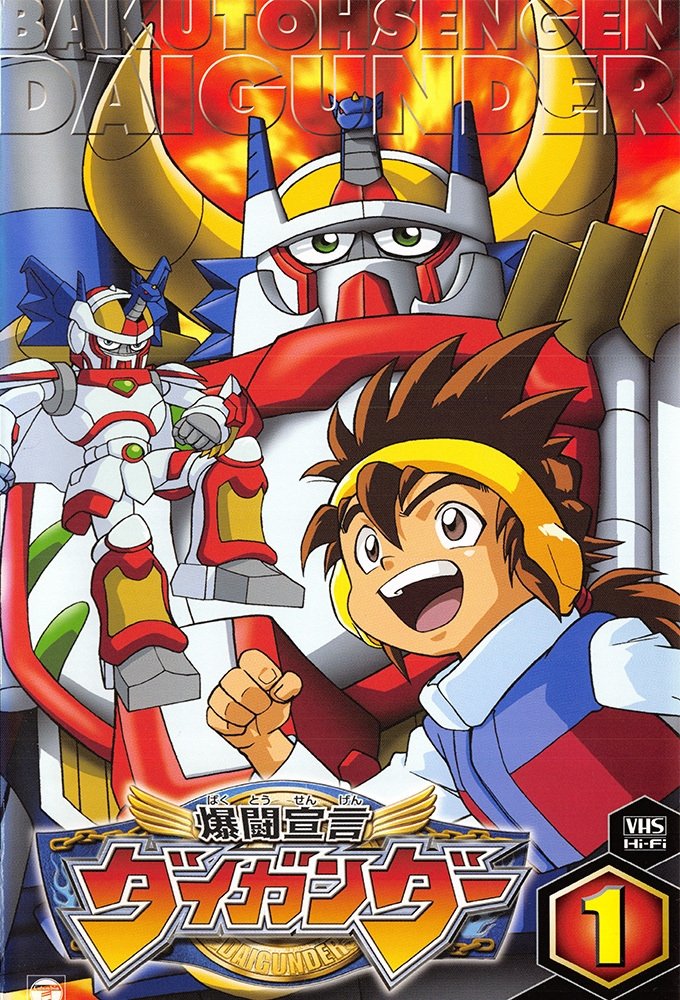
Akira leads a team of robots that can transform and battle in tournaments. His main robot, Daigunder, can combine with others to become more powerful. The show was used to sell robots as toys, and these toys were special – they had sensors that let them ‘react’ to what was happening on the TV screen, making watching the show a more interactive experience.
‘Gundam Build Divers’ (2018)
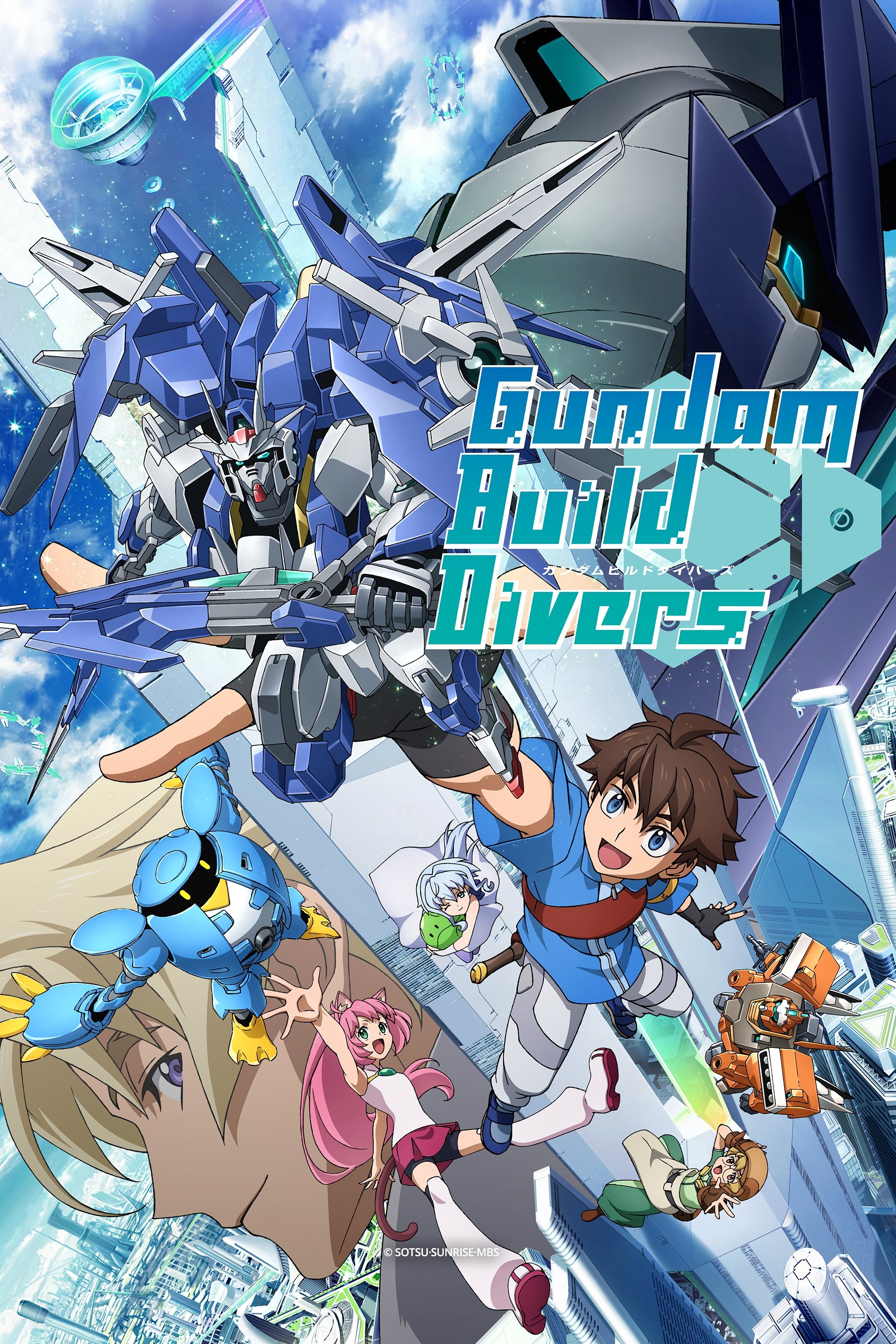
The series centers around a multiplayer online game where players control and customize robot models, called ‘mecha,’ in a virtual world. It explores the social connections formed through gaming and the fun of designing unique robots. Bandai created the show to attract younger audiences who enjoy online games and social media. Many of the robots seen in the series were also released as buildable model kits from the ‘High Grade’ line, connecting the digital game experience with the traditional hobby of model building.
‘Mewkledreamy’ (2020–2021)
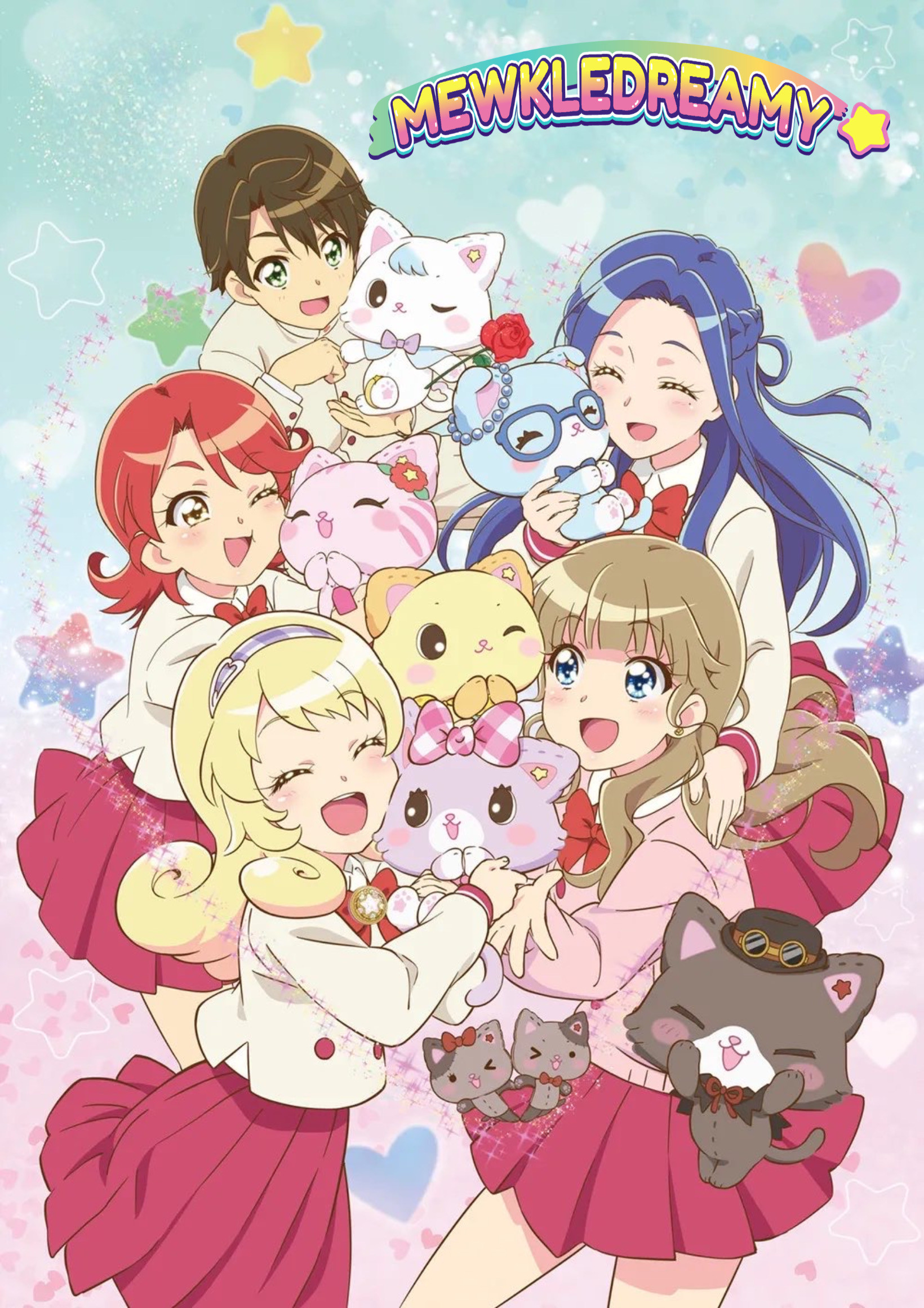
A young girl discovers a special stuffed kitten with the power to visit people’s dreams and solve their problems. The show is full of adorable characters and magical objects, set in a bright and colorful world. Created by Sanrio, it was designed to introduce a new collection of plush toys and magical accessories for girls. Each episode showcases the unique powers and personalities of the magical kittens, and the show’s charming atmosphere helped boost sales of the related toys and accessories.
‘Majin Bone’ (2014–2015)
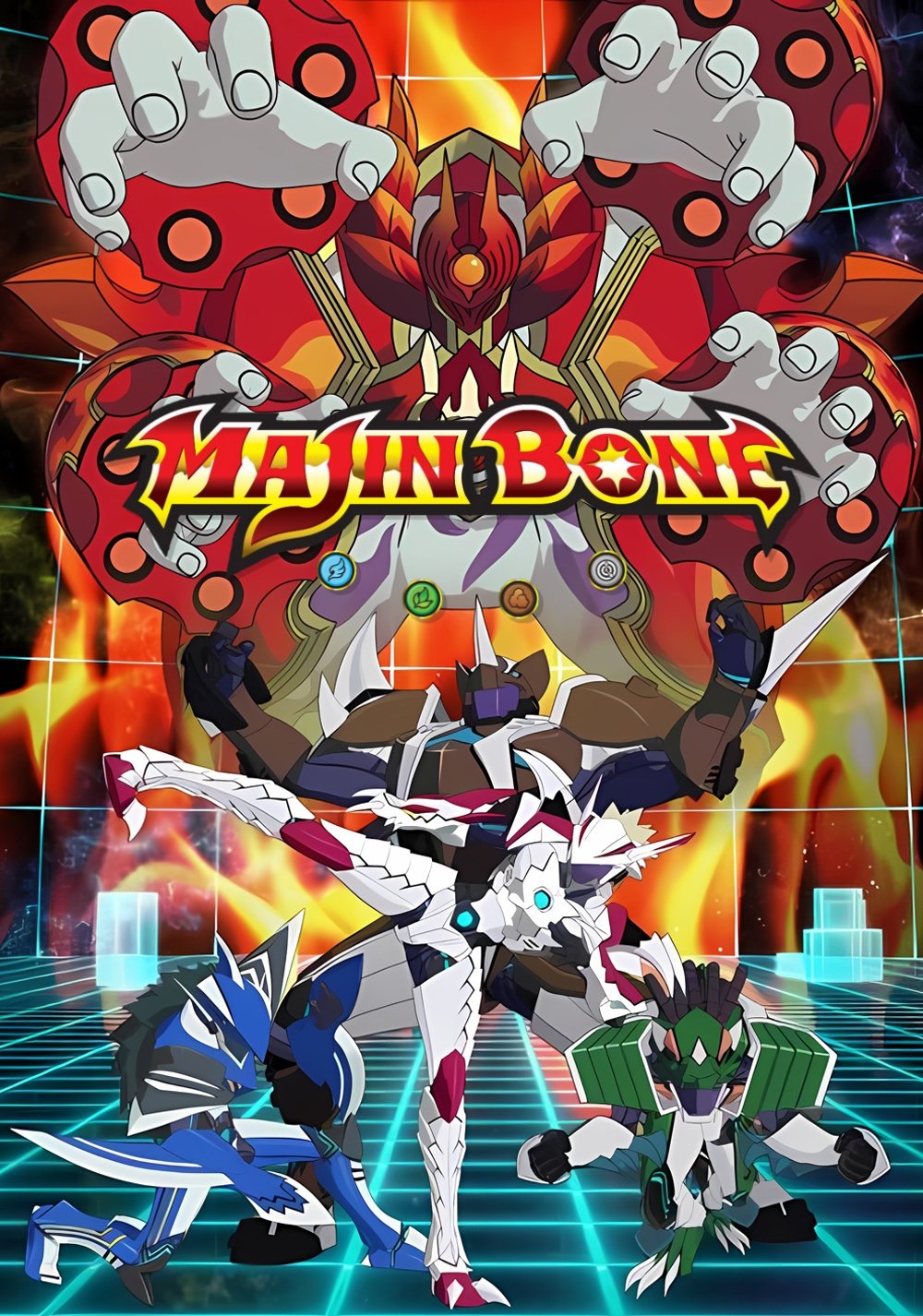
A boy learns he’s a special warrior destined to defend Earth with incredible elemental armor. The story features exciting fights against otherworldly enemies who battle using martial arts and magic. To go along with the show, Bandai released a line of action figures that could be customized, along with a digital card game. The figures’ armor was designed to be interchangeable, encouraging fans to collect multiple characters and build their own unique warriors.
‘Hero Bank’ (2014–2015)
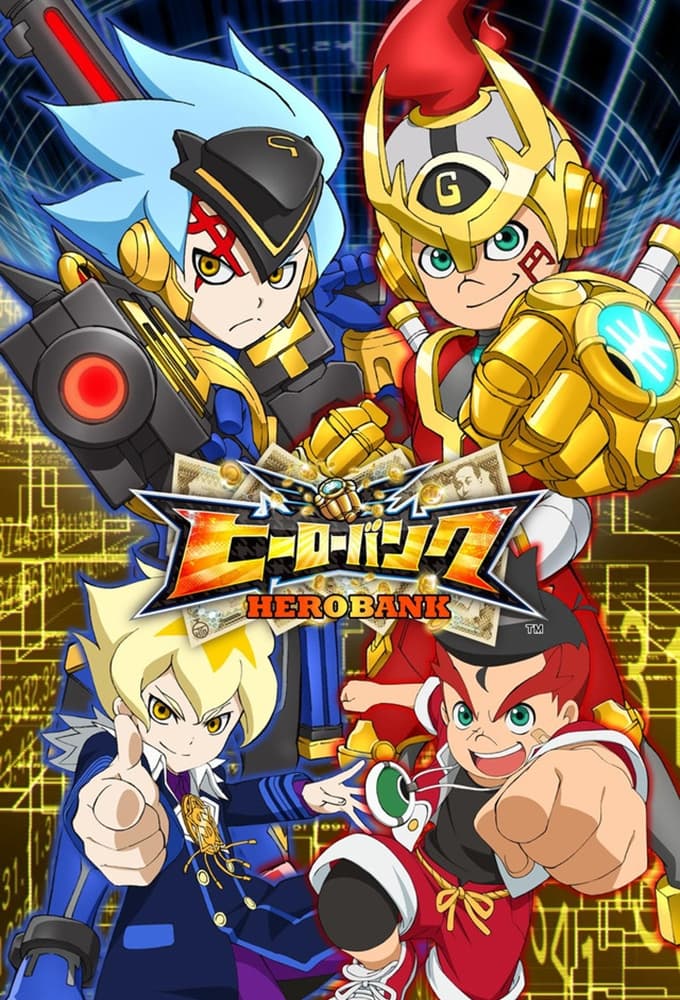
Kaito Gosho is a young student who gets caught up in a high-stakes digital battle sport where players compete for cash prizes. Competitors wear special suits that give them unique abilities based on different jobs and concepts. The anime series was created by Sega to advertise their ‘Hero Bank’ video game and related toys. The show focused on the importance of money and smart tactics within the game, appealing to a younger audience and helping the ‘Hero Bank’ brand stand out in a crowded market of monster and robot-themed entertainment.
Share your favorite memories of these toy-inspired series in the comments.
Read More
- Gold Rate Forecast
- Games That Faced Bans in Countries Over Political Themes
- Silver Rate Forecast
- 22 Films Where the White Protagonist Is Canonically the Sidekick to a Black Lead
- Unveiling the Schwab U.S. Dividend Equity ETF: A Portent of Financial Growth
- How to Do Sculptor Without a Future in KCD2 – Get 3 Sculptor’s Things
- Celebs Who Narrowly Escaped The 9/11 Attacks
- 14 Movies Where the Black Character Refuses to Save the White Protagonist
- 20 Movies Where the Black Villain Was Secretly the Most Popular Character
- The Best Directors of 2025
2026-02-07 21:27