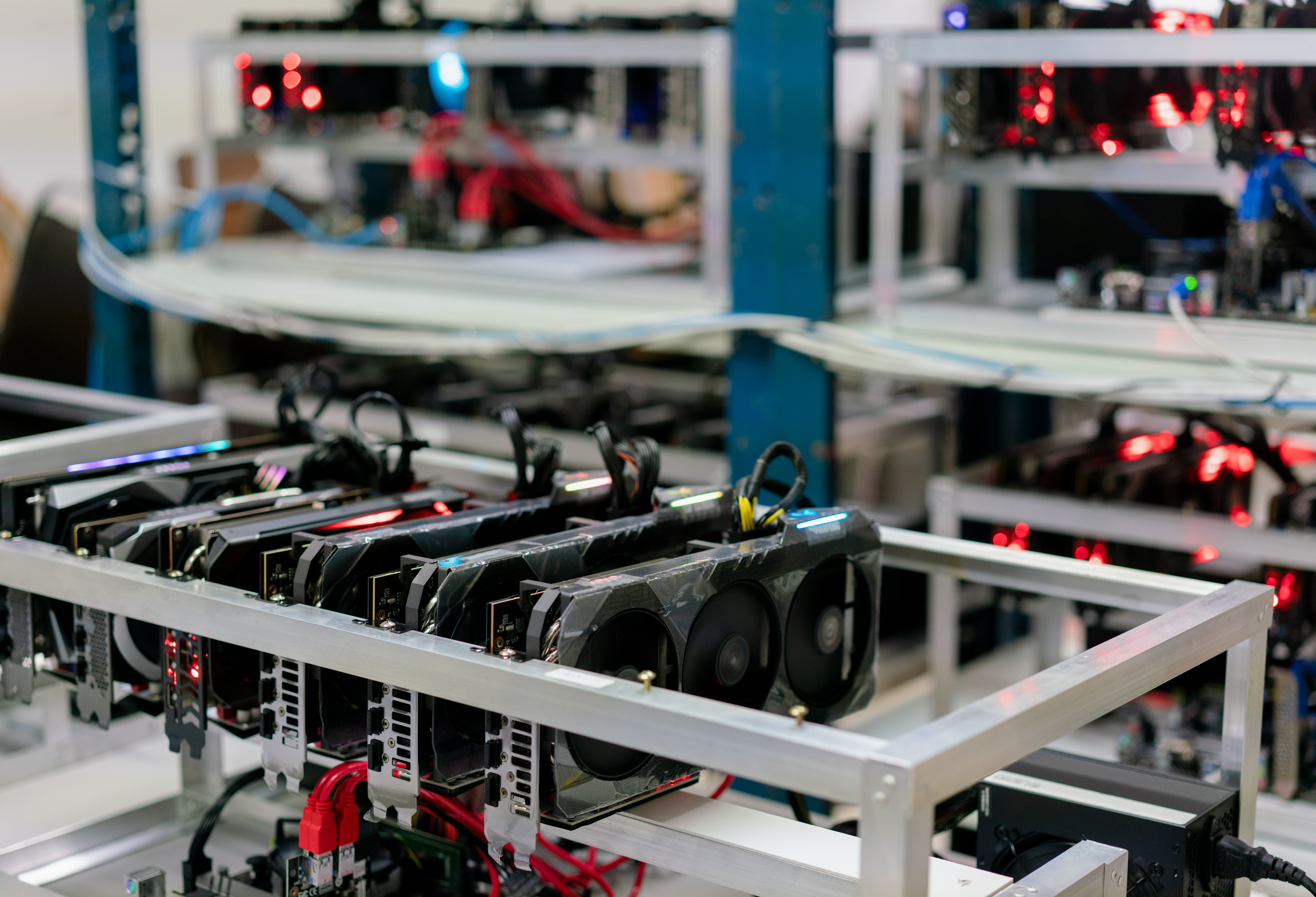
Nvidia, they say, is the future. A trillion here, a trillion there… and suddenly you’re talking about real money. Four and a bit trillion, to be precise, briefly flirting with five. A sum that would make even the most seasoned speculator blush, or perhaps merely adjust his tie. It’s become the favored purveyor of silicon dreams, supplying the very brains of the artificial intelligences that promise to either liberate or enslave us – the jury, naturally, is still out, and heavily invested in Nvidia stock.
Alphabet, that behemoth of search and surveillance, attempts to craft its own “Tensor Processing Units” – a charmingly bureaucratic name, suggesting a department devoted to calculating the optimal angle for filing complaints. But even they, with all their resources, find themselves returning to Nvidia, like a prodigal son seeking forgiveness… and processing power. A humbling sight, really.
Mercedes-Benz, purveyors of automotive luxury, and Illumina, chroniclers of our genetic code, also beat a path to Nvidia’s door. Apparently, even self-driving cars and gene sequencers require a bit of digital muscle. And the majority of these so-called “language models” – machines that mimic human conversation with varying degrees of success – are built on Nvidia’s hardware. It’s a monopoly, plain and simple, gilded with the promise of innovation. A most profitable arrangement.
Whispers abound of OpenAI, the creators of the latest digital oracle, attempting to break free from Nvidia’s grasp. A laudable ambition, perhaps, but one fraught with difficulty. Like trying to teach a bear to waltz. Still, the company’s latest earnings reports suggest this exodus, if it occurs, won’t be felt immediately. The cash registers, it seems, are still ringing.
So, is Nvidia still the golden goose? Let’s examine the plumage, shall we?
Heavy is the crown, heavier still the price
Nvidia didn’t stumble upon success; it engineered it. Their Blackwell chip, a marvel of miniaturization, became a pawn in the great game of geopolitics, sparking negotiations between Washington and Beijing. A chip, mind you, not a continent. And the forthcoming Rubin GPU promises five times the “inference capabilities” of its predecessor. A substantial increase, though one wonders if the human brain will ever be surpassed in the art of drawing dubious conclusions.
With the associated Vera CPU, they claim a 25% reduction in the number of GPUs required for training. Efficiency, they call it. I call it a clever way to sell more hardware in the long run. A perpetual motion machine for the profit margin.
They offer a “full-stack” solution – everything you need to train, infer, and simulate. A one-stop shop for artificial intelligence. Convenient, certainly. And, naturally, everything plays “nicely” together. Because it’s all Nvidia. A closed ecosystem, carefully cultivated. A bit like a particularly well-maintained garden… with very high walls.
Now, let’s turn to the financials. The numbers, as they say, don’t lie. Though they can certainly be… interpreted.
The Machine and the Money
Despite its colossal size, Nvidia continues to grow at a rate that would make a start-up blush. In the third quarter of fiscal 2026 (ended October 26, 2025), revenue surged 62% year-over-year, exceeding $57 billion. Operating income jumped 65% to $36 billion. And earnings per share grew a robust 67%. A truly impressive performance. One wonders if they’re printing money in the basement.
They even managed to reduce long-term debt by 4.7%, leaving them with a net cash position of $11.49 billion. A tidy sum. Enough to buy a small country, perhaps. Or at least a very large yacht.
Free cash flow grew 31.5% year-over-year, and operating free cash flow increased by 34.7%. Gross margin sits at 70%, operating margin at 58%, and net margin at 53%. The numbers are… obscene, frankly. A testament to the power of monopoly and the insatiable appetite for artificial intelligence.
Past performance, of course, is no guarantee of future success. But when a company consistently delivers such extraordinary growth, the odds of continued prosperity increase exponentially. Despite OpenAI’s aspirations for independence, Nvidia remains the dominant force in the AI hardware market. Worth a look for 2026? Undoubtedly. Though I suspect the real profits will be made by those who sell shovels to the gold miners.
Read More
- Games That Faced Bans in Countries Over Political Themes
- Gold Rate Forecast
- Unveiling the Schwab U.S. Dividend Equity ETF: A Portent of Financial Growth
- Silver Rate Forecast
- Superman Flops Financially: $350M Budget, Still No Profit (Scoop Confirmed)
- 22 Films Where the White Protagonist Is Canonically the Sidekick to a Black Lead
- 20 Movies Where the Black Villain Was Secretly the Most Popular Character
- 14 Movies Where the Black Character Refuses to Save the White Protagonist
- The Best Directors of 2025
- The Best Former NFL Players Turned Actors, Ranked
2026-02-07 06:13