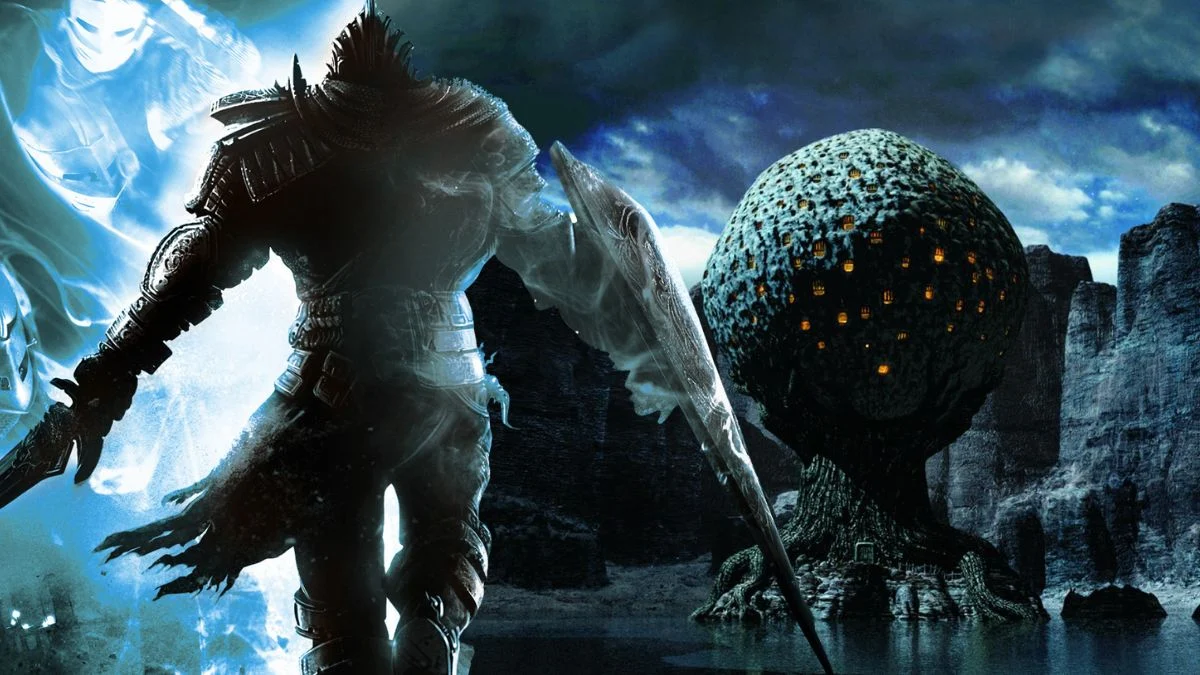
Video games have changed a lot over the years. Early games often used hidden secrets and confusing rules to make the game last longer. Players would frequently get stuck for hours on puzzles that didn’t make much sense or didn’t have clear instructions. This led to the creation of printed strategy guides, and later, online walkthroughs, to help people finish the games. These older titles are well-known for being very challenging and often requiring outside help to find everything and complete the story.
‘The Legend of Zelda’ (1986)
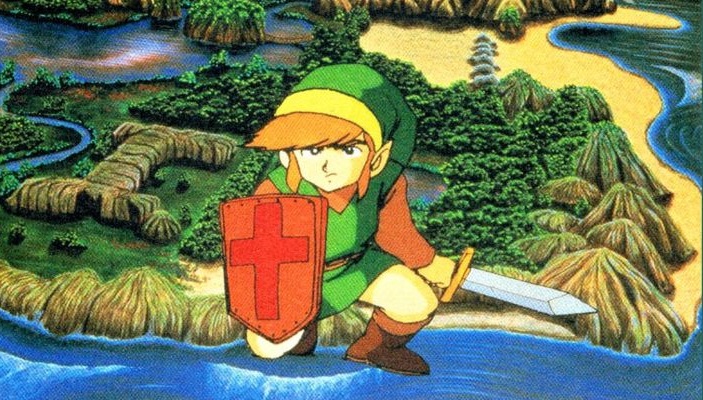
The original ‘Legend of Zelda’ featured a huge world packed with hidden secrets. Players often had to try burning bushes or bombing walls that all looked the same to discover important items and access new areas. Without the map included in the game’s instruction booklet or a helpful guide, it was easy to get lost. This design encouraged players to share tips and strategies, but made it very difficult for new players to finish the game on their own.
‘Castlevania II: Simon’s Quest’ (1987)
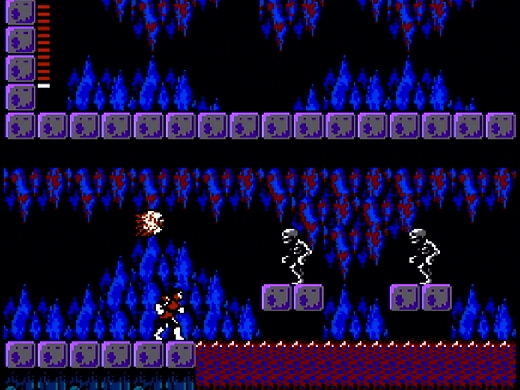
This game moved the series away from linear levels and toward a more exploratory style, filled with incredibly vague clues from characters you meet along the way. A particularly infamous challenge required players to stand at a certain cliff edge, holding a red crystal, for several seconds to create a tornado. The game never told you this was possible, leaving many stuck and unable to continue. This dependence on hidden and unclear actions made ‘Castlevania II: Simon’s Quest’ very popular with players who used strategy guides to help them get through it.
‘Myst’ (1993)
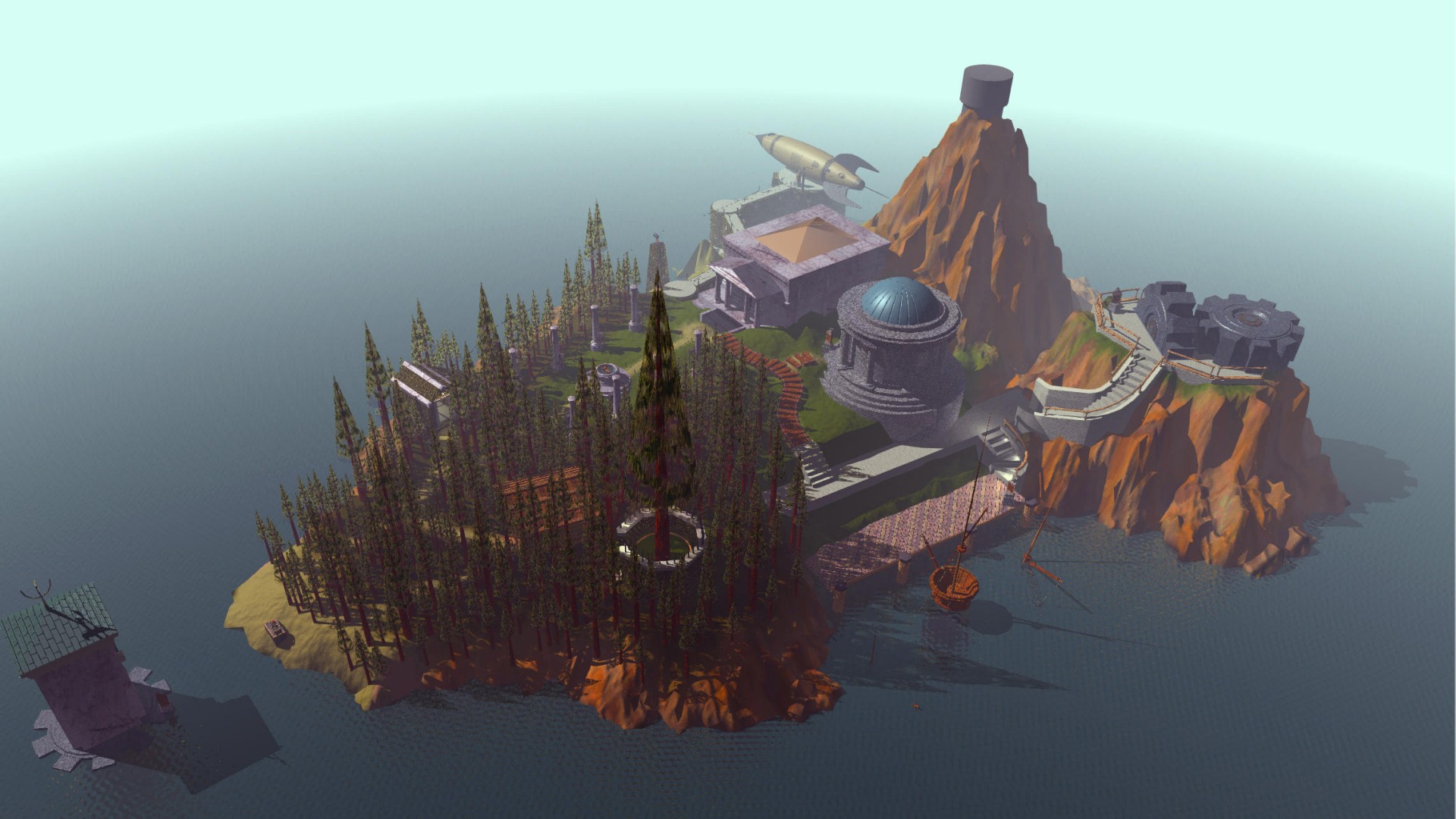
Myst captivated players with its immersive environments and challenging puzzles. Instead of giving clear instructions, the game encouraged exploration and required players to figure out how strange machines worked across different time periods. Solving the puzzles often depended on carefully listening for clues or noticing small details, making a walkthrough helpful for many. Myst was particularly influential in the early days of CD-ROM games, contributing to the rise in popularity of strategy guides.
‘Metal Gear Solid’ (1998)
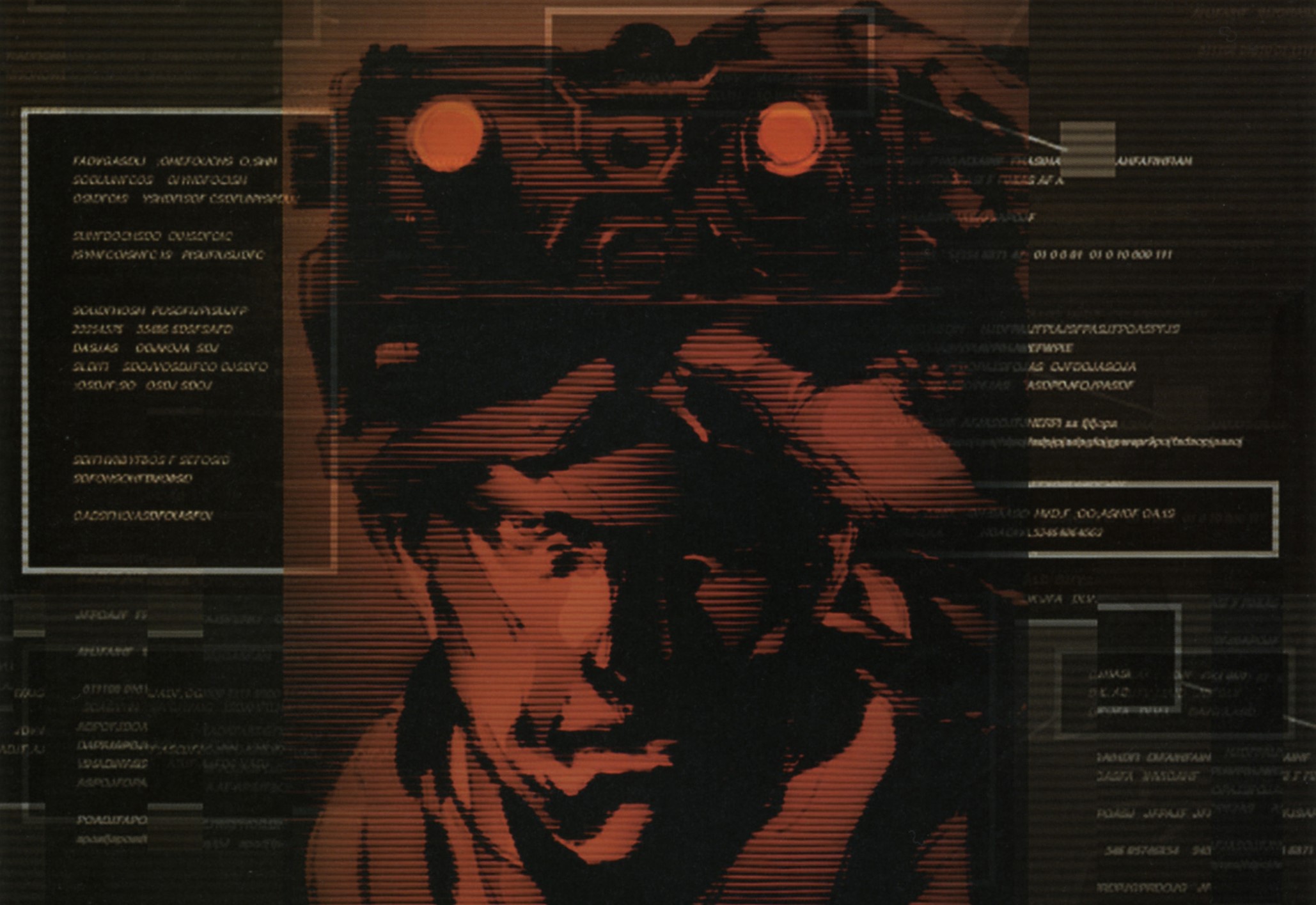
The original ‘Metal Gear Solid’ was groundbreaking for its playful tricks, famously breaking the fourth wall to challenge players. For example, to contact a character named Meryl, players couldn’t find the necessary radio frequency within the game itself. Instead, the game directed them to look at the back of the CD case for a clue. This made the game incredibly difficult to complete for those playing digital versions or buying used copies without the original packaging, often requiring an online search to figure it out.
‘King’s Quest IV: The Perils of Rosella’ (1988)
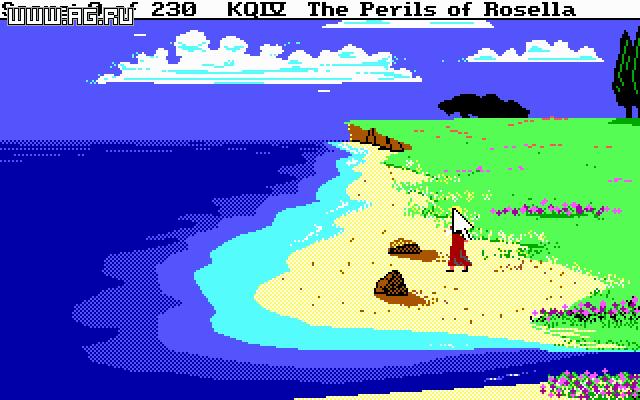
Sierra adventure games were famous for being incredibly difficult, with puzzles that could easily trap players in situations they couldn’t escape. ‘King’s Quest IV: The Perils of Rosella’ was particularly challenging, demanding precise timing and careful collection of hidden items. Often, players had to type very specific commands – sometimes ones that didn’t seem obvious – into the game. It wasn’t uncommon to spend hours experimenting with different words, eventually resorting to a guide for help.
‘Silent Hill’ (1999)

The first ‘Silent Hill’ game included a famously challenging piano puzzle. Players had to solve it by understanding a poem about birds and then playing the piano keys in a specific order. The order was based on the colors and actions of the birds described in the poem. Because the clues were presented as symbols and not direct instructions, many players struggled to figure out the correct sequence. This puzzle became well-known as a particularly tough challenge in survival horror games from the original PlayStation era.
‘FEZ’ (2012)

FEZ looks like a typical platformer, but it’s full of cleverly hidden puzzles. As you play, you’ll need to learn a unique alphabet and number system to unlock all its secrets. Some puzzles even require knowing about QR codes or using specific controller combinations that the game doesn’t explain. Because of this, most players needed help from online communities and wikis to collect everything.
‘P.T.’ (2014)

The demo for the unfinished ‘Silent Hills’ game was created as a puzzle for players around the world to solve together. It took place in a repeating hallway, and players had to figure out strange things to do, like taking a specific number of steps or speaking into their microphone. Unlocking the ending was incredibly difficult—it took the online community days to discover all the steps. Without instructions, it would have been almost impossible for one person to complete the demo, known as ‘P.T.’, on their own.
‘La-Mulana’ (2005)
As a huge fan of old-school games, I’ve been completely hooked by ‘La-Mulana’! It’s clearly made with a lot of love for those classic MSX titles, but it’s seriously challenging. The game is packed with tons of rooms, all filled with tricky traps and puzzles that send you running back and forth across the whole map. What makes it even harder is that a lot of the clues are in a made-up language, and they’re often misleading or super vague. Honestly, if you want to actually finish it, you’ll probably need a notebook and a walkthrough – it’s a massive, winding maze of ruins!
‘Final Fantasy XII’ (2006)
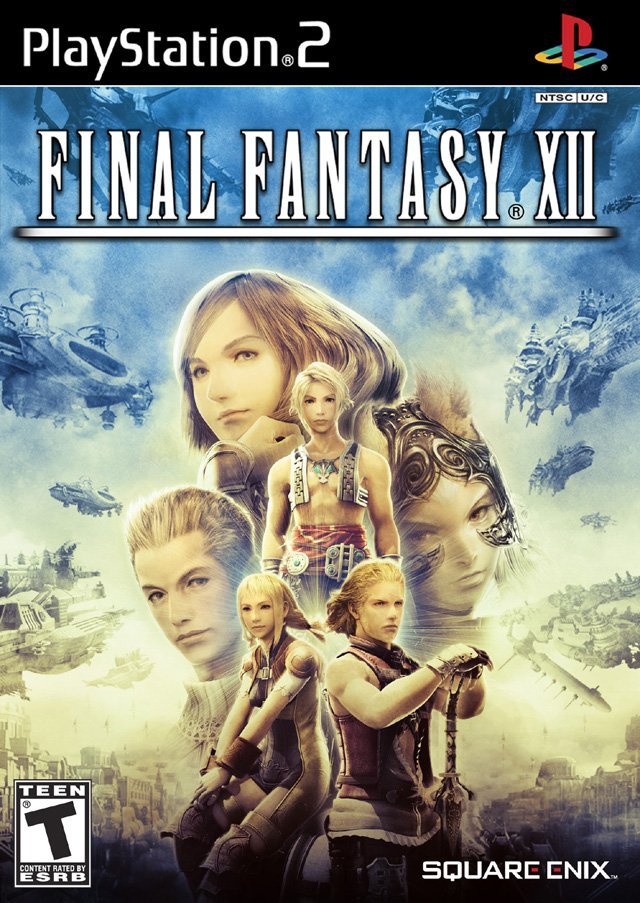
In this role-playing game, the Zodiac Spear was a powerful, but incredibly hard-to-get weapon. Players needed to avoid opening four particular treasure chests hidden throughout the game world to obtain it. The game gave no clues as to which chests to avoid, and opening just one meant you’d never be able to get the weapon. This made ‘Final Fantasy XII’ a game where players who wanted to collect everything really needed to use a guide.
‘Pokémon Ruby and Sapphire’ (2002)
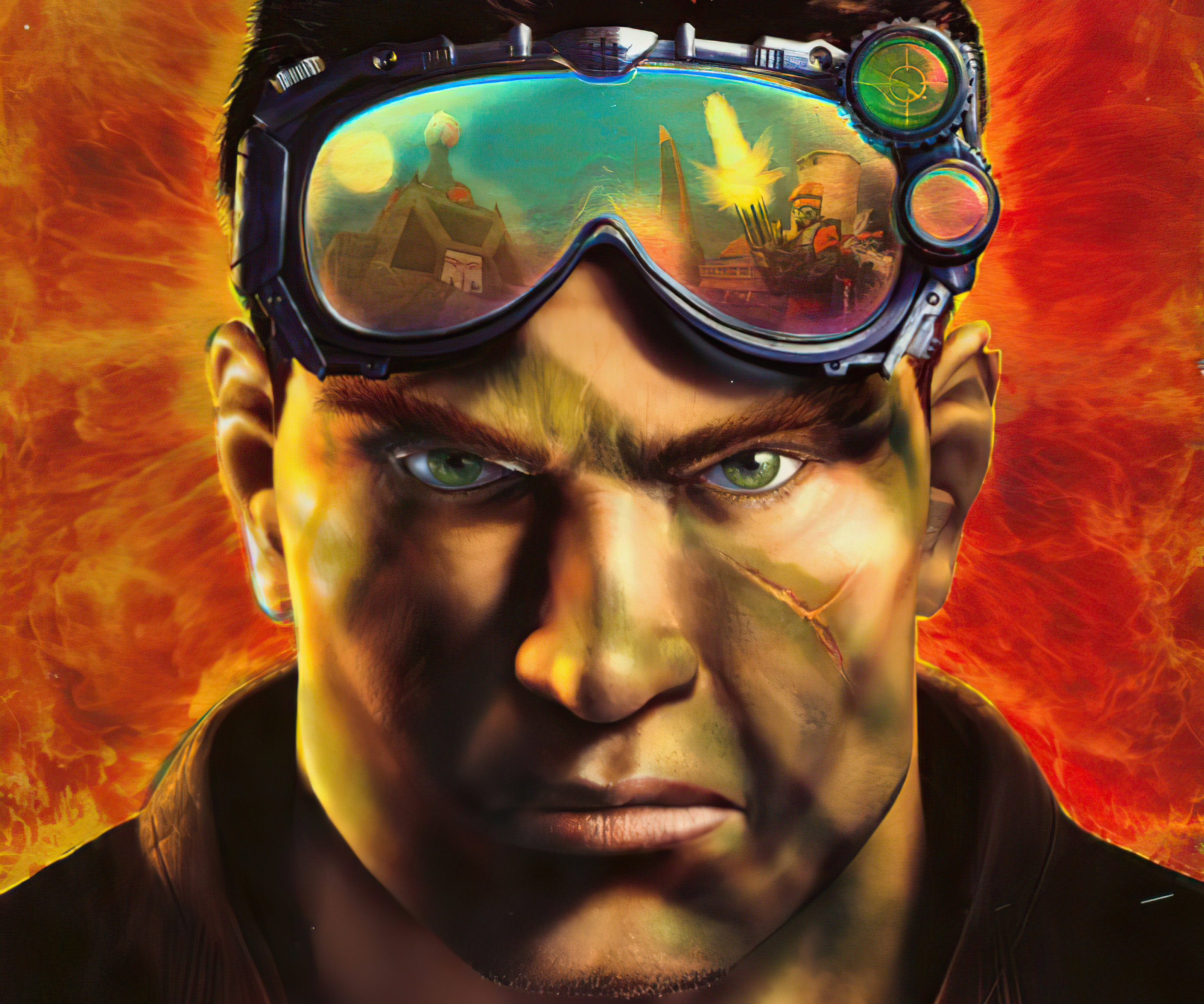
Catching the legendary Regi Pokémon in these games was a real challenge. Players needed to decipher clues written in Braille, found on tablets hidden underwater. But simply finding the Braille wasn’t enough – you also needed a key to translate it! Even then, players had to complete precise steps, like arranging specific Pokémon in their team. A lot of players learned how to do this through word-of-mouth or by using strategy guides.
‘Riven: The Sequel to Myst’ (1997)
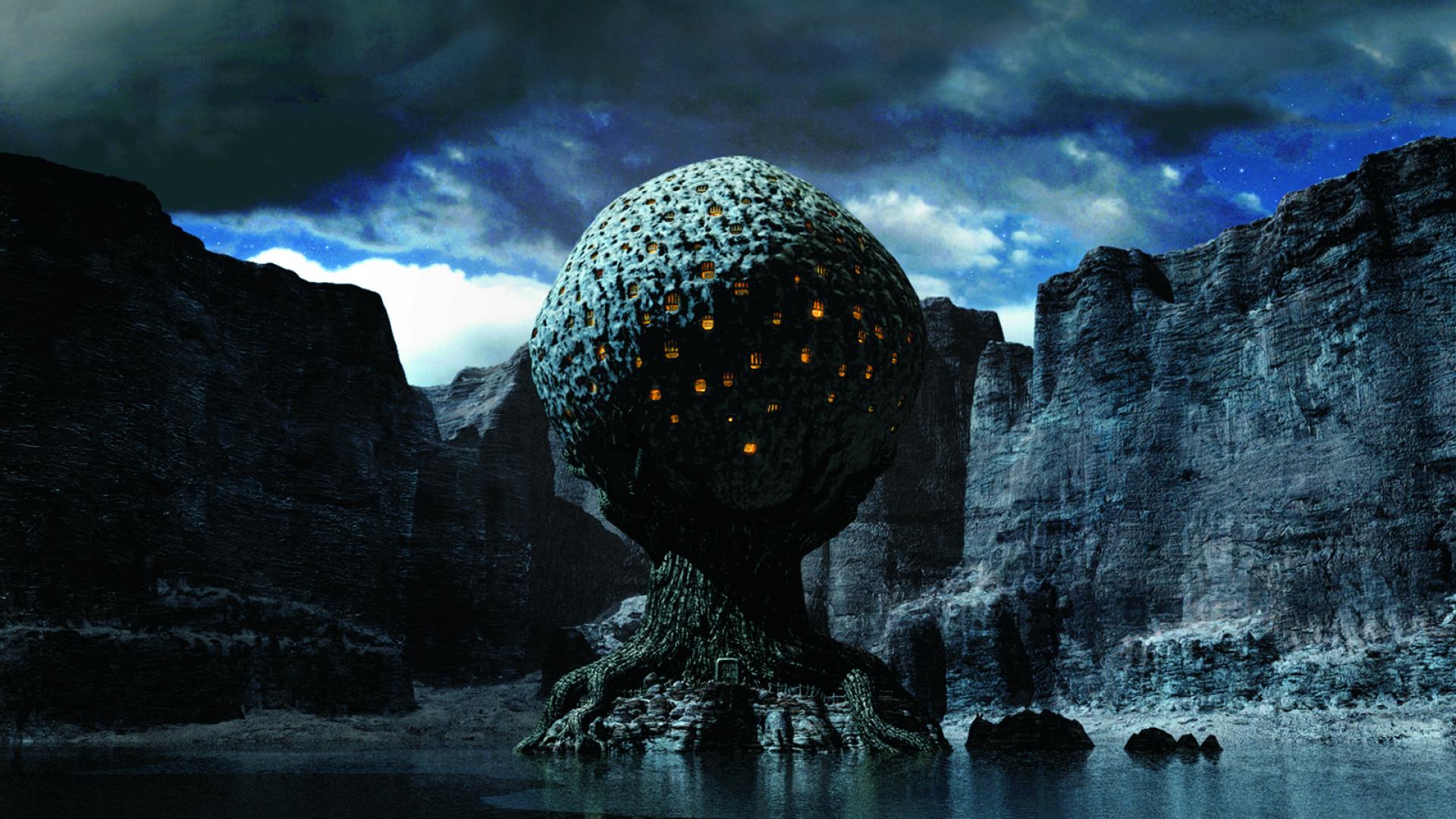
Building on the original ‘Myst’, ‘Riven’ made its puzzles even more integrated into the game world. Each island functioned as part of a massive, interconnected machine, and players needed to learn about the game’s unique culture and underlying mathematical principles to move forward. Puzzles weren’t straightforward – for example, one required players to connect animal sounds with abstract symbols. The difficulty was so high that many players relied on guides to complete the game.
‘Grim Fandango’ (1998)
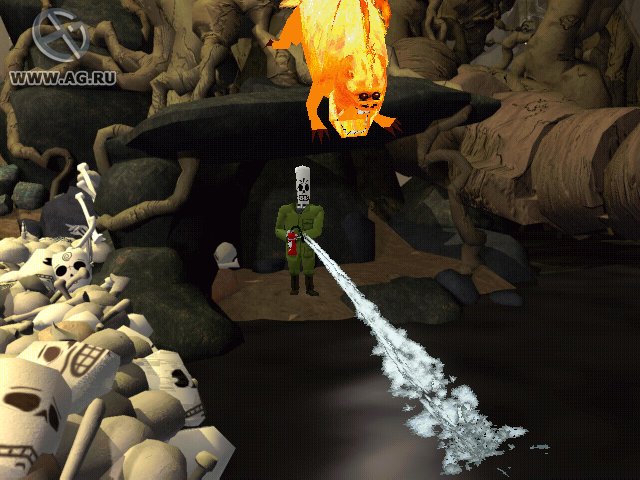
This well-regarded adventure game from LucasArts is known for its excellent story, but some of its puzzles are frustratingly difficult. A particularly notorious challenge involves a bone wagon and a complicated hydraulic system that demands perfect timing – without giving players clear instructions. Another puzzle, centered around a signpost in a forest, stumped players for years because its solution didn’t make much sense. These difficult puzzles often disrupted the game’s narrative, and many players had to use a walkthrough to progress.
‘Monkey Island 2: LeChuck’s Revenge’ (1991)
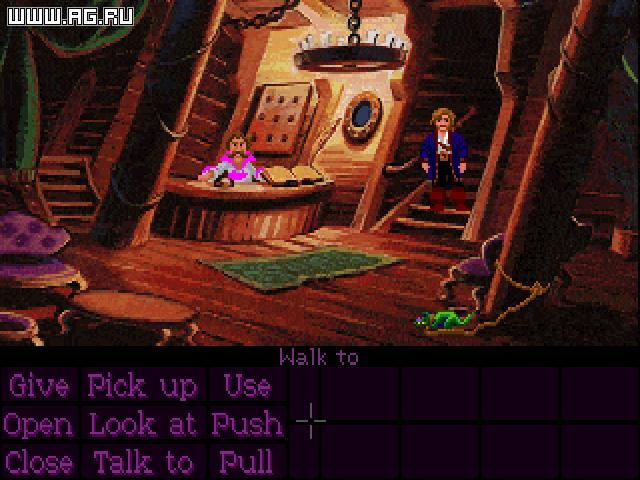
The ‘Monkey Island’ games are well-known for their funny moments and unusual puzzles. A classic example of this is in the second game, where players have to use an actual monkey as a tool to operate a pump. This solution is so unexpected – most people wouldn’t think of using a live animal in place of a wrench – that it’s become famous for its ‘moon logic.’ Many players found this puzzle particularly difficult without help, as it required a very creative and unlikely solution.
‘Phantasy Star II’ (1989)
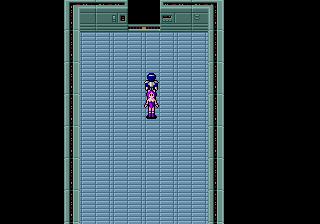
Okay, so ‘Phantasy Star II’… man, those dungeons were a nightmare! Seriously, they were huge, with tons of different levels, and these teleporters that would just randomly dump you back at the start. It was so bad, the original game actually came with a paper map and guide – even the developers knew you couldn’t get through it without help! These days, if you try to play without a digital map, you’re gonna have a really frustrating time, trust me.
‘Metroid’ (1986)
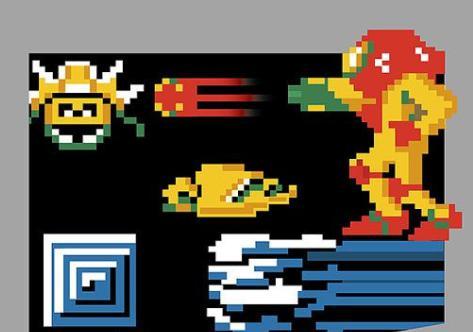
The first ‘Metroid’ game threw players into a dangerous alien world with no map and minimal guidance. Important routes were cleverly hidden, disguised as ordinary-looking rock walls that needed bombs to break through. Reaching the final boss was a lengthy process of experimentation and could take many hours. Most players needed a guide or a hand-drawn map to actually finish Samus Aran’s initial quest.
‘Star Control II’ (1992)
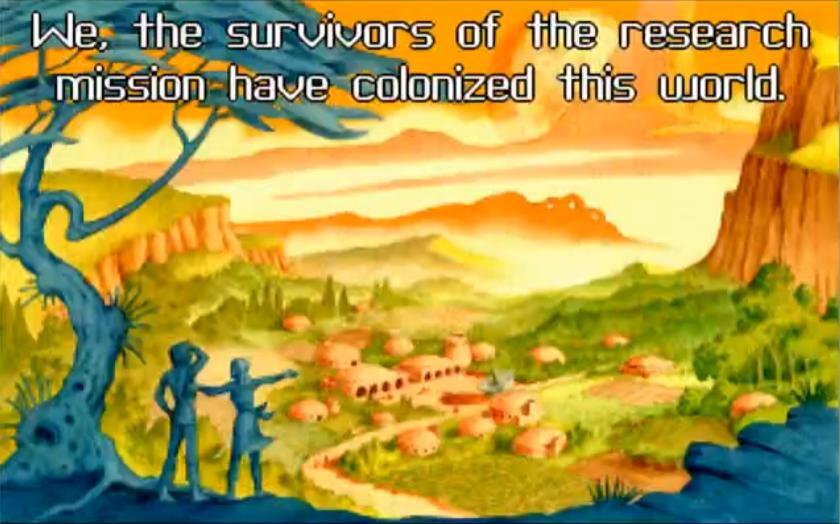
Star Control II is a huge game about exploring space, collecting resources, and building alliances to protect the galaxy. Time passes in the game as you play, meaning you can lose if you miss important events or don’t find specific locations. It doesn’t hold your hand – there are no quest markers or lists to help you manage the many alien races and what they want. Players often need to use a real notebook or a detailed guide to keep track of everything!
‘The Witness’ (2016)
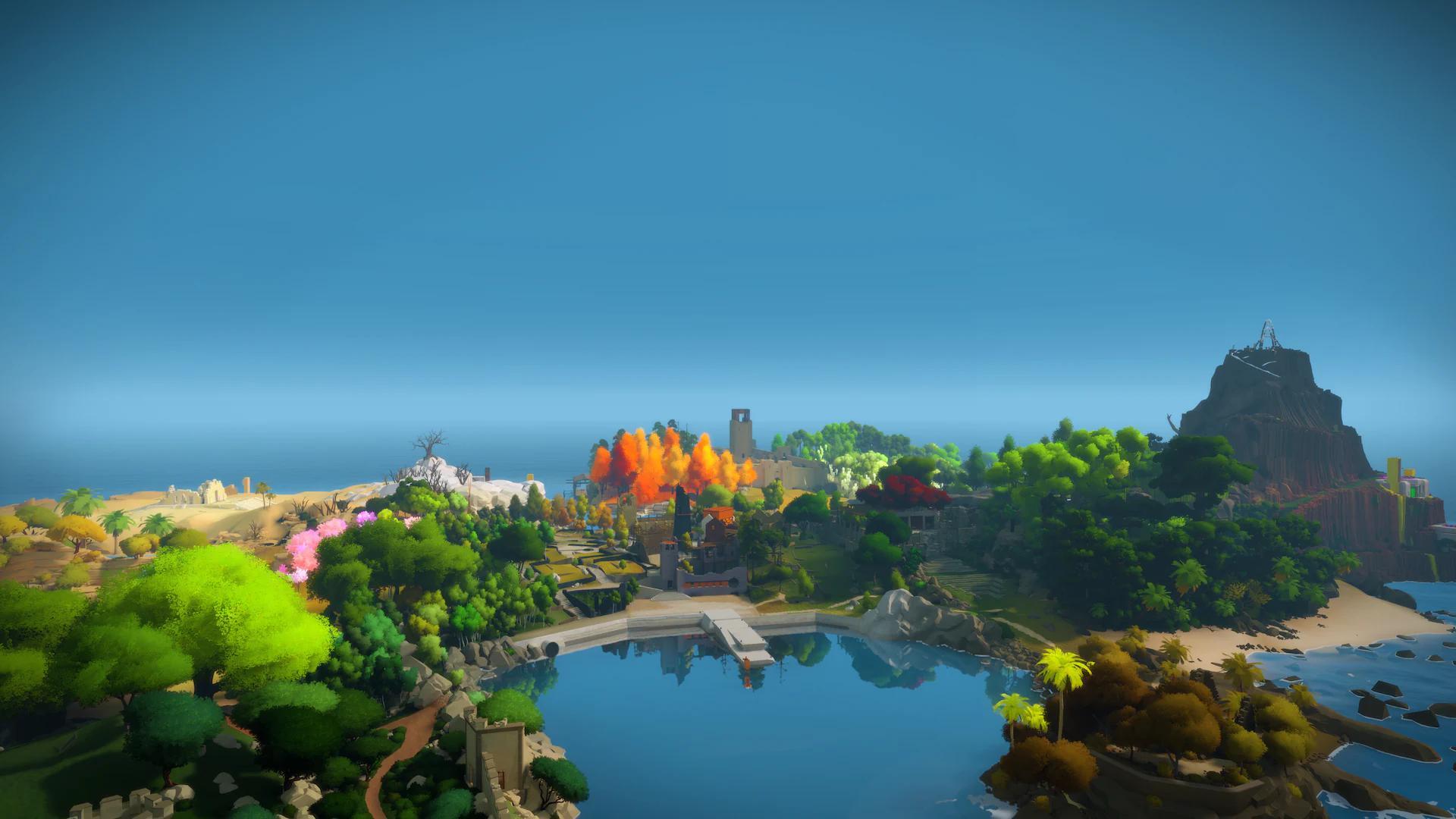
The game ‘The Witness’ starts with straightforward line puzzles, but quickly becomes much more complex. It introduces challenges hidden in the environment that are very difficult to notice. For example, some puzzles require you to stand in a specific location to see a shape created by shadows or clouds. Others rely on sound cues that are easily masked by the game’s background noise. Because the game provides no instructions or hints, players often need to search online for help when they get stuck.
‘Ultima IV: Quest of the Avatar’ (1985)
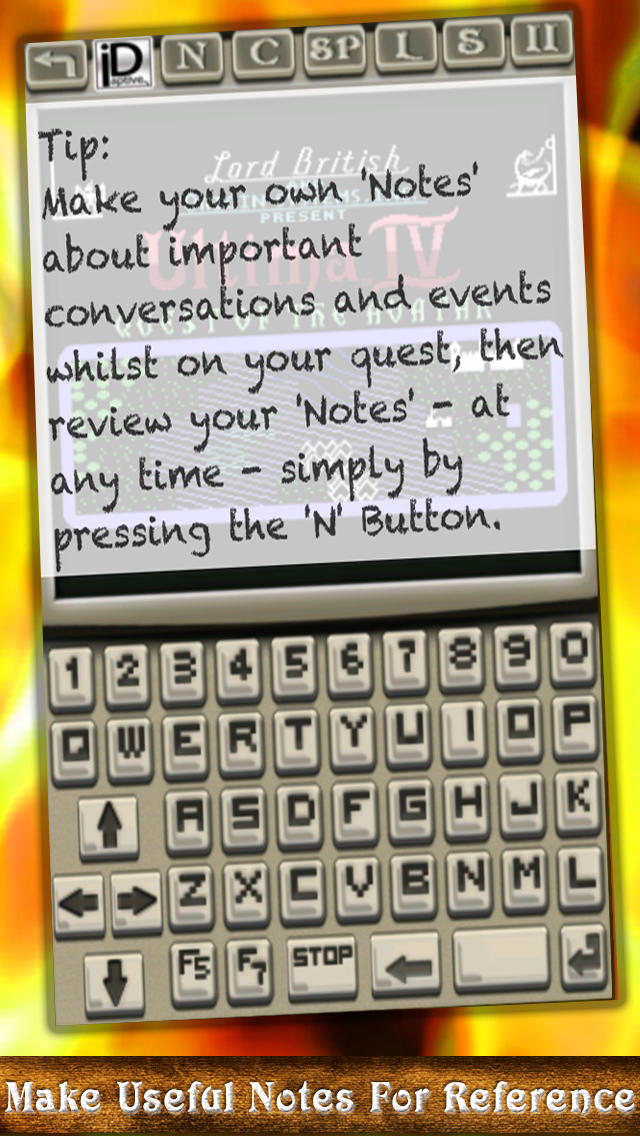
‘Ultima IV: Quest of the Avatar’ was groundbreaking when it came out because it emphasized moral qualities, not just fighting. However, the game didn’t offer much help in figuring out how to improve these qualities. Players needed to talk to a lot of characters and carefully record vague hints to learn what they had to do to become the Avatar. Without a walkthrough, it was easy to play for hours without getting any closer to winning.
‘Gabriel Knight: Sins of the Fathers’ (1993)

This spooky thriller included a puzzle widely considered to be one of the most frustrating in adventure game history. To get a disguise, players had to collect cat hair with masking tape and then fashion it into a fake mustache. The puzzle’s illogical steps became a notorious example of why point-and-click adventure games began to fall out of favor. Few players could figure it out on their own and most had to rely on walkthroughs to progress.
‘Shadowgate’ (1987)
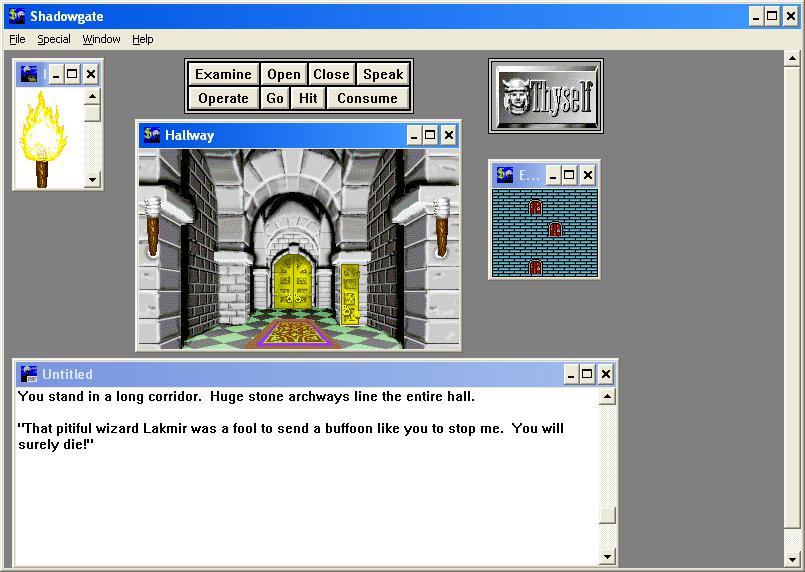
Shadowgate is an adventure game played from a first-person perspective where a single wrong move can end the game immediately. Players explore a castle full of dangerous traps, and they have to be careful with their torches – they act as a timer and run out quickly. The game features tricky puzzles that often require using items you find at the beginning, but whose purpose isn’t clear until much later. Because of the high risk of failure and the difficult puzzles, most players needed a guide to finish the game.
‘Dragon Quest VII: Fragments of the Forgotten Past’ (2000)
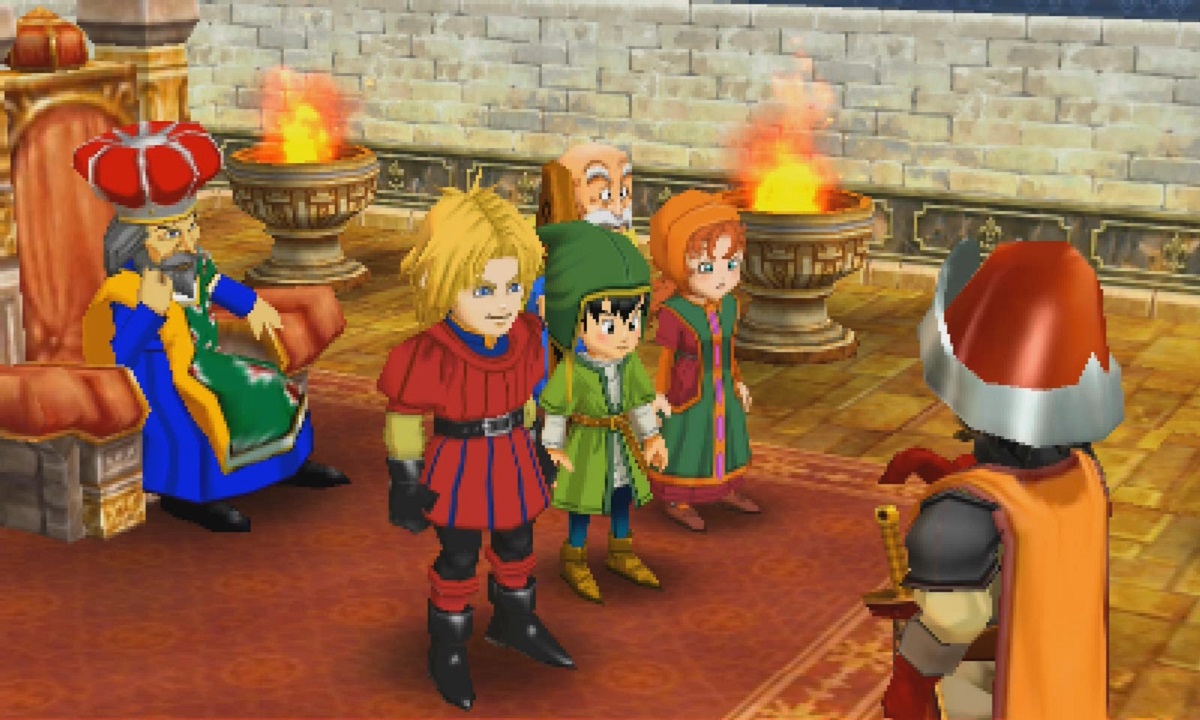
The first version of ‘Dragon Quest VII’ on PlayStation had a very lengthy introduction that didn’t include any battles. Players spent a lot of time solving puzzles in various time periods to move forward. A major challenge was finding hidden stone fragments to open up new locations, which meant carefully searching every area. Because the game was so long and complicated, many players needed to use walkthroughs to find everything.
‘Tunic’ (2022)
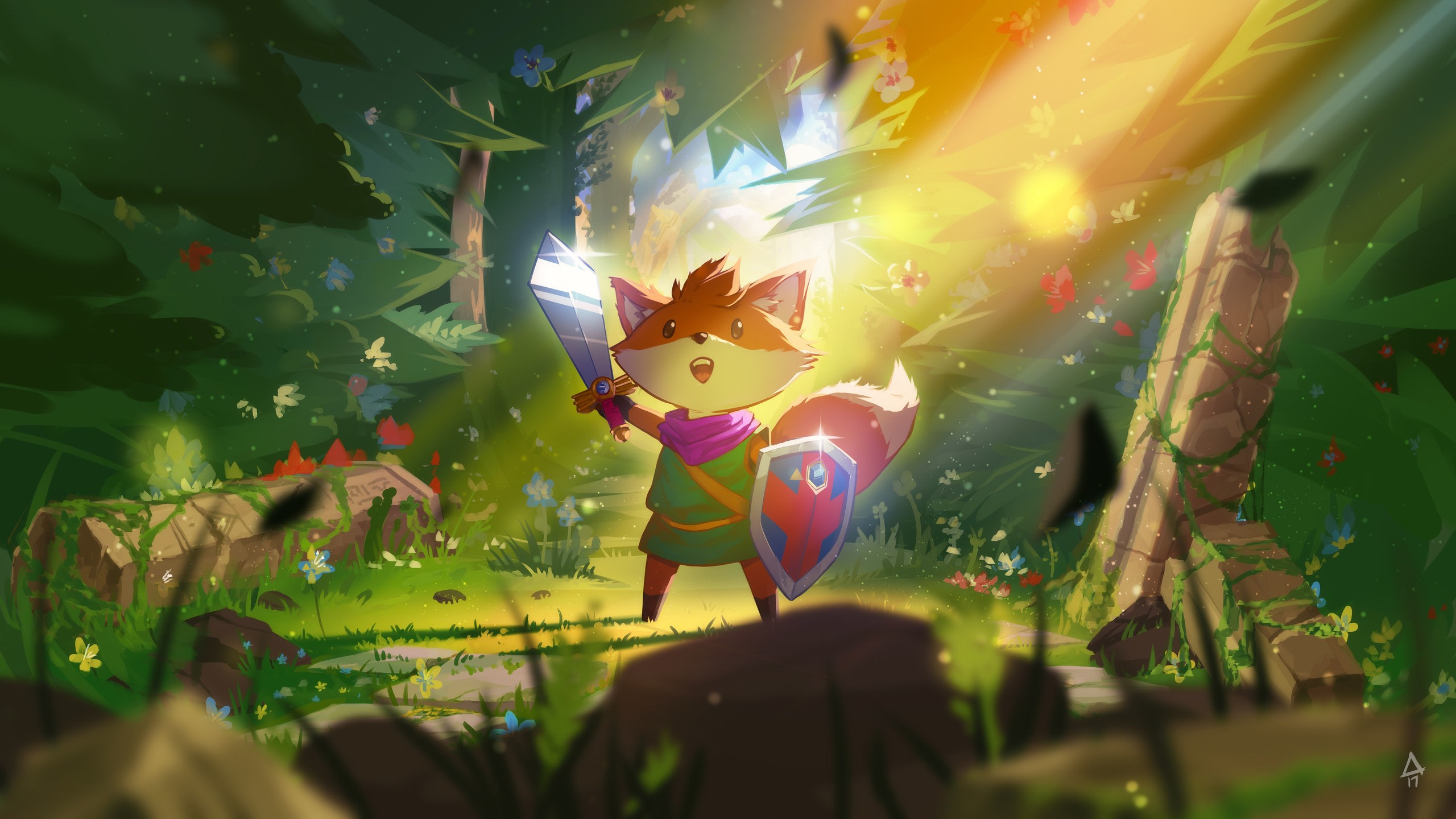
Tunic is a new game designed to feel like a classic, old-school adventure. A key part of the experience is an in-game manual written in a made-up language that players need to decipher. Discovering the game’s biggest secrets and true ending involves finding hidden paths and performing tricky actions, with clues hidden within the pages of this manual. While you can complete the main story on your own, unlocking everything the game has to offer likely requires looking up information outside the game.
‘Golden Sun’ (2001)
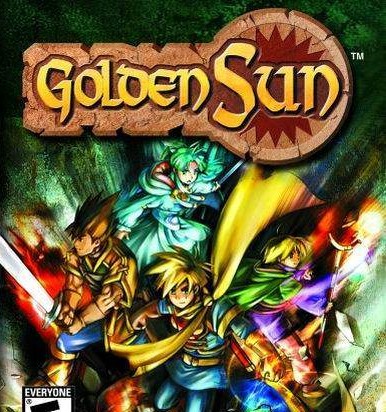
In ‘Golden Sun,’ players collected creatures called Djinn to make their characters stronger. Finding these Djinn wasn’t easy – they were often hidden or required special spells to access. The game’s dungeons were also challenging, filled with puzzles that involved manipulating objects like pillars and freezing water in the correct order. Because missing even one Djinn could make the later parts of the game much harder, many players relied on checklists to make sure they didn’t miss any.
‘Resident Evil’ (1996)

The first ‘Resident Evil’ game was well-known for making players carefully manage their limited items and solve tricky puzzles. Players explored a zombie-filled mansion, searching for keys and emblems while conserving ammo. Some puzzles, like figuring out the correct painting in the gallery, weren’t easy to solve and required some thought. This combination of intense pressure and difficult challenges made the game’s strategy guide incredibly popular.
‘Tomb Raider’ (1996)
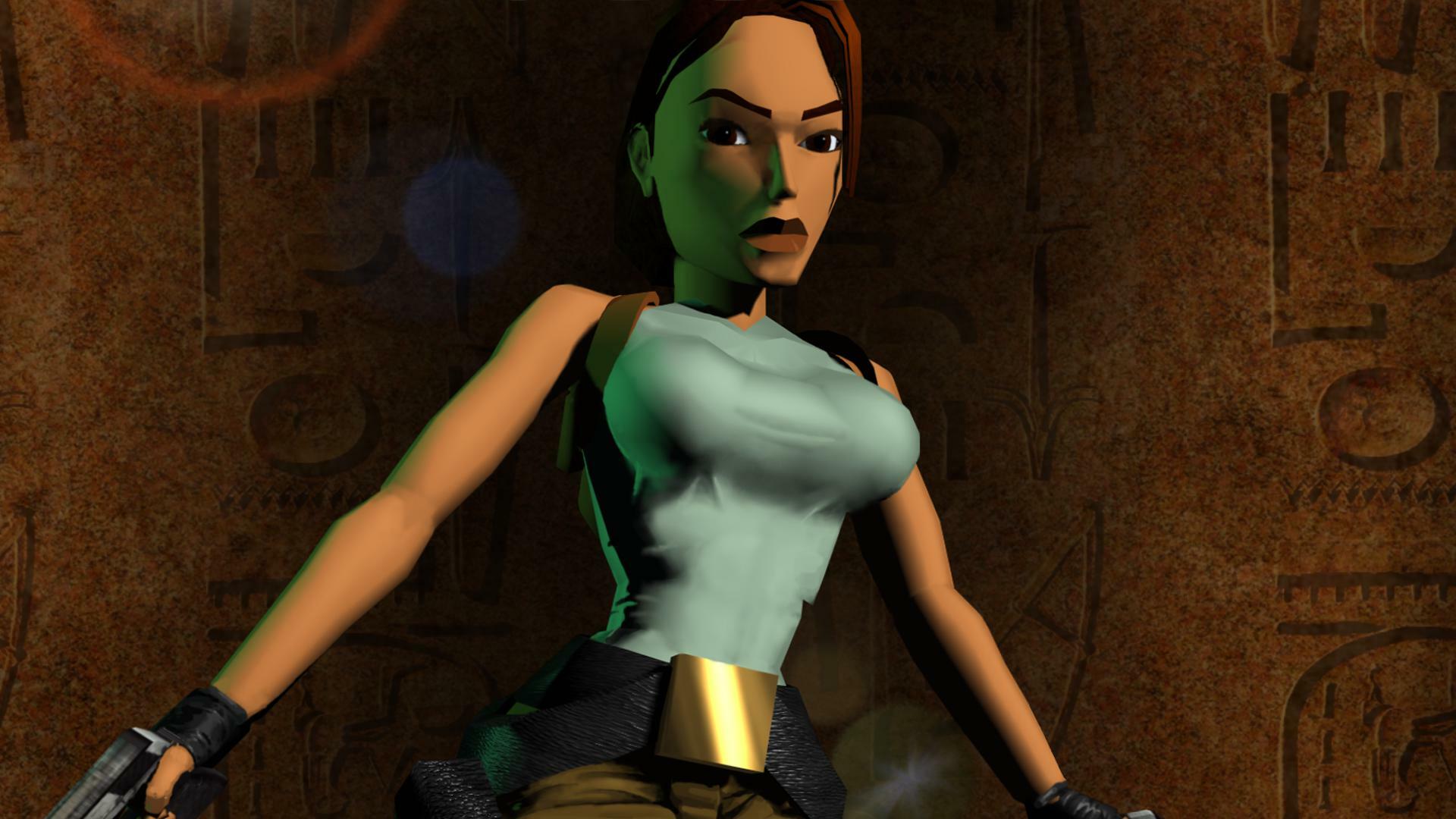
The original Tomb Raider was groundbreaking for its 3D world, but it was notoriously hard to get around. Levels were huge and relied on distant switches and doors, often leaving players lost and wandering through long, empty hallways for hours. While discovering hidden objects and avoiding traps was challenging, it was much easier with a walkthrough or guide.
‘Maniac Mansion’ (1987)

‘Maniac Mansion’ let players select a group of teenage characters to investigate a spooky house. The puzzles and how to solve them changed based on which characters you chose, making the game quite complex. It was challenging – you could easily get stuck or even lose characters forever – and many players needed a guide to figure out what items were required to reach the different endings.
‘Day of the Tentacle’ (1993)

Following up on the popular game ‘Maniac Mansion,’ this new installment featured puzzles that took place across three different time periods. What you did in the past directly affected the future, demanding creative problem-solving skills. For instance, washing a car in an earlier time could cause rain in a later one. The game’s logic was consistent, but the solutions were often so clever and unexpected that players could get stuck for days without help.
‘EverQuest’ (1999)
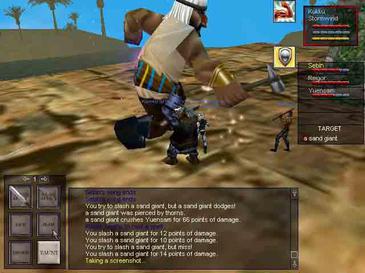
When ‘EverQuest’ first launched, it was famous for being a very challenging online game with almost no in-game assistance. The game world was huge, and death resulted in losing both your progress and all your items. Completing quests often took a long time and involved finding specific characters without any helpful indicators. Because of this, players heavily depended on external websites and player-created guides to survive and explore the world of Norrath.
‘The Elder Scrolls III: Morrowind’ (2002)
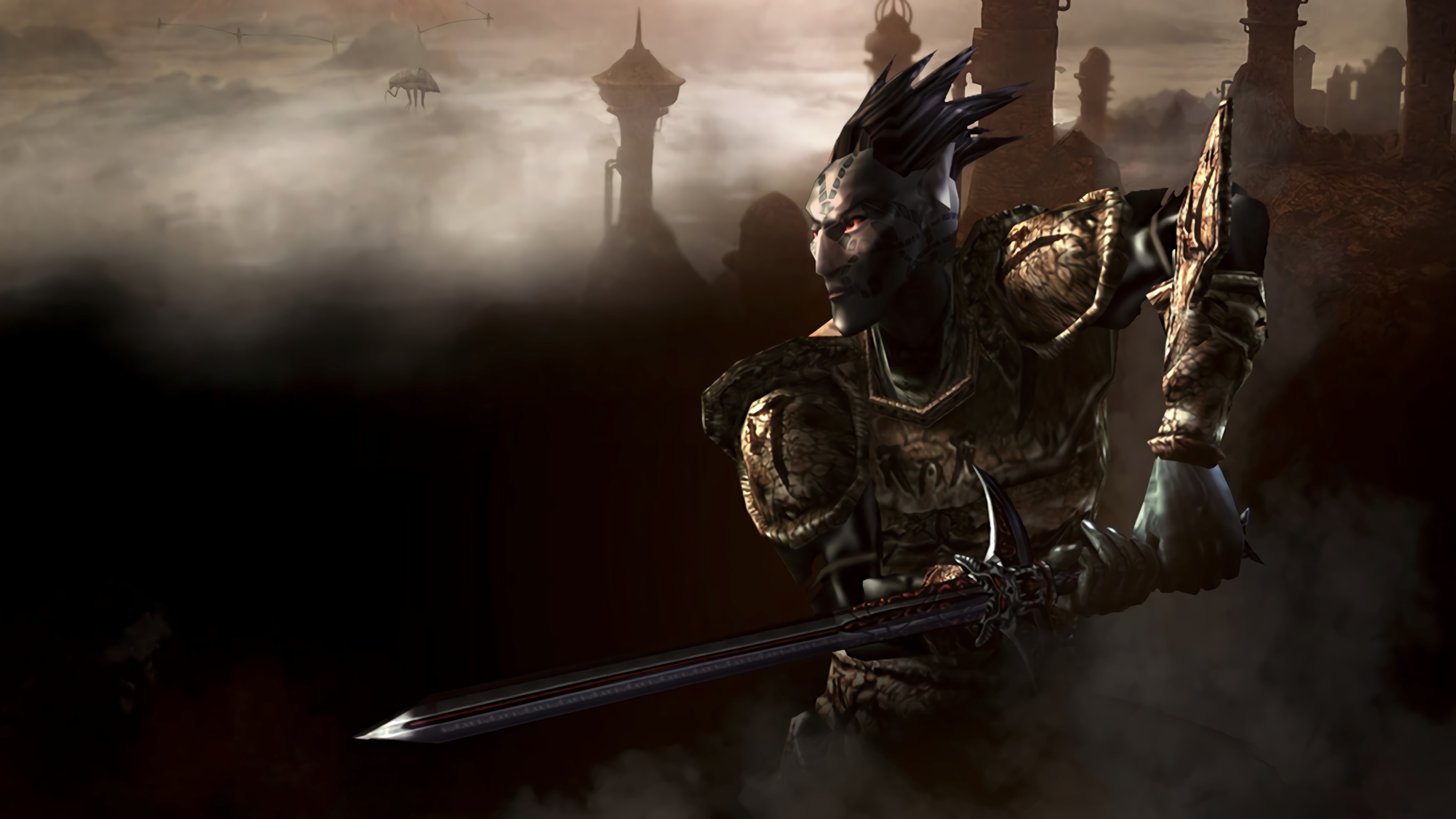
Unlike later Elder Scrolls games, Morrowind didn’t have quest markers or quick travel. Instead, players received written directions – things like ‘turn left at the fork and look for a rock.’ These directions weren’t always clear or accurate, especially with the game’s frequent fog. Because of this, most players needed a physical map or an online guide to find locations like caves and ruins in the large game world.
‘Final Fantasy VI’ (1994)
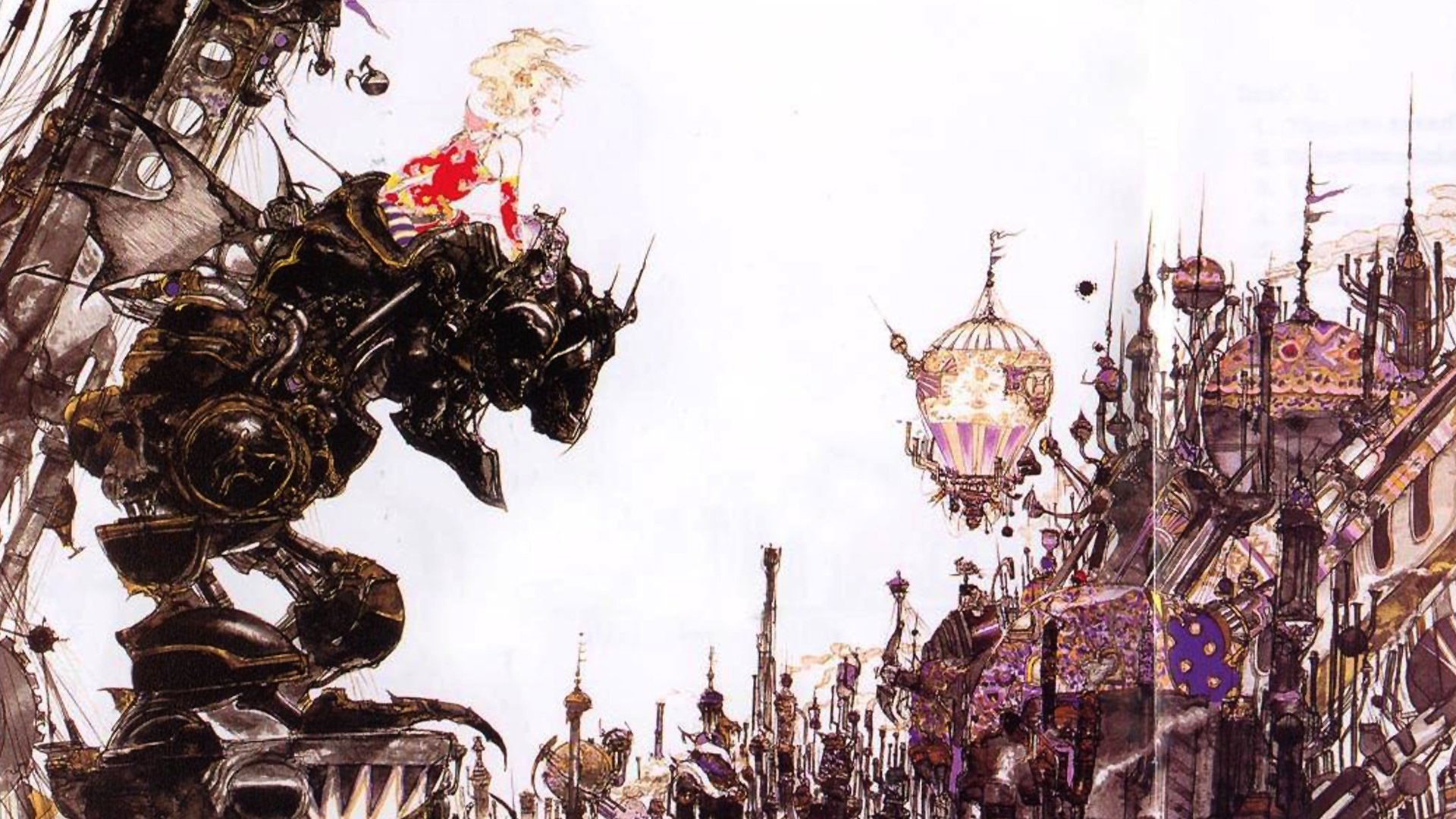
A particularly tense moment in ‘Final Fantasy VI’ happens when you’re trying to escape a floating continent. You have a limited time to reach your airship, and you have to decide whether to wait for a character named Shadow. If you leave too soon, Shadow is gone for the rest of the game. Because the game pushes you to hurry, many players accidentally left without him and had to start over or look up a guide on later attempts.
‘Dark Souls’ (2011)
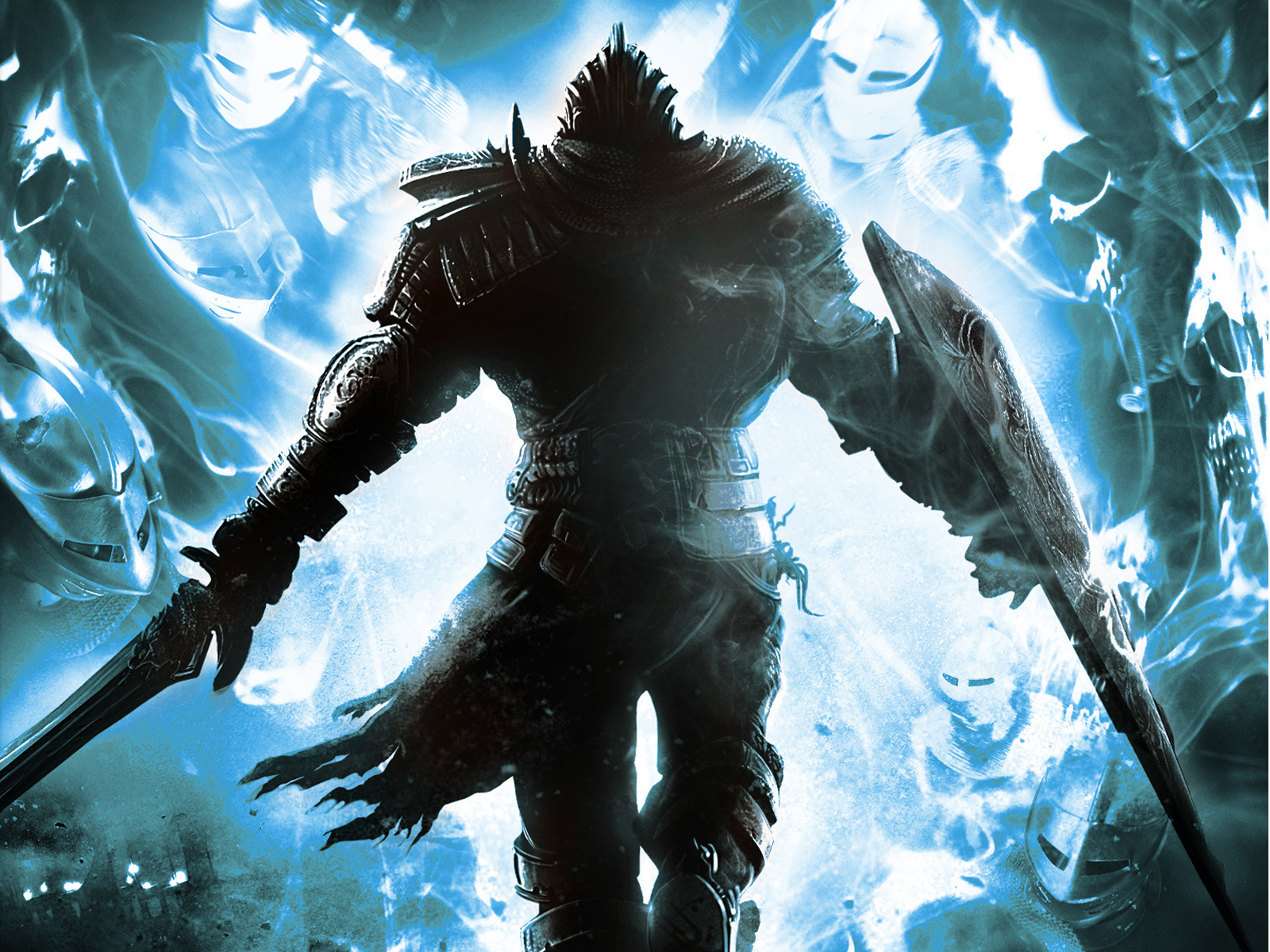
While ‘Dark Souls’ is well-known for being a tough game, its quests are just as demanding. Characters will often move to new areas without any notice, and their storylines can end unexpectedly if you don’t do certain things. The game doesn’t explain many of its features – like how to improve your weapons or join groups – very well in the menus. This lack of clear instruction led to a huge online community that worked together to create detailed guides and wikis.
‘Elden Ring’ (2022)
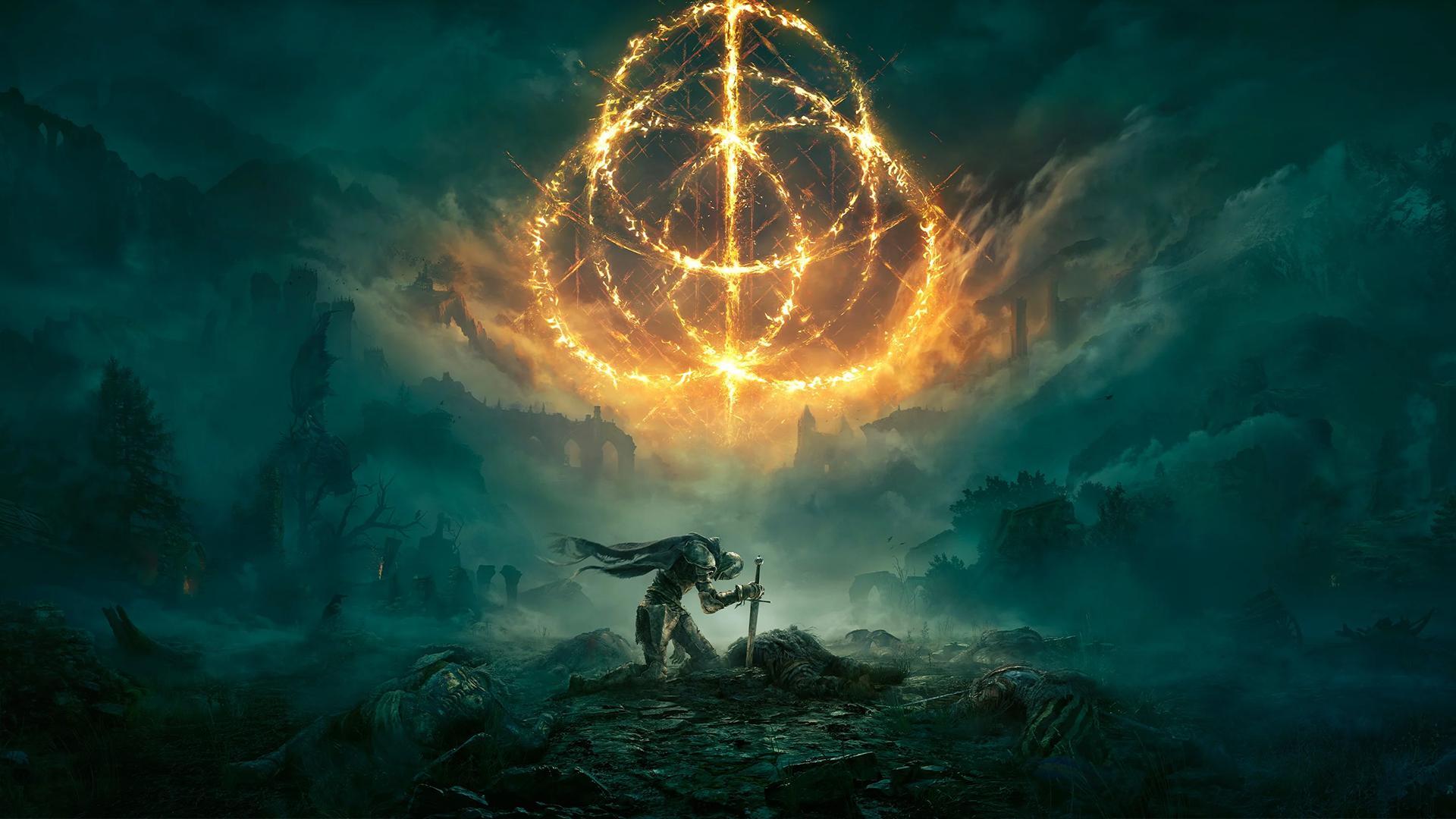
Even though ‘Elden Ring’ is a newer game, it still shares the challenging, mysterious quest style of FromSoftware’s older titles. Players are expected to roam a huge open world, searching for characters who offer unclear clues about where to go next. The game doesn’t have a typical quest log, making it easy to lose track of important details or even miss whole areas. Many players rely on guides to experience all the different endings and find the secret bosses.
‘Braid’ (2008)
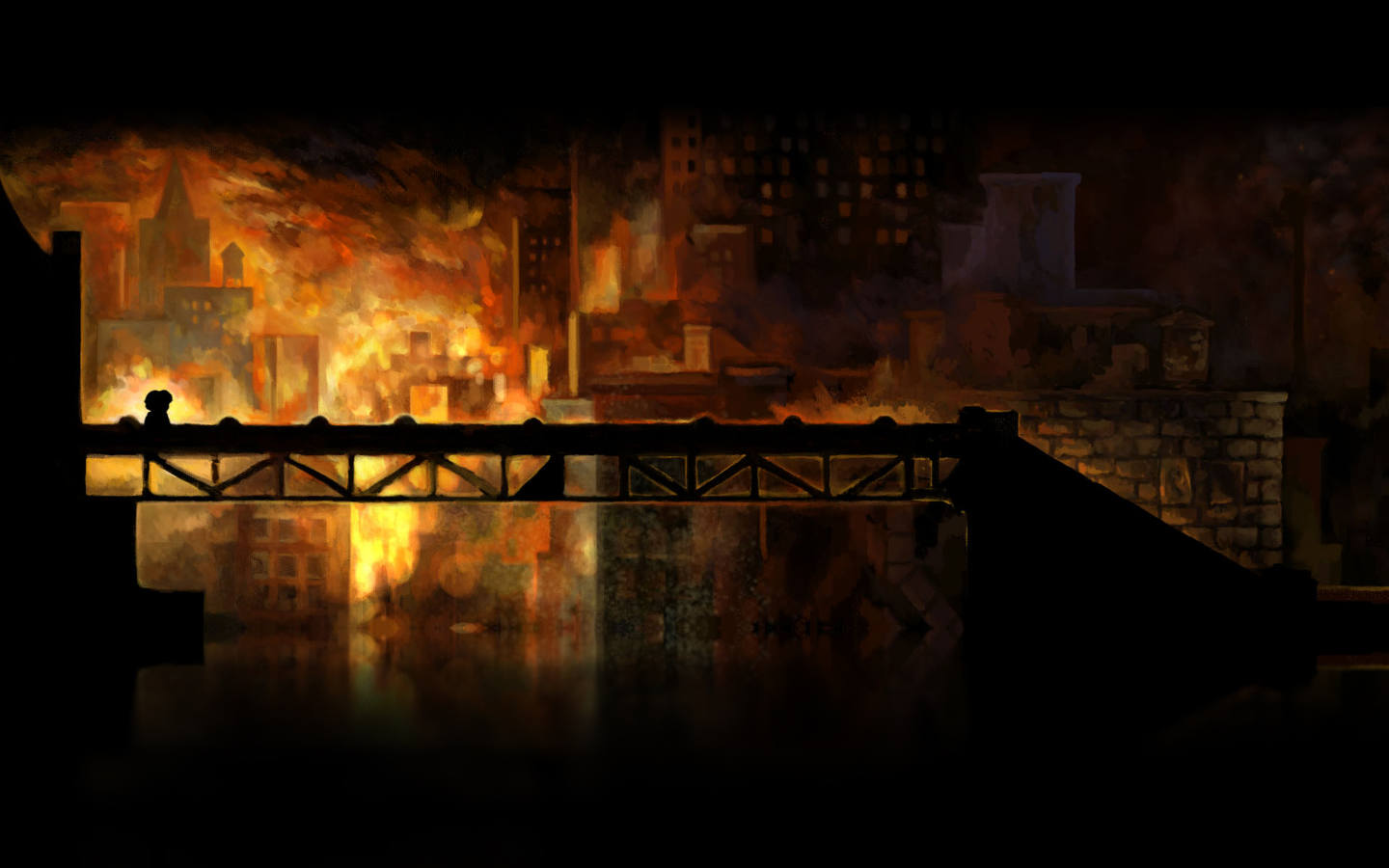
‘Braid’ is a clever puzzle game where you can bend time to solve challenges. The main levels are tough, but finding all the hidden collectibles is incredibly difficult – some require hours of waiting for specific events to happen. It seems these extra-hidden secrets were meant for hardcore players who enjoyed sharing their discoveries with others online.
‘Donkey Kong Country 2: Diddy’s Kong Quest’ (1995)
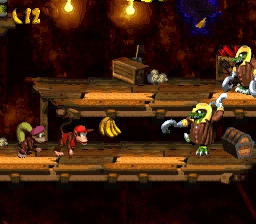
This new game features collectible items called Kremcoins that you need to find in order to unlock the real final boss. These coins are hidden in extra levels, often cleverly concealed in secret pits or behind walls you can break. Finding all of these hidden levels throughout Crocodile Isle is really challenging. Many players who enjoyed the game when it first came out in the nineties relied on strategy guides to help them collect the last few Kremcoins.
‘Outer Wilds’ (2019)
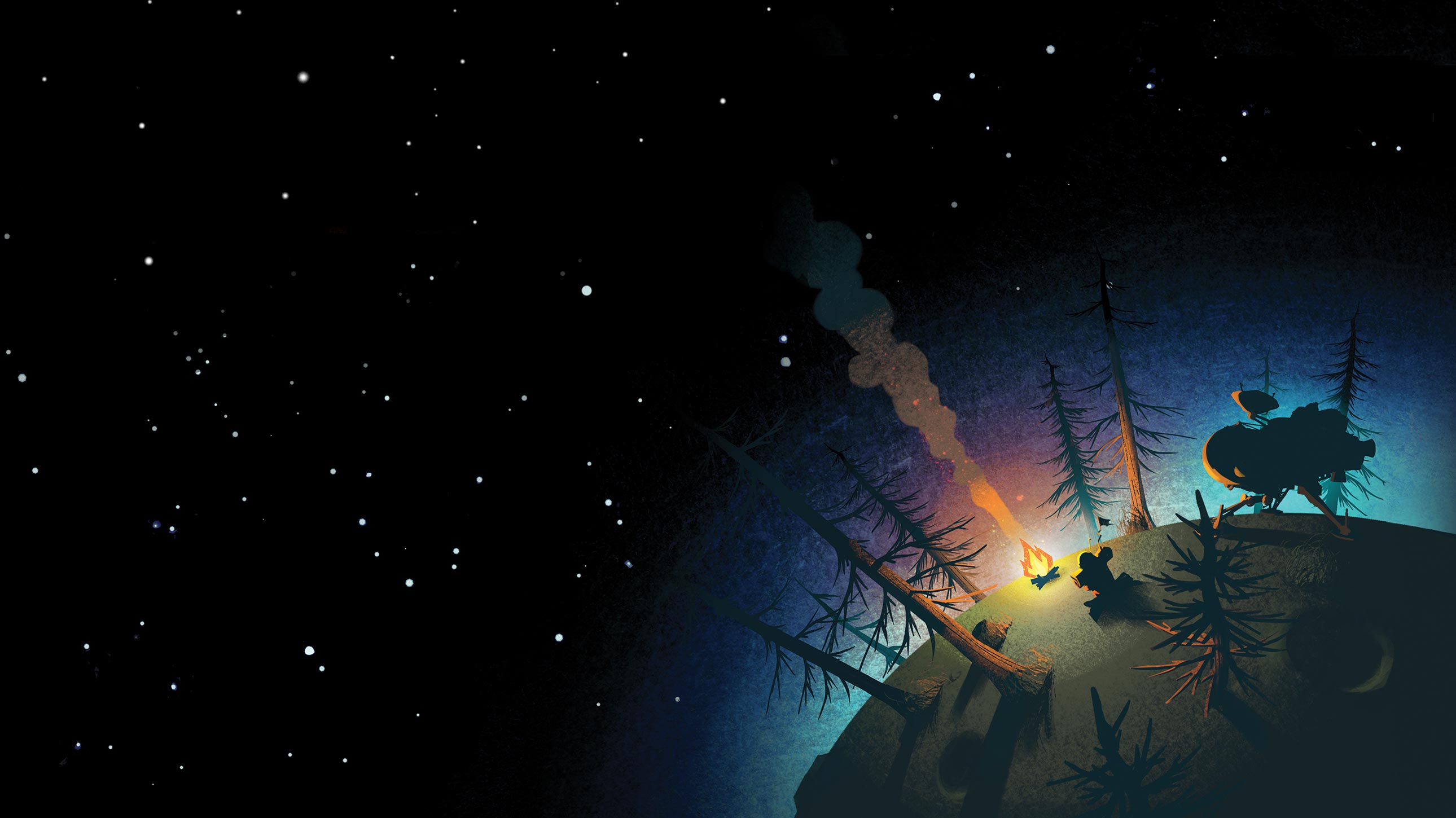
Outer Wilds is an exploration game where you learn more about the world – and that’s how you progress. You play as a space explorer uncovering the story of a long-lost civilization by traveling to different planets. The catch? The solar system resets every 22 minutes! Getting to certain places requires precise timing and skillful flying. Although the game offers a logbook to help you keep track of clues, many players find themselves using guides to solve the trickier navigation challenges.
‘Police Quest: In Pursuit of the Death Angel’ (1987)
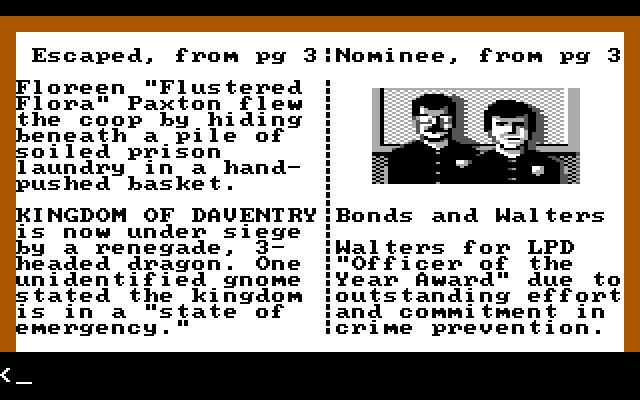
‘Police Quest: In Pursuit of the Death Angel’ was unique because it forced players to follow actual police procedures. Make a mistake – like forgetting to check a car’s tires or failing to Mirandize a suspect – and the game would instantly end. Unfortunately, these rules weren’t always explained within the game itself; players often needed the printed manual to succeed. Without it, the game could feel frustratingly difficult and unfair.
‘Space Quest: The Sarien Encounter’ (1986)
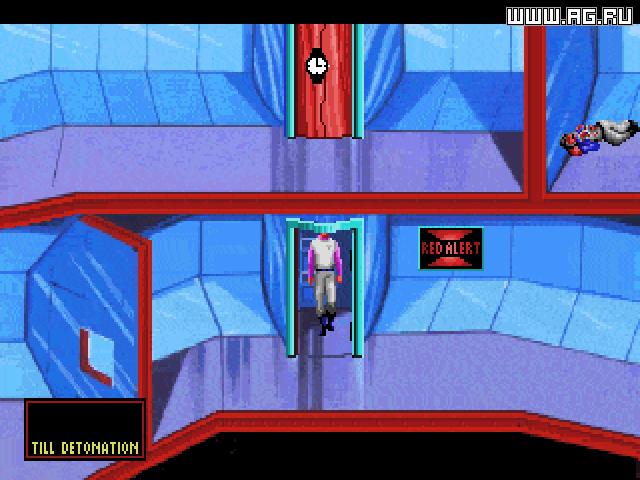
This sci-fi comedy adventure puts you on a spaceship that’s about to explode, and your goal is to escape! The game is full of tricky, instant-death situations, and you’ll need to collect items early on that you won’t use until much later. Miss a key item at the beginning, and you might reach the end only to find you can’t win. Because of this, players often had to rely on trial and error, or look up a guide, to make sure they didn’t miss anything important.
‘Simon the Sorcerer’ (1993)
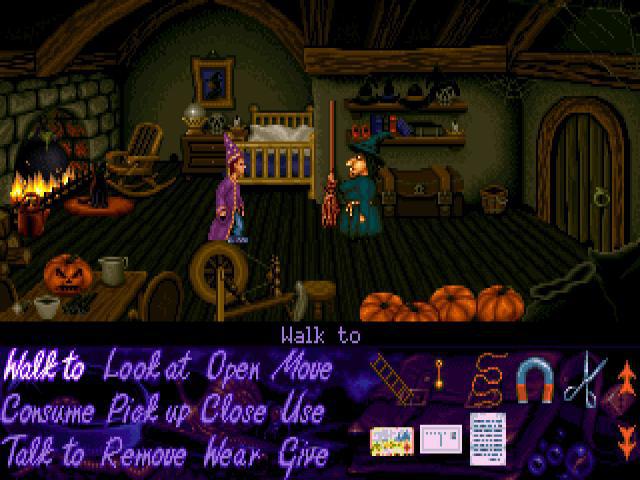
‘Simon the Sorcerer’ is a British adventure game known for its humorous take on fantasy stories and its notoriously challenging puzzles. Some puzzles, like summoning a dog with a whistle, aren’t explained well, and others, involving trading items with different characters, feel completely arbitrary. As with many similar games from that time, players often needed a walkthrough to figure out what the game actually wanted them to do.
‘Zak McKracken and the Alien Mindbenders’ (1988)
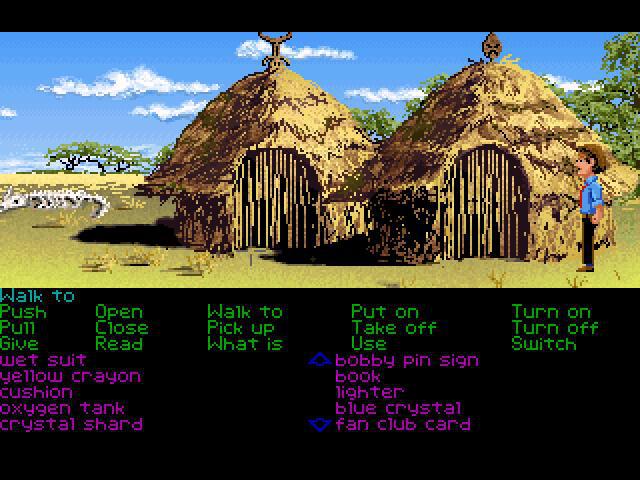
This LucasArts game let players travel the world and choose from several characters, which created much bigger and more complex puzzles. Players needed to carefully manage their money and possessions as they moved between continents, all while dodging alien dangers. Solving puzzles often required creative use of everyday objects – like a bread roll or wetsuit – in unexpected ways. The game’s intricate world and the risk of losing vital items made it notoriously hard to complete without help.
Tell us about the video games that forced you to look for a guide in the comments.
Read More
- Games That Faced Bans in Countries Over Political Themes
- Gold Rate Forecast
- Silver Rate Forecast
- Unveiling the Schwab U.S. Dividend Equity ETF: A Portent of Financial Growth
- 22 Films Where the White Protagonist Is Canonically the Sidekick to a Black Lead
- The Best Directors of 2025
- 15 Films That Were Shot Entirely on Phones
- Superman Flops Financially: $350M Budget, Still No Profit (Scoop Confirmed)
- 14 Movies Where the Black Character Refuses to Save the White Protagonist
- 20 Movies Where the Black Villain Was Secretly the Most Popular Character
2026-02-07 05:19