As a huge movie fan, I’ve noticed a trend where franchises usually try to build on what’s come before, keeping things consistent to keep us hooked. But sometimes, a sequel just throws all that out the window! They’ll completely change the story, ditch characters, even switch genres – it’s like they’re starting fresh with no warning. I’ve been thinking about the most surprising examples of this, those sequels that just decided to do their own thing, ignoring everything that happened before. Here’s a look at some of the most notable ones.
‘Halloween III: Season of the Witch’ (1982)
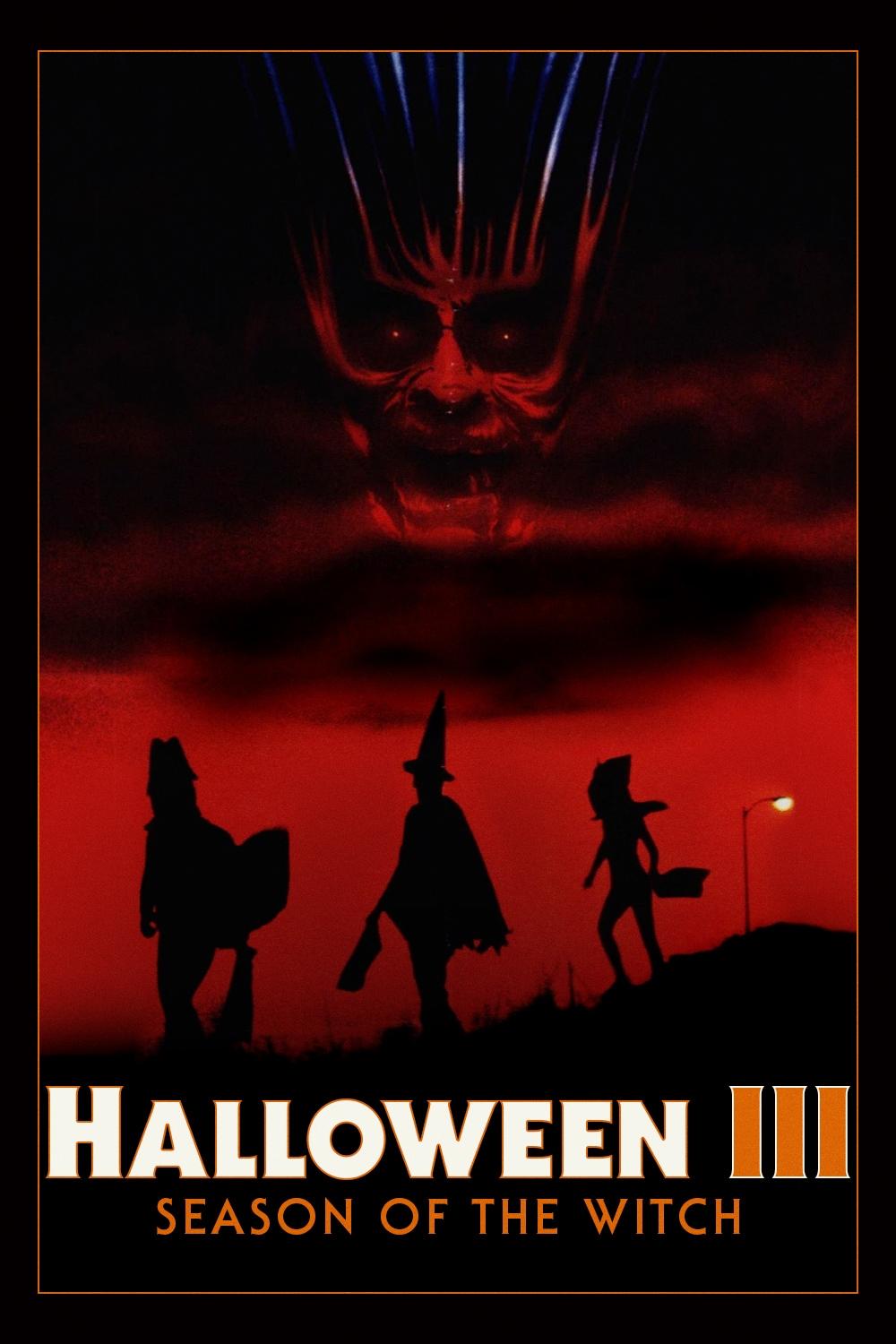
The third film in this horror series took a surprising turn, abandoning the Michael Myers storyline for a collection of separate, scary tales. It centers on a creepy mask maker who uses a combination of old magic and modern technology to target children nationwide. Many fans were puzzled by Michael Myers’ absence, as he was the main villain in the first two movies. The film tries to create an entirely new backstory based on Celtic folklore and advanced technology. This drastic change in direction is well-known as a sequel that largely ignored what came before it.
‘Highlander II: The Quickening’ (1991)
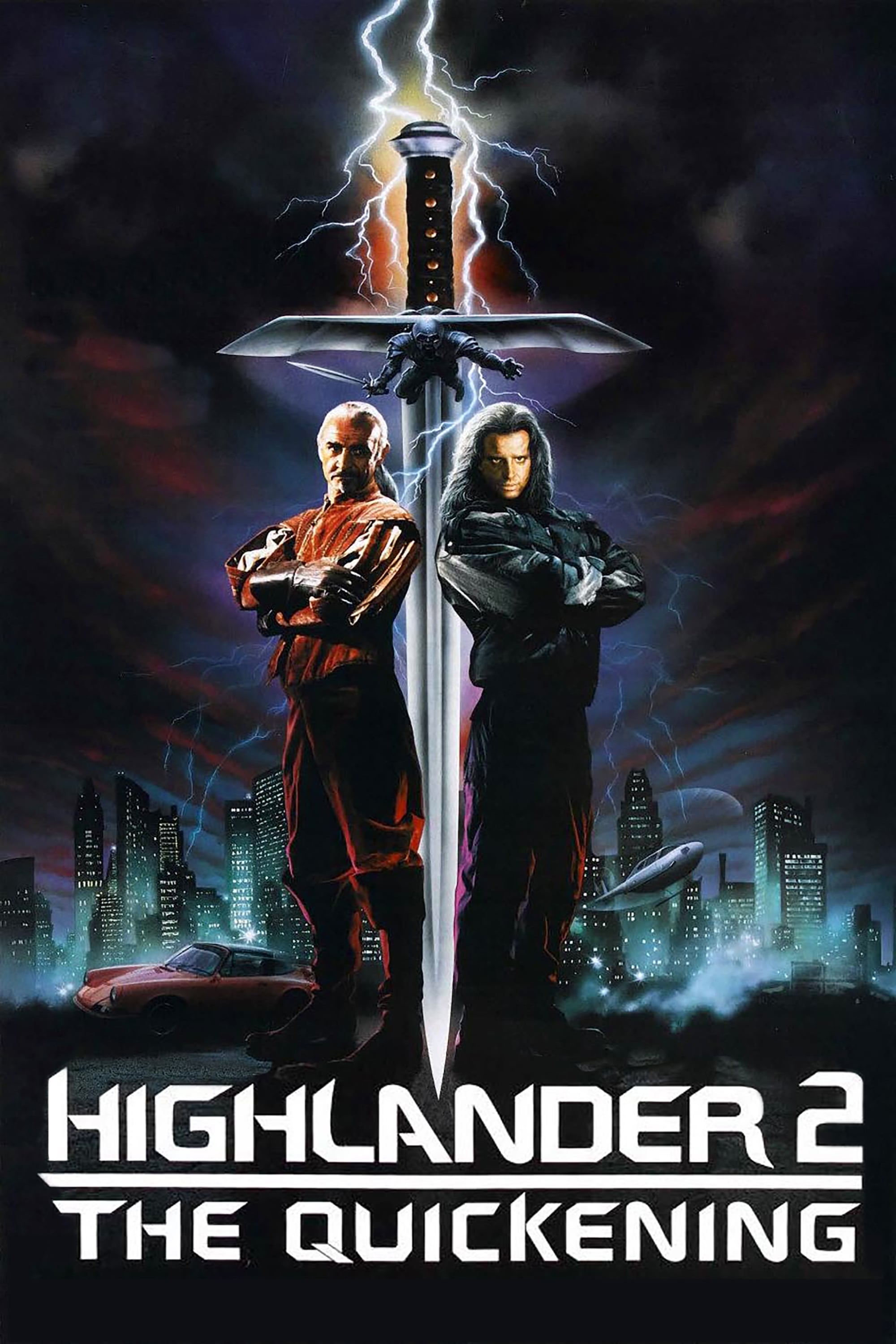
The new movie drastically altered the backstory of the immortal warriors from the first film. Instead of being gifted humans, they’re now shown to be aliens from the planet Zeist. The story also disregards the clear conclusion of the original, where the hero won the Prize and chose to become mortal. It shifts to a futuristic setting that doesn’t quite fit with the earlier fantasy themes, and many fans felt these changes went against the core ideas of the series.
‘Troll 2’ (1990)
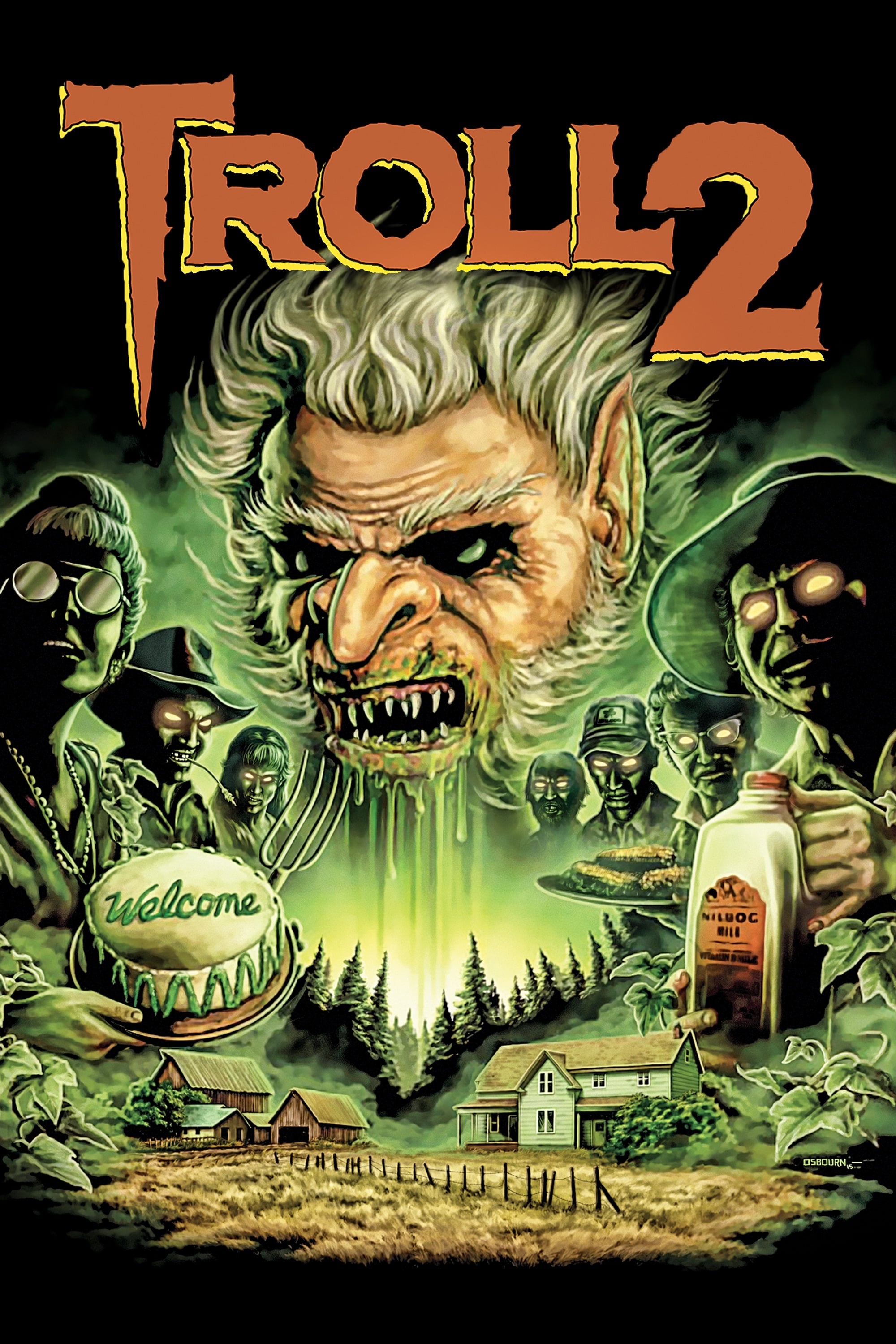
This movie, despite sharing a title with the 1986 film ‘Troll’, has no connection to it – it doesn’t even include trolls! The story centers on a family’s vacation gone wrong when they encounter goblins who plan to turn them into plants. Originally called ‘Goblins,’ the movie was renamed by distributors hoping to benefit from the popularity of a different film. It doesn’t share any characters or plot points with the original ‘Troll’ and is generally considered a sequel in title only.
‘Shock Treatment’ (1981)
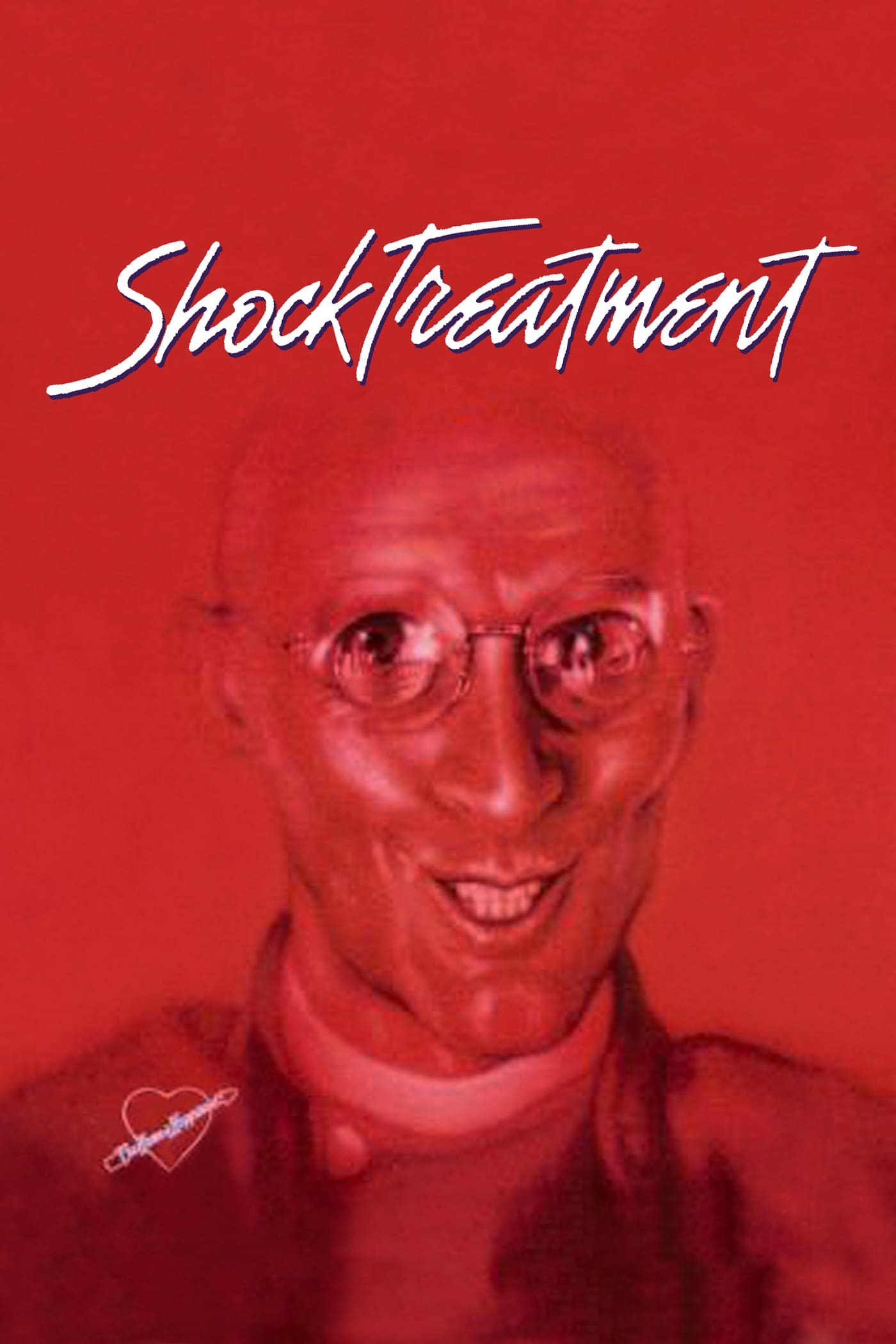
This film is a sequel to ‘The Rocky Horror Picture Show,’ but with a new cast. While Brad and Janet return as characters, they find themselves stuck inside a huge TV studio instead of a castle. The movie doesn’t mention anything that happened in the first film, or what became of the castle’s inhabitants. It’s a completely separate musical comedy that pokes fun at the world of media and celebrity. The connection between the two films is deliberately unclear and somewhat disjointed.
‘Jaws: The Revenge’ (1987)
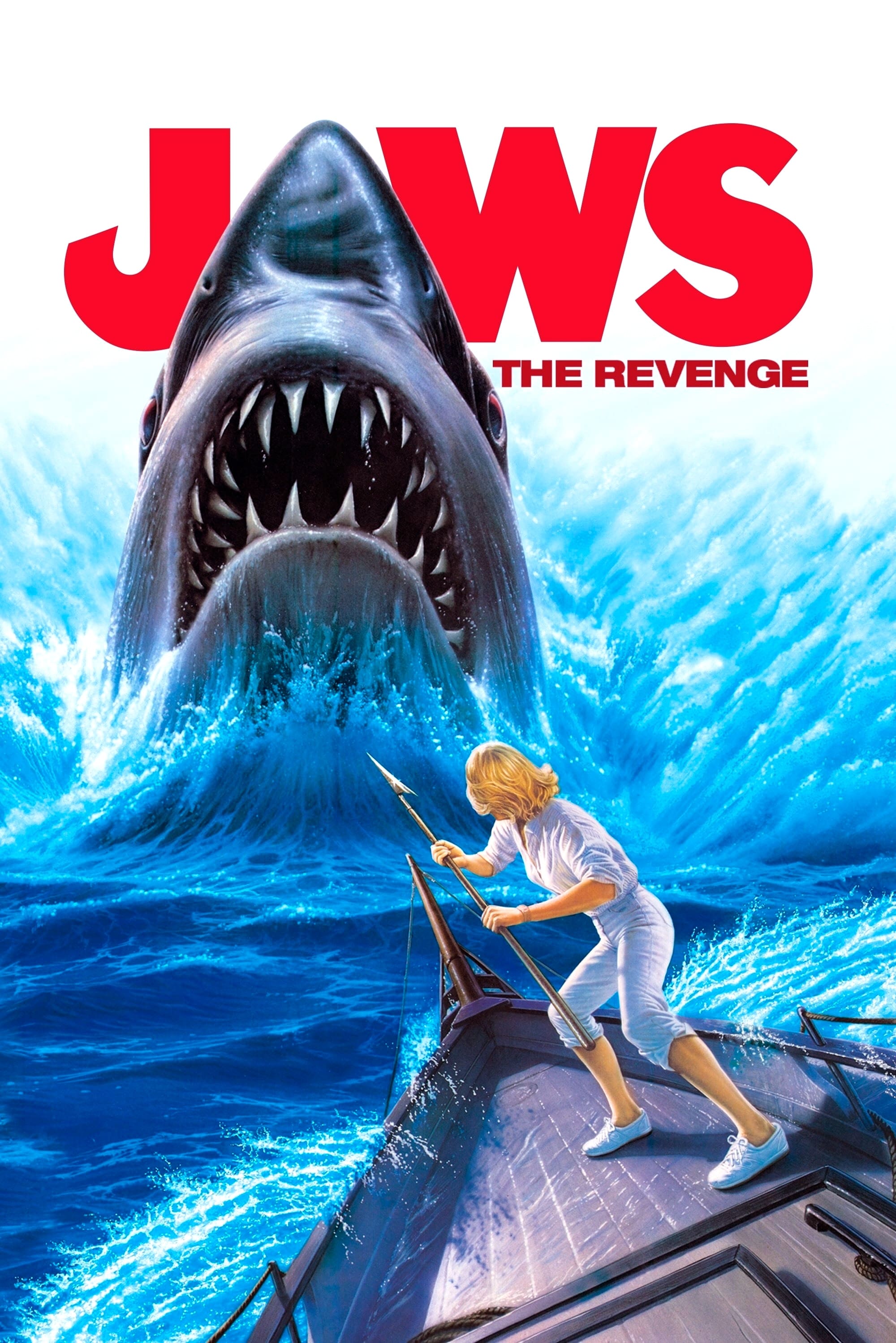
As a fan, I was surprised by the latest ‘Jaws’ movie! It completely forgets about everything that happened in ‘Jaws 3-D’ and goes back to the Brody family, but this time it’s Ellen who thinks a shark is targeting them. The story tries to say this shark is getting revenge for its parents or something, which doesn’t really make sense considering sharks aren’t known for holding grudges! It’s like the filmmakers wanted to feel connected to the very first movie and just pretended the others didn’t exist – no mention of anyone from ‘Jaws 3-D’ at all.
‘Cruel Intentions 2’ (2000)
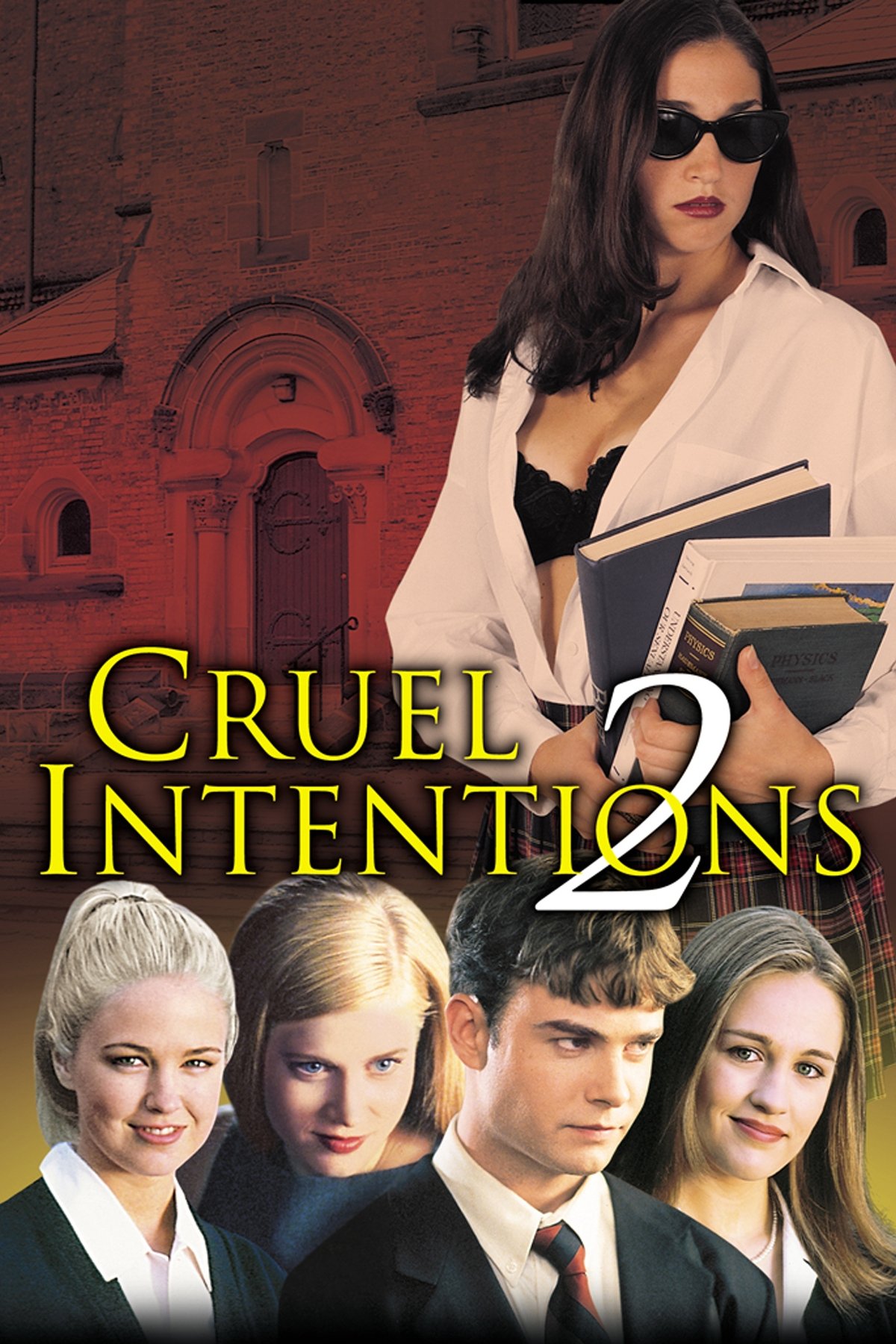
I was really excited when I heard about this movie, but it’s a bit confusing! It actually started as a TV series called ‘Manchester Prep’ and then they turned it into a film. It’s supposed to be a prequel to the first movie, showing how Sebastian and Kathryn met when he moved to New York and became her stepbrother, but honestly, it doesn’t really feel connected. The characters aren’t quite how I remember them, and the whole vibe is different. It feels less refined than the original, more like a fresh start than a continuation of the story. It’s definitely a reboot, not a sequel!
‘Mean Girls 2’ (2011)
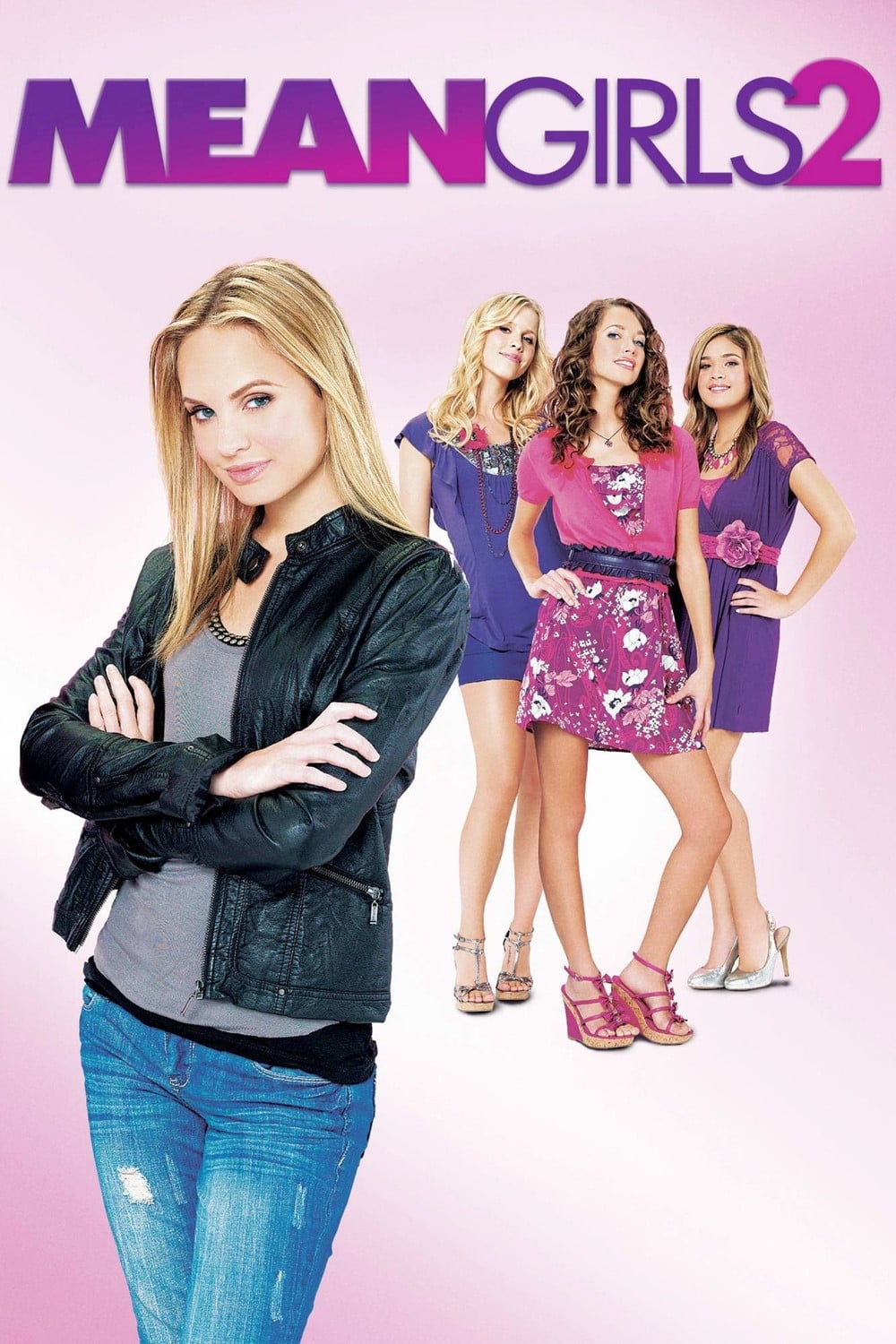
This made-for-TV sequel introduces a completely new group of characters and uses a plot similar to the original. While set at the same high school, it doesn’t include anyone from the first movie. The story centers around a new student who creates a group to challenge the school’s popular group, known as the Plastics. It essentially retcons the ending of the original film, where the established social order was broken down, and functions as a separate story capitalizing on the success of the 2004 movie.
‘S. Darko’ (2009)
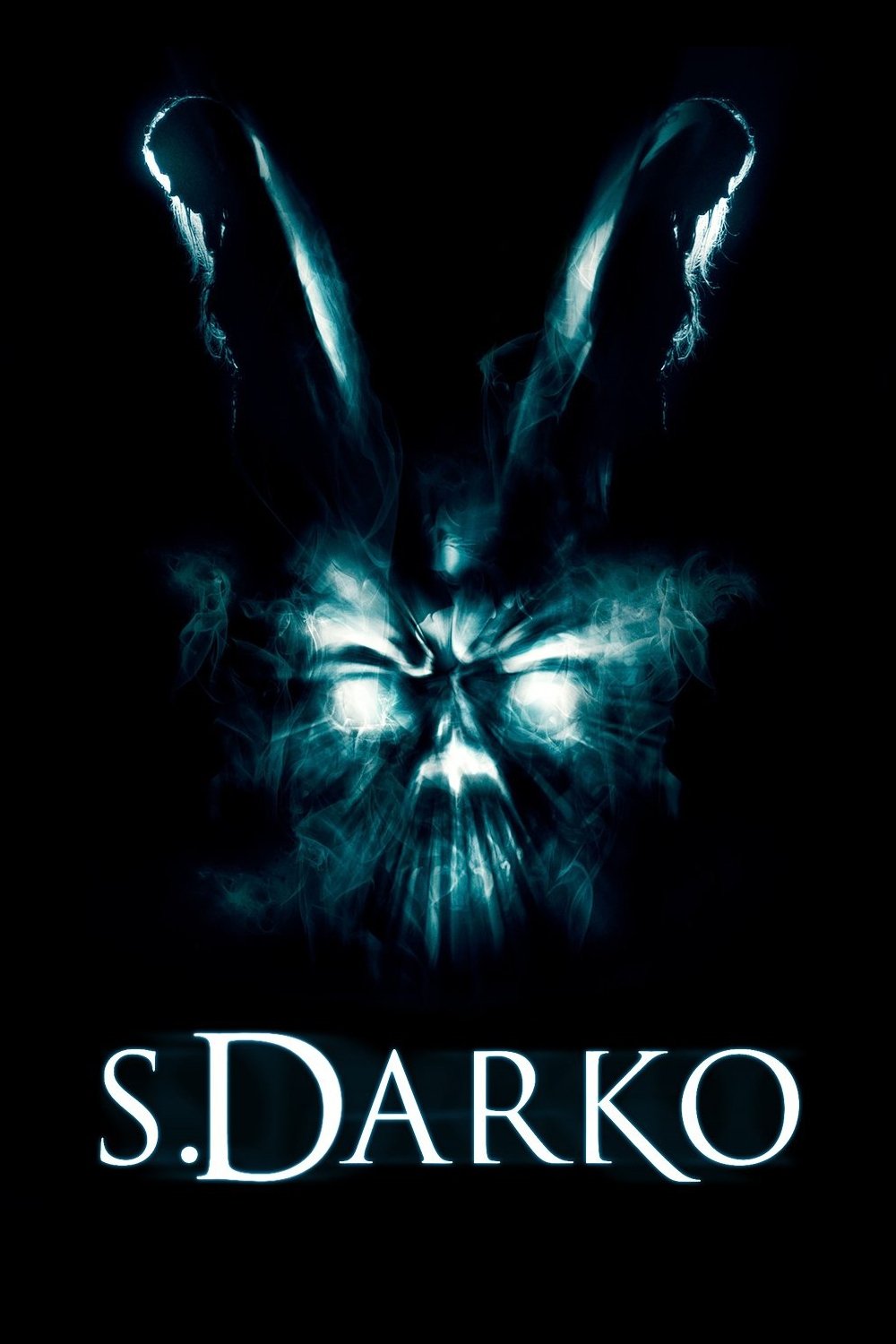
This follow-up movie centers on Donnie Darko’s younger sister and her best friend as they travel on a road trip. Unlike the first film, it doesn’t delve into the complicated time travel aspects and introduces new, somewhat unrelated supernatural events. It doesn’t offer much in the way of answers or further development for the characters we knew from the original, and many fans see it as a separate story altogether.
‘Book of Shadows: Blair Witch 2’ (2000)
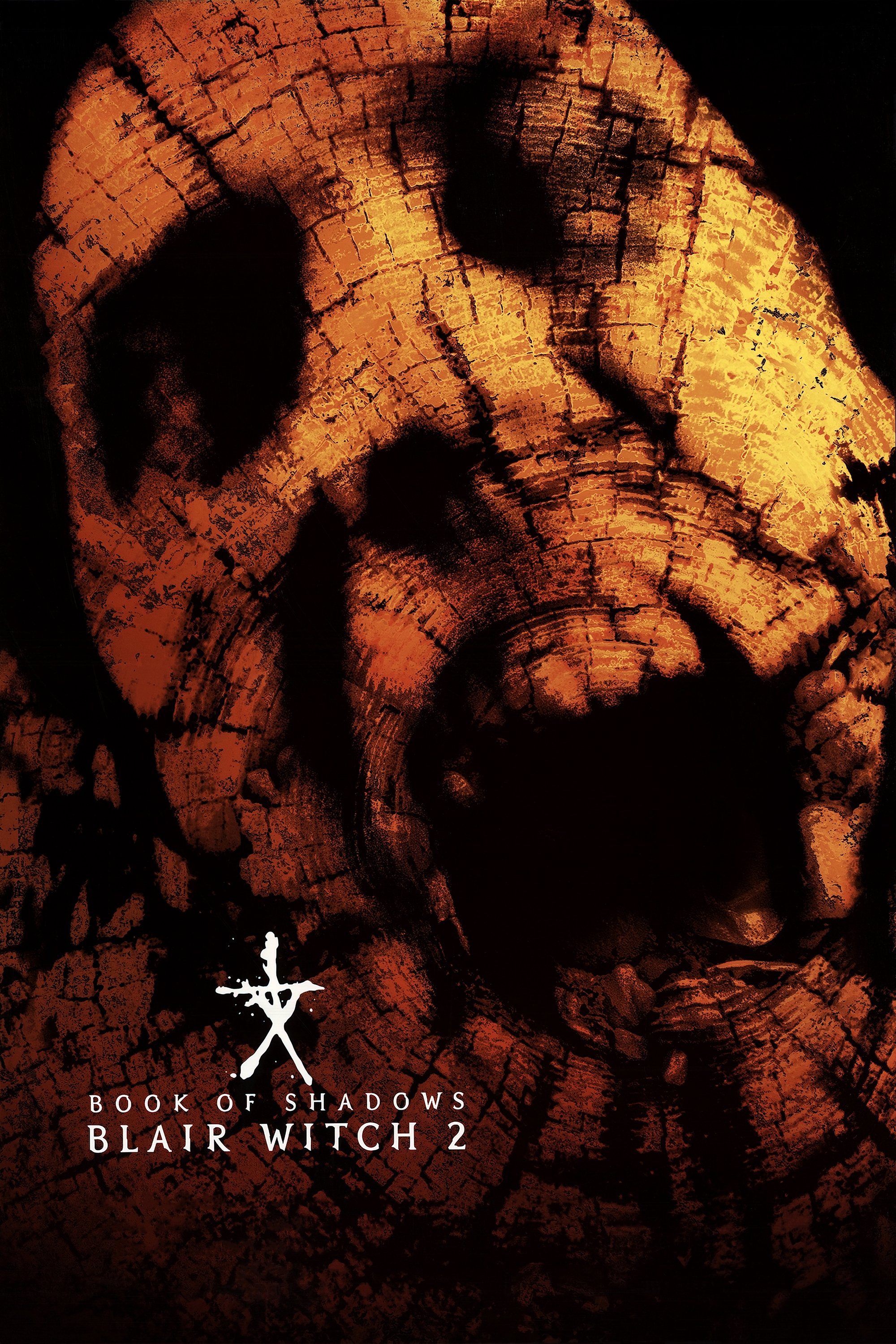
This follow-up to the groundbreaking found footage film takes a unique approach – it presents the original movie as a fake documentary. The story centers on tourists visiting the woods in the Black Hills, seeking out the spots featured in the first film. Unlike its predecessor, this movie doesn’t use the shaky, handheld camera style and instead looks like a traditionally filmed movie. It also moves away from the original film’s established story and rules, opting for a more psychological thriller feel. This change in style disappointed many fans who were hoping for a continuation of the original’s direct storyline.
‘Dirty Dancing: Havana Nights’ (2004)
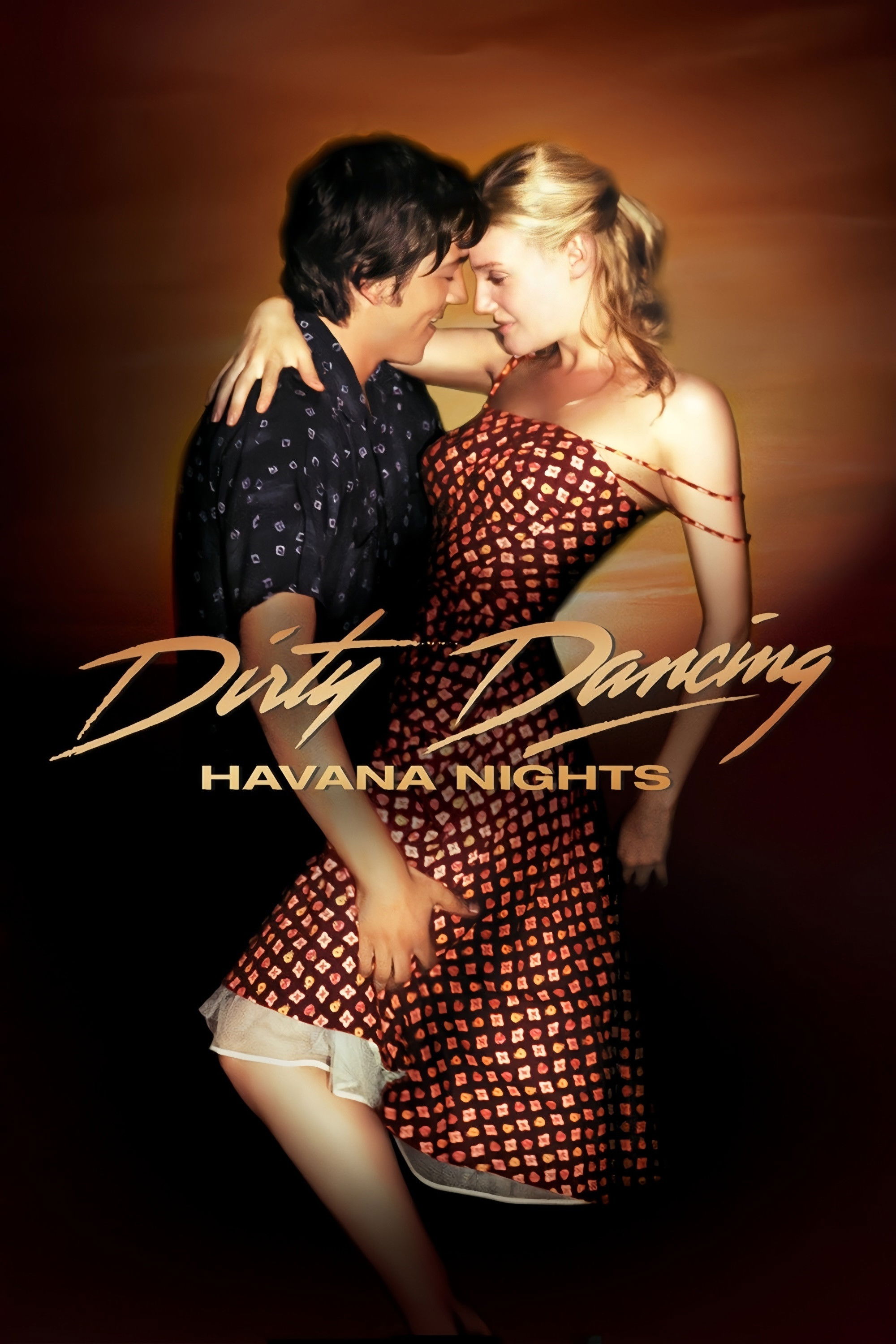
I was so intrigued by this film! It’s billed as a sequel, but it feels more like a fresh start, completely reimagined and set in the vibrant 1950s. It tells the beautiful story of an American girl who finds love with a Cuban dancer after moving to Cuba. And while Patrick Swayze is in it – which was a lovely surprise! – he plays a new character, a dance instructor. Honestly, it doesn’t really try to connect to the first movie’s story or time period. Instead, it explores that same feeling of finding yourself through dance, but in a completely different and fascinating culture. It’s a really lovely take on a familiar idea.
‘Return to Oz’ (1985)
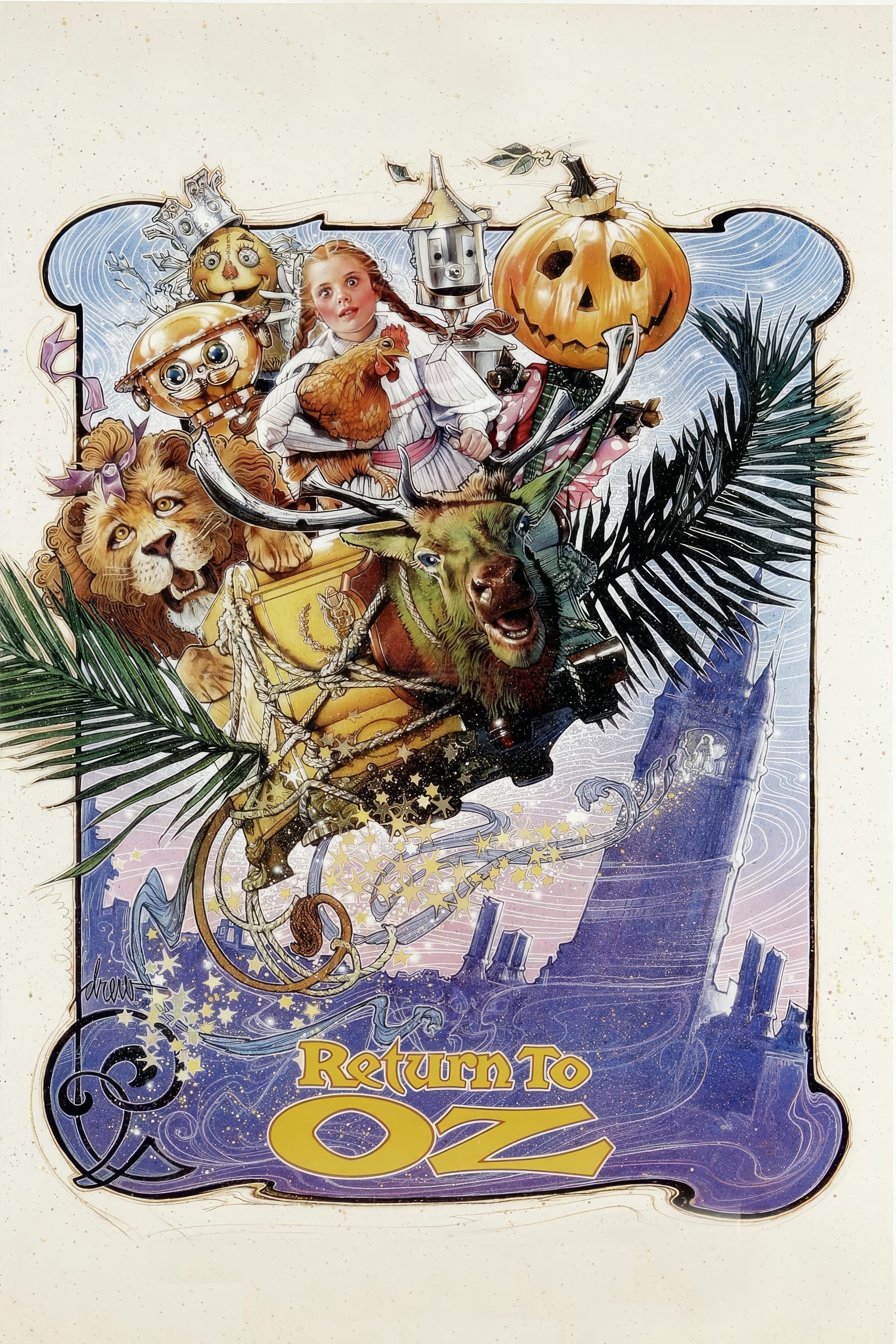
This movie is a follow-up to the 1939 film, but it stays truer to the original books. Unlike the first movie, which was a musical with a cheerful feel, this one is much darker and scarier. Dorothy goes back to Oz to discover the Emerald City has been destroyed and her friends have been turned to stone. It doesn’t include any of the famous songs or plot points from the original, offering a completely new and different take on the world created by L. Frank Baum.
‘Speed 2: Cruise Control’ (1997)
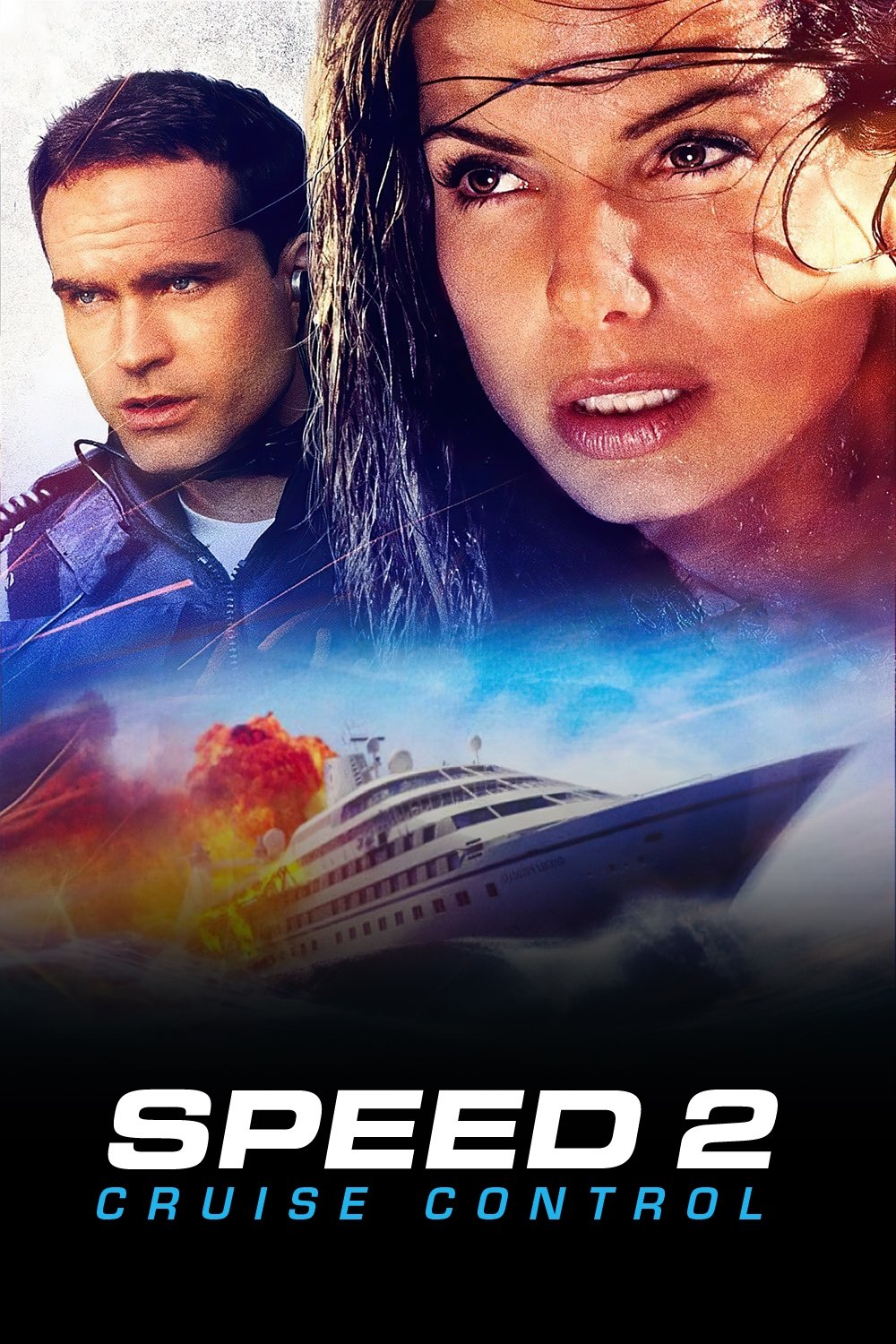
The latest installment in this action series features a new lead actor and takes place on a lavish cruise ship. The film quickly explains why the original hero isn’t involved – their relationship ended. The story centers on a fresh protagonist trying to prevent a vengeful hacker from sabotaging the ship. However, it abandons the gritty city environment and intense pressure that made the first movie so popular. Ultimately, the film feels less like a continuation of the original and more like a standalone action movie simply branded with the franchise name.
‘Son of the Mask’ (2005)
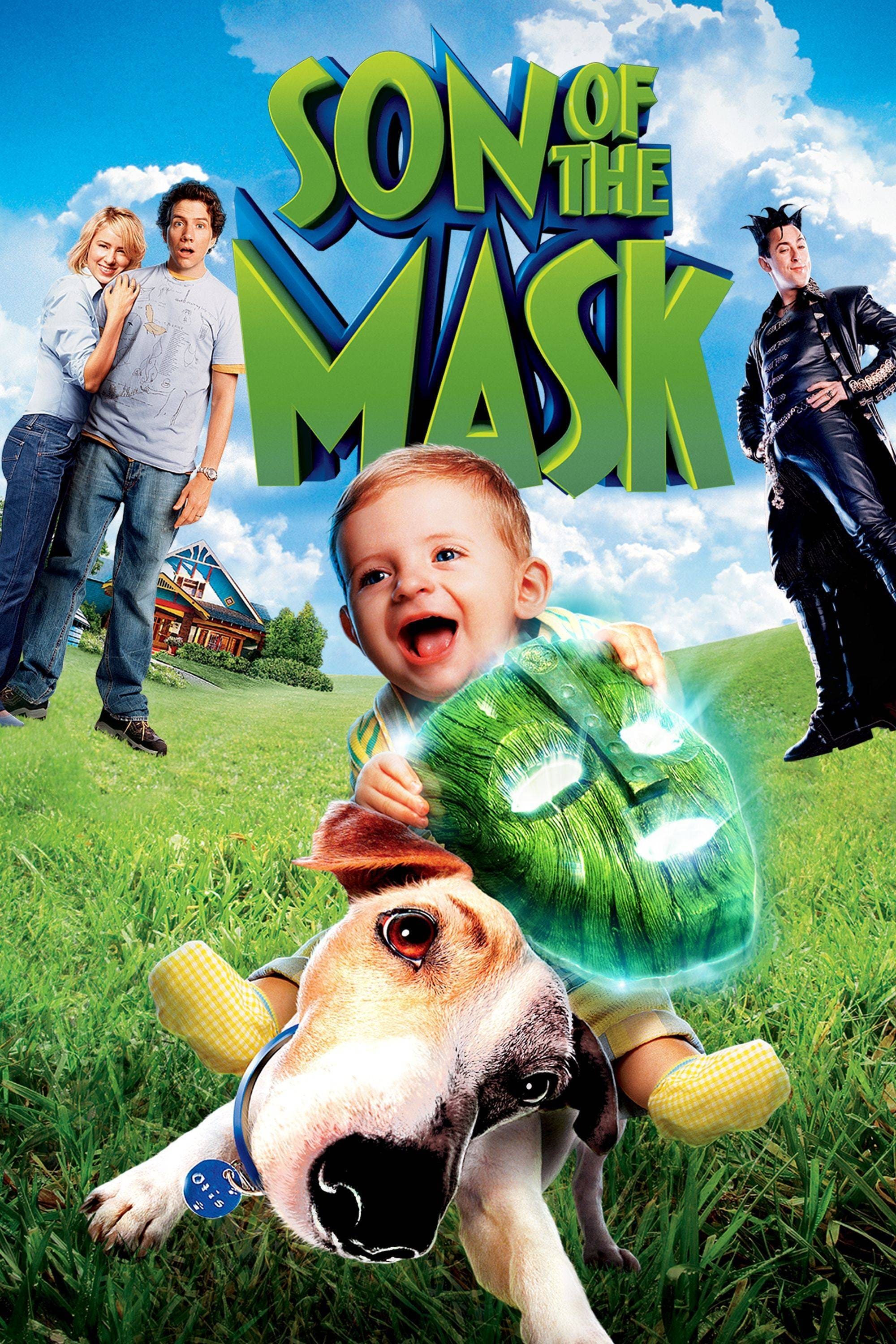
This sequel departs significantly from the original 1994 film, abandoning the character of Stanley Ipkiss and the gritty city environment. Instead, it features a new lead who finds the mask and unexpectedly has a child while wearing it. The plot transforms into a lighthearted family comedy, losing the darker tone of the first movie. It also fails to address what happened to the original characters or explain the mask’s history, and attempts to reimagine the mask’s origins as being connected to the Norse god Loki.
‘Home Alone 3’ (1997)
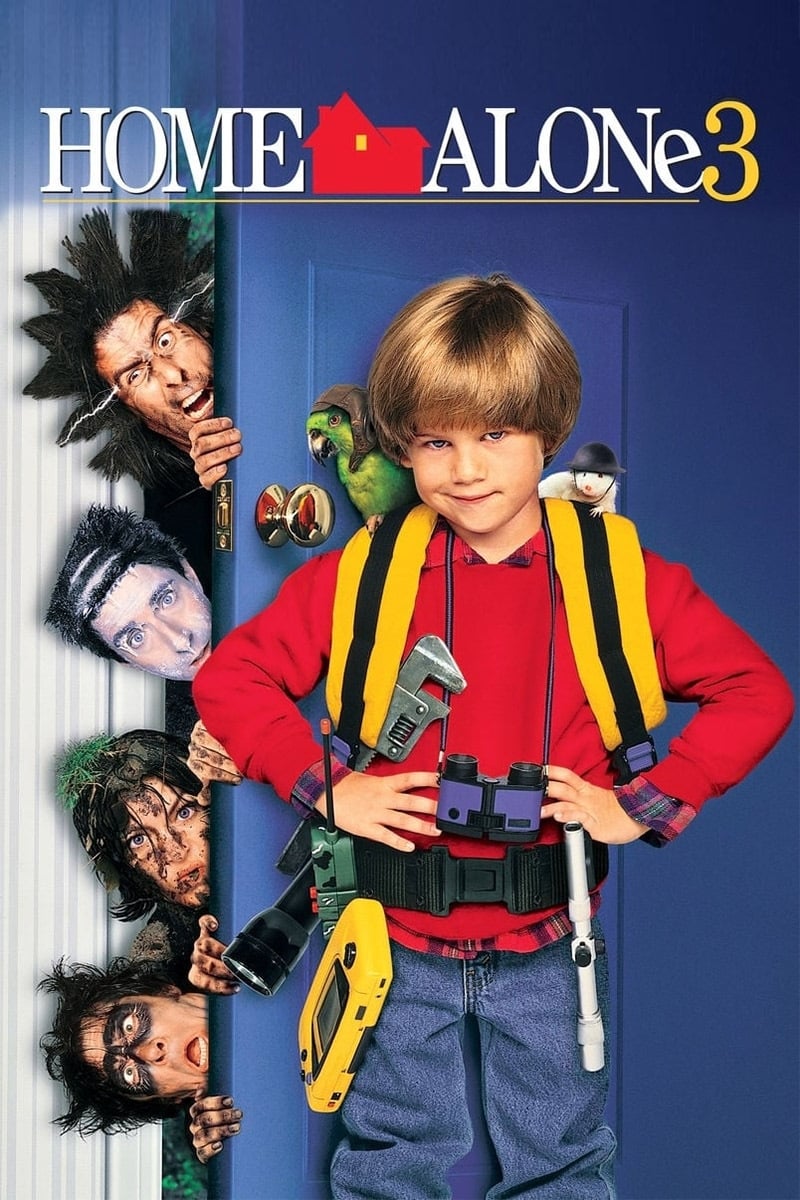
This third movie in the series introduces a new protagonist, Alex, and focuses on his fight to protect his home from international terrorists who are after a stolen microchip. It completely restarts the story, ignoring the previous films and having no connection to Kevin McCallister or his family. Instead of the original movies’ physical comedy, this one relies more on gadgets and technology. The only things linking it to the earlier films are the title and the basic idea of defending a home from intruders.
‘The Next Karate Kid’ (1994)
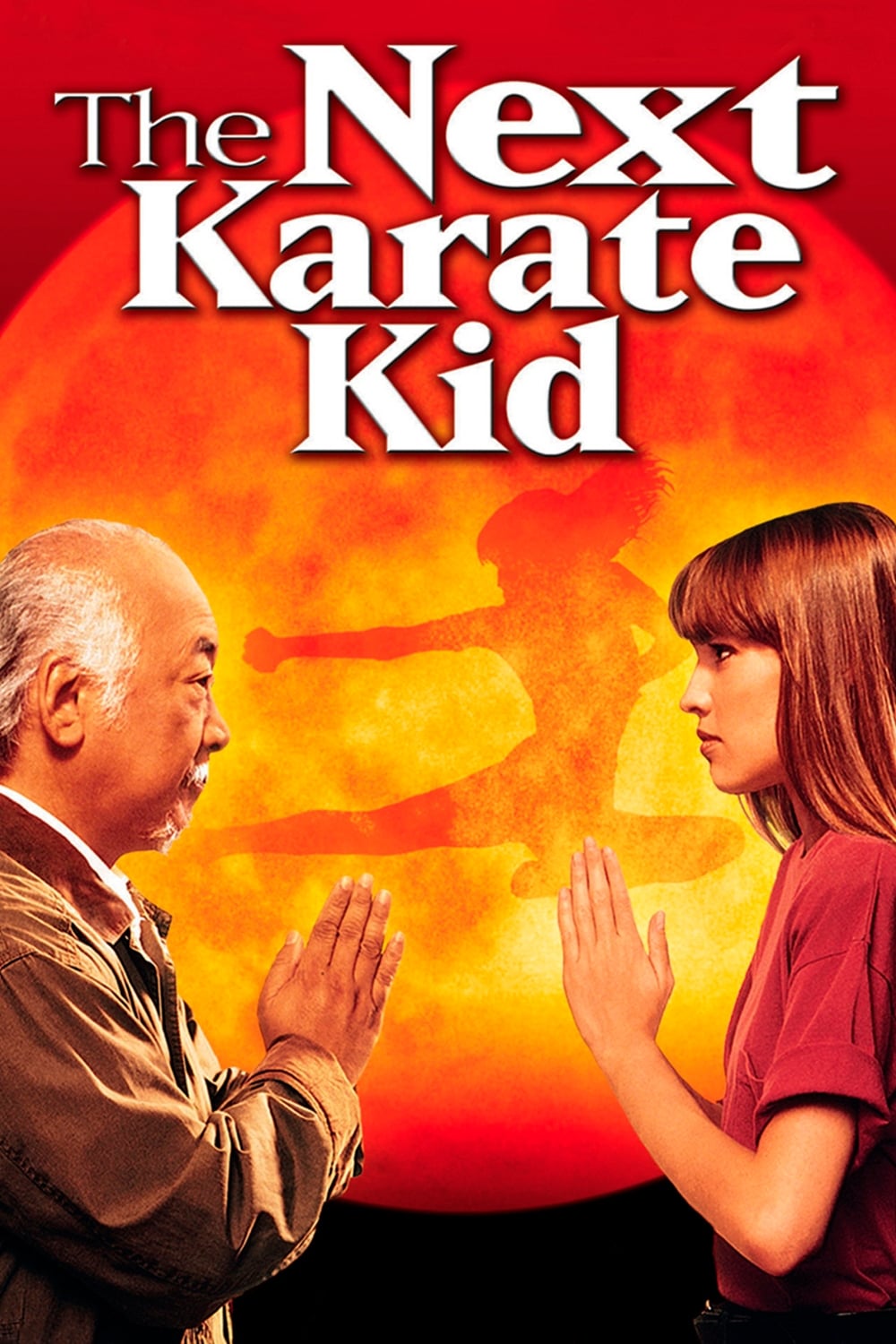
This movie takes a different path, with Mr. Miyagi now teaching a new student, Julie Pierce, instead of Daniel LaRusso. It doesn’t reference the previous three films or explain what happened to Daniel. The story centers on Julie learning karate to deal with grief and stand up to bullies at school. The setting moves to Boston, and the film introduces a completely new group of rivals. While keeping the familiar Mr. Miyagi as a wise teacher, the movie explores a fresh storyline and new characters.
‘Evan Almighty’ (2007)
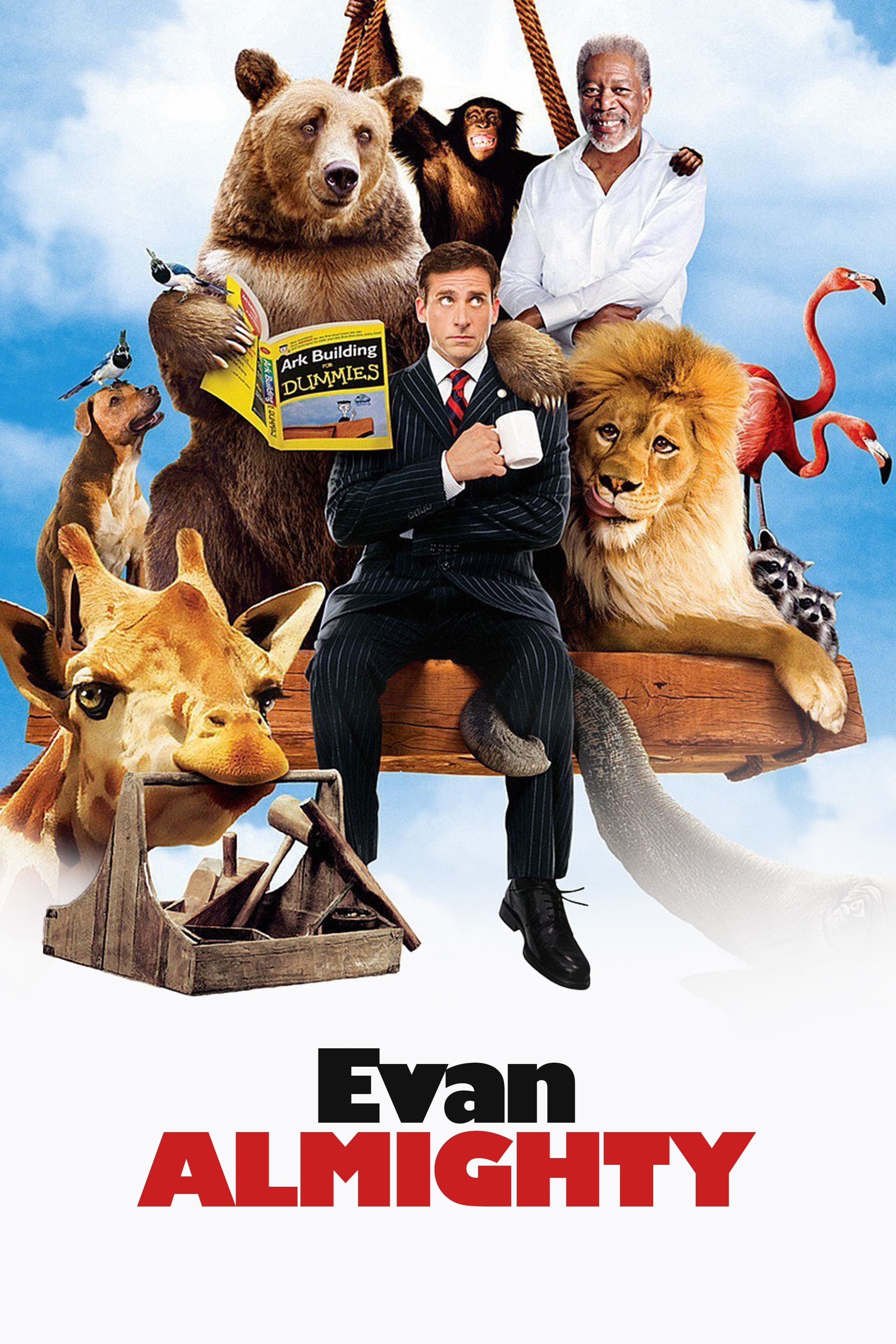
This sequel doesn’t follow Bruce from ‘Bruce Almighty,’ instead focusing on the news reporter Steve Carell played in the first movie. It essentially starts fresh, ignoring everything that happened with Bruce and how divine powers worked previously. The story centers around Evan, who God instructs to build an ark to prepare for a flood. The film also changes the style from a romantic comedy to a more family-friendly fantasy, and Bruce isn’t part of the story at all – he doesn’t appear or even get mentioned.
‘Legally Blonde 2: Red, White & Blonde’ (2003)
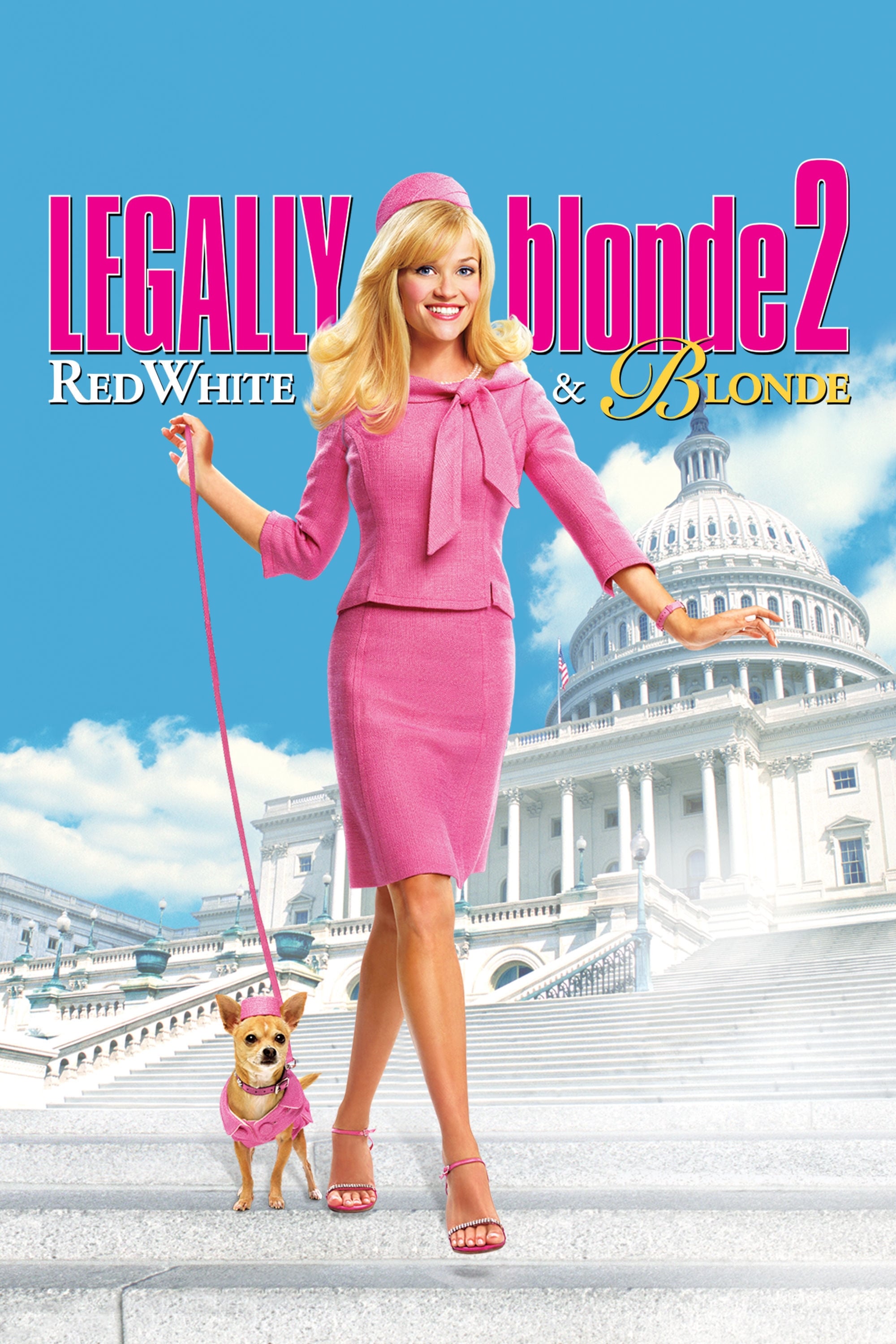
The second movie takes Elle Woods to Washington D.C., where she works to protect animals. However, it doesn’t build on the personal and professional progress she made in the first film. The story centers on a political campaign that feels far removed from her time at Harvard Law. Many of the characters we loved from the original movie either have very small roles or aren’t included at all, and Elle herself feels more like a simplified version of her former self than a character who is growing and changing.
‘Jarhead 2: Field of Fire’ (2014)
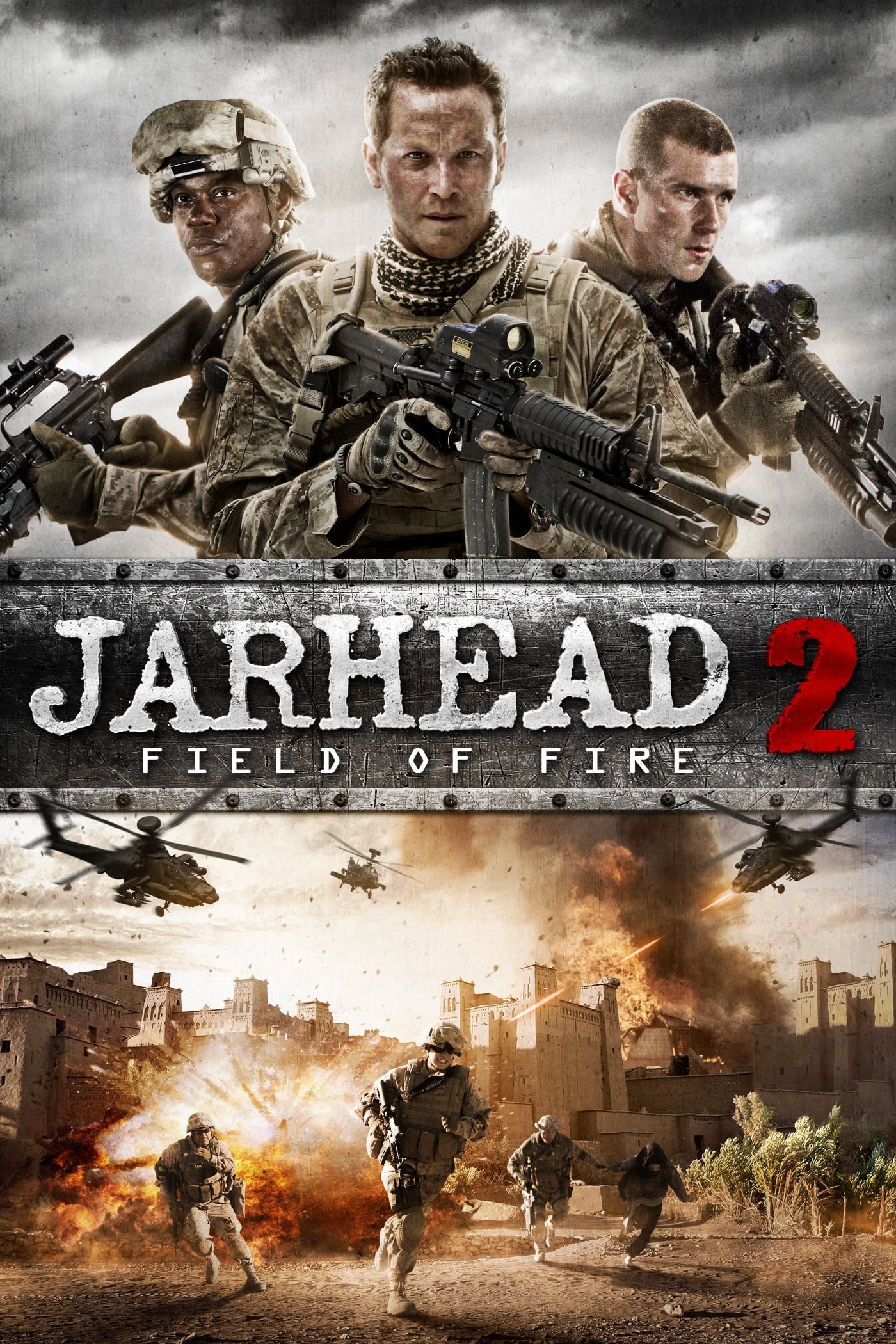
This sequel skips the thoughtful, anti-war ideas and character studies of the original 2005 movie. Instead, it’s a straightforward action film about soldiers protecting a woman as they travel through dangerous enemy land. The story is completely separate from the first movie – no returning characters or plotlines. It also moves away from the Gulf War setting, opting for a more general, contemporary conflict. Essentially, the film relies on its name to sell a typical military thriller.
‘StarShip Troopers 2: Hero of the Federation’ (2004)
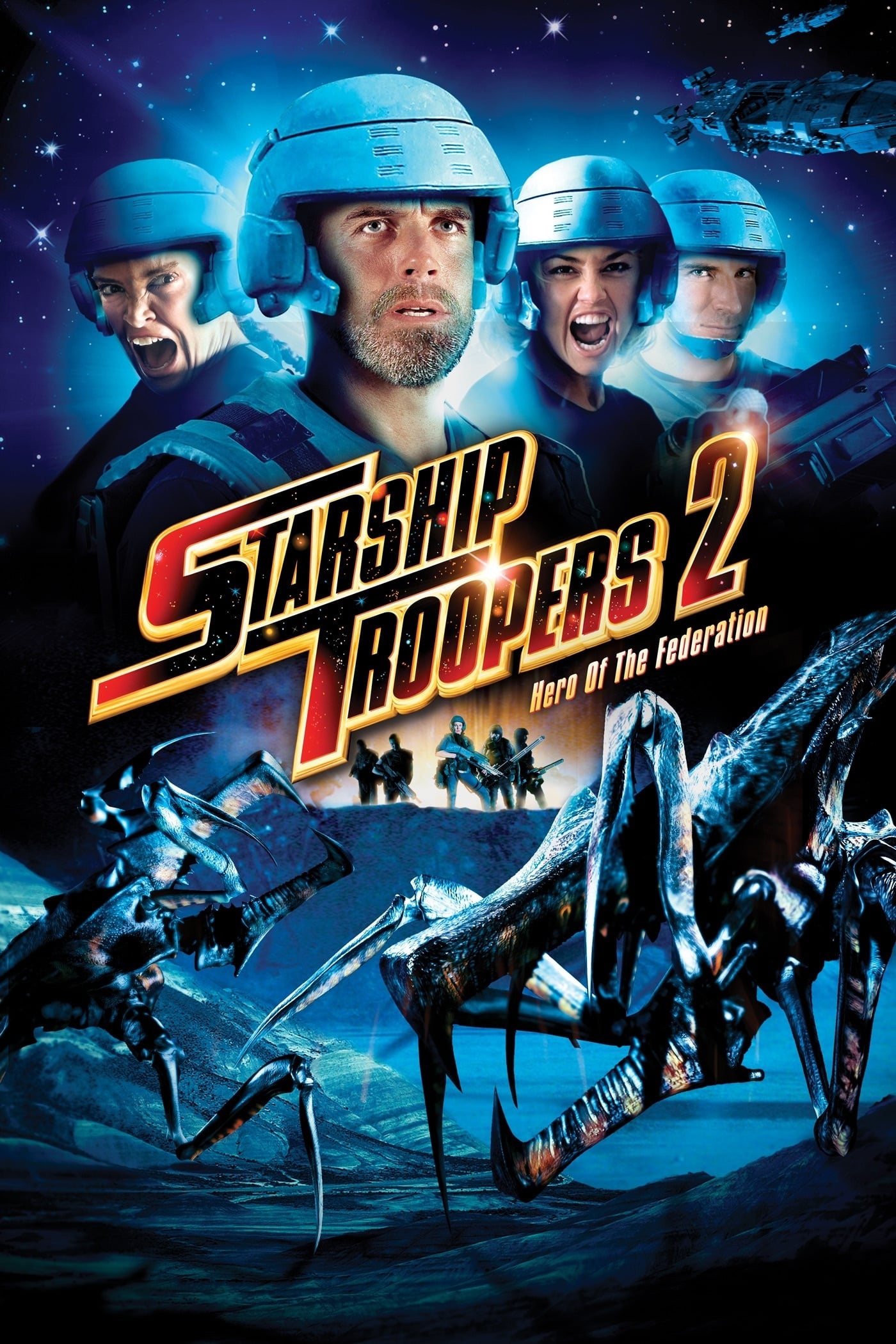
This sequel to the sci-fi satire takes a completely different direction from the first film. It abandons the original characters and political themes, instead becoming a small, isolated horror movie about soldiers battling parasitic bugs at a remote base. Unlike the original, which focused on a large-scale war and the bravery of Johnny Rico, this film centers on a new squad facing a threat from within. It’s a much darker and visually distinct experience than the original’s big-budget spectacle.
‘An American Werewolf in Paris’ (1997)
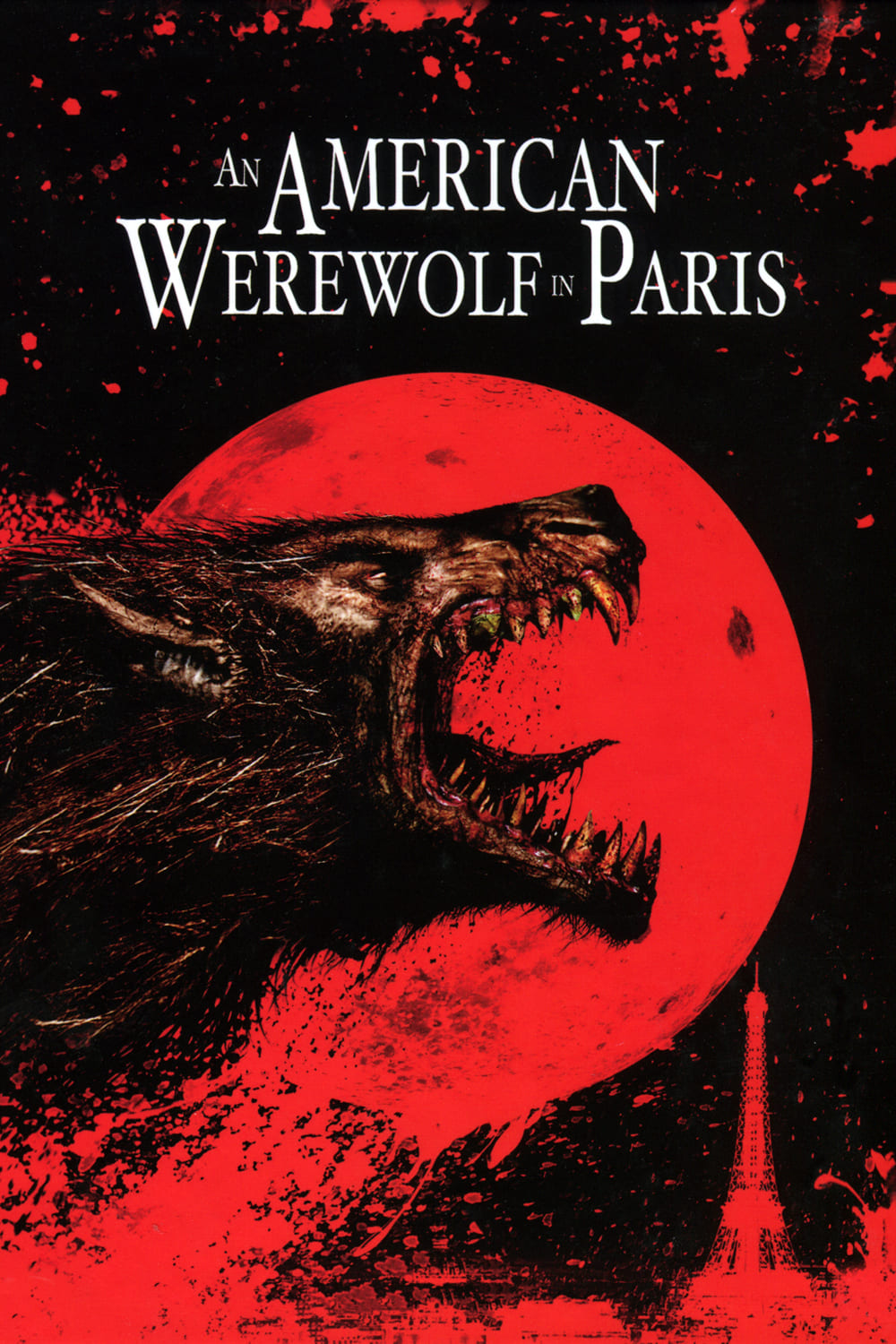
This second film shifts the story to France and features a new cast who uncover a hidden society of werewolves. It disregards the sad conclusion and established mythology of the original, introducing a serum that lets werewolves change forms whenever they want – a departure from the original rules. The film also swaps the realistic special effects of the first movie for early computer animation, making it feel more like a fresh take on the concept than a true continuation of the story.
‘Dumb and Dumberer: When Harry Met Lloyd’ (2003)
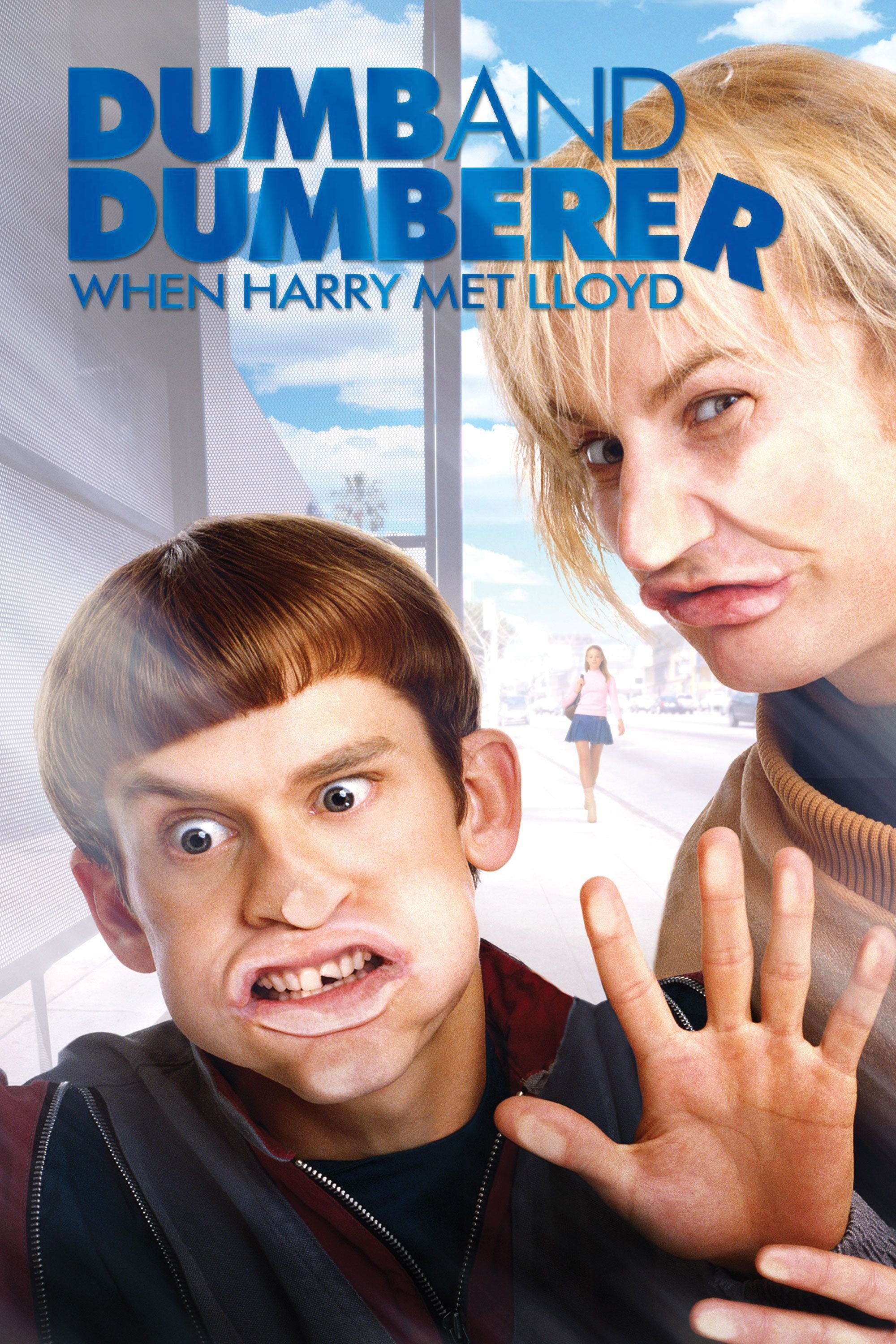
This new movie doesn’t match up with what we already know about Harry and Lloyd from the original film – their ages and pasts are different. It shows them as teenagers getting involved in trouble with a dishonest school principal. The movie also changes details about how Harry and Lloyd became friends, and it’s much sillier and aimed at a younger audience. There aren’t many connections to the first film, and when there are, they often don’t make sense with what we already know.
‘Kindergarten Cop 2’ (2016)
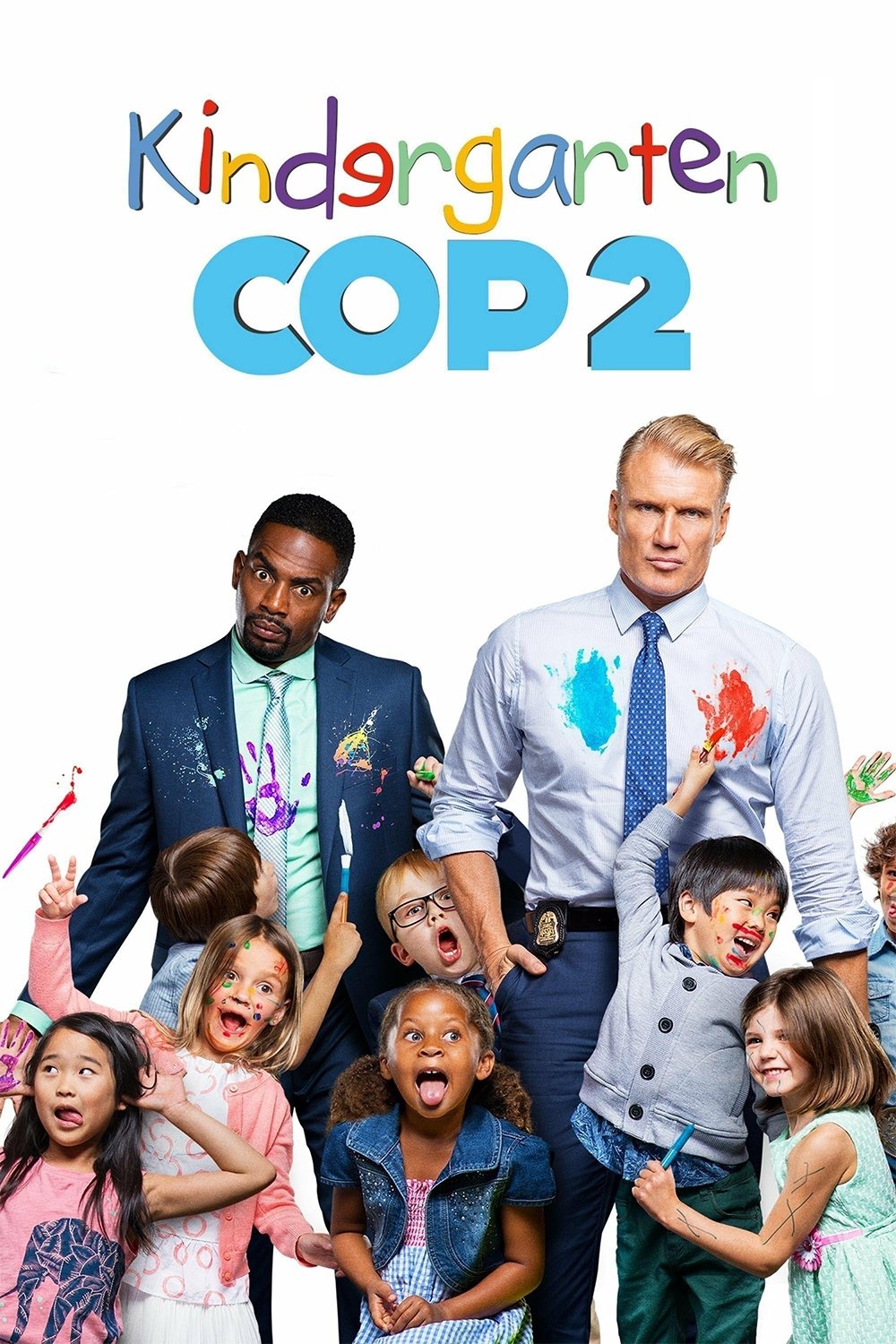
This new movie has a completely fresh start with a new lead character and a modern high school setting – it’s not connected to the original film at all. The story centers on a federal agent who poses as a teacher to find a stolen flash drive. It doesn’t reference the events or characters from the 1990 movie and works as a completely separate comedy, using the original title mainly for recognition. None of the actors from the first film appear in this one.
‘Jingle All the Way 2’ (2014)
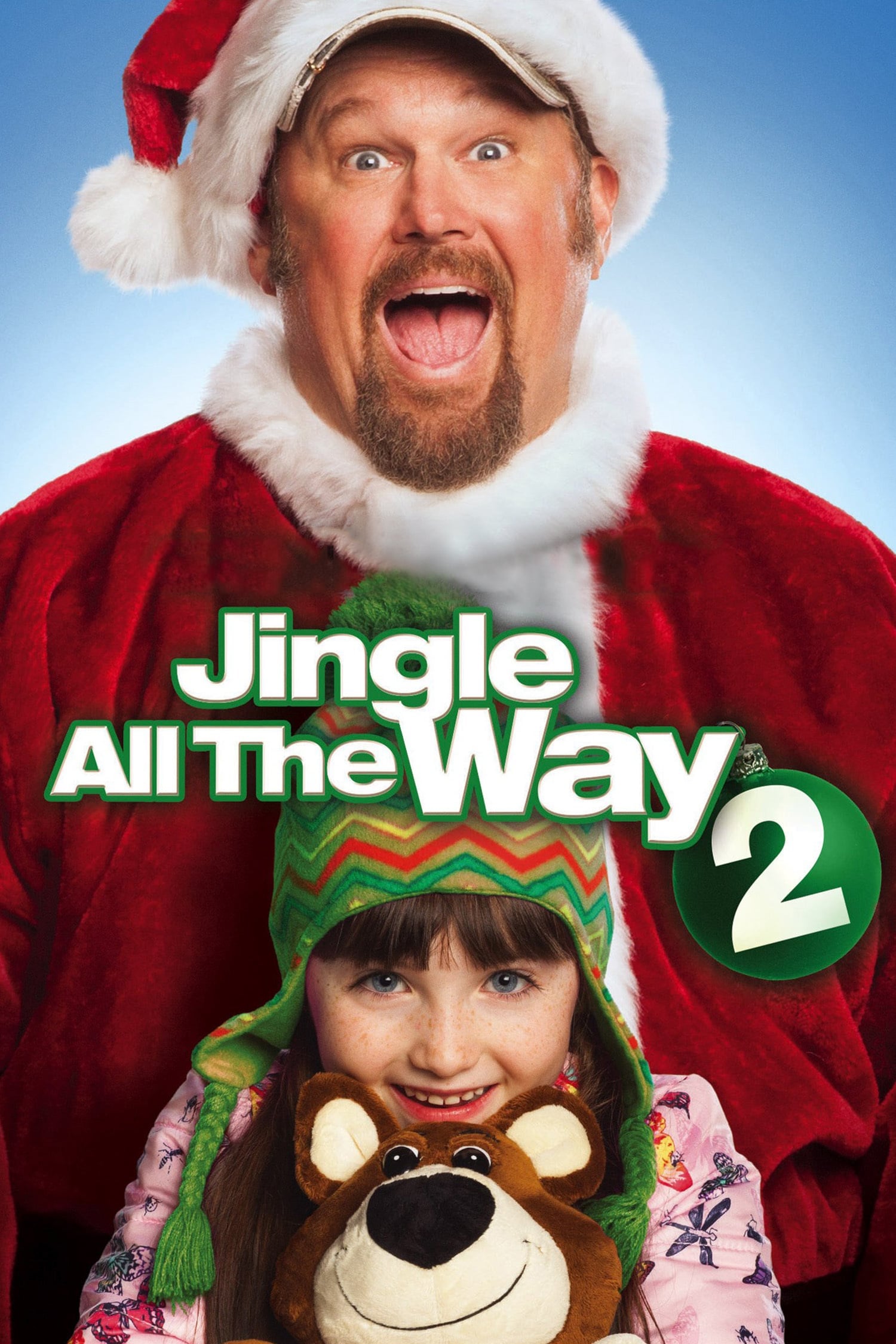
This movie tells a completely separate story about a dad trying to outdo his daughter’s stepfather to snag the season’s hottest toy. It doesn’t build on the characters or backstory from the first film, instead offering a simpler plot with a brand new group of people. It completely ignores what happened in the original movie – things like the parade and the search for a Christmas present. Ultimately, it’s a standard holiday comedy that just happens to share the same franchise name.
‘George of the Jungle 2’ (2003)
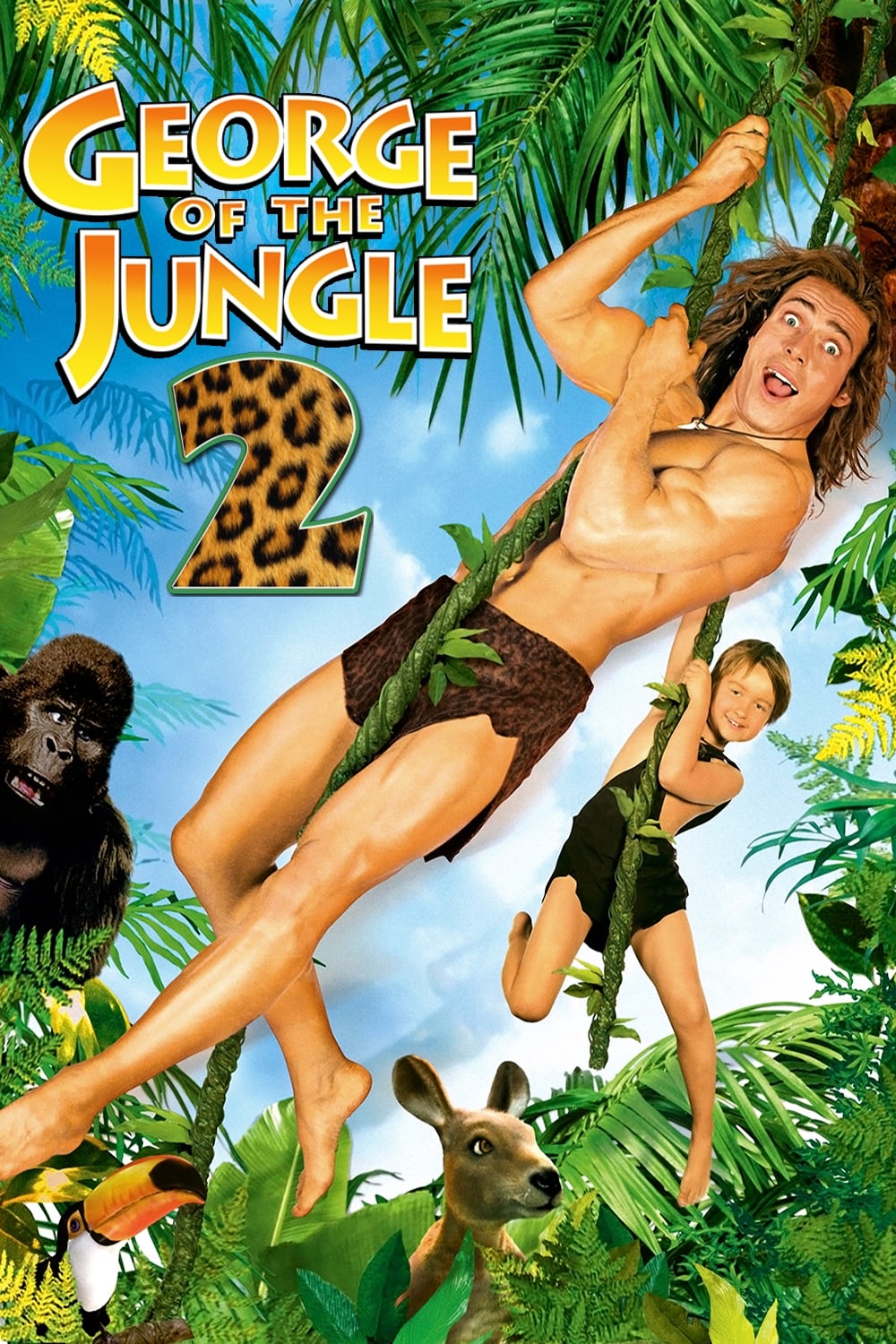
Okay, so this sequel is…weird. They completely replaced the original cast, but they know they did, and they make a lot of jokes about it. It follows George as he fights to keep his house from being bought up by developers and, honestly, just deals with his mother-in-law. The biggest problem? It totally throws out everything the first movie built towards – all the character development and emotional payoff is gone. It feels a lot cheaper too, and leans really heavily into slapstick and crude jokes. It’s like they decided the first film didn’t even happen, and they’re just doing their own thing – not really connected at all.
‘Dr. Dolittle 3’ (2006)
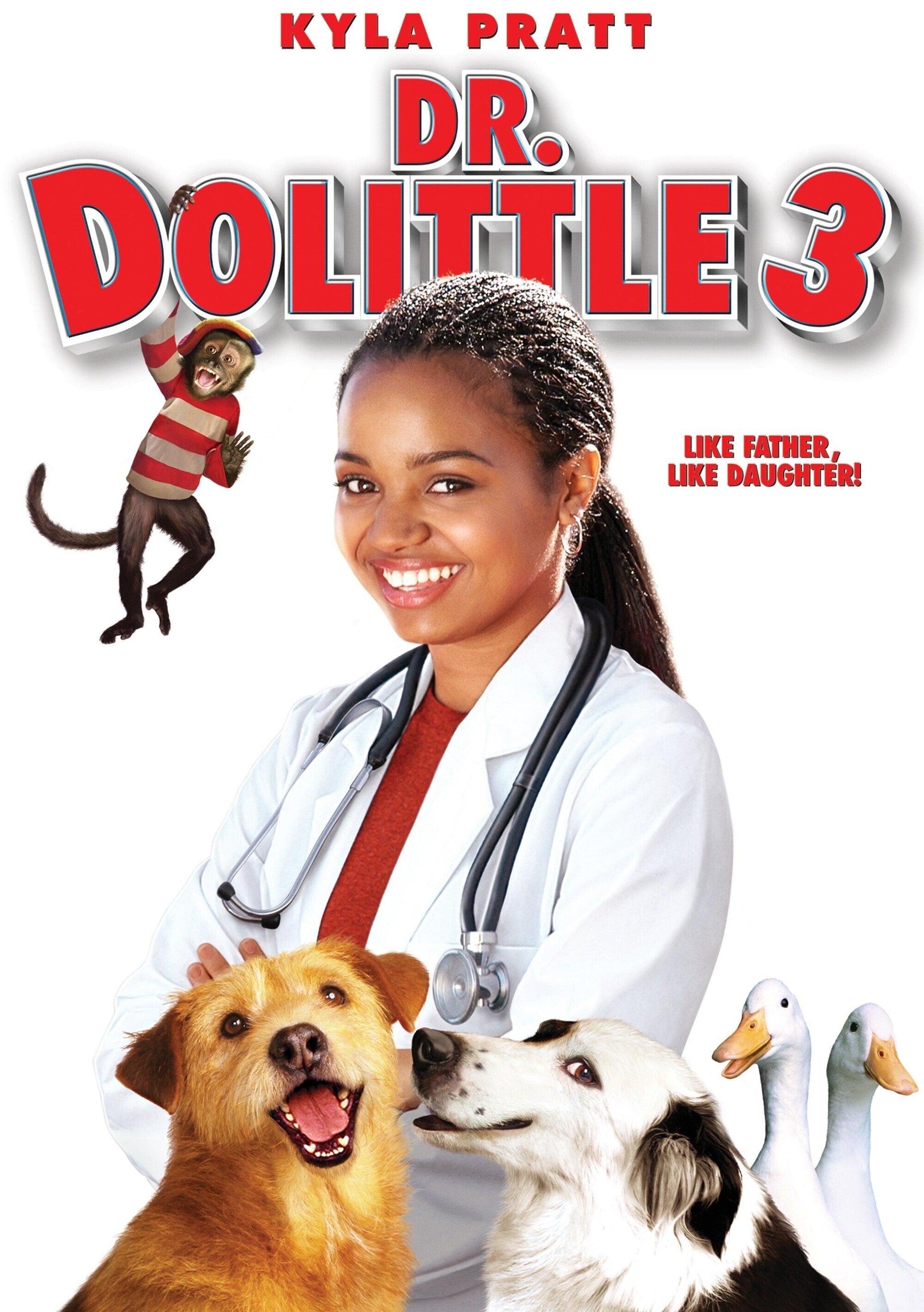
The third movie centers on Maya, the daughter of the original main character, who also discovers she can communicate with animals. This installment completely restarts the story, leaving behind the characters and locations of the first two films, which featured Eddie Murphy. The new story unfolds at a dude ranch, where Maya must use her ability to talk to animals to prevent the ranch from going bankrupt. This film also represents a shift towards making sequels directly for home video, aimed at a younger audience. While the original main character is referenced, he doesn’t make an appearance.
‘Bring It On: All or Nothing’ (2006)
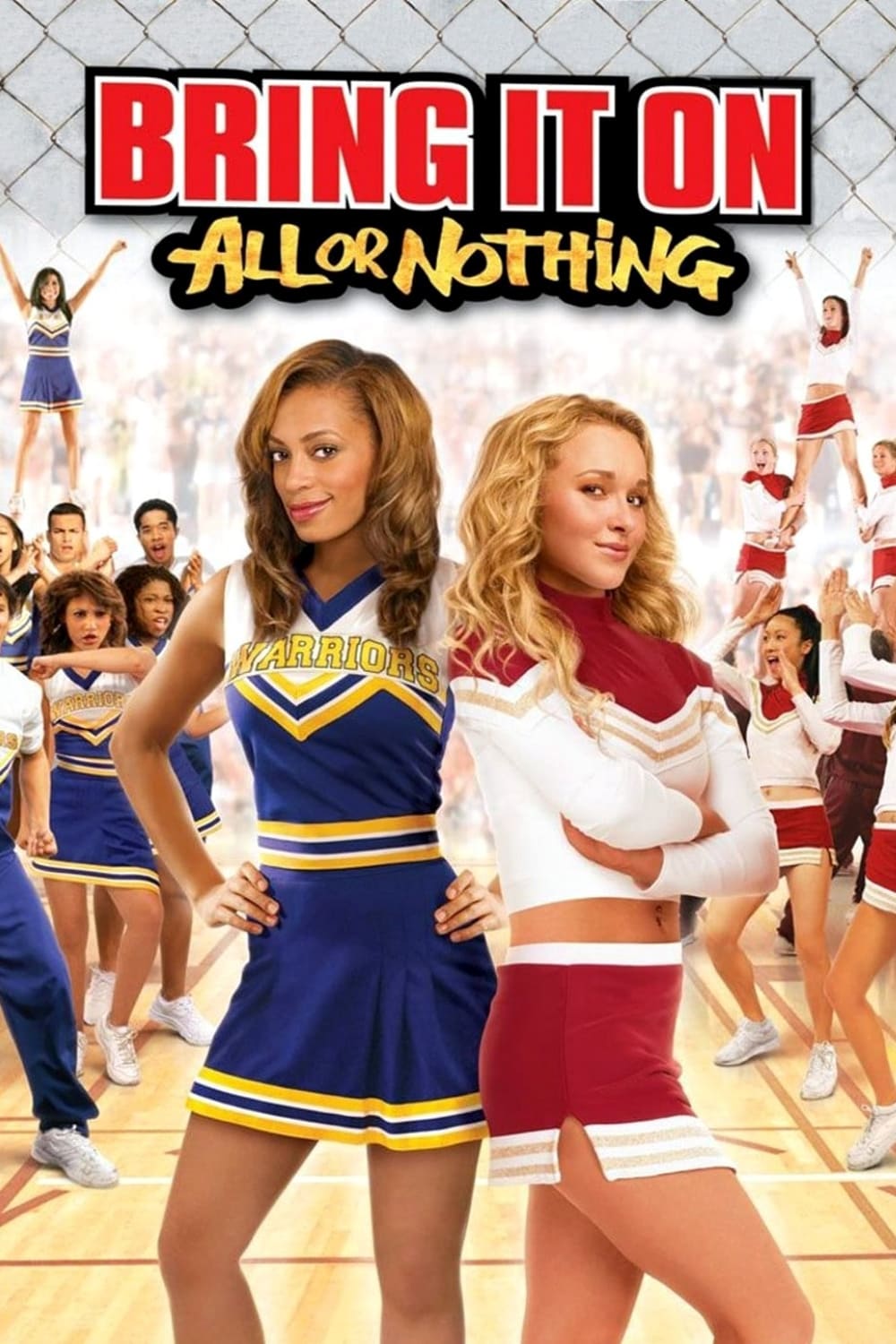
This movie kicks off a new set of stories, introducing fresh teams and settings. It doesn’t follow any of the characters or the rivalry from the original film. Instead, it focuses on a cheerleader who joins a new school and has to earn the respect of her teammates. While it explores similar ideas to the first movie, it’s a completely separate story. Ultimately, the series became a collection of independent cheerleading films, each with its own unique plot.
‘Wild Things 2’ (2004)
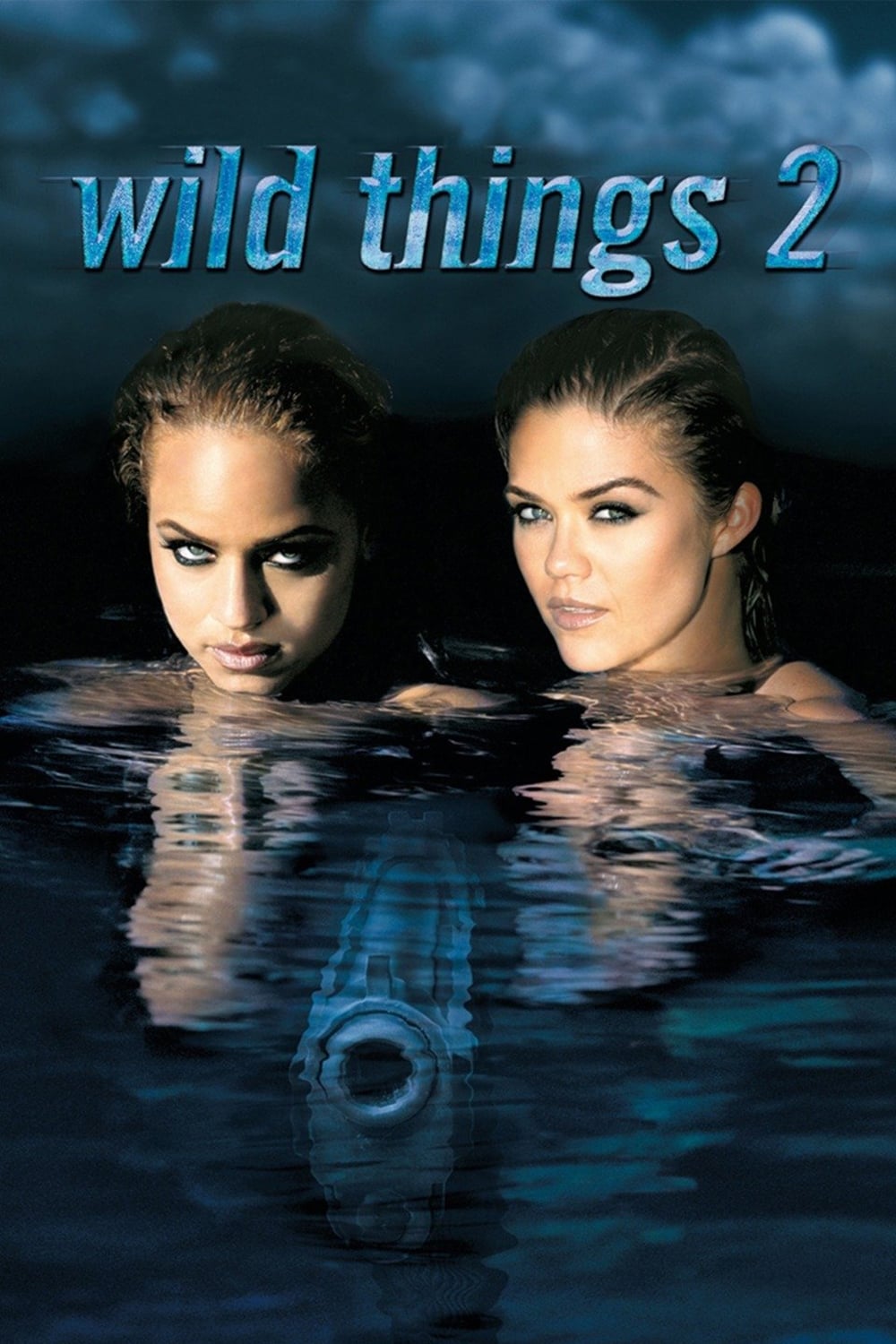
This new movie shares the same core idea of lies and murder within a rich Florida neighborhood, but features a completely fresh cast of characters. It doesn’t acknowledge anything that happened in the first film, or what became of the villains from before. The story centers on two young women who work together to get a big inheritance by using complex and deceptive plans. While it follows a similar pattern and has comparable surprises to the 1998 film, it’s not a direct continuation of that story. Think of it as a movie with similar themes, rather than a sequel that picks up where the last one left off.
‘Road House 2: Last Call’ (2006)

This new movie centers on Dalton’s son, who goes to Louisiana to defend his uncle’s bar from a dangerous drug lord. It doesn’t acknowledge the events of the first film’s ending and largely disregards the impact of the original movie’s main character. While the film mentions Dalton’s death, it doesn’t delve into his lasting influence. Ultimately, it’s a typical action movie that doesn’t capture the special feel of the 1989 original, connecting to it only through a family tie.
‘Species II’ (1998)
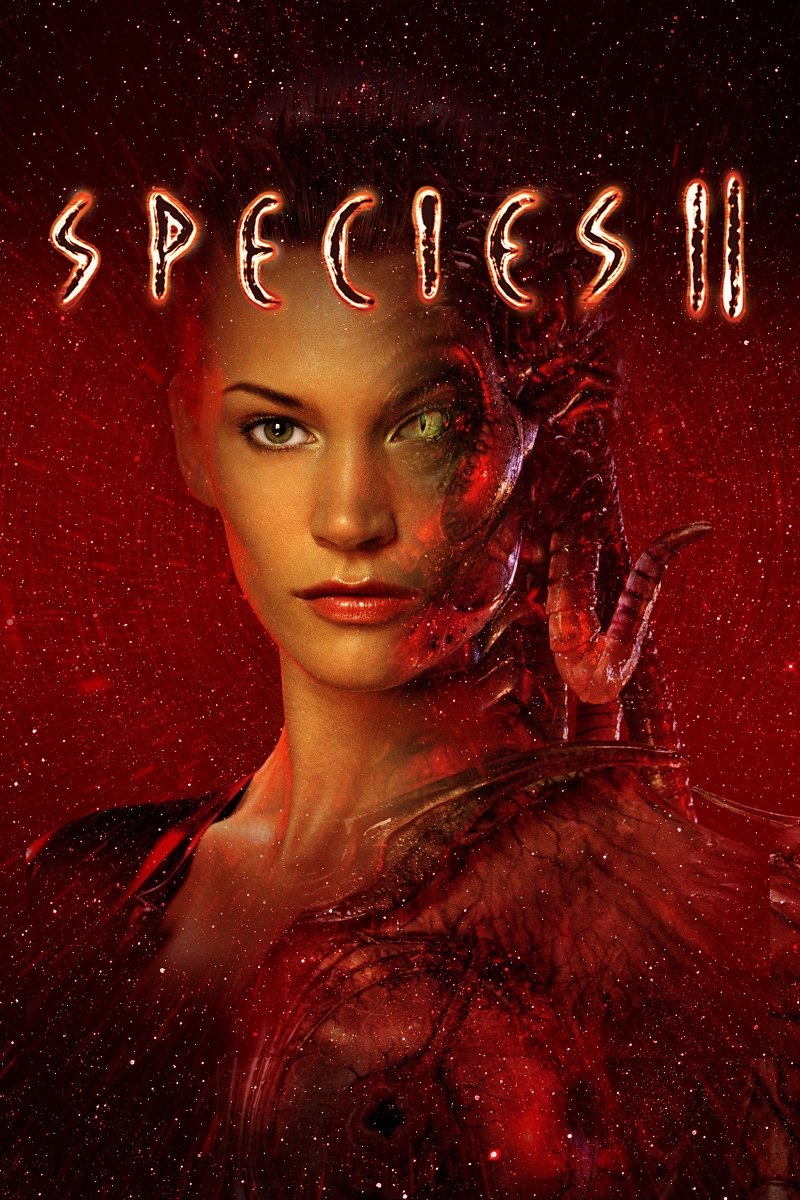
The second movie presents a fresh alien danger and largely disregards the conclusion of the first one. It centers on an astronaut who gets infected on Mars and unknowingly brings the alien life back to Earth to reproduce. While some actors return, their roles and the aliens’ abilities are significantly changed. This sequel focuses more on intense horror and action compared to the original’s suspenseful atmosphere, and the details about the aliens themselves aren’t consistent between the two films.
‘Hellraiser: Hellseeker’ (2002)
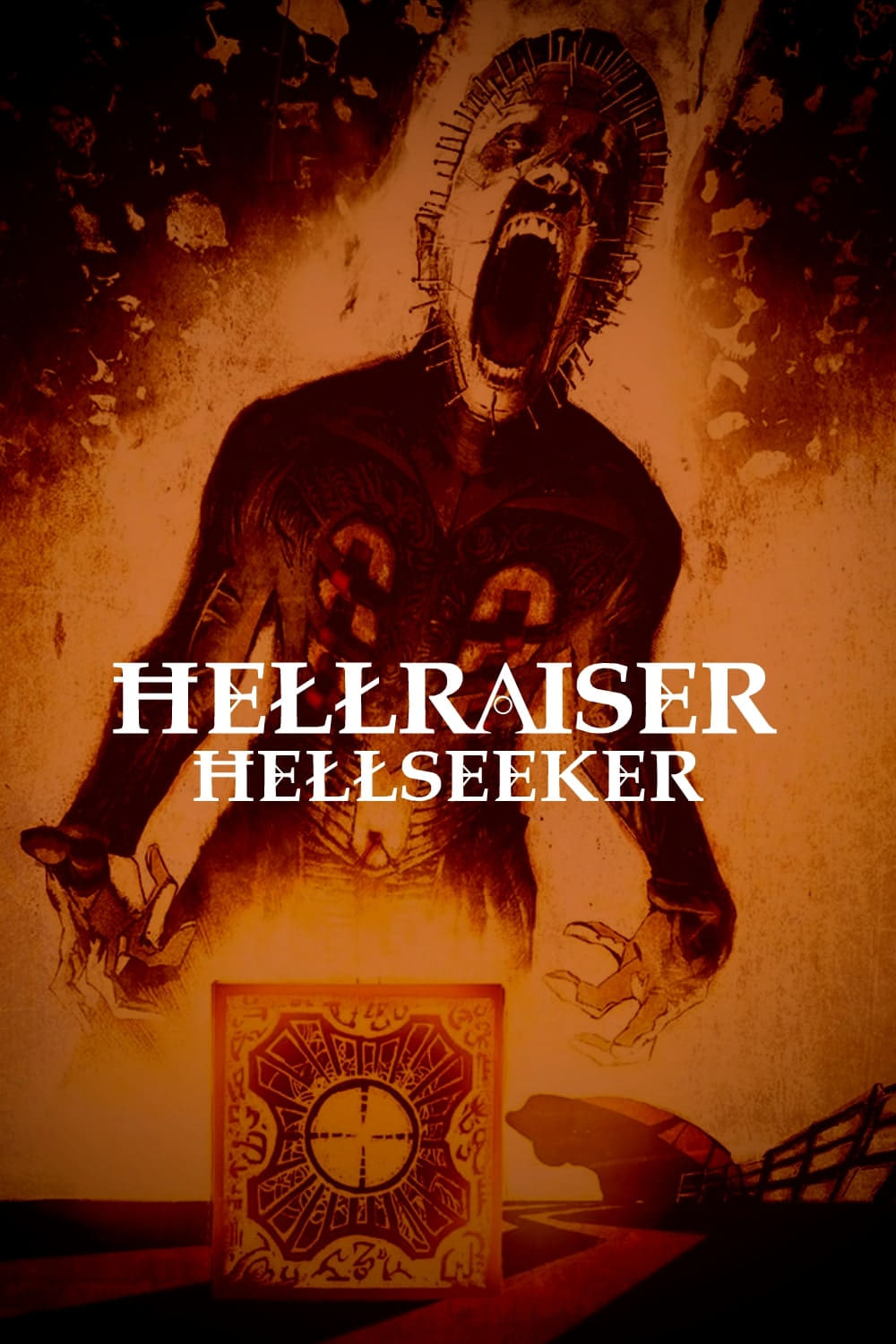
This installment revisits Kirsty Cotton, but surprisingly disregards the growth she experienced in earlier films. The story centers on her husband, who becomes lost in terrifying illusions following a car crash. Unlike previous entries, the film presents the Cenobites and their world as a means of exploring the character’s psychology, rather than as a purely frightening, otherworldly force. Interestingly, the movie started as a completely separate script that was later rewritten to connect it to the existing ‘Hellraiser’ series, making Kirsty’s inclusion feel forced and primarily intended to tie it back to the original film.
‘Cube 2: Hypercube’ (2002)
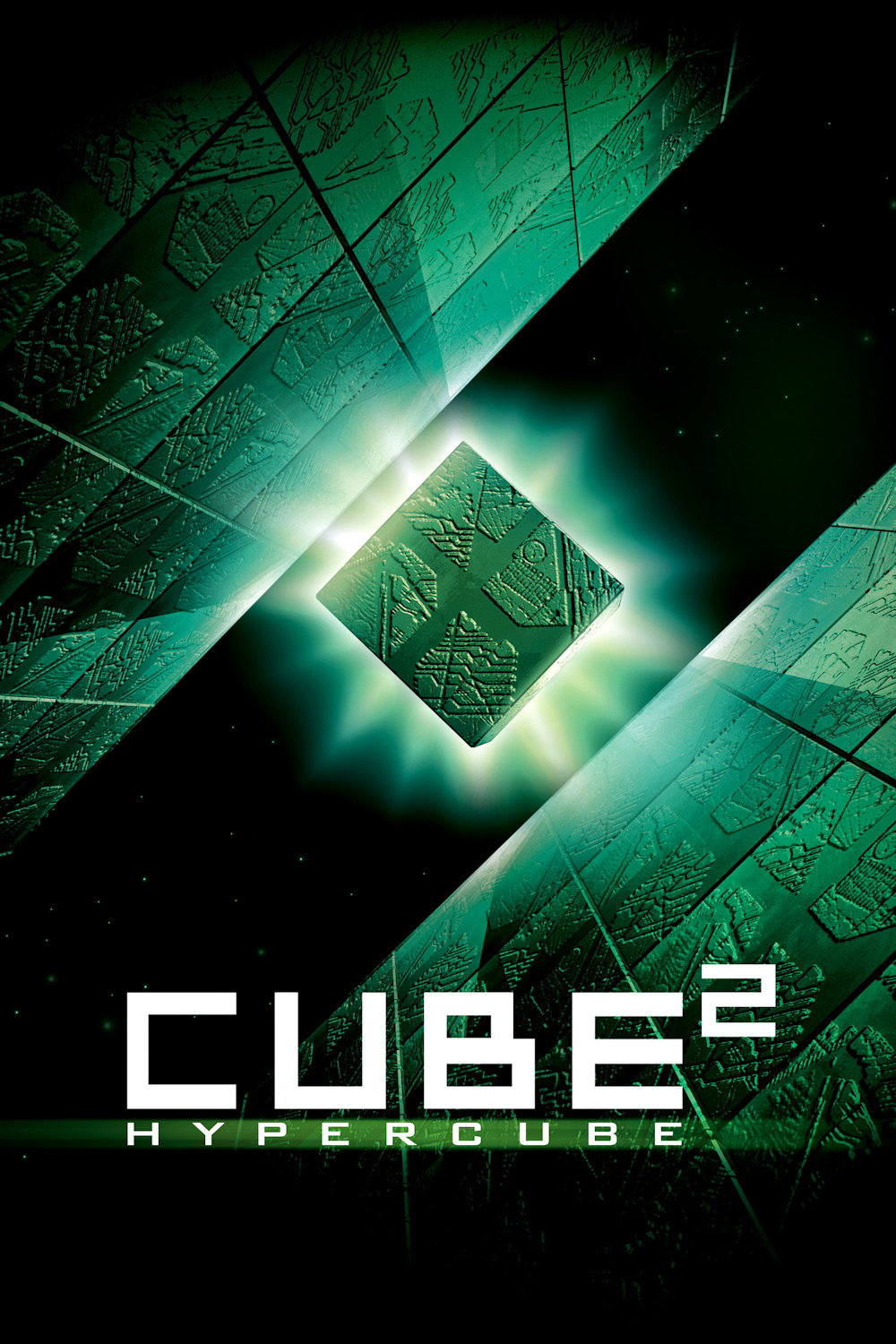
As a big fan of the first film, I was really surprised by the sequel. It completely changed what the strange structure was – instead of a place, it became this fluid, multidimensional reality where time and space didn’t really matter. Visually, it was a huge shift too. The original had this gritty, industrial feel, almost claustrophobic, but the sequel went for a really bright, clean, and sterile look. What bothered me most, though, was that it completely abandoned the characters and the mystery from the first movie. It introduced a whole bunch of complicated physics concepts that just didn’t fit with the more realistic, survival-focused vibe of the original. Honestly, watching both films feels like you’re jumping between totally different kinds of science fiction – they barely feel connected at all.
‘Superman III’ (1983)
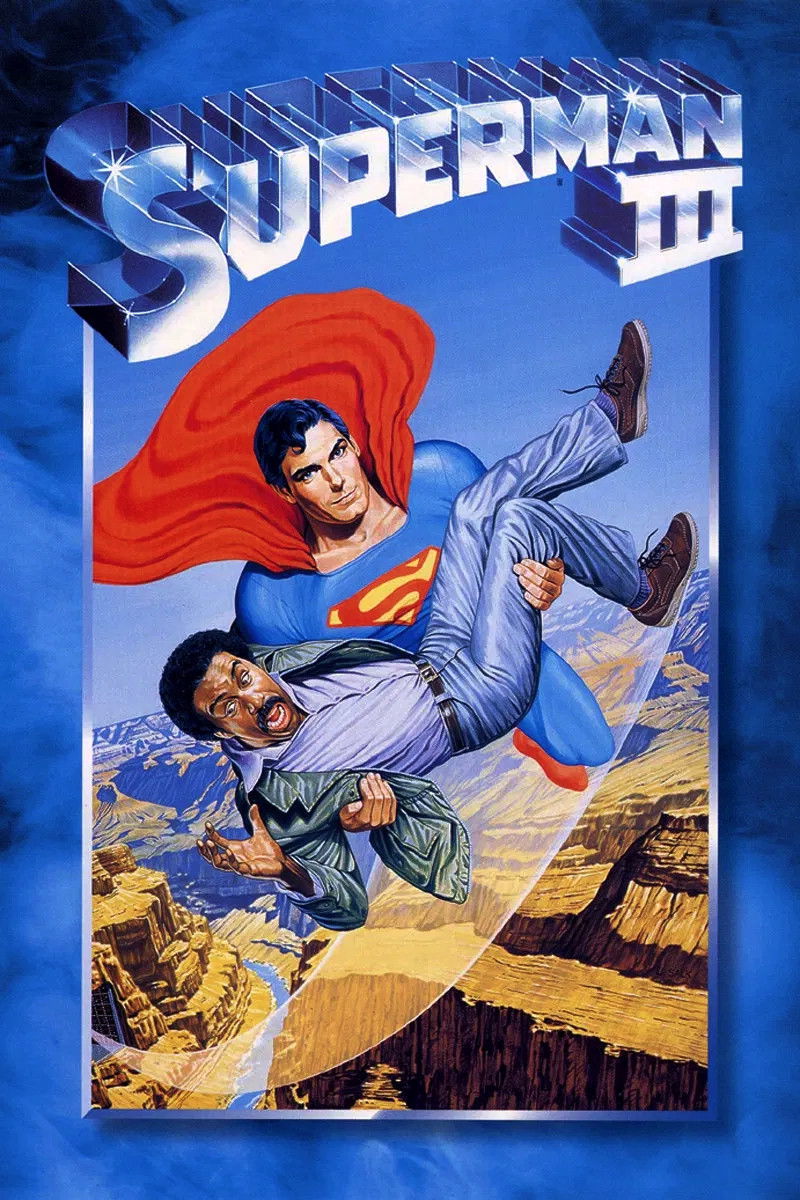
This third movie takes a different approach than the first two, prioritizing humor and physical comedy over grand, sweeping storylines. It sidelines the developing romance between Superman and Lois Lane by sending him back to his roots. Instead of familiar comic book villains, the story centers on a hacker and a business executive. The events surrounding General Zod and the Phantom Zone are completely left out. This change in style felt jarring and out of place within the existing series.
‘Batman Forever’ (1995)
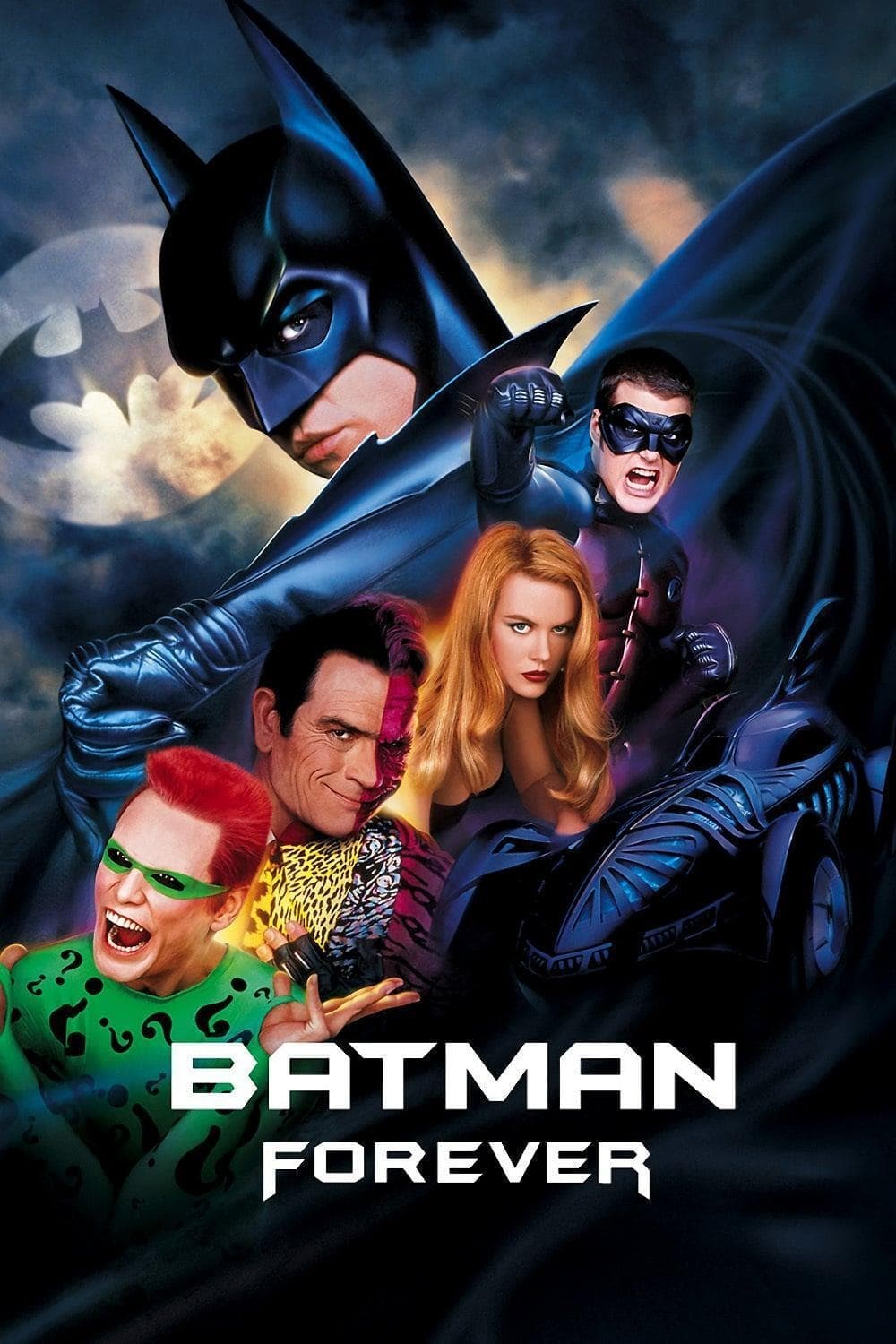
Though billed as a sequel to ‘Batman Returns,’ this movie takes the series in a completely different direction, abandoning the dark and gloomy style of Tim Burton’s films. It features a new Batman actor and presents a much brighter, more over-the-top version of Gotham City. The story starts fresh, ignoring past villains and the hero’s earlier personal conflicts. With the introduction of Robin and a new set of bad guys, it feels like a fresh start for the franchise, only loosely connected to what came before through a handful of returning supporting actors.
‘Exorcist II: The Heretic’ (1977)
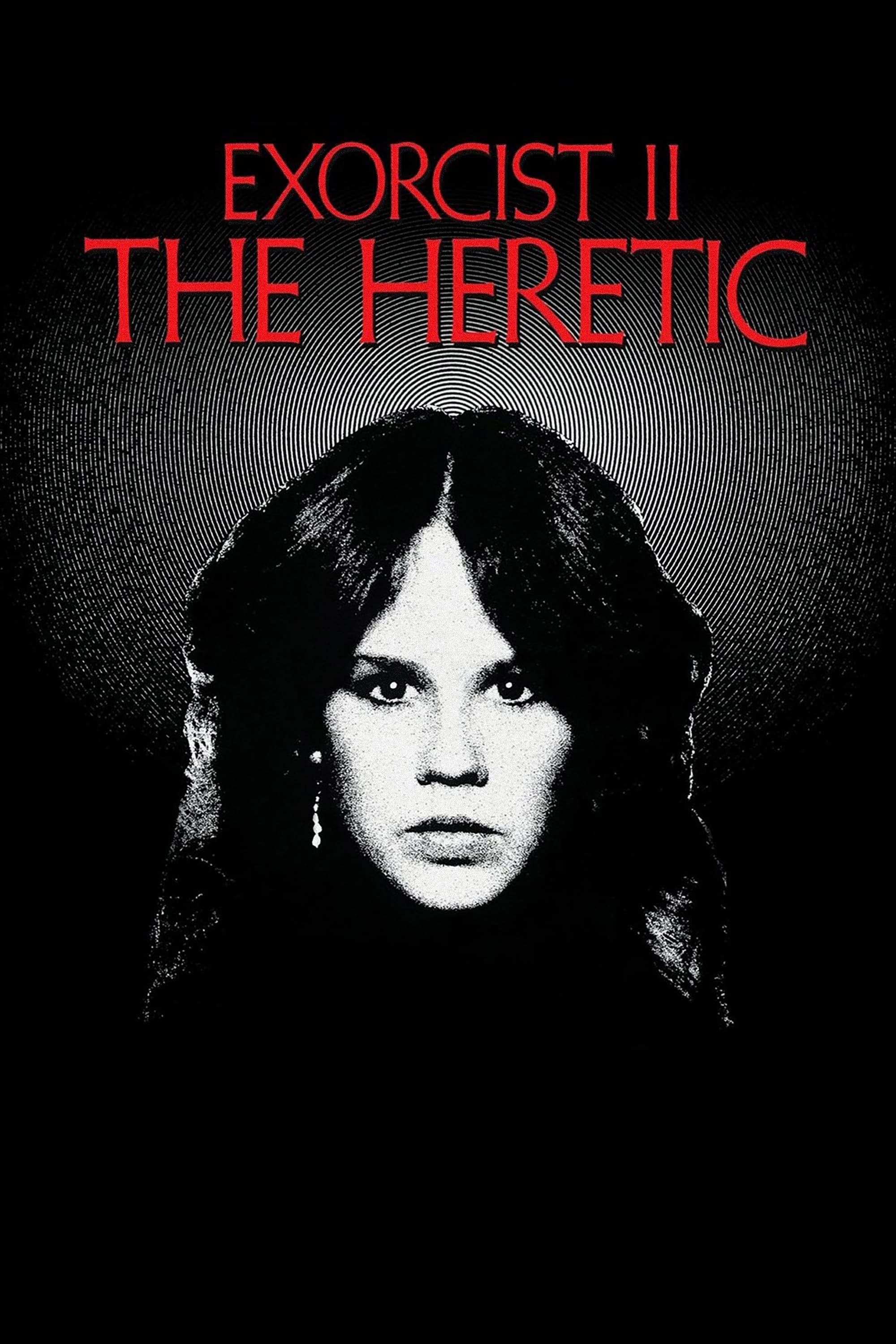
The follow-up to the original horror hit significantly alters the story, changing the demon and how the possession happened. It introduces a new technology that lets people enter each other’s minds and dreams. Unlike the first film, which focused on spiritual and religious themes, this sequel leans more towards a science-based thriller. It also revises the history of Father Merrin and the source of the evil force. Many viewers felt this new direction ignored the atmosphere and consistent storytelling of the original movie.
‘The Predator’ (2018)
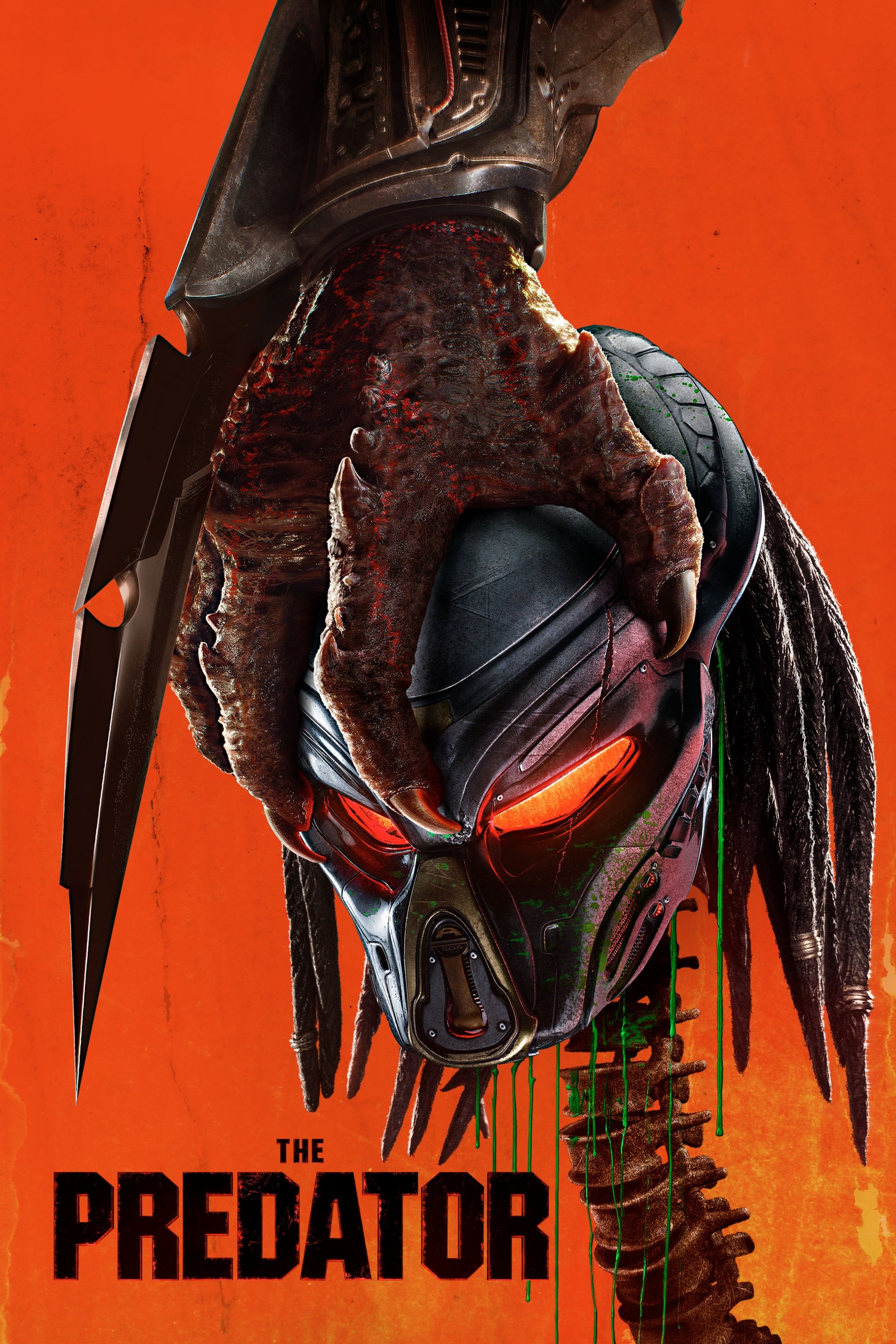
As a long-time fan, I have to say this new Predator film takes some big liberties with everything we’ve come to know. It pretty much throws out a lot of the backstory from the other movies, including the crossovers. They’ve introduced this whole idea of Predators mixing their DNA with humans, which is totally new and wasn’t part of the original stories. The plot centers on a group of soldiers facing off against a bigger, more powerful Predator, but it doesn’t seem to care about the specific hunts we’ve seen before. It feels like they’re trying to update the creature for today’s audiences by giving it a different reason for hunting, essentially reinventing its motivations.
‘Jason Goes to Hell: The Final Friday’ (1993)
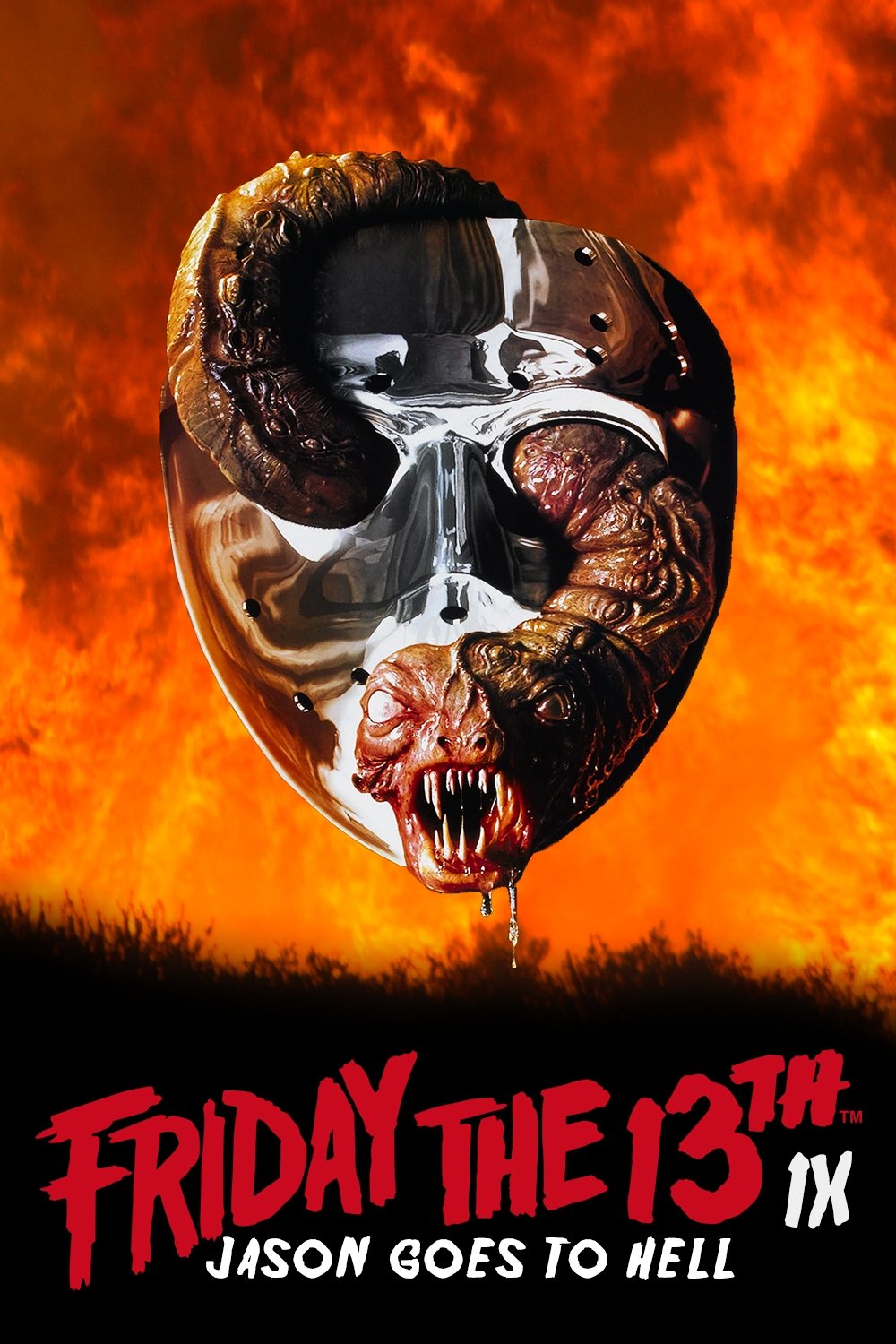
The ninth ‘Friday the 13th’ movie completely disregards the ending of the eighth, where Jason seemingly died. Instead, it introduces a new idea: Jason is a supernatural being that can transfer into other people, needing to be reborn through a family member. This is a big change from how Jason was previously portrayed as a purely physical killer. The movie also breaks from tradition by keeping Jason’s famous mask hidden for much of the time and moving the story away from the familiar Crystal Lake location. Overall, it’s a very different take on the ‘Friday the 13th’ formula.
‘Halloween H20: 20 Years Later’ (1998)
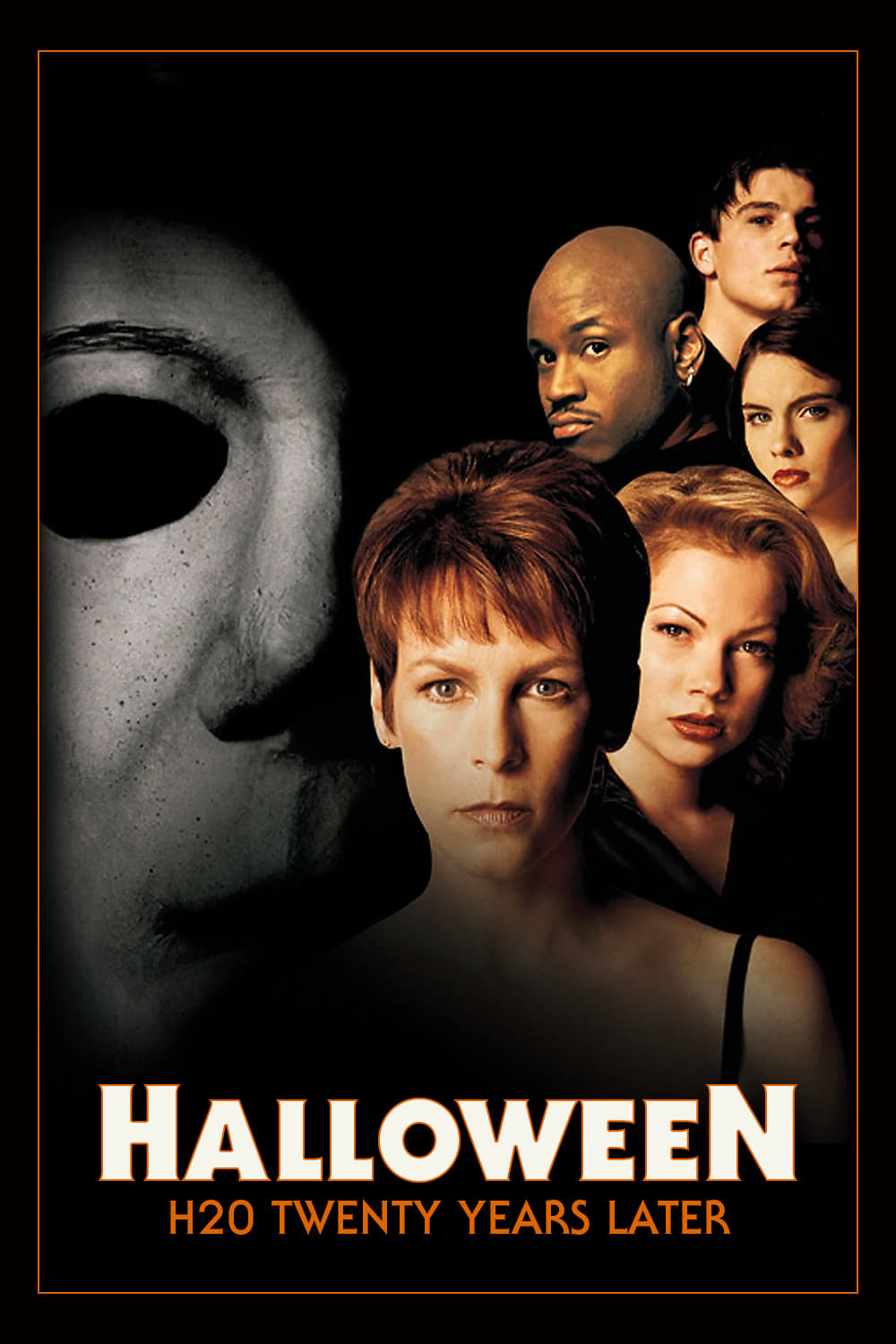
This film was created to mark the twentieth anniversary of the first movie, and it essentially ignores the three sequels that came before it. The story follows Laurie Strode, who has been living under an assumed identity in California. The filmmakers decided to discard the storylines involving the cult and the character of Jamie Lloyd, which were introduced in the fourth through sixth films. The goal was to recapture the straightforward tension of the original movie, focusing solely on the conflict between Laurie and Michael Myers. It’s considered one of the earliest examples of a sequel deliberately rewriting its own history.
‘Terminator: Dark Fate’ (2019)
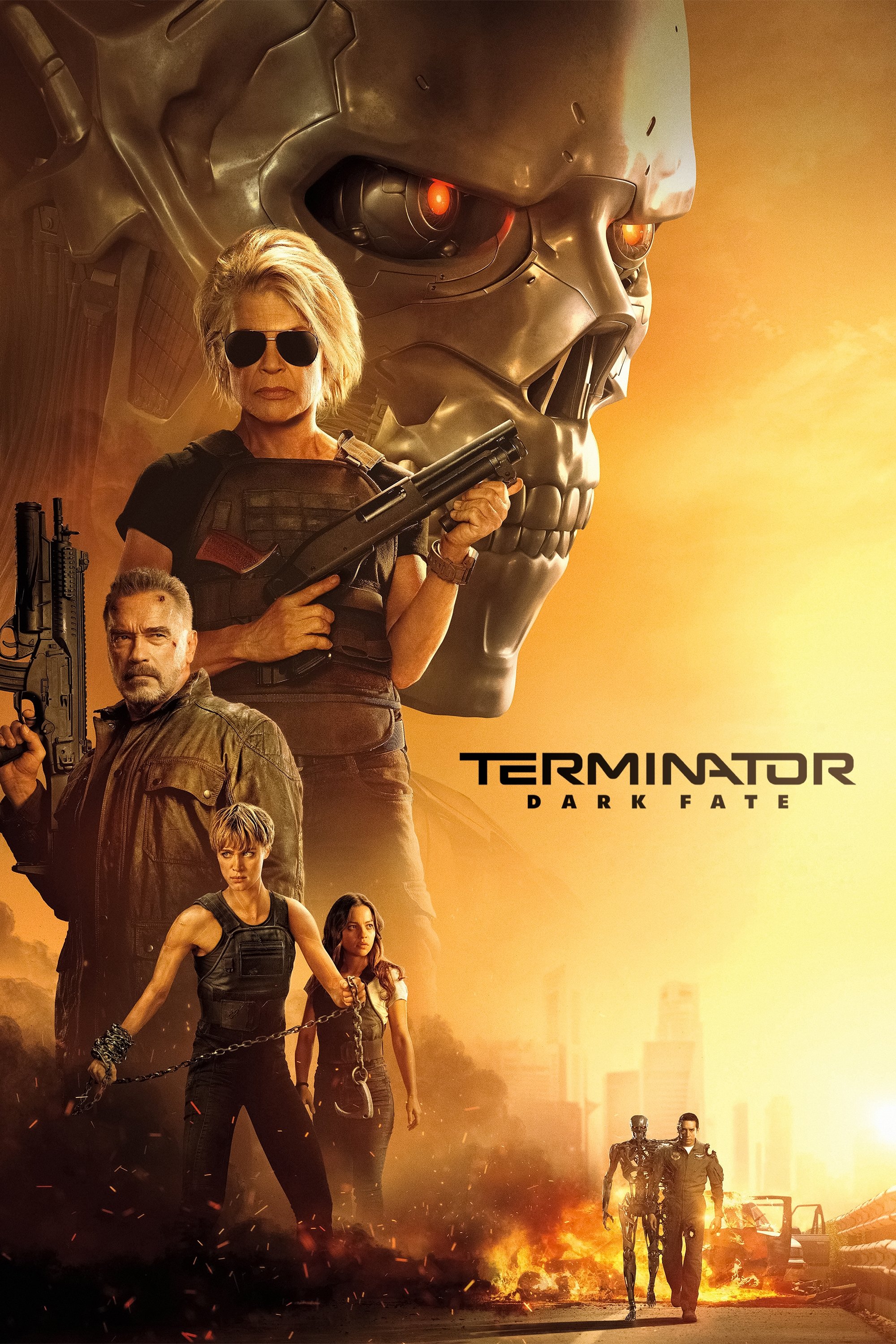
This sixth installment in the Terminator series picks up directly after ‘Terminator 2: Judgment Day,’ essentially erasing the events of all subsequent films. It immediately raises the stakes by killing off a key character, making past wins feel meaningless. Instead of Skynet, the new threat comes from an AI named Legion. The movie ignores ‘Rise of the Machines’ and ‘Genisys,’ charting a fresh course for the surviving characters and aiming to recapture the feel of the first two films while leaving the others behind.
‘Superman Returns’ (2006)
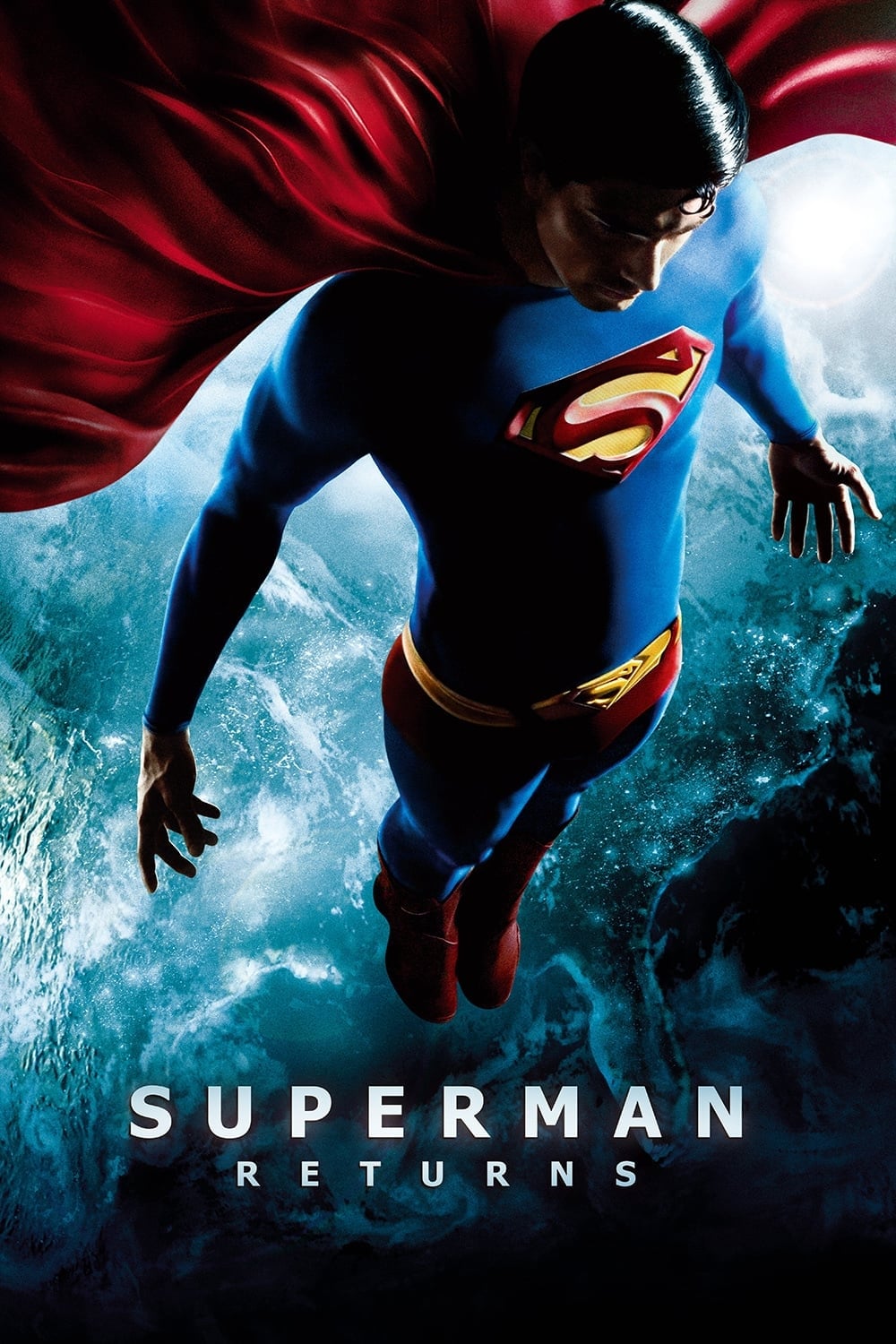
This film feels like a continuation of ‘Superman II,’ but it completely disregards the storylines of ‘Superman III’ and ‘Superman IV.’ It focuses on the hero’s return to Earth and his discovery that Lois Lane has started a new life. The movie captures the look and music of the original films, intentionally avoiding the silliness and lower production values of the sequels. Essentially, it’s as if only the first two ‘Superman’ movies ever existed.
‘Texas Chainsaw 3D’ (2013)
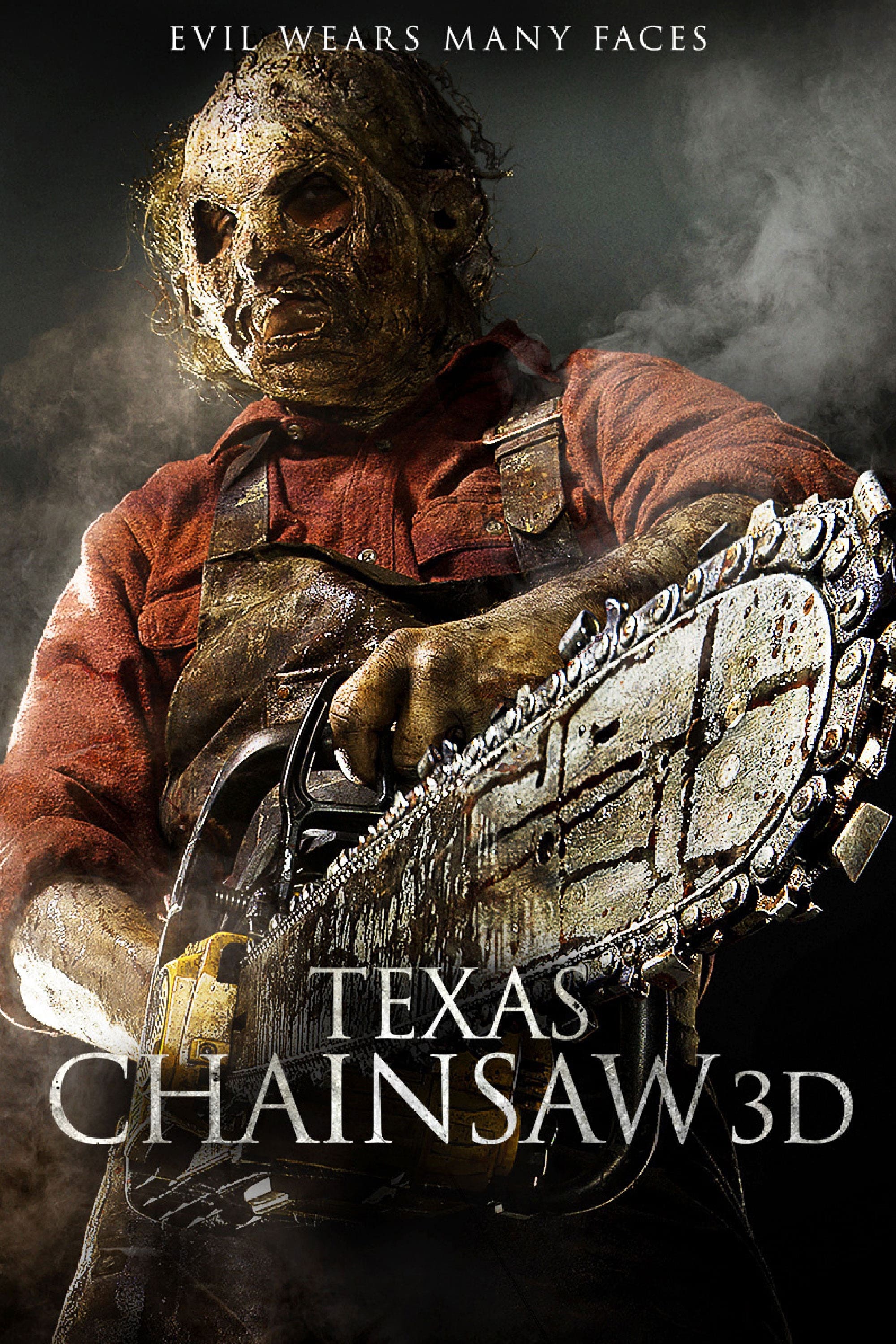
This new horror movie acts as a direct sequel to the original 1974 film, completely ignoring all other movies made before it. It starts right after the first film’s ending, then jumps ahead in time. The story follows a new main character who learns she has family ties to the infamous Sawyer family. Essentially, it resets the series’ timeline, disregarding all previous sequels and remakes, and tries to create a clear, definitive history for Leatherface.
‘Curse of Chucky’ (2013)
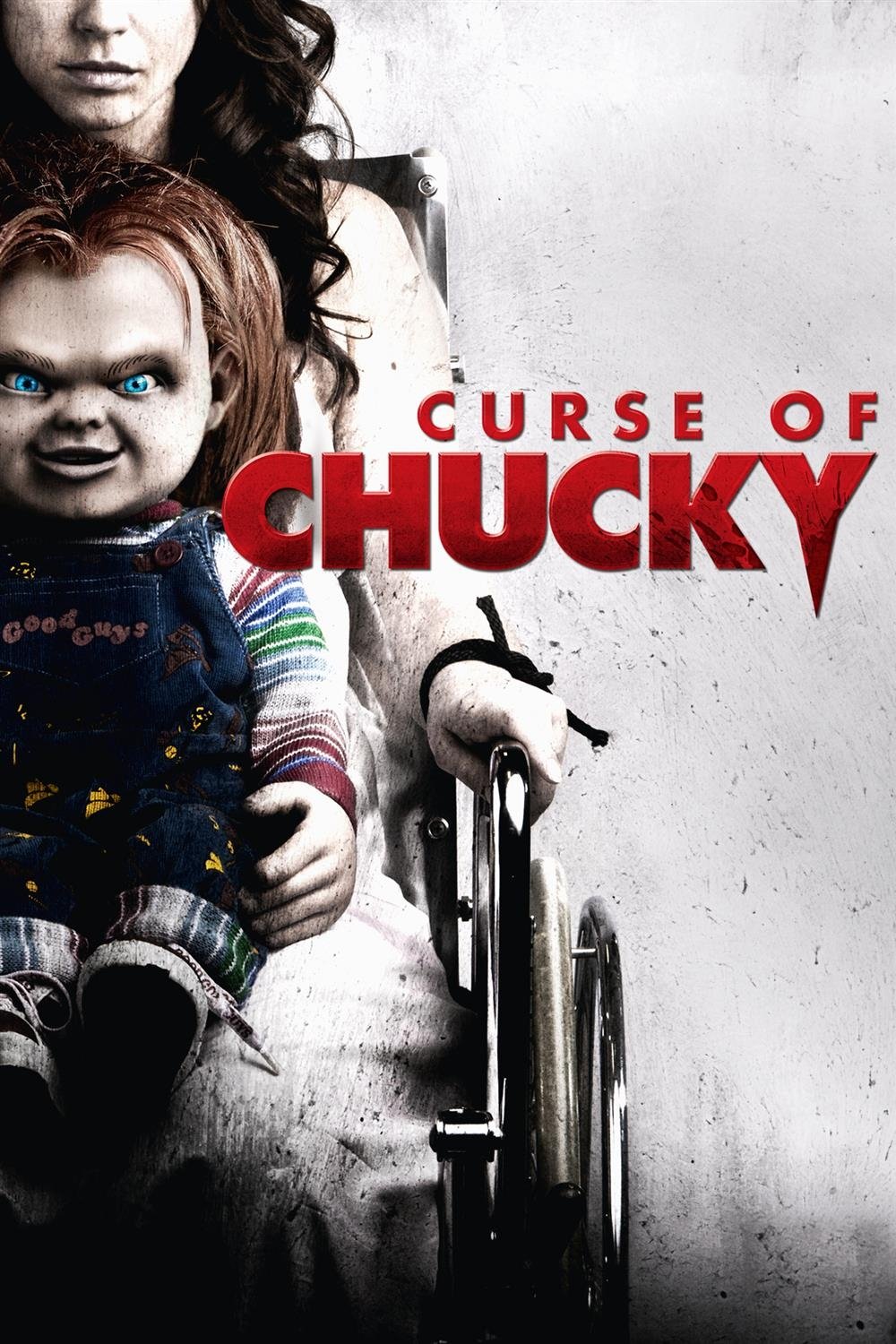
The sixth ‘Child’s Play’ movie takes a different approach than its immediate predecessors, moving away from self-aware humor and embracing a more traditional horror feel. It centers on a family haunted by the doll in a creepy, old house, and initially feels like a fresh start for the series. Unlike the previous two films, it largely avoids jokes and doesn’t focus on Chucky’s origins. Instead, it aims for suspense and relies on practical effects, similar to the original 1988 movie, though it does eventually connect back to the larger story.
‘Prometheus’ (2012)
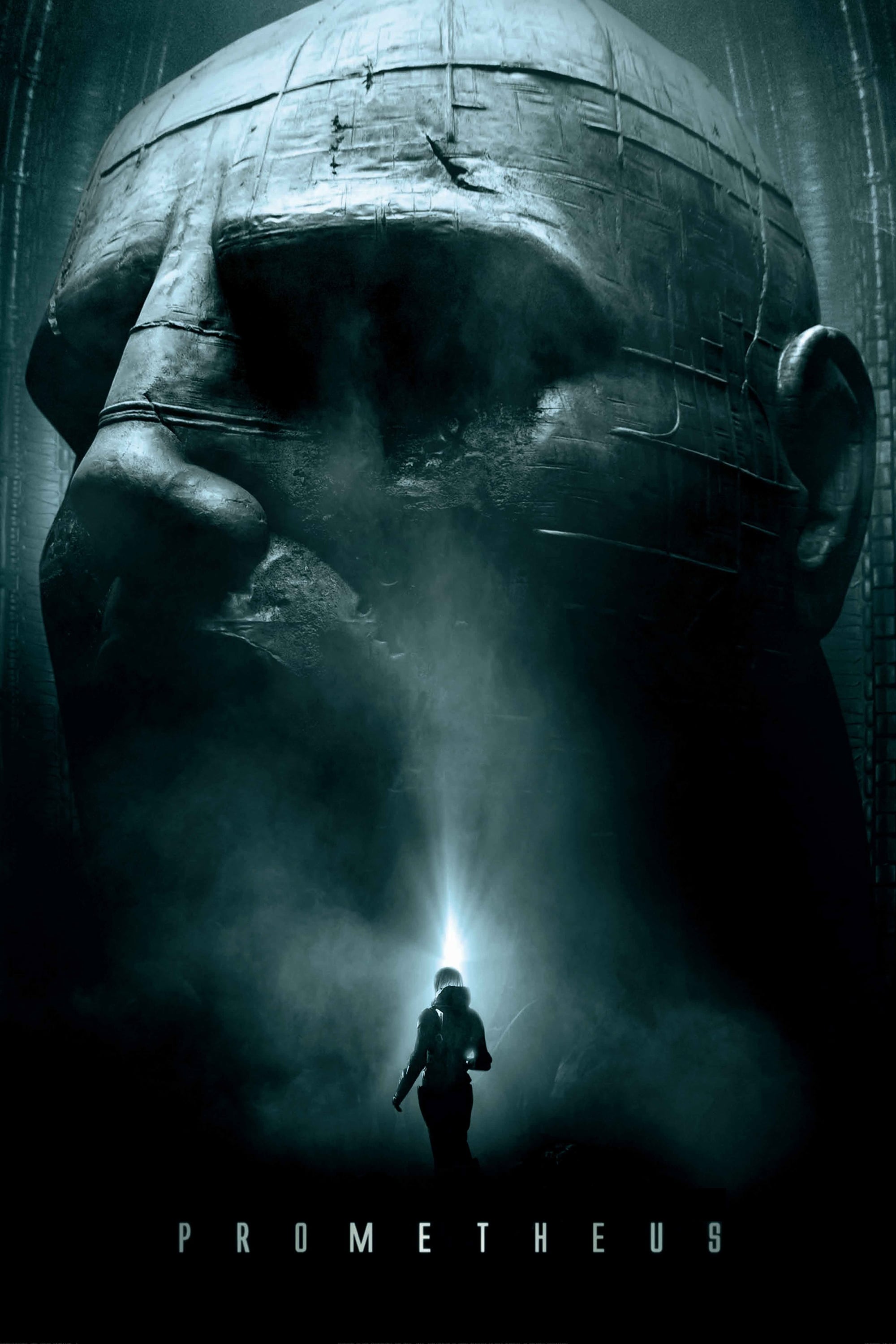
This movie was originally intended as a backstory to ‘Alien,’ but for most of its length, it steers clear of directly mentioning the original creature or characters. Instead of focusing on the xenomorph, it explores where the Engineers came from and how humanity was created. The story unfolds in a new setting with different rules about alien life. It’s a self-contained science fiction story that shares the same universe as ‘Alien,’ but doesn’t rely on familiar elements from the series. Any connection to the first film is understated and more about overall themes than specific details.
‘Alien: Covenant’ (2017)
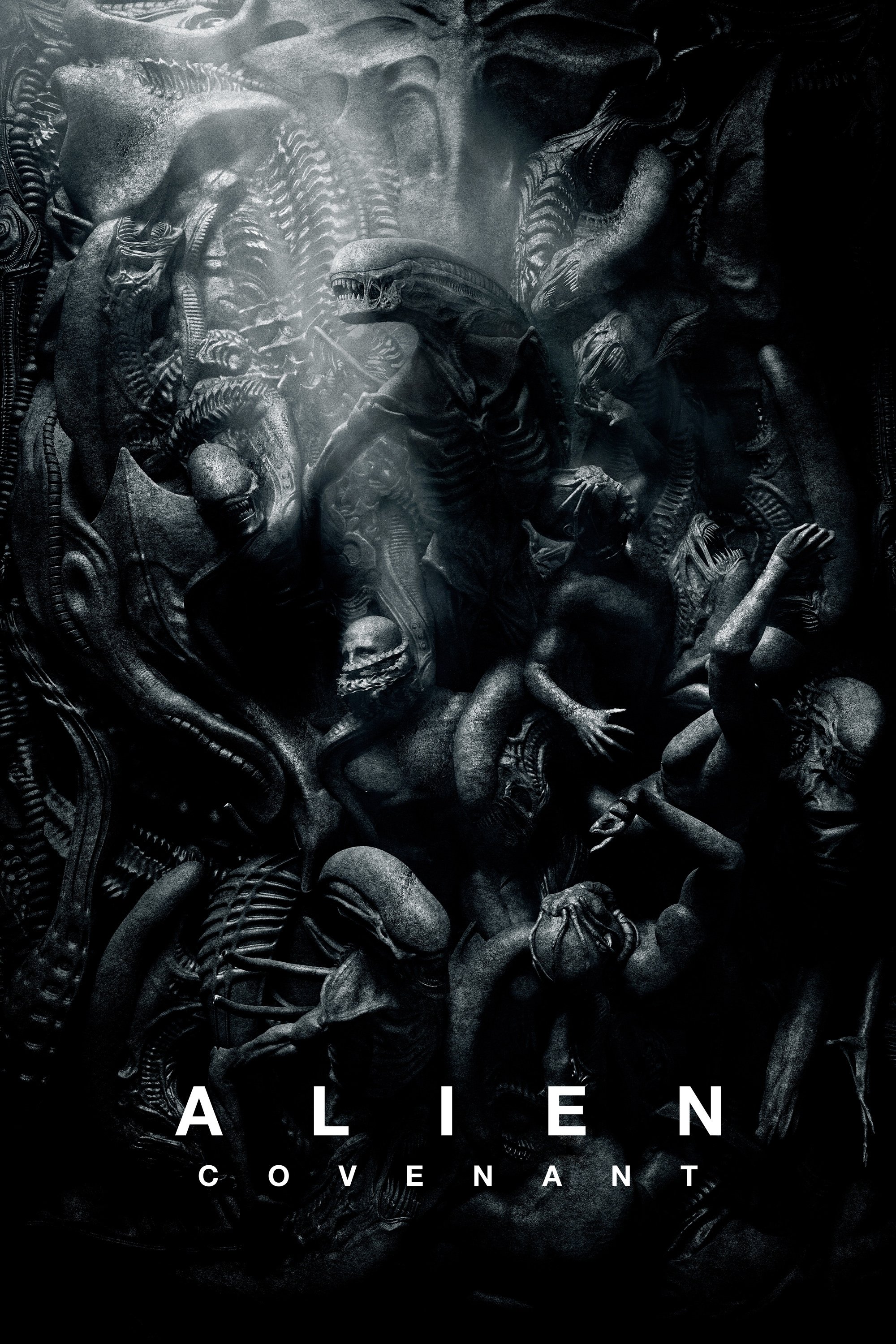
Although this movie follows ‘Prometheus,’ it completely abandons the previous film’s cliffhanger about finding the Engineers’ home planet. Instead, it switches to a more straightforward horror format, with a new group of people being pursued by a terrifying creature. The main character from ‘Prometheus’ is quickly and unceremoniously removed from the story, and the film’s focus shifts from exploring big ideas to simply explaining where the xenomorph came from. Many viewers felt this ignored the groundwork laid by the first movie in favor of giving fans what they wanted.
‘Jurassic Park III’ (2001)
The third Jurassic Park movie largely disregards the story and characters developed in ‘The Lost World: Jurassic Park’. It sends Alan Grant on a new mission to rescue a boy on another island. Unlike the previous film, it doesn’t address the events in San Diego or explore the broader environmental concerns. The movie focuses on a simple survival story, ignoring the larger issues surrounding the cloned dinosaurs, and feels more like an independent adventure than part of a continuing series.
’10 Cloverfield Lane’ (2016)
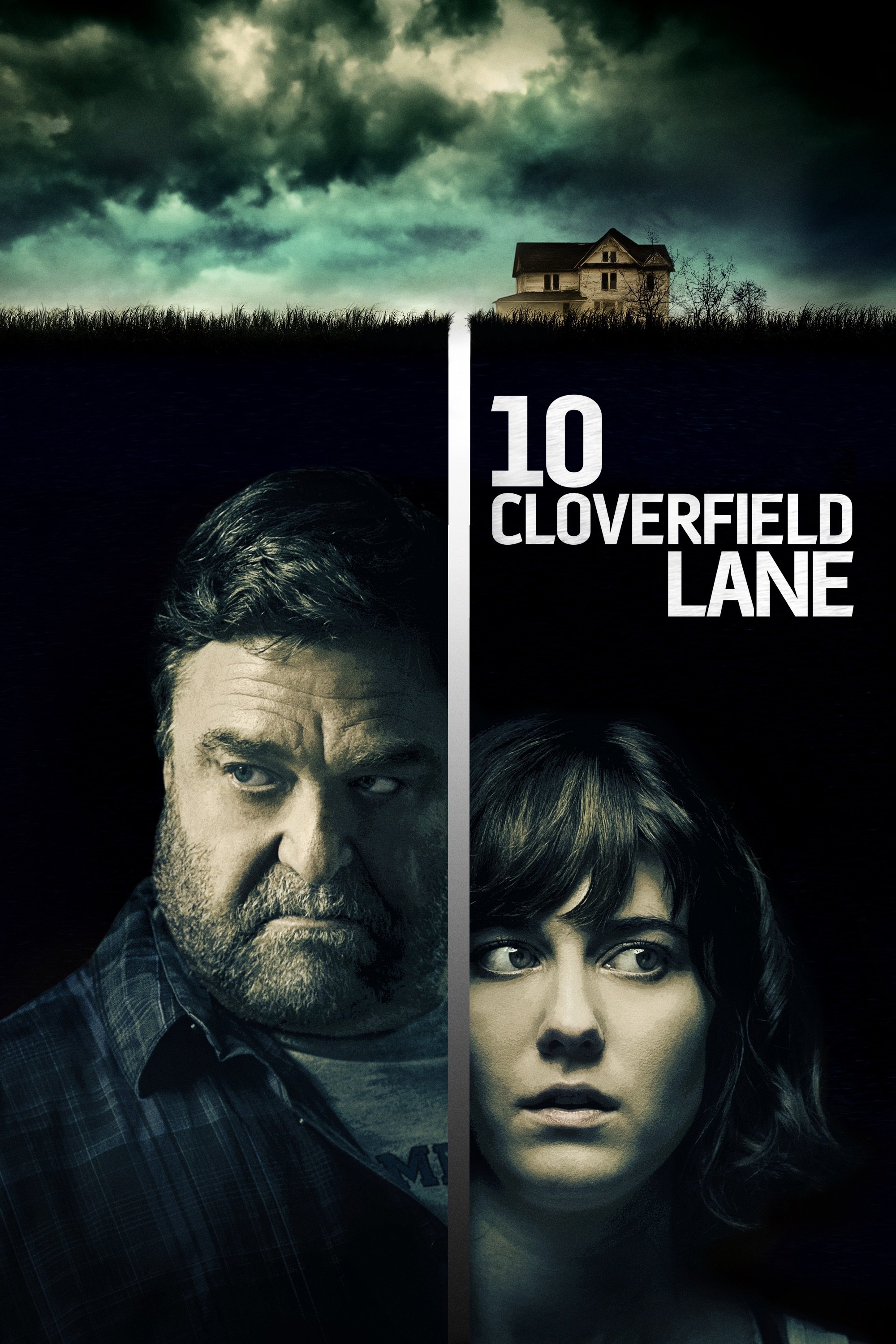
I was really surprised by this movie! It started as just a script someone wrote on their own, and then they decided to tie it into the ‘Cloverfield’ world, but in a totally different way. It doesn’t use the shaky-cam ‘found footage’ style of the first one, and you don’t even see the same monster. It’s more of a mind-bending thriller, taking place in an underground bunker while something awful is happening, but it’s not totally clear what. It doesn’t really connect to what happened in New York with the first movie’s characters, it’s more like they’re using the ‘Cloverfield’ name to hint at a connection, not make it a direct sequel.
‘The Cloverfield Paradox’ (2018)
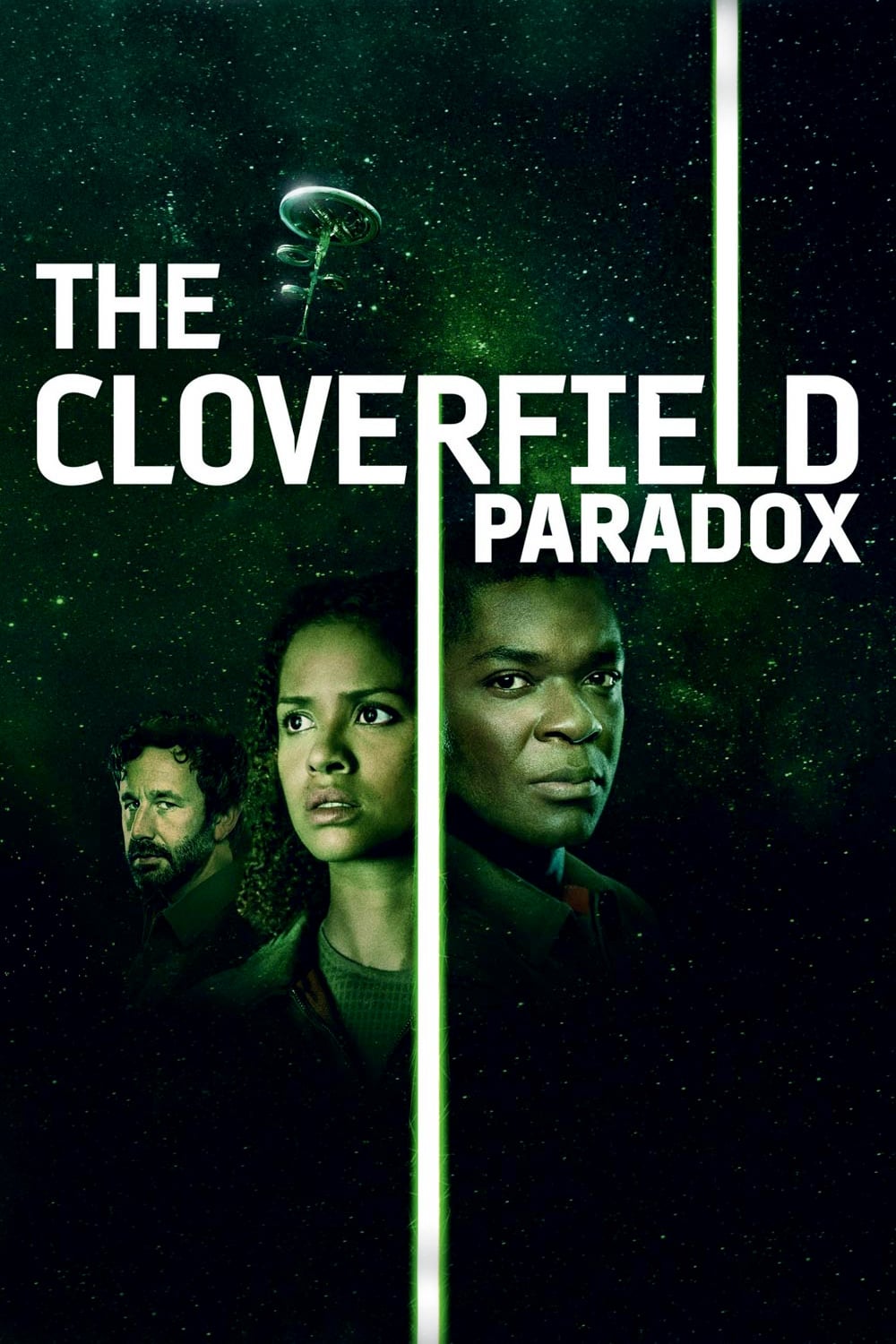
The third film in the series started as its own story before being reworked as a sequel. It’s set on a space station, and a powerful machine causes cracks in reality. The movie tries to connect the monsters from the first two films by suggesting they come from other universes. Unlike the earlier films, which focused on realistic survival, this one leans heavily into complex science fiction ideas. Links to the original movie are made through quick scenes and subtle visual references.
‘Mad Max 2’ (1981)
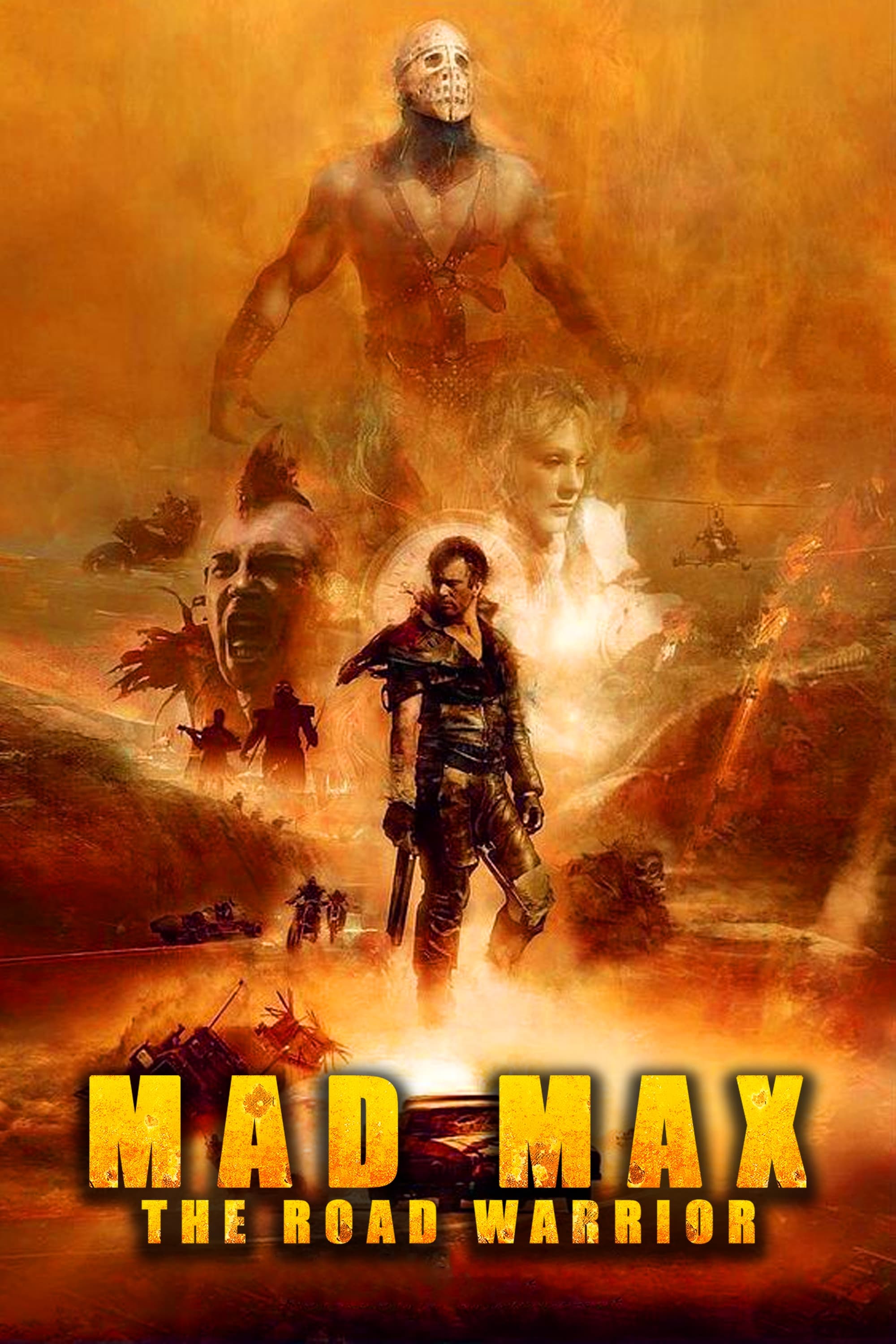
I was really surprised by the second film! It completely left behind the gritty, realistic story of revenge and the way society worked in the first one. Suddenly, we’re thrown into this crazy post-apocalyptic world where gas is everything – it’s used as money! And Max… well, he’s a totally different character. He’s this quiet wanderer, and they don’t even mention his family or his past as a cop. While it did create the look that the series became famous for, it lost a lot of what felt real about the original movie.
‘Pacific Rim: Uprising’ (2018)
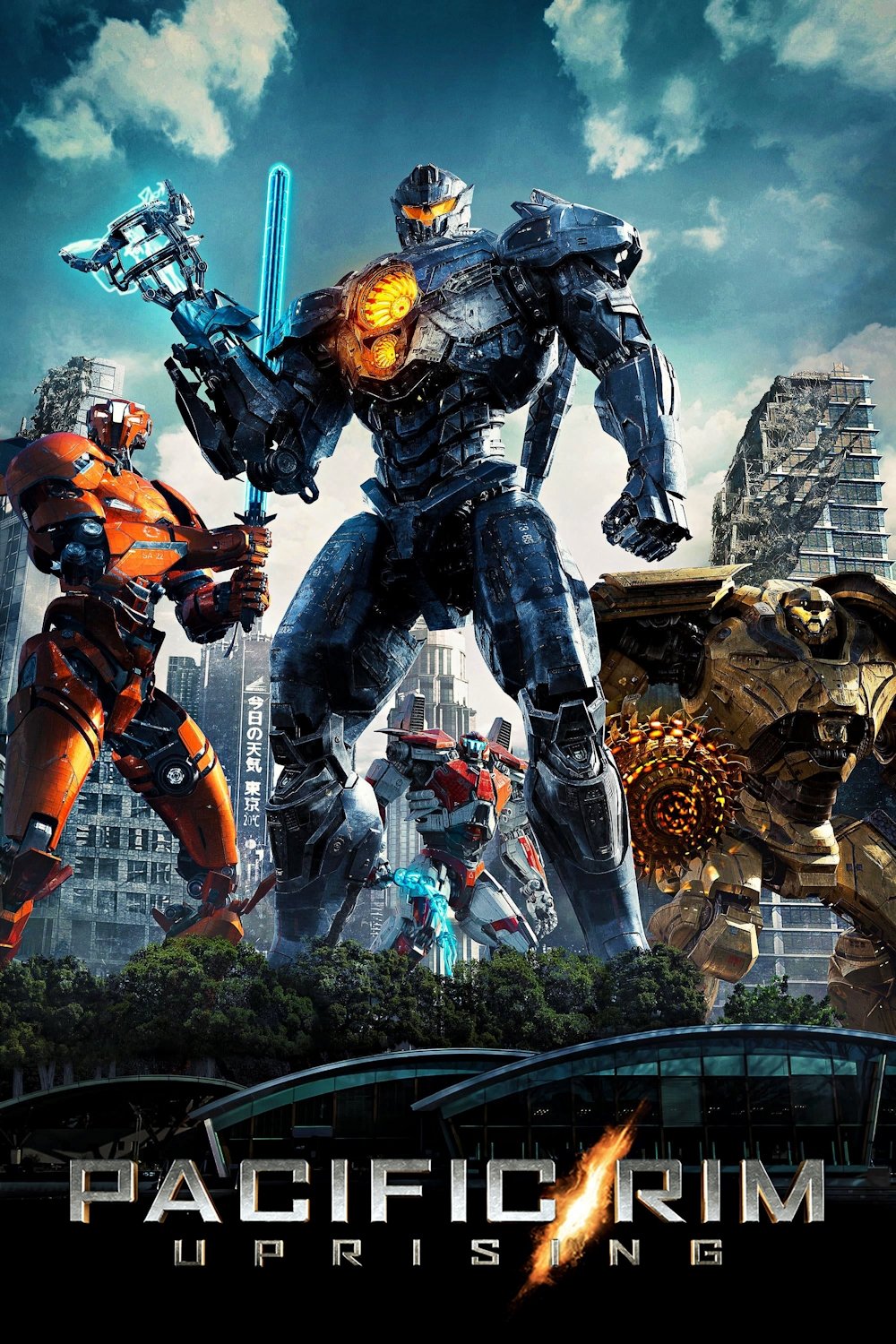
The new movie disregards the satisfying conclusion of the first film and doesn’t build on the characters’ established emotional journeys. It skips ahead in time and features a completely new team of pilots. The plot introduces a corporate conspiracy that feels unrelated to the original fight against the monsters. To accommodate this new storyline, the rules established in the first film – both scientific and regarding character behavior – are changed. The overall feel of the movie also shifts, moving away from a dark, suspenseful monster movie and towards a more lighthearted action adventure.
Share your thoughts on these confusing movie continuities in the comments.
Read More
- Games That Faced Bans in Countries Over Political Themes
- Gold Rate Forecast
- Unveiling the Schwab U.S. Dividend Equity ETF: A Portent of Financial Growth
- Silver Rate Forecast
- Superman Flops Financially: $350M Budget, Still No Profit (Scoop Confirmed)
- 22 Films Where the White Protagonist Is Canonically the Sidekick to a Black Lead
- 20 Movies Where the Black Villain Was Secretly the Most Popular Character
- 14 Movies Where the Black Character Refuses to Save the White Protagonist
- The Best Directors of 2025
- The Best Former NFL Players Turned Actors, Ranked
2026-02-07 02:53