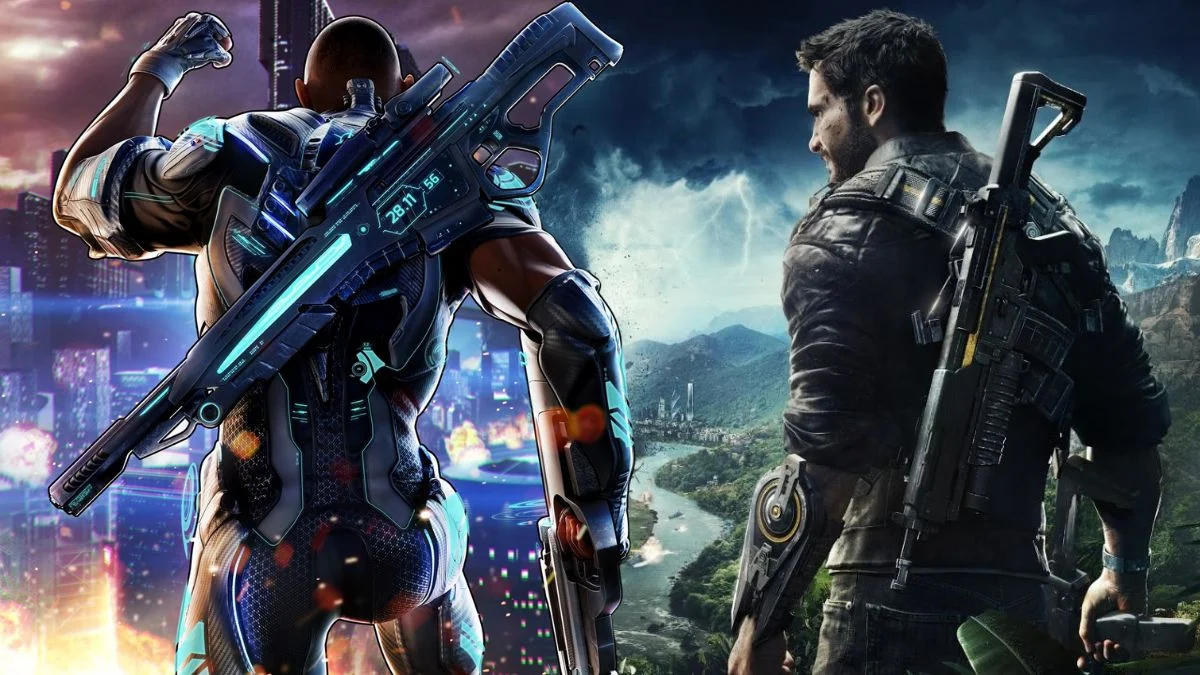
Open world games often boast huge, lively environments, but sometimes those worlds feel empty. Many games offer large areas to explore without enough interesting things to do – like engaging side quests or details to discover in the surroundings. Players can end up spending hours traveling across vast landscapes without meeting anyone or finding anything noteworthy. This list highlights games where the open world feels more like a way to get from point A to point B, rather than a truly interactive space.
‘Desert Bus’ (1995)
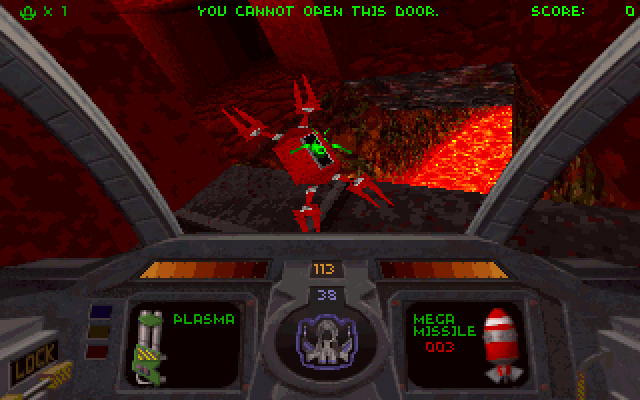
This game challenges players to drive a bus on a realistic, but deliberately monotonous, eight-hour trip from Tucson to Las Vegas. The route is a flat, unchanging road with absolutely nothing happening – no other traffic, and the only event is a bug hitting the windshield. It was created as a joke, poking fun at how overly realistic some older computer games tried to be, and it’s now well-known for being a strikingly empty and simple digital world.
‘The Elder Scrolls II: Daggerfall’ (1996)
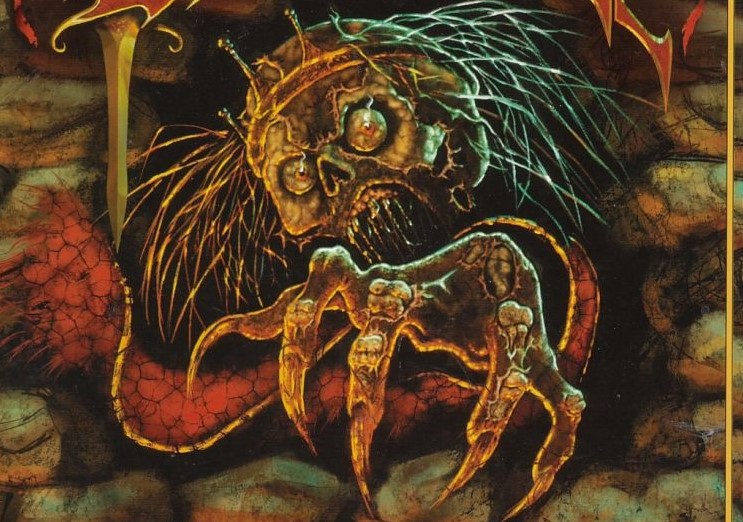
This roleplaying game features a vast map, comparable in size to Great Britain. Although it includes numerous towns and dungeons, much of the land between these places is empty wilderness – hills and forests. The game’s huge scale was created using technology that automatically generated landscapes, something developers couldn’t have filled with detailed content by hand at the time. As a result, players usually use fast travel to avoid long, repetitive journeys to reach their goals.
‘Shenmue’ (1999)
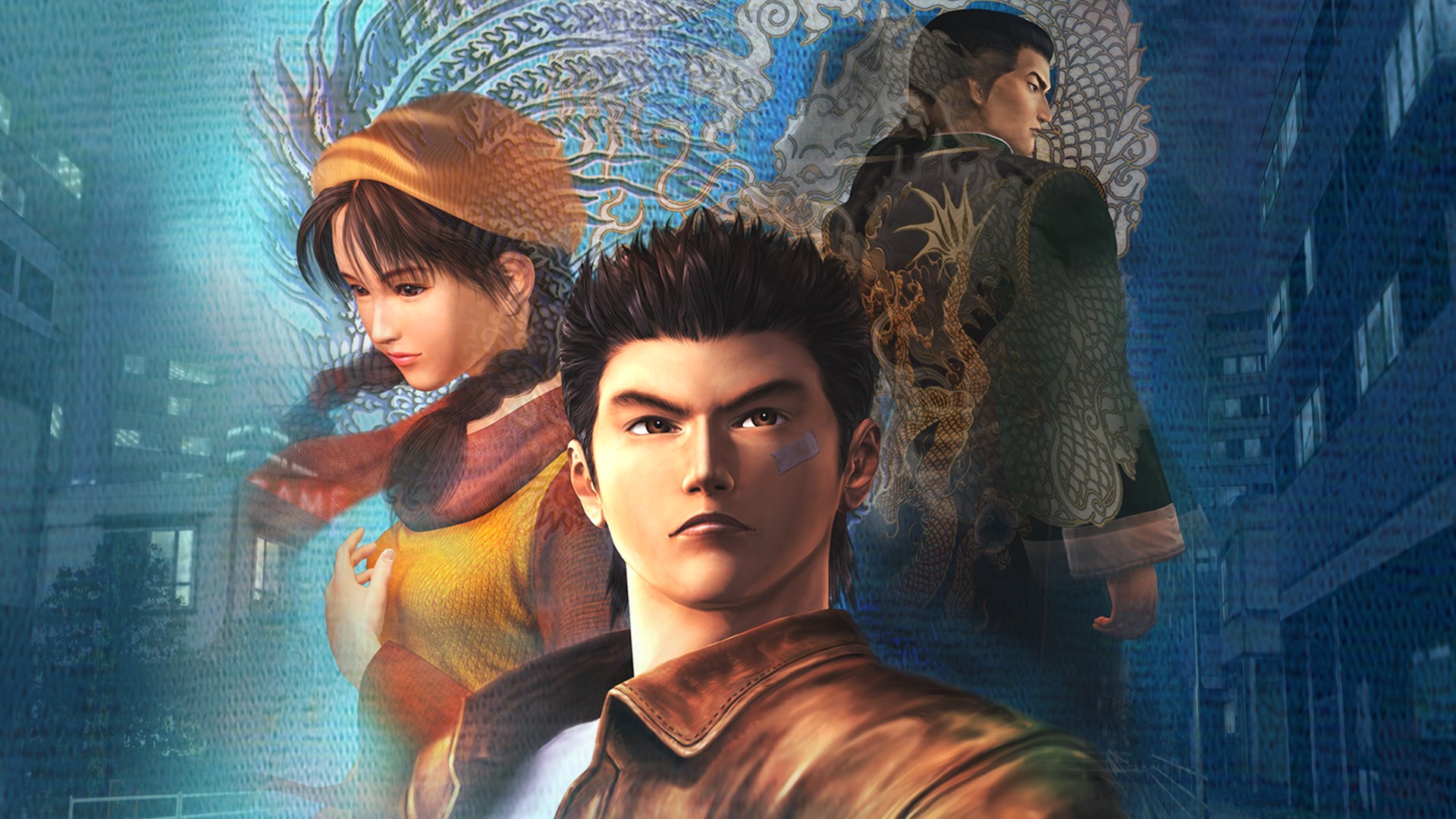
This game puts you in the role of a young man driven by revenge, set in a beautifully detailed and realistic Japanese city. However, despite the interactive environments, the game heavily relies on strict time schedules, often leaving players with little to do. Many locations seem to exist just to move the story forward or fill time. At times, the city feels strangely empty and quiet, especially when shops are closed and people aren’t around.
‘Mafia’ (2002)
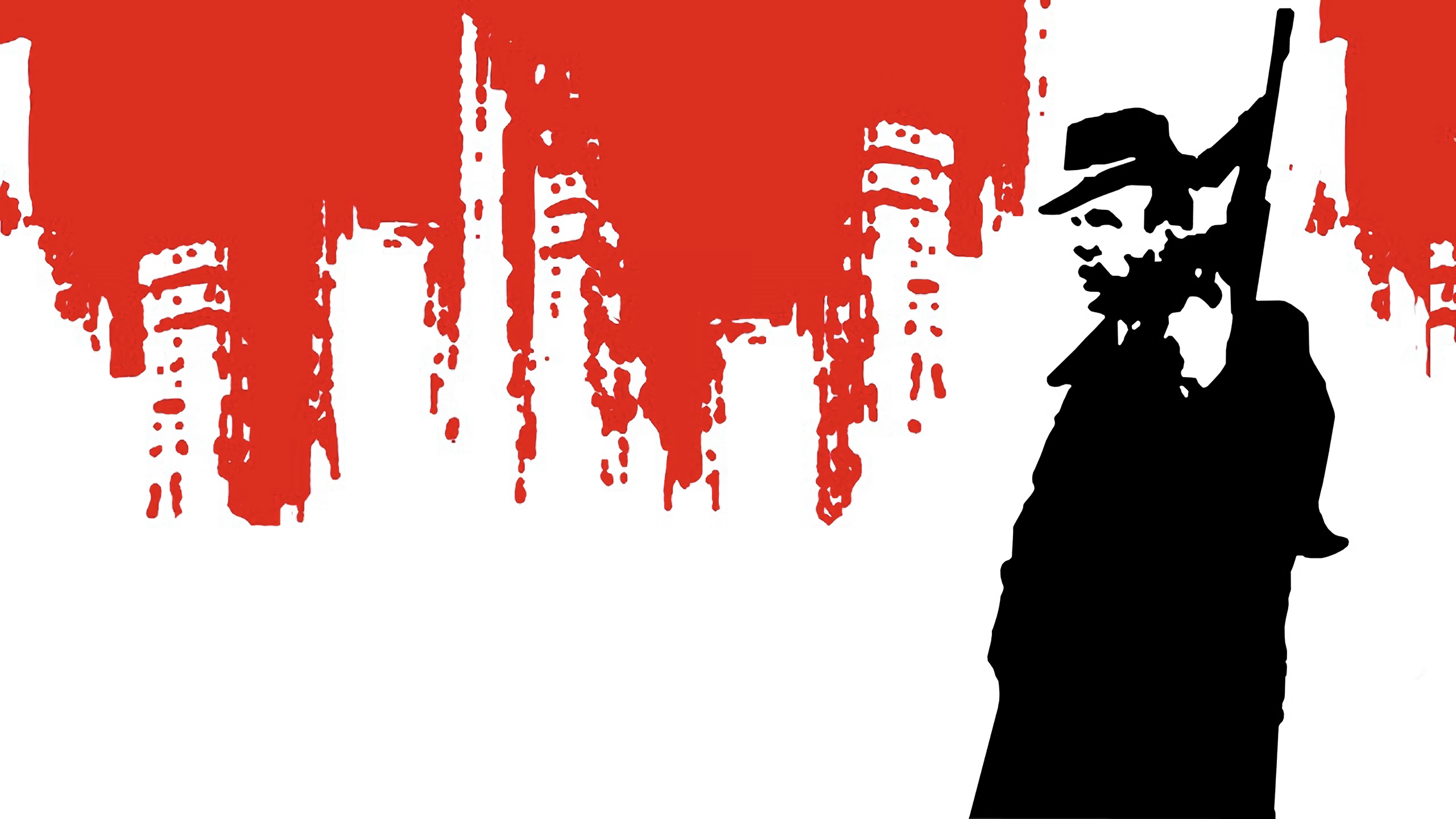
Lost Heaven is a beautifully designed city that feels like a classic 1930s crime film. However, the open world feels empty because it mainly exists to connect you to different missions. There aren’t any side quests, shops, or interesting things to do while you explore. The city’s streets are filled with basic pedestrians and police who mostly just enforce traffic rules. The game clearly prioritizes telling a strong story over letting you freely explore and interact with the world.
‘True Crime: Streets of LA’ (2003)
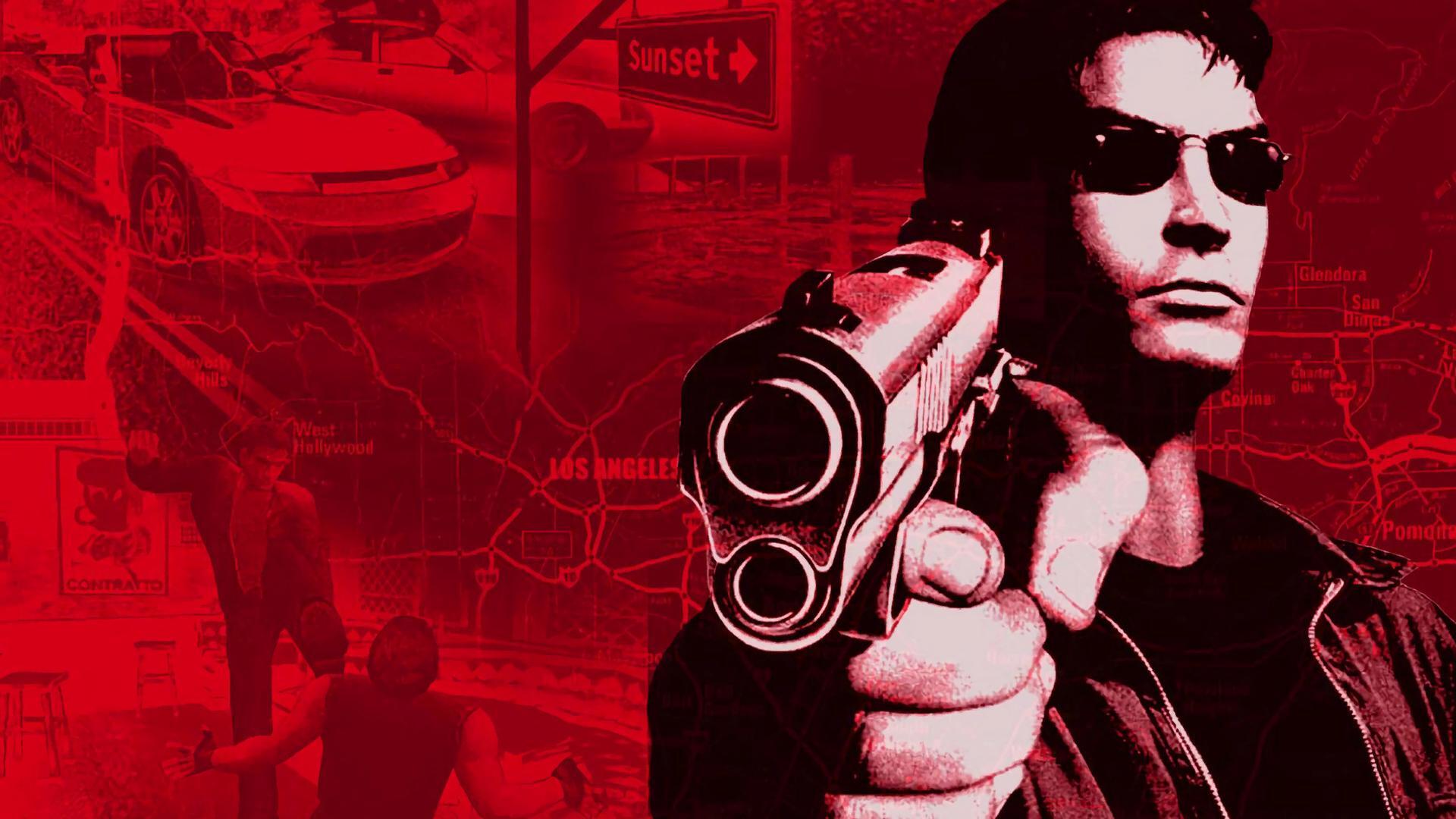
The game tried to build a very large version of Los Angeles, using real-world GPS data to make the city layout accurate. However, while the map is expansive, it doesn’t have as much detail or feel as alive as other games. Many blocks look the same, with repeated buildings and empty streets, offering little to do. Exploring the city by car becomes boring quickly because there aren’t many interesting places to discover.
‘Shadow of the Colossus’ (2005)
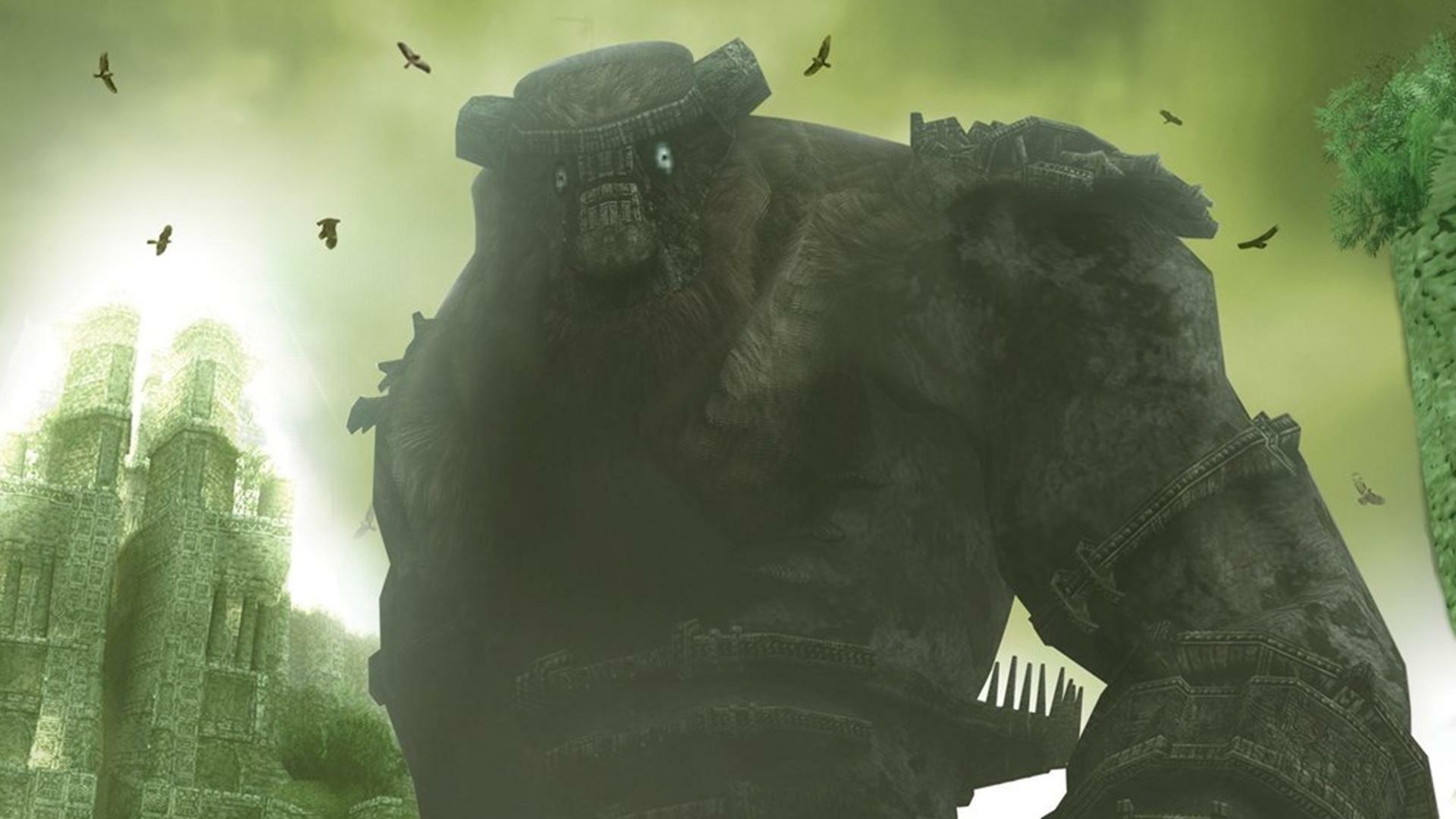
The Forbidden Lands is a stunning yet empty world where you play as a hunter tracking down huge creatures made of stone. You won’t find any towns or people to talk to on your journey. This isolation and sense of ancient history are intentional, designed to make the story more impactful. Most of your time will be spent exploring the landscape on horseback, riding across peaceful plains and through quiet woods.
‘Test Drive Unlimited’ (2006)
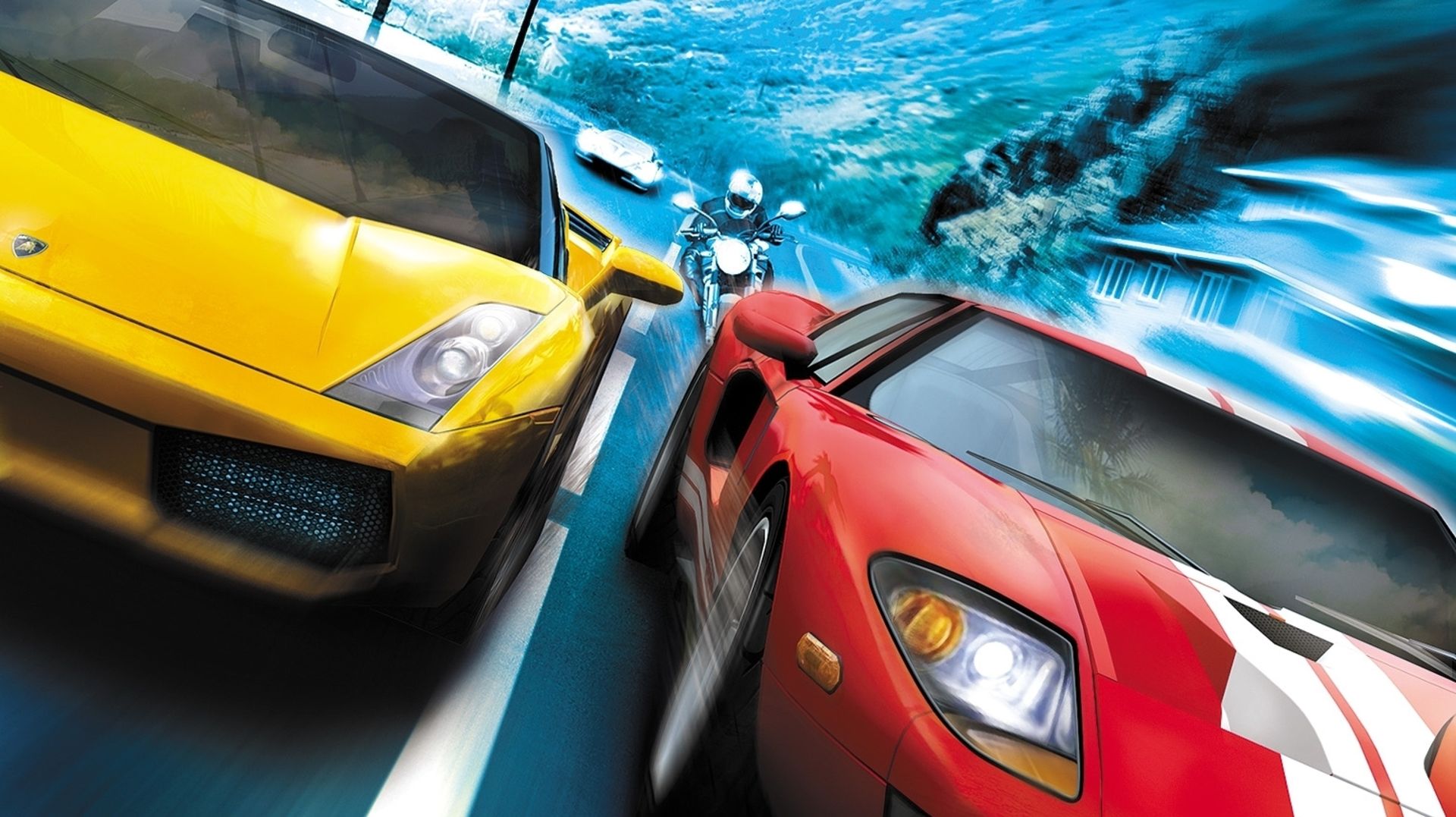
This racing game lets you explore a remarkably detailed recreation of the Hawaiian island of Oahu. While the game world is huge, covering thousands of miles, it’s designed to feel open and less crowded. Beyond the main racing areas and car showrooms, the island offers a peaceful experience focused on the simple pleasure of driving, rather than being filled with lots of things to do.
‘Two Worlds’ (2007)
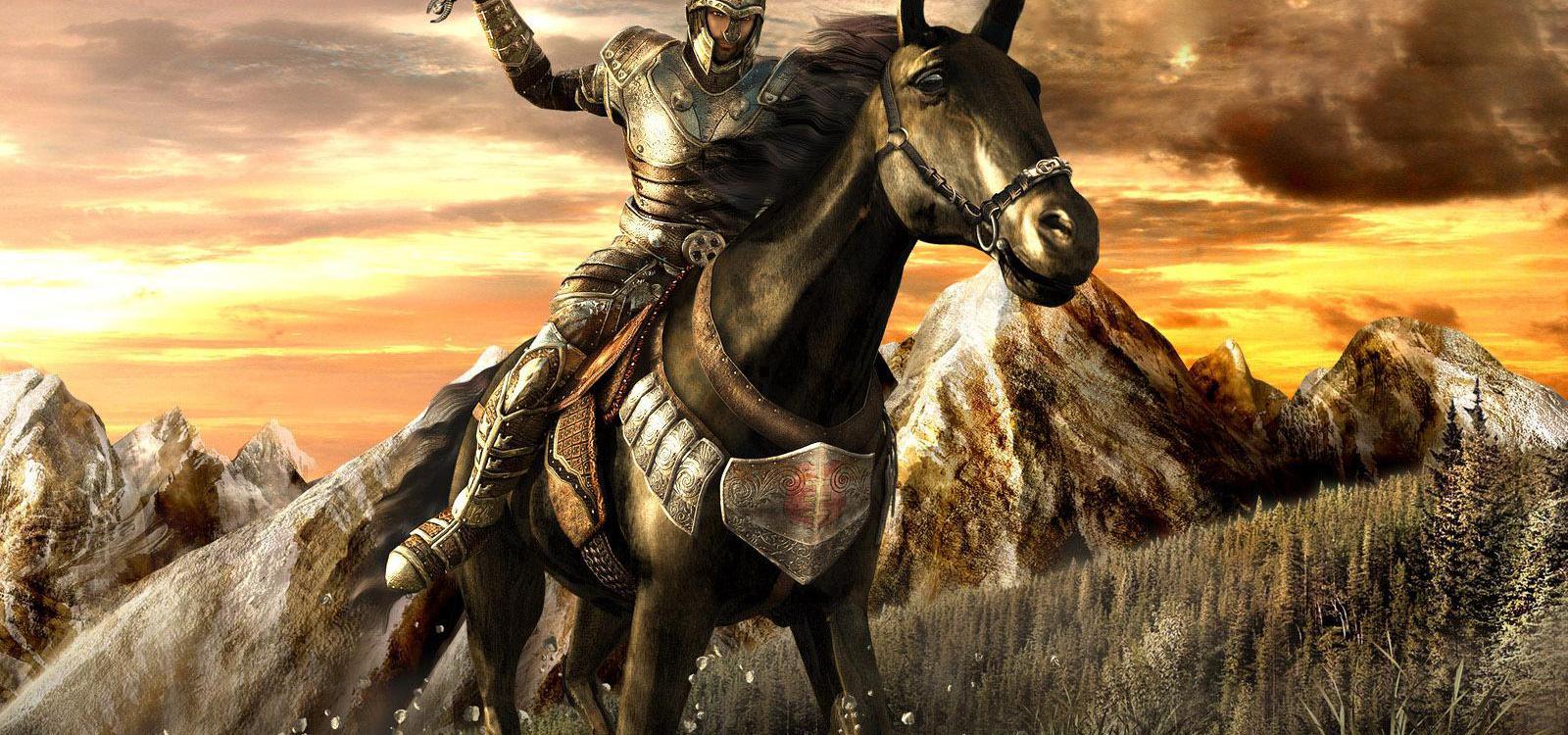
While this fantasy game features a vast world to discover, much of it feels empty. Many areas are filled with the same enemies simply standing in open spaces. The landscapes can become monotonous, and it lacks the rich details and hidden narratives found in other roleplaying games. Exploring doesn’t often feel worthwhile because the world doesn’t offer many unique items or interesting side quests to find.
‘Far Cry 2’ (2008)
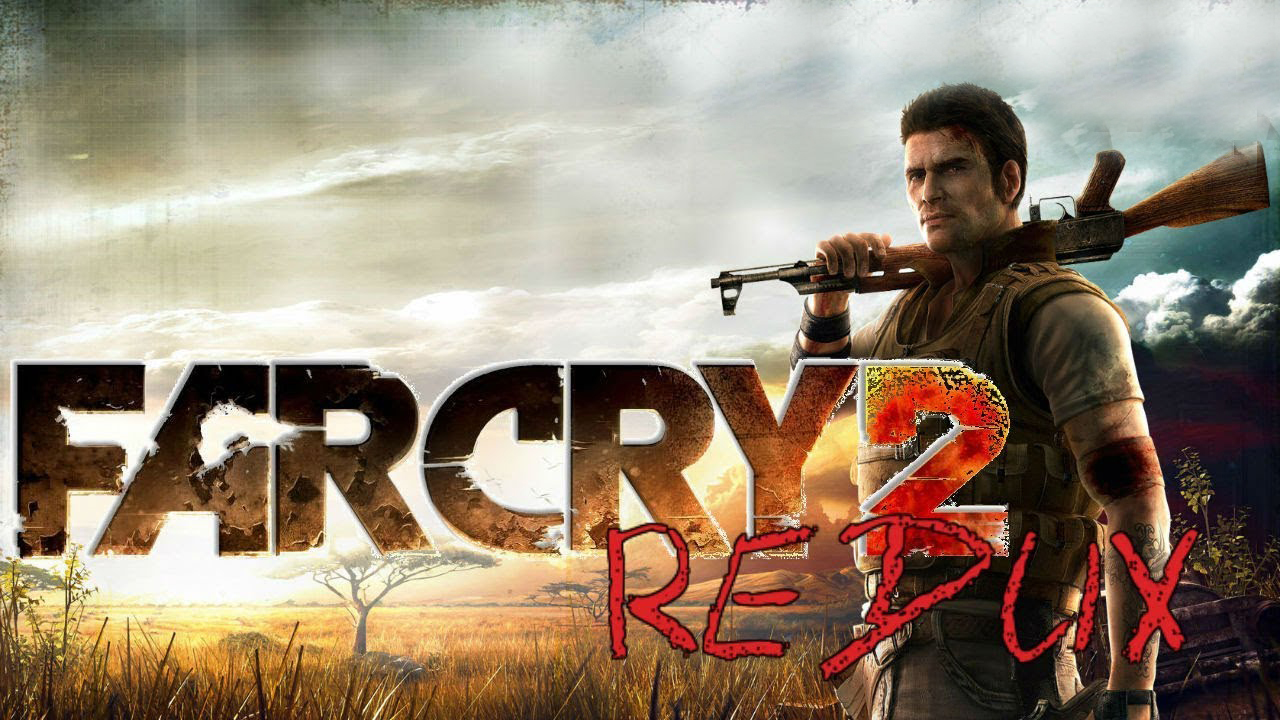
This game’s African savannah setting is deliberately bleak and isolating. Though beautiful to look at, the world feels empty, mainly populated by hostile mercenaries stationed at predictable locations. You won’t encounter any ordinary people, and there’s surprisingly little wildlife. A lot of the game involves driving long distances across empty landscapes while also fighting off malaria.
‘Fuel’ (2009)
This racing game, set after a global catastrophe, boasts one of the biggest maps ever created for a video game. The world is enormous, spanning thousands of square miles of desert and snowy mountains, but it’s mostly empty. To create such a huge space, the developers used a technique called procedural generation, which unfortunately led to large stretches of barren landscape. Players can literally drive for twenty minutes straight without passing a single town or recognizable feature.
‘Deadly Premonition’ (2010)

Greenvale is a large, spread-out town that takes a lot of driving to get around, especially when investigating crimes. Much of it is made up of similar-looking empty roads and forests. There isn’t much to do besides follow the main story, and the slow driving speed makes the town feel even more empty during travel.
‘L.A. Noire’ (2011)

This detective game impressively recreates Los Angeles as it was in the late 1940s. However, while the city looks stunning, it mainly serves as a backdrop for the game’s planned story missions. Players can’t enter many buildings and there aren’t many optional side quests to do in the open world. The developers focused on making the city historically accurate, even if it meant sacrificing the wide range of activities you’d usually find in open-world games.
‘Proteus’ (2013)
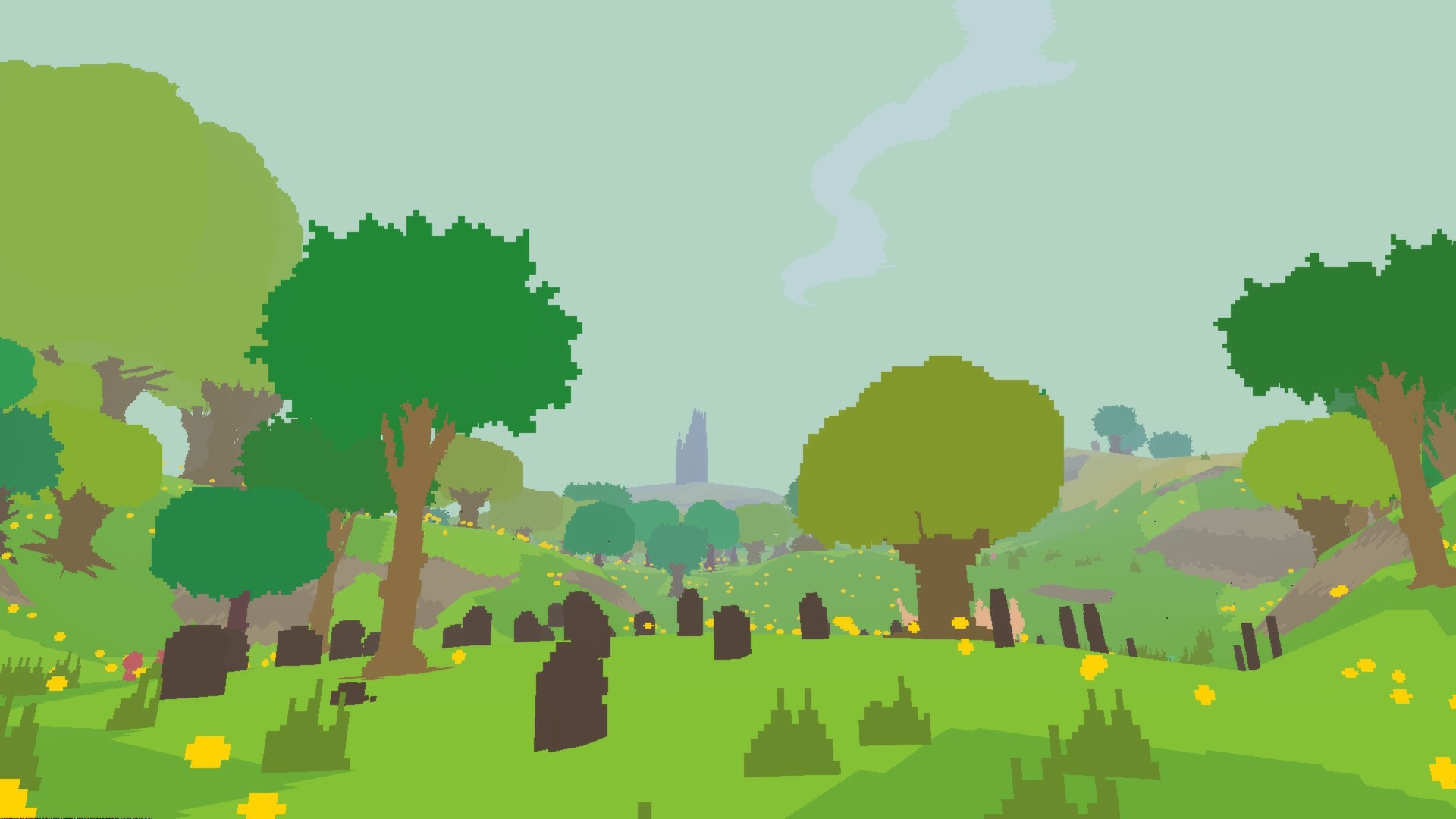
This unique game takes place on a randomly generated island that responds to your movements with sound and music. It’s a peaceful, abstract world with no goals, characters, or structures – just a focus on the feeling of exploring a quiet, natural landscape. The game’s art style emphasizes emptiness and simplicity, creating a minimalist and meditative experience.
‘The Crew’ (2014)
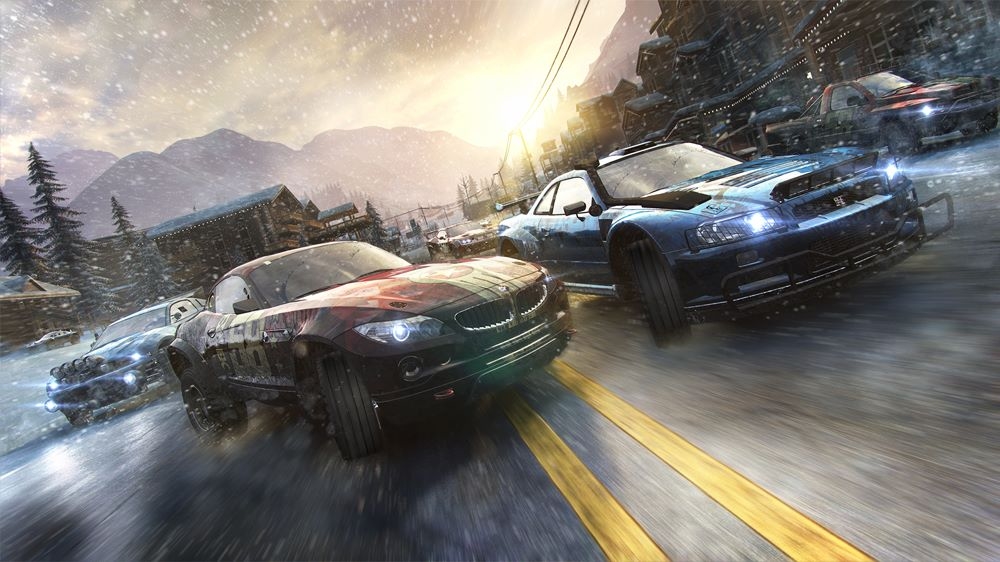
This game features a map that’s a miniature version of the entire United States, taking about forty minutes to drive across. While major cities are included, they’re widely separated by long stretches of highway and open countryside. The map’s size is impressive, but during fast-paced races, much of the landscape feels indistinct and repetitive. There isn’t much visual detail in the large, empty areas between cities.
‘Elite Dangerous’ (2014)
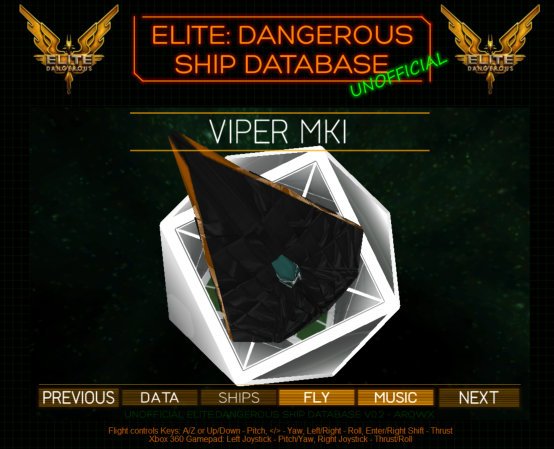
The game lets players journey through a remarkably accurate recreation of the Milky Way galaxy, complete with billions of star systems. Because space is so vast, most of the game world is empty and quiet. Traveling to faraway stars can take hours, and many systems won’t have any other players or space stations. This emptiness is intentional, designed to make players feel like a tiny pilot lost in an enormous universe.
‘Mad Max’ (2015)
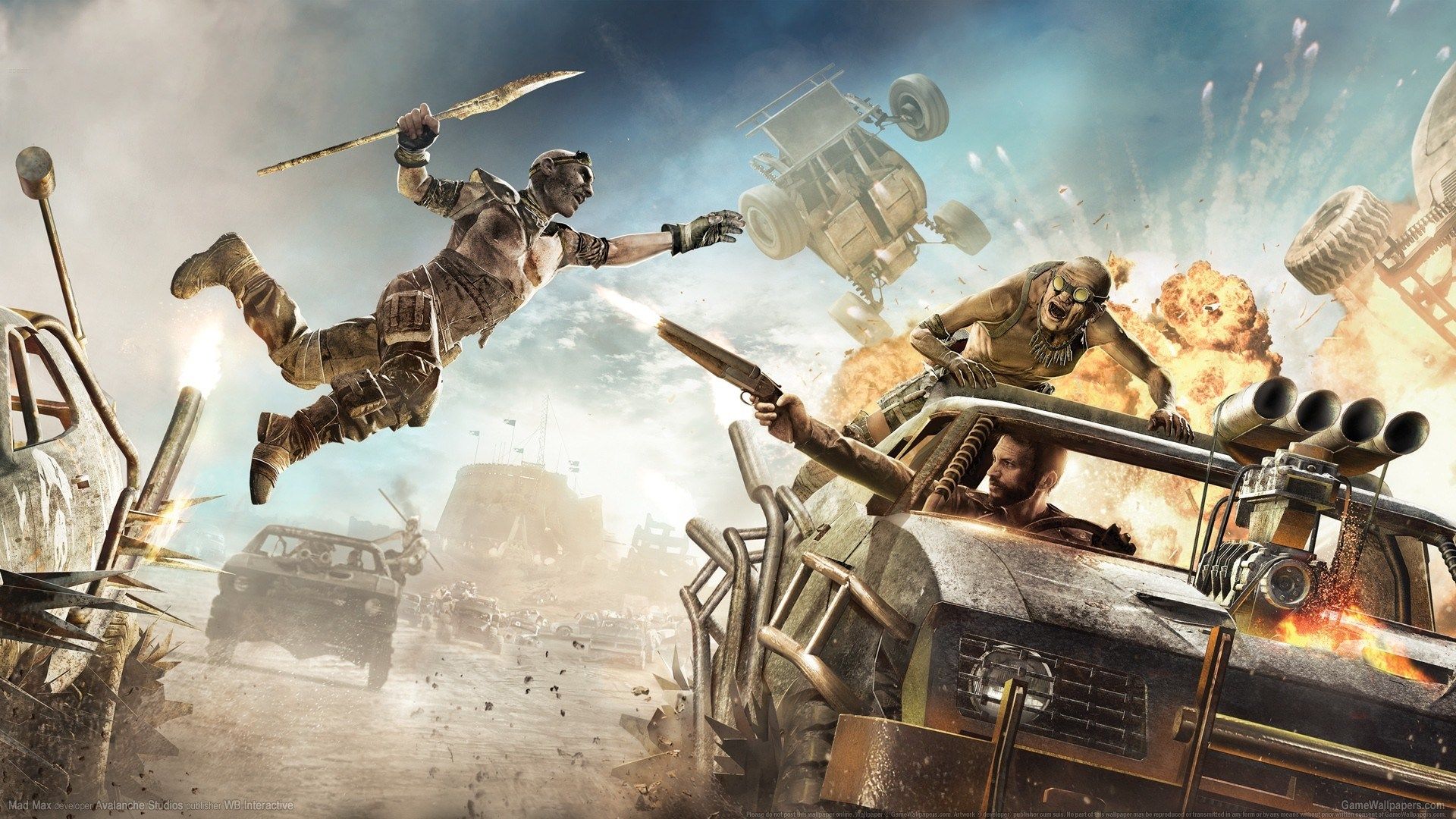
The Wasteland is a harsh environment of sand and ruins where players must scavenge for fuel and useful materials to survive. The desolate landscape perfectly captures the post-apocalyptic setting, and vast, empty dunes dominate the map, broken only by the rare enemy camp. The game focuses on the loneliness of the main character as they explore the remnants of a destroyed world.
‘Metal Gear Solid V: The Phantom Pain’ (2015)
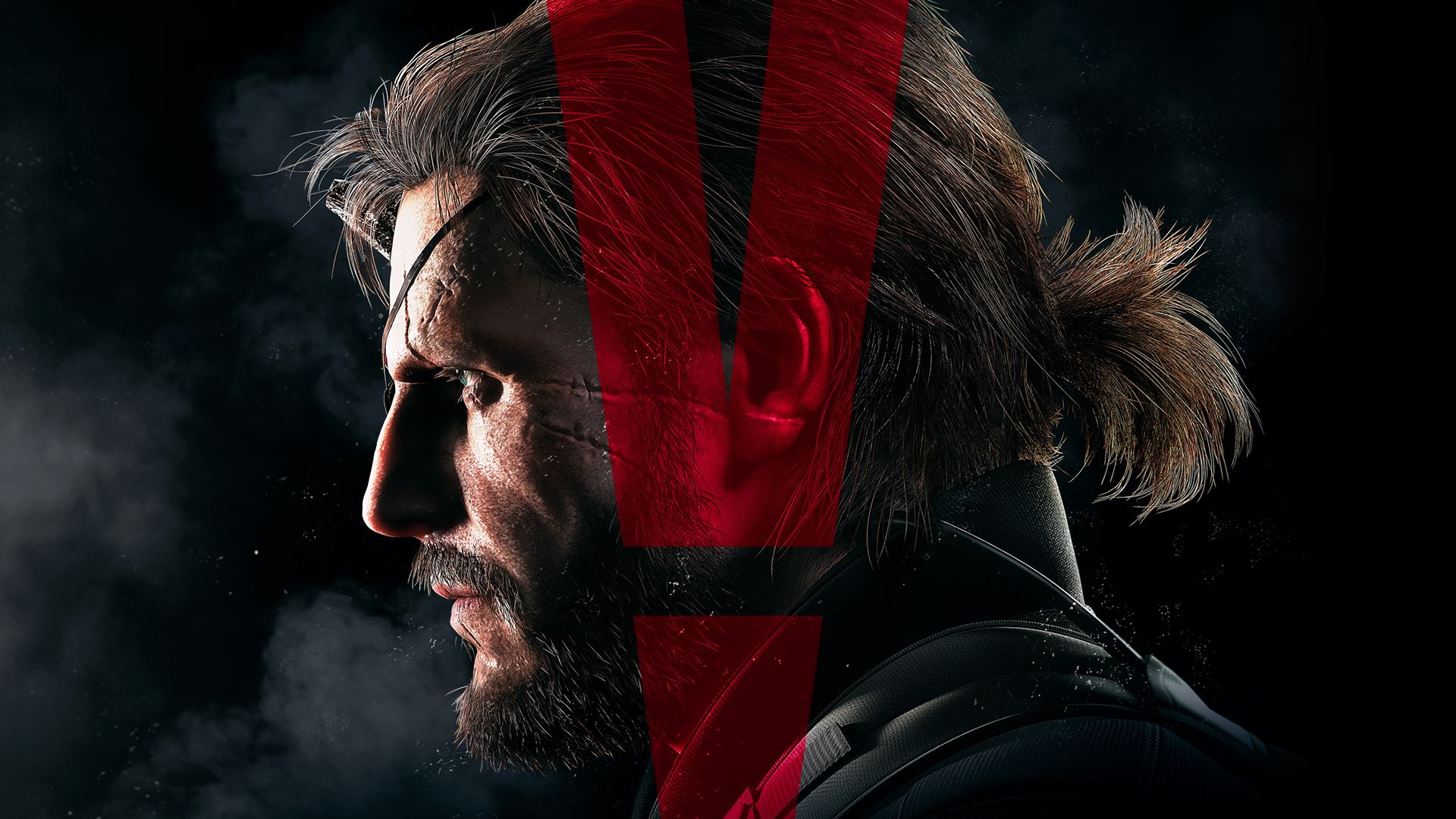
The landscapes in Afghanistan and the Angola-Zaire border area are vast and largely barren, featuring mostly rocks and desert. While enemy bases are well-defined, the areas between them feel empty, lacking things to discover or interact with. Players often spend a lot of time traveling long distances on horseback or in vehicles to reach their goals. The game world functions more as a strategic area for sneaking around than a vibrant place to explore.
‘No Man’s Sky’ (2016)
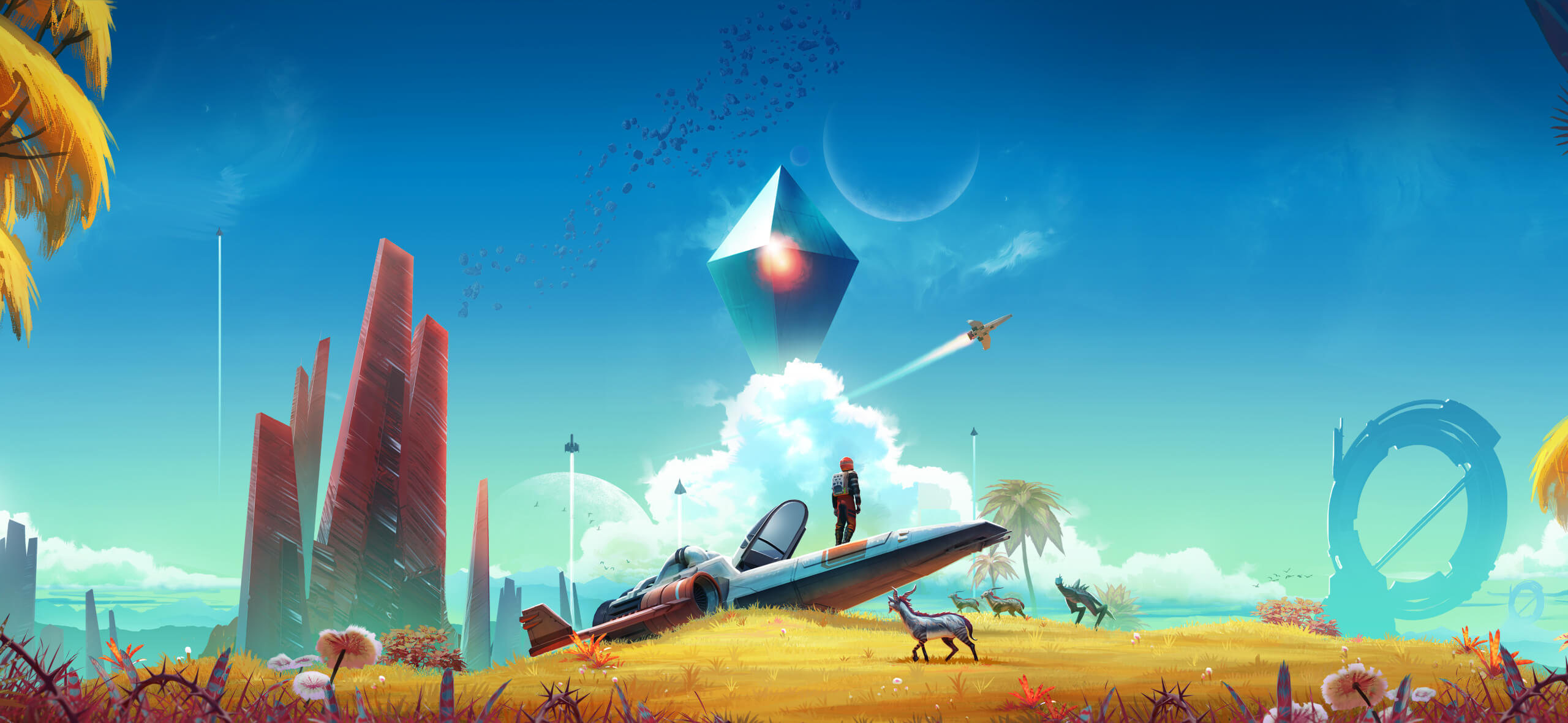
When this space game first came out, it was crazy – they said there were quintillions of planets! But honestly, a lot of them felt… empty. I’d land on world after world and it was just the same rocks and terrain. Not much in the way of cool plants, animals, or even buildings. They’ve added a bunch of stuff since then, but a lot of the game still feels like flying through a huge, quiet emptiness. People complained at first that it was a massive universe, but didn’t really have much to do.
‘Mirror’s Edge Catalyst’ (2016)

Glass is a sleek, futuristic city designed for fast-paced parkour. Gameplay takes place entirely on rooftops, making the world below feel distant and inaccessible. The city’s upper levels are mostly empty, featuring clean, white spaces and few characters, which emphasizes the game’s sterile, controlled, and corporate atmosphere.
‘ReCore’ (2016)
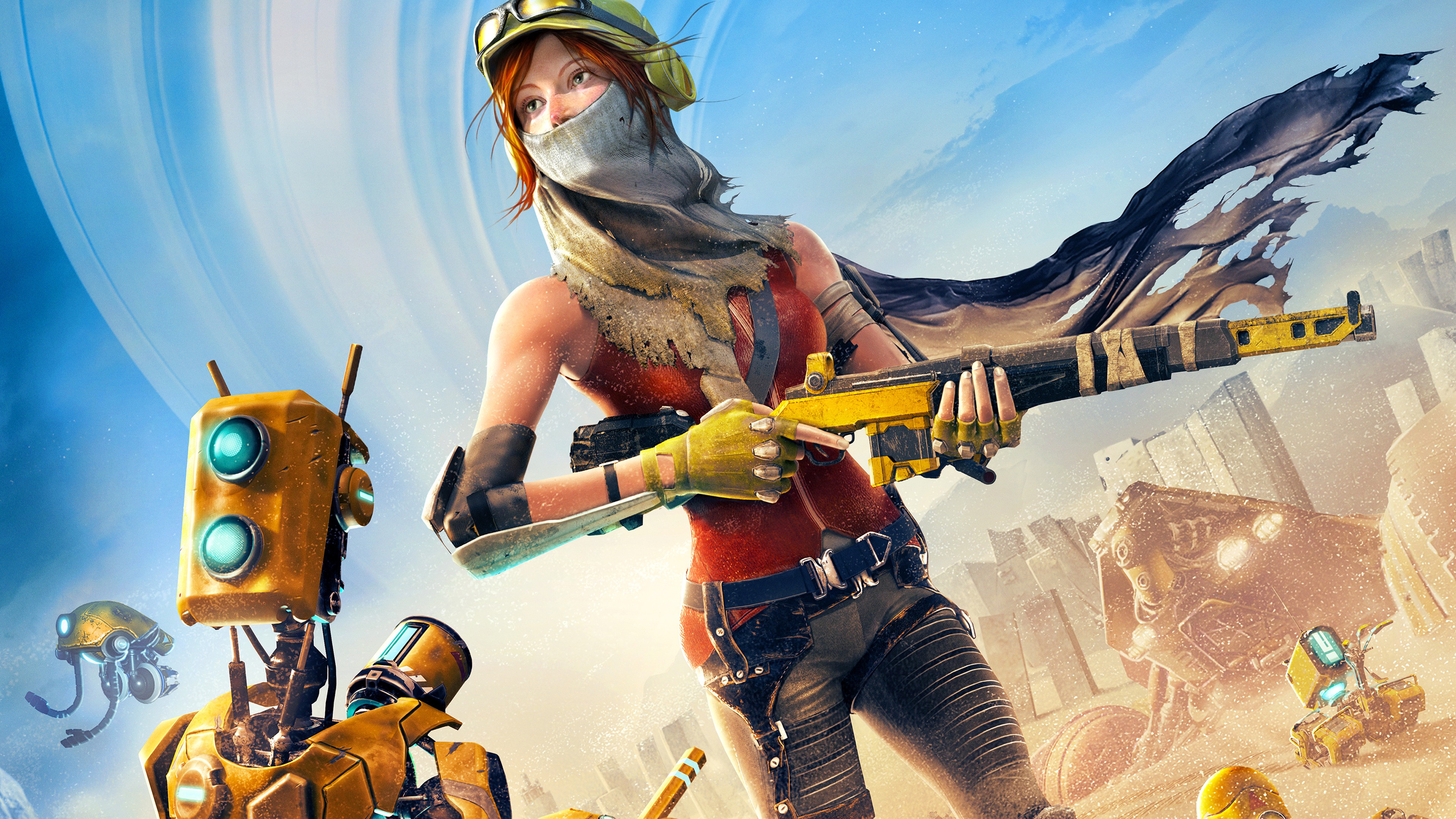
Far Eden is a desert planet that was once intended to be a new human colony, but the terraforming project failed. Now, it’s a vast landscape of sand dunes and dangerous caves filled with enemy robots. Players won’t find any cities or towns – instead, the game focuses on exploring the desolate dunes to scavenge for parts and lost technology.
‘Homefront: The Revolution’ (2016)
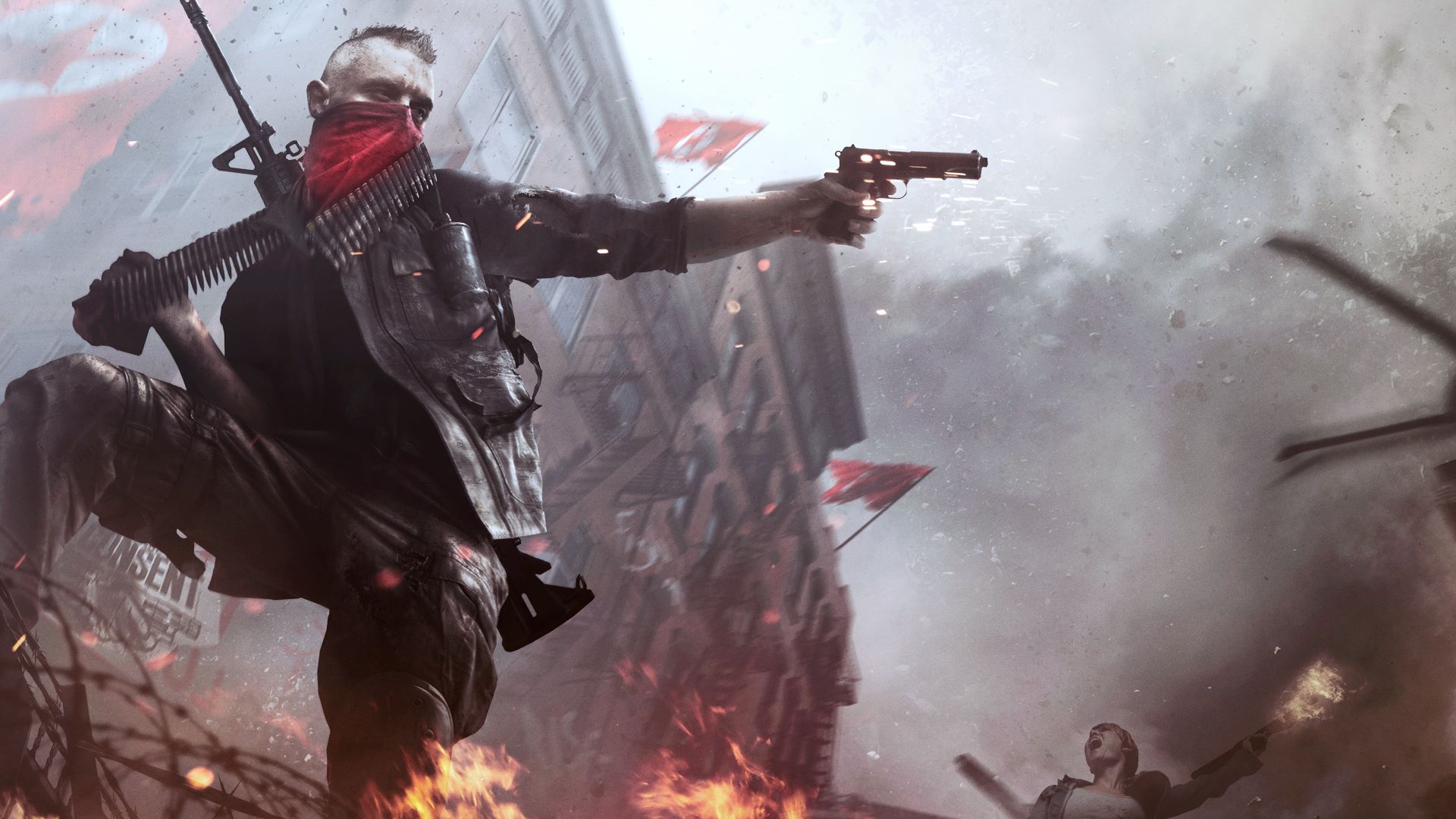
In this alternate history game, Philadelphia is under military control and split into different zones. The ‘red zones’ are completely abandoned, devastated areas – all civilians have been evacuated. These ruined districts, filled with rubble and empty buildings, become battlegrounds for those fighting back. The absence of people makes the city feel empty and like a ghost of its past.
‘Elex’ (2017)
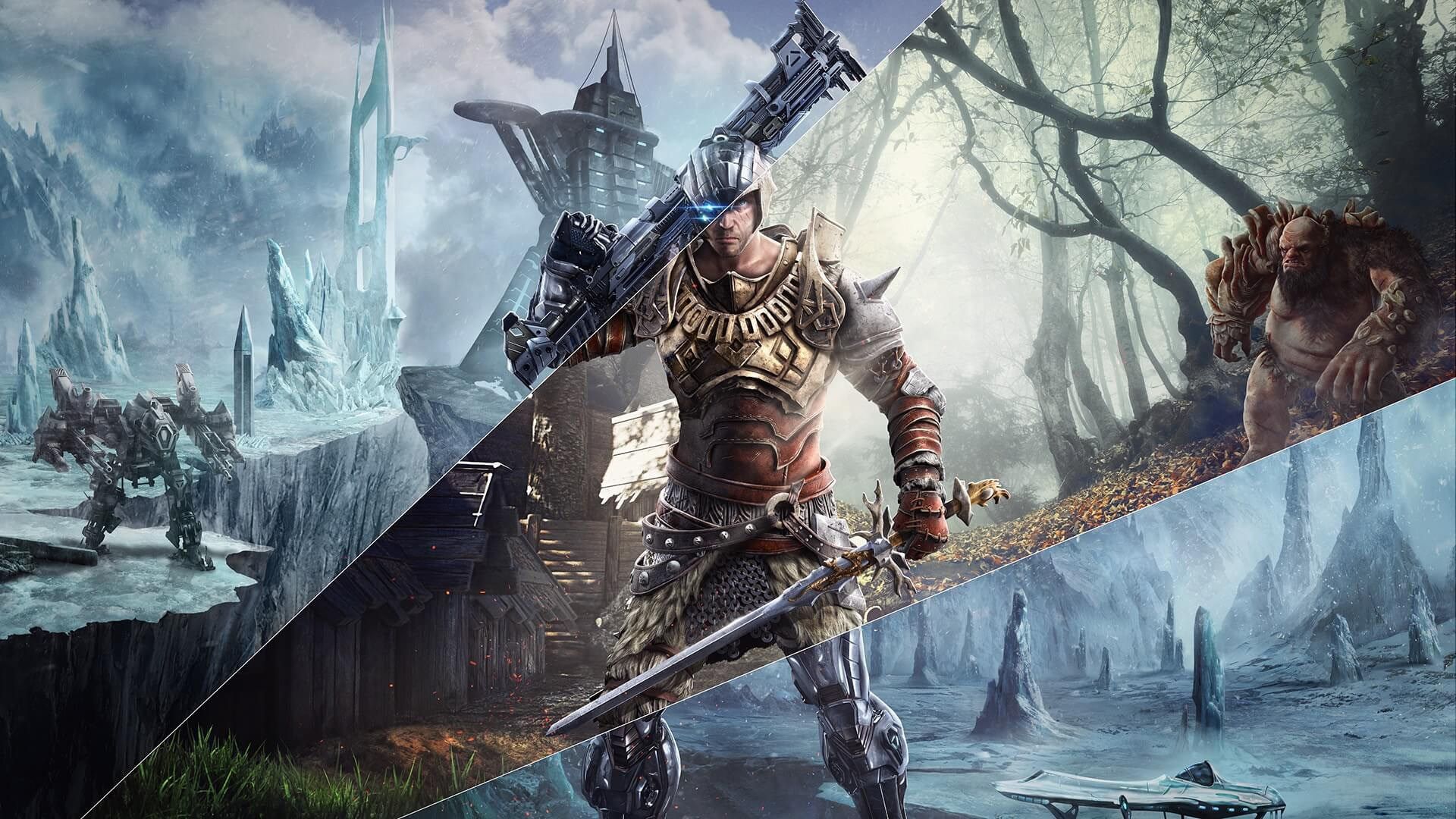
Magalan is a post-apocalyptic world blending magic and advanced technology. Although the game has a rich backstory, its vast landscape – filled with huge forests and mountains – often feels empty. Players might spend a lot of time traveling without discovering much beyond common items or enemies. The game tries to make up for this emptiness with its sheer size, aiming to create a sense of awe and exploration.
‘Scanner Sombre’ (2017)
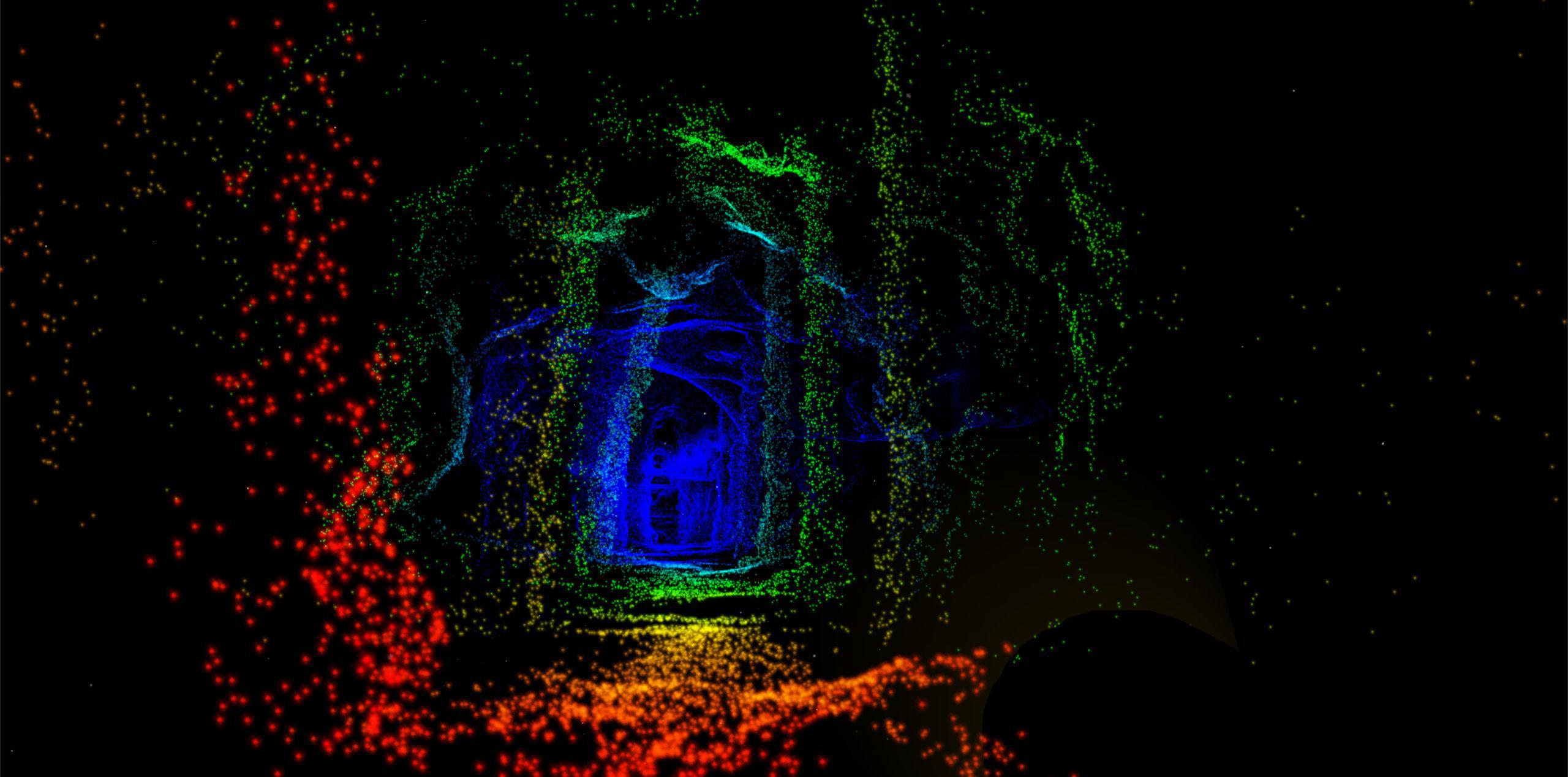
The game takes place in a completely dark cave system where players use a LIDAR scanner to create a visual map of their surroundings with colored dots. It’s a silent, underground world that only appears as you explore. Unlike many games, there are no puzzles or enemies – the focus is purely on the feeling of being alone and navigating a vast, empty darkness.
‘Sea of Thieves’ (2018)
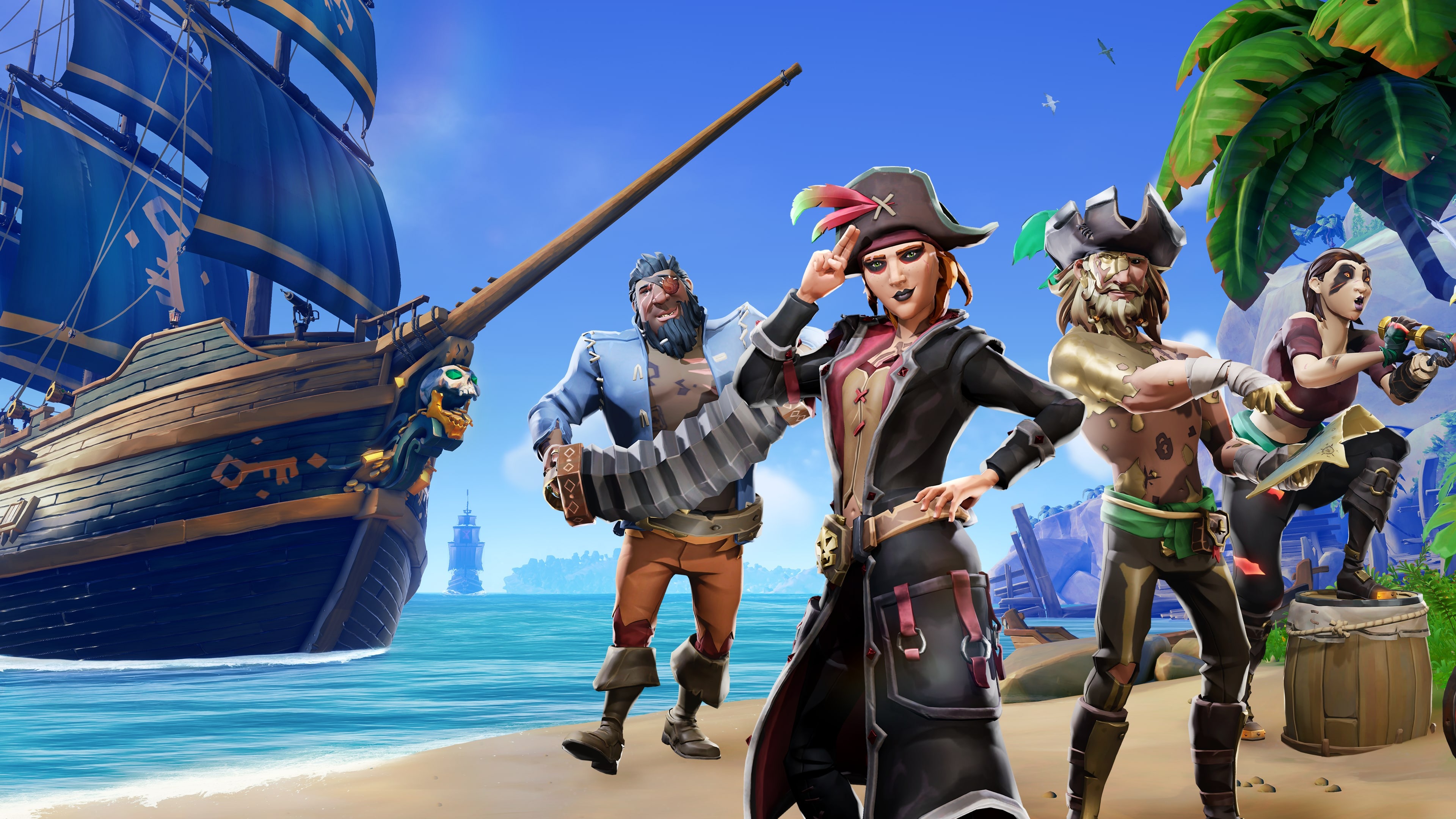
This pirate game features a huge, stunning ocean that takes a while to cross. Most islands are tiny and deserted, often guarded only by skeletons or wildlife. Players will spend a lot of time gazing at the horizon as they sail to their destinations. This vast emptiness is intentional, designed to get players to talk and work together as a crew.
‘Just Cause 4’ (2018)
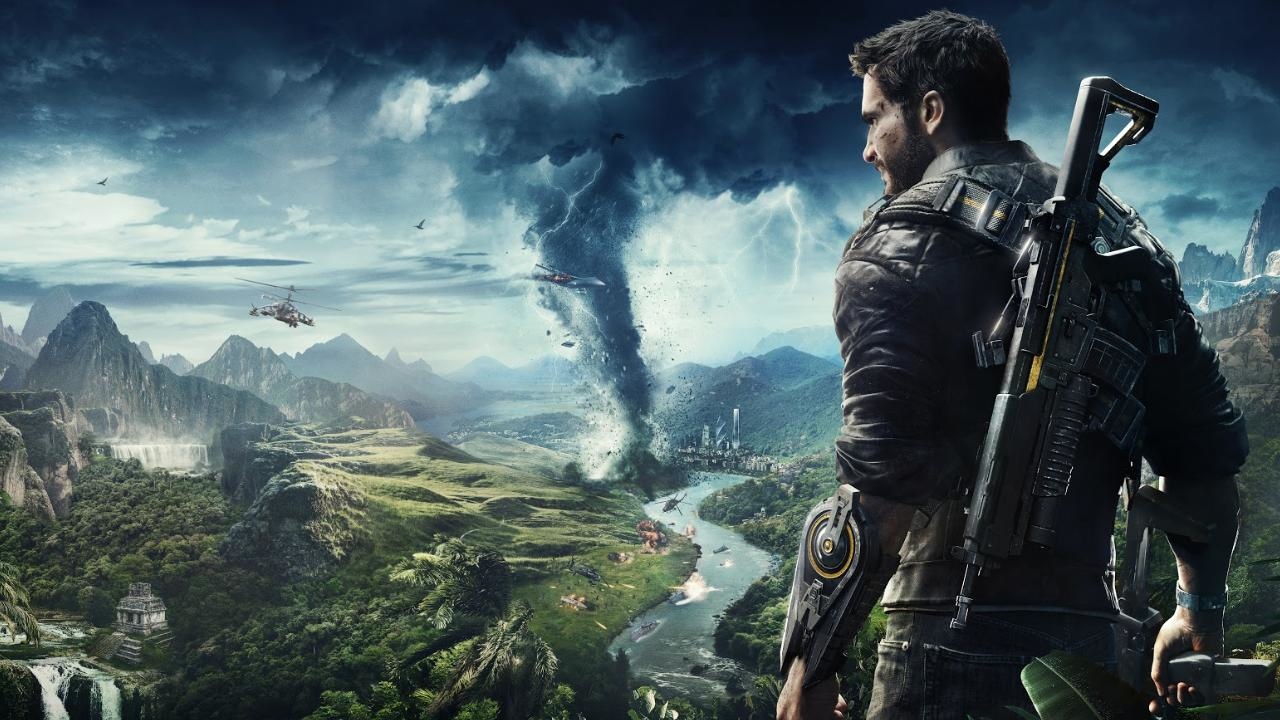
Solís is a large island nation with a variety of landscapes, from lush rainforests to arid deserts. While the game’s destruction is visually striking, the world often feels empty and lacks compelling reasons to explore it. Many of the towns and bases look the same and don’t have much personality or backstory. Beyond simply causing destruction, there’s little incentive to venture into the expansive wilderness.
‘DayZ’ (2018)
Chernarus is a large, deserted country formerly part of the Soviet Union, and the setting for a survival game where players need to find their own food, water, and equipment. The game aims for realism, so much of the map is empty forests and abandoned buildings. It’s not unusual to play for long periods without seeing anyone – or even zombies – especially in the countryside. This loneliness is a deliberate design choice to create a feeling of suspense and make each interaction with others more impactful.
‘Vampyr’ (2018)
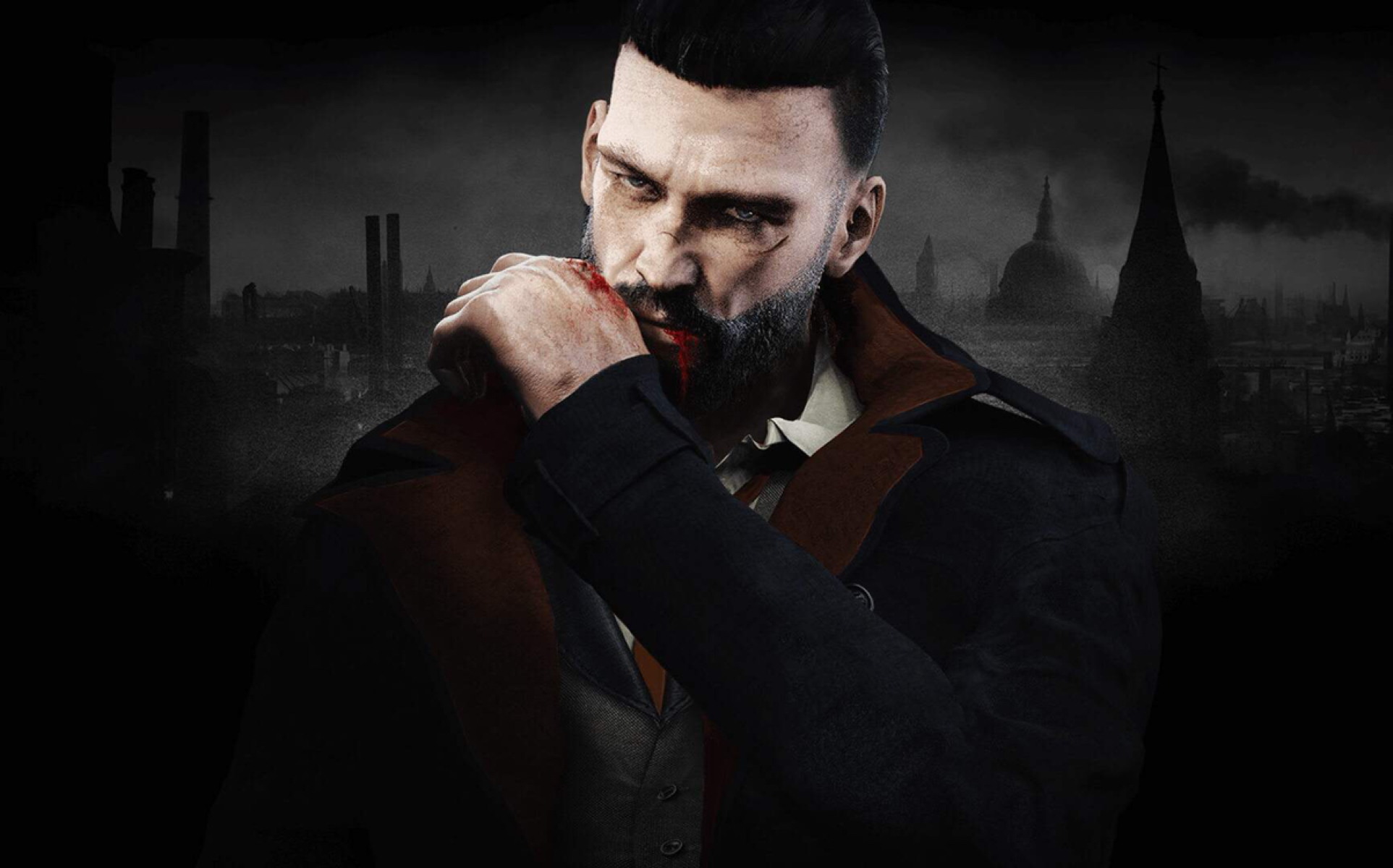
This game takes place in a hauntingly atmospheric London during the Spanish flu pandemic. The city is largely deserted due to quarantine measures and the story unfolds at night. Though there are a few areas with characters to interact with, most of the game world is filled with dangerous enemies. This emptiness creates a bleak and isolating feeling, making the city feel like a depressing labyrinth.
‘Atlas’ (2018)
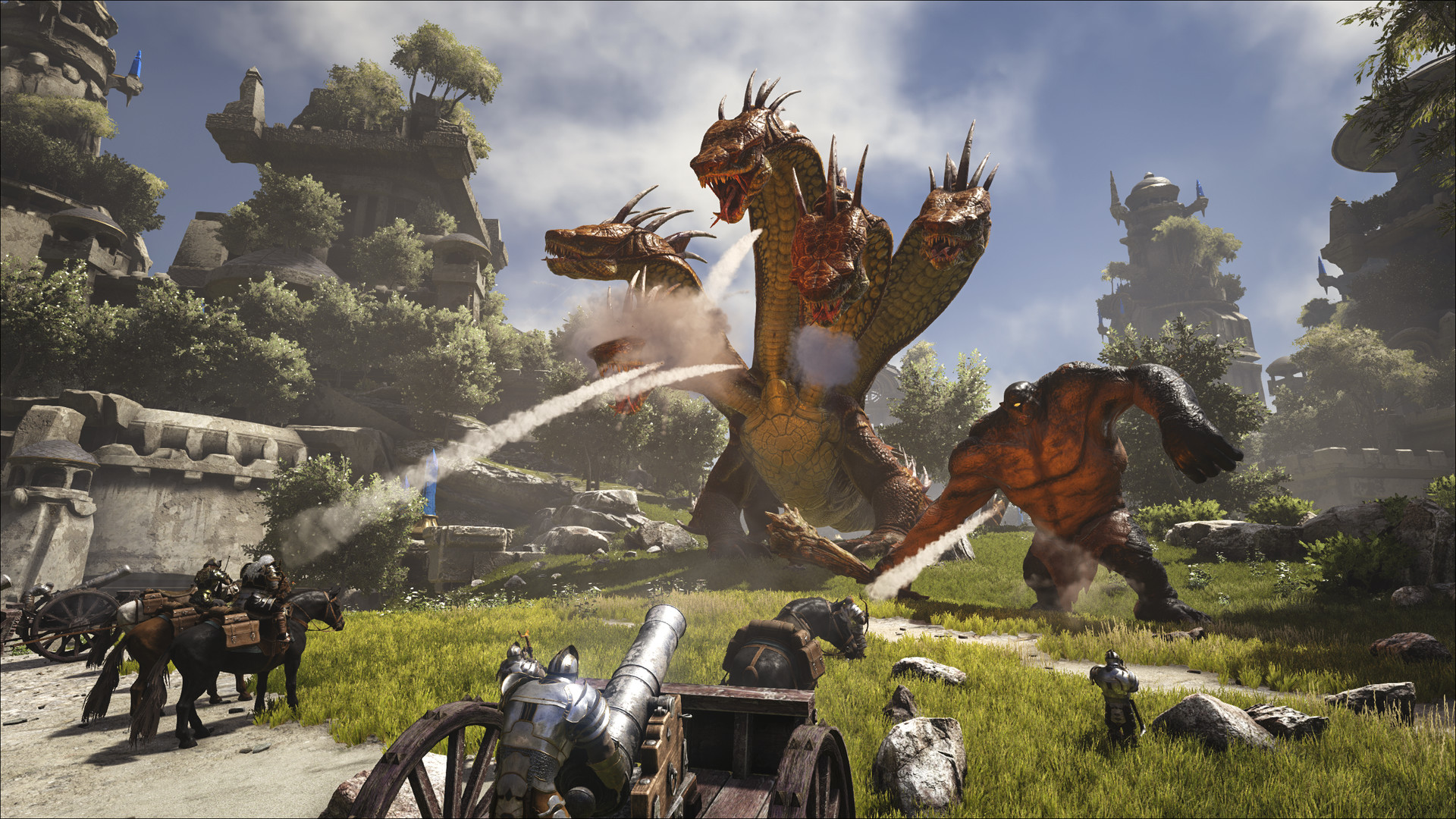
This online pirate game boasts a huge ocean, much larger than most others. But a lot of that space is just empty water – you can sail for a long time without seeing anything. Many of the islands are created by the game itself, and they don’t always have memorable features or interesting creatures. Players frequently find themselves sailing for hours without much happening.
‘Dynasty Warriors 9’ (2018)

This game, a long-standing series, tried something new by building an open-world version of ancient China. While the game world is huge, much of it feels empty, with lots of similar-looking plains and forests. Getting around takes a while, and there isn’t much to do when you’re not in a city. Many fans were disappointed that the fast-paced action of older games was sacrificed for a large but ultimately empty world.
‘Crackdown 3’ (2019)
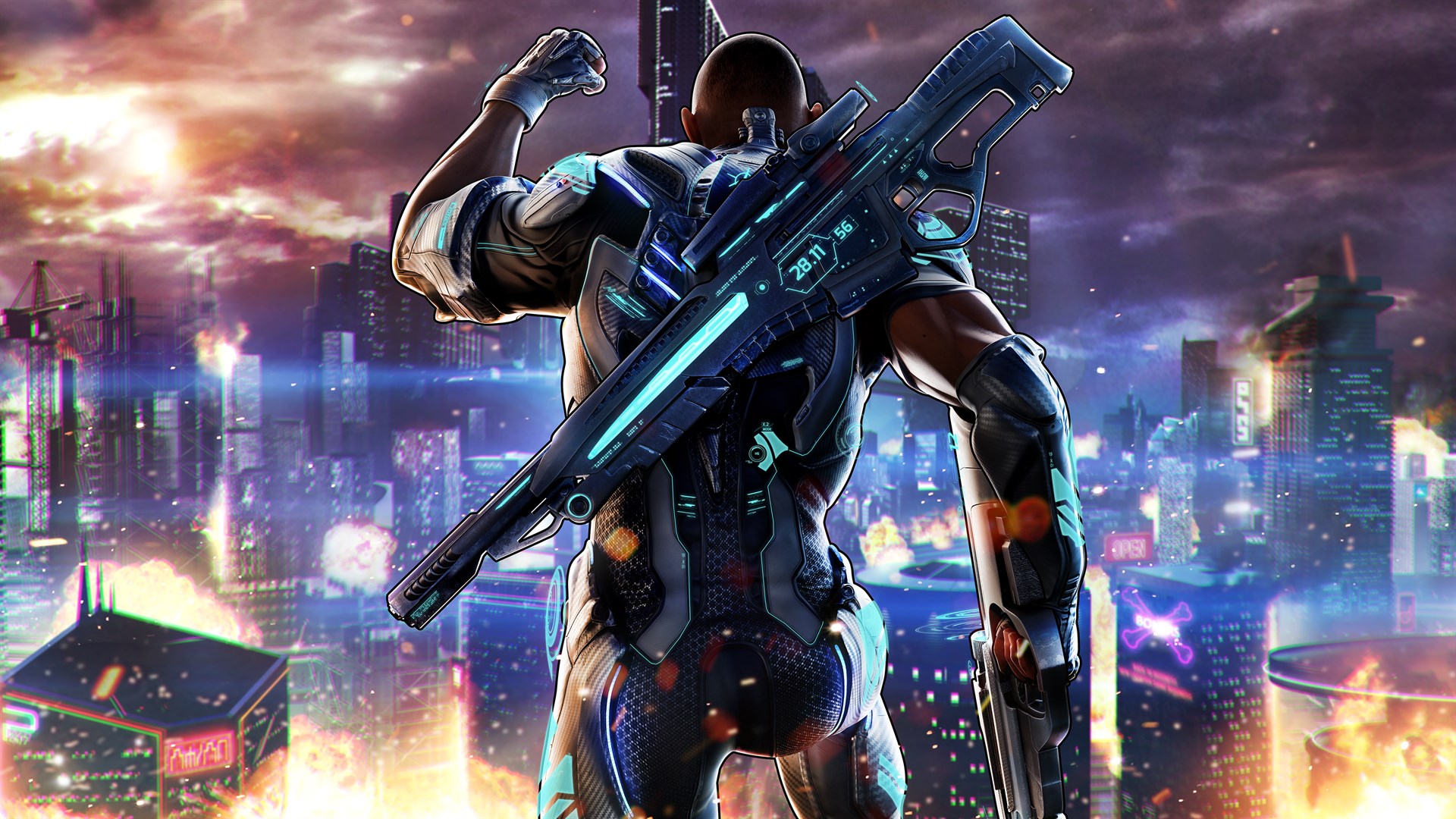
New Providence is a brightly lit, futuristic city built for fast-paced action and intense fights. However, despite appearing bustling from afar, the streets feel empty and lifeless. You won’t see many people walking around, and the city doesn’t offer much interaction compared to other open-world games. It feels less like a real city and more like a series of platforms for the player to navigate.
‘Ghost Recon Breakpoint’ (2019)
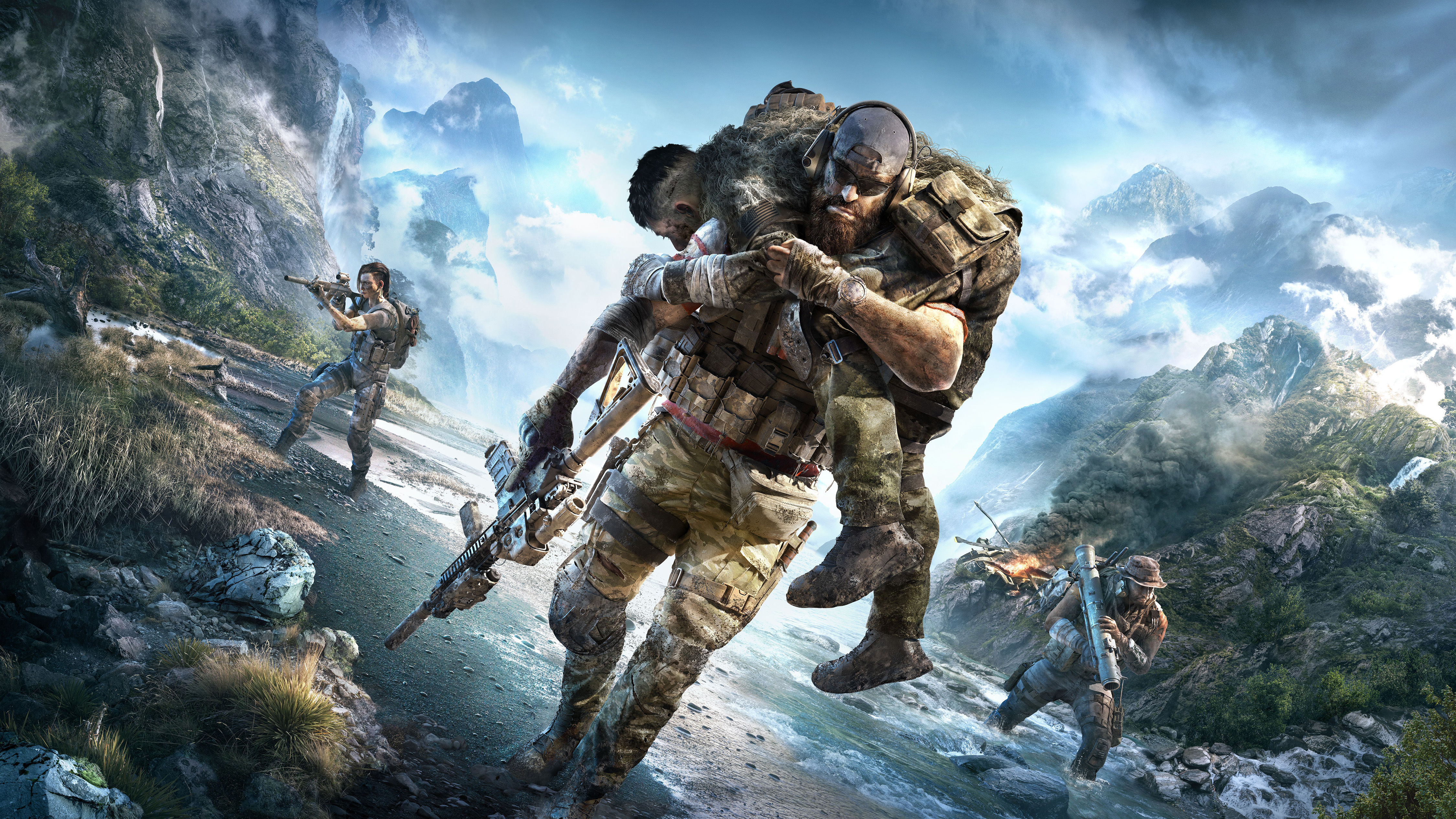
Auroa is a stunning island chain packed with advanced technology and breathtaking scenery. However, it’s currently under strict military control, meaning it’s empty of civilians and towns. The world feels isolated as you explore, facing mostly enemy soldiers and robotic drones while working to take down a powerful corporation.
‘Rage 2’ (2019)
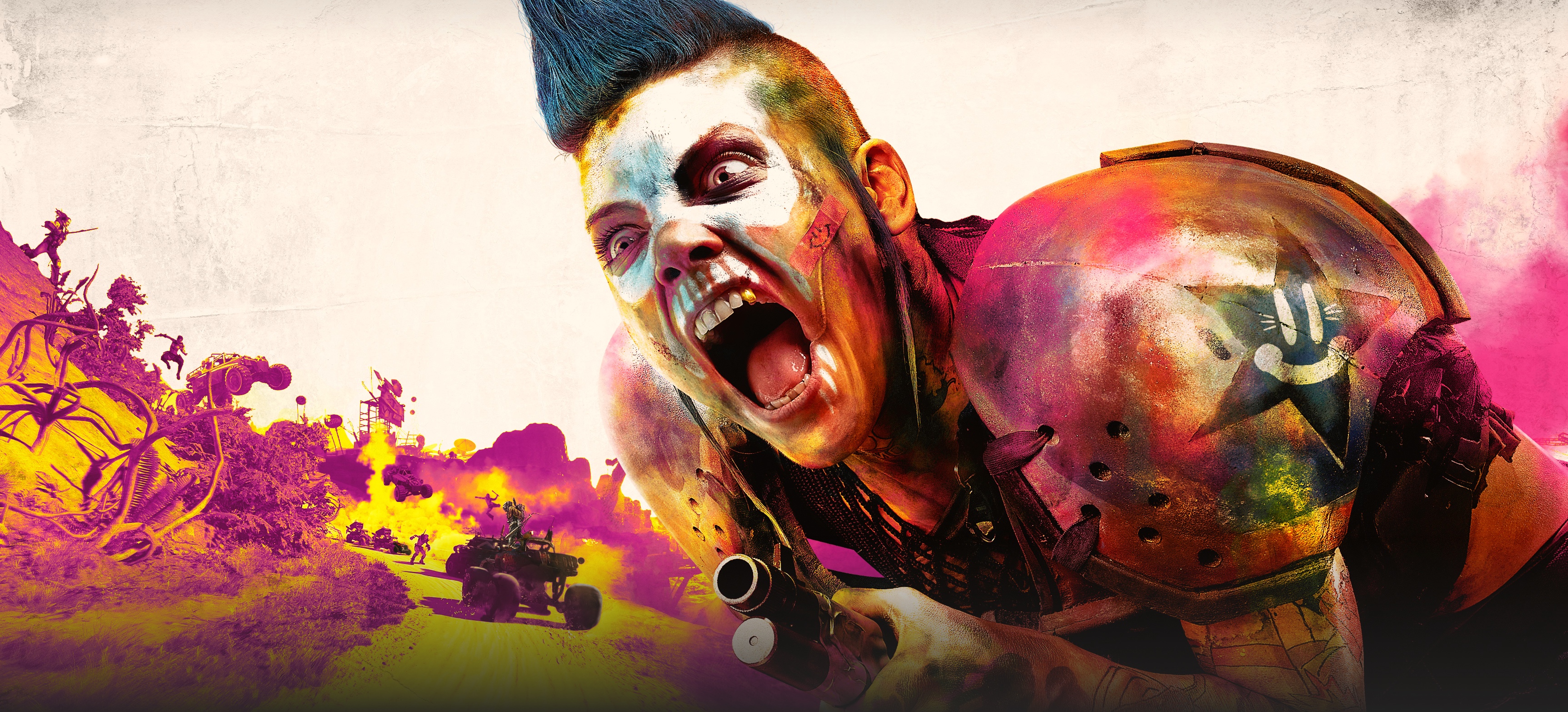
This shooter takes place in a bright and colorful desert wasteland, dotted with bandit hideouts and mutant lairs. Although the gunfights are exciting, the open world between these locations feels empty. Driving between areas is often uneventful, with few surprises or interesting discoveries. Some critics have pointed out that the world mostly just connects the main combat areas, rather than being a compelling experience in itself.
‘Generation Zero’ (2019)
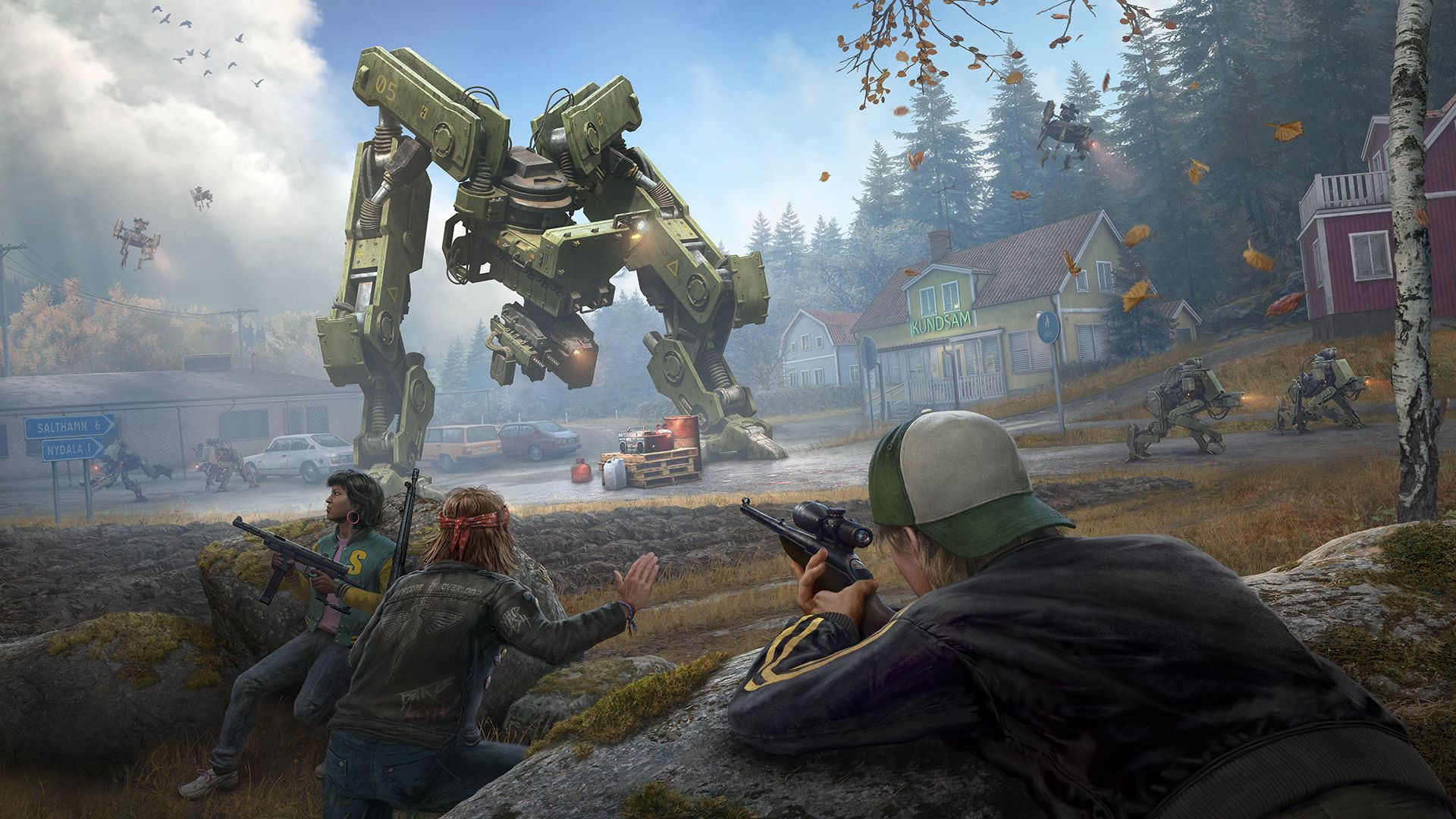
This game takes place in 1980s Sweden, challenging players to survive against a strange army of machines. While the countryside is stunning, nearly all the homes and villages are deserted. For most of the game, you won’t encounter any other people, and the quiet of the Swedish woods adds to the unsettling mystery of what happened to everyone.
‘Ancestors: The Humankind Odyssey’ (2019)
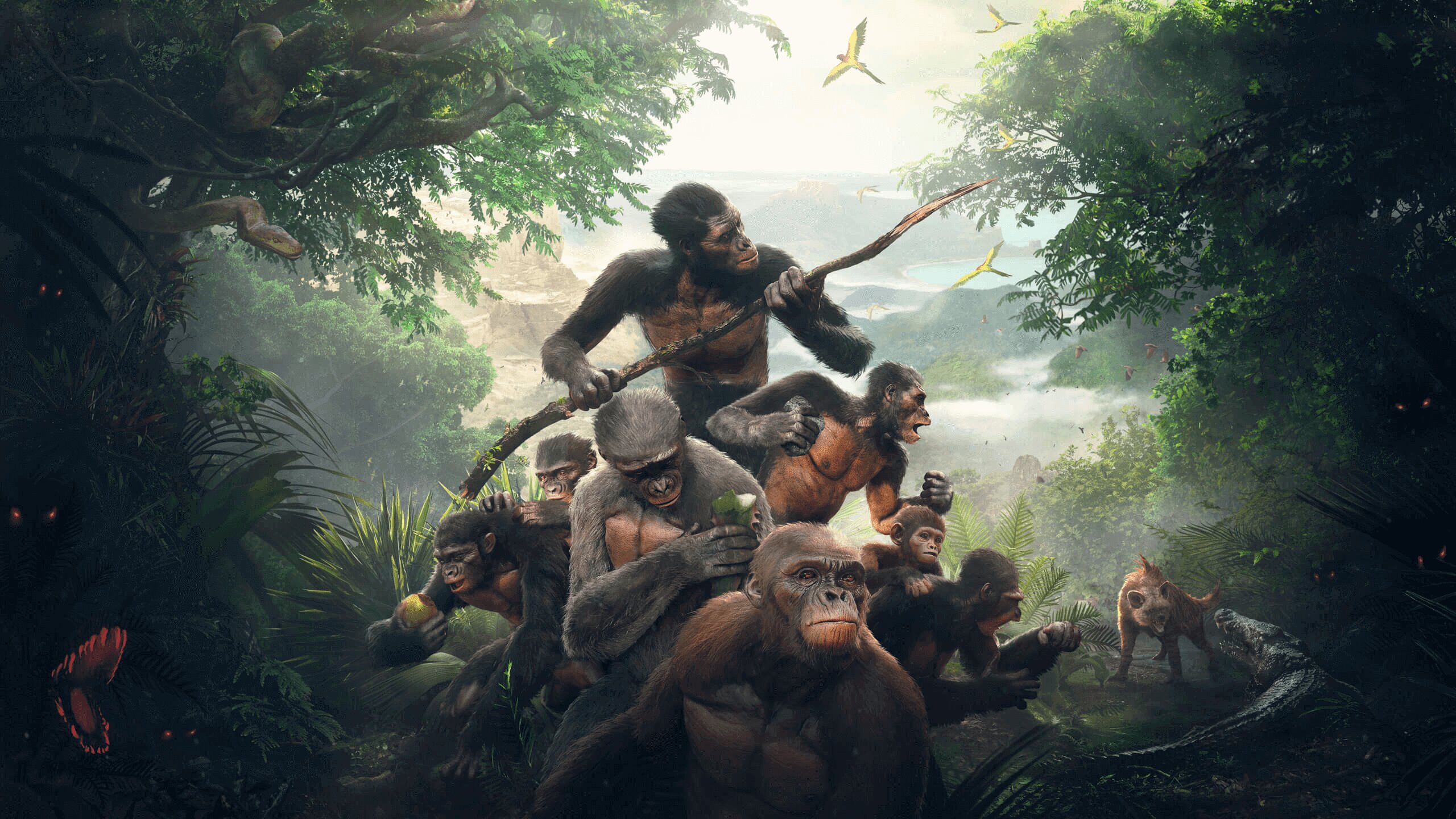
Players lead a group of primates in ancient Africa, guiding their evolution across millions of years. The game takes place in a huge wilderness of jungles and grasslands, but it’s a harsh environment with limited resources and dangerous predators. Since civilization hasn’t begun yet, there are no buildings or settlements to find. The core of the game is simply keeping the species alive in a vast and unforgiving world.
‘Death Stranding’ (2019)
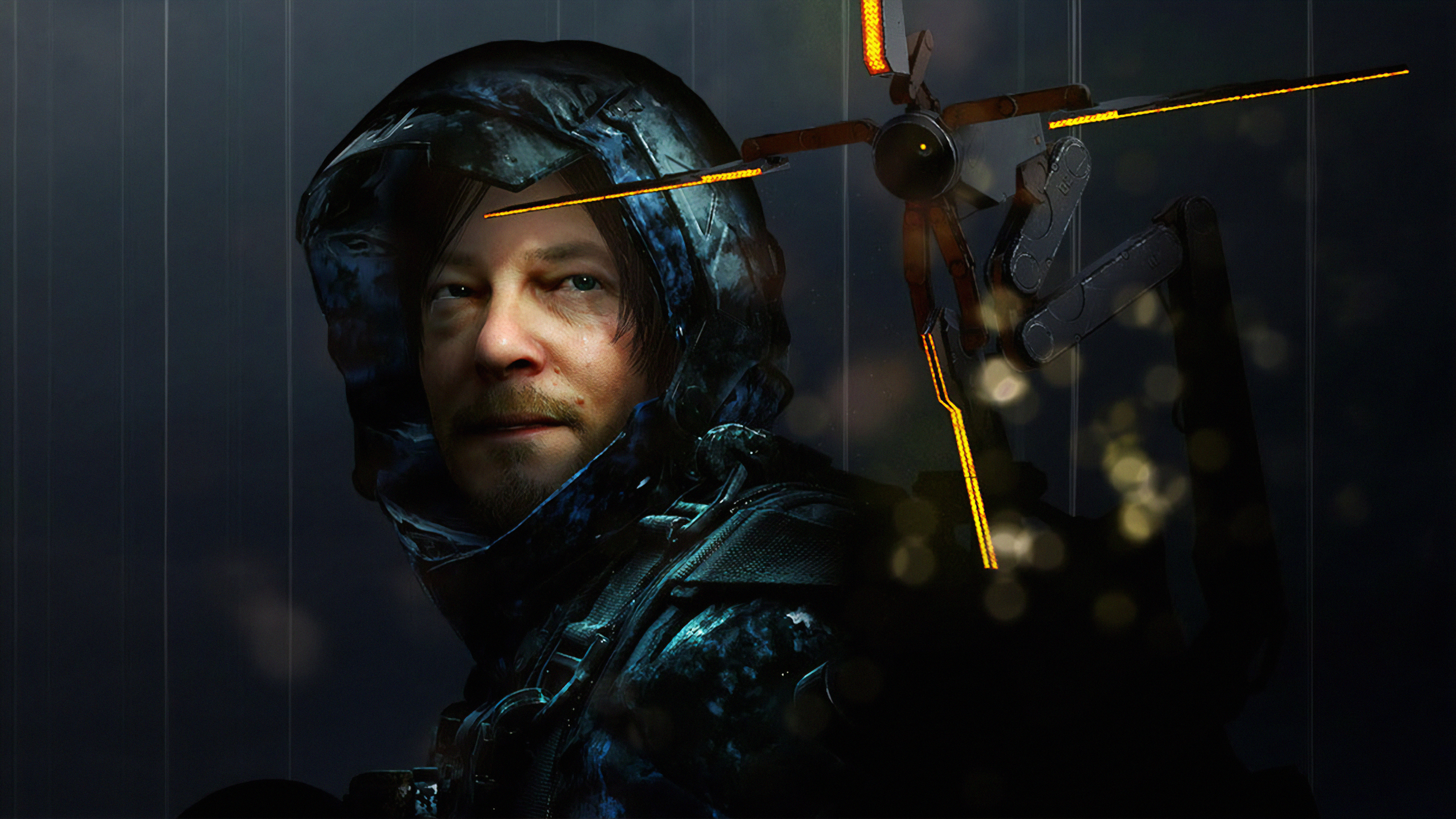
The United States, after a major disaster, is now a wild landscape of rocky terrain and overgrown hills, where nature has taken over. Cities no longer exist, and the few people who survived live hidden in underground shelters. The game focuses on the feeling of isolation and the difficulty of exploring a deserted world. Players will spend many hours wandering through quiet scenery, with only their supplies to keep them company.
‘Maneater’ (2020)
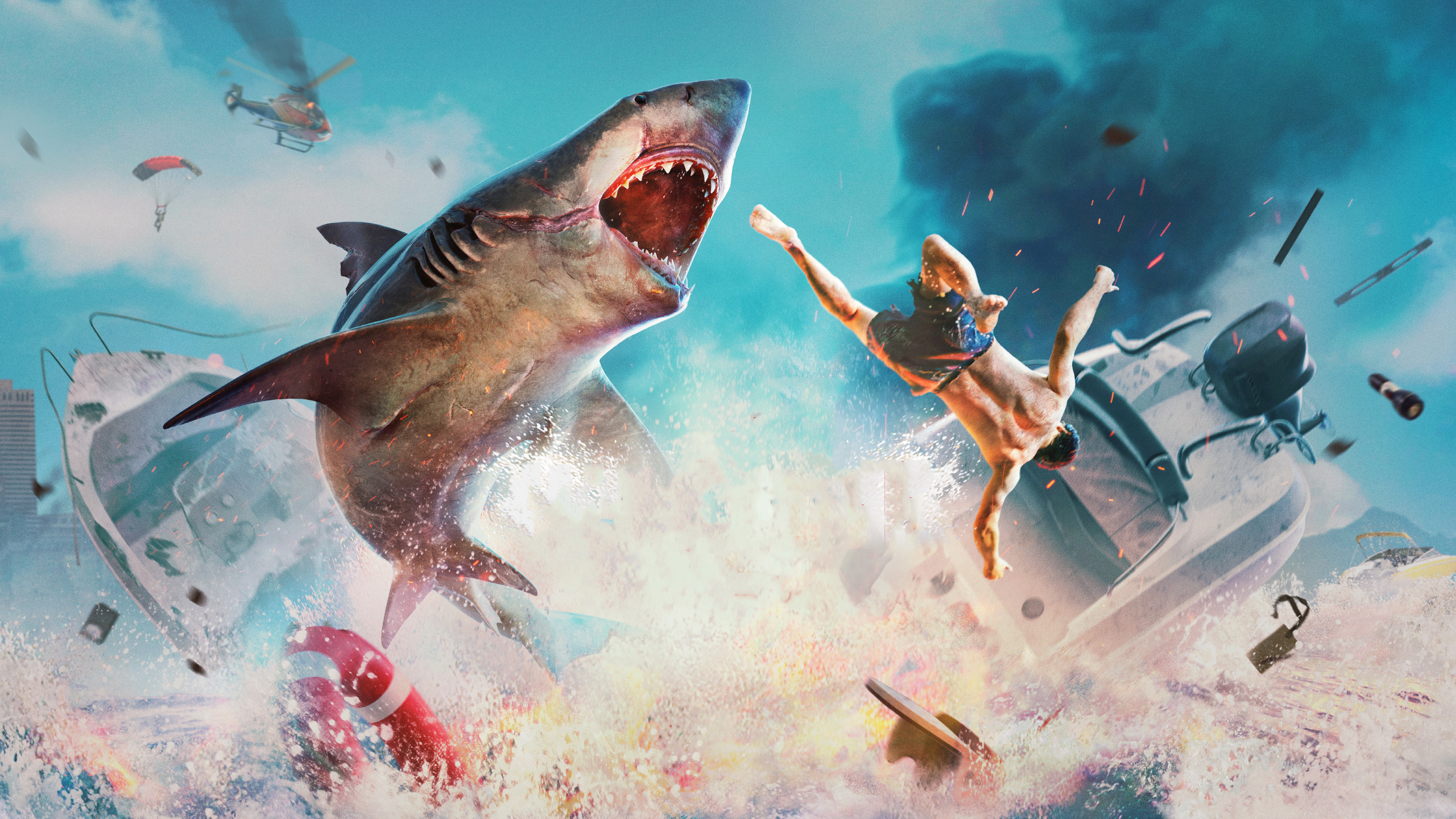
This shark game lets you explore the ocean and nearby towns as you grow and develop your shark. While the underwater parts of the game are teeming with life, the areas above the surface feel a bit bare and lifeless. Beaches with people are small, and much of the rest of the world consists of calm swamps and industrial areas. Essentially, the game world is your hunting ground, and you’re the only thing really happening in it.
‘The Pathless’ (2020)
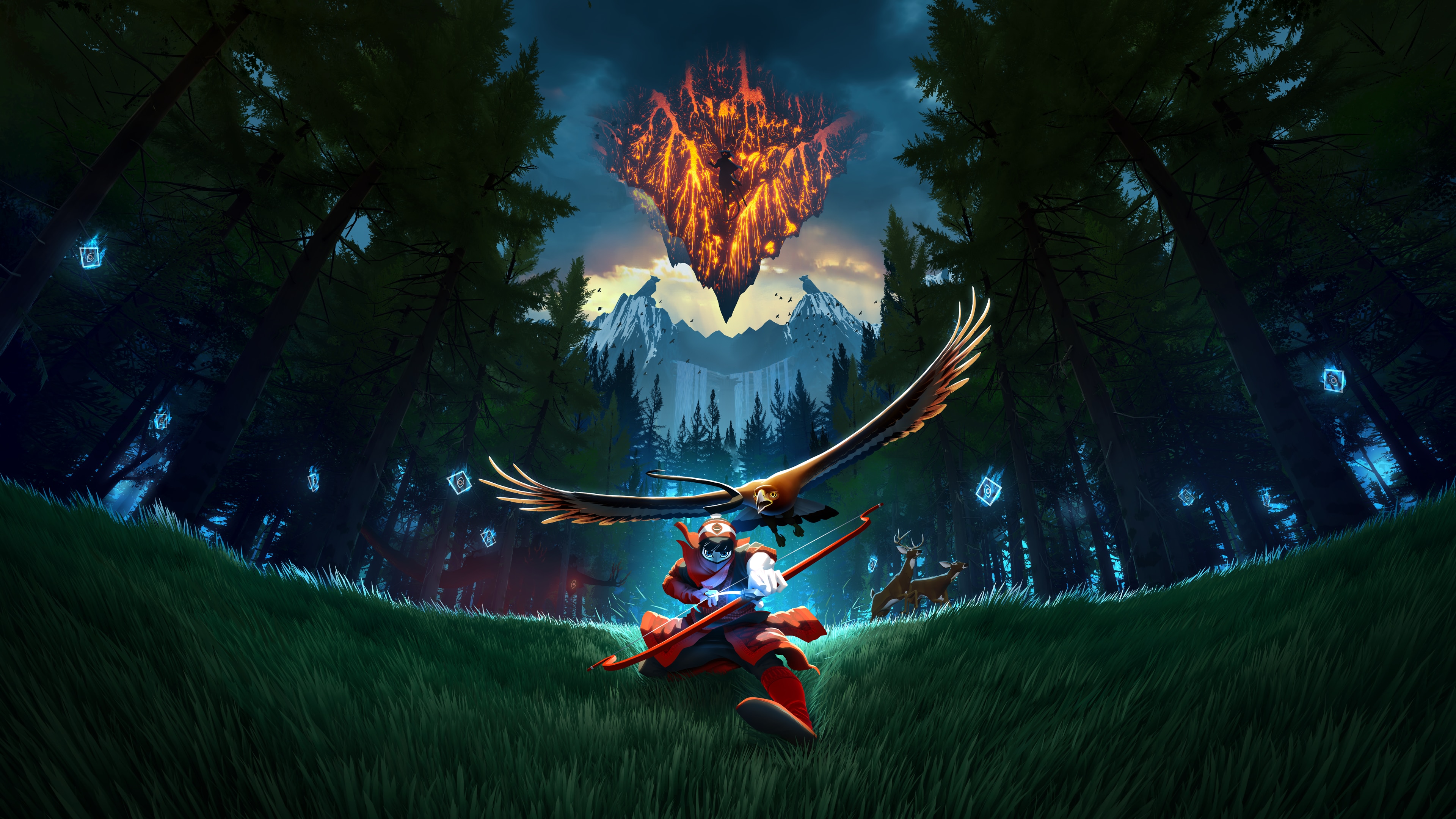
This adventure game follows a hunter and an eagle as they journey across a magical island to lift a curse. The game world is a beautiful, expansive wilderness of forests and fields, but it doesn’t have any towns or characters you’d normally interact with. The main focus is on movement – you’ll be traveling quickly through the environment. This creates a peaceful, almost meditative experience, letting you appreciate the stunning scenery.
‘Biomutant’ (2021)
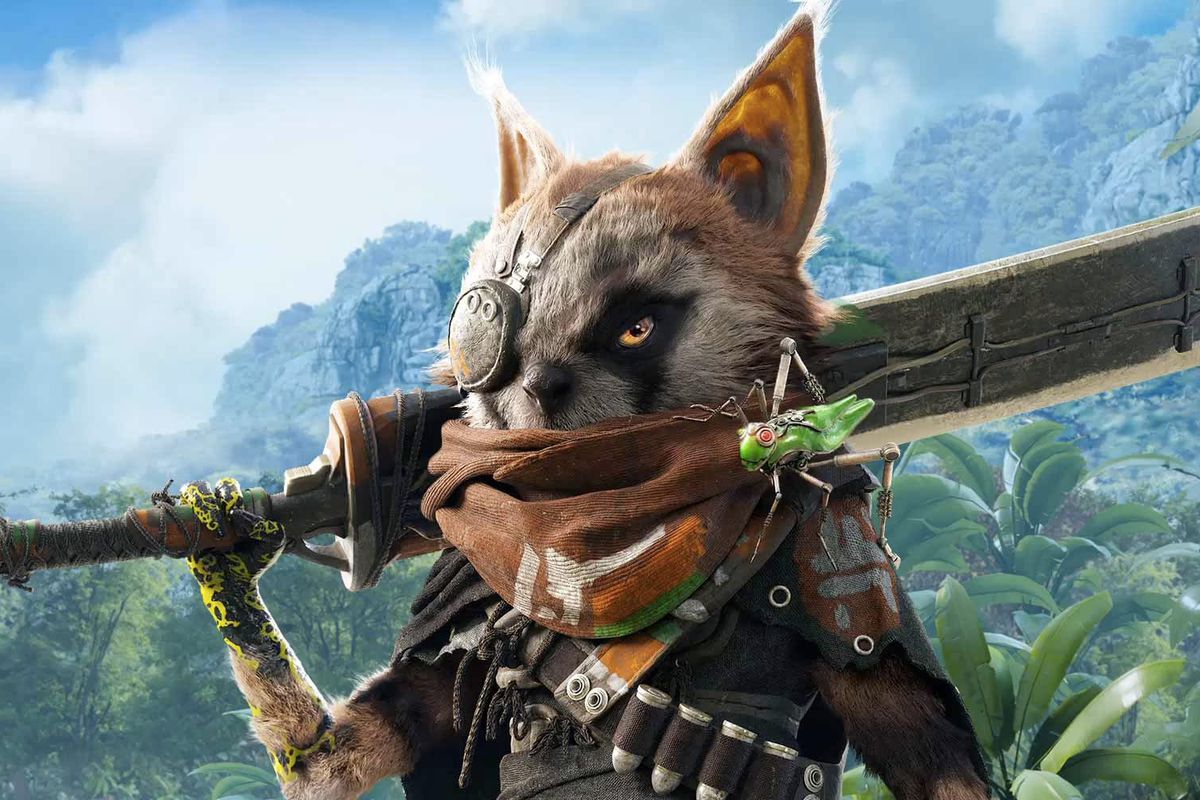
This game takes place in a beautiful, post-apocalyptic world teeming with unusual creatures and vibrant plants. However, despite its size, much of the game world feels empty and requires doing the same things over and over. Many of the abandoned buildings look alike and don’t offer much in the way of exciting new discoveries. The game world is large, but it doesn’t always feel like there’s enough interesting stuff to do.
‘Sable’ (2021)
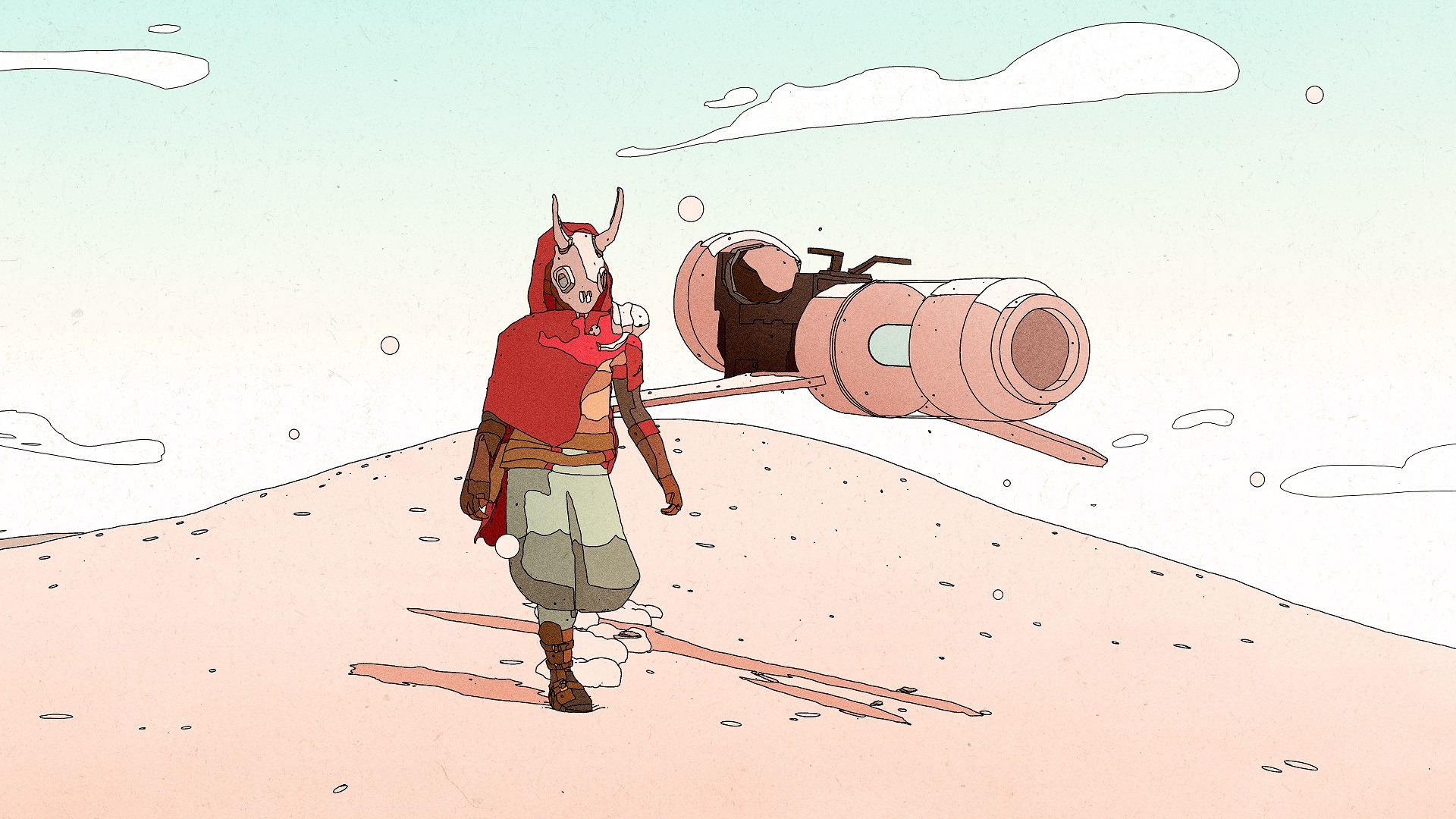
A young girl journeys across a huge desert landscape dotted with the remains of old cities and crashed spaceships. The game has a beautiful, distinctive look, but it’s designed to feel quiet and lonely. You’ll only occasionally find small towns with a few people to talk to. Most of the time, you’ll be traveling alone, soaring over the sand dunes.
‘Scorn’ (2022)
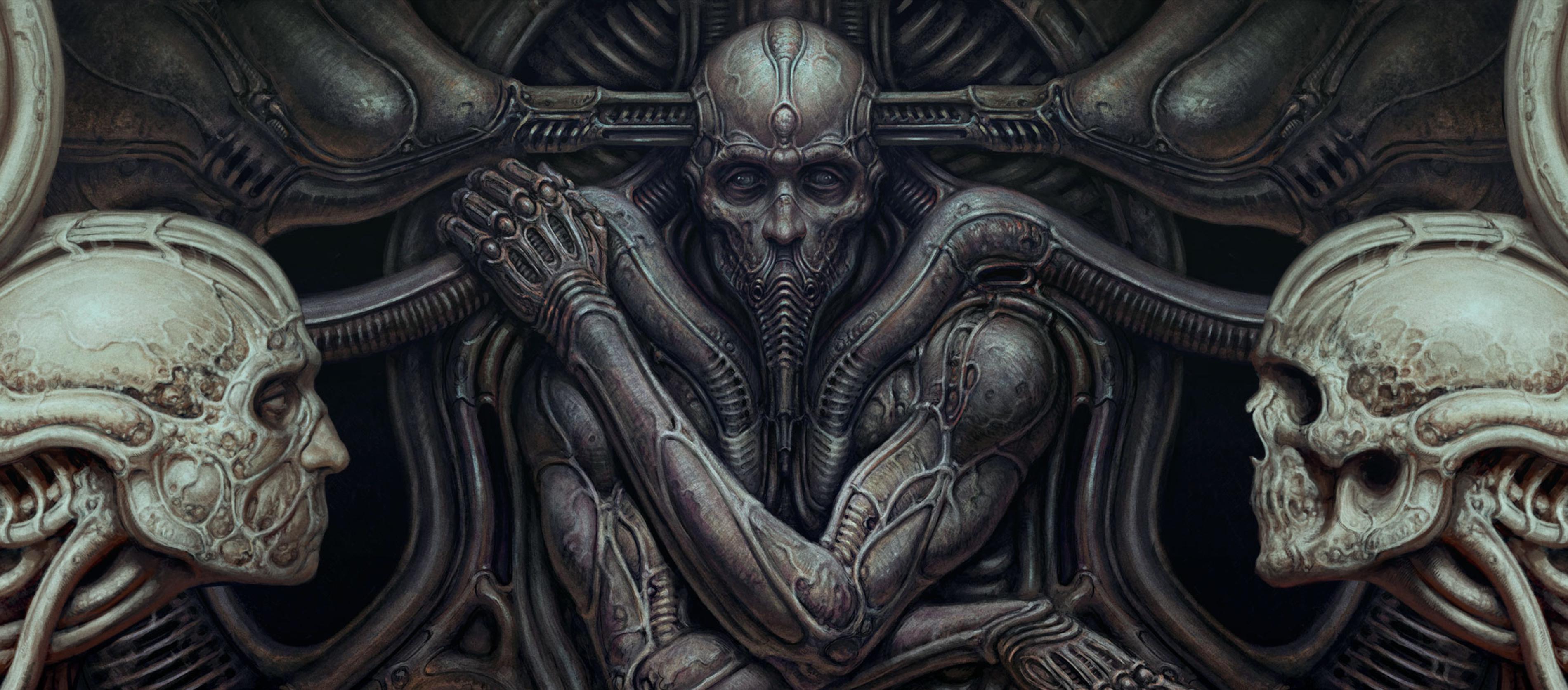
This horror game takes place in a terrifying world built from flesh and bone. You play completely alone, exploring the ruins of a civilization that’s falling apart. The huge structures are mostly deserted, and this silence and emptiness create a deeply unsettling and mysterious atmosphere as you make your way through the environment.
‘Starfield’ (2023)
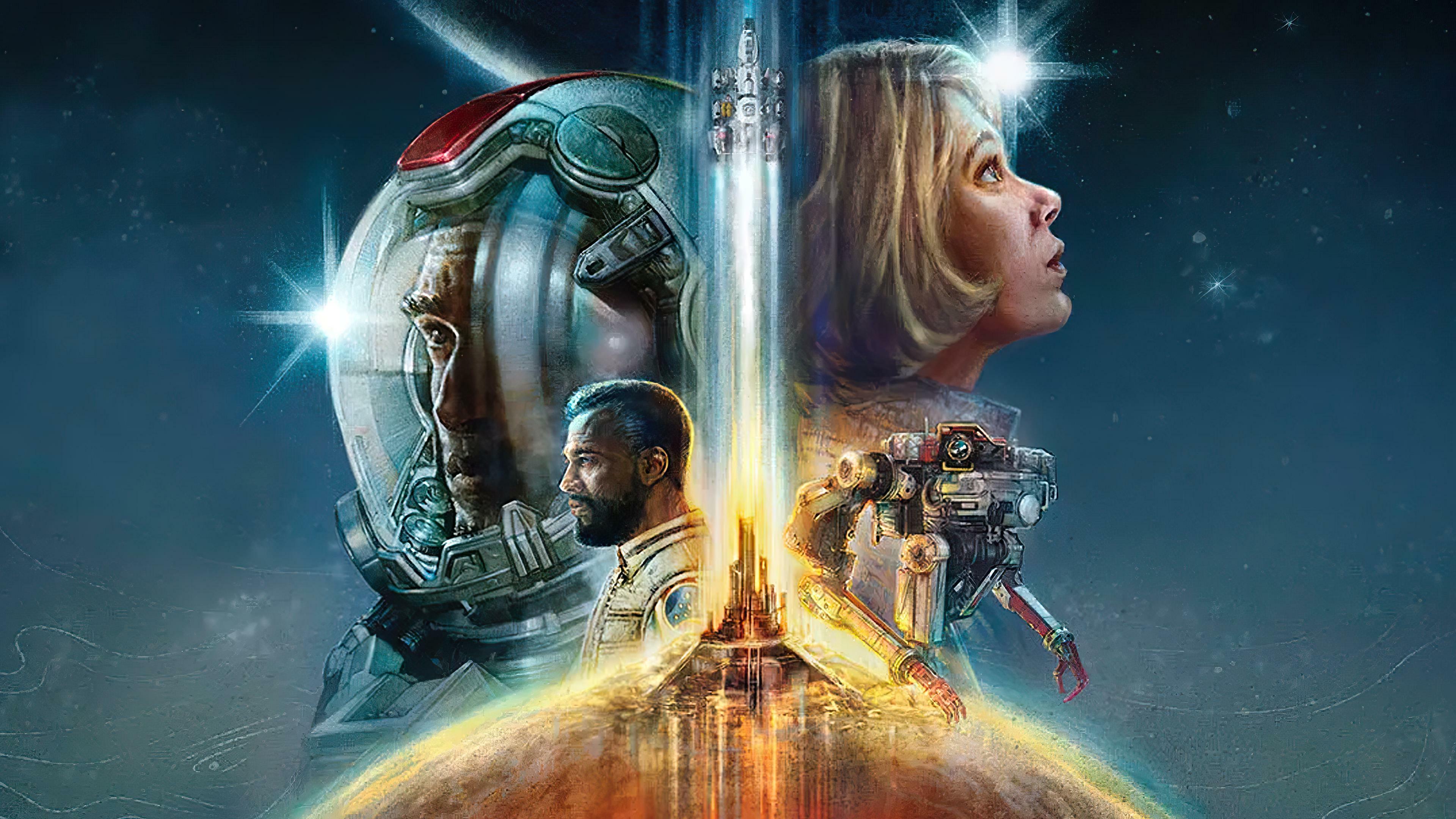
Bethesda’s space game boasts over a thousand planets for players to visit and discover. However, many of these worlds are created using procedural generation, meaning a lot of them are empty landscapes with only a few resources. You might spend a long time walking across a planet or moon without finding any structures or life. The game encourages players to create their own adventures and find enjoyment in the vast, often lonely, areas of space.
‘The Day Before’ (2023)

The game was advertised as a large-scale online survival experience set in a ruined American city. However, when it launched, players discovered the city felt empty, with most buildings inaccessible. There weren’t many enemies, and generally, there was very little to do. Because of these issues and a lack of content, the game was quickly shut down.
Please share your thoughts on these empty game worlds in the comments.
Read More
- Games That Faced Bans in Countries Over Political Themes
- Gold Rate Forecast
- Silver Rate Forecast
- Unveiling the Schwab U.S. Dividend Equity ETF: A Portent of Financial Growth
- 22 Films Where the White Protagonist Is Canonically the Sidekick to a Black Lead
- Superman Flops Financially: $350M Budget, Still No Profit (Scoop Confirmed)
- 20 Movies Where the Black Villain Was Secretly the Most Popular Character
- 14 Movies Where the Black Character Refuses to Save the White Protagonist
- The Best Directors of 2025
- The Best Former NFL Players Turned Actors, Ranked
2026-02-07 00:19