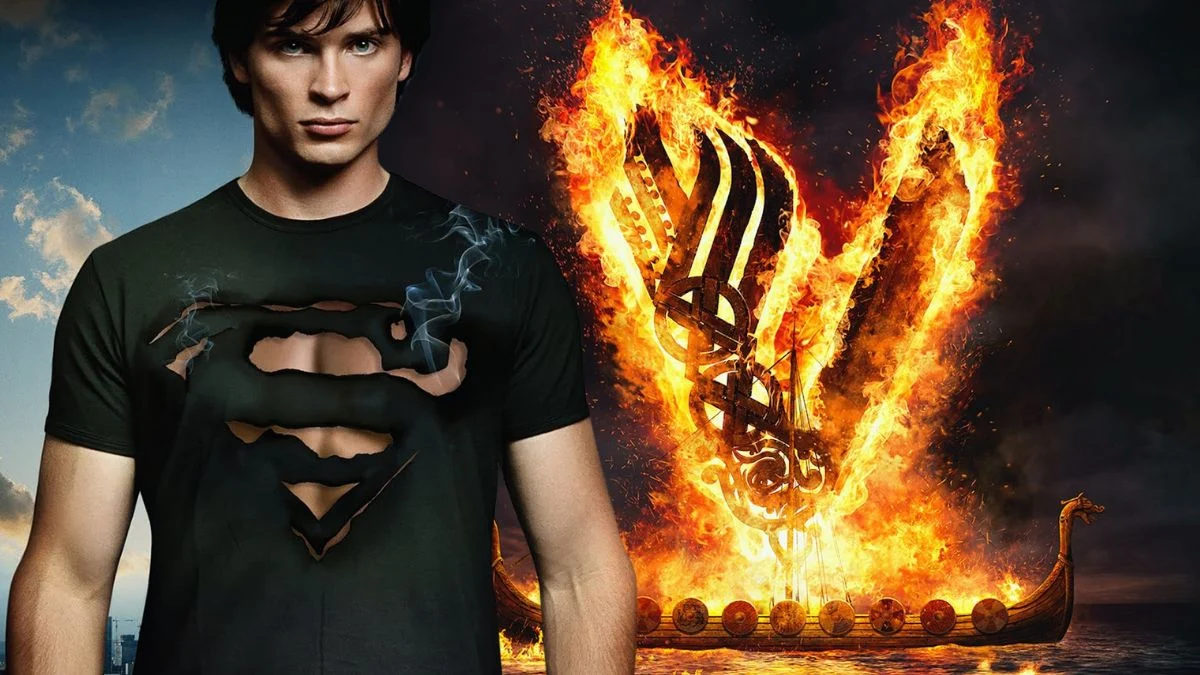
Many great TV shows eventually decline in quality, often because of a single bad casting decision or a flawed storyline. Sometimes, a new character is added hoping to attract more viewers, but instead ends up turning off longtime fans due to a lack of believable connection or an uninteresting plot. This usually distracts from what originally made the show popular. The shows mentioned below are often pointed to by both viewers and critics as examples of this happening because of one particular addition.
‘Scooby-Doo and Scrappy-Doo’ (1979–1980)
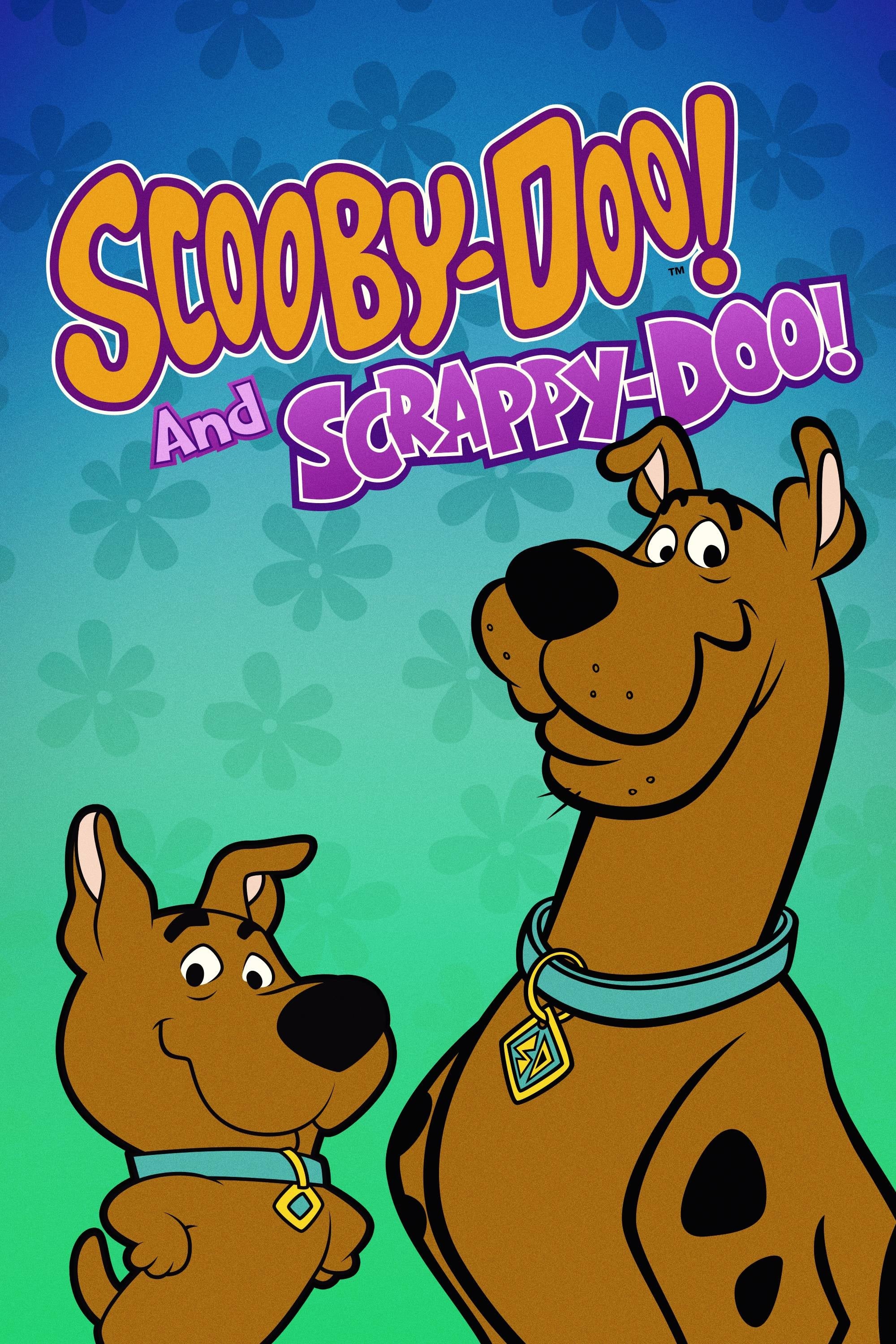
Scrappy-Doo is often cited as a prime example of a character brought in to revive a struggling show who actually ended up harming its reputation. Introduced as Scooby-Doo’s nephew, the energetic puppy quickly frustrated many loyal viewers with his pushy personality and repetitive catchphrases. He altered the core of the show by overshadowing Scooby-Doo, turning the once-fearful hero into a supporting character. Scrappy-Doo became so unpopular that his name is now used as a symbol for unwelcome changes to a TV series.
‘The Brady Bunch’ (1969–1974)
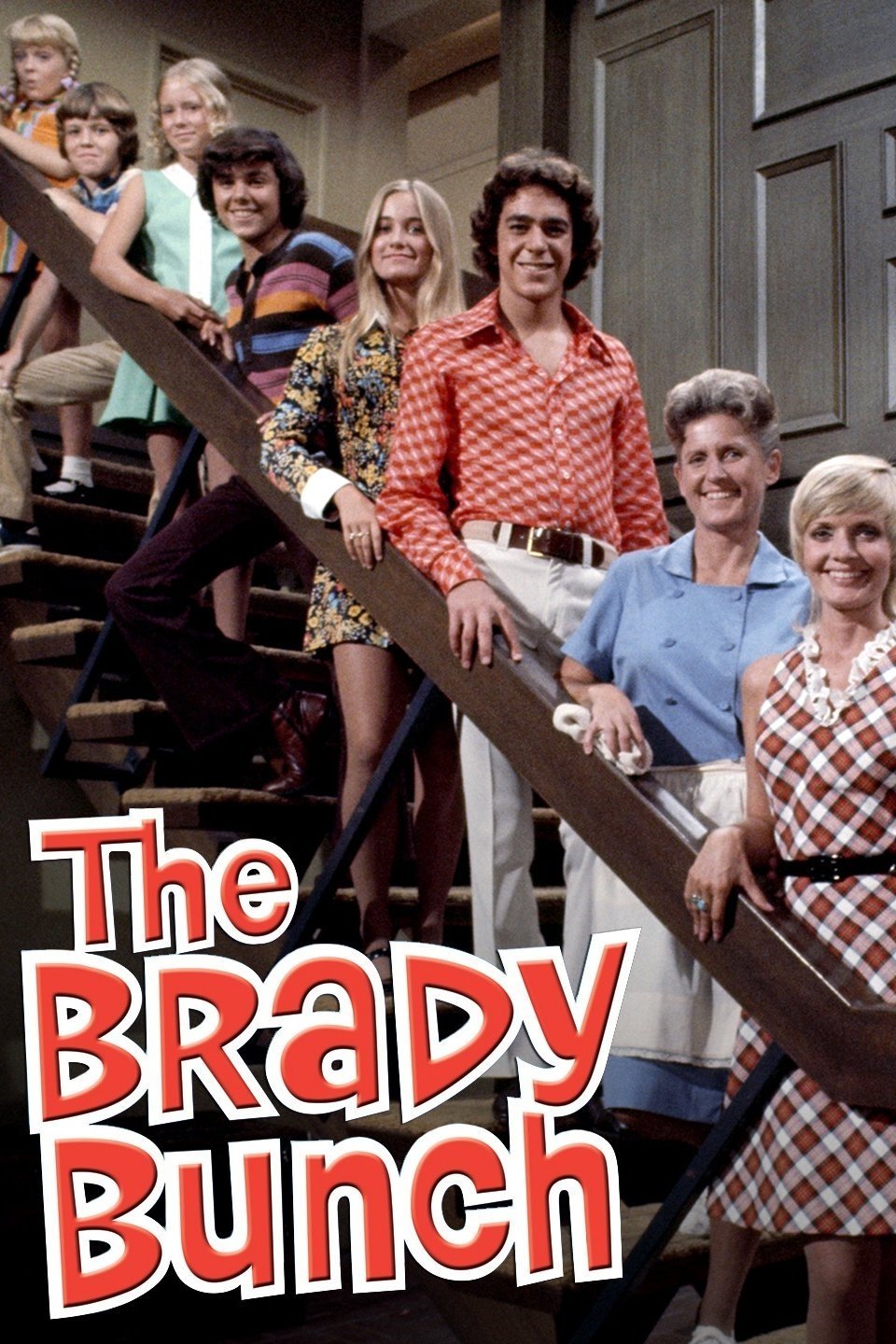
In the final season, the show added a young cousin, Oliver, hoping to bring back the charm of earlier years and appeal to a new audience. However, his character felt awkward and didn’t fit well with the existing family. Oliver’s constant accidents and problems often felt like forced plot devices. Eventually, people started using the term “Cousin Oliver Syndrome” to describe when a show adds a young character in a last-ditch effort to improve falling ratings.
‘That ’70s Show’ (1998–2006)

Randy Pearson joined the show in its last season after Eric Forman and Michael Kelso left. While intended to resemble both characters, he didn’t quite capture their appeal or individuality. Many viewers felt his quick addition to the group felt forced, and his comedic style didn’t mesh well with the established cast. His increased role seemed to disrupt the familiar dynamic that had made the show successful for seven seasons.
‘Gilmore Girls’ (2000–2007)
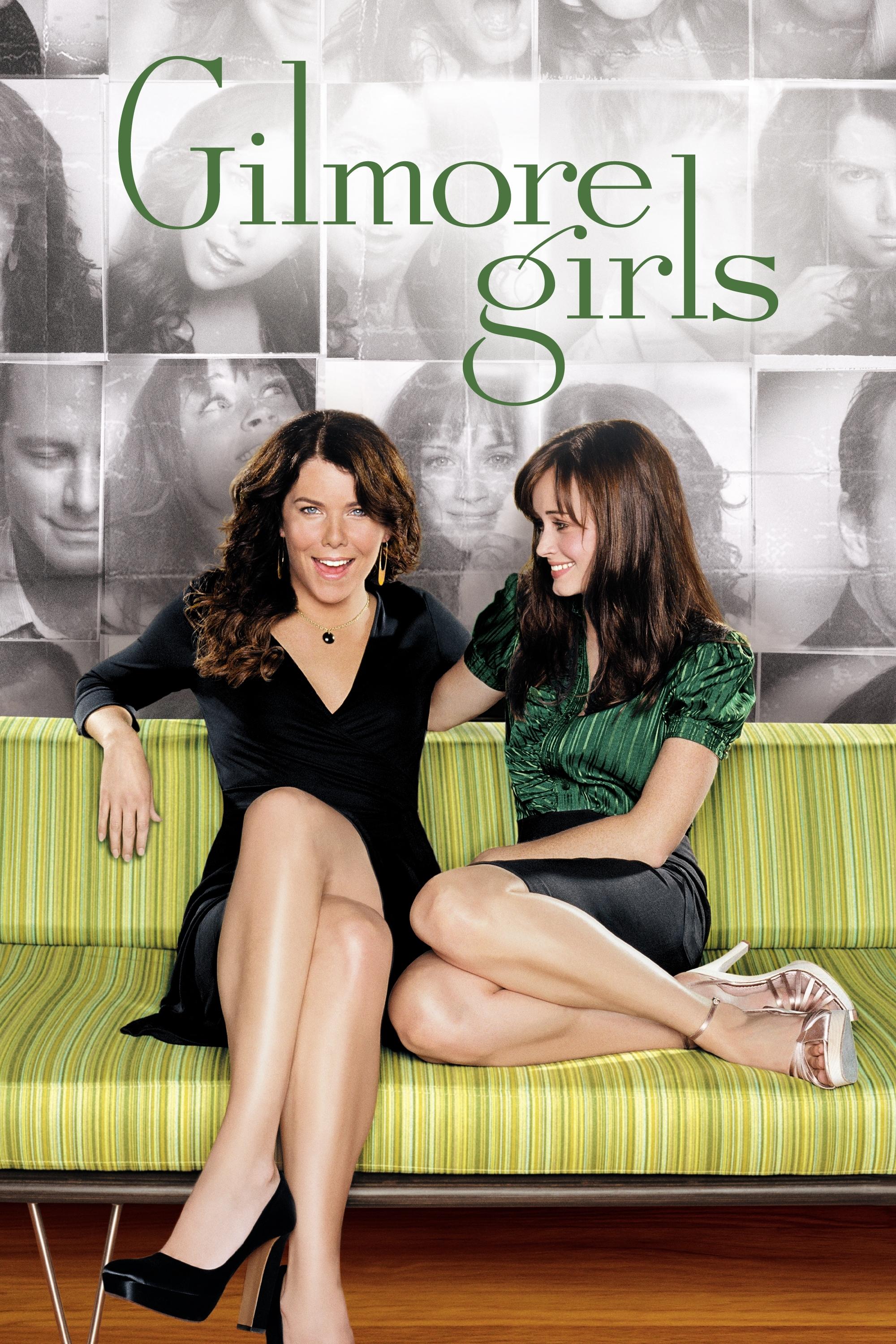
April Nardini’s arrival in season six caused a lot of division among viewers and created conflict between Luke and Lorelai. As Luke’s unexpected daughter, she immediately complicated their relationship. Many felt her character was introduced just to manufacture drama, instead of letting the story unfold naturally. Fans often wished the show had spent more time focusing on Lorelai and Rory’s relationship instead of April’s storylines.
‘Lost’ (2004–2010)
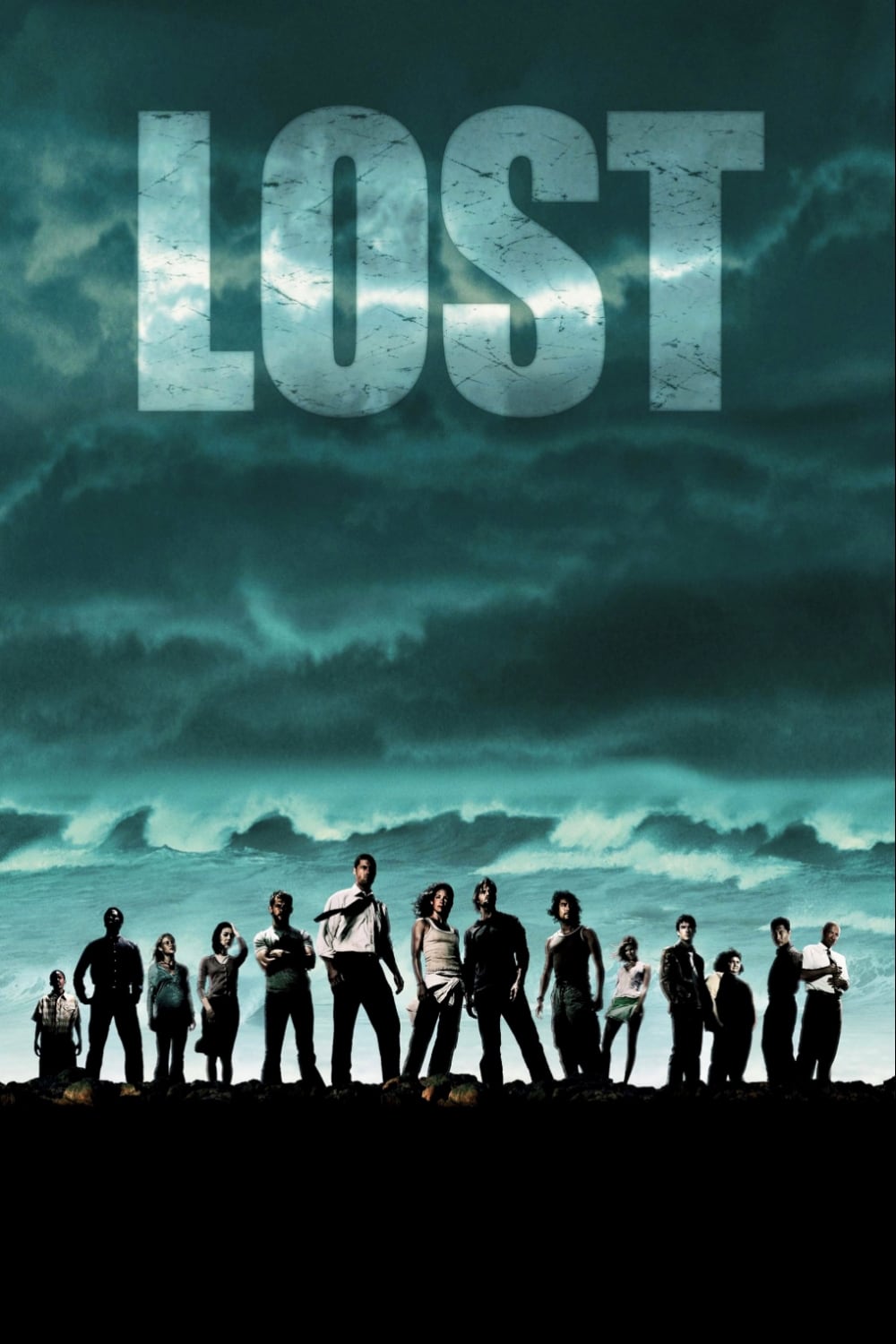
Nikki Fernandez and her boyfriend, Paulo, were introduced in the show’s third season as characters who had been secretly surviving on the island all along. However, viewers didn’t connect with them, finding their sudden appearance and lack of connection to the central plotlines jarring. An episode focusing on a diamond robbery felt out of place with the show’s survival and mystery elements. Due to negative feedback, the writers quickly killed off Nikki’s character shortly after she was introduced.
‘Buffy the Vampire Slayer’ (1997–2003)
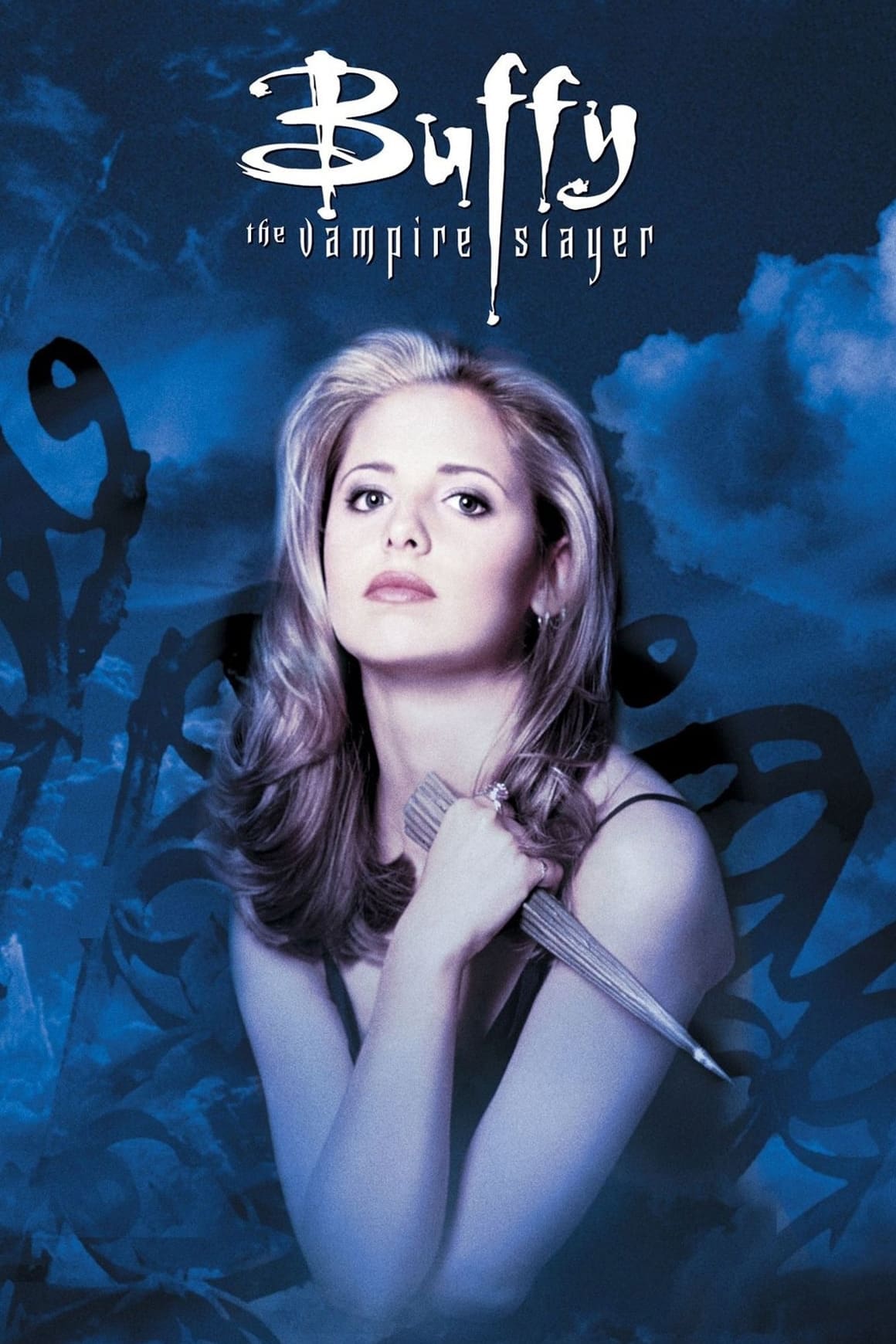
Kennedy arrived late in the series as a potential Slayer and immediately annoyed many viewers. Her pushy personality and feeling of being owed things didn’t fit with the show’s existing dynamic and serious mood. Fans often saw her as an unwelcome attempt to replace the beloved Tara Maclay as a love interest for Willow. Her behavior during the final fight, and how she treated Buffy, made her a disliked character among Buffy fans.
‘Game of Thrones’ (2011–2019)
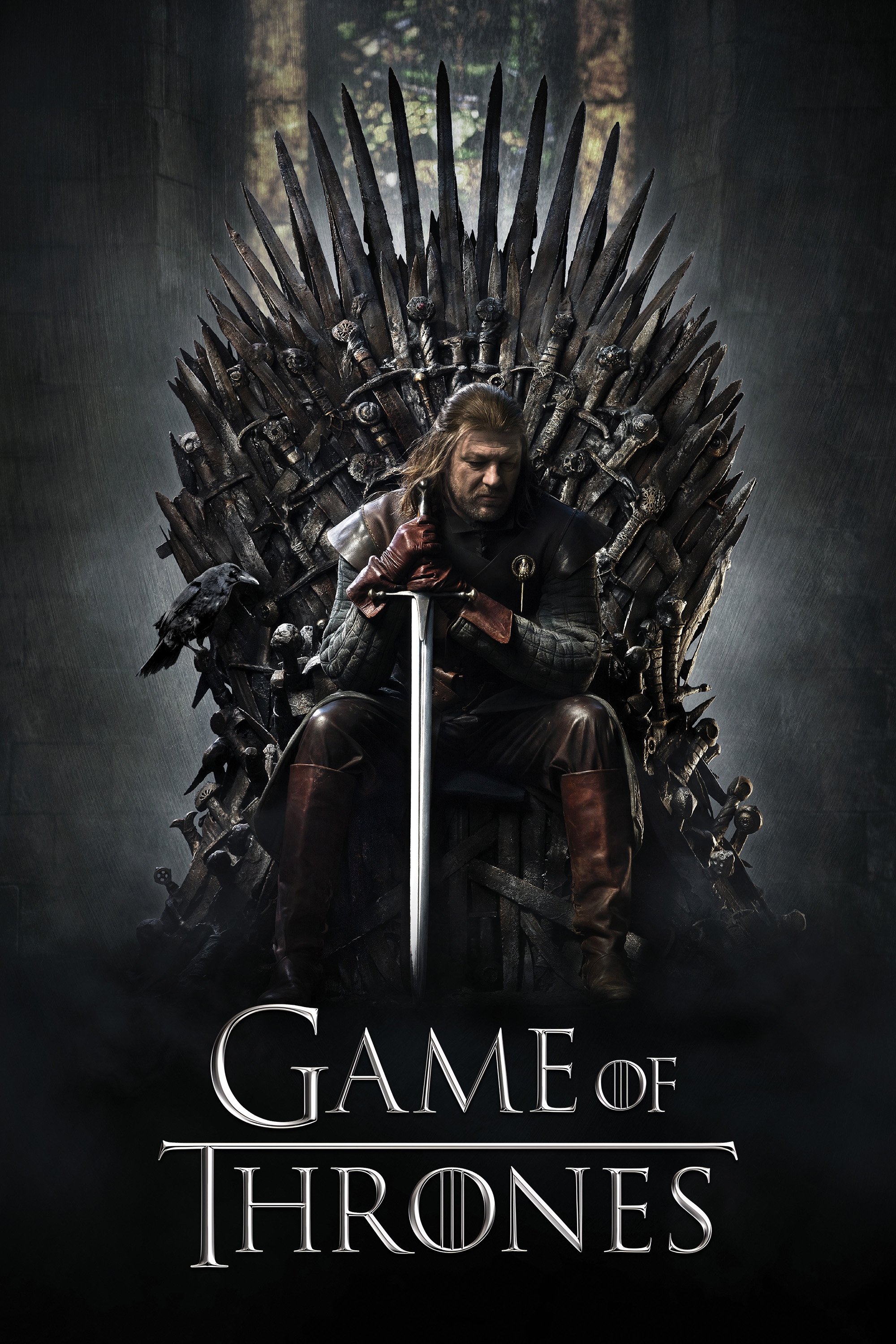
Euron Greyjoy was introduced as a significant villain in the later seasons of the show, but many viewers found him underwhelming. He often benefited from unbelievable plot twists, like his ships suddenly appearing to attack without explanation. Compared to earlier, more complex villains like Tywin Lannister and Joffrey Baratheon, Euron’s character felt underdeveloped. He’s often seen as an example of how the show’s final seasons suffered from hurried pacing and illogical storytelling.
‘Heroes’ (2006–2010)
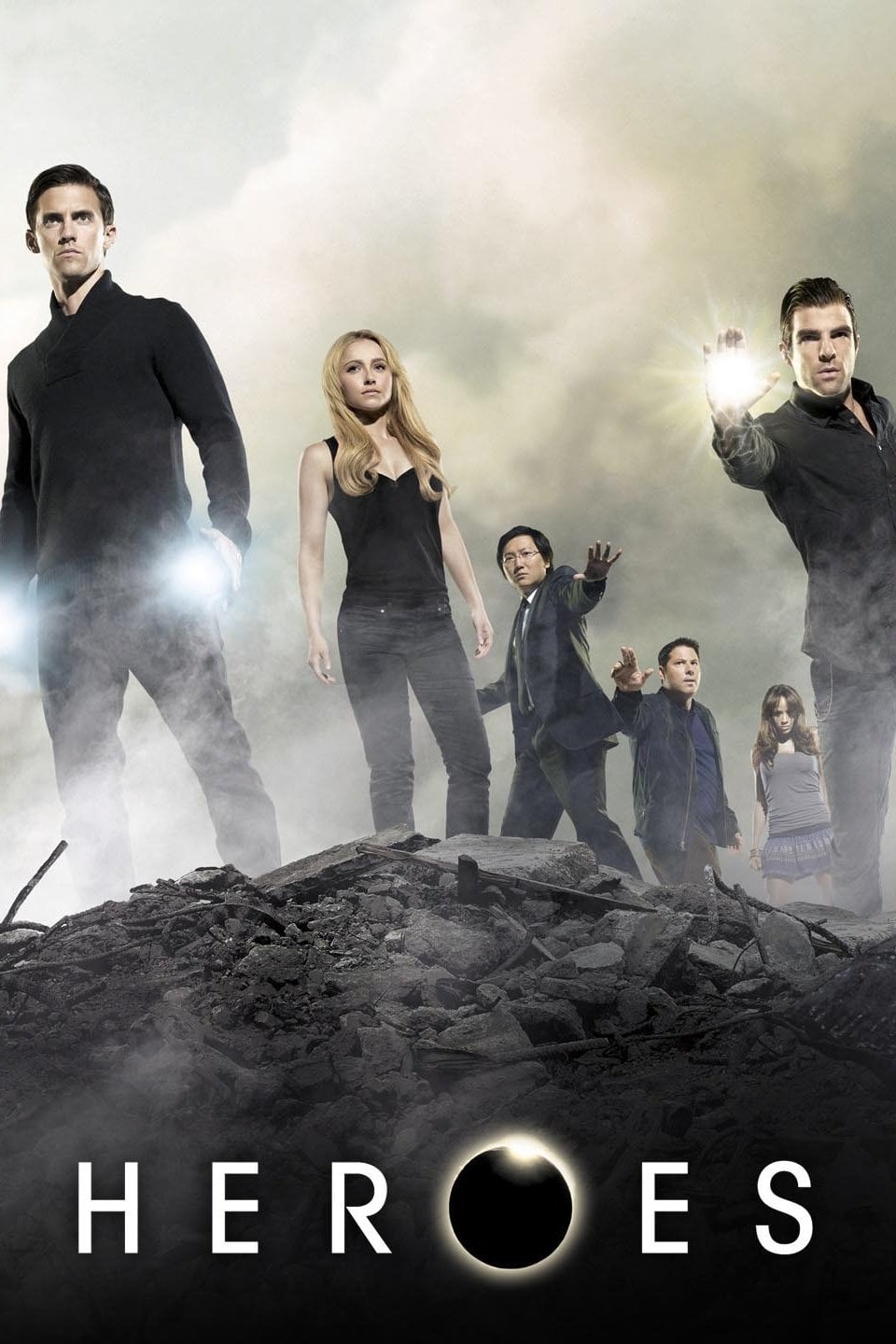
Maya Herrera debuted in the show’s second season with a dangerous power that emerged when she felt stressed. Her story followed her journey from Mexico to New York, unfortunately marked by accidental deaths. Many viewers felt her storyline didn’t connect well with the main plot and that her character didn’t grow much compared to the others. Ultimately, the writers decided to remove her from the show when it seemed her story had run its course.
‘Homeland’ (2011–2020)
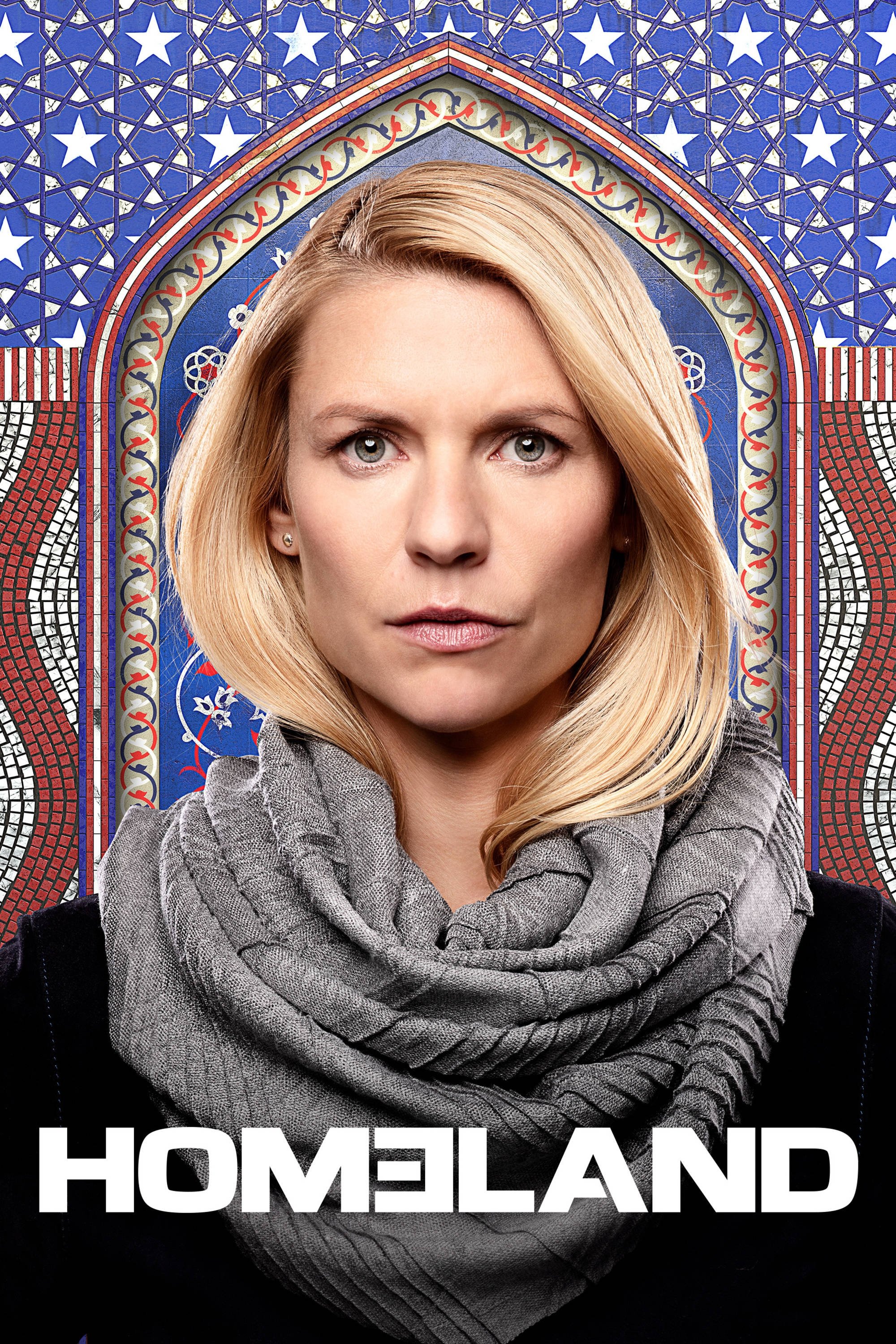
Dana Brody, the teenage daughter of the main character Nicholas Brody, played a major role in seasons two and three. However, her storylines, which focused on typical teenage issues like accidents and relationships, often felt like they slowed down the show’s fast-paced action. Many viewers and critics thought these scenes took away from the more exciting spy plots and the overall suspense. The show became much stronger when it shifted focus away from the Brody family’s personal problems.
‘Scrubs’ (2001–2010)

The ninth season of the show featured Lucy Bennett as the new main character, essentially a fresh start for the medical comedy. While intended as a successor to the original lead, J.D., she didn’t quite capture his charm or memorable personality. This change, along with the introduction of new interns, turned off many longtime fans who preferred the dynamic of the original cast. As a result, this season is often skipped by viewers or seen as an unsuccessful spin-off.
‘Two and a Half Men’ (2003–2015)
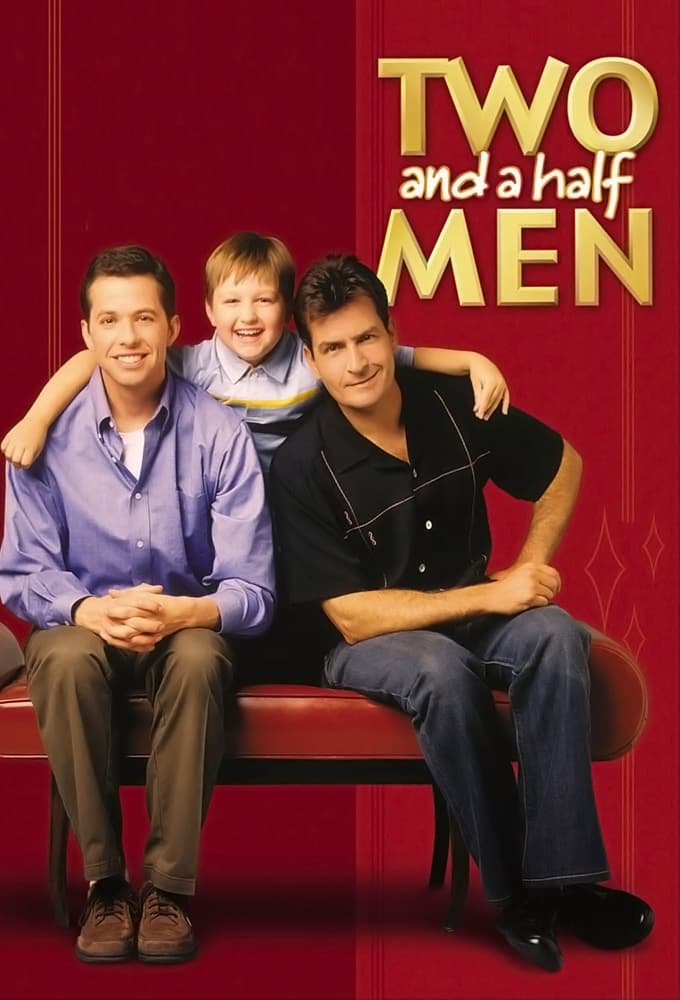
After Charlie Sheen’s departure from the show, Walden Schmidt stepped in as the new roommate. The writers portrayed Walden as somewhat innocent and immature, a big change from the more world-weary and sarcastic Charlie Harper. While the show went on for several more seasons, the chemistry between the main characters wasn’t quite the same. A lot of viewers felt the show lost its spark and unique appeal after the original, carefree lead was gone.
‘Charmed’ (1998–2006)
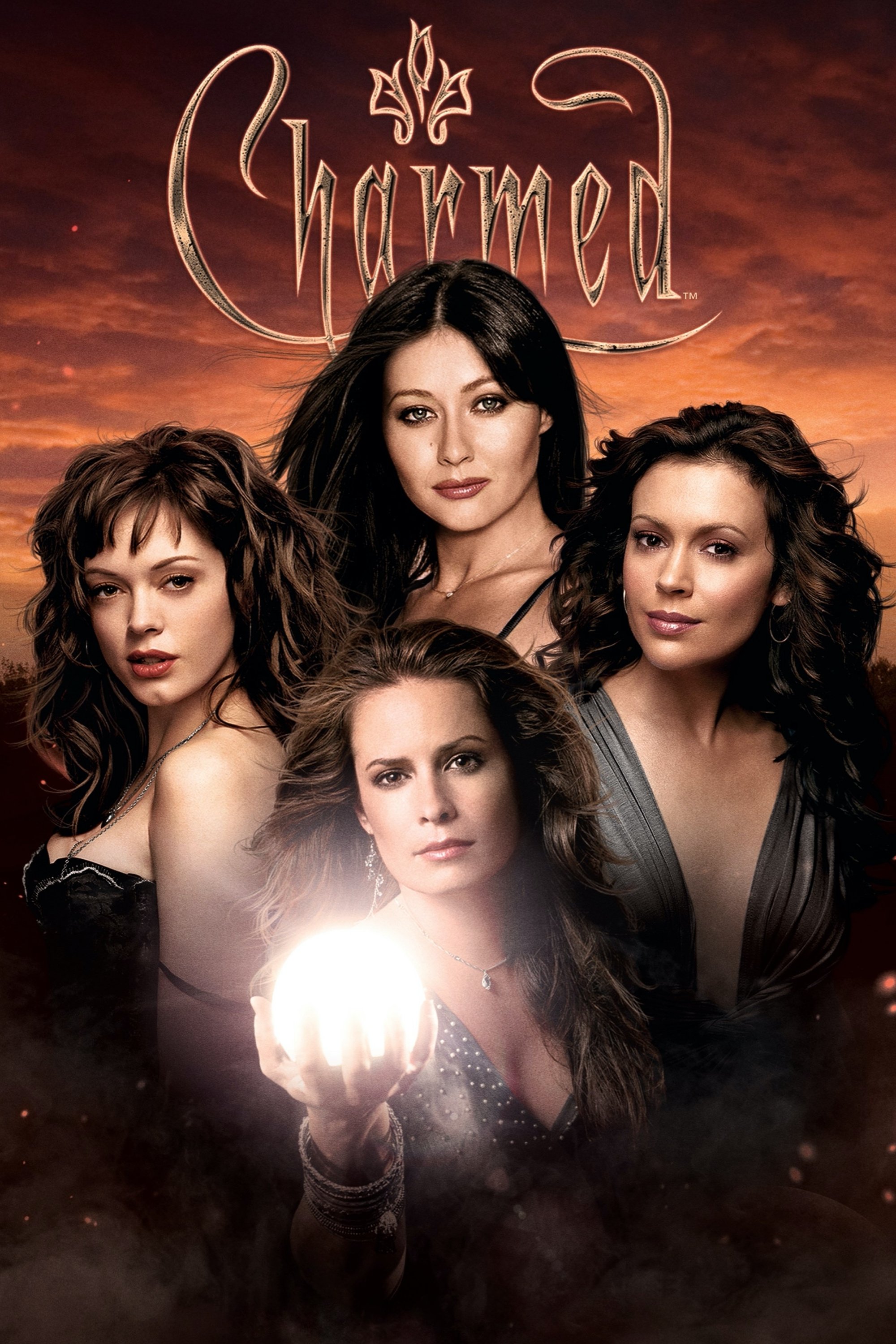
As a huge fan of Charmed, I always felt a little frustrated with Billie Jenkins’ storyline in the final season. She was brought in as this powerful young witch to train with the Halliwells, but honestly, she ended up overshadowing Prue, Piper, and Phoebe during their last year. It felt like her story became the main focus, especially with all the back and forth about where her loyalties lay and the drama with her sister, Christy. It just dragged on and took away from the goodbye we were all hoping for with the original trio. While the idea had potential, it ended up being a bit tedious and honestly, a little annoying as a long-time viewer.
‘The O.C.’ (2003–2007)
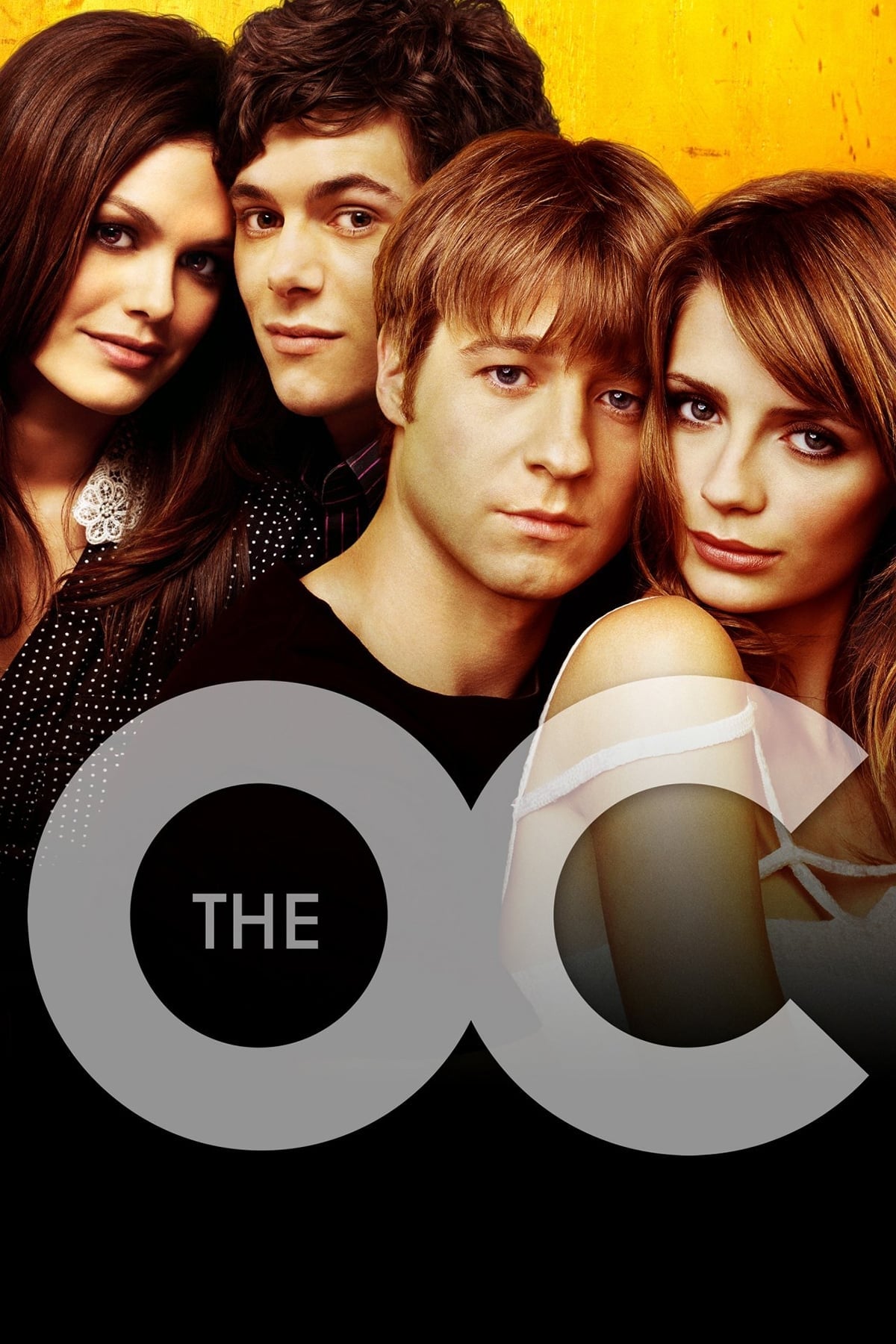
Okay, let’s talk about Oliver Trask. As a viewer, I have to say his storyline in the first season of The O.C. was just…rough. He was introduced as a friend of Marissa’s, but quickly revealed himself to be deeply troubled and, frankly, a bit scary with his obsession. What bothered me most wasn’t just that he was a villain, but how obvious it was, and how everyone else seemed completely blind to his manipulative behavior. It felt forced, stretched out way too long, and honestly, it’s often cited as the point where the show started leaning a little too heavily into dramatic excess. While The O.C. did eventually find its footing again, that Oliver arc remains a bit of a low point for me.
‘The Office’ (2005–2013)
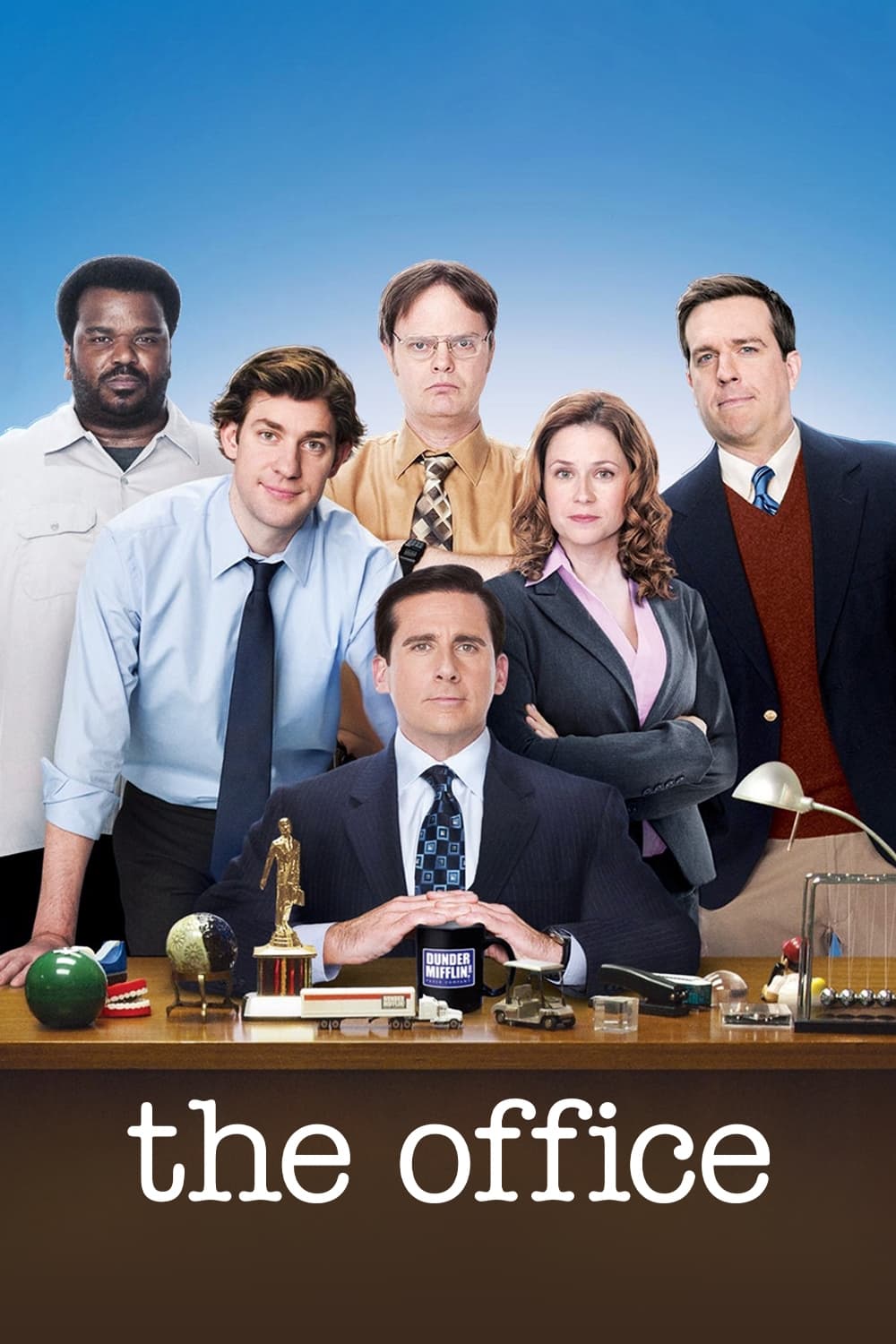
After Michael Scott left in season eight, Robert California became the new CEO. However, his strange and often inappropriate comments created an awkward atmosphere that didn’t fit the show’s usual lighthearted and funny style. Instead of being amusing, his character left the other employees feeling puzzled. Many viewers believe his time on the show represented a confusing period as it tried to figure out what it wanted to be.
‘Angel’ (1999–2004)
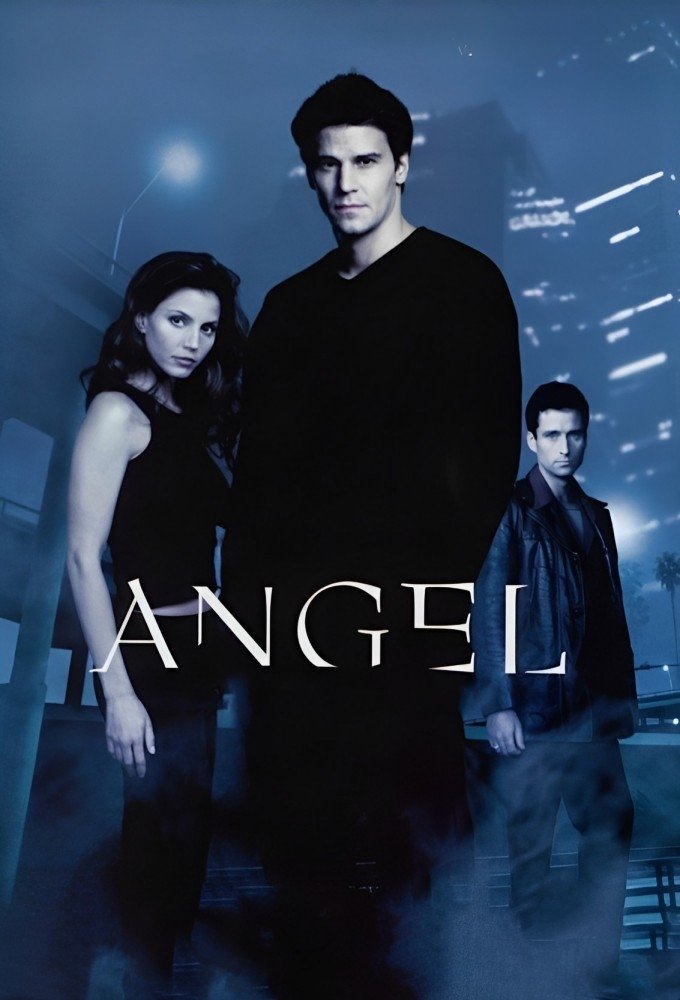
Connor, the son of the vampire Angel, unexpectedly reappeared as a teen after a childhood spent in a hellish realm. His intense anger and resentment towards his father drove much of the plot during seasons three and four. He also became involved in a problematic romance with Cordelia Chase, which ultimately harmed her story development. Overall, Connor’s introduction shifted the show’s tone, leaning more towards melodrama and away from its original blend of dark mystery and the supernatural.
‘The Fairly OddParents’ (2001–2017)
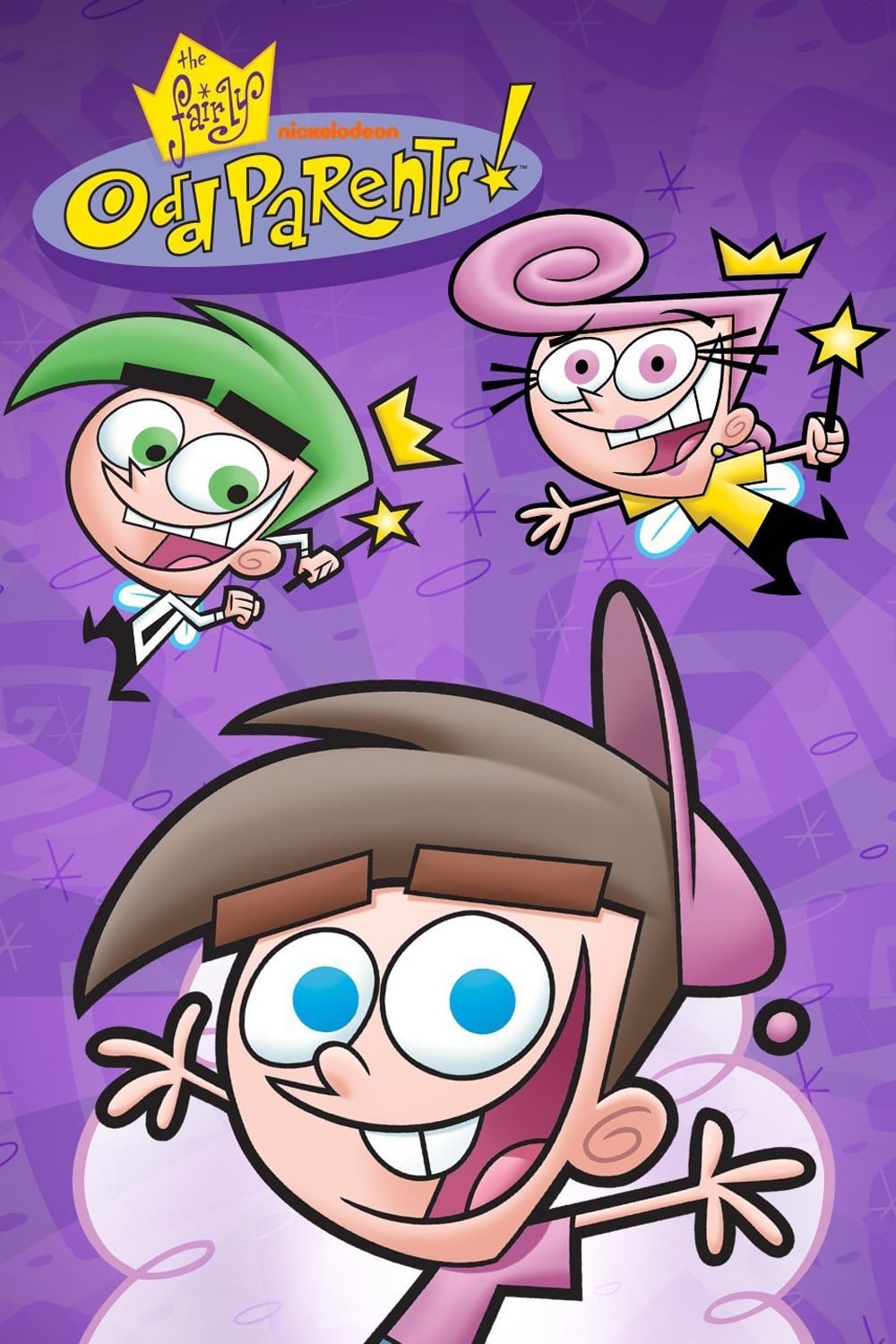
Chloe Carmichael joined the show in its tenth season as a new kid sharing fairy godparents with Timmy Turner. She was presented as a perfect and highly successful character, which contrasted sharply with Timmy’s selfish and lazy personality. This went against a core principle of the show – that fairy godparents are meant for unhappy children. Instead of Timmy learning from his mistakes, the focus shifted to a strained friendship that many viewers who had watched for a long time found frustrating.
‘The Walking Dead’ (2010–2022)
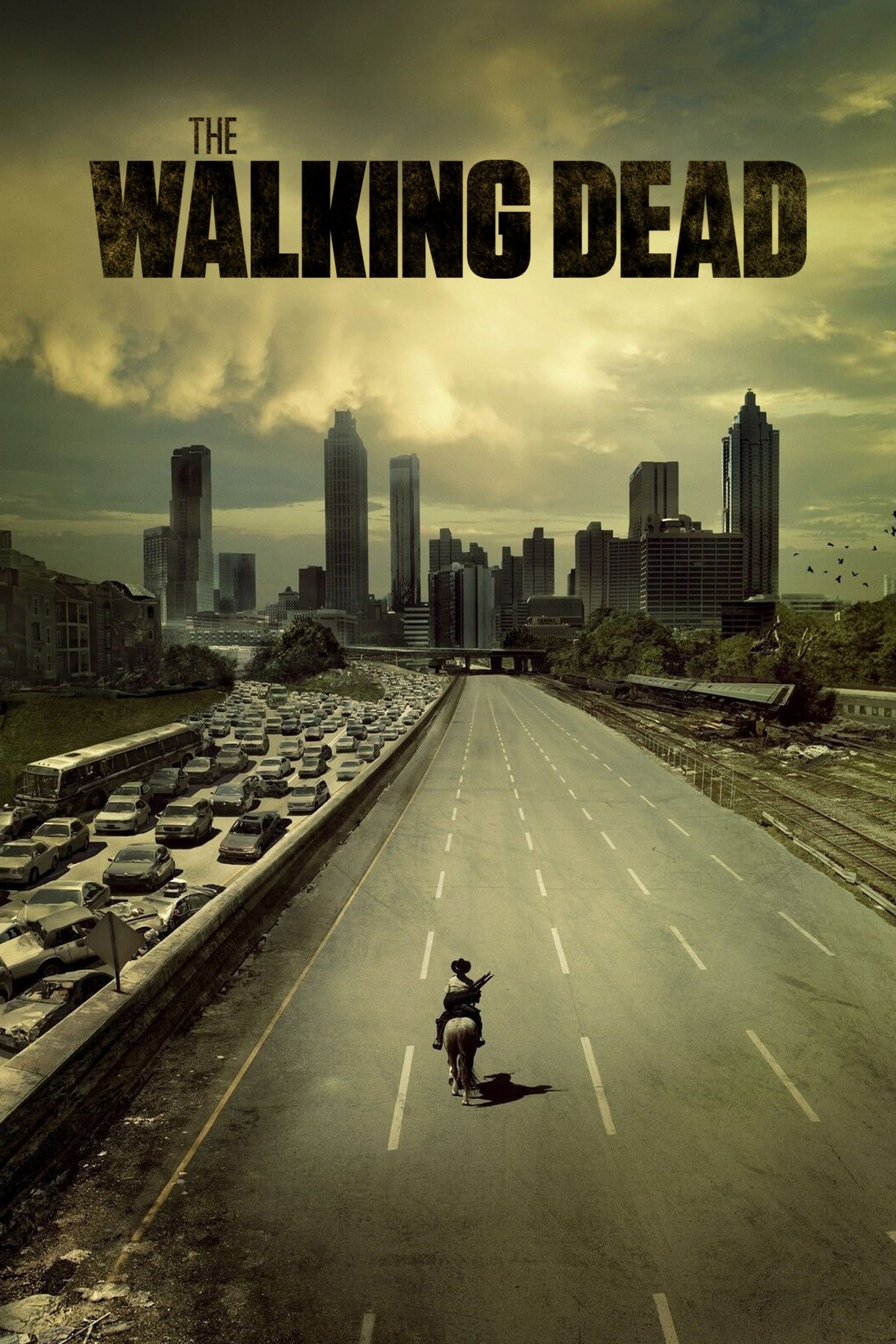
Andrea was a controversial character on the show, known for making bad choices and being unreliable. Viewers were often baffled by her tendency to support villains, like the Governor, even when it was clear they were dangerous and her friends cautioned her. This portrayal was a big departure from the comic book version of Andrea, who was a skilled leader and sharpshooter. After years of criticism about her weak character development and how she hindered the group, the writers ultimately decided to kill her off.
‘Twin Peaks’ (1990–1991)
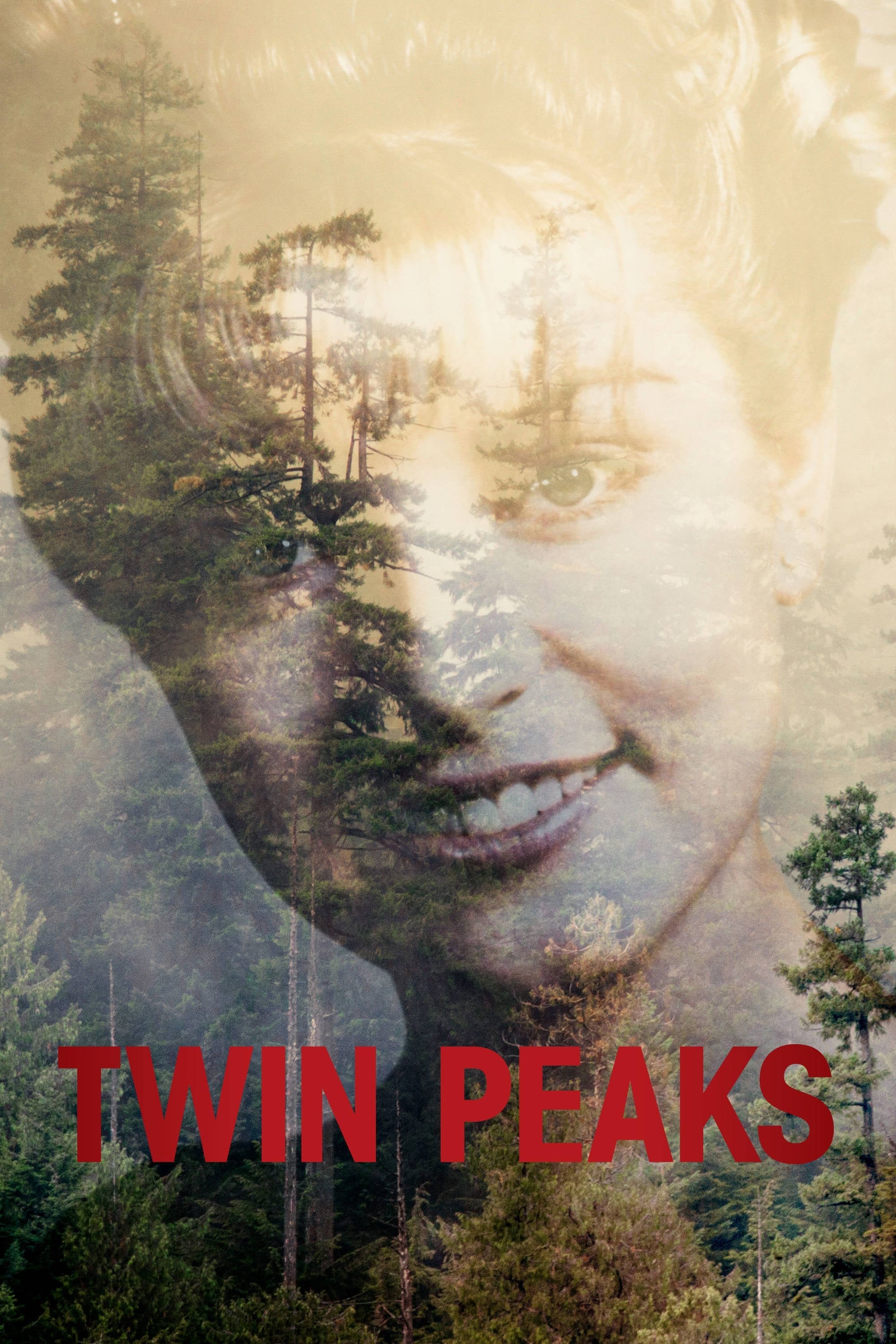
James Hurley’s storyline with Evelyn Marsh is widely considered one of the weakest parts of the show. Appearing in the second season, this plot felt disconnected from the main events and the town itself, resembling a soap opera side-story. It happened at a time when the show was trying to find its footing after resolving Laura Palmer’s murder, and many viewers skip these scenes when rewatching because they disrupt the show’s flow.
‘Stranger Things’ (2016–Present)
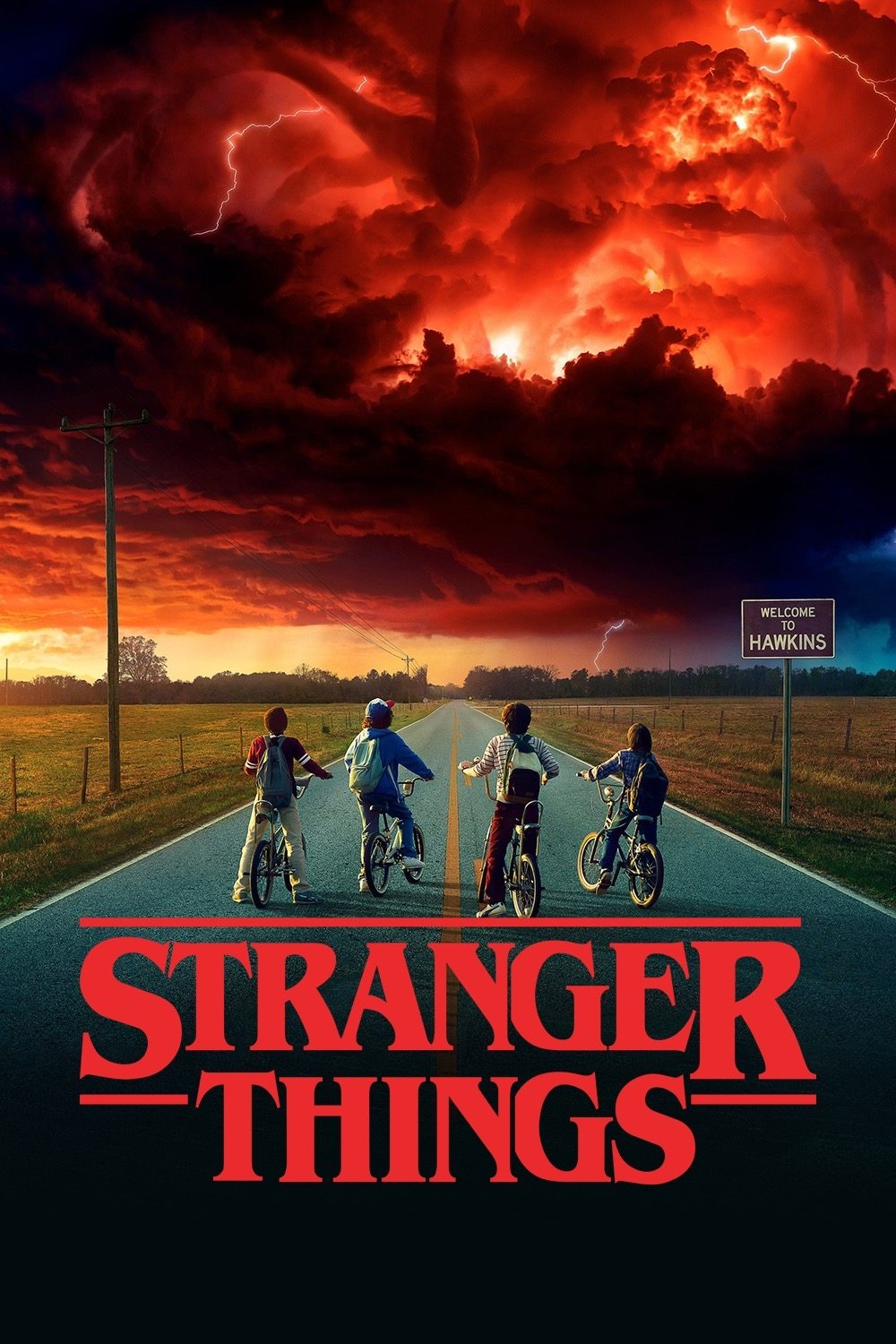
Kali appeared in the second season as another person experimented on, possessing the ability to create illusions. Her entire episode focused on a group of rebellious outsiders seeking revenge in Chicago, and it felt disconnected from the main story happening in Hawkins. The style and mood of her scenes didn’t fit with the show’s usual blend of 80s nostalgia and horror. Viewers generally disliked this change of pace, and the character hasn’t been important to the plot since that controversial episode.
‘Gotham’ (2014–2019)
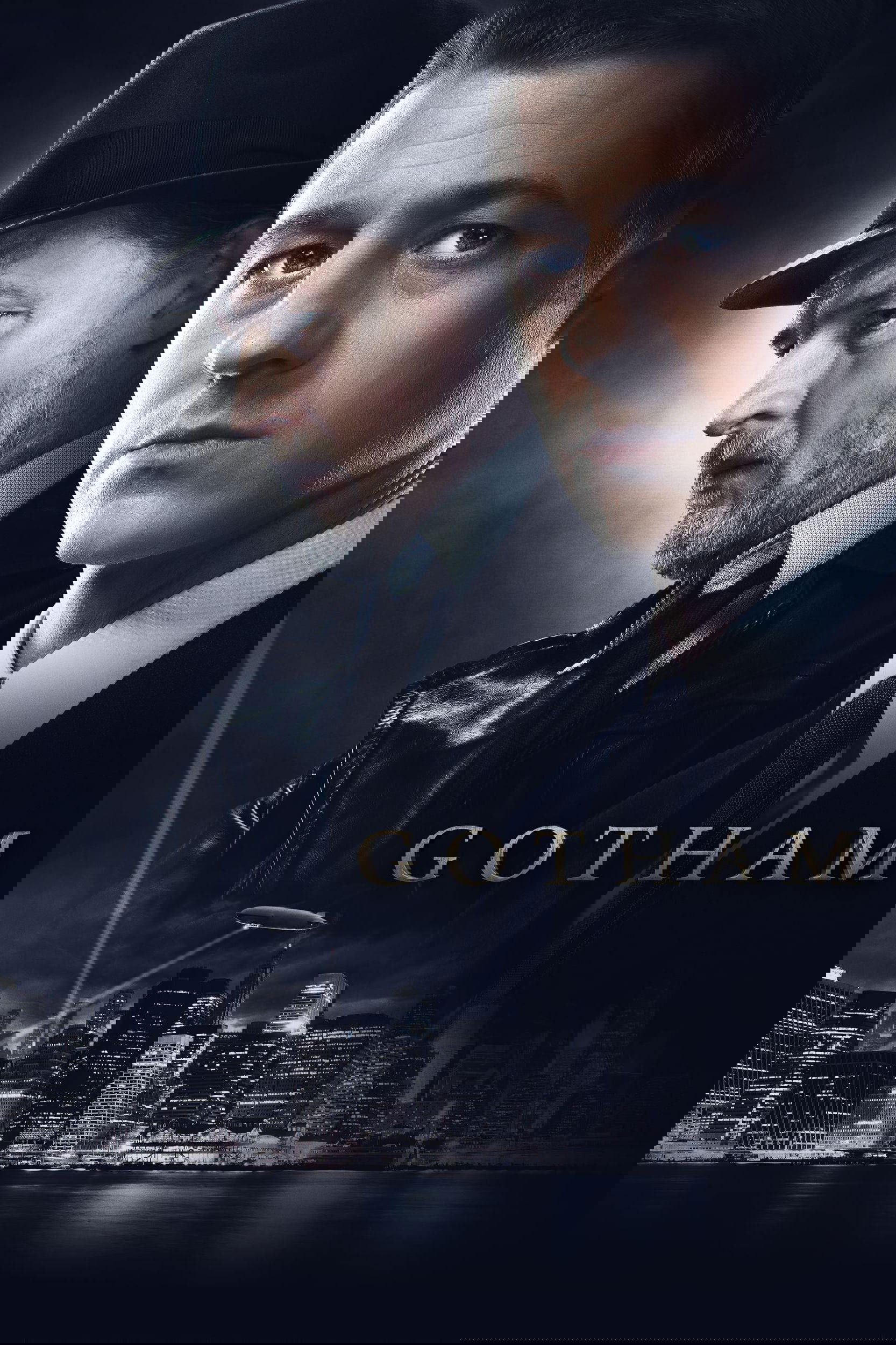
Fish Mooney was a character created for the show, designed as a powerful crime boss. However, her dramatic style didn’t quite fit the show’s generally realistic and dark portrayal of Gotham City. The writers repeatedly brought her back to life even after her storylines felt finished, which meant less time was spent developing the classic Batman villains that viewers were more interested in.
‘Gossip Girl’ (2007–2012)
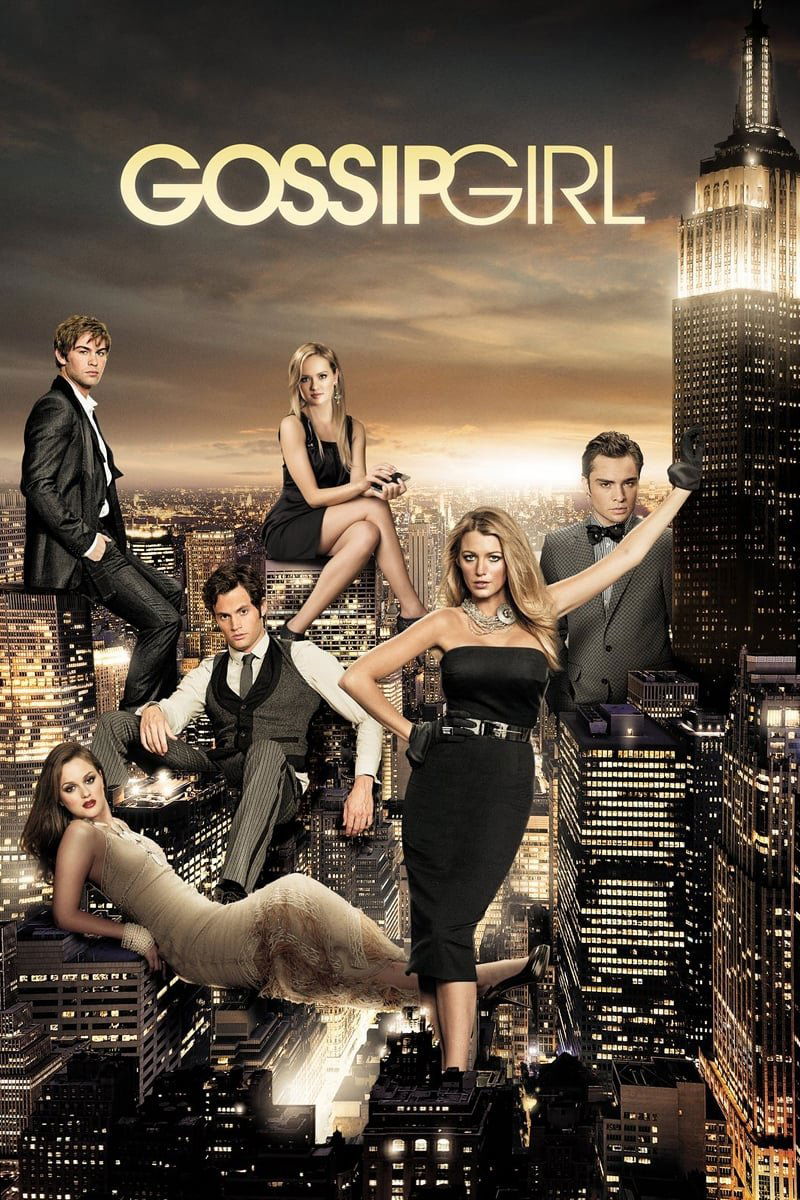
Vanessa Abrams was Dan Humphrey’s childhood friend, and while she often tried to be the voice of reason, many viewers found her actions contradictory. She frequently criticized the wealthy lifestyles of those on the Upper East Side, yet she was always involved in their conflicts. Vanessa’s character didn’t have a strong, consistent goal and often seemed to drift through the plot without a clear role. Eventually, her appearances felt forced and unnecessary to the story.
‘Smash’ (2012–2013)
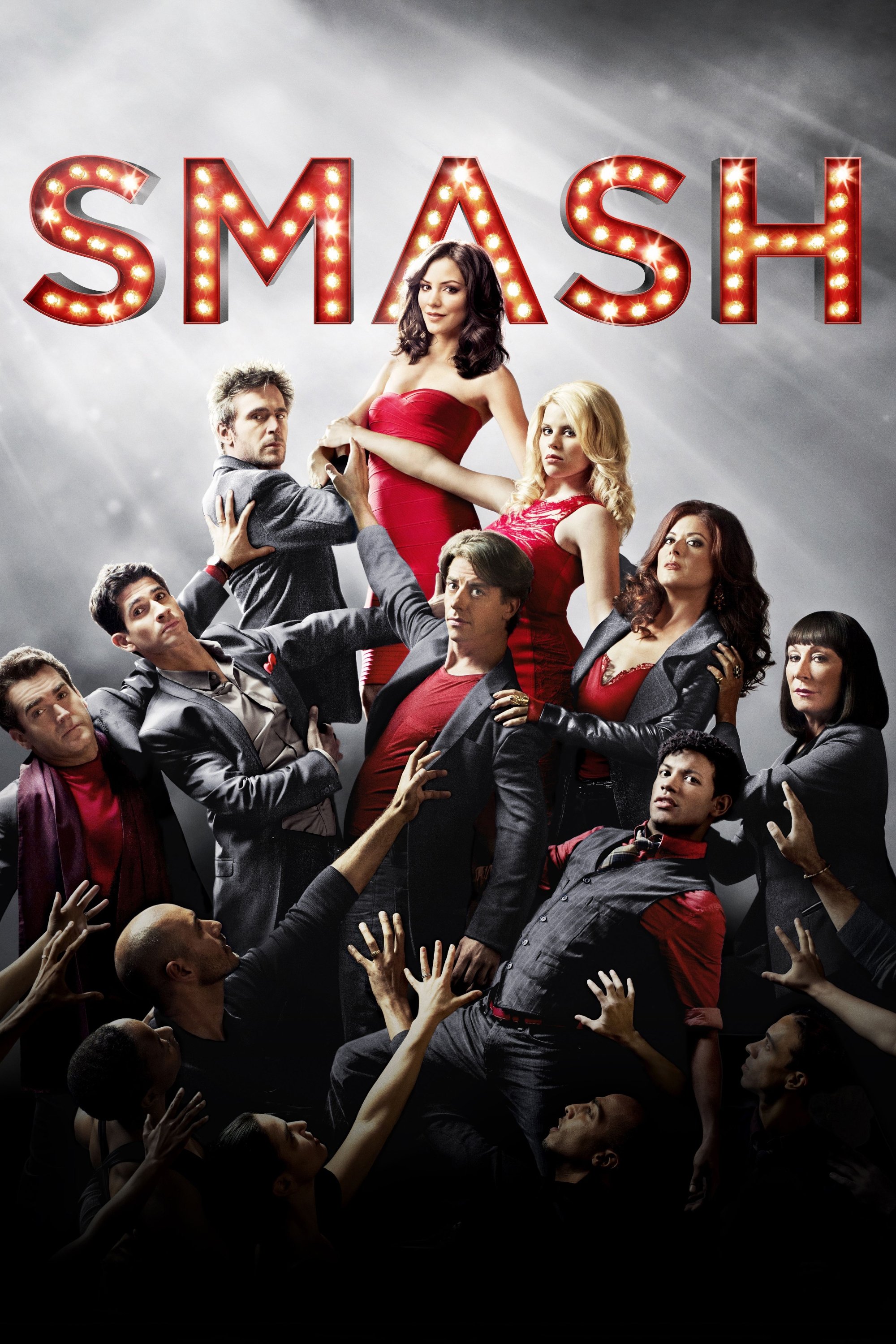
Ellis Boyd was an assistant to the show’s composer and acted as a sneaky villain who dreamed of putting on his own productions. However, his plans were silly and over-the-top, and he wasn’t very compelling as a bad guy. Fans were confused by how successful he was, considering he had no real power or connections. The show’s creators agreed and decided to remove the character entirely before the next season.
‘Vikings’ (2013–2020)

Aslaug was presented as a princess who captured Ragnar Lothbrok’s attention, ultimately leading to the breakdown of his marriage with the popular character Lagertha. Her introduction significantly changed the show’s family relationships, creating tension and resentment. Many viewers found it difficult to connect with Aslaug, as she was seen as a threat to Ragnar and Lagertha’s bond. Her storylines, focusing on her unusual parenting and distant personality, further distanced her from the audience.
‘Friends’ (1994–2004)
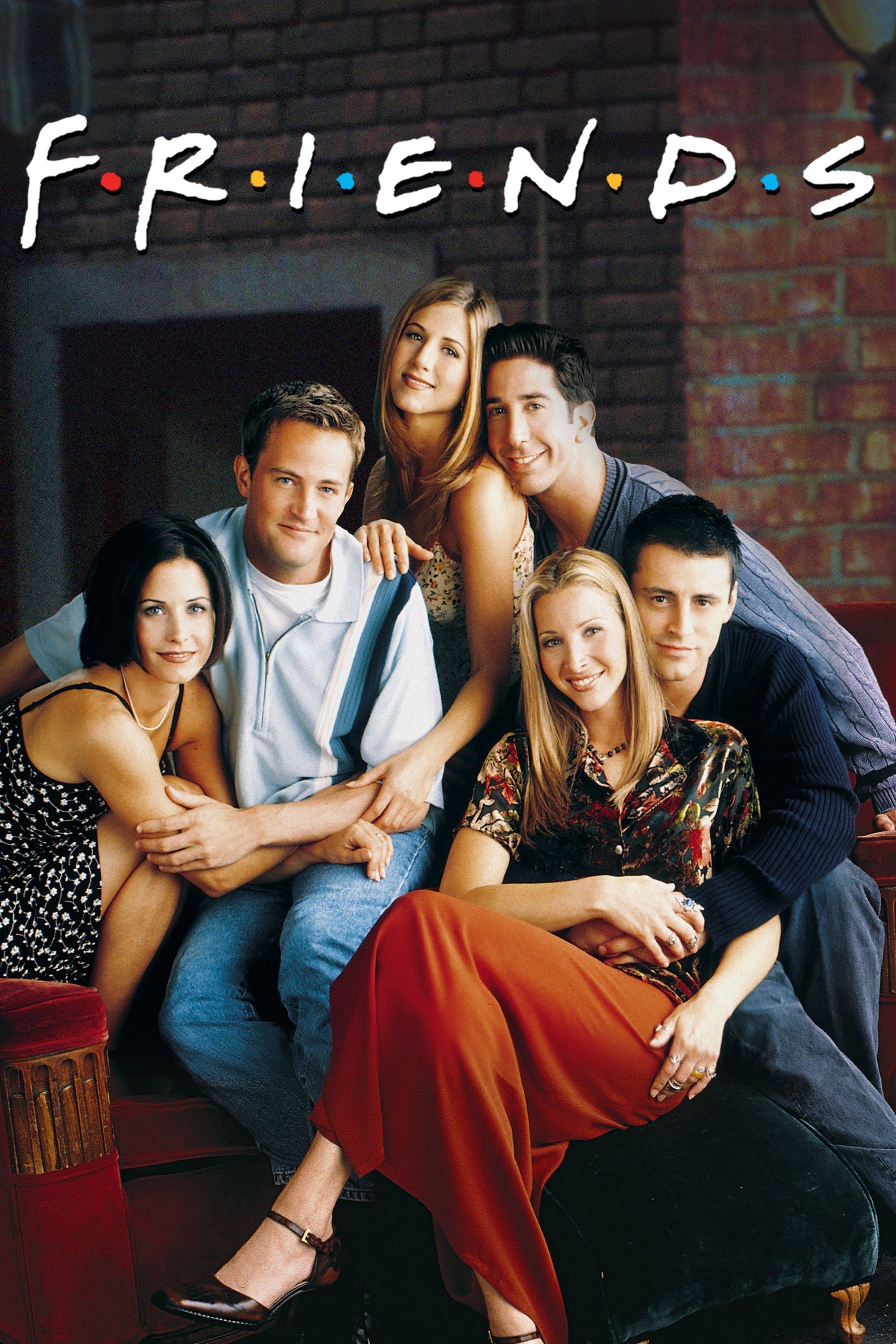
Emily Waltham joined the show in season four as a potential partner for Ross Geller, and they eventually married. Initially presented as sweet and likable, her personality shifted to controlling and demanding after Ross mistakenly called out Rachel’s name during their wedding vows. She insisted Ross completely cut Rachel out of his life, which created major tension within the friend group. Viewers disliked her because this demand jeopardized the show’s central theme of the six friends always being there for each other.
‘Smallville’ (2001–2011)
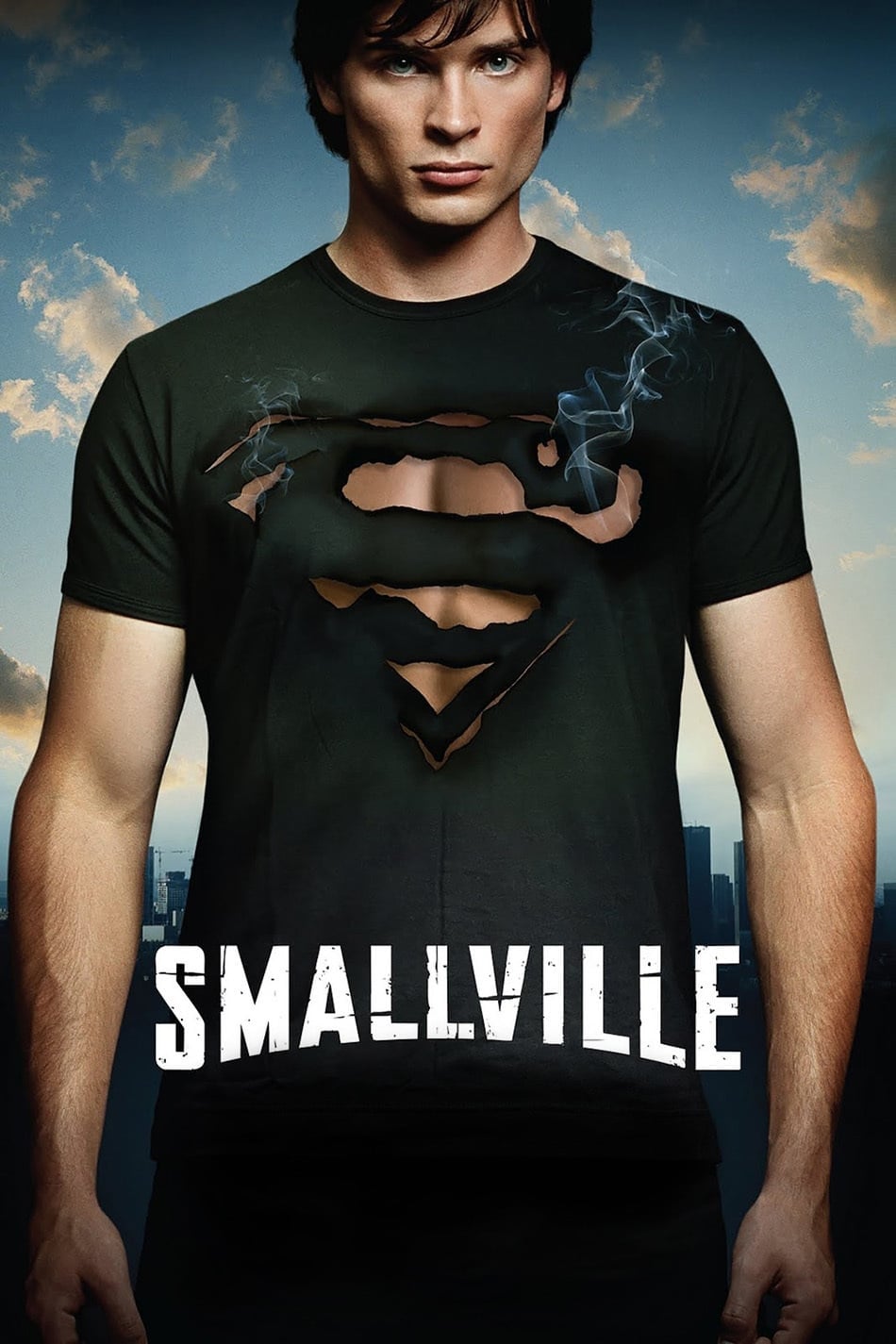
As a long-time fan of the show, I always felt Lana Lang’s role as Clark’s love interest went on for too long. What started as a sweet connection eventually became a repetitive cycle of almost-relationships that really stalled Clark’s progress towards becoming Superman. It was frustrating because her character kept taking on plotlines that should have gone to other characters – I mean, she ended up with super-suits and even running a major corporation! Honestly, once Lana finally left, the show could finally focus on what we all wanted: the dynamic between Clark and Lois, and seeing him truly step into his destiny.
‘Peaky Blinders’ (2013–2022)
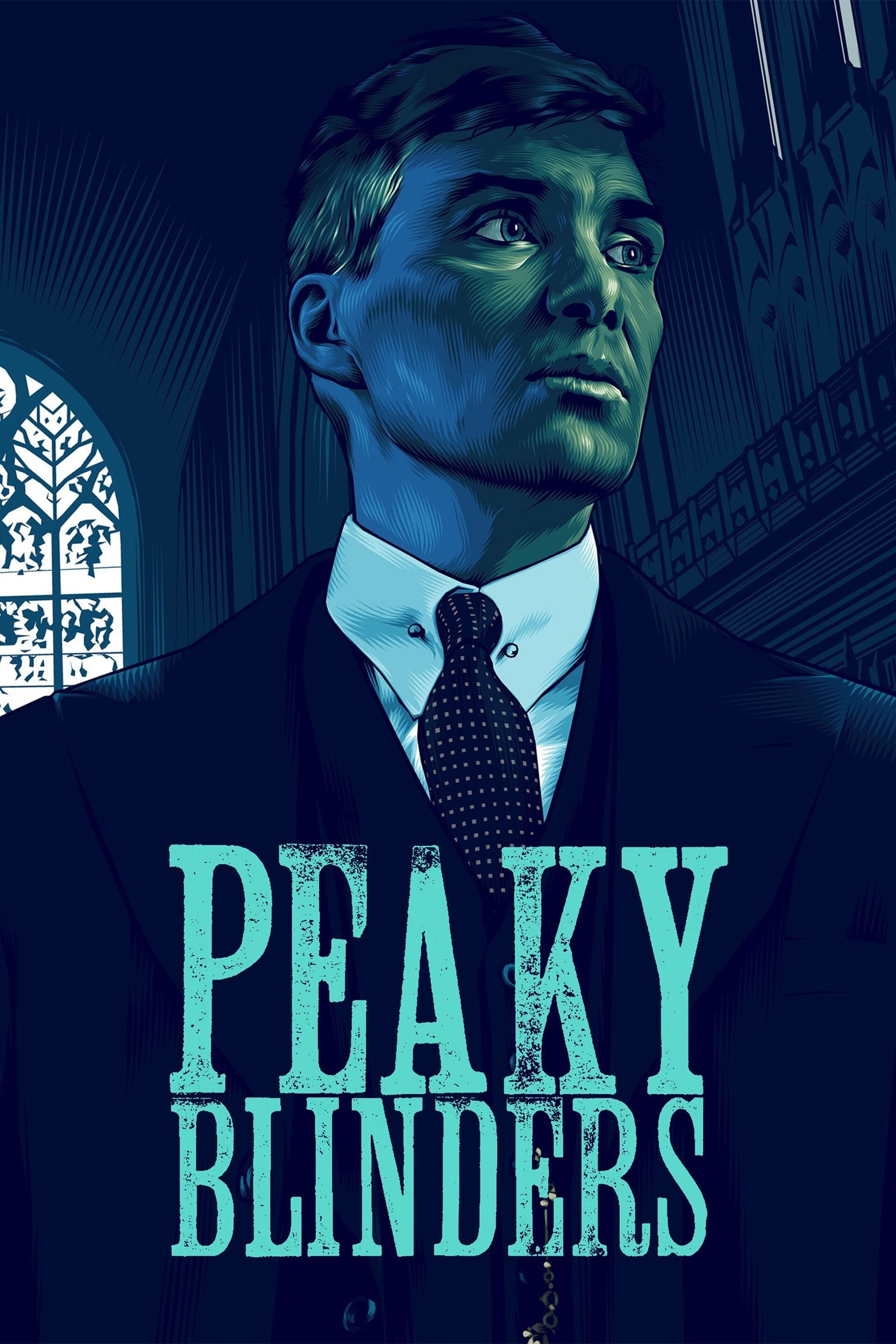
Gina Gray, Michael Gray’s wife, caused tension within the Shelby family when she appeared later in the series. Viewers often disliked her bossy and manipulative personality, especially those who were invested in the existing family dynamics. She tended to oversimplify complicated issues, often just stirring up trouble. Many fans felt her character was used too often to create conflict between Michael and Tommy Shelby.
‘How I Met Your Mother’ (2005–2014)
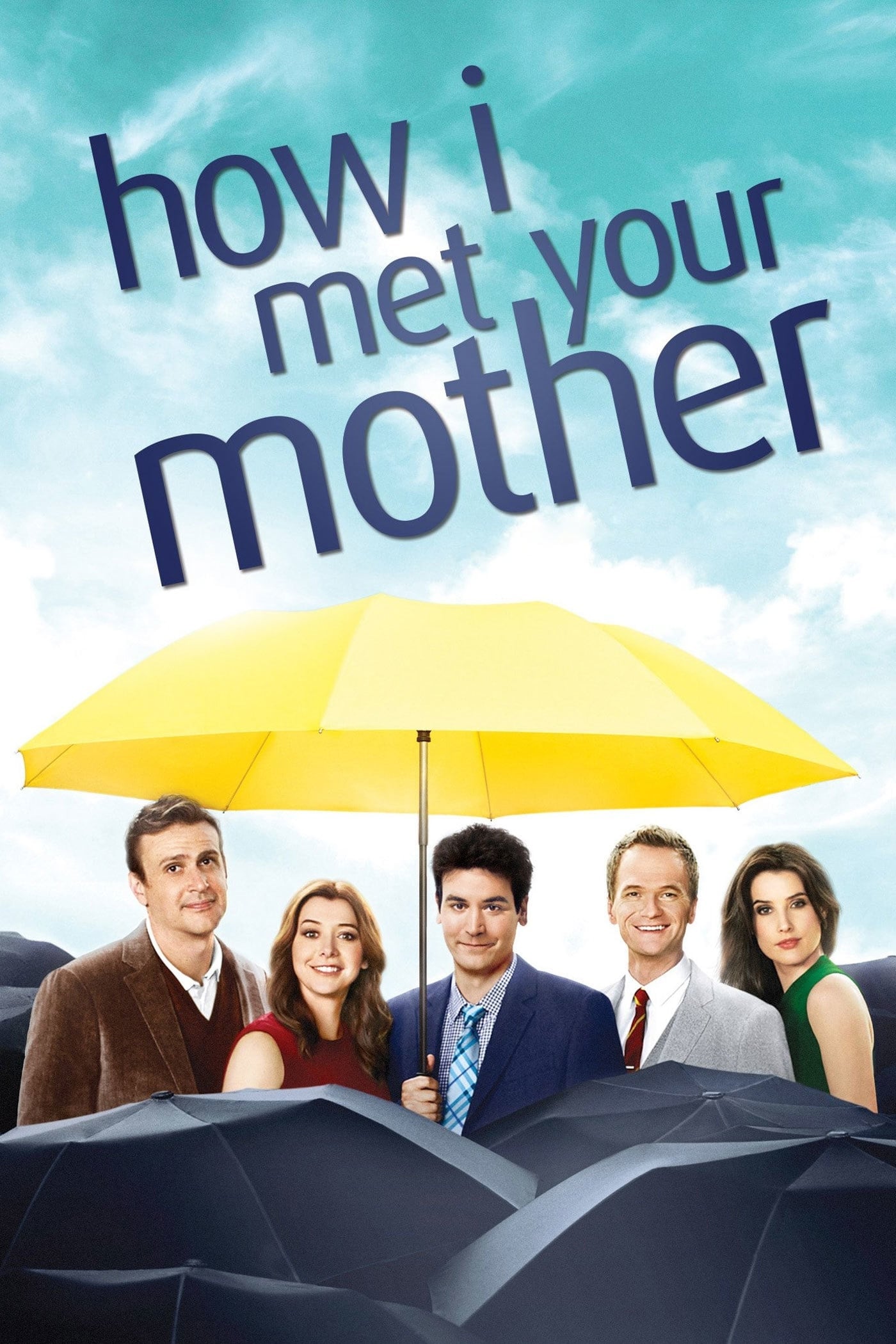
Zoey Pierson appeared on the show as an activist who briefly dated Ted Mosby. However, she openly opposed his professional work, and their relationship was defined by constant arguments rather than genuine connection. Many viewers found this storyline frustrating because it was clear she wasn’t meant to be the mother, and they had very different beliefs. The arc felt drawn-out and ultimately slowed down the show’s main story.
‘Shameless’ (2011–2021)

Debbie Gallagher began as a likable kid, but as the show went on, she became increasingly difficult to watch. The writers had her make choices – like getting pregnant on purpose and getting involved in crime – that made it hard for viewers to sympathize with her. She became more self-centered than other members of her already troubled family, and unlike them, she lacked a sense of humor or charm. Many fans found her storylines particularly upsetting as the series progressed.
‘Sherlock’ (2010–2017)
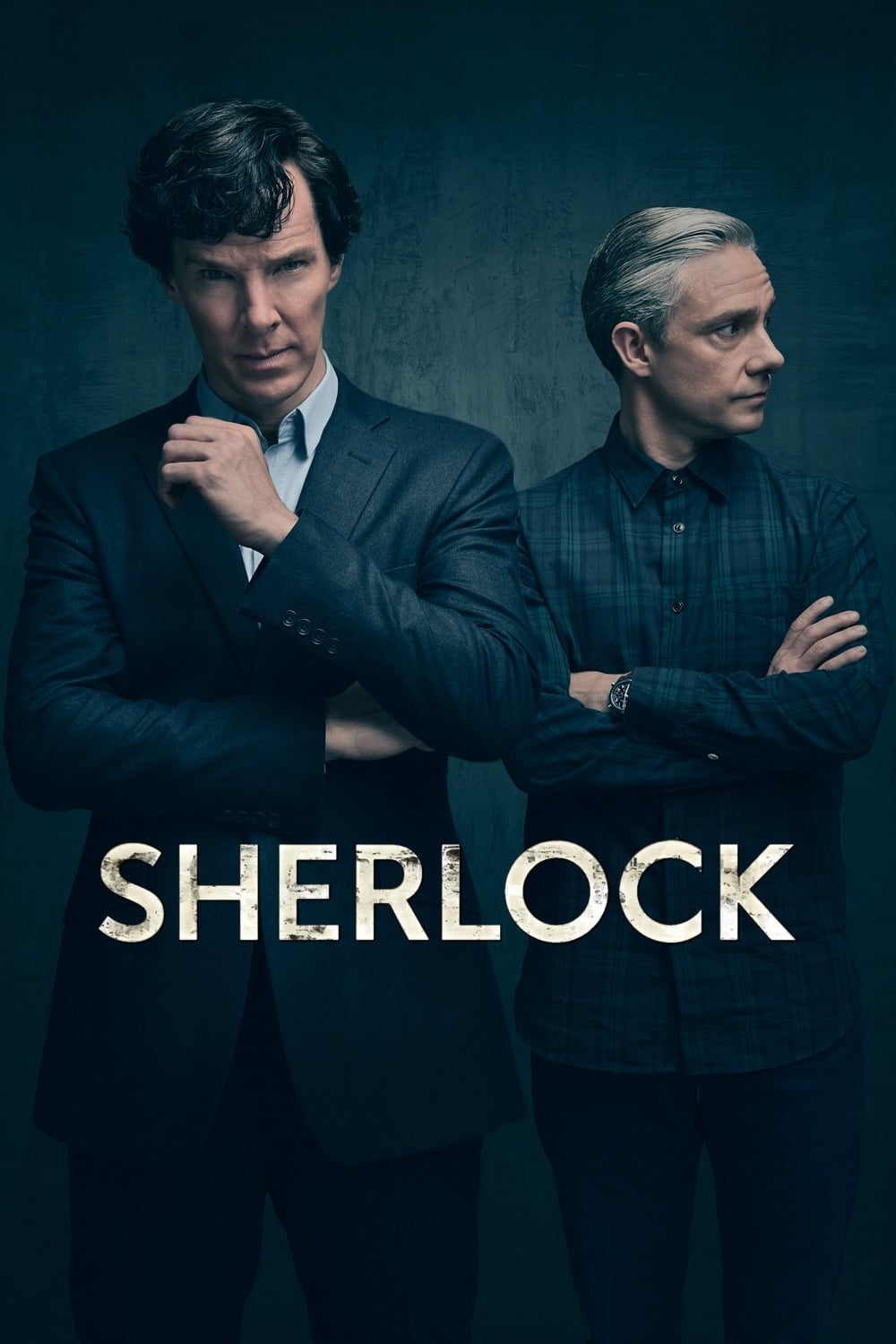
Mary Watson initially appeared as simply John Watson’s wife, but it was later revealed she had a secret past as a highly trained spy and assassin. This unexpected twist significantly altered the realistic tone of John’s character and shifted the show’s focus away from detective work and towards action. Her abilities and history frequently took attention away from the dynamic between Sherlock and John, and many viewers felt the show’s fourth season became overly complicated by exploring her past in detail.
‘Entourage’ (2004–2011)
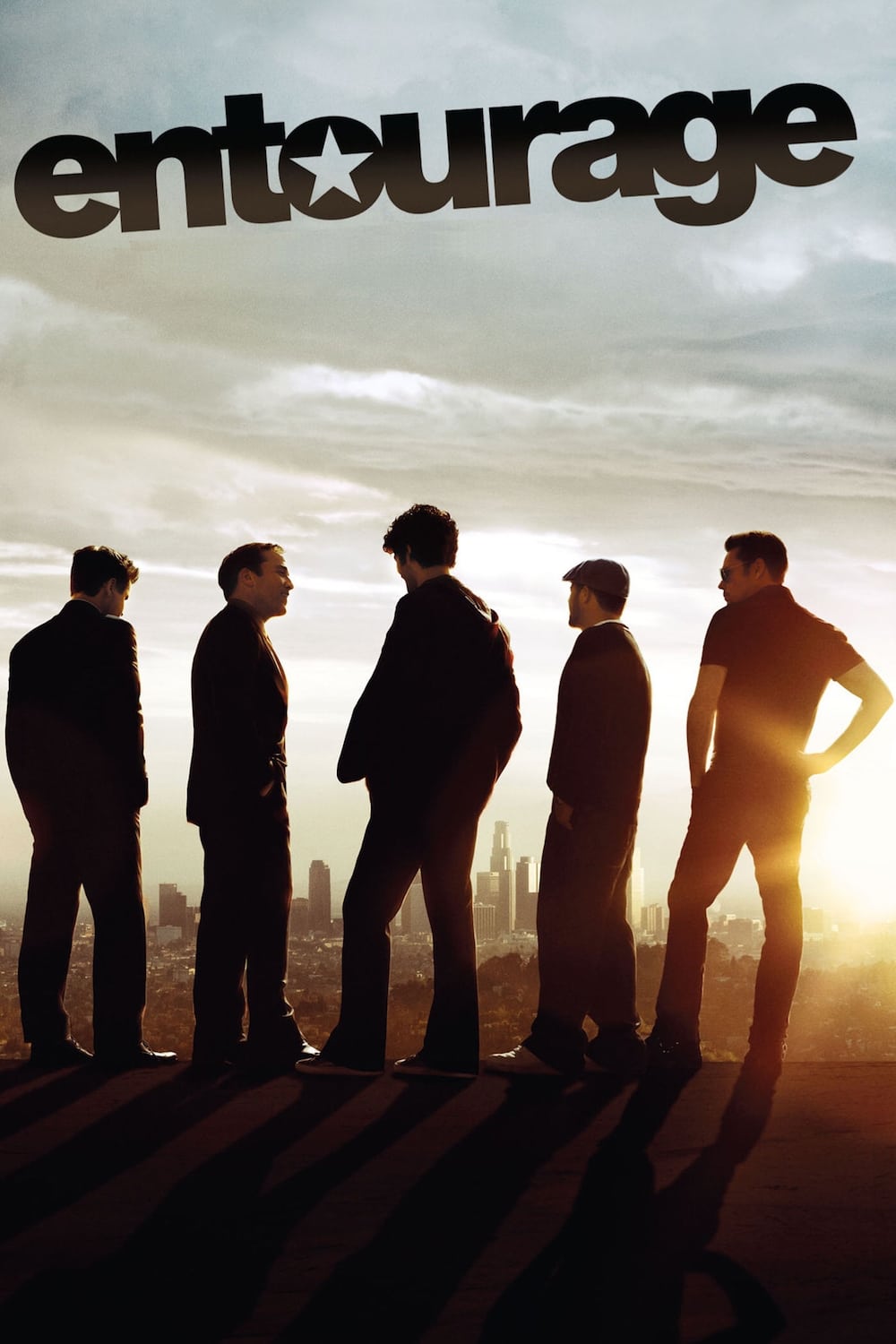
Dom was a long-time friend of the group who got out of prison and spent a short time with them during the third season. However, his rough personality and history of crime didn’t fit with the show’s lighthearted, glamorous world. Viewers didn’t warm up to him, and he upset the comfortable dynamic between the four main friends. Because he changed the show’s feel, the writers decided to remove his character quickly.
‘Friday Night Lights’ (2006–2011)
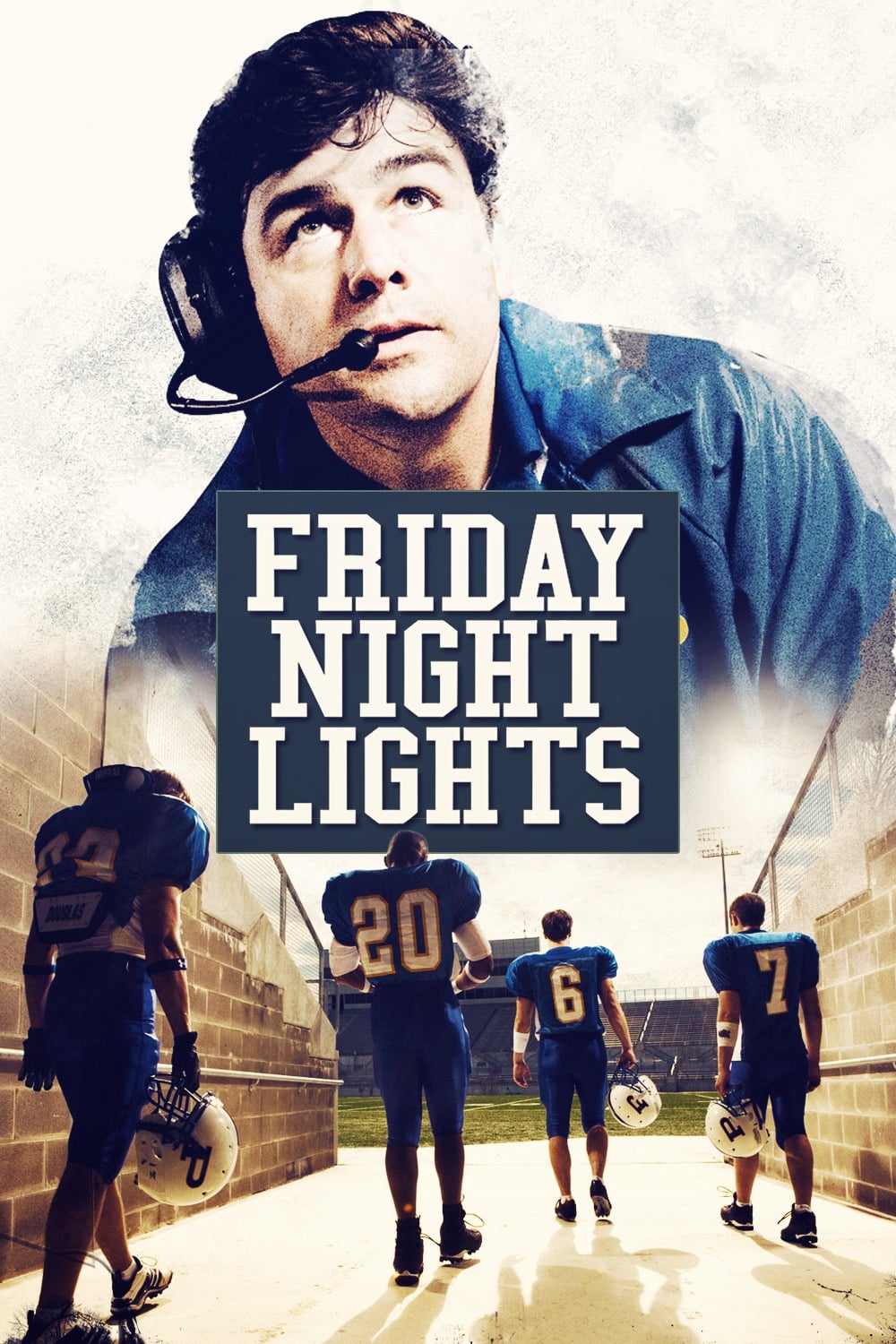
Julie Taylor, the coach’s daughter, became a less likable character as the show went on. Her stories often focused on her acting out and making bad decisions in love, which didn’t really fit with the main plot about football. In season two, a storyline where she dated her teacher was almost universally hated by viewers. Many fans consider her the weakest part of an otherwise strong and popular cast.
‘Orange Is the New Black’ (2013–2019)

Stella Carlin appeared in the third season of the show as a potential love interest for Piper Chapman. However, she wasn’t a fully developed character, and didn’t have much of a history or personality beyond being a contrast to Piper’s other relationships. The story where she steals money felt hurried and didn’t have the same emotional impact as other conflicts in the prison. Many viewers see her as simply a tool to create drama in Piper’s storyline, and she was quickly written off after that.
‘New Girl’ (2011–2018)

Abby Day, Jessica Day’s unpredictable sister, appeared on the show for several episodes in the third season. Her wild behavior and connection with Schmidt caused drama and threw off the show’s usual flow. Many viewers found her character over-the-top, even for a show known for its quirkiness. She pulled focus from the main characters and their relationships, and most fans were happy when her story ended.
‘Parks and Recreation’ (2009–2015)
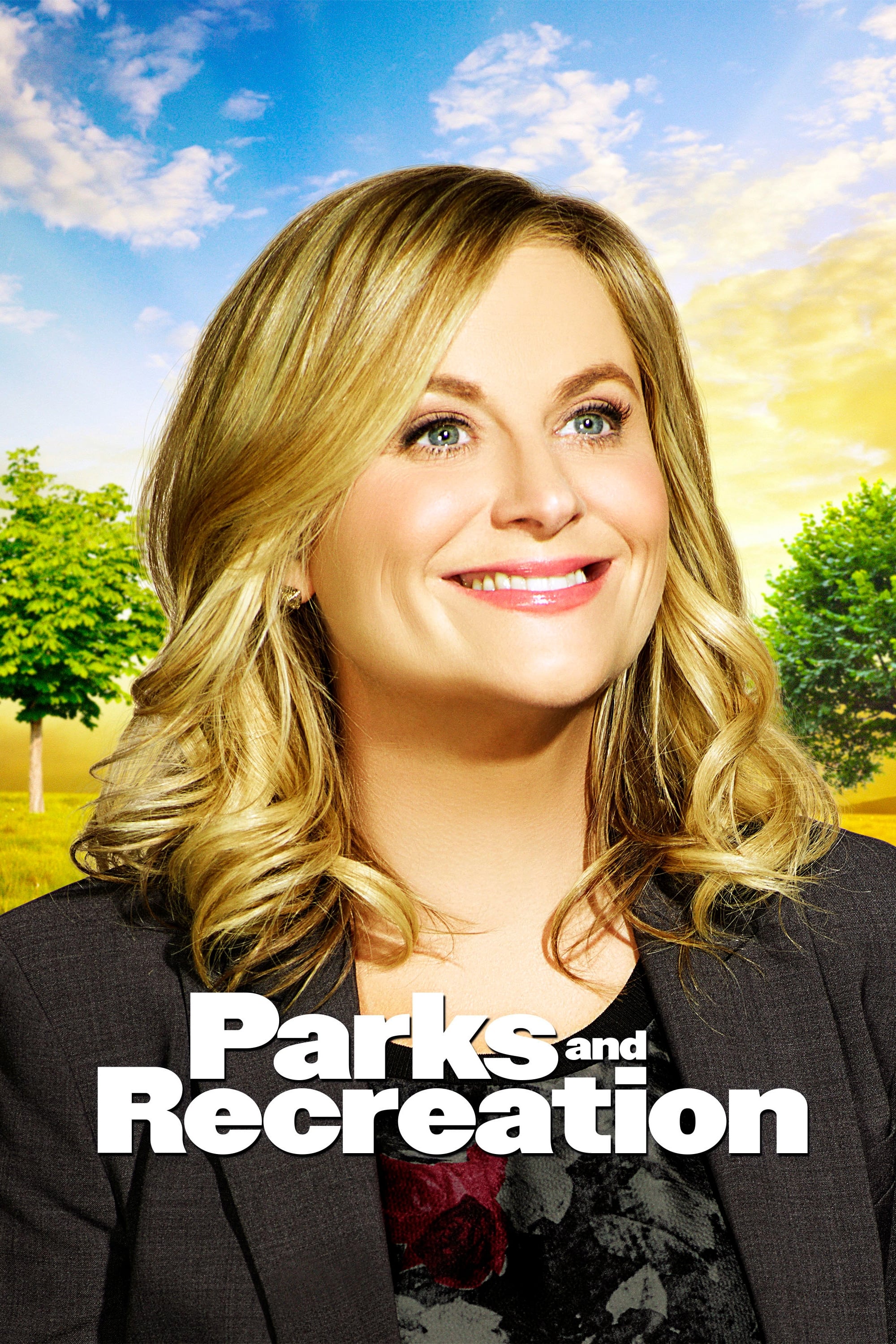
Mark Brendanawicz was initially a central character, meant to be the sensible counterpart to the quirky Parks and Recreation employees. But his negativity actually made him fade into the background instead of creating comedic tension. The show really hit its stride after he departed and was replaced by more energetic characters like Ben Wyatt and Chris Traeger. Interestingly, he’s the only original cast member who’s rarely referenced or even thought about in the later seasons.
‘The West Wing’ (1999–2006)
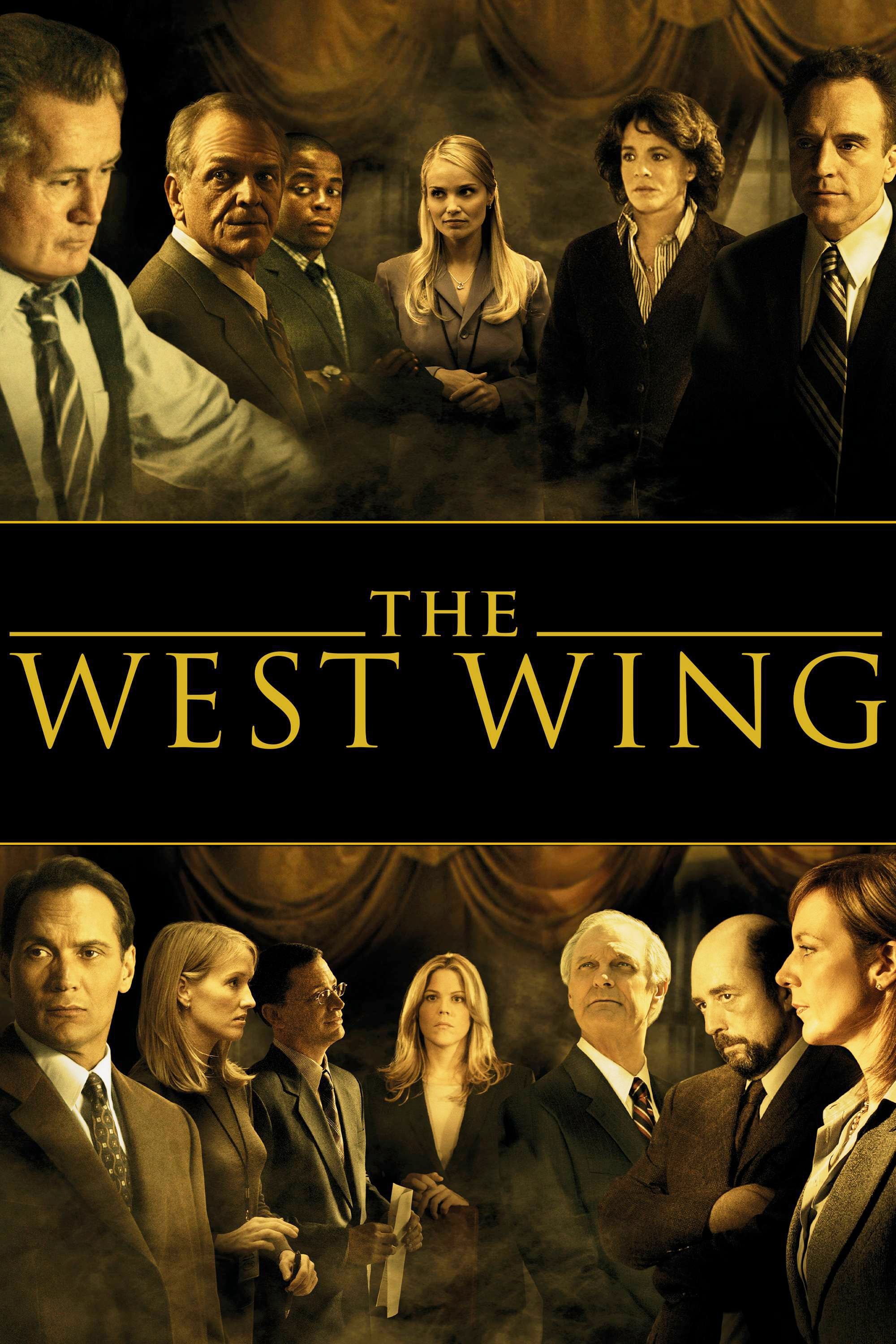
Mandy Hampton, a media consultant on the show’s first season, frequently argued with the main team. While intended to be assertive, viewers found her character irritating and unhelpful. She consistently disagreed with the heroes without providing good reasons or a different viewpoint. Recognizing the character wasn’t resonating with audiences, creator Aaron Sorkin quietly removed her from the show and never referenced her again.
‘Star Trek: Voyager’ (1995–2001)
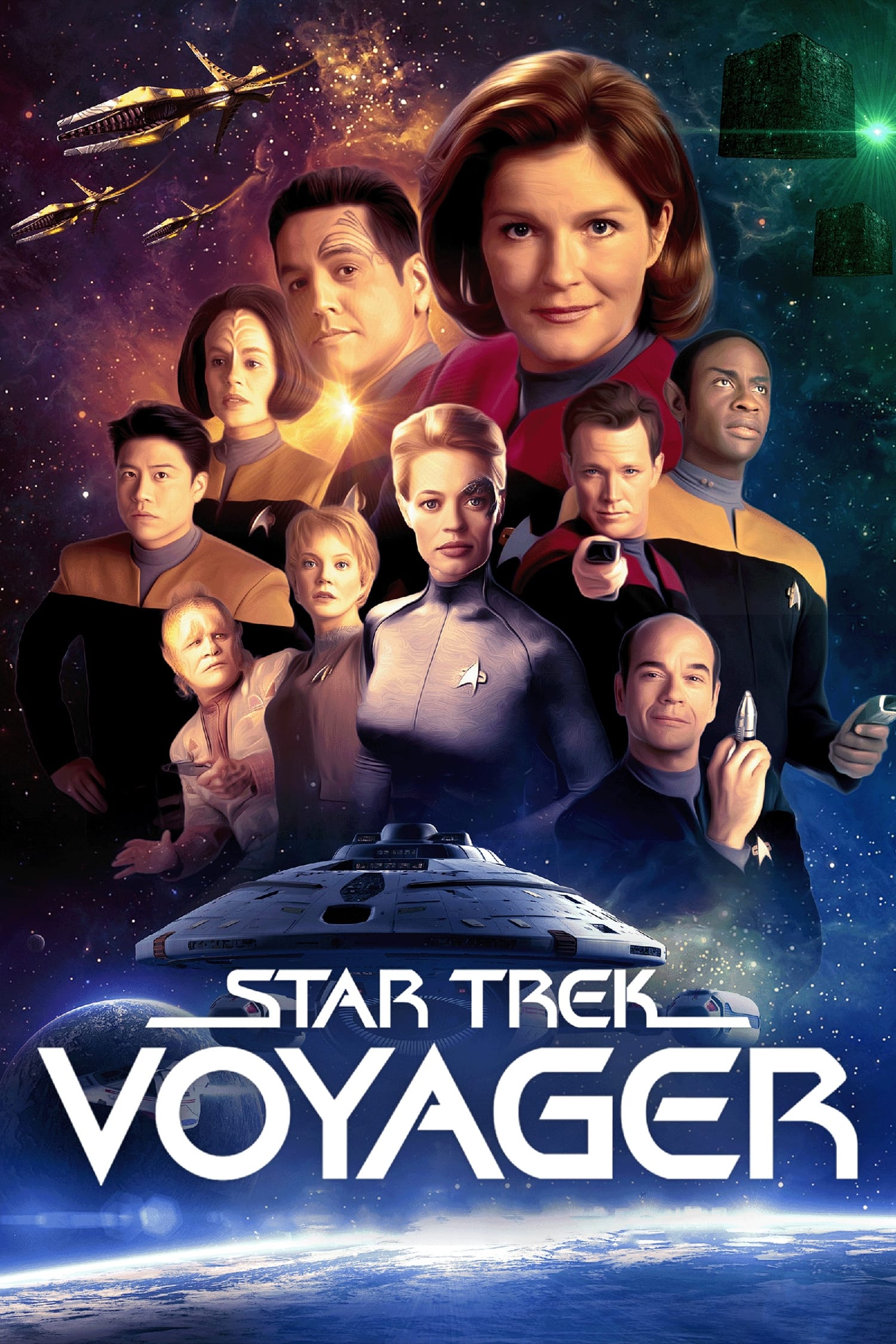
Neelix, the ship’s cook and morale officer, was meant to be a lighthearted and endearing character. However, many viewers found his possessiveness towards Kes and his overly enthusiastic nature irritating, especially since they preferred more serious sci-fi storylines. His advice often wasn’t very useful, and he felt like an awkward addition to the bridge crew. Although the writers tried to develop his character further in later seasons, he remained a divisive figure throughout the series.
‘Fear the Walking Dead’ (2015–2023)

Morgan Jones, a character from the original series, became the central figure starting in the fourth season. However, his focus on peace and constant lecturing shifted the show’s previously realistic and intense survival themes. To make room for his story, many of the original characters were either diminished or removed, frustrating longtime viewers. Many felt his introduction led to a significant change in direction, ultimately ruining what made the show special in its first seasons.
‘Dexter’ (2006–2013)
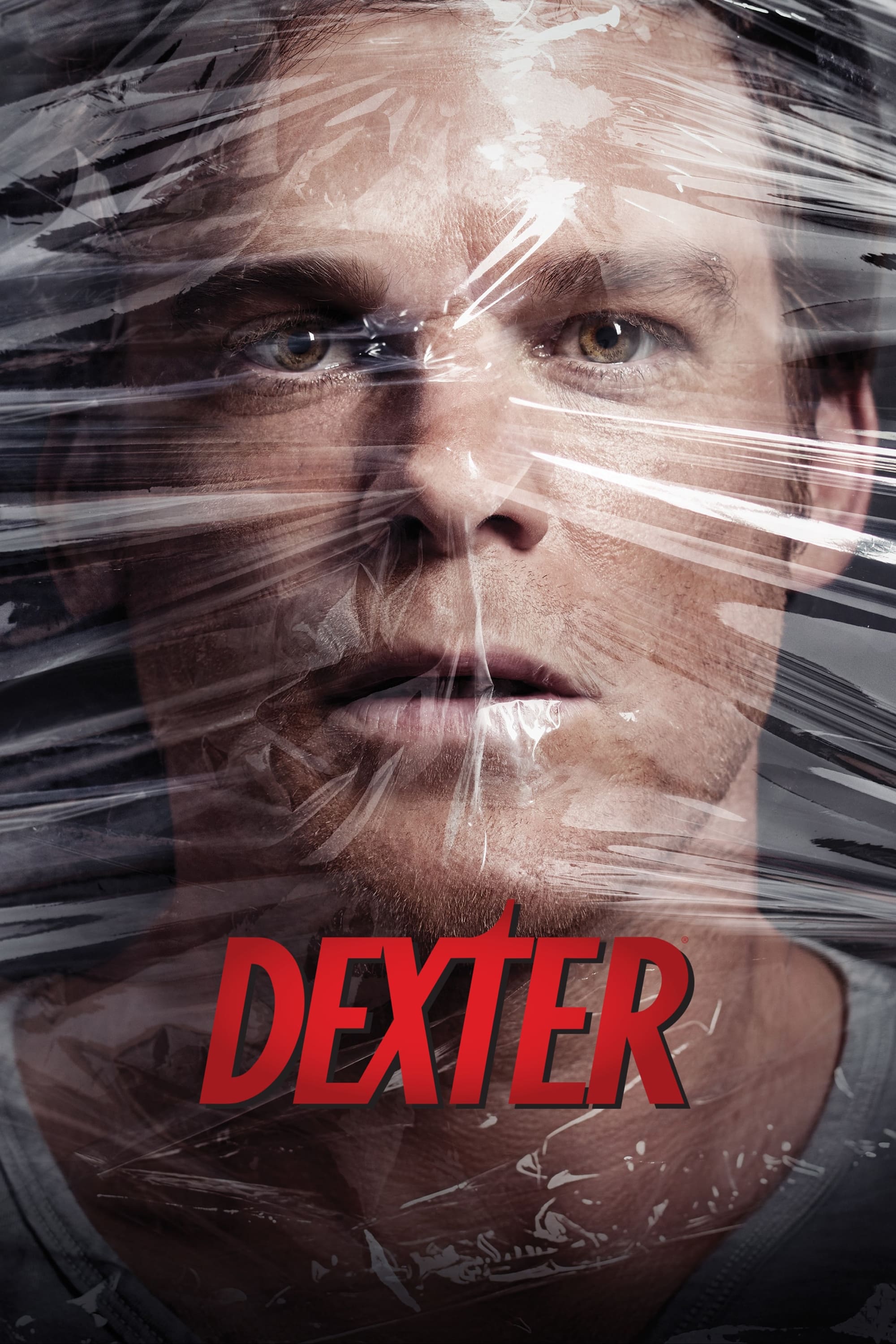
Hannah McKay appeared later in the series as a potential love interest for Dexter, and like him, she was a killer. While she seemed to understand and accept his dark side, many viewers felt their relationship didn’t feel natural or make sense. The writers bent the show’s established rules to keep her character around, even though she should have been dealt with according to Dexter’s own code. Her reappearance in the final season is often criticized for complicating the ending and taking focus away from the more important storyline involving Dexter’s sister, Deb.
Share your thoughts on which TV character you think damaged a show the most in the comments.
Read More
- Gold Rate Forecast
- Games That Faced Bans in Countries Over Political Themes
- Silver Rate Forecast
- 20 Movies Where the Black Villain Was Secretly the Most Popular Character
- Unveiling the Schwab U.S. Dividend Equity ETF: A Portent of Financial Growth
- 15 Films That Were Shot Entirely on Phones
- 22 Films Where the White Protagonist Is Canonically the Sidekick to a Black Lead
- The Best Directors of 2025
- Brent Oil Forecast
- New HELLRAISER Video Game Brings Back Clive Barker and Original Pinhead, Doug Bradley
2026-02-06 19:28