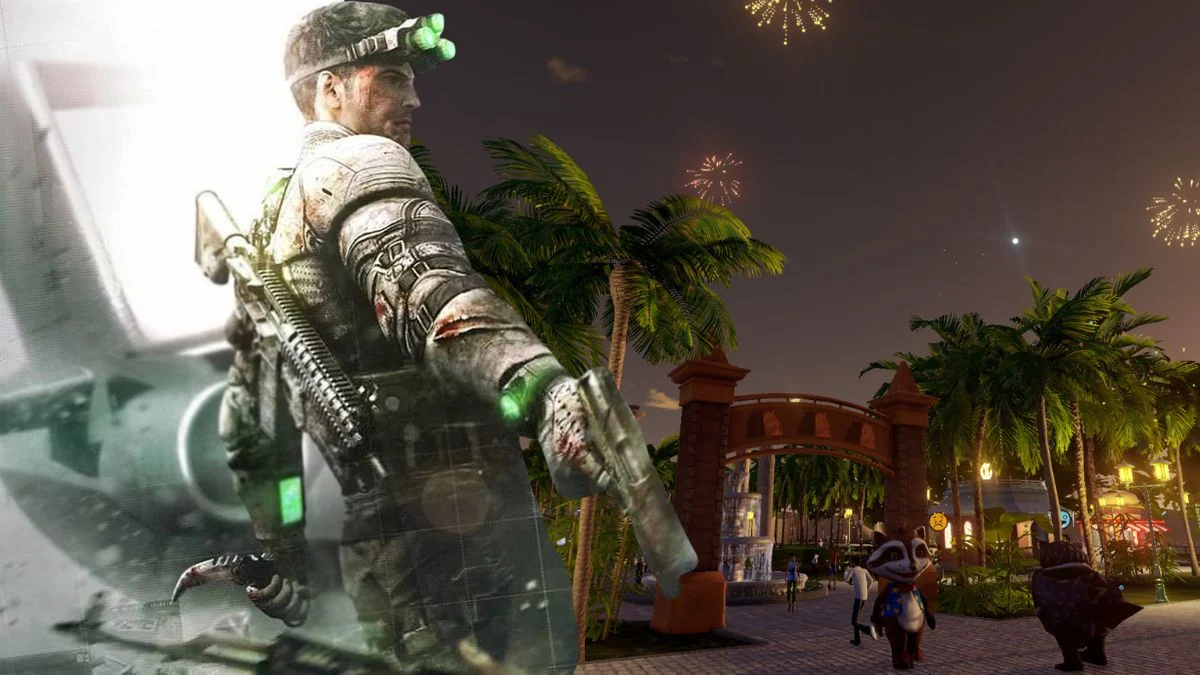
As a longtime gamer, I’ve seen so many franchises I love stick around for years, with fans like me always excited for the next game. But it’s heartbreaking when a developer messes things up badly – either by changing the game too much or releasing something that feels unfinished. Sometimes, one really bad launch can kill a series completely, or even force the studio that made it to close down. I’m going to talk about some games that failed so spectacularly, they pretty much ended their franchises, or put them on hold indefinitely.
‘Duke Nukem Forever’ (2011)
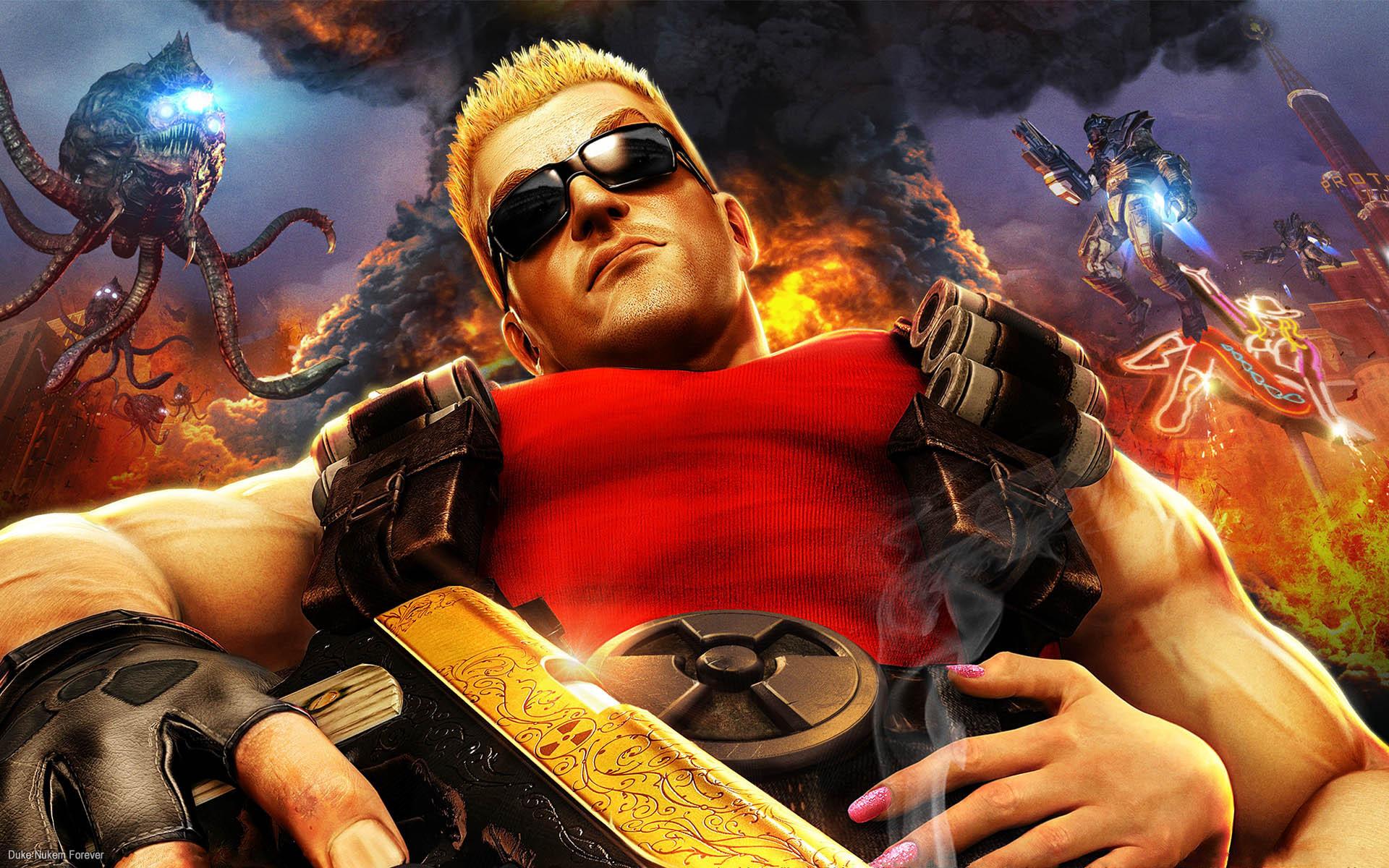
‘Duke Nukem Forever’ had a famously troubled development, spending over ten years in delays. When it finally launched, the game felt outdated, with graphics and gameplay that didn’t measure up to contemporary shooters. Critics and players disliked its immature humor and awkward controls, which failed to recapture what made the earlier games enjoyable. The game’s poor reception both commercially and critically effectively ended plans for any further main installments in the ‘Duke Nukem’ series.
‘SimCity’ (2013)
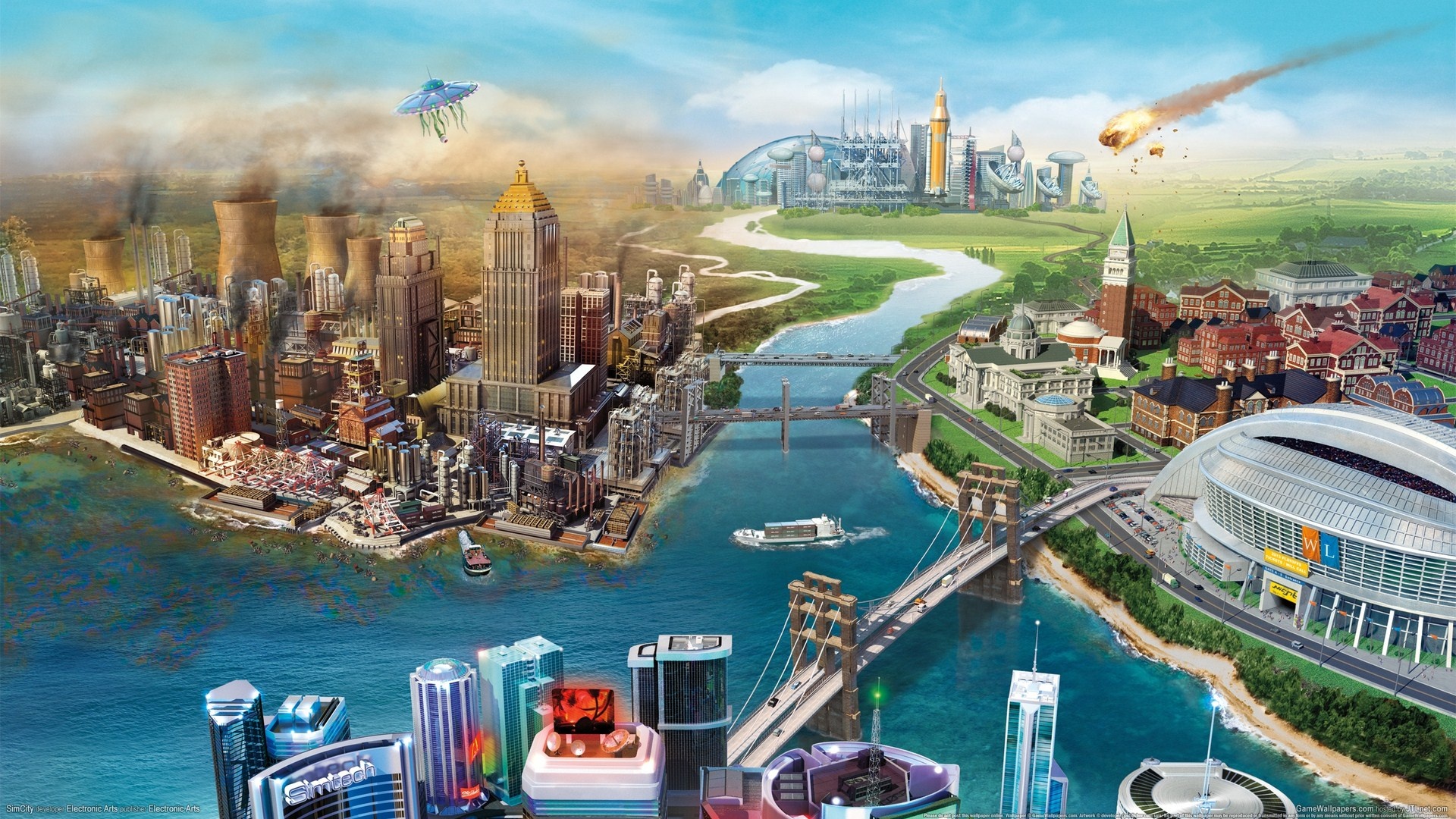
Maxis released a new version of their popular city-building game, but it required players to be constantly connected to the internet. Unfortunately, the launch was a disaster, with unstable servers blocking thousands of customers from playing. Many players also found the game itself wasn’t as complex or detailed as earlier versions. The negative response was so strong that it ultimately led to the closure of the development studio, paving the way for ‘Cities: Skylines’ to become the leading game in the genre.
‘Mass Effect: Andromeda’ (2017)
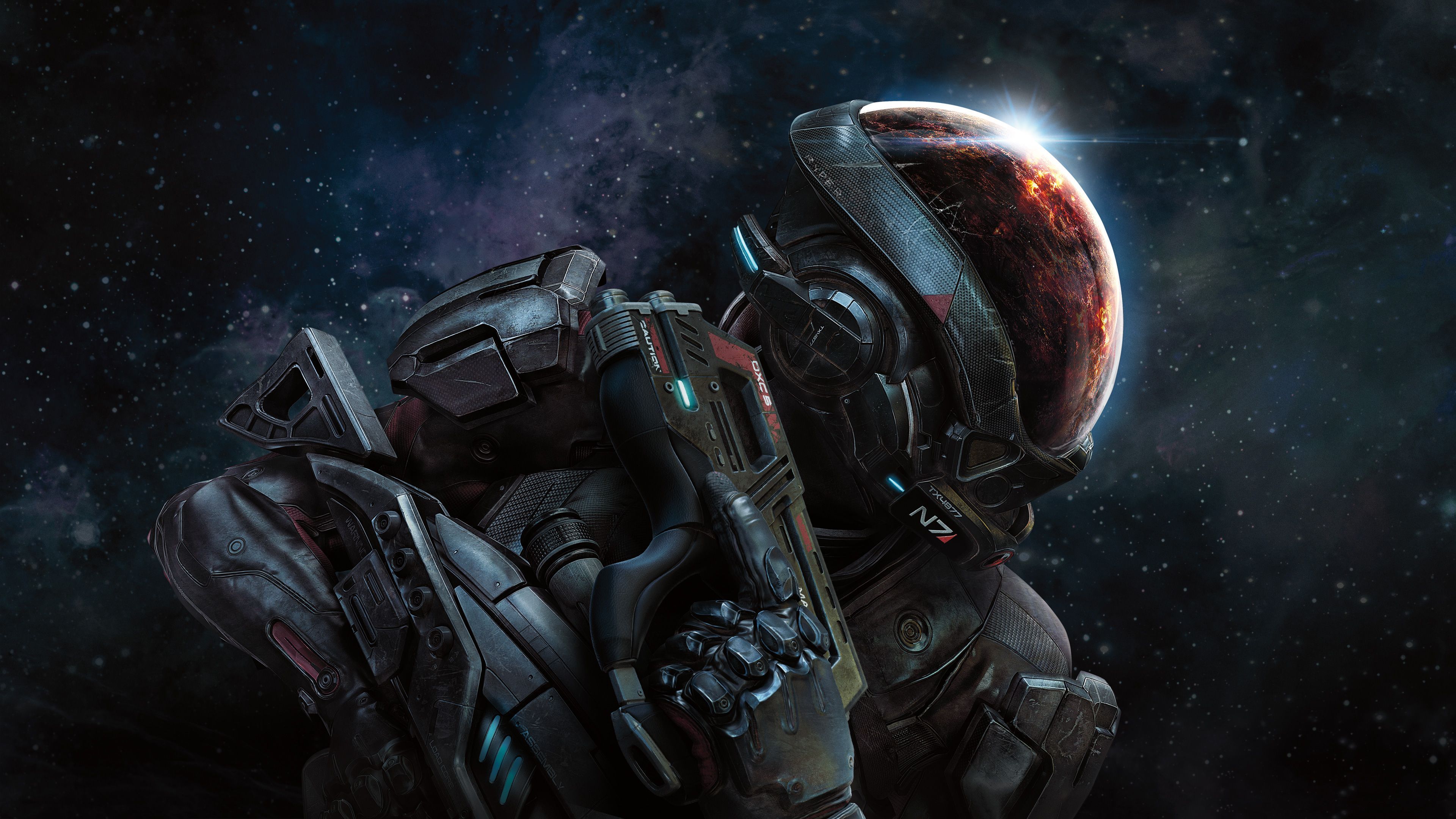
BioWare tried to begin a new story in their popular sci-fi world, but the game had a rocky start due to technical problems. It launched with awkward facial animations and many glitches, which quickly became a source of online jokes. Reviewers also found that the writing and characters weren’t as well-developed as those in the earlier games. Because of this disappointing response, the publisher paused the series for a long time to rethink how they would make future installments.
‘Medal of Honor: Warfighter’ (2012)
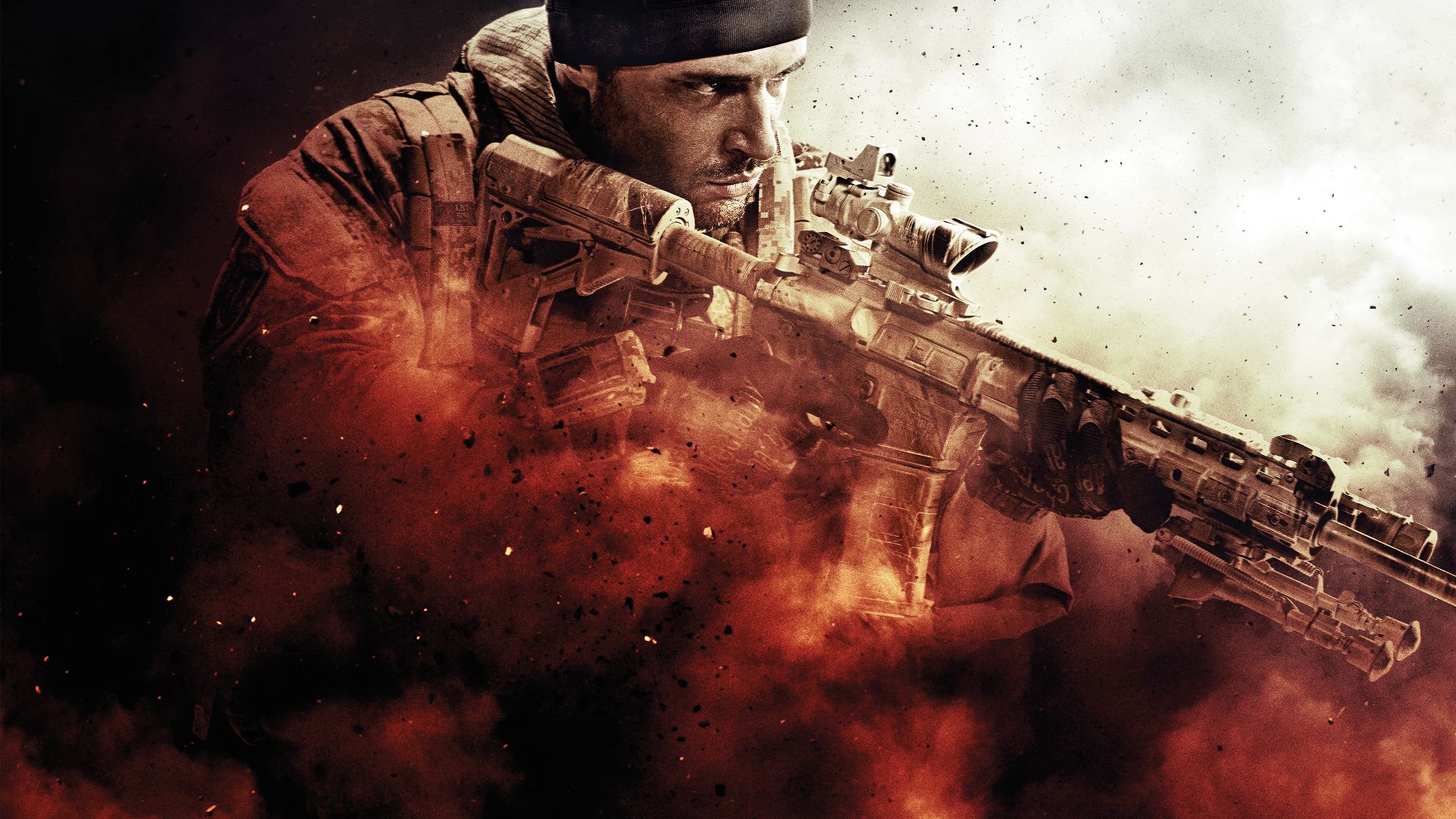
Electronic Arts tried to update a classic World War II shooting game to better compete with popular military games like Call of Duty. However, the game had a confusing storyline and wasn’t able to keep players engaged online for very long. Critics pointed out many technical problems and unoriginal level layouts. Because the game didn’t sell well, the publisher decided to stop making it and concentrate solely on the ‘Battlefield’ series instead.
‘Dead Space 3’ (2013)
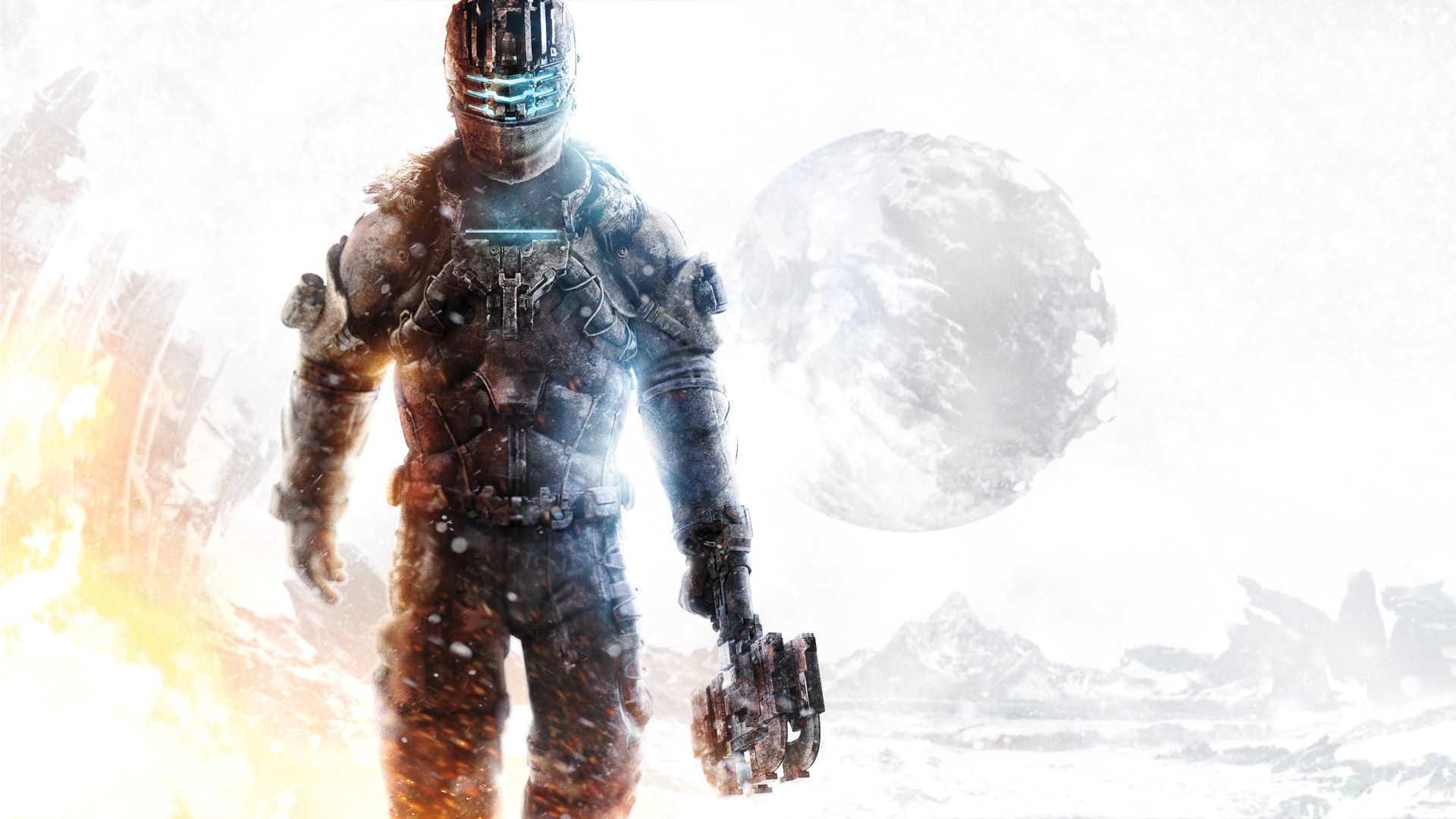
The creators of this survival horror series moved away from its scary roots, emphasizing action and letting players team up. Many fans disliked the way buying items with real money for weapon upgrades lessened the feeling of dread and the need to carefully manage limited supplies, which were hallmarks of the original games. The horror was also reduced by adding another playable character and making ammunition readily available. After disappointing sales, Electronic Arts put the series on hold until a recent reimagining was released.
‘Command & Conquer 4: Tiberian Twilight’ (2010)
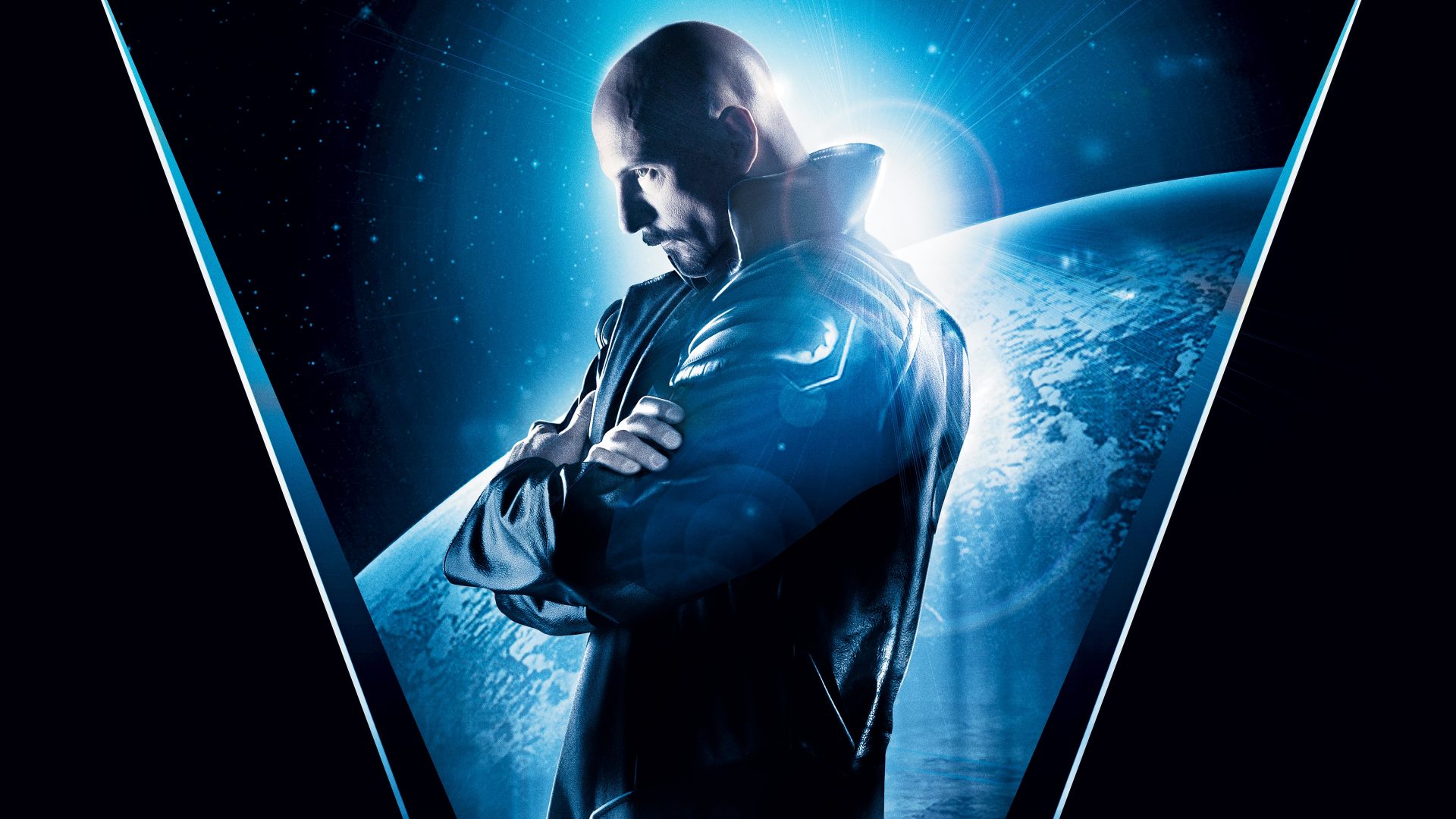
This strategy game broke with tradition by removing base building and resource collecting – features that defined the genre. It introduced a class system and required players to be online to advance, which upset many loyal fans. The ending to the game’s story was seen as disappointing and hurried. These big changes from what players expected led to the cancellation of planned sequels and effectively ended the main series.
‘Dino Crisis 3’ (2003)
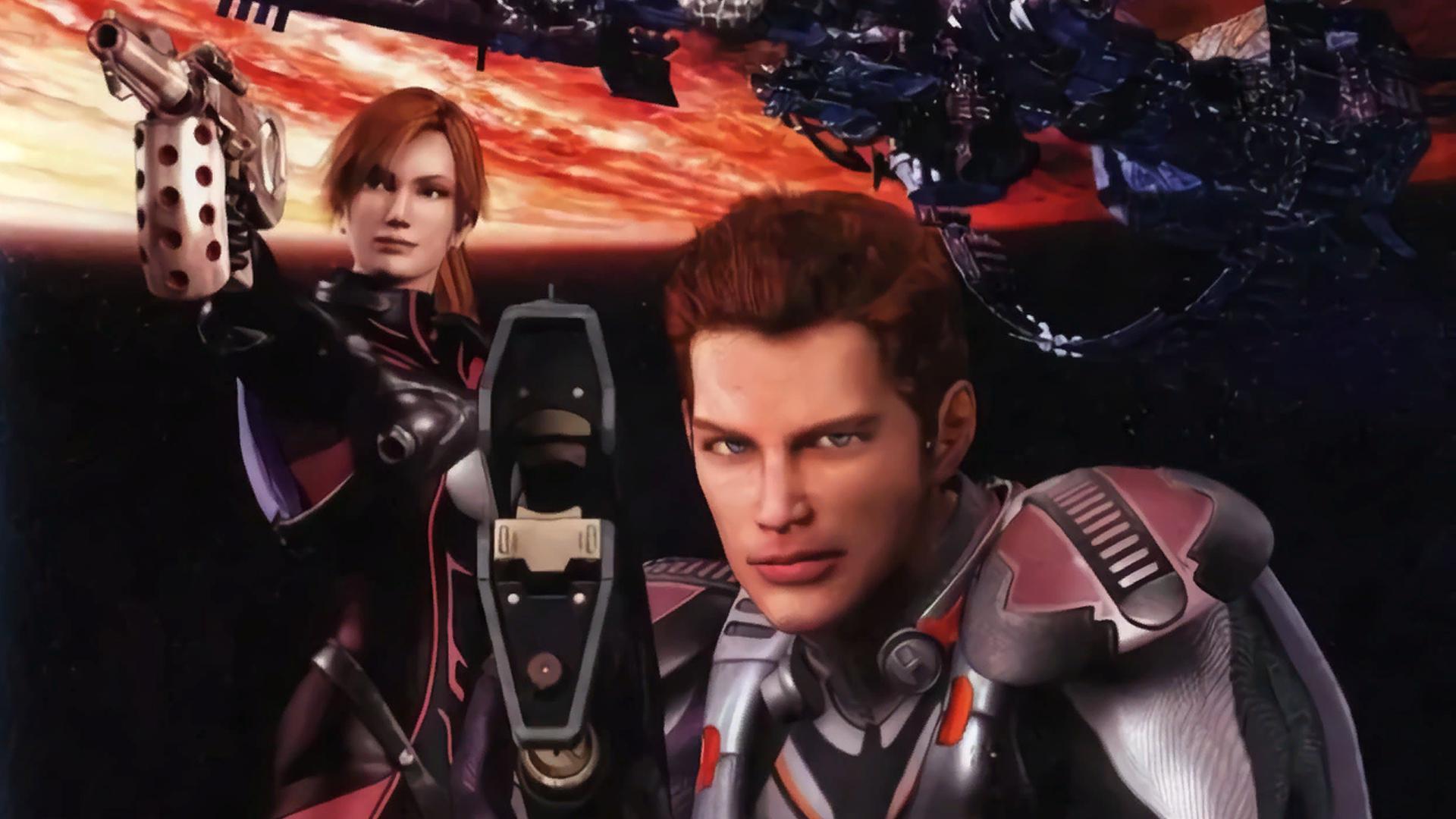
Capcom took a big risk with the latest installment in their dinosaur survival series by setting it in a futuristic outer space. Unfortunately, the game strayed too far from its roots, featuring bizarre, mutated creatures that weren’t really like dinosaurs at all. Add to that a clunky camera and difficult-to-control jetpack, which made fighting awkward and frustrating. This major change in style and gameplay didn’t resonate with players, and the game wasn’t successful, effectively ending the series.
‘Banjo-Kazooie: Nuts & Bolts’ (2008)
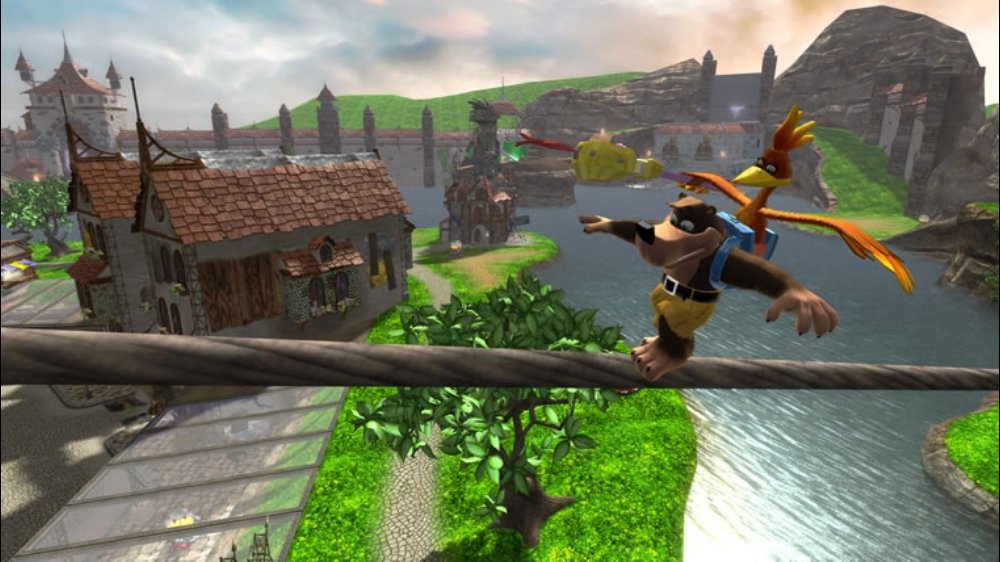
Rare surprised fans by moving away from the classic platforming gameplay their characters were known for, focusing instead on building and driving vehicles. While the vehicle mechanics were well-done, many players who loved the original games missed the traditional exploration and jumping. This change didn’t resonate with the core fanbase, and as a result, the characters haven’t been featured in major games since, mostly appearing in brief cameos.
‘Alone in the Dark: Illumination’ (2015)
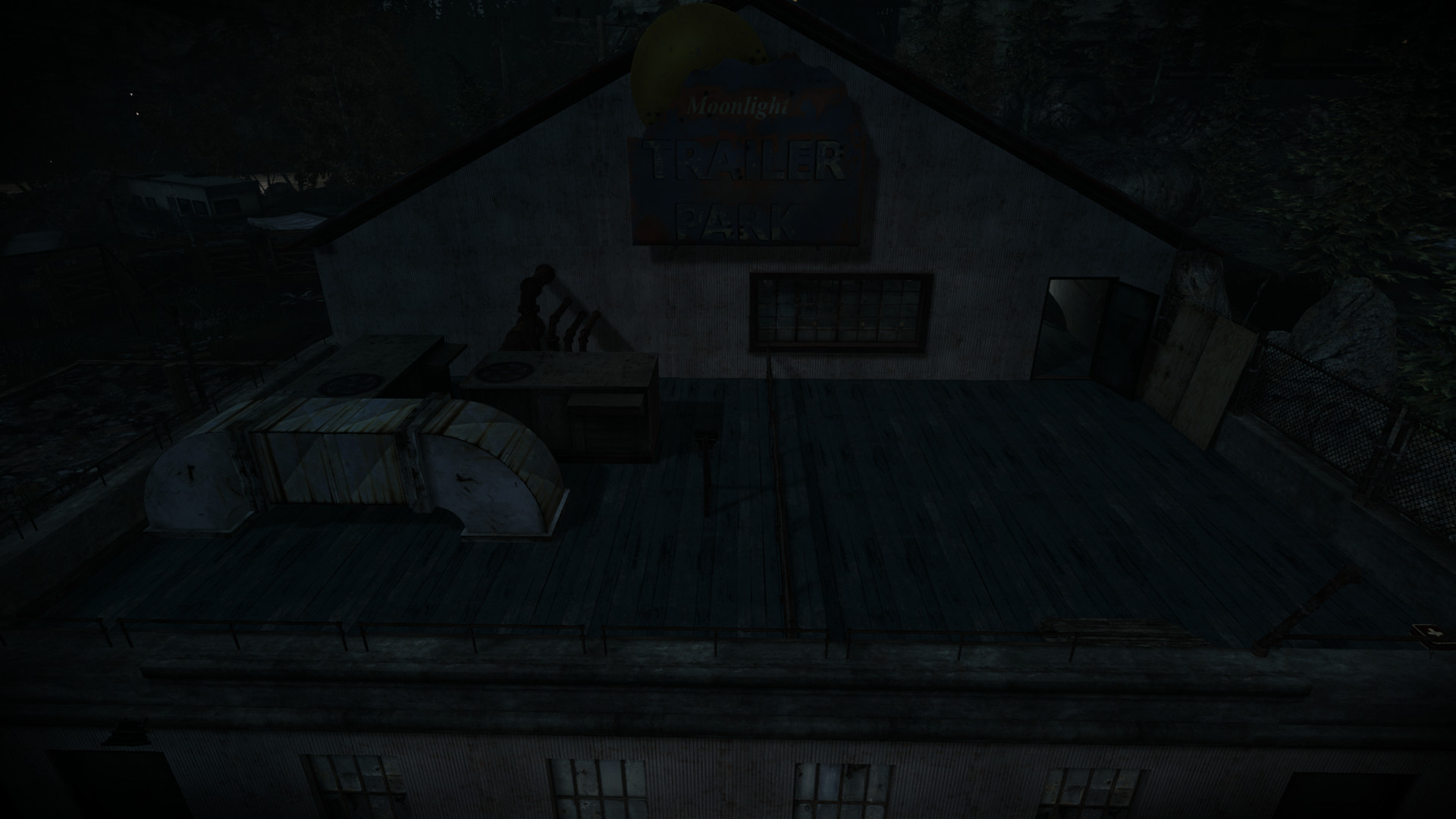
This game reimagined the classic survival horror series as a four-player co-op shooter, each player choosing from different character types. However, it received harsh criticism for feeling repetitive and failing to deliver the series’ signature scares or immersive atmosphere. Technical problems and bad lighting further hampered the experience, and the overwhelmingly negative response meant the game quickly failed to find an audience.
‘Empire Earth III’ (2007)
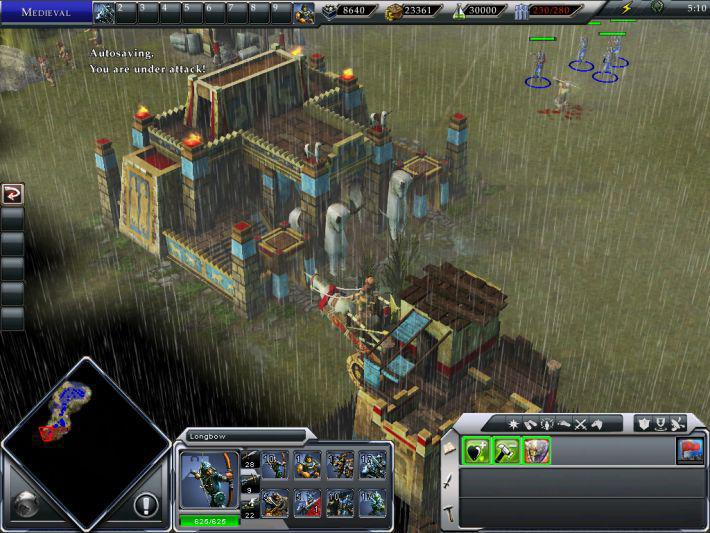
As a long-time fan, I was so disappointed with the latest game. It felt like the developers really tried to make it easier for new players, but they went too far. They simplified everything – the tech tree felt really basic, and honestly, the enemy AI was just awful. Plus, they added a lot of silly jokes to the unit voices, which just didn’t fit the serious, historical vibe the series always had. It really took away from the strategy, and I think that’s why so many of us fans were upset – it just didn’t feel like the same game, and sadly, it seemed to be the end of the line for the franchise.
‘Tony Hawk’s Pro Skater 5’ (2015)

The game was released quickly to meet a deadline for a licensing agreement, but it was full of problems and almost impossible to play. Players experienced frustrating glitches, like falling through the floor or being launched into the air randomly. A last-minute change to a cartoonish art style couldn’t disguise the game’s poor graphics. This poor reception led to the series being put on hold until a remake of the original games brought it back to life.
‘Marvel vs. Capcom: Infinite’ (2017)
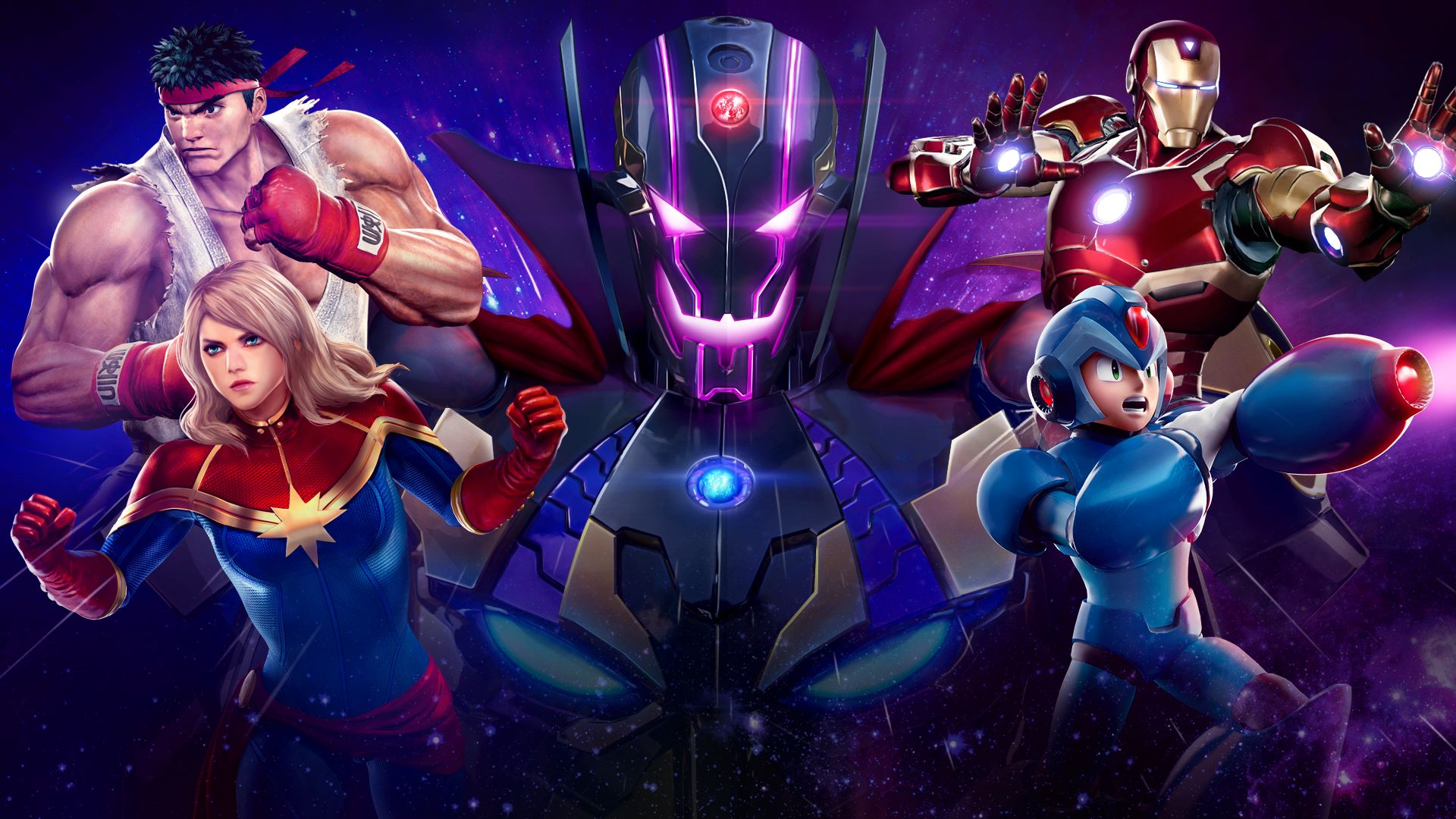
This fighting game received criticism for its visuals, which many found blurry and unfinished compared to earlier titles in the series. Licensing issues prevented the inclusion of popular X-Men characters. A very simple control scheme with automatic combos disappointed experienced fighting game players. The game wasn’t accepted into major tournaments, and the developers stopped supporting it soon after it came out.
‘Thief’ (2014)
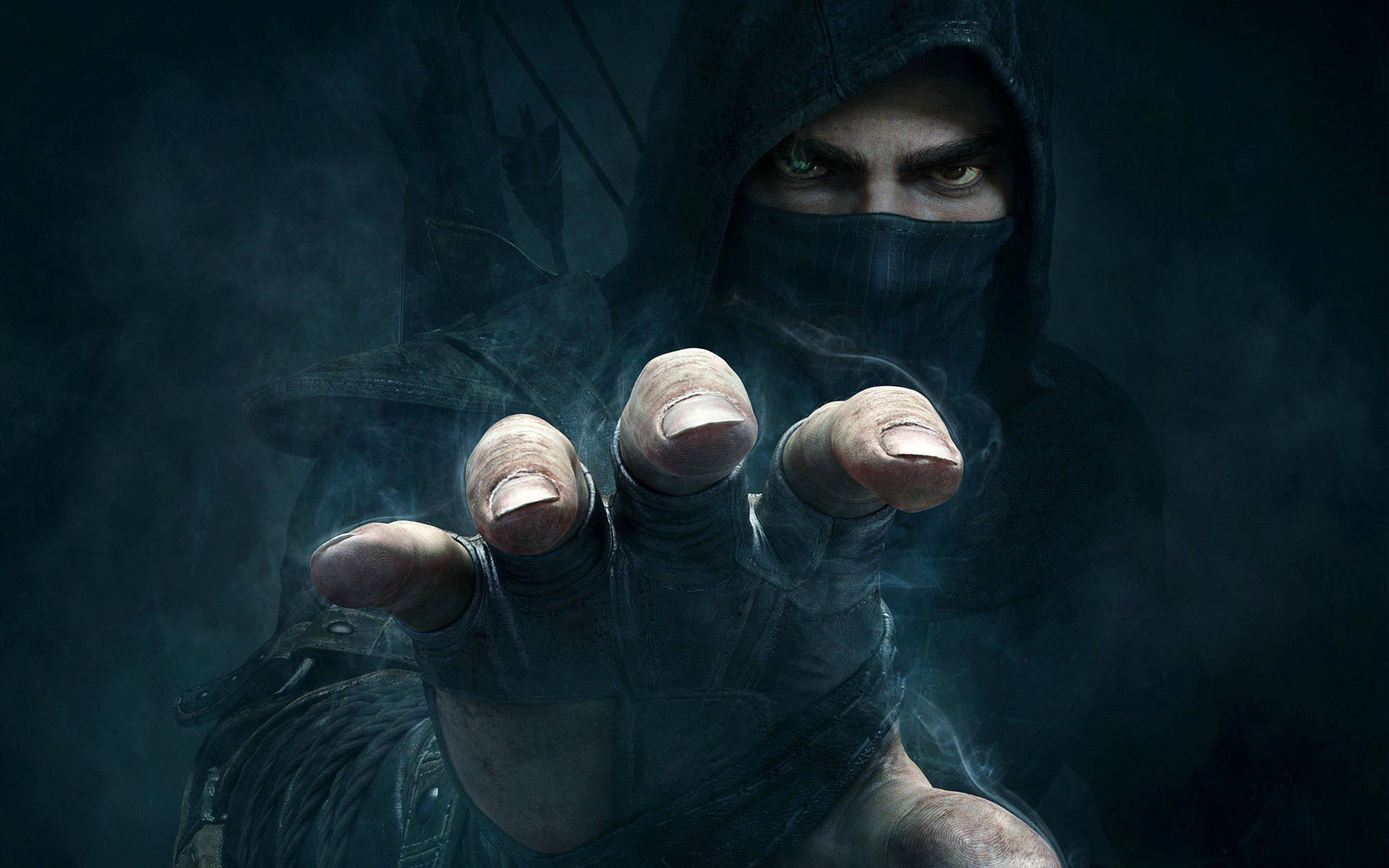
The recent attempt to revive the series didn’t live up to the standards set by the original games. It lost the expansive levels and incredible sound design that made them so special. The new version of the main character was much more serious and lacked the sarcastic humor of the original. The game also felt much more restrictive, forcing players down a single path instead of letting them explore and solve problems creatively – a key feature of this type of game. After this, the developers shifted their focus to other projects, and the series hasn’t seen a new release since.
‘Sacred 3’ (2014)
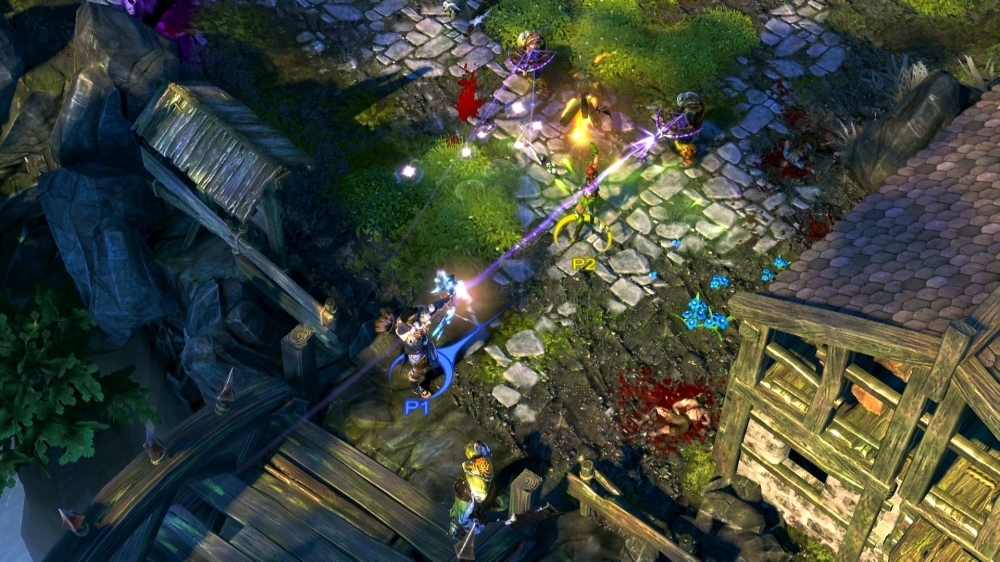
As a long-time fan, I was really shocked by the new game. They took what I loved about the open-world RPG – exploring, finding cool loot, and building my character – and completely changed it into a simple, level-based fighting game. It felt like they just ripped out everything that made the old games special. Honestly, a lot of us felt pretty betrayed, and the reaction was so strong that the developers actually had to apologize for how they’d advertised it. It was a huge disappointment.
‘Metal Gear Survive’ (2018)
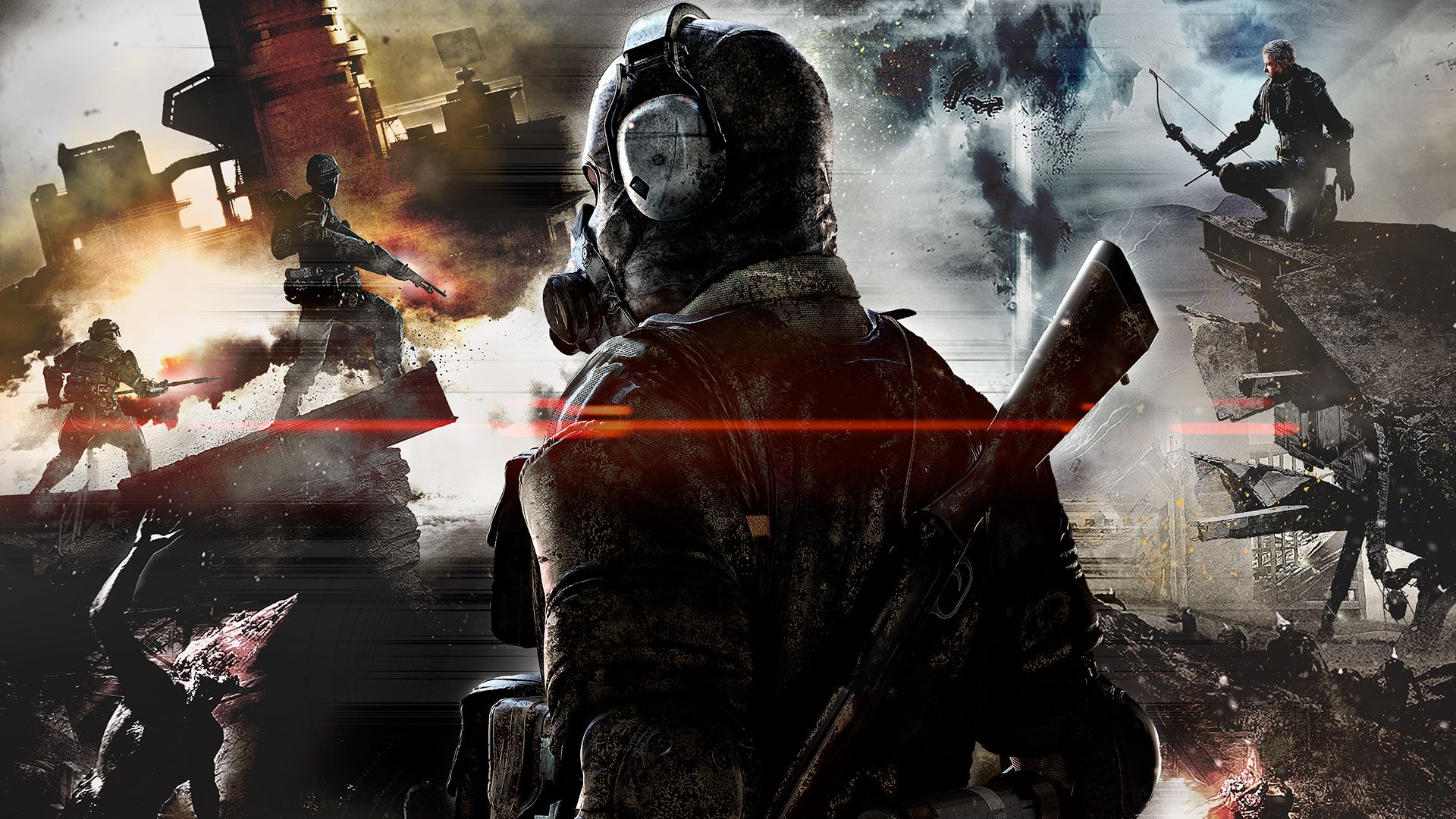
This zombie survival game came out soon after Hideo Kojima, the creator of the main series, left Konami. While it used the same engine as the fifth game, it added frustrating hunger and thirst mechanics. Fans were particularly upset about having to pay extra for simple things like more save files. Most people saw it as a greedy attempt to make money and it didn’t resonate with players.
‘Dungeon Keeper Mobile’ (2014)
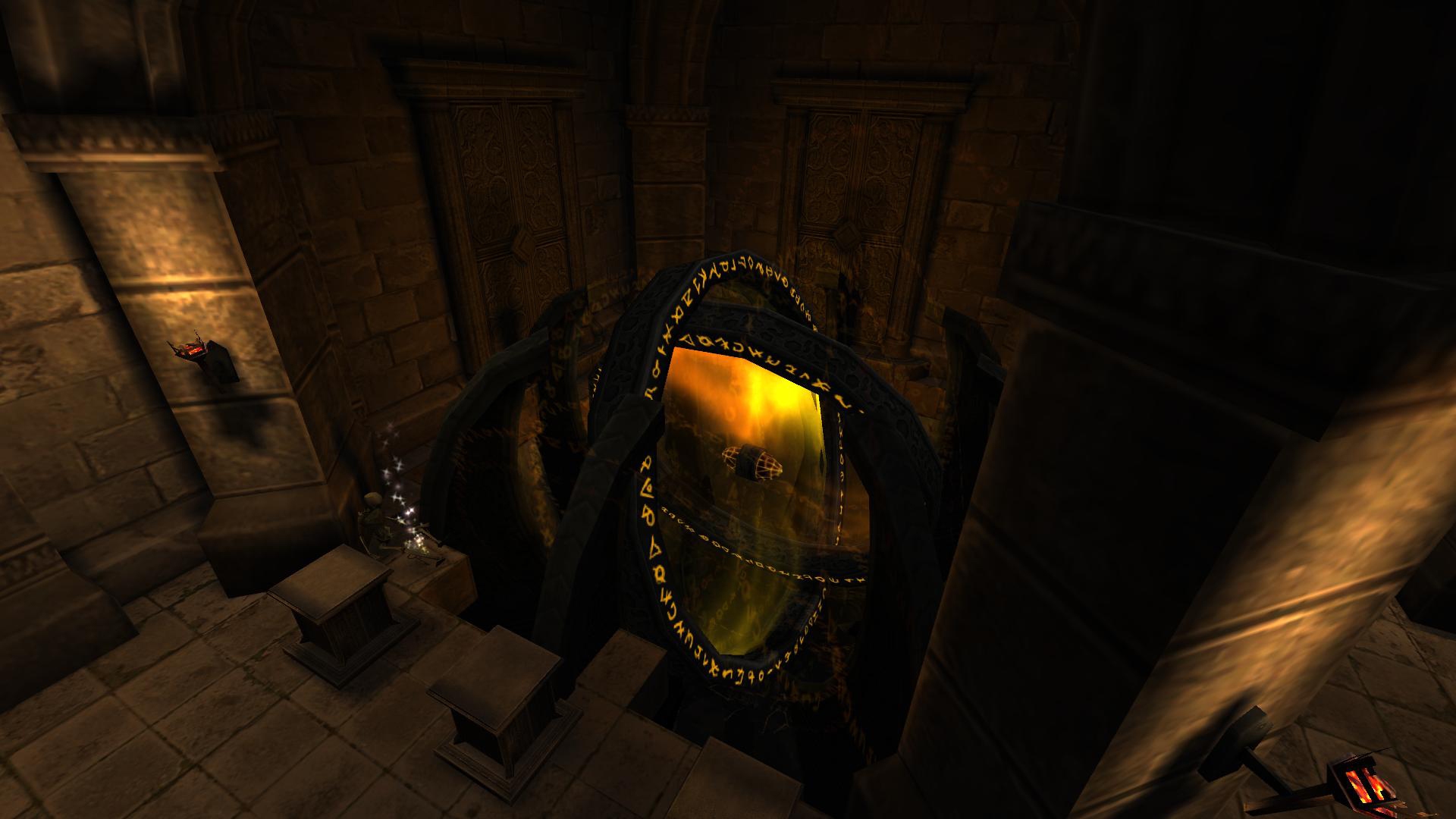
Electronic Arts brought back the classic strategy game on mobile devices, but as a free-to-play title, it included frustrating wait times. These timers significantly slowed down gameplay unless players paid real money to bypass them. Both critics and fans strongly criticized this approach, saying it made the game almost impossible to enjoy without spending money. The game’s original creator even spoke out against it, and the remake damaged the franchise’s overall reputation.
‘Dawn of War III’ (2017)
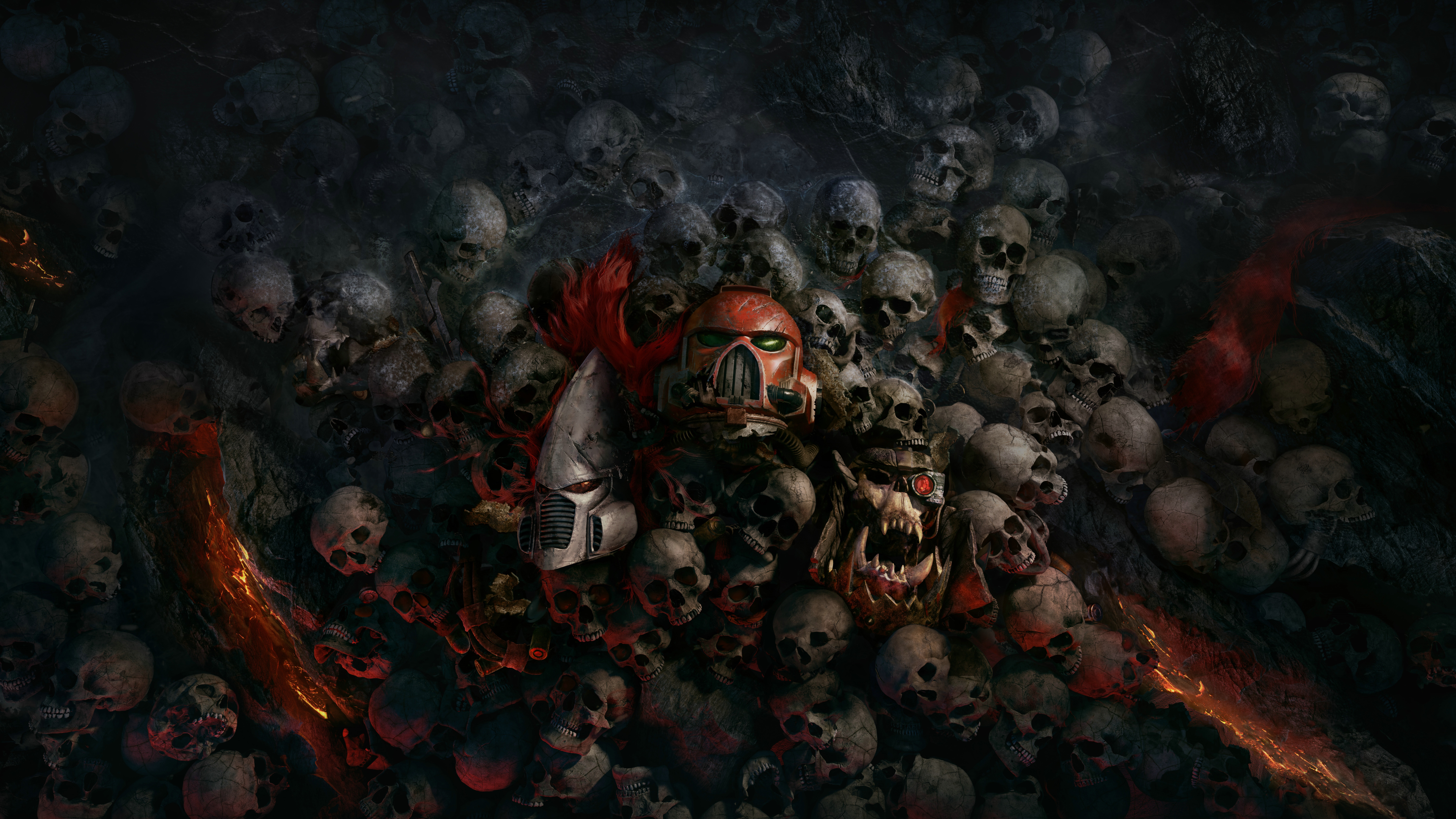
Relic Entertainment aimed to combine the large-scale battles of their original game with the hero-centric gameplay of its sequel. However, this mix didn’t appeal to fans of either style and ended up feeling more like a MOBA than a traditional strategy game. The game launched with few multiplayer options and factions, which led to players losing interest. Ultimately, support for the game was discontinued less than a year after release because the player base shrank.
‘FlatOut 3: Chaos & Destruction’ (2011)
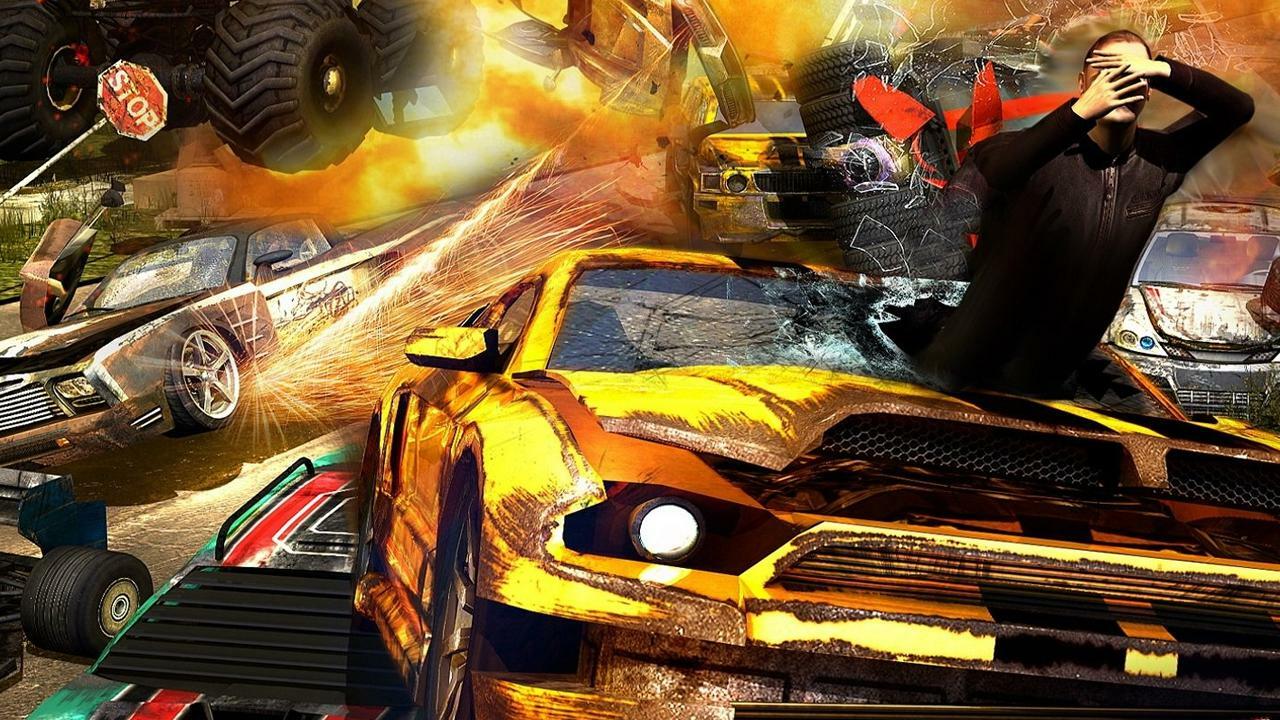
The latest installment in the racing series was developed by a studio new to the franchise, and the result was deeply flawed. The game’s physics were buggy, making car crashes look unnatural, and the track designs were uninspired. Its graphics were also noticeably outdated. As a result, it received extremely negative reviews and significantly damaged the reputation of the entire racing series.
‘Star Fox Zero’ (2016)
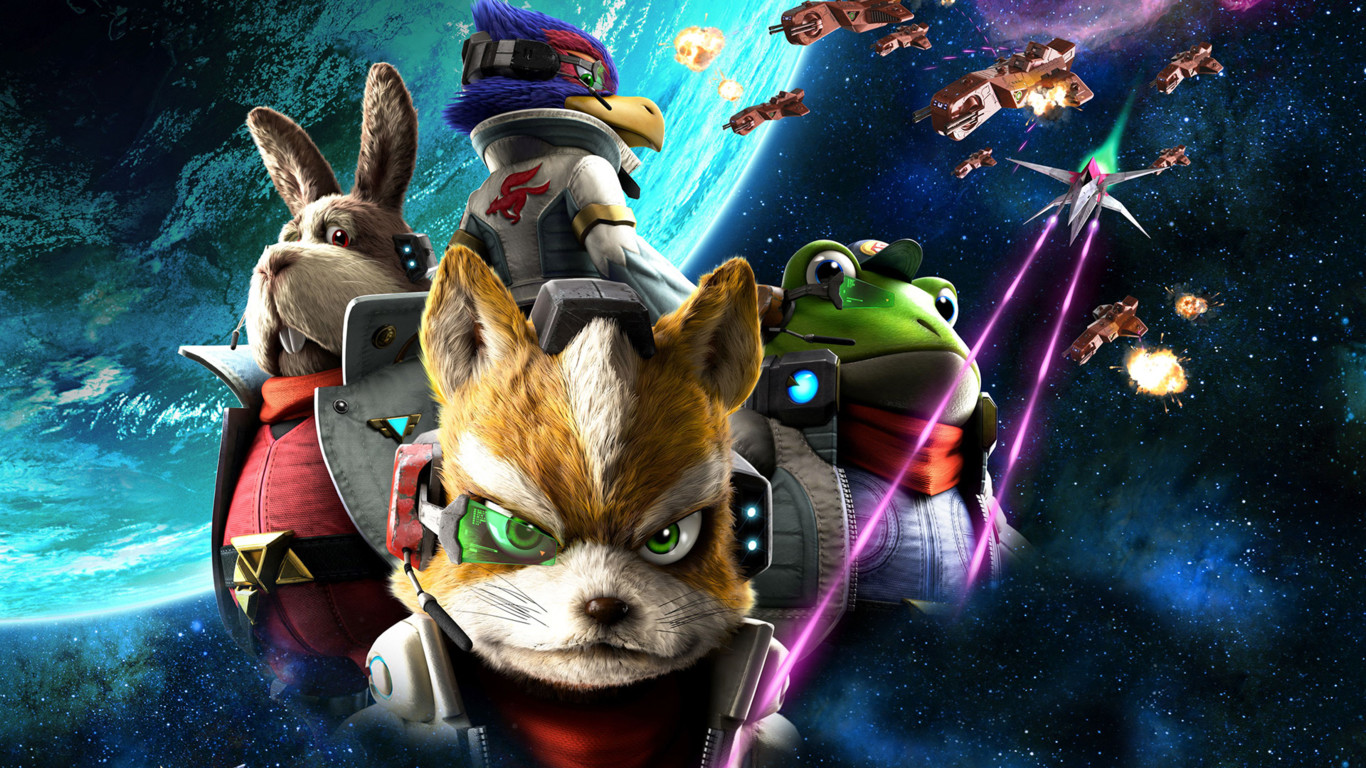
Nintendo made a design choice that required players to watch two screens at the same time, and this proved problematic. The motion controls weren’t very accurate, constantly needing adjustments, which made even basic actions like aiming and flying feel clunky and annoying. Ultimately, the game didn’t connect with players, and the series hasn’t had a new main installment on consoles since.
‘Splinter Cell: Blacklist’ (2013)
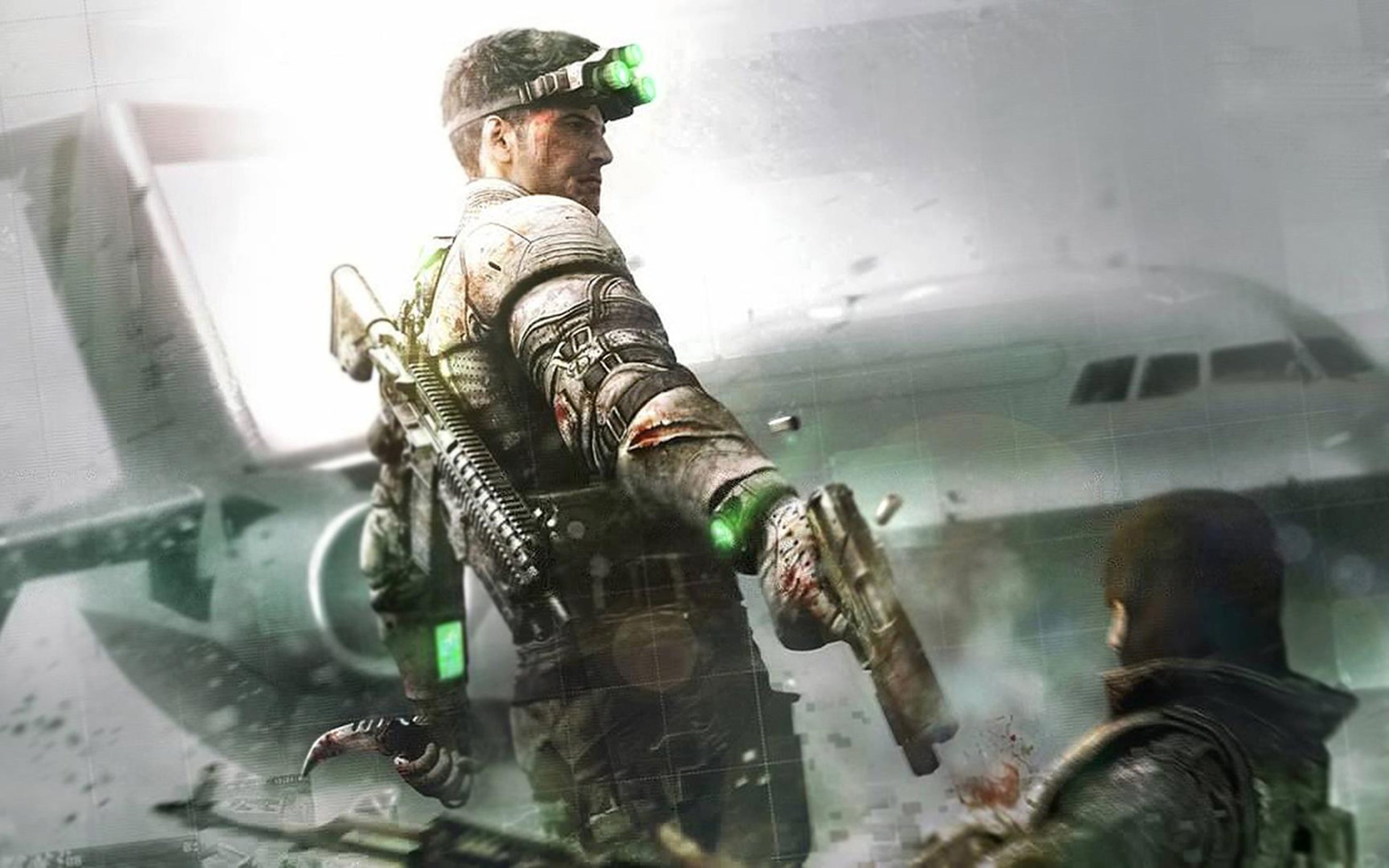
Although the game received mostly good reviews, Ubisoft didn’t sell as many copies as they had hoped. A major change – replacing the original voice actor, Michael Ironside – upset many longtime fans. Ubisoft then decided that making more games in the stealth genre wasn’t worth the investment. As a result, the main character, Sam Fisher, now only appears occasionally in other Ubisoft action games.
‘Sly Cooper: Thieves in Time’ (2013)
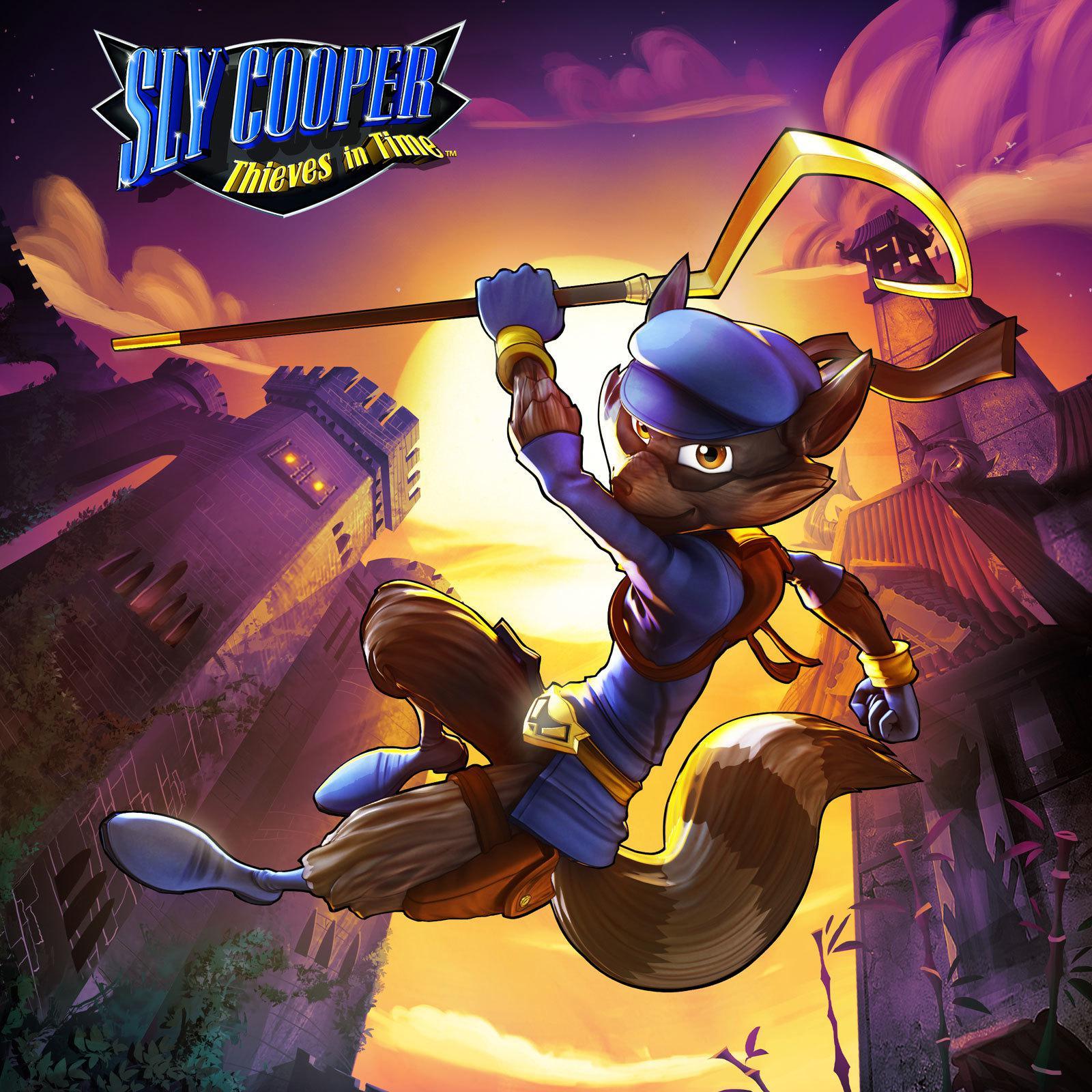
The game finished with a shocking ending that hinted at a sequel focusing on the raccoon thief. However, sales didn’t meet expectations, and Sony decided to stop making games in that series. The development team shifted to new projects, leaving the story unfinished. Now, fans have been waiting for over ten years for a resolution that might never come.
‘Jak and Daxter: The Lost Frontier’ (2009)
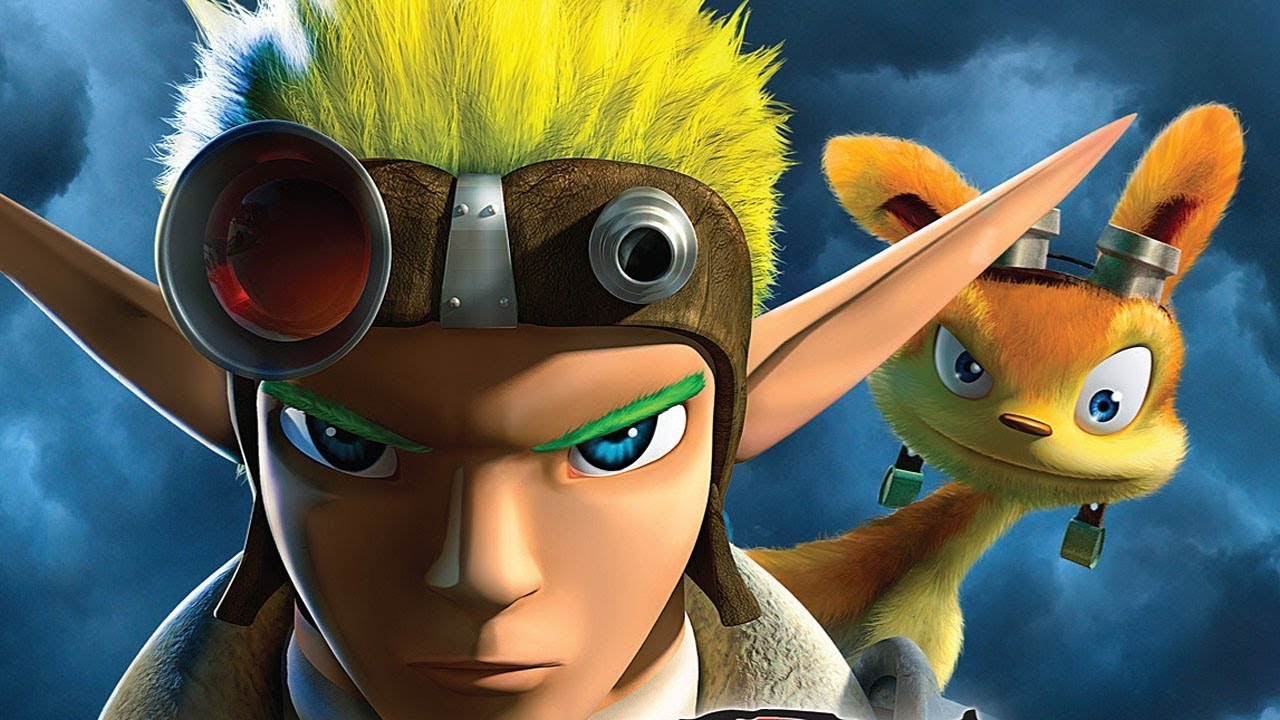
This game was created without input from the team who originally made it at Naughty Dog. The gameplay included clumsy flying sections that distracted from the core platforming experience. Both the PlayStation 2 and PSP versions were filled with bugs and camera problems. Ultimately, the poor reception to this release meant the end of this character pair’s platforming series.
‘F-Zero Climax’ (2004)

This game, released only in Japan, was the last in a fast-paced racing series. Nintendo has explained they’ve had difficulty finding fresh ideas for a new installment. The series hasn’t seen a new main game in twenty years, though its main character has appeared in ‘Super Smash Bros.’ Despite ongoing requests from fans, a new game remains unlikely.
‘Twisted Metal’ (2012)
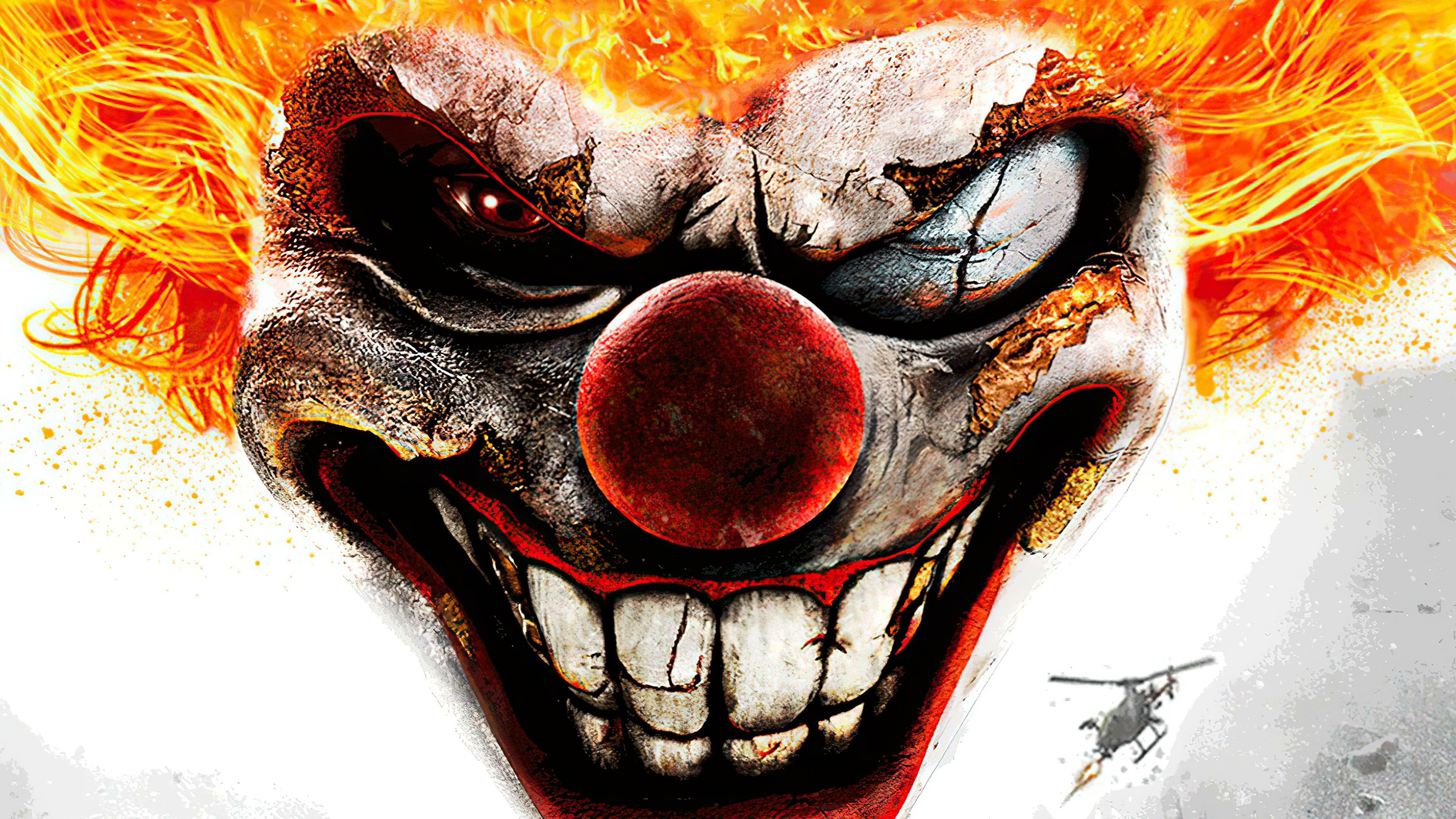
Okay, so this new version of the game really pushed multiplayer, which was cool, but they totally dropped the ball on the single-player campaign. It was super short, and honestly, they let you play as only three characters when there were tons to choose from! Plus, the online connection was a mess at launch – it was so buggy that a lot of people just gave up. It’s a shame, because the whole genre was already fading, and this game just didn’t bring enough back to warrant another one, sadly.
‘SSX’ (2012)
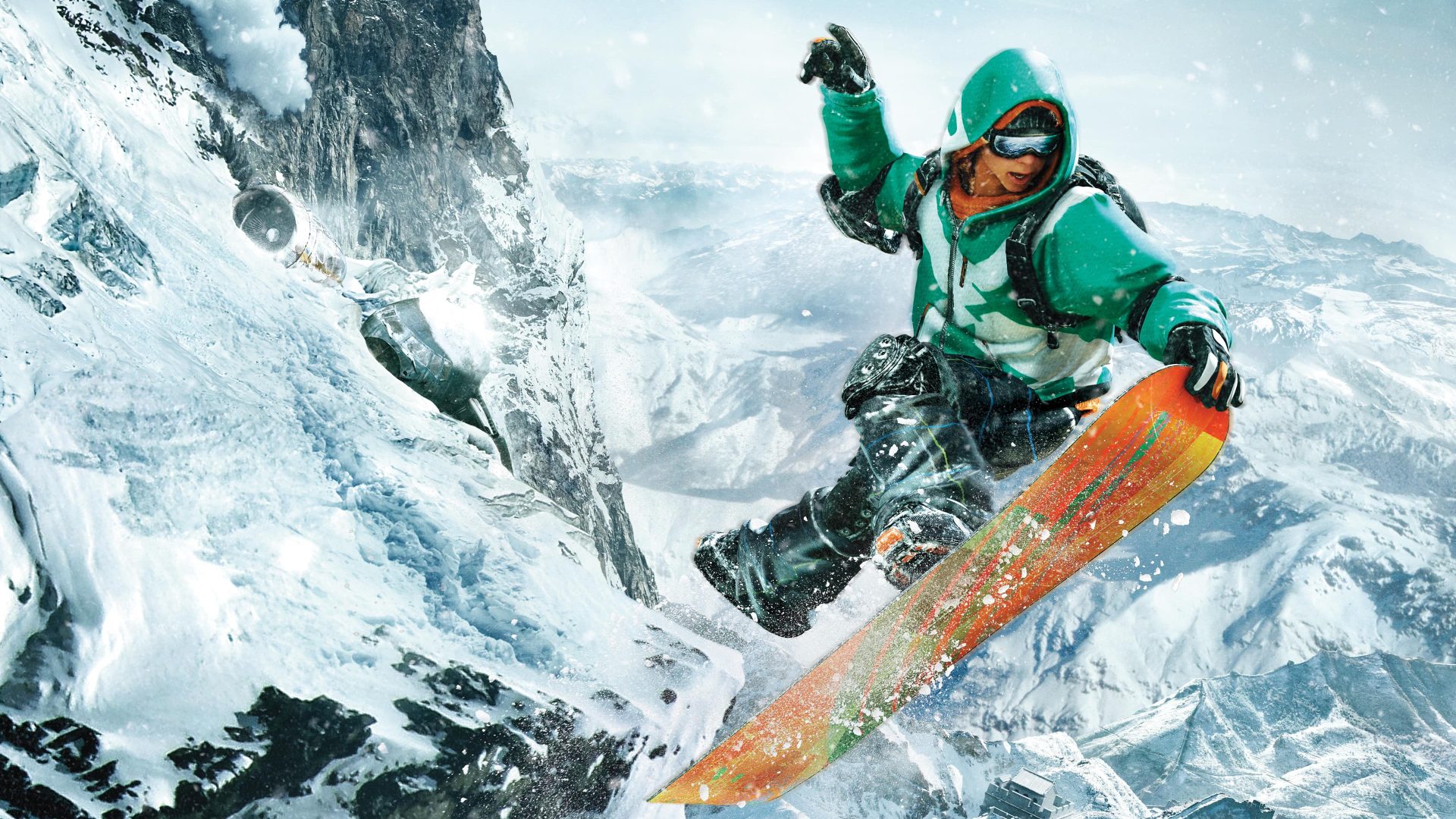
The game series moved away from its bright, arcade-style look, opting for a more realistic and intense feel. A new survival element was added, forcing players to monitor their oxygen and protective gear while snowboarding. However, many longtime fans preferred the older games’ energetic style and colorful courses. Ultimately, EA Sports paused development of the series to focus on other successful projects.
‘Virtua Tennis 4’ (2011)

Sega tried to update their arcade tennis games with motion controls and a new way to play through a campaign. However, they made the gameplay too simple, which led to matches feeling repetitive and shallow. With fewer people playing arcade sports games in general, this title wasn’t able to revive the genre, and the series was eventually discontinued as the publisher decided to focus on sports management games instead.
‘Steel Battalion: Heavy Armor’ (2012)

The first game in the series was known for its complex, dedicated controller. However, the sequel completely switched to using the Kinect motion sensor. Unfortunately, the Kinect’s tracking was very inaccurate, making it incredibly difficult to control the giant robot. Players had trouble with even simple actions, such as shifting gears or sealing the cockpit. Critics widely considered the game unplayable, and it led to the immediate cancellation of any further installments in the series.
‘Kane & Lynch 2: Dog Days’ (2010)
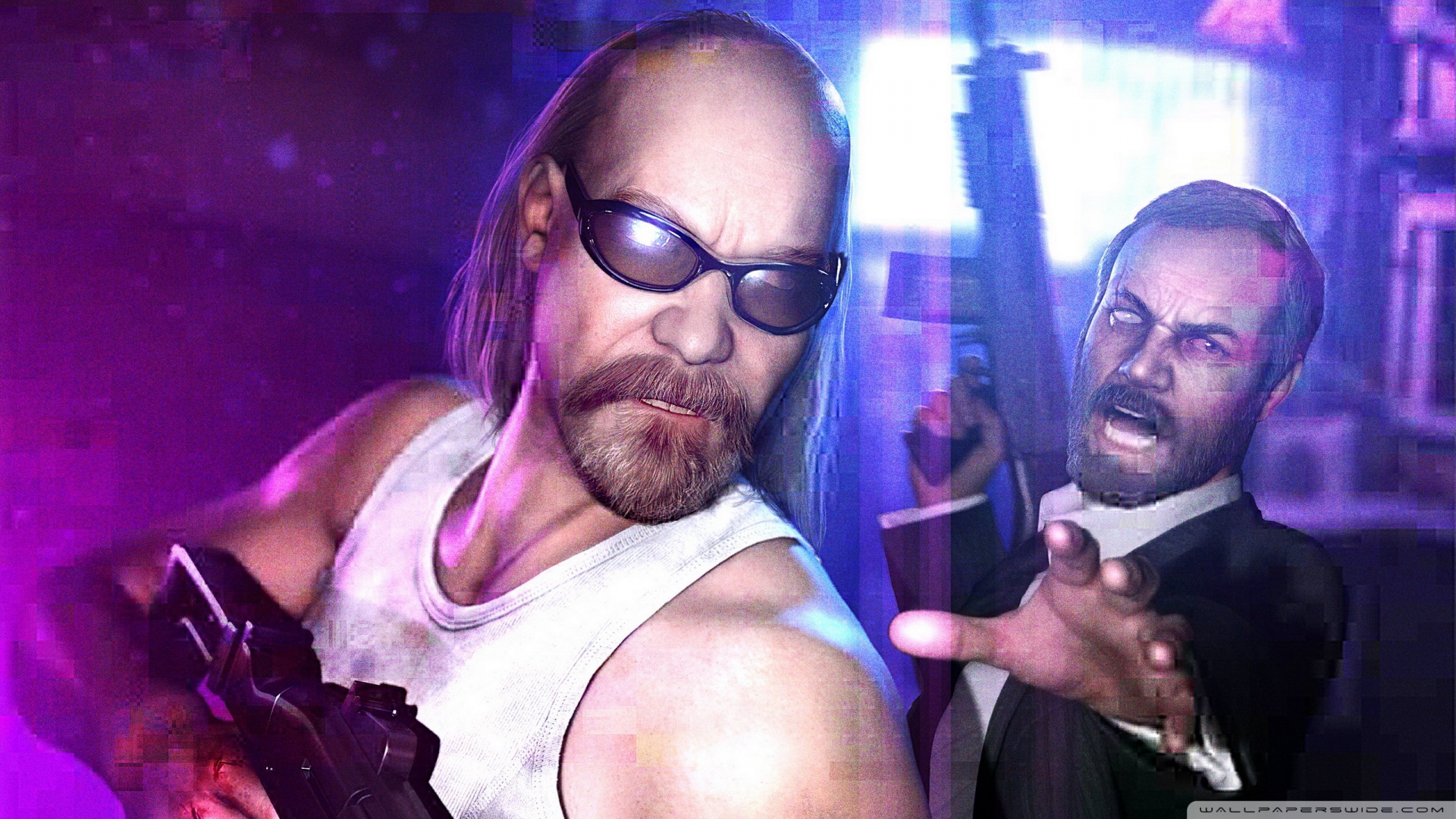
The game deliberately looked like shaky, old camcorder footage, but this made many players feel motion sick. Critics also found the story too short and unsatisfying, as it ended suddenly without a clear resolution. Players didn’t connect with the characters, and the shooting gameplay felt familiar and uninspired. Due to the negative response, the publisher cancelled all future plans for the game, including a potential movie.
‘Turok’ (2008)
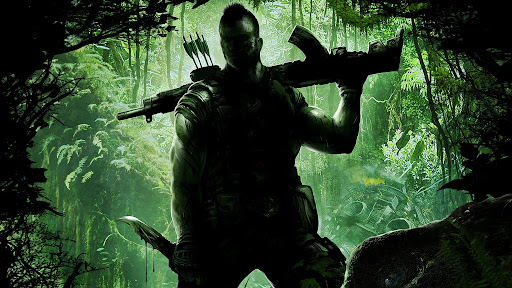
This new version of the game moved away from the quick, arcade-style gameplay of the original Nintendo 64 titles. It now looks like a typical military shooter, with a lot of grey and brown scenery. Players experienced technical problems like screen tearing and choppy frame rates, especially during fights. Sadly, the studio that made the game eventually closed down, and the dinosaur hunter hasn’t been the main character in a big game release since.
‘Bionic Commando’ (2009)
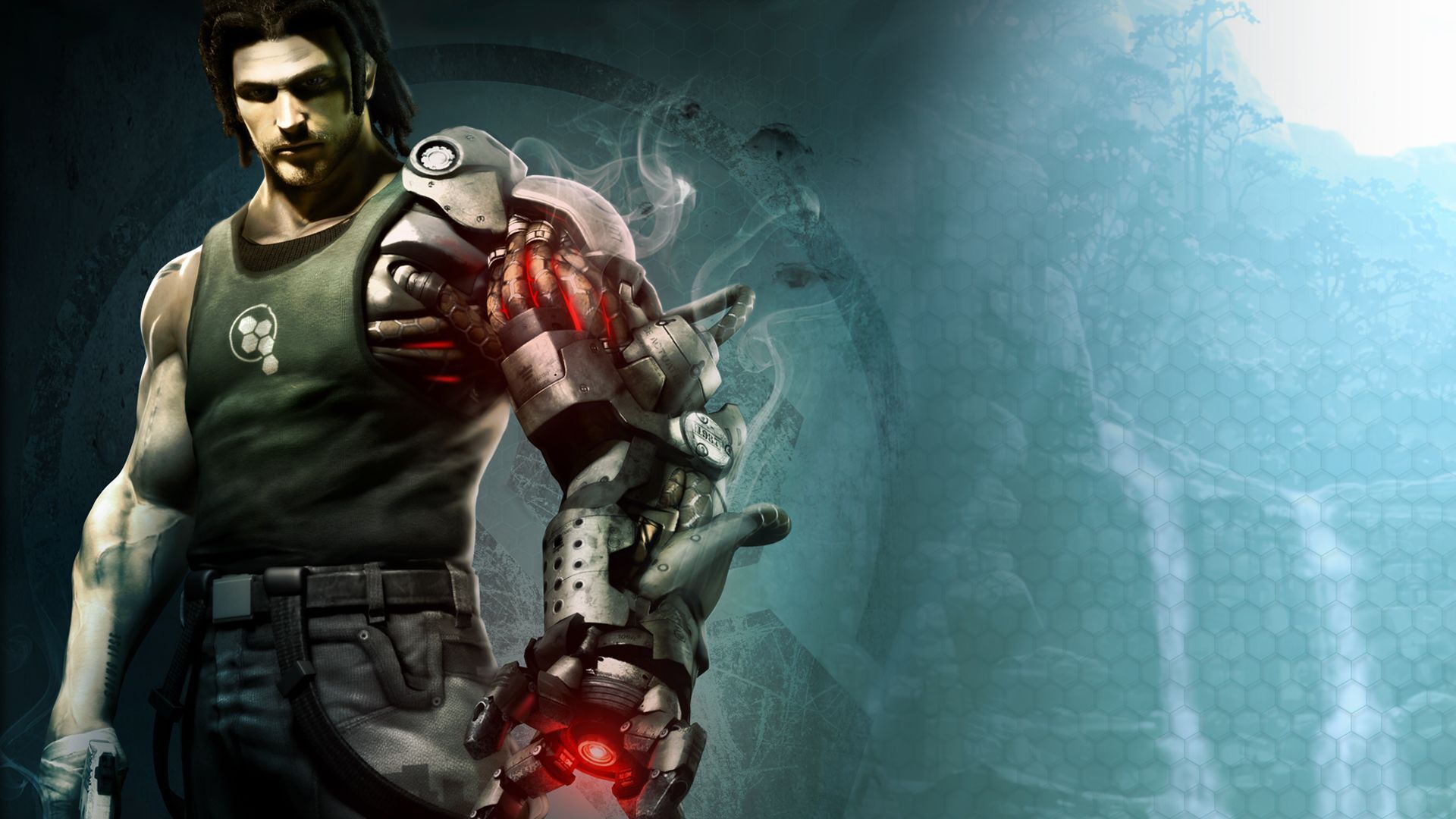
Capcom updated their iconic hero with a darker look and a robotic arm that allowed for swinging movement. However, critics didn’t like the game’s straightforward levels, which penalized players for venturing off the beaten path. A surprising plot twist concerning the hero’s wife was also heavily criticized as being unbelievable. Ultimately, the reboot didn’t perform well commercially, and the series was put on hold.
‘Bubsy 3D’ (1996)
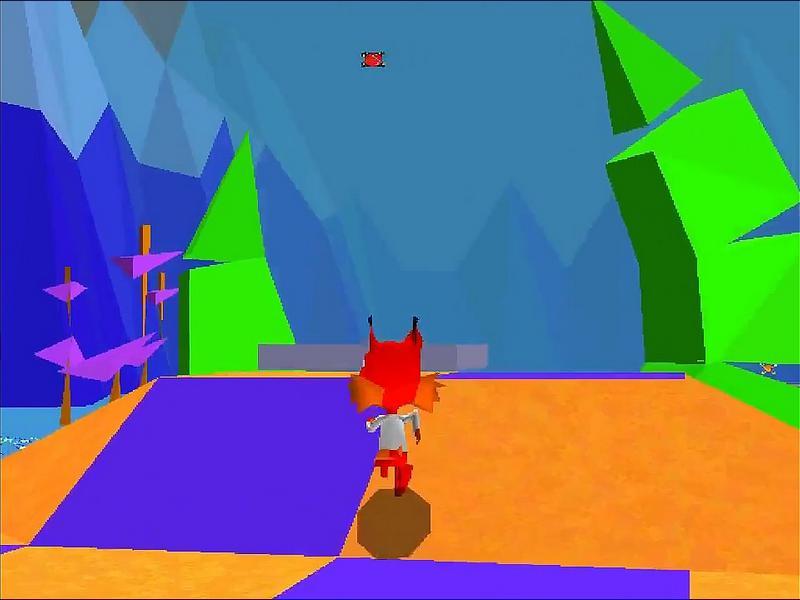
This bobcat mascot’s jump to 3D was a huge failure. The controls were clunky and difficult to manage, and the camera made navigating the levels disorienting and unpleasant. Even for its time, the game’s graphics were basic, with empty environments and uninspired textures. It’s widely considered one of the worst games ever created and severely damaged the character’s reputation for years to come.
‘Contra: Rogue Corps’ (2019)
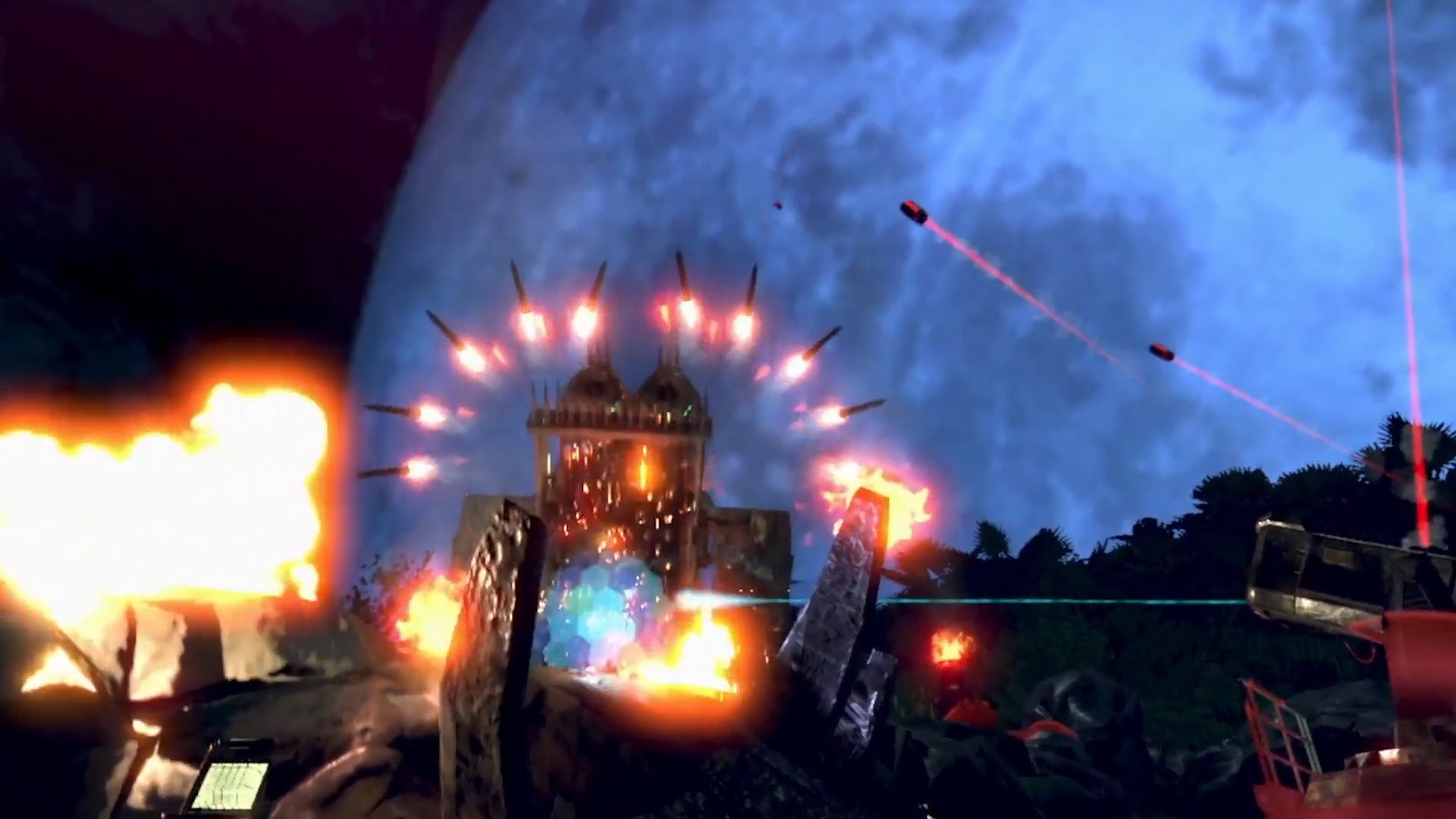
Konami tried to bring back their classic run-and-gun series with a new shooter, but it felt cheap and looked like a simple mobile game. A mechanic that caused weapons to overheat made the gameplay feel slow and clunky. The graphics were blurry, and the game’s attempts at humor fell flat. As a result, longtime fans didn’t embrace the new game, and Konami has since focused on re-releasing older titles in the series.
‘Chibi-Robo! Zip Lash’ (2015)
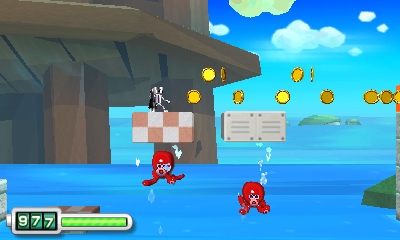
The developers shifted from the original game’s adventure style to a more standard 2D platformer. Nintendo publicly announced that the series’ future relied on this game selling well. Unfortunately, it only received average reviews and didn’t attract much attention, leading the company to now consider the character a discontinued property.
‘Deus Ex: Mankind Divided’ (2016)
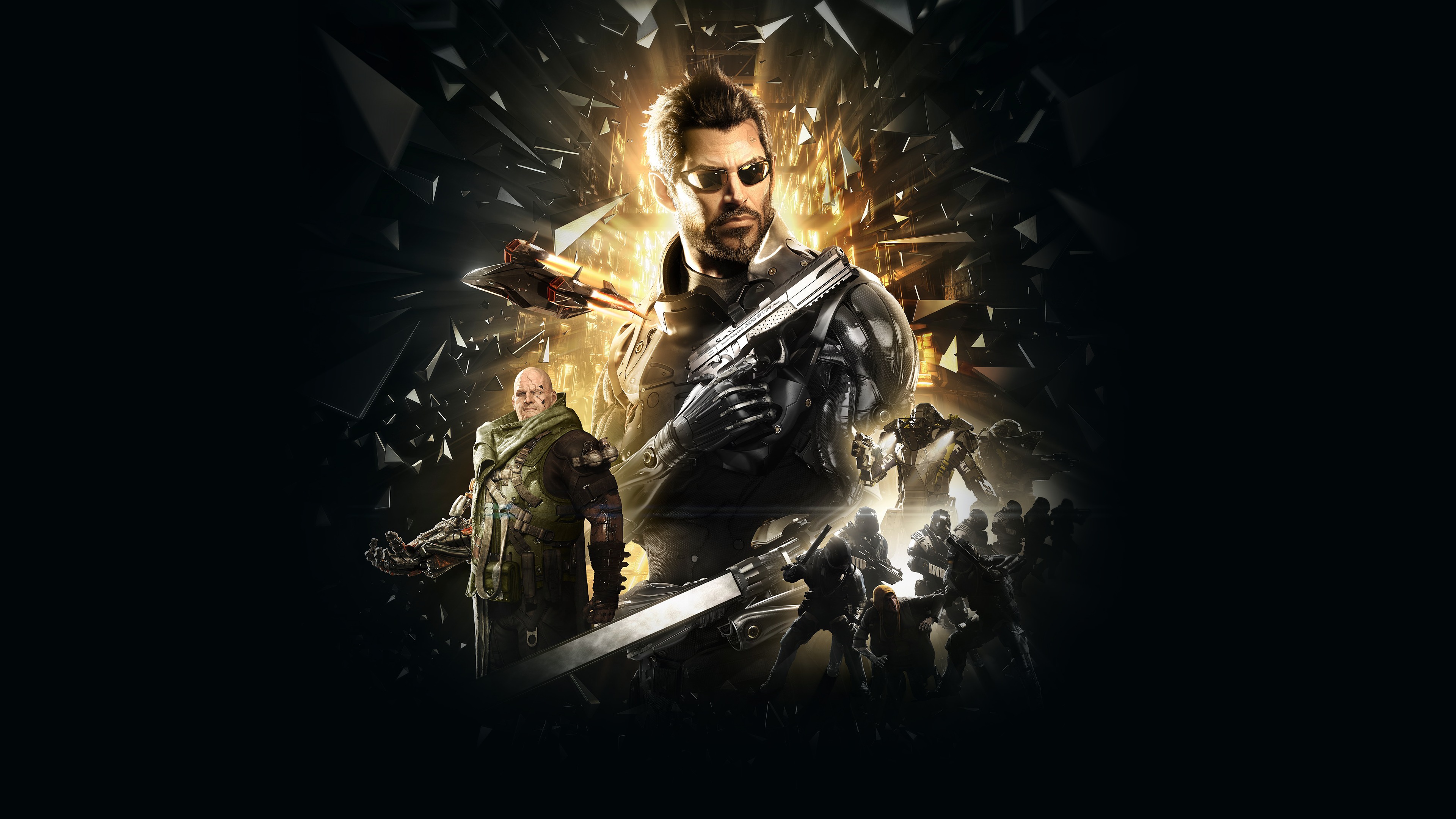
The game’s development was cut short, leaving many story lines unfinished. Square Enix also faced criticism for including a potentially unfair pre-order system and adding purchases within the game, even for players playing alone. Unfortunately, the game didn’t sell enough to earn back its development costs, so the planned three-game series was cancelled. Eventually, the development studio was sold, and it’s now unclear if future games in the series will be made.
‘Mirror’s Edge Catalyst’ (2016)
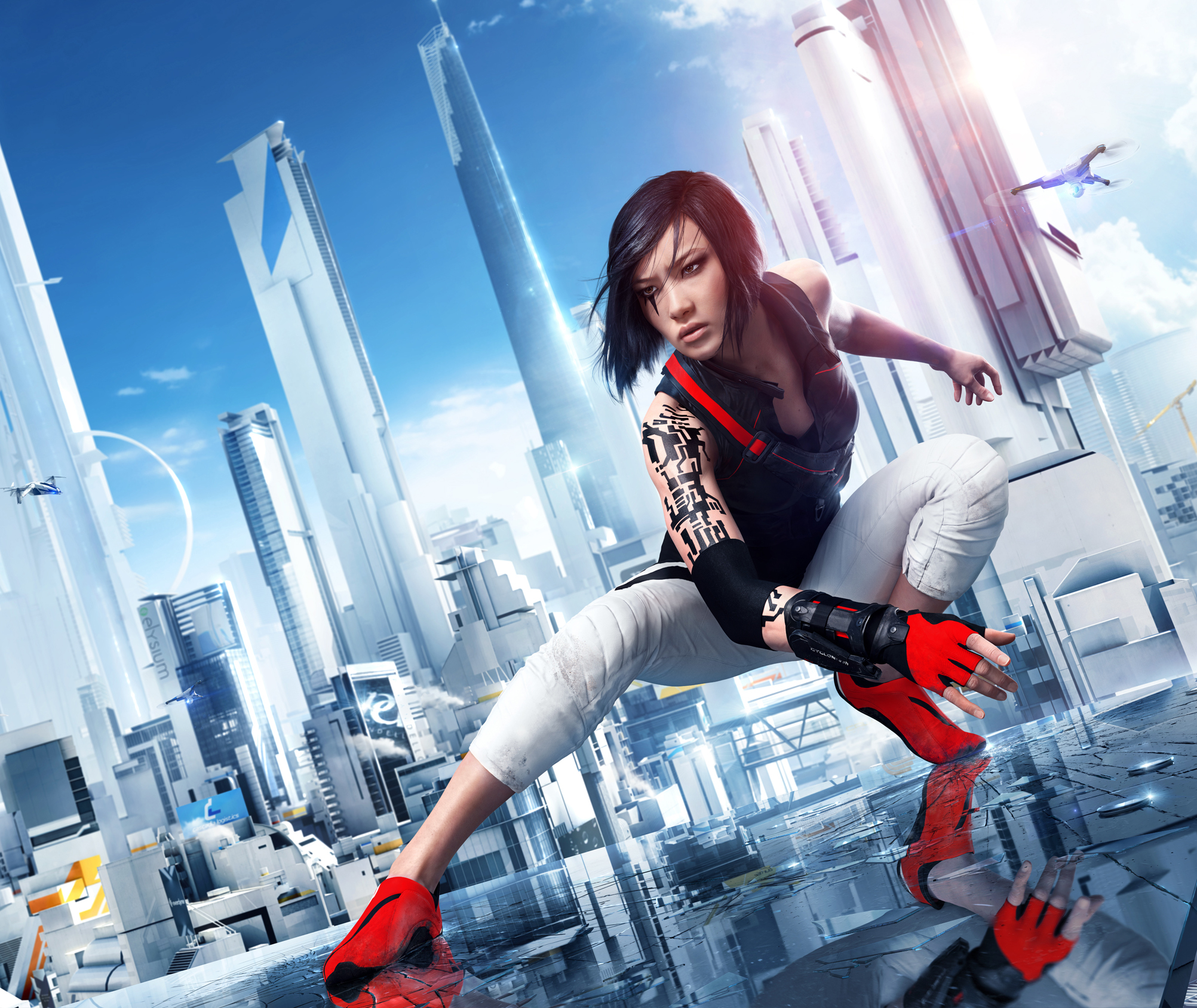
As a big fan of the original, I was honestly disappointed with the sequel. It traded the carefully crafted levels that I loved for a huge open world, and it just didn’t feel as focused. The story didn’t stick with me, and I didn’t really connect with the characters like I did in the first game. Plus, the game kept forcing me into fights even when running away seemed like the smarter option! Sadly, it didn’t sell very well, and it doesn’t look like EA plans to make another one anytime soon, which is a real shame.
‘Prototype 2’ (2012)
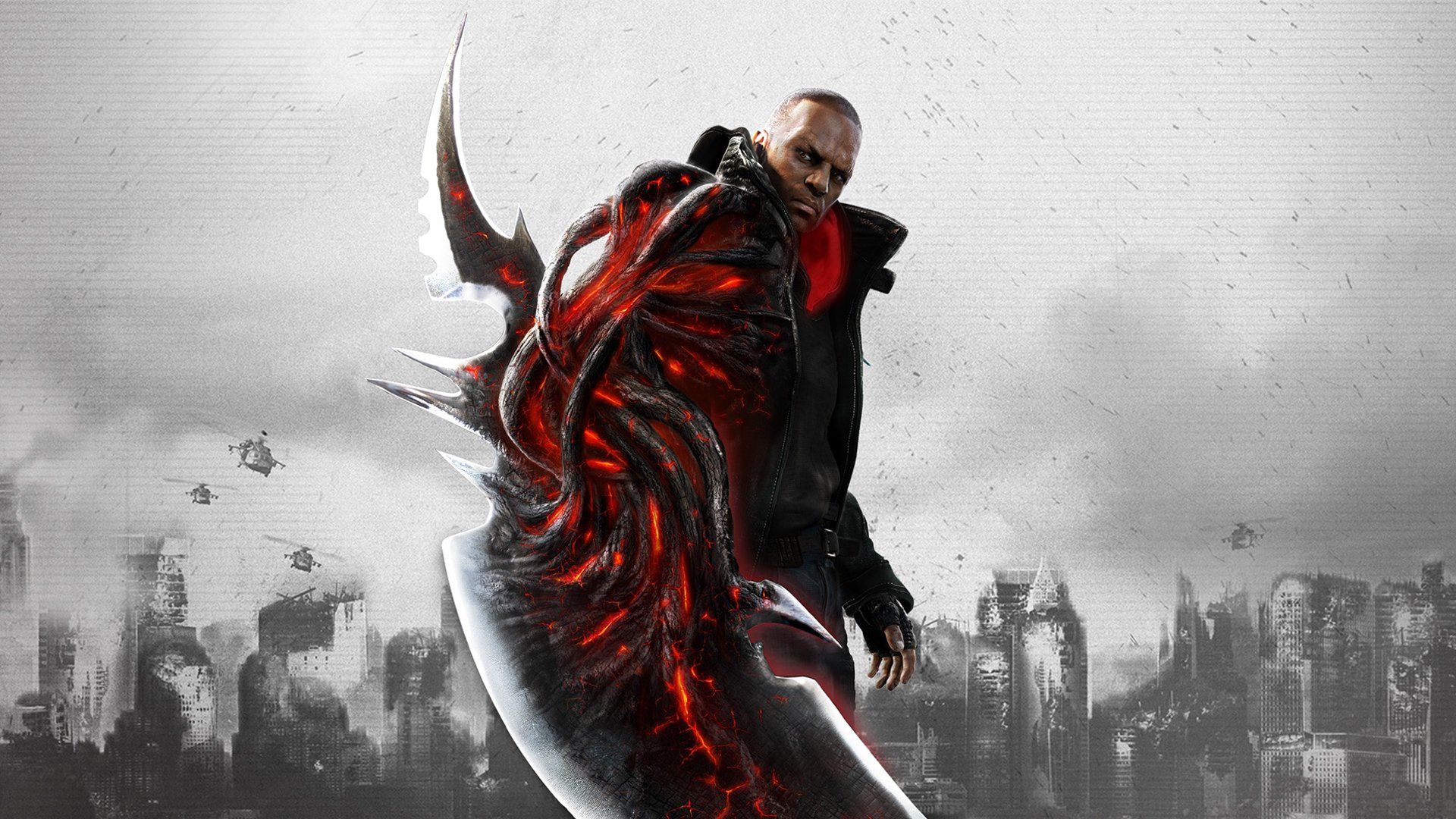
The second game featured new main characters and simplified the complex superpowers from the original. Although the gameplay was solid, sales fell short of Activision’s expectations. As a result, the development team was downsized and ultimately closed. Despite ongoing requests from fans, the series hasn’t been revived with a remake or new installment.
‘Ninja Gaiden 3’ (2012)
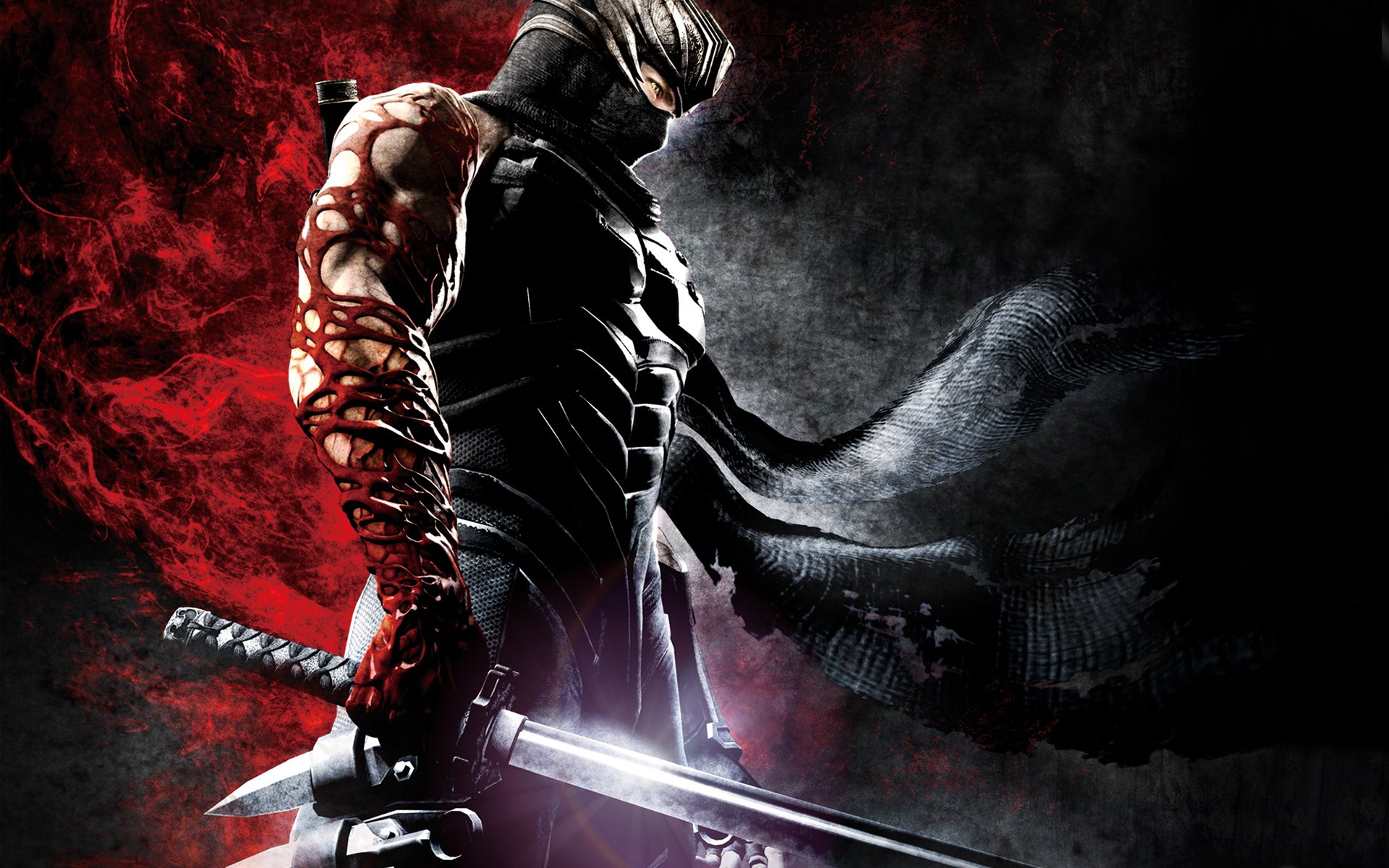
Okay, so I was a big fan of the older Ninja Gaiden games, and honestly, this new one felt… different. Team Ninja really simplified things – the crazy-hard combat was gone, and it was way too easy. A lot of us were disappointed because it felt like they’d taken out everything that made the series special. They cut a bunch of weapons and the ability to upgrade stuff, which meant there wasn’t much reason to play through it again once you beat it. They tried to patch things up later, but honestly, the damage to the series’ reputation was already done. It just didn’t feel like a true Ninja Gaiden experience.
‘Golden Axe: Beast Rider’ (2008)
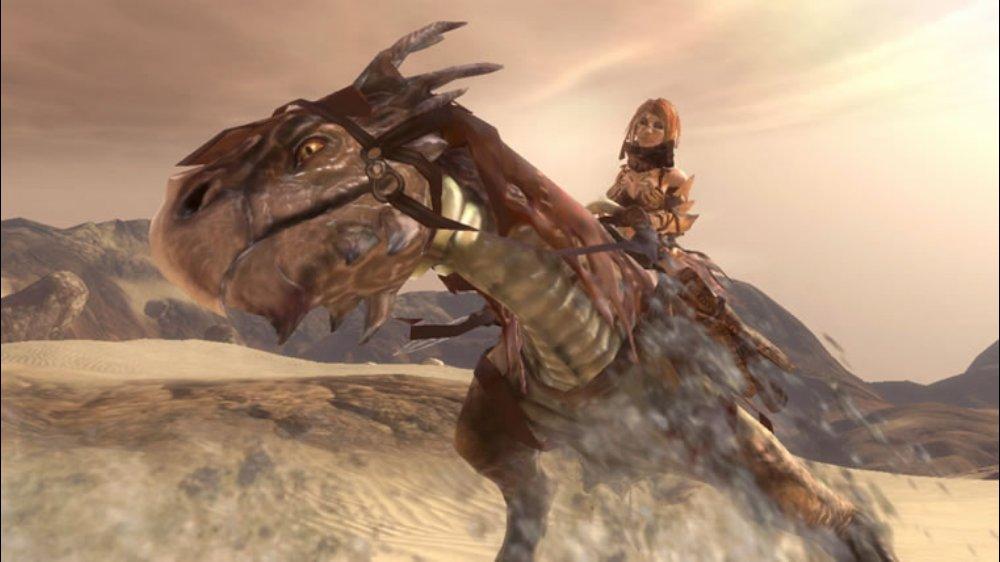
Okay, so Sega took a classic beat-em-up and tried to turn it into a single-player action game. Honestly, it didn’t really work. I kept having issues with attacks not registering properly, and the difficulty just jumped up randomly, which was super annoying. Plus, they left out all my favorite characters and didn’t even include co-op! Everyone hated it, and it pretty much killed any chance of seeing the franchise come back in a big way after that.
‘Bomberman: Act Zero’ (2006)
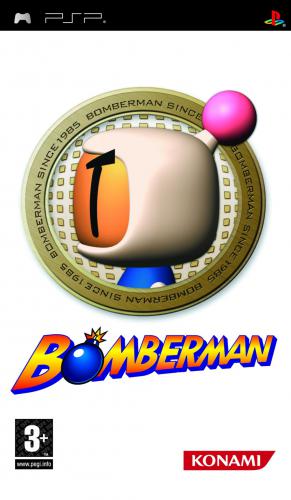
Hudson Soft reimagined the charming bomber character with a dark, futuristic look and more realistic design. However, the addition of a health bar took away the intense, one-hit-kill challenge that made the original game so exciting. The gloomy and serious style didn’t fit well with the fun, lighthearted gameplay, and many consider this a strange decision that almost destroyed the series.
‘RollerCoaster Tycoon World’ (2016)
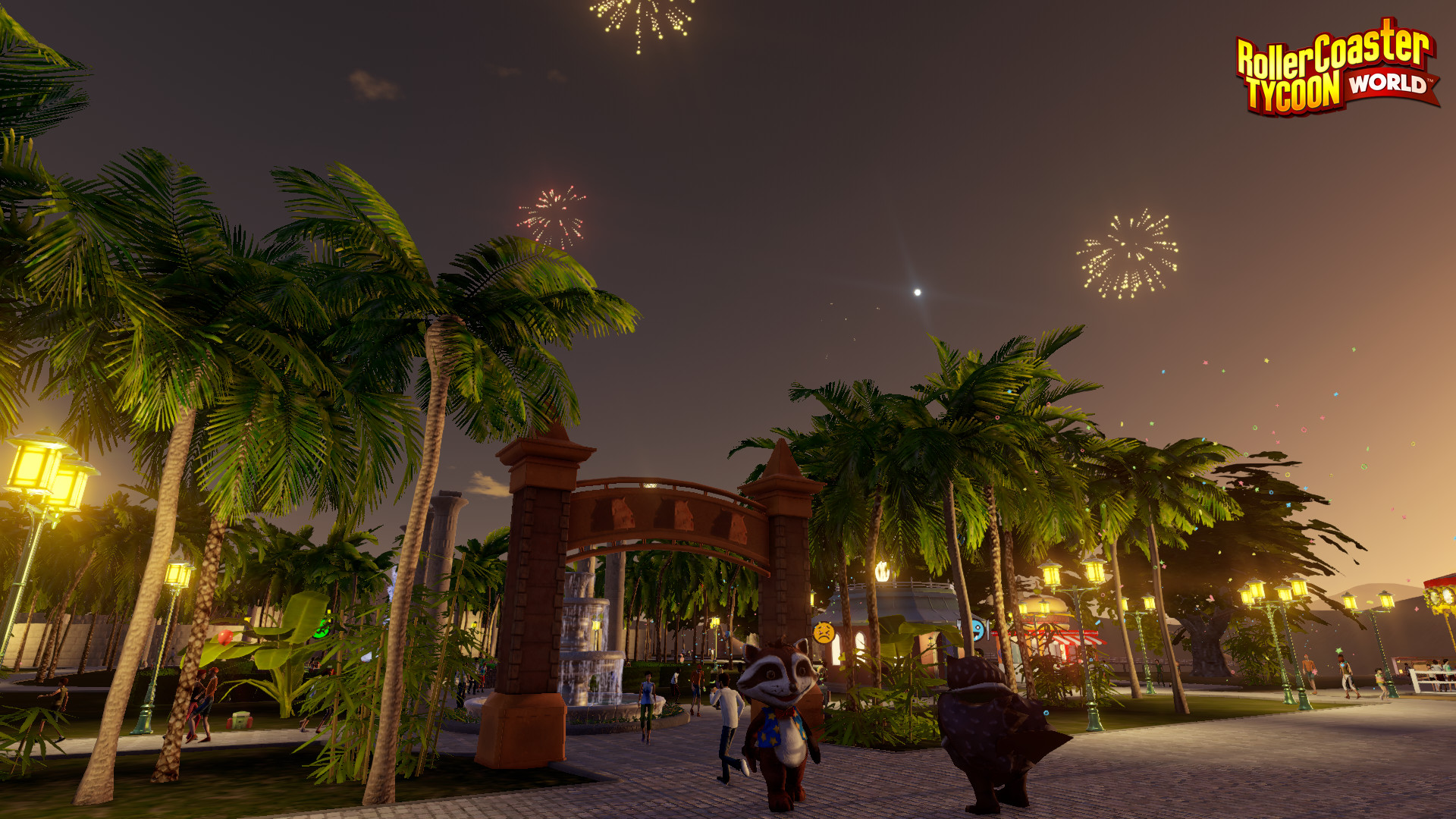
The game had a difficult and unstable development, switching between different teams several times. Visually, it looked old-fashioned, and even powerful computers struggled to run it smoothly. Building rollercoasters felt awkward and difficult, especially when compared to the popular game ‘Planet Coaster’. Ultimately, critics didn’t like the game, and it lost its position as the best theme park simulator on the market.
‘Castlevania: Lords of Shadow 2’ (2014)
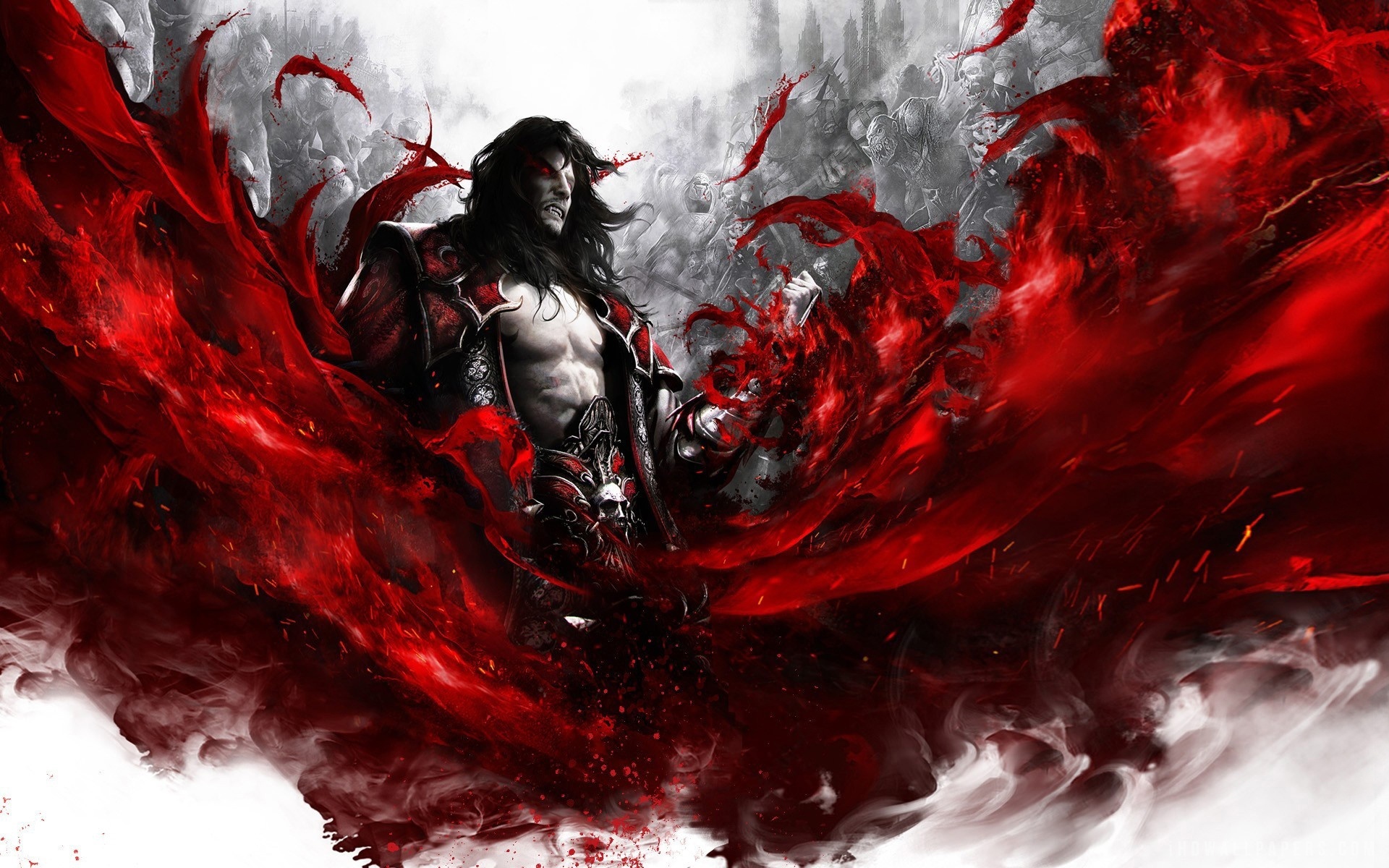
The game’s reboot suffered from slow, frustrating stealth sections that interrupted the fast-paced action. Many players found the modern setting uninspired when compared to the series’ classic, atmospheric castles. The story became overly complicated and didn’t provide a good conclusion to Dracula’s tale. After this game, Konami largely moved away from console titles, focusing instead on mobile games and pachinko machines.
‘The 3rd Birthday’ (2010)
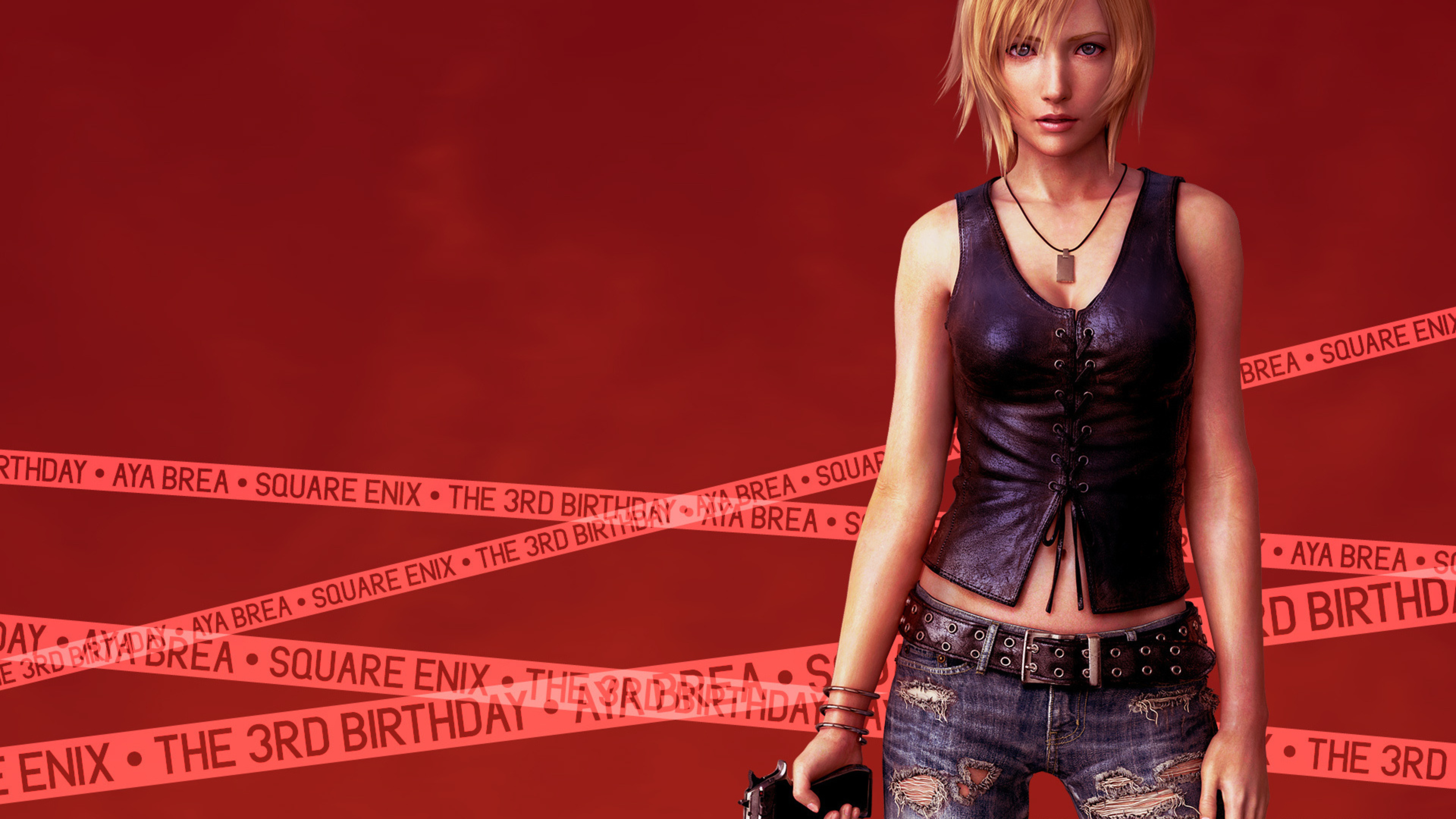
Square Enix brought back the ‘Parasite Eve’ series, but instead of the original’s style, they made it a third-person shooter. Fans didn’t like how the story changed Aya Brea’s character. The plot was also overly complicated with time travel, which confused players and didn’t fit with what they already knew about the series. This new version turned off many longtime fans, and as a result, there haven’t been any new ‘Parasite Eve’ games since.
‘Ultima IX: Ascension’ (1999)
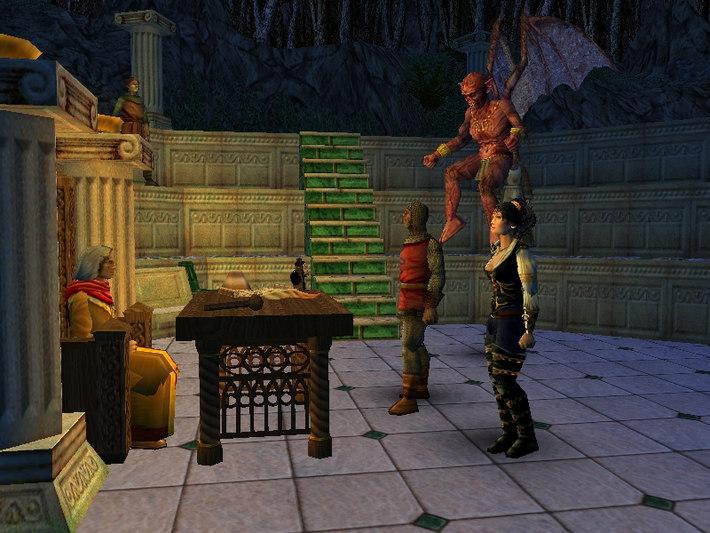
The last game in a beloved RPG series launched with many problems and felt incomplete. It disregarded or changed storylines and details from the eight games before it. Technical issues made it hard to explore the game’s world on computers available at the time. This poor launch ultimately led to the team being broken up and marked the end of future single-player games in the series.
‘Prince of Persia: The Forgotten Sands’ (2010)
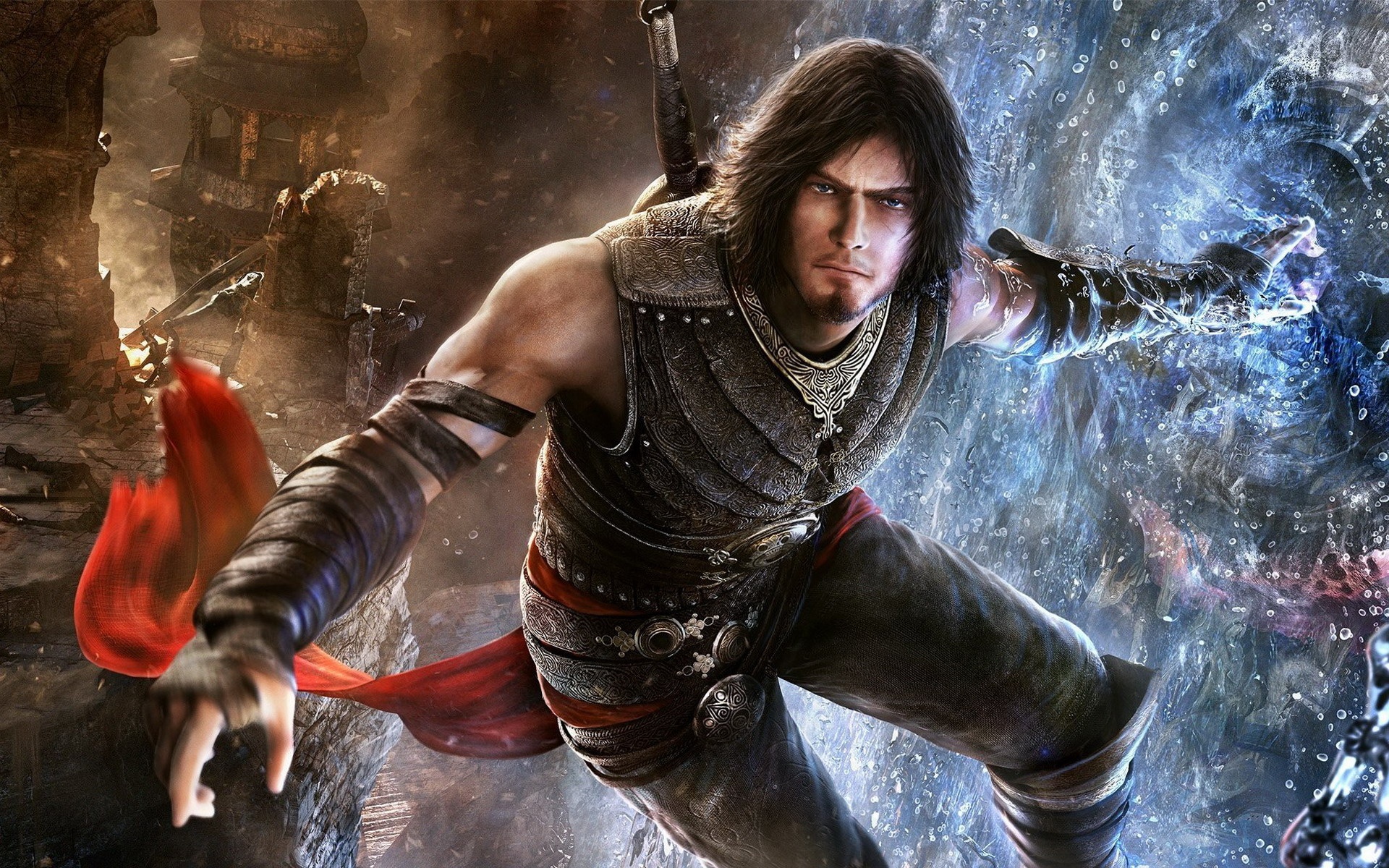
This game was released alongside a movie, but it didn’t improve upon the 2008 reboot and felt somewhat outdated. It played it safe with familiar gameplay, lacking any truly new ideas. Its release was also unfortunately timed, as the ‘Assassin’s Creed’ series was becoming increasingly popular. As a result, the publisher put the game on hold for over ten years, only revisiting it with smaller, separate games later on.
Give us your opinion on which game disappointed you the most in the comments.
Read More
- Silver Rate Forecast
- Gold Rate Forecast
- 22 Films Where the White Protagonist Is Canonically the Sidekick to a Black Lead
- Unveiling the Schwab U.S. Dividend Equity ETF: A Portent of Financial Growth
- 15 Films That Were Shot Entirely on Phones
- How to Do Sculptor Without a Future in KCD2 – Get 3 Sculptor’s Things
- 20 Movies Where the Black Villain Was Secretly the Most Popular Character
- Games That Faced Bans in Countries Over Political Themes
- Brent Oil Forecast
- New HELLRAISER Video Game Brings Back Clive Barker and Original Pinhead, Doug Bradley
2026-02-06 03:30