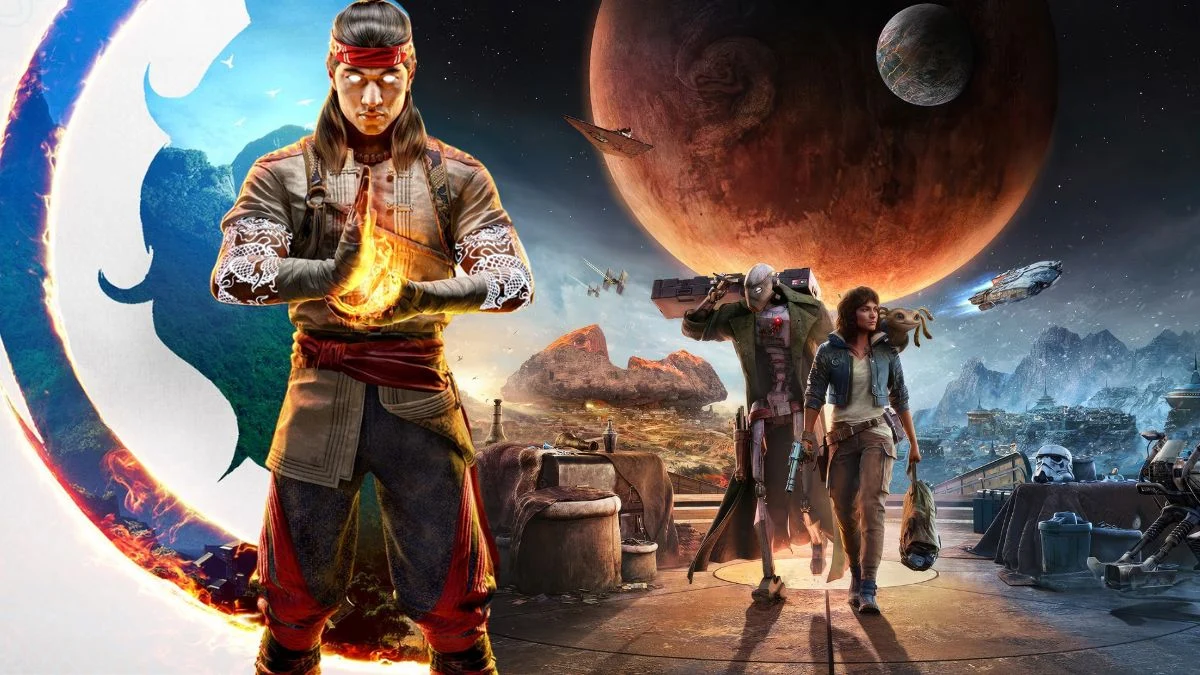
The video game industry is experiencing tension as developers update classic games to appeal to modern players. This often leads to strong negative reactions from longtime fans who believe these updates focus too much on social or political messages and not enough on fun gameplay and good stories. Some companies manage to overcome this criticism, but others have seen sales drop, their image suffer, or even been forced to close down. The following is a list of game series that have been seriously harmed by disagreements over progressive themes and content.
‘Saints Row’ (2022)
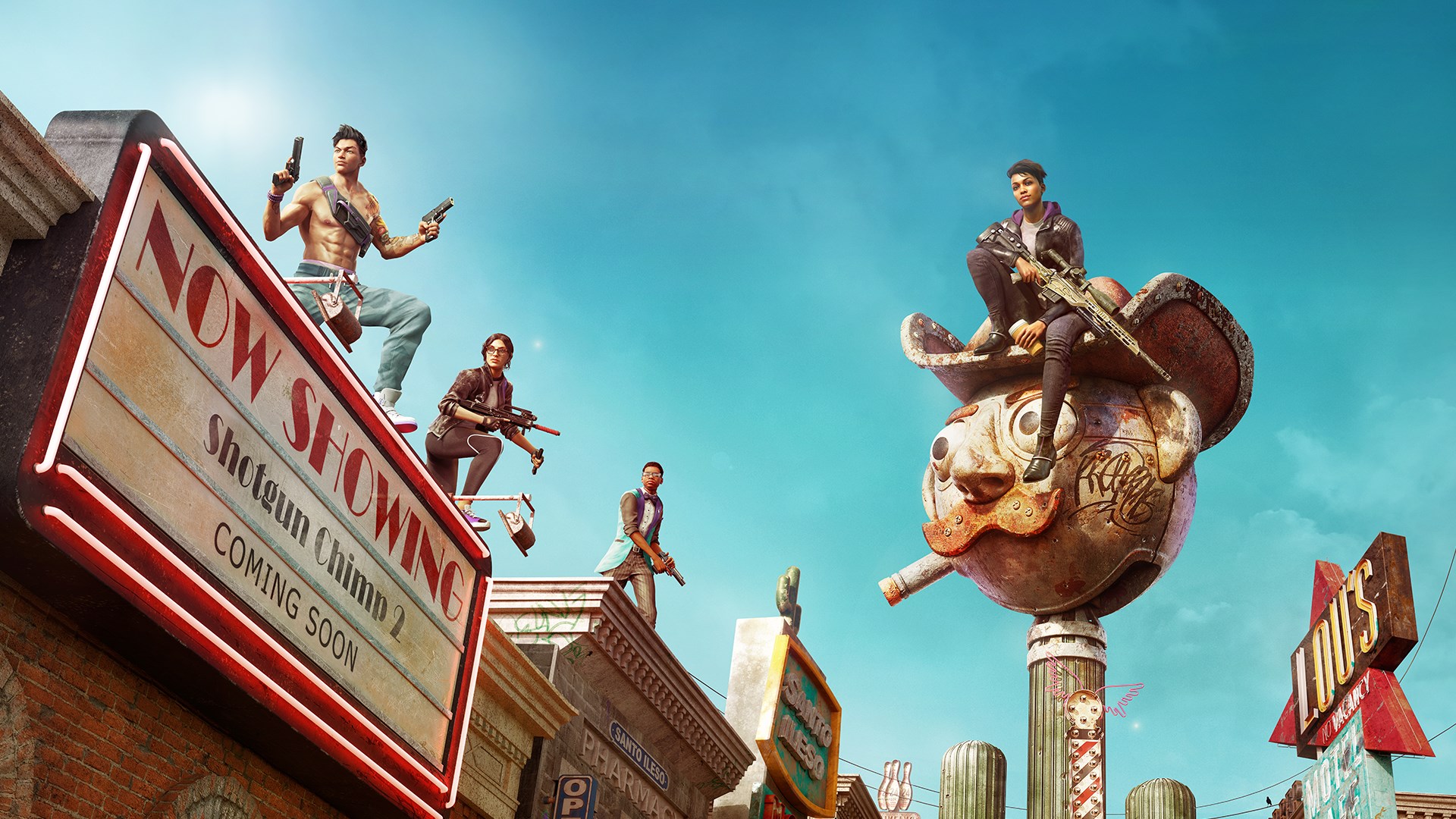
This recent attempt to revive the popular open-world gangster series aimed to appeal to a new audience. However, fans quickly disliked it, criticizing the characters as being too bland and geared towards millennials, and missing the original games’ signature rebellious humor. Many found the writing embarrassing and felt it strayed too far from what made the series special. Ultimately, the game flopped with both critics and players, leading to the closure of the development studio, Volition, after three decades.
‘Concord’ (2024)
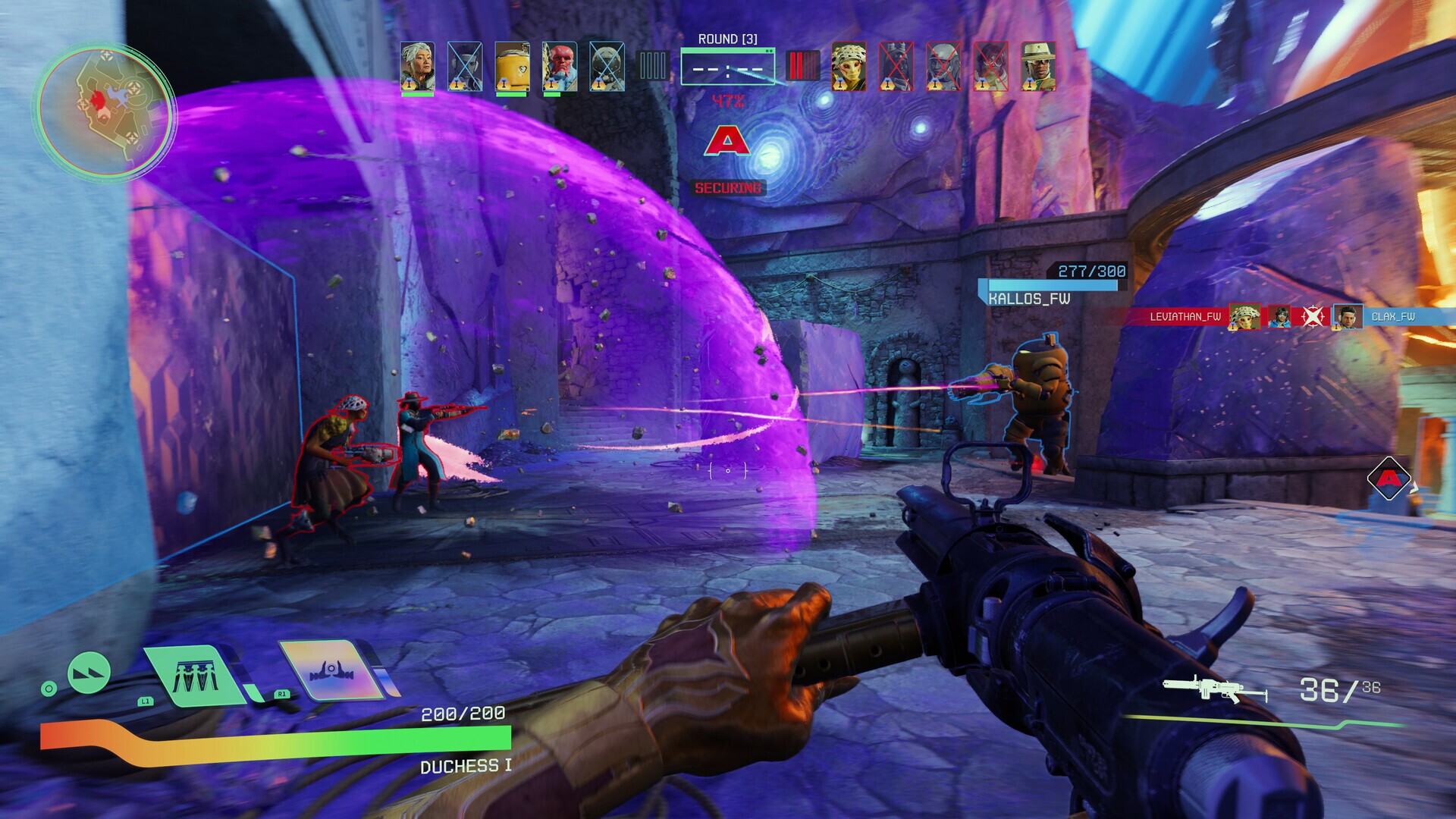
Sony released its new team-based shooter hoping it would become a long-term success, attracting a large and dedicated player base. However, the game received a lot of criticism right away, with many players disliking the character designs, which they felt focused too much on inclusivity and not enough on looking good. The game also sparked online debate when it included pronoun options during character selection, raising questions about who the game was intended for. After reaching a peak of under 700 players on Steam, Sony pulled the game from sale and offered full refunds just two weeks after it launched.
‘Dustborn’ (2024)
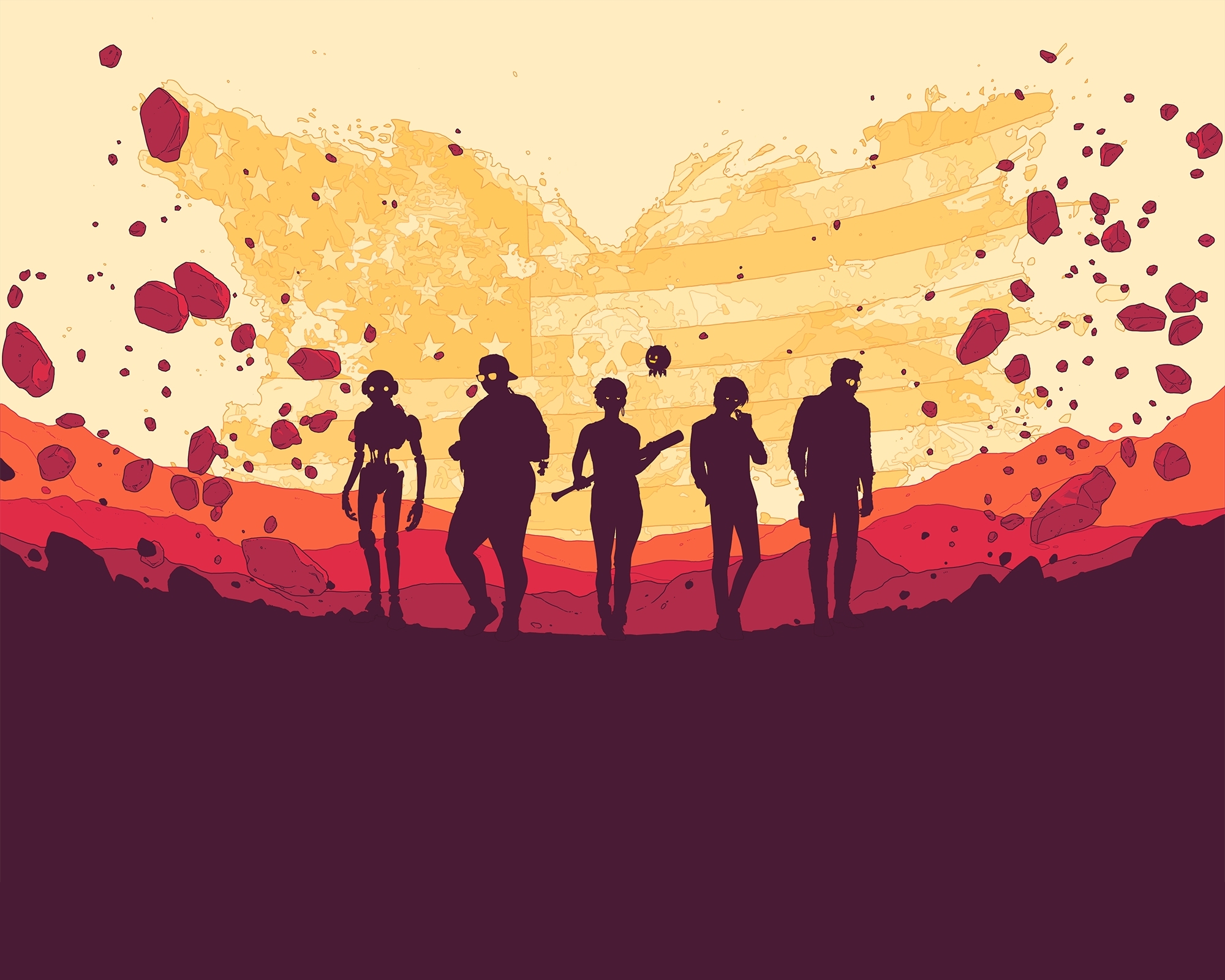
This action game tells a story about a band of outsiders journeying across a fractured United States, using words as weapons. It sparked controversy due to government funding and its clear political themes. Many players found the writing preachy and felt it didn’t offer a compelling gameplay experience. As a result, the game had a very small player base, peaking at just a few dozen players on computers.
‘Suicide Squad: Kill the Justice League’ (2024)
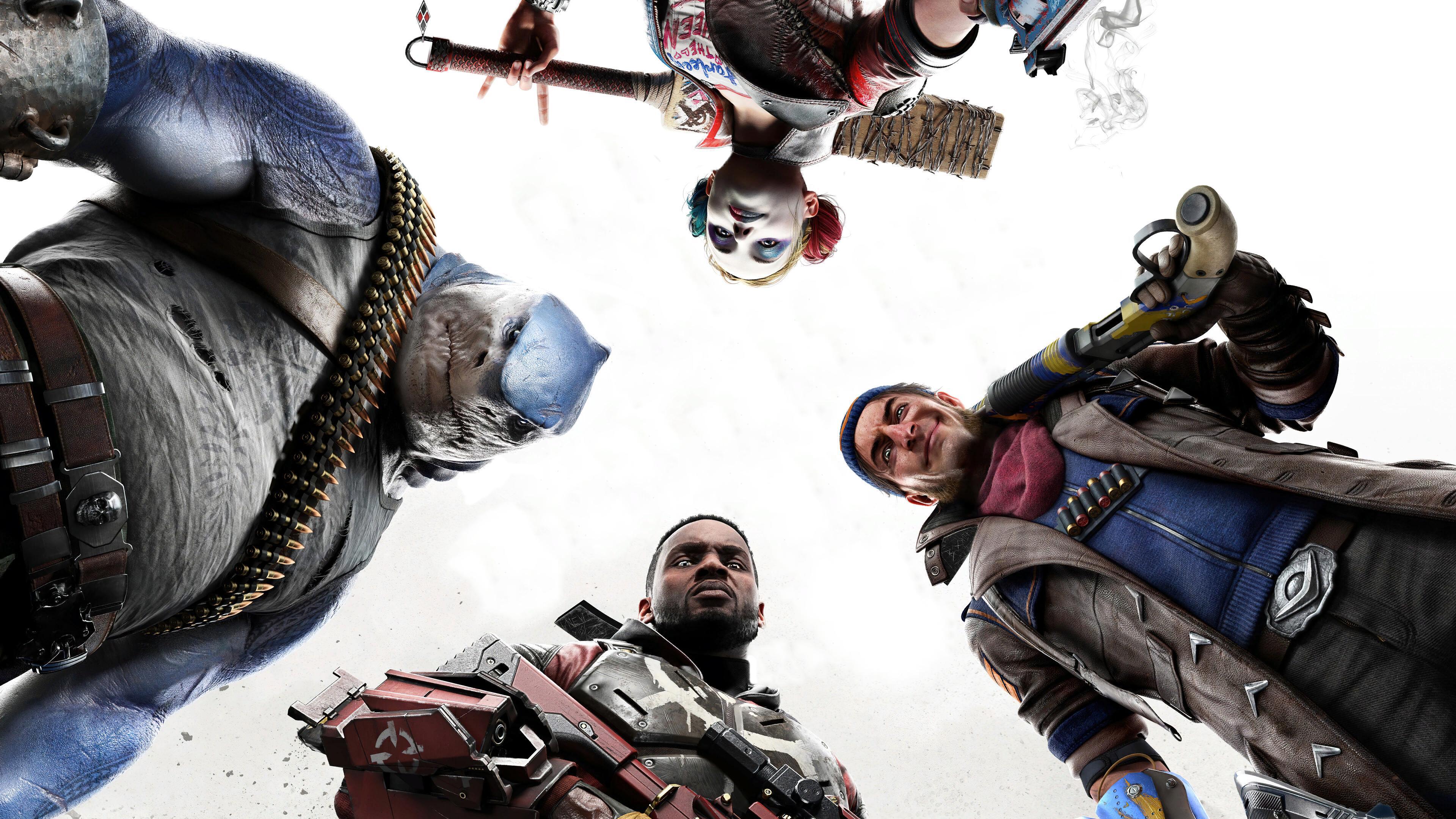
Rocksteady Studios, previously celebrated for the acclaimed ‘Batman: Arkham’ games, suffered a major blow to its reputation with this new live-service title. The game sparked controversy due to its collaboration with Sweet Baby Inc. and what many fans saw as a lack of respect for the Batman character. Players were disappointed with a story that appeared to undermine established heroes in favor of new characters. The game’s failure cost Warner Bros. $200 million and led to a significant decline in the number of players.
‘Forspoken’ (2023)
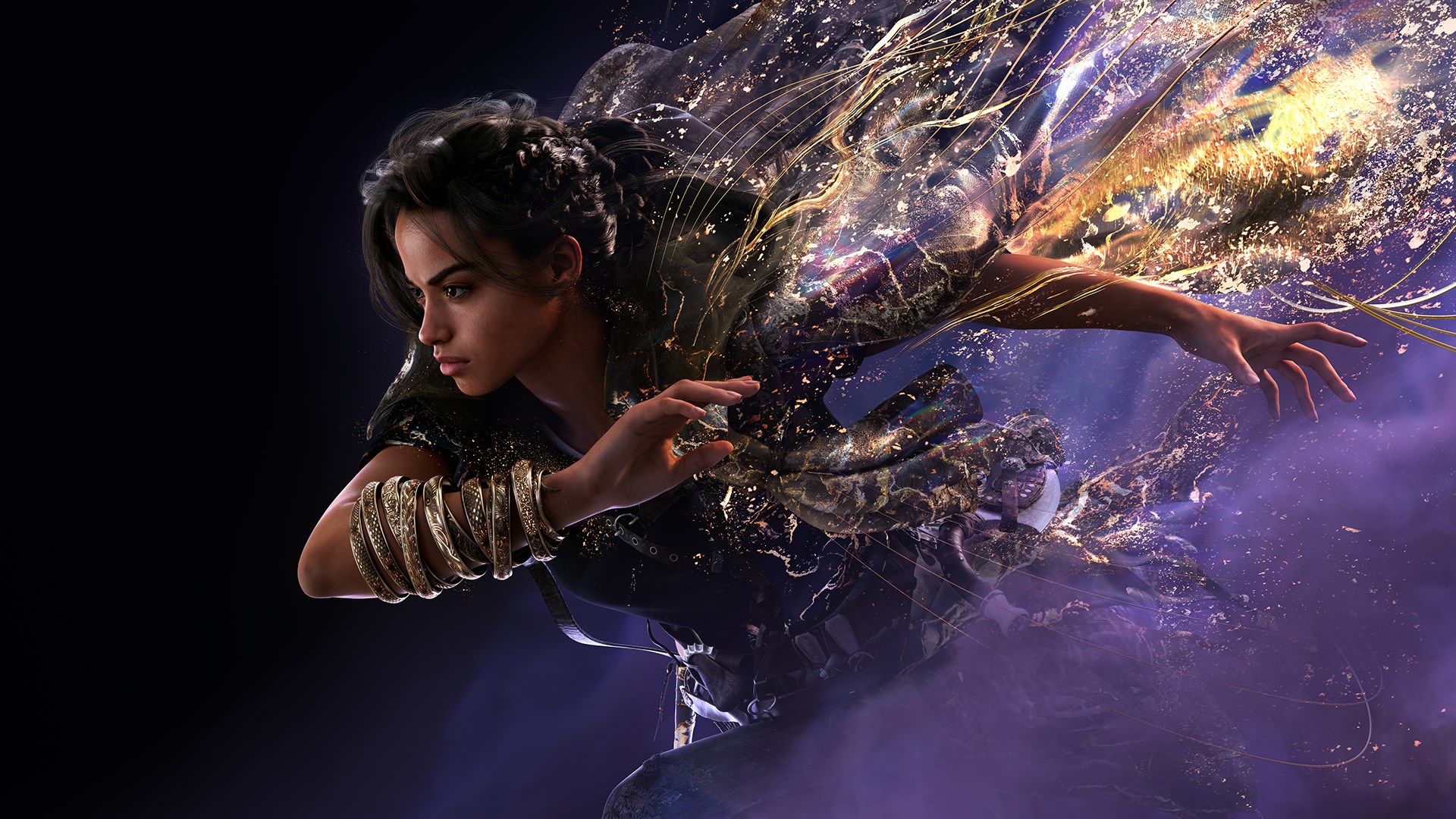
Square Enix aimed to create a big hit with this action RPG centered around magic. However, the game quickly became known for its protagonist’s dialogue, which many players found irritatingly similar to the witty banter often used in Marvel movies. Reviewers also felt the story focused too much on current social themes instead of crafting a believable fantasy setting. Ultimately, the game didn’t sell well, leading to the studio that made it, Luminous Productions, being shut down.
‘Unknown 9: Awakening’ (2024)
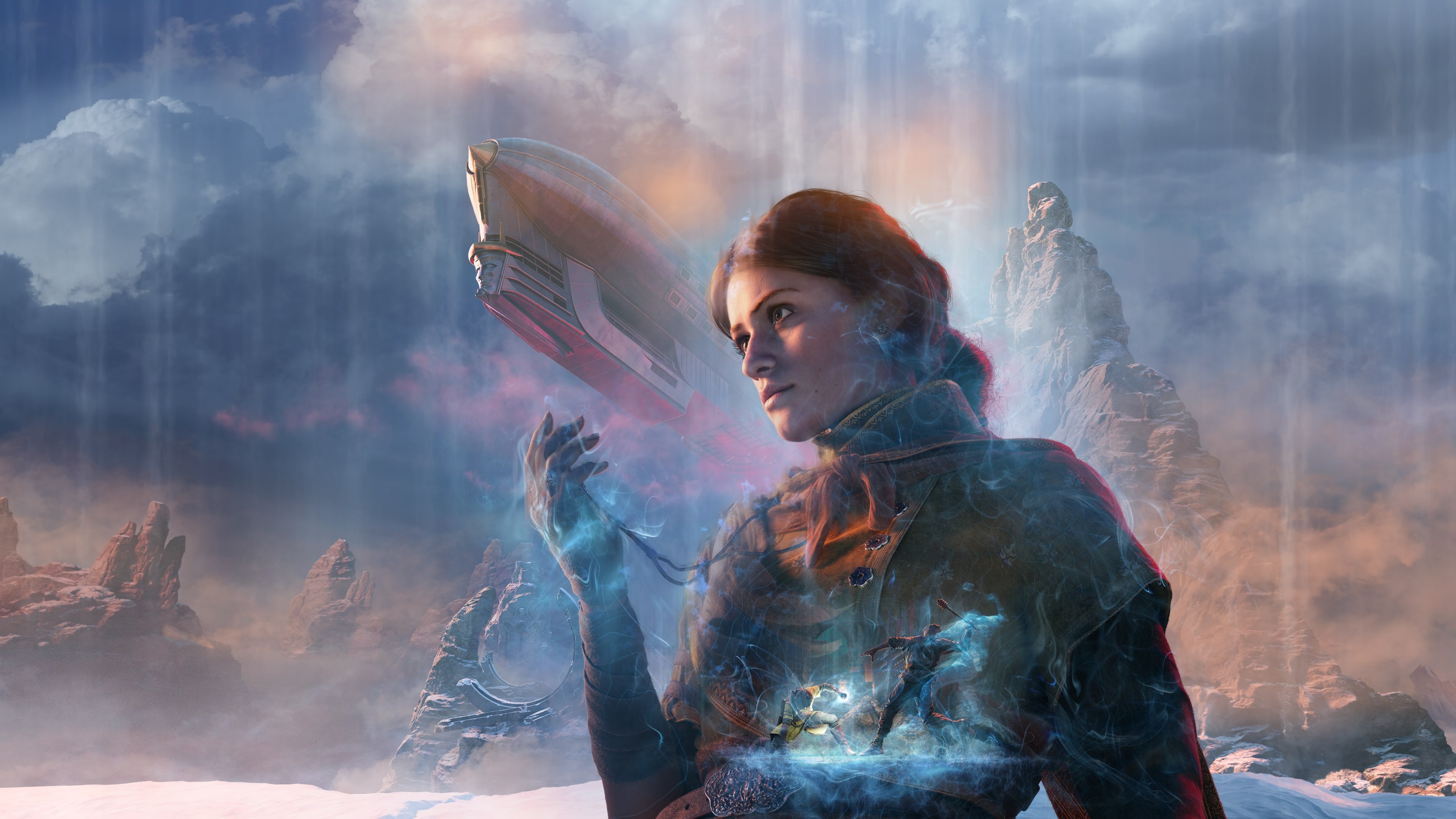
This project aimed to introduce a large-scale science fiction world through books, comics, and video games. However, the game version received criticism for its use of consultants and character designs that many fans found unappealing. Combined with technical problems, these issues led to very poor sales. As a result, the game’s developer, Reflector Entertainment, had to lay off a significant number of employees.
‘Battlefield V’ (2018)
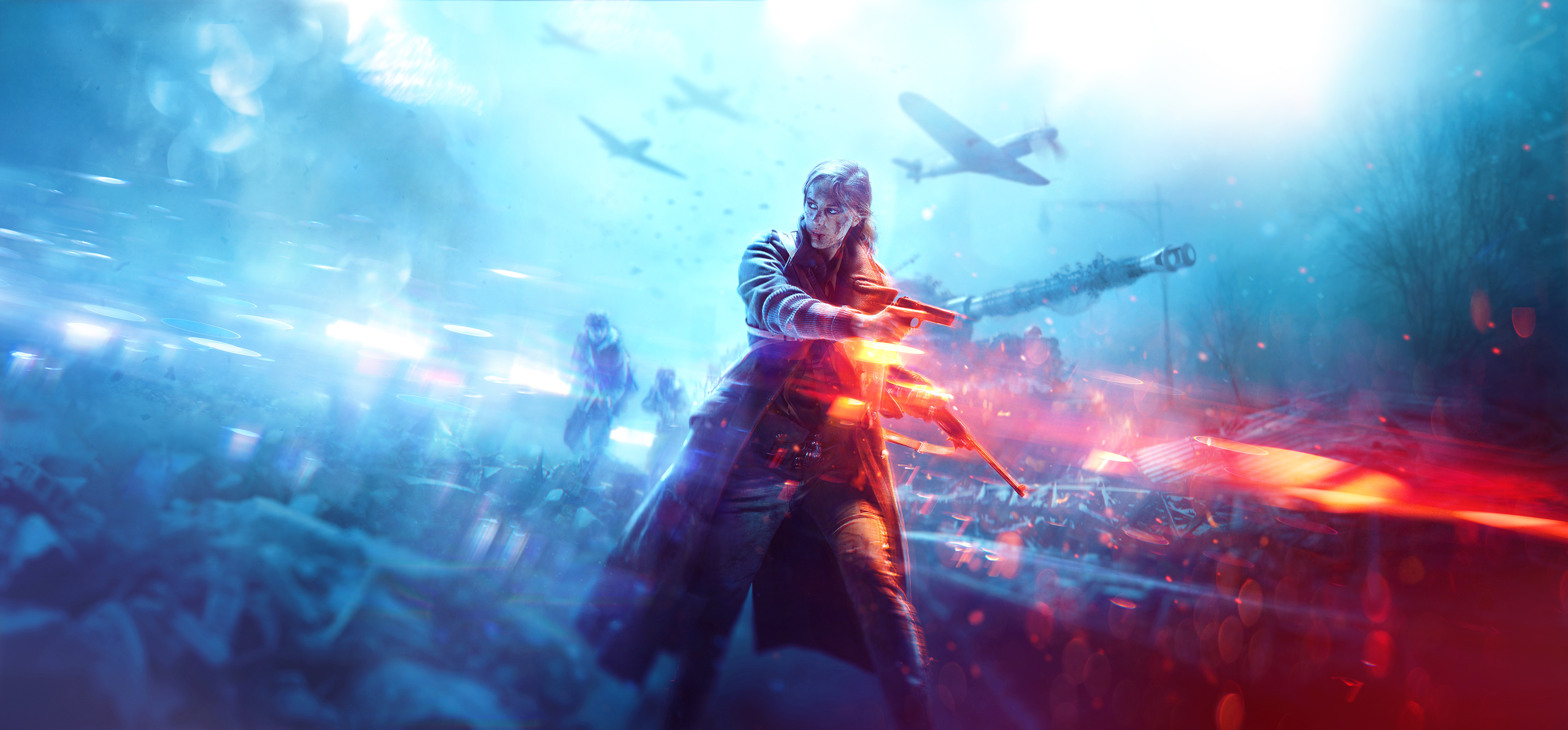
Electronic Arts faced significant backlash after telling players not to purchase their new game if they didn’t approve of the creative liberties taken with historical details. A female soldier with a prosthetic arm featured in the game’s reveal trailer became a focal point of criticism, with many arguing that the focus on diversity came at the expense of historical accuracy. As a result, pre-order numbers were lower than previous games in the series, and the game didn’t sell as well as expected. This led to reduced post-launch content and harmed the company’s reputation.
‘Mass Effect: Andromeda’ (2017)
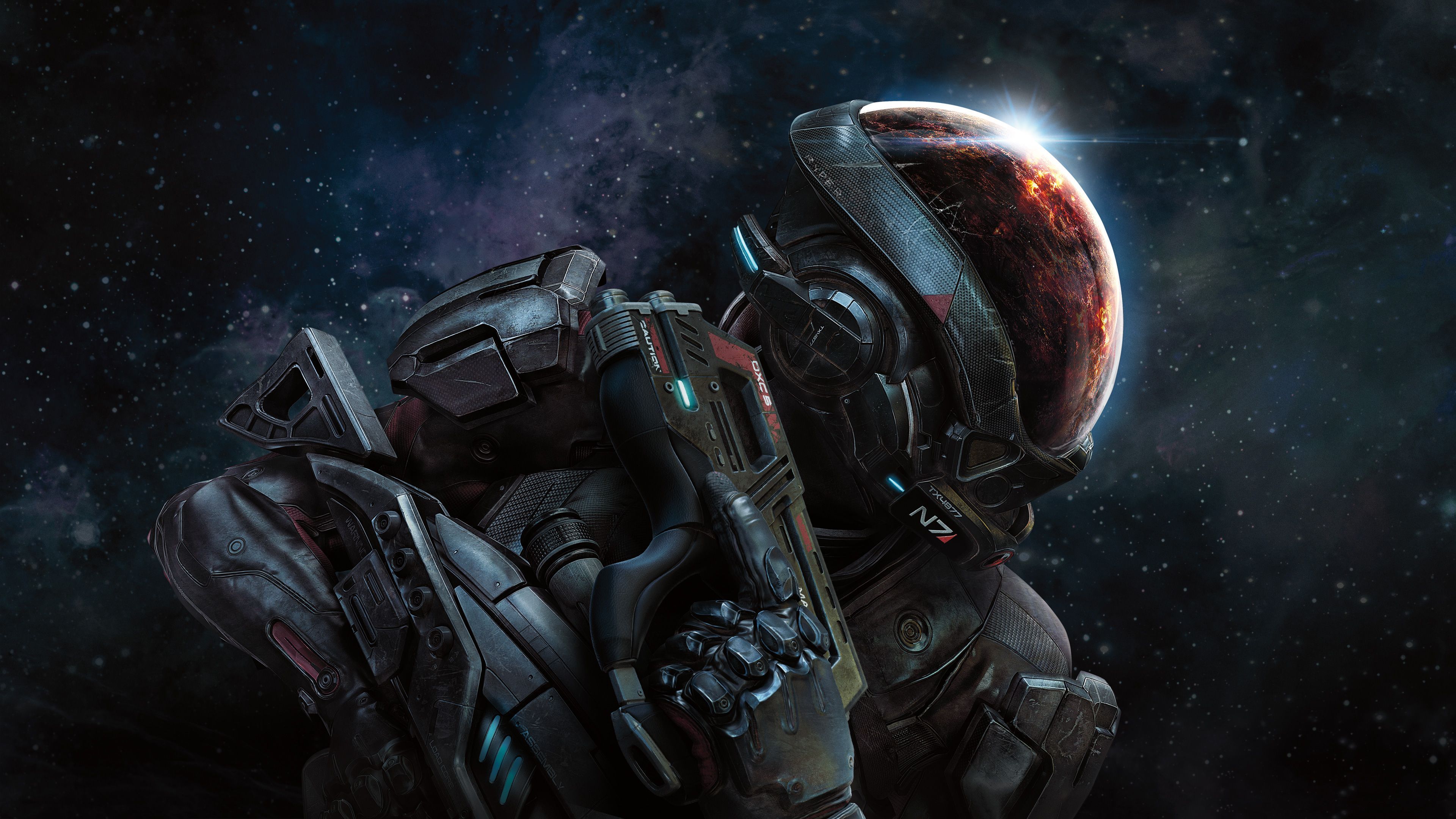
After a poorly received spin-off game, BioWare paused development on its popular sci-fi RPG series for several years. The game suffered from technical problems, but also received criticism regarding its creative choices. Some critics claimed the game prioritized diversity in hiring over writing quality, resulting in a weaker story and awkward dialogue. Fans particularly criticized the unnatural facial animations and subpar writing compared to the original trilogy. The negative reaction was strong enough that planned story expansions were cancelled.
‘Wolfenstein: Youngblood’ (2019)
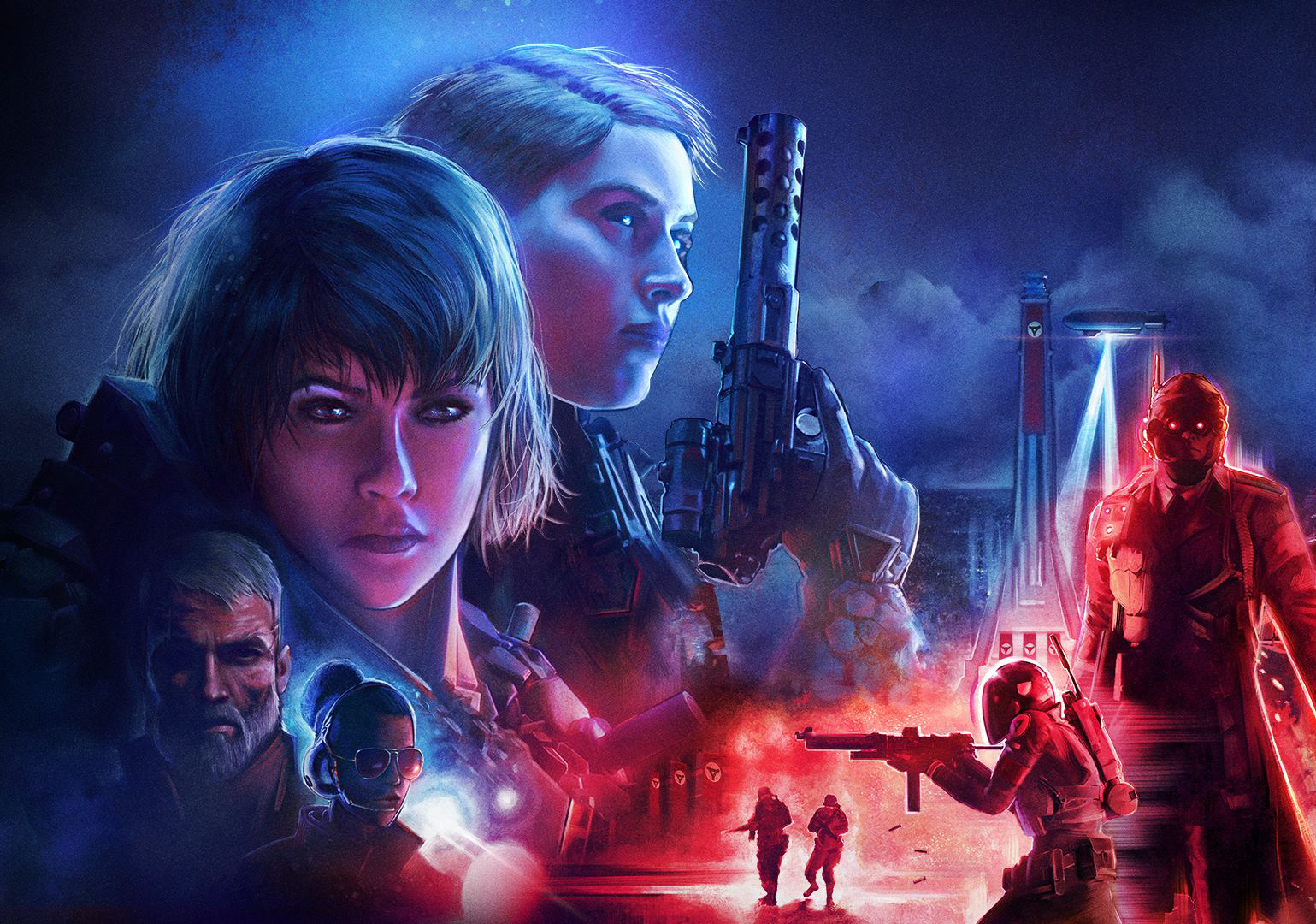
This installment of the cooperative shooter moved away from the story of BJ Blazkowicz, focusing instead on his twin daughters. This shift in style – from a serious, intense war story to a more lighthearted and talkative adventure – turned off many long-time fans. Reviewers found the dialogue immature and the new characters weren’t as compelling as the original protagonist, and it’s often seen as the game where the series lost its momentum.
‘Star Wars Outlaws’ (2024)
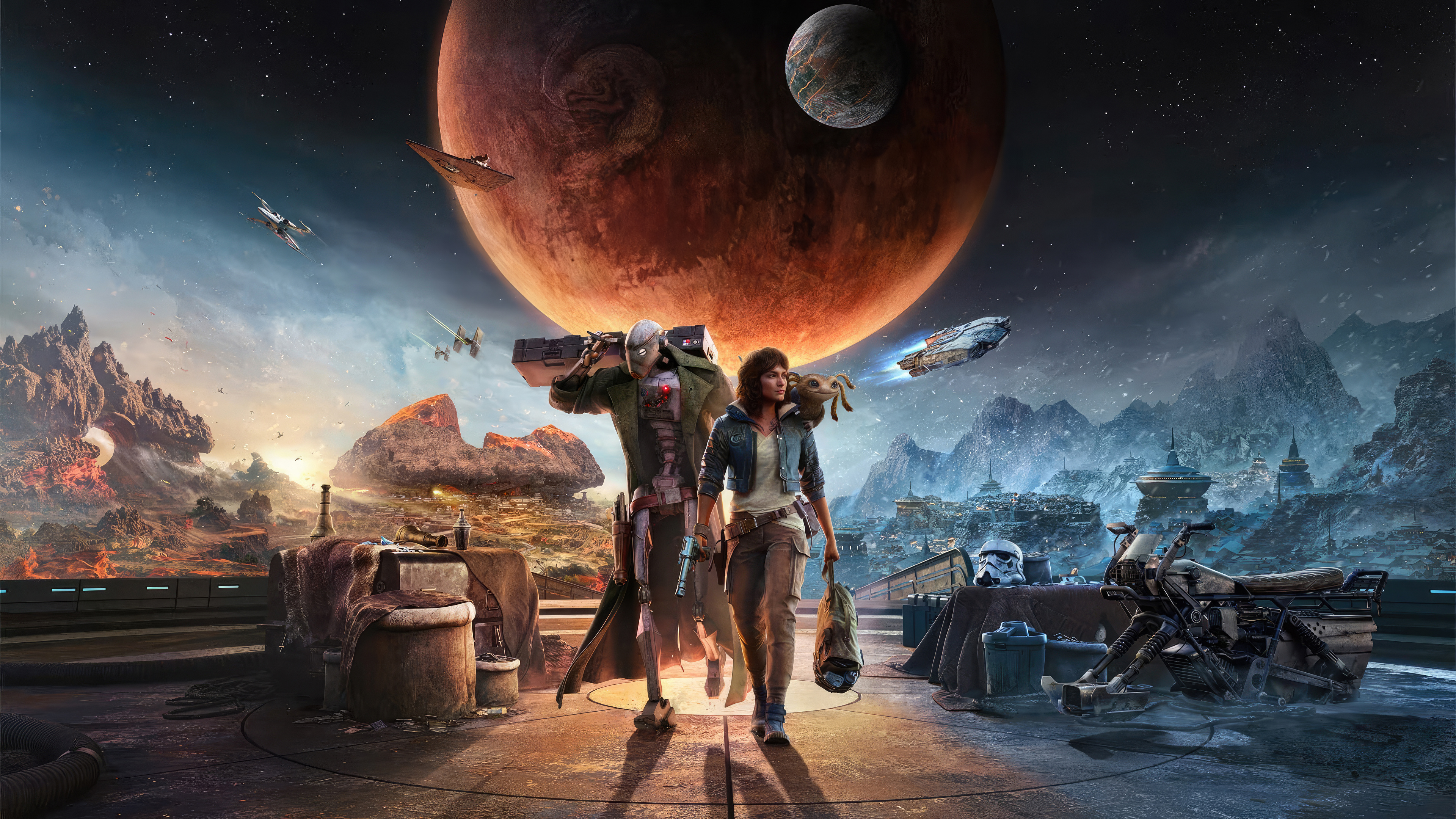
Ubisoft’s new open-world game received criticism regarding the appearance of its main character, Kay Vess. Many online pointed out differences between the in-game character and the actress who portrayed her, leading to claims that the character was deliberately made less attractive to fit current beauty ideals. The game didn’t sell as well as expected, which caused a substantial drop in Ubisoft’s stock price. As a result, Ubisoft is now re-evaluating its plans for upcoming games.
‘Assassin’s Creed Shadows’ (2025)
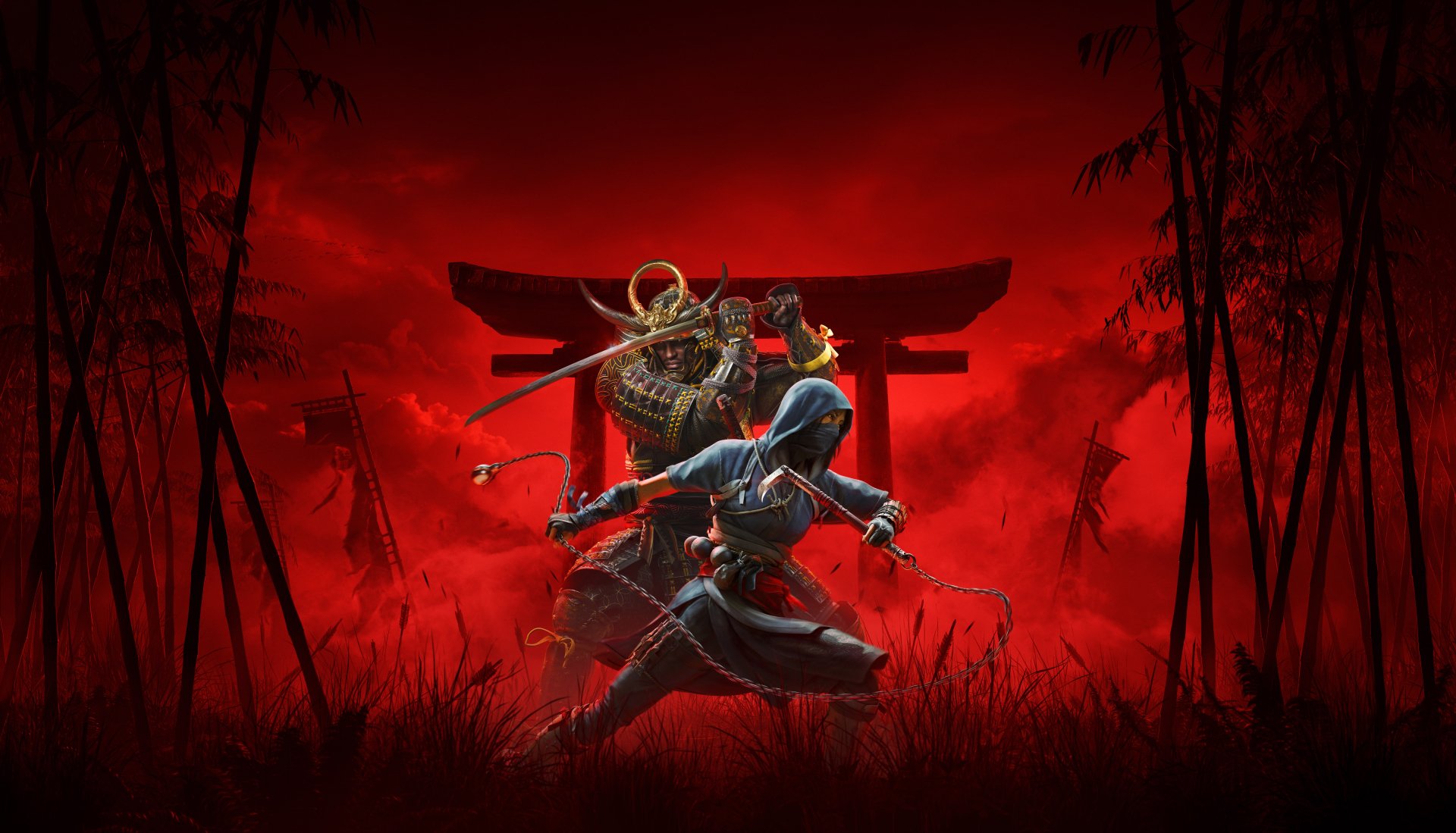
Featuring Yasuke, a real historical African figure, as a samurai in a game set in feudal Japan caused a global discussion. Some Japanese players and historians expressed concerns that the portrayal wasn’t historically accurate and showed a lack of respect for their culture. This led to significant criticism of the game’s developer, Ubisoft, and even impacted the company’s stock value, ultimately delaying the game’s release. The resulting controversy has taken attention away from the game’s actual features and created divisions among fans before it’s even launched.
‘Dragon Age: The Veilguard’ (2024)
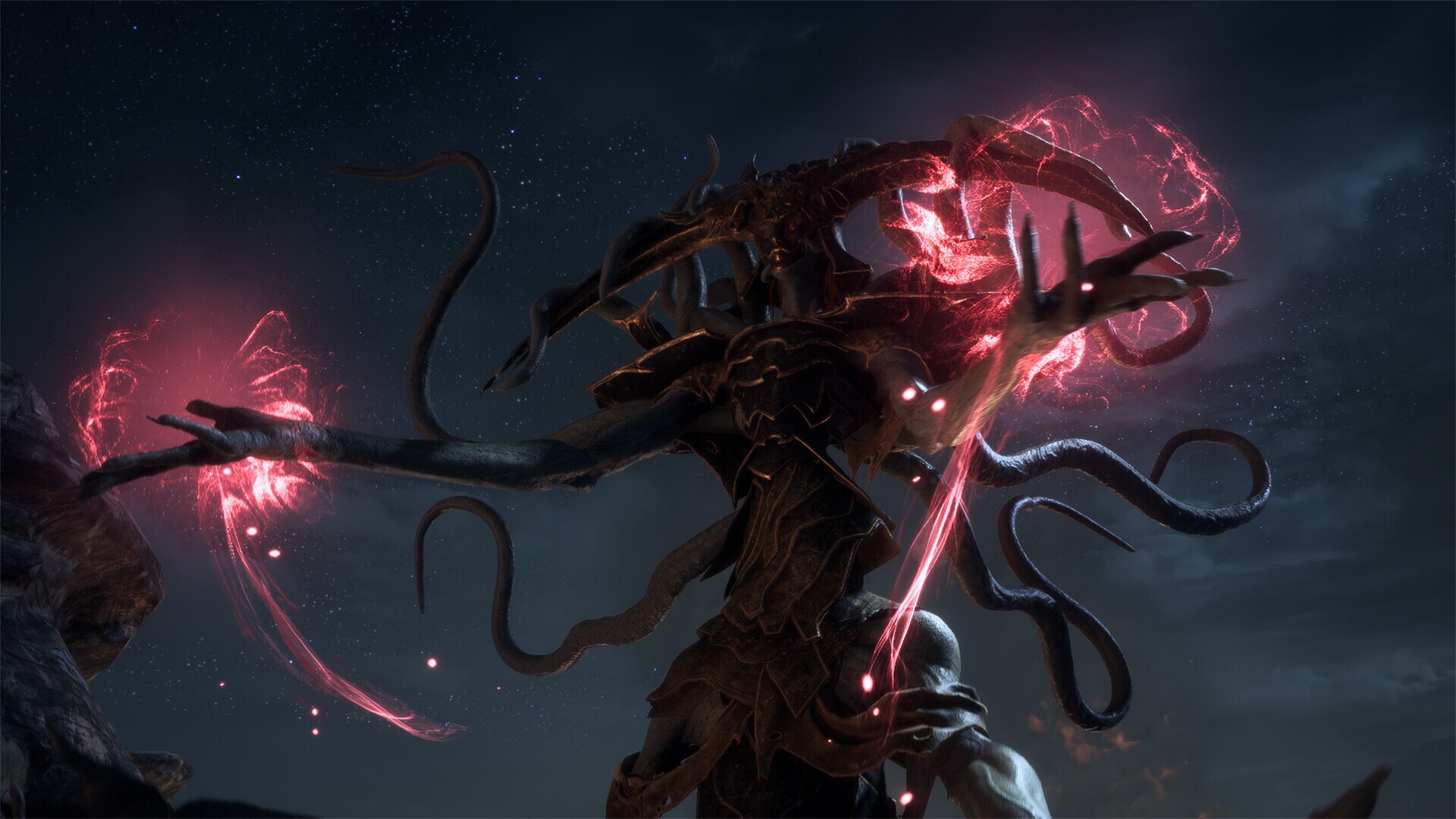
BioWare’s latest return to the world of Thedas was met with controversy, largely due to choices made in character customization and the way characters spoke. Some longtime fans felt that options like scars from top surgery and modern discussions of gender identity didn’t fit the game’s dark fantasy setting. Online, many shared examples of dialogue they felt prioritized a specific viewpoint over a strong, consistent story. This divided reaction has created uncertainty about the future of the series.
‘Gotham Knights’ (2022)
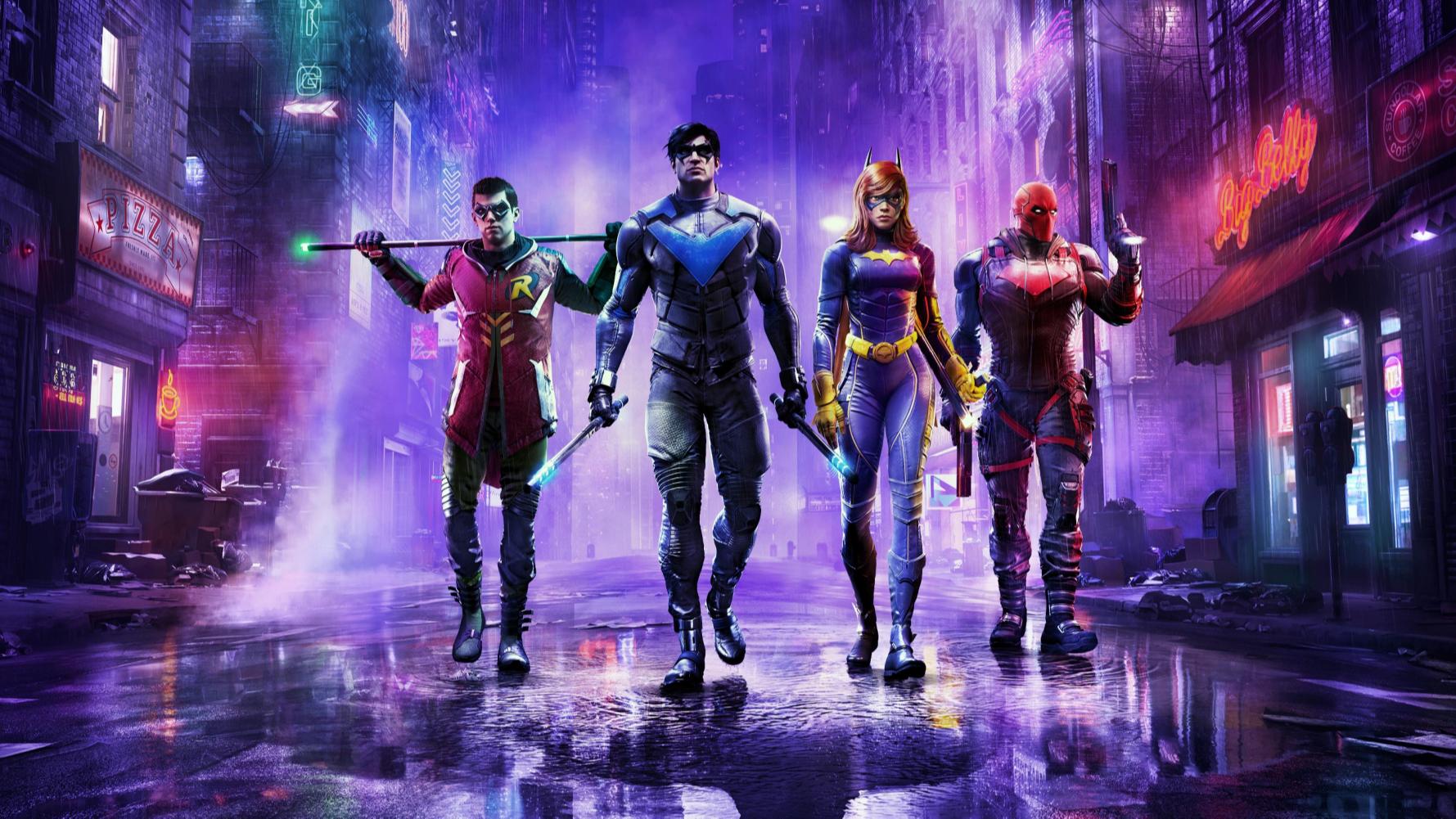
This cooperative action game had a hard time standing out from the popular ‘Arkham’ series and seemed unsure of what it wanted to be. Fans criticized how the game altered the histories of characters like Batgirl, feeling these changes were made for political reasons instead of staying true to the established story. Many found the writing to be too cautious and clean, missing the dark, gritty atmosphere that defines Gotham City. Ultimately, the game didn’t sell well and was soon heavily discounted.
‘The Last of Us Part II’ (2020)
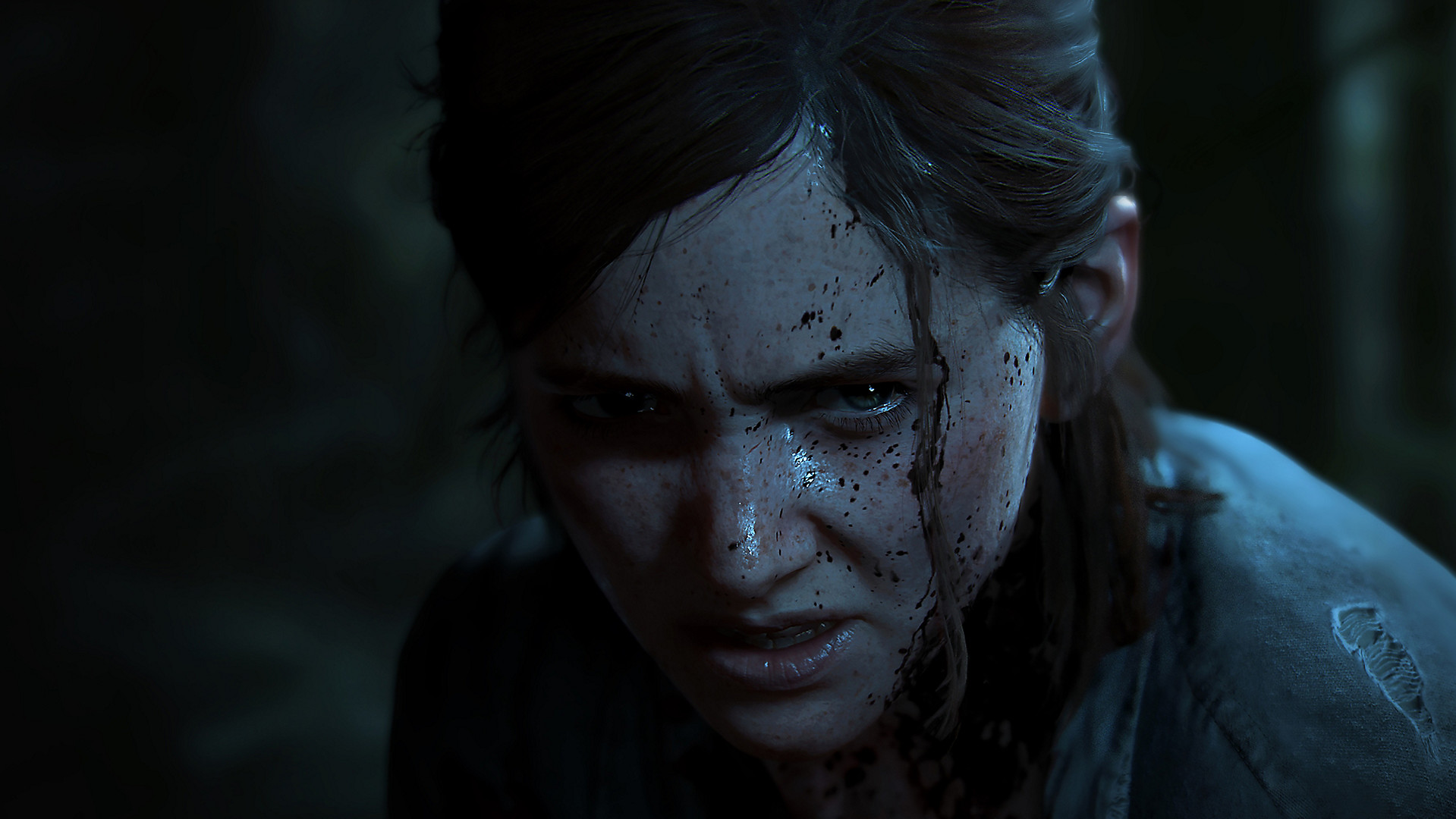
Despite being a financial hit, this game deeply divided its fans. The controversial decision to kill off the popular main character, Joel, at the hands of a new character named Abby, sparked widespread outrage. Even before the game was released, leaks online ignited arguments about its story and underlying messages. The series continues to be a source of debate about how far creators can push boundaries before alienating their audience.
‘Overwatch 2’ (2022)
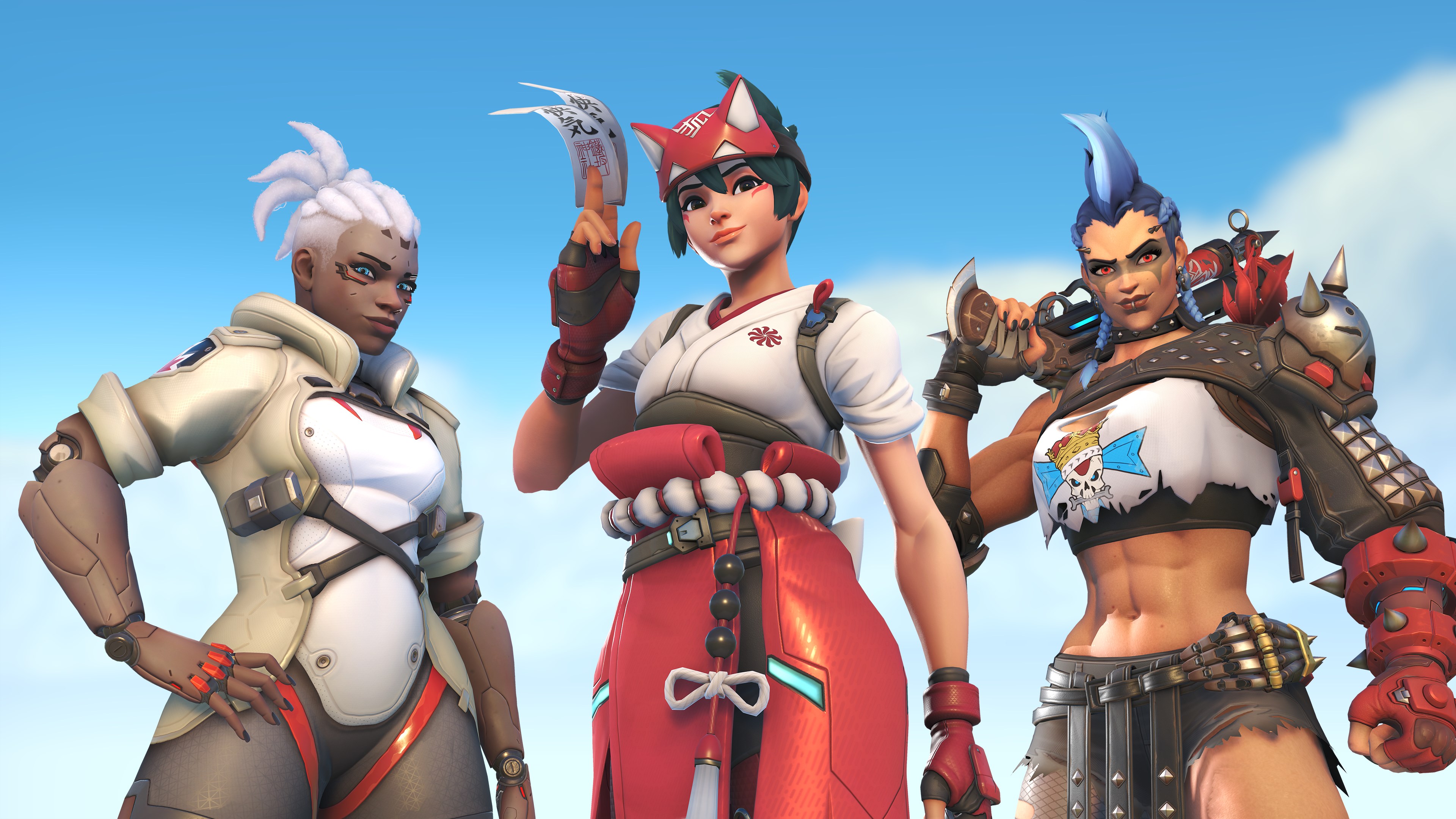
Overwatch has seen a drop in player satisfaction because the developers haven’t kept their promises and seem to be prioritizing certain things over others. A major disappointment was the cancellation of the promised PvE mode, while the team continued to focus on things like character reveals and Pride celebrations. This created a feeling among players that the developers were more concerned with appearing progressive than with actually providing new gameplay content, leading to very negative reviews when the game launched on Steam.
‘Watch Dogs: Legion’ (2020)
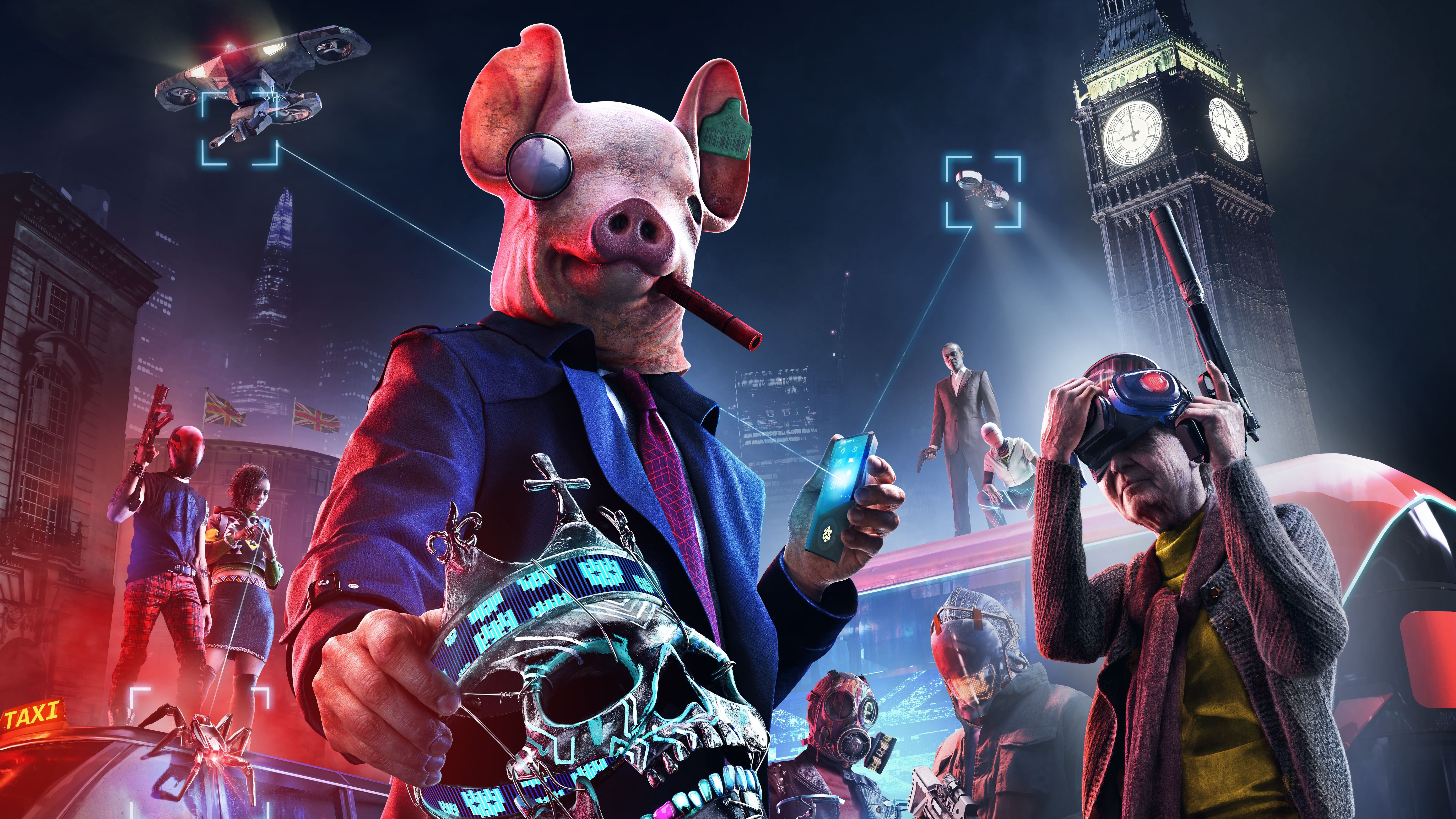
The latest game in the Hacker series broke from tradition by letting players control any character instead of focusing on a single hero. However, its strong political messages about Brexit and oppressive governments were seen as simplistic and overly forceful. Because the game lacked a relatable main character, the story didn’t connect with many players, and rumors have circulated that Ubisoft considers the series finished.
‘Tales of Kenzera: Zau’ (2024)

This Metroidvania game gained notoriety partly because of a well-known consultancy firm that worked on it. The game’s director also got into public disagreements with players online, which caused further division among those who might have bought it. Even though critics generally liked the game, sales were disappointing. Discussions about the game quickly shifted to a broader debate about how much the gaming industry relies on consultants to shape its stories.
‘Flintlock: The Siege of Dawn’ (2024)
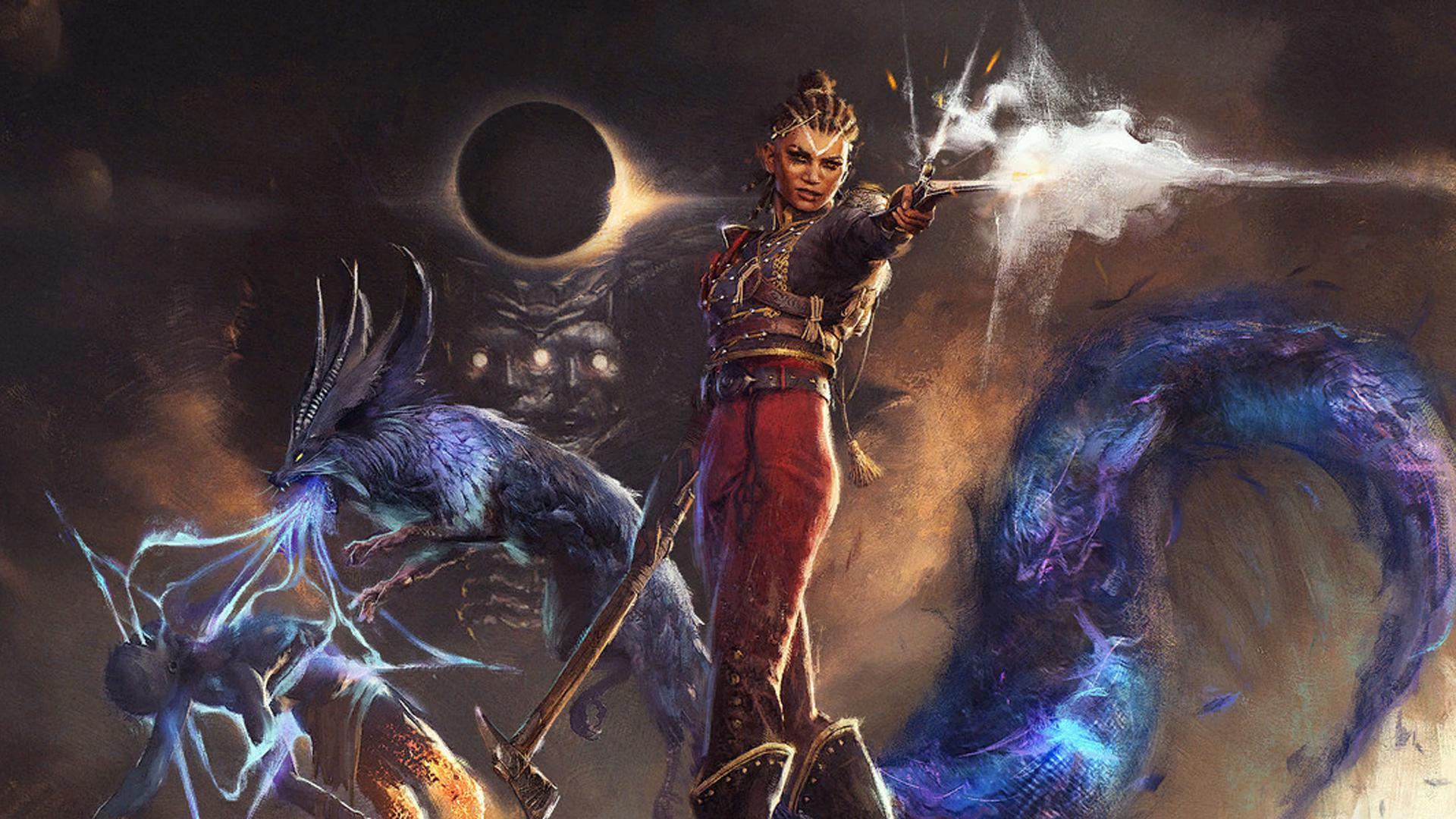
Even before its release, this action RPG sparked debate because of its work with Sweet Baby Inc. Players questioned the game’s story and main character, concerned about how diversity and inclusion efforts were being handled. The game received mixed reviews and didn’t attract many players, and it’s now often cited as an example of how outside consultants can sometimes hurt a game’s popularity.
‘New Tales from the Borderlands’ (2022)
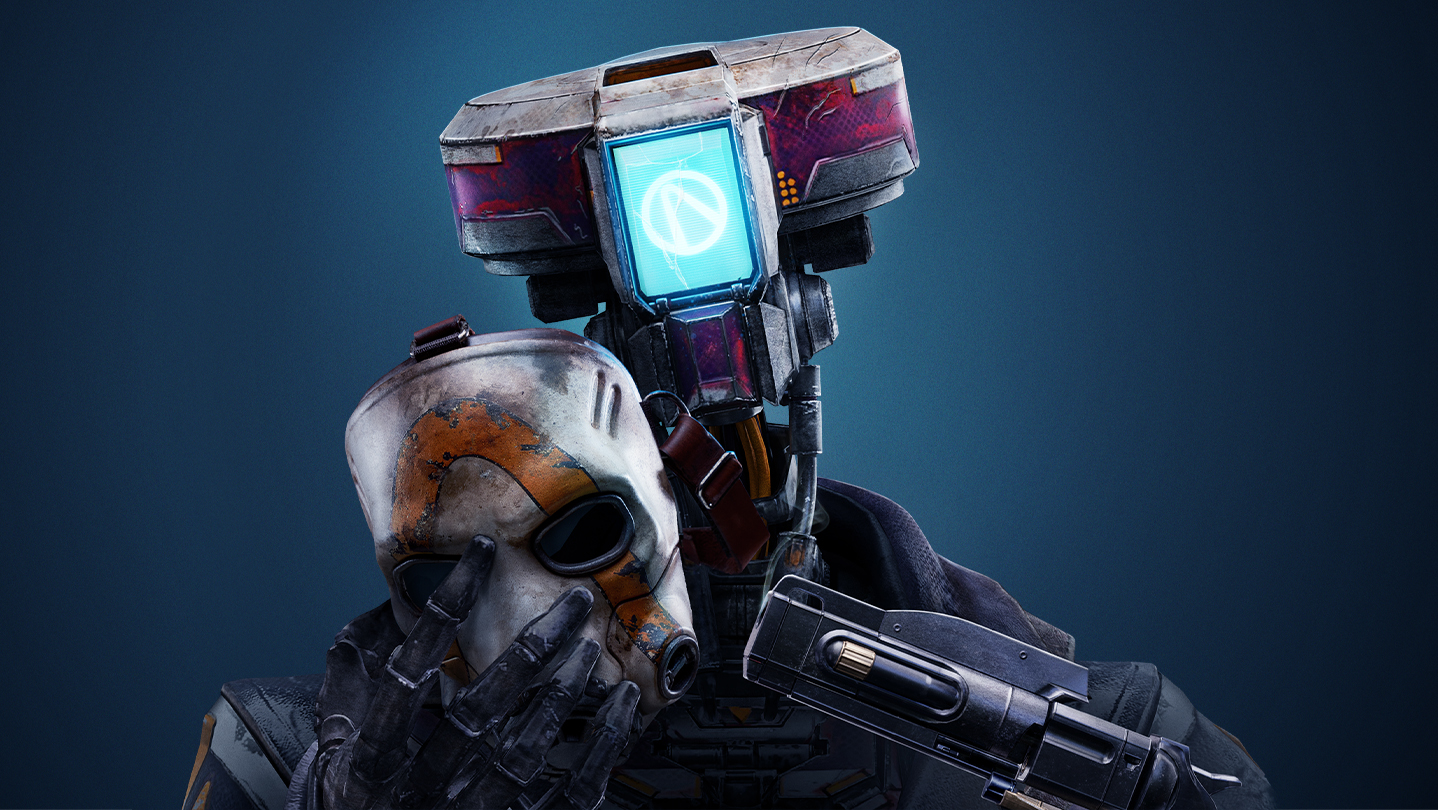
Gearbox’s new take on the popular Telltale adventure series disappointed many longtime fans. Critics found the writing awkward and the characters felt like exaggerated stereotypes of people on social media. The game also disregarded previously established storylines and character backgrounds, leading to one of the lowest user ratings in the series’ history.
‘Redfall’ (2023)
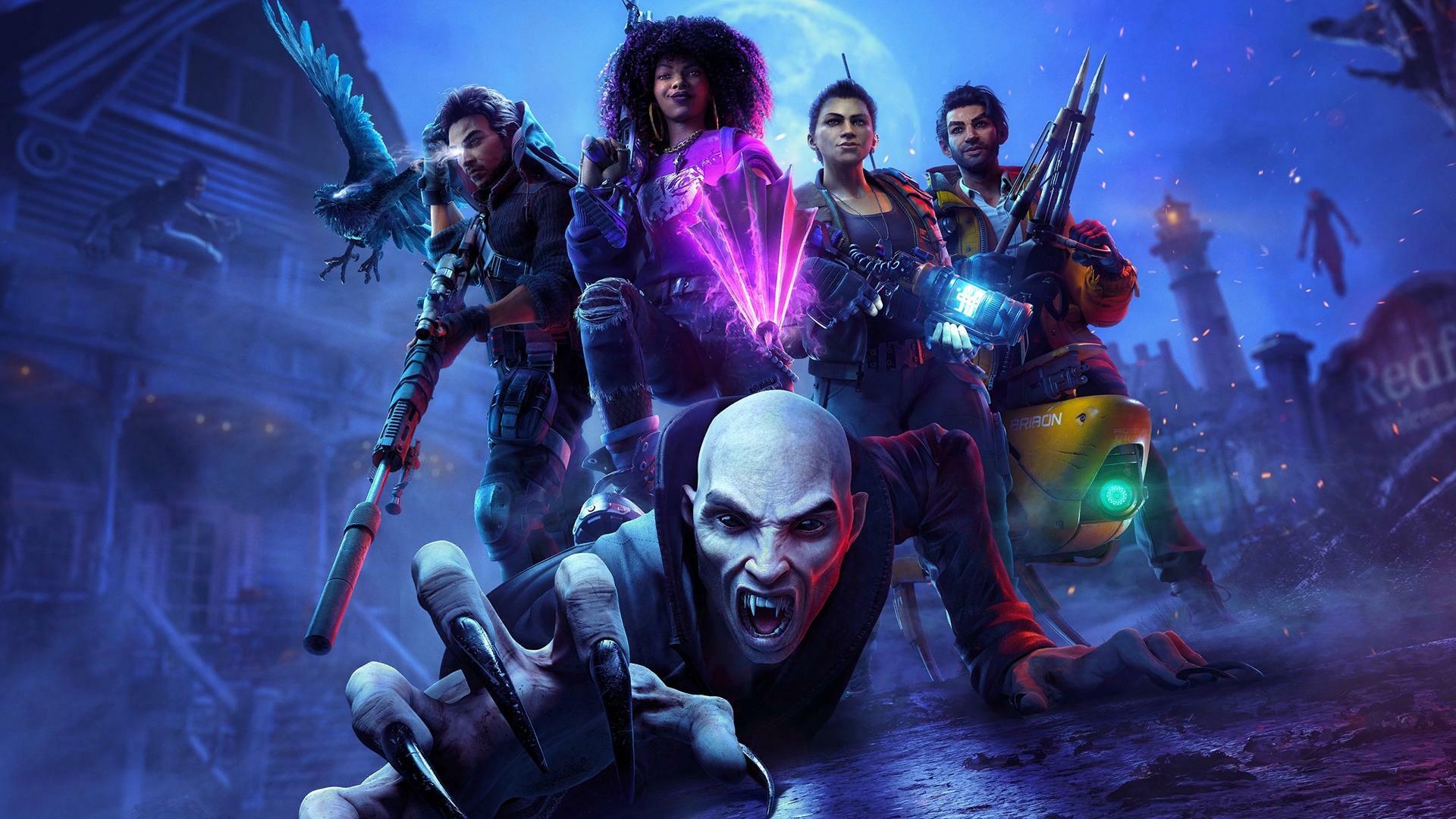
The vampire shooter developed by Arkane Austin was a significant failure for many reasons, and its characters and visual style were among the first things players criticized. Despite featuring a diverse group of heroes, the game’s story and dialogue didn’t resonate with players, and the game world felt lifeless. This failure ultimately led to the closure of the studio that previously created ‘Prey,’ and it remains a low point for Xbox’s exclusive games.
‘Hyenas’ (Cancelled)
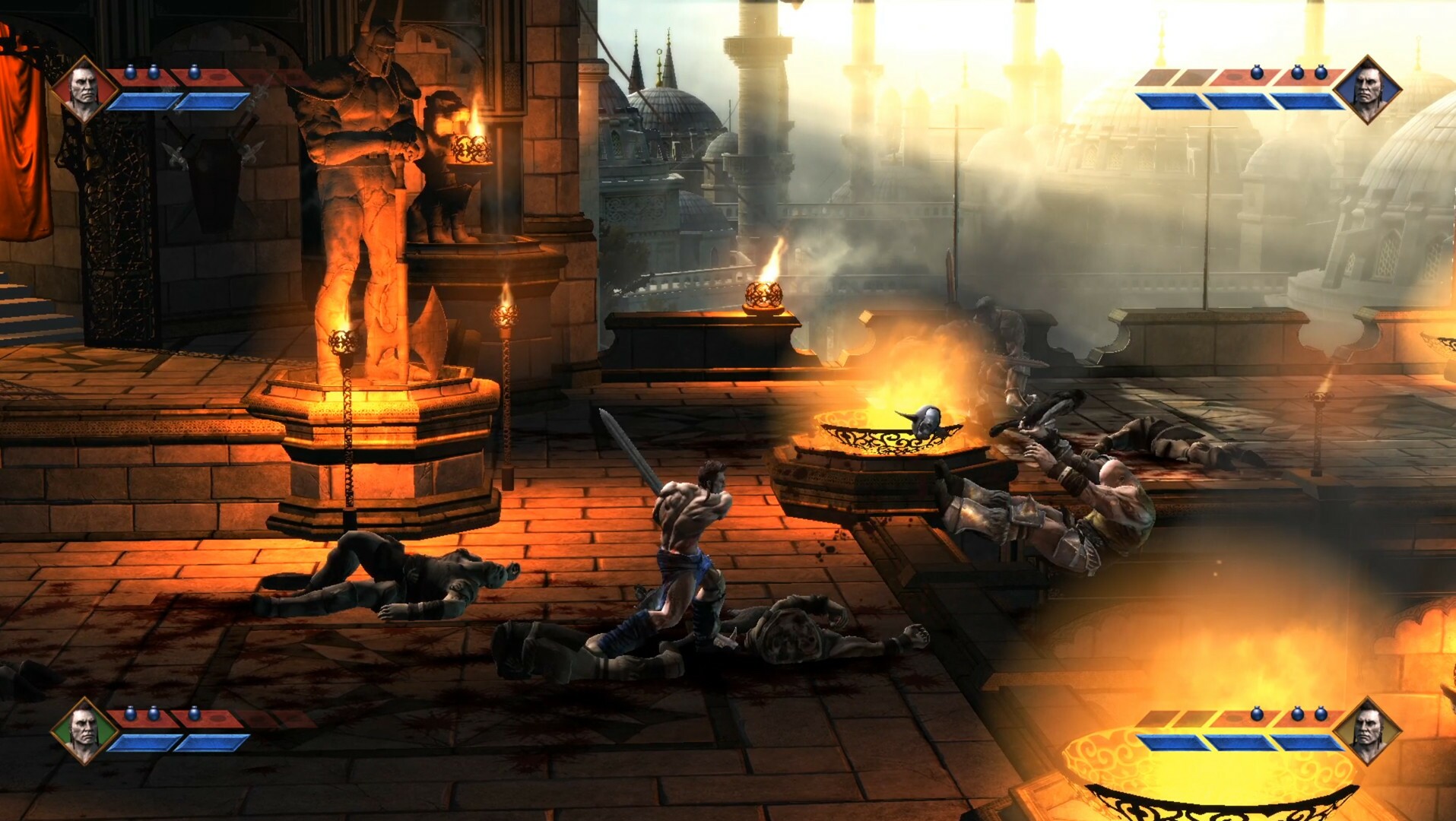
Sega unexpectedly cancelled this shooting game just weeks before it was supposed to come out, even though they had invested a lot of money in making it. It was created to attract a younger audience with its unique look and themes that criticized large corporations. However, early testing suggested that the game wasn’t popular with most gamers, and Sega admitted it wasn’t likely to succeed.
‘Mortal Kombat 1’ (2023)
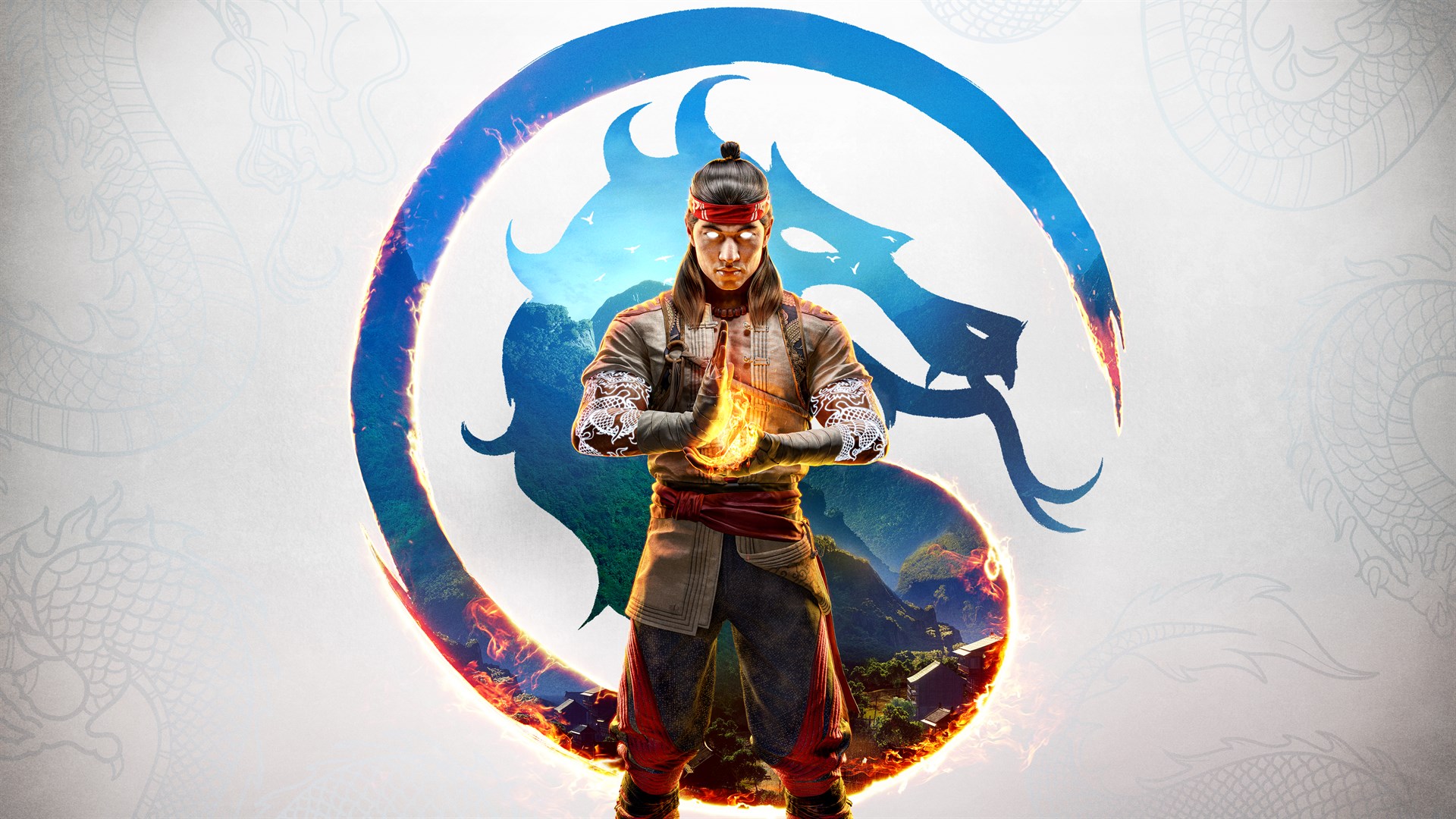
NetherRealm Studios received criticism for how they redesigned established female characters like Tanya and Sonya Blade. Many fans felt the new designs made the characters less attractive and removed elements they enjoyed from earlier games. Comparisons of the characters’ new face models added to the debate. Although players liked the gameplay, these visual changes upset some long-time fans.
‘Dead Rising Deluxe Remaster’ (2024)
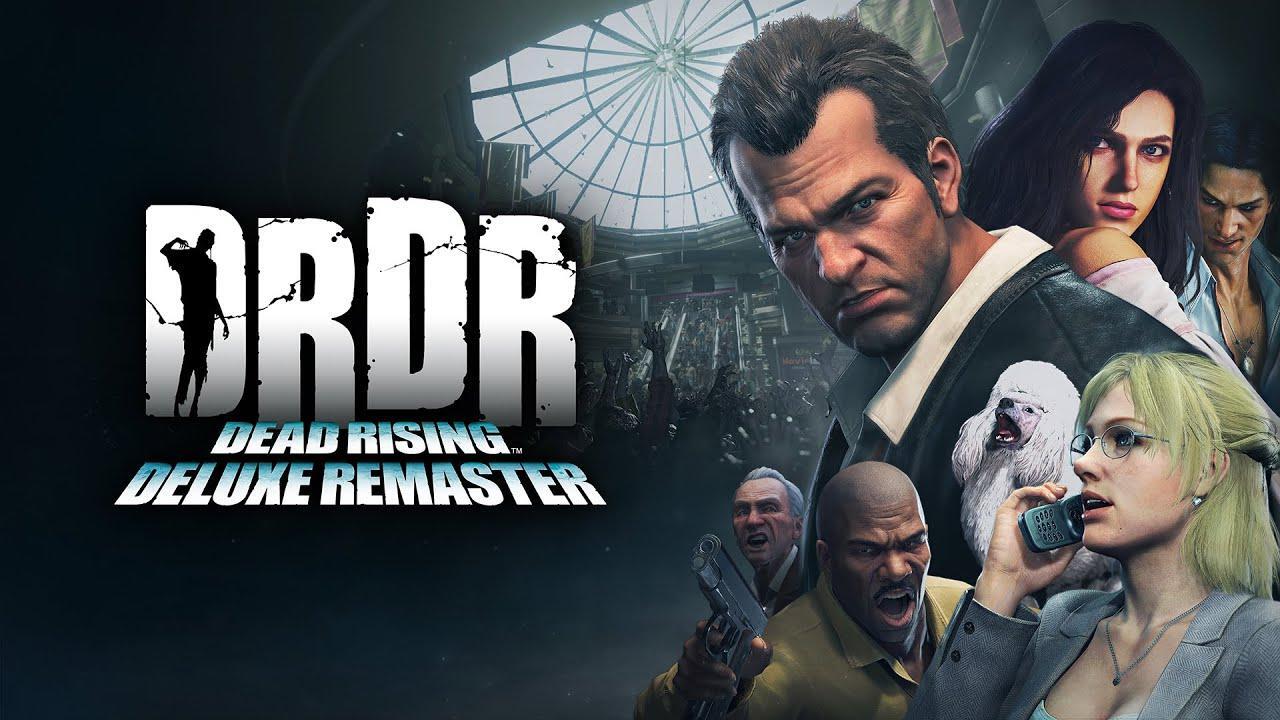
Capcom’s updated version of the 2006 game removed a category of photos that some considered inappropriate. Many fans felt this was an unnecessary change that didn’t fit the game’s intentionally over-the-top style. This decision led to discussions about whether older games should be altered to meet today’s standards, and it unfortunately lessened the excitement surrounding the remake, which should have been a joyful event for fans of the series.
‘Tomb Raider I-III Remastered’ (2024)
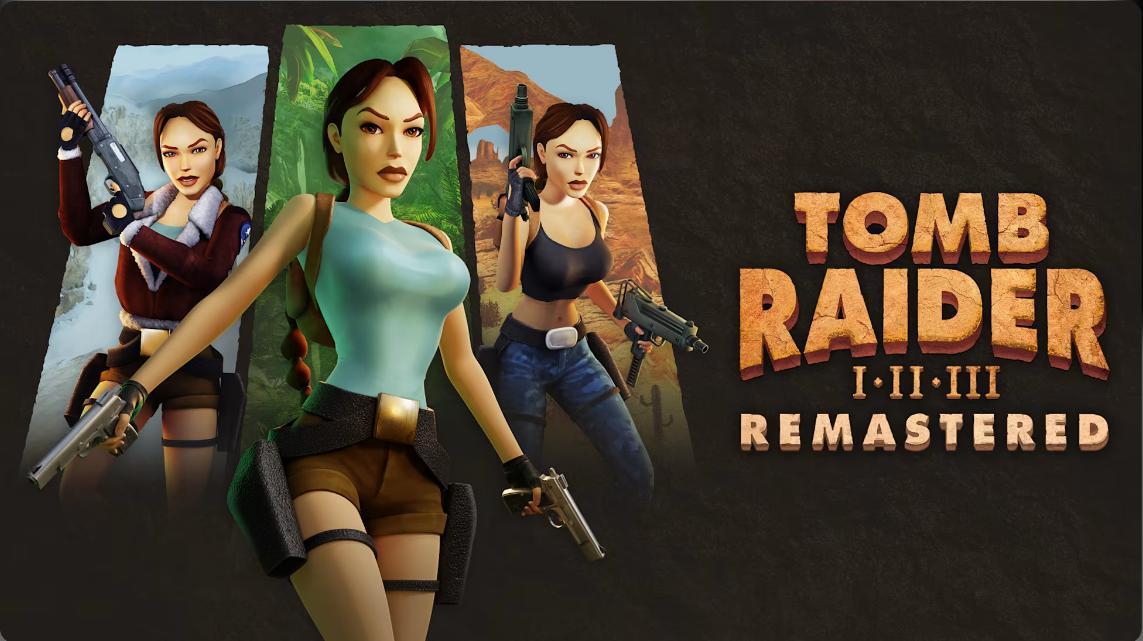
The recent release of classic ‘Tomb Raider’ games included a warning that the originals contain outdated and potentially offensive portrayals of cultures and people. While the games haven’t been changed, some criticized the warning as simply a show of being politically correct. This sparked renewed debate about how the newer ‘Tomb Raider’ games have diminished Lara Croft’s strong personality and charm. The franchise is still trying to find a way to honor its history while also meeting today’s standards.
‘Apex Legends’ (2019–Present)
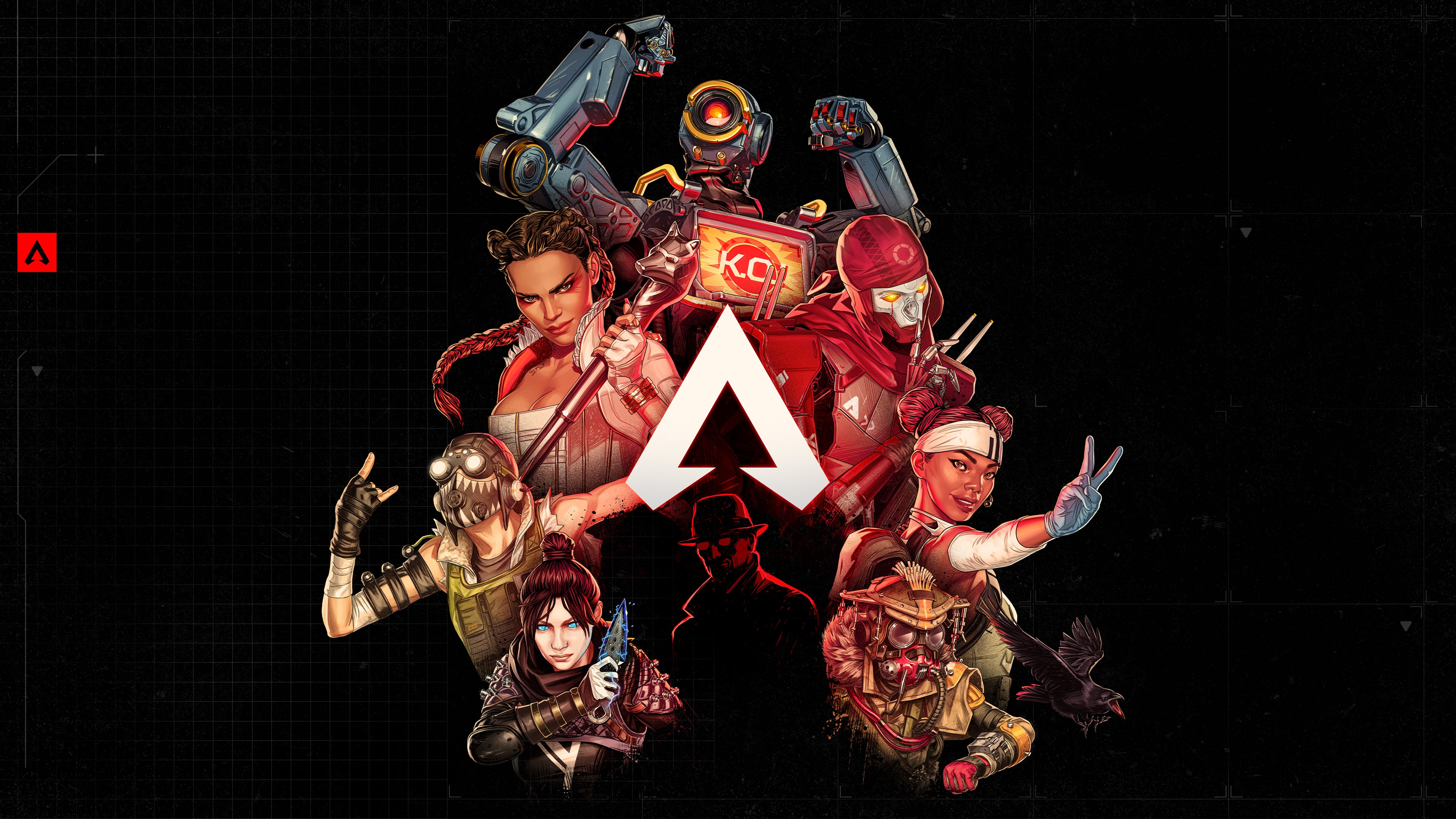
As a long-time Apex Legends fan, I’ve noticed a really worrying trend lately. A lot of us are getting frustrated because it feels like Respawn is focusing more on the characters’ personal stories and identities – things like their sexuality – than on actually improving the game. Recent updates and the battle passes haven’t been well-received, and honestly, there’s been a lot of negative reviews and even calls to boycott the game. We used to be so excited about every new update, but now there’s a lot of cynicism in the community. We just want them to fix the bugs, improve matchmaking, and focus on making the game fun again, instead of what feels like a push for certain social messages.
‘Horizon Forbidden West’ (2022)
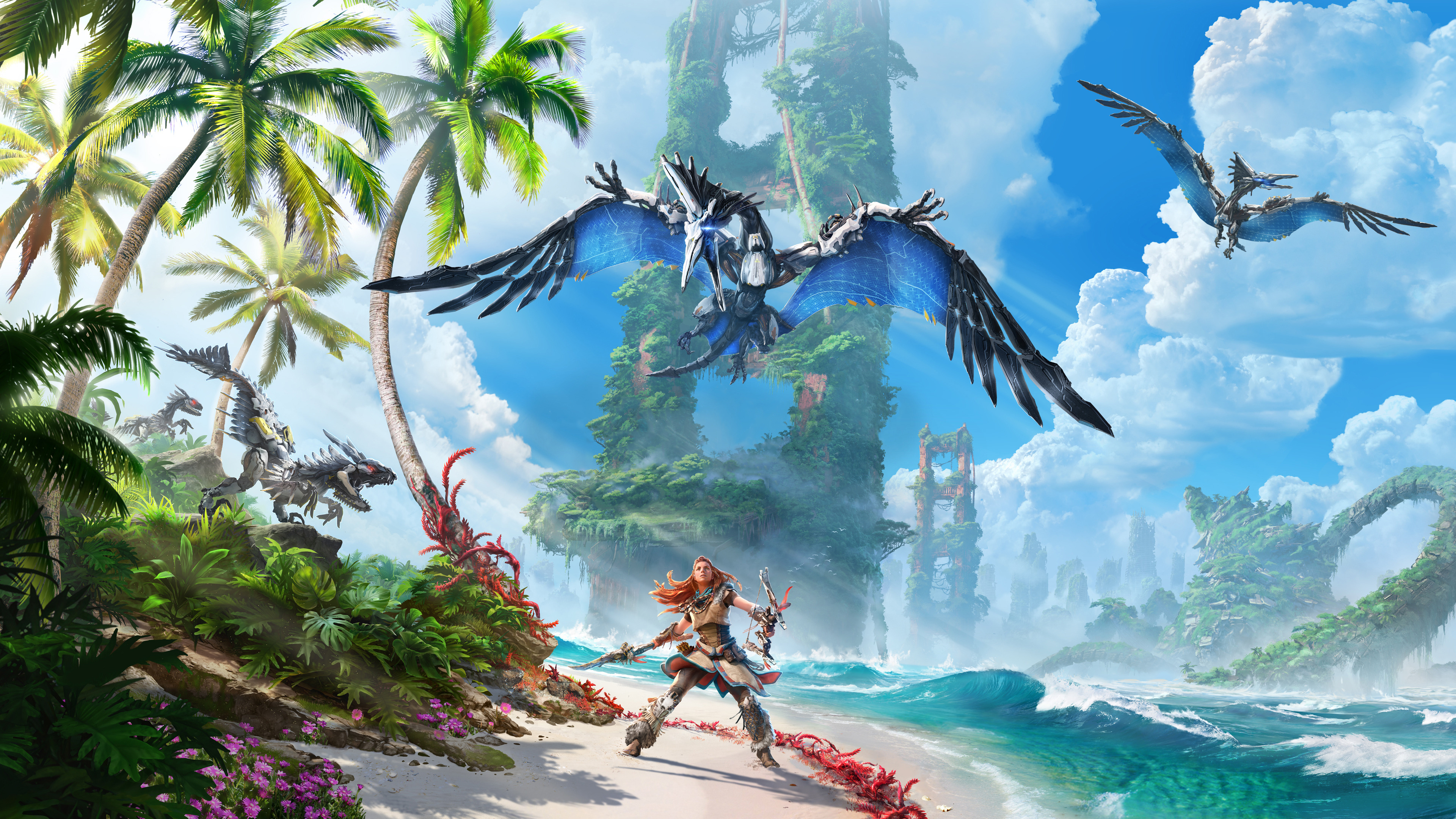
Sony’s popular sequel faced criticism, surprisingly, over how the main character, Aloy, looked. Some close-up images showed slight facial hair, which sparked online discussions about beauty standards for female characters in games. Later, the game’s “Burning Shores” expansion received negative reviews because it included a romantic relationship between Aloy and another woman. Despite being a commercial success, these issues have repeatedly drawn the franchise into cultural debates.
‘Marvel’s Spider-Man 2’ (2023)
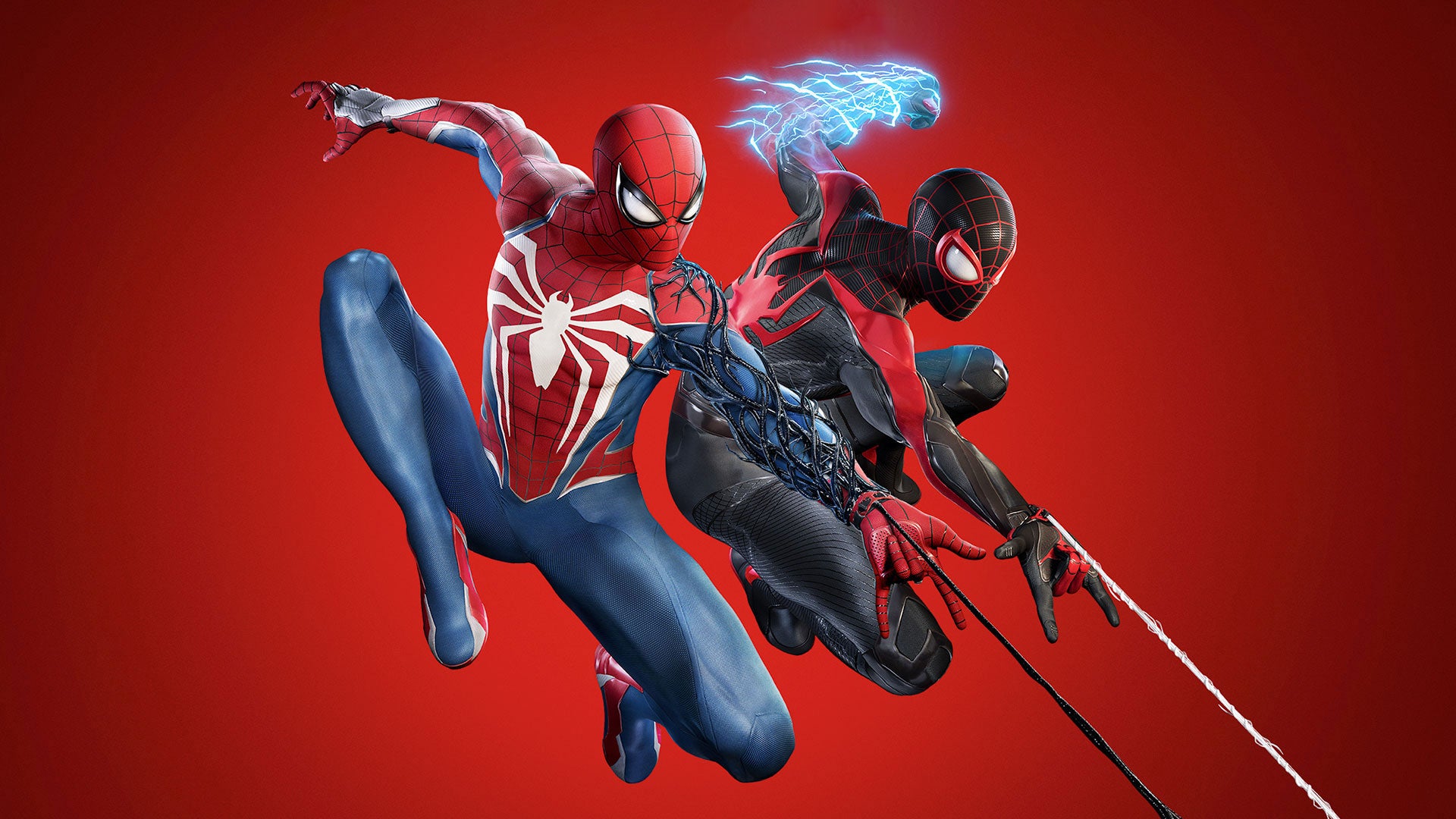
Insomniac Games received criticism after releasing its superhero sequel, with some fans objecting to changes they considered to be overly focused on social issues. Specifically, players disliked the redesigned appearance and more active fighting role of the character Mary Jane Watson, finding it didn’t fit the story. Other issues included gender-neutral language in the Spanish version of the game and incorrect flags shown in the game’s city. These problems overshadowed the gameplay and led to accusations that the studio was pushing a particular political agenda.
‘God of War Ragnarok’ (2022)
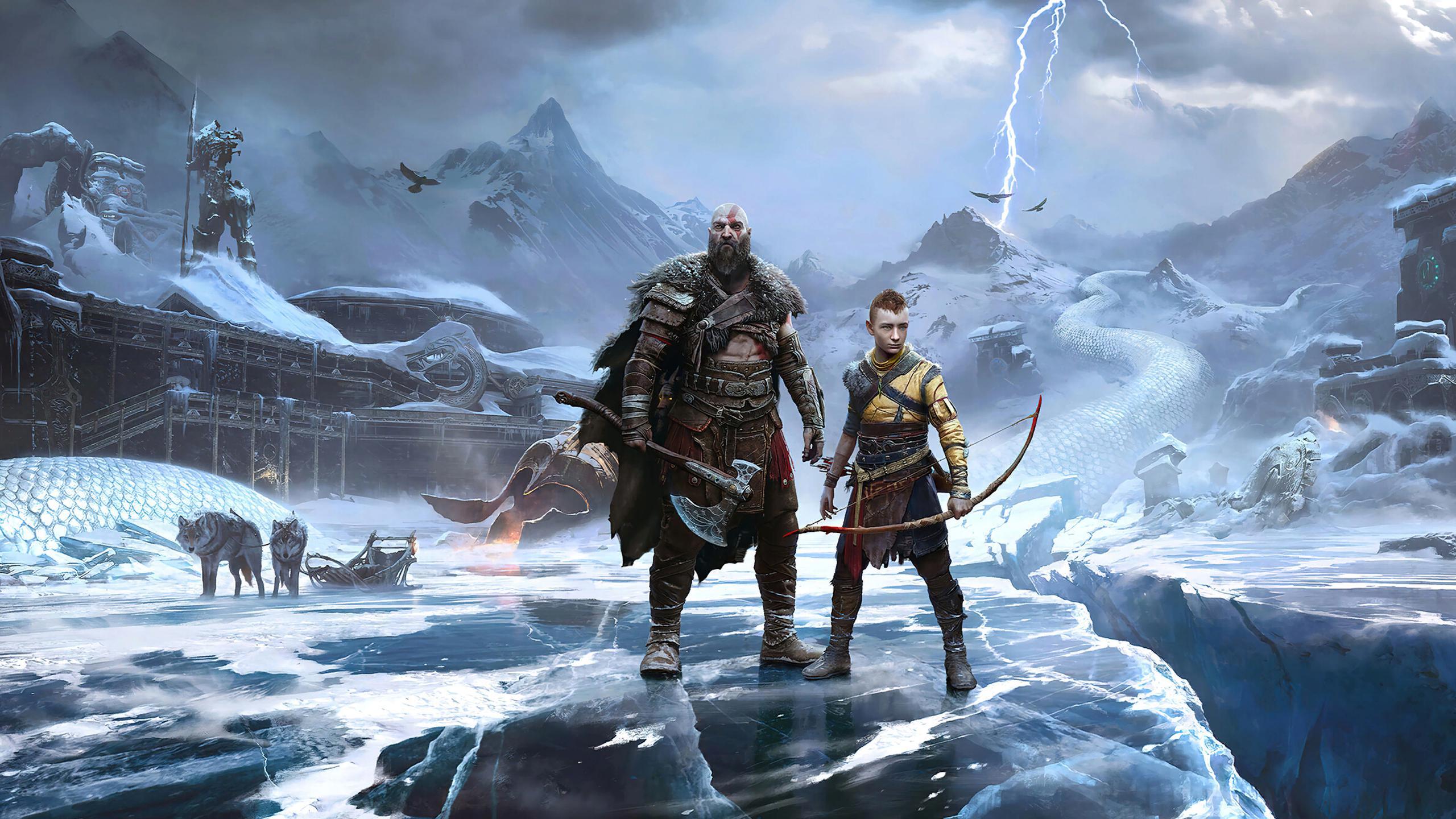
When a game based on Norse myths introduced the character Angrboda as a Black woman, it quickly led to disagreement. Some players who felt strongly about historical and mythological accuracy protested the change, while others welcomed it as a creative choice for a fantasy story. This debate continued even after the game was released, with some fans believing the story was less harsh than previous games in the series. The franchise is still popular, but every new creative decision is now closely examined.
‘Diablo IV’ (2023)
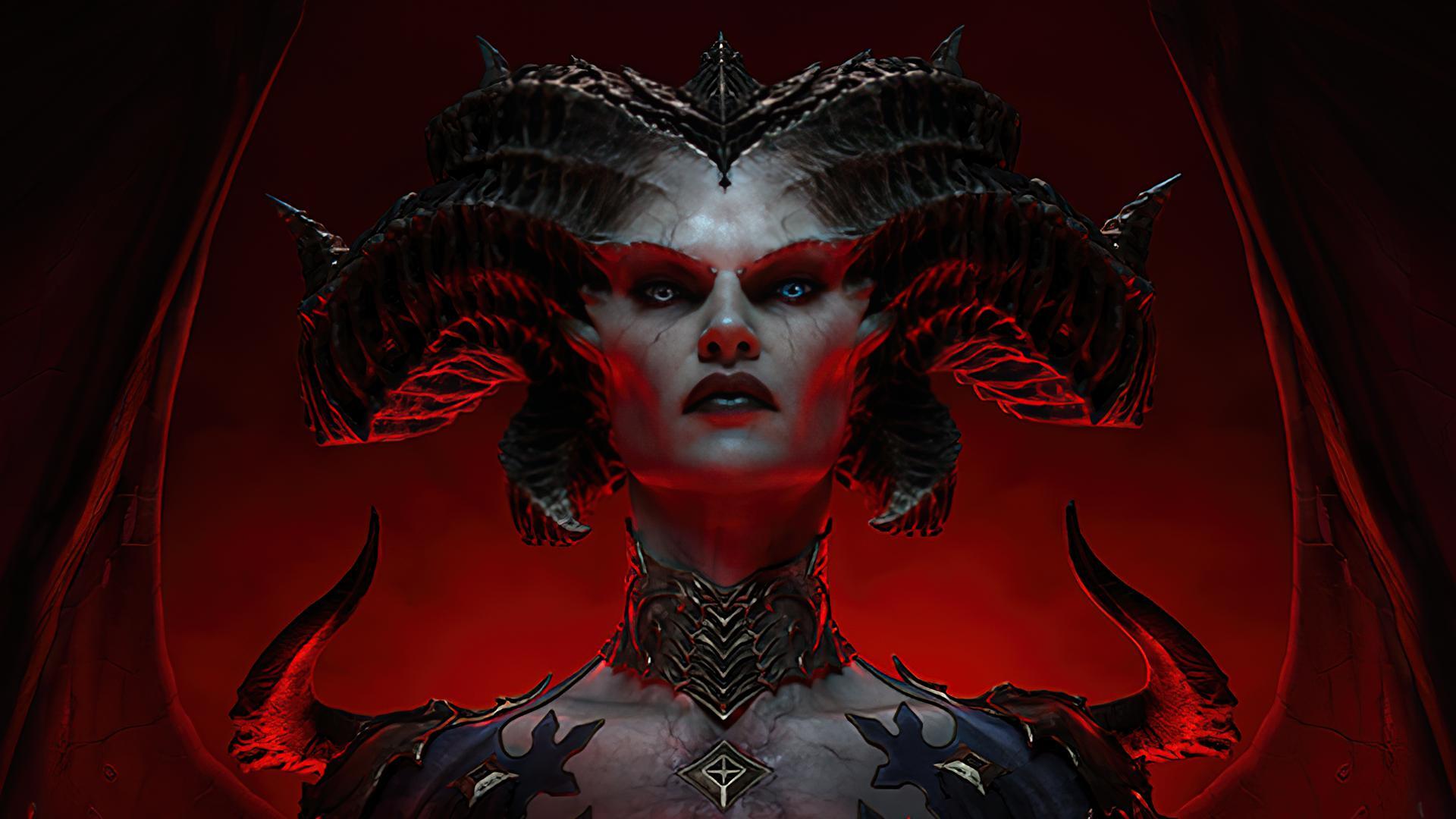
Blizzard’s new action RPG sparked debate about how players customize their characters, particularly the Druid class. Some players disliked the muscular character builds and felt the decision to remove traditional gender labels (‘Male’ and ‘Female’) in favor of ‘Body Type A’ and ‘Body Type B’ was not needed. Ongoing updates to the game have also received criticism for their design. These complaints, along with accusations of the game being overly focused on social issues, contribute to broader dissatisfaction with the game’s ongoing, live-service format.
‘The Sims 4’ (2014–Present)
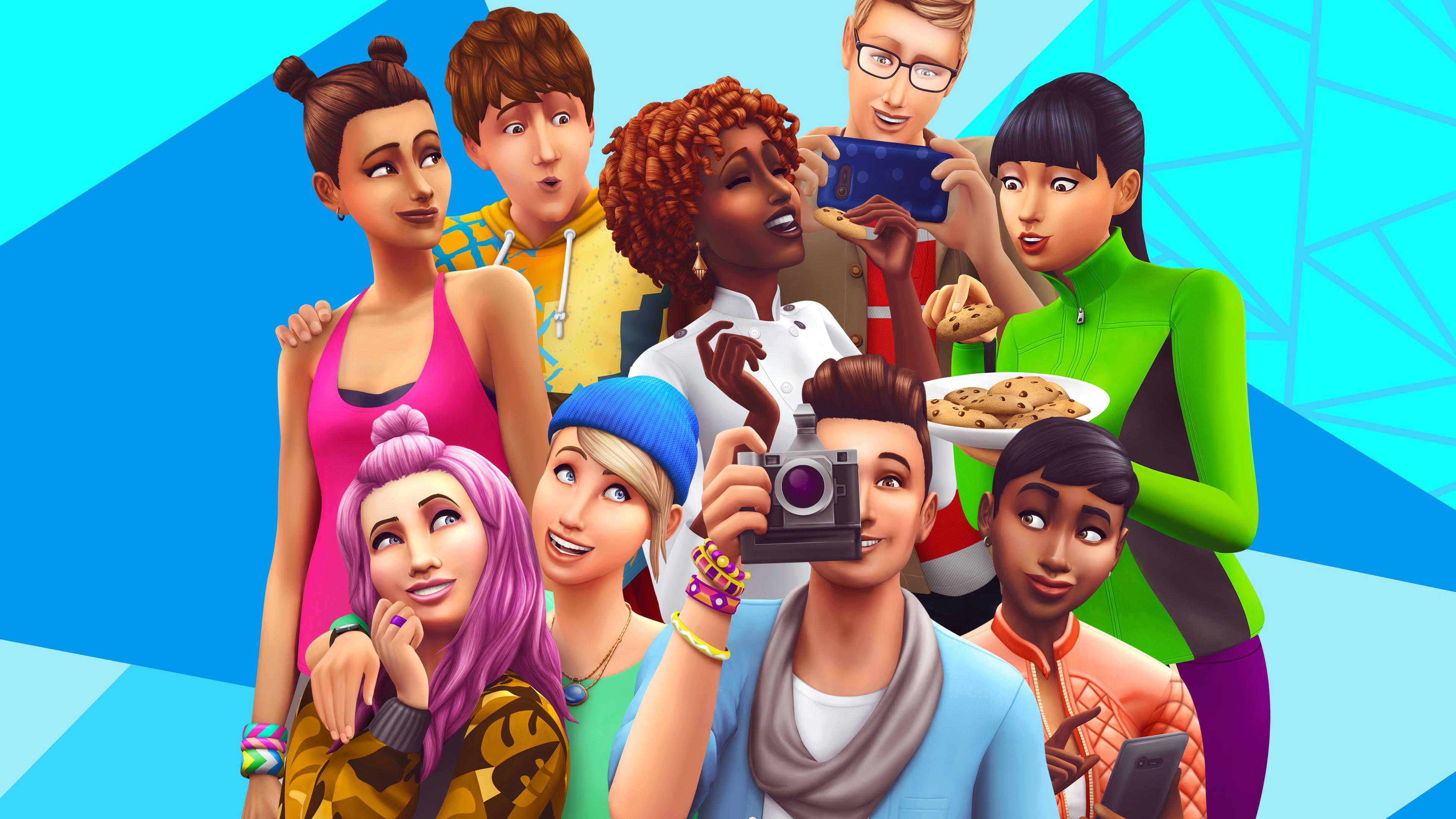
The latest updates to this life simulation game have added features allowing players to express their gender identity, including customizable pronouns, chest binders, and the option to show surgery scars. While many players appreciate this move towards inclusivity, others feel the developers should have prioritized fixing the game’s long-standing technical issues. This disagreement has caused division within the community, with some players wanting a purely creative outlet and others wanting the game to reflect social issues. These identity-focused features have become a major part of the game as it’s evolved.
‘Silent Hill 2’ (2024)
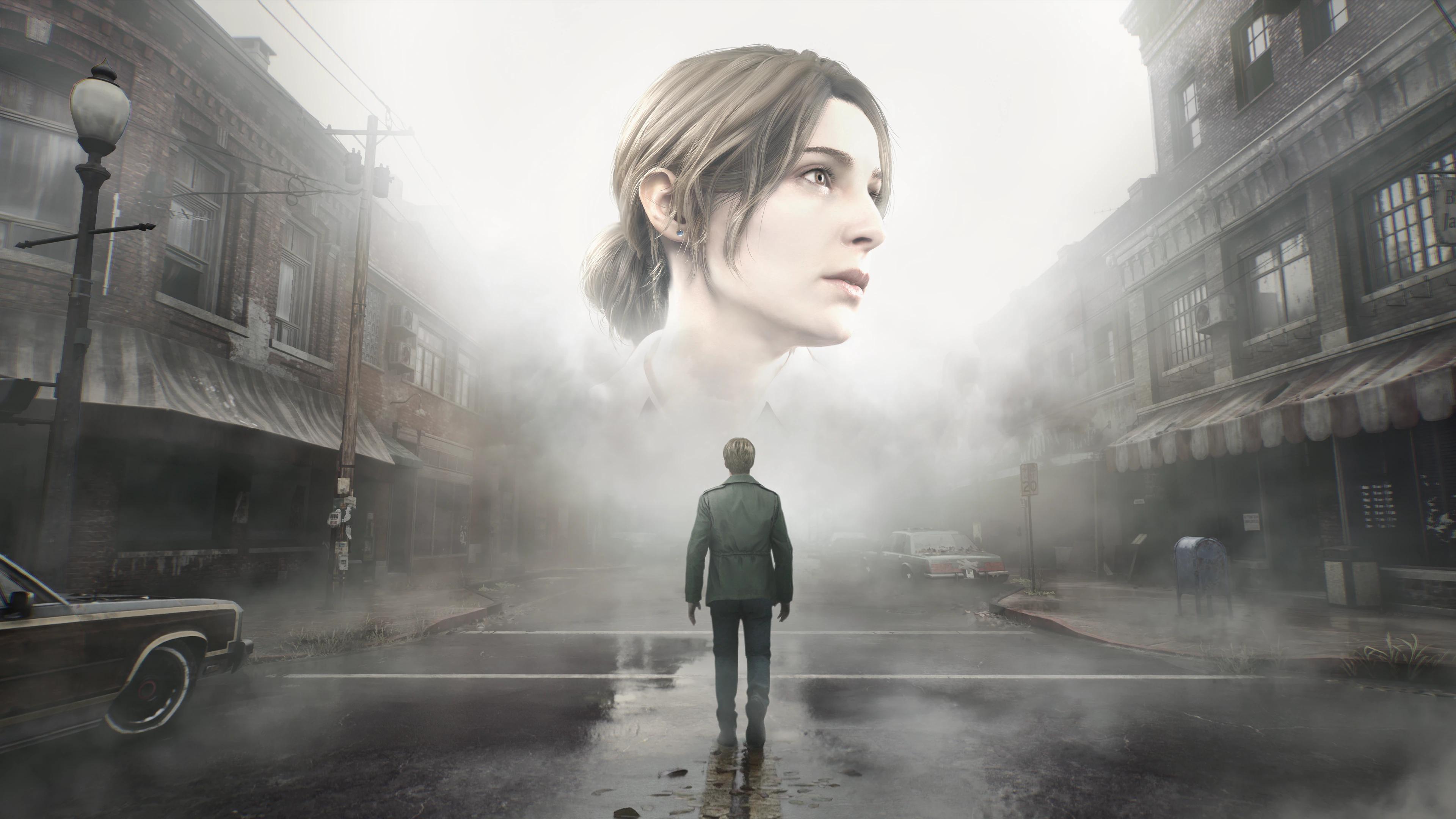
As a big fan of the original, I was a little disappointed with some of the character designs in the remake. Specifically, a lot of us felt they changed Maria too much, and by removing some of the more… striking aspects of her design, they really lost some of the important symbolism she represented. And honestly, Angela just didn’t look right – the new facial model aged her up and didn’t feel true to how she was originally envisioned. It felt like Bloober Team, in trying to update things, missed what made the original so special.
‘Goodbye Volcano High’ (2023)
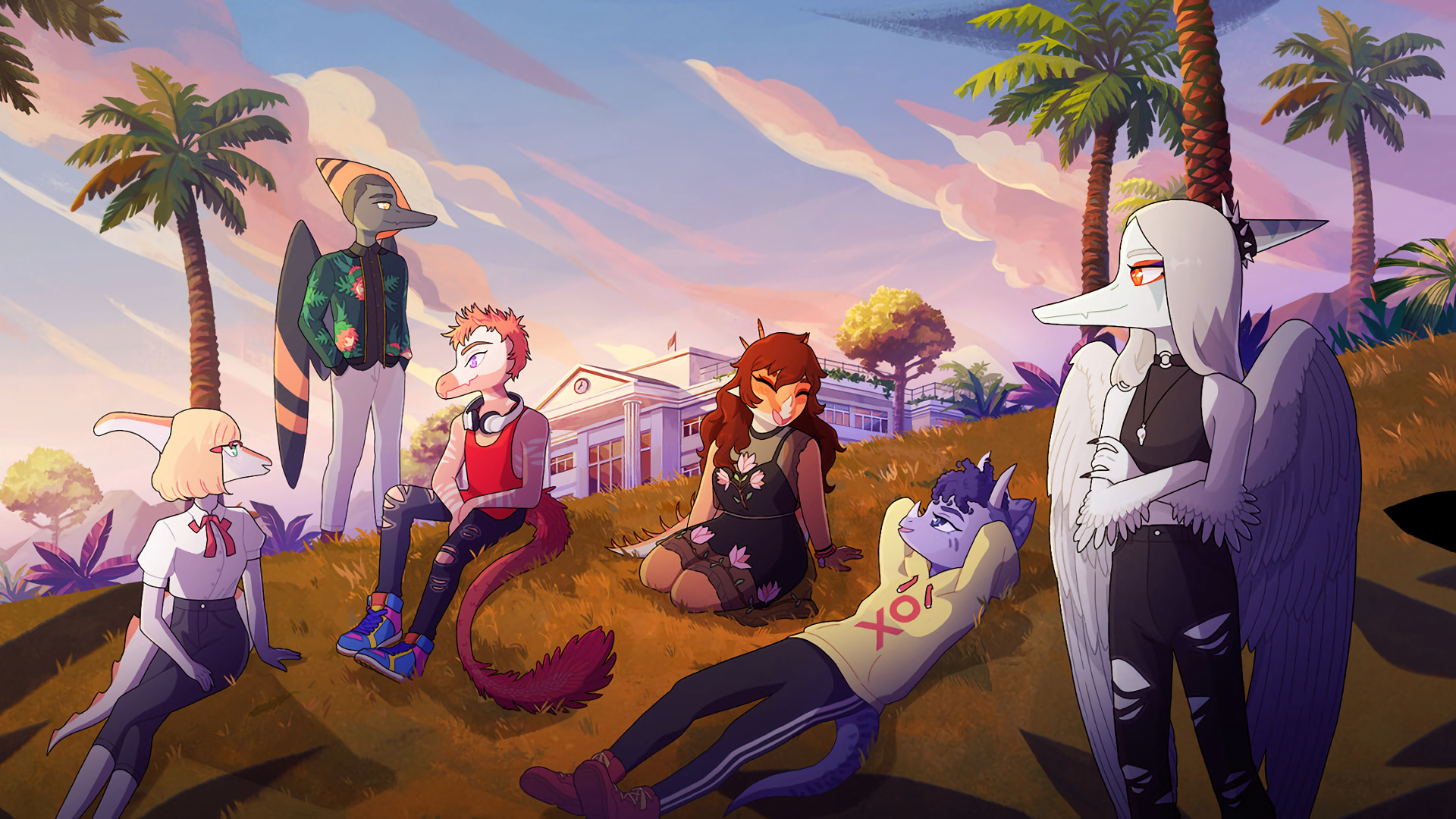
This dinosaur game quickly became a target of criticism online, labeled as an example of a game trying too hard to be politically correct. Its emphasis on teenage relationships, LGBTQ+ representation, and a storytelling style more common in visual novels didn’t appeal to most gamers. It was heavily ridiculed on social media even before it launched, and ultimately didn’t sell well, becoming a cautionary tale about developers misreading what players want.
‘Alan Wake 2’ (2023)
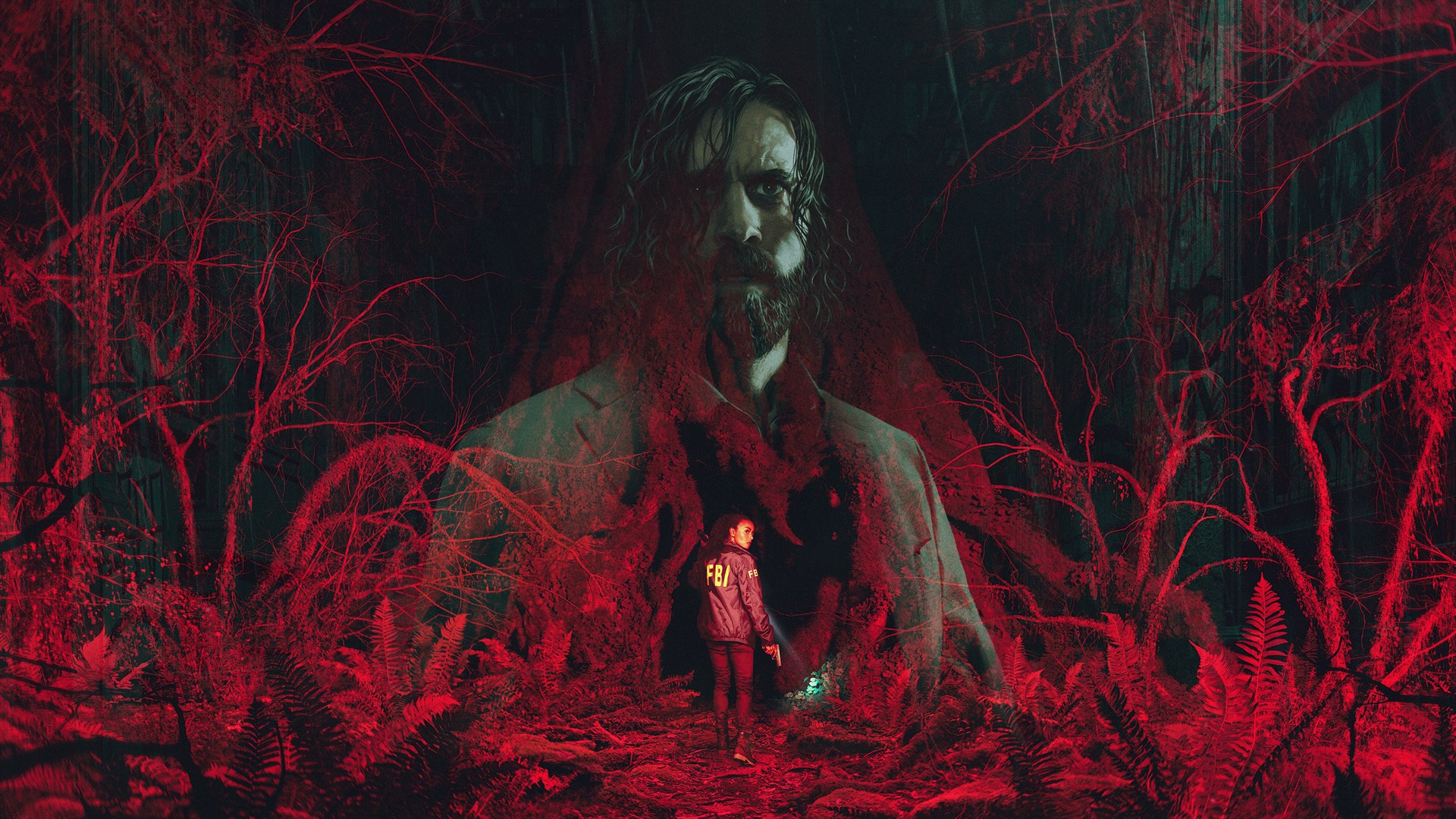
The survival horror game sequel from Remedy became caught up in a debate about outside influence, stemming from its work with Sweet Baby Inc. Rumors spread that one of the main characters, Saga Anderson, had been changed to be a different race during development, but these claims were false. The discussion around the game quickly turned negative, with many people searching for proof that external forces had altered the story. Even though critics praised the game, this controversy overshadowed the positive reception.
‘Fable’ (Upcoming)
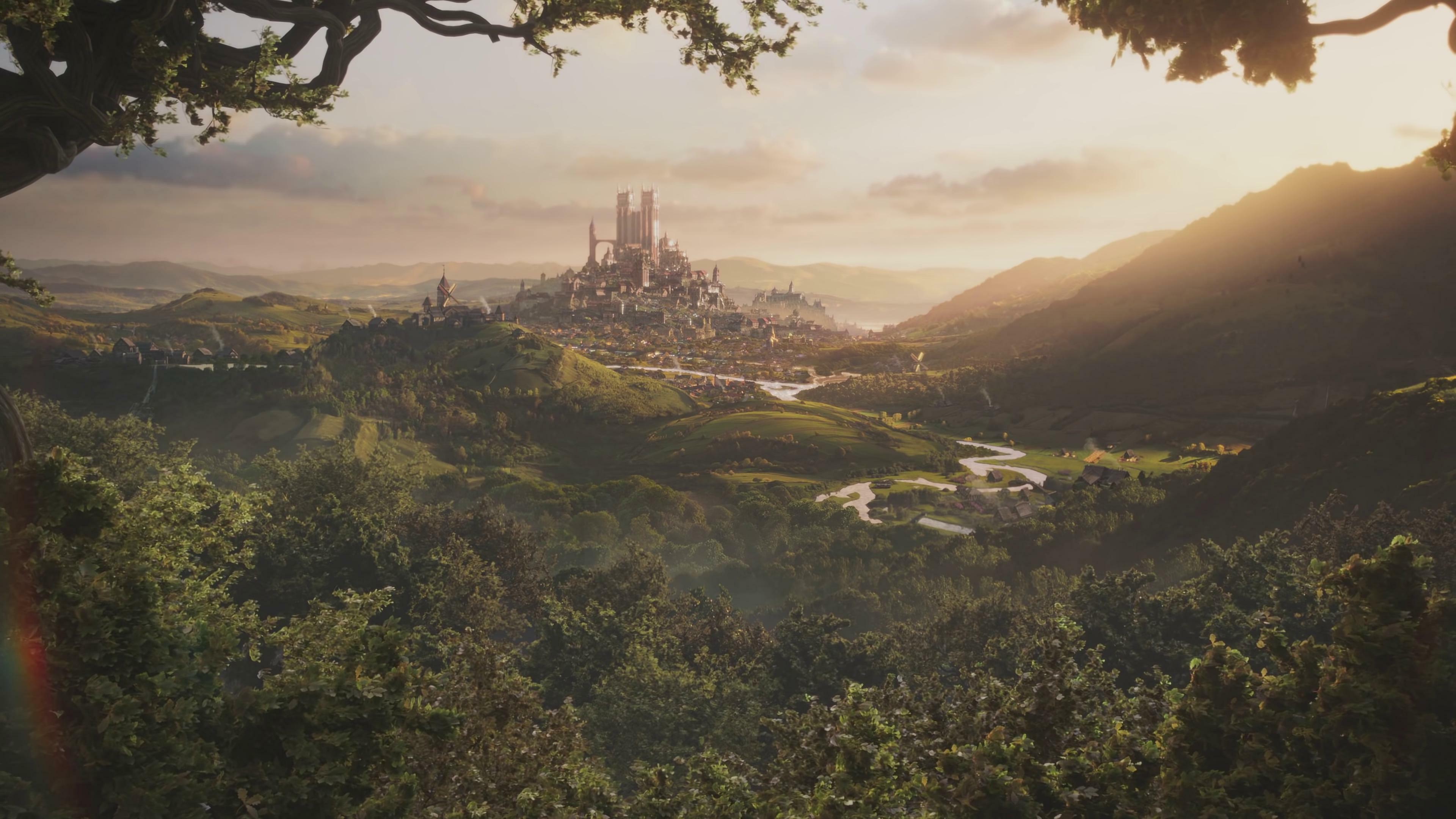
Okay, so I saw the trailer for the new version of this RPG, and honestly, the reaction online has been pretty rough. A lot of people disliked it on YouTube. One of the biggest complaints I’ve seen is about how the female lead looks – some fans are saying she seems intentionally designed to be…not very appealing. And beyond that, people are missing the quirky, very British vibe of the original games. It feels like the developers have a lot of work to do to get us long-time fans on board.
‘Street Fighter 6’ (2023)
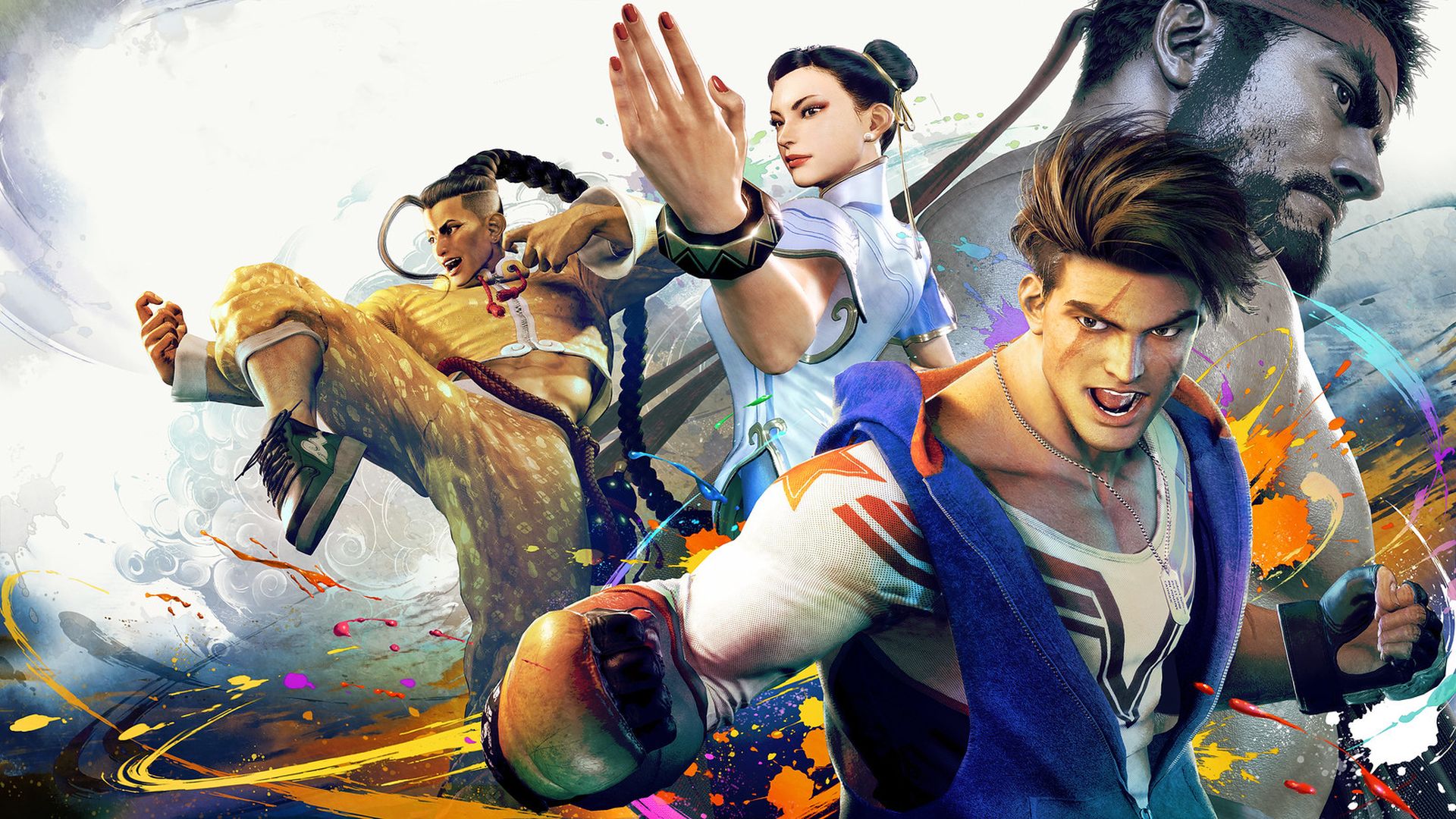
Capcom’s latest fighting game received criticism after it updated its logo and introduced new character designs. Some members of the fighting game community expressed disapproval of the game’s updated look and the addition of a transgender commentator in competitive events. Despite the game’s overall success, these changes caused some issues around its release. Now, the franchise is trying to find a balance between honoring its classic arcade style and embracing a more inclusive modern esports scene.
Share your thoughts on these controversies and their impact on the industry in the comments.
Read More
- Gold Rate Forecast
- Invincible Season 4 Gender Swaps Tech Jacket As Fans Question Major Comic Change
- Silver Rate Forecast
- 22 Films Where the White Protagonist Is Canonically the Sidekick to a Black Lead
- 14 Movies Where the Black Character Refuses to Save the White Protagonist
- Unveiling the Schwab U.S. Dividend Equity ETF: A Portent of Financial Growth
- How to Do Sculptor Without a Future in KCD2 – Get 3 Sculptor’s Things
- Superman Flops Financially: $350M Budget, Still No Profit (Scoop Confirmed)
- ONE PIECE Season 2 Confirms Sanji’s OTHER Backstory in the Live-Action
- Why Won’t It Just *Do* What You Ask? Unpacking the Quirks of AI Language
2026-02-06 01:53