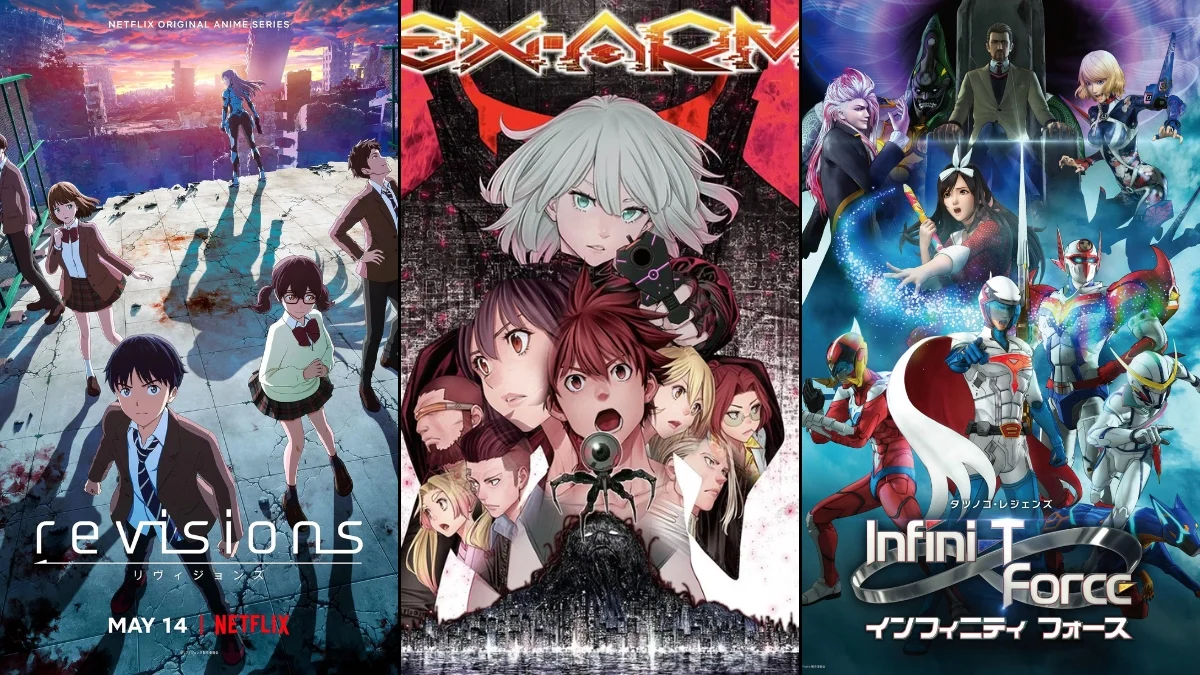
Anime has changed a lot over the years, with more and more shows using computer-generated imagery (CGI) to make production easier and create complicated scenes. While some anime successfully use 3D animation to improve the visuals, others have been criticized for technical problems that pull viewers out of the story. Issues like awkward-looking models, unnatural movements, and shaky animation can turn audiences off and ruin what made the original series good. From classic shows to newer, more experimental ones, several titles have become well-known for their poor visual quality. This list focuses on anime where the use of CGI was widely seen as a negative experience.
‘EX-ARM’ (2021)
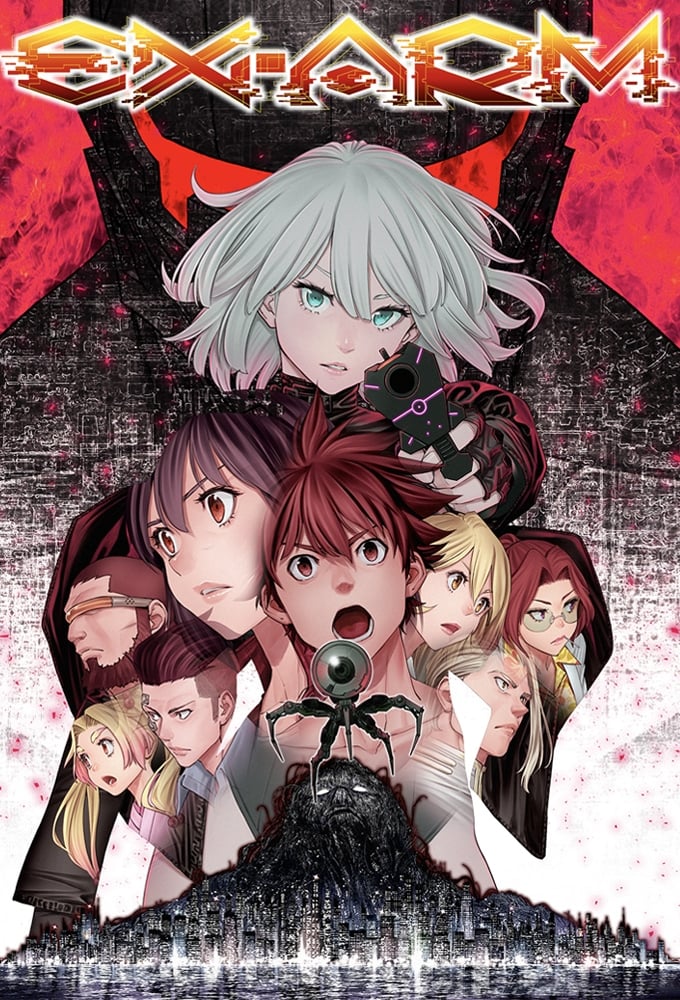
The sci-fi series centers on Akira Natsume, who awakens after a long accident to discover his mind has been transferred into a powerful AI. The show uses 3D animation for its main characters, but keeps the backgrounds and supporting roles in 2D. However, the animation has been criticized for looking stiff and unnatural, with characters moving awkwardly. The combination of 3D characters and 2D environments created a visually inconsistent experience for many viewers, ultimately leading to low ratings on several review sites.
‘Berserk’ (2016–2017)
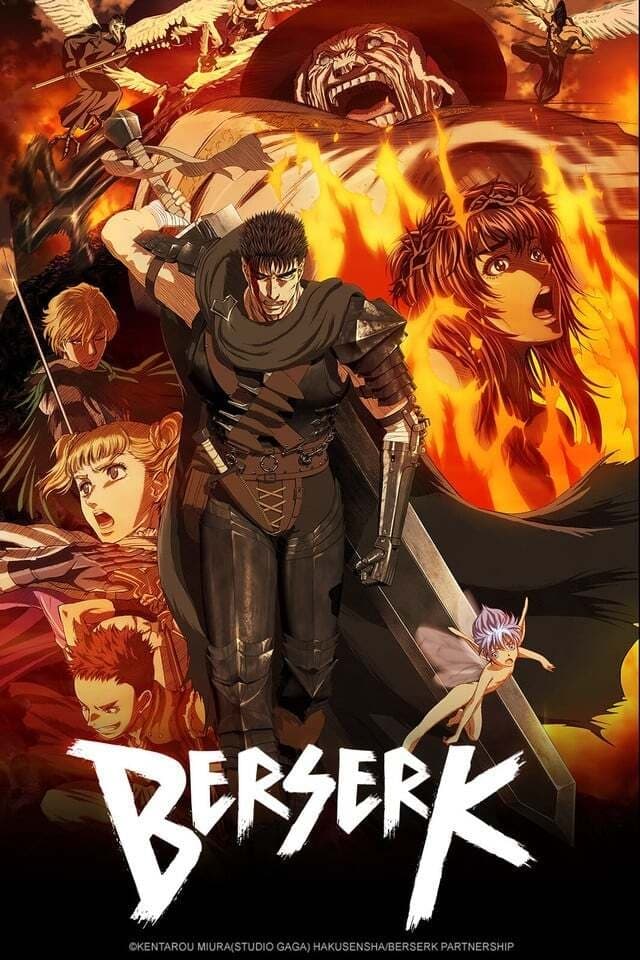
This new installment follows Guts, the Black Swordsman, and covers the Conviction and Falcon of the Millennium Empire storylines from the original manga. The show used a mix of 3D characters and 2D backgrounds, hoping to recreate the manga’s detailed art style. However, many viewers found the character animation awkward and the sound of armor clashing to be unnatural. These issues, along with fluctuating animation speeds, often distracted from the story. Overall, the series was criticized for not living up to the look and feel of the source material.
‘Gibiate’ (2020)
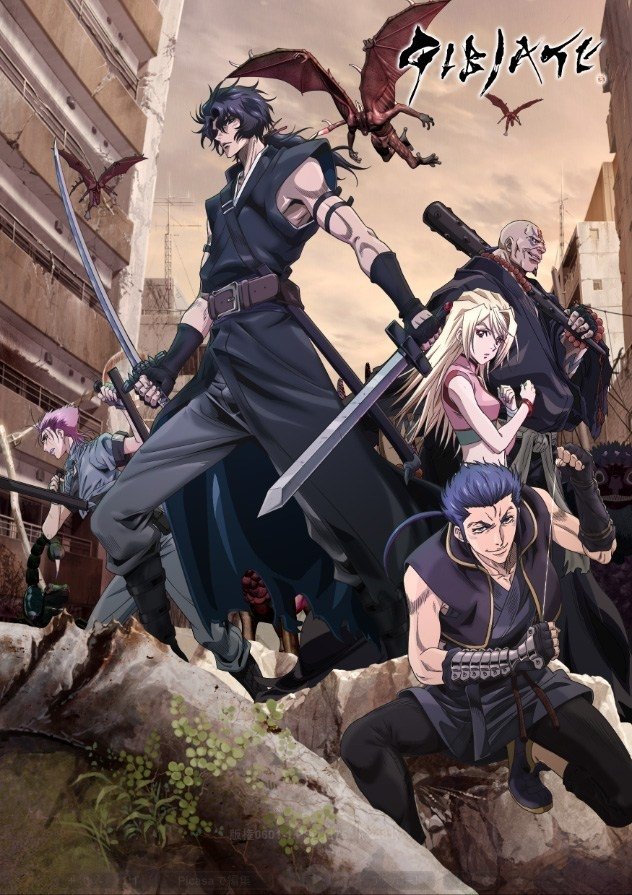
This anime is set in a future version of Japan after a disaster. It follows a samurai and a ninja who have traveled from the past to assist a doctor in finding a cure for a virus that transforms people into monsters. While the characters were beautifully designed by Yoshitaka Amano, the monsters were created using 3D graphics. Unfortunately, these 3D monsters looked noticeably different from the traditionally drawn backgrounds and lacked detail, which led to criticism. Many viewers and critics pointed to the monster designs as a major reason the show wasn’t well-received.
‘Tesla Note’ (2021)
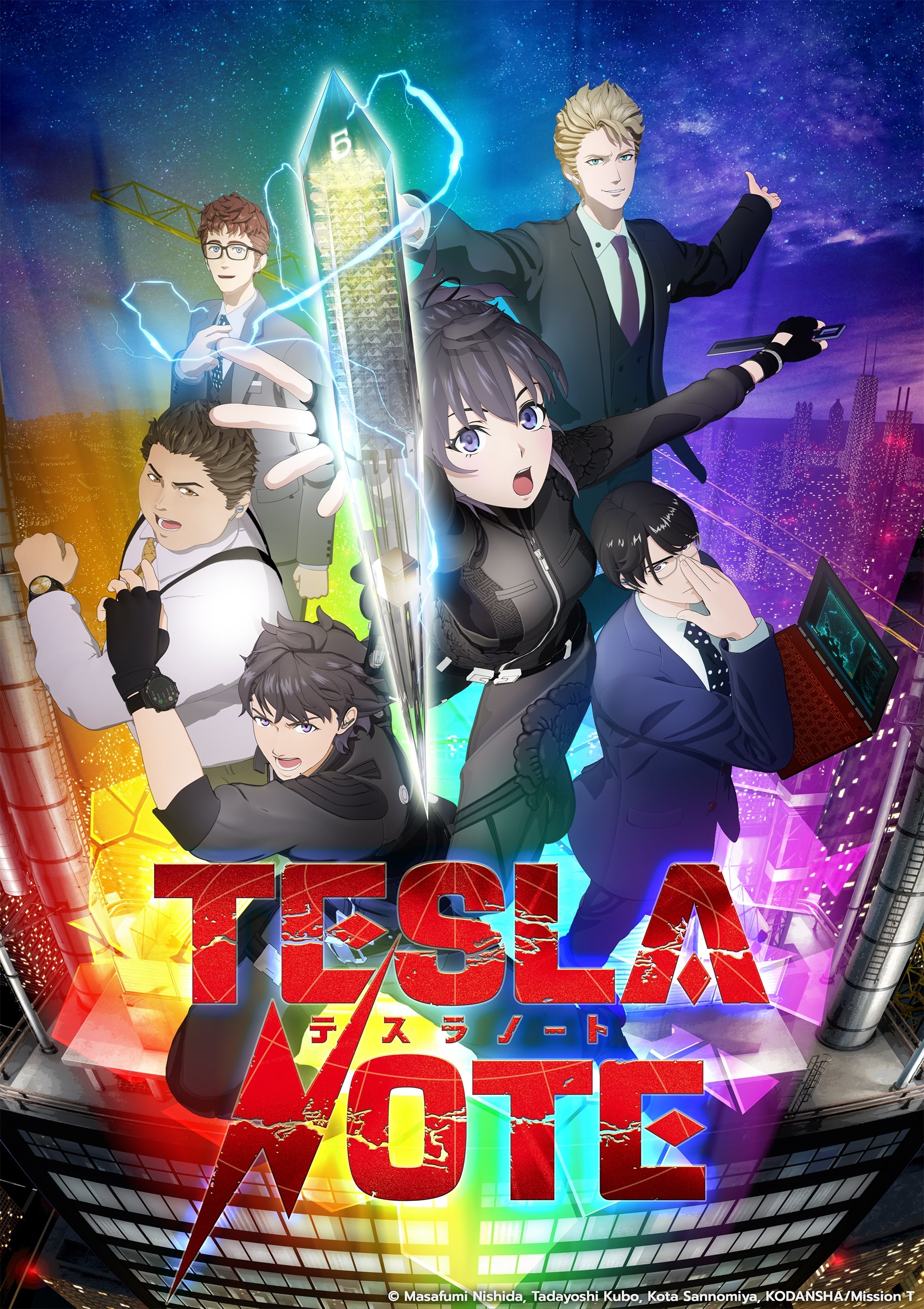
This action-packed spy series follows Botan Negoro and Kuruma in a race to find the Shards of Tesla and save the world. However, the show’s animation, which uses 3D models, has been heavily criticized. Characters often move stiffly and appear to glide instead of walk, especially during action scenes. This awkward animation became a major talking point online, with clips going viral and distracting viewers from the story.
‘Hand Shakers’ (2017)
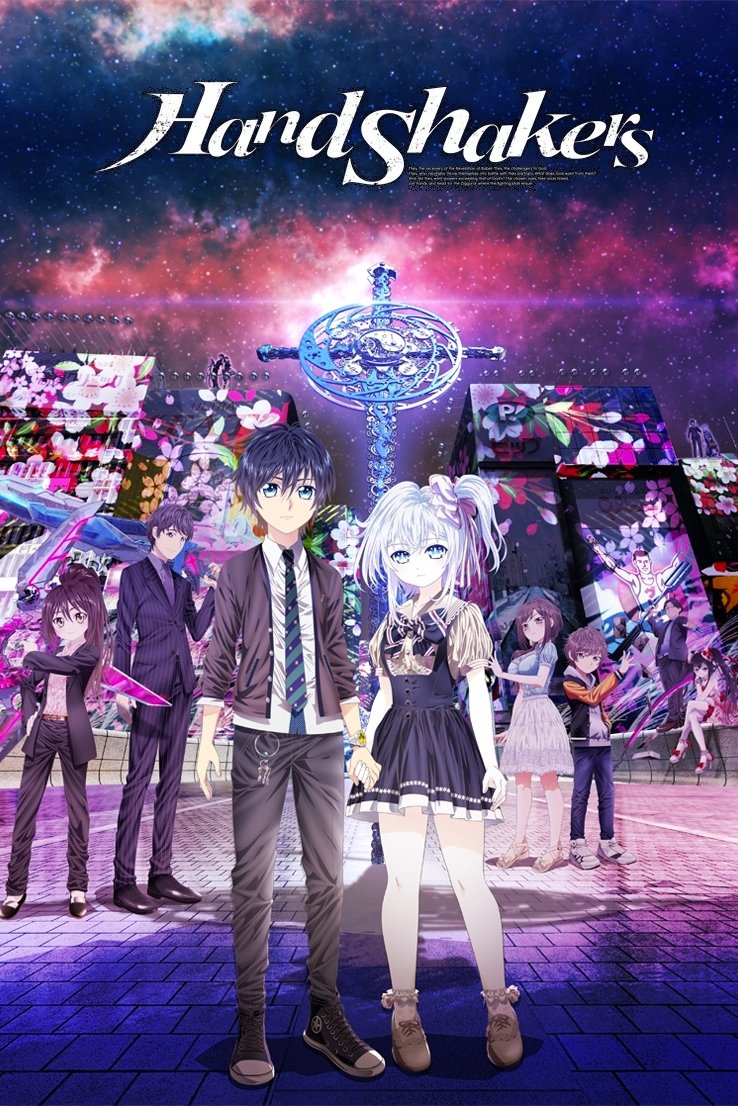
This anime, created by studio GoHands, centers around teams of ‘Hand Shakers’ who battle in another dimension by summoning weapons. It’s famous—or perhaps infamous—for its unusual visuals. The show blends traditional 2D characters with detailed 3D backgrounds and a constantly moving camera. This often created a visually busy and confusing experience for viewers, with many reporting motion sickness due to the fast-paced action and bright, flashing colors. Critics generally disliked the show’s style, finding it overly flashy and chaotic.
‘Arifureta: From Commonplace to World’s Strongest’ (2019)

Hajime Nagumo finds himself in a dangerous fantasy world and must navigate a deadly dungeon after being betrayed. The show includes many large monsters, like hydras and behemoths, created using computer-generated imagery. However, these CGI models often looked simple and didn’t quite match the style of the traditionally animated characters. When the series first came out, fans frequently criticized the quality of these creature effects, feeling they appeared outdated compared to other anime at the time.
‘Kingdom’ (2012–2013)
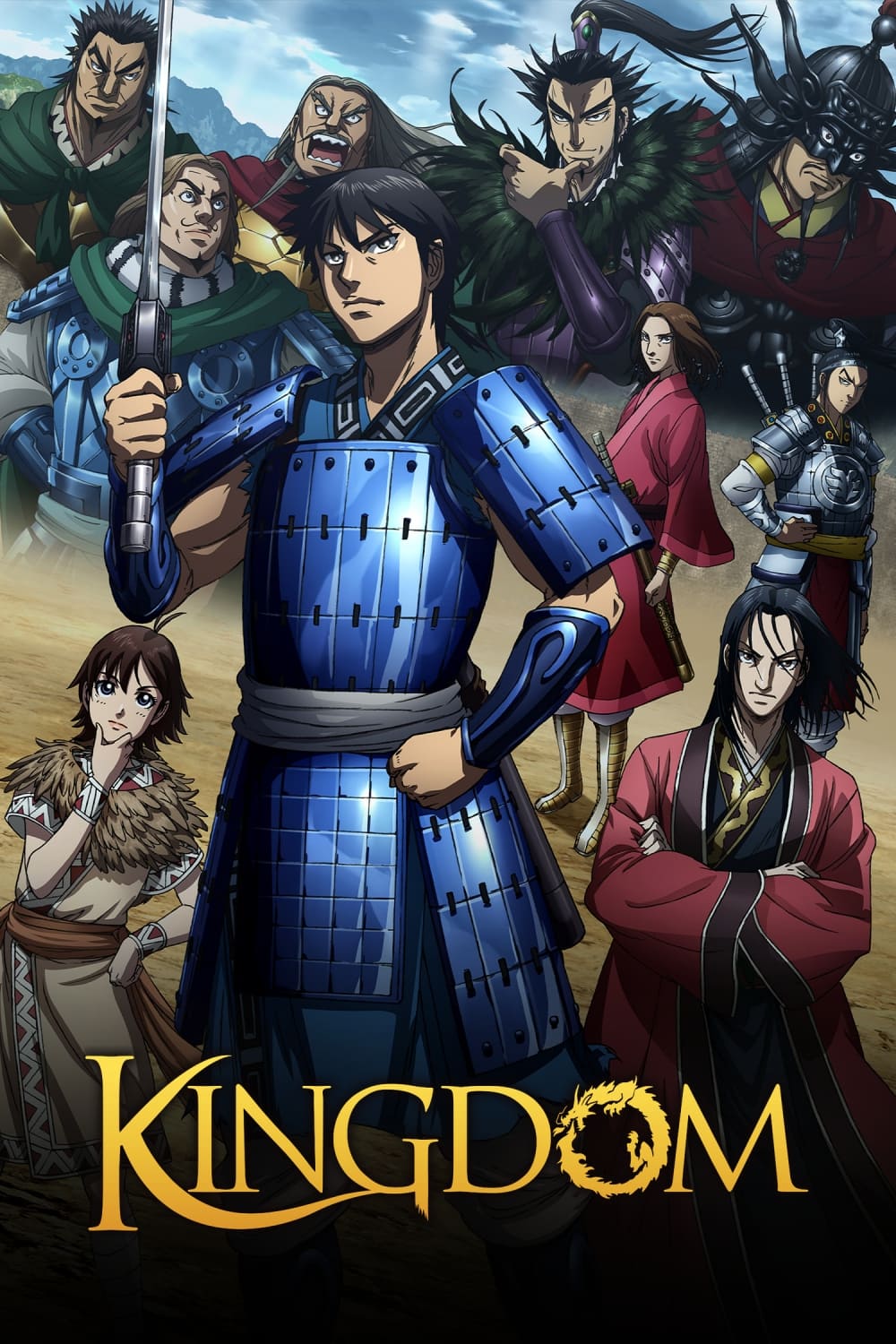
This historical drama follows Xin’s journey to become a legendary general during ancient China’s Warring States period. The first season featured large battles created with detailed 3D graphics, but the animation was often criticized for looking awkward and not fitting with the 2D anime style popular at the time. Later seasons switched to a more traditional animation style to fix these issues. While the story is compelling, the early 3D animation can still be a challenge for new viewers to enjoy.
‘Overlord’ (2015)
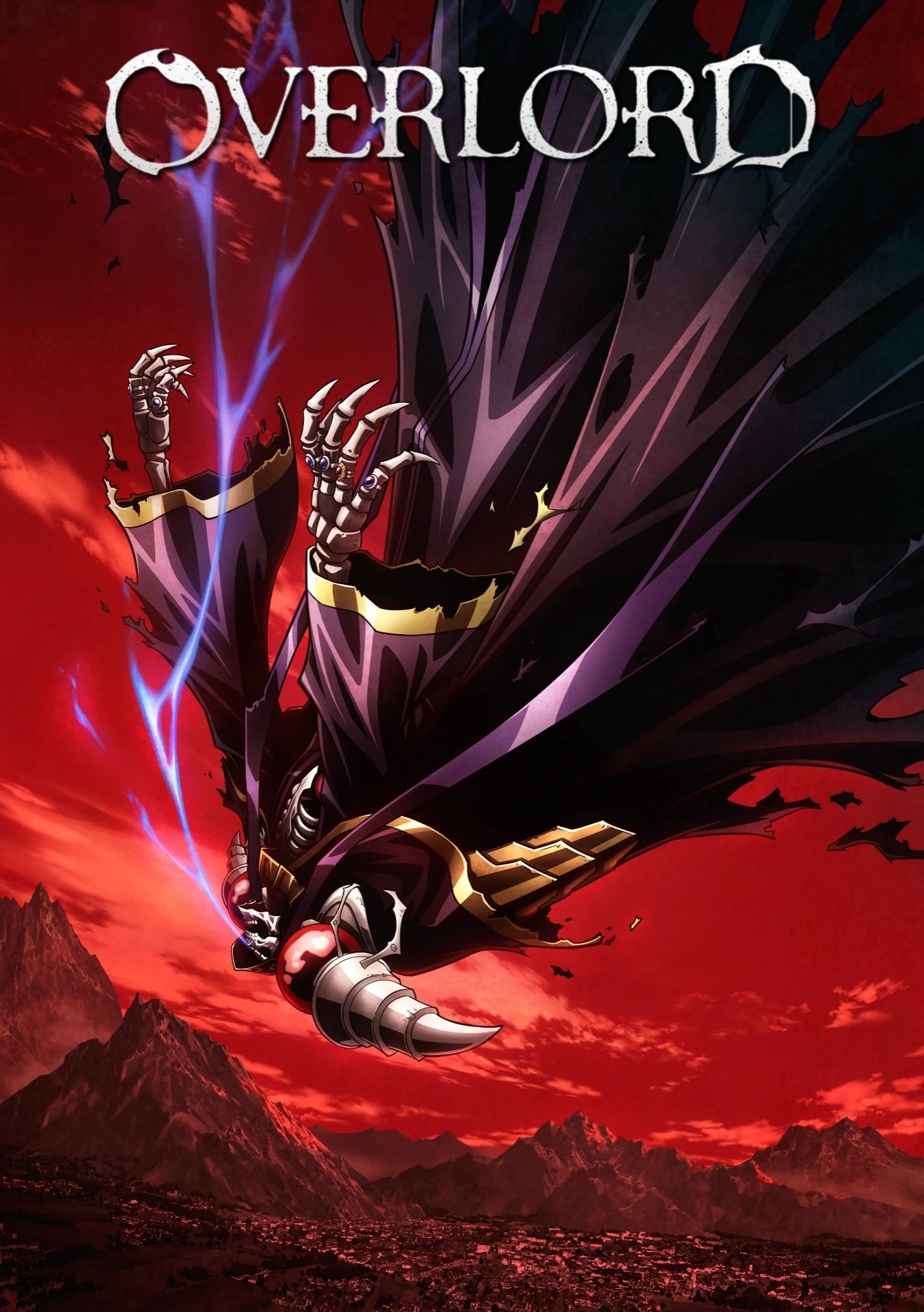
The third season of this dark fantasy series follows Ainz Ooal Gown as he tries to conquer the world. However, a scene featuring a large army of creatures called “Dark Young” received a lot of criticism. The scene used repetitive, low-quality 3D models and animations for the hundreds of soldiers and monsters, which disappointed many fans who had enjoyed the original light novel. It’s often pointed to as a noticeable drop in the show’s overall visual quality.
‘So I’m a Spider, So What?’ (2021)
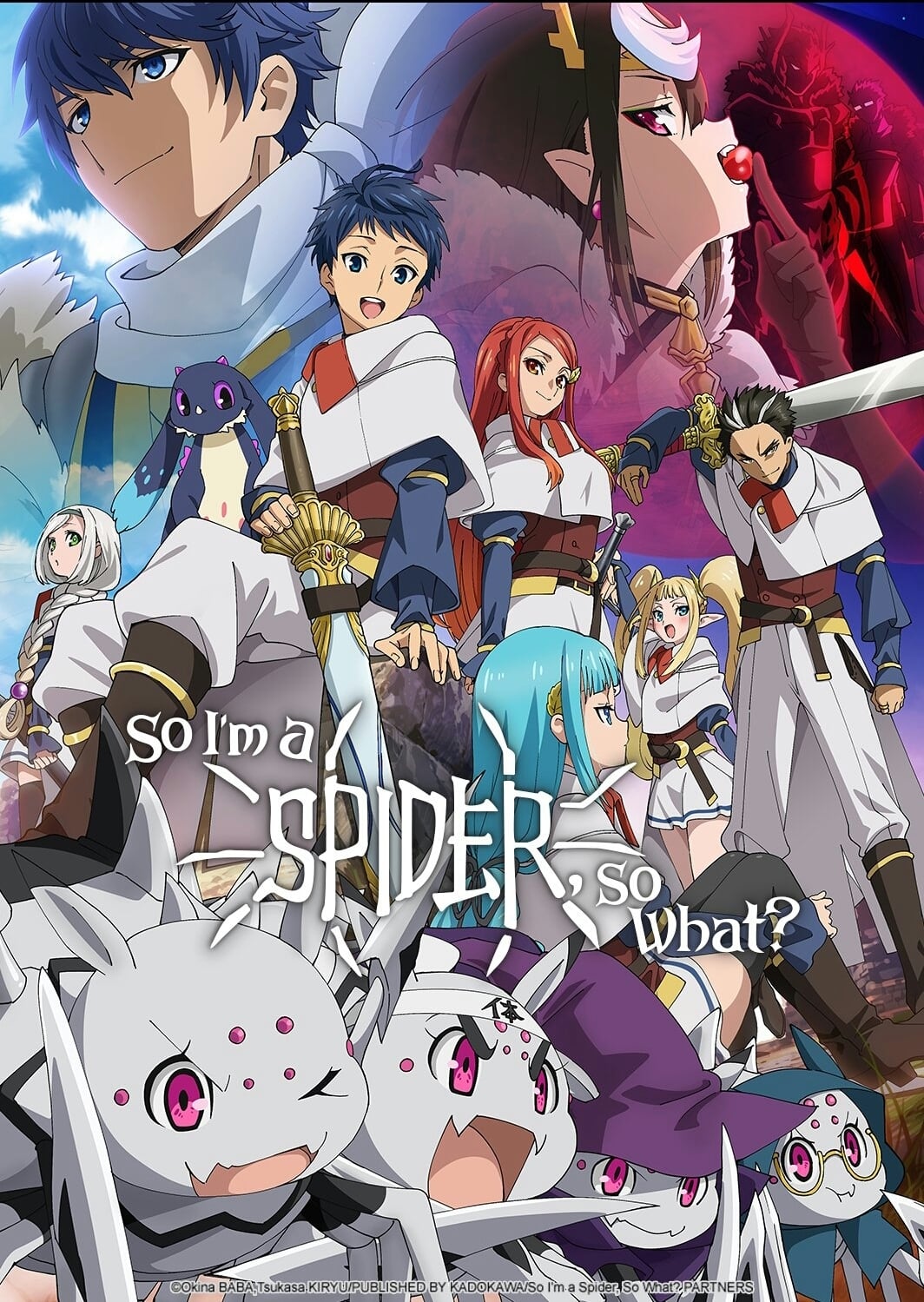
I was really hooked by this anime at first! It starts with a high school girl who tragically dies in an explosion and gets reborn as a spider monster in this crazy, dangerous labyrinth. The animators did a fantastic job bringing her and all the creatures she meets to life with 3D animation. But honestly, it was a bit of a letdown towards the end. The big battle scenes just didn’t look as good – the animation seemed to drop in quality, with lower frame rates and the human characters, when they did appear in 3D, looking pretty basic. Apparently, the team had some serious production difficulties while finishing up the last part of the season, and it definitely showed.
‘Fist of the Blue Sky: Regenesis’ (2018)

This series is a prequel to the famous ‘Fist of the North Star,’ set in 1930s Shanghai and starring Kenshiro Kasumi. It uses 3D animation to showcase its martial arts action. However, many longtime fans weren’t impressed with the animation, finding the characters looked flat and the fight scenes felt slow. They often contrasted the visuals negatively with the classic, hand-drawn style of the original 1980s series, believing the new animation style was a lost chance to update the franchise for modern audiences.
‘Ghost in the Shell: SAC_2045’ (2020–2022)
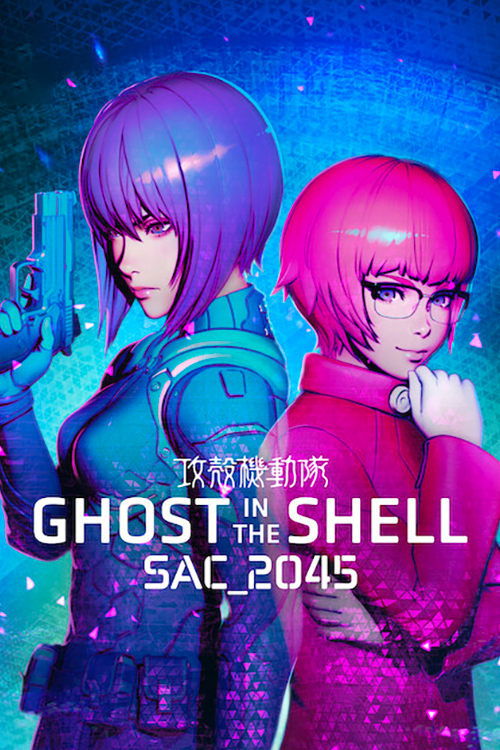
Major Motoko Kusanagi and Section 9 are back in this new 3D animated installment, continuing the story from ‘Stand Alone Complex’. While the animation is smoother thanks to Production I.G and Sola Digital Arts, some fans missed the rougher, more textured look of previous versions. The character designs, created by Ilya Kuvshinov, appeared more like dolls in 3D and seemed less expressive. This change in style divided fans, and the visuals sometimes felt more like a video game than a high-quality TV show.
‘Golden Kamuy’ (2018)
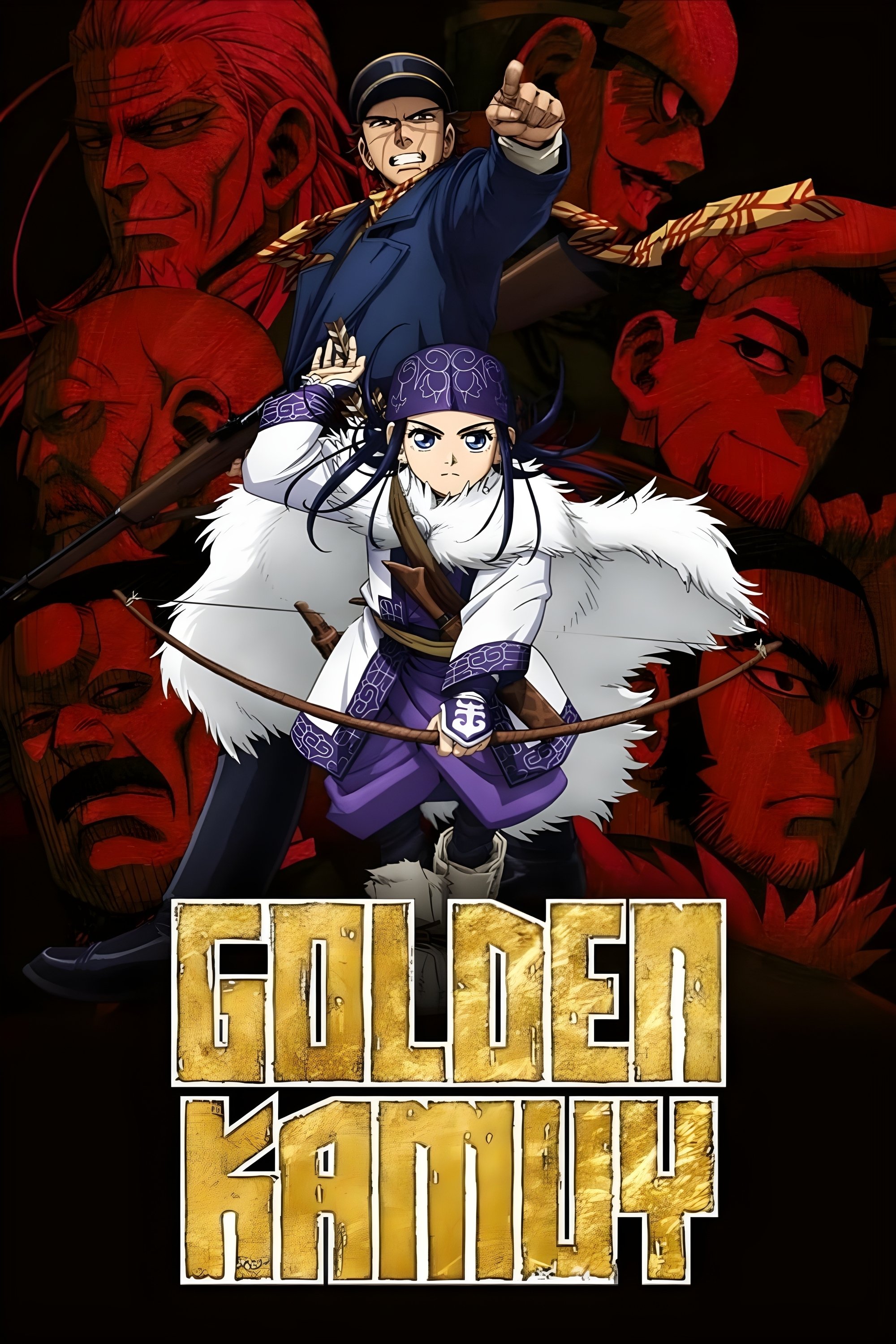
Following the Russo-Japanese War, Saichi Sugimoto and Asirpa embark on a quest for hidden gold in the wilds of Hokkaido. The anime’s first season became well-known for a scene featuring a 3D-animated grizzly bear that looked out of place compared to the traditionally drawn characters. This unusual visual style sparked a lot of conversation among anime fans when the show first aired. Thankfully, the show improved its animation of animals in later seasons, making them fit more seamlessly into the environment.
‘The Seven Deadly Sins: Grudge of Edinburgh’ (2022)
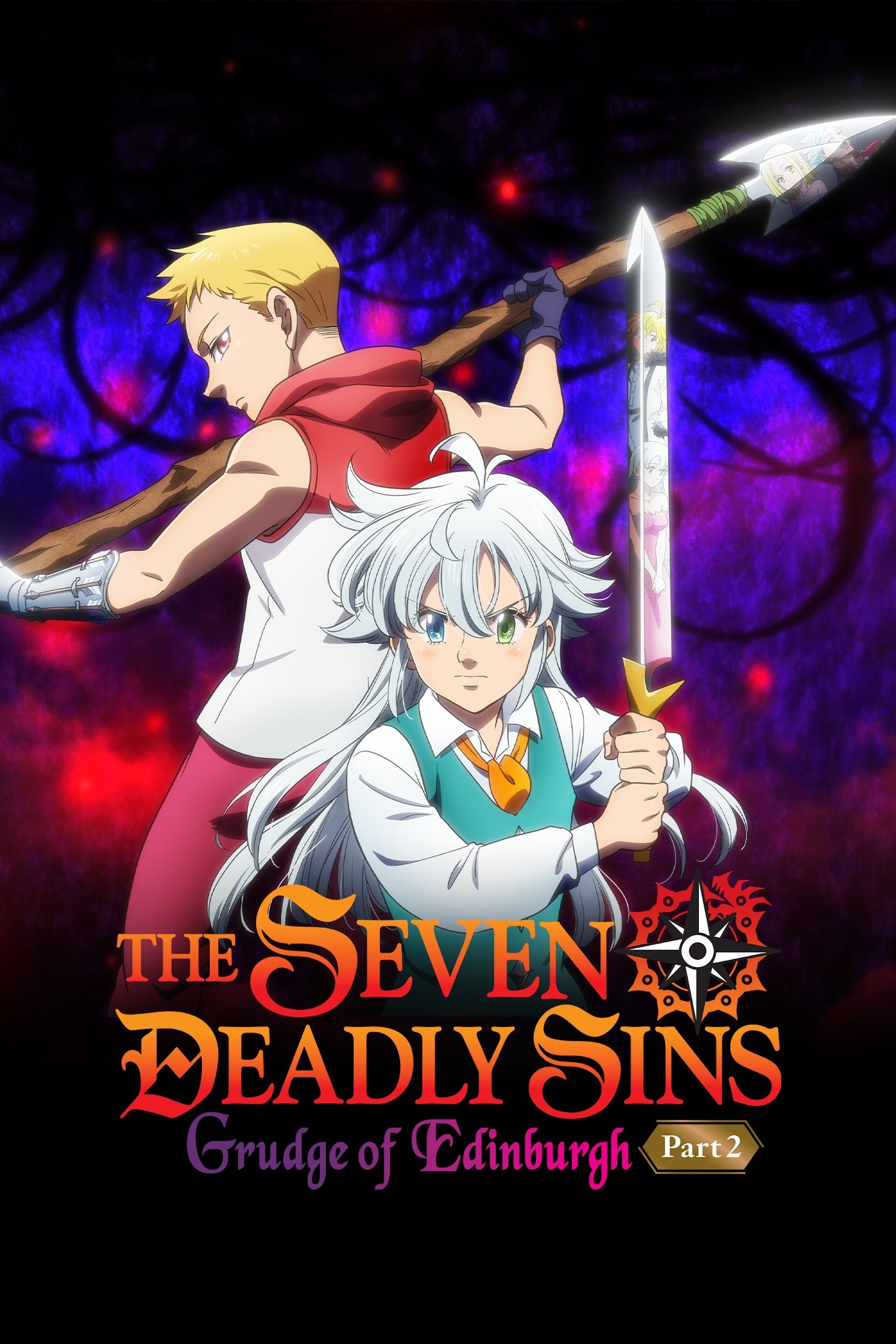
These two movies connect the events of the original series to the new show, ‘Four Knights of the Apocalypse.’ They center around Tristan, the son of Meliodas and Elizabeth, and his quest to rescue his mother. A major difference from the TV series is the use of full 3D animation for both characters and backgrounds. However, some fans weren’t happy with this change, feeling the 3D visuals lacked the detail and richness of the previous 2D animation, and ultimately felt like a downgrade for the series’ overall look.
‘Saint Seiya: Knights of the Zodiac’ (2019–2022)
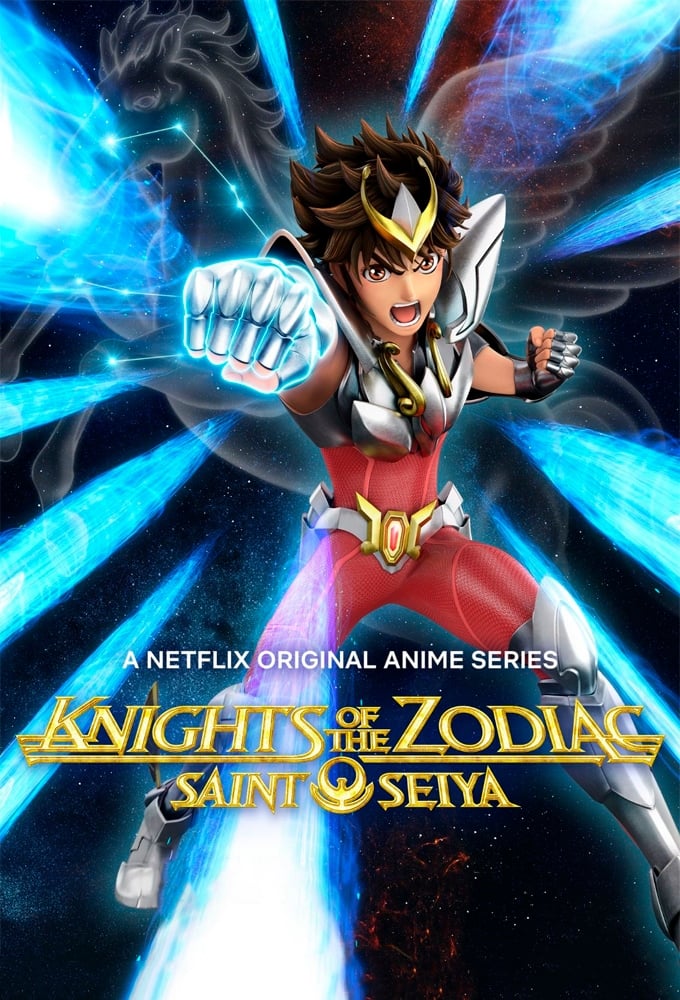
This new Netflix series updates the story of Seiya and the Bronze Saints, but it’s visually quite different from the original. Instead of the classic 1980s 2D animation, it uses modern 3D graphics. However, many critics felt this made the fight scenes less exciting and impactful. Characters sometimes looked stiff and posed, like action figures rather than real people, which disappointed many fans of the original series.
‘Kado: The Right Answer’ (2017)
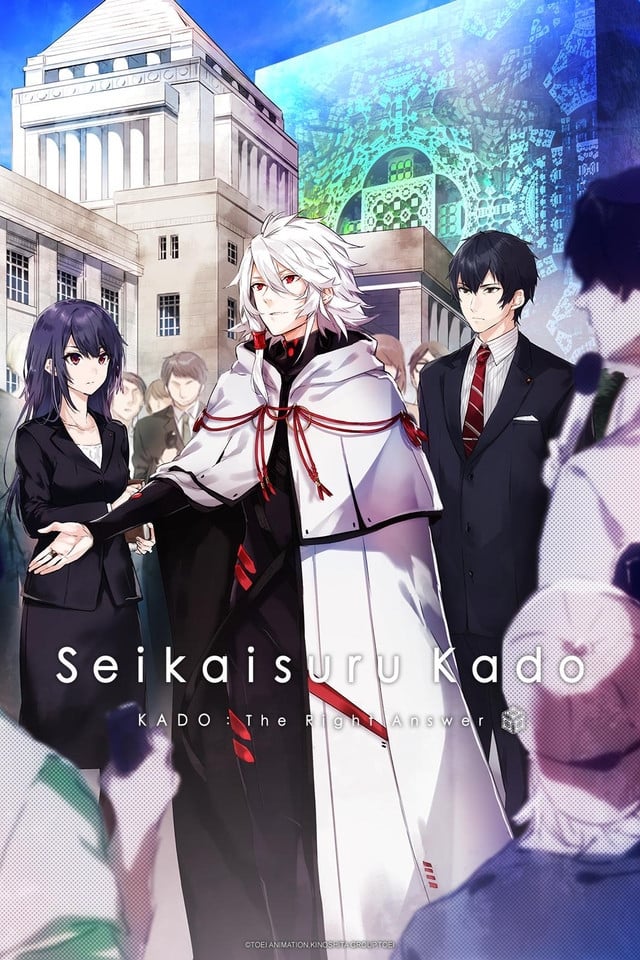
A giant cube named Kado appears over Tokyo, housing a being that wants to talk with people. The show mostly uses 3D characters, letting the creators do interesting things with cameras and lighting. But towards the end, some viewers felt the characters’ movements and appearances didn’t look quite right with the 3D style. The final scenes received mixed reactions – some found them believable and moving, while others didn’t. Using 3D animation was a daring choice, but it proved difficult to keep the visuals consistent throughout the series.
‘Ajin: Demi-Human’ (2016)
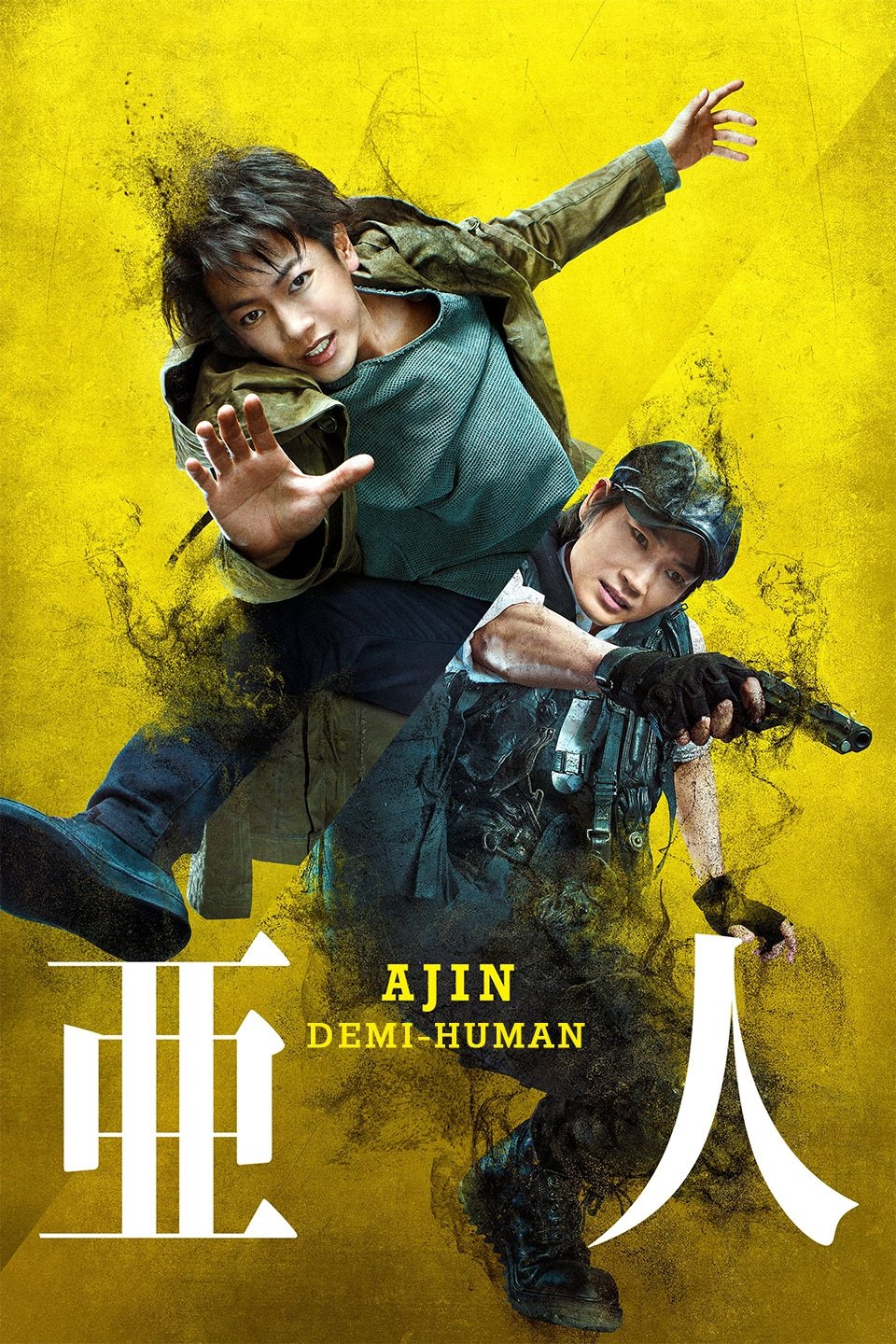
When Kei Nagai learns he’s an ‘Ajin’ – an immortal being – he’s forced to go on the run from the government. The anime uses a unique art style with cel-shaded 3D graphics. While the mysterious ‘IBM’ entities were well-received, the animation sometimes felt jerky due to a lower frame rate. This unusual style proved difficult for viewers used to smoother, traditional 2D animation, and many found the choppy movements distracting from the show’s suspenseful story.
‘Revisions’ (2019)
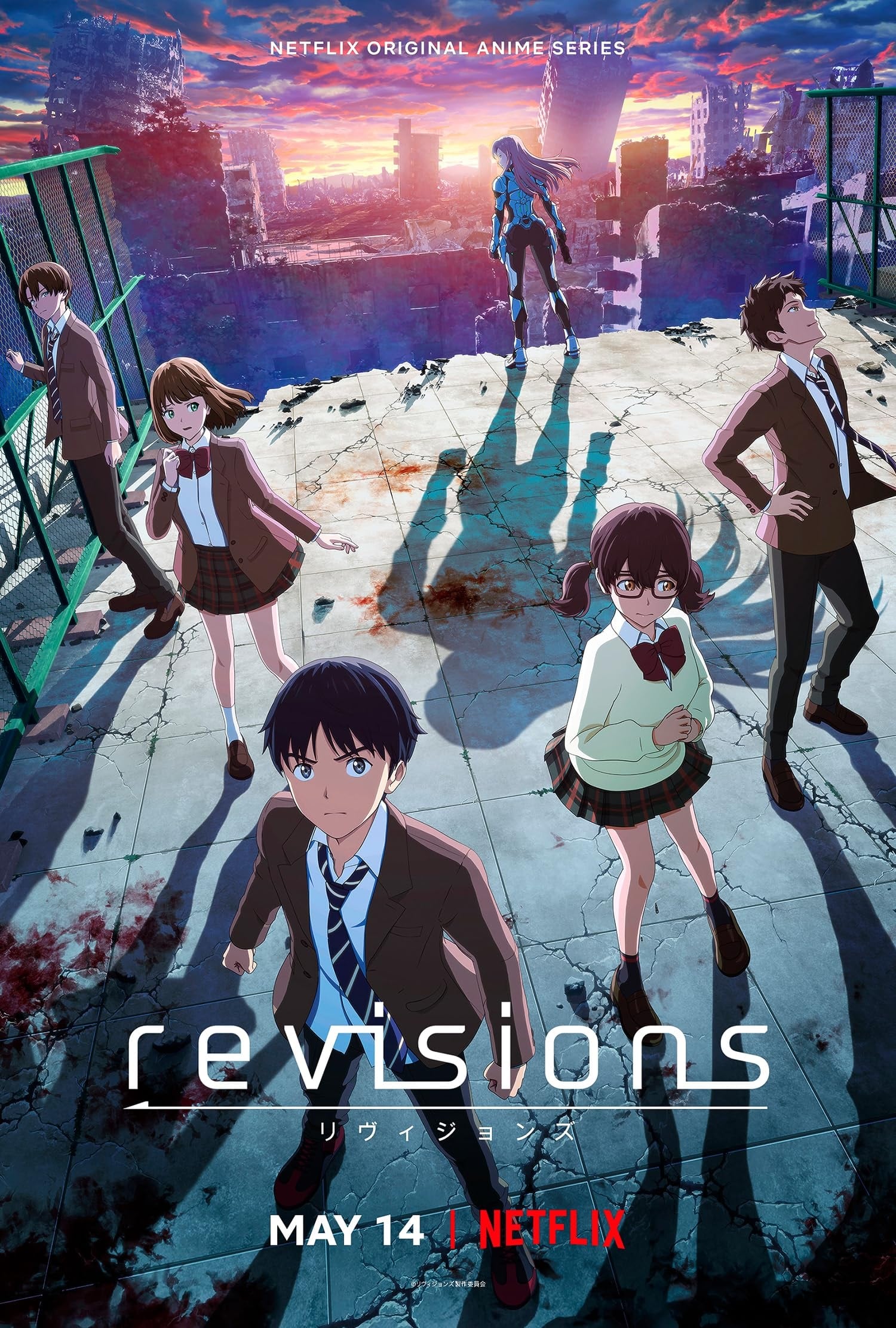
The story takes place in a futuristic Shibuya, 300 years from now, where high schoolers battle cyborgs using giant robots. The entire series is created with 3D animation, emphasizing detailed robot designs and spectacular destruction. However, some viewers felt the characters themselves looked unnatural and didn’t convey emotions effectively, especially in dramatic moments. Compared to other popular, traditionally animated robot shows, the computer-generated imagery sometimes appeared less polished, and this made it difficult for the series to attract a large audience.
‘Infini-T Force’ (2017)
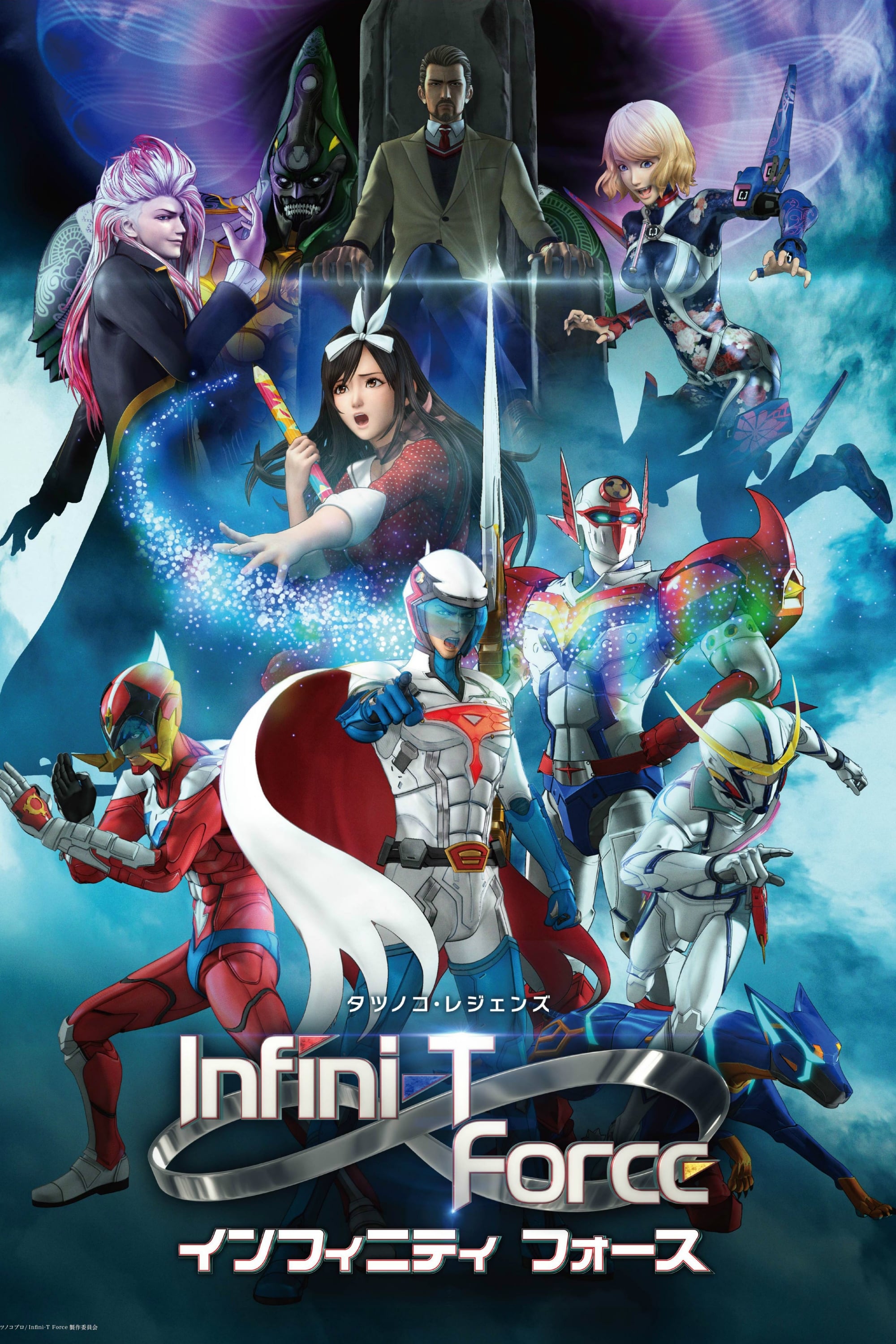
This project combines heroes from Tatsunoko Production, like those from ‘Gatchaman’ and ‘Casshern,’ and reimagines them in a modern world. The series updates the classic character designs with high-definition 3D animation. Although the action was well-done, some viewers found the characters’ faces looked unnatural and lacked emotion. The move from the original 2D animation style to full 3D was a sticking point for longtime fans, who often felt the new look was too polished and lacked the charm of the original hand-drawn series.
‘Initial D’ (1998)
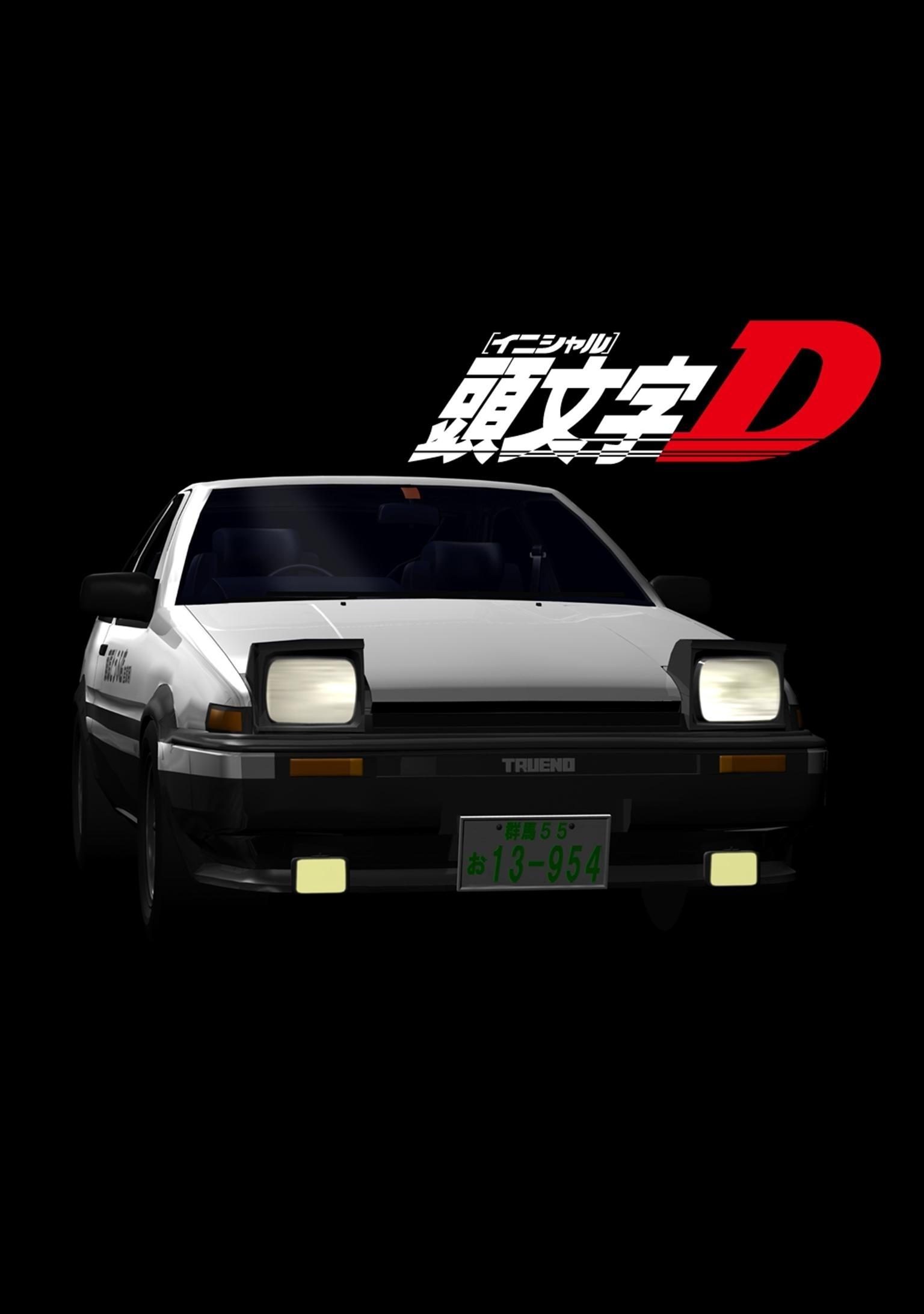
Takumi Fujiwara rises to fame as a skilled street racer, mastering the winding mountain roads of Japan in his Toyota AE86. The series was groundbreaking for its early use of computer-generated imagery in racing scenes, but the car models now appear quite basic compared to today’s standards. The simple designs and textures of the vehicles noticeably differ from the detailed, hand-drawn characters. Although innovative when it first aired, the CGI now looks dated and can be distracting for new viewers. Despite this, the series is still considered a classic.
‘Baki’ (2018)
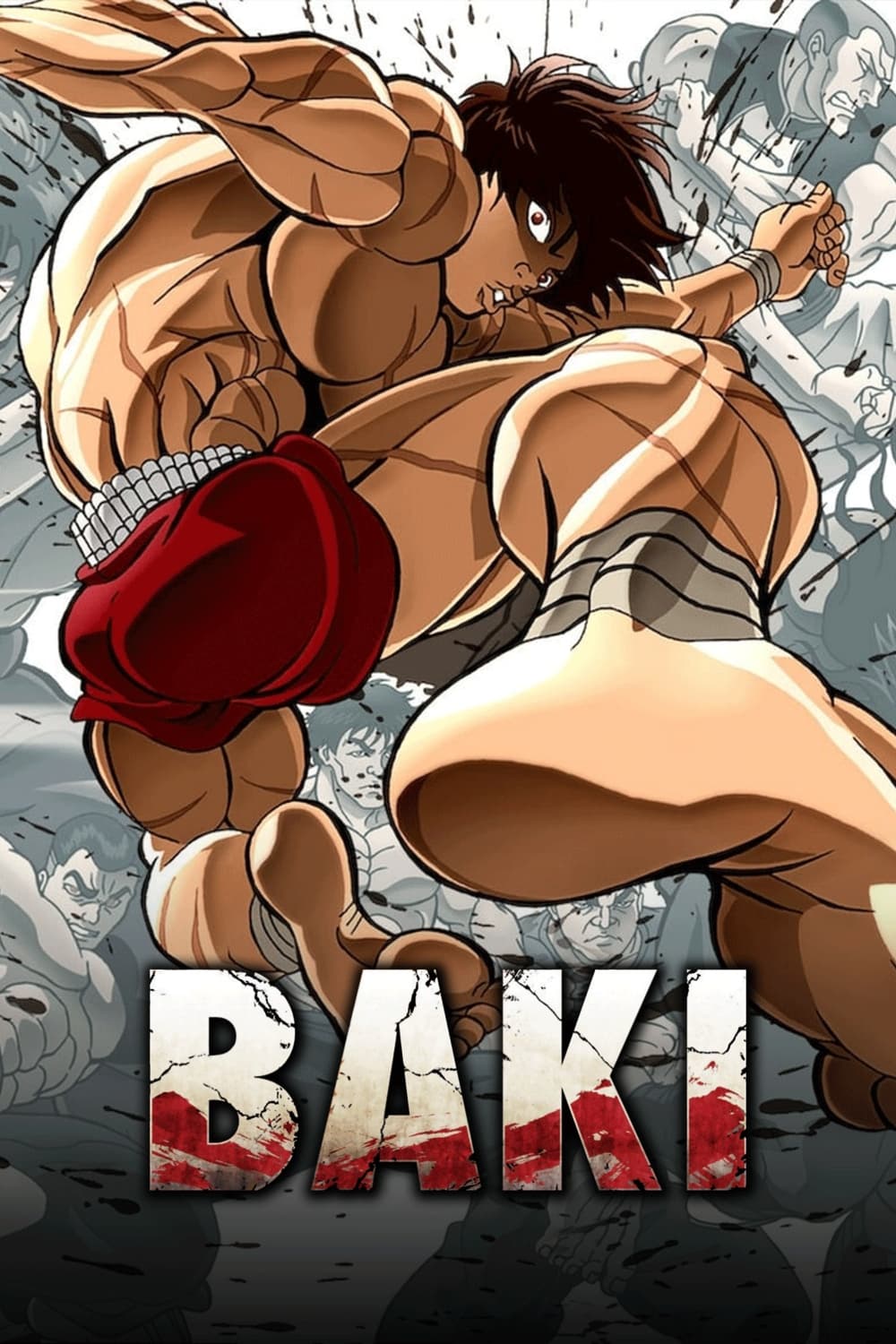
As a fan, I was really excited for Baki’s fights against the death row inmates, and they were intense! But honestly, the way they switched between traditional hand-drawn animation and 3D models during the fights was jarring. It often felt like the characters became… rubbery, and the impact of the punches just didn’t feel right. A lot of us noticed how different the detailed 2D art looked compared to the simpler 3D models – it just didn’t quite flow. It seemed like they used the 3D animation to help get through the really tough fight scenes, but it ended up being a bit distracting.
Tell us which of these anime you feel was most impacted by its CGI animation in the comments.
Read More
- Gold Rate Forecast
- Invincible Season 4 Gender Swaps Tech Jacket As Fans Question Major Comic Change
- 22 Films Where the White Protagonist Is Canonically the Sidekick to a Black Lead
- Unveiling the Schwab U.S. Dividend Equity ETF: A Portent of Financial Growth
- 14 Movies Where the Black Character Refuses to Save the White Protagonist
- Silver Rate Forecast
- Why Won’t It Just *Do* What You Ask? Unpacking the Quirks of AI Language
- The Best Former NFL Players Turned Actors, Ranked
- ONE PIECE Season 2 Confirms Sanji’s OTHER Backstory in the Live-Action
- Superman Flops Financially: $350M Budget, Still No Profit (Scoop Confirmed)
2026-02-06 01:47