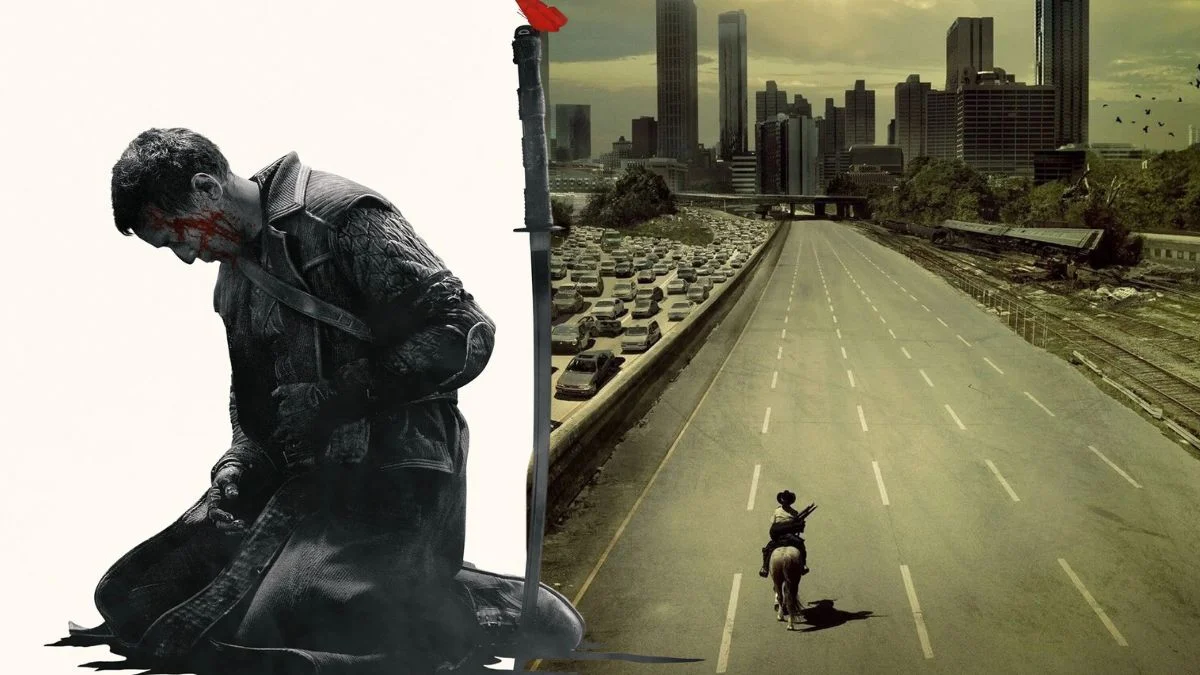
Stories about the end of the world let us imagine how people would cope if society fell apart. However, these stories often sacrifice realism for the sake of excitement. Many shows focus more on cool ideas, supernatural themes, or dramatic moments than on believable science or practical survival strategies. To enjoy these tales of zombies, alien attacks, or sudden disasters, we often need to simply accept that they aren’t realistic. While they might not be believable, these shows frequently offer compelling characters and creative, detailed worlds.
‘Revolution’ (2012–2014)
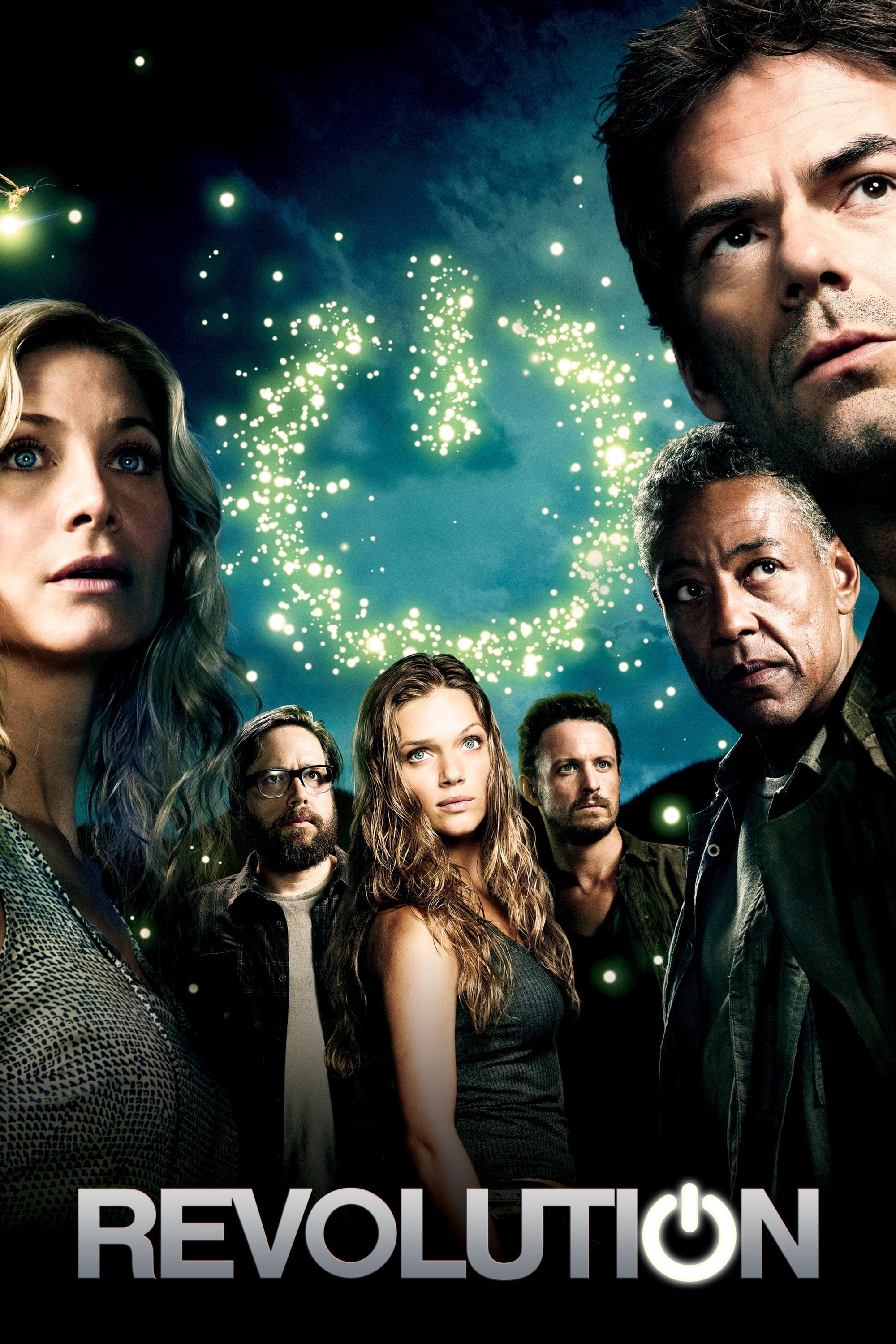
The story takes place in a world thrown back to the dark ages after a mysterious event wipes out all electricity. Fifteen years after a global blackout caused by tiny robots, society has crumbled and people now live as farmers, ruled by armed groups. However, the idea that the laws of physics would need to change to prevent electricity from being recreated isn’t realistic. Surprisingly, people mostly fight with swords, even though guns and gunpowder still exist.
‘The 100’ (2014–2020)
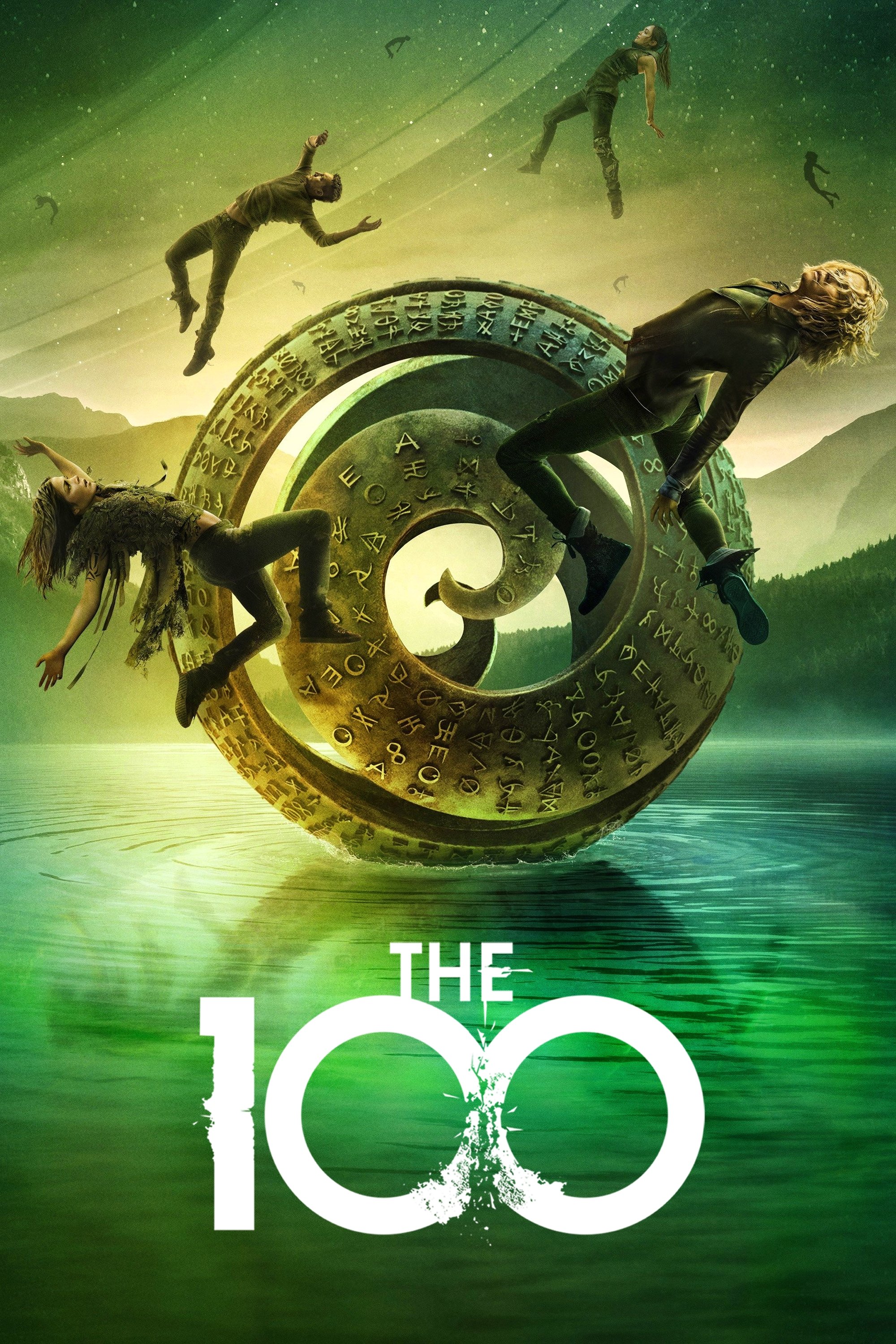
Almost a century after a nuclear disaster, a space station lowers 100 young criminals to Earth to see if the planet is livable again. The show isn’t very accurate when it comes to radiation and how the human body reacts to it. The people already living on Earth, known as Grounders, have formed tribal societies and developed a completely new language in less than a hundred years. As the series goes on, it introduces even more unbelievable technologies like artificial intelligence and the ability to upload minds.
‘Z Nation’ (2014–2018)
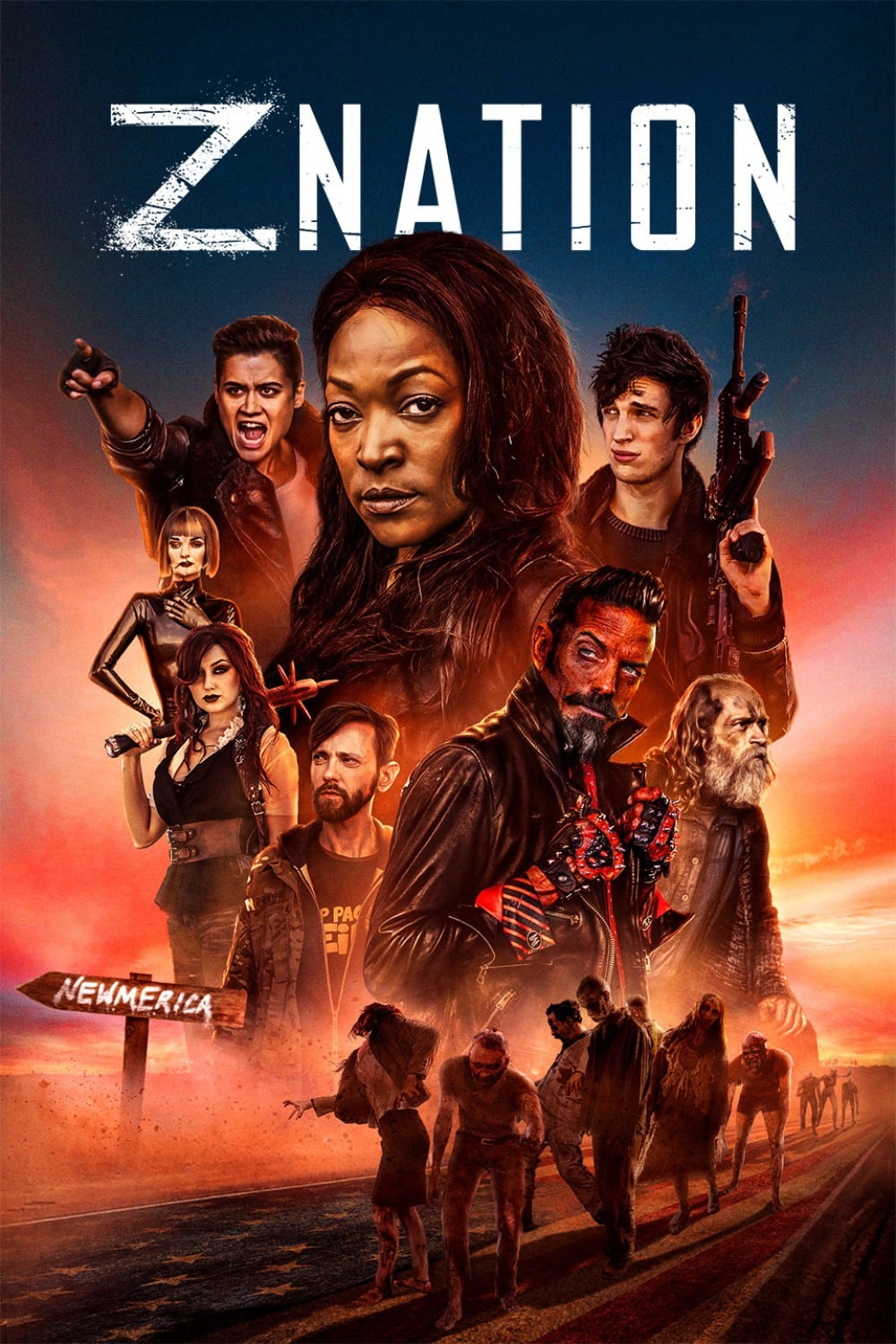
This zombie series doesn’t take itself seriously, opting for over-the-top fun instead of realistic drama. The story follows a group transporting the only person immune to the zombie virus across the country, facing bizarre threats like radioactive zombies and even a tornado made of the undead. The show focuses on silly humor and exaggerated action, happily ignoring logic and scientific accuracy to provide maximum entertainment. It’s a world where anything can happen!
‘Under the Dome’ (2013–2015)

This series, adapted from a Stephen King novel, centers around a small town inexplicably sealed off from the outside world by an impenetrable, invisible dome. As supplies run low and conflicts escalate within the town, the residents struggle to survive. The dome’s appearance and the strange events that follow can’t be explained by science. The story quickly evolves, introducing elements of alien plots and other dimensions, moving further and further away from a realistic setting.
‘Terra Nova’ (2011)
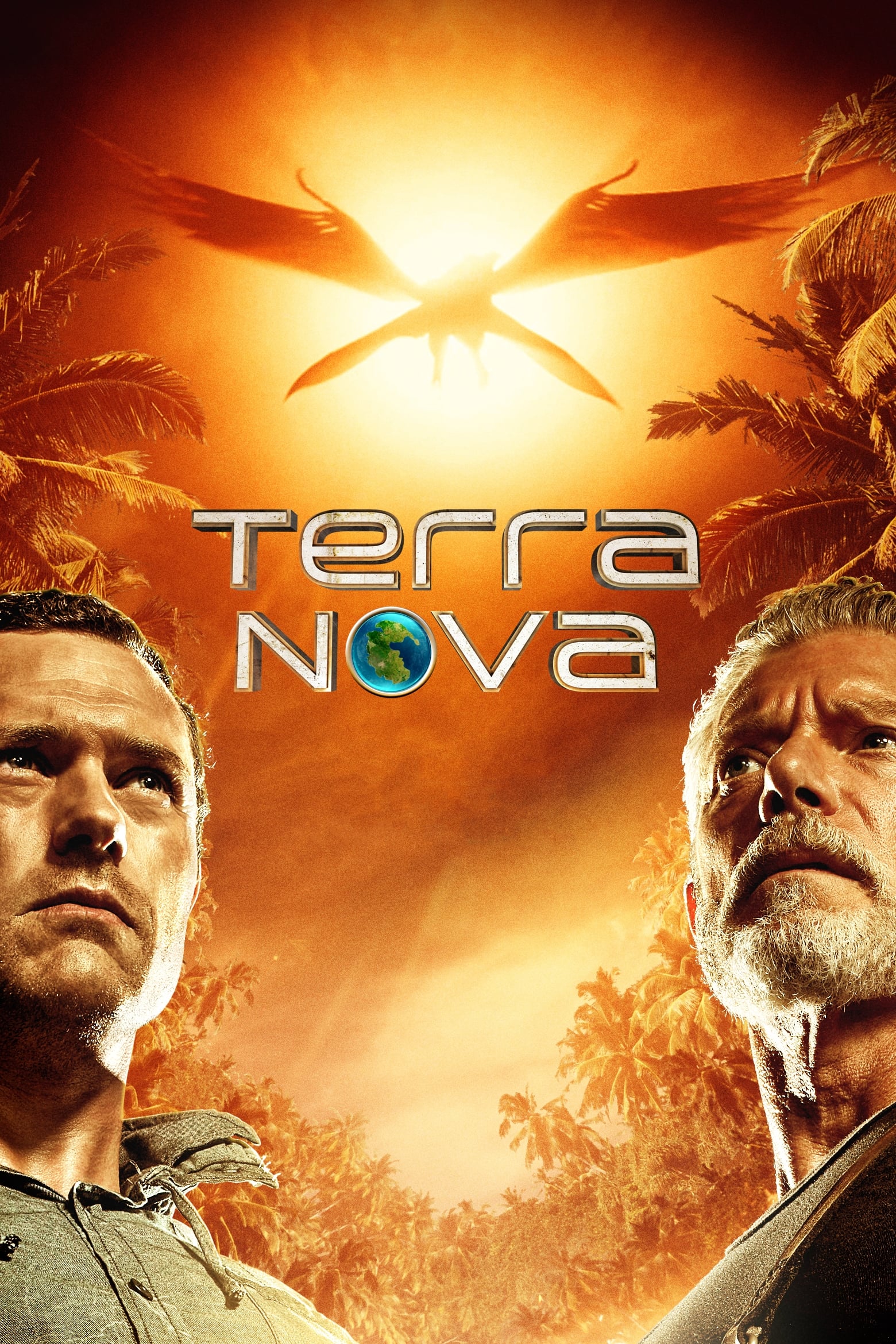
Honestly, the premise is wild! The show starts with a really bleak future – basically, we’re running out of air and space in the 22nd century. Their solution? Send a group of people way back in time, like 85 million years, to the age of dinosaurs! I know it’s sci-fi, but they totally gloss over all the crazy problems that would cause with time travel. And think about it – living with dinosaurs while still having futuristic guns? It’s a blast to watch, but let’s be real, it’s a huge stretch of the imagination! It’s fun escapism, though, and I’m hooked despite all the impossible stuff.
‘Zoo’ (2015–2017)

Suddenly, animals everywhere lose their fear of people and start working together to attack human society. A group of scientists desperately tries to find a solution to the strange change causing this aggression. The premise is far-fetched – the idea that animals could communicate and plan attacks worldwide isn’t realistic. As the story unfolds, things get even stranger with the introduction of genetically mixed creatures and a dangerous sterilizing gas.
‘The Last Man on Earth’ (2015–2018)

A devastating virus kills everyone except one man, who initially thinks he’s alone. Although the show is a comedy, it doesn’t realistically portray survival – things like gas, food, and electricity continue to work far longer than they should. The idea of him being the last person on Earth doesn’t last, as he soon encounters and joins a surprisingly large group of other survivors.
‘Daybreak’ (2019)

A deadly virus sweeps the globe, transforming all adults into ravenous monsters called Ghoulies. The surviving high schoolers band together, forming groups that echo the world of ‘Mad Max’ but with a vibrant, pop-punk vibe. The fact that the virus only affects adults is simply a plot device to move the story forward. The show leans into a colorful, comic book style, choosing to avoid the harsh realities of a post-apocalyptic world like nuclear fallout and widespread hunger.
‘Into the Badlands’ (2015–2019)
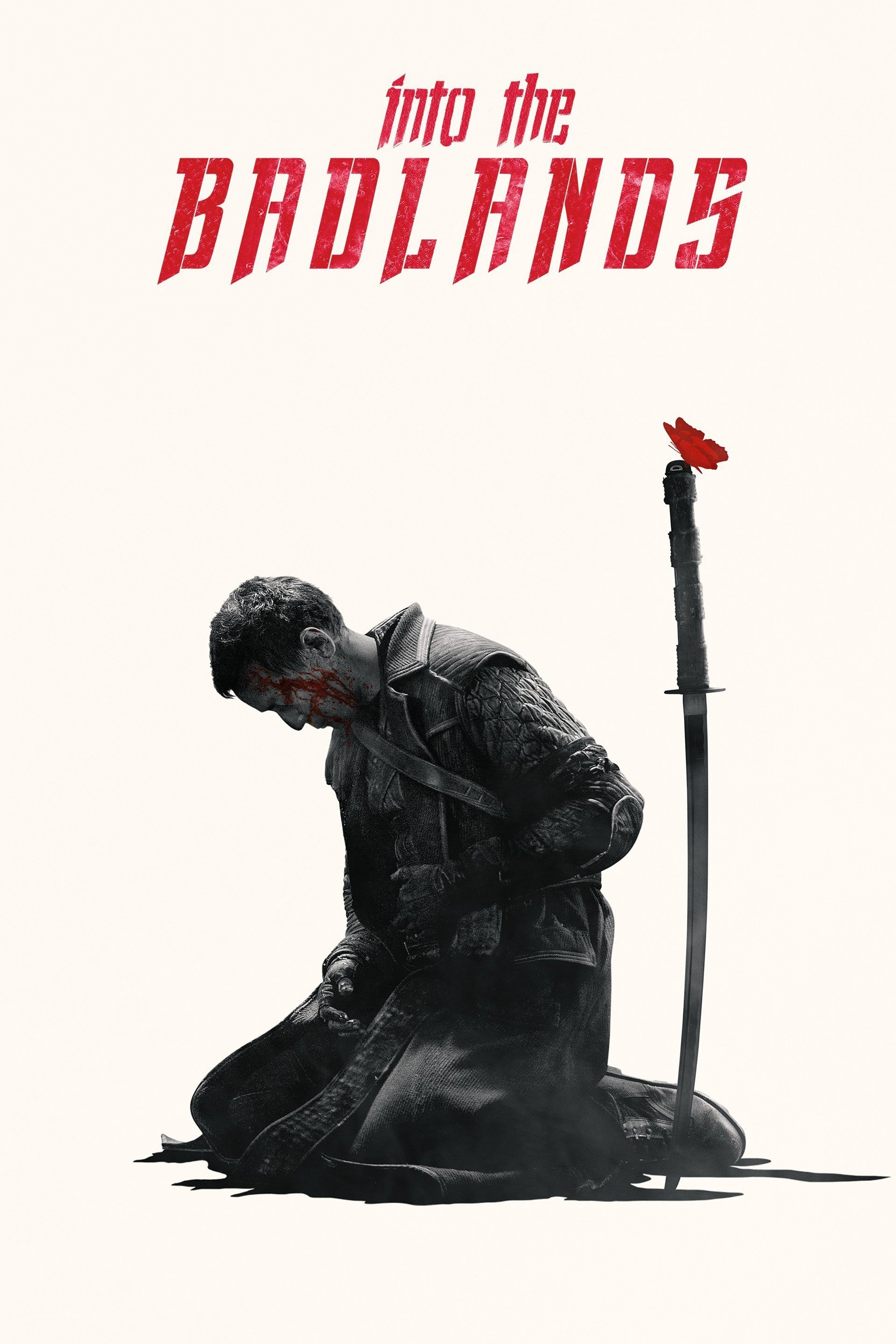
The United States as we know it has fallen, replaced by a land ruled by powerful lords in a feudal system. Firearms are forbidden and have been eliminated, so people now fight using martial arts and close-combat weapons. However, it’s unlikely that the knowledge of how to make guns would be lost forever. The action sequences feature incredible, gravity-defying fights, using special effects to allow characters to perform amazing leaps and moves.
‘See’ (2019–2022)

A devastating virus wipes out most of humanity, leaving the survivors without sight – a condition inherited by all future generations. Over time, society collapses into small, isolated tribes who view sight as a dangerous myth. It’s hard to believe how blind warriors could fight so effectively and move around without seeing. When some children are suddenly born with the ability to see, it sparks conflict and highlights how unlikely this situation is from a genetic standpoint.
‘Snowpiercer’ (2020–2024)
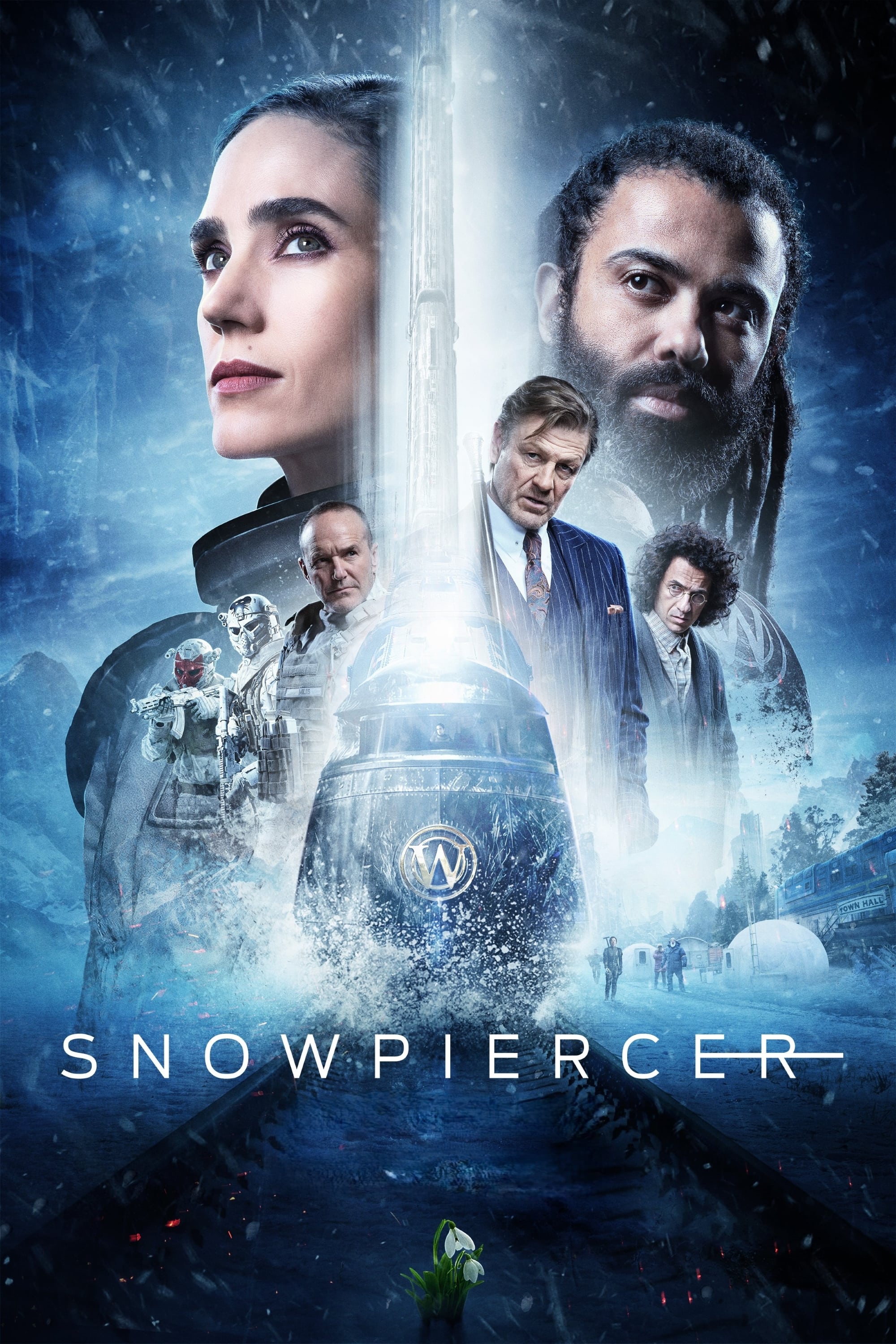
Following a disastrous attempt to combat climate change that resulted in a new ice age, the last of humanity lives aboard a massive train that endlessly circles the Earth. This train is rigidly divided by social class and even houses complete ecosystems within its various cars. However, the train’s core technology – a perpetual-motion engine – breaks the laws of physics, and the idea of sustaining self-contained ecosystems for years on a moving vehicle without running out of resources is simply not realistic.
‘The Rain’ (2018–2020)
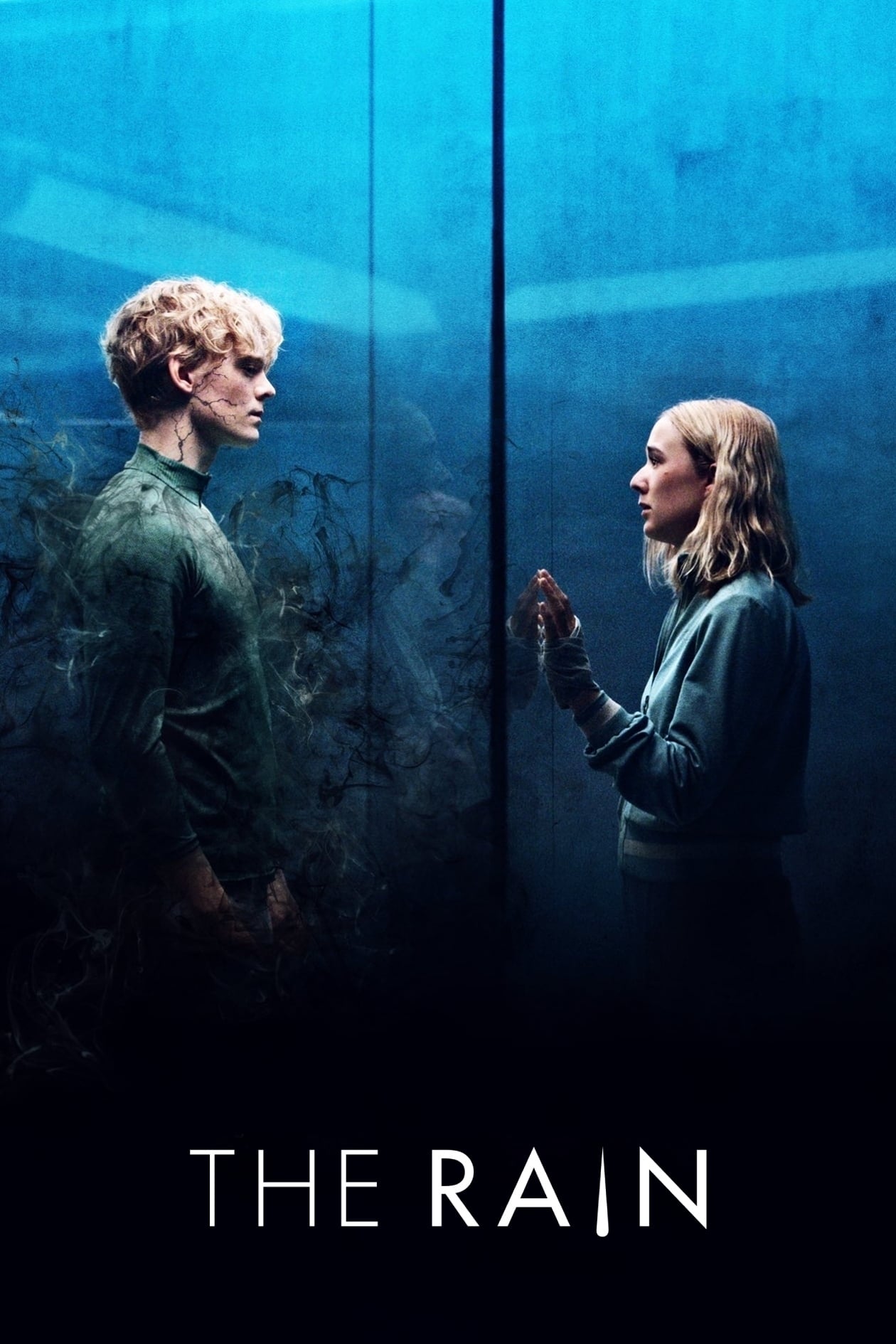
A deadly virus spread by rain nearly destroys the entire population of Scandinavia. Years later, a brother and sister leave their shelter to face a changed and dangerous world. However, the idea of a virus that only harms people when they’re wet doesn’t quite make sense. The story then shifts focus, introducing science fiction elements like tiny robots and people with powers gained from the virus, moving away from the original survival story.
‘La Brea’ (2021–2024)
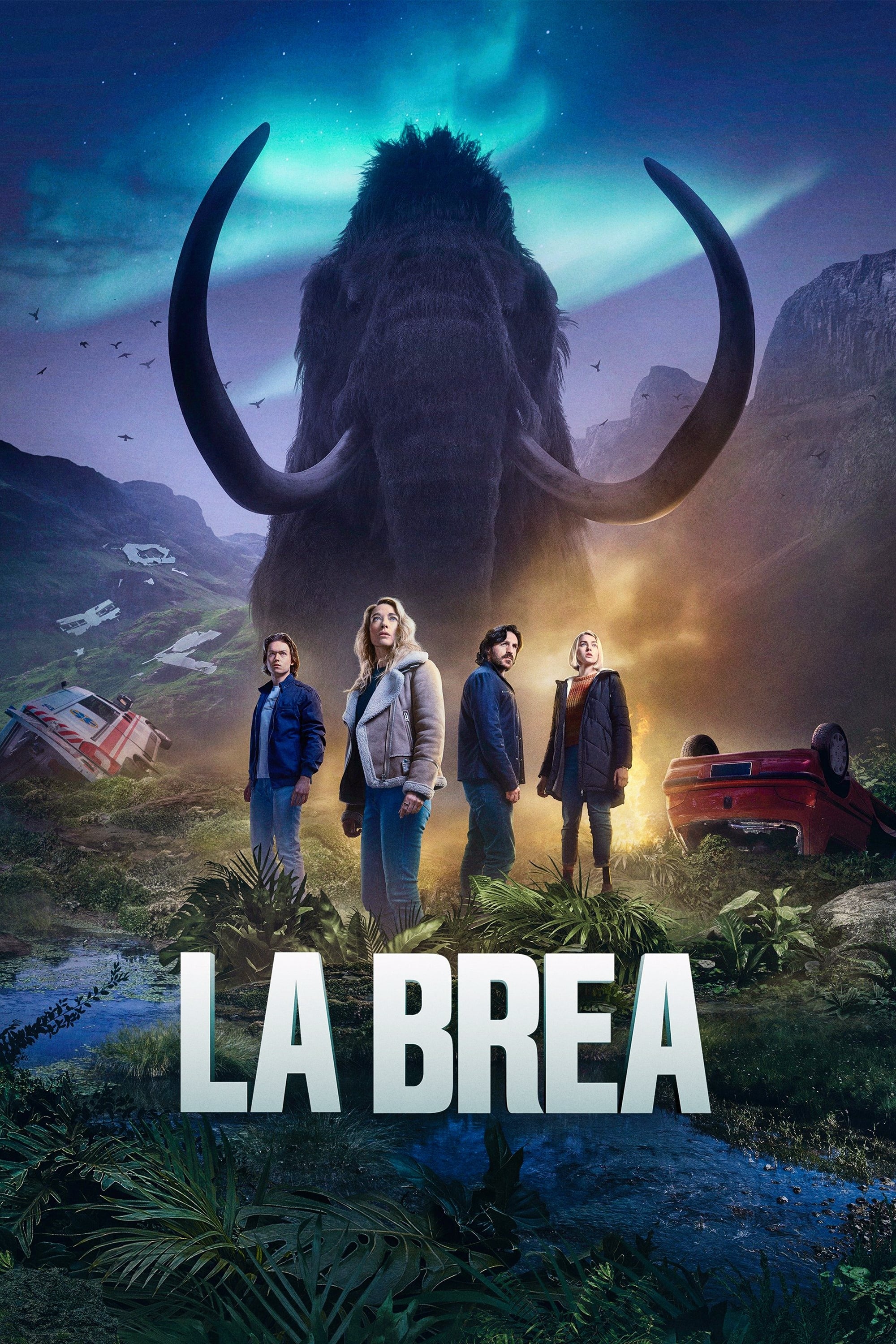
A huge sinkhole suddenly appears in Los Angeles, swallowing people and buildings into a prehistoric world. Those who survive find themselves transported back to 10,000 BC. The idea of a time portal opening to such a specific point in the past isn’t based in reality, and the story relies on fantastical elements. With dinosaurs and humans existing side-by-side, the situation feels like a classic, action-packed adventure, rather than a scientifically plausible scenario.
‘Wayward Pines’ (2015–2016)

A Secret Service agent starts looking into the vanishing of two coworkers and unexpectedly finds himself trapped in a strange, secluded town. He soon discovers the town’s inhabitants are from a far-off future, shielded from dangerous, mutated humans roaming outside. This future is more distant than it should be – humanity has drastically evolved into savage creatures called “Abbies” in only two thousand years, which defies what we know about evolution. Furthermore, the technology used to freeze and transport the townspeople to the future is far more advanced than anything we have now.
‘The Shannara Chronicles’ (2016–2017)
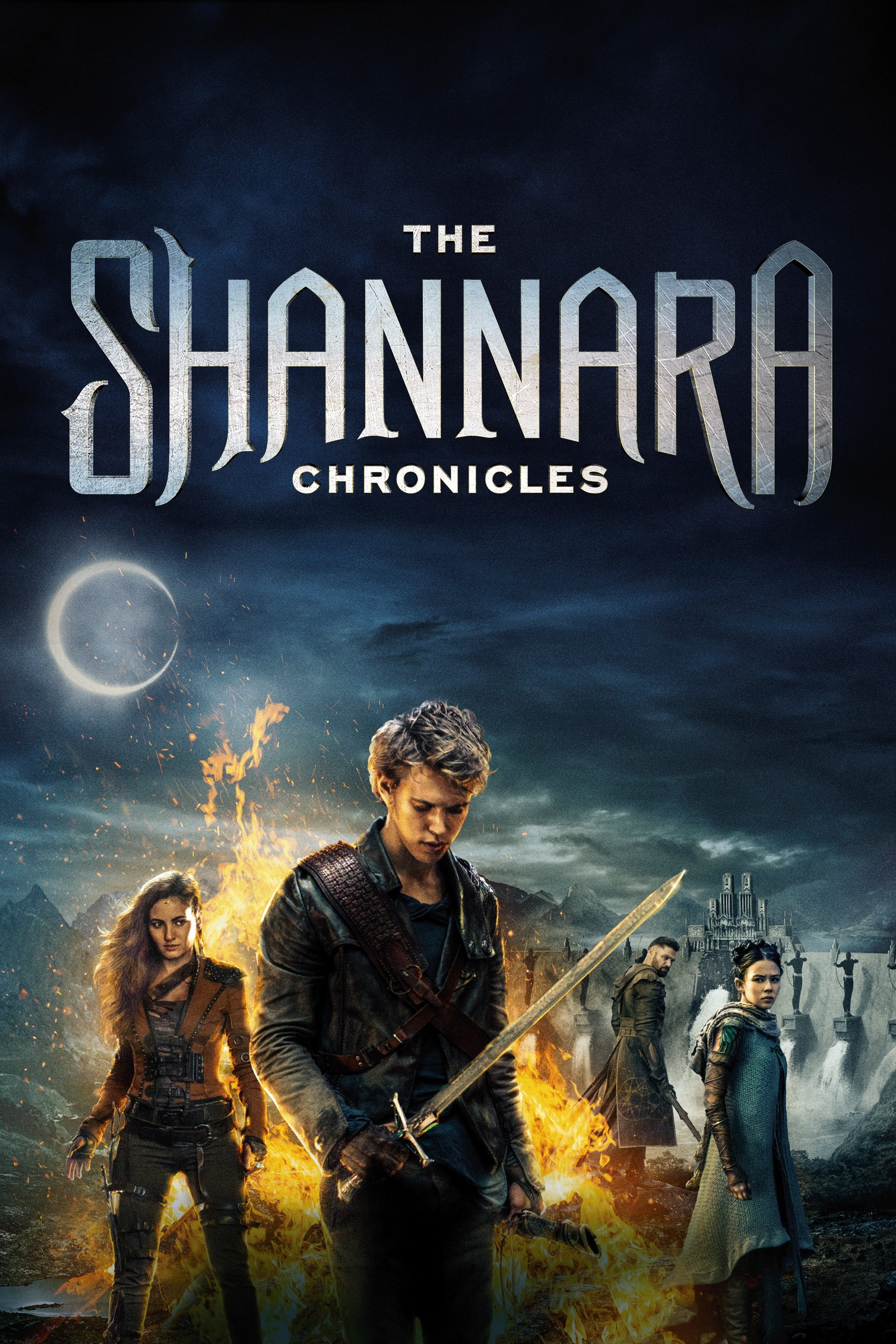
Thousands of years in the future, after our civilization has fallen, this series blends magic and fantasy with a post-apocalyptic setting. Elves, dwarves, and trolls now live in the Pacific Northwest, among the remnants of old human cities like the Space Needle. While it starts with a sci-fi feel, the return of powerful magic transforms it into a high fantasy story. It’s a fresh take on the post-apocalyptic genre, prioritizing magical storytelling over realism.
‘Defiance’ (2013–2015)
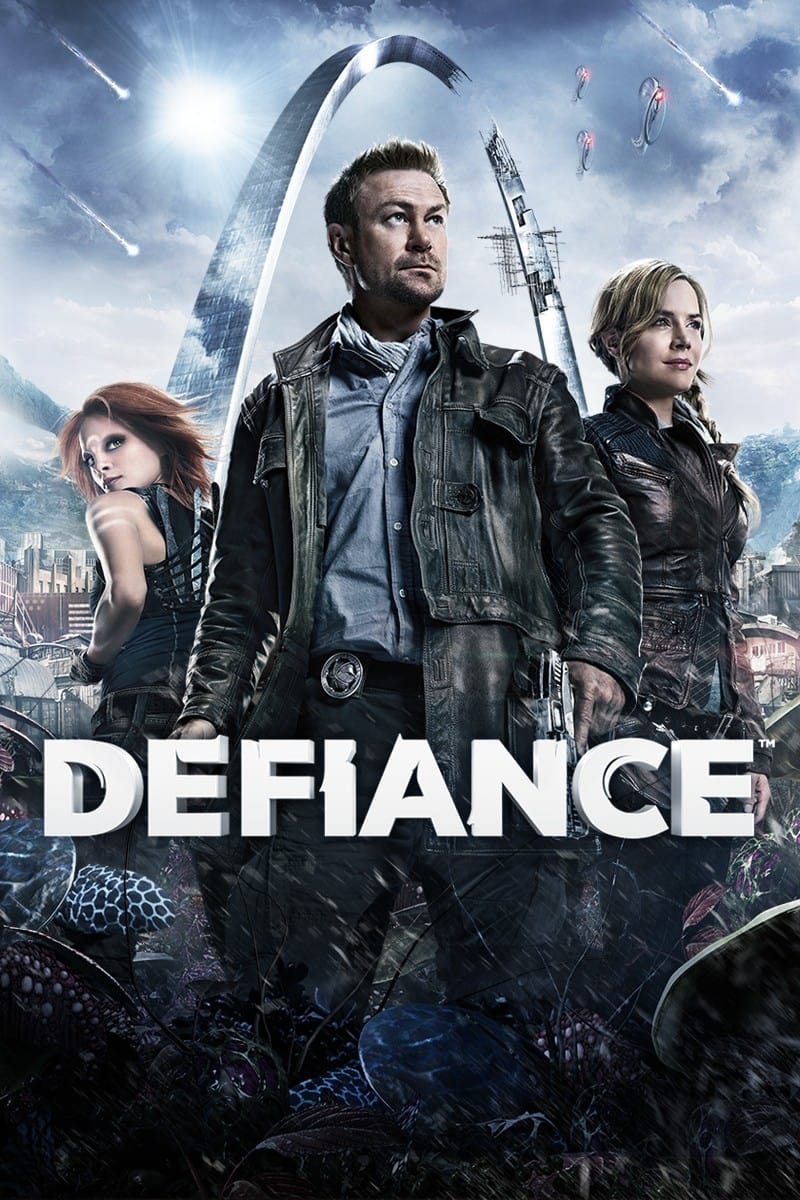
As a huge sci-fi fan, I’m completely hooked by this new show! Basically, seven different alien races show up on Earth, and their attempt to make the planet more like home goes a little haywire. It completely reshapes the landscape and all the plants and animals – things are seriously weird now. The story takes place in a wild, new town built over the old St. Louis, and it’s all about humans and aliens trying to live together. Surprisingly, even with all this crazy terraforming creating bizarre new life and geography, life isn’t too hard because the aliens have tech that can solve most problems. It really feels like a space western – high-tech solutions in a frontier setting, which is a fantastic combination!
‘Falling Skies’ (2011–2015)
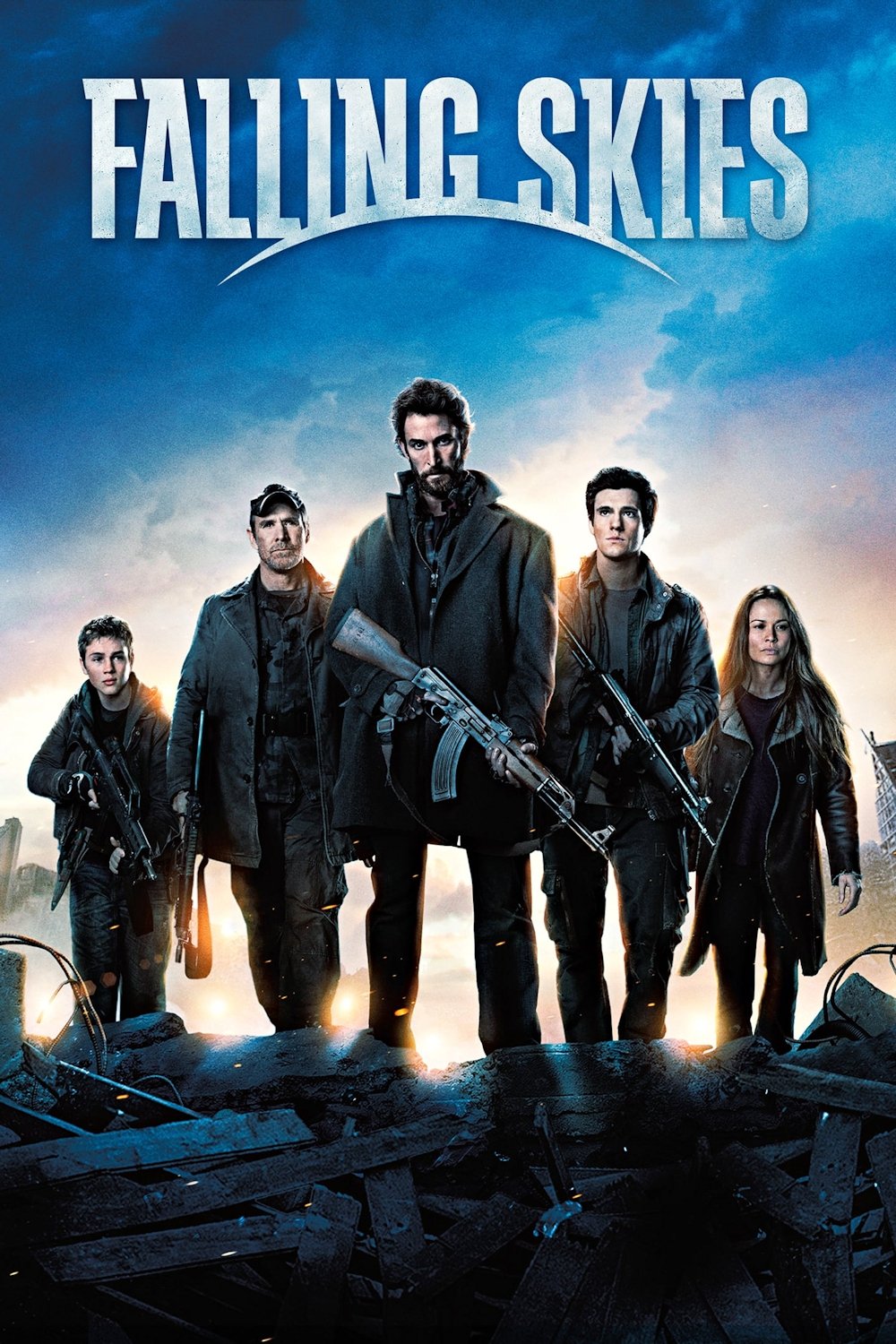
After aliens attack Earth and knock out all power and military defenses, groups of survivors unite to fight back. They rely on hit-and-run tactics against an enemy with much more advanced technology. The aliens have a disturbing method of control – they use devices to control children’s minds, though the science behind it isn’t fully explained. It’s sometimes hard to believe how the resistance manages to keep making ammunition and repairing vehicles throughout the long war.
‘Van Helsing’ (2016–2021)
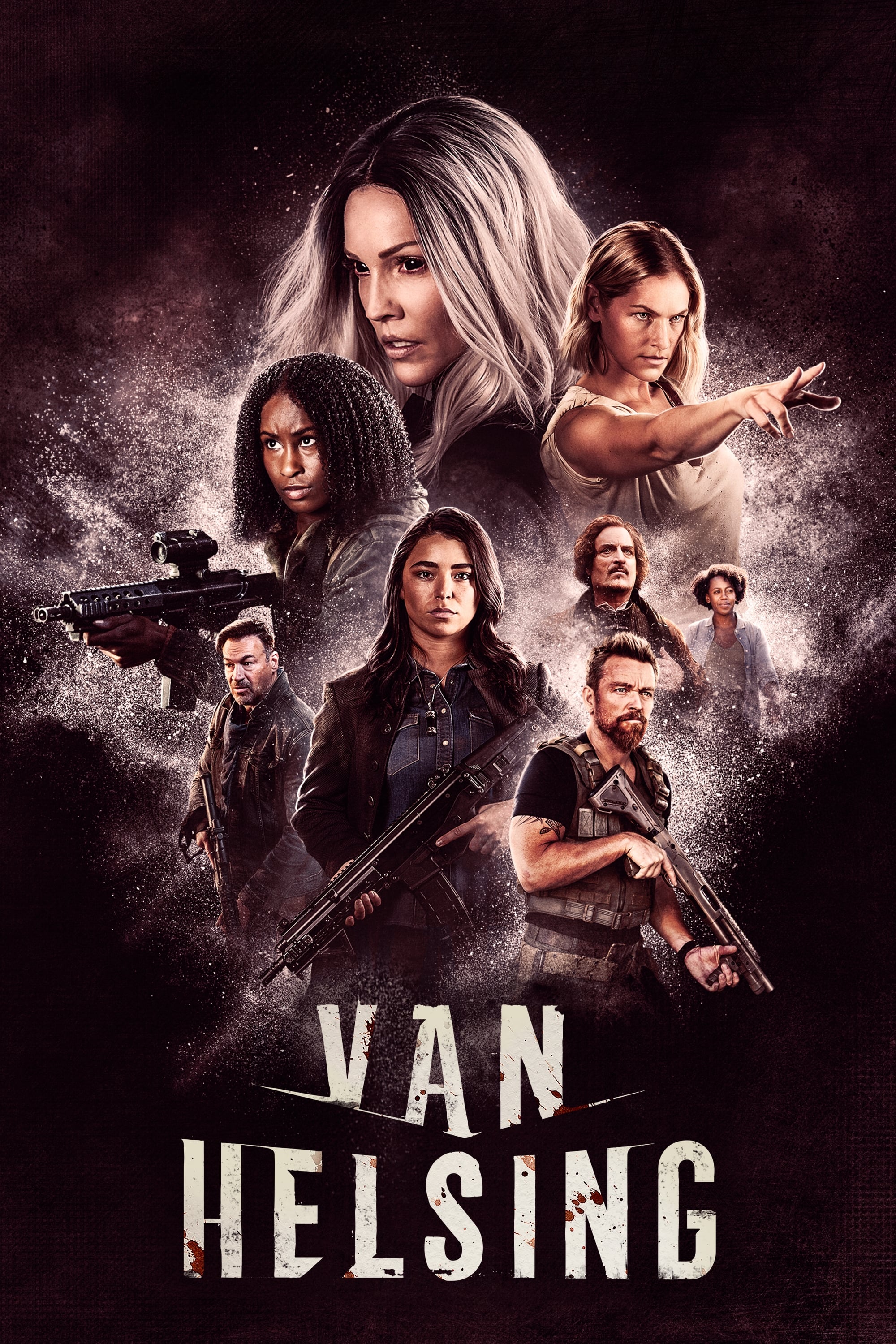
When the Yellowstone supervolcano erupts, plunging the world into darkness with ash, vampires emerge and begin to dominate. Vanessa Van Helsing, waking from a coma, discovers her blood has the power to restore a vampire’s humanity. This story depends on unusual biological rules and a fortunate coincidence – the volcanic eruption. It’s also unclear how the vampires could organize themselves and survive long-term without eliminating the human population they depend on for food.
‘Dominion’ (2014–2015)
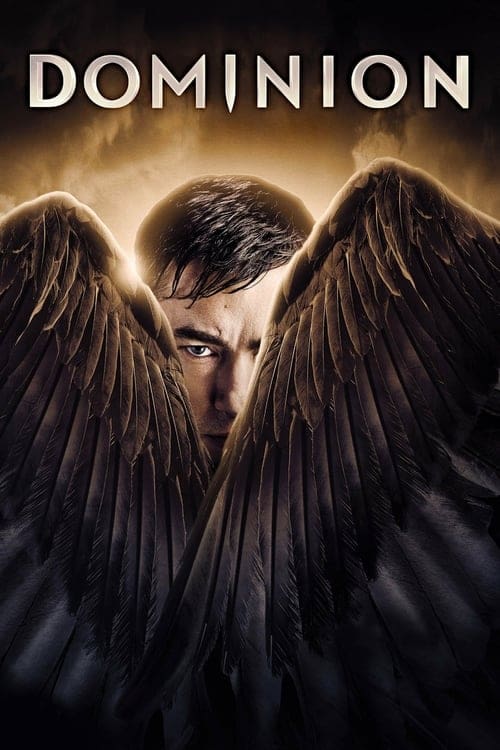
When God disappears, the archangel Gabriel rallies an army of lesser angels to wage war on humanity. Twenty-five years later, the remnants of mankind live in heavily defended cities, fighting back with guns and other modern weapons. This creates a strange contrast between religious themes and intense combat. The story portrays angels as powerful, physical creatures, departing from traditional beliefs about their spiritual nature.
‘Twisted Metal’ (2023–Present)
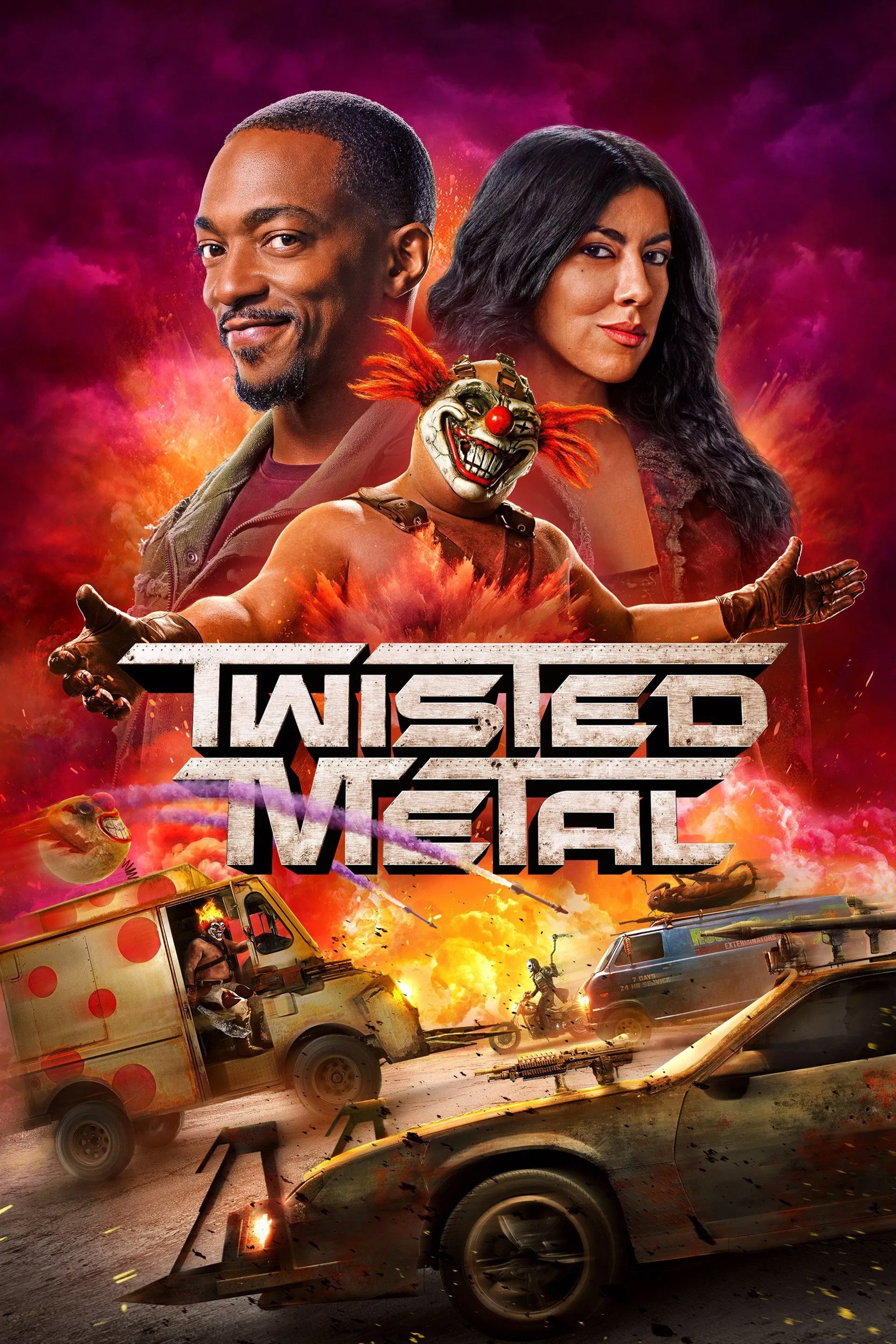
This show, inspired by a car-combat video game, takes place in a post-apocalyptic world where cities are protected by walls. Drivers called “Milkmen” transport supplies between these cities in heavily armed vehicles, constantly evading bandits. The show prioritizes exciting action over realism – cars are incredibly tough, and there’s always plenty of fuel and weapons – capturing the wild, over-the-top feel of the game.
‘Sweet Tooth’ (2021–2024)
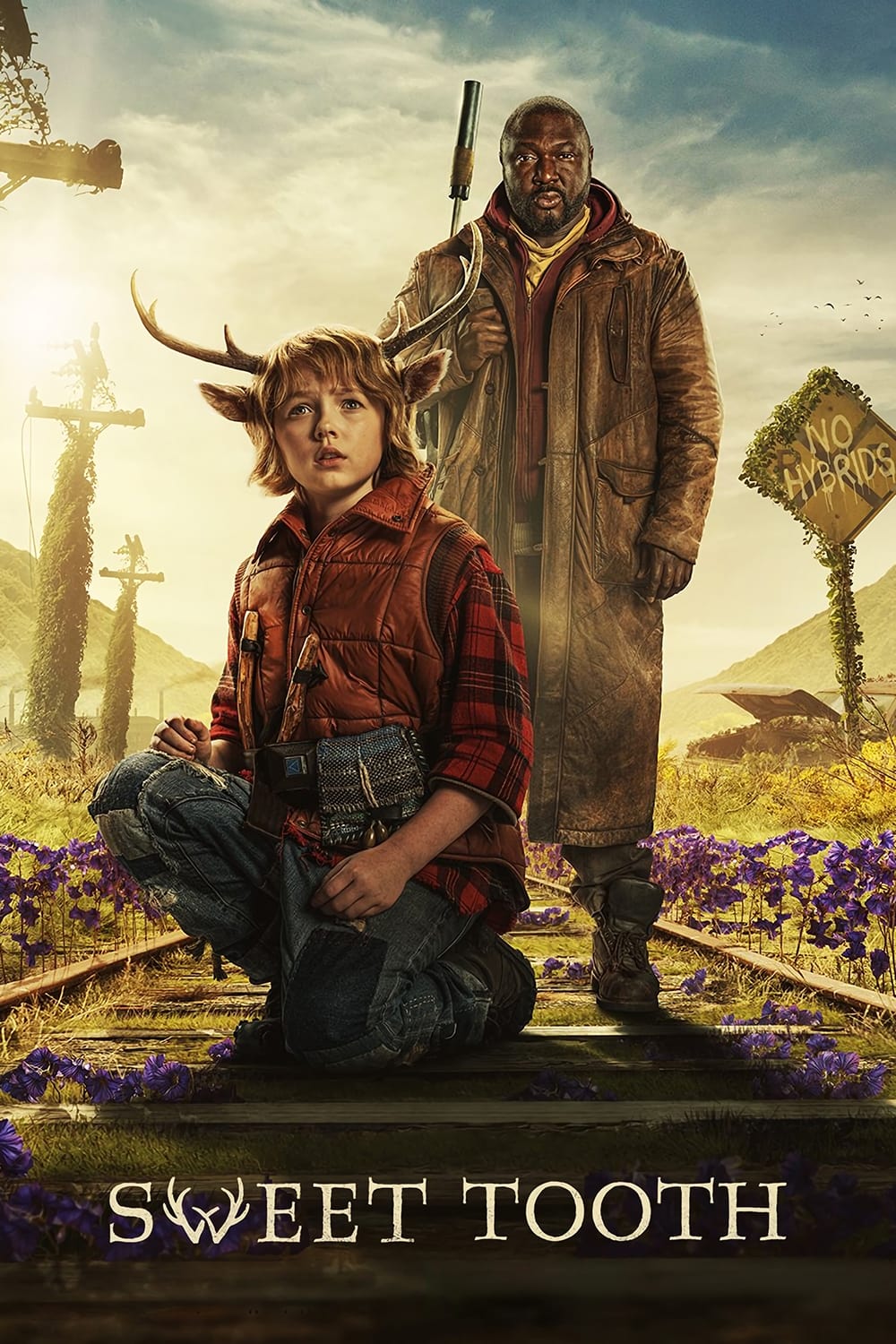
A deadly virus called “The Sick” devastates the global population, coinciding with the mysterious birth of children who are part human, part animal. The story follows Gus, a boy with deer-like features, as he journeys across a wild, reclaimed America in search of his mother. The show doesn’t explain how humans and animals are combining genetically – it’s presented as a fantastical element. Instead of focusing on the harsh realities of a world falling apart, the series has a hopeful, fairy-tale quality.
‘Resident Evil’ (2022)
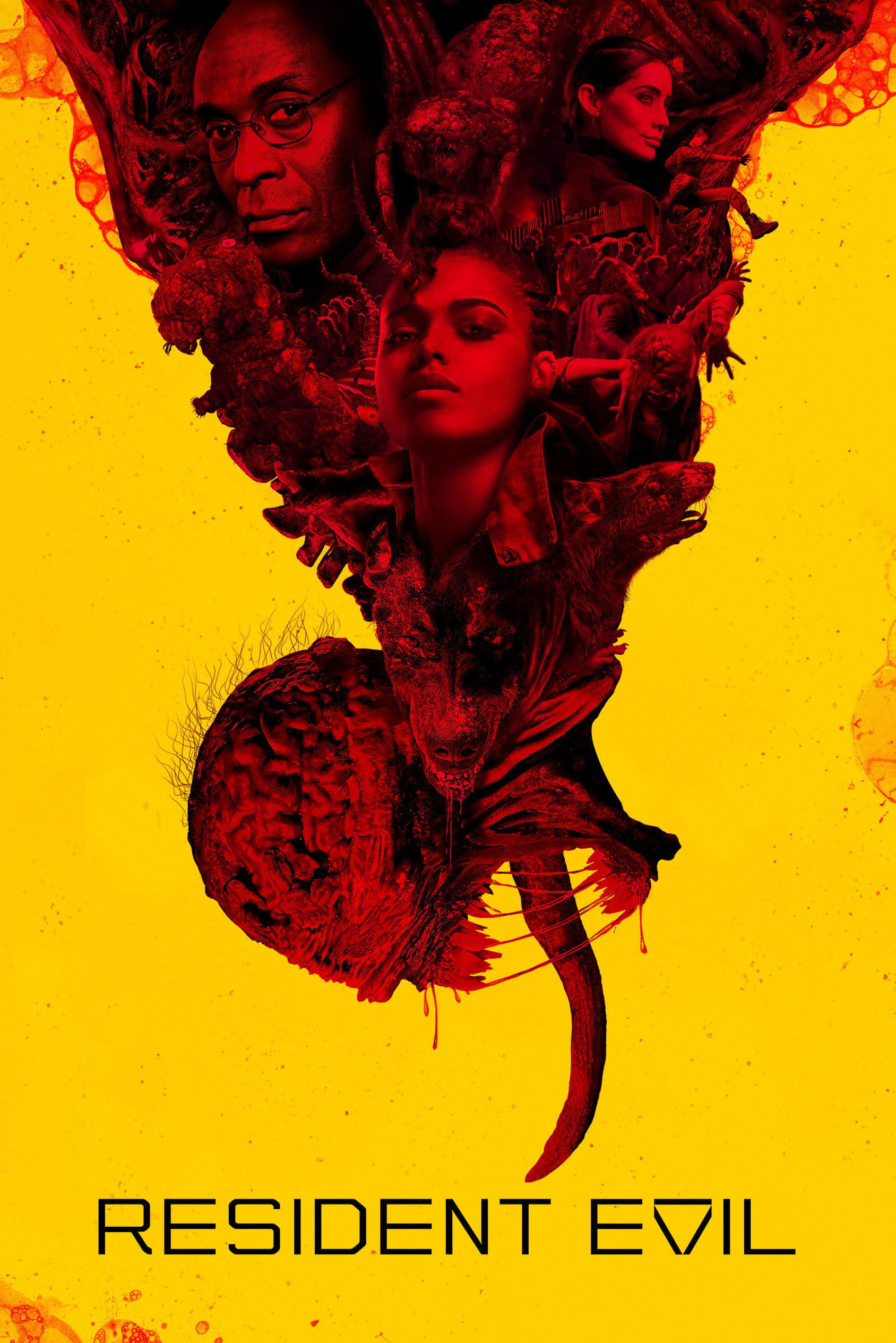
This story jumps between the beginning of the outbreak and a future where the T-virus has completely taken over. In this future, the world is filled with huge, mutated spiders and massive groups of infected people called “Zeroes.” The creatures are unrealistically large, defying the laws of nature. It also doesn’t quite make sense that the Umbrella Corporation can still run advanced facilities in a world that’s been destroyed – it’s a common theme in the series, but doesn’t feel logical.
‘The Walking Dead’ (2010–2022)
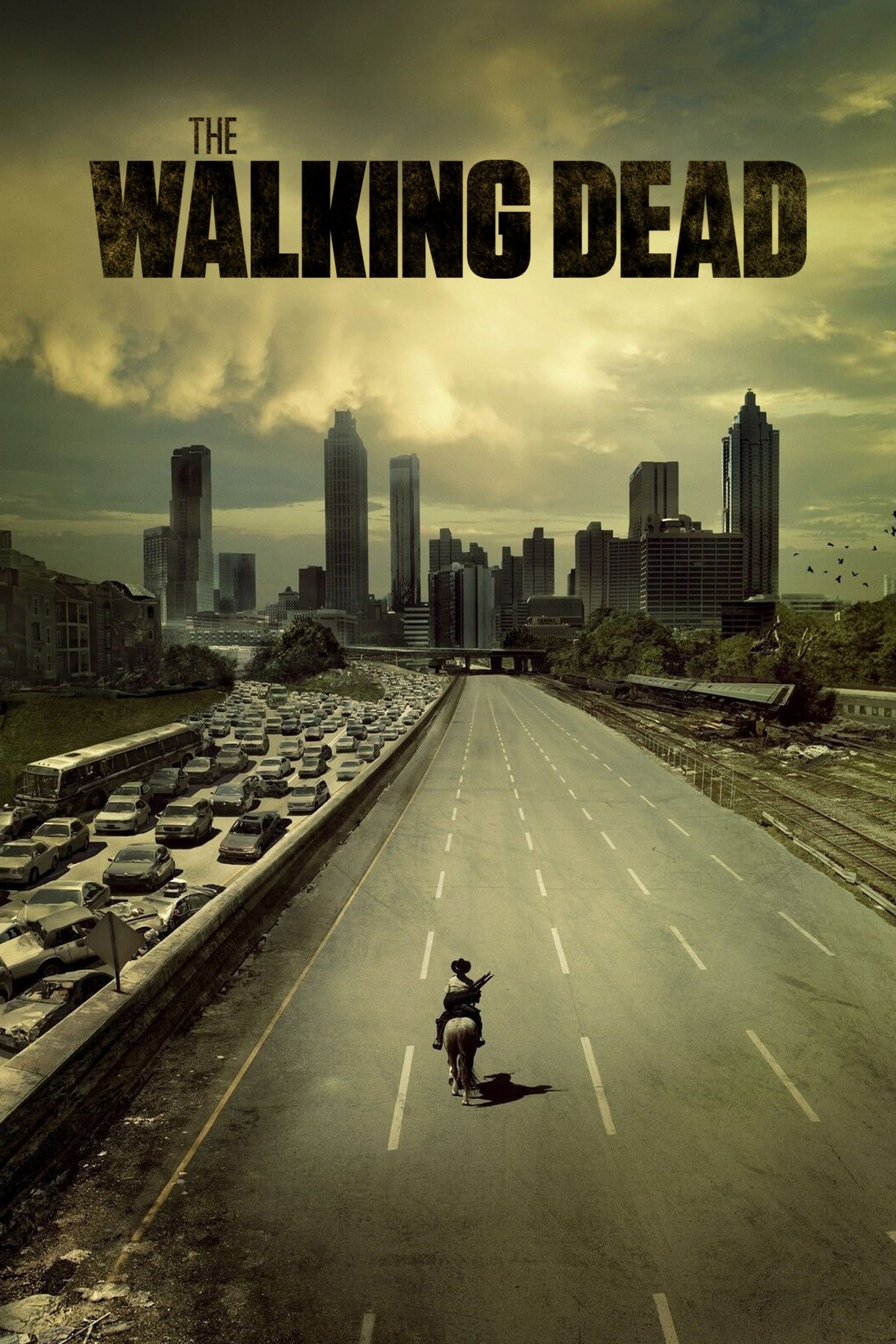
The show focuses on characters and their emotional journeys, but its rules about zombies aren’t always consistent. Zombies don’t seem to decay realistically, remaining dangerous for years, and survivors often find surprisingly well-preserved fuel and supplies. This contrasts with the limited resources shown earlier in the series, and the constant availability of ammunition and working vehicles doesn’t quite add up.
‘Fear the Walking Dead’ (2015–2023)
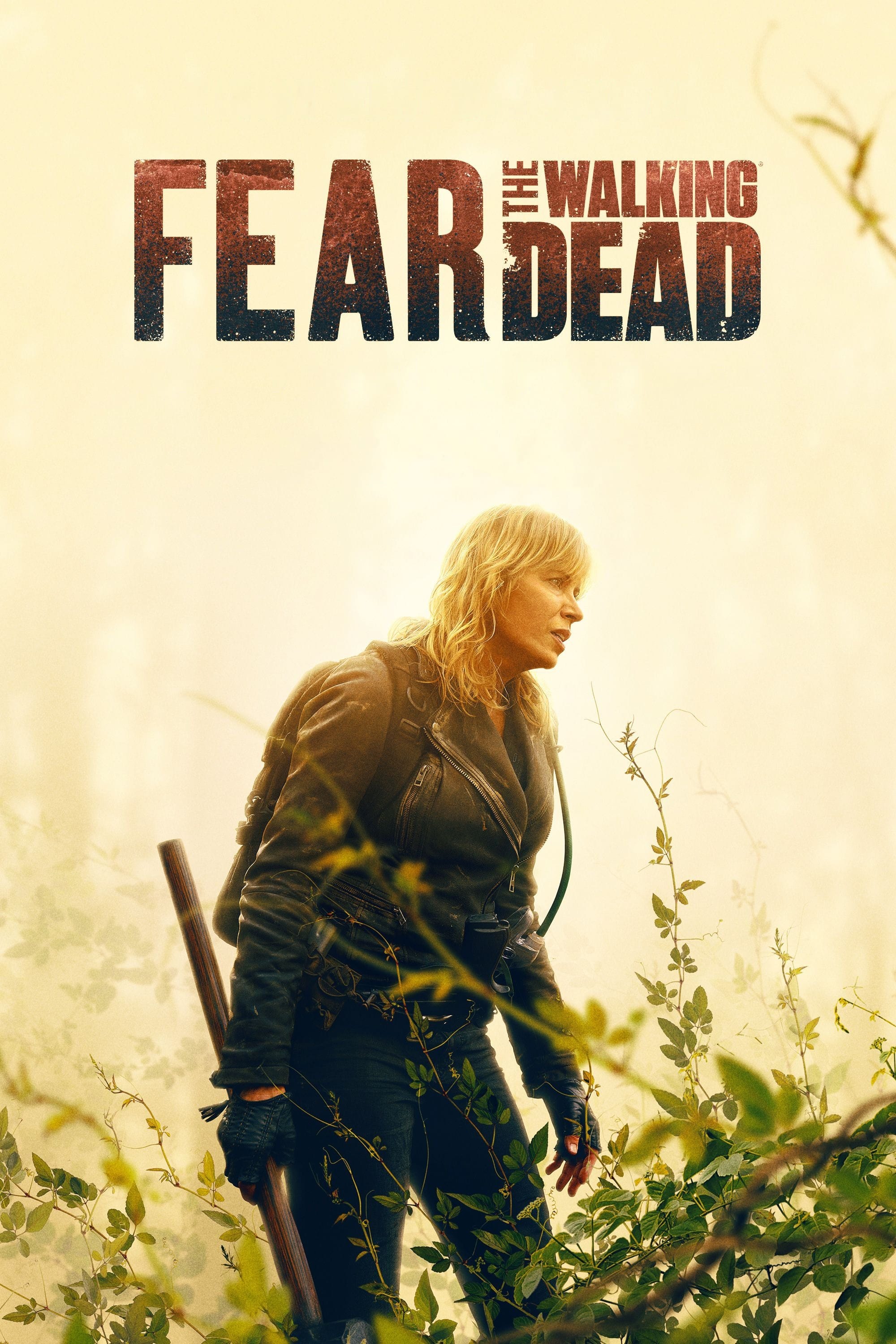
This show begins as a prequel, detailing the start of the apocalyptic events and eventually reconnecting with the original series’ storyline. Later on, the story features nuclear explosions in Texas, turning the area into a dangerous, radioactive landscape. Survivors navigate this wasteland with very little shielding. While dramatic, the show’s portrayal of radiation sickness and its effects isn’t realistic, and characters often withstand injuries and exposure that would be deadly in reality.
‘All of Us Are Dead’ (2022–Present)
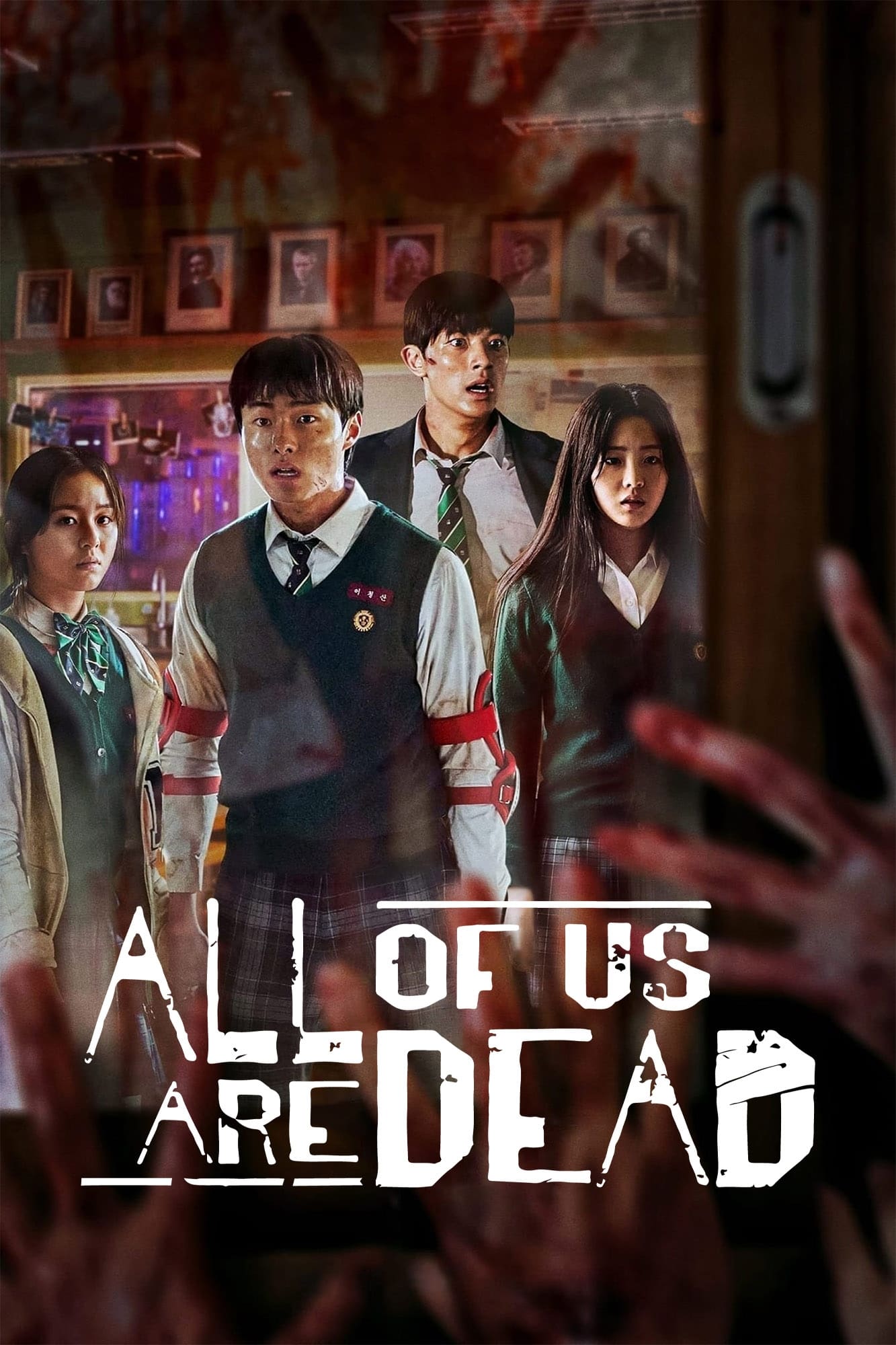
A high school science teacher accidentally creates a virus that quickly transforms students into zombies. The infection spreads incredibly fast, turning people into zombies in mere seconds or minutes. Interestingly, some individuals become something in between – they gain zombie-like strength and can’t die, but still maintain their own thoughts and awareness. The way the virus changes and who gets sick isn’t based on real science, but rather what’s needed for the story to move forward.
‘Kingdom’ (2019–Present)
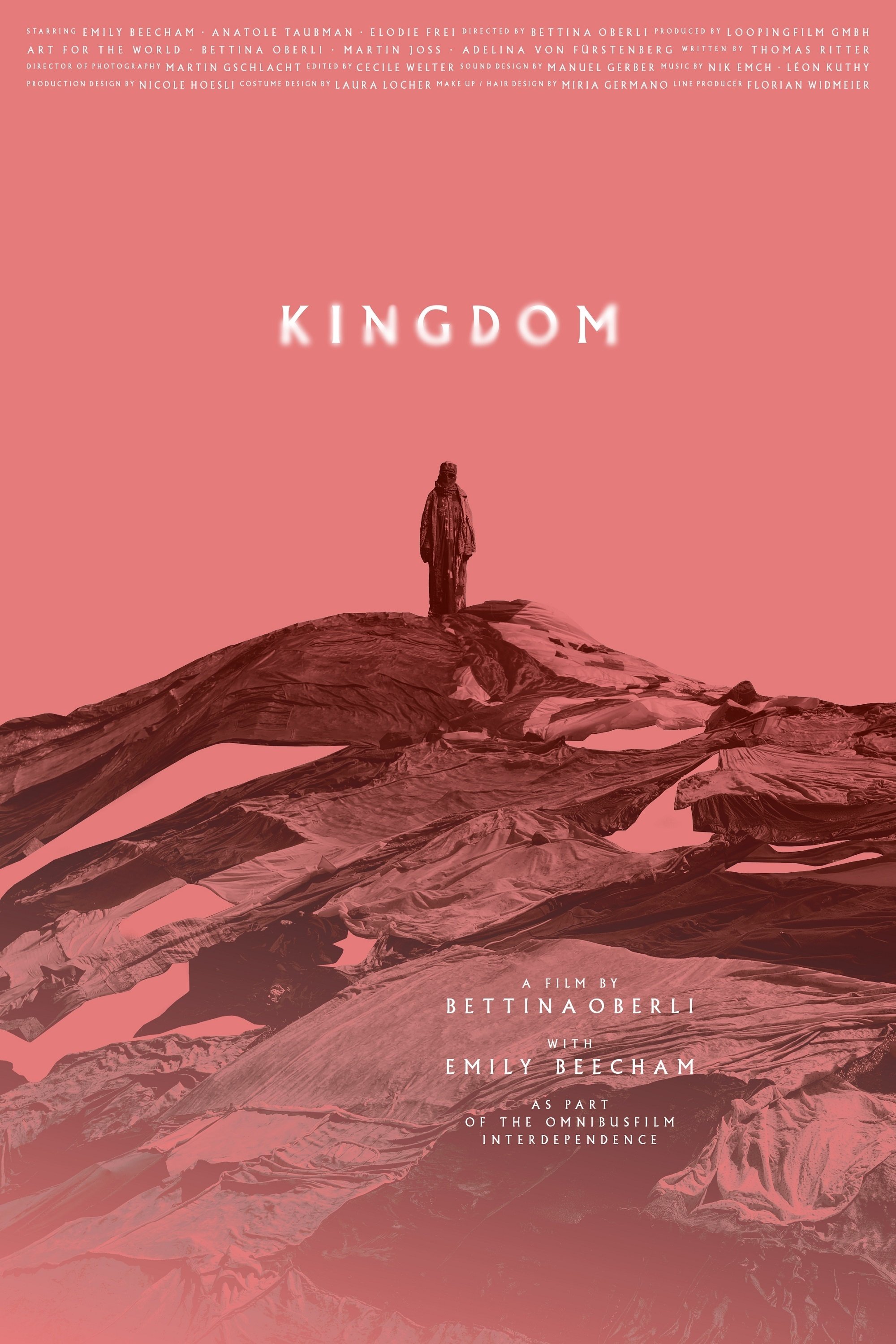
This South Korean show offers a fresh take on the zombie apocalypse, placing it in Korea’s historical Joseon era. The zombies are brought back to life by a special plant and initially only come out at night, though that changes as the story goes on. While the science behind how they’re affected by things like temperature and water is unusual, it’s more like fantasy than reality. The series blends political intrigue from the past with scary supernatural elements to create a truly immersive and intense world.
‘Sweet Home’ (2020–Present)
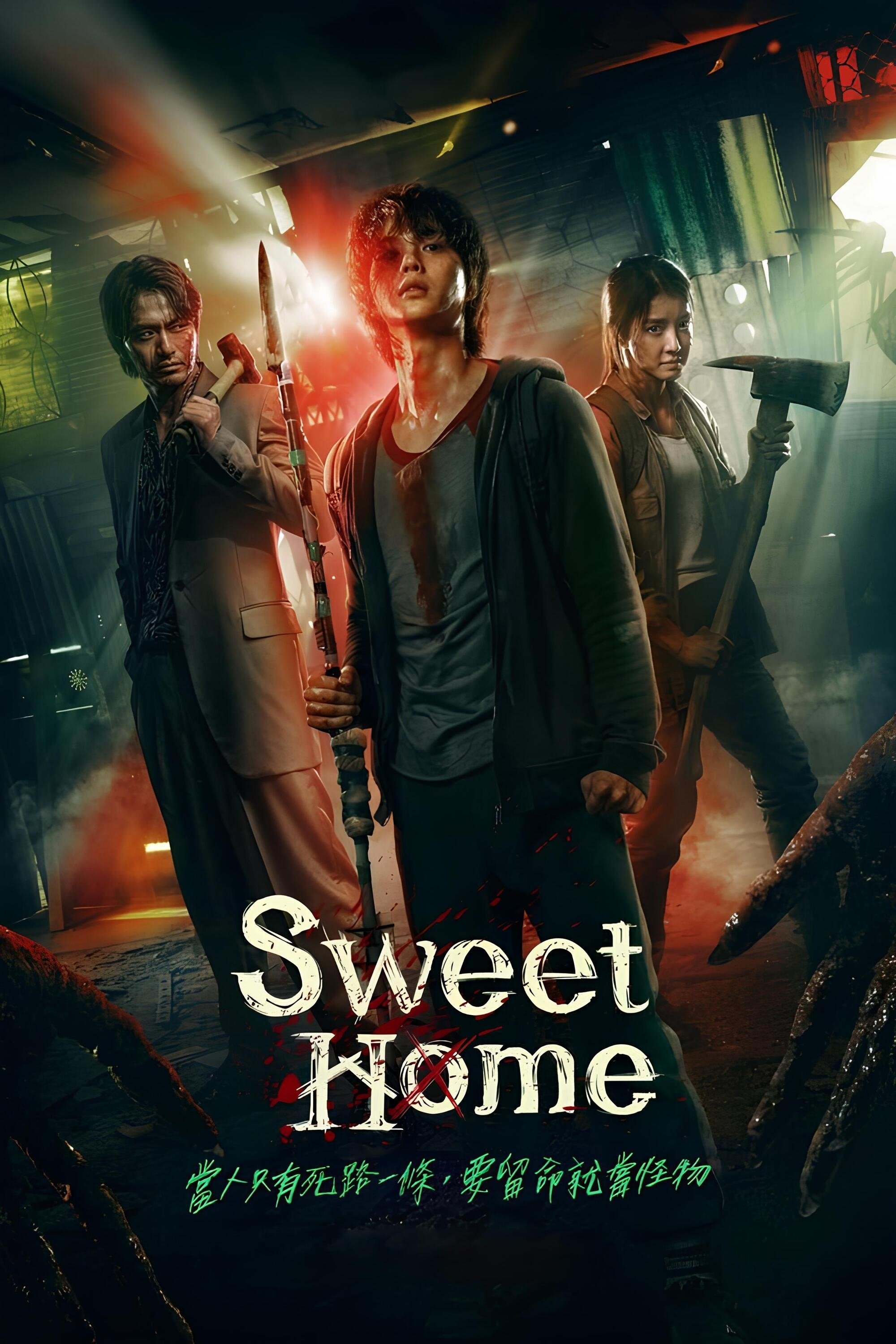
People living in an apartment building find themselves stuck inside as those around them are transformed into terrifying monsters. This isn’t a disease or virus; instead, the transformations are fueled by each person’s innermost desires, leading to a variety of strange and unique creatures. This focus on personal desires moves the story away from traditional science fiction. The monsters possess incredible and unpredictable powers – everything from running at super speed to completely changing their form – abilities that don’t follow the normal rules of physics.
‘Alice in Borderland’ (2020–Present)
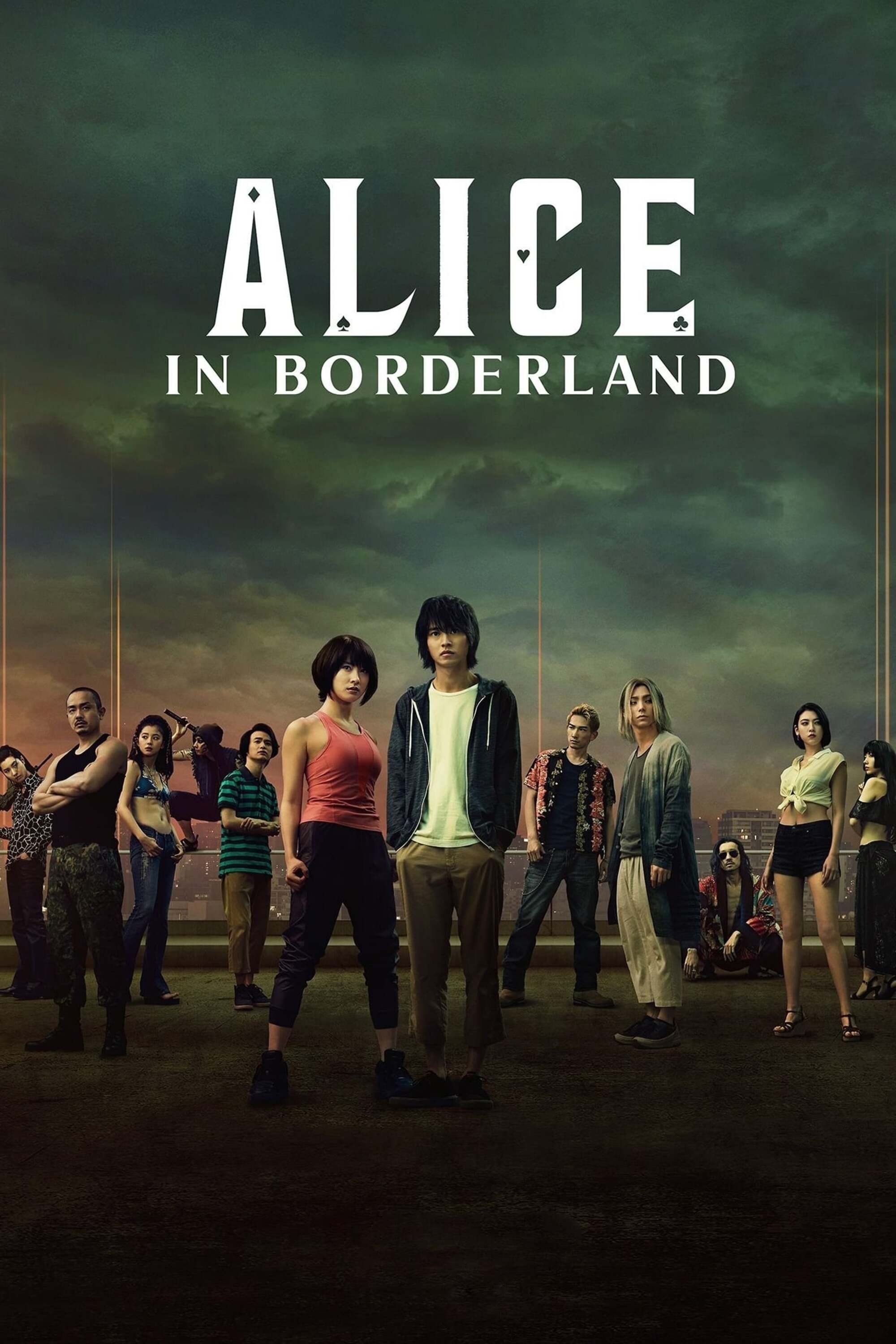
Tokyo’s residents are shocked to discover the city is completely empty, and they’re forced to participate in dangerous, life-or-death games. These games are orchestrated by advanced, unexplained technology, like lasers falling from the sky. The idea of clearing out an entire city and building such complex traps is unrealistic, but the situation operates like a video game – the world’s rules are made up and controlled by an unknown force.
‘Tribes of Europa’ (2021)
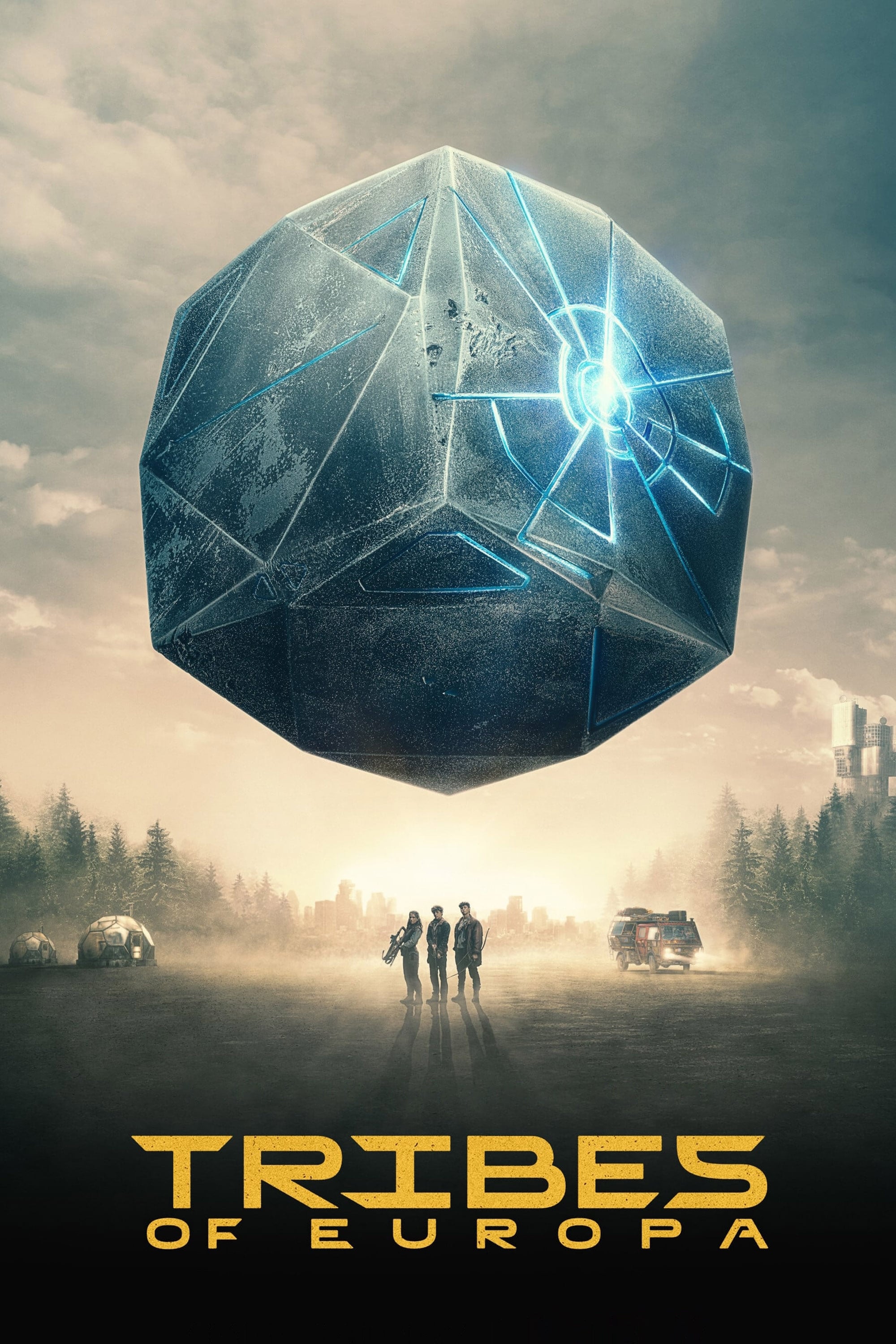
In 2029, a worldwide power outage throws the world into chaos, causing countries to break apart and form small, warring factions. By 2074, advanced technology is incredibly scarce, and groups battle for possession of strange, powerful objects called “Atlantean” cubes. These cubes function more like magical artifacts than realistically engineered devices. The way Europe quickly reverts to primitive, sci-fi-style tribes feels too fast given the time frame.
‘3%’ (2016–2020)
The world is sharply divided between a struggling, impoverished region called the Inland and a wealthy, technologically advanced area known as the Offshore. Each year, young people turning twenty are subjected to a selection process called “The Process,” but only a tiny fraction – just three percent – are chosen to live in the Offshore. This social system is carefully controlled, and its extreme inequality seems impossible to maintain long-term. The tests used to select people often seem more like magic than science.
‘Dark Angel’ (2000–2002)

A terrorist attack using an electromagnetic pulse cripples the U.S. economy and leads to the establishment of a heavily policed state. Meanwhile, a super-soldier with enhanced abilities – created through advanced genetic engineering (far beyond current scientific capabilities) that includes feline DNA for night vision and quick reflexes – escapes from a government facility and works as a bicycle messenger.
‘Colony’ (2016–2018)
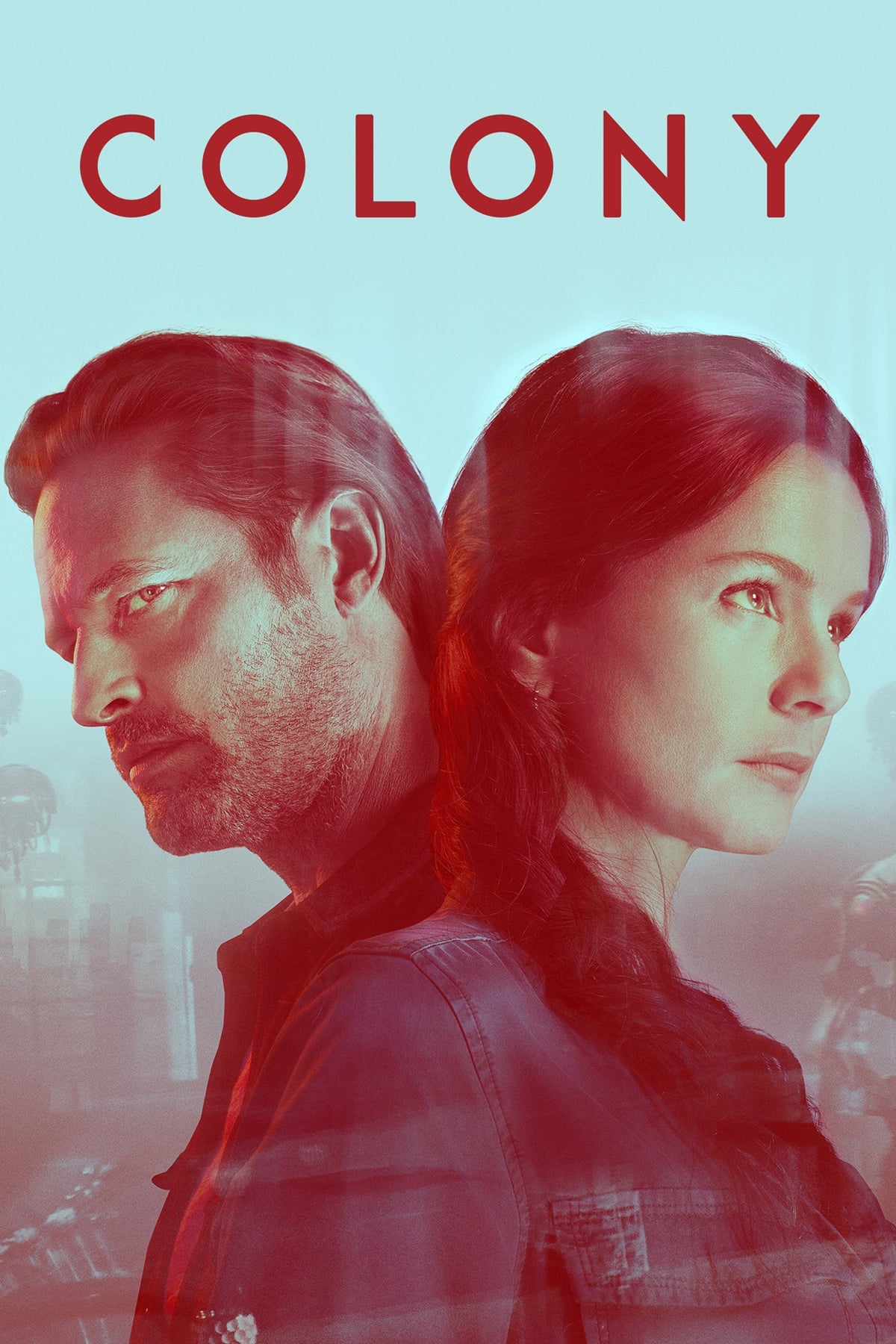
Los Angeles is under alien control, completely surrounded by a huge metal wall. A joint human government tries to maintain order, but a resistance movement is fighting against the occupation. The show is a science fiction adventure with incredible visuals – the wall’s technology and the aliens’ power to move the city into space are fantastical. While the story explores the politics of being occupied, it depends on unexplained alien abilities to create its unique world.
‘War of the Worlds’ (2019–2022)
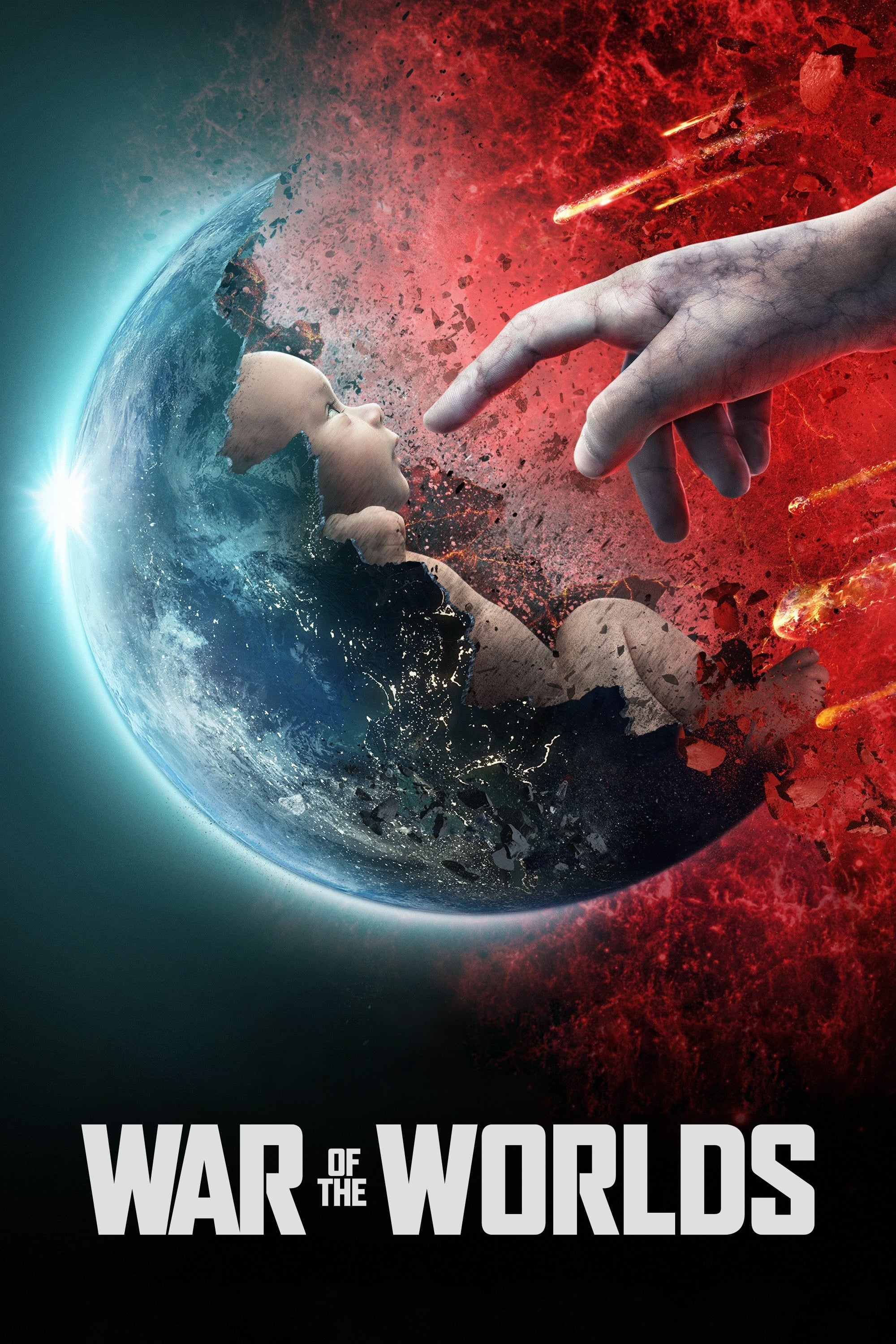
When astronomers pick up a signal from a distant star, it quickly becomes clear it’s a warning – a devastating alien attack soon wipes out most of the human population. Those who remain are pursued by incredibly efficient, four-legged robot hunters. The biggest surprise? The aliens share a genetic connection with humans, a reveal that’s hard to believe. Throughout the unfolding invasion, the story’s timeline and the aliens’ motives keep changing, making it difficult to understand what’s really happening.
‘Aftermath’ (2016)
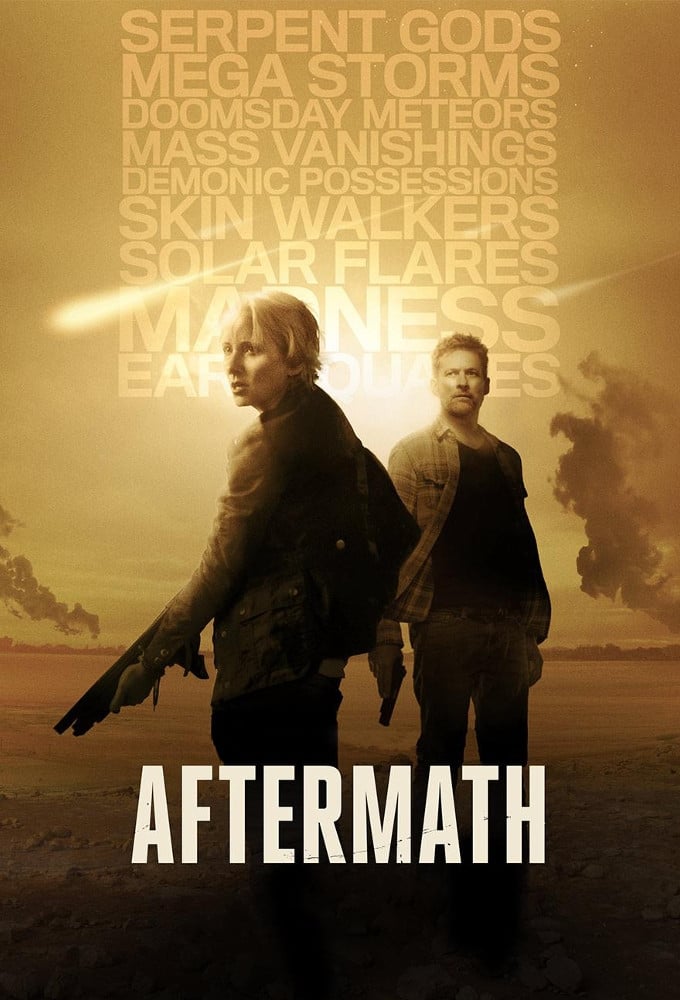
The Copeland family struggles to survive as the world collapses around them, battered by huge storms, meteor strikes, and the emergence of terrifying supernatural creatures. They face everything from mythical beasts like skinwalkers and dragons to the devastation of natural disasters. The story throws so many different end-of-the-world scenarios together at once that it prioritizes wild chaos over any realistic explanation.
‘Y: The Last Man’ (2021)
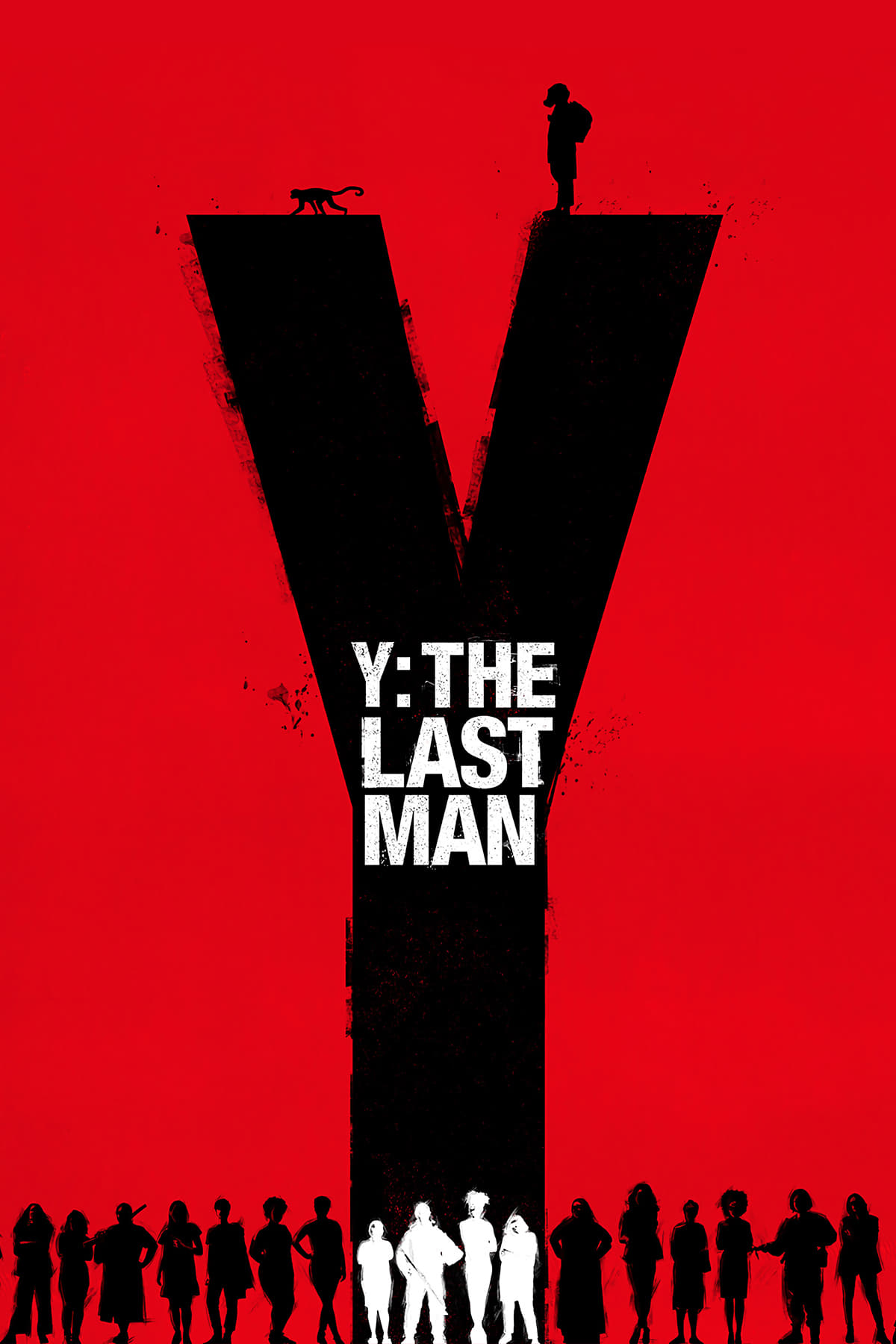
I was completely captivated by this show’s premise! It starts with this unbelievably strange event – seemingly overnight, every male mammal on Earth, except for one guy and his monkey, just… vanishes. Scientists are baffled, there’s no logical explanation, and honestly, it’s terrifying. The world falls apart almost instantly because so much of our essential work – keeping things running, maintaining infrastructure – relied on men. While it definitely delves into complicated issues about gender roles and power dynamics, the whole thing kicks off with this unbelievable, almost magical event, which is a bit of a leap, but it makes for a gripping story.
‘The Stand’ (2020–2021)
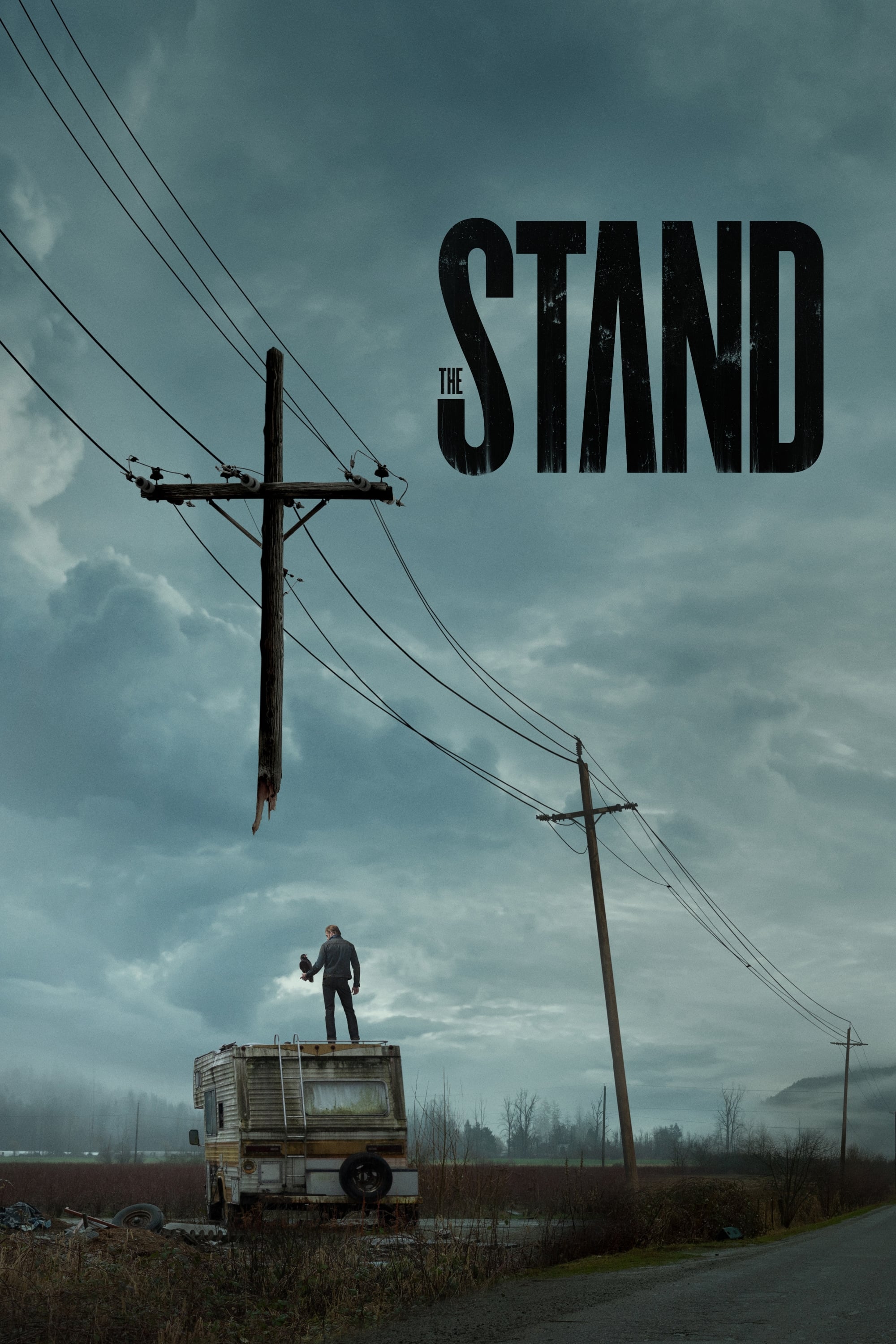
A deadly, engineered flu virus wipes out almost all of humanity. Those who remain are guided by dreams to one of two figures: a wise, good leader in Colorado, or a sinister force in Las Vegas. The resulting conflict isn’t a typical war, but a supernatural battle with both divine and demonic powers at play. Though the story begins with a believable pandemic, it ultimately ends with a mystical resolution.
‘Fallout’ (2024–Present)
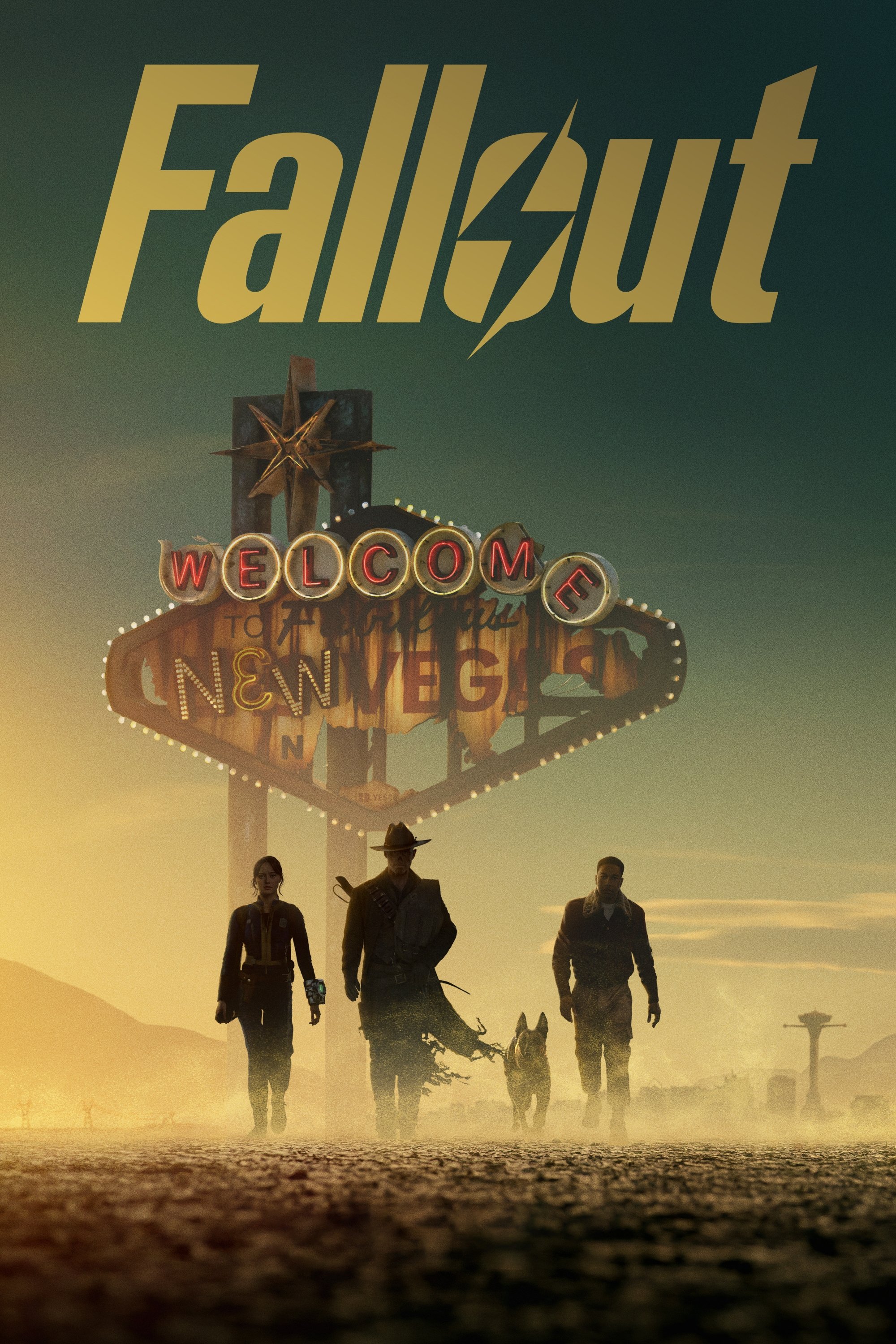
This show, inspired by the popular video game series, is set in a futuristic wasteland two centuries after a nuclear war. It follows the lives of survivors, including people who lived in underground vaults, powerful soldiers in advanced armor, and mutated individuals called Ghouls who can live for hundreds of years. While the show features scientific elements like vaults and radiation, it’s presented in a playful, exaggerated way, prioritizing exciting visuals over strict realism.
‘Raised by Wolves’ (2020–2022)
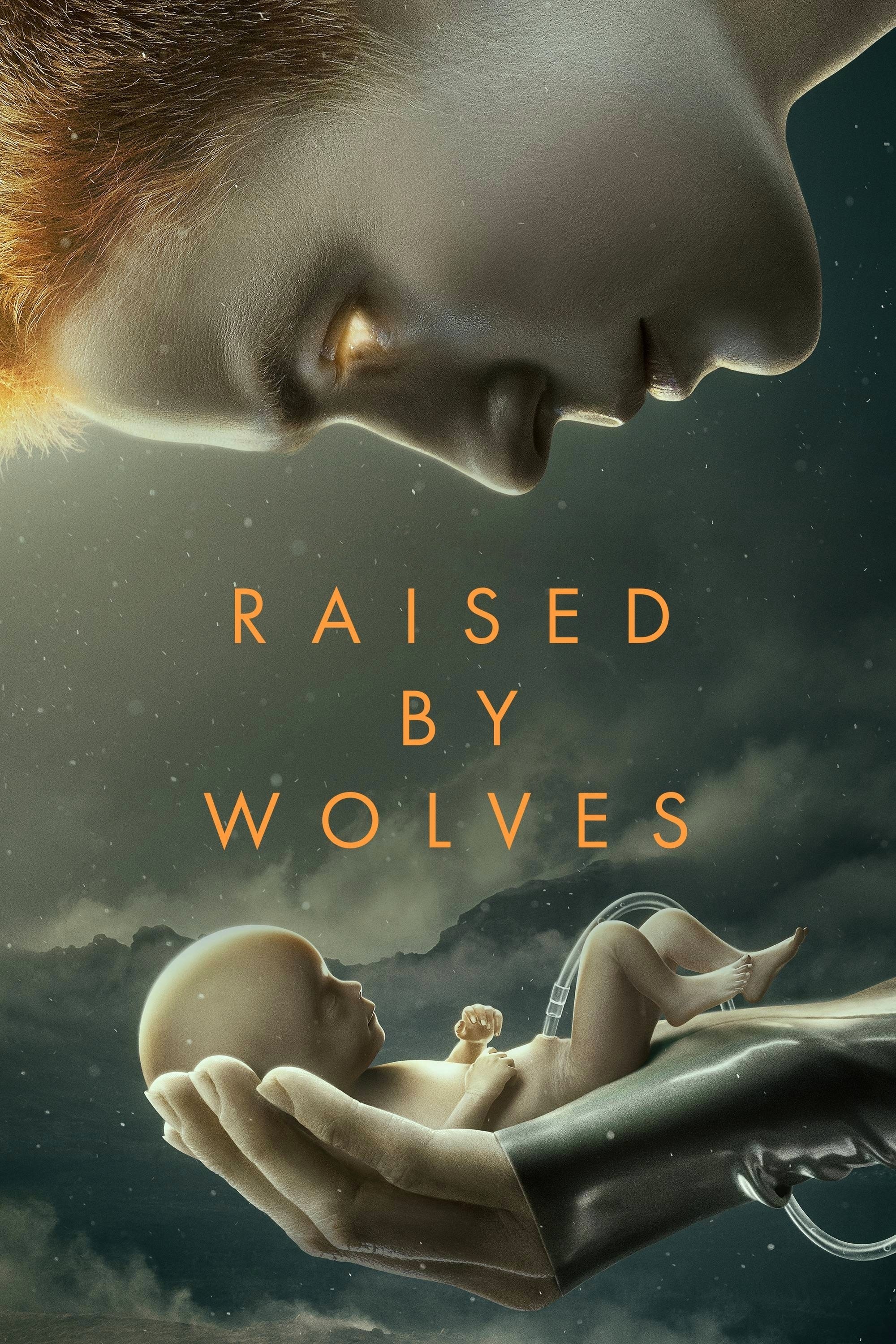
After a religious war destroys Earth, two androids are sent to Kepler-22b to raise human children. This new planet is dangerous, filled with giant flying serpents and radioactive areas that can reverse human evolution. The story focuses on the strange technology of the androids and the bizarre evolution of the planet itself, creating a dreamlike atmosphere. It’s more of a symbolic tale than a story about actually settling a new world.
‘The Strain’ (2014–2017)
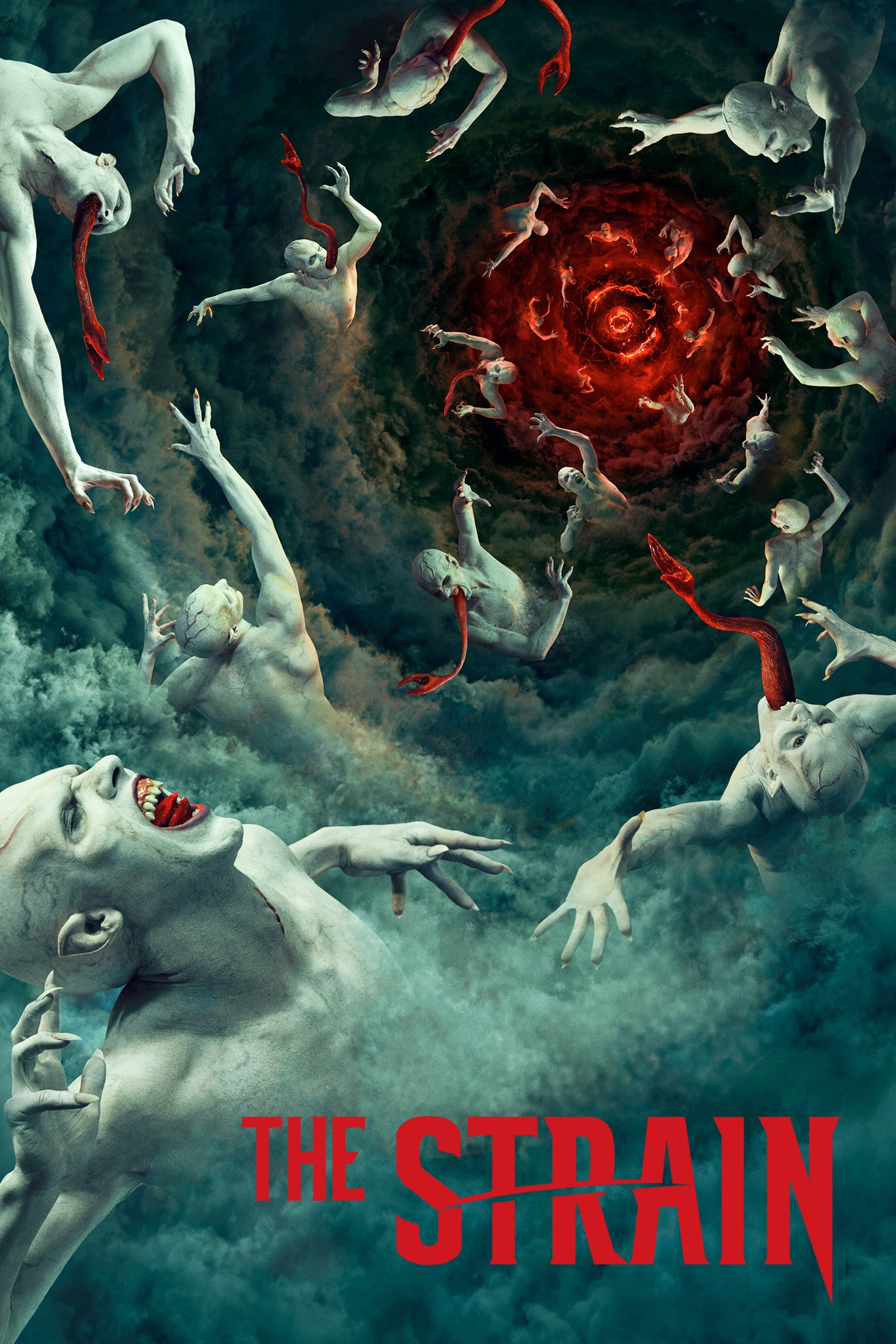
A widespread outbreak creates a new type of vampire spread by parasitic worms. These infected vampires are controlled by a central intelligence, the “Master,” who plans to plunge the world into eternal darkness. While the details of how this new vampire strain works are explained, it’s all made up. The story asks viewers to accept that ordinary weapons like swords and UV lights can fight this powerful, ancient evil, which requires a lot of imagination.
’12 Monkeys’ (2015–2018)
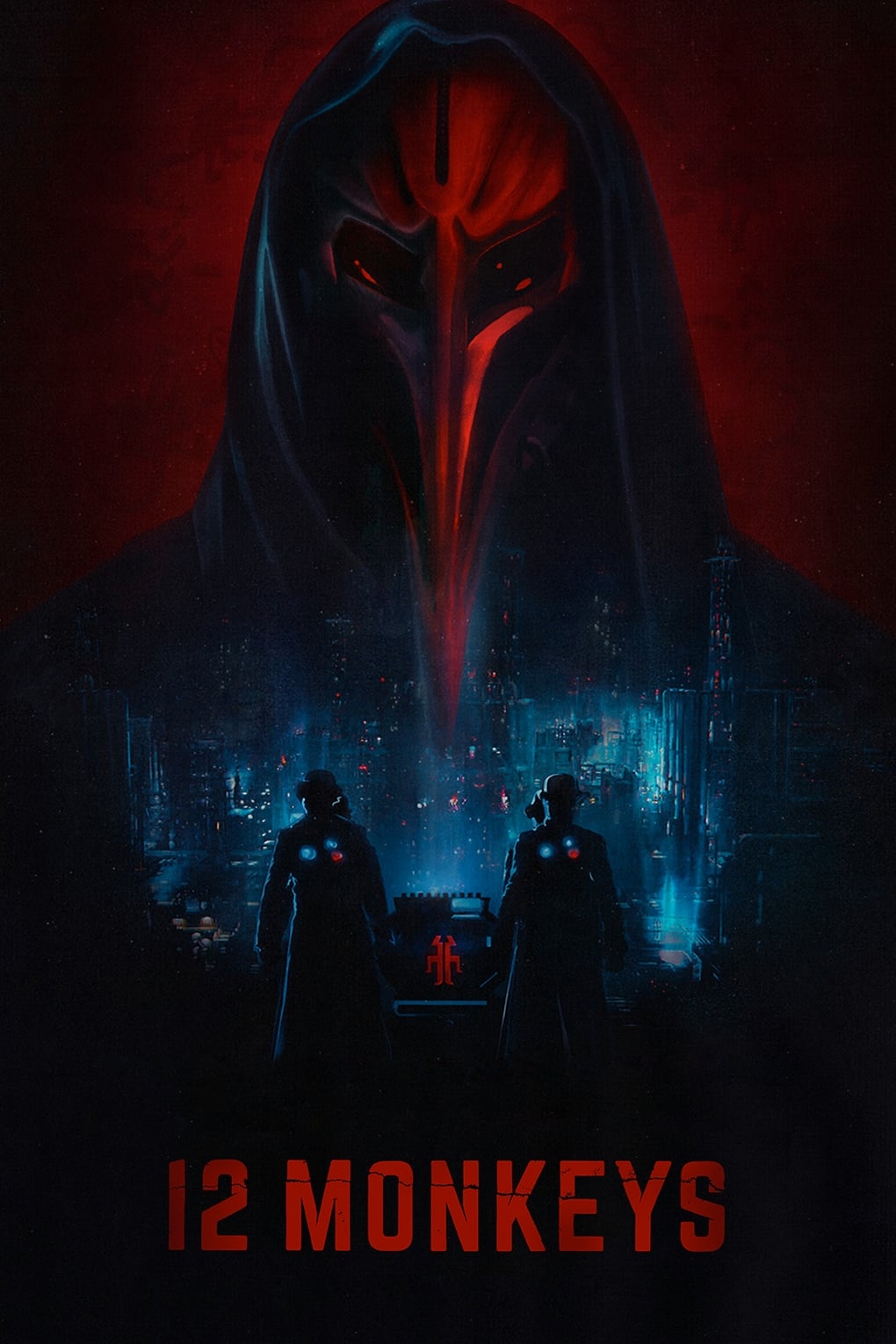
A traveler from a future devastated by plague comes to our time to prevent the outbreak of a dangerous virus. The story quickly becomes complicated, filled with time loops and paradoxes that don’t follow a straight timeline. A shadowy group called the Army of the 12 Monkeys is revealed to be secretly altering history in unbelievable ways. Ultimately, the complex rules of time travel become more central to the plot than the original threat of an apocalypse.
Share your favorite unrealistic post-apocalyptic show and why you love it in the comments.
Read More
- Gold Rate Forecast
- Invincible Season 4 Gender Swaps Tech Jacket As Fans Question Major Comic Change
- Silver Rate Forecast
- 14 Movies Where the Black Character Refuses to Save the White Protagonist
- ONE PIECE Season 2 Confirms Sanji’s OTHER Backstory in the Live-Action
- 15 Films That Were Shot Entirely on Phones
- Unveiling the Schwab U.S. Dividend Equity ETF: A Portent of Financial Growth
- 22 Films Where the White Protagonist Is Canonically the Sidekick to a Black Lead
- The Best Former NFL Players Turned Actors, Ranked
- How to Do Sculptor Without a Future in KCD2 – Get 3 Sculptor’s Things
2026-02-06 00:19