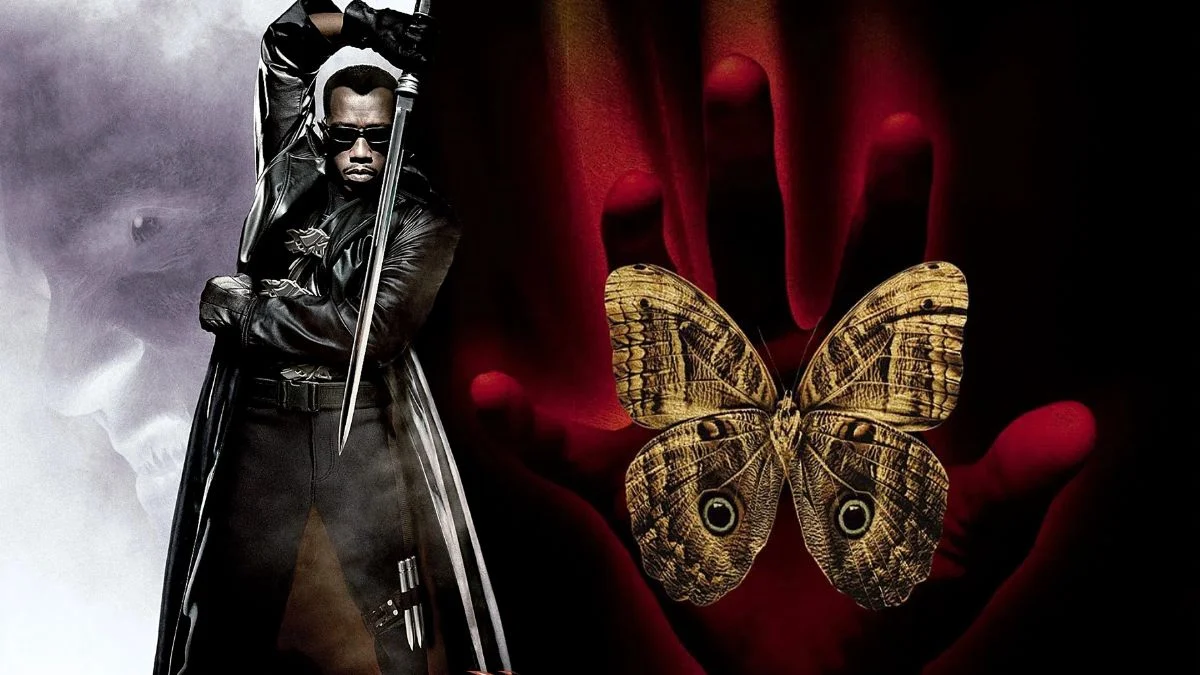
Visual effects can either completely draw viewers into a movie’s world or pull them right out of it. Though computer-generated imagery has changed filmmaking, not all attempts have been successful. Tight deadlines and limited budgets often result in effects that look incomplete or unnatural. Here’s a look at some films where the visual effects didn’t quite work.
‘The Lawnmower Man’ (1992)
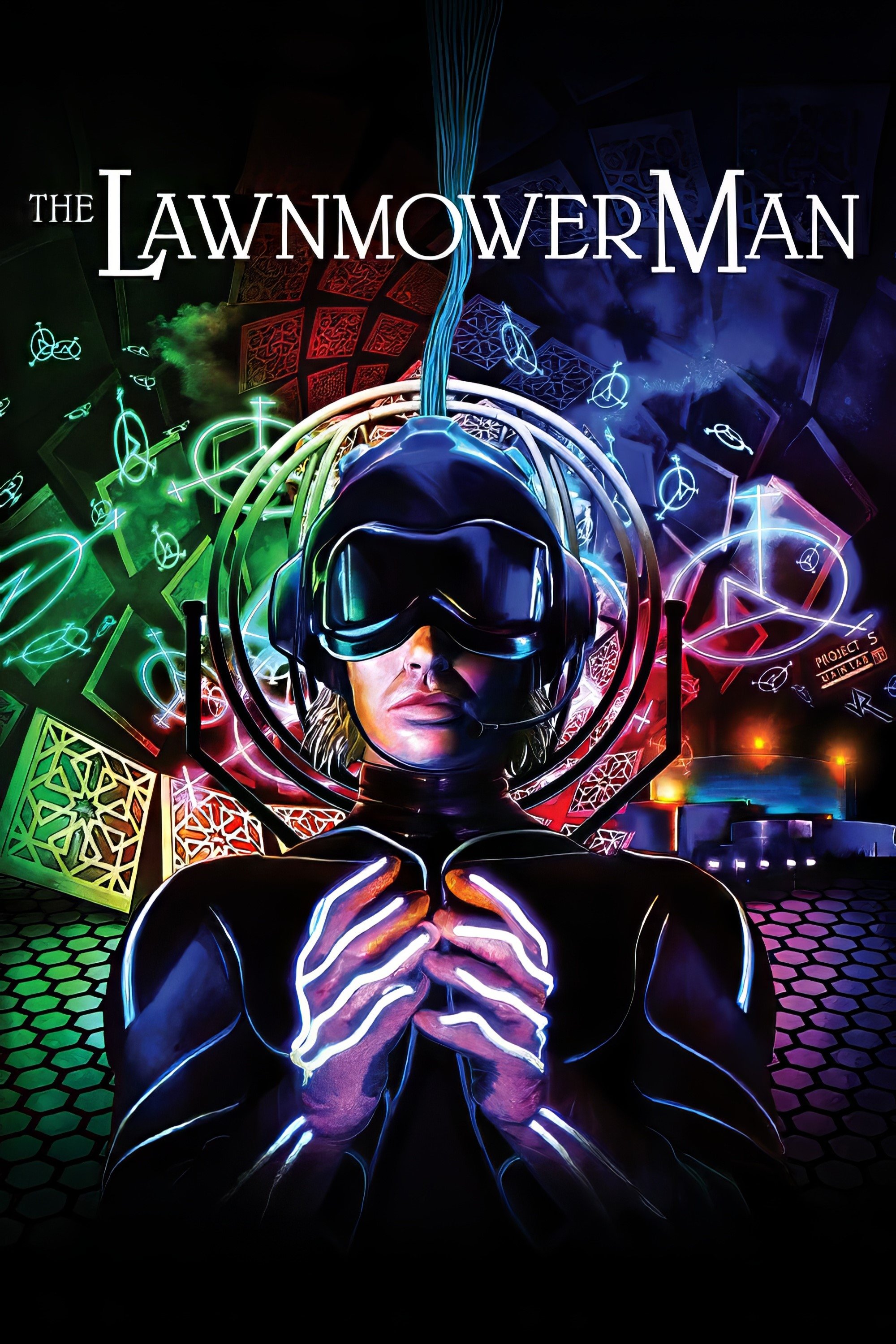
This science fiction horror movie tried to highlight the exciting new world of virtual reality. It tells the story of a gardener who becomes incredibly intelligent and develops the power to move things with his mind through experiments with digital technology. However, many viewers found the computer-generated effects looked outdated and blocky. The final battle, featuring digital characters, suffered from a lack of detail and realistic motion, clearly showing how limited technology was in the early 1990s.
‘Jumanji’ (1995)
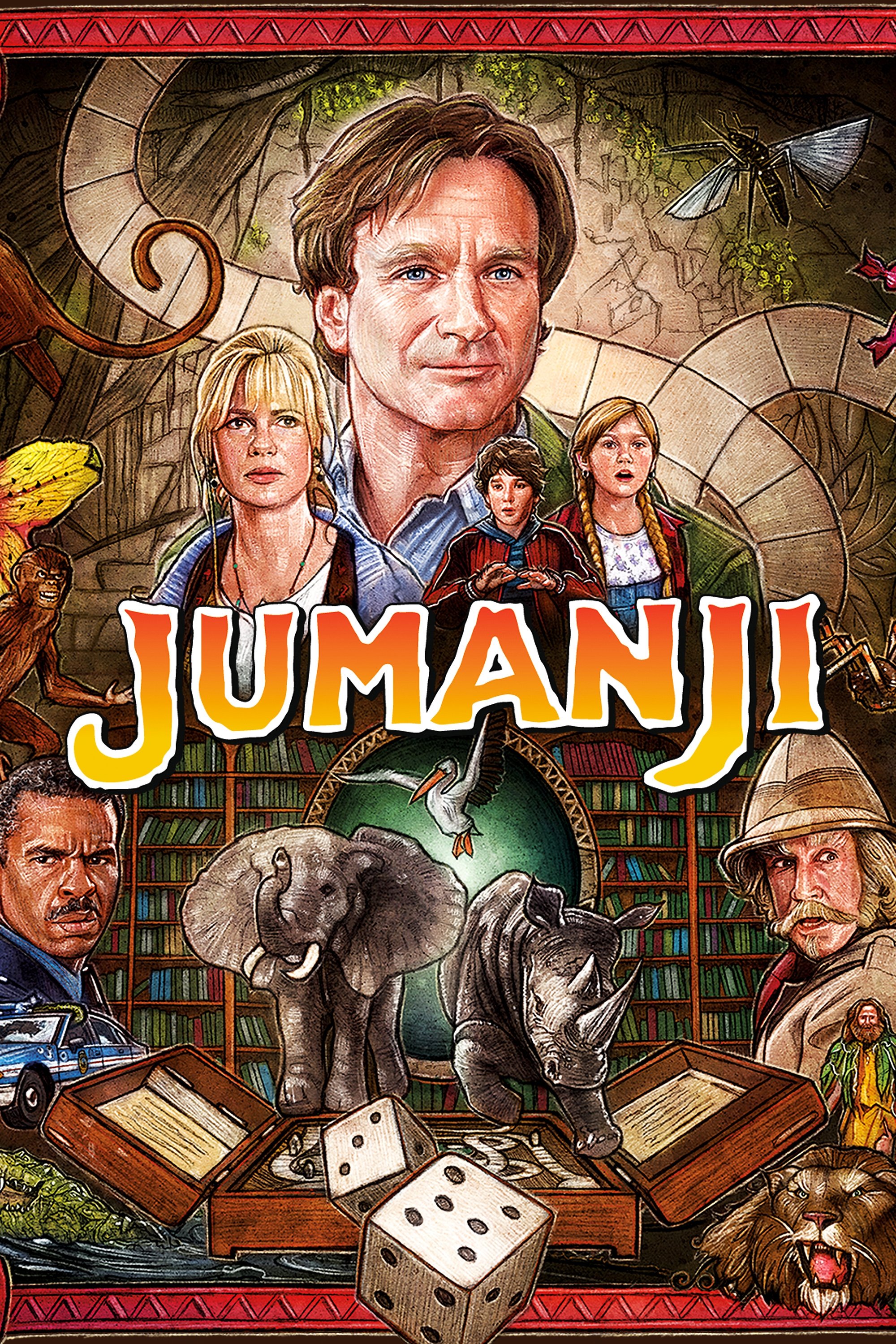
This family movie follows a town thrown into chaos when a mysterious board game brings jungle dangers to life. While the robotic creatures look great, the computer-generated animals don’t quite fit in – they appear too shiny and float unnaturally. The digital lion especially stands out from the real actors. These outdated effects are a bit of a distraction from what is otherwise a fondly remembered story.
‘Escape from L.A.’ (1996)
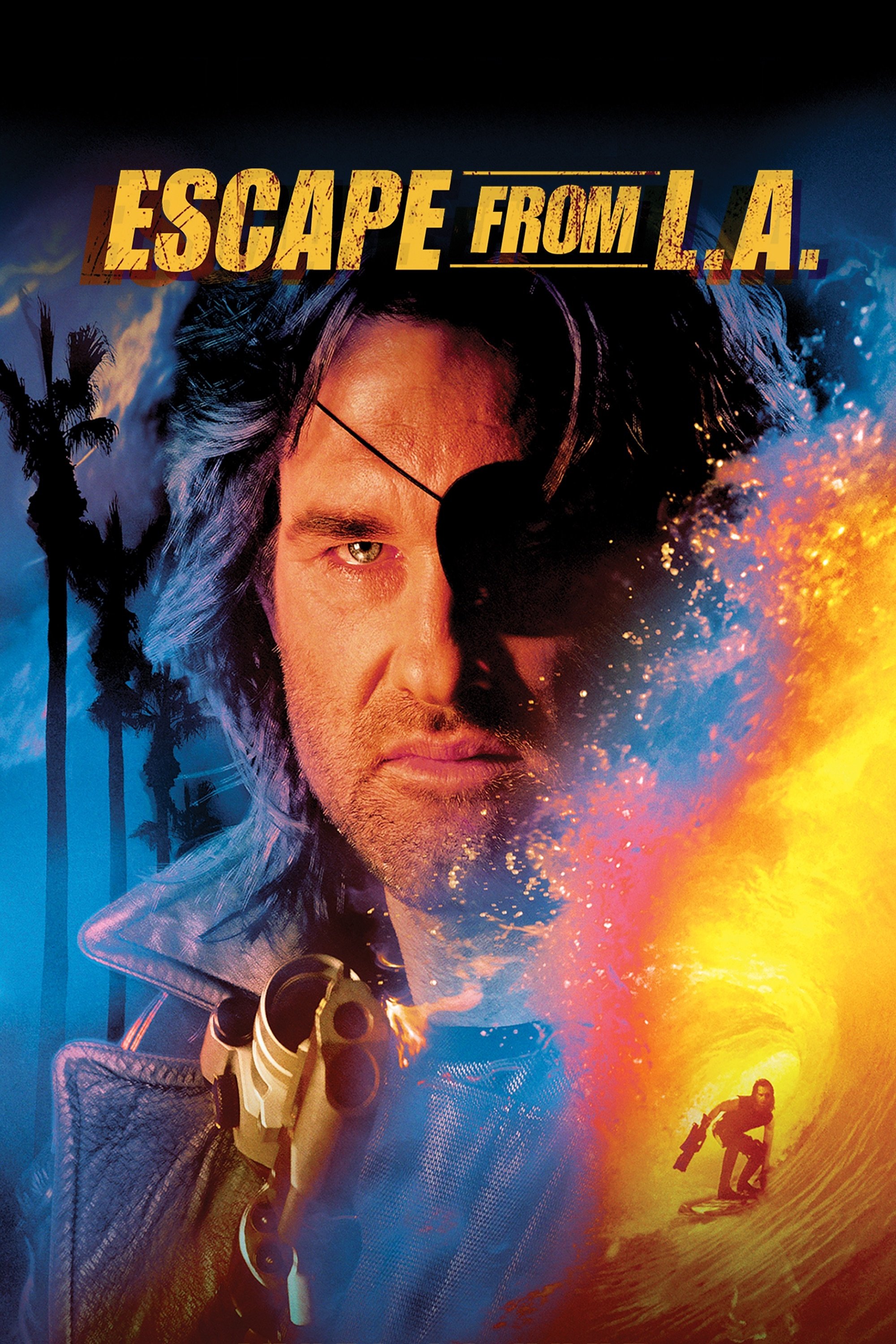
Snake Plissken is back in a future version of Los Angeles, now a crumbling city. A memorable scene features him surfing a massive tsunami through the streets, but the special effects haven’t aged well. The water looks artificial and doesn’t behave realistically – Snake seems to hover over the wave instead of actually riding it. Many consider this sequence to be one of the worst in action movie history.
‘Spawn’ (1997)
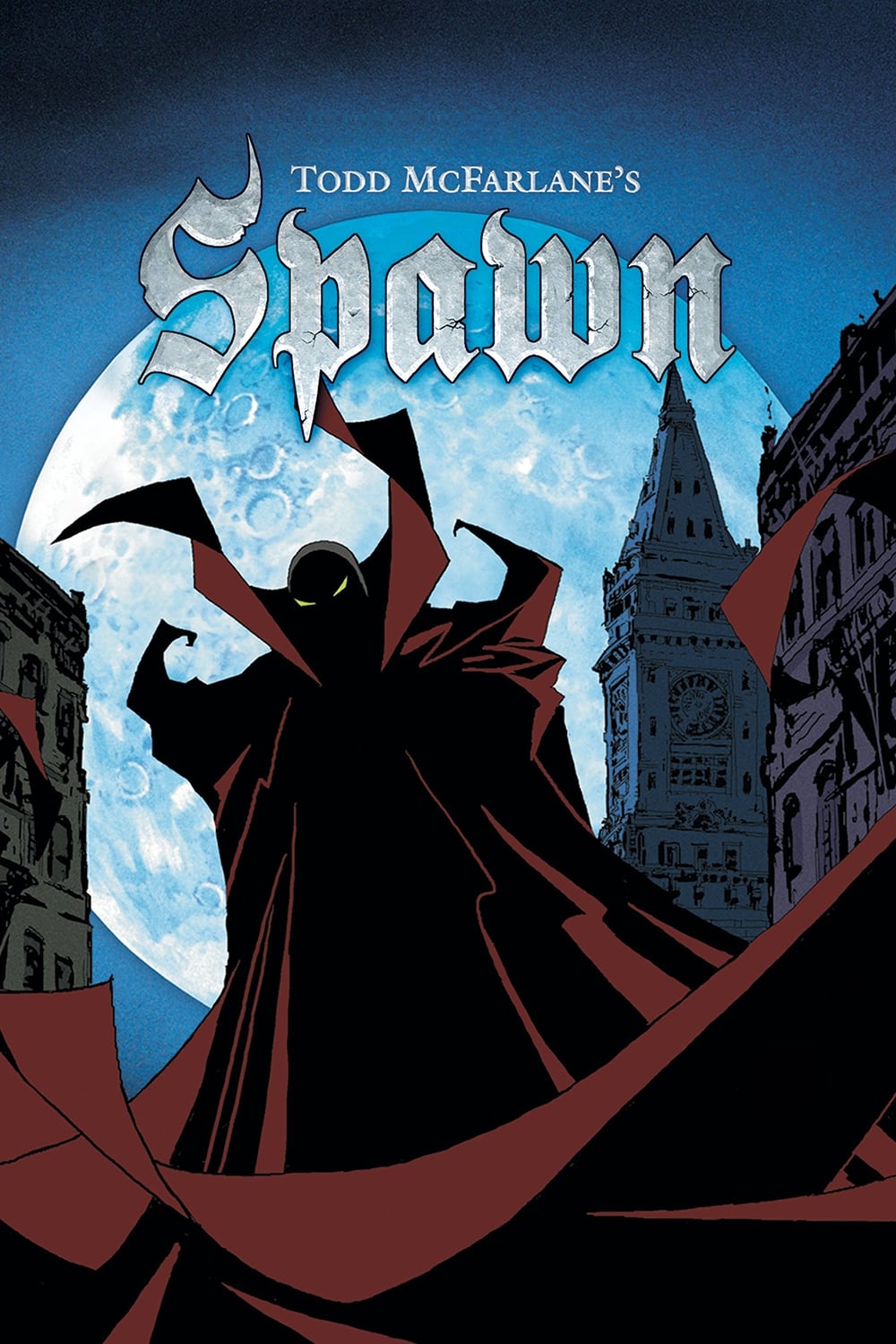
A government assassin, brought back from the dead, initially appears destined to lead a demonic army. However, he unexpectedly turns against them and fights for good. While the special effects for his suit and cape aren’t bad for the era, the villain, Malebolgia, looks quite unfinished. This massive demon ruler of hell appears like a rough, early-stage video game model with blurry textures, and his lip-syncing is noticeably off. The climactic battle takes place in a visually chaotic and confusing hellscape.
‘Anaconda’ (1997)

A movie crew filming a documentary in the Amazon is captured by a hunter obsessed with finding a massive, legendary snake. The film uses a combination of physical puppets and computer-generated imagery to create the snake, but the digital version moves in unrealistic ways – it’s incredibly fast, doesn’t obey the laws of physics, and often glows unnaturally. Viewers noticed a noticeable difference between the look of the puppet and the computer-created snake, which was distracting.
‘Air Force One’ (1997)
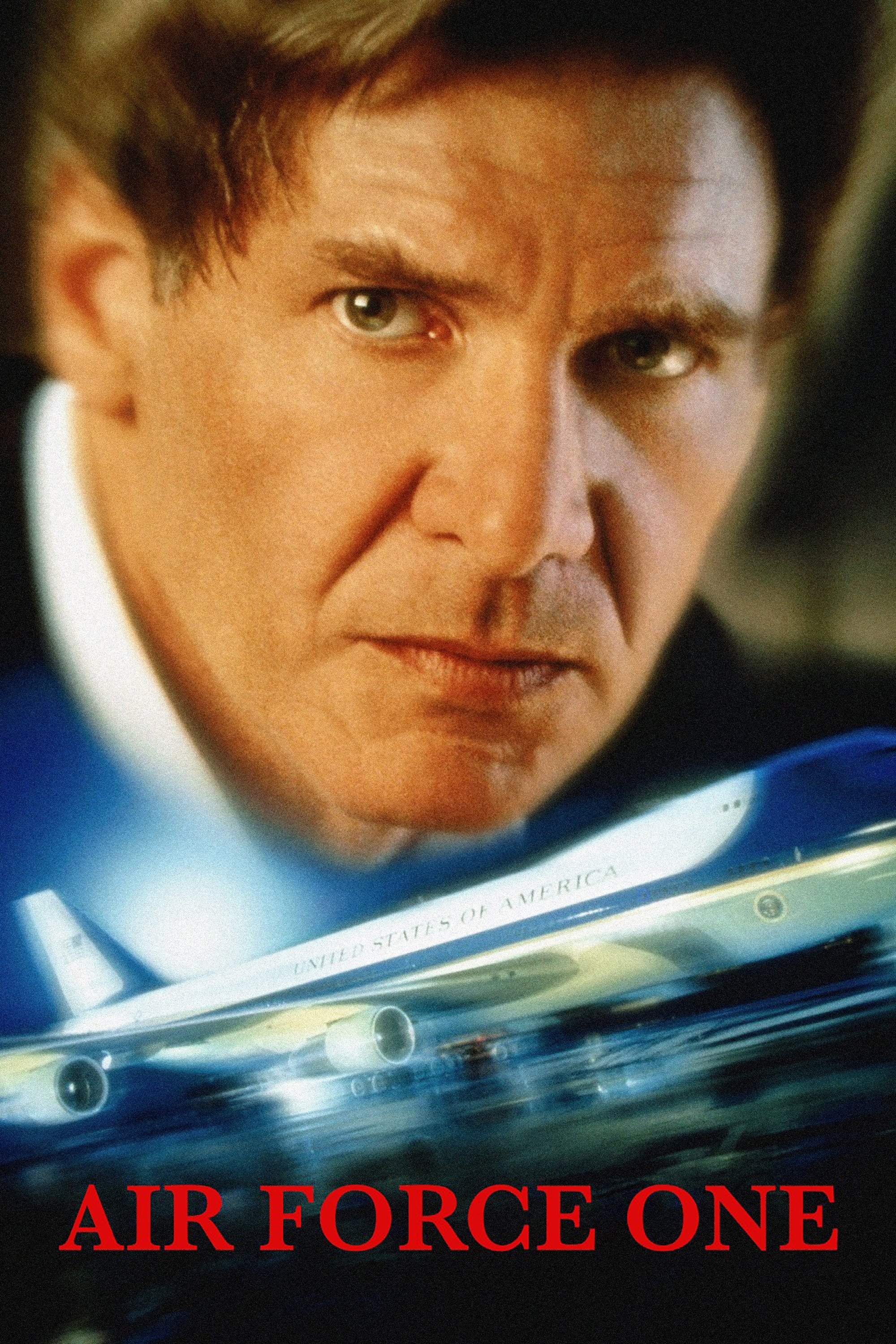
Harrison Ford stars as the President in a thriller where he battles terrorists aboard Air Force One. The movie keeps you on the edge of your seat until the dramatic climax: a plane crash. However, the crash itself feels underwhelming. The impact with the water doesn’t look convincing, appearing more like a painted image than a realistic event. This final scene is still remembered for being poorly done, especially for such a big-budget film.
‘Mortal Kombat: Annihilation’ (1997)
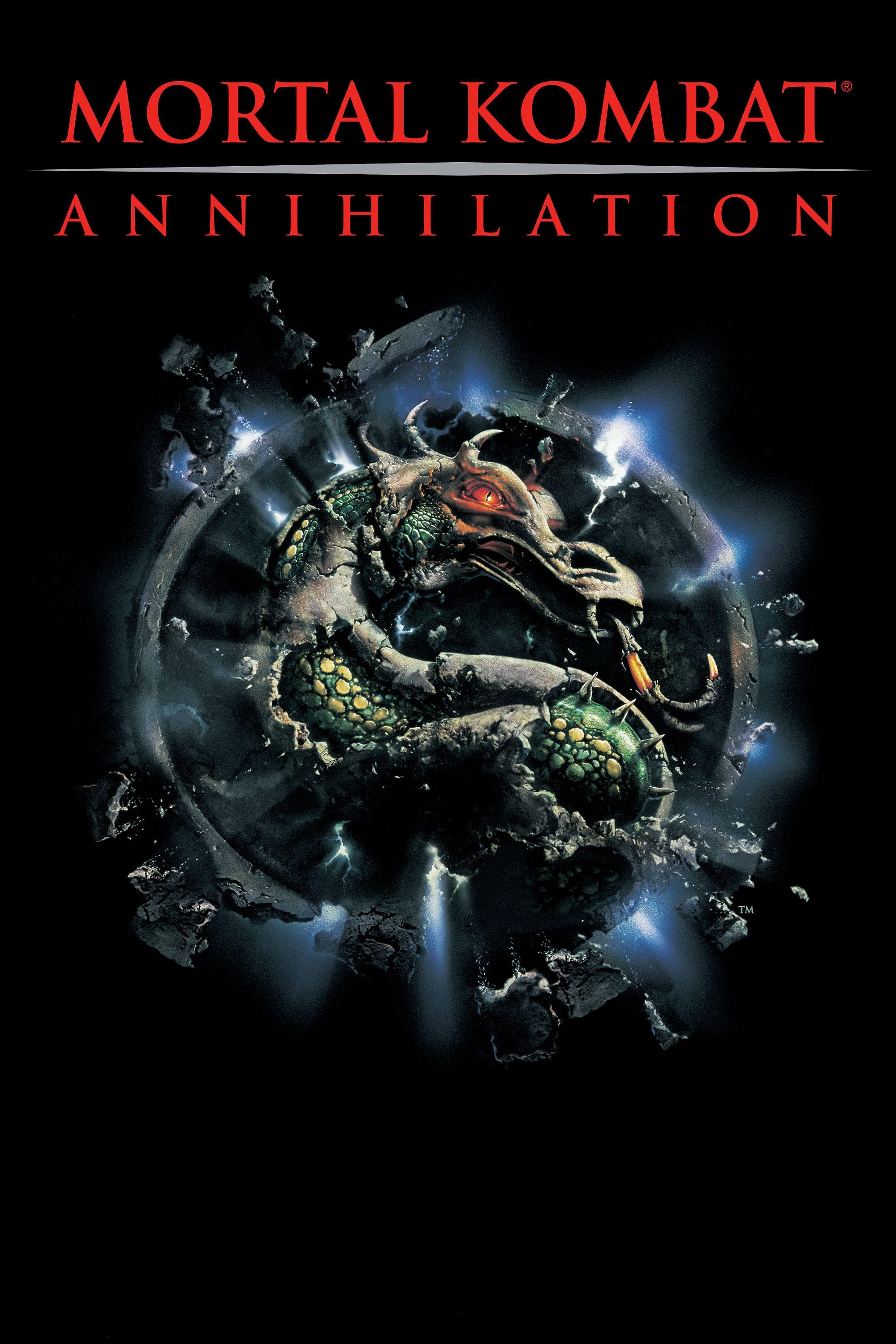
The new fighting game movie tries to pack in even more characters and fights, but feels rushed. One fight, featuring Liu Kang against the Hydra, looks incomplete, and the final battle, where the villain becomes a giant digital monster, suffers from awkward movement. Compared to the first movie, fans found the quality noticeably lower, with effects that seem unfinished and don’t quite blend with the live action.
‘Lost in Space’ (1998)
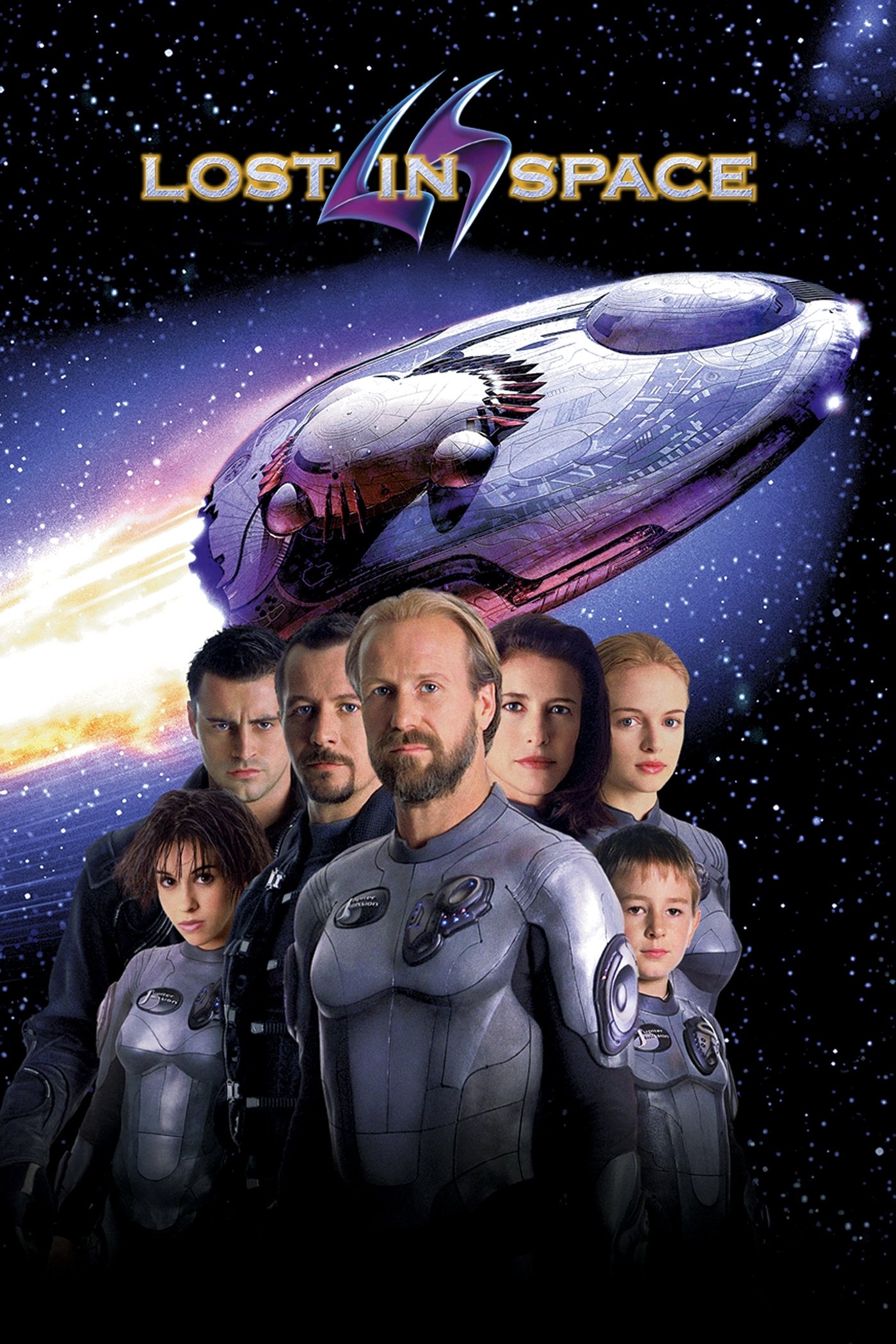
The Robinson family’s space adventure takes a disastrous turn when they meet Blawp, a strangely artificial-looking alien primate created with computer graphics. Blawp’s rubbery appearance doesn’t feel realistic, and the scenes with the actors and this digital creature come across as stiff and unconvincing. Ultimately, the character’s design clashed with the overall mood of the story.
‘Deep Blue Sea’ (1999)
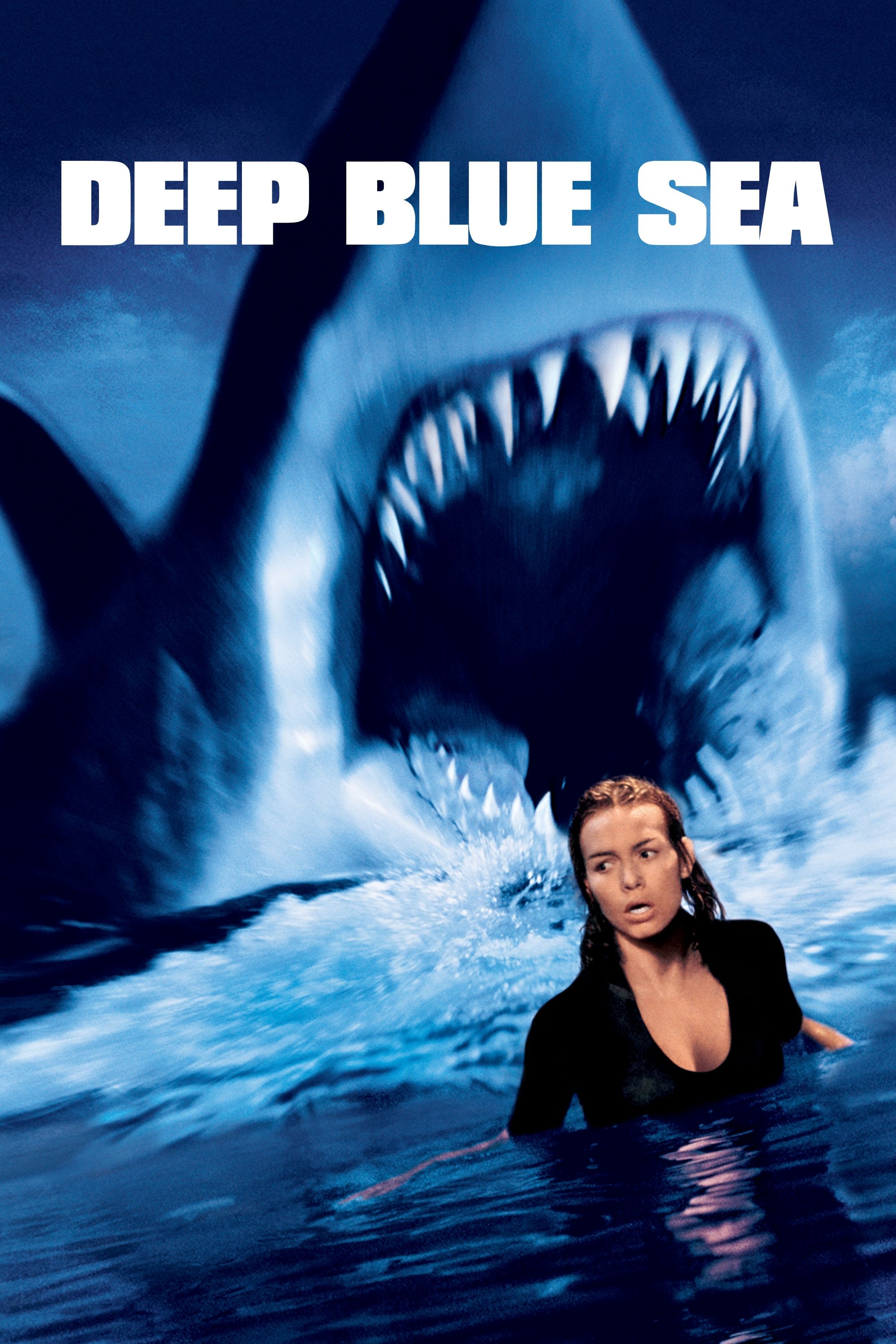
A group of scientists are terrorized by sharks that have been genetically engineered to be more intelligent. One particularly memorable scene features a shark jumping out of the water to attack someone while they’re talking. However, the shark’s visual effects are noticeably poor – it looks stiff and artificial, and the water splashes around it are flat and pixelated. The scene gained notoriety for its surprising impact, not its realistic visuals.
‘The Mummy Returns’ (2001)
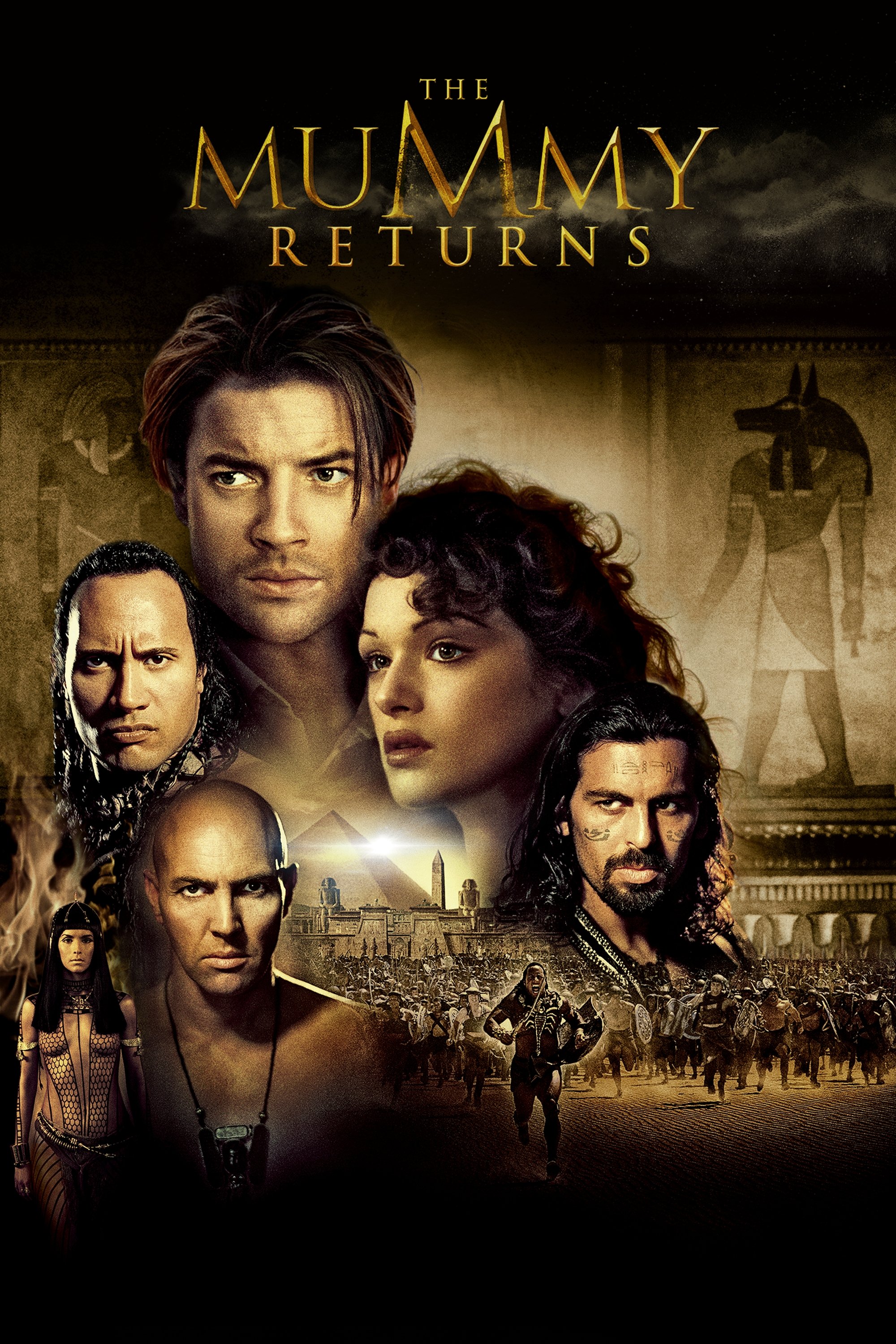
Rick and Evelyn O’Connell embark on a desperate mission to rescue their son and prevent an ancient evil from rising. The story culminates in a showdown with the Scorpion King, a creature brought to life with early CGI featuring Dwayne Johnson’s face and a scorpion’s body. Unfortunately, the digital effects haven’t aged well – the actor’s face appears unnatural and the creature’s lighting doesn’t fit the scene. It’s become famous as one of the worst CGI creations in big-budget movie history.
‘Blade II’ (2002)
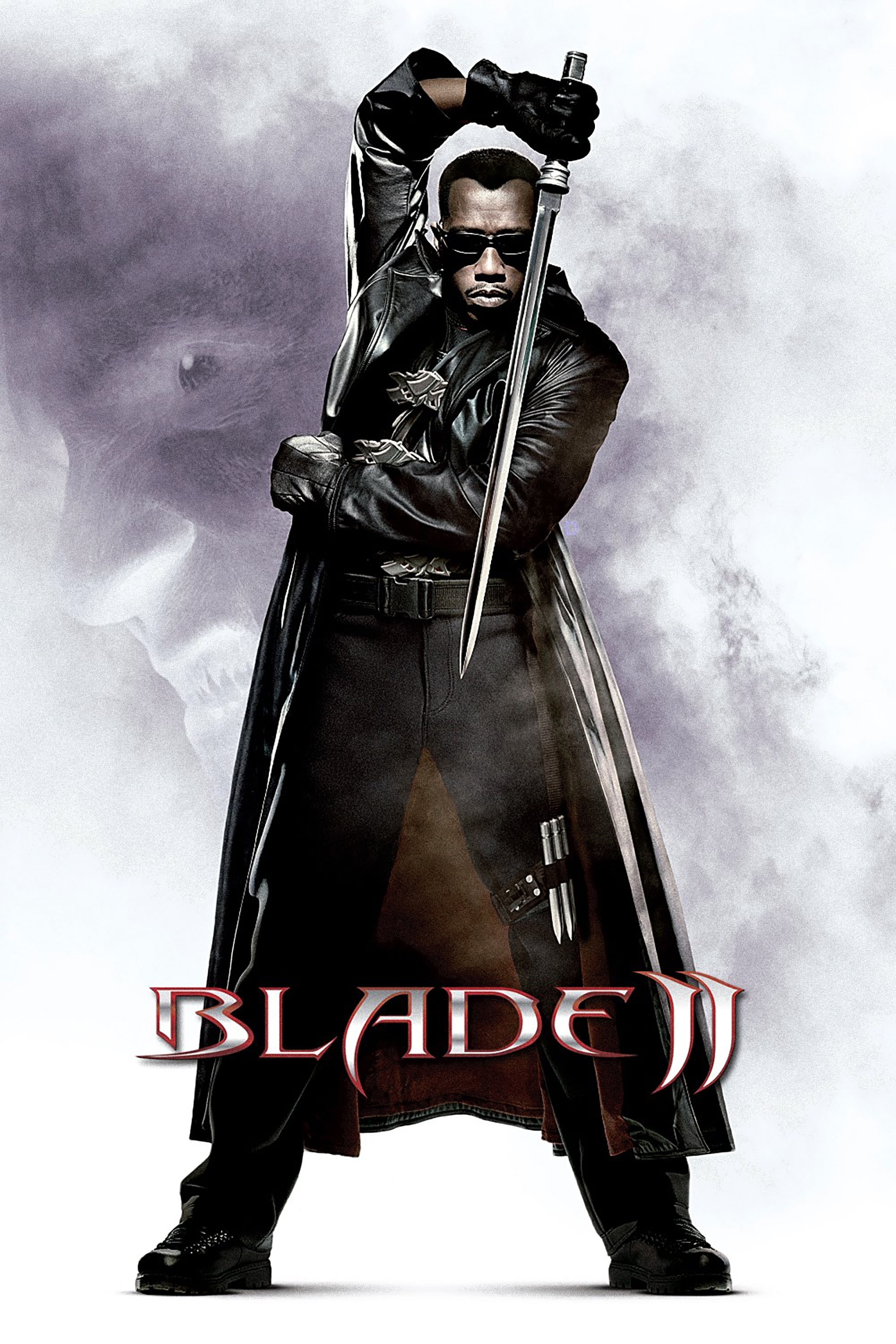
In the action film Blade, the vampire hunter joins forces with a skilled team of vampires to battle a dangerous new type of super-vampire. Director Guillermo del Toro relied on digital versions of the actors for some of the more challenging stunts. However, these digital doubles don’t move quite like real people, appearing somewhat unnatural and rubbery. The noticeable difference between the actors and their digital counterparts, especially during jumps and landings, can be distracting and pulls you out of the movie.
‘Die Another Day’ (2002)
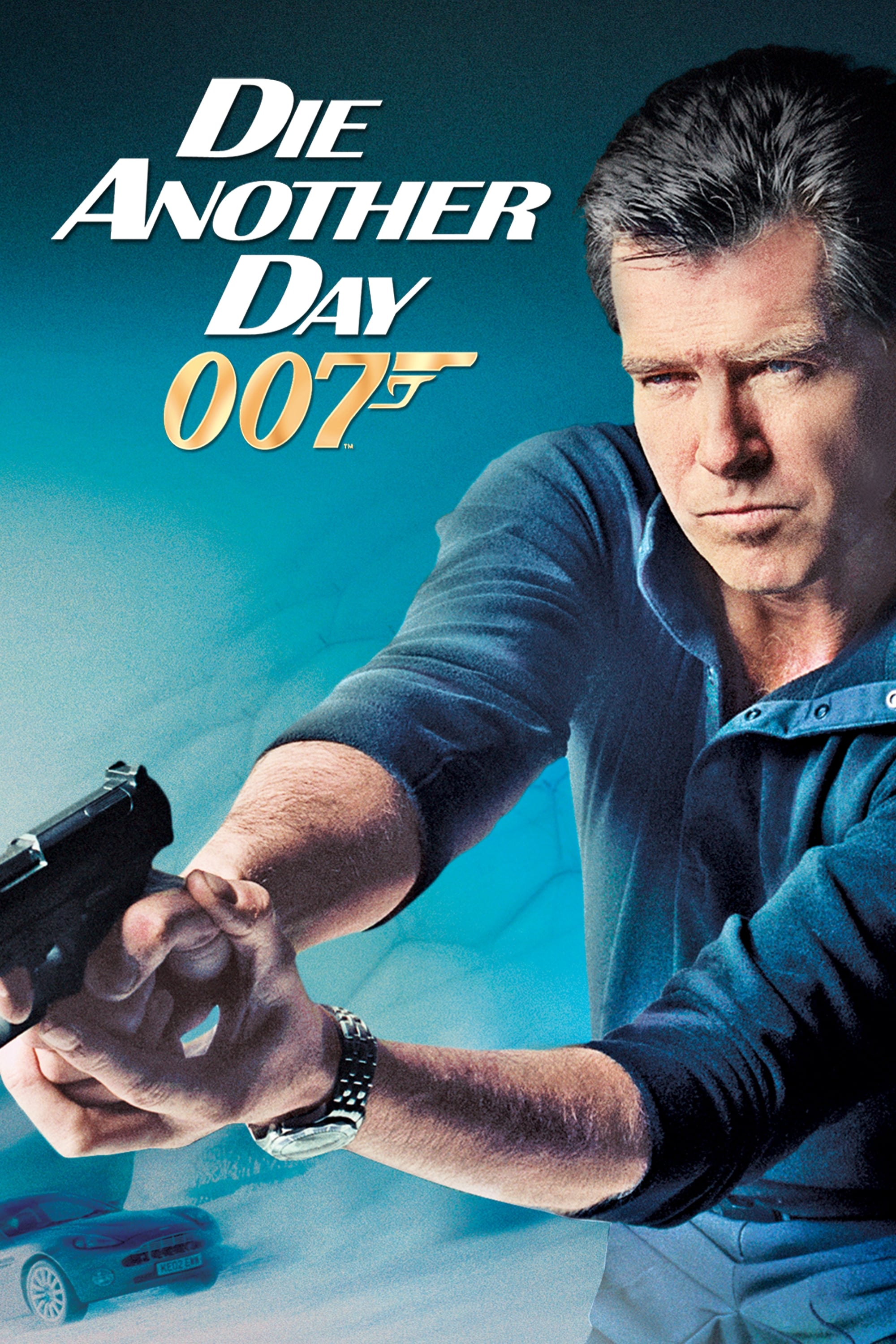
James Bond attempts to thwart a North Korean terrorist who plans to use a weapon controlled by satellite. In a memorable, though often criticized, action sequence, Bond surfs a huge tsunami – created by a glacier breaking apart – using a parasail and even a car door. However, the special effects in this scene are noticeably artificial; the lighting on Bond doesn’t quite fit with the icy environment, and the wave itself looks unrealistic. Many fans consider this moment to be when the Bond films became overly exaggerated and cartoon-like.
‘Scooby-Doo’ (2002)
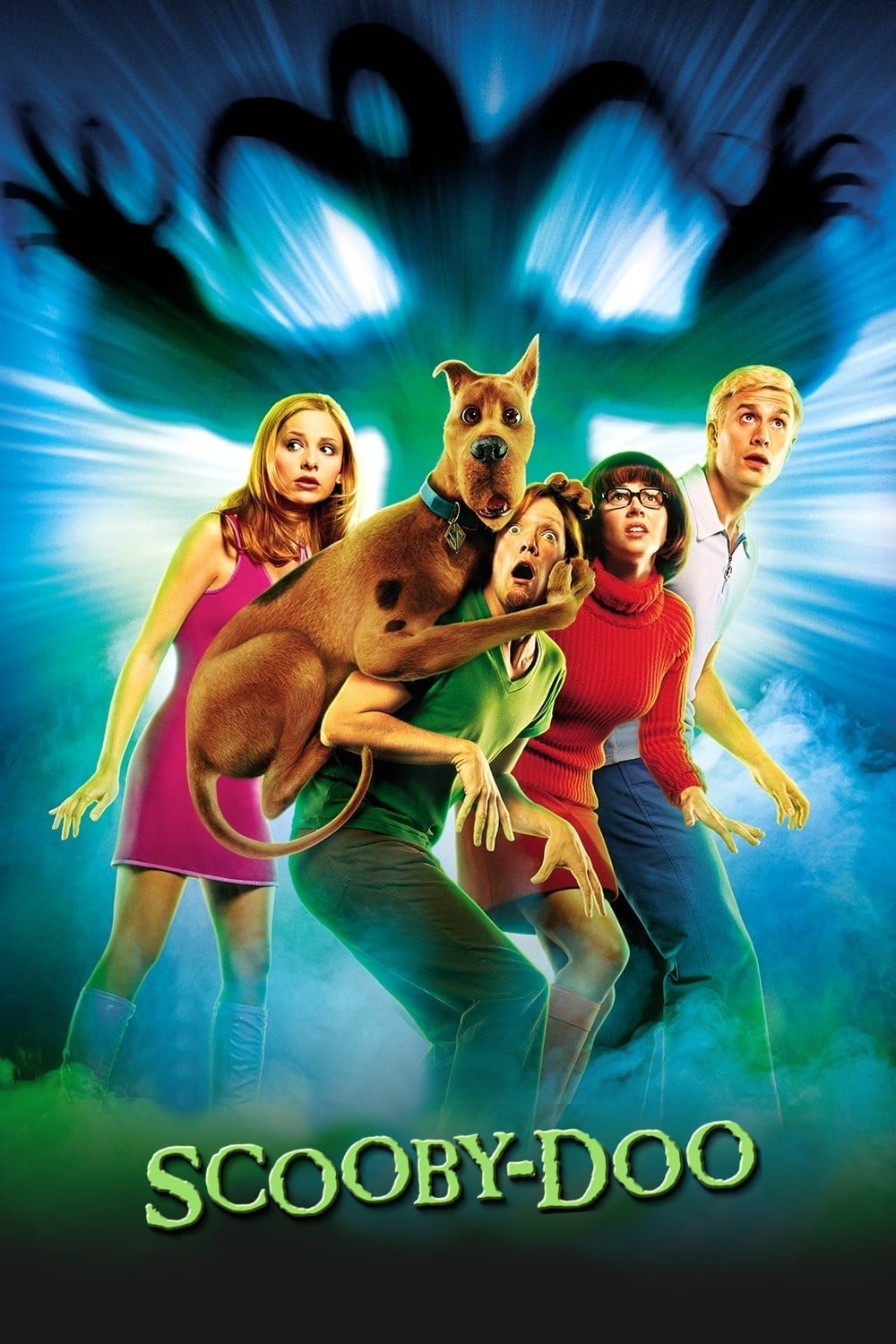
Okay, so I just saw the new Scooby-Doo movie, and honestly, it was a bit of a mixed bag. The gang gets together to solve a mystery at this spooky resort, which sounds fun, right? But the way they did Scooby… it was weird. He’s completely computer-generated, and while he’s interacting with real actors, it just doesn’t quite work. He often looks like someone just stuck a cartoon image on top of the live footage – his fur felt flat, and the lighting never really matched what was happening around him. It wasn’t just Scooby either; all the monsters had this really artificial look to them. It kind of took me out of the movie, to be honest.
‘Hulk’ (2003)
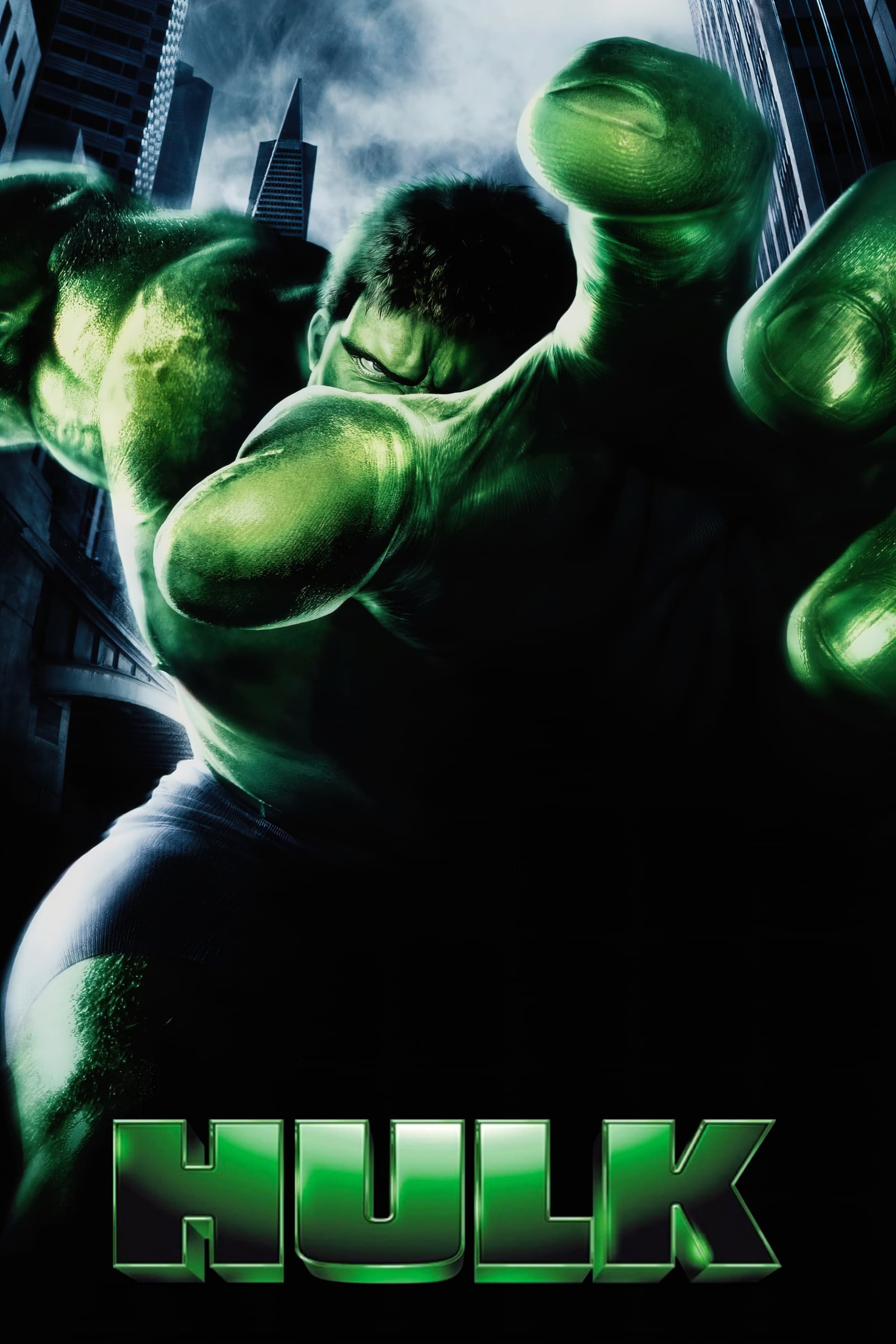
Ang Lee’s film tells the story of how a scientist becomes the Hulk, a giant green monster triggered by anger. The Hulk’s size fluctuates throughout the movie, and his appearance is often rubbery and unrealistic, almost like a balloon. His incredible jumps defy the laws of physics, covering vast distances. Many viewers found it difficult to feel a connection with the character, as he appears to be entirely computer-generated.
‘Spy Kids 3-D: Game Over’ (2003)
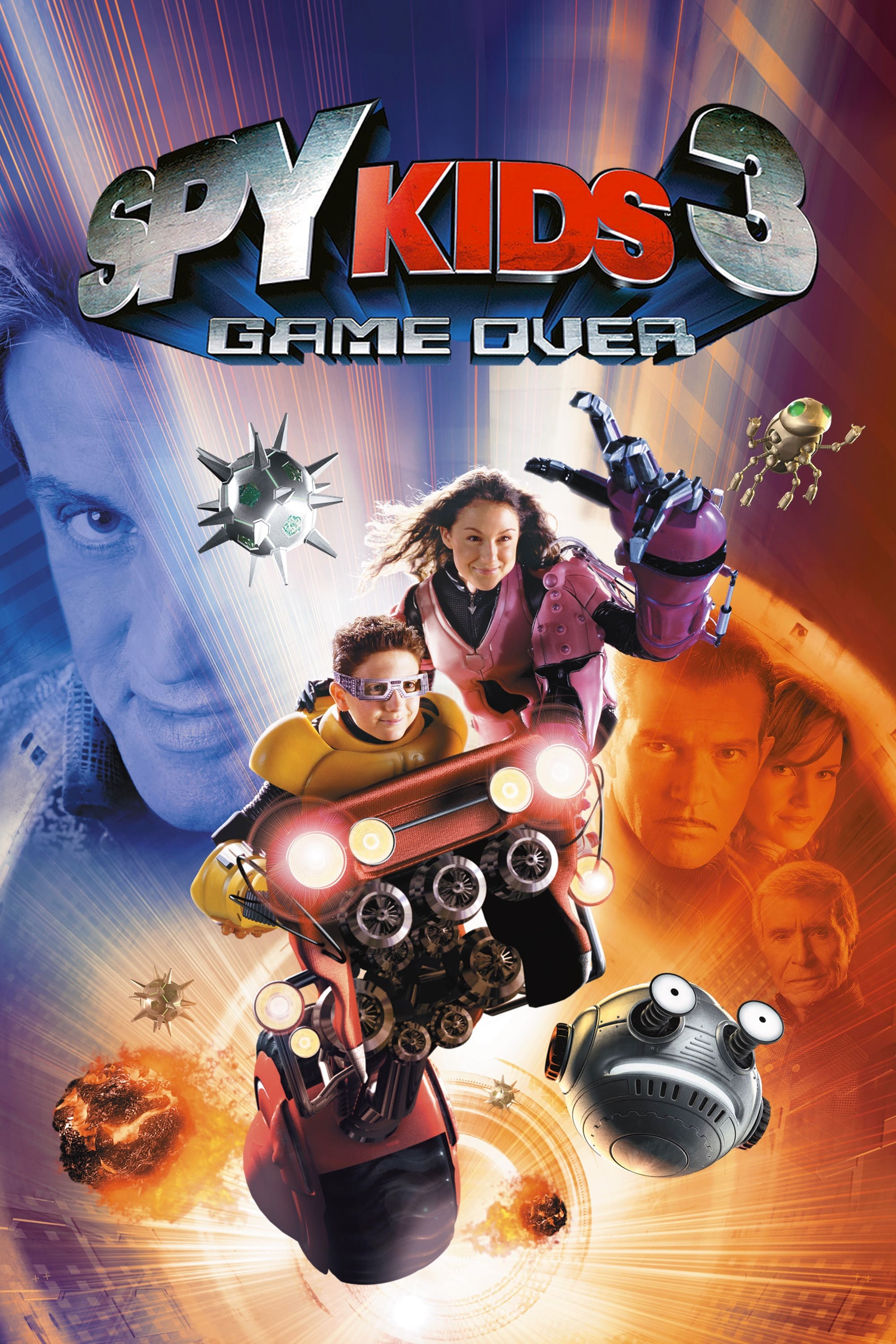
I recently watched a movie about Juni Cortez who has to go inside a video game to rescue his sister from the bad guy. It was a really strange experience because the whole thing takes place in this digital world made of basic shapes and flat colors. Honestly, it looked like the actors were just floating in front of green screens – they didn’t seem to actually interact with anything around them. They were going for a video game look, but it ended up being kind of dizzying and the special effects haven’t aged well, even for when the movie came out.
‘Catwoman’ (2004)
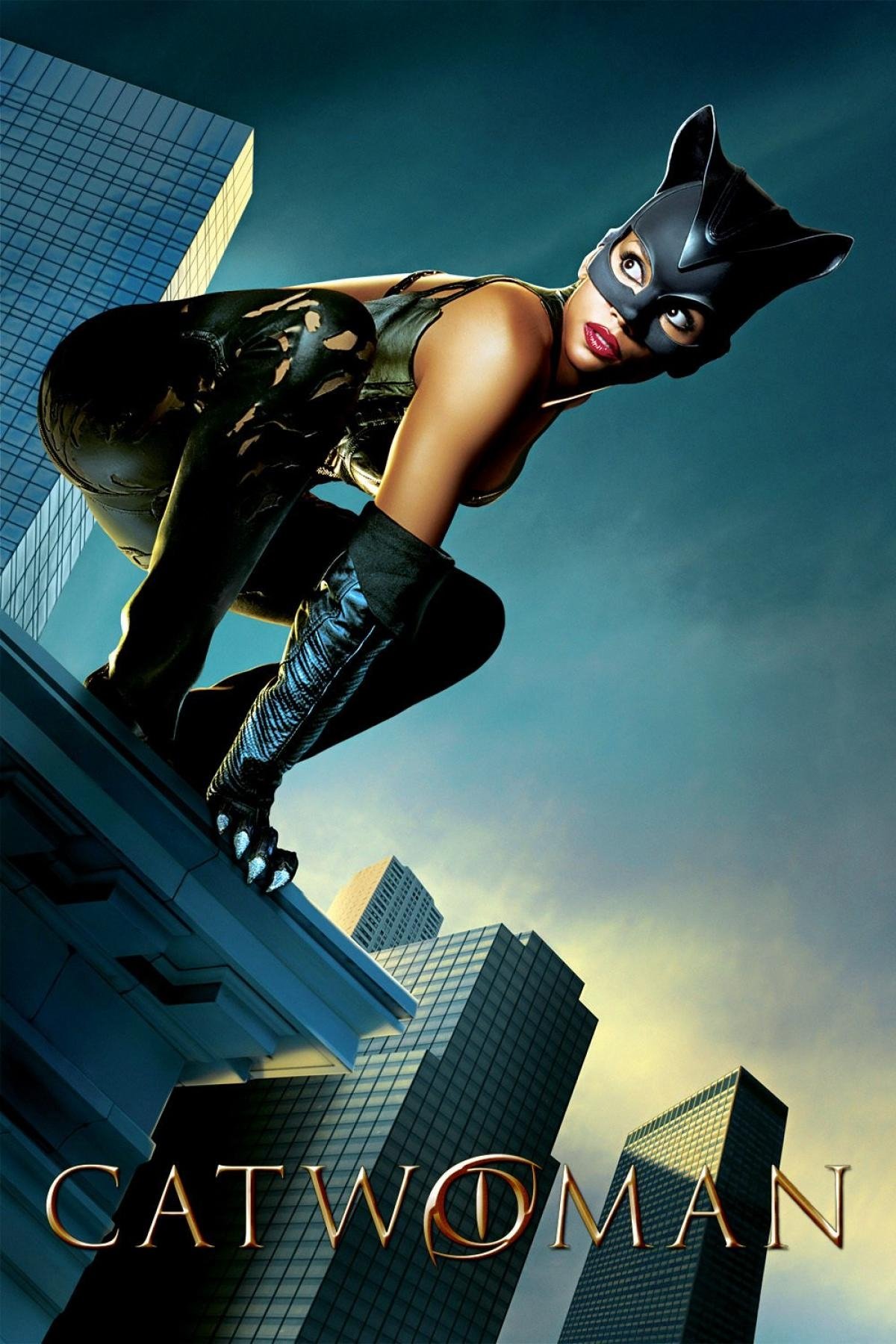
A quiet graphic designer gets incredible, cat-like powers after a near-death experience. To show her doing acrobatic stunts, the movie uses a digital copy of the main character. However, these scenes feature a noticeably unrealistic character model – it doesn’t look quite human and moves in a jerky, unnatural way, like a floppy doll. Attempts to disguise this with blurring effects don’t really work, and reviewers heavily criticized the film for these unconvincing action sequences.
‘Van Helsing’ (2004)
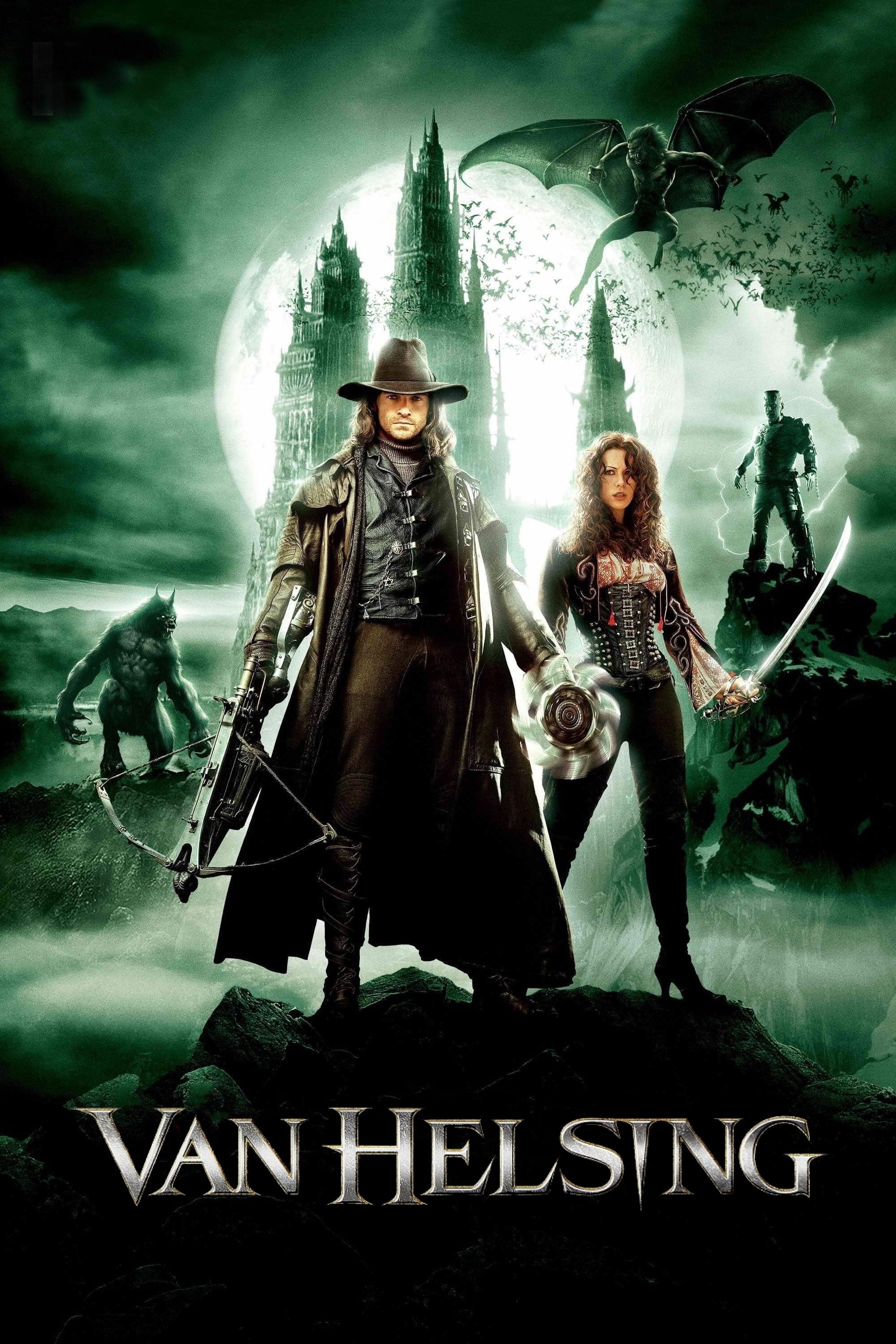
A renowned monster hunter journeys to Transylvania to confront Dracula and his wives. The movie relies heavily on computer-generated creatures, including werewolves and vampires. When characters transform, their skin unnaturally stretches and rips, appearing artificial. The resulting werewolves look flimsy and aren’t as frightening as those created with traditional effects. The overuse of CGI gives the film a video game feel, making it harder to feel truly scared.
‘A Sound of Thunder’ (2005)

A movie about time travel goes wrong when tourists change the past, causing strange evolutionary creatures to appear in the present. Unfortunately, the film ran out of funding during editing, leaving many special effects incomplete. This is noticeable in scenes where dinosaurs appear in cities without proper shadows, and actors are obviously walking on moving walkways in front of cheap-looking backgrounds. Because of these issues, the movie was a major commercial failure.
‘Son of the Mask’ (2005)
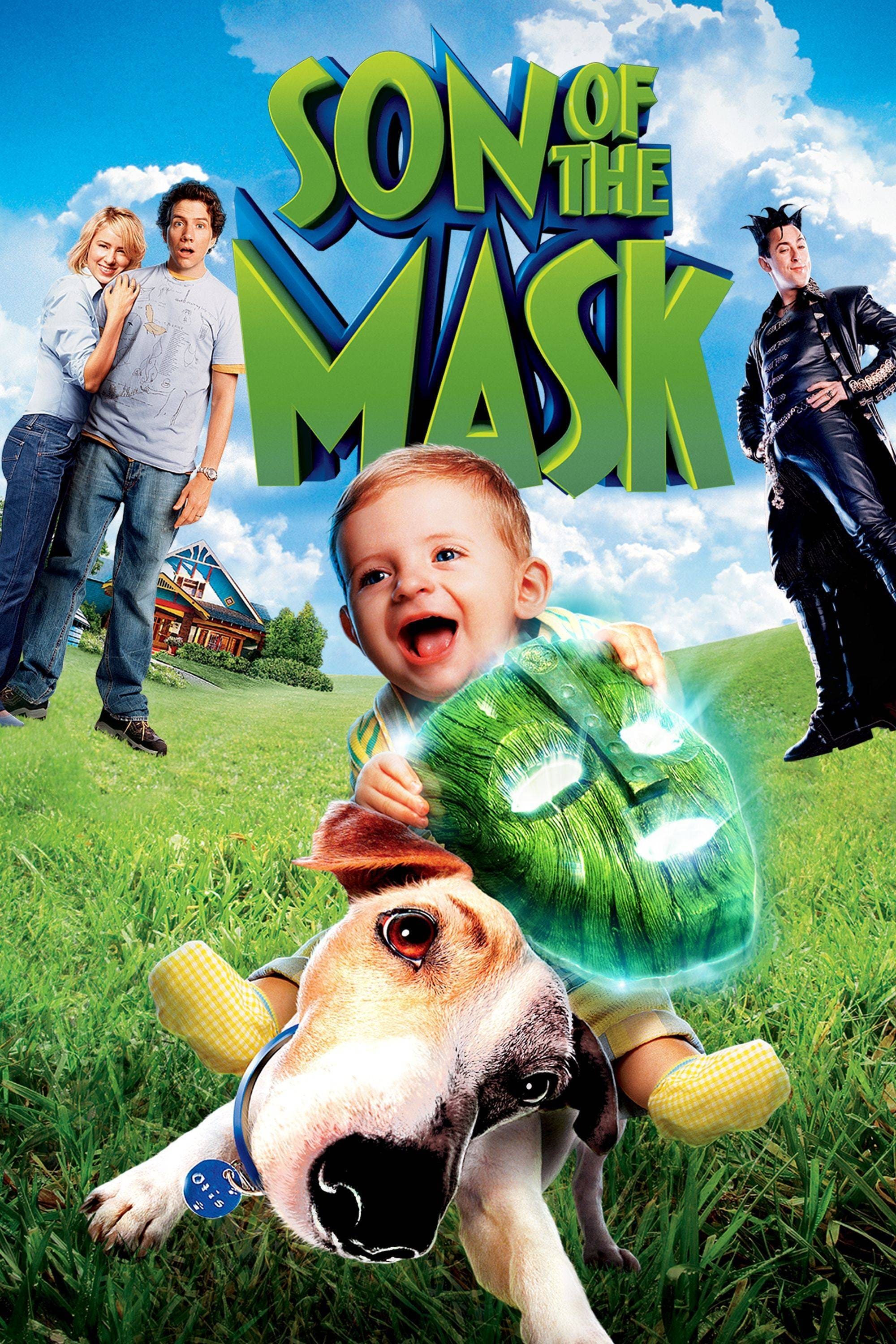
This movie continues the story with a baby born possessing the powers of a magical mask. The baby uses these powers to shapeshift into exaggerated, cartoon-like forms created with unsettling computer effects. Unfortunately, the animation looks unnatural and creepy rather than amusing, falling into the ‘uncanny valley.’ Even the scenes with the family dog feel awkward. The film attempts to generate humor solely through these jarring visual effects.
‘Ultraviolet’ (2006)
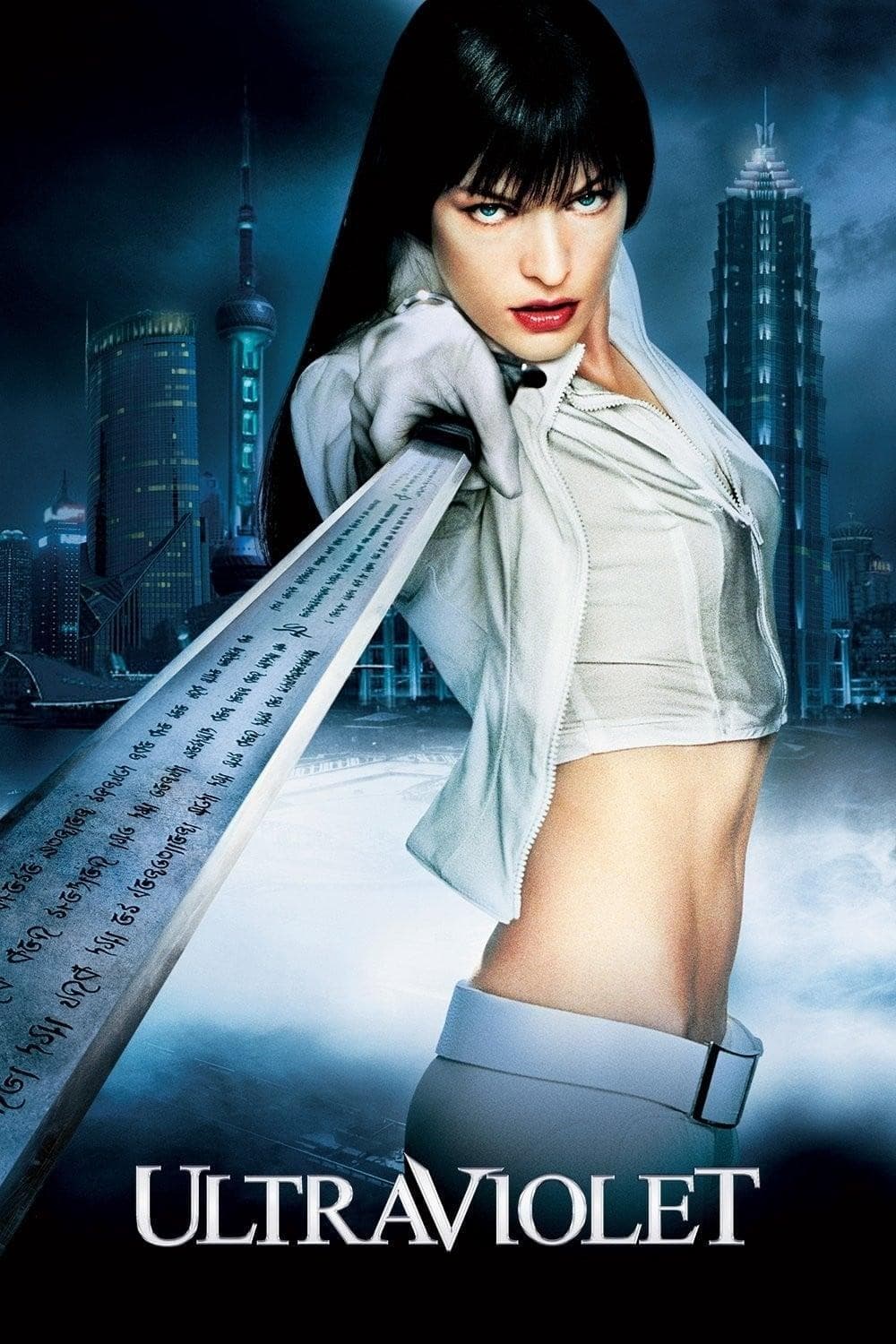
In a future world, a super-soldier safeguards a young boy. The film has a very stylized look, created through extensive visual effects that give the actors’ skin an almost artificial, plastic quality. One action sequence, a motorcycle chase, features incredible stunts that resemble rough drafts of animated scenes. The environments often feel flat and artificial, resembling painted backdrops rather than realistic locations.
‘I Am Legend’ (2007)
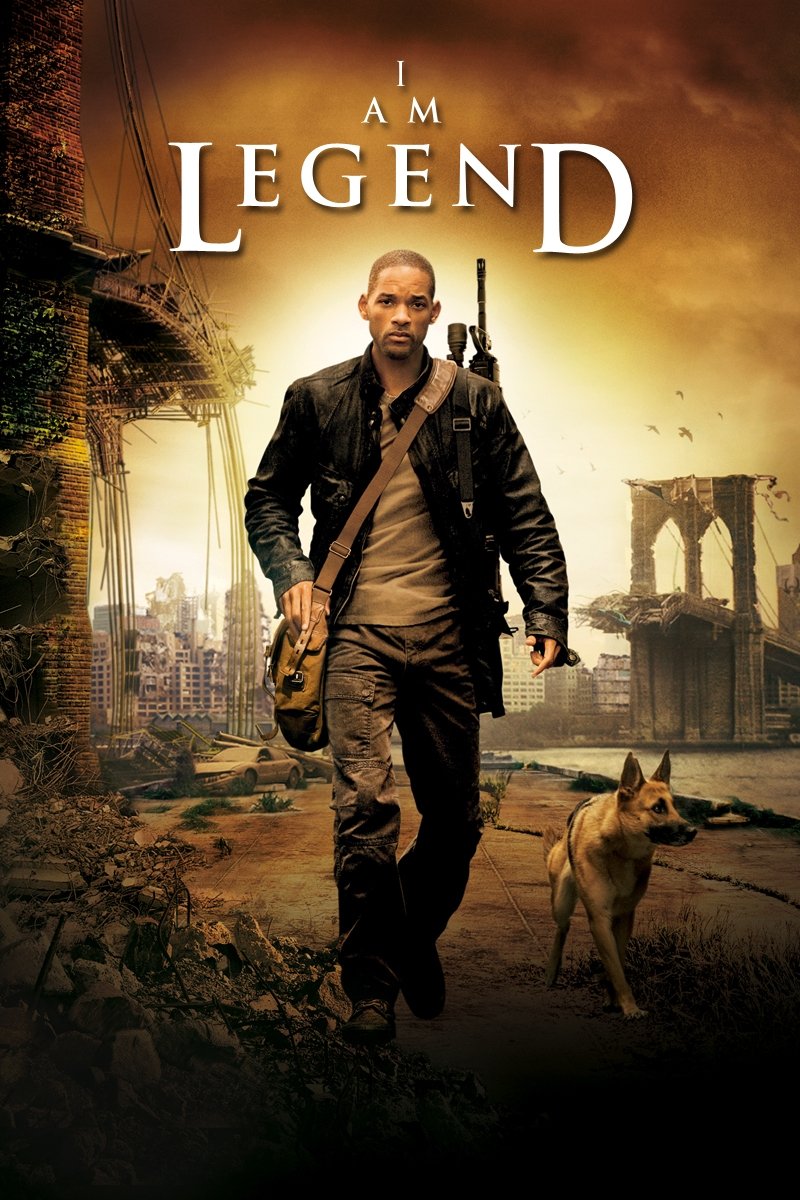
In a deserted New York City, a lone scientist struggles to survive among creatures infected with a strange mutation. The director opted for computer-generated effects to create the monsters, rather than using traditional makeup. These infected beings have exaggerated features – stretching jaws and see-through skin – giving them a somewhat cartoonish appearance. They move quickly and smoothly, but lack the solid presence of real bodies. Unfortunately, the artificial look of the monsters clashes with the otherwise realistic depiction of the abandoned city.
‘Indiana Jones and the Kingdom of the Crystal Skull’ (2008)
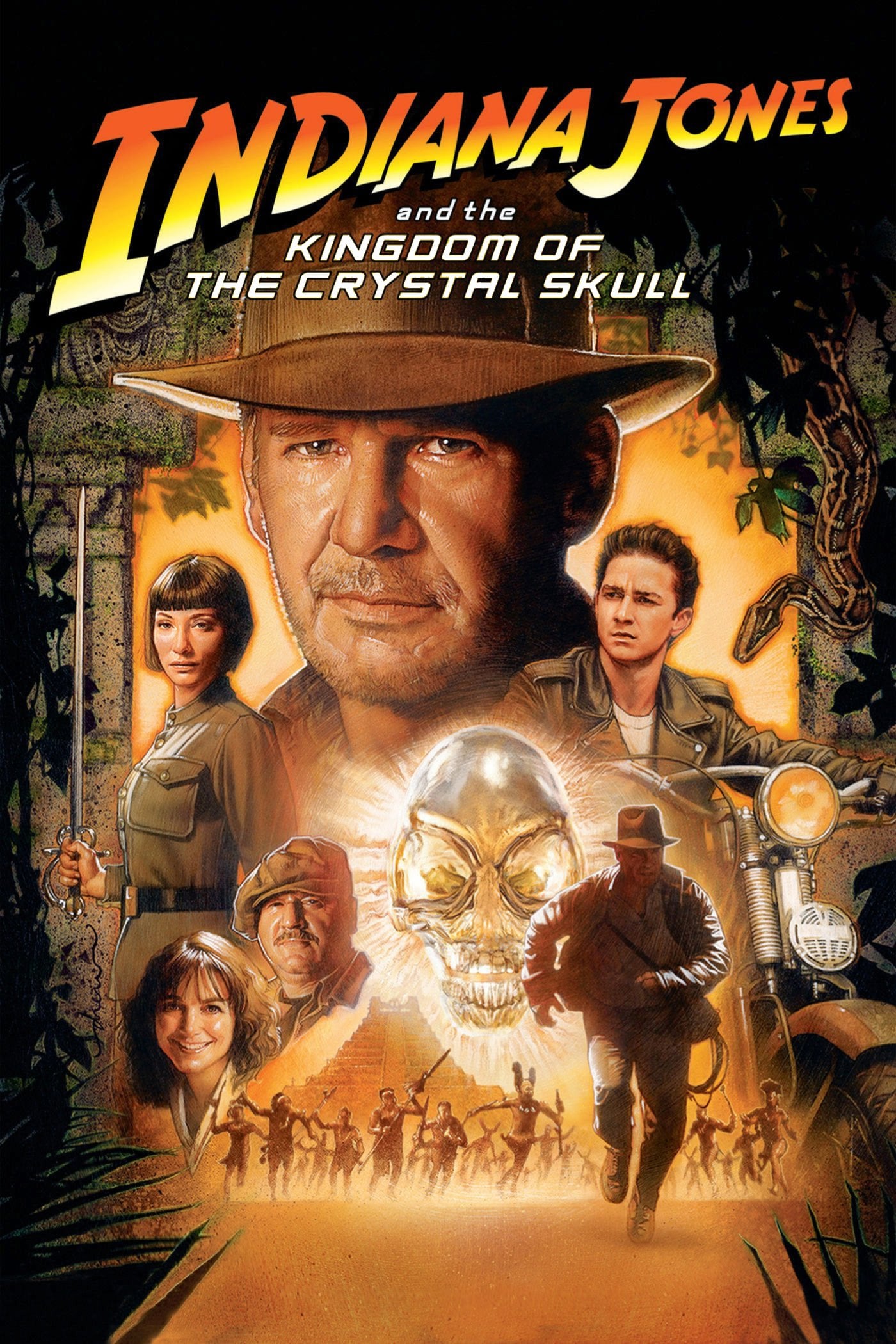
A well-known archaeologist is back, this time investigating a mystery surrounding alien skulls. However, the movie relies too heavily on computer-generated animals like monkeys and gophers. One particularly jarring scene shows Shia LaBeouf swinging through the jungle with a group of these digital monkeys, and the special effects—especially the lighting and movement—look obviously fake. Many fans were disappointed that the film moved away from the realistic, practical stunts that made the original movies so popular.
‘X-Men Origins: Wolverine’ (2009)
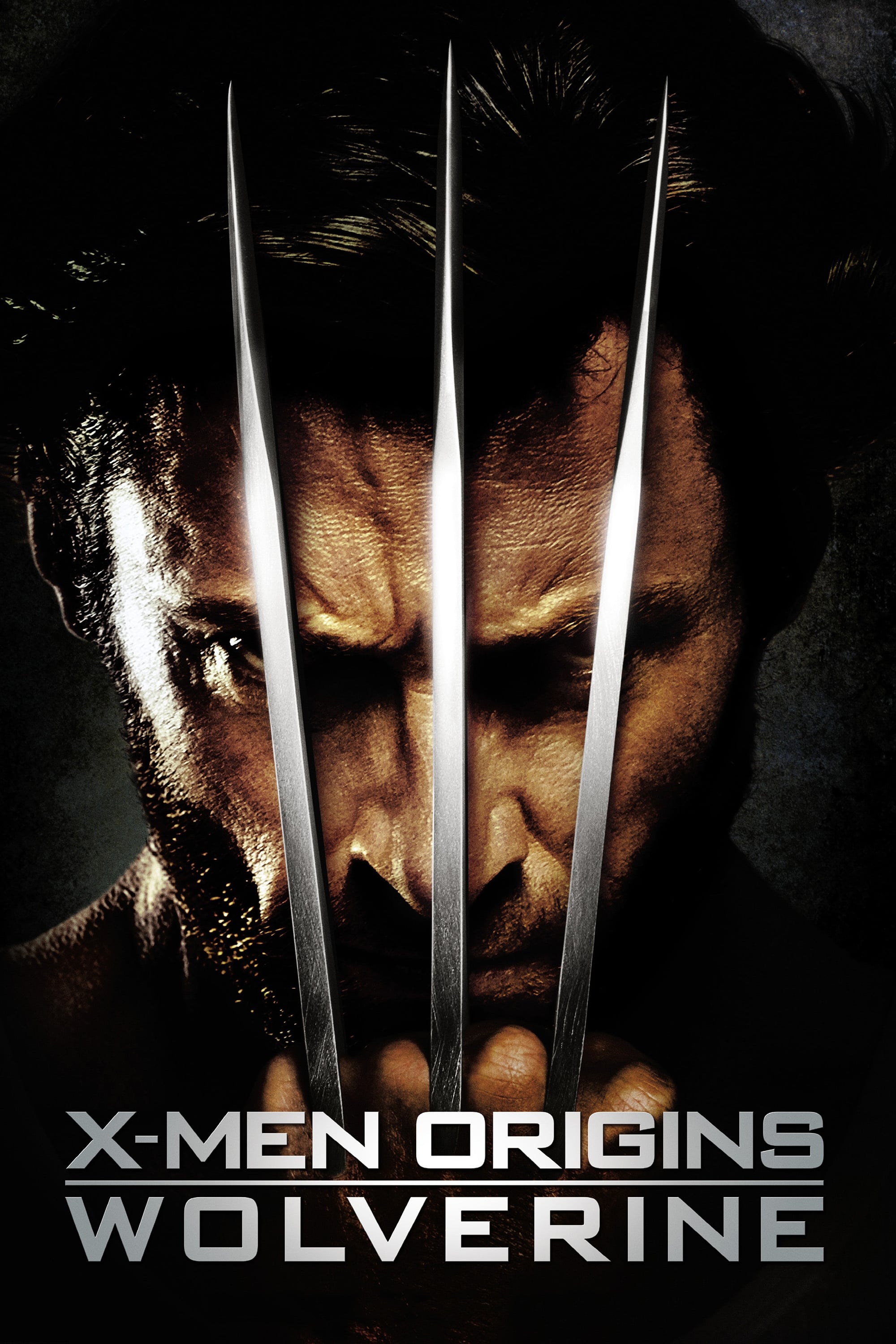
This X-Men prequel follows Logan as he tries to get revenge on his brother. Unlike earlier movies, this film used computer-generated claws instead of physical ones, and the effect doesn’t quite work. The digital claws often look artificial and don’t seem properly attached to the actor’s hands. In one bathroom scene, they even appear flat and lack any realistic metallic shine. It’s surprising this happened, considering how much money was spent on the film.
‘Birdemic: Shock and Terror’ (2010)

This quirky independent film follows a romantic thriller plot where a town is ‘attacked’ by eagles and vultures. However, the birds are actually simple, looping GIF images that just spin and float on the screen – they don’t interact with anything happening in the movie. Even the gunfire is represented by basic clipart animations. Surprisingly, the film has become popular because of its intentionally low-budget and amateurish effects.
‘The Last Airbender’ (2010)
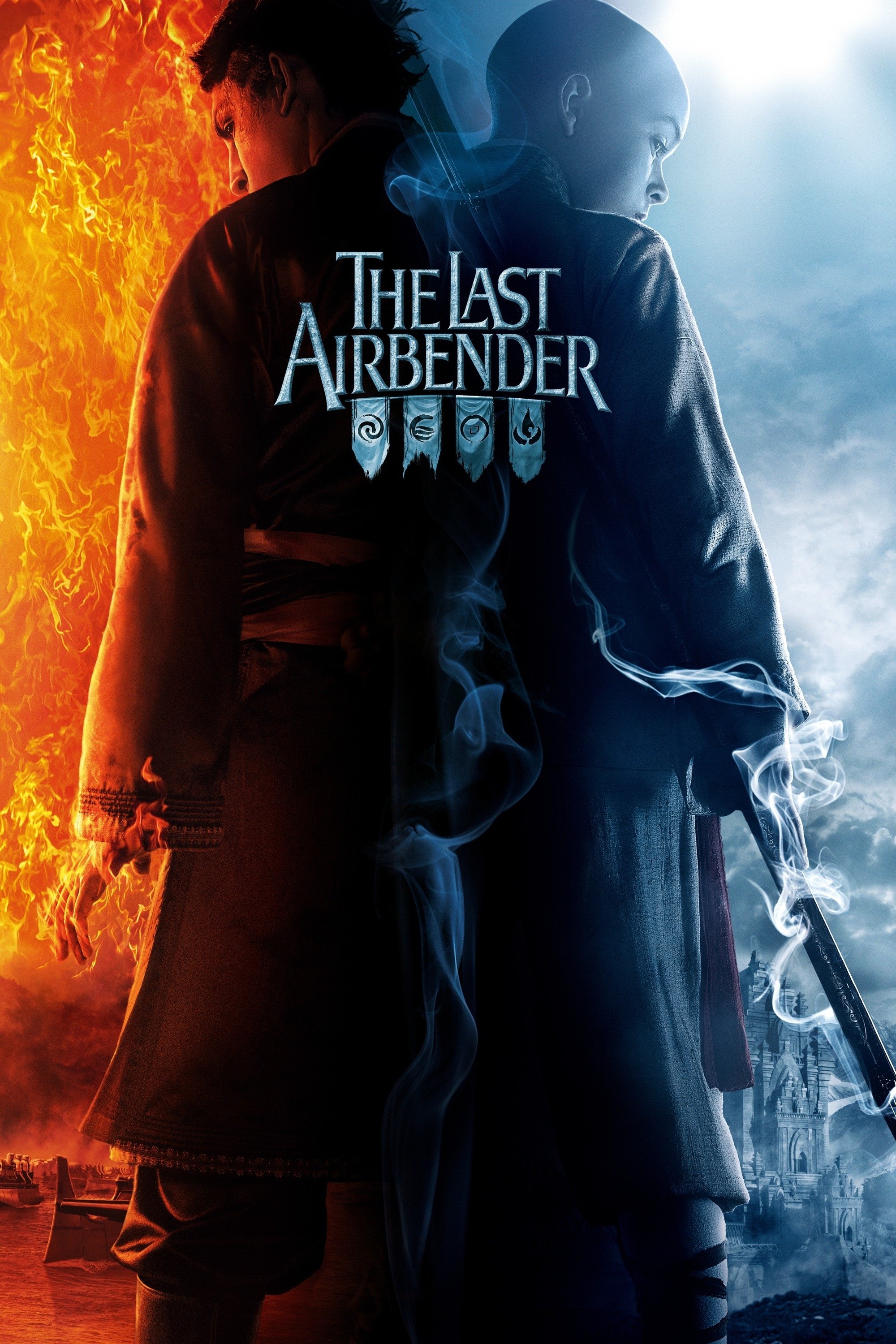
This live-action version of the popular animated show tries to recreate the art of elemental bending, but the special effects fall short. The fire and water effects appear weak and don’t feel powerful. Earthbending looks slow and gentle, with rocks floating towards characters. Even the effects for Appa, the flying bison, are dark and unclear. Overall, the show doesn’t capture the exciting energy of the original animated series.
‘Green Lantern’ (2011)
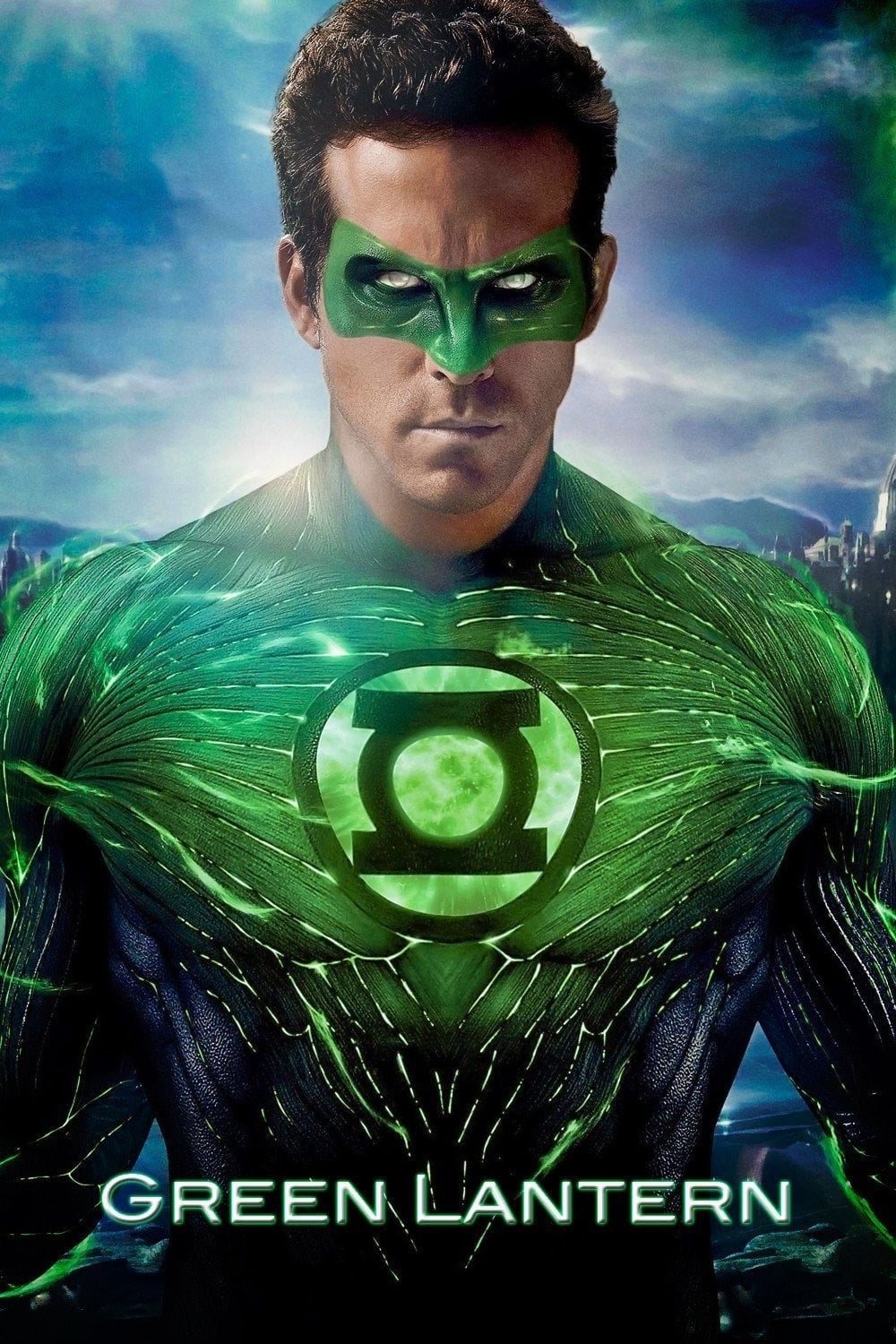
An alien artifact selects a test pilot to become part of a galactic police force. Instead of a traditional costume, the hero wears a completely computer-created suit that appears as glowing paint on their body. It doesn’t move or wrinkle like real clothing, and the mask looks like a digital image simply placed over the actor’s face. This approach was widely criticized for feeling unrealistic.
‘The Twilight Saga: Breaking Dawn – Part 2’ (2012)
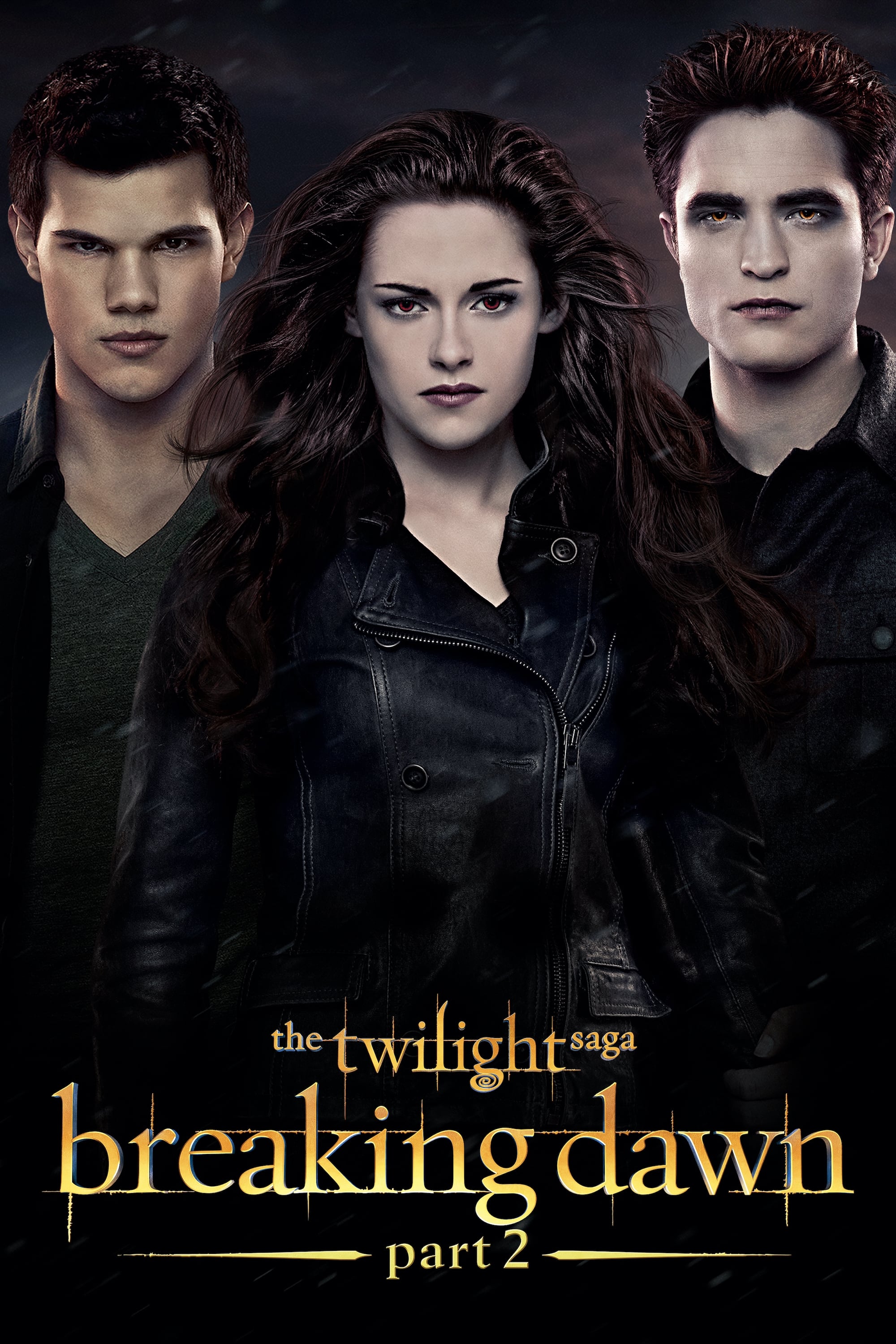
The Cullens assemble friends and family to defend their daughter from the Volturi. To show her quickly growing up, filmmakers used a digital creation for the baby, Renesmee. The resulting look – a blend of baby and teen features – proved unsettling for many who watched. The baby’s doll-like eyes and lack of expression have been called one of the most unusual visual decisions in the series.
‘Foodfight!’ (2012)

After the supermarket closes for the night, the characters advertising various brands magically come to life. Unfortunately, the movie had a difficult production, including reports that the original animation files were stolen. As a result, the animation quality is surprisingly poor – it looks like something from a very old video game. The characters move awkwardly, and their speech doesn’t match their lip movements. Plus, the busy backgrounds are visually distracting and can even make viewers feel nauseous.
‘Gods of Egypt’ (2016)
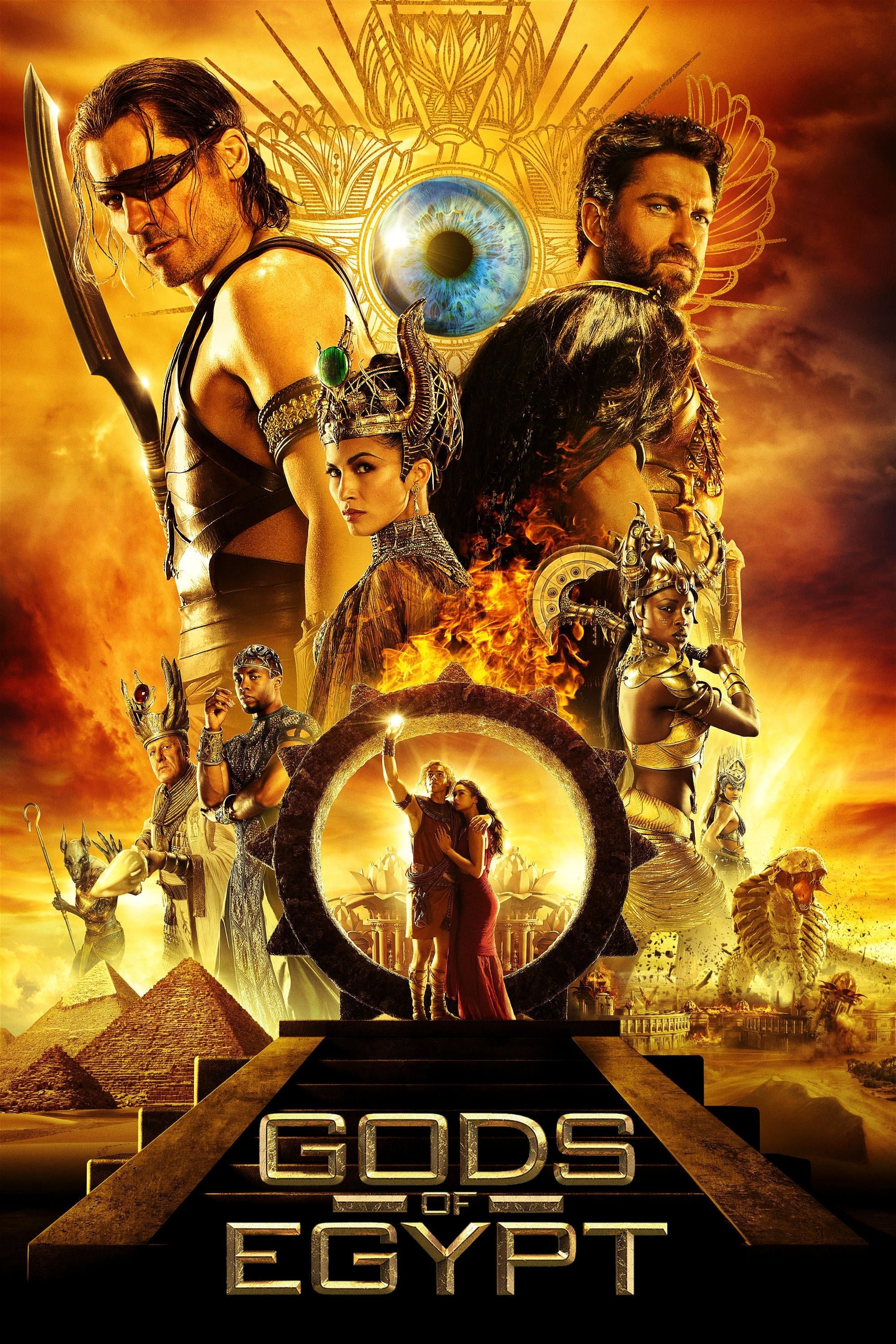
The movie follows Bek, a human hero, and the god Horus as they try to defeat Set and save the world. The gods are depicted as enormous beings who can change into metallic, armored forms. These transformations resemble flashy video game sequences, often overloaded with gold. It’s easy to notice when actors are interacting with the giant gods due to the obvious special effects, which ultimately make the visuals feel cluttered and confusing.
‘Justice League’ (2017)
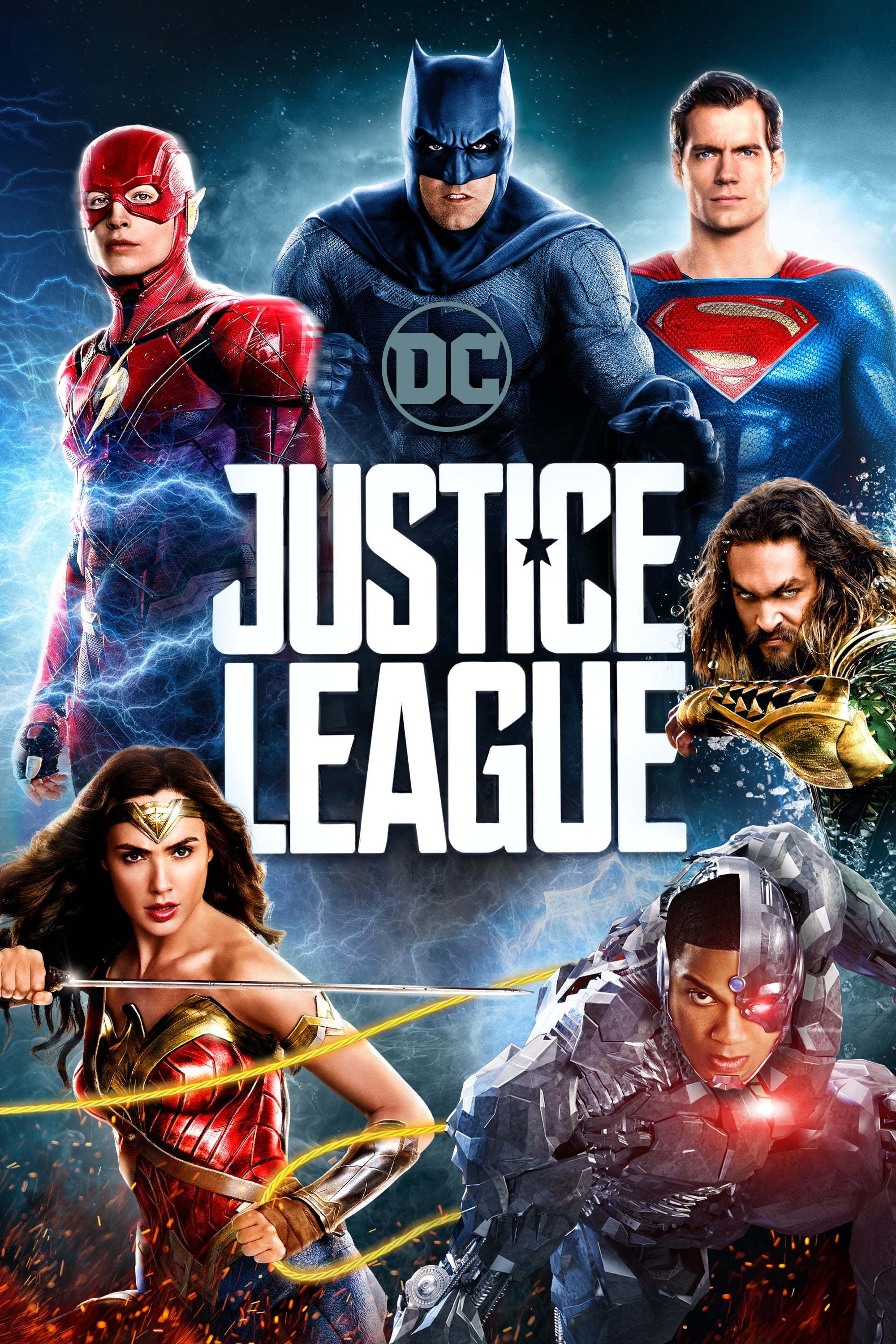
Batman and Wonder Woman gather a team of super-powered individuals to combat a worldwide danger. During filming, actor Henry Cavill had to grow a mustache for a different movie, but wasn’t allowed to shave it off for Superman reshoots. The studio used digital editing to remove the mustache, but the process made his upper lip look strange and unnatural when he spoke. This visual issue was noticeable and distracting during important scenes.
‘Black Panther’ (2018)
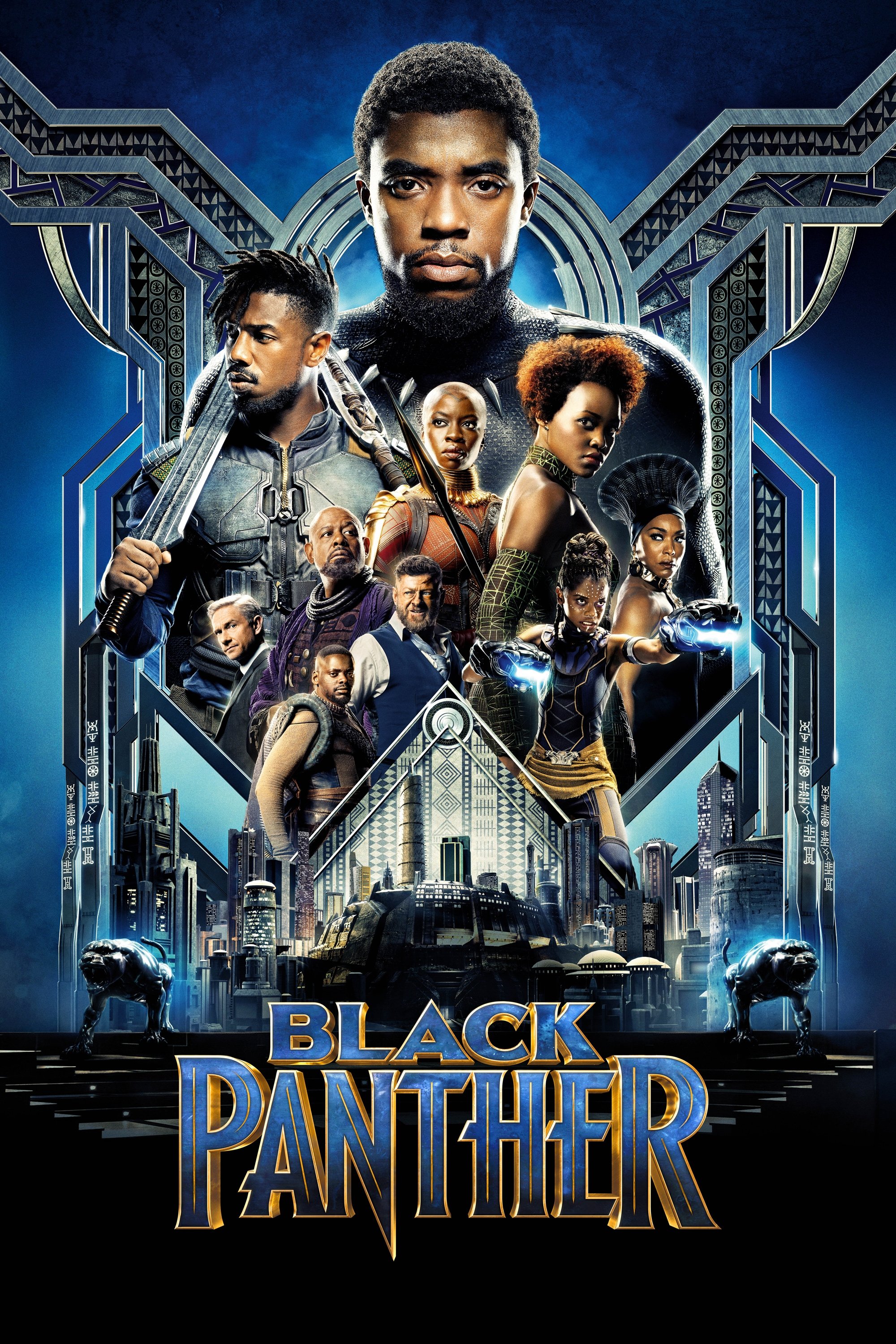
T’Challa comes home to Wakanda to become king. The climactic fight between Black Panther and Killmonger used a lot of digital copies of the actors. During the scene where they fall through the vibranium mine, the characters seemed to float rather than fall. Some viewers felt the lighting on their suits didn’t quite match the dark surroundings and that the special effects weren’t as refined as those in other Marvel movies.
‘Cats’ (2019)
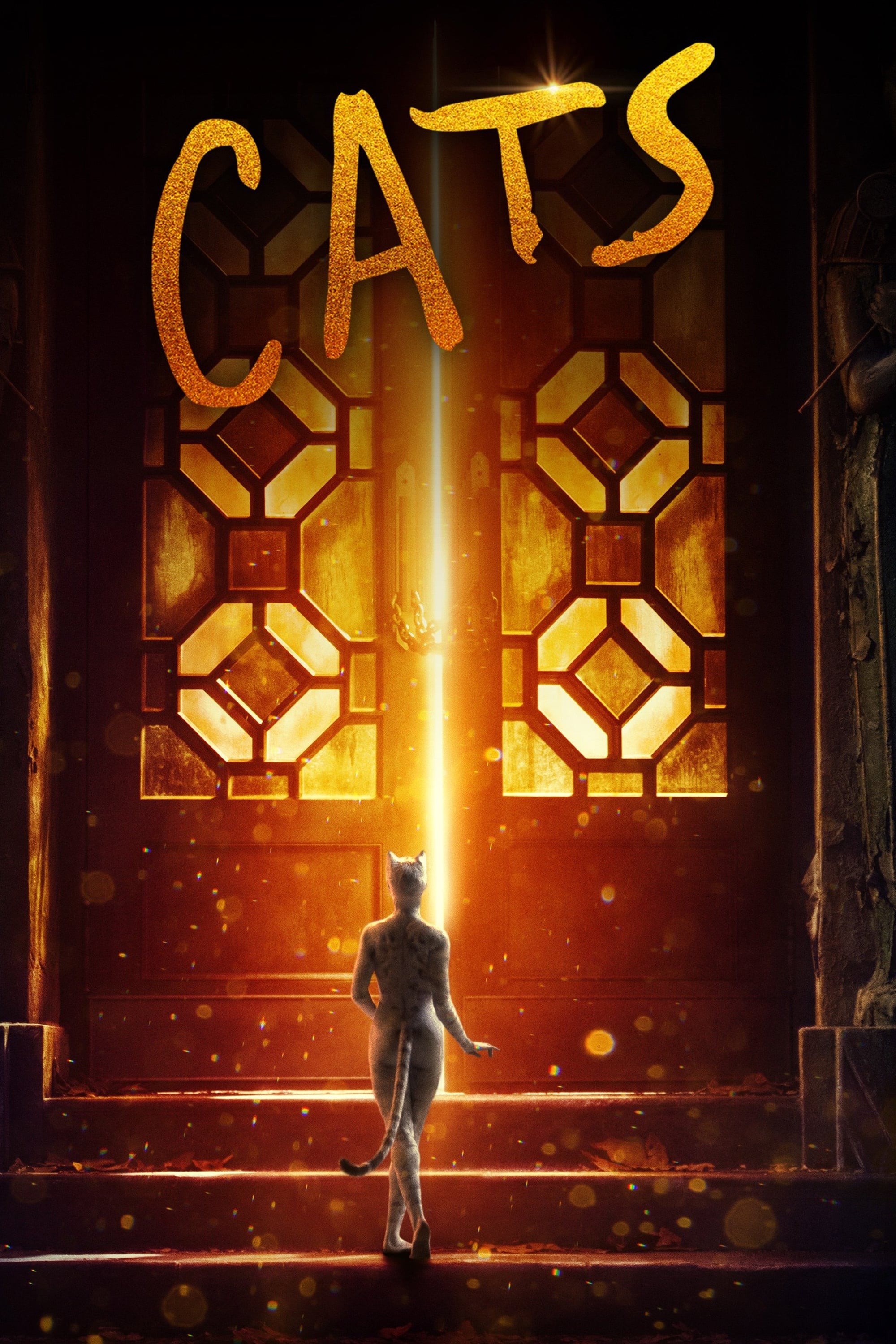
I recently saw this musical adaptation, and it’s… an experience! It tells the story of a group of cats all vying for a chance at a better life. What really struck me was how they created the cats – they used amazing digital fur technology on the actors, but honestly, it was a little unsettling. Seeing human faces on feline bodies was just… strange. And things got even weirder with the visual effects! Sometimes hands or feet would just vanish or float around, and the size of everything around them seemed to change randomly. It’s visually ambitious, but it didn’t always quite land for me.
‘The Flash’ (2023)
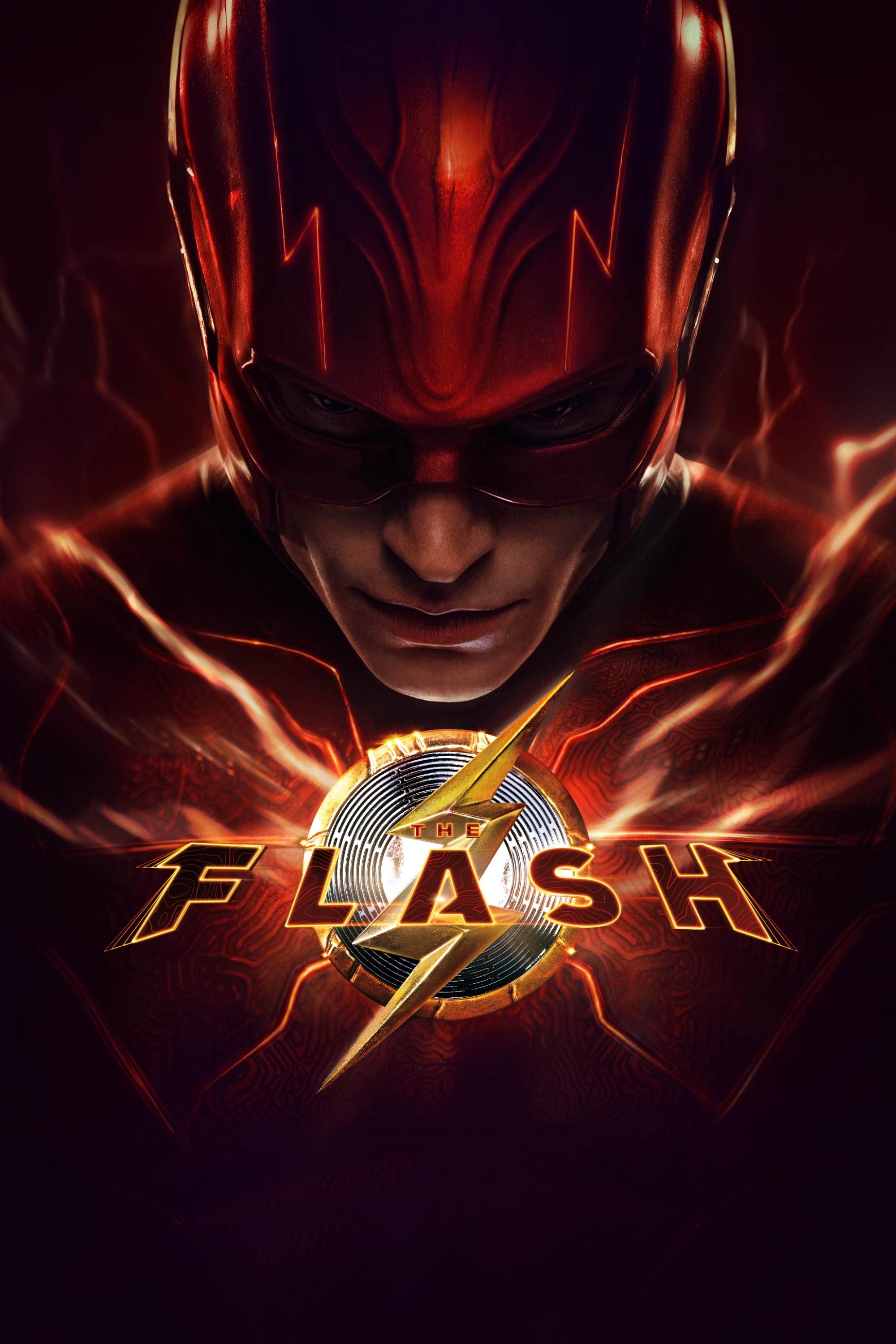
Barry Allen’s attempt to alter the past with his super speed accidentally strands him in a different reality. The film includes scenes called “Chronobowl” which digitally recreate former superheroes, alongside strangely distorted baby imagery. The director explained the intentionally ‘melted’ visual style was meant to show what things look like from the perspective of the Speed Force. However, many viewers found the resulting wax-like appearance of the characters to be unpleasant and felt it was a poor tribute to the actors who have passed away. Overall, the visual effects felt incomplete for such a large, highly anticipated summer movie.
‘Ant-Man and the Wasp: Quantumania’ (2023)
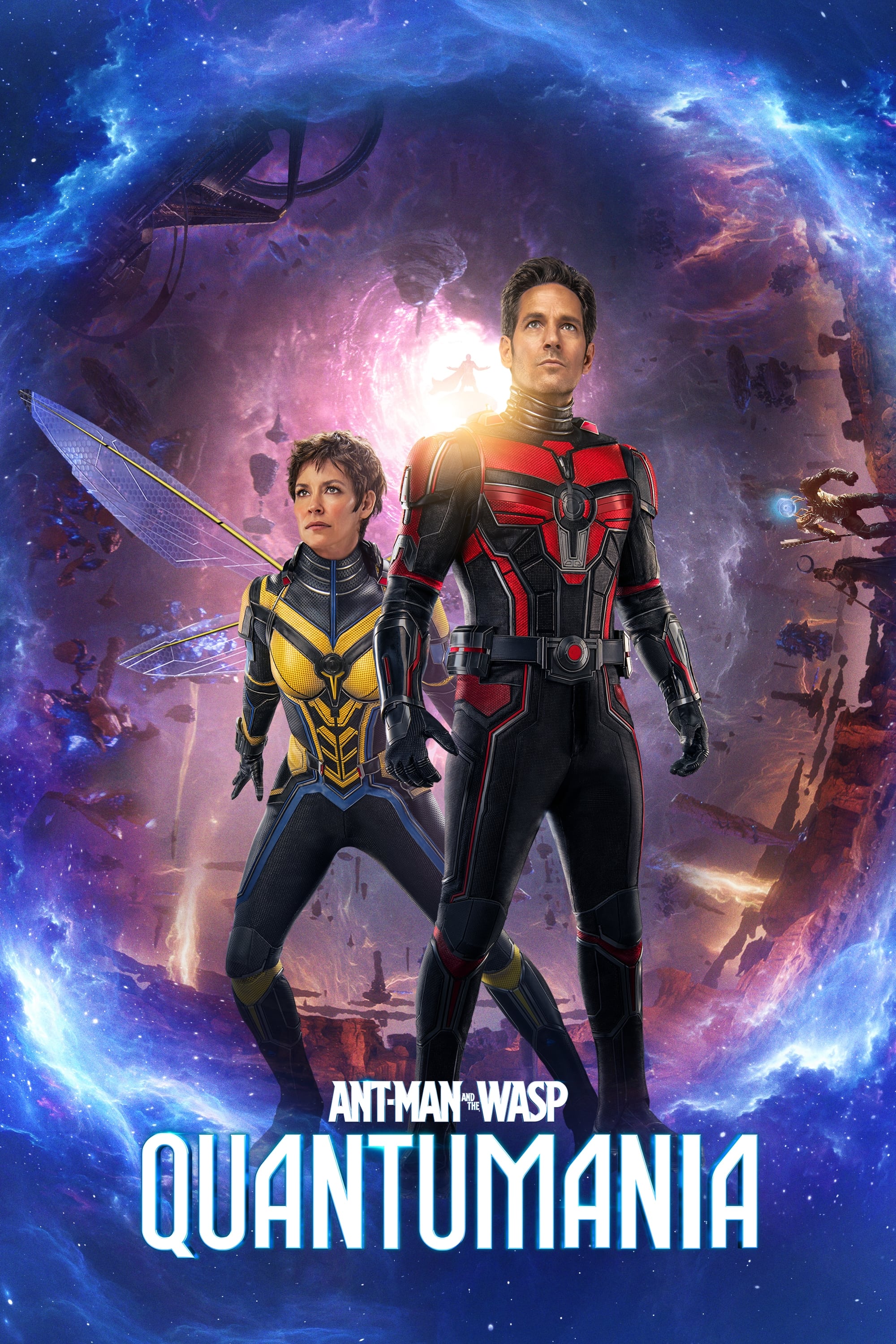
Scott Lang and his family are pulled into the Quantum Realm where they must confront Kang the Conqueror. One of the villains, M.O.D.O.K., is a bizarre character – a massive, floating head with small arms and legs. Making a human face that large is unsettling and unintentionally funny. The Quantum Realm itself looks like a blurry, flat digital painting, and there’s so much visual clutter that it’s hard to follow what’s happening.
Share your pick for the movie with the most disappointing visual effects in the comments.
Read More
- Gold Rate Forecast
- Invincible Season 4 Gender Swaps Tech Jacket As Fans Question Major Comic Change
- Silver Rate Forecast
- 22 Films Where the White Protagonist Is Canonically the Sidekick to a Black Lead
- 14 Movies Where the Black Character Refuses to Save the White Protagonist
- Unveiling the Schwab U.S. Dividend Equity ETF: A Portent of Financial Growth
- How to Do Sculptor Without a Future in KCD2 – Get 3 Sculptor’s Things
- Superman Flops Financially: $350M Budget, Still No Profit (Scoop Confirmed)
- ONE PIECE Season 2 Confirms Sanji’s OTHER Backstory in the Live-Action
- Why Won’t It Just *Do* What You Ask? Unpacking the Quirks of AI Language
2026-02-05 23:18