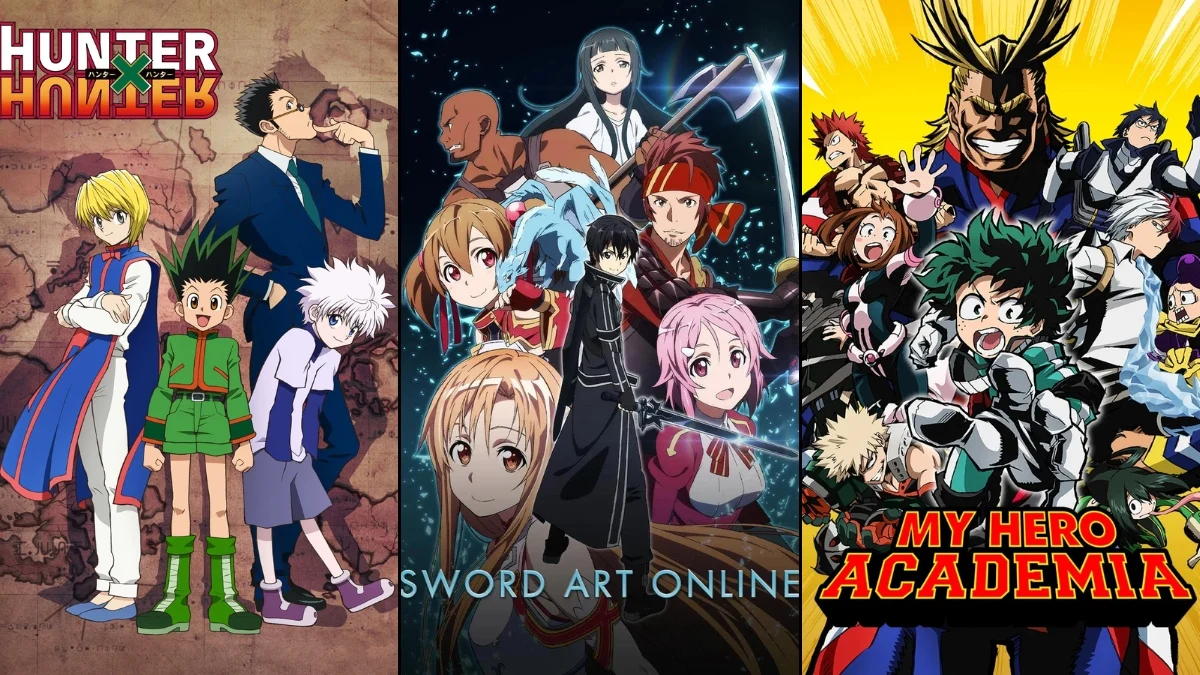
Anime fans are known for being enthusiastic and imaginative, but some groups have become infamous for being overly aggressive. This can range from heated arguments about which characters should be paired together to direct harassment of the people who make the shows. This negativity sometimes discourages new fans from joining online communities. It’s usually caused by strong feelings about the series, a sense of superiority among longtime fans, or disagreements about things like character strengths and how the story unfolds. Even though these problems are typically caused by a small number of people, they often create a negative image of the entire anime fandom.
‘Darling in the Franxx’ (2018)
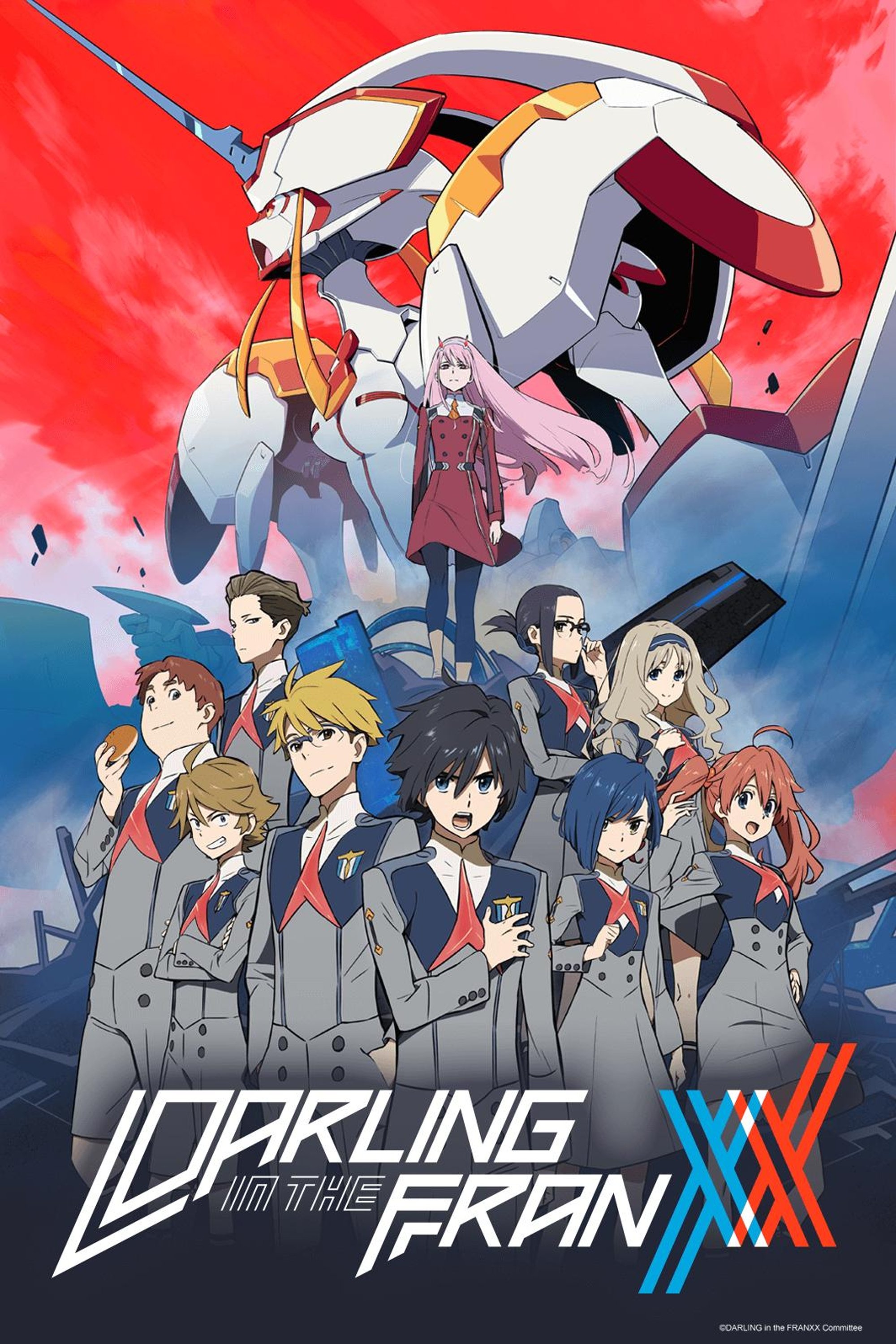
The fanbase for this show gained a negative reputation due to their strong reactions to later plot points. After a romance developed between the characters Ichigo and Hiro, some fans sent death threats to the people working on the show, including the voice actors. This anger stemmed from a deep love for the main character, Zero Two, and a feeling that her story wasn’t being handled well. The harassment became so severe that the show’s creators had to publicly speak out about it. This incident is a stark example of how disagreements over character relationships can turn into real-life threats.
‘Hetalia’ (2009–2010)
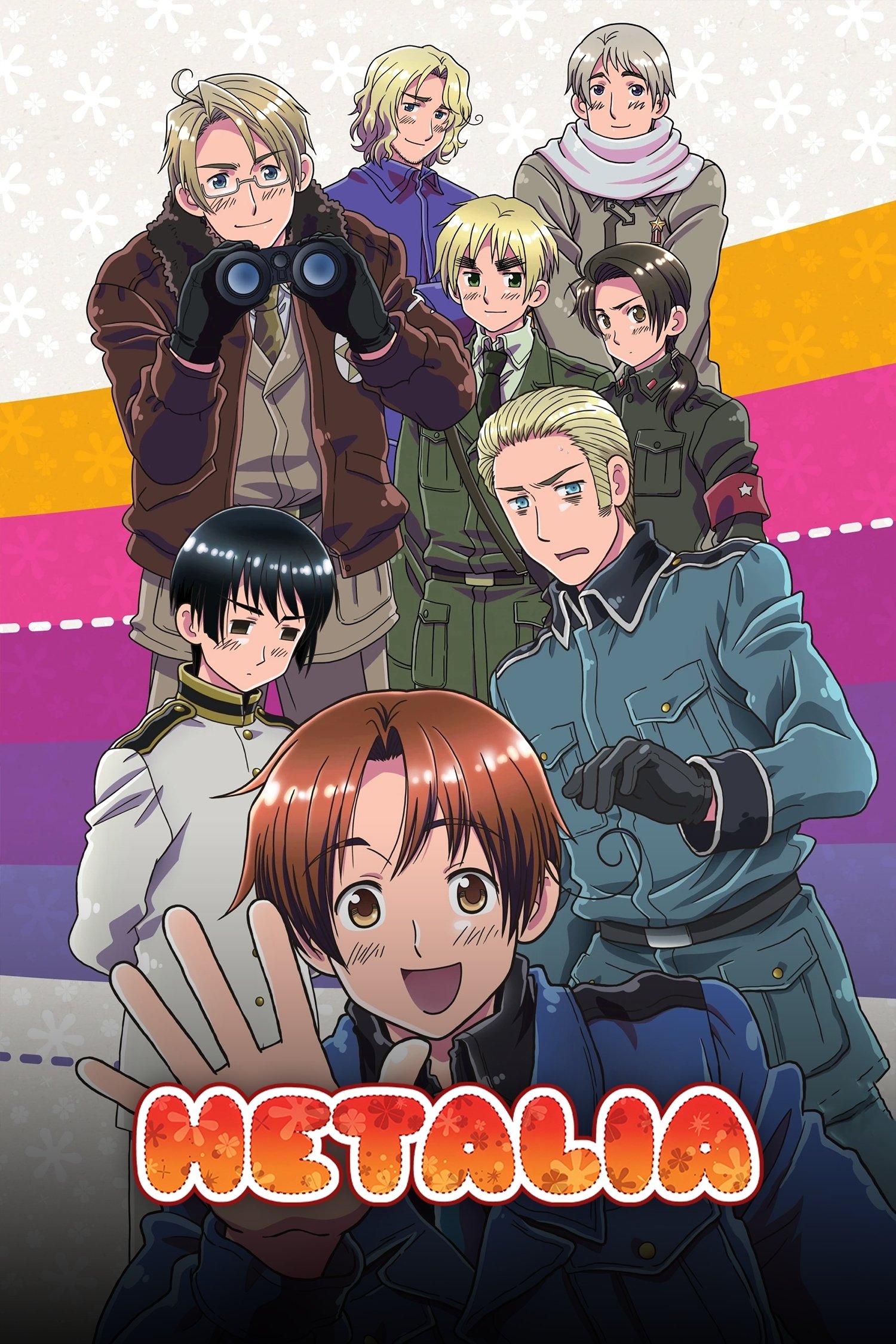
The series portrays countries as characters, which sparked debate about how it handled sensitive historical topics and how fans behaved. The fanbase became known for problematic actions, including inappropriate costumes and insensitive jokes about serious world events. Strong disagreements over which characters should be paired together led to online harassment within the community. This focus on character relationships often overshadowed the original intent of the series – to offer historical satire. As a result of these issues and fan conduct, the series has been restricted in some areas.
‘Sword Art Online’ (2012– )

This anime series sparks a lot of strong opinions, creating a major split between its passionate fans and harsh critics. Fans often strongly defend the show, quickly rejecting any criticism of the characters or story. On the other hand, those who dislike the series are equally vocal, sometimes even harassing people who enjoy it. This extreme division makes it difficult to have a calm, objective discussion about the show’s strengths or weaknesses. It’s often seen as a prime example of both snobbery within the anime community and intense negativity from those who actively dislike it.
‘Black Butler’ (2008–2010)
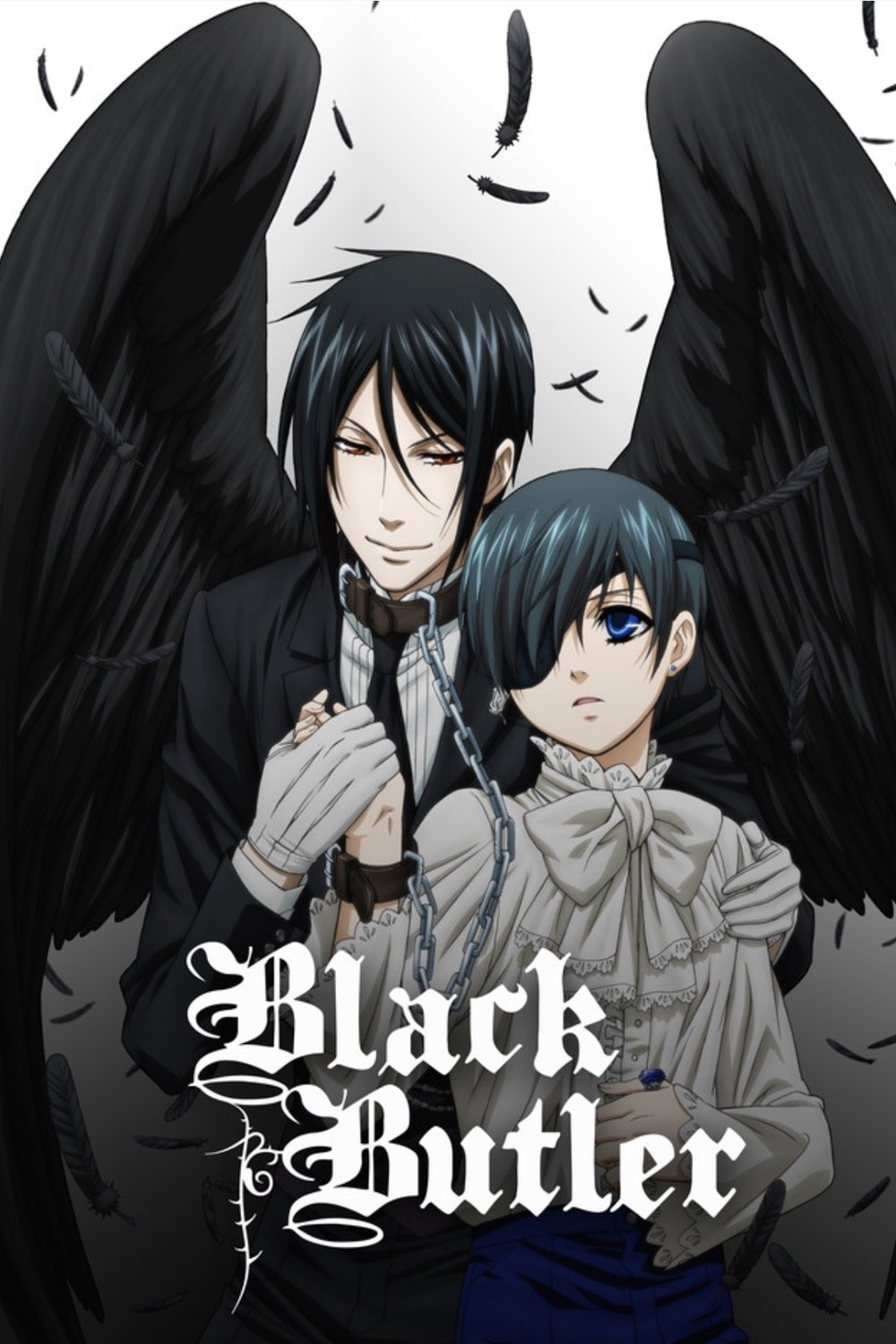
This series has a dedicated fanbase, but it’s become well-known for passionate, and sometimes heated, debates over which characters should be paired together romantically. This has unfortunately led to negativity, especially concerning relationships involving underage characters or those with supernatural beings, raising ethical concerns. Some fans have also engaged in obsessive behavior, even harassing creators whose interpretations differ from their own. This intense atmosphere can make it difficult for new or casual viewers, who may simply enjoy the show’s mysteries, to feel welcome. Overall, this fandom serves as a strong example of how strong feelings about characters can take over a show’s online presence.
‘Yuri!!! on Ice’ (2016)
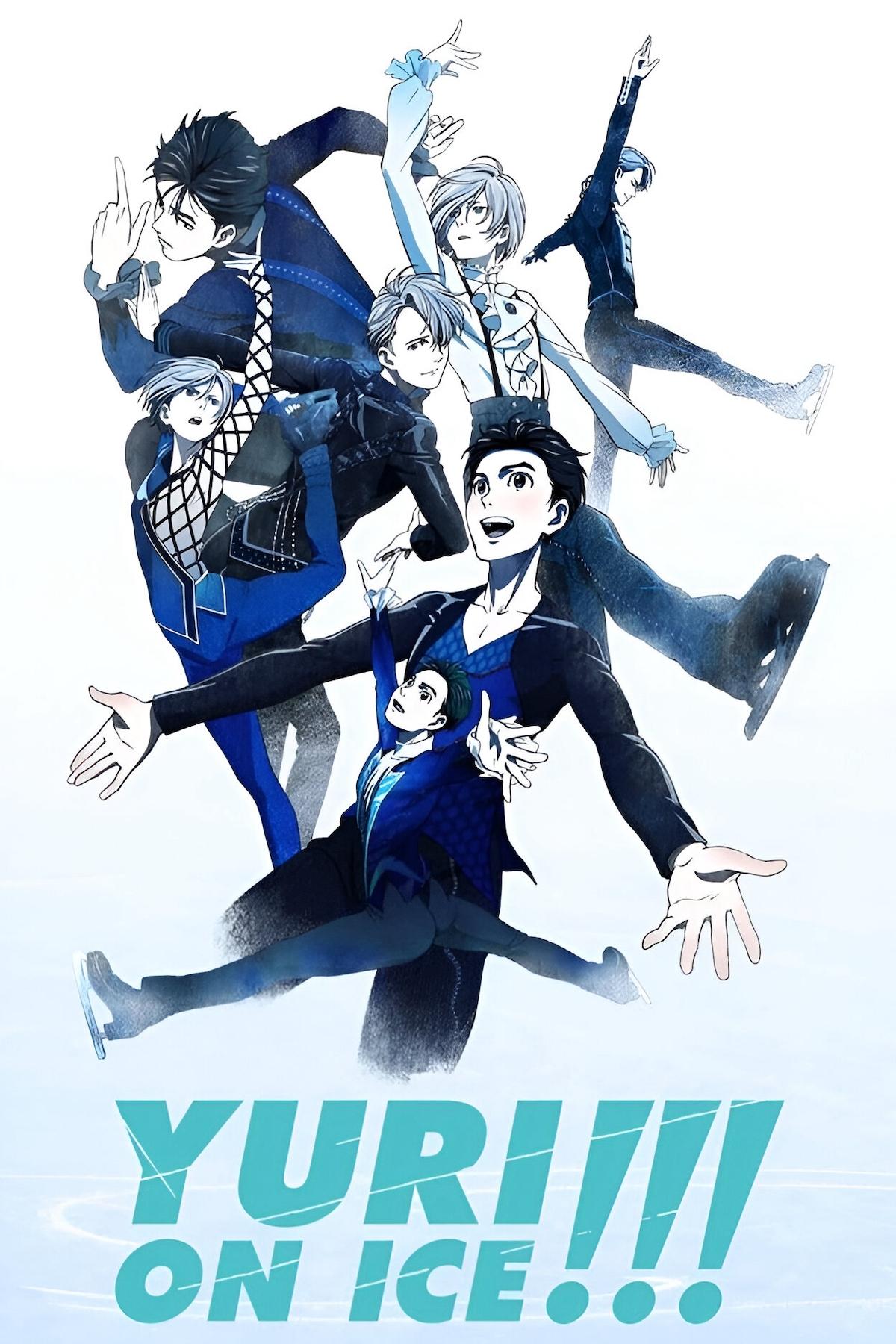
This figure skating anime became incredibly popular, but its fanbase often engaged in hostile behavior online, especially when it came to the show’s main romantic pairing. The community gained a bad reputation for harassing professional figure skaters who seemed to contradict anything within the show, and for targeting other fans who didn’t support the preferred couple or who offered criticism. This intense dedication to defending the show often pushed outsiders away. Ironically, despite promoting a message of acceptance, the fanbase’s actions often appeared unwelcoming and aggressive to the public.
‘Re:Zero -Starting Life in Another World-‘ (2016– )

A well-known rivalry among fans centers around choosing a favorite character – Rem or Emilia – often leading to heated arguments and harassment. Beyond this “waifu war,” the fandom can be exclusive, with some fans prioritizing complex storylines and the protagonist’s inner struggles. Criticism of the show’s pace or character growth is often met with strong resistance, and new fans who don’t share the established opinions may find the community unwelcoming.
‘Bleach’ (2004–2012)
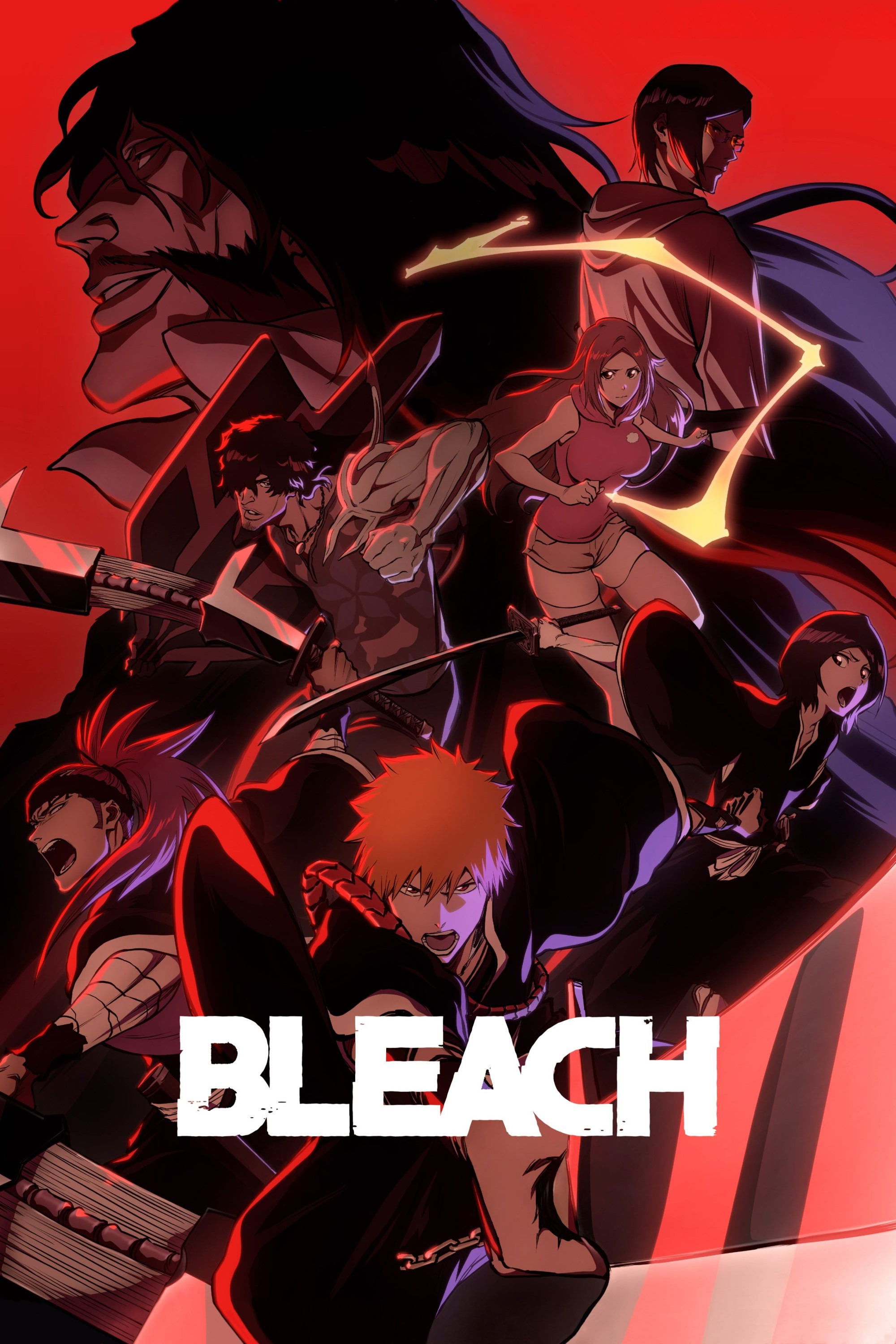
This classic anime, one of the earliest major action series, has always sparked heated debates about which characters should be a couple. When the original story ended and the anime returned, those arguments flared up again, and fans who disagreed with popular opinions often faced harassment. The fanbase is also known for endless discussions about which characters are the strongest, sometimes leading to negativity towards fans of other shows. There’s a tendency for fans to believe their series is artistically superior and to argue about which parts of the story are best. All of this has given the show a reputation for being fiercely protective and prone to internal conflict.
‘My Hero Academia’ (2016– )
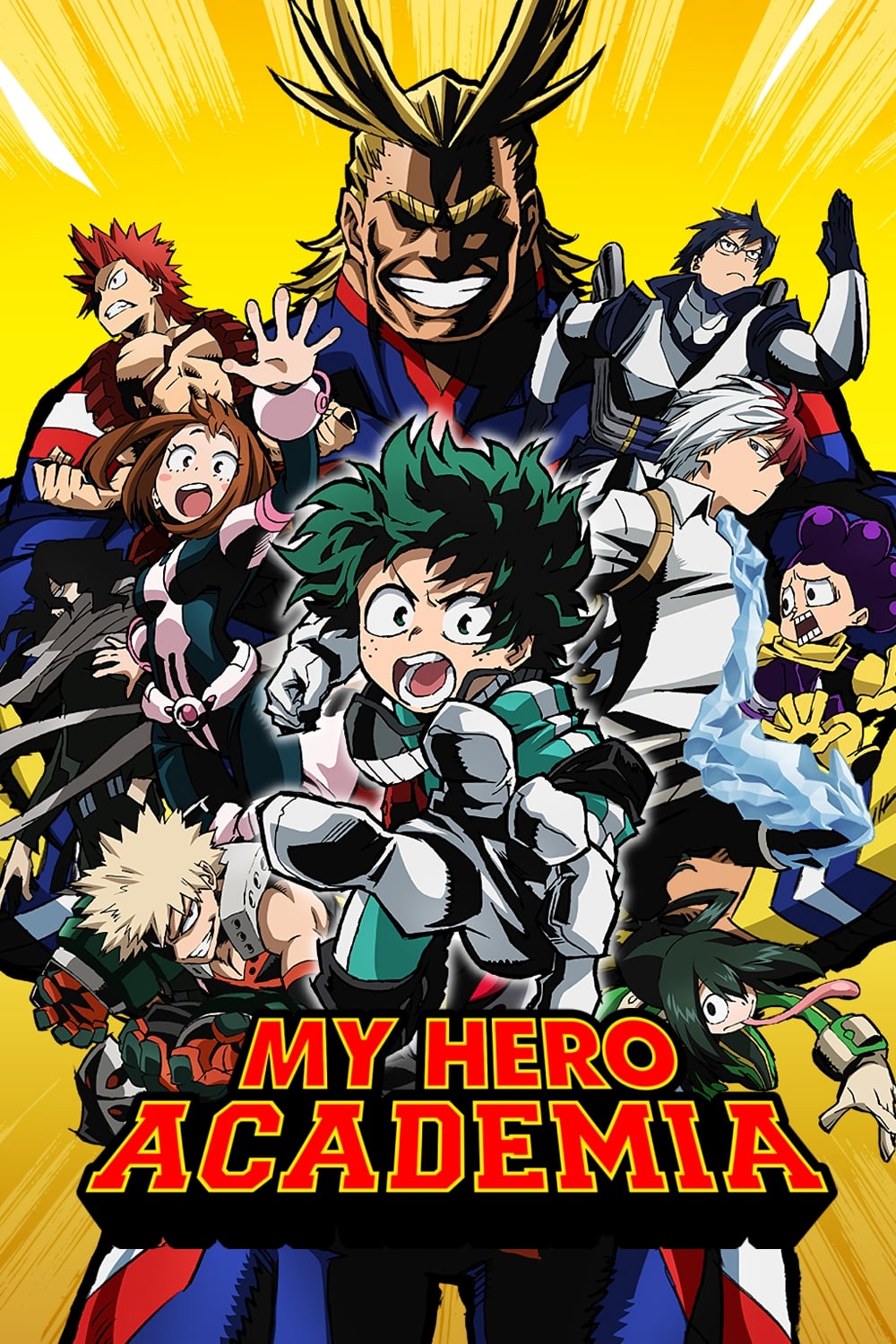
This superhero series has gained a reputation for having a very negative fanbase, largely due to intense arguments over romantic pairings (or ‘shipping’) and the harassment of those involved with the show. The author, Kohei Horikoshi, has even received death threats for not fulfilling fans’ desired relationships or for decisions about how characters look. Within the community, there’s a lot of harsh criticism of fan-created content and personal interpretations. Voice actors are also frequently targeted with harassment based on their performances or opinions. This problematic behavior often sparks conversations about the dangers of one-sided relationships fans develop with media and its creators.
‘Chainsaw Man’ (2022– )
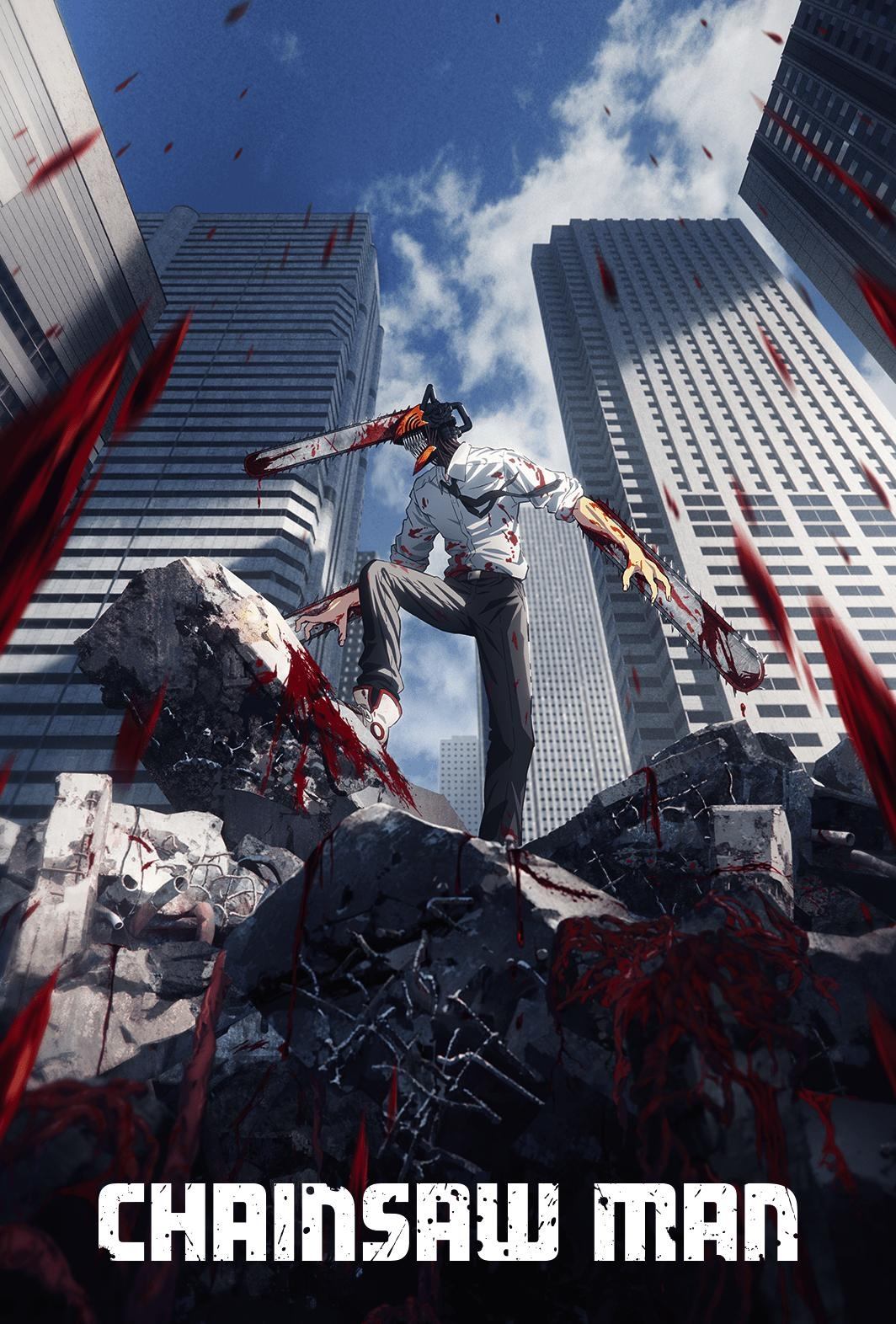
The fanbase for this series gained a reputation for strongly criticizing Ryu Nakayama, the director of the first anime season. Fans were unhappy with his vision, feeling it didn’t capture the spirit of the original manga, and they expressed their disappointment through petitions and online harassment of the production team. This often leads to a sense of superiority among manga readers, who frequently spoil key plot details for those who only watch the anime. The fandom is also known for heated and sometimes offensive debates about characters and the show’s deeper meaning. These conflicts have created a very divided atmosphere, often distracting from the show’s positive reviews and artistic merit.
‘Jojo’s Bizarre Adventure’ (2012– )
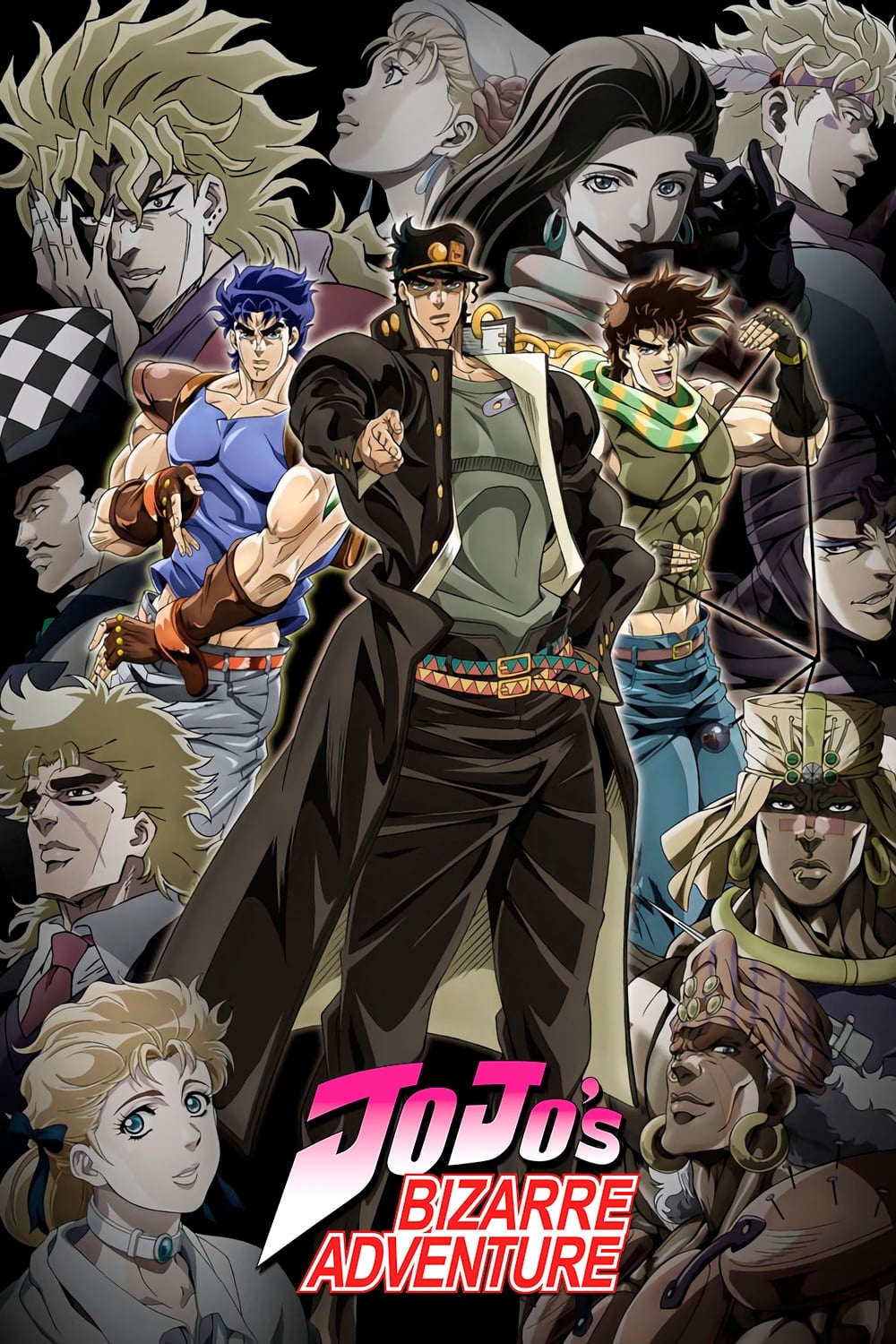
The show’s fans are extremely active online, often flooding unrelated spaces with jokes and references from the series. This can be irritating to people who aren’t familiar with the show. Many fans also believe it’s better than other anime, which can come across as snobbish. Arguments frequently break out among fans about which parts of the series are the best, and people who have different preferences are often dismissed. This constant stream of content and debate can be overwhelming and off-putting to anyone who isn’t deeply involved in the fandom.
‘Neon Genesis Evangelion’ (1995–1996)
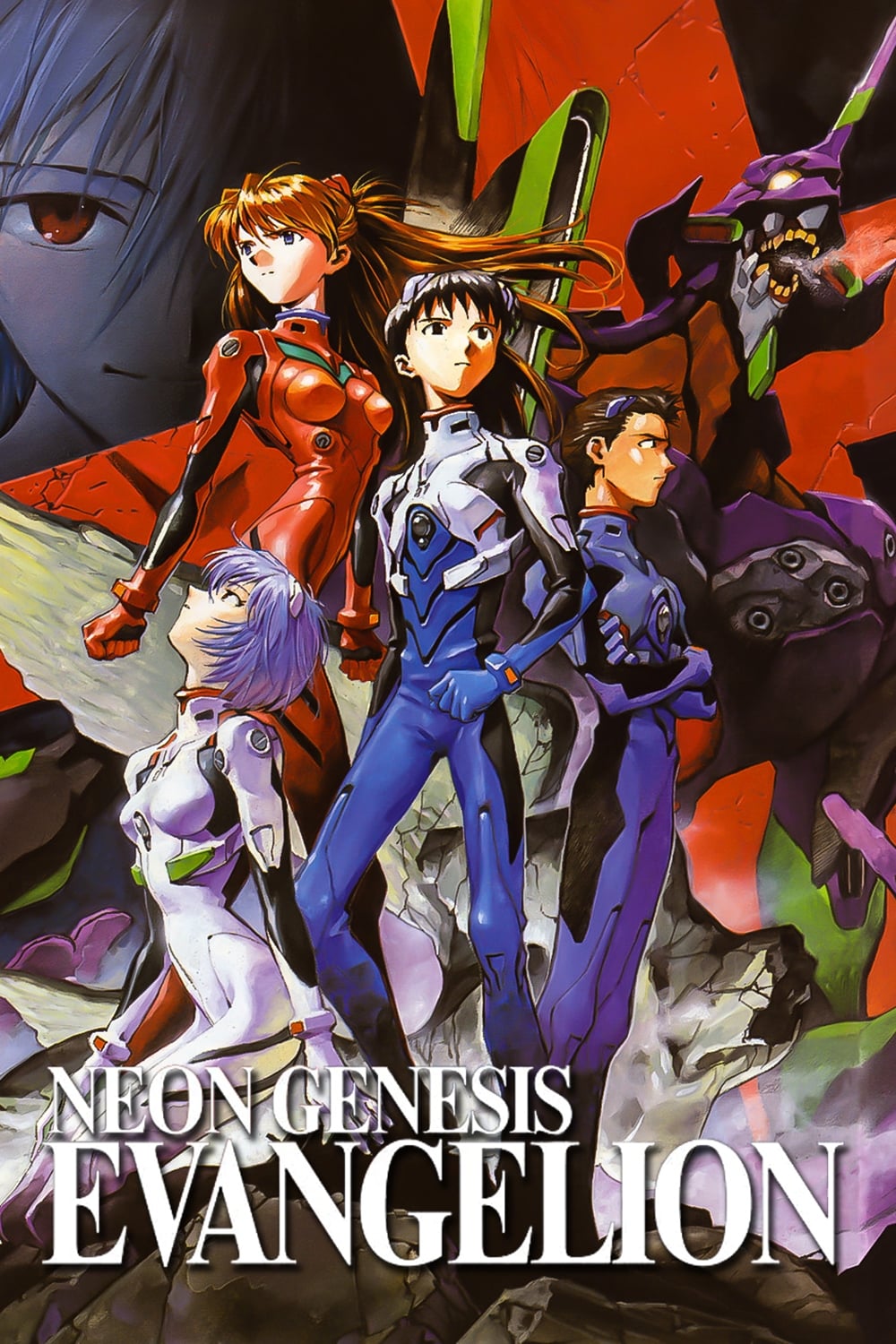
As a longtime fan, it’s honestly a bit sad to admit, but this series has always had a really… intense fanbase. It goes way back – the director even received death threats after the original ending aired! Over the years, it’s become known for a kind of snobbery, where people tear down anyone who doesn’t pick up on all the super deep, psychological meanings they think are there. And don’t even get me started on the ‘shipping wars’ – fans arguing over which characters should be together have been at each other’s throats online for years. It’s gotten to the point where the fandom has a reputation for being unwelcoming, and honestly, it can be really intimidating for new fans trying to get into the show. It makes it hard to just enjoy things without running into aggressive opinions, which is a shame.
‘Jujutsu Kaisen’ (2020– )
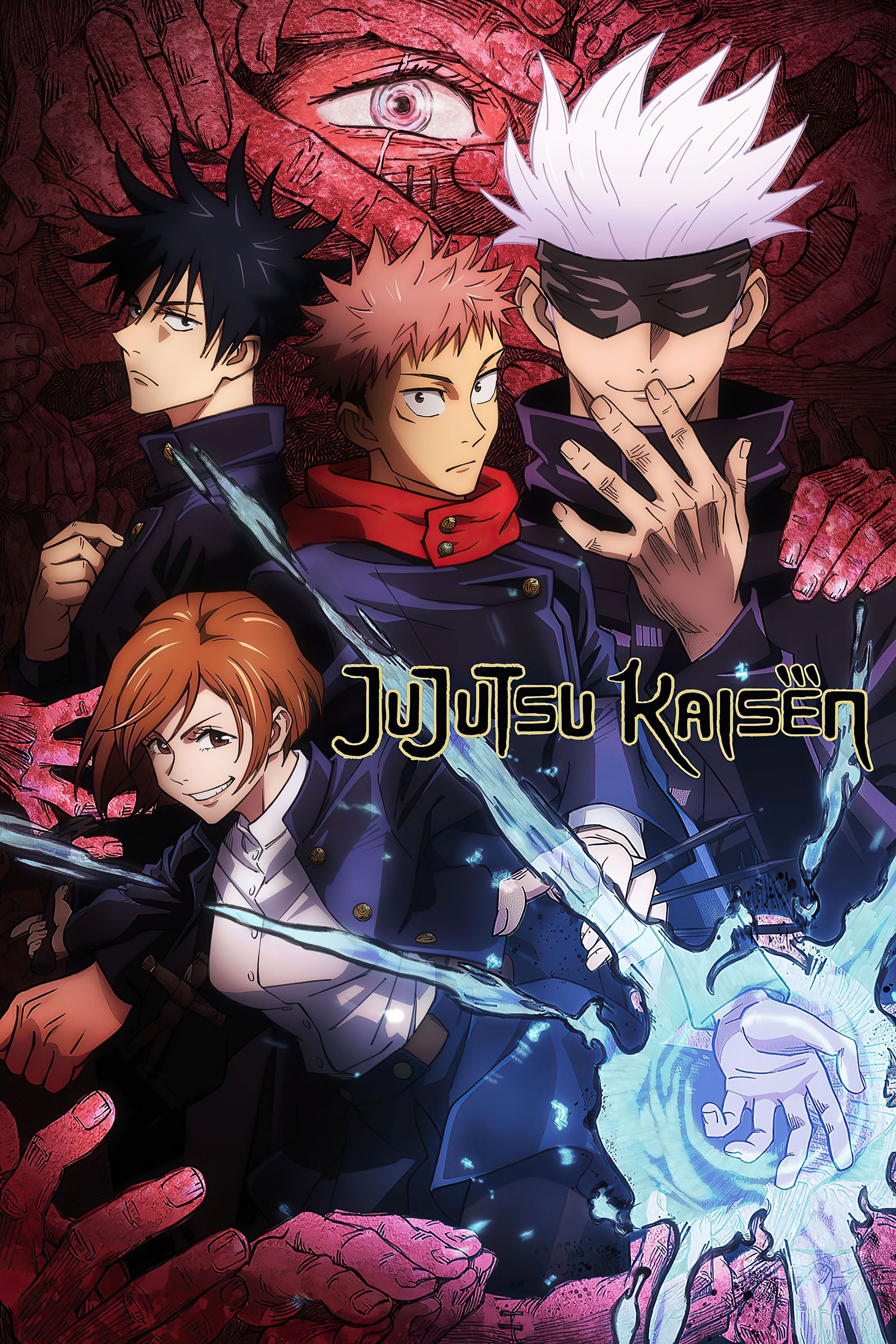
This series’ fanbase is known for strong reactions to events in the story, sometimes leading to harassment of the author, Gege Akutami. Fans often express their disappointment with plot points or character deaths by attacking the author online. Intense disagreements over romantic pairings (‘shipping wars’) also contribute to a toxic environment, with fans targeting artists who draw pairings they dislike. The fandom also has a reputation for spoiling the story for others and using those spoilers to make fun of fans who aren’t up-to-date or enjoy different series. This creates a generally hostile atmosphere, commonly seen on platforms like Twitter and Reddit.
‘Demon Slayer: Kimetsu no Yaiba’ (2019– )
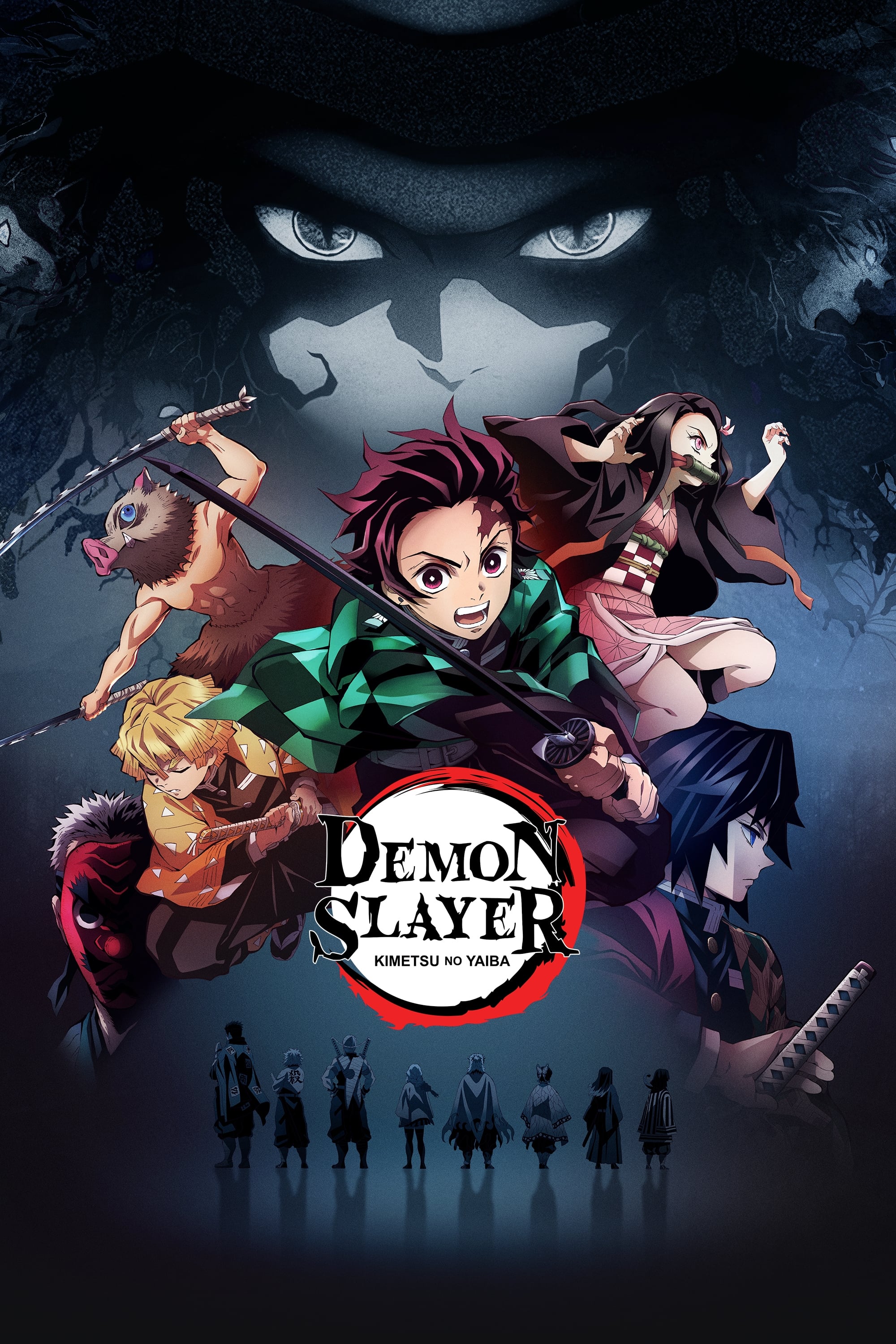
This series became incredibly popular worldwide, but its fanbase often faces criticism for being overly enthusiastic and quick to shut down any negative opinions. Fans frequently argue with other anime enthusiasts about whether the show’s strength lies in its visuals or its story. This often leads to them aggressively comparing it to other popular shows to defend its high ranking. Some fans also act as though the series is the best in the Shonen genre, and they strongly criticize anyone who doesn’t agree. As a result, discussions about the show are often heated and focused on proving it’s better than everything else.
‘Naruto Shippūden’ (2007–2017)
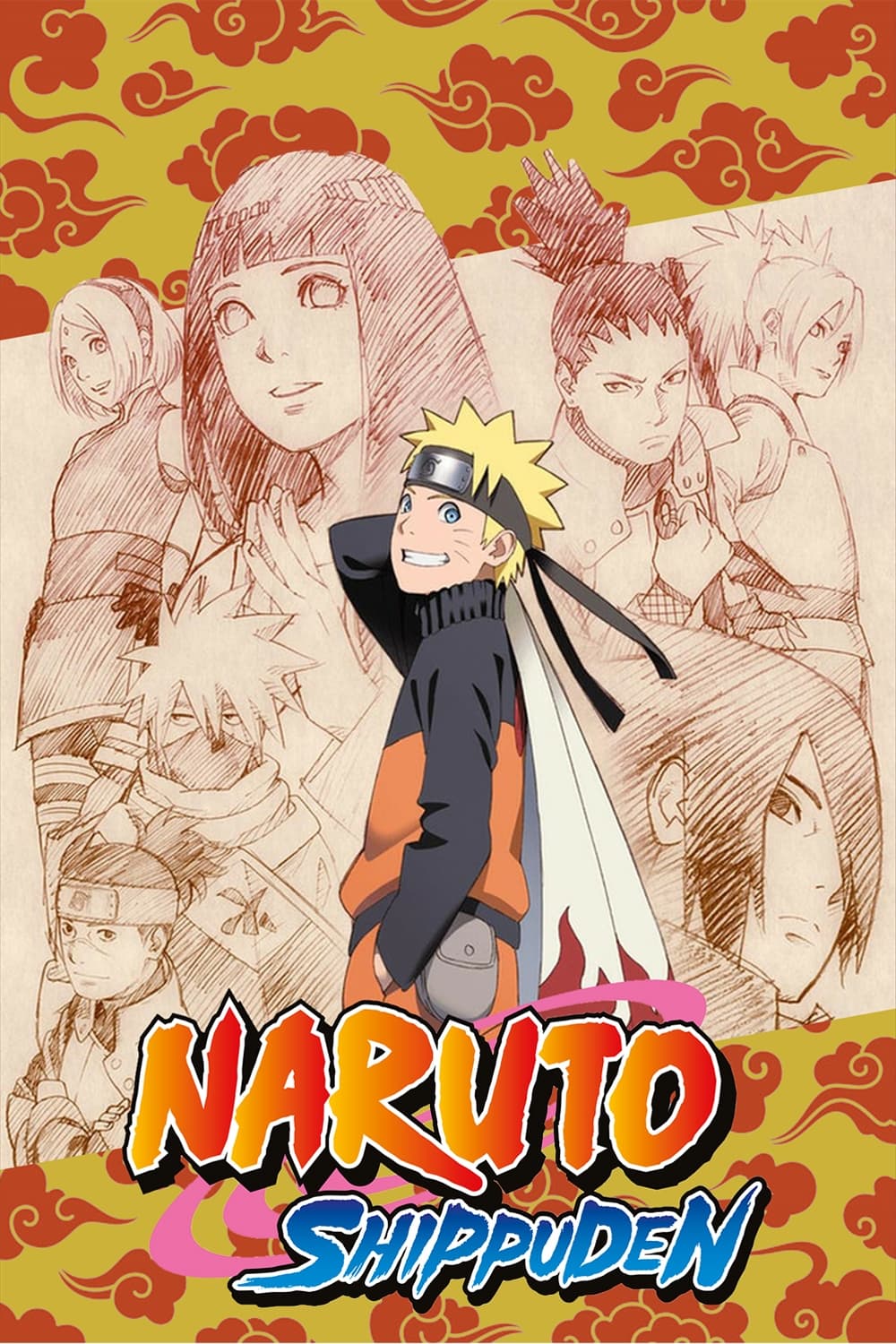
This series is known for having a particularly divisive fanbase, largely due to over ten years of heated arguments about which characters should be paired together. These ‘shipping wars’ often led to harassment of both the show’s creator and other fans. The community is also infamous for endless debates about character strength, frequently comparing the show to others in a negative way and resorting to insults. Disagreements over the many filler episodes also contribute to constant infighting and a tendency to exclude newcomers. This long history of negativity makes the fandom a well-known example of how large online communities can become fractured and hostile.
‘Dragon Ball Z’ (1989–1996)

This popular series has a fanbase known for constantly comparing the strength of characters – and especially debating how they’d fare against Goku. This often leads to arguments with fans of other shows, as people strongly defend their favorites. Long-time fans can sometimes look down on newer series, and the fandom as a whole tends to be very protective of the show, often dismissing any criticism of its story or predictable patterns. This defensiveness can make it seem unwelcoming and uninterested in thoughtful discussion to those outside the community.
‘Death Note’ (2006–2007)
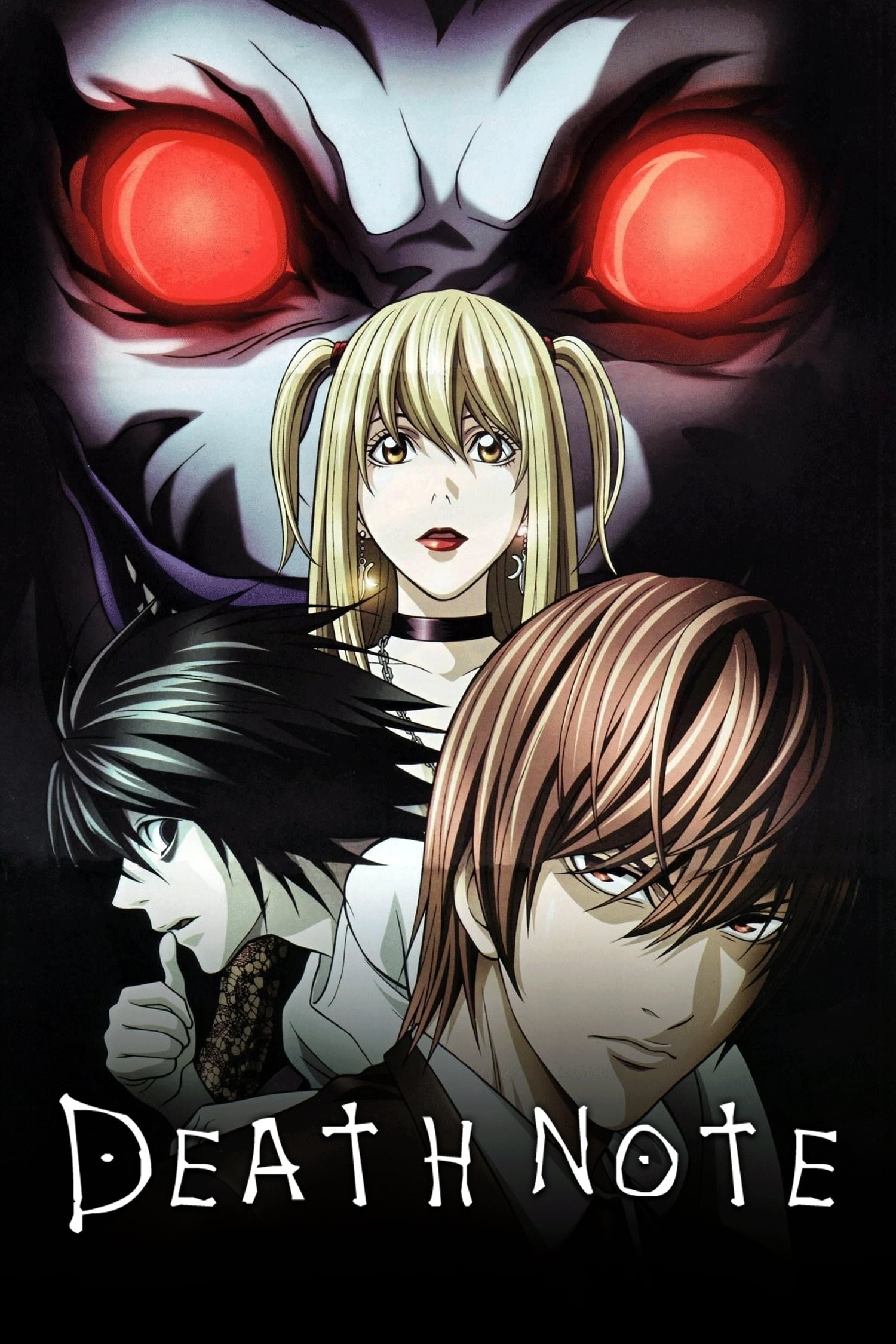
Fans of this mind-bending thriller have a reputation for being intellectual snobs, sometimes acting as if they’re all-knowing like the main character. Online discussions often center around who’s more morally right, and people who don’t agree with the protagonist’s choices are often ridiculed. The community is very protective of the show, believing you need to be highly intelligent to truly understand its complexities. This can make it off-putting for viewers who simply can’t defend the protagonist’s actions, and many describe the overall conversation as arrogant and unwelcoming.
‘Hunter x Hunter’ (2011–2014)
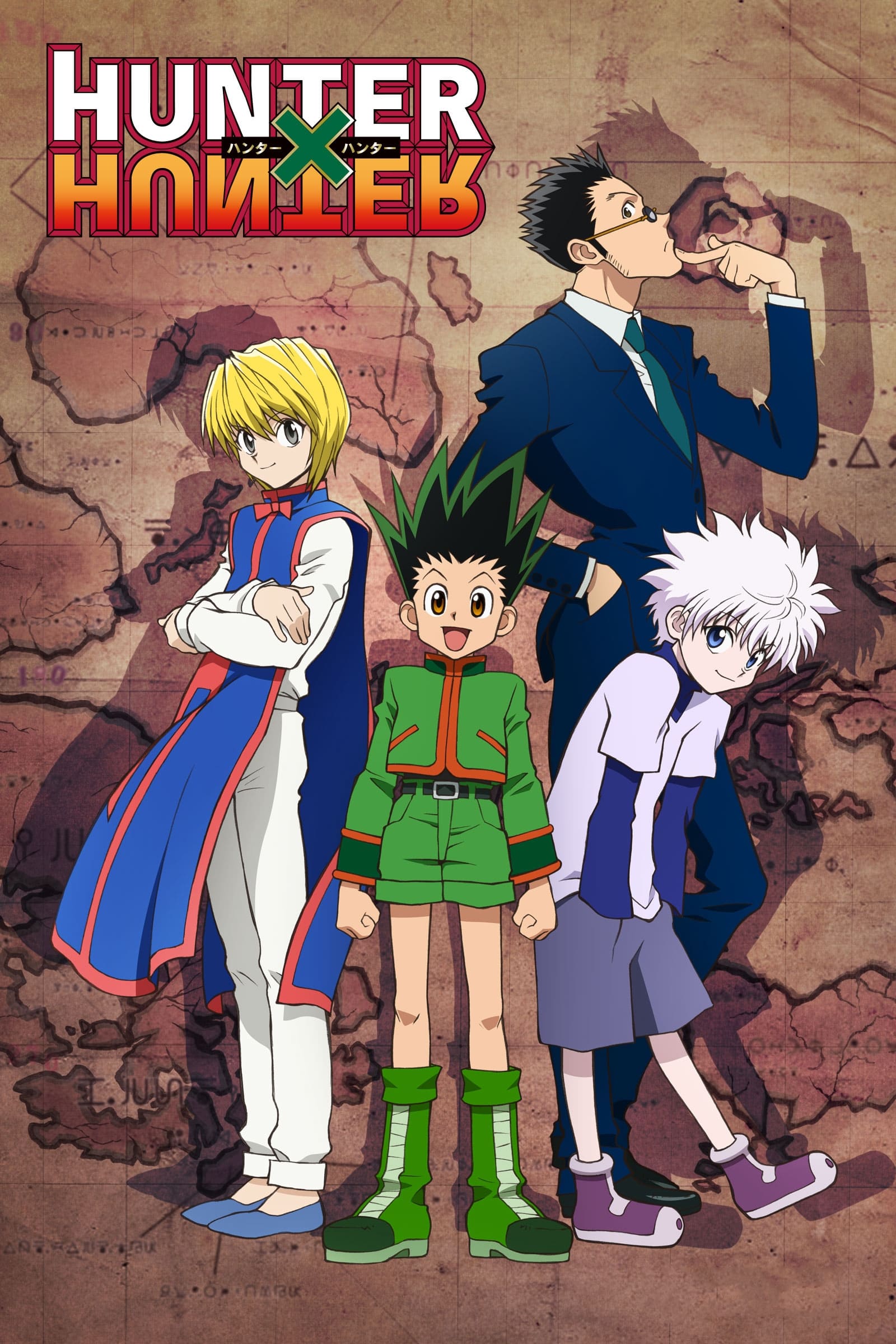
As a big anime fan, I’ve noticed this series has a… reputation. The fanbase can be incredibly elitist, constantly talking about how it’s a ‘deconstruction’ of the genre and therefore better than everything else. Honestly, it often feels like they look down on fans of other shows, dismissing them as simple or lacking depth. Trying to have a real conversation with someone who doesn’t love it is tough, because any criticism is immediately met with, ‘You just didn’t get it.’ It’s like they analyze every single detail to death, which can be really overwhelming and off-putting if you’re new to the show. And this attitude has stuck around even years after the anime finished airing. It’s a shame, because it makes it hard to enjoy talking about it openly.
‘One Piece’ (1999– )
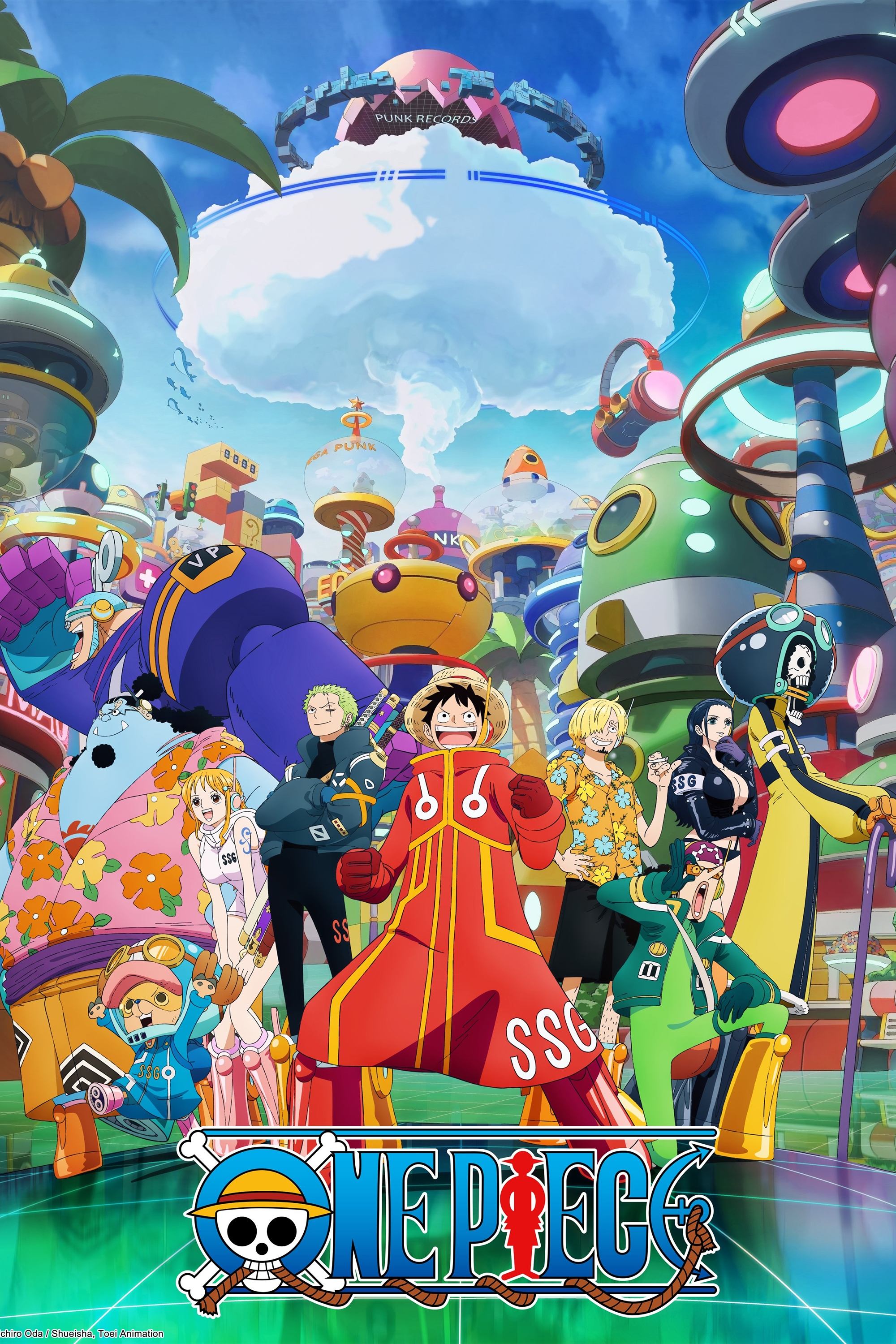
This show has a huge number of episodes, and its fanbase is known for being very enthusiastic – sometimes to a fault. Fans often brush off concerns about the show’s length, strongly believing anyone who doesn’t watch it is missing out on an incredible story. There’s a strong reverence for the creator, which can lead to negativity towards anyone who criticizes the show’s pacing or art. Discussions about the characters’ strengths often become heated and toxic, filled with arguments and personal insults. This intense dedication, combined with a pushy approach to getting others to watch, has given the fanbase a reputation for being overwhelming.
‘Attack on Titan’ (2013–2023)
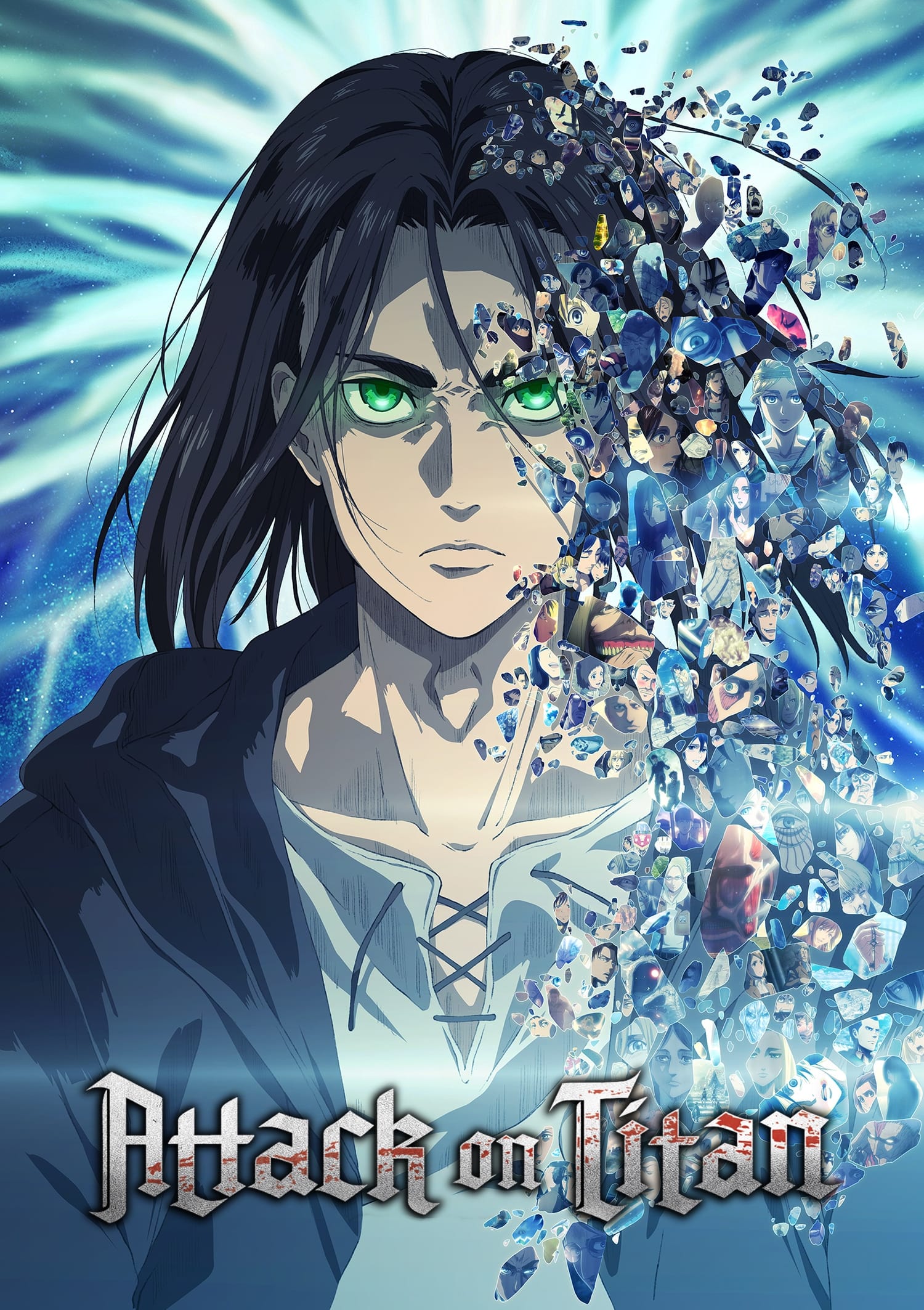
As the story of this dark fantasy series ended, its fanbase became deeply divided. Disagreements over the creator’s final decisions led to widespread harassment, including death threats. This negativity also affected the animators, who were criticized for their artwork and the use of computer-generated imagery. Fans frequently engaged in heated arguments about the hero’s choices, often resorting to personal attacks. This constant conflict has unfortunately given the series’ community a reputation for being one of the most hostile and easily offended in recent anime history.
‘Fullmetal Alchemist: Brotherhood’ (2009–2010)
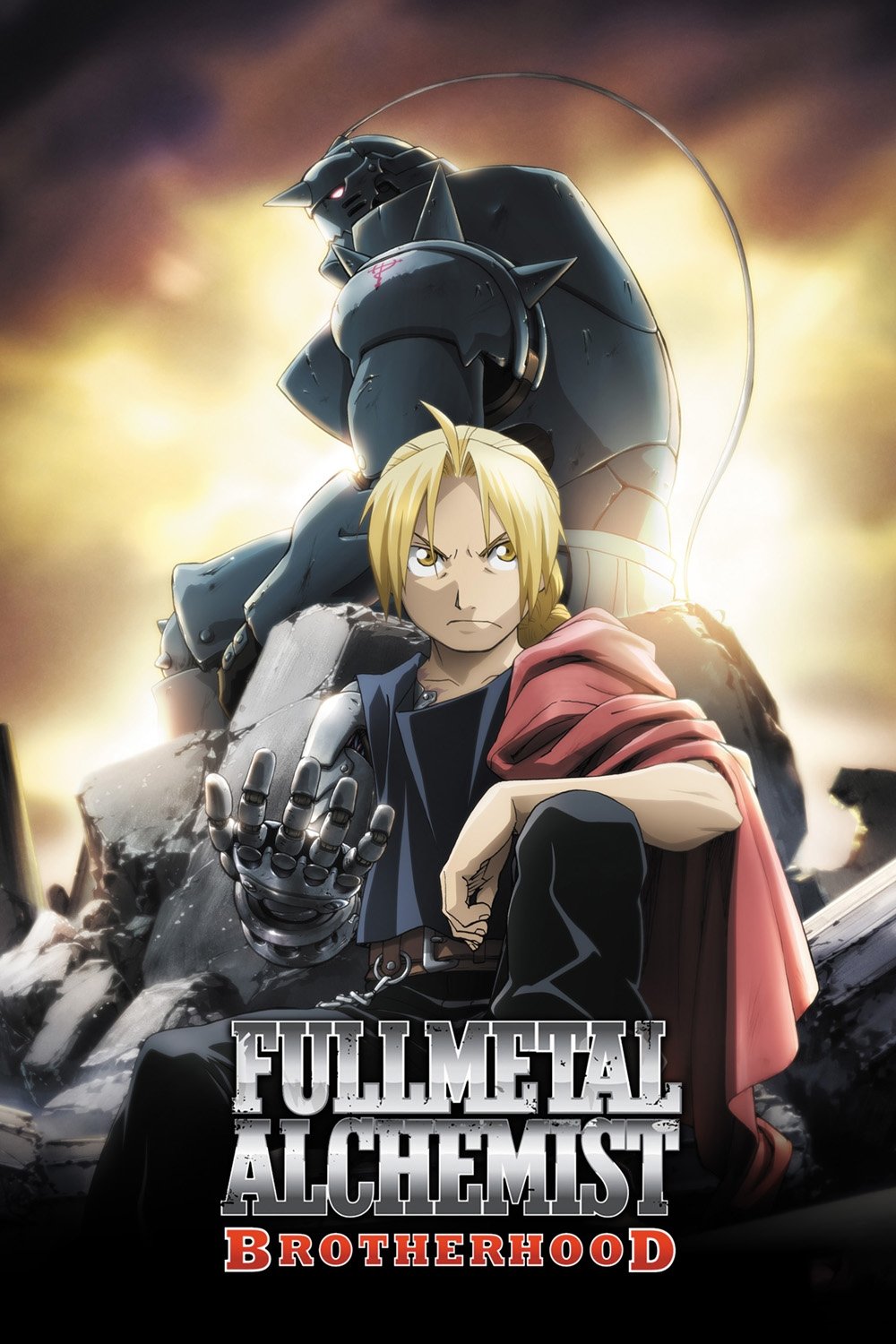
This anime series is well-known for having a very toxic fanbase. They have a reputation for unfairly lowering the ratings of new and popular shows that might challenge their favorite’s position as the top-rated anime on various websites. This is done through coordinated efforts where many fans give these other shows extremely low scores. This behavior has created a lot of negativity within the anime community, as it’s seen as a deliberate attempt to prevent other shows from gaining recognition. While the series itself is critically praised, its fans are often pointed to as an example of extreme competitiveness and negativity.
Tell us in the comments which fan groups have been the most challenging to interact with.
Read More
- Gold Rate Forecast
- How to Do Sculptor Without a Future in KCD2 – Get 3 Sculptor’s Things
- 15 Films That Were Shot Entirely on Phones
- Silver Rate Forecast
- 22 Films Where the White Protagonist Is Canonically the Sidekick to a Black Lead
- Biogen’s Jolly Good Showing
- 14 Movies Where the Black Character Refuses to Save the White Protagonist
- New HELLRAISER Video Game Brings Back Clive Barker and Original Pinhead, Doug Bradley
- Monster Hunter Stories 3 Complete Side Stories Guide & What Do They Unlock
- Why Won’t It Just *Do* What You Ask? Unpacking the Quirks of AI Language
2026-02-05 20:55