It’s common for long-running video game series to experience a dip in quality, and sometimes a new game can really hurt the franchise’s reputation. These particular games turned off fans due to bad design, technical problems, or by changing the core elements that made the series popular. The games listed below are often seen as either stopping a series from succeeding or even ending it completely.
‘Duke Nukem Forever’ (2011)
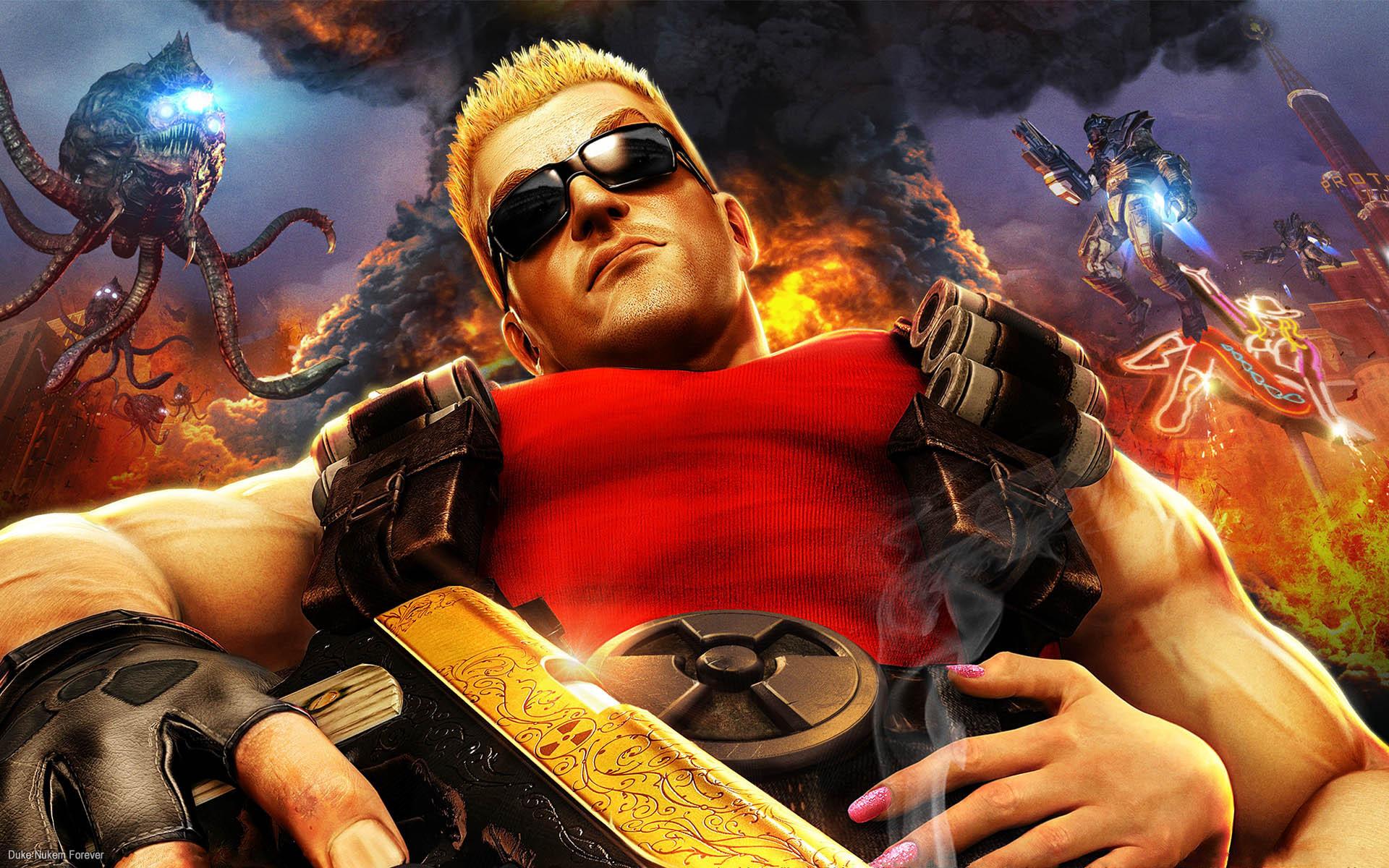
After more than ten years of troubled development, this game finally launched to a letdown from fans. Its jokes and how it played felt old-fashioned next to newer shooting games. Players didn’t like the straightforward levels or the many technical problems at launch. The game was a critical flop, and it led to the once-popular series being put on hold indefinitely.
‘SimCity’ (2013)
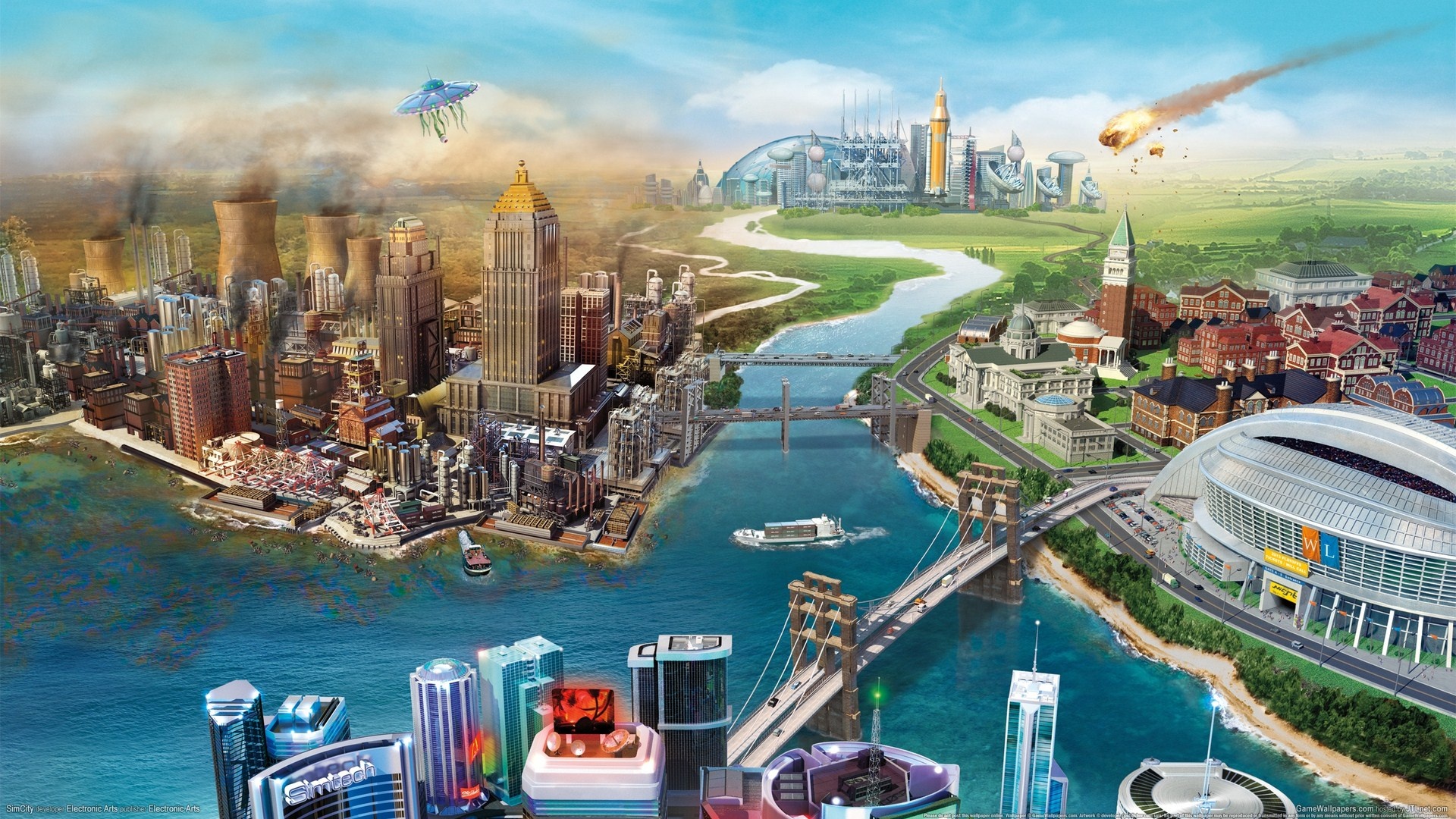
Maxis tried to revitalize the SimCity franchise by making it heavily reliant on online play. However, requiring a constant internet connection caused major server problems when the game first launched. Players were also disappointed with the much smaller city areas compared to older SimCity games. This troubled launch paved the way for Cities: Skylines to become the dominant city-building game, effectively putting the SimCity series on hold.
‘Command & Conquer 4: Tiberian Twilight’ (2010)
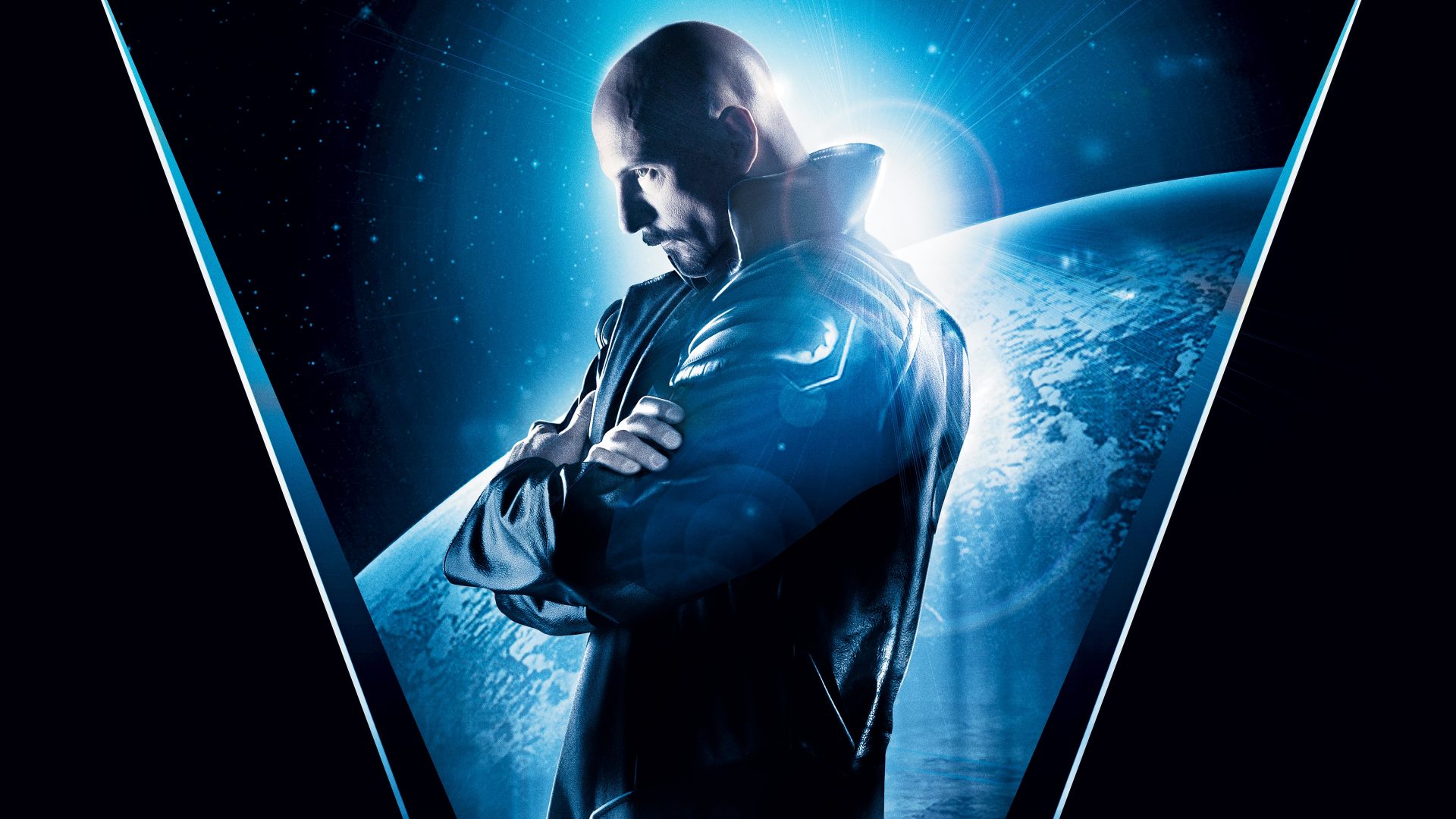
The developers drastically changed the game by removing the familiar base-building that fans loved. They replaced it with a class-based system, which many longtime players didn’t enjoy. The ending to the Tiberium story felt hurried and didn’t satisfy many people. These big changes ultimately led to the cancellation of any future games in the series.
‘Tony Hawk’s Pro Skater 5’ (2015)

The game was released quickly to meet a deadline for a licensing agreement, but it wasn’t ready. It was plagued with serious bugs and glitches that made it very difficult to play. The game’s levels weren’t very creative, and the cartoonish art style felt like an afterthought. Ultimately, the game’s poor reception led to the series being put on hold until the original games were later remade.
‘Medal of Honor: Warfighter’ (2012)
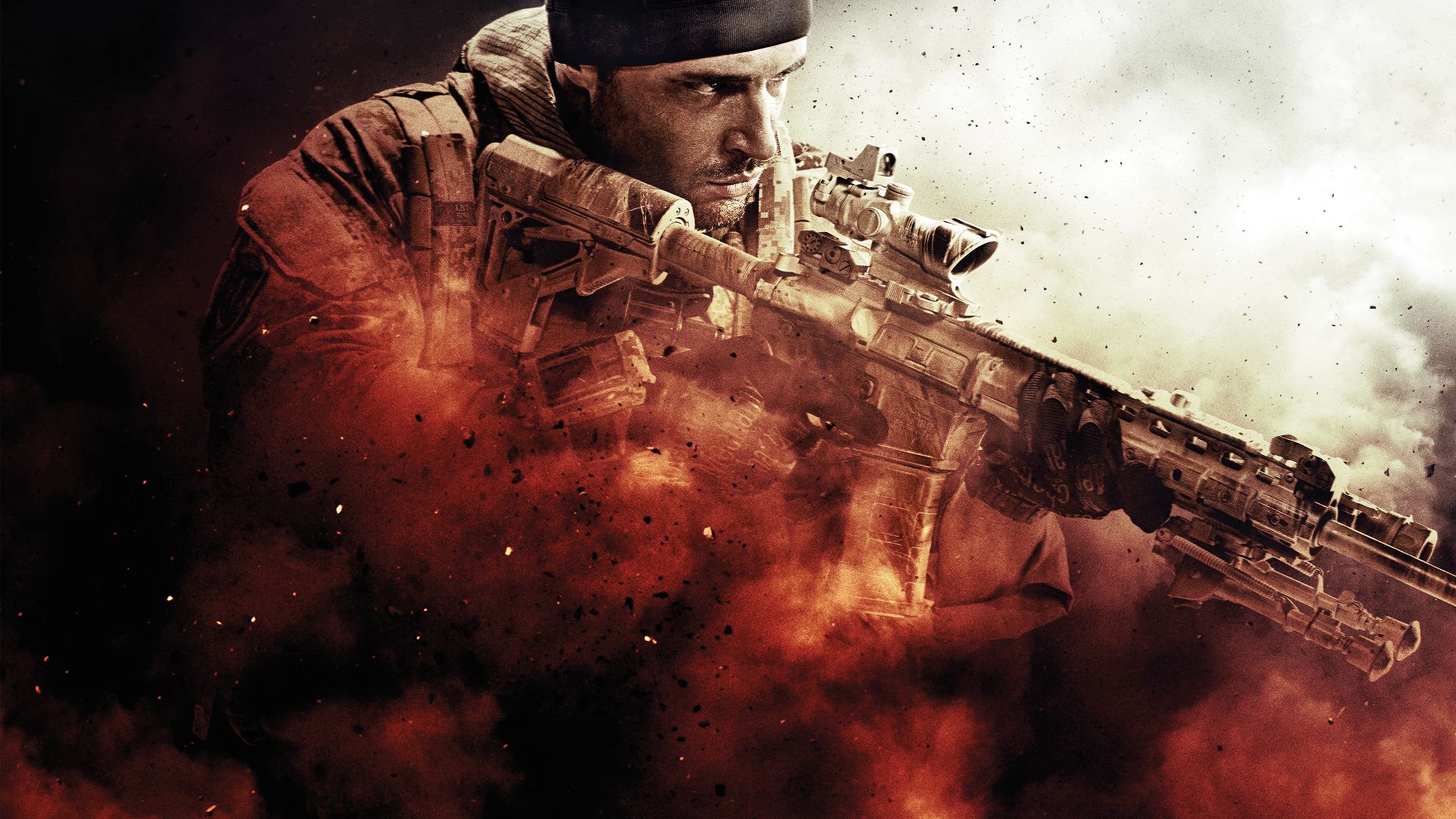
Electronic Arts tried to create a military shooter to rival popular games, but the result was unoriginal and full of technical problems. Players found the story confusing and overly reliant on pre-determined events. The online multiplayer modes didn’t attract enough players to stay popular for long, and ultimately, the publisher decided to discontinue the game series.
‘Aliens: Colonial Marines’ (2013)
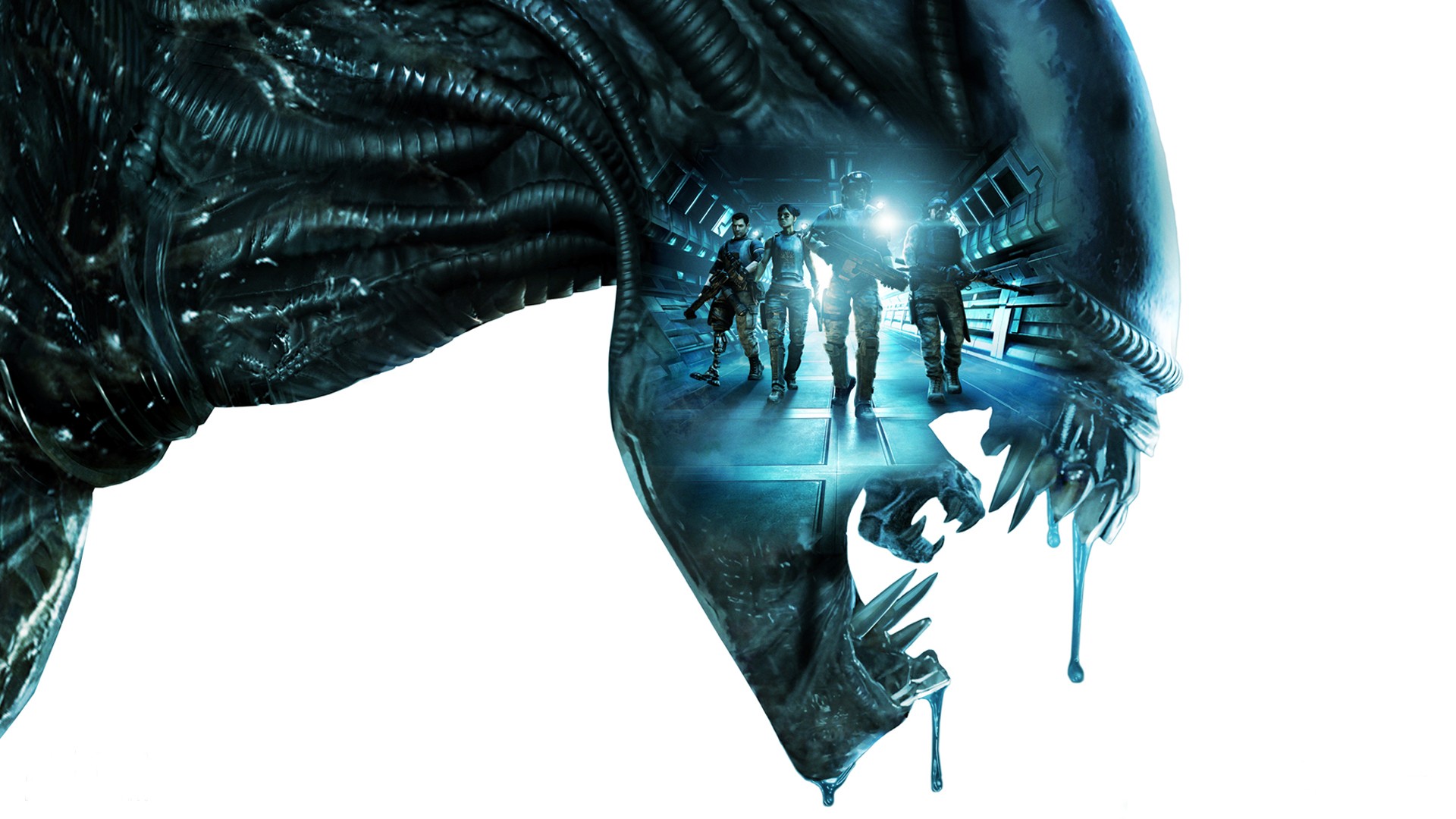
Honestly, I was so hyped for this game based on the trailers – the lighting and details looked incredible! But when it actually came out, it just didn’t live up to the promises. The enemy AI was a total mess, which completely ruined any sense of challenge or suspense. It was so bad, people actually filed a lawsuit over the misleading advertising! It really damaged the relationship between us gamers and the developers, and it took years for them to regain our trust.
‘Dead Space 3’ (2013)
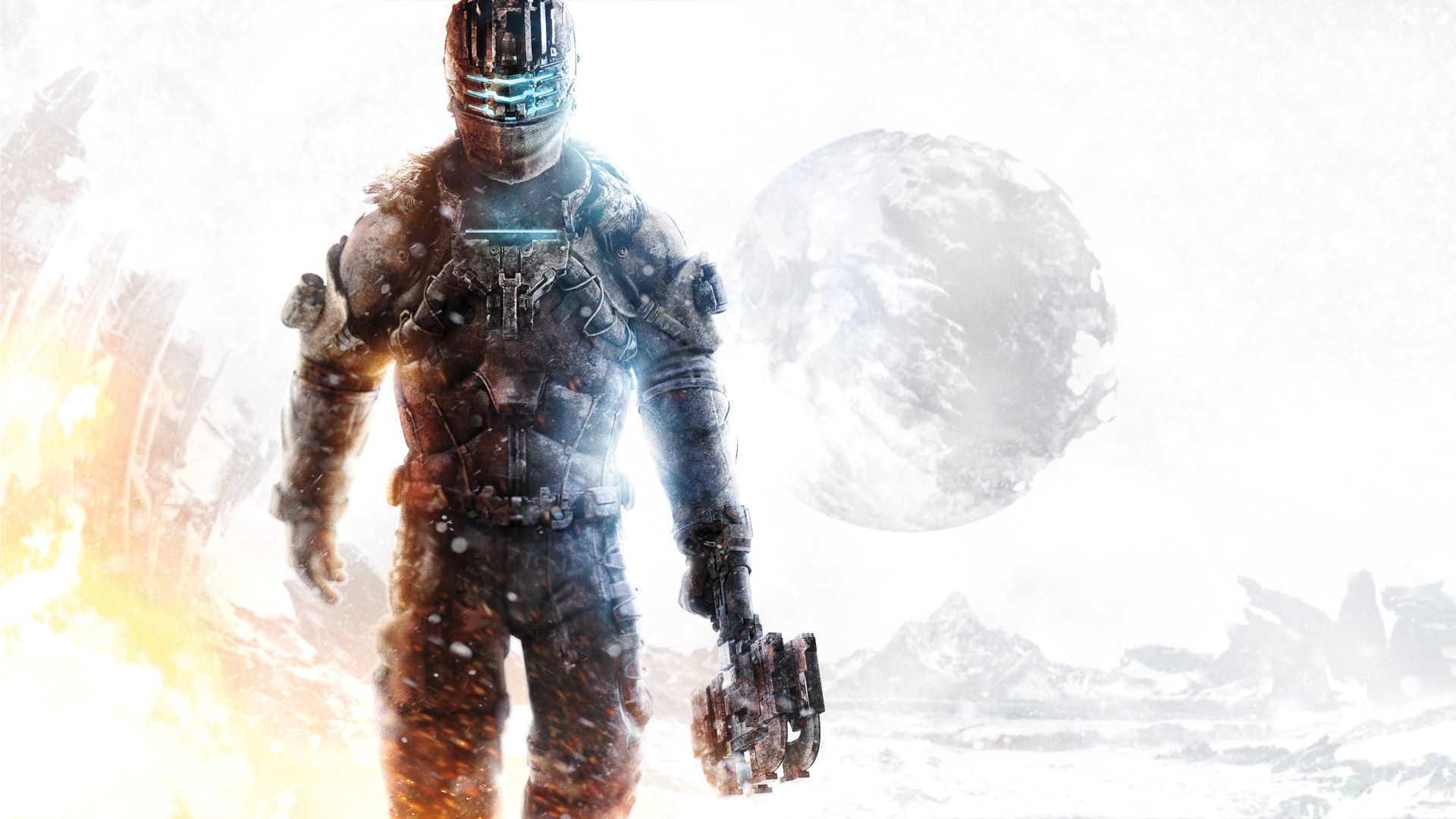
Fans of the original, scary games were disappointed when the series moved away from its suspenseful roots and focused more on action and teamwork. Adding the option to buy items for making weapons with real money also upset many players. The story became less about psychological horror and more about big, explosive scenes. As a result of poor sales, Electronic Arts put the series on hold for ten years.
‘Resident Evil 6’ (2012)
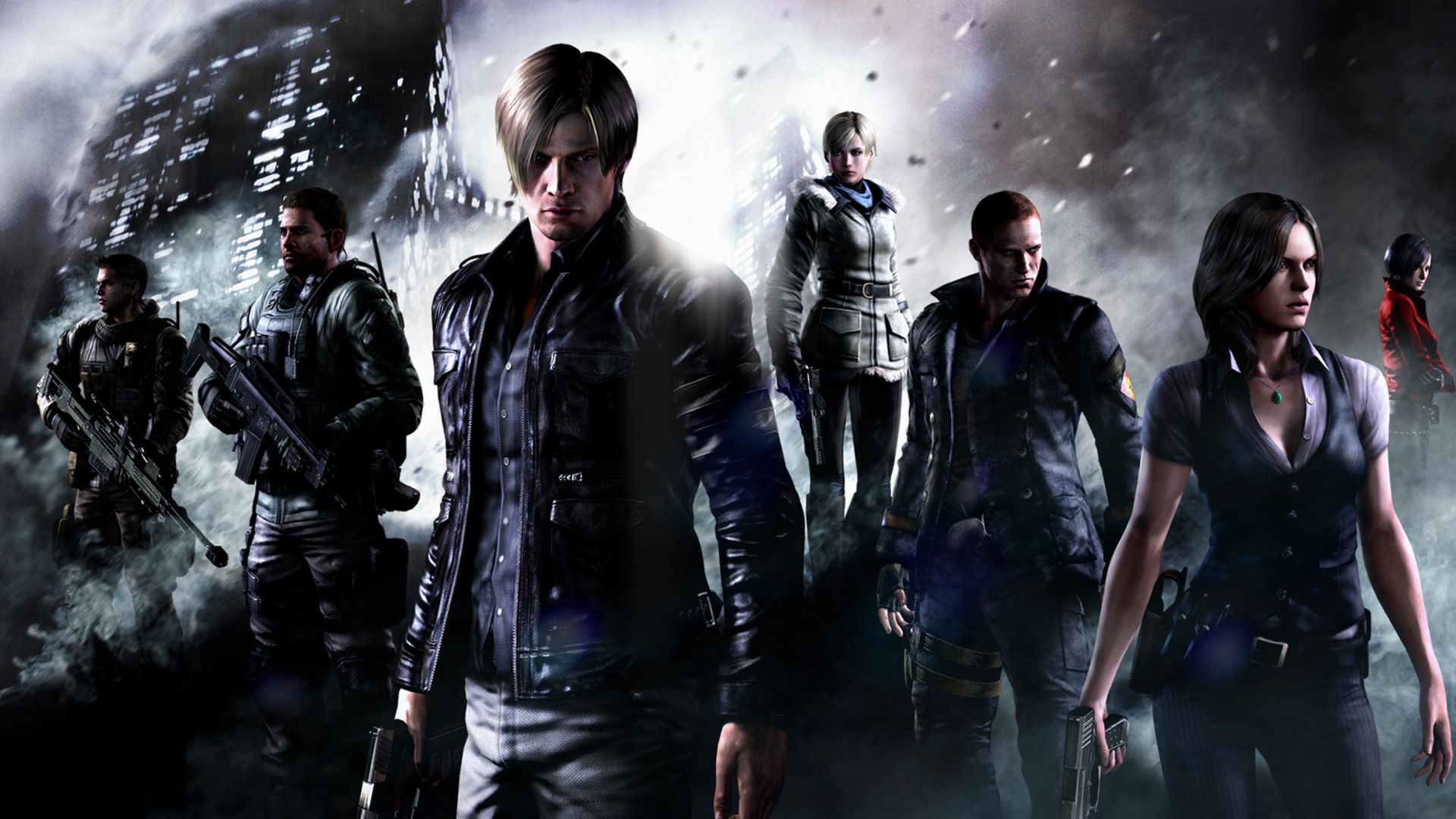
Capcom aimed to attract action game lovers with four separate storylines, each offering a unique way to play. However, the game was seen as overly long and strayed too far from the scary, survival horror elements that made the series popular. Frequent quick-time events disrupted the gameplay. Due to the negative feedback, the developers decided to refocus on horror with the next game in the series, essentially starting over.
‘Silent Hill: Book of Memories’ (2012)
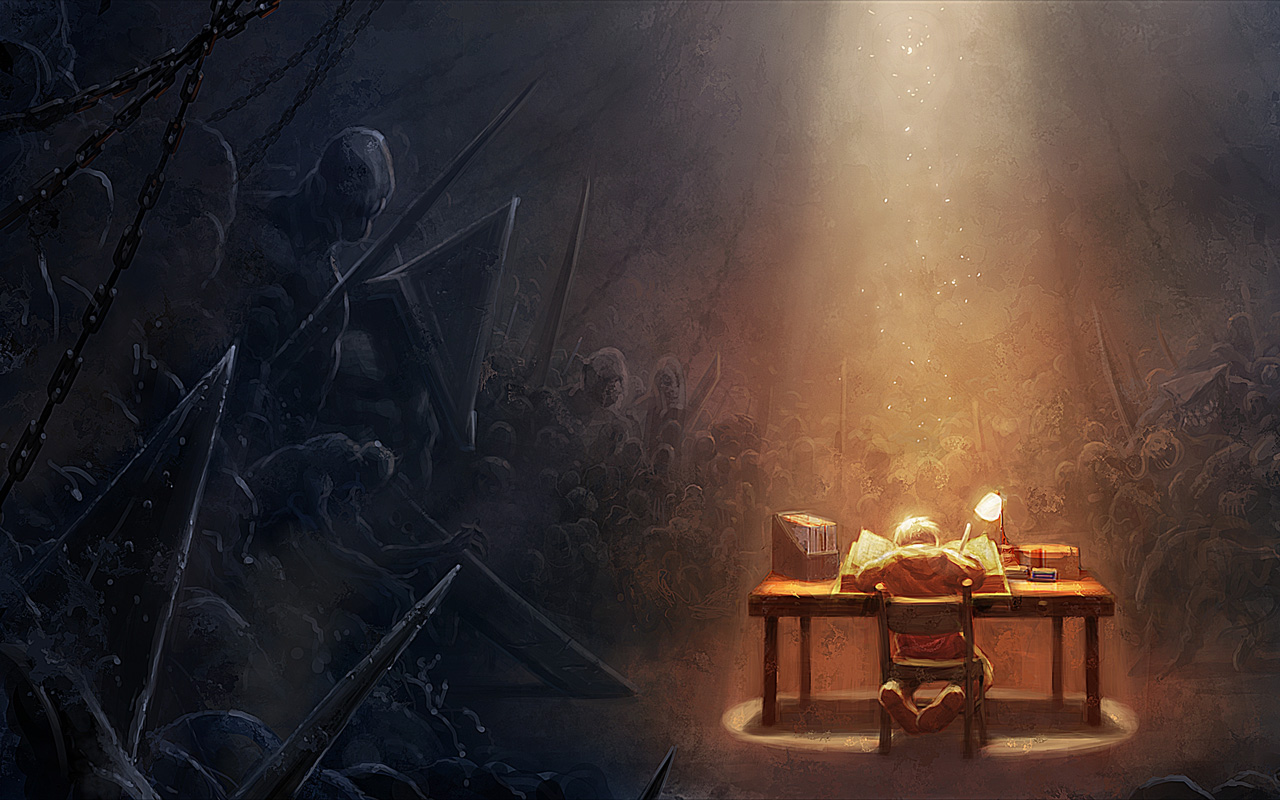
As a big fan of the series, I have to say this handheld game was a bit of a disappointment. It took the creepy, psychological horror I loved and turned it into a pretty standard dungeon crawler. Honestly, the gameplay just didn’t fit the world they’d built, and the story felt really shallow compared to what I was used to. It’s a shame, because it was also the last truly original game we got for a long time before everything went quiet.
‘Metal Gear Survive’ (2018)
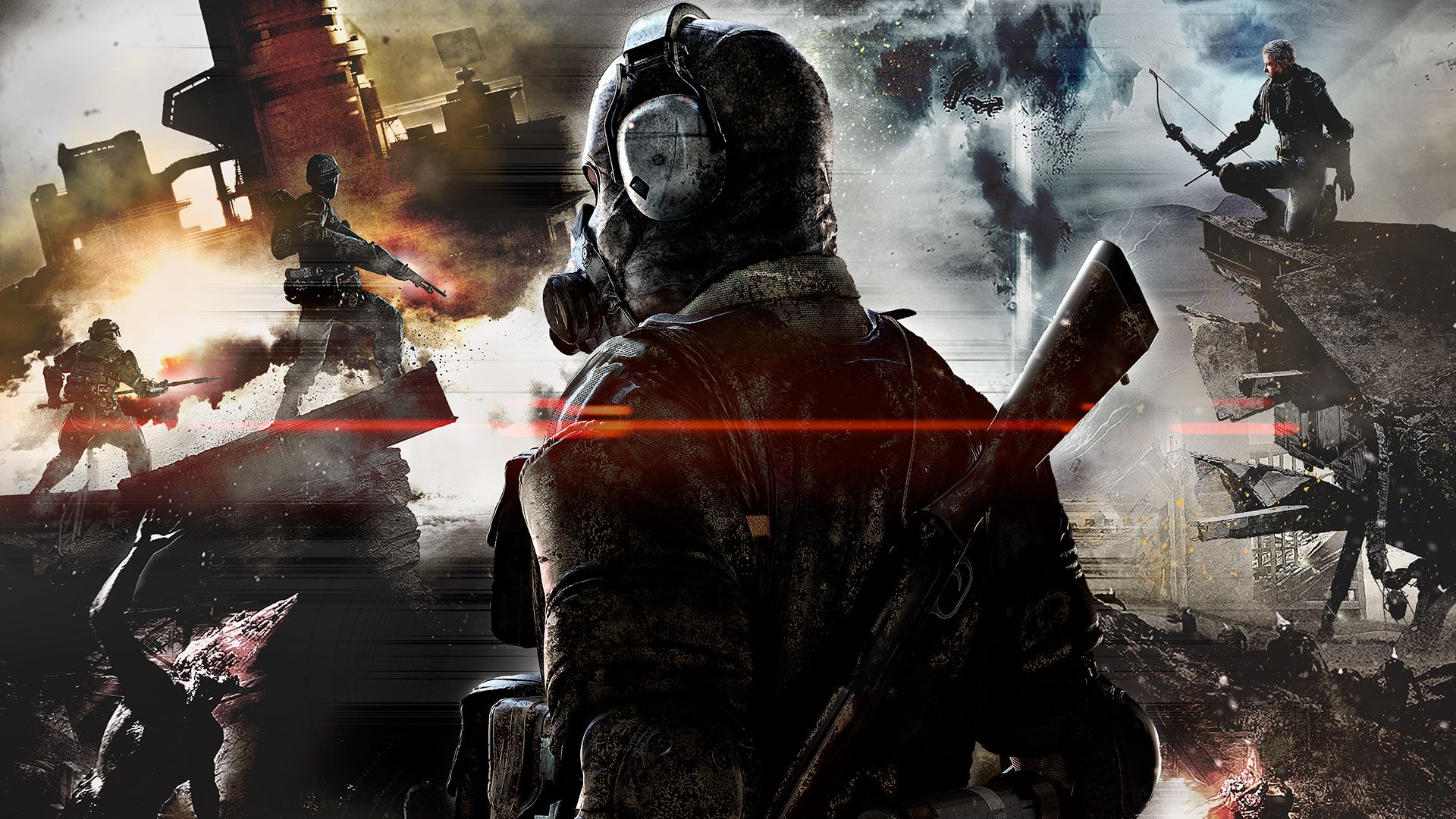
This survival horror game came out soon after Hideo Kojima, the creator of the main series, left the company. It relied heavily on elements from older games and required players to spend a lot of time collecting resources. Fans didn’t like the enemies, which acted like zombies, and were upset about having to pay extra to save their progress. Most people see it as a disappointing attempt to profit from the series’ popularity without truly understanding what made it special.
‘Dungeon Keeper Mobile’ (2014)
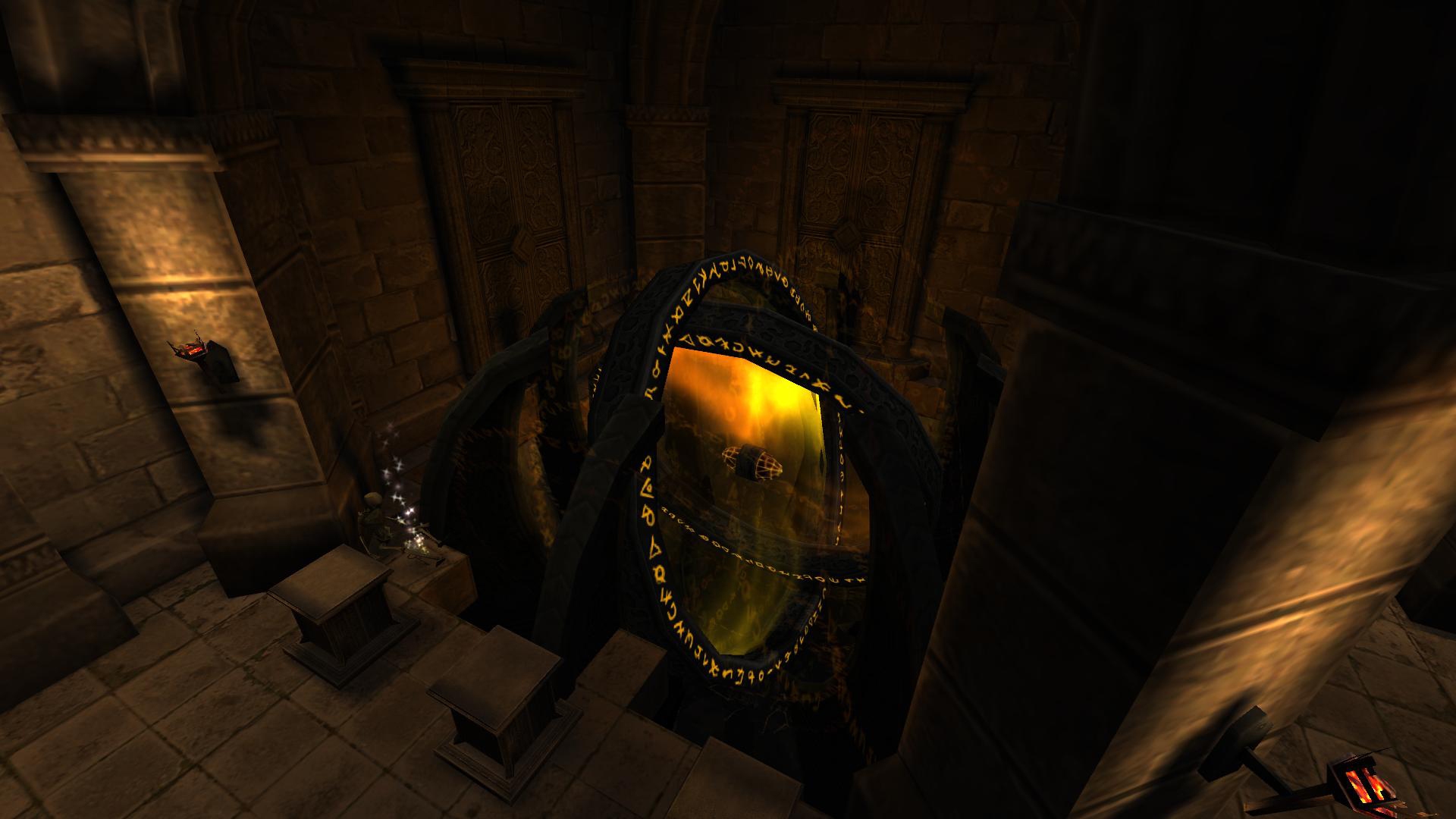
Electronic Arts brought back the classic strategy game on mobile devices, but as a free-to-play title. Unfortunately, the game heavily pushed players to either spend money or wait a long time to do even basic things. They also made the gameplay much simpler, removing most of the strategic challenge. The strong negative reaction showed that it’s risky to monetize well-loved classic games in a greedy way.
‘Banjo-Kazooie: Nuts & Bolts’ (2008)
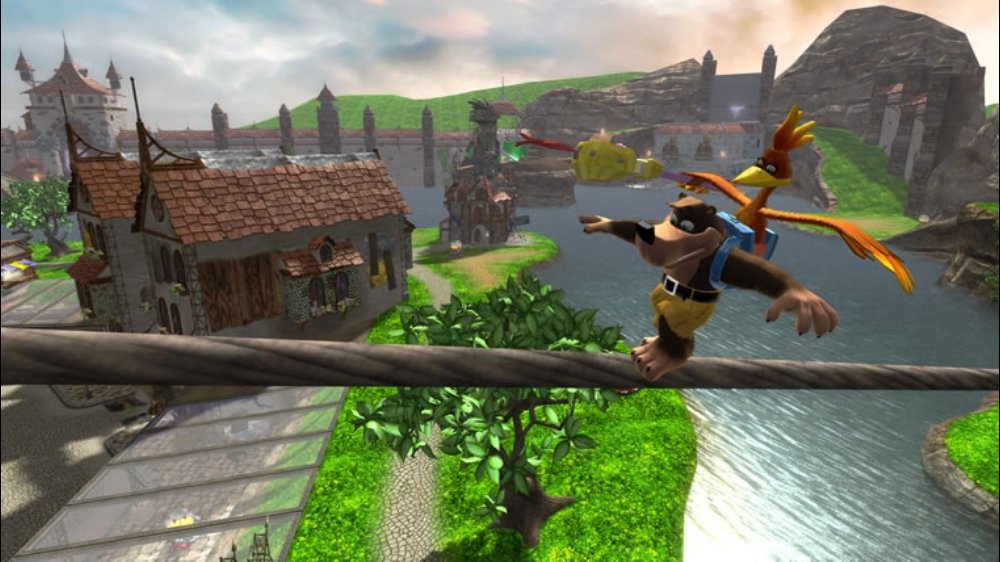
Rare surprised players by moving away from the traditional jumping and exploring gameplay of the original games and instead focusing on building vehicles. This change disappointed many fans who missed the classic style of play. The new game’s worlds felt vast and empty compared to the detailed levels of the Nintendo 64 games. Although the vehicle building was well-done, it wasn’t enough to satisfy those hoping for a proper sequel to the original platforming adventures.
‘Dino Crisis 3’ (2003)
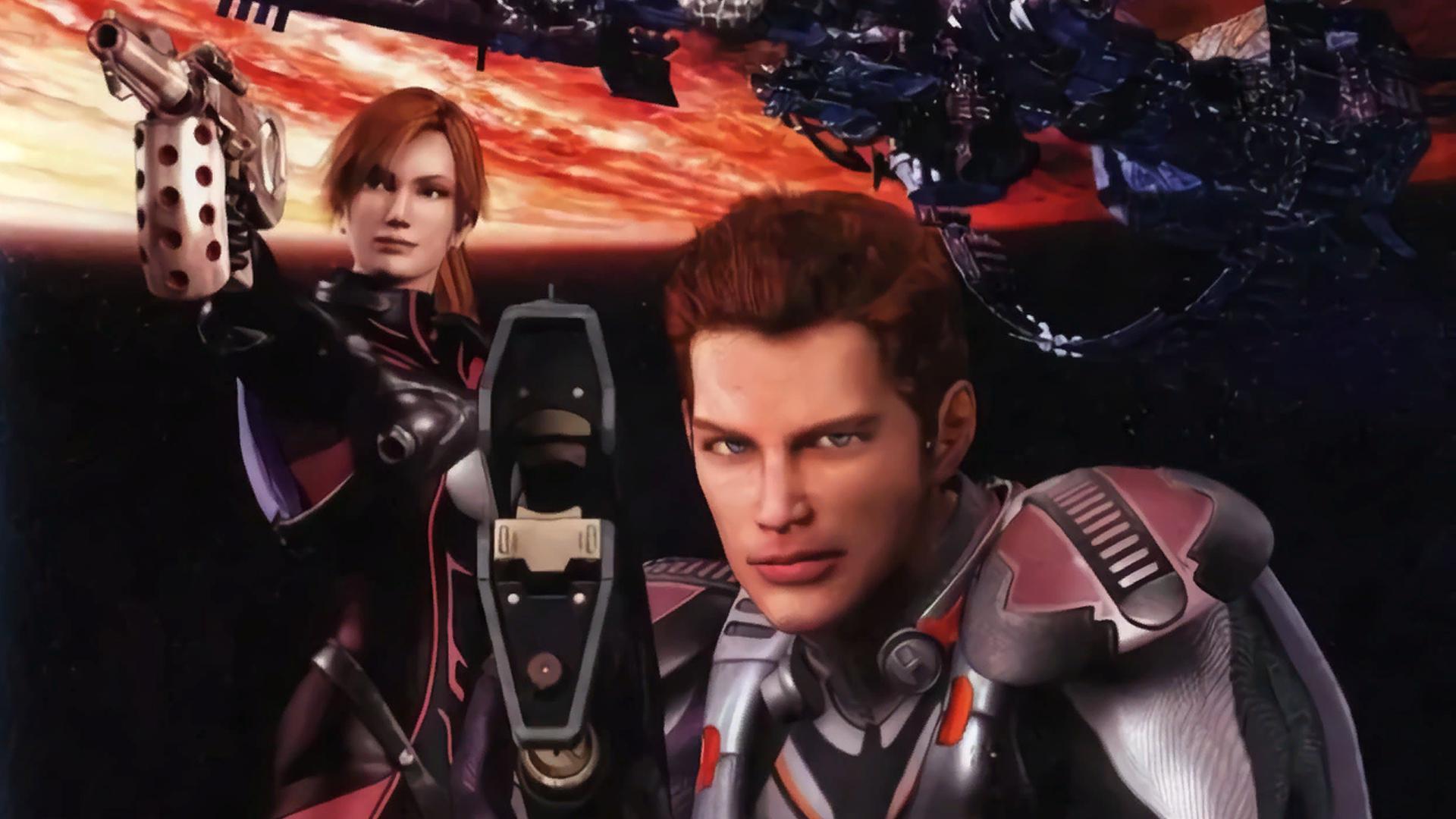
The game series shifted from a scary, survival-focused experience on Earth to a science fiction adventure in space. Instead of being actual dinosaurs, the creatures were revealed to be genetically engineered mutations. The awkward and clunky camera controls made battles difficult and annoying. Ultimately, this dramatic change in direction led to the franchise’s downfall.
‘Sonic the Hedgehog’ (2006)
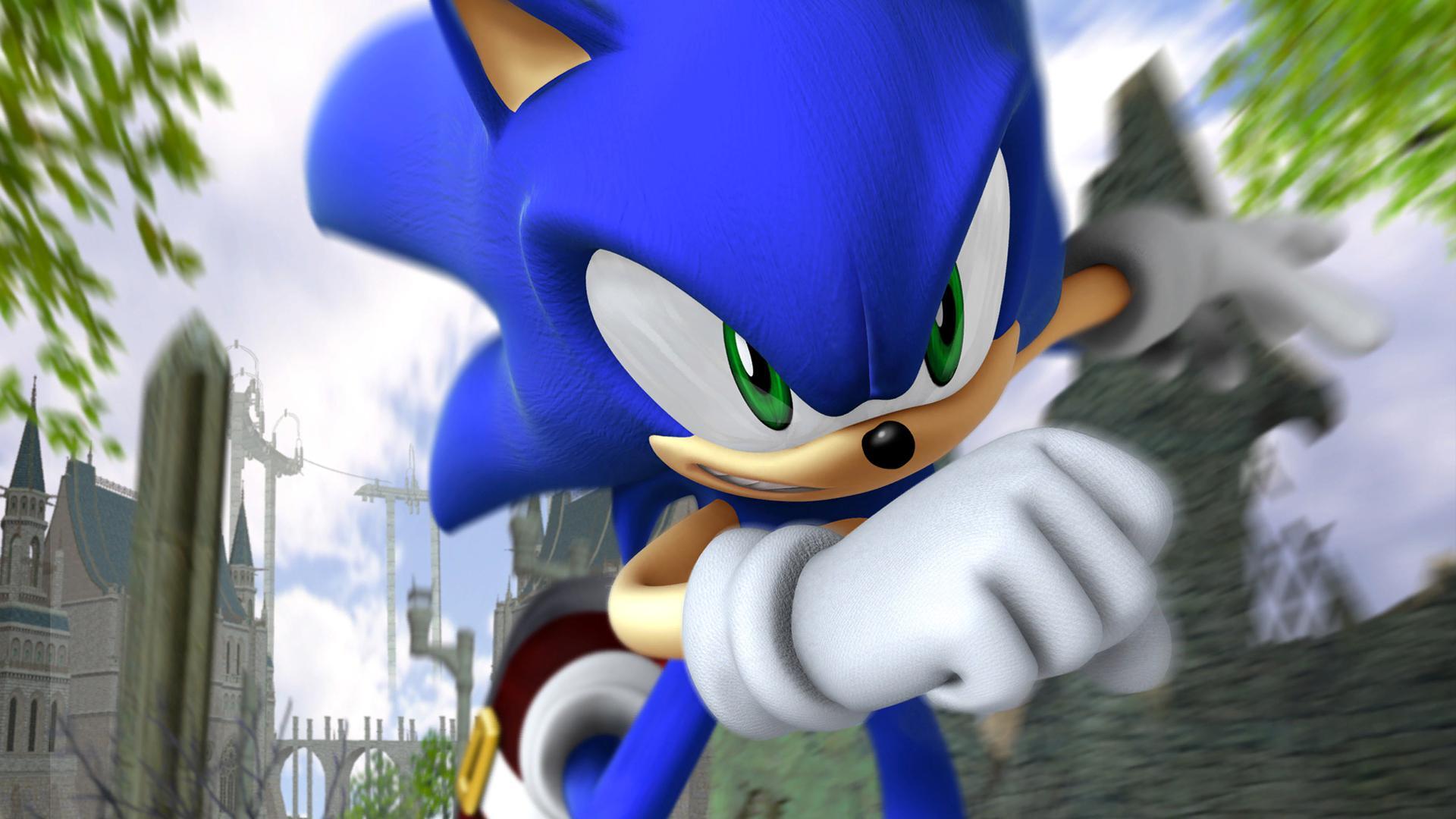
As a long-time Sega fan, it really hurt to see what happened with that anniversary game. It felt so rushed out the door for the holidays, and it was clearly unfinished. I remember being so frustrated with the incredibly long loading screens and all the bugs that actually stopped me from playing! And honestly, the story was… weird. The romance between the princess and Sonic just didn’t land with a lot of us. It really hurt the Sonic brand, and it took years for Sega to rebuild trust with fans after that release.
‘Tomb Raider: The Angel of Darkness’ (2003)
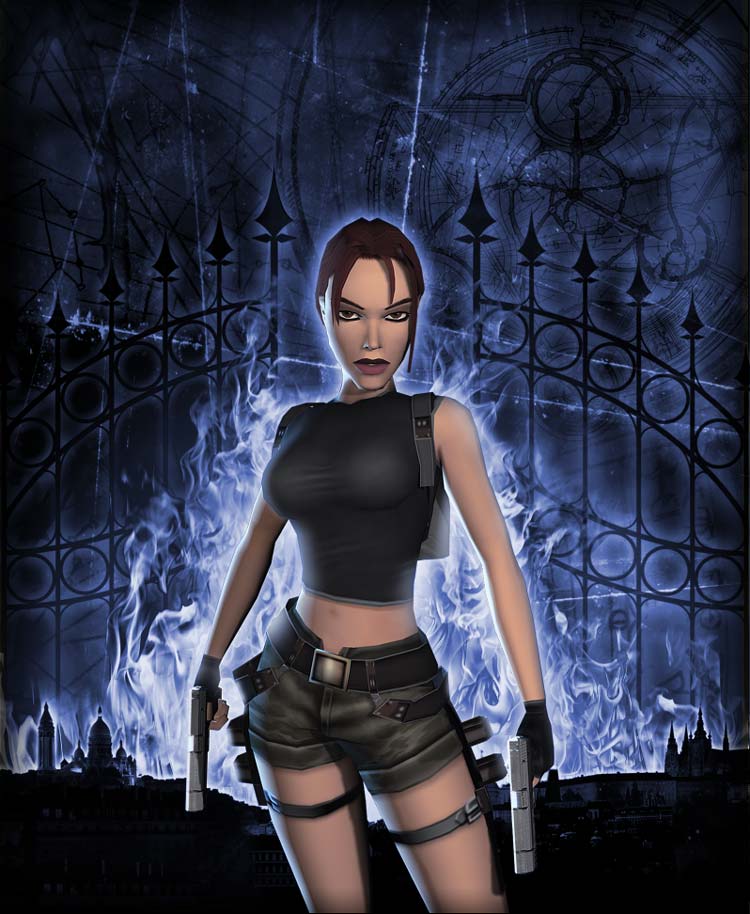
Okay, so I remember playing this game when it first came out, and they really tried to change things up. They added stealth stuff and even RPG elements where you could level up your character, which sounded cool. But honestly, it was a mess. The controls felt super clunky and unresponsive, and the game was just riddled with bugs. I heard the development was a nightmare, and a ton of content ended up getting cut. It didn’t really work out, and that’s why Crystal Dynamics took over the series after this one.
‘Alone in the Dark: Illumination’ (2015)
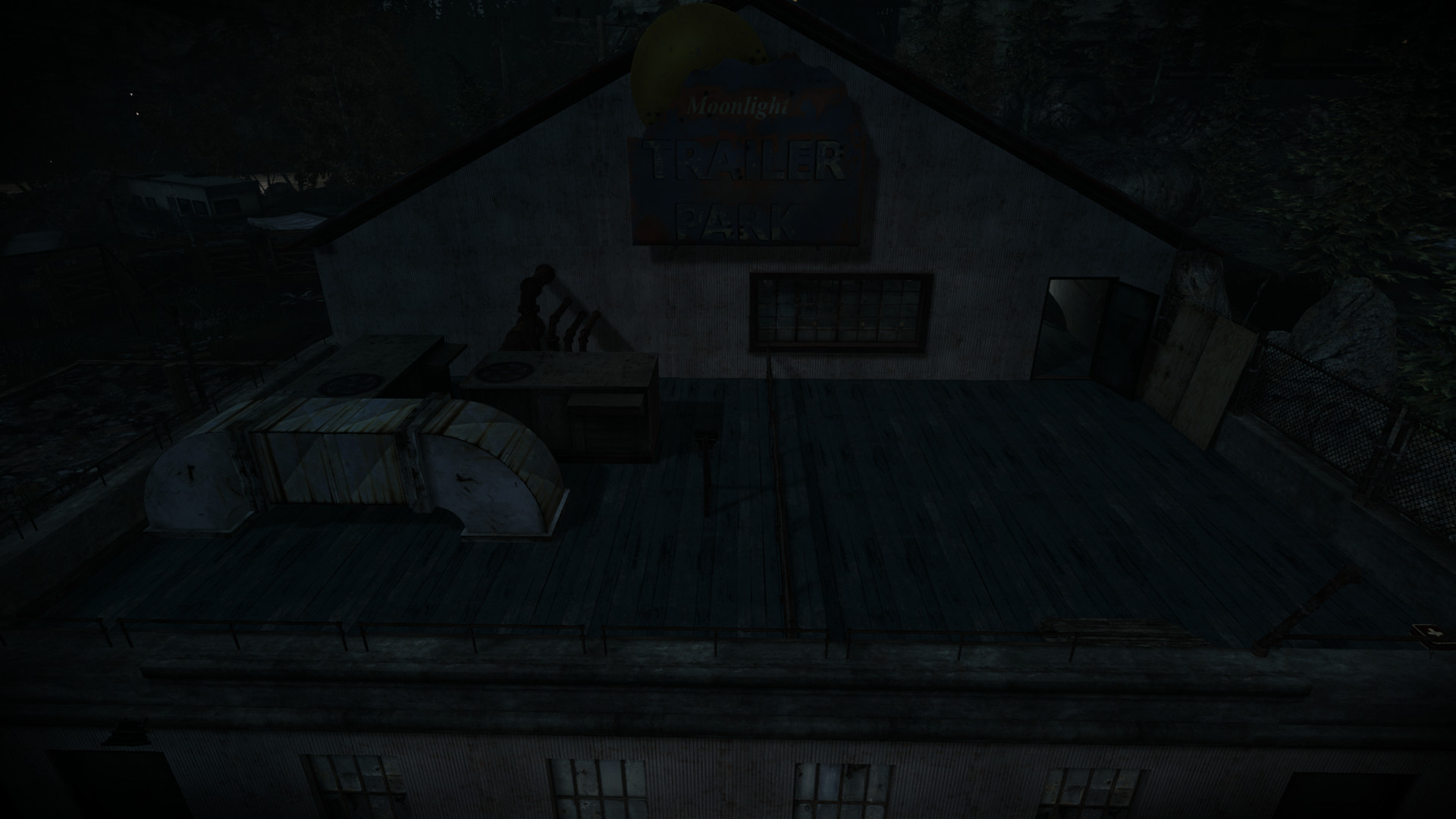
This game took the classic survival horror series and turned it into a team-based shooter, but it didn’t work well. The lighting was done badly, and the levels all felt the same. Reviewers heavily criticized it for being unscary and having a lot of technical problems, and it’s considered one of the worst games ever made in the survival horror genre.
‘Empire Earth III’ (2007)
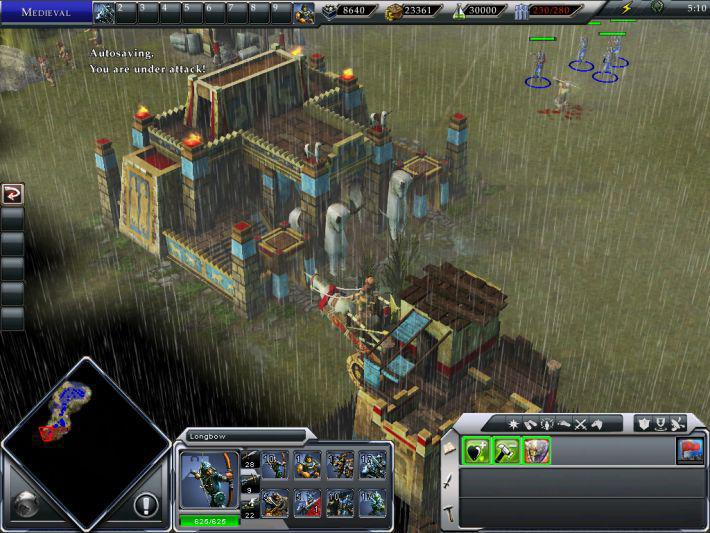
The developers made the game easier to play, hoping to attract more players. They significantly cut down on the number of historical periods and civilizations included. Many felt the game’s humor was childish and didn’t fit the serious nature of a historical strategy game. Longtime fans saw these changes as a major step down in quality and believed it effectively ended the game series.
‘Supreme Commander 2’ (2010)
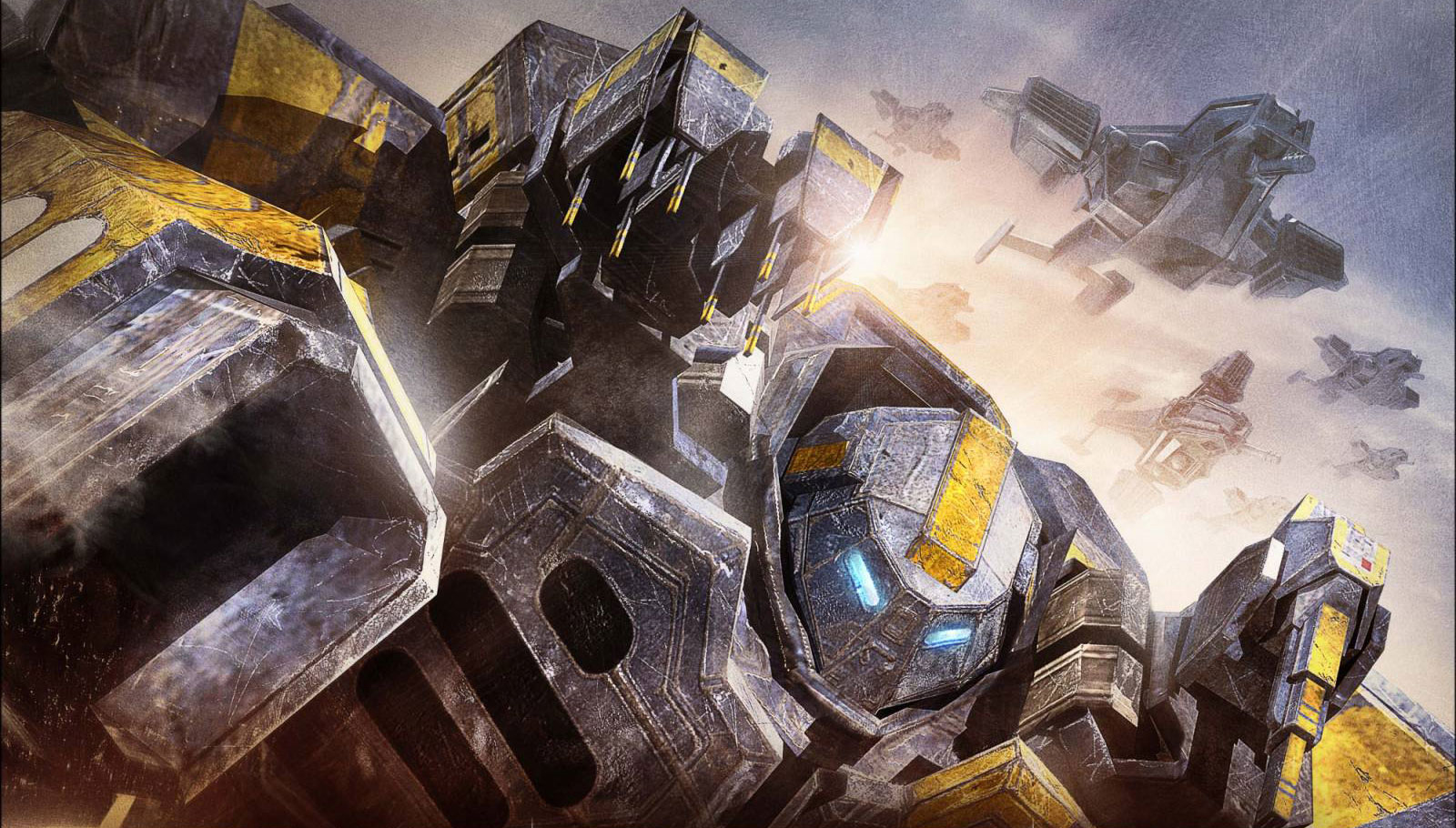
Square Enix made the second game more action-focused and less about careful planning and resource gathering compared to the first. While the combat was quicker, it wasn’t as strategically challenging. Many long-time fans felt this change made the sequel feel different and lost what made the original special. The simpler economic system also disappointed the game’s most dedicated players.
‘Sacred 3’ (2014)
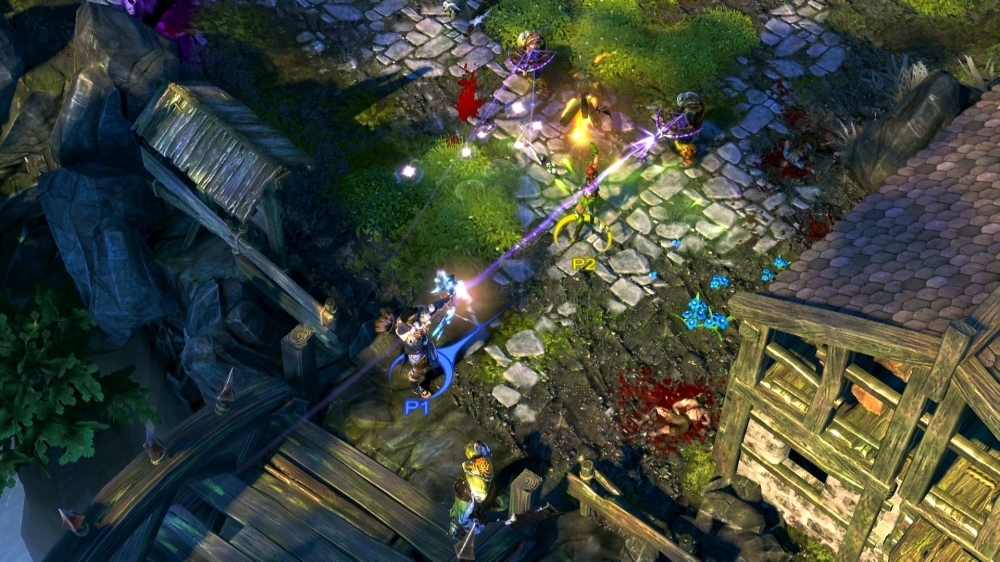
The game underwent a major overhaul, shifting from a sprawling, open-world RPG to a more straightforward, action-focused fighting game. They significantly reduced the amount of loot players could collect and removed most options for customizing characters. While the game featured a lot of humor, many players found it irritating. This drastic change in gameplay ultimately disappointed fans of the original two games.
‘Postal III’ (2011)
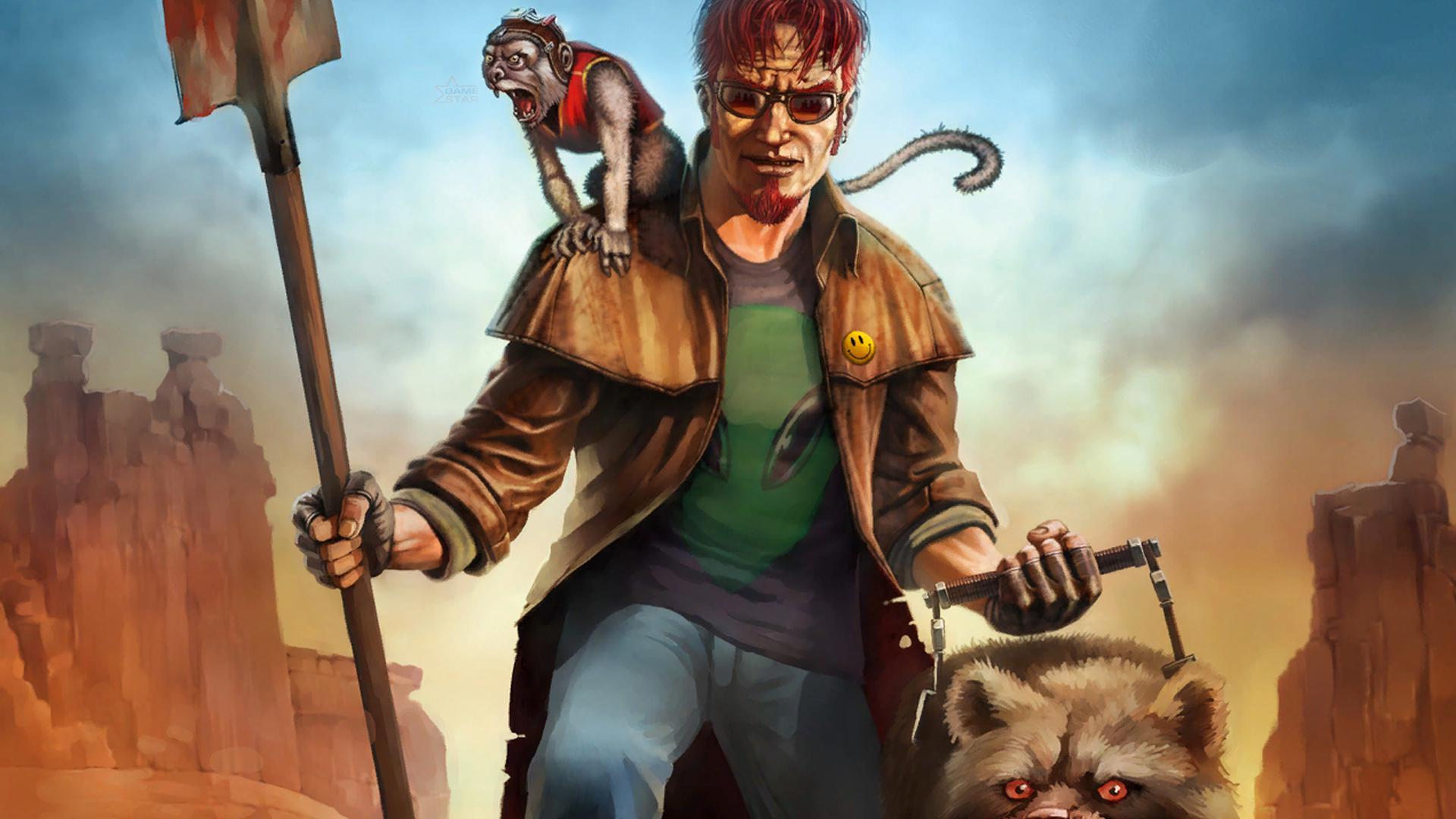
Development of the game was handed off to another studio, which led to significant technical issues. Unlike the second game’s expansive, open world, this installment featured a more straightforward, mission-based structure. Many players found the humor and gameplay to be flawed and unenjoyable. Ultimately, the original development team distanced themselves from the game, even removing it from their official storyline.
‘FlatOut 3: Chaos & Destruction’ (2011)
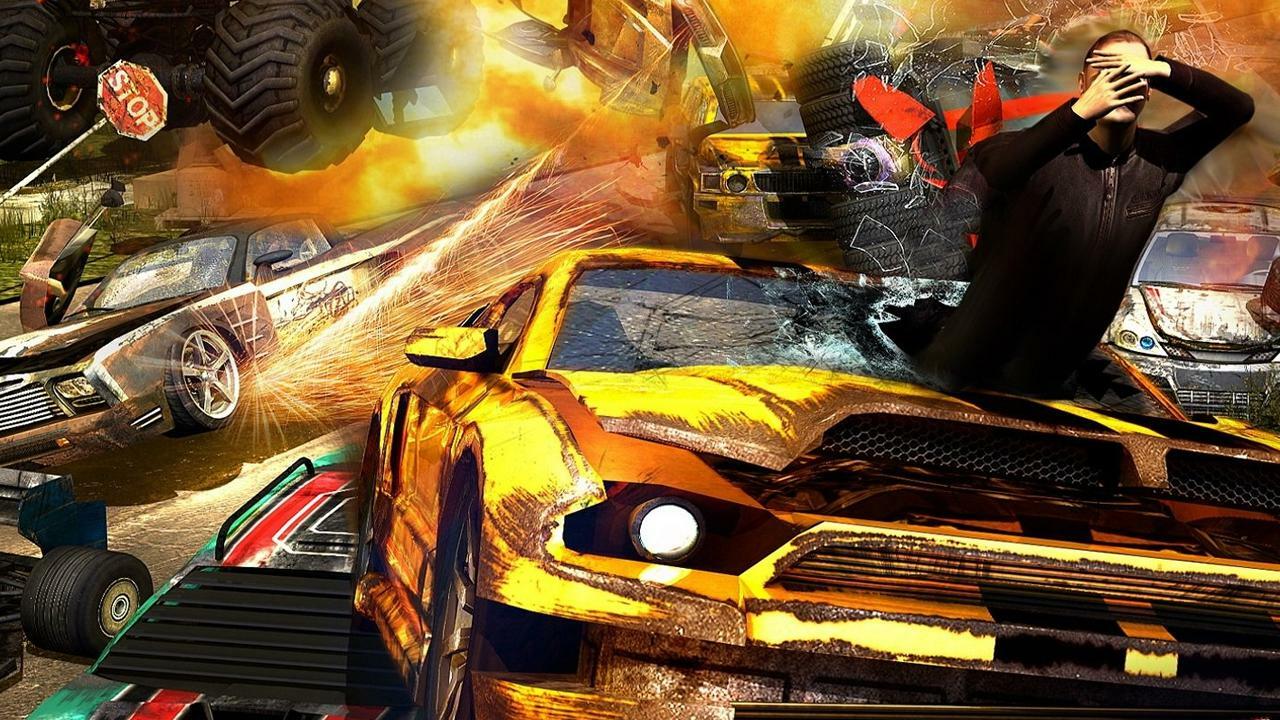
When Team6 Game Studios took over, the resulting racing game was plagued with problems. The car handling was overly sensitive and hard to control, the graphics looked outdated, and crashes didn’t always register correctly. It’s widely considered one of the worst racing games of all time.
‘Thief’ (2014)
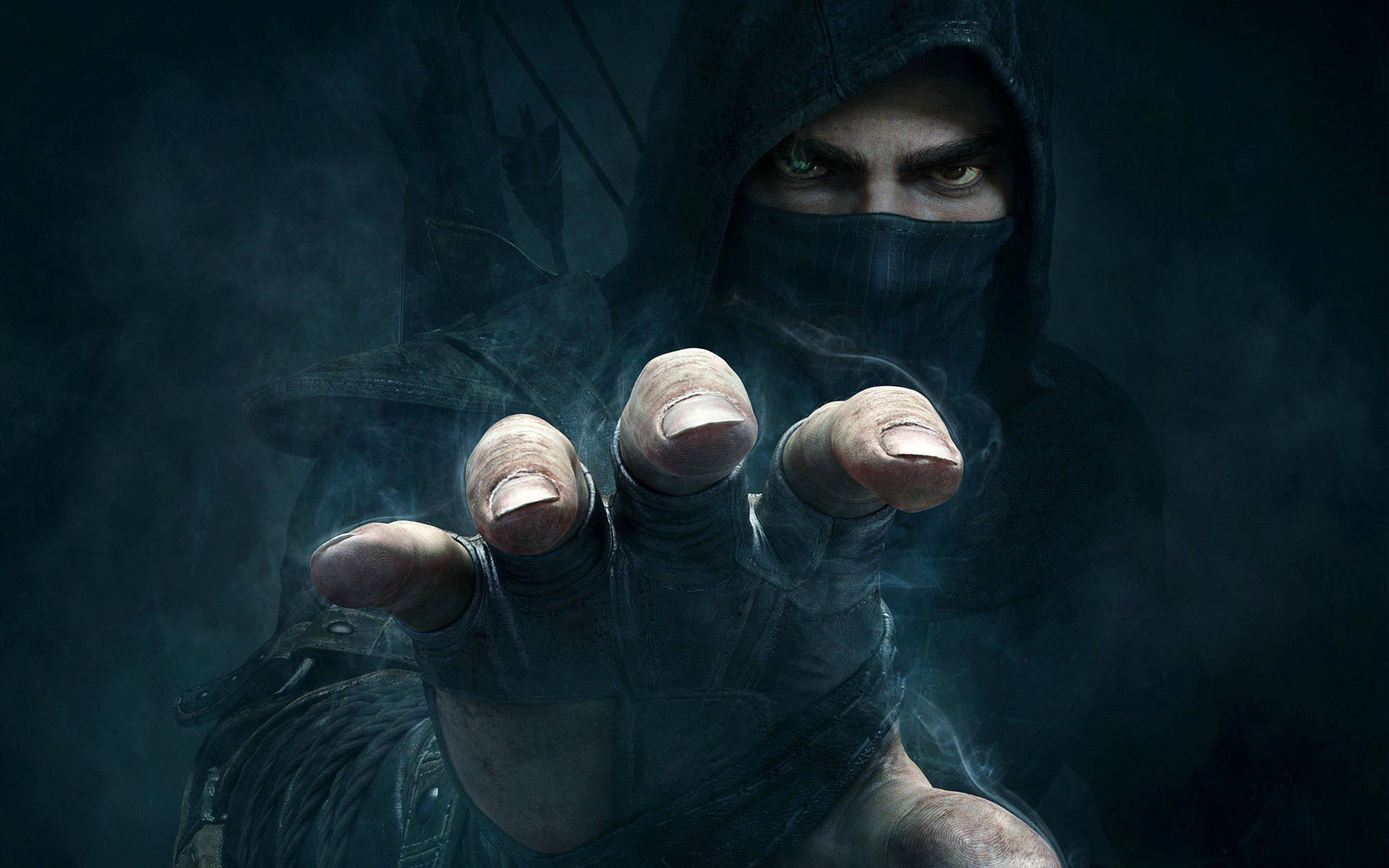
This new version of the game moved away from the open exploration of the earlier titles, forcing players down set paths. The way the character moved felt restrictive, hindering player freedom and creative problem-solving. Technical problems with the sound design also damaged the stealth gameplay. Many dedicated fans also felt the main character lacked the unique personality that had made him so memorable.
‘Master of Orion 3’ (2003)
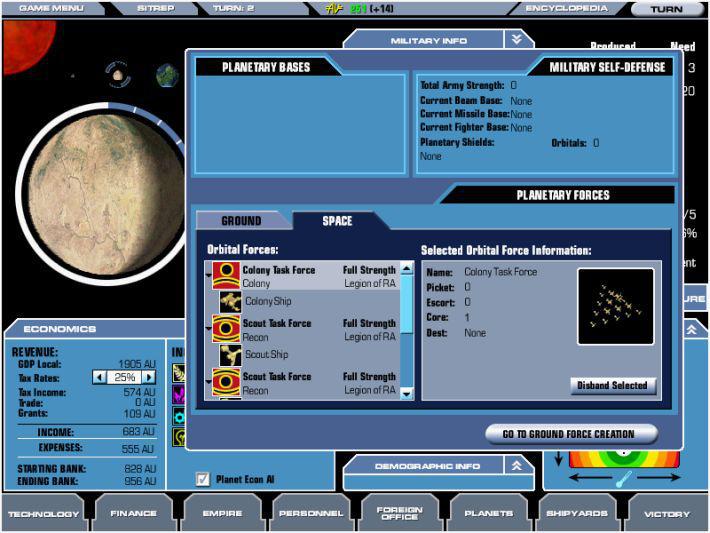
Players actually liked having to manage many of the small details, but the developers put those on autopilot. The game’s interface was messy and looked more like a spreadsheet than something fun to play. The computer opponents weren’t very challenging, as they didn’t put up much of a fight. These issues led to the space strategy game series being put on hold for over ten years.
‘Ultima IX: Ascension’ (1999)
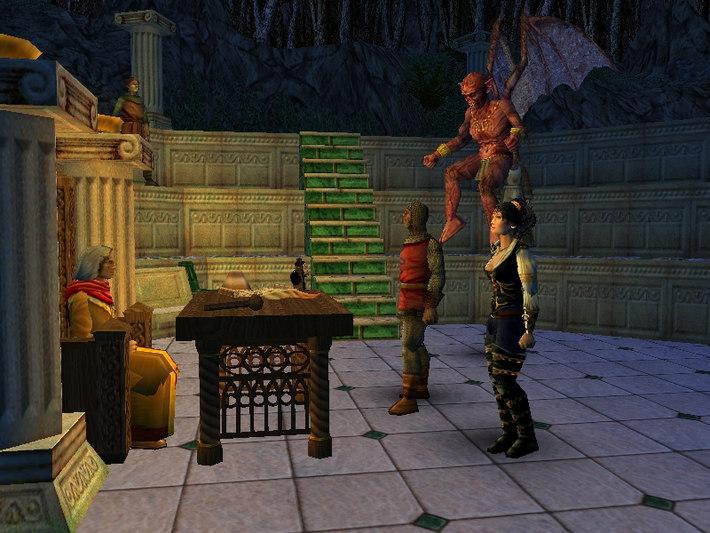
The last game in the beloved RPG series launched with many technical issues and felt unfinished. It also changed key parts of the story that fans already knew. The game’s graphics were too much for most computers at the time, leading to poor performance. Overall, it was a disappointing end to a truly important and groundbreaking franchise.
‘Marvel vs. Capcom: Infinite’ (2017)
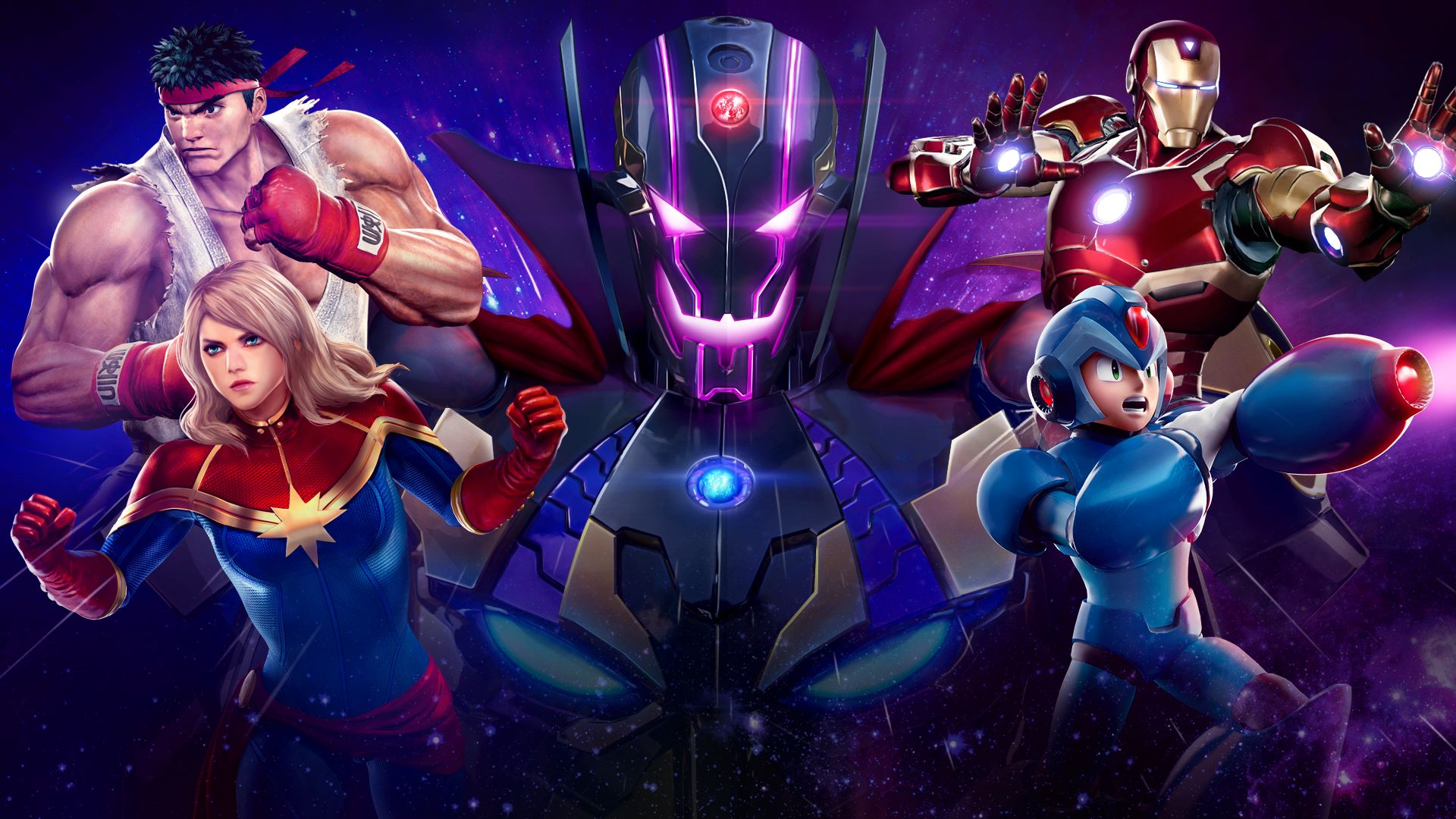
When the game first came out, it didn’t include characters from the X-Men or Fantastic Four because of licensing problems. Many players thought the graphics looked blurry and weren’t as good as in older versions of the game. Also, the easier controls frustrated players who were used to more complex fighting game systems. As a result, major tournaments quickly stopped featuring the game.
‘Warhammer 40,000: Dawn of War III’ (2017)
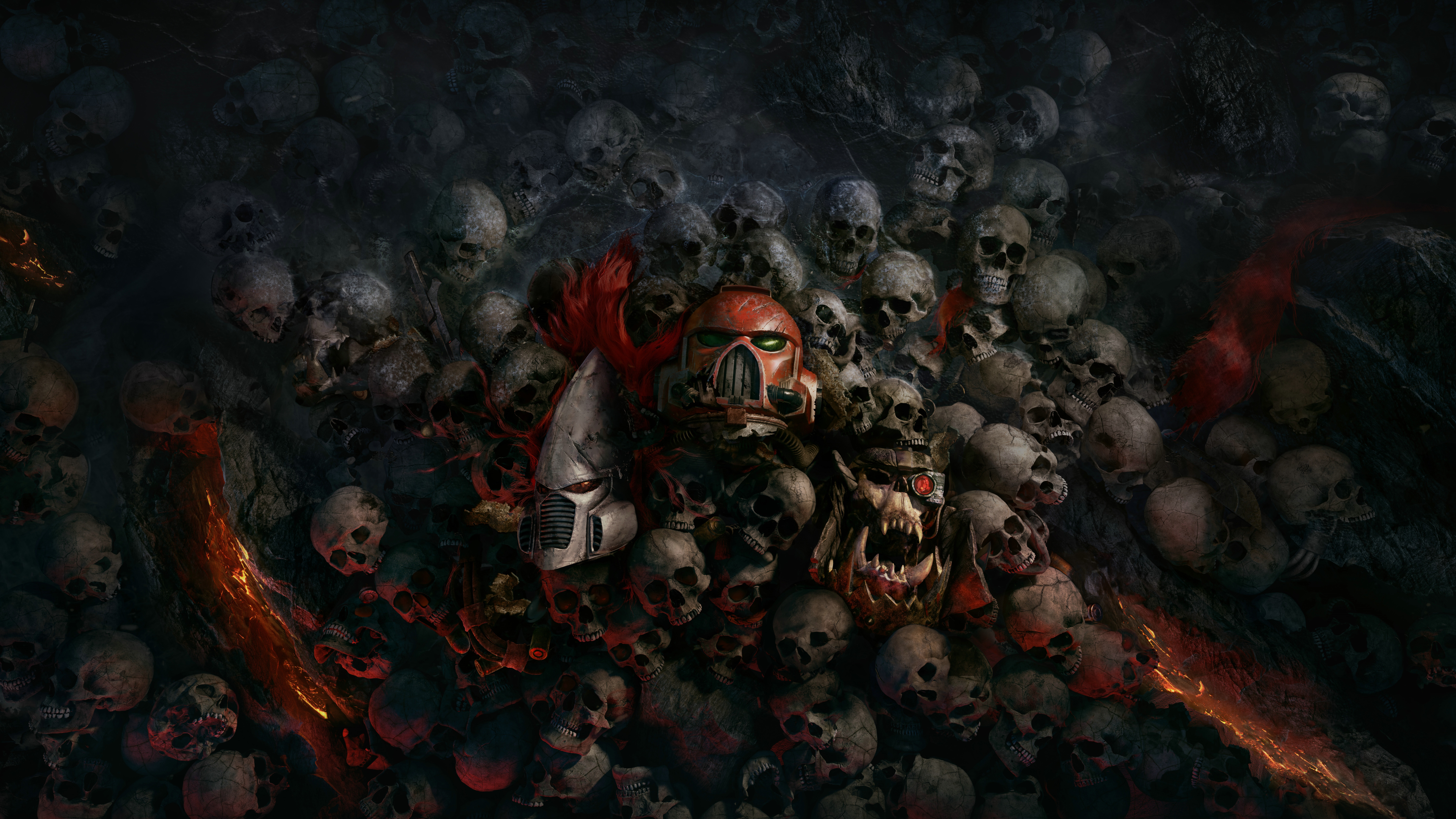
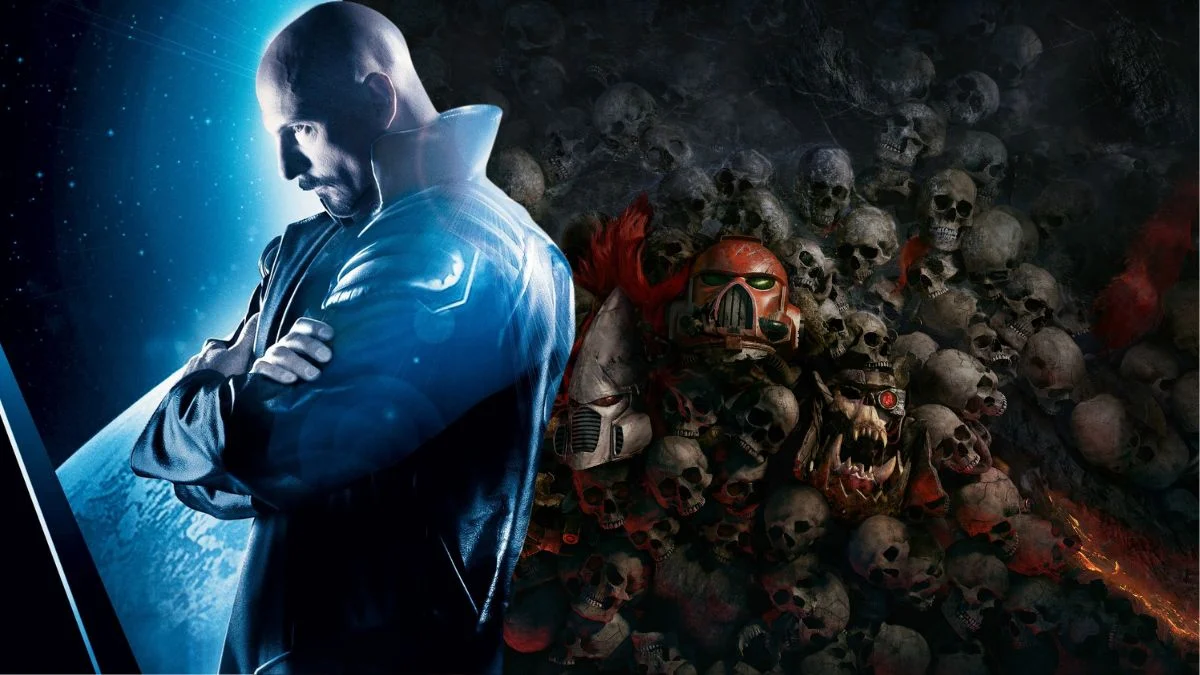
Relic Entertainment tried to combine the massive armies from their first game with the emphasis on powerful heroes from their second. However, this mix of styles, which resembled a MOBA, didn’t appeal to fans of either approach. They also removed the cover system and made base building easier. Because players quickly stopped playing, the game’s development was halted soon after it launched.
‘Crackdown 3’ (2019)
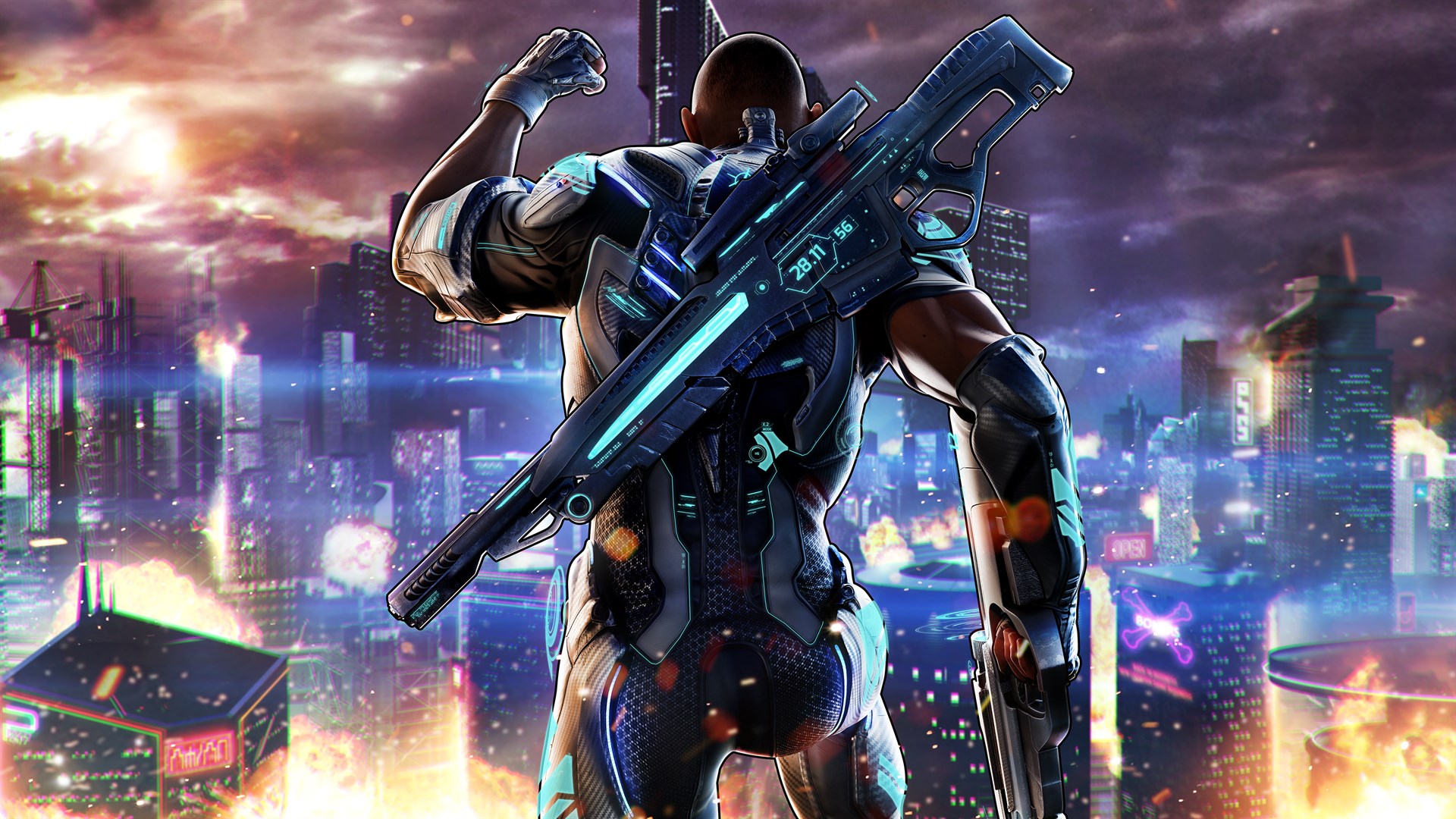
When the game was first revealed, it boasted environments that could be completely destroyed thanks to cloud technology. However, the final version didn’t deliver on that promise, limiting the feature to a separate multiplayer mode. The main story felt old-fashioned and didn’t offer much new compared to the 2007 original. Ultimately, the game wasn’t well-received, and there haven’t been any new installments in the series since.
‘Saints Row’ (2022)
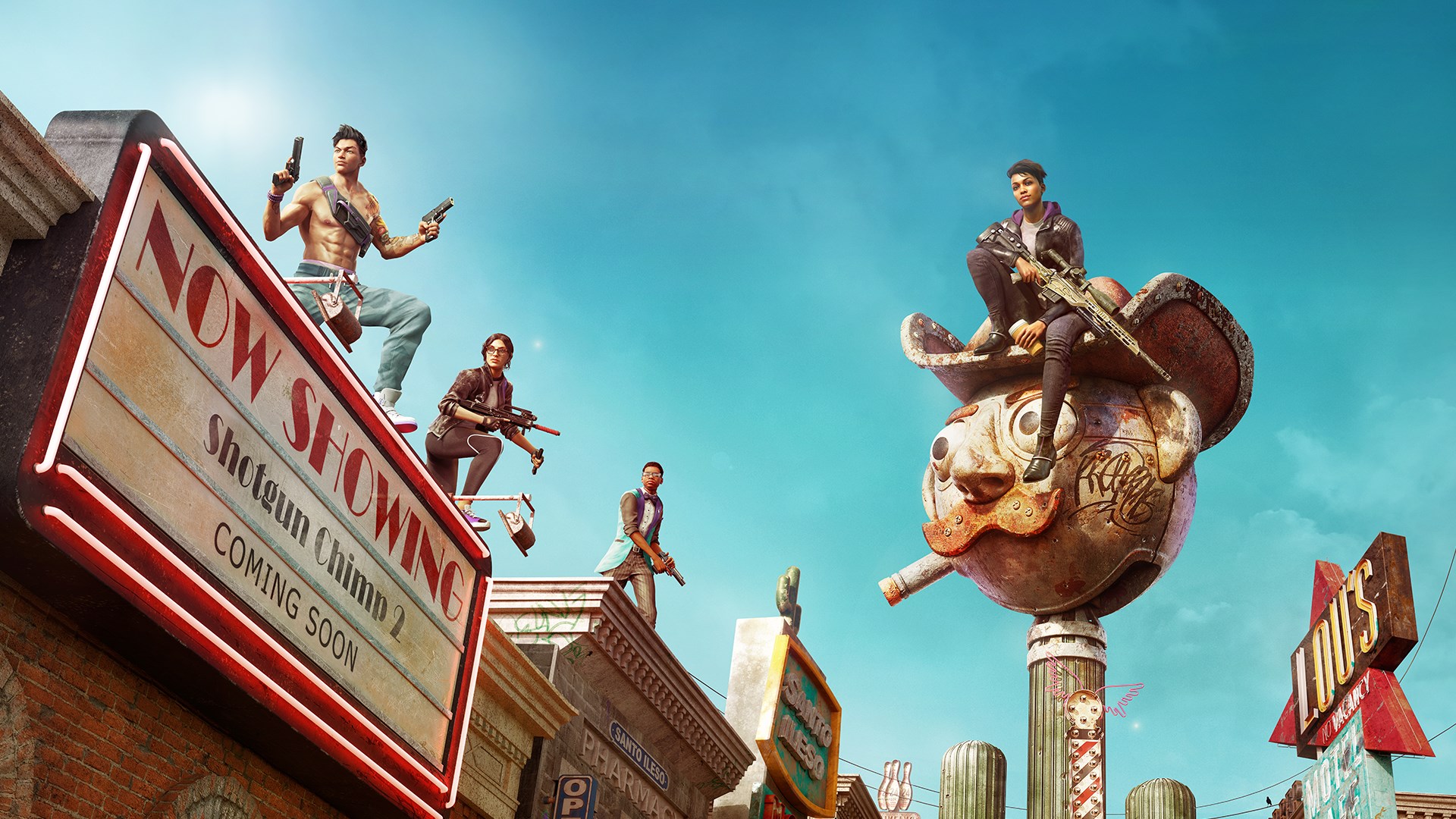
Volition attempted to revitalize the series with fresh characters, but fans didn’t connect with them. The game aimed for a blend of realistic crime drama and over-the-top comedy, but didn’t quite pull it off. It also suffered from numerous bugs and repetitive missions. Ultimately, disappointing sales led to the studio’s closure.
‘Bomberman: Act Zero’ (2006)
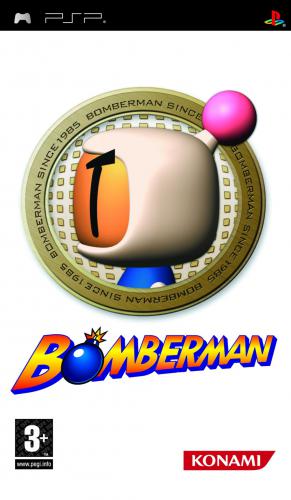
Konami drastically changed their cheerful, colorful mascot into a tough, robotic character set in a bleak future. While the game kept the old-style, square-based gameplay, it was made difficult by an awkward camera angle. This dark new look felt completely wrong for the series, and it’s often remembered as one of the worst reboots ever made in video games.
‘Golden Axe: Beast Rider’ (2008)
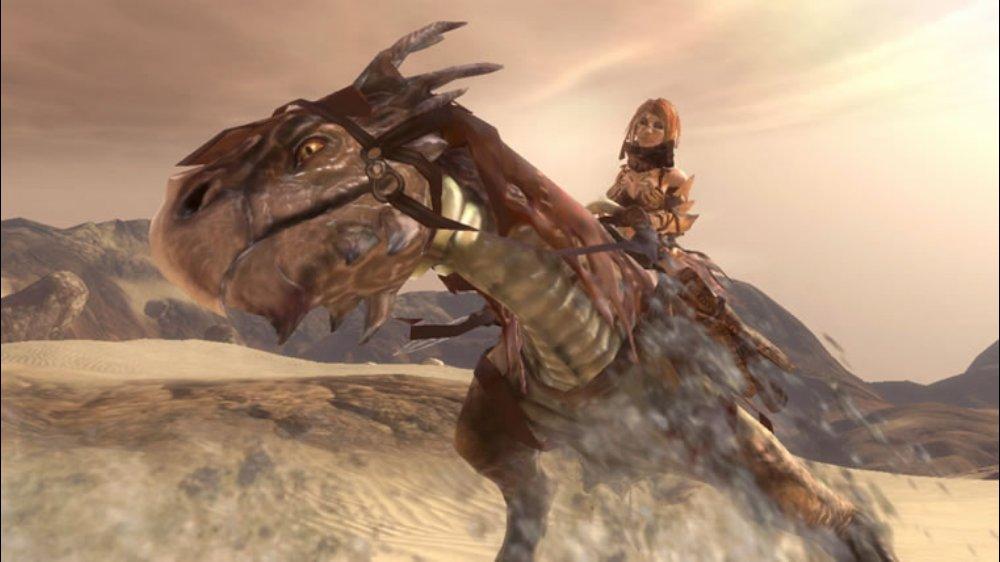
Sega attempted to update their classic beat-em-up game with 3D graphics and action, but the result wasn’t well-received. The controls felt awkward, and the feature allowing players to ride beasts was difficult to use. Unlike previous games, players could only control a single character. Due to the negative feedback, the game series largely disappeared for many years.
‘Steel Battalion: Heavy Armor’ (2012)

Honestly, this game was a real pain to play because of the Kinect. Trying to do anything complicated with the motion controls was just frustrating. Even simple stuff, like closing the cockpit or shifting gears, felt impossible! It wasn’t a matter of the game being hard, it was the Kinect just not working right, and that made the game unplayable. It’s a shame, because it pretty much killed the whole series.
‘Bionic Commando’ (2009)
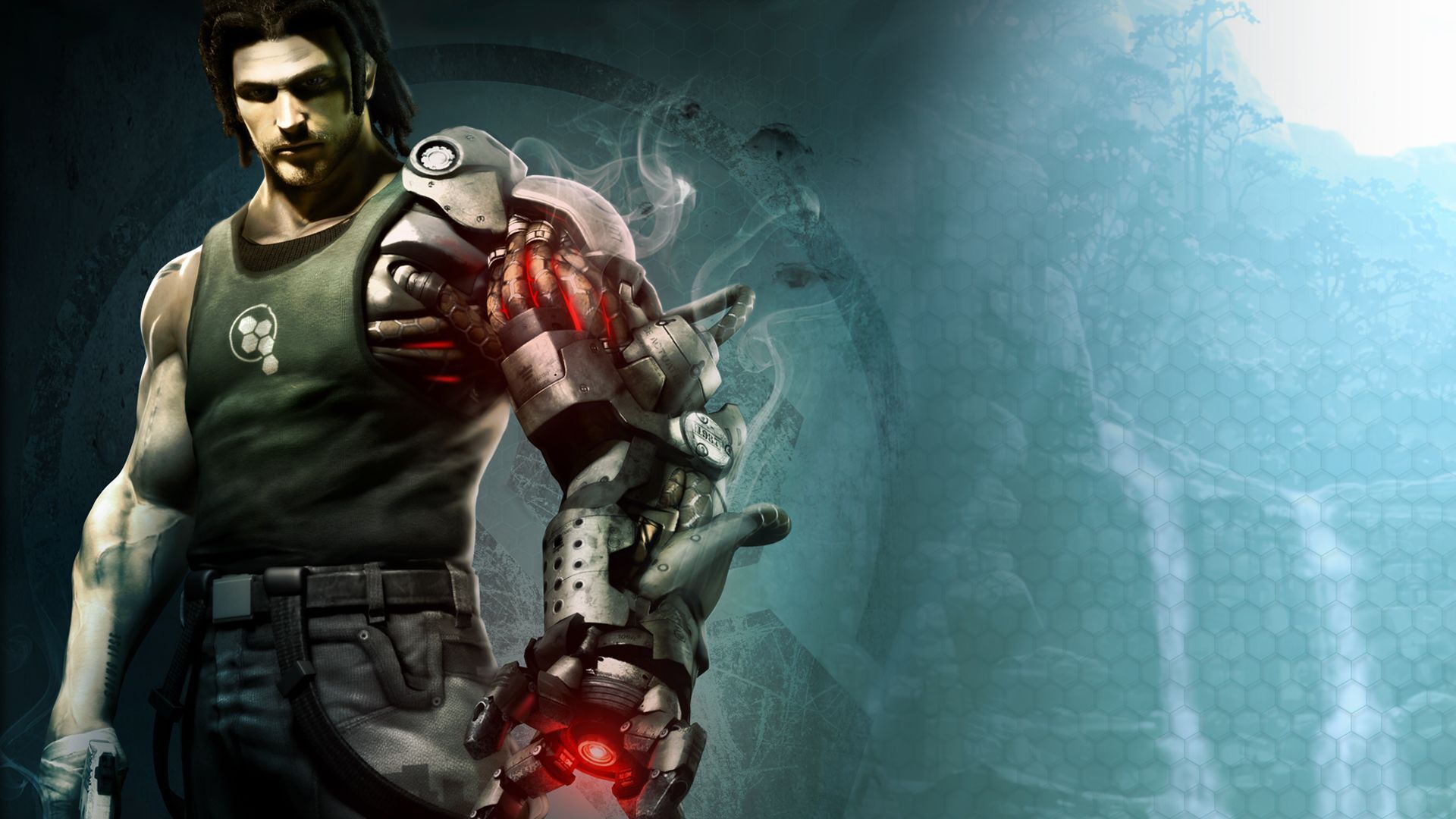
The latest version of the game featured a redesigned main character that many fans disagreed with, and a darker, more intense origin story. While the game aimed for dynamic movement, it proved challenging for players to control, and the levels weren’t as open-ended as some expected. A major plot point involving the hero’s arm received a lot of criticism. Ultimately, the game didn’t perform well enough commercially to warrant a follow-up.
‘Star Fox Zero’ (2016)
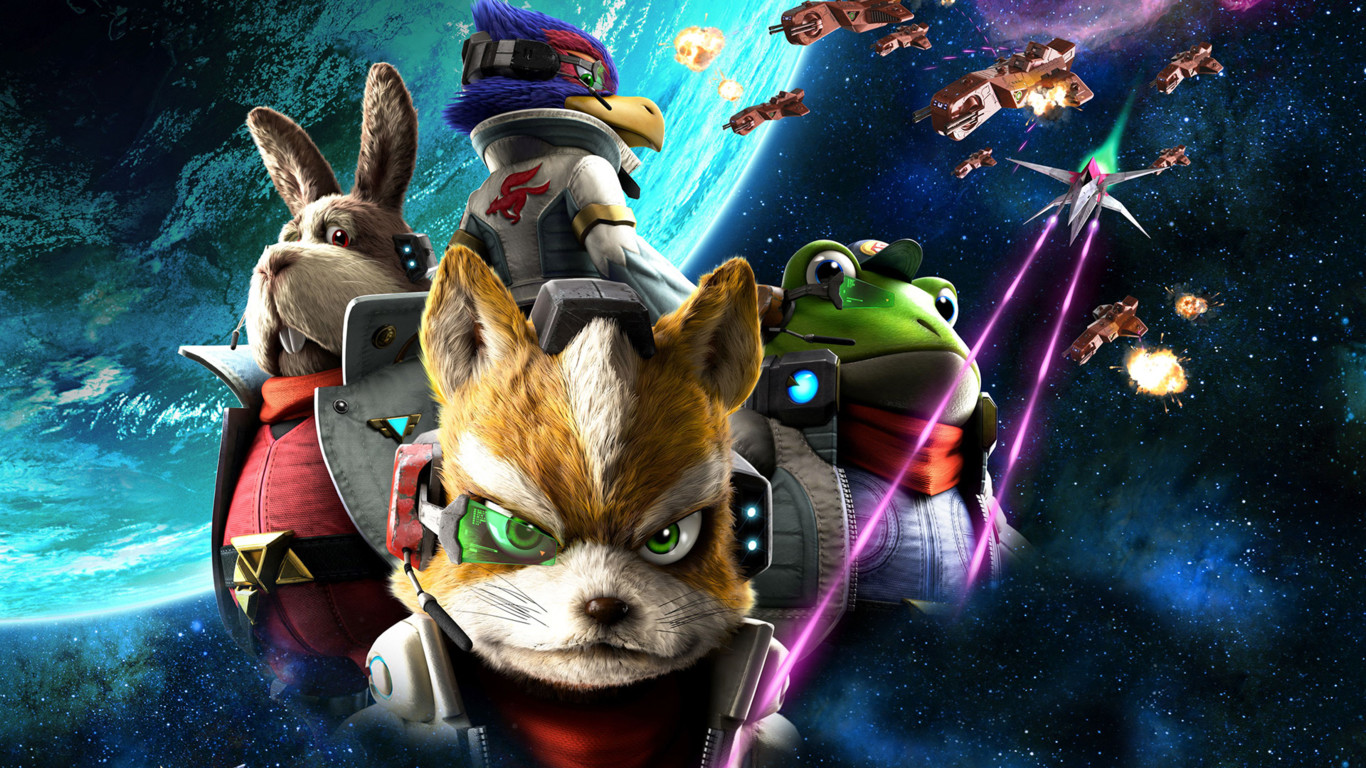
The game made players use a complicated control setup that split attention between two screens. Its motion controls weren’t very accurate, which made it hard for many people to aim. The story was mostly a repeat of the original game from the Nintendo 64. Ultimately, these clunky controls kept the game from successfully reviving the series.
‘Paper Mario: Sticker Star’ (2012)
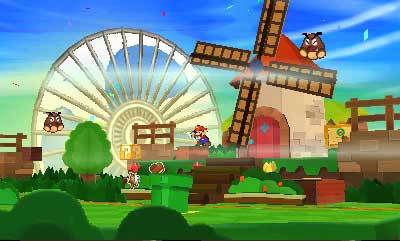
Nintendo simplified the gameplay of the series by removing the engaging story and character development that fans loved. They replaced strategic battles with a system where each attack used up limited-use stickers. The memorable characters were also swapped out for common Toads. This new approach continued in later games and caused a lasting split among players.
‘Spyro: Enter the Dragonfly’ (2002)
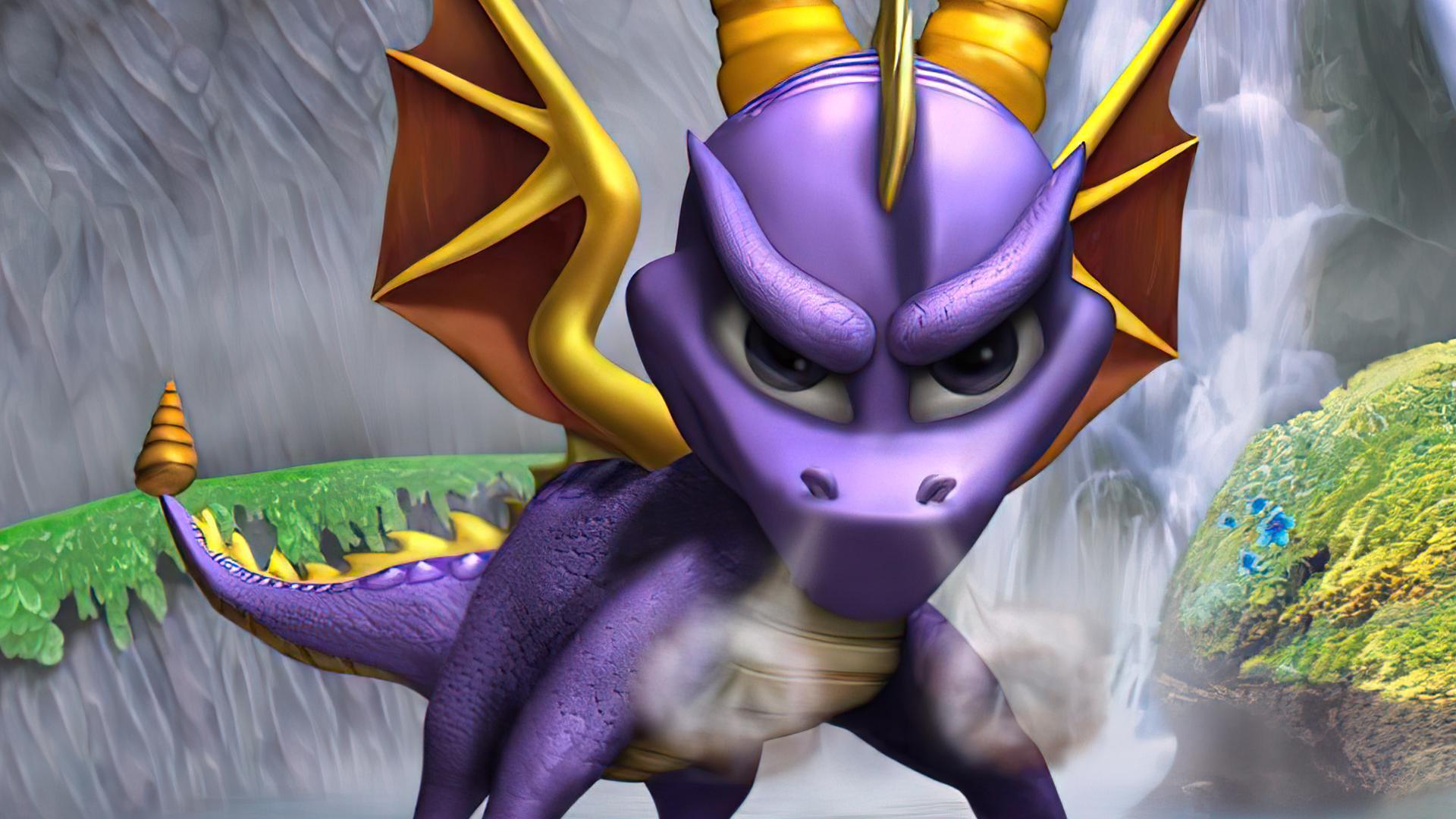
Okay, so this was the first game in the series that Insomniac didn’t actually make. And honestly, it really showed. It was super choppy – the frame rate was awful, and everything took forever to load. Plus, there just wasn’t much to do compared to the older games. It really hurt how people saw the series, until the ‘Skylanders’ game came along and turned things around.
‘Bubsy 3D’ (1996)
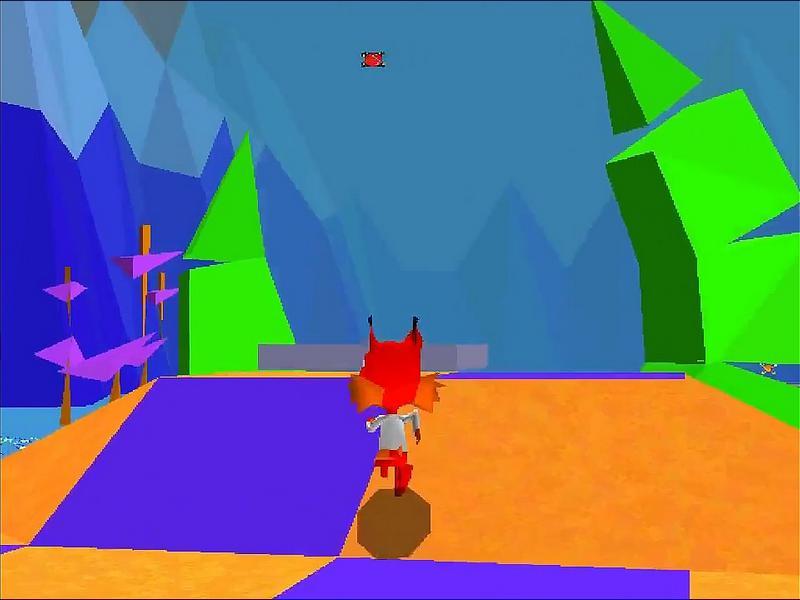
The game’s move to 3D didn’t go well, largely because of awkward controls and a bad camera. The graphics were very simple, with plain colors and empty-looking levels. Many players found the main character’s voice annoying, and it’s often seen as much worse than ‘Super Mario 64,’ which came out in the same year.
‘Mega Man X7’ (2003)
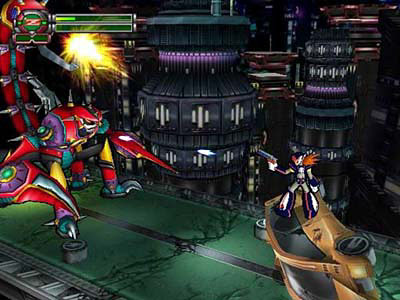
Capcom tried to update their quick, 2D game into a 3D world, but it didn’t quite work. The game aimed for you, making it too easy, and the camera often got in the way. Players couldn’t even control the main character, X, for the first half of the game. As a result, fans didn’t pay much attention to this installment, and the series had trouble regaining popularity afterward.
‘Driver 3’ (2004)
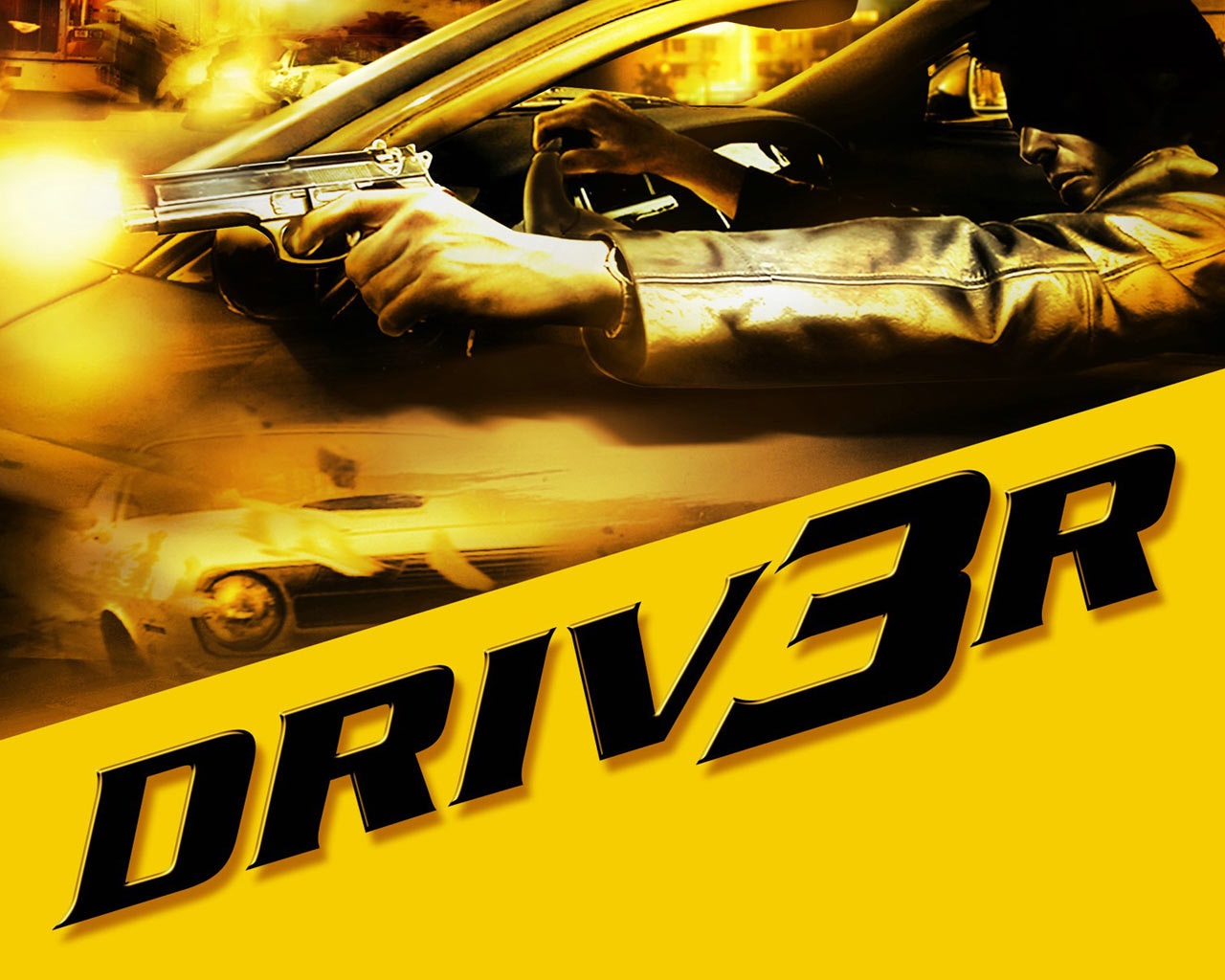
The game was promoted as a rival to ‘Grand Theft Auto,’ but it released with many problems. The shooting mechanics felt awkward, and character movements looked unnatural. There was controversy when it came out that some reviewers received early access to the game in return for favorable reviews. Ultimately, the game’s poor quality damaged the reputation of the franchise.
‘Earthworm Jim 3D’ (1999)

The charming, hand-drawn look of the older 2D games didn’t work well when they tried to make it 3D. The jokes didn’t land, and the way the game was filmed was frustrating. Instead of being enjoyable, it felt like a chore to move around the levels. Ultimately, the game’s poor reception marked the end of this beloved character’s run.
‘Contra: Rogue Corps’ (2019)
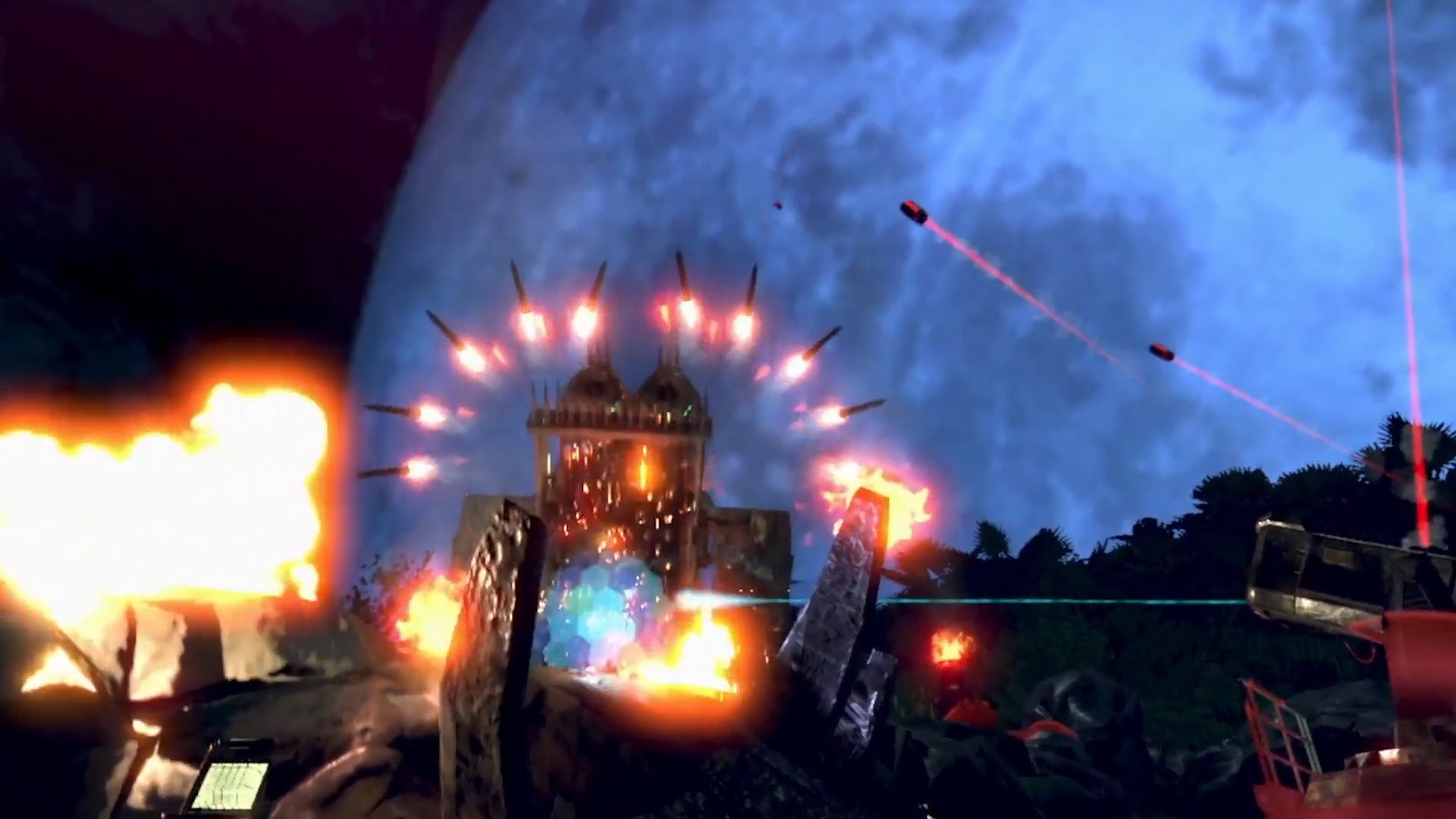
Konami shifted away from the fast-paced, run-and-gun style the series was known for, opting for a twin-stick shooter format with limitations on how quickly weapons could be used. Visually, the 2019 release looked dated and blurry. A mechanic that caused weapons to overheat also made the game feel slow and deliberate. As a result, long-time fans of the series were unhappy with the slower, less responsive gameplay.
‘Breath of Fire 6’ (2016)
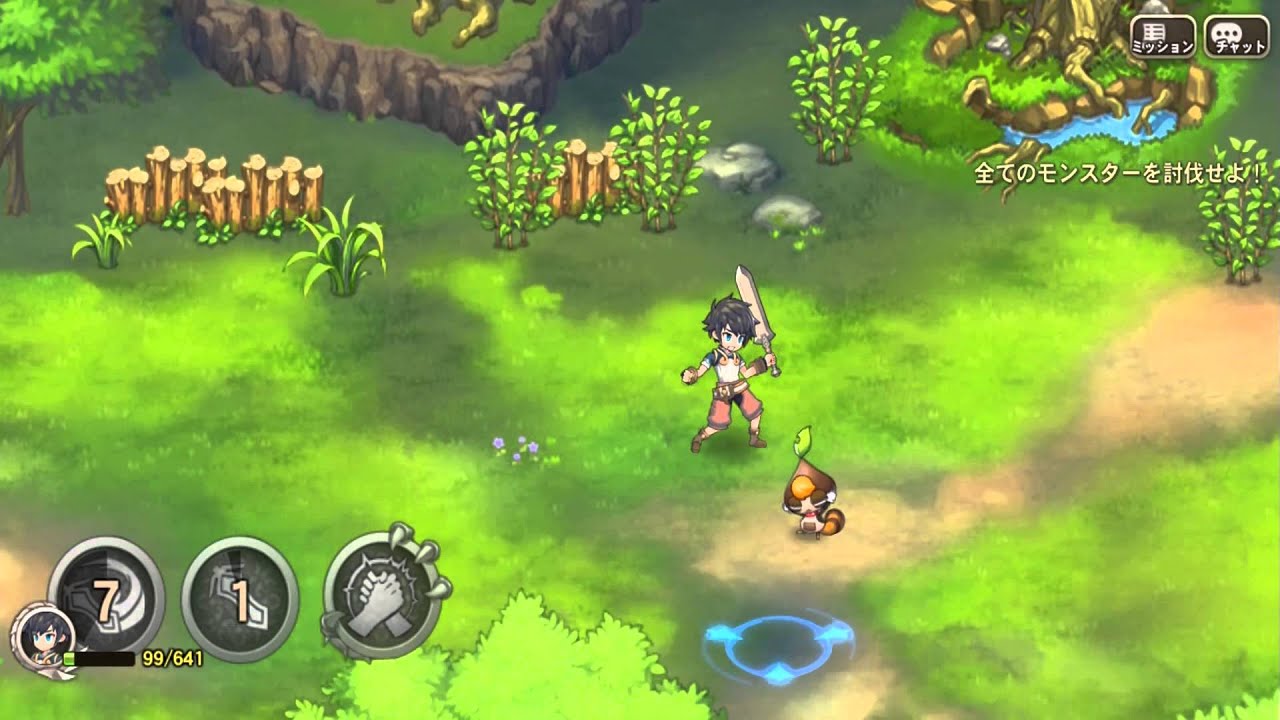
Capcom released the sixth main installment as a free-to-play mobile game with in-app purchases. Unlike previous games, it abandoned the complex story and characters in favor of typical anime clichés. Dedicated fans were disappointed that a numbered sequel was used for this mobile spin-off, and the game was discontinued less than two years after it came out.
‘Call of Juarez: The Cartel’ (2011)
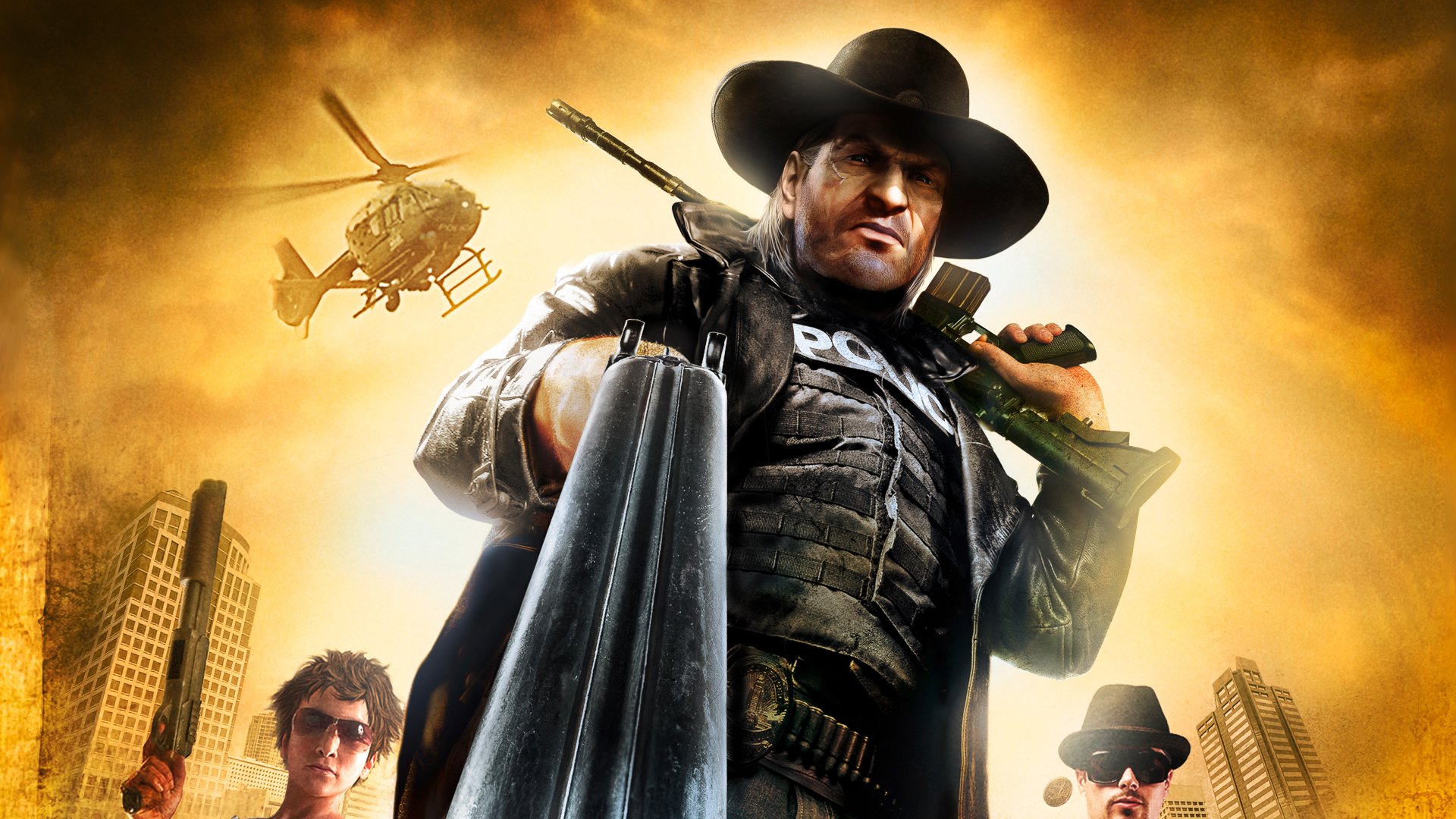
The game series shifted from its original Wild West theme to a contemporary police setting, but this change proved to be a mistake. The story relied too heavily on familiar tropes, and the gameplay was a typical shooting experience. Fans loved the unique western atmosphere, and losing that was ultimately the downfall of the series. The developers later released a smaller, downloadable game set in the Wild West as a way to make amends.
‘F.E.A.R. 3’ (2011)
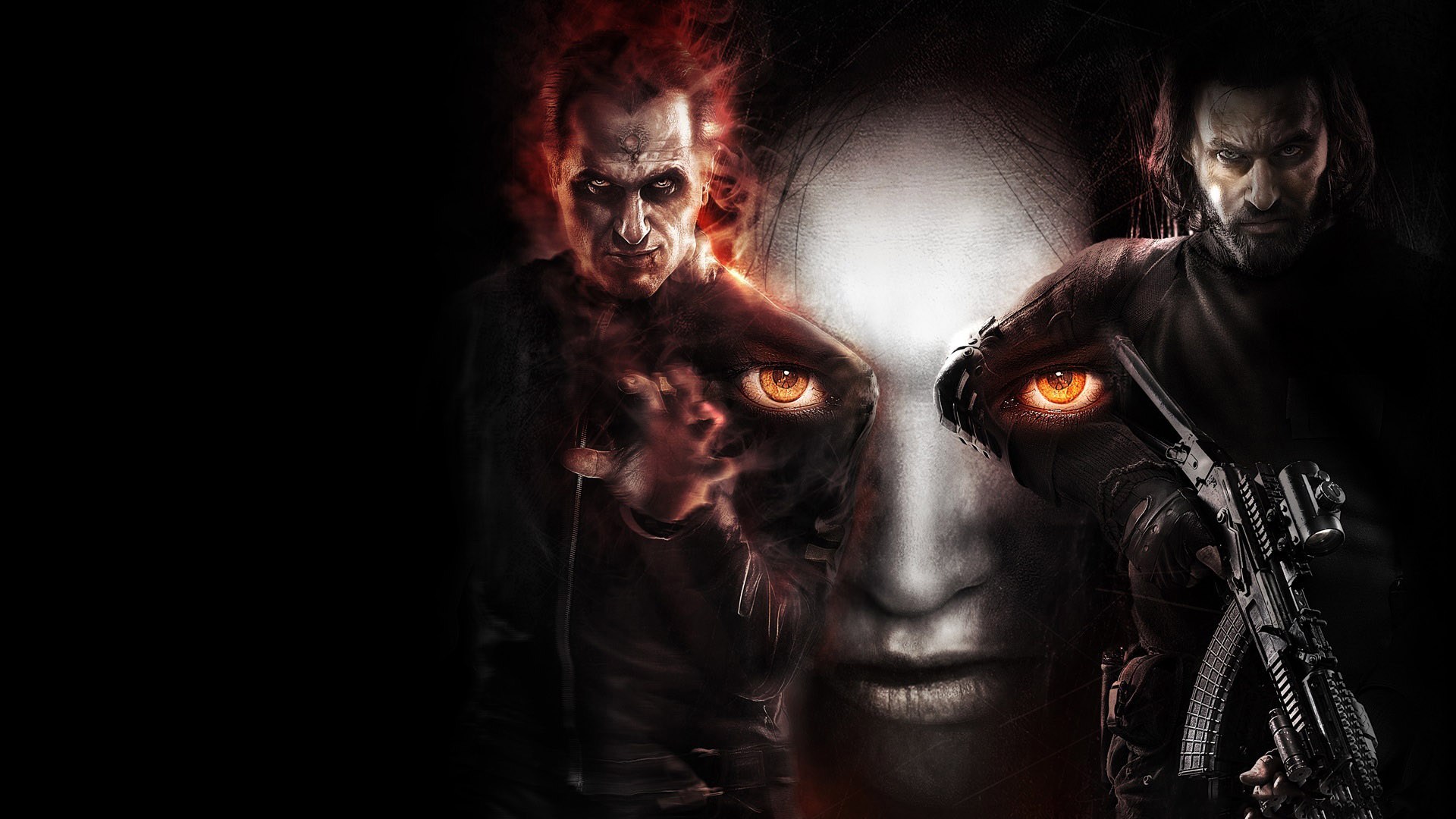
The game moved away from scary psychological elements and focused more on players working together. As a result, the story lost the intriguing and mysterious feeling of the original game. The attempts to frighten players felt obvious and weren’t very effective. This change in style transformed what was once a distinctive horror shooter into a typical action game.
‘Arcania: Gothic 4’ (2010)
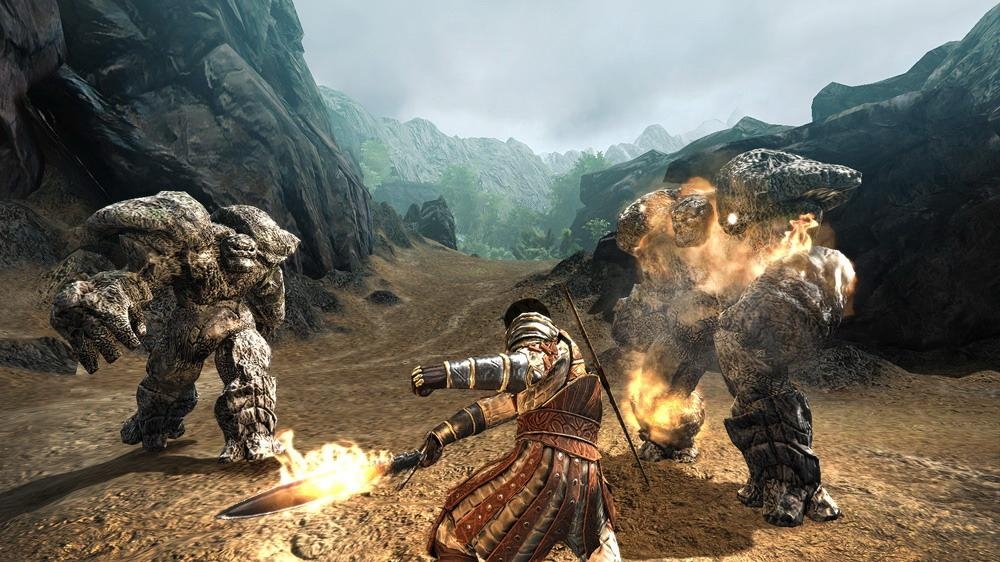
The new game abandoned the intricate faction interactions and free-roaming style of earlier titles. It featured limited exploration areas and much simpler conversations. Longtime fans of the RPG series felt this drastically changed what made the games special. Ultimately, the original creators were able to get the rights back to restore the game’s original vision.
‘RollerCoaster Tycoon World’ (2016)
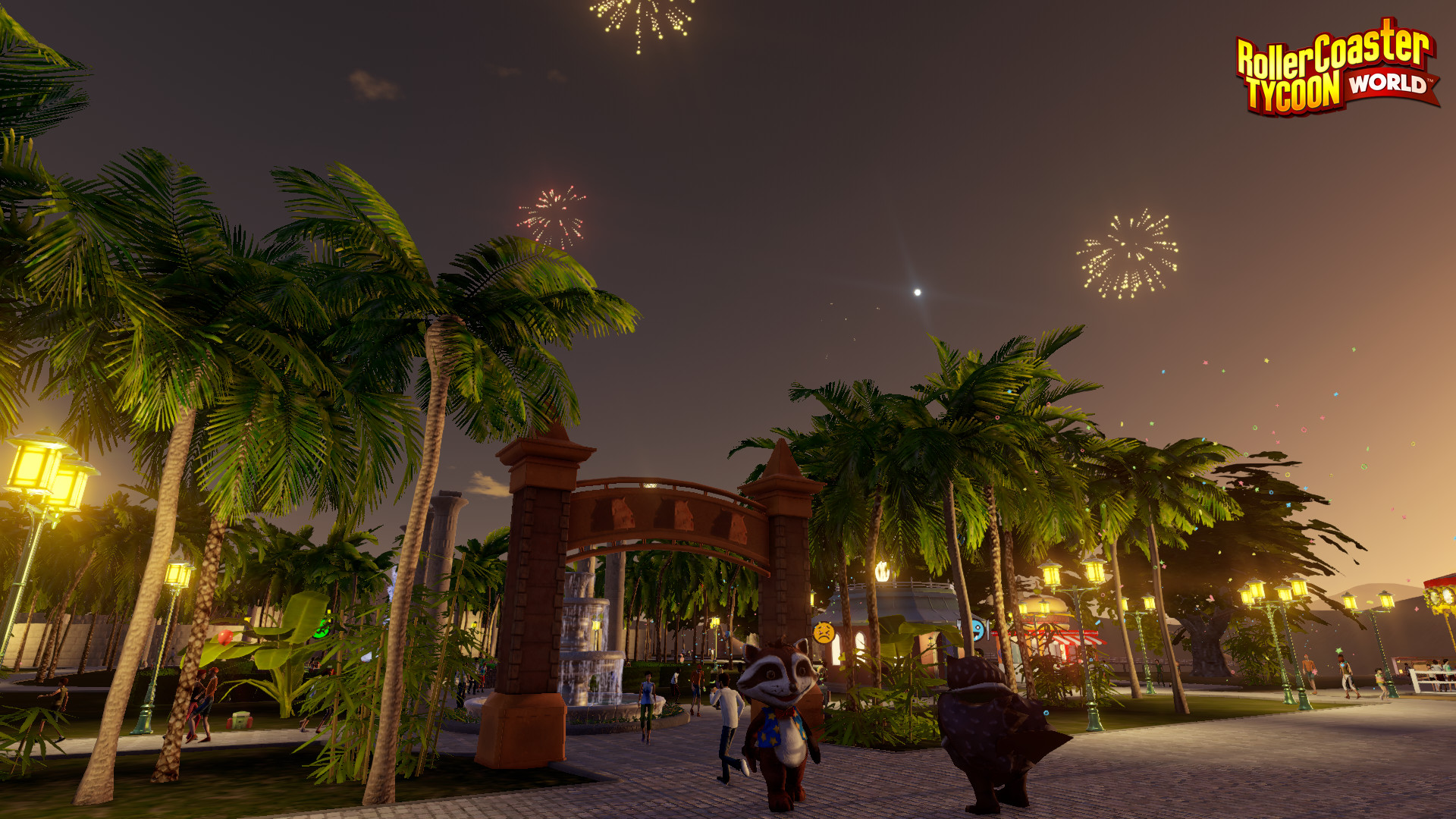
The game’s graphics were unattractive, and it ran slowly even on powerful computers. Building and designing the park felt clunky and less user-friendly than in the popular game, Planet Coaster. Numerous bugs and technical issues made it difficult to enjoy managing the park, and overall, it didn’t recreate the enjoyable feeling of older, classic theme park simulation games.
‘Front Mission Evolved’ (2010)
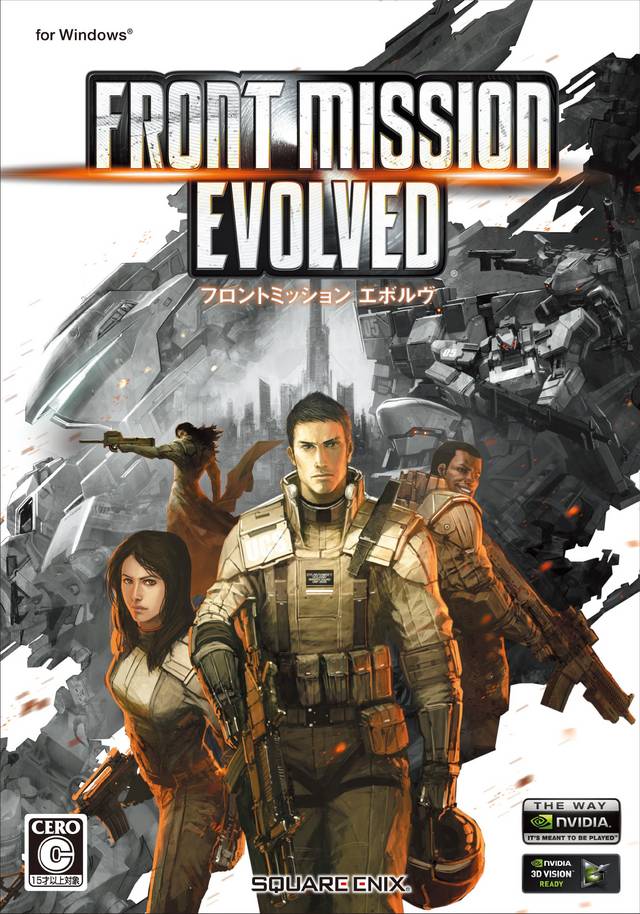
Square Enix dramatically changed the series, shifting from a complex, turn-based strategy game to a standard third-person shooter. They reduced the depth of character customization and the story wasn’t very memorable. This move alienated longtime strategy fans, and as a result, the franchise went on a long hiatus, remaining untouched for over ten years.
‘Mass Effect: Andromeda’ (2017)
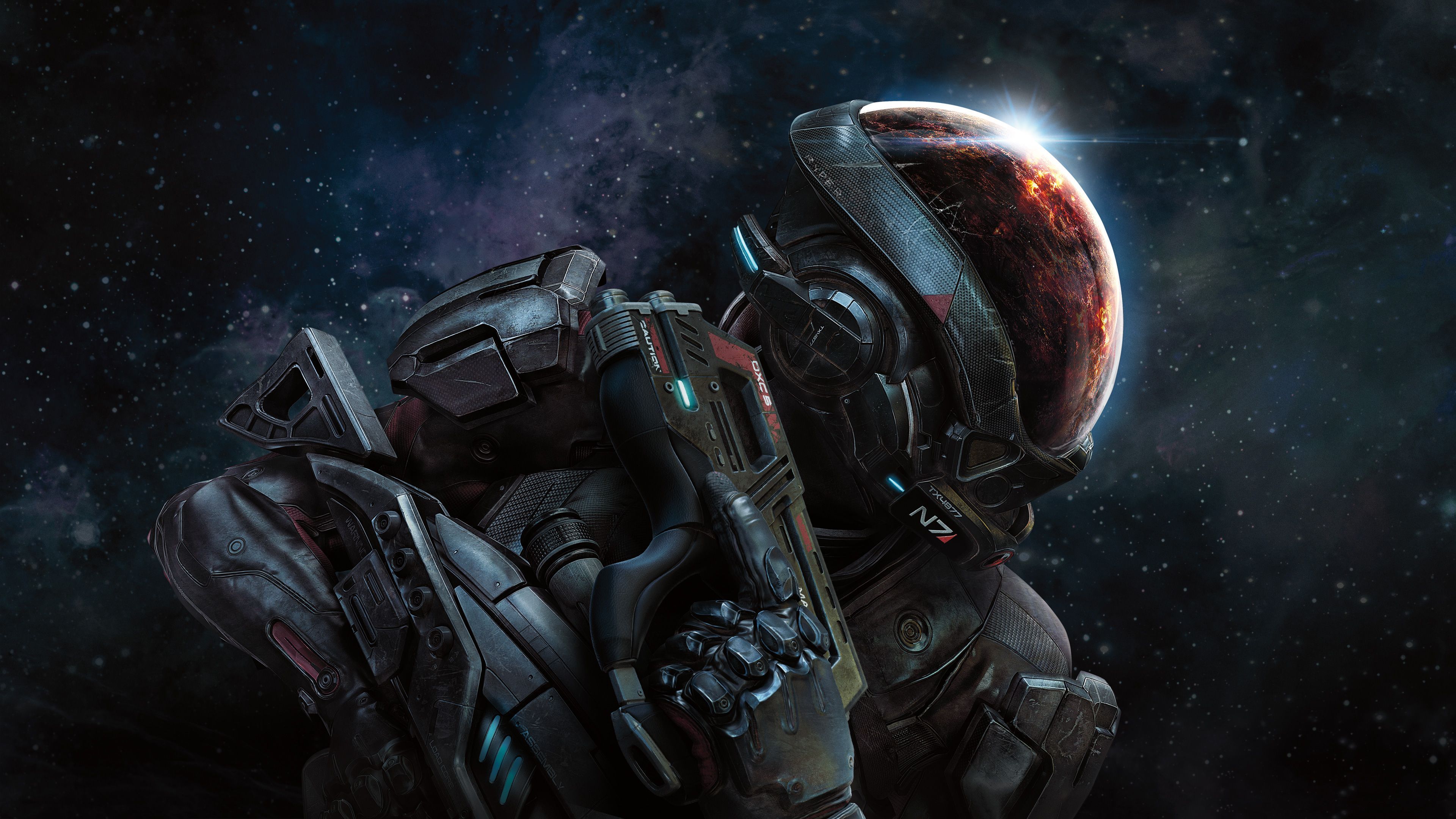
When the game first came out, many players criticized the characters’ facial expressions as looking awkward and glitchy. The story and conversations weren’t as well-written as those in the older games. Exploring the planets felt hollow, often requiring repetitive tasks. As a result, Electronic Arts paused the series and scrapped plans for additional single-player content.
‘Twisted Metal’ (2012)
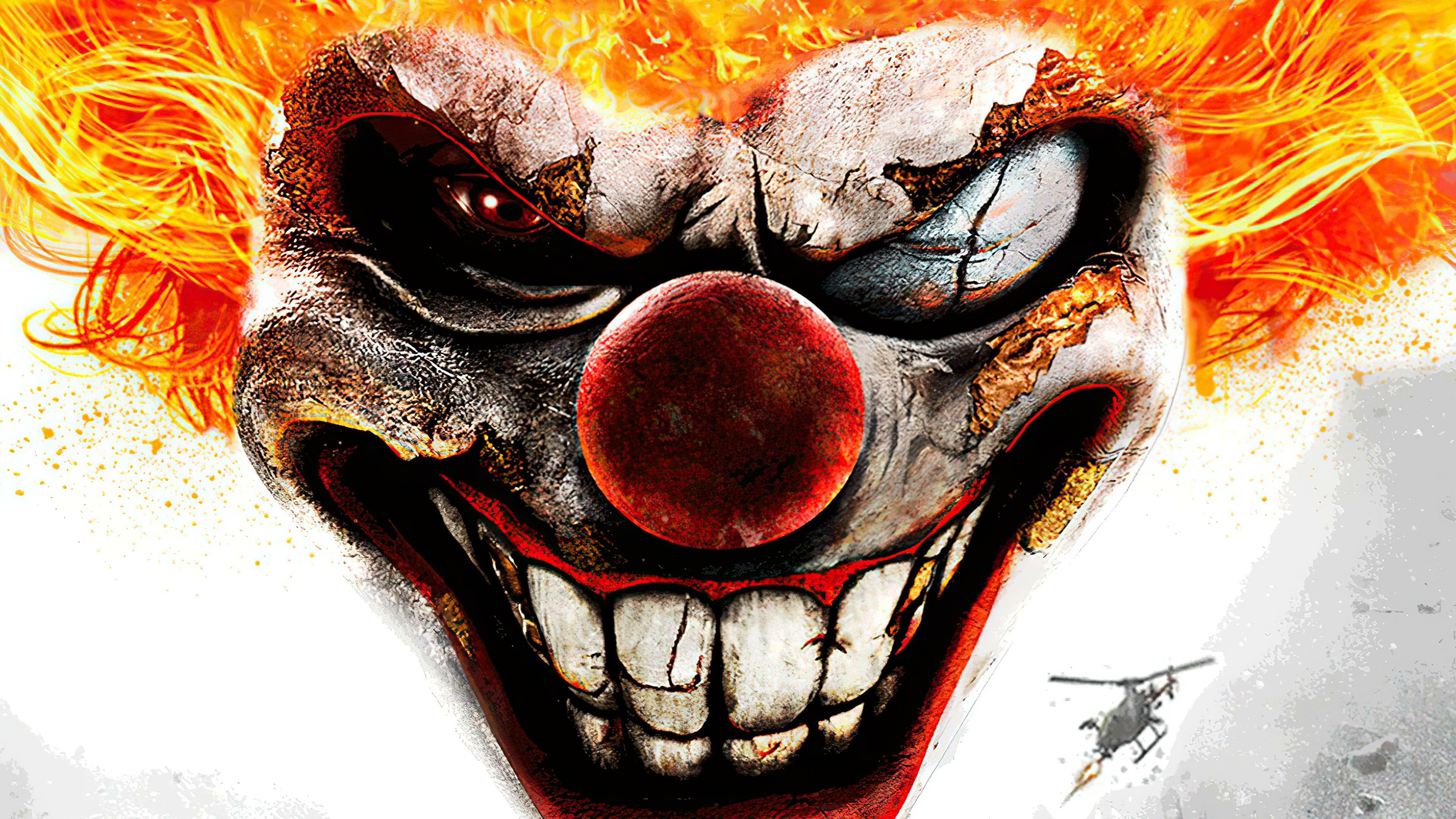
Honestly, the new version of this game really dropped the ball. They put so much focus on multiplayer, but totally forgot about a good single-player story. It felt like they just threw that aside. Plus, they drastically cut down the number of characters you could play as – you only got a handful of drivers, each with a different vehicle. And the controls? Forget about it. They were way too complicated, making it super frustrating for anyone just picking up the game. Because of that, a lot of people who just wanted a fun campaign stayed away, which was a real shame.
‘Chibi-Robo! Zip Lash’ (2015)
Nintendo changed the game from an immersive 3D adventure to a standard 2D platformer. Many fans felt this new version lost the special qualities and gameplay that made the original GameCube game so beloved. The levels were repetitive and lacked the creativity of earlier games. This led to both poor reviews and low sales, ultimately ending the series.
‘Valkyrie Elysium’ (2022)

Square Enix moved away from the classic turn-based battles of the original games, opting for more standard action gameplay. Critics found the story uninspired and the game generally looked cheaply made. Levels were straightforward and didn’t offer the open exploration that fans wanted. Ultimately, the game didn’t breathe new life into the series and received a lukewarm reception.
Read More
- Gold Rate Forecast
- Invincible Season 4 Gender Swaps Tech Jacket As Fans Question Major Comic Change
- 22 Films Where the White Protagonist Is Canonically the Sidekick to a Black Lead
- Unveiling the Schwab U.S. Dividend Equity ETF: A Portent of Financial Growth
- 14 Movies Where the Black Character Refuses to Save the White Protagonist
- Silver Rate Forecast
- Why Won’t It Just *Do* What You Ask? Unpacking the Quirks of AI Language
- The Best Former NFL Players Turned Actors, Ranked
- ONE PIECE Season 2 Confirms Sanji’s OTHER Backstory in the Live-Action
- Superman Flops Financially: $350M Budget, Still No Profit (Scoop Confirmed)
2026-02-05 17:51